


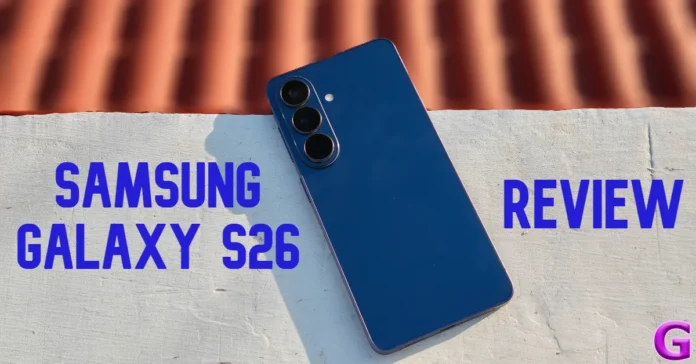
In the last year, the compact phone segment has grown by leaps and bounds, with Vivo, OnePlus, and Oppo stepping up their game and putting out solid contenders. ‘Compact’ is a relative term, though, as these devices rock displays over 6.2 inches. However, if that’s what rocks your boat, the base variant in Samsung’s flagship series still remains one of the best phones in the category. Launched in February 2026, the new Galaxy S26 ditches Qualcomm’s flagship chipset for Samsung’s in-house Exynos 2600 silicon. We used it for a week and put it through a series of tests to see if it’s still the performance monster it was last year. Here is our review of the Samsung Galaxy S26.
Read Also: OnePlus Pad 4 is coming to India; launch date announced
In This Article
Samsung Galaxy S26 Review: Design and Display
Box Contents
- Smartphone
- USB-C to USB-C cable
- SIM ejector
- Quick start guide
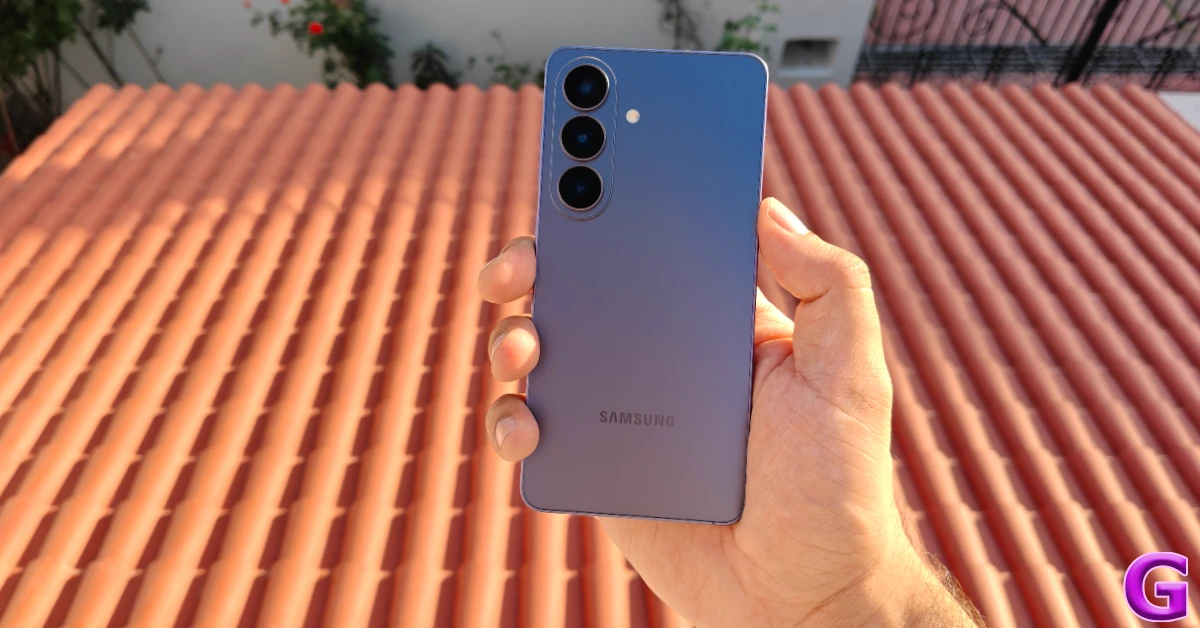
The Galaxy S26 sticks to the design language we’ve come to associate with Samsung’s flagship phones. The individual camera cutouts are now enclosed in a two-step panel. This vertical camera island is something we saw on last year’s Samsung A series. The rest of the glass back panel remains unchanged. The matte finish ensures that it doesn’t register smudges and fingerprints easily.
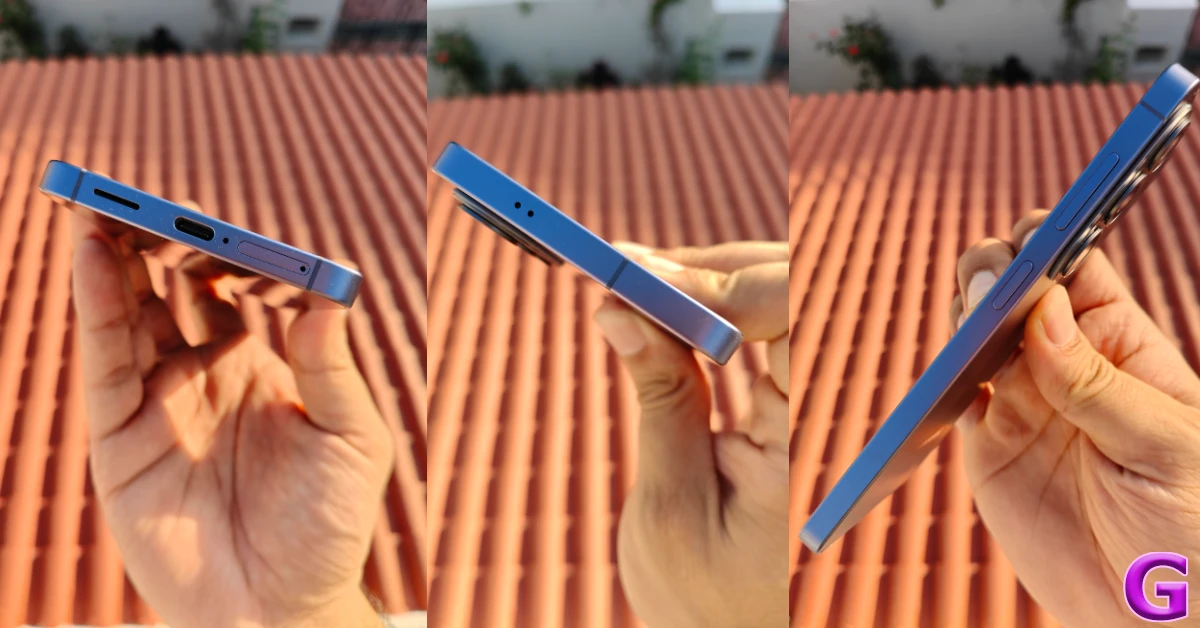
The aluminium frame has flat edges and rounded corners. It houses the volume rocker and the side key on its right side and the SIM tray, primary microphone, USB-C port, and speaker grille at the bottom. The noise-cancelling microphone finds its way up top. The smartphone measures 7.2mm along the sides and weighs just 167g. Its sleek profile and light weight lend it an excellent in-hand feel. There’s IP68 protection on board, which makes the device water resistant, but it still trails behind the IP69/IP69K protection offered by most of the other flagships.
The 6.3-inch Dynamic AMOLED 2X display is slightly larger than the 6.2 panel on the Galaxy S25 (our review here). It has a 120Hz refresh rate and can reach a peak brightness of 2,600 nits. It remains one of the brightest and smoothest displays in the game. You don’t need to worry about legibility issues while taking your phone out under direct sunlight at noon. The touch response is simply sublime. Flicking and scrolling through the pages feels satisfying and snappy. The under-display ultrasonic fingerprint sensor is super-fast and accurate. The Galaxy S26 misses out on the privacy display feature, as it is exclusive to the Ultra variant (our review here). The silver lining is that it gets to retain its anti-reflective coating.

During the review period, we used the Samsung Galaxy S26 to stream movies and TV shows across platforms like Netflix, Prime Video, and JioHotstar. The 1,080 x 2,340p AMOLED panel produced brilliant visuals that packed excellent details. The images were sharp and vibrant. The colours were very pleasing to the eye, and the punchy contrast made the viewing experience all the more enjoyable. The dual speaker setup produced a well-rounded audio output.
Samsung Galaxy S26 Review: Performance and Cameras
The biggest change on the Galaxy S26 comes under the hood. It draws power from Samsung’s in-house Exynos 2600 chipset, which is built on a 2nm process. The Snapdragon 8 Elite Gen 5 processor is exclusive to the Ultra model. The base model is equipped with 12GB RAM and comes in 2 storage variants:
- 256GB: Rs 87,999
- 512GB: Rs 1,07,999
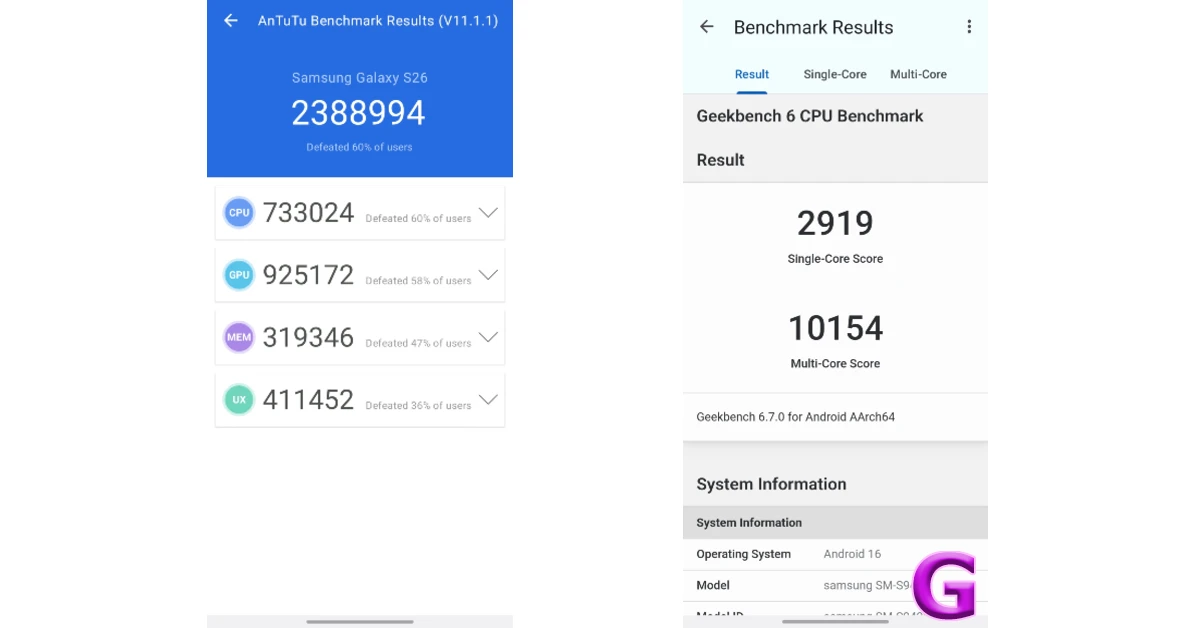
We ran a couple of benchmark tests on the device. Here is how it performed.
- AnTuTu 3D: 2,388,994
- Geekbench 6: 2,919 (single core) | 10,154 (multi-core)
Daily driving the Galaxy S26 was an exemplary experience. The smartphone went through routine tasks like calling, instant messaging, web browsing, media streaming, and navigation like a hot knife through butter. There were no lags or stutters to be seen. Compared to the Snapdragon 8 Elite Gen 5, the Exynos 2600 chipset still needs some work when it comes to thermal management, but it doesn’t amount to a big issue in everyday use.
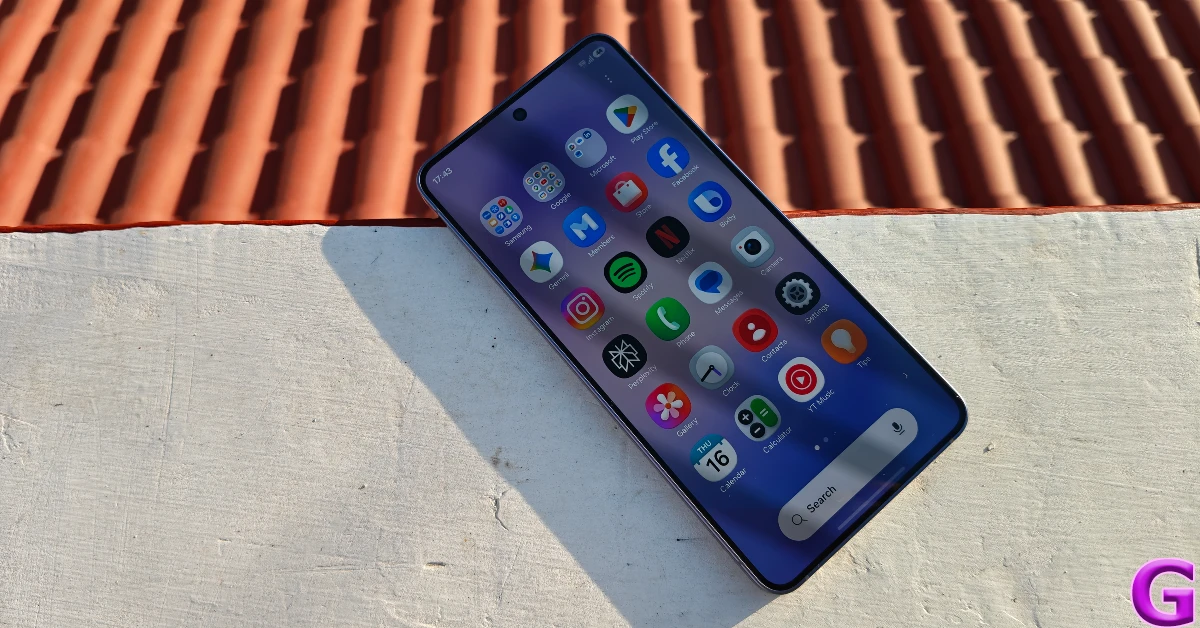
We played titles like BGMI and Call of Duty Mobile on the Samsung Galaxy S26 and were pleased with what we saw. We were able to run both titles at 120fps while limiting the graphics to medium settings. The gameplay was smooth and highly enjoyable. We did not come across a single frame drop during our time with the device. The back panel started to warm up after 20 minutes of consistent gaming, but it did not cause any throttling.
Software duties on the Galaxy S26 are handled by the Android 16-based One UI 8.5 out of the box. Samsung has promised 7 major OS upgrades for this device. The well-optimised software makes you feel like the smartphone is always a step ahead as it gets the most out of the Exynos 2600 chipset. The UI of the software is identical to its predecessor, apart from a few tweaks (like the trimmed search bar in the app drawer).
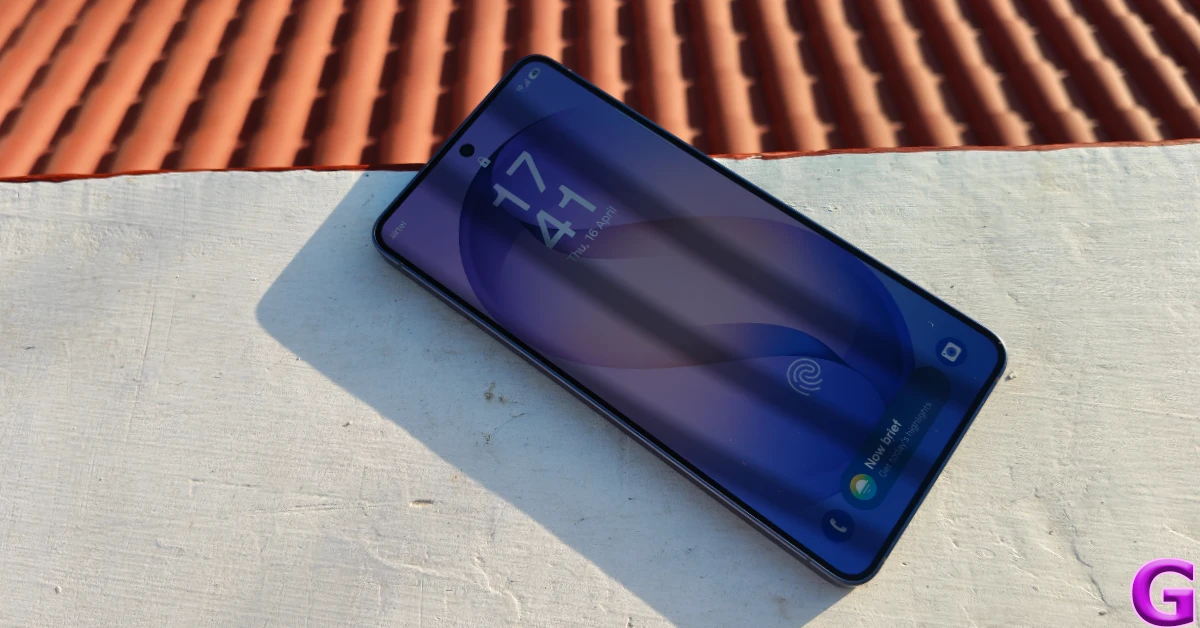
Samsung has added its own version of Google’s Magic Cue to the Galaxy S26. Named ‘Now Nudge’, this feature scans your text conversations for contextual clues and presents the results in a small box. For example, if you’re talking about upcoming travel plans with a friend, Now Nudge will come up with your ticket info in the conversation. Samsung maintains that the data used in the computational process does not leave your device. However, you can choose to share it with Samsung for better results.

Samsung’s native digital assistant, Bixby, has received a big boost on One UI 8.5. It accepts natural language input and comes up with accurate results. We asked Bixby for our daily step count, and it looked into the Samsung Health app and came up with the relevant result. It works well with third-party apps, too. When asked whether Suits is available on Netflix, it immediately opened the TV show’s page in the app.
Samsung still hasn’t moved to Si/C batteries for its flagships, but the 4,300mAh Li-ion battery pack is 300mAh larger than the one on its predecessor. There is a visible improvement in the battery life. On days with moderate usage, we were left with a 25-30% charge in the tank before bedtime. The charging speed is one area where Samsung still needs to carry out substantial rework. The Galaxy S26 supports 25W wired and 15W wireless charging. It took us over an hour to fully charge the device using a Type-C USB charger.
The triple camera array on the Galaxy S26 is identical to the one on its predecessor. It comprises a 50MP primary shooter, a 12MP ultrawide lens, and a 10MP telephoto lens with 3x optical zoom.
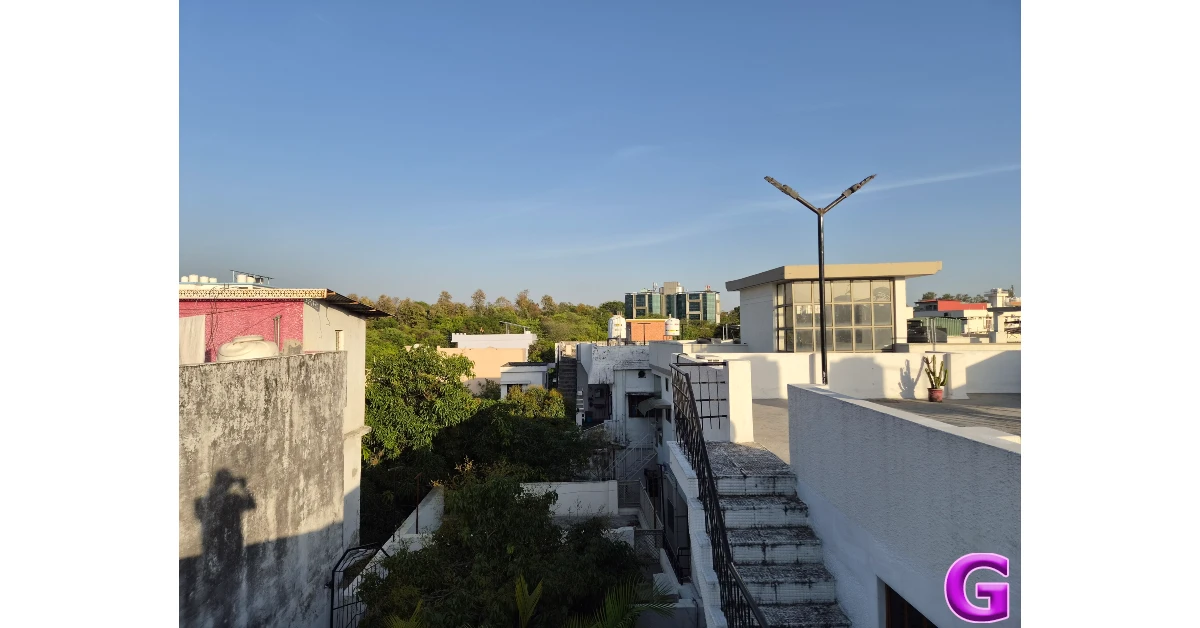
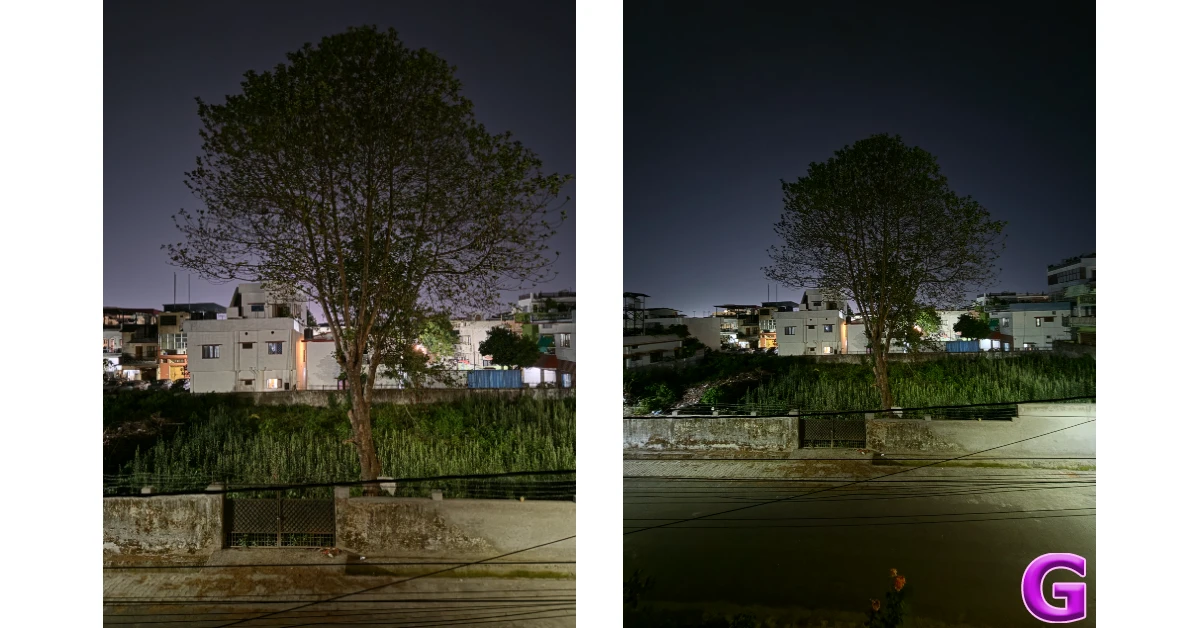
The 50MP primary shooter captures beautiful pictures in outdoor daylight conditions. The images are clear, vibrant, and sharp without looking artificial or overprocessed. The contrast and dynamic range remain on point. In limited lighting conditions, the Night Mode kicks in and resolves the noise. It does a splendid job of lighting up the subject and assigning accurate colours to the image. The Galaxy S26 is one of the few phones that you can depend on to take a great picture regardless of the lighting conditions.

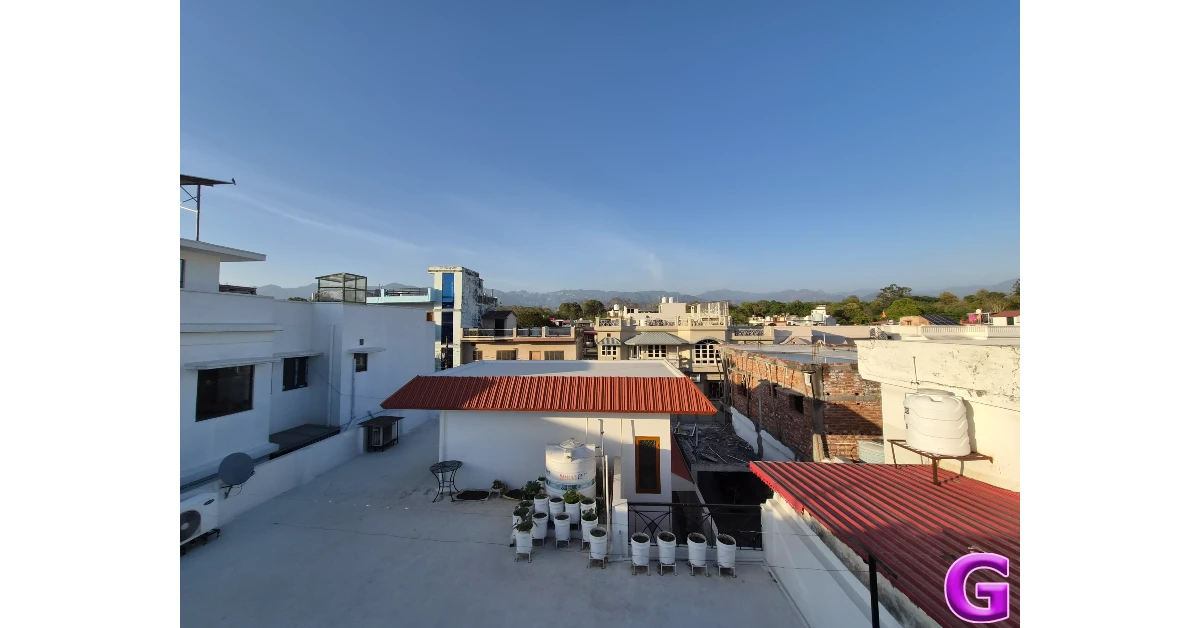
Images taken by the 12MP ultrawide lens retain their sharpness and colour composition. The softness is only visible when you pixel peep. In limited lighting conditions, it relies on Night Mode to resolve the noise and render the finer details. Our only gripe with this camera is that it lacks autofocus.

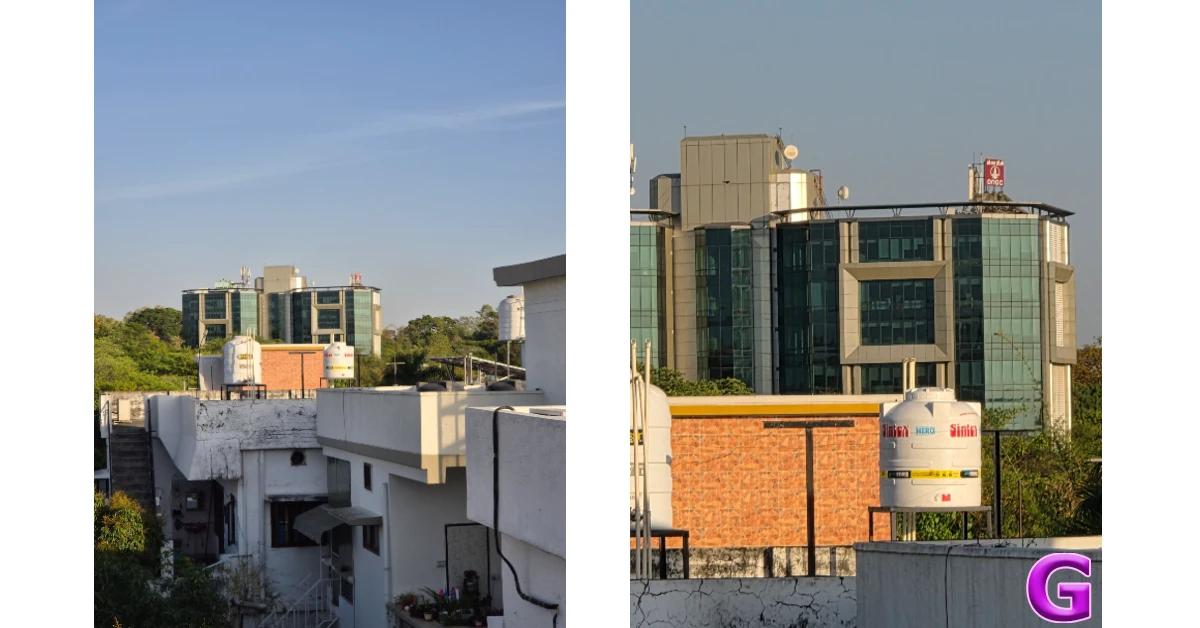
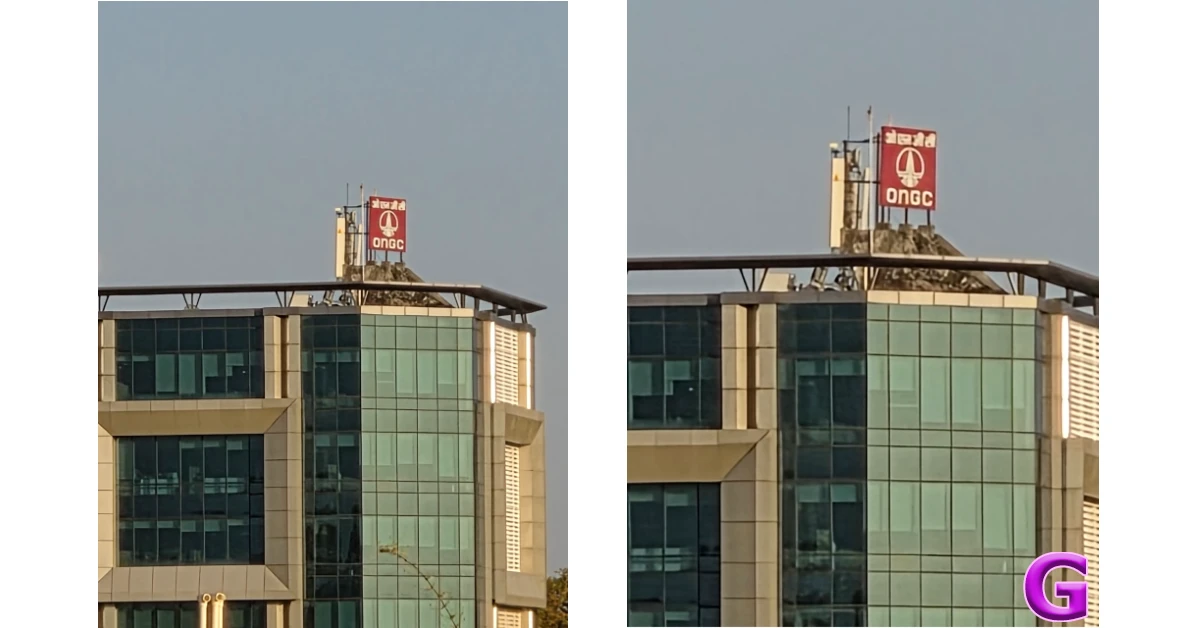
The 10MP 3x telephoto lens replicates the results of the primary shooter. It’s nice to have a compact flagship that allows you to capture your subject from a distance. The sharp details and vivid colours do not leave any room for complaints. You can push the zoom to 30x and still get decent shots. The device relies on AI processing to resolve the images without making them blurry.

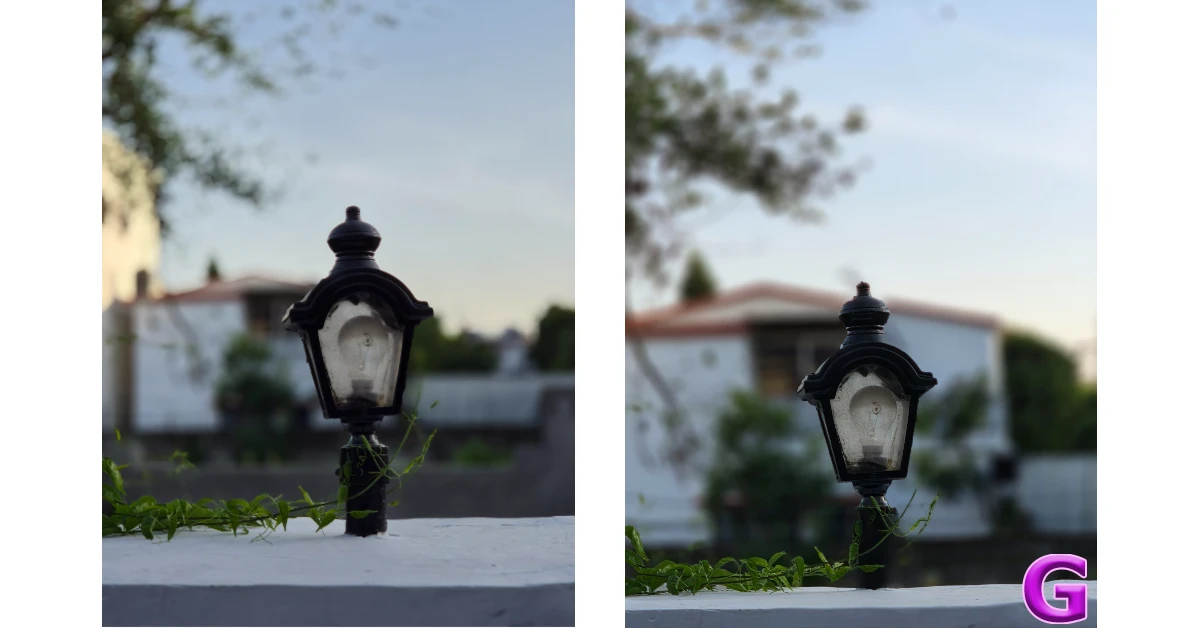
The native camera app lets you take portrait shots in 4 zoom levels: 1x, 2x, 3x, and 5x. Simply put, the portraits captured by this device are breathtaking. The smartphone does a splendid job of recognising the subject’s boundaries and applying a tasteful blur effect to the background. The telephoto lens takes over for the 3x shots and lets you capture the subject from a distance. The images captured at 5x zoom are quite stunning as well.
The 12MP front-facing camera captures clear and vivid selfies without messing with the subject’s skin tone and texture. All of the cameras on this phone can record 4k videos at 60fps. The main camera has the added option to record 8k videos at 30/24fps.
Read Also: Vivo T5 Pro 5G with a massive 9,020mAh battery launched in India
Final Thoughts
The Samsung Galaxy S26 retains its spot at the top of the compact flagship pile. While Samsung’s in-house Exynos 2600 chipset may run a little warm, it doesn’t leave you hanging for power, no matter what task you’re performing on the device. The stunning Dynamic AMOLED display remains the best in the game with its buttery smooth touch response, bright panel, and anti-reflective coating. On the software front, you get the well-stocked Galaxy AI suite as well as a reinvigorated Bixby. The 4,300mAh battery pack has handed the battery life a boost, although it is still a step behind its Si/C counterparts. The cameras, while unchanged from the last model, put up a great performance in a wide range of lighting conditions.
Pros
- Compact form factor
- Smooth and bright display
- 7 OS upgrades
- Great cameras
Cons
- Exynos chipset runs a little warm
- Lacks IP69 protection


