In This Article
OnePlus 15
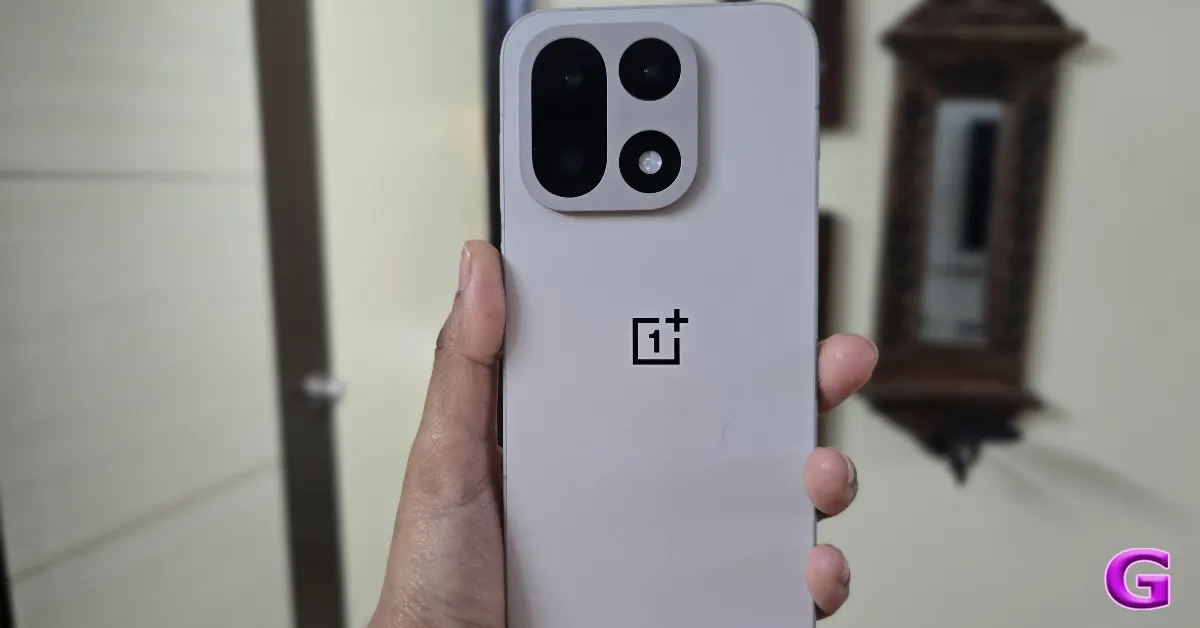
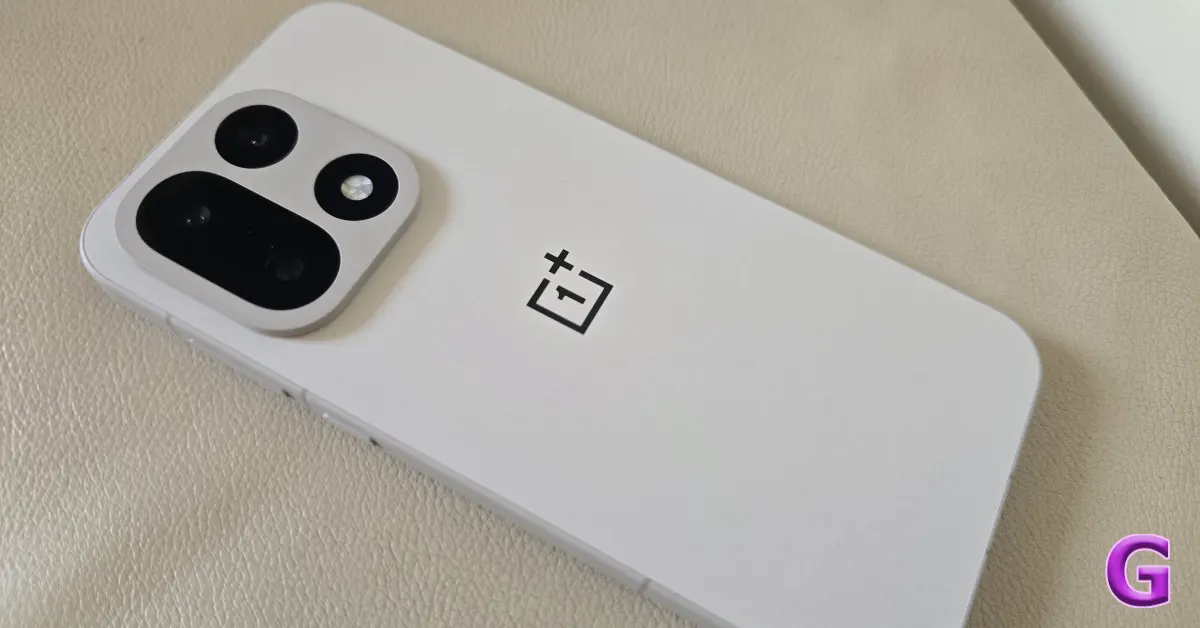 The OnePlus 15 is a performance beast. Powered by Qualcomm’s flagship mobile chipset, Snapdragon 8 Elite Gen 5, this smartphone can handle any task you throw at it. This includes running power-intensive games like Call of Duty Mobile and Apex Legends. Its 6.78-inch LTPO AMOLED display has a 165Hz refresh rate, which facilitates an ultra-smooth gaming experience. This display can reach 1,800 nits in High Brightness Mode. The massive 7,300mAh Si/C battery pack supports 120W wired and 50W wireless charging. The 360° Cryo Velocity Cooling System on this device does a phenomenal job of managing the internal temperature. Read our OnePlus 15 review for a deeper analysis.
Buy on Amazon for Rs 72,999
The OnePlus 15 is a performance beast. Powered by Qualcomm’s flagship mobile chipset, Snapdragon 8 Elite Gen 5, this smartphone can handle any task you throw at it. This includes running power-intensive games like Call of Duty Mobile and Apex Legends. Its 6.78-inch LTPO AMOLED display has a 165Hz refresh rate, which facilitates an ultra-smooth gaming experience. This display can reach 1,800 nits in High Brightness Mode. The massive 7,300mAh Si/C battery pack supports 120W wired and 50W wireless charging. The 360° Cryo Velocity Cooling System on this device does a phenomenal job of managing the internal temperature. Read our OnePlus 15 review for a deeper analysis.
Buy on Amazon for Rs 72,999
iQOO 15
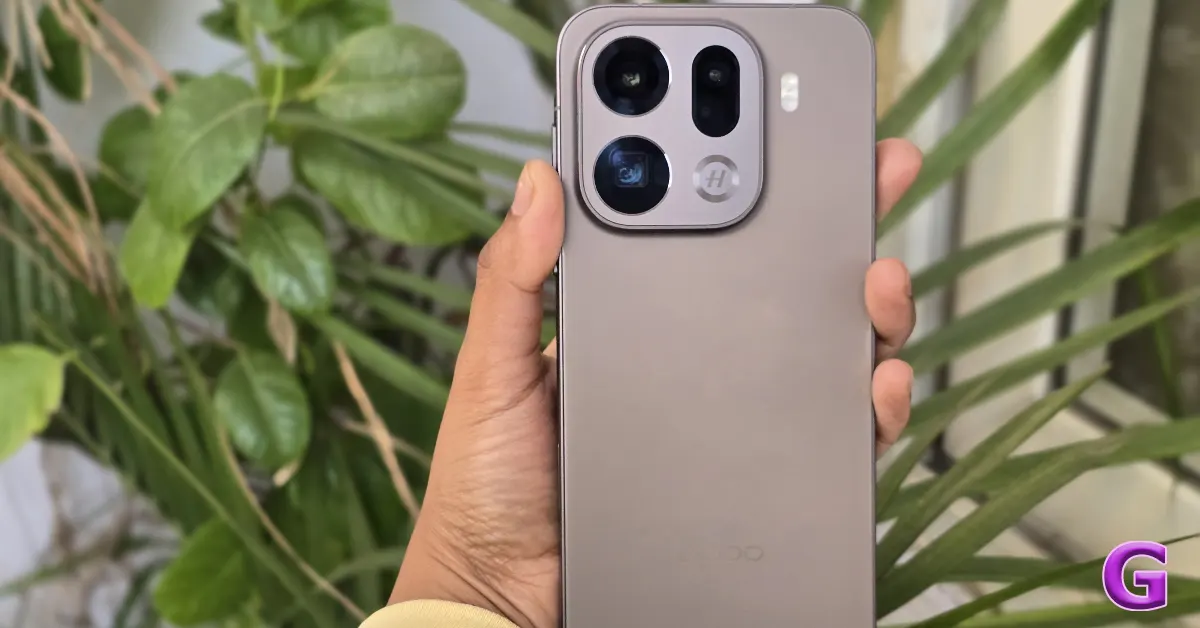
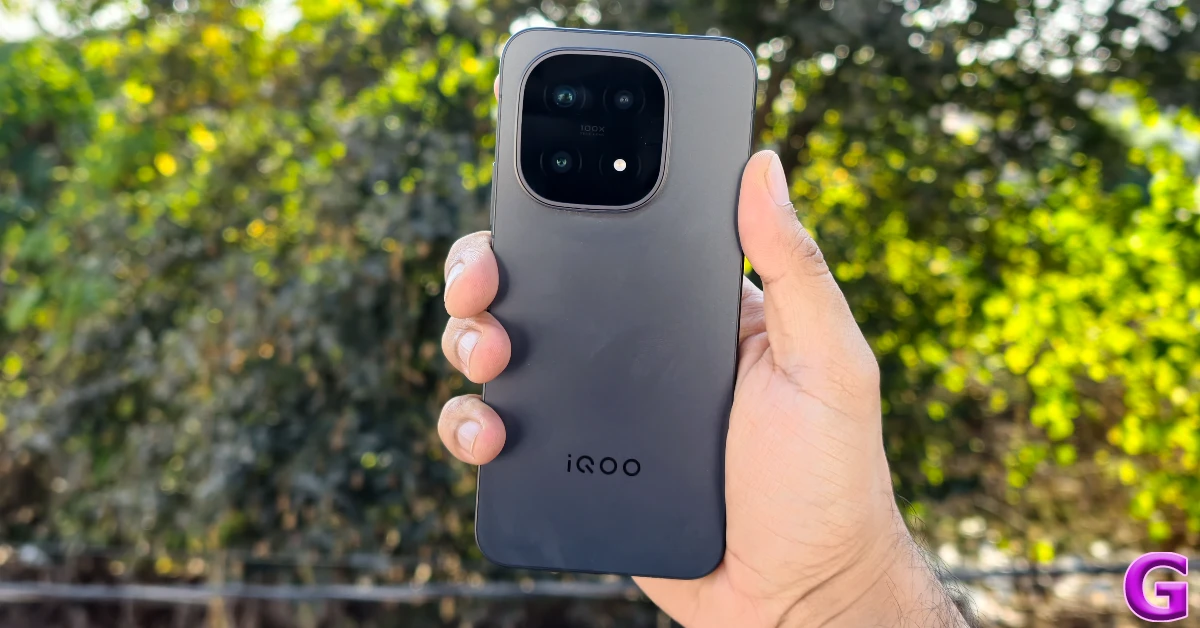 The iQOO 15 has a dual chipset combination at its core. It comprises Qualcomm’s Snapdragon 8 Elite Gen 5 SoC and iQOO’s in-house Supercomputing Chip Q3. The latter improves ray tracing and pushes the frame rate and resolution while gaming. The 8K VC Cooling System makes sure that thermal throttling is not an issue on this device. The 6.85-inch LTPO AMOLED display has a 144Hz refresh rate with a peak brightness of 6,000 nits. The 7,000mAh battery pack supports 100W wired charging. The LPDDR5X Ultra RAM and UFS 4.1 storage types make sure that the general performance always remains fast and snappy. For more details, read our iQOO 15 review.
Buy on Amazon for Rs 72,999
The iQOO 15 has a dual chipset combination at its core. It comprises Qualcomm’s Snapdragon 8 Elite Gen 5 SoC and iQOO’s in-house Supercomputing Chip Q3. The latter improves ray tracing and pushes the frame rate and resolution while gaming. The 8K VC Cooling System makes sure that thermal throttling is not an issue on this device. The 6.85-inch LTPO AMOLED display has a 144Hz refresh rate with a peak brightness of 6,000 nits. The 7,000mAh battery pack supports 100W wired charging. The LPDDR5X Ultra RAM and UFS 4.1 storage types make sure that the general performance always remains fast and snappy. For more details, read our iQOO 15 review.
Buy on Amazon for Rs 72,999
Realme GT 8 Pro
 Realme’s flagship smartphone this year continued the tradition of offering a power-packed performance at a relatively affordable price. It is powered by the Snapdragon 8 Elite Gen 5 SoC. On top of that, it uses a Hyper Vision+ AI chip to deliver up to 2.4x smoother and 4x sharper gameplay. You can play games like Genshin Impact on this device with full FPS. The 6.79-inch AMOLED display has a 144Hz refresh rate and can reach a peak brightness of 7,000 nits. The 7,000mAh battery pack supports 120W wired and 50W wireless charging.
Buy on Flipkart for Rs 72,999
Realme’s flagship smartphone this year continued the tradition of offering a power-packed performance at a relatively affordable price. It is powered by the Snapdragon 8 Elite Gen 5 SoC. On top of that, it uses a Hyper Vision+ AI chip to deliver up to 2.4x smoother and 4x sharper gameplay. You can play games like Genshin Impact on this device with full FPS. The 6.79-inch AMOLED display has a 144Hz refresh rate and can reach a peak brightness of 7,000 nits. The 7,000mAh battery pack supports 120W wired and 50W wireless charging.
Buy on Flipkart for Rs 72,999
Poco F8 Ultra
 The Poco F8 Ultra has not arrived in India yet, but it is undoubtedly one of the best gaming smartphones of 2025. The Snapdragon 8 Elite Gen 5 chipset pumps raw power through the veins of this device. The VisionBoost D8 chipset uses pre-trained AI models to deliver high-quality graphics and smoother visuals. The 6700mm² 3D dual-channel, dual-layer IceLoop system ensures that the internal temperature of the device never reaches a problematic level. The 6.9-inch AMOLED display has a 120Hz refresh rate and can reach a peak brightness of 3,500 nits. The 6,500mAh battery pack supports 100W wired and 50W wireless charging.
Samsung Galaxy S25 Ultra
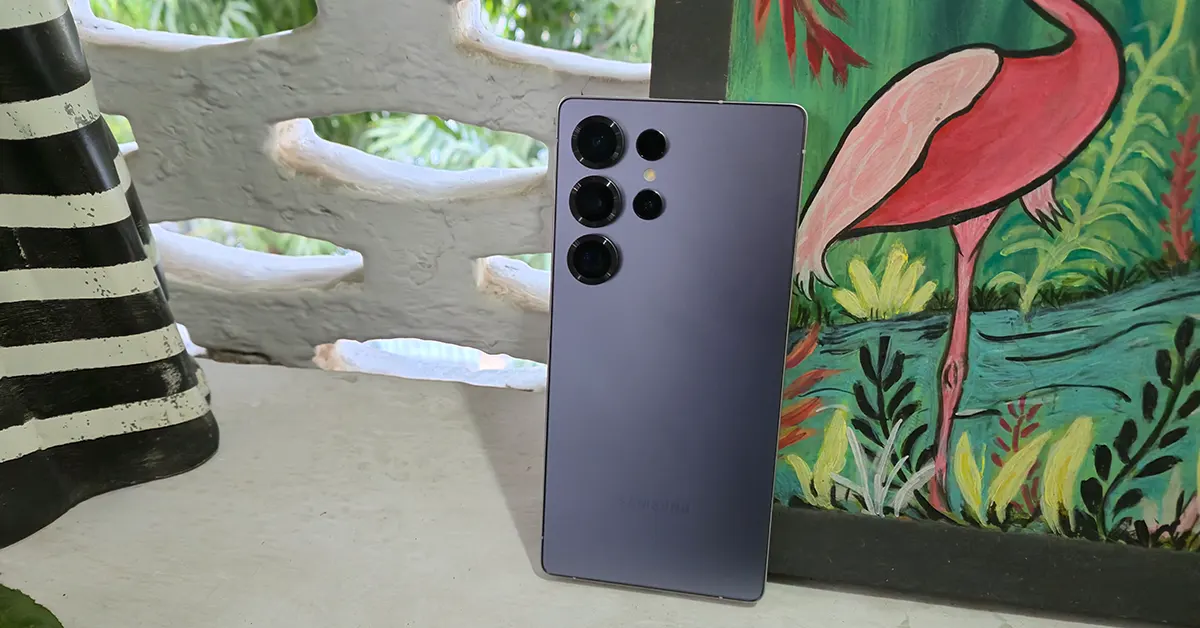 This year, the top-spec Ultra model in Samsung’s flagship Galaxy S series proved that it can handle any task you throw at it. The smartphone puts up an excellent display in every aspect of performance. This includes gaming as well. At the heart of the device lies the Snapdragon 8 Elite chipset. The 6.9-inch Dynamic LTPO AMOLED 2X display has a 120Hz refresh rate and can reach a peak brightness of 2,600 nits. The 5,000mAh Li-ion battery pack supports 45W wired and 15W wireless charging. There’s support for Bypass Charging as well. This feature channels the current directly to the chipset instead of charging the battery. This enables the user to keep their phone charged while gaming without generating any additional heat. Read our Samsung Galaxy S25 Ultra review to learn more about the device.
Buy on Amazon for Rs 1,29,999
This year, the top-spec Ultra model in Samsung’s flagship Galaxy S series proved that it can handle any task you throw at it. The smartphone puts up an excellent display in every aspect of performance. This includes gaming as well. At the heart of the device lies the Snapdragon 8 Elite chipset. The 6.9-inch Dynamic LTPO AMOLED 2X display has a 120Hz refresh rate and can reach a peak brightness of 2,600 nits. The 5,000mAh Li-ion battery pack supports 45W wired and 15W wireless charging. There’s support for Bypass Charging as well. This feature channels the current directly to the chipset instead of charging the battery. This enables the user to keep their phone charged while gaming without generating any additional heat. Read our Samsung Galaxy S25 Ultra review to learn more about the device.
Buy on Amazon for Rs 1,29,999
iPhone 17 Pro Max
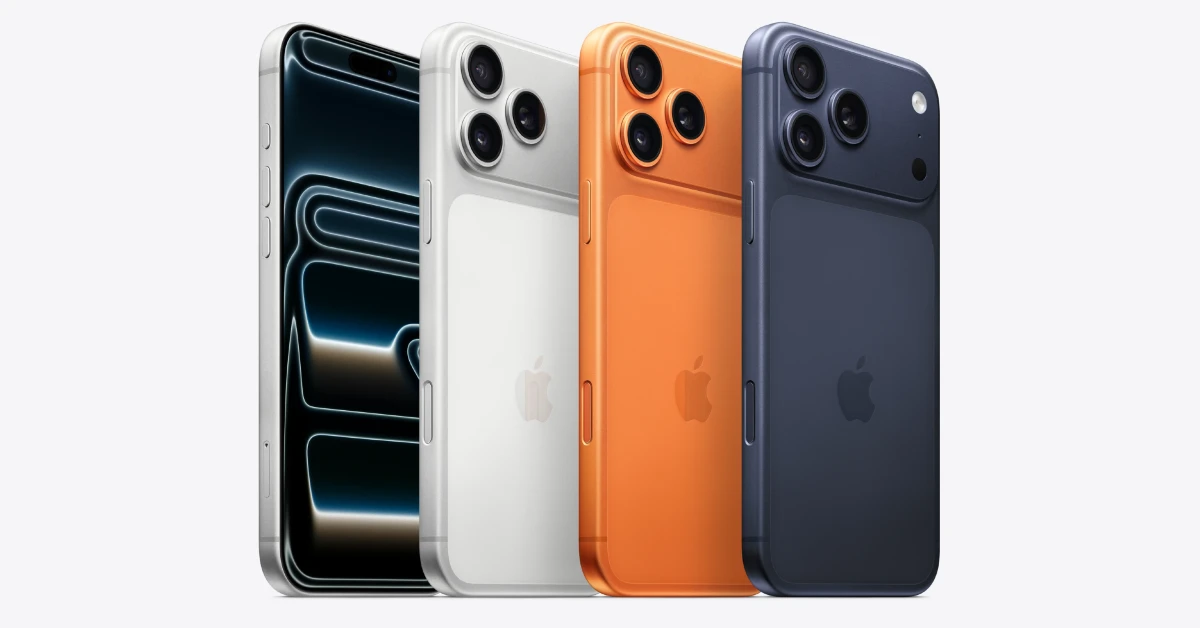 Apple’s in-house A19 Pro chipset is one of the best in the business today. This processor puts up an amazing performance in the iPhone 17 Pro Max. The smartphone can handle titles like Genshin Impact and Apex Legends with absolute ease. It features Apple’s first-ever vapor chamber cooling system. Its 6.9-inch LTPO Super Retina XDR OLED display has a 120Hz refresh rate and can reach a peak brightness of 3,000 nits. Software duties on this device are handled by iOS 26. The 4,823mAh battery pack supports USB-C and MagSafe/Qi2 charging.
Buy on Amazon for Rs 1,49,900
Apple’s in-house A19 Pro chipset is one of the best in the business today. This processor puts up an amazing performance in the iPhone 17 Pro Max. The smartphone can handle titles like Genshin Impact and Apex Legends with absolute ease. It features Apple’s first-ever vapor chamber cooling system. Its 6.9-inch LTPO Super Retina XDR OLED display has a 120Hz refresh rate and can reach a peak brightness of 3,000 nits. Software duties on this device are handled by iOS 26. The 4,823mAh battery pack supports USB-C and MagSafe/Qi2 charging.
Buy on Amazon for Rs 1,49,900
Vivo X300 Pro
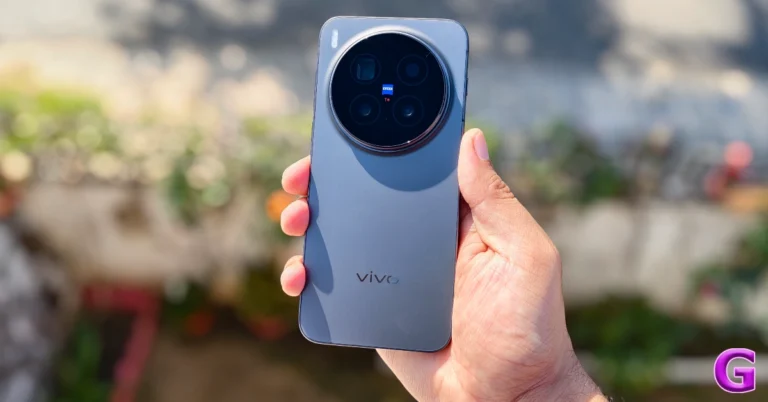
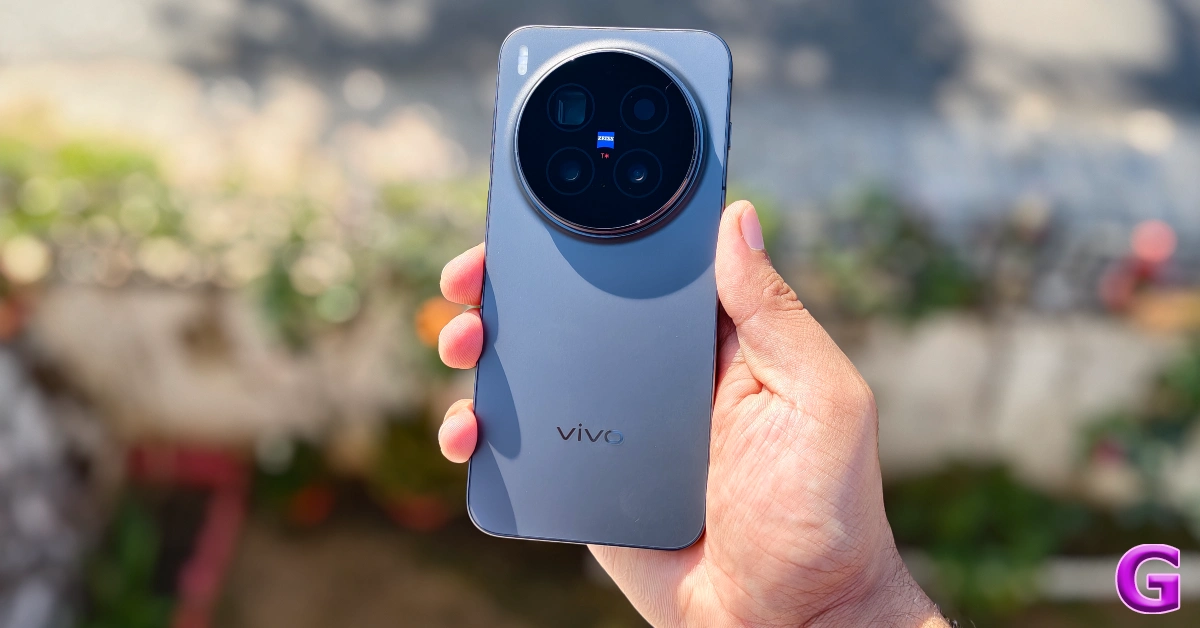 The Vivo X300 Pro has a reputation for being the photography champ, but it does not put all its eggs in one basket. The MediaTek Dimensity 9500 chipset powering this device is more than capable of handling demanding gaming titles. The liquid cooling vapor chamber on this device does a good job of dissipating the internal heat and making sure it doesn’t cause any lag or frame drops while gaming. The 6,510mAh Si/C battery pack supports 90W wired and 40W wireless charging. Read our Vivo X300 Pro review to learn more about the device.
Buy on Amazon for Rs 1,09,999
The Vivo X300 Pro has a reputation for being the photography champ, but it does not put all its eggs in one basket. The MediaTek Dimensity 9500 chipset powering this device is more than capable of handling demanding gaming titles. The liquid cooling vapor chamber on this device does a good job of dissipating the internal heat and making sure it doesn’t cause any lag or frame drops while gaming. The 6,510mAh Si/C battery pack supports 90W wired and 40W wireless charging. Read our Vivo X300 Pro review to learn more about the device.
Buy on Amazon for Rs 1,09,999
iQOO Neo 10
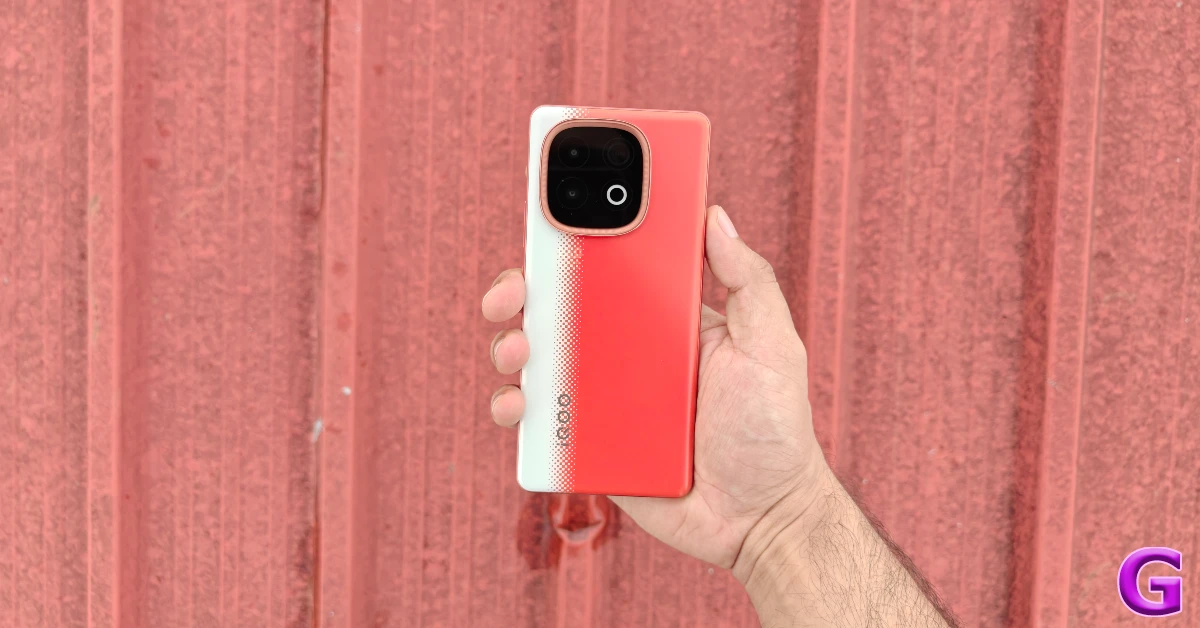 The midrange gaming smartphone segment this year had some great devices that cannot be ignored. iQOO’s Neo 10 impressed us with its powerful chipset combination and relatively affordable price tag. At the heart of this phone lies the Snapdragon 8s Gen 4 SoC and iQOO’s in-house Supercomputing Chip Q1. The latter enables 144fps gaming. The LPDDR5X Ultra RAM and UFS 4.1 storage on this phone are flagship-grade. The 6.78-inch AMOLED display has a 144Hz refresh rate and can reach a peak brightness of 4,400 nits. The 7,000mAh Si/C battery pack supports 120W wired charging. The 7000 mm² Ultra-Large Vapor Chamber keeps things cool at all times. Read our iQOO Neo 10 review for a deeper dive into its gaming performance.
Buy on Amazon for Rs 36,999
The midrange gaming smartphone segment this year had some great devices that cannot be ignored. iQOO’s Neo 10 impressed us with its powerful chipset combination and relatively affordable price tag. At the heart of this phone lies the Snapdragon 8s Gen 4 SoC and iQOO’s in-house Supercomputing Chip Q1. The latter enables 144fps gaming. The LPDDR5X Ultra RAM and UFS 4.1 storage on this phone are flagship-grade. The 6.78-inch AMOLED display has a 144Hz refresh rate and can reach a peak brightness of 4,400 nits. The 7,000mAh Si/C battery pack supports 120W wired charging. The 7000 mm² Ultra-Large Vapor Chamber keeps things cool at all times. Read our iQOO Neo 10 review for a deeper dive into its gaming performance.
Buy on Amazon for Rs 36,999
Infinix GT 30 Pro
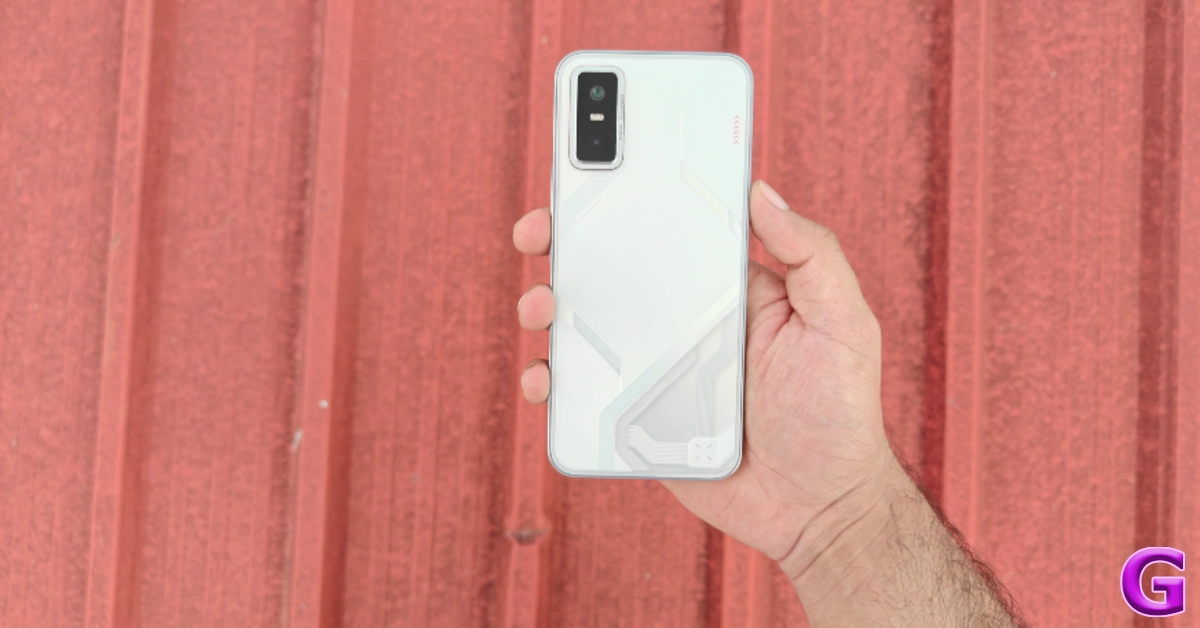 The Infinix GT 30 Pro brought the X factor to the midrange gaming segment this year with its unique shoulder triggers. The smartphone allows you to map gaming controls and macros to these triggers and deploy them whenever necessary. Powering this phone is the MediaTek Dimensity 8350 chipset. Its 6.78-inch AMOLED display has a 144Hz refresh rate and a peak brightness of 4,500 nits. The 5,500mAh battery pack supports 45W wired and 30W wireless charging. Check out our Infinix GT 30 Pro review for more details about the smartphone.
Buy on Flipkart for Rs 24,999
The Infinix GT 30 Pro brought the X factor to the midrange gaming segment this year with its unique shoulder triggers. The smartphone allows you to map gaming controls and macros to these triggers and deploy them whenever necessary. Powering this phone is the MediaTek Dimensity 8350 chipset. Its 6.78-inch AMOLED display has a 144Hz refresh rate and a peak brightness of 4,500 nits. The 5,500mAh battery pack supports 45W wired and 30W wireless charging. Check out our Infinix GT 30 Pro review for more details about the smartphone.
Buy on Flipkart for Rs 24,999
Oppo K13 Turbo Pro
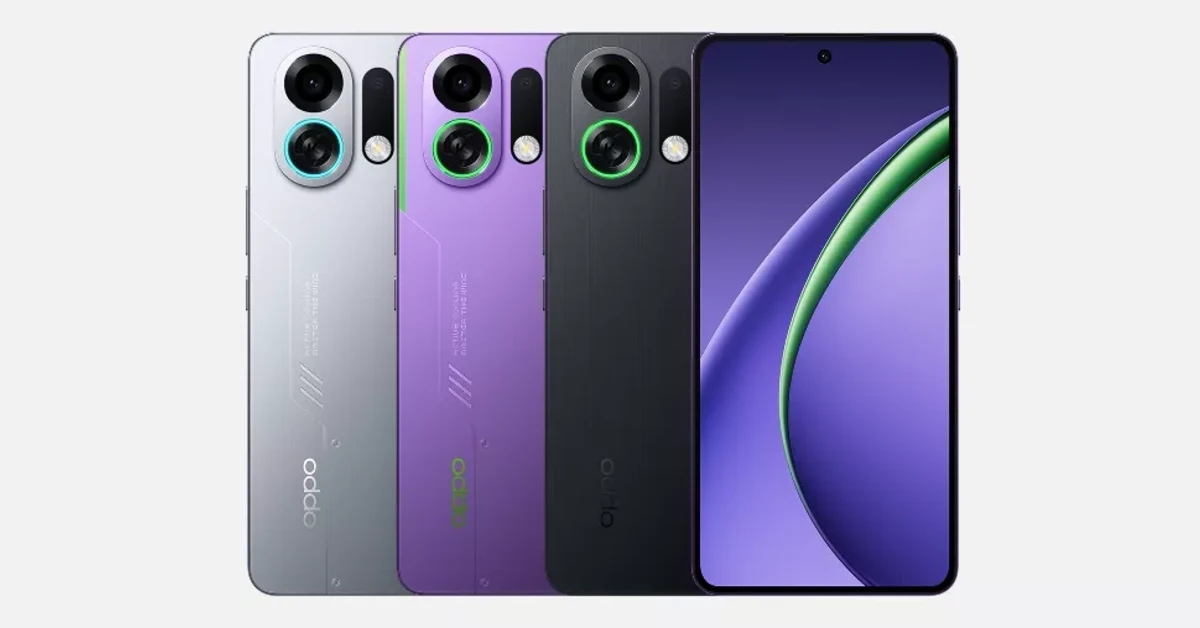 The Oppo K13 Turbo Pro takes cooling to the next level with its external fan. Located right below the camera array, this fan channels the heat generated by the battery out through the small vents placed on the frame. This smartphone is powered by the Snapdragon 8s Gen 4 chipset. Its 6.8-inch AMOLED display has a 120Hz refresh rate and can reach a peak brightness of 1,600 nits. The 7,000mAh battery pack supports 80W wired charging.
Buy on Flipkart for Rs 37,999
Read Also: Top 7 phones with MediaTek processors that are mad fast!
The Oppo K13 Turbo Pro takes cooling to the next level with its external fan. Located right below the camera array, this fan channels the heat generated by the battery out through the small vents placed on the frame. This smartphone is powered by the Snapdragon 8s Gen 4 chipset. Its 6.8-inch AMOLED display has a 120Hz refresh rate and can reach a peak brightness of 1,600 nits. The 7,000mAh battery pack supports 80W wired charging.
Buy on Flipkart for Rs 37,999
Read Also: Top 7 phones with MediaTek processors that are mad fast!
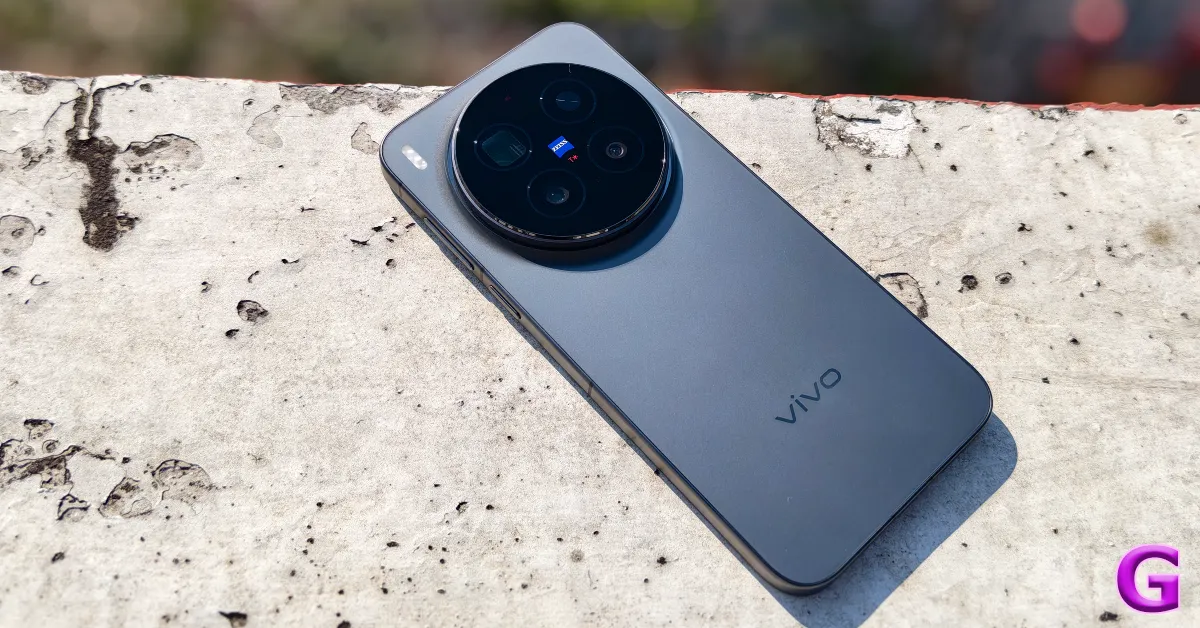 Vivo’s newest flagship series is powered by MediaTek’s finest chipset yet – Dimensity 9500. Its 3rd-gen ‘All Big Core’ design incorporates a new 4.21GHz C1 Ultra core alongside the C1-Premium (3x) and C1-Pro (4x) processors. As a result, the octa-core chipset delivers a 10% IPC uplift compared to its predecessor. Furthermore, it is up to 32% faster when it comes to single-core performance and has up to 55% improved Ultra-core peak power efficiency. The L1 and L3 caches are bigger by 100% and 33%, leading to visibly faster speeds.
The Pro model in this series also packs Vivo’s in-house V3+ imaging chip. The smartphone flaunts an elite camera system, comprising a 50MP primary shooter, a 200MP periscope telephoto lens with 3.7x optical zoom, and a 50MP ultrawide lens. Up front, a 50MP selfie camera is housed in a punch-hole cutout on the display. The 6.78-inch LTPO AMOLED display has a 120Hz refresh rate and can reach a peak brightness of 4,500 nits. The 6,510mAh battery pack supports 90W and 40W wireless charging. Check out our
Vivo’s newest flagship series is powered by MediaTek’s finest chipset yet – Dimensity 9500. Its 3rd-gen ‘All Big Core’ design incorporates a new 4.21GHz C1 Ultra core alongside the C1-Premium (3x) and C1-Pro (4x) processors. As a result, the octa-core chipset delivers a 10% IPC uplift compared to its predecessor. Furthermore, it is up to 32% faster when it comes to single-core performance and has up to 55% improved Ultra-core peak power efficiency. The L1 and L3 caches are bigger by 100% and 33%, leading to visibly faster speeds.
The Pro model in this series also packs Vivo’s in-house V3+ imaging chip. The smartphone flaunts an elite camera system, comprising a 50MP primary shooter, a 200MP periscope telephoto lens with 3.7x optical zoom, and a 50MP ultrawide lens. Up front, a 50MP selfie camera is housed in a punch-hole cutout on the display. The 6.78-inch LTPO AMOLED display has a 120Hz refresh rate and can reach a peak brightness of 4,500 nits. The 6,510mAh battery pack supports 90W and 40W wireless charging. Check out our 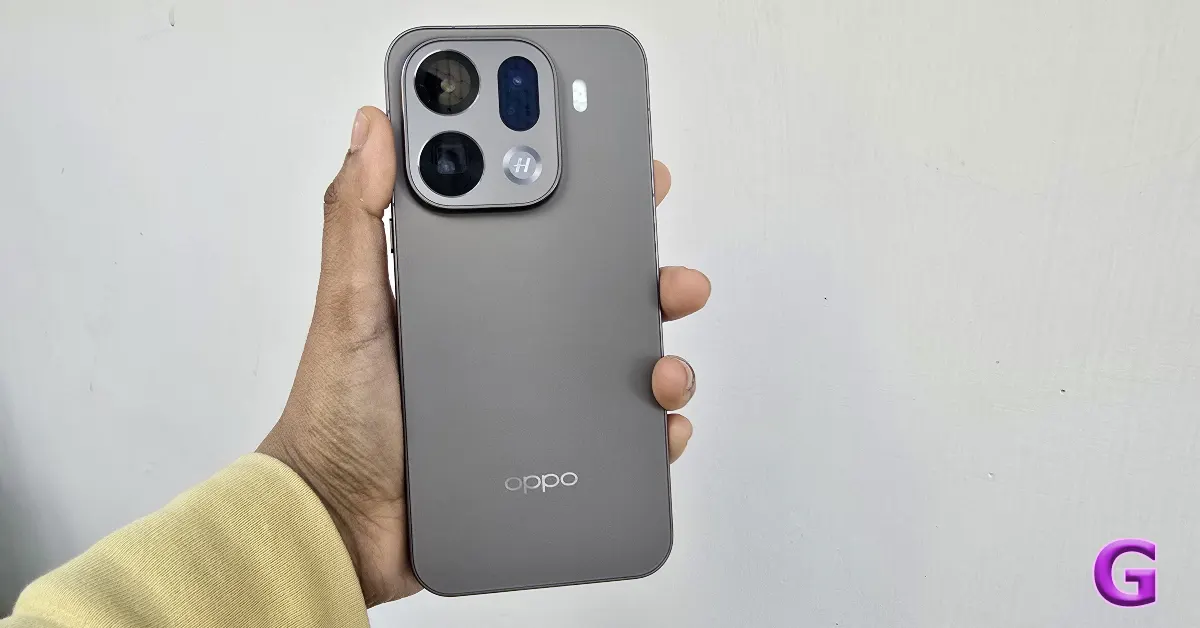 Oppo’s flagship Find X9 series is also powered by the MediaTek Dimensity 9500 chipset. Reaping the benefits of the ‘All Big Core’ design and the new C1-Ultra core we mentioned earlier, this smartphone proves itself as one of the heavy hitters on the market. If you need more power in intense gaming situations, this chipset’s new Arm Mali-G1 Ultra MC12 GPU can back you up whenever necessary. Its 2x raytracing units can render gaming textures, shadows, and other details with the utmost precision. It is capable of providing smooth gameplay at 120fps with up to 119% faster raytracing performance. You get 33% greater peak performance with 42% better power efficiency.
The Pro model in the series has a 6.78-inch LTPO AMOLED display that can reach a peak brightness of 3,600 nits. If you want to conserve battery life, the Dimensity 9500’s transparency compensation technology can scale down the brightness to as low as 1 nit. The 120Hz display offers a smooth and fluid scrolling experience. The device is rated IP68/IP69 for dust and water resistance. Its rear camera panel houses a 50MP primary shooter, a 200MP periscope telephoto lens with 3x optical zoom, and a 50MP ultrawide lens. The 7,500mAh battery pack supports 80W wired and 50W wireless charging. Read our
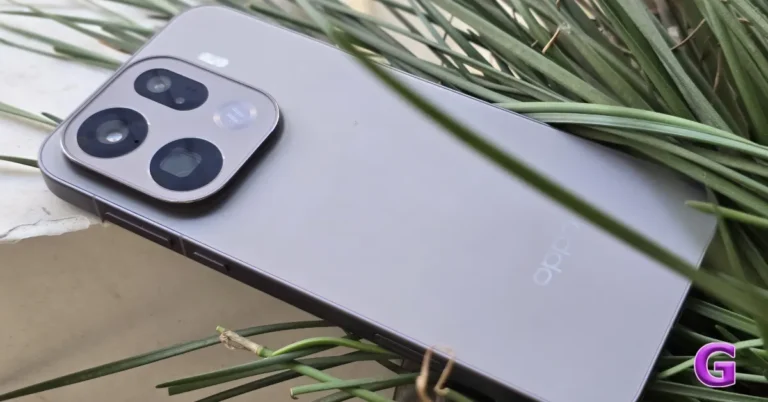
Oppo’s flagship Find X9 series is also powered by the MediaTek Dimensity 9500 chipset. Reaping the benefits of the ‘All Big Core’ design and the new C1-Ultra core we mentioned earlier, this smartphone proves itself as one of the heavy hitters on the market. If you need more power in intense gaming situations, this chipset’s new Arm Mali-G1 Ultra MC12 GPU can back you up whenever necessary. Its 2x raytracing units can render gaming textures, shadows, and other details with the utmost precision. It is capable of providing smooth gameplay at 120fps with up to 119% faster raytracing performance. You get 33% greater peak performance with 42% better power efficiency.
The Pro model in the series has a 6.78-inch LTPO AMOLED display that can reach a peak brightness of 3,600 nits. If you want to conserve battery life, the Dimensity 9500’s transparency compensation technology can scale down the brightness to as low as 1 nit. The 120Hz display offers a smooth and fluid scrolling experience. The device is rated IP68/IP69 for dust and water resistance. Its rear camera panel houses a 50MP primary shooter, a 200MP periscope telephoto lens with 3x optical zoom, and a 50MP ultrawide lens. The 7,500mAh battery pack supports 80W wired and 50W wireless charging. Read our 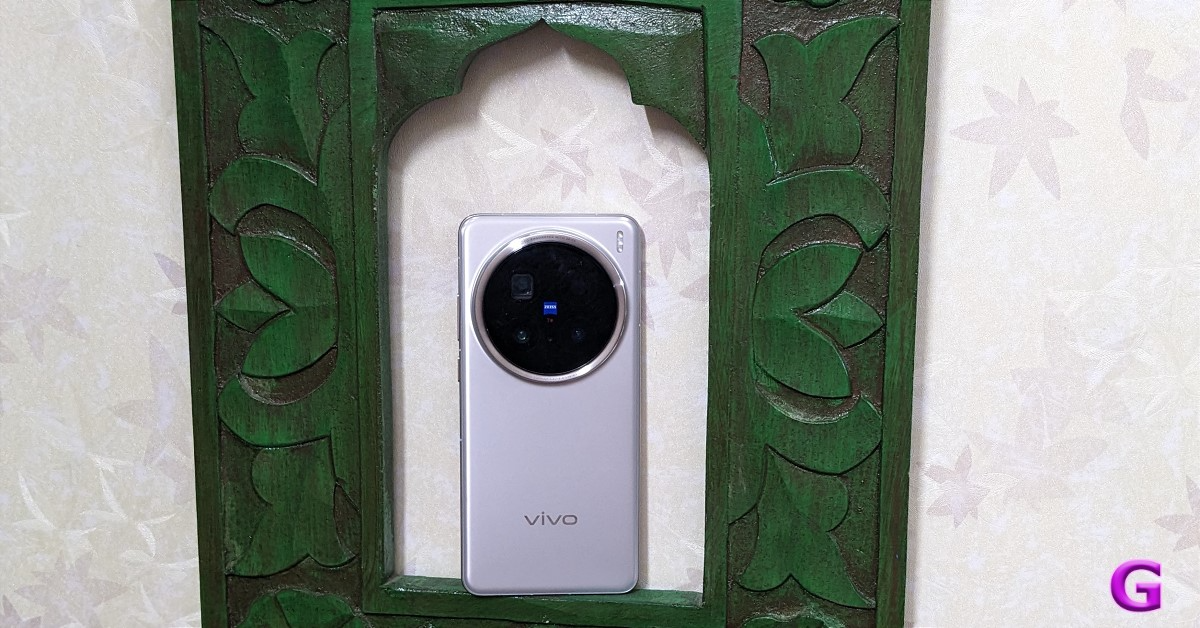 Last year’s Vivo X200 Pro is still a great pick in 2025. It is powered by the mighty Dimensity 9400 SoC, which was MediaTek’s flagship mobile processor until the Dimensity 9500 arrived. This octa-core processor comprises 1x Arm Cortex-X925, 3x Arm Cortex-X4, and 4x Arm Cortex-A720 cores alongside 12MB L3 cache and 10MB SLC.
The X200 Pro has a 6.78-inch LTPO AMOLED display with a 120Hz refresh rate and a peak brightness of 4,500 nits. Its Zeiss-tuned camera array comprises a 50MP primary shooter, a 200MP periscope telephoto lens with 3.7x optical zoom, and a 50MP ultrawide lens. The 6,000mAh battery pack supports 90W wired and 30W wireless charging. For a deeper analysis of its performance, read our
Last year’s Vivo X200 Pro is still a great pick in 2025. It is powered by the mighty Dimensity 9400 SoC, which was MediaTek’s flagship mobile processor until the Dimensity 9500 arrived. This octa-core processor comprises 1x Arm Cortex-X925, 3x Arm Cortex-X4, and 4x Arm Cortex-A720 cores alongside 12MB L3 cache and 10MB SLC.
The X200 Pro has a 6.78-inch LTPO AMOLED display with a 120Hz refresh rate and a peak brightness of 4,500 nits. Its Zeiss-tuned camera array comprises a 50MP primary shooter, a 200MP periscope telephoto lens with 3.7x optical zoom, and a 50MP ultrawide lens. The 6,000mAh battery pack supports 90W wired and 30W wireless charging. For a deeper analysis of its performance, read our 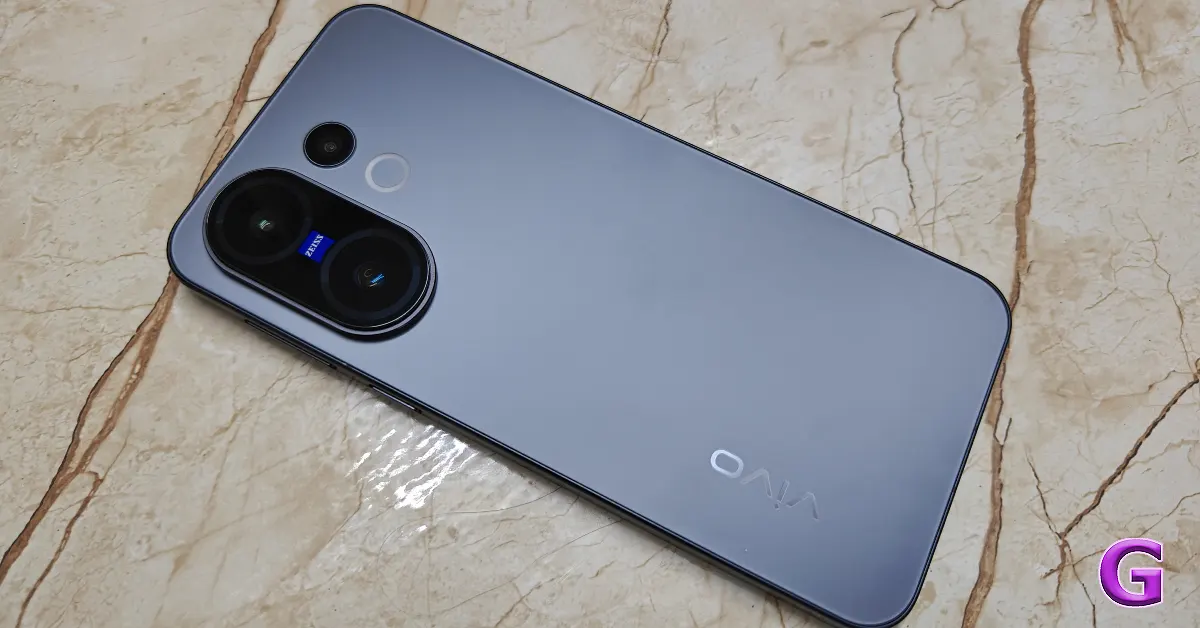 The smart and compact Vivo X200 FE runs on the gritty MediaTek Dimensity 9300+ chipset. This processor packs a punch on the FE model. It comprises 1X Cortex-X4 (3.4GHz), 3X Cortex-X4 (2.85GHz), and 4X (2.0 GHz) Cortex-A720 cores. Gamers can look forward to ultra-smooth 90fps gameplay in HDR. Compared to other processors in its class, the Dimensity 9300+ is 20% more efficient with power.
The 6.31-inch LTPO AMOLED display on this phone has a 120Hz refresh rate and can reach a peak brightness of 5,000 nits. OS duties are handled by the Android 15-based Funtouch 15. The rear camera panel houses a 50MP primary shooter, a 50MP periscope telephoto lens with 3x optical zoom, and an 8MP ultrawide lens. There’s IP68/IP69 protection on board. The 6,500mAh battery pack supports 90W wired charging. For more details about its everyday performance, we recommend giving our
The smart and compact Vivo X200 FE runs on the gritty MediaTek Dimensity 9300+ chipset. This processor packs a punch on the FE model. It comprises 1X Cortex-X4 (3.4GHz), 3X Cortex-X4 (2.85GHz), and 4X (2.0 GHz) Cortex-A720 cores. Gamers can look forward to ultra-smooth 90fps gameplay in HDR. Compared to other processors in its class, the Dimensity 9300+ is 20% more efficient with power.
The 6.31-inch LTPO AMOLED display on this phone has a 120Hz refresh rate and can reach a peak brightness of 5,000 nits. OS duties are handled by the Android 15-based Funtouch 15. The rear camera panel houses a 50MP primary shooter, a 50MP periscope telephoto lens with 3x optical zoom, and an 8MP ultrawide lens. There’s IP68/IP69 protection on board. The 6,500mAh battery pack supports 90W wired charging. For more details about its everyday performance, we recommend giving our  The Oppo Find X8 Pro from 2024 uses the MediaTek Dimensity 9400 SoC. This octa-core chipset supports LPDDR5X RAM and UFS 4.0 storage configurations. The result is noticeable in minimal app-loading time and seamless multitasking. The 2nd-gen ‘All Big Core’ design of this processor incorporates the Arm Cortex-X925 core, which registers a 15% IPC increase over its previous-gen Cortex-X counterpart.
The smartphone runs the Android 15-based ColorOS 15 out of the box. Its 6.78-inch LTPO AMOLED display has a 120Hz refresh rate and can reach a peak brightness of 4,500 nits. Rated IP69/IP69 for protection against dust and water, this phone can survive being immersed up to 1.5m for 30 minutes. Its rear camera panel houses four 50MP sensors – one each for the primary shooter, 3x periscope telephoto lens, 6x periscope telephoto lens, and ultrawide lens. The 5,910mAh battery pack supports 80W wired and 50W wireless charging. Read our
The Oppo Find X8 Pro from 2024 uses the MediaTek Dimensity 9400 SoC. This octa-core chipset supports LPDDR5X RAM and UFS 4.0 storage configurations. The result is noticeable in minimal app-loading time and seamless multitasking. The 2nd-gen ‘All Big Core’ design of this processor incorporates the Arm Cortex-X925 core, which registers a 15% IPC increase over its previous-gen Cortex-X counterpart.
The smartphone runs the Android 15-based ColorOS 15 out of the box. Its 6.78-inch LTPO AMOLED display has a 120Hz refresh rate and can reach a peak brightness of 4,500 nits. Rated IP69/IP69 for protection against dust and water, this phone can survive being immersed up to 1.5m for 30 minutes. Its rear camera panel houses four 50MP sensors – one each for the primary shooter, 3x periscope telephoto lens, 6x periscope telephoto lens, and ultrawide lens. The 5,910mAh battery pack supports 80W wired and 50W wireless charging. Read our 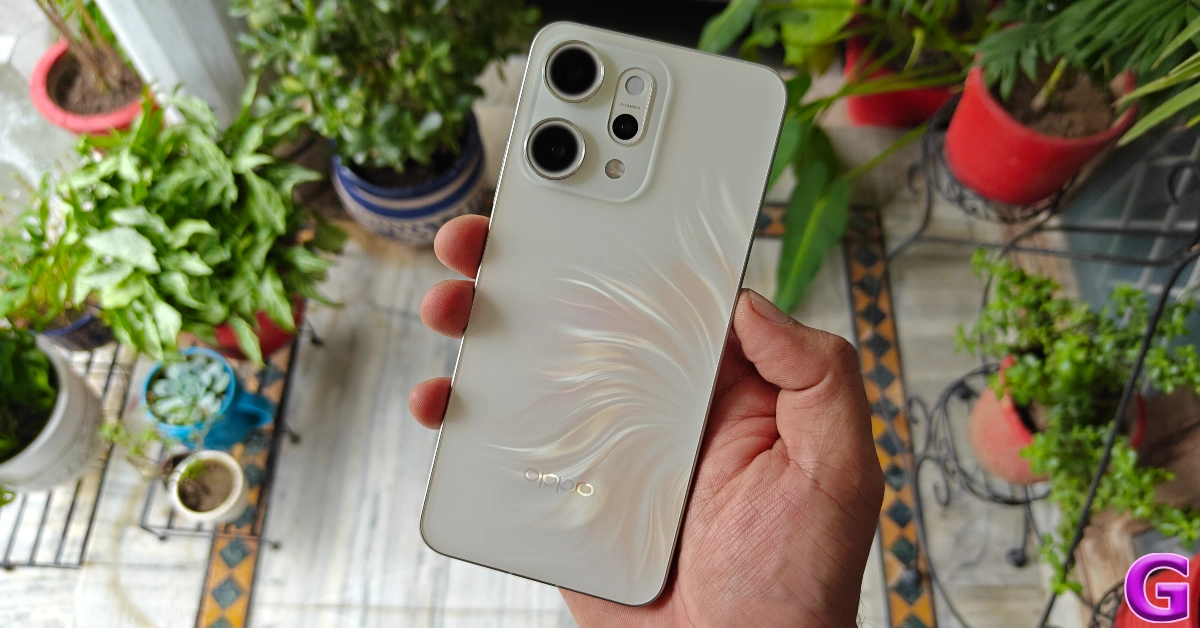 The portrait-master Oppo Reno14 Pro uses MediaTek’s efficient Dimensity 8450 chipset under its hood. This premium chipset uses the ‘All Big Core’ design, which makes room for 8 powerful Arm Cortex-A725 cores. It delivers up to 41% higher multi-core performance and is up to 44% more power-efficient compared to its previous-generation counterpart. The Arm Mali-G720 MC7 GPU on this chipset delivers over 24% higher peak performance.
The smartphone flaunts a 6.83-inch AMOLED display with a 120Hz refresh rate. This display can reach 1,200 nits in High Brightness Mode. Software duties are handled by the Android 15-based ColorOS 15. There’s IP68/IP69 protection against dust and water on board. The rear camera island houses three 50MP sensors – one each for the primary shooter, 3.5x periscope telephoto lens, and ultrawide lens. The 6,200mAh battery pack supports 80W wired and 50W wireless charging. Read our
The portrait-master Oppo Reno14 Pro uses MediaTek’s efficient Dimensity 8450 chipset under its hood. This premium chipset uses the ‘All Big Core’ design, which makes room for 8 powerful Arm Cortex-A725 cores. It delivers up to 41% higher multi-core performance and is up to 44% more power-efficient compared to its previous-generation counterpart. The Arm Mali-G720 MC7 GPU on this chipset delivers over 24% higher peak performance.
The smartphone flaunts a 6.83-inch AMOLED display with a 120Hz refresh rate. This display can reach 1,200 nits in High Brightness Mode. Software duties are handled by the Android 15-based ColorOS 15. There’s IP68/IP69 protection against dust and water on board. The rear camera island houses three 50MP sensors – one each for the primary shooter, 3.5x periscope telephoto lens, and ultrawide lens. The 6,200mAh battery pack supports 80W wired and 50W wireless charging. Read our  The Realme GT 7 is equipped with the MediaTek Dimensity 9400e chipset. This flagship-grade chipset has 1x Arm Cortex-X4 (3.4GHz), 3x Arm Cortex-X4 (2.85GHz), and 4x Arm Cortex-A720 (2.0GHz) cores baked into its ‘All Big Core’ design. Additionally, the 8MB L3 and 10MB SLC caches improve the power efficiency of this SoC.
The GT 7’s 6.78-inch LTPO AMOLED display has a 120Hz refresh rate and can reach a peak brightness of 6,000 nits. OS duties are handled by the Android 15-based Realme UI 6. The rear camera panel houses a 50MP primary shooter, a 50MP telephoto lens with 2x optical zoom, and an 8MP ultrawide lens. The 7,000mAh Si/C battery pack supports 120W wired charging.
Pros
The Realme GT 7 is equipped with the MediaTek Dimensity 9400e chipset. This flagship-grade chipset has 1x Arm Cortex-X4 (3.4GHz), 3x Arm Cortex-X4 (2.85GHz), and 4x Arm Cortex-A720 (2.0GHz) cores baked into its ‘All Big Core’ design. Additionally, the 8MB L3 and 10MB SLC caches improve the power efficiency of this SoC.
The GT 7’s 6.78-inch LTPO AMOLED display has a 120Hz refresh rate and can reach a peak brightness of 6,000 nits. OS duties are handled by the Android 15-based Realme UI 6. The rear camera panel houses a 50MP primary shooter, a 50MP telephoto lens with 2x optical zoom, and an 8MP ultrawide lens. The 7,000mAh Si/C battery pack supports 120W wired charging.
Pros






















 Step 1: Launch

 Step 1: Launch
 Step 1: Launch