


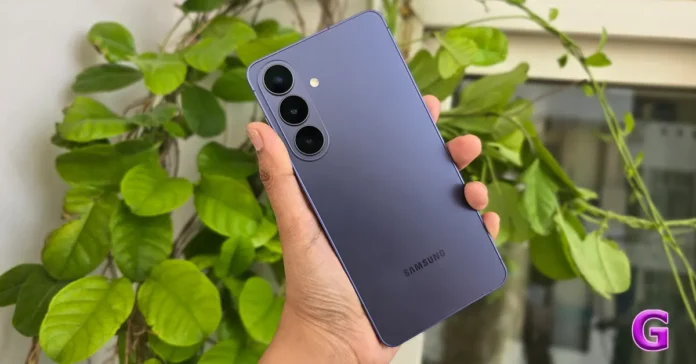
The Samsung Galaxy S26+, which debuted at the tail end of February, is in a tricky spot between the smaller S26 and the larger S26 Ultra. The S26+ isn’t only a high-specification powerhouse; it aspires to be a trustworthy smartphone for professionals with its new 2nm Exynos 2600 CPU and improved One UI 8.5.
Does the S26+’s new 7.3 mm slim profile give too much to aesthetics in a market where the Indian summer is the ultimate stress test for thin glass-and-metal slabs? This review looks closely at the improved design features, such as the Ambient Island camera and the AI-based Now Briefs, to see whether the S26+ is a big step forward or just a cosmetic tweak to an existing device. Let’s find out.
In This Article
Design and Display
In comparison to its predecessor, the Samsung Galaxy S26+ has minor but noticeable upgrades. The Ambient Island camera housing enhances the phone’s appearance with a sleeker design, but it also causes the phone to wobble on flat surfaces. The device is built from robust materials, including Armor Aluminum 2 and Gorilla Glass Victus 2, making it very durable. The Ultra model (Review), on the other hand, uses Gorilla Armor 2, which is even stronger, for further protection.
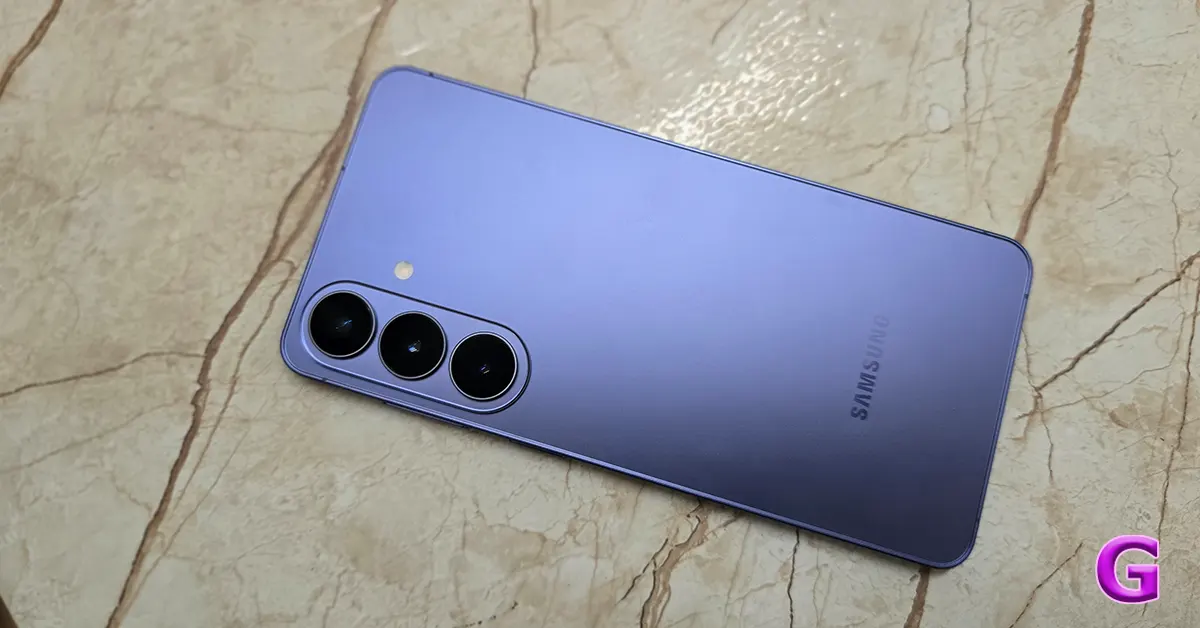
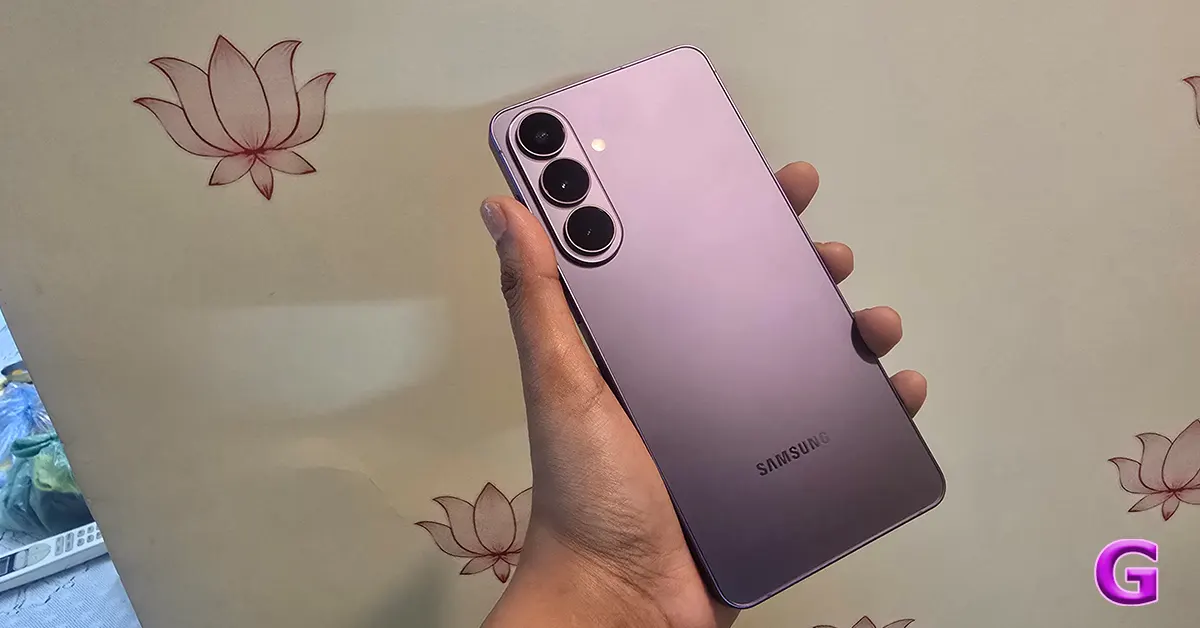
We received the S26+ in a cobalt blue colour for our review. It’s intended to repel fingerprints, but if your hands tend to be dry, you may want to consider using a case for more secure handling. From an ergonomic standpoint, the phone’s rounded edges make it more comfortable to hold for long periods of time.
It weighs 190g and is 7.3mm thick, so it seems light, but it can feel slightly top-heavy due to the dense camera module. The gadget is 7.3mm thick, which might make the buttons seem recessed when used with thicker cases, potentially affecting usability.
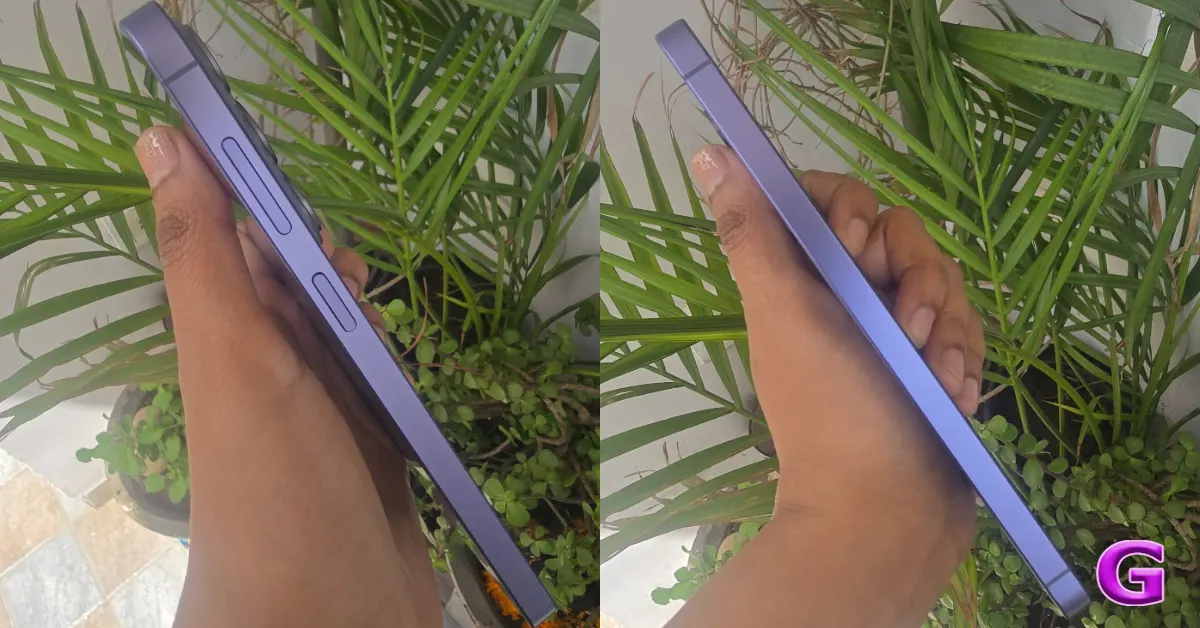
The Samsung Galaxy S26+ has a familiar interface, but it might be a little tricky for those who are switching from older handsets or other brands. The right side of the device has all the buttons and controls for physical interaction, such as the volume rocker at the top and the side key (power) slightly below it. The volume buttons are positioned too high, making it hard to use the volume up function with one hand, especially since the phone measures 6.7 inches in height. They are made from Armor Aluminum 2, which has a pleasant tactile feel and is well-made.
There are no buttons on the left side of the gadget, which is made of sleek aluminium. This adds to its minimalist look. The design also includes plastic antenna lines that are particularly designed to improve 5G reception in this version, although they do slightly detract from the overall visual appeal. A more streamlined form is seen at the top edge, where two noise-cancelling pinhole microphones are located. The top frame and glass are divided by a micro-slit that also serves as a concealed speaker grille. Keep in mind that this small opening may collect lint and dust over time, possibly affecting the stereo balance during media playback. The device’s slim, symmetrical bezels contribute to its sleek, high-quality look.
The bottom edge of the gadget is quite useful since it has a centred USB-C port that works with USB 3.2 Gen 1 for fast data transfer and charging. The pill-shaped speaker grille sits next to this port on the right side. It adds to the overall sonic design of the gadget. The SIM tray located on the left side of the charging port can hold two Nano-SIM cards for individuals and also supports eSIM technology, which gives users more ways to connect.
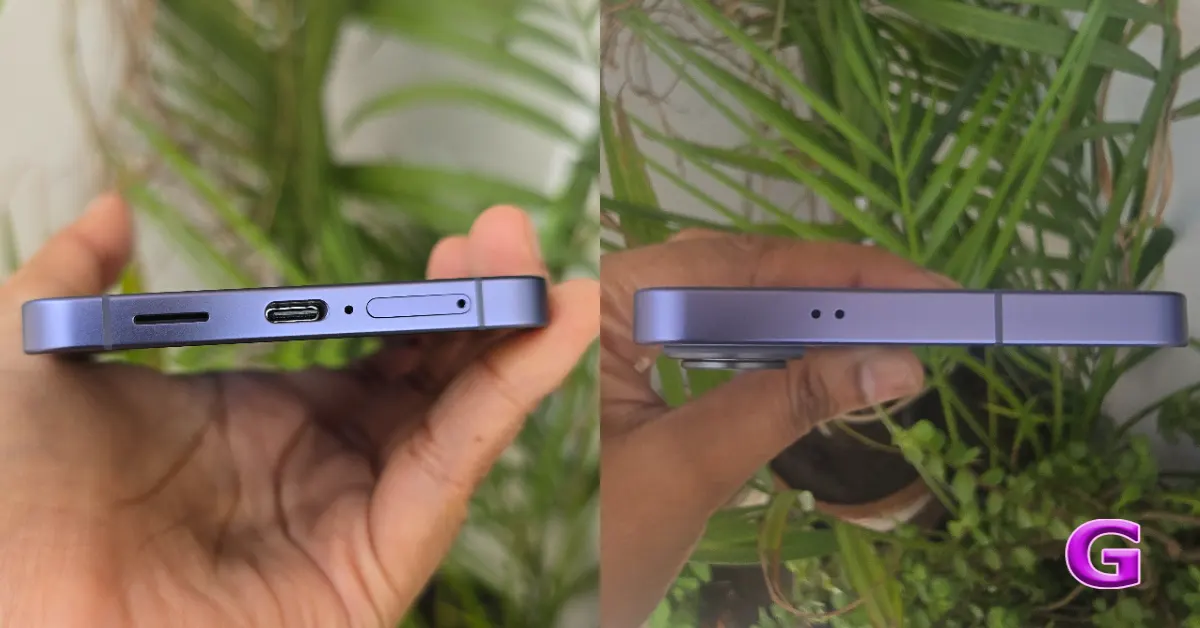
Nevertheless, a serious flaw in the design is evident. Dangerously next to a microphone hole is the SIM ejector hole. This closeness brings to light a design flaw that could affect the user experience, such as the risk of inadvertently damaging the microphone when using the SIM ejector tool. Overall, the bottom edge of the gadget works well; however, this design flaw should be fixed so that the microphone doesn’t get damaged by accident while managing SIM cards.
Known for its outstanding consistency, the 6.7-inch Dynamic AMOLED 2X display is standard on the Samsung Galaxy S26+. With a pixel density of 513 ppi and a QHD+ resolution of 3,120 x 1,440, this screen is able to show 10-bit colour depth, sharper text, and more natural colour gradients. The display also has almost flawless colour homogeneity, free of serious problems like rainbow effects and edge tinting. The display’s adaptive refresh rate can vary from 1Hz to 120Hz, enabling smooth transitions and optimal energy efficiency.
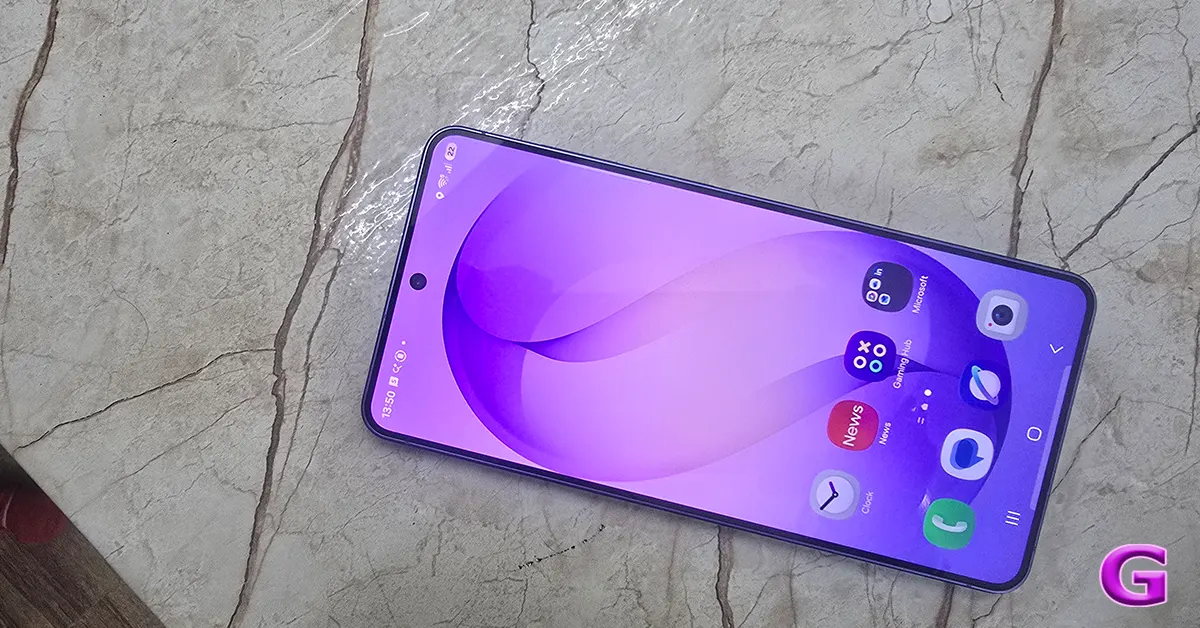
Whether it’s bright outside or in low light, the S26+ has a number of usability and user experience issues.
Initially, the device’s PWM dimming operates at a low frequency of 480Hz, which can lead to screen flickering. This flicker may cause eye strain and headaches, especially for users who are sensitive. Competing products, on the other hand, use higher PWM frequencies, such as 3,840Hz, or DC dimming methods to address this problem.
The S26+ also doesn’t have the Gorilla Armor covering that the Ultra has; instead, it uses Gorilla Glass Victus 2 for protection. This results in a lot of glare in strong light, which makes it harder to see. To fix this, it is suggested to use a high-quality matte screen protector, even if it can make AMOLED colours a little less bright.
Samsung claims the peak brightness reaches 2,600 nits, which is notable for its brightness and visibility. Yet, this level isn’t maintained at high temperatures. HDR10+ videos look vivid, but outdoor use can cause the device to overheat, leading to reduced brightness to prevent damage. Additionally, the S26+ reflects about 4% to 5% of ambient light, making it difficult to view in direct sunlight. As a result, the screen needs to be brighter, which can drain the battery more quickly.
Also Read: 10 Best photography-focused smartphones under Rs 20,000
Lastly, even though the S26+ has a QHD+ resolution of 3120 x 1440 and a high pixel density, the low PWM frequency we spoke about before causes flickering in dark environments. This condition often results in symptoms such as ocular tiredness, xerophthalmia, and screen headaches. After scrolling for a long time, you may feel like your eyes are sandy, which suggests that low-frequency flicker is one factor that worsens these problems.
Samsung seems to be focusing on brightness standards rather than tackling the issues of reflection and eye strain, which their Chinese rivals have successfully addressed this year, given the present state of the market.
The speaker volume of the gadget is impressive; it’s one of the loudest thin phones on the market right now. However, when the volume is turned all the way up, users may notice that the high frequencies sound harsh.
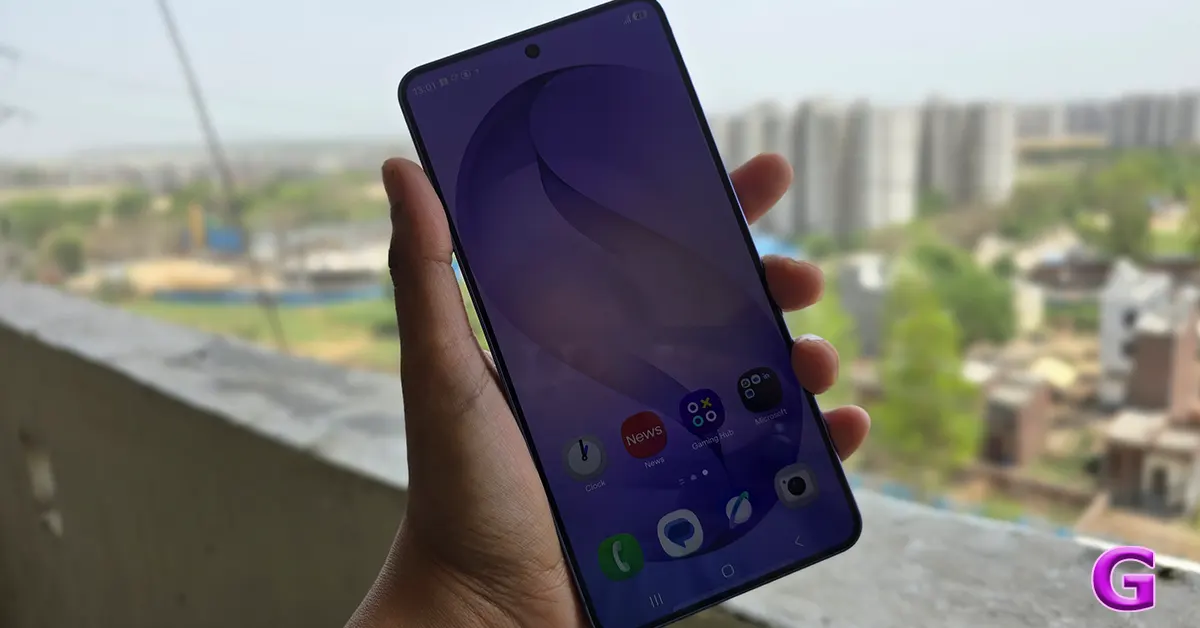
The AI Audio Eraser tool does a good job of making dialogue clearer during movie playback; however, it can’t be used in all apps since it doesn’t have a universal equaliser. The device’s haptic feedback is in sync with the audio output, giving you a vibrational bass experience. However, when the gadget is put on hard surfaces, users may feel a buzzing sensation from the haptic motor.
The gadget can play back videos at 8K quality at 30 frames per second and supports HDR10+.
The Galaxy S26+ is a fantastic choice for anyone who wants a smartphone that looks good and works well. It has a good mix of durability, design, and performance.
Performance and Cameras
The Exynos 2600 processor differentiates the Samsung Galaxy S26+ in India from Snapdragon models, ensuring performance optimised for the Indian market. Manufacturing is done utilising a 2nm technology, which highlights efficiency and powerful AI capabilities. Its 12 gigs of RAM and over two million AnTuTu points (20,10,232) put it in the conversation for best flagship smartphone of 2026.
Under everyday use, the S26+ performs well; yet, in the scorching Indian summer, power consumption might increase by roughly forty per cent compared to Snapdragon-powered smartphones, resulting in considerable overheating. The gadget doesn’t shut down immediately when it gets too hot, but it does slow down significantly. Additionally, Samsung has increased the vapor chamber size by 29 per cent to improve heat dissipation and address thermal issues.
The device’s thin profile, which is just 7.3mm thick, helps it hold heat, especially around the volume buttons, making it hard to use for long periods of time when it’s hot outside.
5G connectivity is quite stable, although utilising the device as a hotspot might make it heat very quickly. The 2nm technology is great on colder days because it makes the battery last longer. However, as the temperature rises, the cooling system works harder, which drains the battery faster. In short, the Exynos 2600 chipset is quite powerful, but it has trouble with heat, particularly in extreme temperature conditions.
The gaming performance is great, and it can run any game on the Play Store at maximum settings. However, when the device becomes hotter, you may notice a lot of frame drops. AI processes function well, but they also make the device warm up quickly under heavy usage.
The device has an AMD-based Xclipse 550 GPU, which helps it produce high-quality textures. The device is also optimised for popular games like BGMI and Call of Duty: Mobile, allowing it to run games at near-perfect frame rates of 90 to 120 FPS. Users should expect very few frame dips, especially in the first 30 to 40 minutes of gameplay, which makes for a seamless gaming experience.
The S26+ also has an advanced AI Frame Booster that uses a 2nm Neural Processing Unit (NPU) to smartly predict when frames will go down while you play. This feature makes it easier to add artificial frames, which is especially useful during intense squad battles when smooth performance is essential. This improves the overall game experience in high-demand scenarios.
The device’s touch sampling capability is great since it makes games more responsive, especially for flick shots. However, using the gadget for a long time in hot weather may make it less sensitive and accurate to touch, which would negatively impact the overall gameplay experience.
Also Read: Garena Free Fire Max Redeem Codes Today 28 April 2026: Here is how to claim them
The smartphone offers handy game-focused features like Priority Mode, which minimises calls and notifications to help you stay focused during gameplay. It also includes Bypass Charging; however, when enabled, the device often overheats, potentially limiting prolonged gaming sessions.
The Samsung Galaxy S26+ runs One UI 8.5, which is based on Android 16. It has advanced AI features designed to enhance the user experience. The Indian edition of the S26+ includes some bloatware, meaning it comes with many additional applications you are unlikely to use, such as LinkedIn, Microsoft 365, and Netflix.
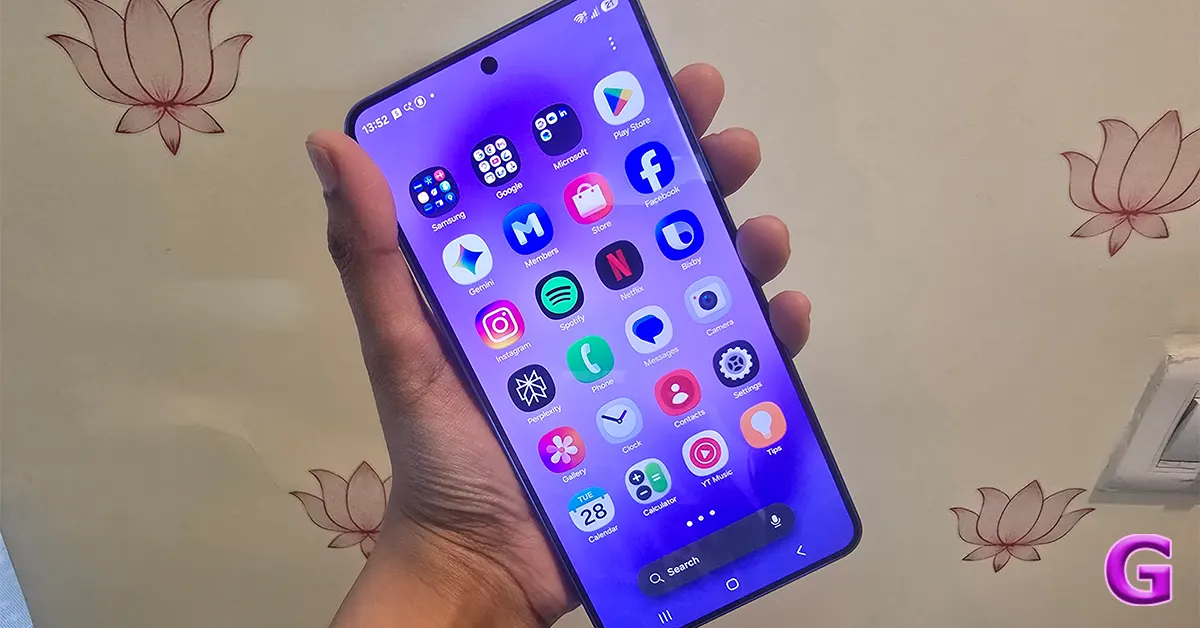
Because of this, users are advised to spend around 15 minutes changing their settings to make the interface easier to use. Samsung offers these third-party applications in India because of regional partnerships in the country. But we bypassed the installation of most third-party recommendations during the initial setup.
The addition of the Agentic AI system is a big step forward for this smartphone. It lets the phone take care of basic tasks on its own, making daily activities easier for the user. The Galaxy S26+ also adds a big privacy improvement: a technology that automatically blurs critical information before sharing it with others, which protects user data.
The device has a Creative Studio that lets users edit images with natural language commands, making it easy to use for digital photography. Getting the prompts correctly takes some practice, but it’s probably the most fun part. Also, the Audio Eraser 2.0 technology gets rid of background noise in real-time during video conversations or recordings, enhancing audio clarity and user communication.
Samsung has made big enhancements to its animation engine, making transitions smoother and more flexible. This makes the user experience better, especially on devices with a 120Hz display. But the Exynos 2600 CPU, which uses AMD’s RDNA 4 GPU architecture, has caused problems with performance.
Several apps, such as Zomato, Lightroom, Canva, and LinkedIn, are still not optimised for this architecture, leading to stability issues. We occasionally experienced small stutters, especially with resource-intensive banking apps like HDFC Bank and ICICI iMobile, or when accessing the Google Feed. The Exynos thermal management often halts the Canva app to conserve power when you switch away to reply to a WhatsApp message.
You have to wait for the whole project to load again when you go back. The Exynos CPU has 12GB of RAM, but the software that comes with it is rather aggressive about managing memory. It closes background apps to keep the device cool, which means that apps that were used before have to be reloaded when the device opens again.
Samsung’s One UI 8.5 has a new glassy transparency design that makes the user interface seem better by adding frosted glass elements to it. This update gives the Quick Panel and notification shade a high-end translucent design that changes colour to match the wallpaper, making it seem better than One UI 7. The animation engine has been much enhanced, making scrolling elastic and interruptible animations work better. This makes the user experience more fluid.
Also, new features like Now Nudge and Now Brief are meant to make the app easier to use while you’re being proactive. Now Nudge suggests you share your location in messaging applications, and Now Brief sends you a daily AI-generated summary of your calendar events, weather updates, and news right on the lock screen. Some of you, on the other hand, may find these features annoying and need to change your settings to get fewer uninvited context-based recommendations.
Over that, Samsung has promised to provide the S26+ with seven years of operating system and security upgrades, which means that users will be able to get support until 2033.
The Samsung Galaxy S26+ has a far better camera than last year’s model. The hardware design is mostly the same as the one before it, although there are some important changes, such as the Exynos 2600 CPU, which has a better image signal processor (ISP). The AI features in One UI 8.5 also make taking pictures every day much better, making it easier for consumers to take high-quality pictures.
Also Read: Amazon Quiz Answers Today 28 April 2026: Participate to win Up To Rs 500 Amazon Pay Balance
The rear of the S26+ has three cameras: a 50 MP wide-angle camera with an f/1.8 aperture and OIS, a 10 MP telephoto camera with an f/2.4 aperture, OIS, and 3x optical zoom, and a 12 MP ultra-wide camera with an f/2.2 aperture and a 120-degree field of view. The front camera is a 12 MP wide-angle camera with an f/2.2 aperture. The rear cameras can record 8K video at 24 or 30 frames per second and 4K video at 30 or 60 frames per second.
When it comes to taking high-quality pictures, the main sensor is where the camera system really shines.
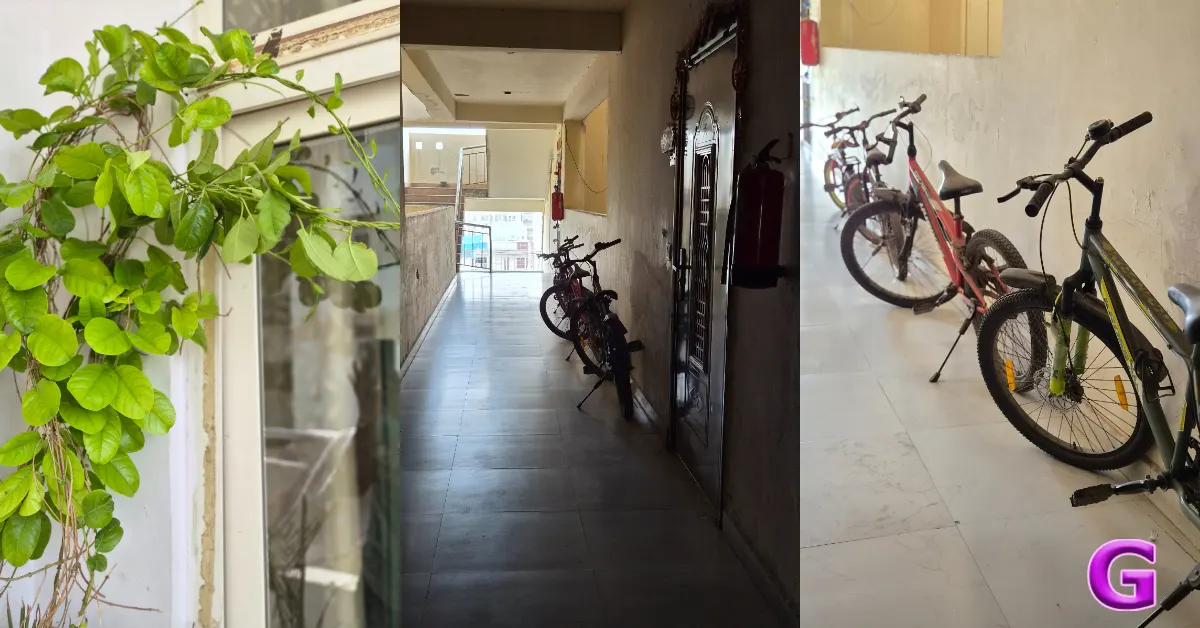
During the day, the S26+ smartphone does a great job of capturing a wide spectrum of colours, even in strong light. It has great depth and clarity in daylight, making it great for landscape and architectural photography. Users may crop photographs without losing texture.
However, it features noticeable shutter lag that can result in motion blur if subjects change direction or move quickly, particularly in poor lighting conditions. The sensor effectively maintains detail in bright areas and prevents the sky from becoming overexposed, but it can occasionally render colours, especially greens and reds, too vividly.


In low light, the strong OIS lets you take 2-second handheld shots with minimal blur, and the Night Mode works well with less lag. However, cropping photographs with aggressive AI noise suppression might cause a watercolour effect that affects the fine texture quality.

The ultrawide sensor has a 12MP lens with an f/2.2 aperture and a 120° field of view, keeping the colours consistent with the primary sensor during the day. However, it has some apparent shortcomings, such as fixed-focus capabilities that make macro shooting difficult and visible corner softness and reduced detail at the edges of images.
The sensor struggles in super-low light because it cannot collect enough illumination, resulting in grainy and dark photos that lack shadow detail. Without Optical Image Stabilisation (OIS), its performance diminishes further in low-light conditions, making it more suitable for brightly lit environments.
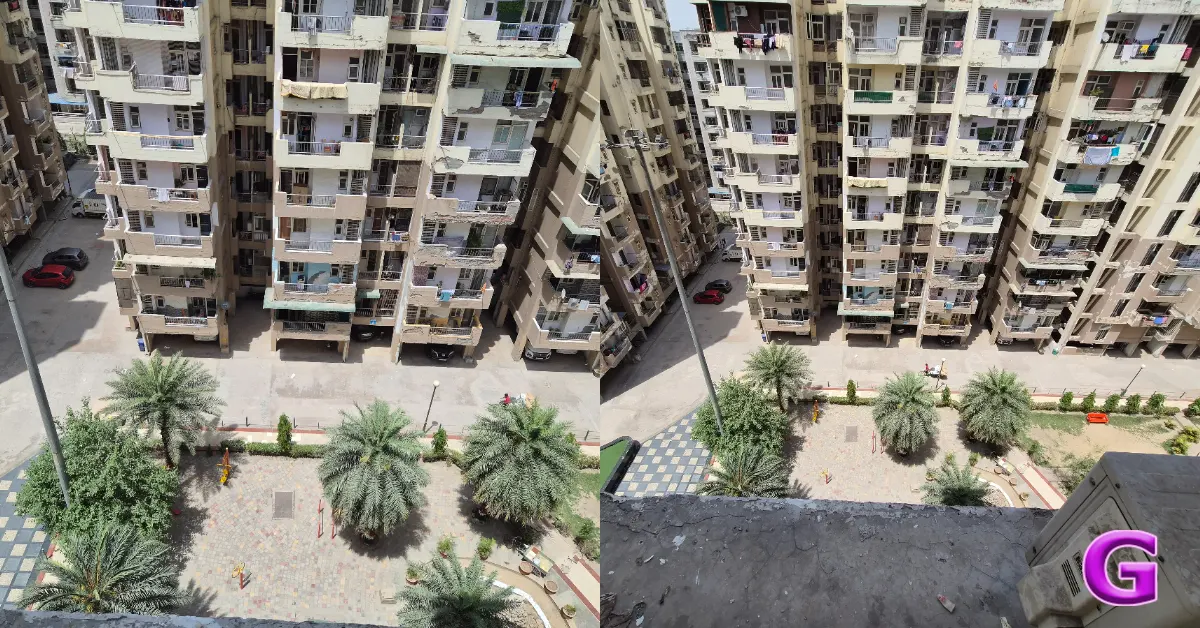
The ultrawide sensor works well for casual daytime shooting, but it doesn’t work as well in low light or while taking high-resolution landscape photos since it makes certain performance trade-offs.
The telephoto lens is great for street photography when the lighting is just right, like during the day. It makes the backdrop blur look natural and beautiful, and it focuses on the subject well. However, it’s important to remember that the 10MP sensor’s low resolution makes images seem much less acceptable when you try to utilise digital zoom at 10x or 20x. This is quite different from the Ultra’s better periscope zoom performance.
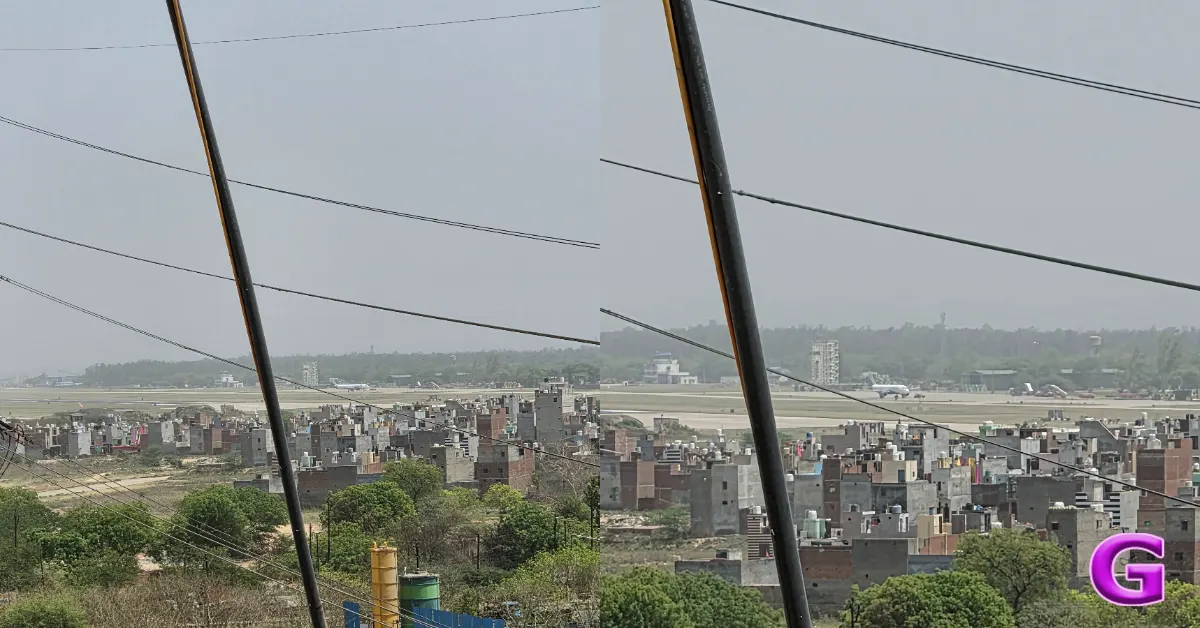

In low light, the camera can take good close-up images, but when it becomes dark enough, it usually reverts to its main 50MP sensor. This switch can increase noise and reduce the quality of photographs taken at 3x magnification due to cropping. Overall, although the S26+’s telephoto sensor performs well in favourable circumstances, it faces significant challenges in less-than-ideal lighting, highlighting its limits and the need for careful handling to produce the best photographic results.

The selfie camera has a 12MP resolution and an f/2.2 aperture. It also uses Dual Pixel Autofocus (AF) technology. The camera has distinct advantages when used during the day. For example, it captures sharp focus on faces and eyes, which is helpful for a wide range of photography styles, from close-ups to group photographs. It also supports 4K video recording at 60 frames per second (fps), which makes it easier to shoot high-quality footage.

For low-light performance, the camera employs Nightography technology, which significantly enhances its capabilities in dimly lit environments. The swift autofocus function works effectively to reduce blur, thus improving overall image quality even under challenging lighting conditions.

However, there are significant downsides, especially in high-contrast environments where AI processing may result in over-sharpened features. This may emerge as an unnatural appearance on skin textures and facial hair, giving the illusion of being manufactured or digital.
The S26+ has a 4,900 mAh battery, which is the same size as the one before it. However, its efficiency profile has changed a lot. The gadget has a 2nm design that makes the battery last longer, so if you’re doing mild to moderate activities like reading emails, surfing social media, or listening to music, you’ll have around 30–35% battery life left at the end of the day.
The Exynos 2600 processor doesn’t work as well as the Snapdragon model while doing intensive activities like capturing 4K video or using 5G navigation for a long time. This means that the battery life is around 2.5 hours shorter.
The Samsung S26+ still uses the 45W Super Fast Charging 2.0 standard, but the Ultra model now supports charging at 60W. When using a compatible 45W PPS charger, the battery can go from 0% to approximately 65% in about 30 minutes. The charging speed drops dramatically after the battery percentage hits 80%, which is good for the battery’s health. Because of this, the last 20% of the charge might take as long as the first 50% to finish.
It’s worth noting that Samsung didn’t include a charger in the box, so buyers will need to buy a particular USB-PD 3.0 with PPS brick to get the 45W charging speed. If you use an older 25W Samsung charger instead, it may take around an hour and twenty minutes to fully charge.
The S26+ smartphone has Qi2 wireless charging features, which enable a power output of up to 20W. This type uses magnetic chargers that improve alignment throughout the charging process, which helps to decrease heat emission. Furthermore, the S26+ supports reverse wireless charging at 4.5W; however, it is intended mainly for emergency use. While this function is useful for charging Galaxy Buds, it is quite slow and can overheat the device’s back while in use.
Verdict
The Samsung Galaxy S26+ is a safe and steady improvement that has an ergonomic design that makes it more comfortable to use. At Rs 1,19,999, it’s slightly more expensive compared to its rivals that provide more advanced features. This model is great for anyone who wants a bigger screen without the extra weight of the S26 Ultra. It also offers a luxury feel and a smooth software experience with One UI 8.5, which is known for avoiding usual bloatware issues.
The Indian version has an Exynos 2600 (2nm) chipset inside, which offers it powerful artificial intelligence capabilities. However, it may also become too hot while it is running at maximum speed, especially in hot climates.
However, competitor handsets are noted for offering more features like 100W+ charging and improved camera systems, contributing to the perception of a Samsung Tax for the S26+. On the bright side, the S26+ has a noteworthy 7-year software update promise, as well as superb post-purchase assistance geared exclusively for the Indian market.
The device is recommended for users who prioritise a large display and reliable software support over quick charging. However, it may not meet the needs of serious macro photography enthusiasts and those who prefer fast charging, as it does not include advanced camera features or rapid charging technology that are commonly favoured by these users.
Buy Here
Pros
- Comfortable and thin
- Gorgeous, sharp and bright QHD+ display
- AI beast
- Reliable main and selfie camera
Cons
- Lacks anti-reflective glass and 480Hz low PWM flicker
- The Exynos 2600 throttles under high temperatures.
- Slow charging


