



Key Takeaways
- TP-Link India has begun local manufacturing of its Wi-Fi 7 product line, making it one of the first global networking brands to do so in India following the delicensing of the lower 6 GHz spectrum band.
- The initial product being manufactured locally is the Omada EAP770, an enterprise-grade tri-band Wi-Fi 7 access point designed for high-density environments and integrated with TP-Link's Omada Software Defined Networking platform.
- The Department of Telecommunications' (DoT) delicensing of the 5,925 to 6,425 MHz band in the 6 GHz spectrum is crucial for Wi-Fi 7 technology to perform optimally in India, enabling faster speeds, lower latency, and improved reliability.
India’s networking landscape just got a serious upgrade. TP-Link India has announced the commencement of local manufacturing of its Wi-Fi 7 product portfolio in India, positioning itself among the first global networking brands to localise Wi-Fi 7 production in the country following the Department of Telecommunications‘ (DoT) January 2026 notification delicensing the lower 6 GHz spectrum band. If faster, smarter, and more reliable Wi-Fi sounds like something you could use, this news is very much for you.
In This Article
What Exactly Is Happening
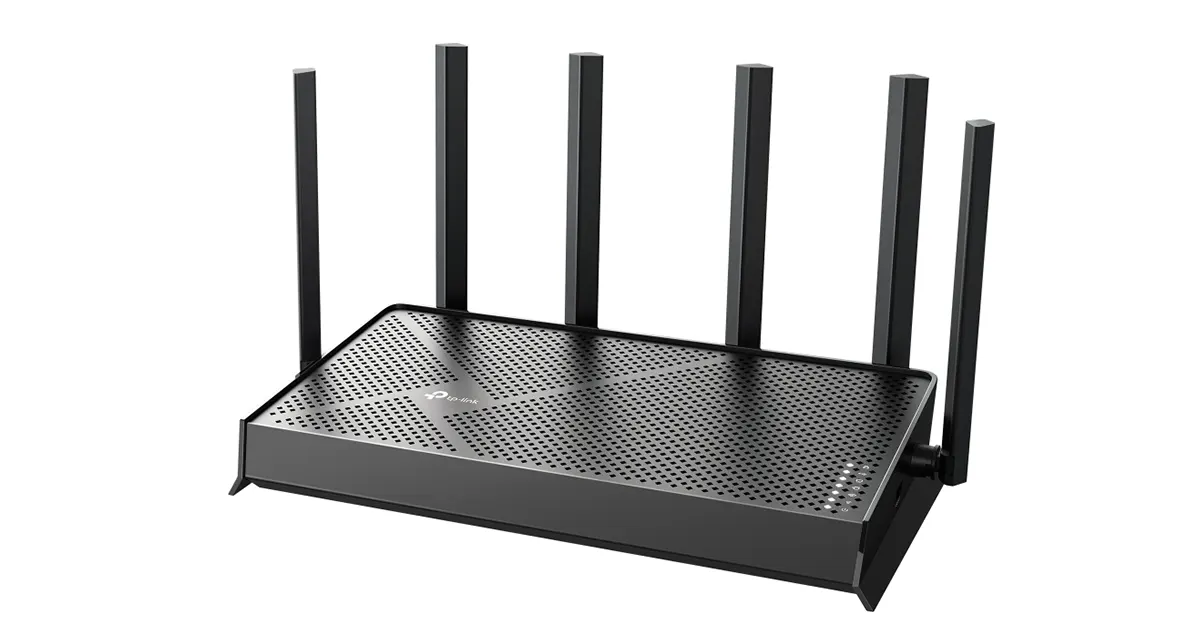
Production has begun with the Omada EAP770, an enterprise-grade tri-band Wi-Fi 7 ceiling-mount access point designed for high-density environments like hospitals, university campuses, retail outlets, hospitality networks, and large educational institutions. The device integrates with TP-Link’s Omada Software Defined Networking platform, allowing centralised and cloud-based management of distributed networks from a single dashboard.
Read Also: Xiaomi 17T India Launch Date Confirmed for June 4 as the T-Series Makes a Long-Awaited Return
This is not a one-product announcement. TP-Link India has outlined a phased roadmap to progressively expand its locally manufactured Wi-Fi 7 portfolio across indoor, outdoor, and in-wall access points, targeting both the growing domestic enterprise market and, in time, select international export destinations.
The Spectrum Catalyst
The DoT’s January 2026 notification unlocked 500 MHz of spectrum in the 5,925 to 6,425 MHz band for licence-exempt use. That is a significant chunk of radio real estate. The decision to delicense this lower 6 GHz band finally gives Wi-Fi 7 technology room to breathe and perform in India, enabling deployments for both enterprise users and home consumers across the country.
Wi-Fi 7, officially known as IEEE 802.11be, operates across all three frequency bands: 2.4 GHz, 5 GHz, and 6 GHz. The addition of the 6 GHz band is what makes the standard truly transformative. It delivers substantially higher network capacity, much lower latency, and improved reliability for cloud computing workloads, AI-driven applications, video collaboration, and IoT ecosystems. Global market research indicates the Wi-Fi 7 market, valued at around USD 8.63 billion in 2026, is on track to reach USD 35.66 billion by 2031, growing at a compound annual rate of nearly 33 per cent. India’s enterprise network equipment market alone is projected to grow from USD 4.2 to 4.8 billion in 2026 to over USD 10.5 billion by 2035.
The Make in India Angle
Here is where things get genuinely interesting from a manufacturing perspective. Nearly 92 per cent of TP-Link India’s product portfolio sold domestically is already manufactured locally through Indian Electronics Manufacturing Services partners. The company has now set its sights on pushing that figure to 96 to 97 per cent over the next three years, with Wi-Fi 7 being the latest category added to local production.
TP-Link India’s broader ambitions in the country include establishing what the company describes as its largest global manufacturing facility over a five-year horizon, alongside its Mumbai headquarters and a Bengaluru R&D centre. Adding Wi-Fi 7 to the locally manufactured portfolio is a significant step in that direction, signalling that India is being positioned not just as a consumer market but as a strategic global supply hub for next-generation networking products.
Why Enterprise India Should Pay Attention
Enterprise adoption of Wi-Fi 7 is expected to accelerate sharply through 2026, with analysts noting the upgrade cycle is steeper than it was for any previous enterprise WLAN technology standard. Unlike Wi-Fi 5, which had a Wave 2 iteration that slowed transition, Wi-Fi 7 has no such intermediate step. Enterprises with ageing wireless infrastructure, growing numbers of Wi-Fi 7-capable devices, or large-scale digital transformation projects have a clear, unambiguous reason to act now.
The Omada EAP770 access point is specifically engineered for these scenarios. Tri-band operation, seamless SDN integration, and a design optimised for high-density environments make it a capable fit for Indian organisations running complex, multi-site networks.
Key Benefits of Wi-Fi 7 for Indian Enterprises
- Multi-gigabit speeds and lower latency for AI-powered and cloud-native applications
- Improved performance in high-density deployments like campuses and event venues
- Reduced network congestion through the newly unlocked 6 GHz band
- Centralised, cloud-based management via the Omada SDN platform
- Locally manufactured hardware supporting supply chain reliability and faster availability
The Bigger Picture
India joining the growing list of countries deploying Wi-Fi 7 at scale is a meaningful development for the country’s digital infrastructure ambitions. With data centres, smart city projects, and enterprise cloud migration all accelerating simultaneously, the timing of the 6 GHz spectrum delicensing and TP-Link India’s manufacturing announcement feels less like a coincidence and more like a well-timed convergence.
It is worth watching how other global networking brands respond. TP-Link India’s early-mover position in localising Wi-Fi 7 manufacturing puts it in a strong spot as enterprise procurement cycles for next-generation wireless infrastructure begin to ramp up across India. Whether the company can translate that manufacturing head start into dominant market share will be the real story to follow over the next 12 to 18 months.


