

OnePlus accounts for 40% of premium smartphones sold in Quarter 2 in India
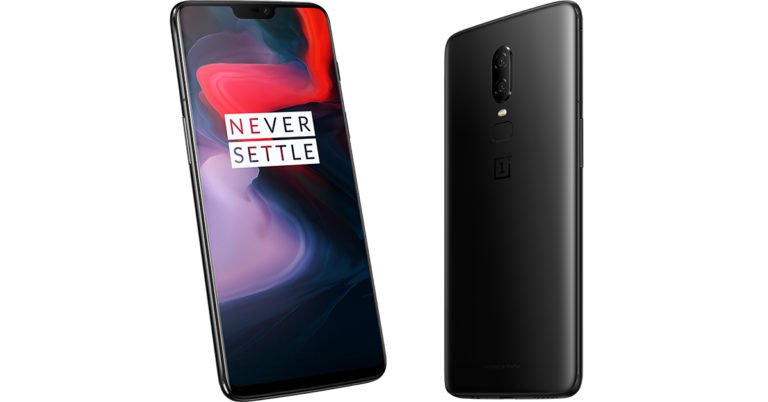
OnePlus, the Chinese smartphone manufacturer, has taken the lead when it comes to smartphone sales in India. The company has overtaken Samsung and Apple when it comes to premium or high-end smartphone sales in the country. According to the Hong Kong based Counterpoint research report OnePlus has surpassed its competition and is leading the pack when it comes to smartphones with price tag of Rs 30,000 or more.
Yes, the research agency describes the premium segment of smartphones in India, which has a selling price of Rs 30,000 or more. This is the first time that OnePlus is leading the high-end segment in the country and has captured over 40% of the market thanks to the extremely good sales of its latest flagship device, the OnePlus 6. While OnePlus’s shipments increased year on year in Q2, during the same period shipments of Samsung and Apple went down in the premium sector of mobiles.
Overall, the top three brands Samsung, Apple and OnePlus constitute for 88% of the premium market in India as compared to 95% a quarter ago. Samsung S9 is still a strong contender in the premium segment and is said to capture 33% of the premium market share in Q2. Which makes us wonder where Xiaomi is, who is still claiming that they are the India number 1 brand even after several reports have stated that Samsung has retaken the lead. Well, Xiaomi is not there on this chart, as they are only at the fag-end of the India smartphone market.
But, the budget-end of smartphone market works for them, as they are selling strongly there at the number 2 spot. It is a good strategy by the company keep selling hard where people are buying, let the big boys battle it out in the premium segment. Where we do reckon, when the new version of Apple iPhones and Samsung’s Note 9 come out in the next few months, these two will again retake the top spot from OnePlus.
For the latest gadget and tech news, and gadget reviews, follow us on Twitter, Facebook, Instagram and YouTube
[Video] Top cool new features of Apple iOS 12
![[Video] Top cool new features of Apple iOS 12](https://www.gadgetbridge.com/wp-content/uploads/2018/07/maxresdefault-1-768x432.jpg "[Video] Top cool new features of Apple iOS 12")
Apple iOS 12 will officially be available to users in the coming months. We have used and seen couple of its new features. Here is the list of the top cool ones from the new operating system.
For the latest gadget and tech news, and gadget reviews, follow us on Twitter, Facebook, Instagram and YouTube.
Vivo Nex Review: Stunner that packs powerful performance
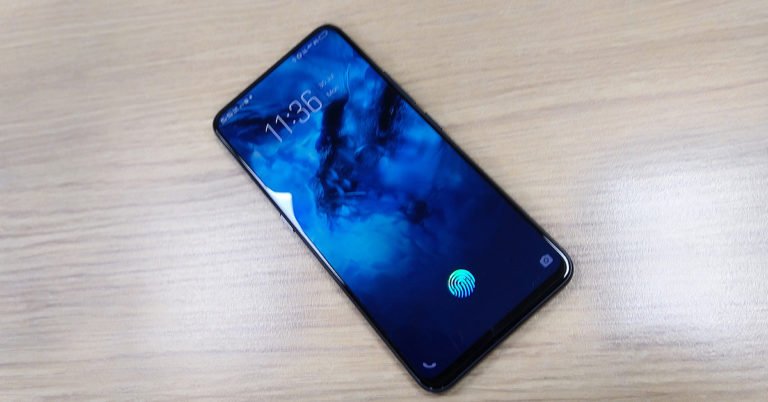
After seeing a slew of smartphones with notches on their display, it was really a relief to see Vivo come up with the futuristic looking Nex smartphone. But wait, that’s not the only thing about the Vivo Nex smartphone that’s worth talking about. It also has a pop-up selfie camera, an in-display fingerprint sensor, and is powered by the most powerful processor in the world.
The Chinese smartphone maker has left no stone unturned in packing its latest flagship device with the most high-end specifications and innovations.
Priced at Rs 44,990, it makes a good competitor for the recently launched and much talked about OnePlus 6. But does Vivo Nex actually has it in itself to make a mark in a segment that is dominated by OnePlus? We spent a few days with the smartphone, and here’s what we think of it:
Design and Blueprint
The first word that comes to our mind when we think of Vivo Nex’s design is futuristic. And the second one, is most definitely premium. Vivo Nex is certainly the best looking smartphone by the company yet and it brings glass and metal together in a way that is simply beautiful.
There are a number of aspects of the smartphone’s design that make it look a class apart.
Firstly, unlike so many other smartphones we have seen this year, Vivo Nex did not copy the notch from Apple’s iPhone X. It takes the term ‘bezel-less’ on to a new level altogether and does a great attempt at giving users an all-screen experience. It literally is as thin as it can be. While most other smartphones used the notch for the front facing snapper, earpiece and sensors, Vivo Nex has all of these housed in an innovative way. The selfie camera lives inside the smartphone and pops out from the top edge whenever you switch the selfie mode on in the camera app. The fingerprint sensor is beneath the display, much like Vivo X21. We have to admit; it did take us some time to get used to it. We reached out to the back panel of the smartphone when we wanted to unlock the device – out of habit of course. We also felt that fingerprint sensors that are actually present in the form of buttons do a better job. If you are wondering what happened to the front speaker, Vivo Nex replaces it with a linear vibrator – which basically means that the sound is being transmitted through the phone and relayed via the screen. This technology is called Screen SoundCasting by Vivo.
Flipping over, you’ll see a glass back panel on the smartphone that gets curved towards the metallic edges that house the power, volume rocker and AI buttons, the SIM tray, speaker grille, the elevating camera, 3.5mm jack and the Type-C charging port are also there.
The back panel is where the smartphone houses its dual rear cameras, LED flash and the NEX branding. Vivo Nex comes with a holographic pattern on its back which further adds on the aesthetic factor of the smartphone.
One among the very noticeable factors about the smartphone is that it is quite heavy – which is not surprising considering the fact that it has a large screen, a massive 4,000mAh battery, a selfie camera that pops up and metallic edges. But in spite of the weight, it wasn’t difficult for us to use the phone with one hand. Also, at this weight, most smartphones would stand at the risk of looking chunky, but not Vivo Nex. It is slim, in spite of being hefty.
To put it in a nutshell, Vivo Nex really impressed us in terms of design with its futuristic looks and innovations. We also liked most of them. However, we did expect the smartphone to be dustproof and waterproof at the given price. Also, the pop-up selfie camera means no face-unlock.
Performance, Cameras and Features
Before we start speaking about the performance of Vivo Nex, we’ll take a minute to talk about its specifications and special features.
Vivo Nex is powered by Qualcomm Snapdragon 845 processor clubbed with 8GB RAM and 128GB internal storage. It houses a 4,000mAh battery and runs Android 8.1 Oreo skinned with FuntouchOS 4.0.
While the pop-up selfie camera has an 8MP sensor, the dual rear camera setup comes with 12-megapixel IMX363 primary sensor and four-axis OIS, an a 5-megapixel secondary sensor.
The special features of the smartphone include an AI button — which can trigger the Google Assistant and Google Lens, besides the elevating selfie camera, the in-display fingerprint sensor, the all display front panel and the Screen SoundCasting technology we have spoken about already sums most of its features up.
Talking about the display. The Vivo Nex has a 6.59-inch full-HD+ Super AMOLED touchscreen. iI comes with an aspect ratio of 19.3:9. In a sentence – the display is simply the star of the show. The colours are vivid and vibrant and the viewing angles are simply superb. The display can be dimmed enough for the smartphone to be used comfortably in a room that it not well-lit. Over that, the users can also define a particular time for the night mode to kick in. Vivo has also moved the ambient light sensor below the display of the smartphone and it worked quite well. Sunlight readability was not a problem either – something that we really think is a big plus for any smartphone.
Coming to the performance of the device, it was simply top-notch. With Snapdragon 845 clubbed with 8GB RAM, there was nothing the phone couldn’t handle. Everyday tasks were obviously not a problem, but even when we used heavy-duty apps on Vivo Nex and switched between them, it showed no lag at all. With the combination of the given processor and RAM, we even left many apps unused the entire day and it made no difference to the smooth performance of the smartphone. And in our experience with the smartphone, no app crashed or took too much time to launch.
Needless to say, we downloaded a number of heavy games on the device and spent hours playing them. The experience was amazing. Firstly, the visuals looked extremely appealing on the display of the smartphone, and the games ran flawlessly. We don’t remember a single time when we faced a lag on it while playing even heavy games like Asphalt 8. What’s more, the smartphone showed no signs of heating even after prolonged gaming – an aspect which that gets a super thumbs up for us.
Speaking of the software used in the smartphone, it will surely remind you of iOS, but then, this is not the first time we have seen a smartphone company take inspiration from Apple’s operating system. The operating system on the device also supports gestures to answer a call by just by placing the smartphone to their ear, turn off flashlight just by shaking their phone and launch apps like Music and WhatsApp by drawing ‘M’ and ‘W’ on the screen, when it’s off. A lot of options of customisation are available in the Settings of the smartphone and we do suggest you go over them.
Battery life was another amazing factor of the Vivo Nex. Even at the end of the day, we had around 30% power left after usage that involved social media apps, binge watching YouTube videos and gaming. This surely is impressive.
Speaking about the call quality of the device, although we were a little apprehensive about it, the Screen SoundCasting did not affect the quality of calls in a negative manner. We could clearly hear the person who called us at all times, even when we were in areas like basements and elevators.
But, one thing that we didn’t like about the performance was the bloatware. Most flagship smartphones come without it, and we expected the same from Vivo Nex. Additional apps on the device included Phone Pe, Newspoint, UC Browser, Amazon, Amazon Prime Video and WPS Office.
We also ran a few benchmark tests on the device. It scored a 2,83,896 in Antutu and 2,439 and 9,017 in Single Core and Multi Core scores of Geekbench 4.
Now let’s talk about the cameras of the device. We really loved the photos taken by the dual rear cameras of the Vivo Nex. The colours were rich and accurate, and the details were really impressive. During our time with the phone, it didn’t take long to focus on objects and we also didn’t face any shutter lag.
The four axis OIS ensured that the shots taken at night were brilliant. The dual rear cameras were intelligent enough to recognise the objects or scenes that were being shot and adjusted settings accordingly.
While the shots taken by the selfie camera are way better than what we have seen on many other phones, they didn’t match up to the ones taken by the dual rear cameras of the device.
While most of them had enough details and were extremely clear, there were a few, which we took in dimly lit conditions, had some noise.
The camera app of the smartphone supports AR stickers that can be used with both the selfie and dual cameras. They are quite interesting and may even remind you of some filters you have seen on Snapchat.
Additionally, you can also use the smartphone to capture slow-motion videos at 1080p. We captured some and we were happy with the results.
Verdict and Final Thoughts
The display and the design are amazing, the performance is excellent and the battery life is very impressive. The cameras mostly do a great job, too. At a price of Rs 44,990, Vivo Nex is definitely a very good buy. The downsides include the fact that there is no facial unlock, the smartphone isn’t dustproof and waterproof and that the selfie camera does an average job in dimly lit areas. But these are not a deal breaker, Vivo Nex is a great buy if you have budget of around those many rupees.
Pros:
Futuristic and innovative design
Vibrant display
Amazing performance and lasting battery
Cons:
Not dust and water proof
No wireless charging
Lack of face unlock
We have to admit; it did take us some time to get used to it. We reached out to the back panel of the smartphone when we wanted to unlock the device – out of habit of course. We also felt that fingerprint sensors that are actually present in the form of buttons do a better job. If you are wondering what happened to the front speaker, Vivo Nex replaces it with a linear vibrator – which basically means that the sound is being transmitted through the phone and relayed via the screen. This technology is called Screen SoundCasting by Vivo.
Flipping over, you’ll see a glass back panel on the smartphone that gets curved towards the metallic edges that house the power, volume rocker and AI buttons, the SIM tray, speaker grille, the elevating camera, 3.5mm jack and the Type-C charging port are also there.
The back panel is where the smartphone houses its dual rear cameras, LED flash and the NEX branding. Vivo Nex comes with a holographic pattern on its back which further adds on the aesthetic factor of the smartphone.
One among the very noticeable factors about the smartphone is that it is quite heavy – which is not surprising considering the fact that it has a large screen, a massive 4,000mAh battery, a selfie camera that pops up and metallic edges. But in spite of the weight, it wasn’t difficult for us to use the phone with one hand. Also, at this weight, most smartphones would stand at the risk of looking chunky, but not Vivo Nex. It is slim, in spite of being hefty.
To put it in a nutshell, Vivo Nex really impressed us in terms of design with its futuristic looks and innovations. We also liked most of them. However, we did expect the smartphone to be dustproof and waterproof at the given price. Also, the pop-up selfie camera means no face-unlock.
Performance, Cameras and Features
Before we start speaking about the performance of Vivo Nex, we’ll take a minute to talk about its specifications and special features.
Vivo Nex is powered by Qualcomm Snapdragon 845 processor clubbed with 8GB RAM and 128GB internal storage. It houses a 4,000mAh battery and runs Android 8.1 Oreo skinned with FuntouchOS 4.0.
While the pop-up selfie camera has an 8MP sensor, the dual rear camera setup comes with 12-megapixel IMX363 primary sensor and four-axis OIS, an a 5-megapixel secondary sensor.
The special features of the smartphone include an AI button — which can trigger the Google Assistant and Google Lens, besides the elevating selfie camera, the in-display fingerprint sensor, the all display front panel and the Screen SoundCasting technology we have spoken about already sums most of its features up.
Talking about the display. The Vivo Nex has a 6.59-inch full-HD+ Super AMOLED touchscreen. iI comes with an aspect ratio of 19.3:9. In a sentence – the display is simply the star of the show. The colours are vivid and vibrant and the viewing angles are simply superb. The display can be dimmed enough for the smartphone to be used comfortably in a room that it not well-lit. Over that, the users can also define a particular time for the night mode to kick in. Vivo has also moved the ambient light sensor below the display of the smartphone and it worked quite well. Sunlight readability was not a problem either – something that we really think is a big plus for any smartphone.
Coming to the performance of the device, it was simply top-notch. With Snapdragon 845 clubbed with 8GB RAM, there was nothing the phone couldn’t handle. Everyday tasks were obviously not a problem, but even when we used heavy-duty apps on Vivo Nex and switched between them, it showed no lag at all. With the combination of the given processor and RAM, we even left many apps unused the entire day and it made no difference to the smooth performance of the smartphone. And in our experience with the smartphone, no app crashed or took too much time to launch.
Needless to say, we downloaded a number of heavy games on the device and spent hours playing them. The experience was amazing. Firstly, the visuals looked extremely appealing on the display of the smartphone, and the games ran flawlessly. We don’t remember a single time when we faced a lag on it while playing even heavy games like Asphalt 8. What’s more, the smartphone showed no signs of heating even after prolonged gaming – an aspect which that gets a super thumbs up for us.
Speaking of the software used in the smartphone, it will surely remind you of iOS, but then, this is not the first time we have seen a smartphone company take inspiration from Apple’s operating system. The operating system on the device also supports gestures to answer a call by just by placing the smartphone to their ear, turn off flashlight just by shaking their phone and launch apps like Music and WhatsApp by drawing ‘M’ and ‘W’ on the screen, when it’s off. A lot of options of customisation are available in the Settings of the smartphone and we do suggest you go over them.
Battery life was another amazing factor of the Vivo Nex. Even at the end of the day, we had around 30% power left after usage that involved social media apps, binge watching YouTube videos and gaming. This surely is impressive.
Speaking about the call quality of the device, although we were a little apprehensive about it, the Screen SoundCasting did not affect the quality of calls in a negative manner. We could clearly hear the person who called us at all times, even when we were in areas like basements and elevators.
But, one thing that we didn’t like about the performance was the bloatware. Most flagship smartphones come without it, and we expected the same from Vivo Nex. Additional apps on the device included Phone Pe, Newspoint, UC Browser, Amazon, Amazon Prime Video and WPS Office.
We also ran a few benchmark tests on the device. It scored a 2,83,896 in Antutu and 2,439 and 9,017 in Single Core and Multi Core scores of Geekbench 4.
Now let’s talk about the cameras of the device. We really loved the photos taken by the dual rear cameras of the Vivo Nex. The colours were rich and accurate, and the details were really impressive. During our time with the phone, it didn’t take long to focus on objects and we also didn’t face any shutter lag.
The four axis OIS ensured that the shots taken at night were brilliant. The dual rear cameras were intelligent enough to recognise the objects or scenes that were being shot and adjusted settings accordingly.
While the shots taken by the selfie camera are way better than what we have seen on many other phones, they didn’t match up to the ones taken by the dual rear cameras of the device.
While most of them had enough details and were extremely clear, there were a few, which we took in dimly lit conditions, had some noise.
The camera app of the smartphone supports AR stickers that can be used with both the selfie and dual cameras. They are quite interesting and may even remind you of some filters you have seen on Snapchat.
Additionally, you can also use the smartphone to capture slow-motion videos at 1080p. We captured some and we were happy with the results.
Verdict and Final Thoughts
The display and the design are amazing, the performance is excellent and the battery life is very impressive. The cameras mostly do a great job, too. At a price of Rs 44,990, Vivo Nex is definitely a very good buy. The downsides include the fact that there is no facial unlock, the smartphone isn’t dustproof and waterproof and that the selfie camera does an average job in dimly lit areas. But these are not a deal breaker, Vivo Nex is a great buy if you have budget of around those many rupees.
Pros:
Futuristic and innovative design
Vibrant display
Amazing performance and lasting battery
Cons:
Not dust and water proof
No wireless charging
Lack of face unlock
 We have to admit; it did take us some time to get used to it. We reached out to the back panel of the smartphone when we wanted to unlock the device – out of habit of course. We also felt that fingerprint sensors that are actually present in the form of buttons do a better job. If you are wondering what happened to the front speaker, Vivo Nex replaces it with a linear vibrator – which basically means that the sound is being transmitted through the phone and relayed via the screen. This technology is called Screen SoundCasting by Vivo.
 Flipping over, you’ll see a glass back panel on the smartphone that gets curved towards the metallic edges that house the power, volume rocker and AI buttons, the SIM tray, speaker grille, the elevating camera, 3.5mm jack and the Type-C charging port are also there.
The back panel is where the smartphone houses its dual rear cameras, LED flash and the NEX branding. Vivo Nex comes with a holographic pattern on its back which further adds on the aesthetic factor of the smartphone.
One among the very noticeable factors about the smartphone is that it is quite heavy – which is not surprising considering the fact that it has a large screen, a massive 4,000mAh battery, a selfie camera that pops up and metallic edges. But in spite of the weight, it wasn’t difficult for us to use the phone with one hand. Also, at this weight, most smartphones would stand at the risk of looking chunky, but not Vivo Nex. It is slim, in spite of being hefty.
Flipping over, you’ll see a glass back panel on the smartphone that gets curved towards the metallic edges that house the power, volume rocker and AI buttons, the SIM tray, speaker grille, the elevating camera, 3.5mm jack and the Type-C charging port are also there.
The back panel is where the smartphone houses its dual rear cameras, LED flash and the NEX branding. Vivo Nex comes with a holographic pattern on its back which further adds on the aesthetic factor of the smartphone.
One among the very noticeable factors about the smartphone is that it is quite heavy – which is not surprising considering the fact that it has a large screen, a massive 4,000mAh battery, a selfie camera that pops up and metallic edges. But in spite of the weight, it wasn’t difficult for us to use the phone with one hand. Also, at this weight, most smartphones would stand at the risk of looking chunky, but not Vivo Nex. It is slim, in spite of being hefty. To put it in a nutshell, Vivo Nex really impressed us in terms of design with its futuristic looks and innovations. We also liked most of them. However, we did expect the smartphone to be dustproof and waterproof at the given price. Also, the pop-up selfie camera means no face-unlock.
Performance, Cameras and Features
Before we start speaking about the performance of Vivo Nex, we’ll take a minute to talk about its specifications and special features.
Vivo Nex is powered by Qualcomm Snapdragon 845 processor clubbed with 8GB RAM and 128GB internal storage. It houses a 4,000mAh battery and runs Android 8.1 Oreo skinned with FuntouchOS 4.0.
While the pop-up selfie camera has an 8MP sensor, the dual rear camera setup comes with 12-megapixel IMX363 primary sensor and four-axis OIS, an a 5-megapixel secondary sensor.
The special features of the smartphone include an AI button — which can trigger the Google Assistant and Google Lens, besides the elevating selfie camera, the in-display fingerprint sensor, the all display front panel and the Screen SoundCasting technology we have spoken about already sums most of its features up.
Talking about the display. The Vivo Nex has a 6.59-inch full-HD+ Super AMOLED touchscreen. iI comes with an aspect ratio of 19.3:9. In a sentence – the display is simply the star of the show. The colours are vivid and vibrant and the viewing angles are simply superb. The display can be dimmed enough for the smartphone to be used comfortably in a room that it not well-lit. Over that, the users can also define a particular time for the night mode to kick in. Vivo has also moved the ambient light sensor below the display of the smartphone and it worked quite well. Sunlight readability was not a problem either – something that we really think is a big plus for any smartphone.
Coming to the performance of the device, it was simply top-notch. With Snapdragon 845 clubbed with 8GB RAM, there was nothing the phone couldn’t handle. Everyday tasks were obviously not a problem, but even when we used heavy-duty apps on Vivo Nex and switched between them, it showed no lag at all. With the combination of the given processor and RAM, we even left many apps unused the entire day and it made no difference to the smooth performance of the smartphone. And in our experience with the smartphone, no app crashed or took too much time to launch.
Needless to say, we downloaded a number of heavy games on the device and spent hours playing them. The experience was amazing. Firstly, the visuals looked extremely appealing on the display of the smartphone, and the games ran flawlessly. We don’t remember a single time when we faced a lag on it while playing even heavy games like Asphalt 8. What’s more, the smartphone showed no signs of heating even after prolonged gaming – an aspect which that gets a super thumbs up for us.
Speaking of the software used in the smartphone, it will surely remind you of iOS, but then, this is not the first time we have seen a smartphone company take inspiration from Apple’s operating system. The operating system on the device also supports gestures to answer a call by just by placing the smartphone to their ear, turn off flashlight just by shaking their phone and launch apps like Music and WhatsApp by drawing ‘M’ and ‘W’ on the screen, when it’s off. A lot of options of customisation are available in the Settings of the smartphone and we do suggest you go over them.
Battery life was another amazing factor of the Vivo Nex. Even at the end of the day, we had around 30% power left after usage that involved social media apps, binge watching YouTube videos and gaming. This surely is impressive.
Speaking about the call quality of the device, although we were a little apprehensive about it, the Screen SoundCasting did not affect the quality of calls in a negative manner. We could clearly hear the person who called us at all times, even when we were in areas like basements and elevators.
But, one thing that we didn’t like about the performance was the bloatware. Most flagship smartphones come without it, and we expected the same from Vivo Nex. Additional apps on the device included Phone Pe, Newspoint, UC Browser, Amazon, Amazon Prime Video and WPS Office.
We also ran a few benchmark tests on the device. It scored a 2,83,896 in Antutu and 2,439 and 9,017 in Single Core and Multi Core scores of Geekbench 4.
To put it in a nutshell, Vivo Nex really impressed us in terms of design with its futuristic looks and innovations. We also liked most of them. However, we did expect the smartphone to be dustproof and waterproof at the given price. Also, the pop-up selfie camera means no face-unlock.
Performance, Cameras and Features
Before we start speaking about the performance of Vivo Nex, we’ll take a minute to talk about its specifications and special features.
Vivo Nex is powered by Qualcomm Snapdragon 845 processor clubbed with 8GB RAM and 128GB internal storage. It houses a 4,000mAh battery and runs Android 8.1 Oreo skinned with FuntouchOS 4.0.
While the pop-up selfie camera has an 8MP sensor, the dual rear camera setup comes with 12-megapixel IMX363 primary sensor and four-axis OIS, an a 5-megapixel secondary sensor.
The special features of the smartphone include an AI button — which can trigger the Google Assistant and Google Lens, besides the elevating selfie camera, the in-display fingerprint sensor, the all display front panel and the Screen SoundCasting technology we have spoken about already sums most of its features up.
Talking about the display. The Vivo Nex has a 6.59-inch full-HD+ Super AMOLED touchscreen. iI comes with an aspect ratio of 19.3:9. In a sentence – the display is simply the star of the show. The colours are vivid and vibrant and the viewing angles are simply superb. The display can be dimmed enough for the smartphone to be used comfortably in a room that it not well-lit. Over that, the users can also define a particular time for the night mode to kick in. Vivo has also moved the ambient light sensor below the display of the smartphone and it worked quite well. Sunlight readability was not a problem either – something that we really think is a big plus for any smartphone.
Coming to the performance of the device, it was simply top-notch. With Snapdragon 845 clubbed with 8GB RAM, there was nothing the phone couldn’t handle. Everyday tasks were obviously not a problem, but even when we used heavy-duty apps on Vivo Nex and switched between them, it showed no lag at all. With the combination of the given processor and RAM, we even left many apps unused the entire day and it made no difference to the smooth performance of the smartphone. And in our experience with the smartphone, no app crashed or took too much time to launch.
Needless to say, we downloaded a number of heavy games on the device and spent hours playing them. The experience was amazing. Firstly, the visuals looked extremely appealing on the display of the smartphone, and the games ran flawlessly. We don’t remember a single time when we faced a lag on it while playing even heavy games like Asphalt 8. What’s more, the smartphone showed no signs of heating even after prolonged gaming – an aspect which that gets a super thumbs up for us.
Speaking of the software used in the smartphone, it will surely remind you of iOS, but then, this is not the first time we have seen a smartphone company take inspiration from Apple’s operating system. The operating system on the device also supports gestures to answer a call by just by placing the smartphone to their ear, turn off flashlight just by shaking their phone and launch apps like Music and WhatsApp by drawing ‘M’ and ‘W’ on the screen, when it’s off. A lot of options of customisation are available in the Settings of the smartphone and we do suggest you go over them.
Battery life was another amazing factor of the Vivo Nex. Even at the end of the day, we had around 30% power left after usage that involved social media apps, binge watching YouTube videos and gaming. This surely is impressive.
Speaking about the call quality of the device, although we were a little apprehensive about it, the Screen SoundCasting did not affect the quality of calls in a negative manner. We could clearly hear the person who called us at all times, even when we were in areas like basements and elevators.
But, one thing that we didn’t like about the performance was the bloatware. Most flagship smartphones come without it, and we expected the same from Vivo Nex. Additional apps on the device included Phone Pe, Newspoint, UC Browser, Amazon, Amazon Prime Video and WPS Office.
We also ran a few benchmark tests on the device. It scored a 2,83,896 in Antutu and 2,439 and 9,017 in Single Core and Multi Core scores of Geekbench 4. Now let’s talk about the cameras of the device. We really loved the photos taken by the dual rear cameras of the Vivo Nex. The colours were rich and accurate, and the details were really impressive. During our time with the phone, it didn’t take long to focus on objects and we also didn’t face any shutter lag.
The four axis OIS ensured that the shots taken at night were brilliant. The dual rear cameras were intelligent enough to recognise the objects or scenes that were being shot and adjusted settings accordingly.
While the shots taken by the selfie camera are way better than what we have seen on many other phones, they didn’t match up to the ones taken by the dual rear cameras of the device.
While most of them had enough details and were extremely clear, there were a few, which we took in dimly lit conditions, had some noise.
Now let’s talk about the cameras of the device. We really loved the photos taken by the dual rear cameras of the Vivo Nex. The colours were rich and accurate, and the details were really impressive. During our time with the phone, it didn’t take long to focus on objects and we also didn’t face any shutter lag.
The four axis OIS ensured that the shots taken at night were brilliant. The dual rear cameras were intelligent enough to recognise the objects or scenes that were being shot and adjusted settings accordingly.
While the shots taken by the selfie camera are way better than what we have seen on many other phones, they didn’t match up to the ones taken by the dual rear cameras of the device.
While most of them had enough details and were extremely clear, there were a few, which we took in dimly lit conditions, had some noise.

 The camera app of the smartphone supports AR stickers that can be used with both the selfie and dual cameras. They are quite interesting and may even remind you of some filters you have seen on Snapchat.
Additionally, you can also use the smartphone to capture slow-motion videos at 1080p. We captured some and we were happy with the results.
Verdict and Final Thoughts
The display and the design are amazing, the performance is excellent and the battery life is very impressive. The cameras mostly do a great job, too. At a price of Rs 44,990, Vivo Nex is definitely a very good buy. The downsides include the fact that there is no facial unlock, the smartphone isn’t dustproof and waterproof and that the selfie camera does an average job in dimly lit areas. But these are not a deal breaker, Vivo Nex is a great buy if you have budget of around those many rupees.
Pros:
Futuristic and innovative design
Vibrant display
Amazing performance and lasting battery
Cons:
Not dust and water proof
No wireless charging
Lack of face unlock
The camera app of the smartphone supports AR stickers that can be used with both the selfie and dual cameras. They are quite interesting and may even remind you of some filters you have seen on Snapchat.
Additionally, you can also use the smartphone to capture slow-motion videos at 1080p. We captured some and we were happy with the results.
Verdict and Final Thoughts
The display and the design are amazing, the performance is excellent and the battery life is very impressive. The cameras mostly do a great job, too. At a price of Rs 44,990, Vivo Nex is definitely a very good buy. The downsides include the fact that there is no facial unlock, the smartphone isn’t dustproof and waterproof and that the selfie camera does an average job in dimly lit areas. But these are not a deal breaker, Vivo Nex is a great buy if you have budget of around those many rupees.
Pros:
Futuristic and innovative design
Vibrant display
Amazing performance and lasting battery
Cons:
Not dust and water proof
No wireless charging
Lack of face unlock 5 Sci-fi movies that will be releasing in the second half of 2018

Ethan Hunt is back with the sixth movie of the Mission Impossible series and he continues to do what he has been doing since 1996 ‘figuring things right’ and while putting his life in a lot of danger and manoeuvring his way often without a plan. Most early reviewers are touting Mission Impossible Fallout to be possibly the best of the six Mission films, with director Christopher McQuarrie upping his ante significantly from the last instalment. After watching this if you are craving for more sci-fiction movies to add to your “to watch list”, here are some interesting movies of the genre that will be releasing in the later part of the year.
In This Article
Spider-Man: Into the Spider-Verse
While we have already seen three superhero movies this year from the Marvel stable namely, Black Panther, Avengers Infinity wars and Ant-Man, this will be a little different given that it comes from Sony Pictures stable. It is hard to usually think of Spider-Man movie as sci-fi but Spider-Man: Into the Spider-Verse is more of a sci-fi-like stories than anything else. Releasing on December 14, 2018 this sure is expected to be a treat to watch.Venom
Sony Pictures will also be releasing Venom this year, which is a movie based on the popular Spider-Man spinoff character. The movie is scheduled to release on October 5. Venom is directed by Ruben Fleischer (Zombieland), and will have Tom Hardy as Eddie Brock—the main lead. Tom Hardy has also acted in movies such as Mad Max: Fury Road and The Dark Knight Rises. The other cast members of Venom include Michelle Williams, Riz Ahmed, Jenny Slate, and Woody Harrelson.Aquaman
If you are up for another superhero flick, then there is also Aquaman movie, which will be releasing later in 2018. For the unaware, Aquaman is a member of the DC superhero clan, which also has Superman, Batman, Wonder Woman, Flash and Cyborg along with him. It stars Jason Mamoa as the lead character and its trailer looks promising. If this clicks, then just like Marvel, DC will also brand out to its lesser known superheroes.Fantastic Beasts
If you are a Harry Potter fan, then you know what this movie means for the fandom. For those who are not aware, this movie’s screenplay is written by J.K Rowling, the creator of Harry Potter. It is a sequel to 2016 movie Fantastic Beasts And Where To Find Them! Set up in the same universe, the movie will throw light on the darkness and the crimes Grindelwald. The movie is expected to release on November 16.X-Men: Dark Phoenix
X-Men: Dark Phoenix will be a follow-up to 2016’s X-Men: Apocalypse and in this iteration we will get to see how Jean Grey will deal with cosmic dark side. The movie is expected to release in November, but we are also hearing that it may get delayed till 2019. Nevertheless, we feel this will be a promising movie and worth the wait. For the latest gadget and tech news, and gadget reviews, follow us on Twitter, Facebook, Instagram and YouTube [td_smart_list_end]Google Home can now schedule routines: Report

Earlier this year at Google I/O, the technology company announced that its Assistant will be getting a feature for multi-step routines. For those who don’t know, the feature allows the Assistant perform multiple tasks given to it in one single command.
At the same time, Google also announced that it had plans of adding the ability to schedule routines too ‘later this summer.’ This feature was something that was being looked forward to by a number of people because – as the name of the feature suggests — it meant scheduling routines repeating the same set of instructions every day.
And now, according to a report in Droid Life, the feature may be getting rolled out already. Some of the users of Google Home app can see this feature on their app. New routines can be added by going to the Settings section of the Google Home app, tapping on Routines and then the ‘+’ icon. Furthermore, there is also an option called ‘Set a time and day (optional).’
However, as of now, the feature is only being rolled out to the smart speaker users in US, according to a report in Engadget. The technology giant has not spoken about the availability of the feature in India.
Needless to say, but this feature has the potential of being extremely useful. One can set their Morning Routine on Google Home, which will then remind them of tasks like charging their smartphone and will also adjust lights every day without being reminded.
The routines can be scheduled on the Google Home app and a device must be added to them in order to execute these routines. The connected device will then perform the routine and give an audio acknowledgement once it has been completed. Additionally, users will also get a notification confirming the completion of a routine on their phones.
For the latest gadget and tech news, and gadget reviews, follow us on Twitter, Facebook, Instagram and YouTube.
Huawei Nova 3, Nova 3i launched in India: Price, specs and availability
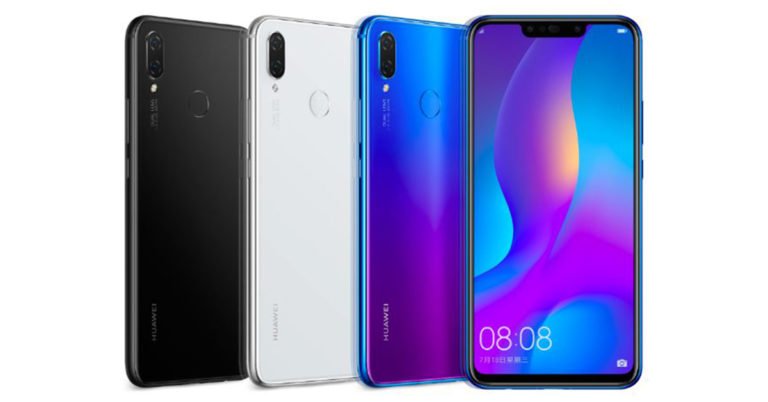
Huawei seems to be on a roll with the mother brand along with its subsidiary launching smartphones in India one after the other. Recently, Honour 9N launched in India and now it is the turn of Huawei Nova 3 and Nova 3i. The smartphones were rumoured to come to in India in July and finally they are here in their full spectacle. So let’s see what these phones boast.
Huawei Nova 3 technical specifications
Let’s start with the Huawei Nova 3, which comes with a 6.3-inch Full HD+ touchscreen (2340×1080 pixels resolution) and boasts a 19.5:9 aspect ratio. Yes, this smartphone also sports a notch and is almost an edge to edge screen mobile. While most smartphones these days run the Qualcomm or MediaTek chipsets, the Huawei Nova 3 has runs HiSilicon Kirin 970 SoC inside. This is paired with 6GB RAM and 128GB storage. The storage can be further expanded with the help of a microSD card up to 256GB. Android 8.1 Oreo is the OS on this smartphone which runs EMUI 8.2 skin on top of it.
For graphical duties the Huawei Nova 3 has a Mali G72 graphics processor inside. Moving to the cameras, this smartphone has 4 cameras on board. 2 at the back and two on the front. The rear setup is built of 24MP camera with f/1.8 aperture along with the primary 16MP sensor that has PDAF, AI scene recognition and also a f/1.8 aperture. The front cameras consist of a primary 24MP sensor with f/2.0 aperture and the next one with 2MP sensor. Connectivity-wise the Huawei Nova 3 supports 4G VoTLE, Wi-Fi 802.11 a/c, GPS/A-GPS, USB type C charging (for 3,750 mAh battery inside) and 3.5mm headphone port. The smartphone is 7.3mm thick.
Huawei Nova 3i technical specifications
Moving on the other smartphone launched the Huawei Nova 3i, which also spots a 6.3-inch FHD+ touch display with 2,340×1,080 pixels’ resolution and 409ppi pixel density. The aspect ratio here too lies at 19.5:9. The major difference in this smartphone over Huawei Nova 3 comes on the inside. The Huawei Nova 3i features a HiSilicon Kirin 710 chipset. This is paired with 4GB RAM and 128GB on board storage. The storage is expandable using a microSD card by up to 256GB. The OS is powered by Android 8.1 with Huawei’s EMUI 8.2 layer on top.
The Huawei Nova 3i comes with a 16MP primary photography sensor at the back with a 2MP secondary camera right underneath it. The front features a notch on which 2 cameras play house. These are powered by a 24MP plus 2MP sensors for depth photography. Other features of the smartphone include Gyroscope, digital compass, proximity sensor, 4GLTE support, Wi-Fi 802.11 a/c, Bluetooth V4.2, GPS and a ambient light sensor. The Huawei Nova 3i with its 3,340 mAh battery weighs 169 grams and is 7.6mm thick.
Commenting on the launch of HUAWEI nova series in India, Mr. Allen Wang, Director, Product Centre, HUAWEI India Consumer Business Group, said, “Having operated in India successfully for 18+ years and with a key focus on enhancing our R&D capabilities, we are uniquely positioned to enrich the lives of our customers in India. Globally, Huawei is a leader in cutting edge technology and continues to work towards the best in class AI technologies as the next step in the smartphone evolution”
Price and availability
The Huawei Nova 3 is priced at Rs 34,999, while the Huawei Nova 3i is priced at Rs 20,990. The colour options for both include Black and Iris Blue. Pre-booking of the devices has already started and sales will start on the 23rd of August for Huawei Nova 3 and 7th august for Huawei Nova 3i. Pre-booking offer of Rs 1,000 cashback is available on both the smartphone and there is an additional Rs 2,000 exchange discount running, too. JIO is giving 100GB of additional data to its customers along with Rs 1,200 cashback on the purchase of these smartphones.
For the latest gadget and tech news, and gadget reviews, follow us on Twitter, Facebook, Instagram and YouTube
The most expensive smartphone from Sony, Xperia XZ2 launched in India
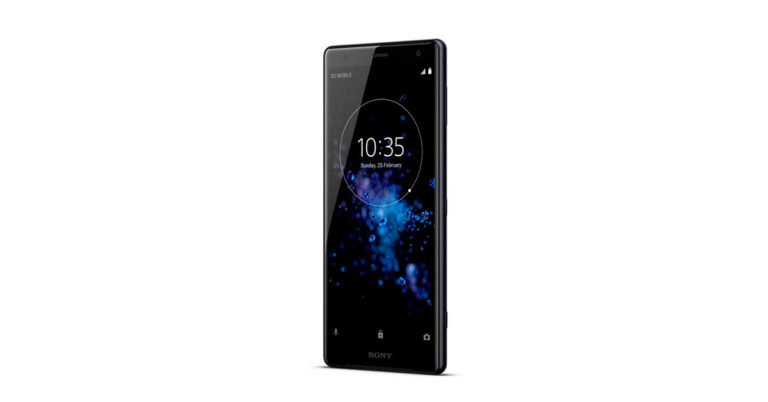
How would you react if we told you that Sony just launched a smartphone in India that is priced at Rs 72,990? Would you be curious? Or would you be shocked? Well to be honest, we were both when we got to know about the launch of Sony Xperia XZ2.
Needless to say, the smartphone comes with extremely high-end specifications and is Sony’s flagship of the year. So let’s get going and talk about the specifications and availability of the most expensive smartphone by Sony yet.
Sony XZ2 Specifications
The Sony Xperia XZ2 smartphone features a 5.7-inch full HD+ TRILUMINOS screen display and has an aspect ratio of 18:9. The display of the smartphone comes with a coating of Corning Gorilla Glass 5.
Powered by Qualcomm Snapdragon 845 processor clubbed with 6GB RAM, Sony Xperia XZ2 comes with 64GB internal storage. The smartphone can hold microSD card of up to 400GB.
For imaging duties, Sony Xperia XZ2 smartphone comes with a 19MP motion eye primary camera that has 1/ 2.3-inch Exmor RS sensor and 25mm wide Sony G lens.
The primary camera of Sony Xperia XZ2 comes with autofocus burst, predictive hybrid autofocus, 4K HDR recording, 8x digital zoom, and SteadyShot technology.
The camera can also record 960fps Super slow motion in full HD. It also has a 5MP front facing snapper with 23mm wide angle lens, SteadyShot, 5-axis stabilization and 3D selfie capturing.
Sony Xperia XZ2 houses a 3,180mAh battery and supports wireless QI technology.
The smartphone also comes with front facing stereo speakers, which has S-Force front surround. It also has a Dynamic Vibration System that analyses audio data.
Additional features of the smartphone include ARCore and Google lens. For connectivity, the device has Bluetooth 5.0 wireless technology, USB 3.1 Gen1, VoLTE (4G), GSM GPRS/EDGE (2G), UMTS HSPA+ (3G), Wi-Fi and GPS.
Price and Availability
Like we mentioned earlier, the price of the smartphone is Rs 72,990, and it will be available at select Sony Center stores and select mobile retail stores across the country. Sony Xperia XZ2 will be available starting August 1.
For the latest gadget and tech news, and gadget reviews, follow us on Twitter, Facebook, Instagram and YouTube.
Comparison: Vivo Nex vs Oppo Find Next vs Asus Zenfone 5Z vs OnePlus 6 vs Honor 10 vs Samsung Galaxy S9 vs Nokia 8 Sirocco
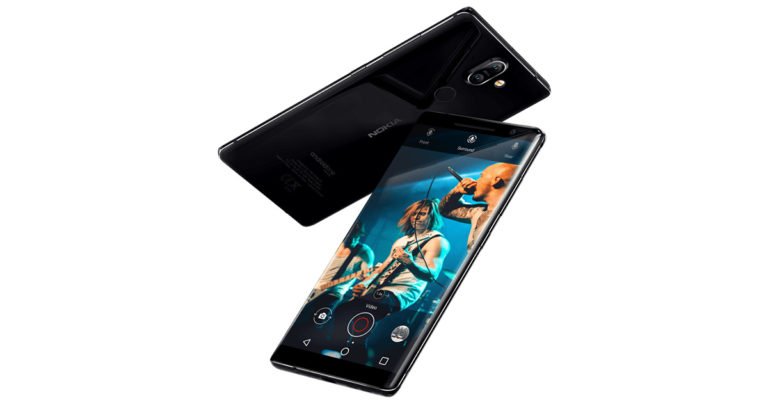
The much talked about Vivo Nex has finally hit the shelves. We decided to compare it with all the flagship smartphones that have been launched this year, so that you can decide which one is the perfect pick for you. Check out the spec to spec comparison between all the high end smartphones launched in 2018:
In This Article
Display
Vivo Nex: 6.59-inch FHD+ super AMOLED ‘Ultra Fullview’ display with 19.3:9 aspect ratio Oppo Find X: 6.42-inch FHD+ AMOLED touchscreen with 19.5:9 aspect ratio Samsung Galaxy S9: 5.8-inch Quad HD + Curved Super AMOLED display Asus Zenfone 5Z: 6.2-inch FHD+ LCD touch display with 19:9 aspect ratio OnePlus 6: 6.28-inch FHD+ Full Optic AMOLED display with 19:9 aspect ratio Honor 10 mobile: 5.84-inch full-HD+ FullView display with 19:9 aspect ratio Nokia 8 Sirocco: 5.5-inch QHD pOLED screenProcessor
Vivo Nex: Qualcomm Snapdragon 845 Oppo Find X: Qualcomm Snapdragon 845 Samsung Galaxy S9: Exynos 9810 processor Asus Zenfone 5Z: Qualcomm Snapdragon 845 OnePlus 6: Qualcomm Snapdragon 845 Honor 10: HiSilicon Kirin 970 processor Nokia 8 Sirocco: Octa-core Qualcomm Snapdragon 835Primary camera
Vivo Nex: Dual rear cameras with 12MP and 5MP sensors Oppo Find X: 16MP+20MP pop-up rear cameras Samsung Galaxy S9: Super Speed Dual Pixel 12MP AF sensor Asus Zenfone 5Z: Dual rear cameras with 12MP and 8MP sensors OnePlus 6: 16MP+20MP dual rear cameras Honor 10: 24MP+16MP dual rear cameras with AI photography mode Nokia 8 Sirocco: Dual rear camera setup with 12MP and 13MP sensorsSelfie camera
Vivo Nex: 8MP pop-up selfie camera Oppo Find X: 25MP ‘AI 3D’ camera Samsung Galaxy S9: 8MP front camera Asus Zenfone 5Z: 8MP selfie camera OnePlus 6: 16MP front facing snapper Honor 10: 24MP AI camera Nokia 8 Sirocco: 5MP front facing cameraRAM and storage
Vivo Nex: 8GB RAM and 128GB internal storage Oppo Find X: 8GB RAM/256GB onboard storage Samsung Galaxy S9: 4GB RAM clubbed with 64GB/128GB of internal storage Asus Zenfone 5Z: 6GB RAM/64GB internal storage, 6GB RAM/128GB onboard storage and 8GB RAM/256 GB inbuilt storage OnePlus 6: 6GB RAM/64GB inbuilt storage, 8GB RAM/128GB onboard storage and 8GB RAM/256GB of internal storage Honor 10: 6GB RAM/256GB internal storage Nokia 8 Sirocco: 6GB RAM/128GB internal storageSupport for microSD card
Vivo Nex: No microSD card slot Oppo Find X: No microSD card slot Samsung Galaxy S9: Up to 400GB Asus Zenfone 5Z: Up to 1TB OnePlus 6: No microSD card slot Honor 10: No microSD card slot Nokia 8 Sirocco: No microSD card slotBattery
Vivo Nex: 4,000mAh Oppo Find X: 3,730mAh Samsung Galaxy S9: 3000mAh Asus Zenfone 5Z: 3,300 mAh OnePlus 6: 3,300 mAh Honor 10: 3,400mAh Nokia 8 Sirocco: 3,260mAhOperating system
Vivo Nex: FunTouch OS v4.0 based on Android 8.1 Oreo Oppo Find X: Android Oreo 8.1 skinned with ColorOS 5.1 Samsung Galaxy S9: Android 8.0 Oreo skinned with TouchWiz UI Asus Zenfone 5Z: Android Oreo skinned with ZenUI OnePlus 6: Android 8.1 Oreo topped with OxygenOS 5.1 Honor 10: Android 8.1 Oreo with EMUI 8.1 on top Nokia 8 Sirocco: Android 8.1 OreoPrice
Vivo Nex: Rs 44,990 Oppo Find X: Rs 59,990 Samsung Galaxy S9: The 4GB RAM/64GB storage version is priced at Rs 57,900 and the 256GB onboard storage bears a price tag of Rs 65,900 Asus Zenfone 5Z: The 6GB RAM/64GB onboard storage variant costs Rs 29,999, the 6GB RAM/128 GB storage model is priced at Rs 32,999 and the 8GB RAM/256GB storage variant can be picked up at Rs 36,999. OnePlus 6: The starting price of the phone is Rs 34,999, the 8GB RAM and 128GB model costs Rs 39,999 and the 8GB RAM and 256GB inbuilt storage variant bears a price tag of Rs 43,999. Honor 10: Rs 32,999 Nokia 8 Sirocco: Rs 49,999 For the latest gadget and tech news, and gadget reviews, follow us on Twitter, Facebook, Instagram and YouTube. [td_smart_list_end]Dyson Cyclone V10 vacuum cleaner and Dyson Pure Cool air purifier launched in India
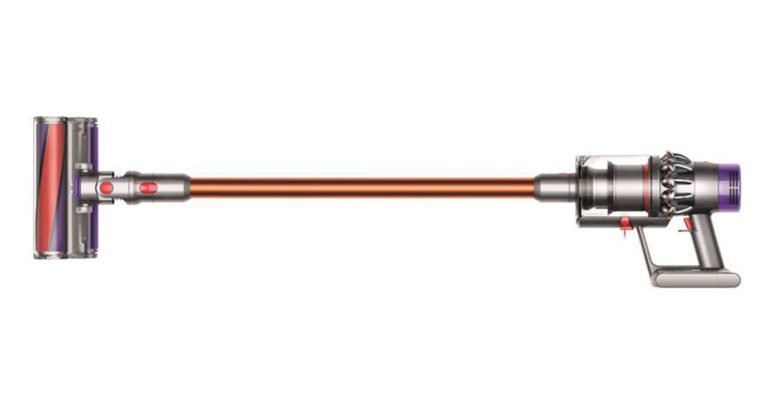
Dyson is a UK based company that launched its range of air purifiers, vacuum cleaner and hair dryer in India almost half a year ago. On Wednesday, the company has gone ahead and launched two new products in the country. These are Dyson Cyclone V10 vacuum cleaner and Dyson Pure Cool air purifier. These are new-age devices for your home which use the latest tech from Dyson to keep your home pollutant free.
The other product launched is the Dyson Pure Cool air purifier, which takes care of the dirty air in the house. There is a special LCD on this device that tells you the PM levels in real time. It detects everything that has been suspended in the air and swiftly sucks it in. Good for medium to large room the Dyson Pure Cool air purifier can also be connected to the Dyson link app available on iOS as well as Android smartphone. Moreover, the Dyson Pure Cool air purifier has 350-degree oscillation so it sucks air from all sides not just one. It comes with HEPA filter as well as carbon layers to capture both particulate matter and gasses in the air. Yes, this air purifier absorbs gases, odour, domestic fumes and VOC’s and produces clean breathable air.
The Dyson Cyclone V10 vacuum cleaner can be picked up for Rs 44,900. Two models of Dyson Pure Cool air purifier are available. The tower one is priced at Rs 43,900 and the desk version is available for Rs 36,900.
For the latest gadget and tech news, and gadget reviews, follow us on Twitter, Facebook, Instagram and YouTube.
Sir James Dyson, Chief Engineer and Founder, Dyson said, ‘A strong performing machine starts with an efficient motor. The Dyson digital motor V10 is Dyson’s most advanced. It has enabled us to entirely change the format of a vacuum cleaner, and to achieve Dyson’s best ever cord-free machine performance. The Dyson Cyclone V10 vacuum is so light, so powerful, it can deep clean anywhere in your home, across various surfaces and floor types.’The Dyson Cyclone V10 vacuum cleaner is a cordless device, which uses rechargeable battery that can last up to 60 minutes (continuous usage). The vacuum cleaner uses Dyson’s digital motor V10 that allowed the engineers at Dyson to keep the complete assembly line in an arrow like shape. This allows the cleaner to suck the dirt and muck more efficiently. The cyclone technology in the Dyson Cyclone V10 vacuum cleaner uses 14 cyclone cones around the central axis of the machine enabling the airflow to travel at up to 190 KM per hour speeds. This generates 79,000G and can slurp even the minutest particles quickly.
 The other product launched is the Dyson Pure Cool air purifier, which takes care of the dirty air in the house. There is a special LCD on this device that tells you the PM levels in real time. It detects everything that has been suspended in the air and swiftly sucks it in. Good for medium to large room the Dyson Pure Cool air purifier can also be connected to the Dyson link app available on iOS as well as Android smartphone. Moreover, the Dyson Pure Cool air purifier has 350-degree oscillation so it sucks air from all sides not just one. It comes with HEPA filter as well as carbon layers to capture both particulate matter and gasses in the air. Yes, this air purifier absorbs gases, odour, domestic fumes and VOC’s and produces clean breathable air.
The Dyson Cyclone V10 vacuum cleaner can be picked up for Rs 44,900. Two models of Dyson Pure Cool air purifier are available. The tower one is priced at Rs 43,900 and the desk version is available for Rs 36,900.
For the latest gadget and tech news, and gadget reviews, follow us on Twitter, Facebook, Instagram and YouTube.
The other product launched is the Dyson Pure Cool air purifier, which takes care of the dirty air in the house. There is a special LCD on this device that tells you the PM levels in real time. It detects everything that has been suspended in the air and swiftly sucks it in. Good for medium to large room the Dyson Pure Cool air purifier can also be connected to the Dyson link app available on iOS as well as Android smartphone. Moreover, the Dyson Pure Cool air purifier has 350-degree oscillation so it sucks air from all sides not just one. It comes with HEPA filter as well as carbon layers to capture both particulate matter and gasses in the air. Yes, this air purifier absorbs gases, odour, domestic fumes and VOC’s and produces clean breathable air.
The Dyson Cyclone V10 vacuum cleaner can be picked up for Rs 44,900. Two models of Dyson Pure Cool air purifier are available. The tower one is priced at Rs 43,900 and the desk version is available for Rs 36,900.
For the latest gadget and tech news, and gadget reviews, follow us on Twitter, Facebook, Instagram and YouTube. 5 reasons to buy the Vivo Nex smartphone
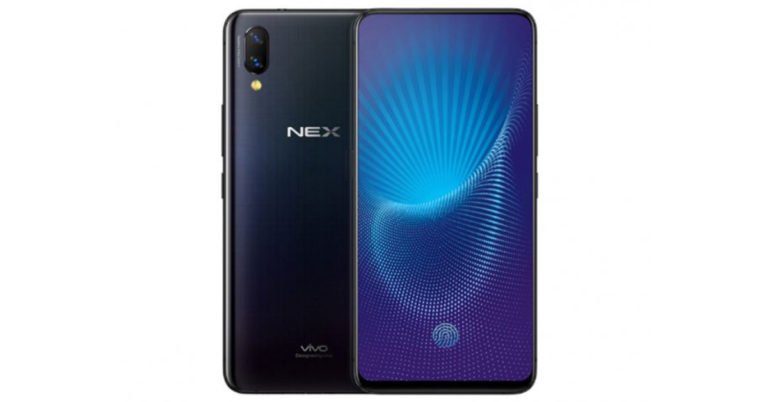
Till now, we have spent almost 48 hours with the Vivo Nex smartphone, and we have already found five reasons why it’s totally worth the money:
In This Article