


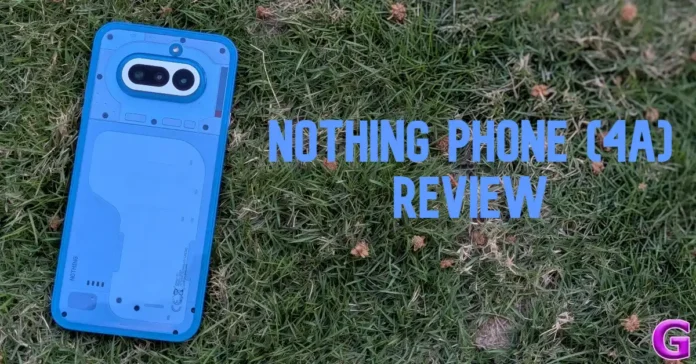
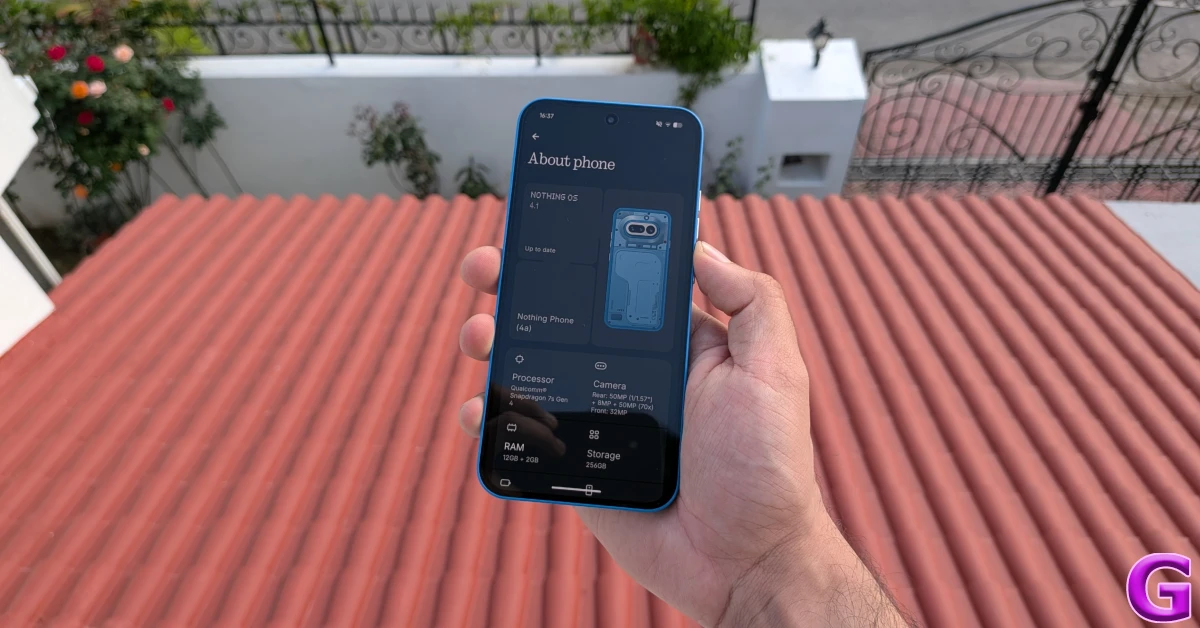
Nothing has decided not to come out with a flagship phone this year. Instead, it has solidified its midrange catalogue with 2 new A series models. We reviewed the Phone (4a) Pro earlier and found it to be a well-balanced device with a splendid style quotient. Now, we turn our attention to the vanilla model in the series. This smartphone is powered by the Snapdragon 7s Gen 4 chipset and has a completely different design language than its Pro sibling. Priced at Rs 31,999, it demands a significant premium over its predecessor (which launched at Rs 24,999). We used the Nothing Phone (4a) for a week; here is our in-depth review of the device.
Read Also: Dell announces new Dell Pro notebooks, Pro Precision workstation lineup and more
In This Article
Nothing Phone (4a) Review: Design and Display
Box Contents
- Smartphone
- USB-C to USB-C cable
- Clear plastic cover
- SIM ejector
- Safety booklet
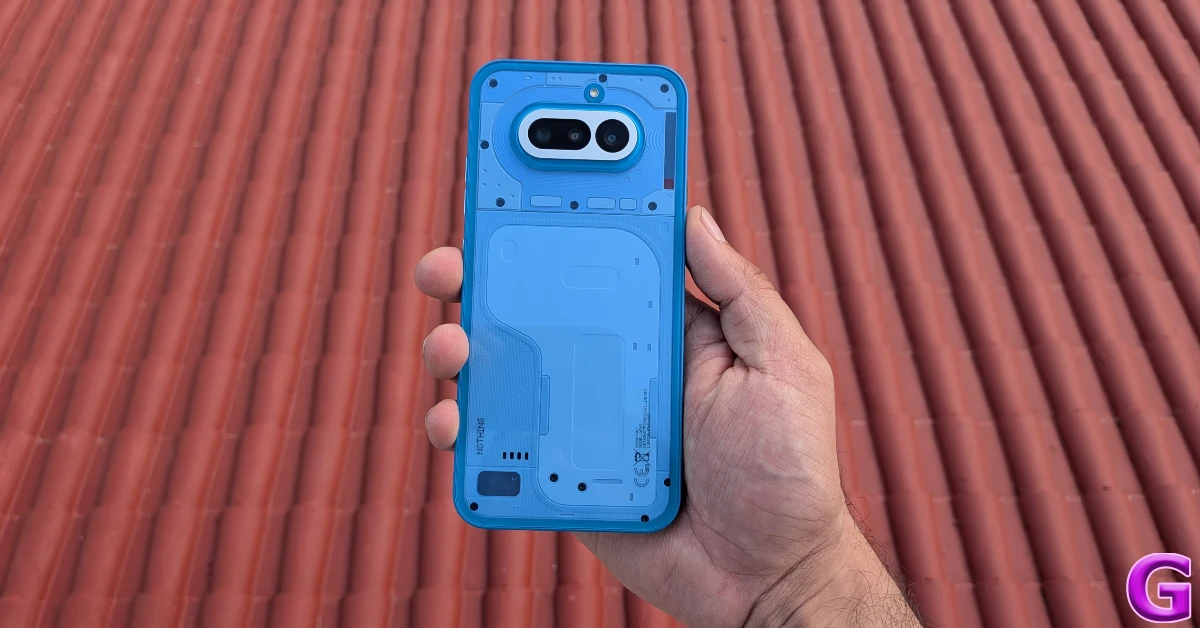
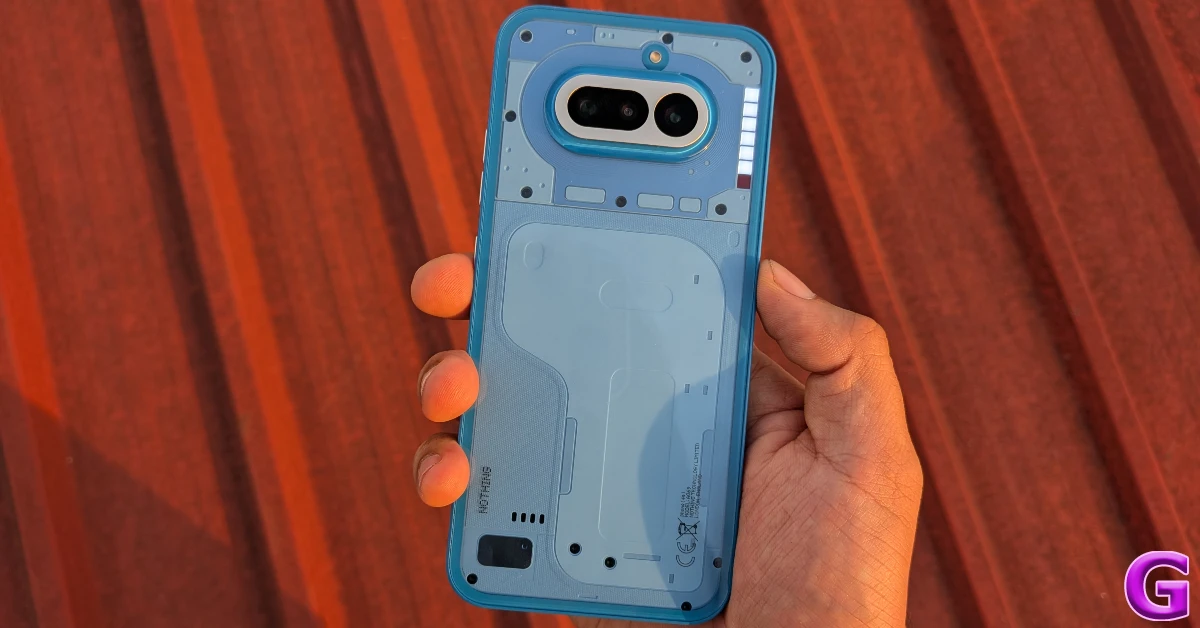
Unlike the Pro model, the Nothing Phone (4a) hasn’t gone through a complete design overhaul. It retains the see-through look across its glass back panel and builds on the design language of its predecessor. The pill-shaped camera island is centre-aligned like before, but a metallic inlay separates the primary shooter from the ultrawide and telephoto lenses. The circular coil design around this camera island is now oval-shaped. The segmented Glyphs have been refashioned into a Glyph bar. The red square no longer serves as just an accent – it also blinks to indicate that the device is recording a video.
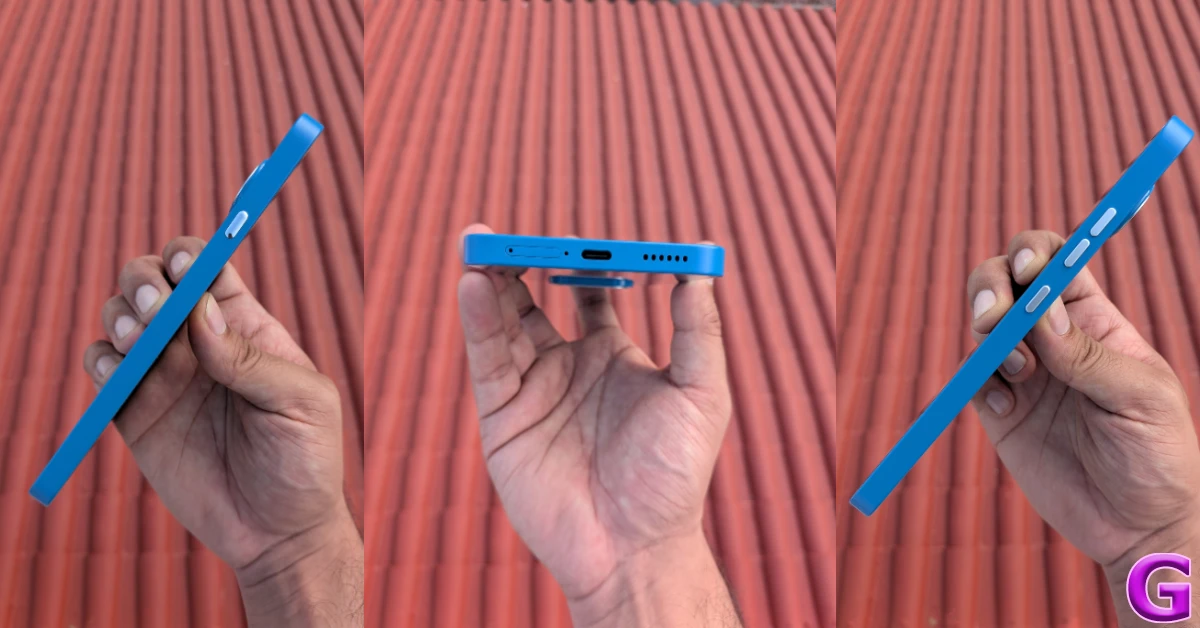
The right edge of the plastic frame houses the volume rocker and the side button. The Essential Key is positioned on the right. The SIM slot, primary microphone, USB-C port, and speaker grille lie at the bottom. The noise-cancelling microphone and secondary speaker are placed up top. The smartphone is rated IP64 for dust and water resistance. It can survive exposure to mild water splashes.
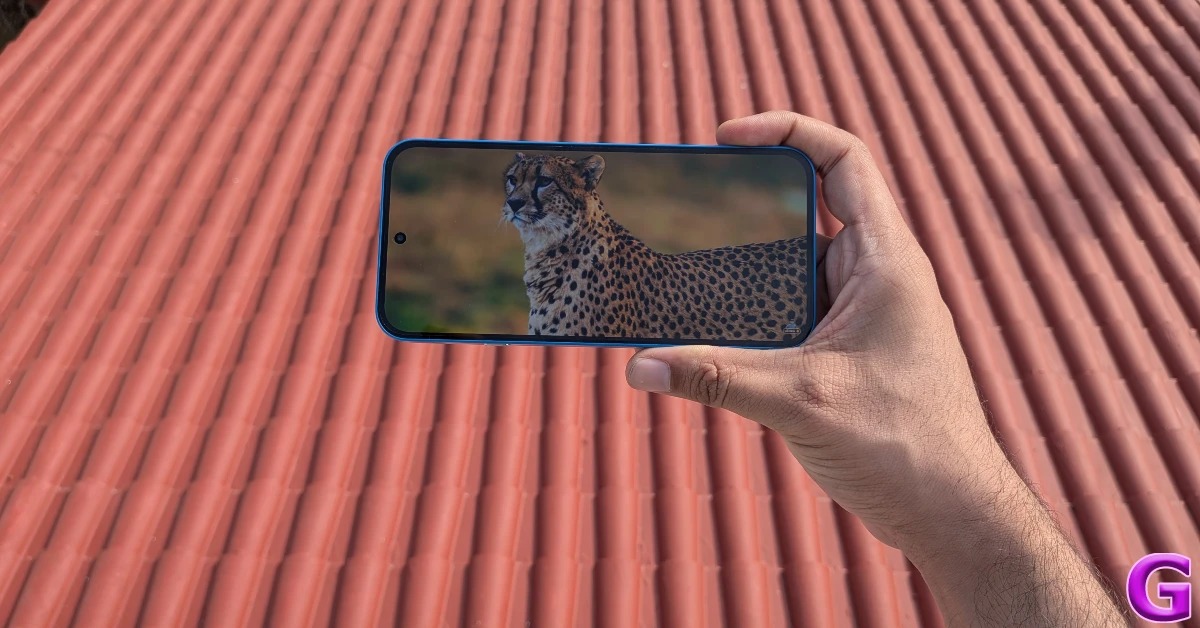
The 6.78-inch AMOLED display is one of the big highlights of this phone. It has a 120Hz refresh rate and can hit a peak brightness of 4,500 nits while playing HDR content. In High Brightness Mode, it can reach 1,600 nits, being able to easily overcome its bright surroundings and maintain legibility. The touch response offered by the panel is as smooth as butter. Every flick and light touch is registered with ease. The optical fingerprint scanner is snappy and accurate. The uniform bezels around the display could be slimmer, but they do lend a premium look to the device.
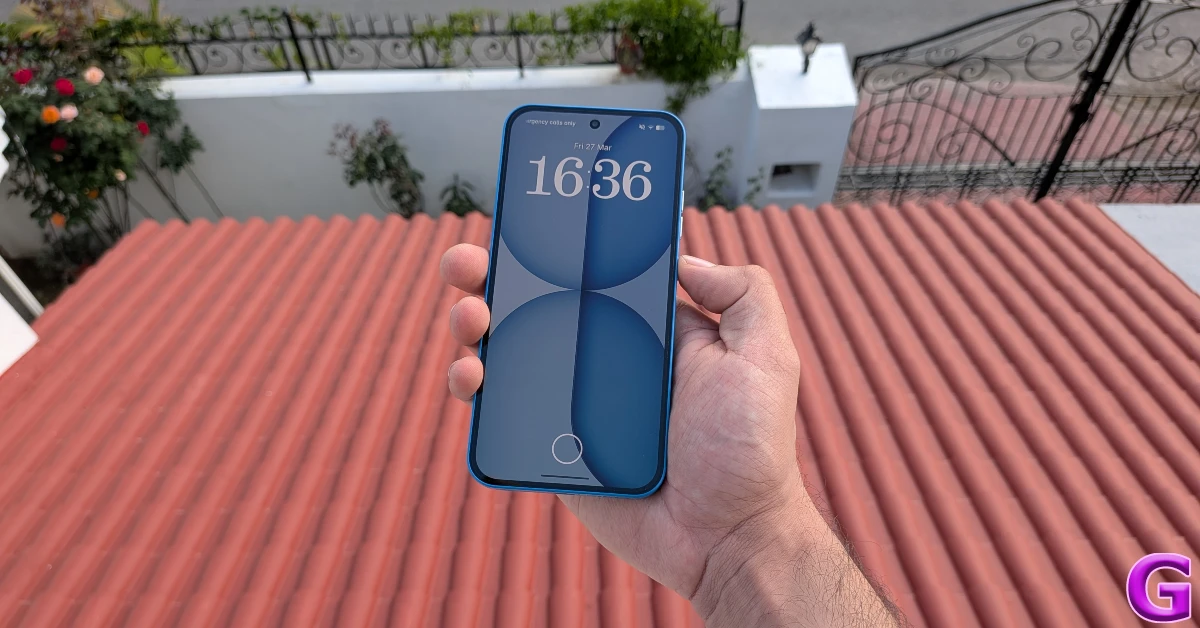
During the review period, we used the Nothing Phone (4a) to stream content across platforms like Netflix, Prime Video, and JioHotstar. The 1.2K AMOLED panel produced brilliant visuals with rich colours and impeccable contrast. We liked that it offered wide viewing angles for group watch sessions. The dual speaker setup produced a fine audio output with a good low end.
Nothing Phone (4a) Review: Performance and Cameras
The Phone (4a) draws power from the Snapdragon 7s Gen 4 chipset. It comes in 3 RAM (LPDDR4X) and storage (UFS 3.1) variants:
- 8GB + 128GB: Rs 31,999
- 8GB + 256GB: Rs 34,999
- 12GB + 256GB: Rs 37,999
We ran a couple of benchmark tests on the device. Here is how it performed:
- AnTuTu 3D: 1,153,253
- Geekbench 6: 1,244 (single-core) | 3,326 (multi-core)
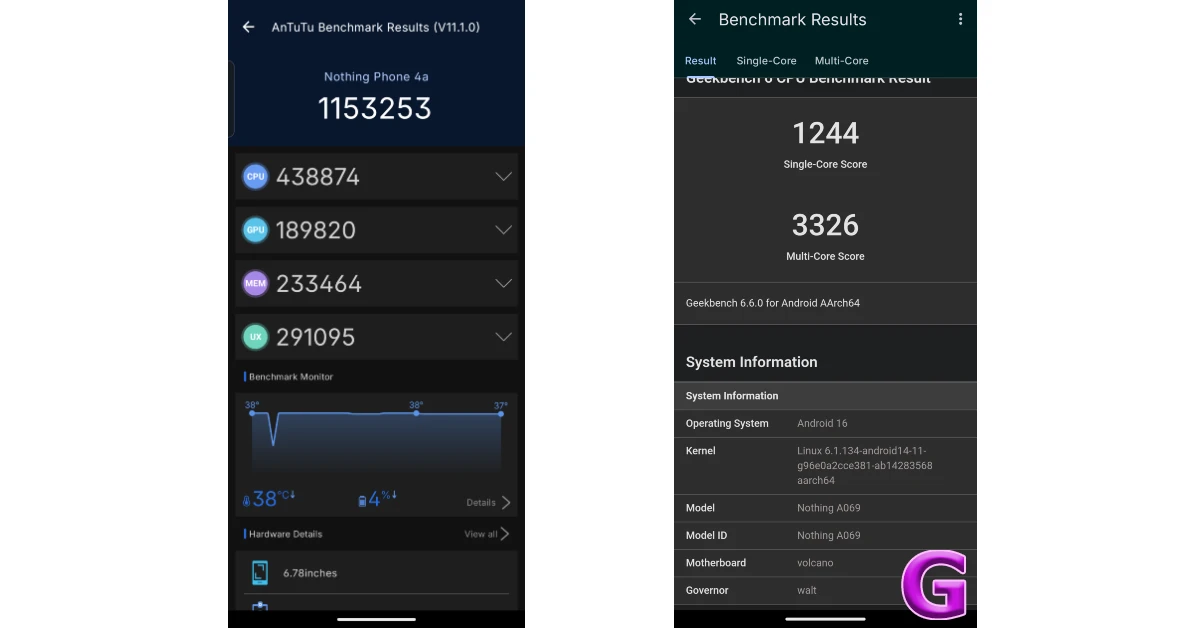
The Snapdragon 7s Gen 4 SoC isn’t the most powerful chipset in this price bracket, but it has enough firepower in its tank to handle routine tasks like calling, instant messaging, emailing, web browsing, media streaming, and navigation without a hiccup. The UFS 3.1 storage configuration isn’t the fastest one around, but the apps on this device load almost instantly. The LPDDR4X RAM does a good job of juggling multiple apps without any lag or stutter. The haptic motor produces good vibrational feedback.
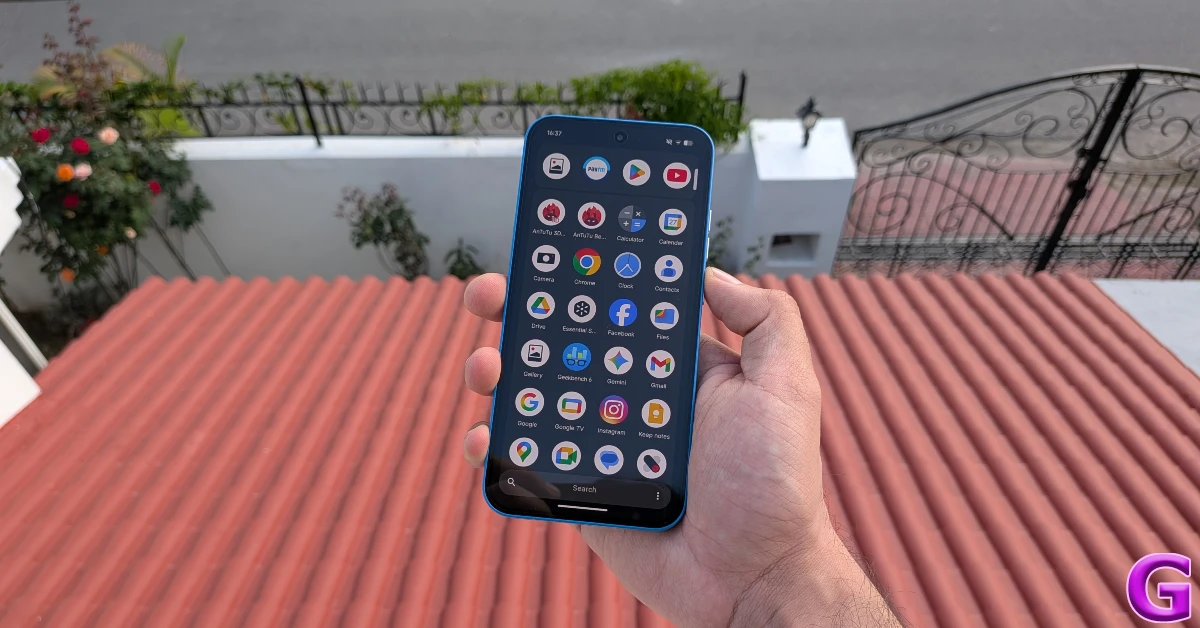
The Phone (4a) isn’t designed to be a gaming device, but it can run titles like BGMI and Call of Duty Mobile without any issues. Limiting the gameplay to medium graphics and a 60fps frame rate, we did not come across a single frame drop. The back panel started warming up after the 20-minute mark, but it did not lead to any thermal throttling issues.
The Android 16-based Nothing OS 4 does an amazing job of getting the best out of the Snapdragon 7s Gen 4 chipset. Optimised to near perfection, it makes you feel like you’re always on top of things. From app card animations to quick transitions, the software experience feels smooth and seamless. The home screen widgets, dark app icons, and dot matrix font bring a unique flair to the OS skin.
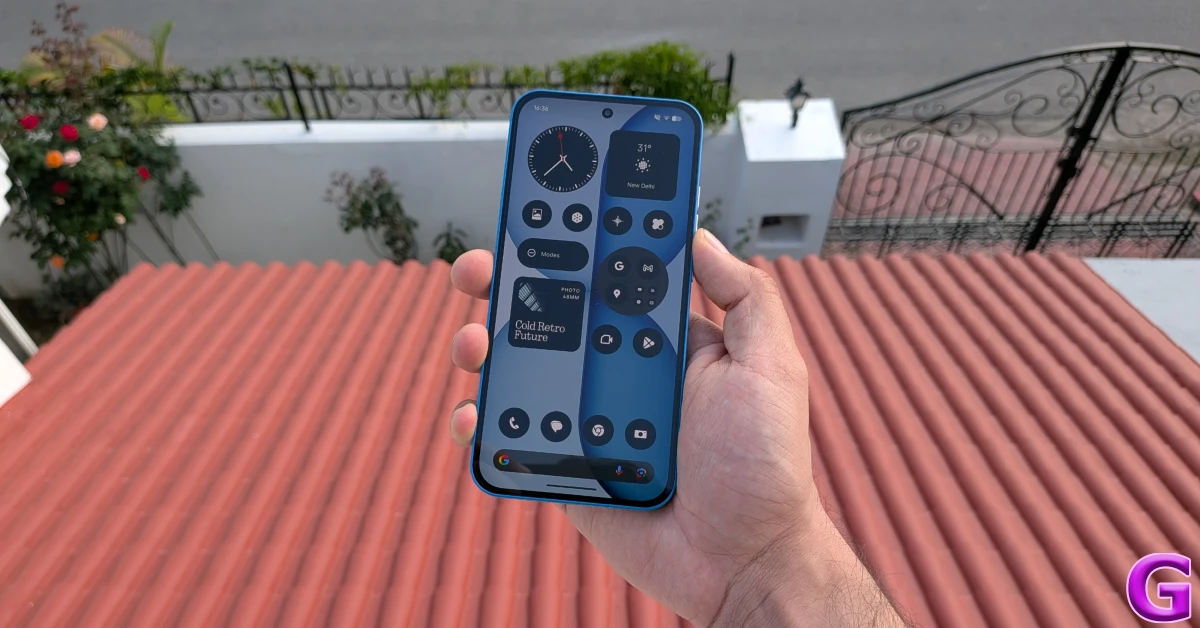
The 4th iteration of the Nothing OS adds some nifty features to the Essential Space. It supports over 50 languages and can sync your to-dos with the Google Calendar. The Essential Recorder creates AI summaries with key topics and action items. You can start a recording by putting your phone face down and long-pressing the Essential Key. Pressing the key during the recording marks the important sections.
The Glyph interface comprises 6 square blocks placed next to the camera cutout. It can act as a volume indicator, a timer, and a progress bar for your cabs and food orders. Furthermore, you can use it to display certain Essential Notifications across different apps. You can even set it to trigger when your phone detects a certain keyword in the incoming notifications.
The Phone (4a) packs a 5,400mAh battery under its hood. It can get you through a day of heavy use without plugging in the charger. We ended the average day with 20-25% charge left in the tank, racking up 5-6 hours of screen time. The battery pack supports 50W wired charging. Sadly, the retail box does not come with a power adapter. It took up just over an hour to fully charge the phone.
The rear camera array of the Phone (4a) comprises a 50MP primary shooter, an 8MP ultrawide lens, and a 50MP periscope telephoto lens with 3.5x optical zoom. Up front, a 32MP selfie camera is nestled inside a punch-hole cutout on the display.
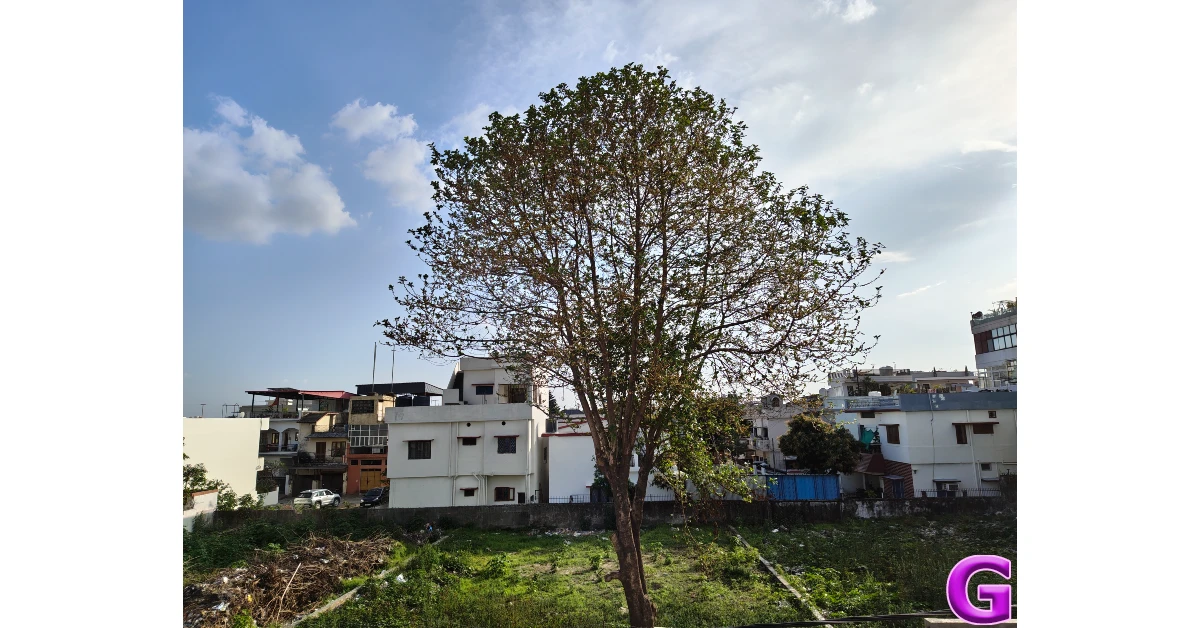
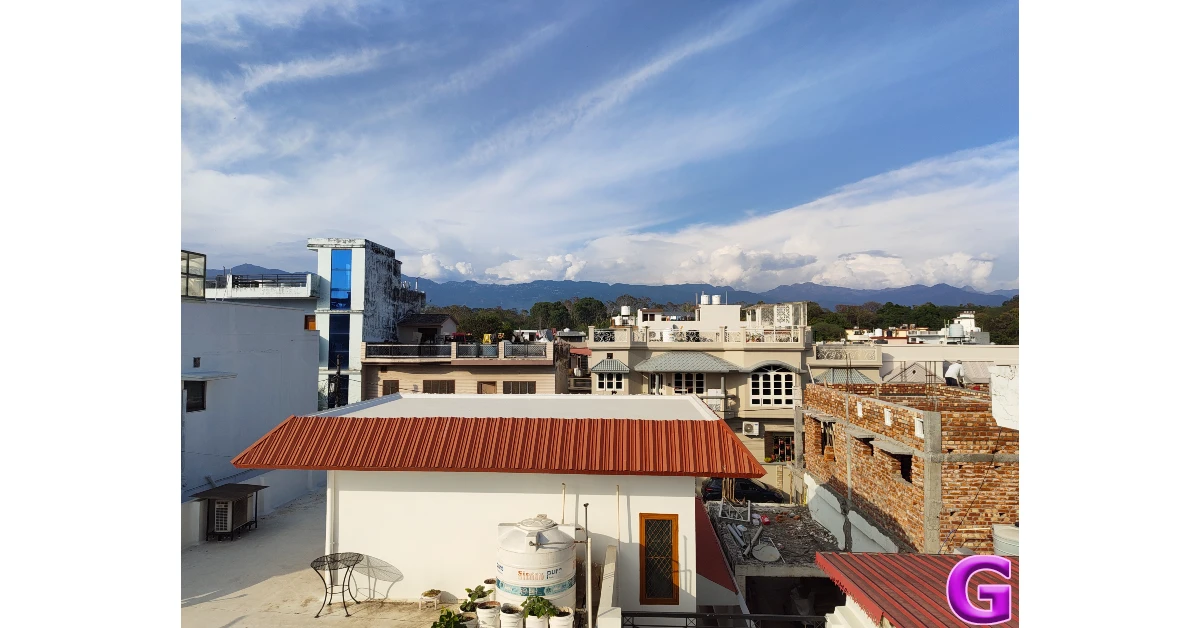
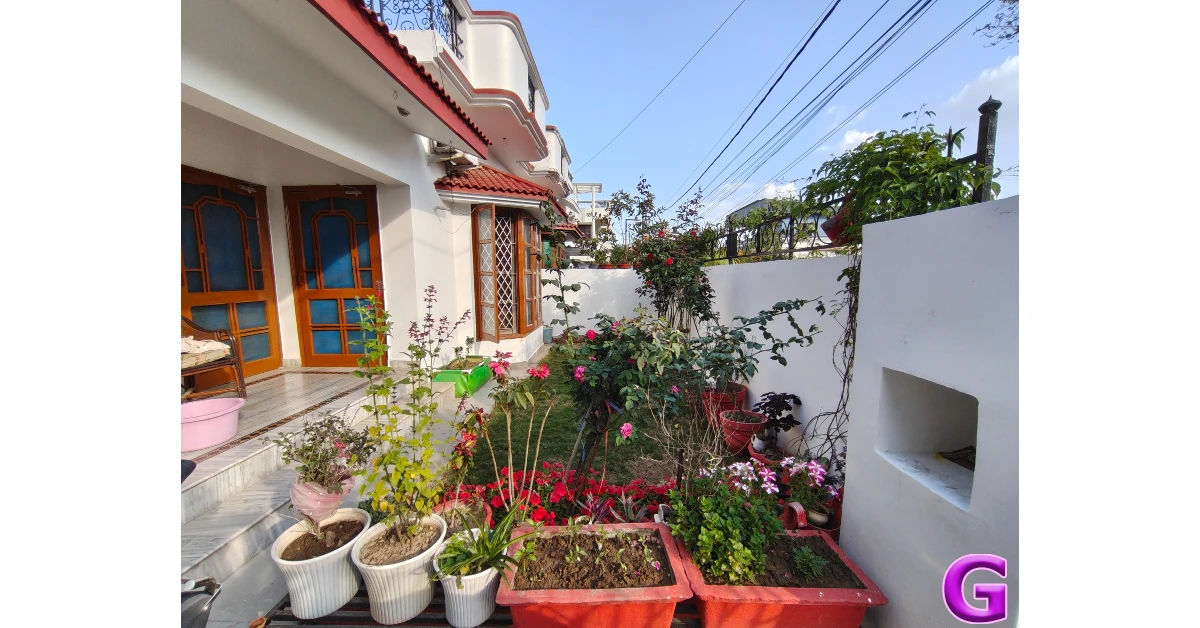
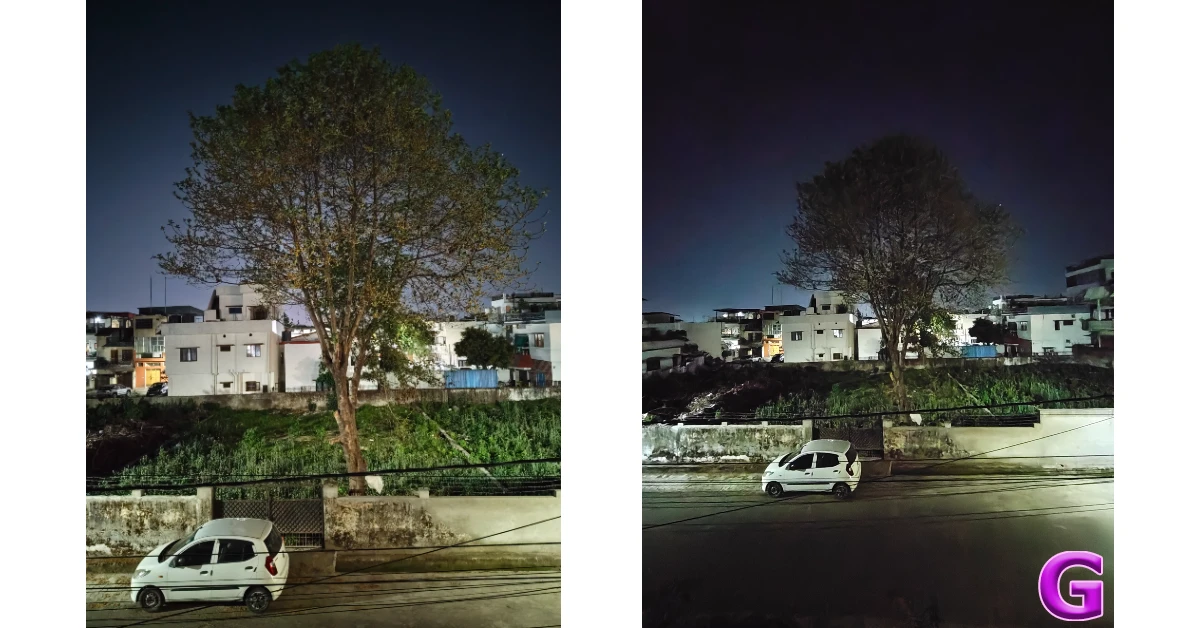
The 50MP primary shooter captures clear, vibrant pictures in outdoor daylight conditions. The images pack good details, warmer tones, and tasteful contrast. The colours look balanced and natural. In limited lighting conditions, this camera relies on Night Mode to illuminate the scene and get rid of the noise.
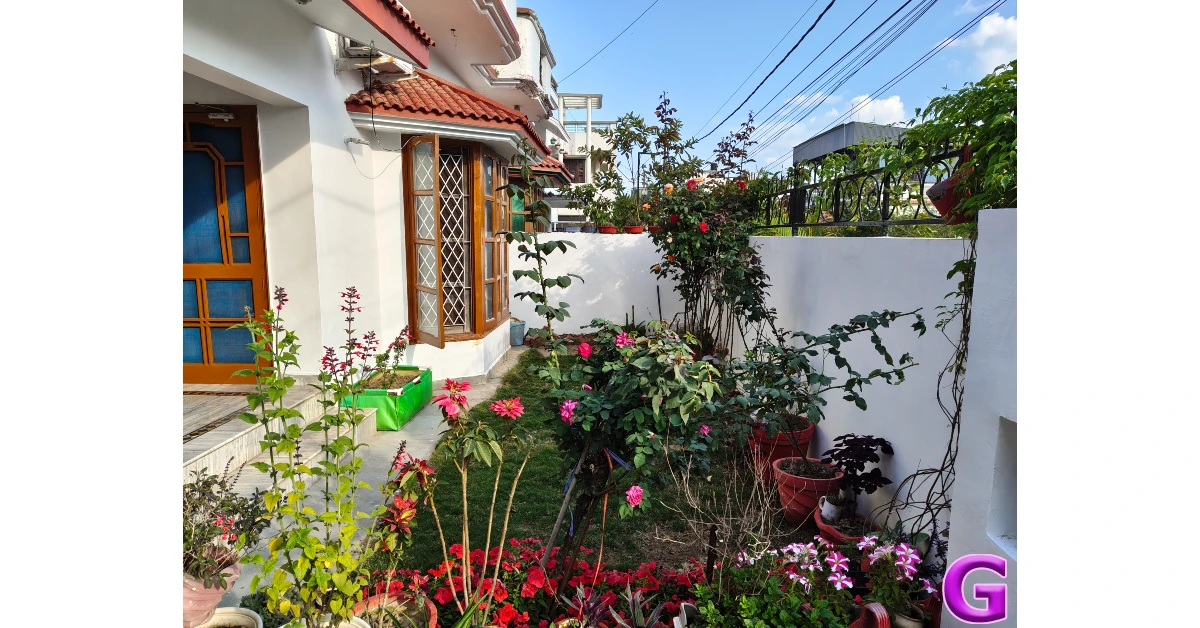
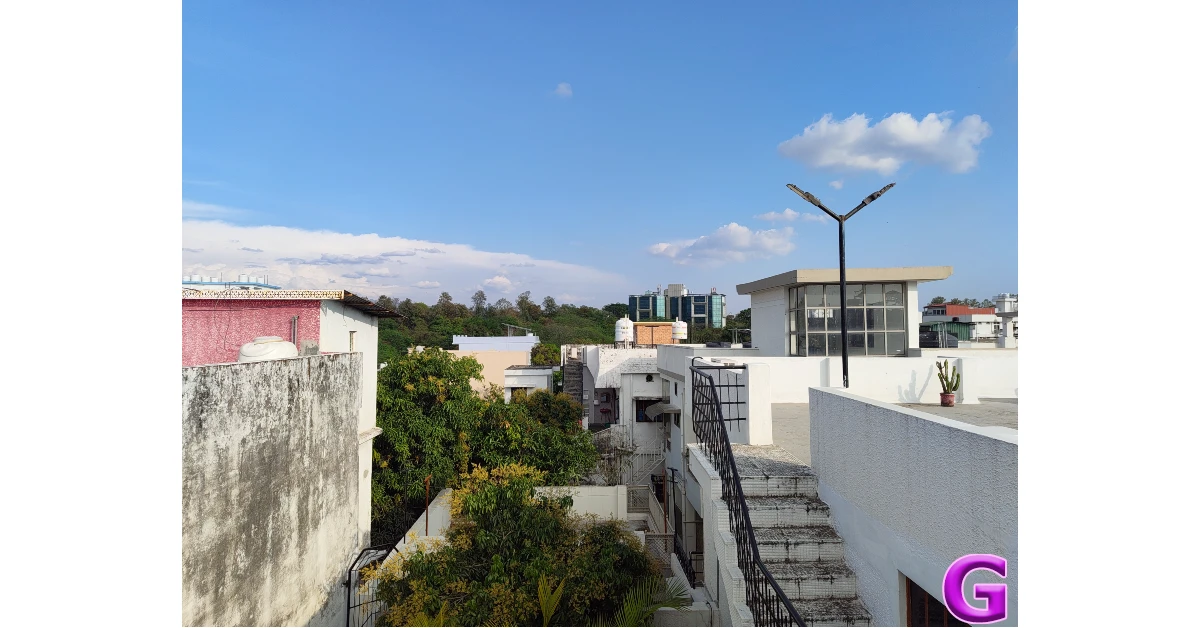
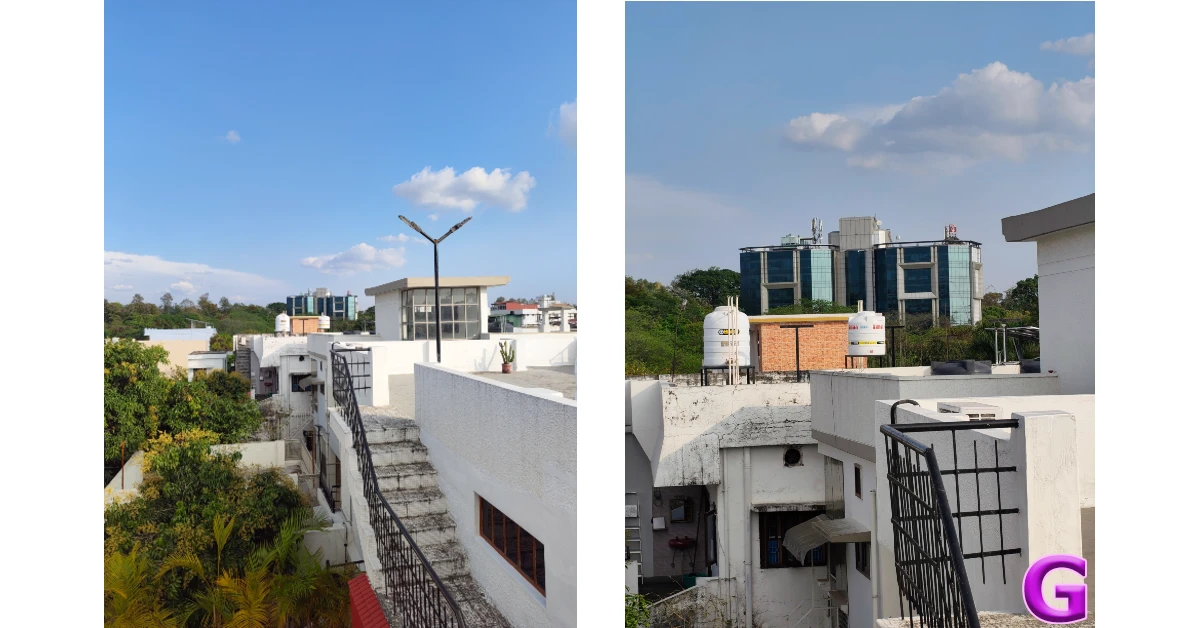
Images taken from the 8MP ultrawide lens are a tad softer compared to the pictures from the primary shooter, but what they lack in detail, they make up for in vibrant colours. The colour palette of these images is very similar to the main camera shots. The gap in detail becomes apparent only when you pixel peep. In limited lighting conditions, the Night Mode does a good job of lighting up the shot, but the images appear a little grainy.
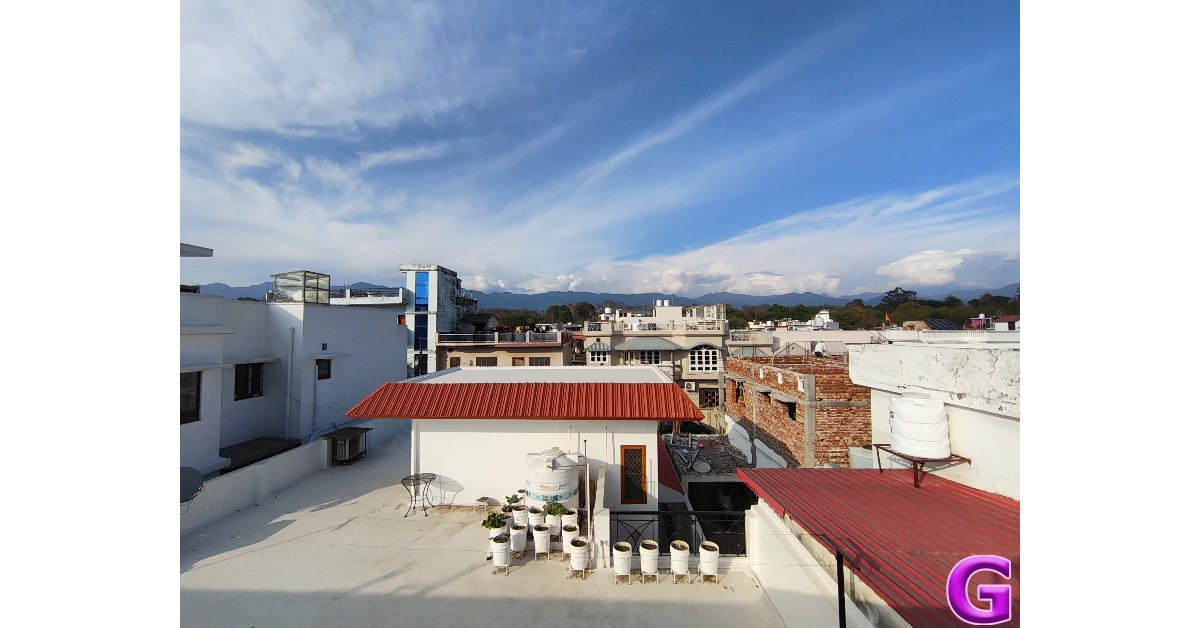
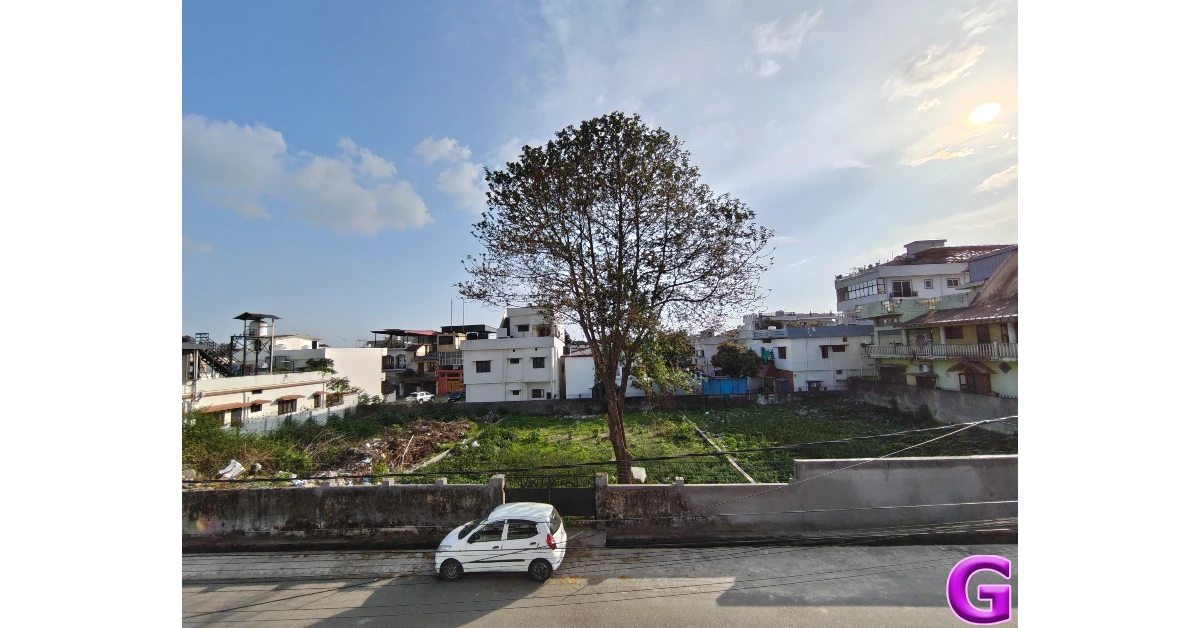
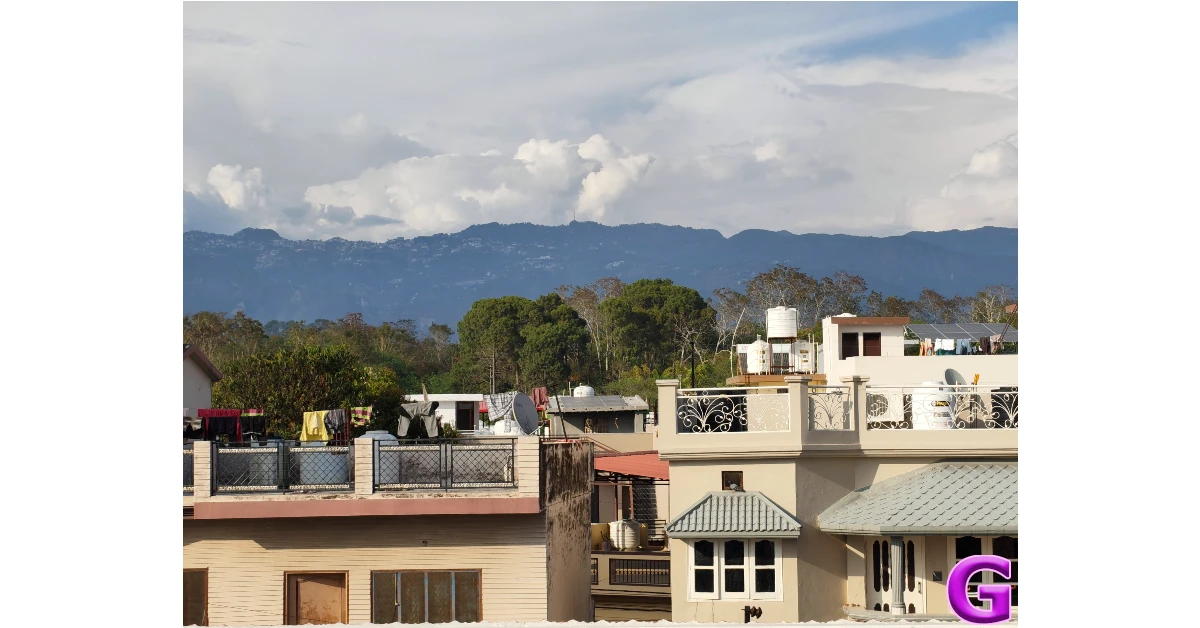
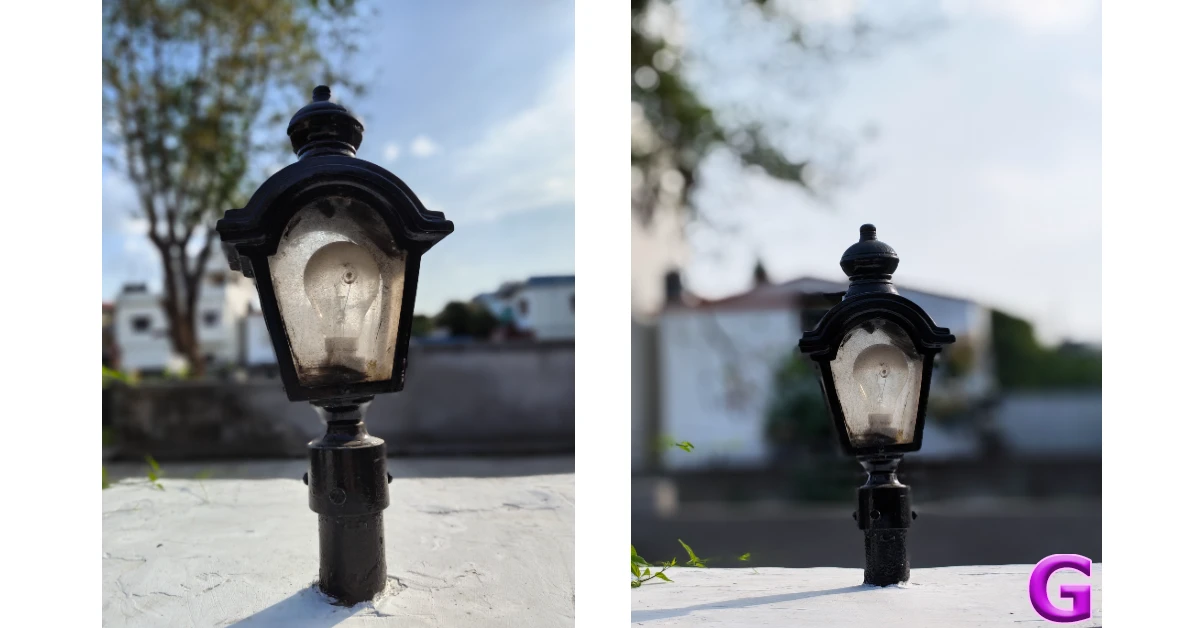
The 50MP telephoto lens has a 3.5x optical zoom. These shots have warm tones, robust details, and good clarity. The telephoto lens is best utilised in portrait shots, where it allows you to capture the subject from a distance. The shallow depth of field and intense background blur lend a DSLR-like effect to these shots. The 32MP front-facing camera takes clear selfies without any over-the-top tone and texture correction effects. This camera can record 1,080p videos at 30 and 60fps. The primary shooter and telephoto lens can record 4K videos at 30fps. Lastly, the ultrawide lens can capture 1,080p footage at 30fps.
Read Also: Samsung launched Exynos 1680 CPU with a tri-cluster design, 200-megapixel camera support
Verdict
The Nothing Phone (4a) is easily one of the most exciting options in the sub-Rs 35,000 price bracket. On aesthetics, it surpasses every smartphone in the segment. The Nothing OS 4 is perfectly optimised to get the best out of the Snapdragon 7s Gen 4 chipset and bridge the gap with other processors that may have higher benchmark numbers. As a daily driver, the Phone (4a) leaves no room for complaints. Its Glyph bar is super practical and can be easily incorporated into daily use. The Essential Space is slowly growing into a comprehensive feature. The camera array can take good-quality shots in a range of lighting conditions. The AMOLED display is smooth, bright, and curates a wonderful viewing experience. Lastly, the 5,400mAh battery may not be as big as the massive 7,000mAh units in this segment, but it can reliably get you through a day of heavy use.
Pros
- Unique design
- Glyph bar
- Clean software experience
- Good primary camera
Cons
- Selfie camera can’t record 4K videos
- Bit pricey


 for a week, here is our review of the smartphone. The device is currently priced at Rs 31,999.)