


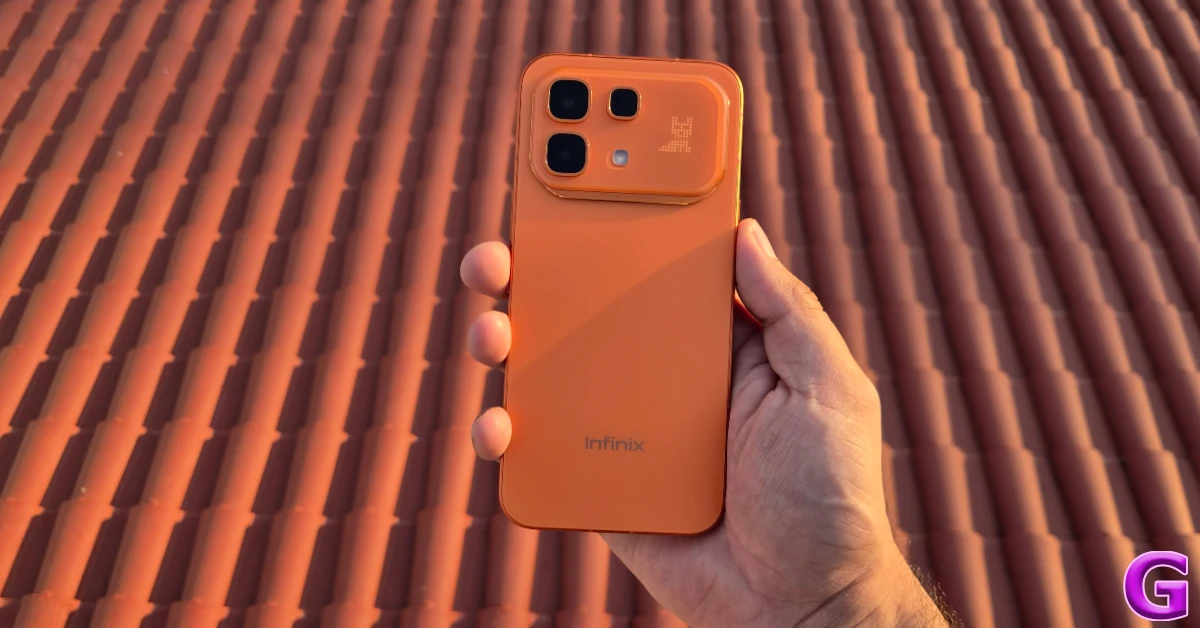

With smartphone prices reaching new highs due to RAM shortages, getting a spec-heavy midrange device is becoming more and more rare. The good news is that you can still find a gritty device that is suited to your use case without spending a bomb. We keep an eye on all the major releases across the year, and thought we’d compile some of the best options in the midrange segment. Here are the top 10 phones priced under Rs 40,000 in May 2026.
Read Also: Realme 16T 5G confirmed to feature a 50MP Sony IMX852 AI camera ahead of its India launch
In This Article
OnePlus Nord 6
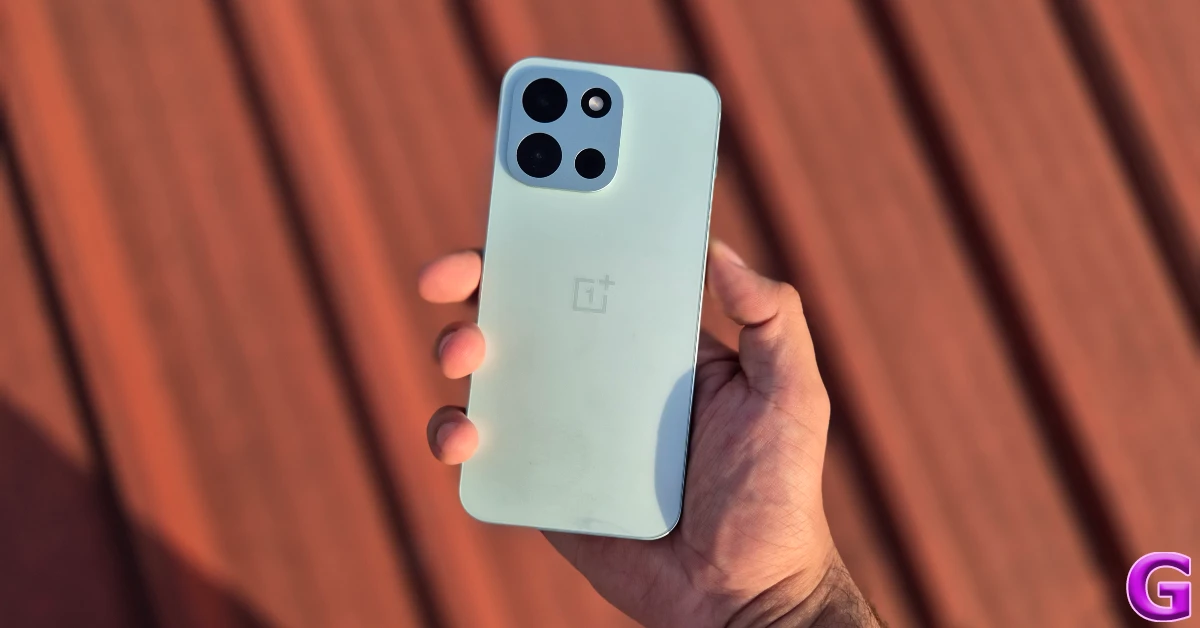
OnePlus Nord 6 is one of the finest phones you can buy under Rs 40,000. It flaunts a 6.78-inch AMOLED display with a 165Hz refresh rate and a peak brightness of 1,800 nits. Powering this device is the Snapdragon 8s Gen 4 chipset. Software duties are handled by the Android 16-based OxygenOS 16 out of the box. The rear camera island looks similar to the one on the flagship OnePlus 15. It houses a 50MP primary shooter and an 8MP ultrawide lens. The 9,000mAh Si/C battery pack supports 80W wired and 27W reverse wired charging. Dive into our OnePlus Nord 6 review to learn more about the smartphone.
Pros
- Brilliant display
- Good processor
- IP68/IP69K rated
Cons
- No telephoto lens
Samsung Galaxy A37
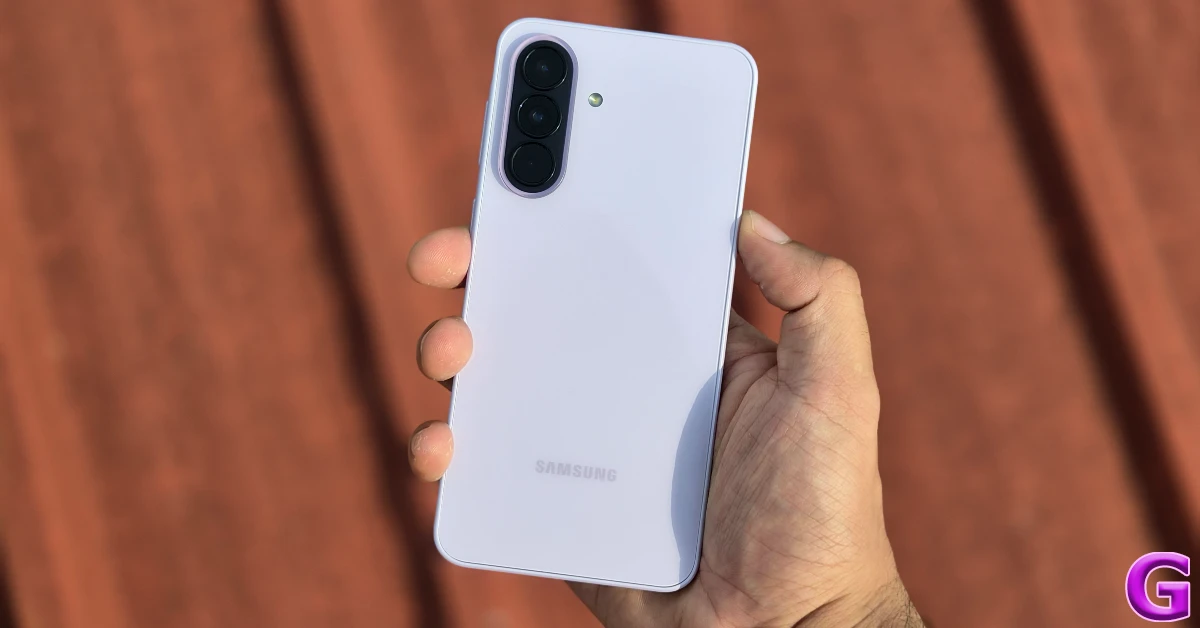
The Galaxy A37 is our preferred model in Samsung’s A series lineup. It packs Samsung’s in-house Exynos 1480 chipset under its hood and runs the Android 16-based One UI 8 out of the box. It has been promised to receive 6 major OS updates. Its 6.7-inch Super AMOLED display has a 120Hz refresh rate. The panel can reach a peak brightness of 1,900 nits. The pill-shaped camera island on the back panel houses a 50MP primary shooter, an 8MP ultrawide lens, and a 5MP macro sensor. The 5,000mAh battery pack supports 45W wired charging. Read our review of the Samsung Galaxy A37 to learn more about its everyday performance.
Pros
- Smooth display
- Good main camera
- 6 major OS upgrades
Cons
- Ultrawide lens lacks autofocus
Infinix Note 60 Pro
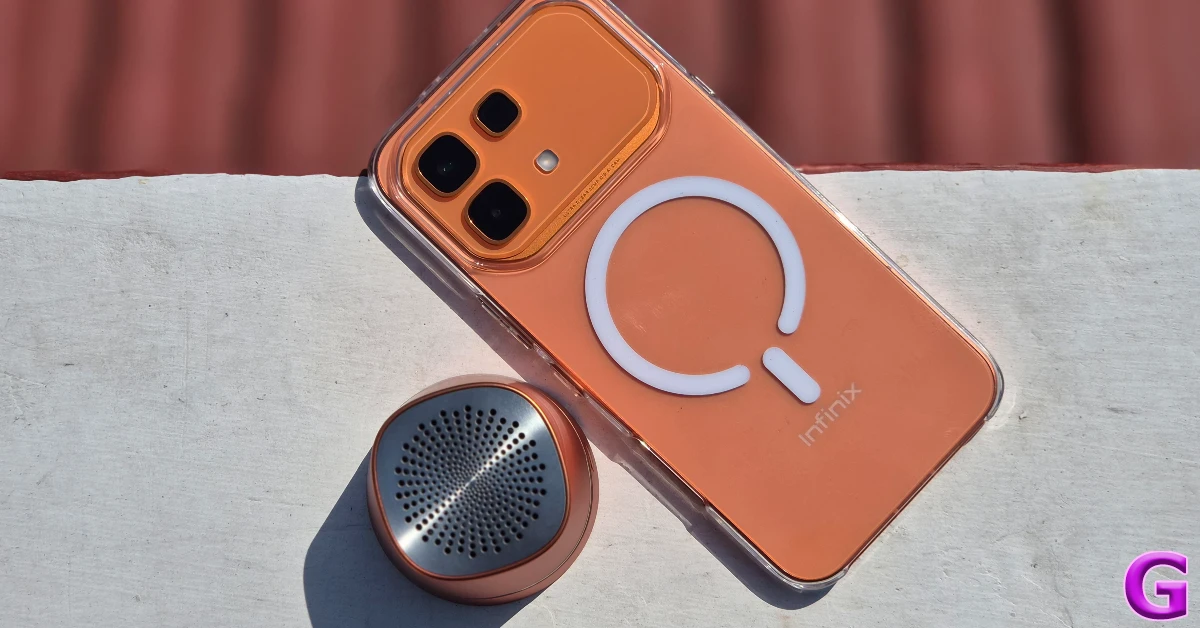
The Infinix Note 60 Pro is a new introduction in the midrange segment, but it is already causing a lot of disruption in the category. Taking design inspiration from the iPhone 17 Pro, its back panel dons an orange colour scheme and accommodates a wide camera plateau. An RGB notification light and a small active matrix display form a part of this plateau. It also houses a 50MP primary shooter and an 8MP ultrawide lens. The smartphone is powered by the Snapdragon 7s Gen 4 SoC. It runs the Android 16-based XOS 16 out of the box. Its 6.78-inch AMOLED display has a 144Hz refresh rate and can reach a peak brightness of 4,500 nits. The 6,500mAh battery pack supports 90W wired and 30W wireless charging. For more details, give our Infinix Note 60 Pro review a read.
Pros
- Bright display
- Good performance
- Wireless charging
Cons
- UFS 2.2 storage
Realme 16 Pro
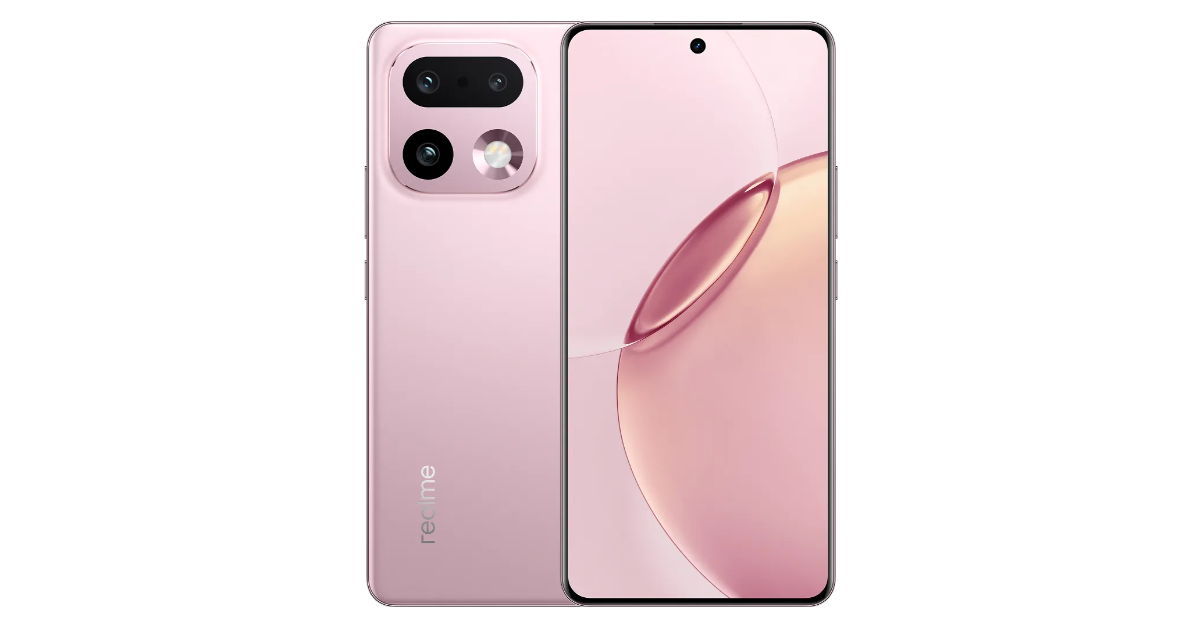
The Pro model in Realme’s new numbered series offers a big bang for your buck. This smartphone runs on the MediaTek Dimensity 7300 Max chipset. Software duties are handled by the Android 16-based Realme UI 7. The software cycle includes 3 major OS upgrades. The 6.78-inch AMOLED display has a 144Hz refresh rate and can reach a peak brightness of 6,500 nits. The rear camera island houses a 200MP primary shooter and an 8MP ultrawide lens. The 7,000mAh Si/C battery pack supports 80W wired charging.
Pros
- Bright display
- Good main camera
- Big battery
Cons
- Mediocre chipset
Nothing Phone (4a)
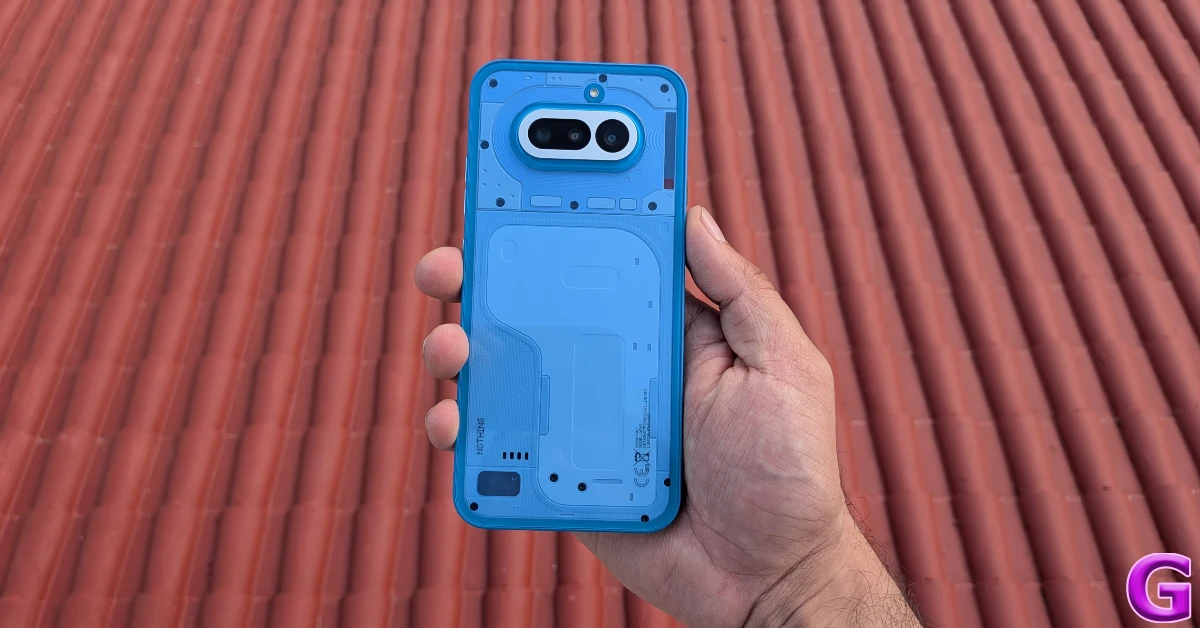
Nothing won’t put out a flagship phone this year, but its midrange offerings have created a lot of buzz among enthusiasts. The Phone (4a) carries forward the brand’s see-through design philosophy with its stunning back panel. The Glyphs are stacked vertically next to the camera module. This pill-shaped cutout houses a 50MP primary shooter, a 50MP telephoto lens with 3.5x optical zoom, and an 8MP ultrawide lens. The smartphone is powered by the Snapdragon 7s Gen 4 chipset. Its 6.78-inch AMOLED display has a 120Hz refresh rate and can reach a peak brightness of 4,500 nits. The 5,400mAh battery pack supports 50W wired charging. Read our Nothing Phone (4a) review for a deeper analysis.
Pros
- See-through design
- Smooth display
- Clean OS
Cons
- Not the best processor in the segment
Redmi Note 15 Pro+
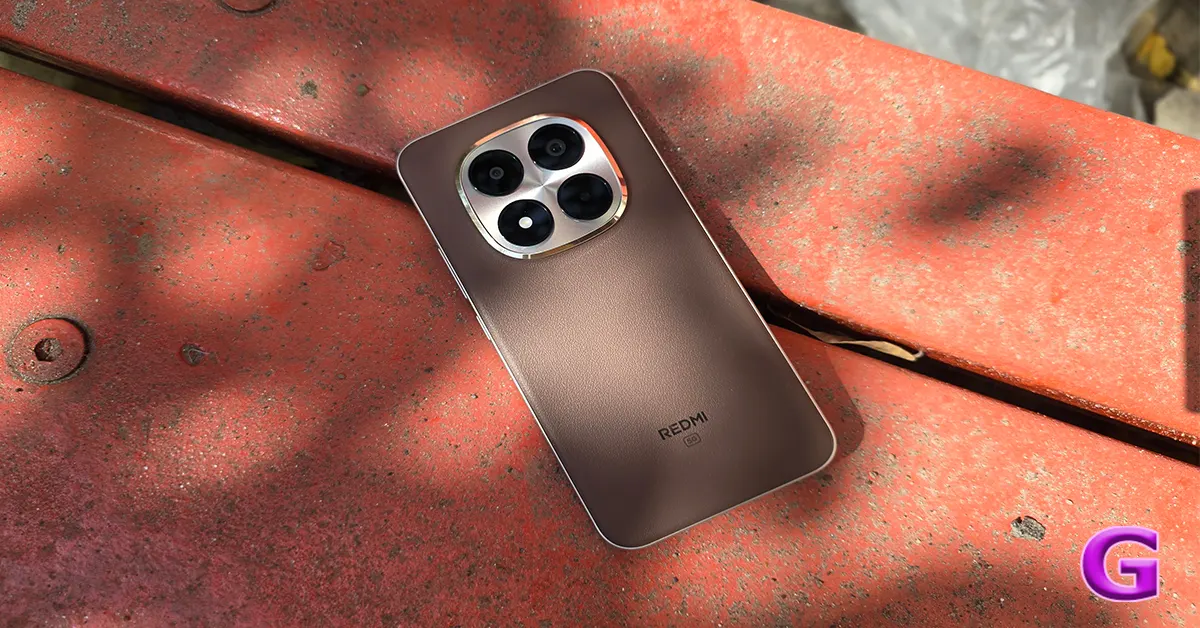
Redmi’s Note series is quite underrated in the midrange segment, but it packs some serious gems. The top-spec Pro+ model is our pick of the lot. It is powered by the Snapdragon 7s Gen 4 chipset and runs the Android 15-based HyperOS 2 out of the box. Xiaomi has promised 4 major OS updates for this device. Its 6.83-inch AMOLED display has a 120Hz refresh rate and can reach a peak brightness of 3,200 nits. The camera island on the back panel houses a 200MP primary shooter and an 8MP ultrawide lens. The 6,500mAh Si/C battery pack supports 100W wired fast charging. Read our Redmi Note 15 Pro+ review for more details.
Pros
- Good main camera
- IP69/69K rating
- Fast charging
Cons
- Not the best chipset in the segment
Vivo V60
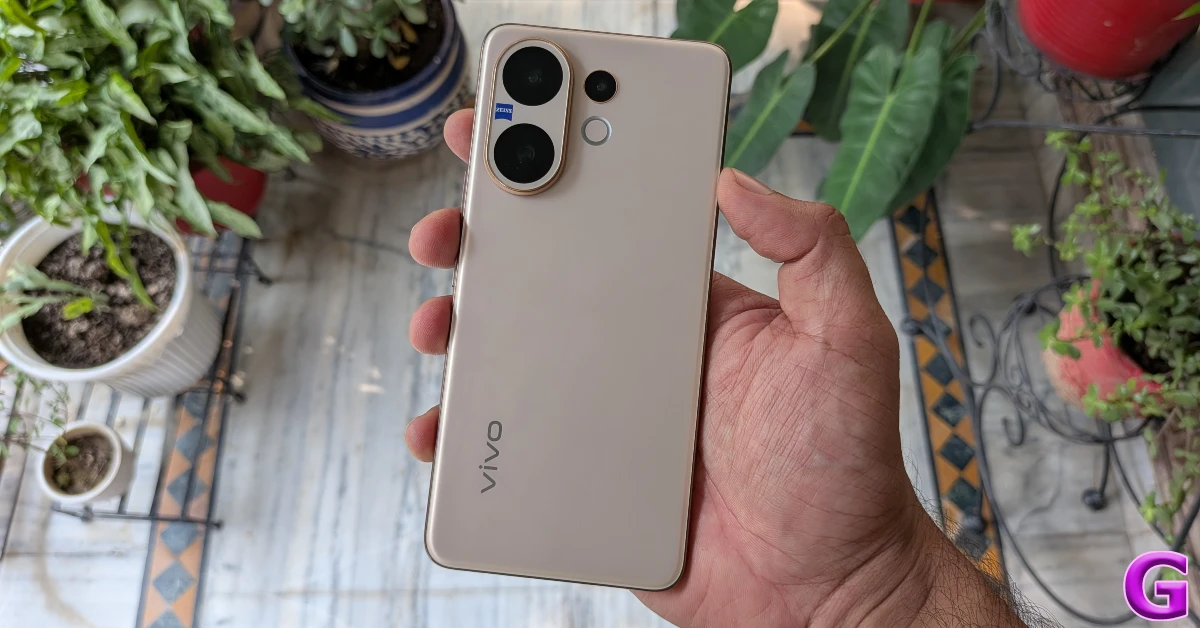
The Vivo V60 is one of the better camera phones in the Rs 40,000 price bracket. Its candybar-style camera island houses a 50MP primary shooter, a 50MP periscope telephoto lens with 3x optical zoom, and an 8MP ultrawide lens. All of these sensors are tuned by Zeiss. The smartphone is powered by the Snapdragon 7 Gen 4 chipset. Its 6.77-inch AMOLED display has a 120Hz refresh rate and can reach a peak brightness of 5,000 nits. The 6,500mAh Si/C battery pack supports 90W wired charging. To learn more about its photography skills, read our review of the Vivo V60.
Pros
- Good cameras
- Bright display
- IP68/69 rating
Cons
- UFS 2.2 storage
Motorola Edge 70 Pro
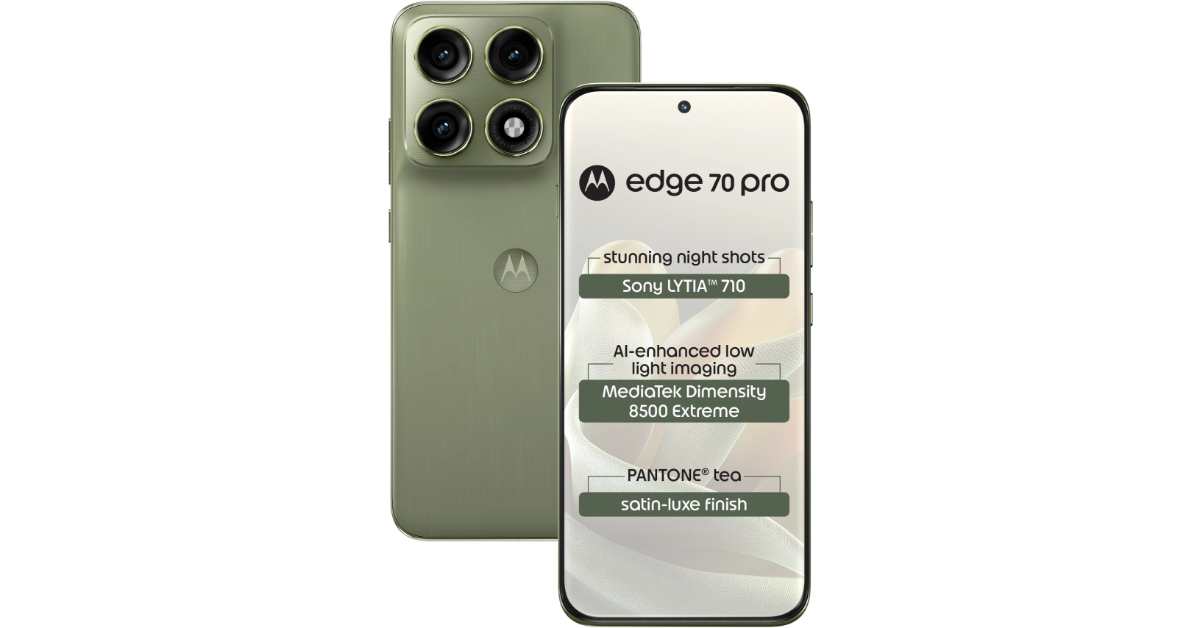
The Motorola Edge 70 Pro is powered by the MediaTek Dimensity 8500 Extreme chipset. It is one of the most durable phones in its segment, rocking IP68/IP69 protection against dust and water, and being compliant with MIL-STD-810H durability standards. Its 6.78-inch AMOLED display has a 144Hz refresh rate and can reach a peak brightness of 5,200 nits. The camera island on the back panel houses 3 50MP sensors, one each for the primary shooter, ultrawide lens, and 3.5x telephoto lens. The 6,500mAh Si/C battery pack supports 90W wired and 15W wireless charging.
Pros
- Durable
- Good cameras
- Wireless charging
Cons
- Curved display may not be for everyone
iQOO Neo 10
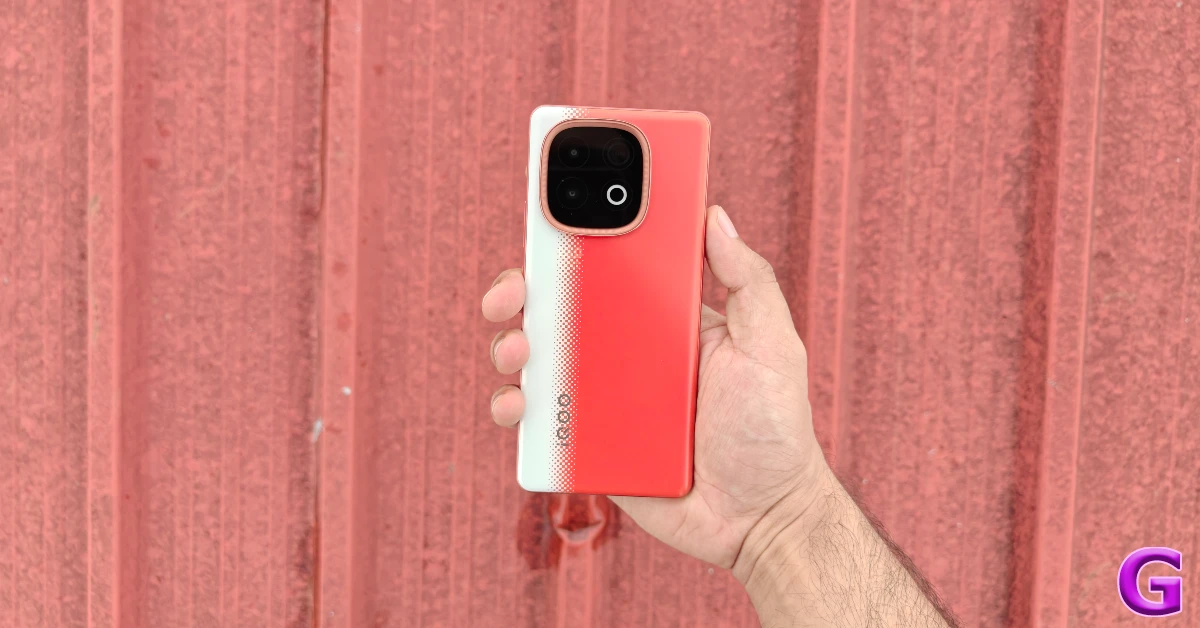
If you’re looking for a device that can handle heavy-duty gaming titles, the iQOO Neo 10 deserves your attention. This smartphone is powered by the Snapdragon 8s Gen 4 SoC. Working in tandem with this chipset is iQOO’s in-house Supercomputing Chip Q1. To maximise the gaming experience and limit thermal throttling, the device uses a 7000mm² vapour chamber to dissipate the internal heat. The 6.78-inch AMOLED display has a 144Hz refresh rate and can reach a peak brightness of 4,400 nits. The rear camera panel houses a 50MP primary shooter and an 8MP ultrawide lens. The 7,000mAh Si/C battery pack supports 120W wired charging. Dive into our iQOO Neo 10 review to learn more about its gaming performance.
Pros
- Powerful processor
- 144Hz display
- Big battery
Cons
- Lacks an IP67 rating
Poco X8 Pro
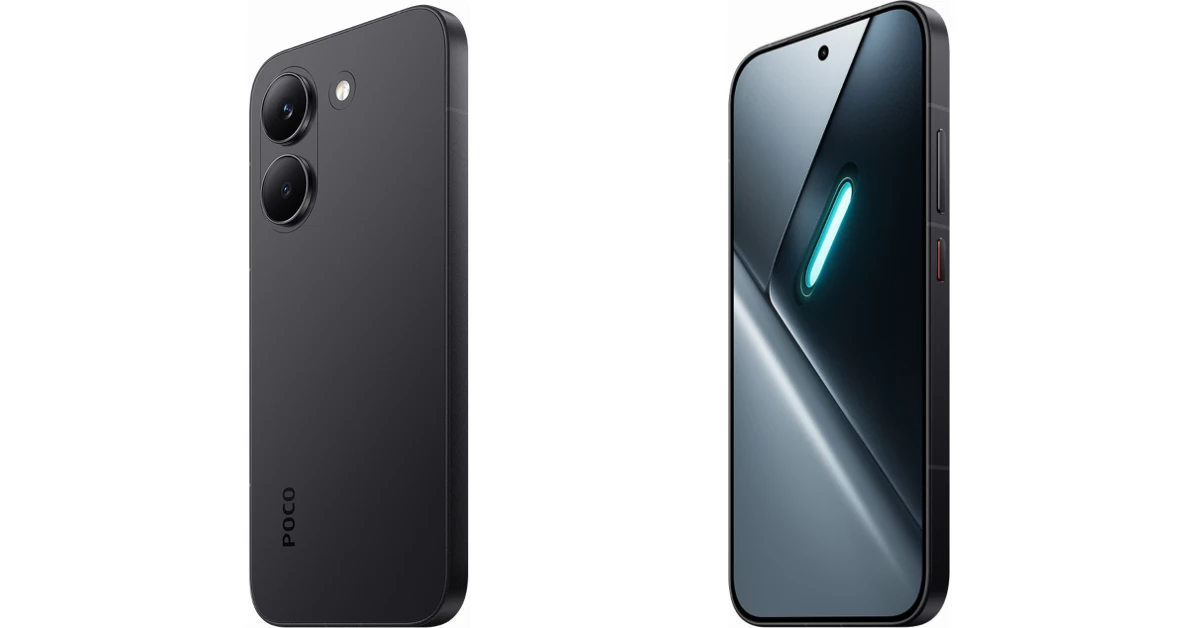
Poco’s new X8 series comprises 2 models – X8 Pro and X8 Pro Max. The former is powered by the MediaTek Dimensity 8500 Ultra chipset and runs the Android 16-based HyperOS 3 out of the box. Its 6.59-inch AMOLED display has a 120Hz refresh rate and can reach 3,500 nits of peak brightness. The device is rated IP68/IP69K for dust and water resistance. Its rear camera panel houses a 50MP primary shooter and an 8MP ultrawide lens. The 6,500mAh Si/C battery pack supports 100W wired and 27W reverse wired charging.
Pros
- Good processor
- Big battery
- Bright display
Cons
- No telephoto lens
Read Also: OxygenOS 16 rollout stopped; a bug caused serious boot loop issues for OnePlus devices
Final Thoughts
These are the top 10 phones priced under Rs 40,000 in May 2026. If you have some more room in your budget, we recommend taking a look at our top picks under Rs 50,000. Got any questions? Let us know in the comments!


