


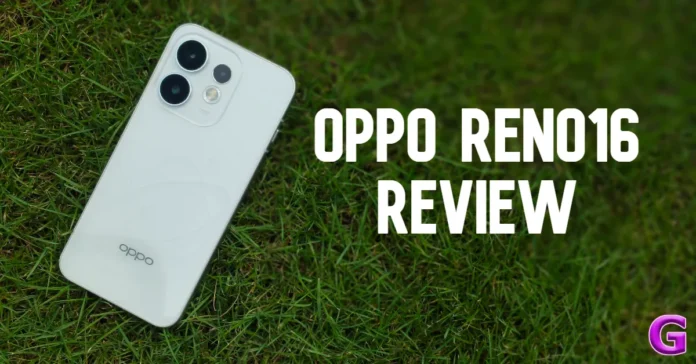
Oppo’s Reno16 series arrives in India on the heels of its predecessor, the Reno15. The latter was introduced back in January 2026, when smartphone prices were relatively stable. The Reno16 entered a turbulent market last month, with smartphone prices reaching new highs due to the ongoing global RAM shortage. Its lineup comprises 2 models – Reno16 and Reno16c. While the series doesn’t have a Pro model yet, Oppo has bridged the gap between the Reno16 and Reno15 Pro Mini (our review here). The two smartphones are identical in size, embracing a compact form factor (which in 2026 means not exceeding the 6.5-inch mark). Compared to the Reno15, the new model gets a more powerful ultrawide lens and a bigger battery pack. We used the smartphone for a week to gauge if it’s worth the Rs 61,999 price tag. Here is our review of the Oppo Reno16.
Read Also: Sony launched its new 115-inch True RGB BRAVIA 9II TV: Pricing and Availability
In This Article
Oppo Reno16 Review: Design and Display
Box Contents
- Smartphone
- 80W power adapter
- USB-A to UBS-C cable
- Clear plastic case
- SIM ejector
- Warranty card
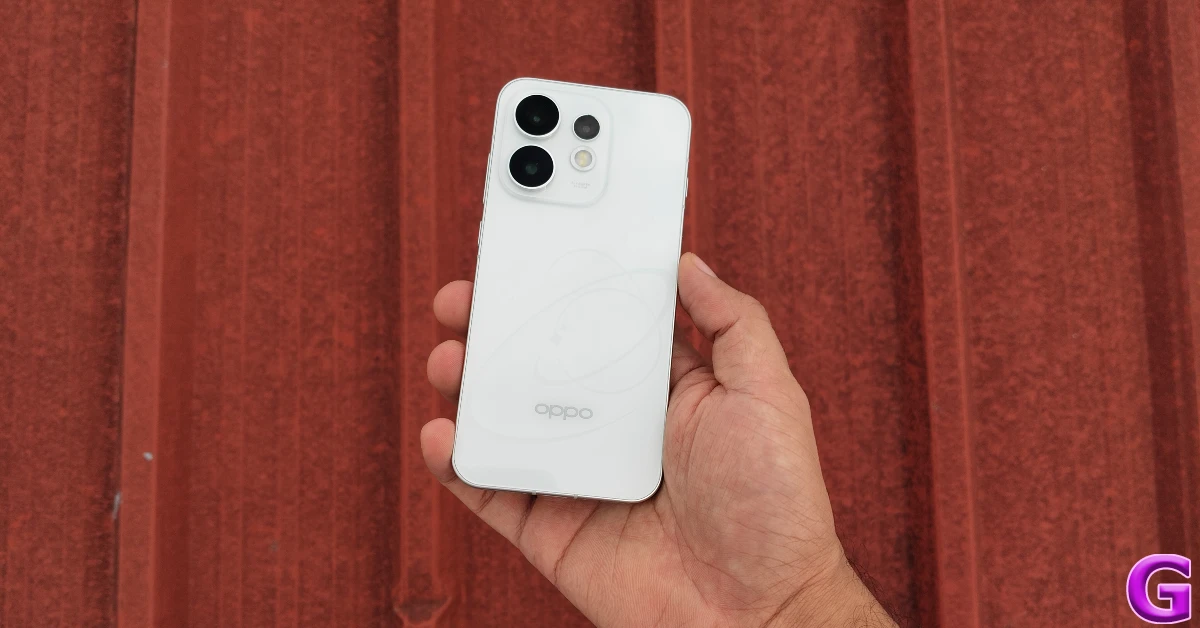
Calling the Reno16’s glass back panel fascinating would be an understatement. The ‘HoloVerse 3D’ design around the Oppo branding pops out like it’s protruding from the device. While a lot of smartphones have claimed a ‘3D’ look in the past, none have managed to make the visuals pop out like this. The good news is that the holographic effect doesn’t die when you slap on the clear plastic case provided in the box. If you find the design gimmicky, you can always get the plain ‘Twilight Violet’ colour variant.
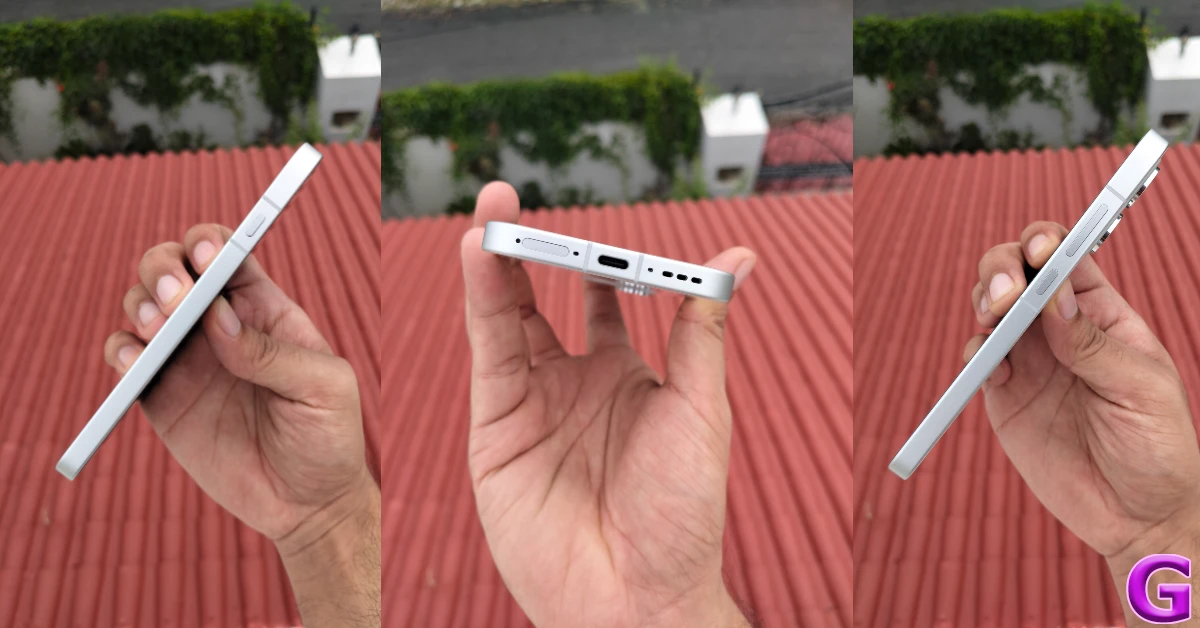
The aluminium frame surrounding the phone houses the volume rocker and the side button on its right edge. The opposite edge houses the ‘Snap’ key. The SIM tray, microphones, USB-C port, and speaker grille are placed at the bottom. The IR blaster is positioned up top. The earpiece functions as the secondary speaker. The smartphone doesn’t support eSIM or NFC. It does get IP68/IP69K protection, which makes it completely waterproof.
The 6.32-inch AMOLED display is compact, bright, and fluid. It is surrounded by slim, even bezels on all sides. It can reach a maximum refresh rate of 120Hz and a peak brightness of 3,600 nits. In High Brightness Mode, it can hit 1,800 nits. Needless to say, the smartphone does not struggle to maintain legibility under harsh sunlight. The optical sensor is accurate for fingerprint recognition, but not as quick as its ultrasonic counterparts.
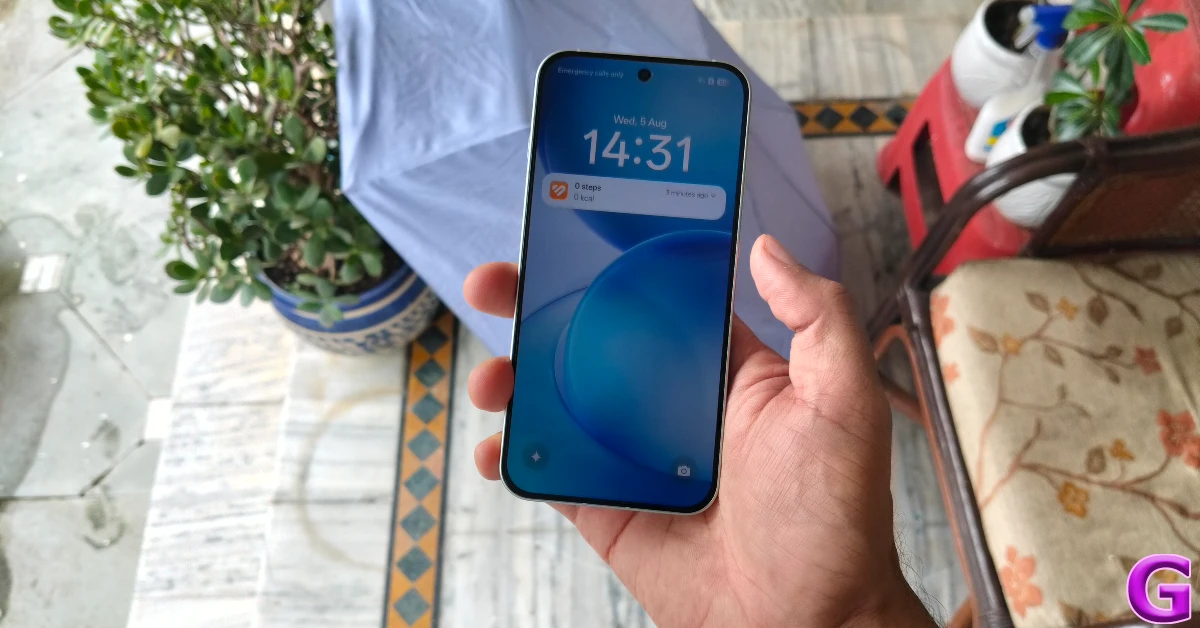
During the review period, we used the Oppo Reno16 to stream content across popular platforms like Netflix, JioHotstar, and Prime Video. The 1,216 x 2,640p FHD+ AMOLED panel supports HDR10+ and produces brilliant visuals with sharp details and rich colours. The dual speaker setup produces a well-rounded audio output without any pesky boxiness.
Oppo Reno16 Review: Performance and Cameras
The Reno16 continues to be powered by the Snapdragon 7 Gen 4 chipset. It has a fixed 256GB (UFS 3.1) internal storage. There are 2 RAM (LPDDR5X) options on offer.
- 8GB: Rs 61,999
- 12B: Rs 67,999
We ran a couple of benchmark tests on the device. Here is how it performed.
- AnTuTu 3D: 1,501,931
- Geekbench 6: 1,252 (single core) | 4,041 (multi-core)
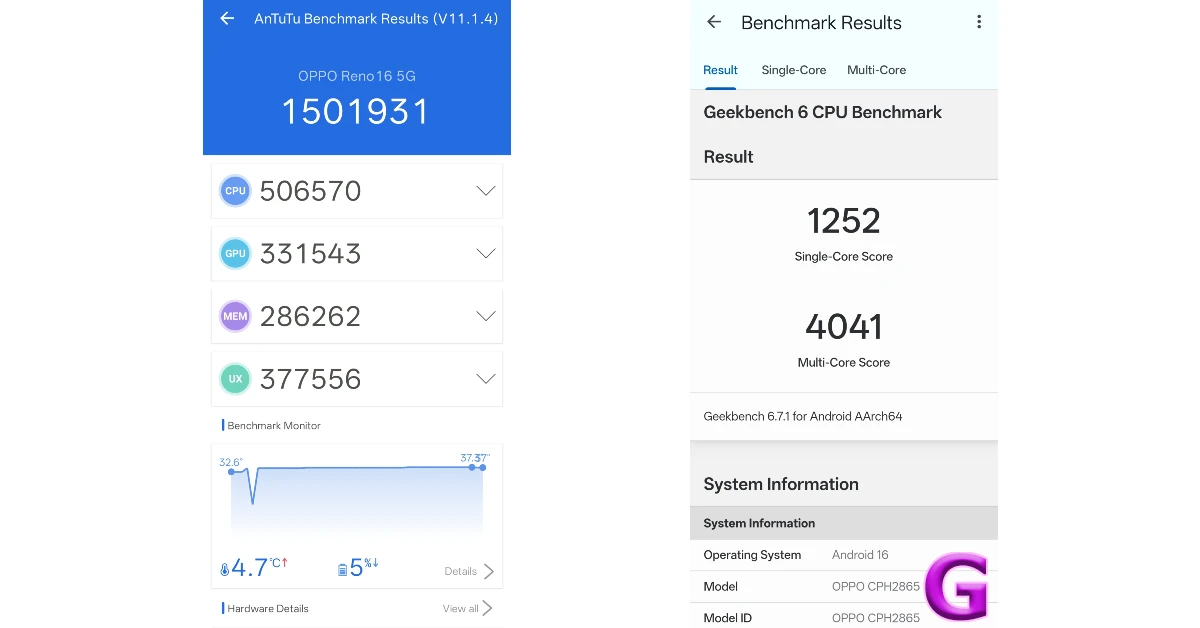
The Snapdragon 7 Gen 4 chipset puts up a fine display on the Reno16. It is powerful enough to handle routine tasks like calling, texting, social media browsing, navigation, and media streaming without breaking a sweat. The UFS 3.1 storage configuration is a bit on the slower side, but you don’t notice it in everyday use. Apps don’t take a long time to load, and the LPDDR5X RAM does a great job of handling multiple active tasks at once. During our week with the device, we didn’t come across any concerning jitters or hiccups.
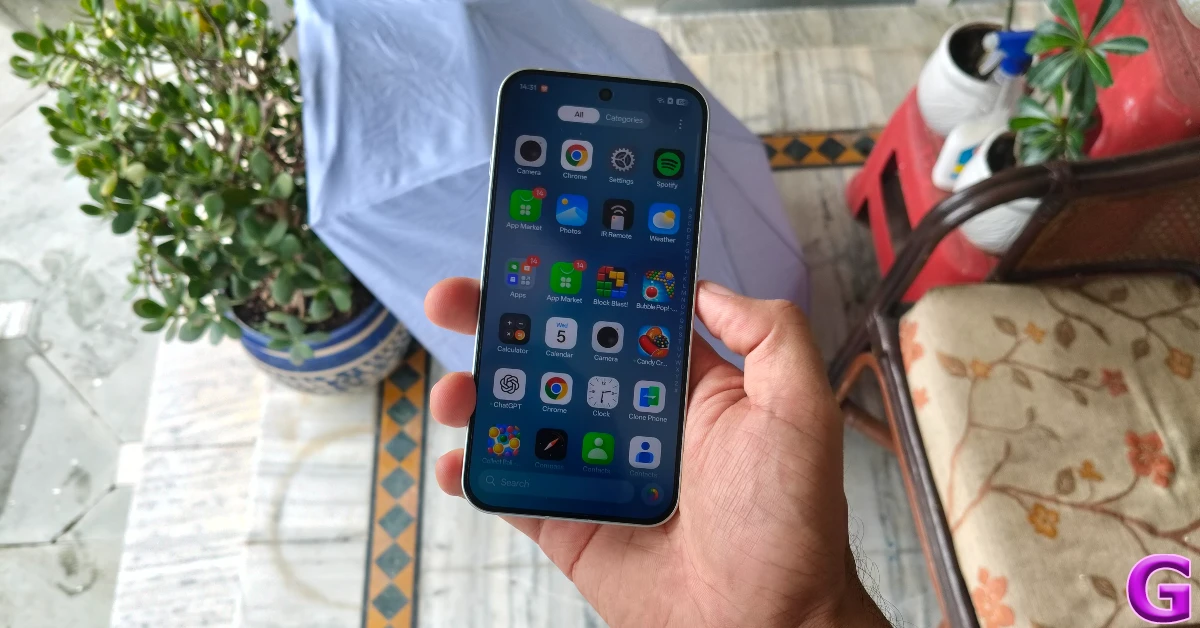
We even tried playing games like BGMI and Call of Duty: Mobile on the Reno16. The device offers solid gameplay when you limit the graphics and frame rate to their medium settings. If you’re looking for something more cutting-edge, there are dedicated gaming smartphones available in this price bracket, but that would mean making tradeoffs on the camera front. Overall, we found the Reno16 quite decent for casual gaming.
Software duties on this phone are handled by the Android 16-based ColorOS 16 out of the box. It has been promised 5 major OS updates and 6 years of security patches. There are a good number of bloatware apps on the device, but they can be removed permanently.
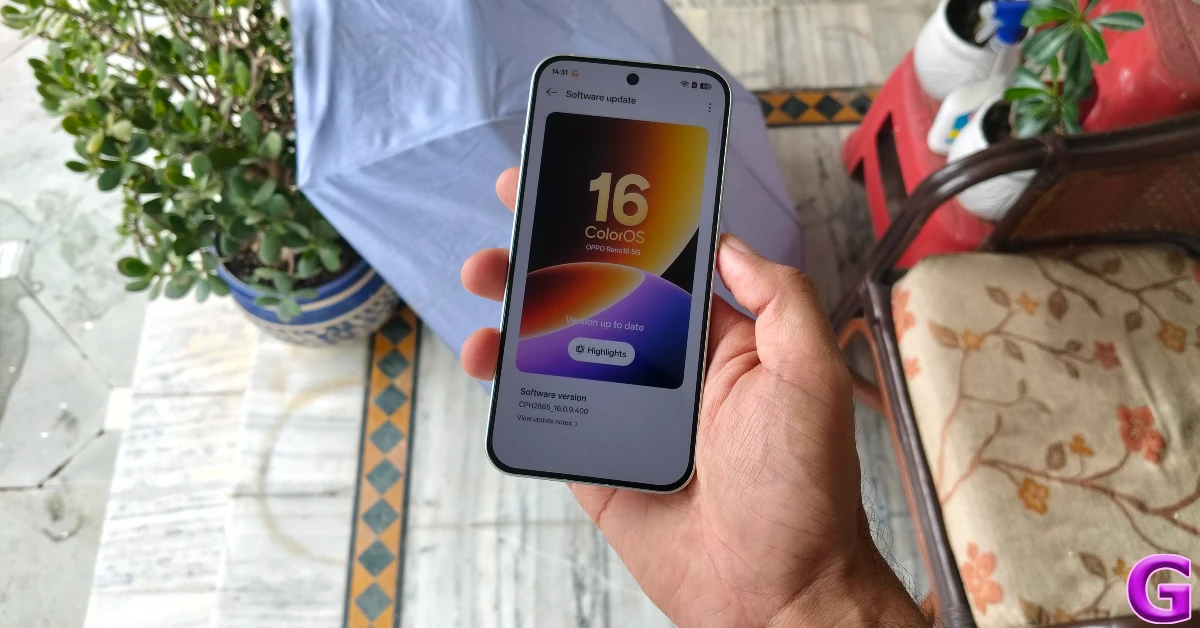
ColorOS 16 offers a good range of customisation options, including charming ‘Flux’ themes, catchy screen transitions, novel AOD faces, and more. The overall browsing experience feels light and intuitive. However, it is the ‘Oppo AI’ suite that made the most lasting impression on us. Oppo’s native AI package is one of the best around, only trailing behind Samsung’s Galaxy AI. It contains basic tools for transcription and translation that can be deployed on calls or face-to-face conversations. The AI Writer tool can come up with social media posts/captions or formal emails, depending on the prompt you feed it. The AI Editor in the native Photos app has tools to remove unwanted objects from your images and enhance their clarity. These tools can be easily incorporated into routine use.
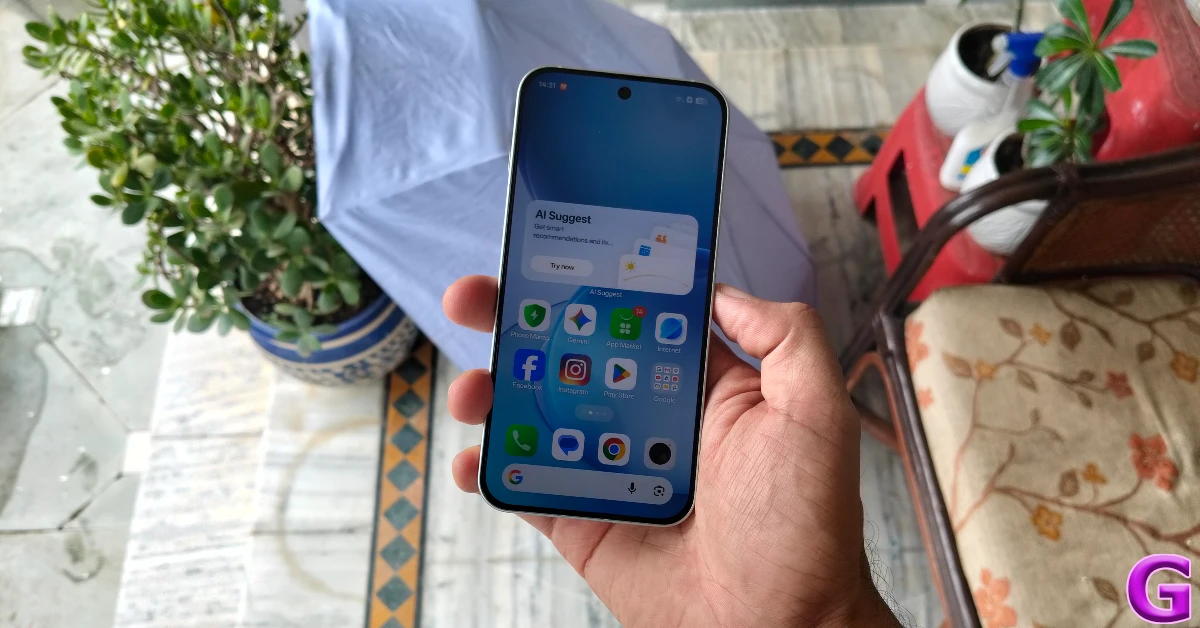
Then comes the big highlight – Mind Pilot. This AI hub serves as a place to record important stuff that you may need later. Pressing the Snap key triggers the Mind Space to read the on-screen content and save it as a memory. You can then request its details from the hub without browsing through endless screenshots.
For example, once you record an airplane ticket as a memory, you can simply ask Mind Space about the details of your flight, and it will fetch the necessary information. On top of that, it can help you keep track of your finances, taking input from your digital transactions. Furthermore, you get access to Gemini, Perplexity, and ChatGPT models in Mind Pilot. This saves you the hassle of switching among individual apps to get what you want.
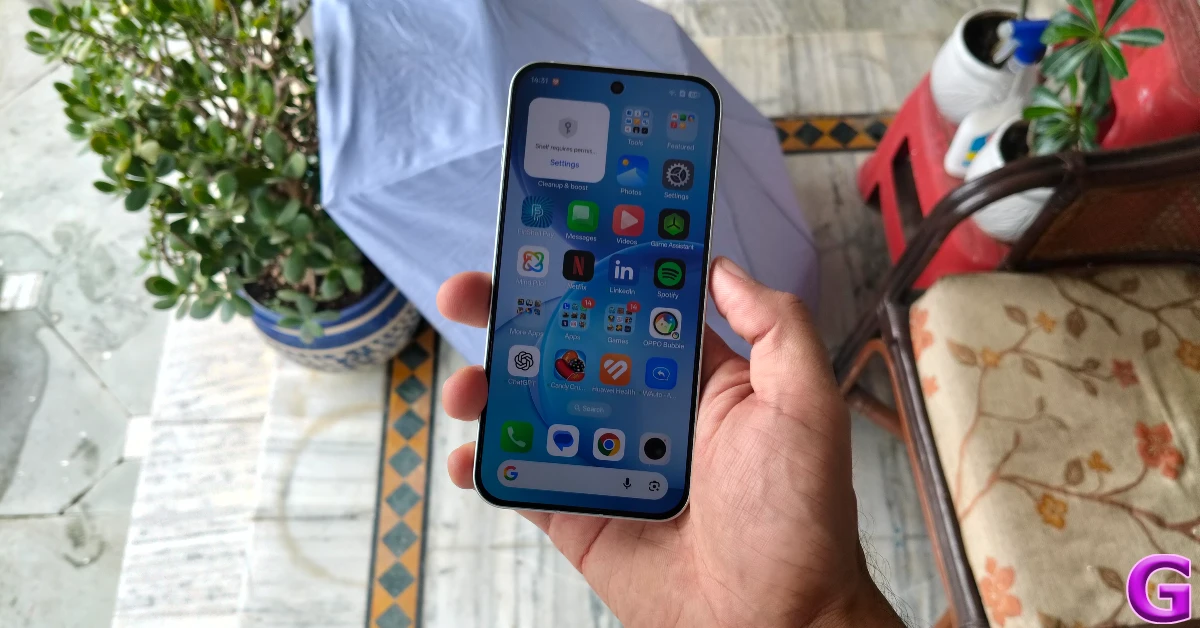
The 6,700mAh battery pack on this phone holds enough juice to last an entire day of heavy use with ease. You will find it hard to kill this battery in one day. Even after racking up 5-6 hours of screen time, we were left with ~30% charge before the end of the day. The 80W charger provided in the box takes an hour to fully charge the phone.
The rear camera array of the Reno16 comprises 3 50MP sensors, one each for the primary shooter, ultrawide lens, and 3.5x telephoto lens. The punch-hole cutout on the display houses a 50MP selfie lens.

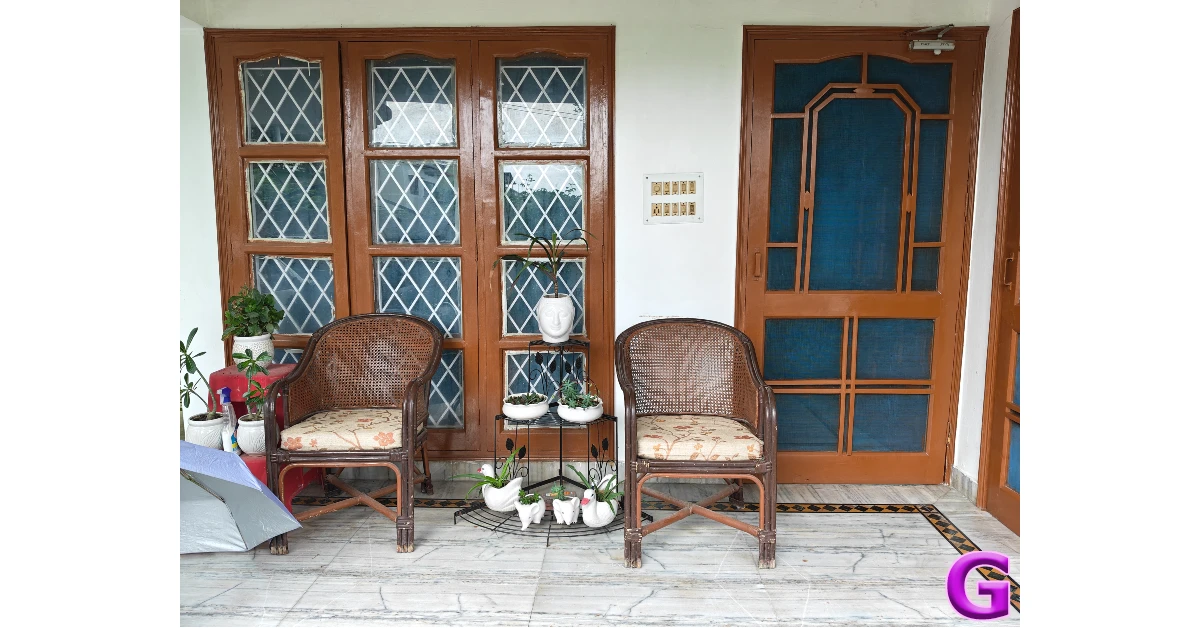
The 50MP primary shooter captures great pictures in outdoor daylight conditions. The images are vibrant without looking overprocessed. There is a natural feel to them, which is a nice respite from the ‘social media ready’ images that a lot of phones seem to go for. The subtler details come through nicely, and the contrast and dynamic range are on point. In limited lighting conditions, Night Mode takes over to illuminate the shot and get rid of the grain.
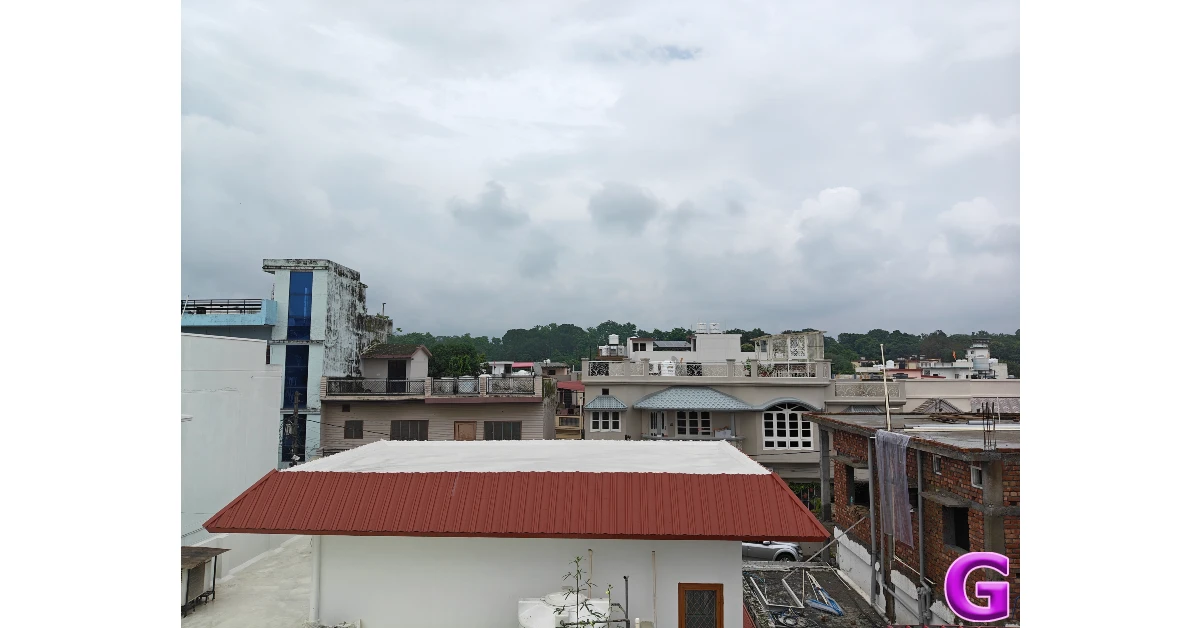
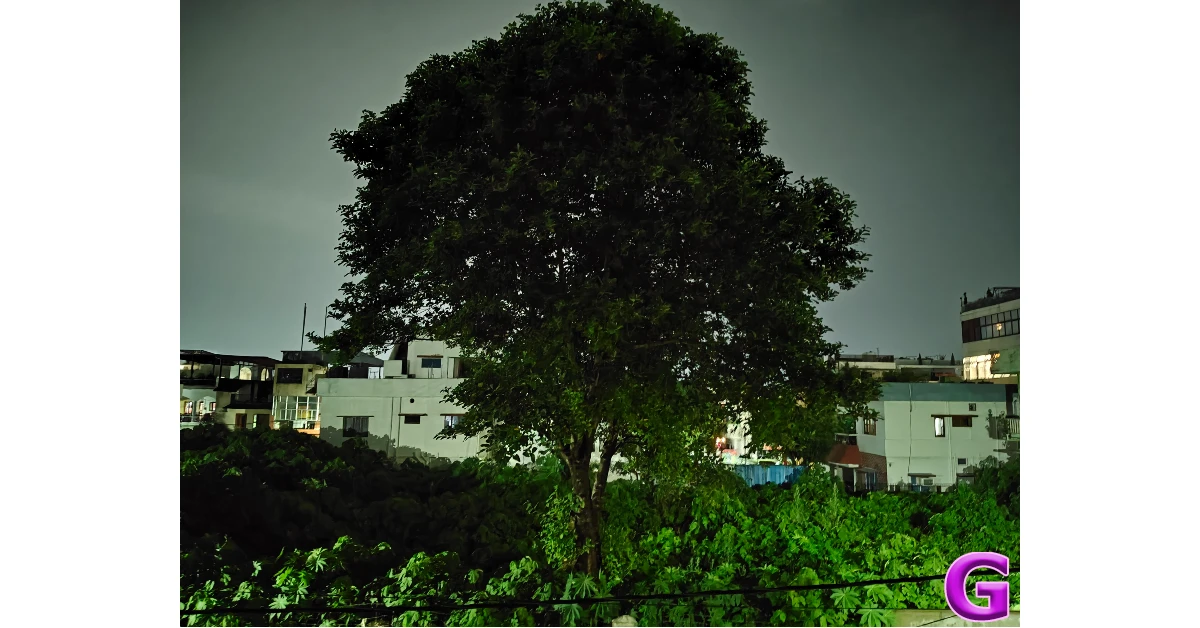
The 50MP ultrawide camera is a big upgrade from the 8MP sensor on the Reno15. It does a phenomenal job of taking detailed wide-angle shots with a brilliant field of view. The essential details are all there, and there isn’t a big tonal shift when you compare the results to the images captured from the main sensor. The shots taken in limited lighting have a smidge of noise, but they’re usable for the most part.

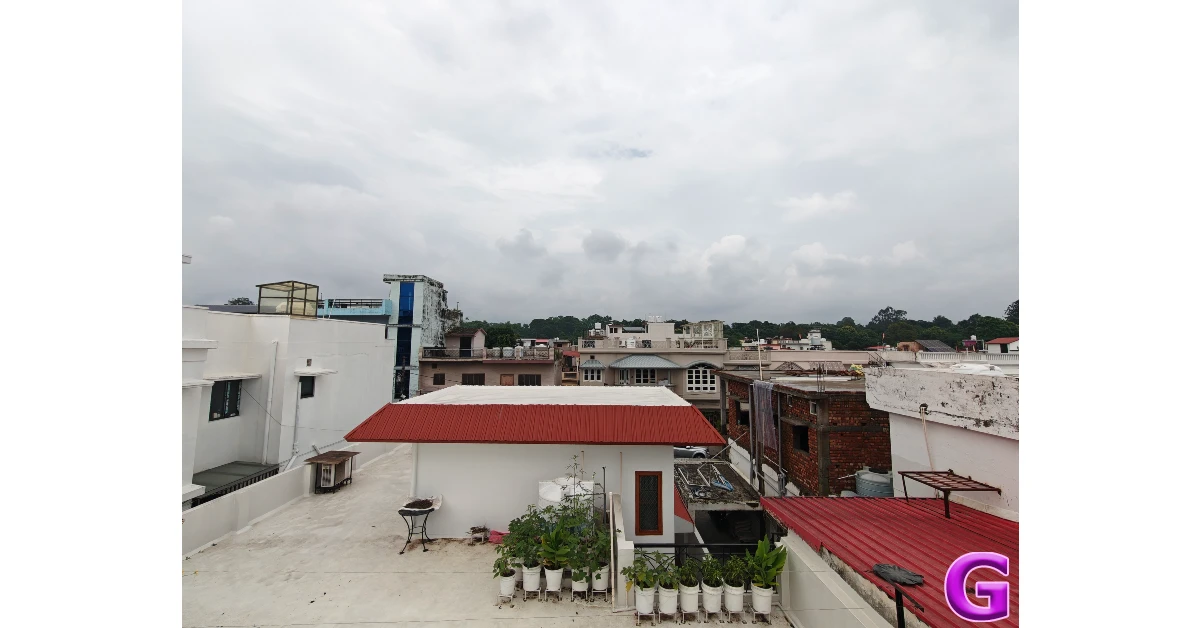
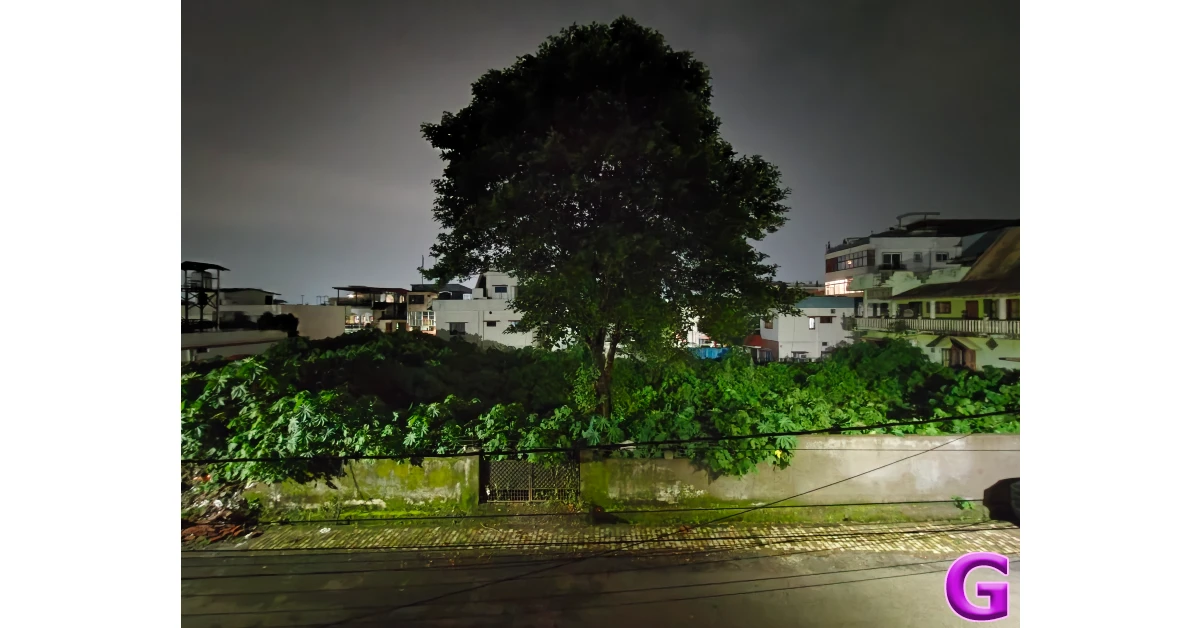
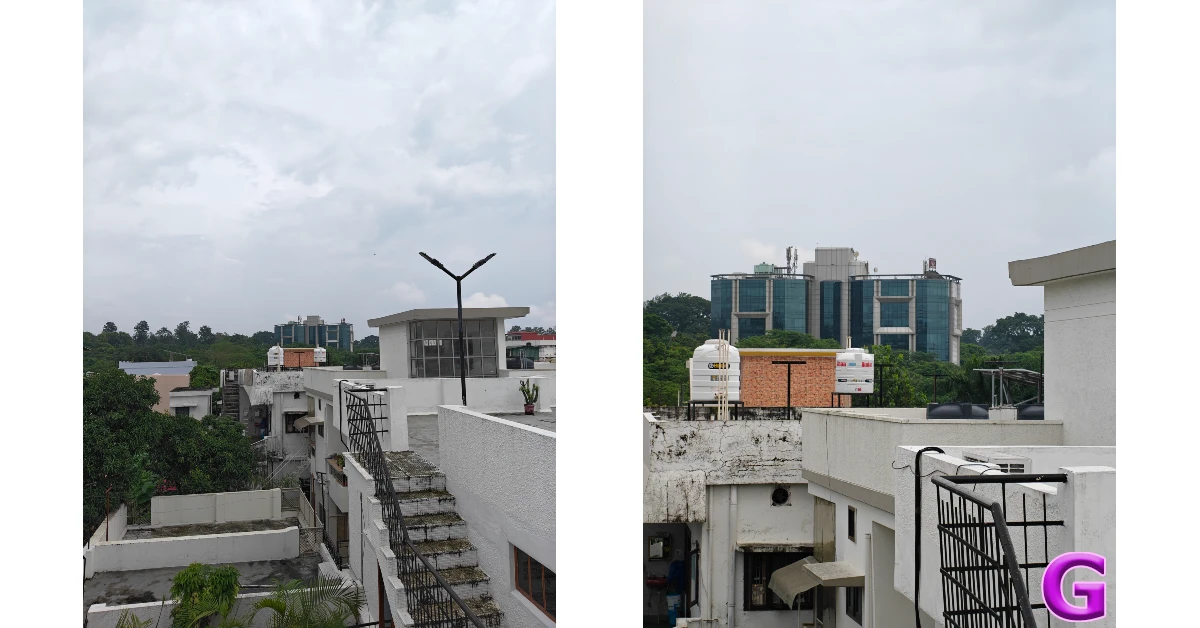
The 50MP telephoto lens offers 3.5x optical zoom. This sensor comes in clutch while capturing action from a distance. It replicates the results of the primary shooter, but there is a slight tonal shift in its images. We didn’t mind it too much, as the resulting images were packed with details. The telephoto sensor plays a vital role in capturing portrait shots too. The 3.5x portraits have incredible depth of field. The smartphone does a good job of recognising the subject’s boundaries and separating it from the background. The blur effect applied to the final shots is quite tasteful.

The front-facing 50MP camera takes clear selfies in natural lighting. We like that it doesn’t mess with the subject’s skin tone and texture too much. All three cameras on this smartphone can record 4K videos at 30 and 60 fps.
Read Also: Top 10 apps for Samsung Galaxy Z Fold 8
Verdict
When you consider the turbulence in the current smartphone market, the Oppo Reno16 comes across as a great deal at Rs 61,999. We like that Oppo hasn’t made any trade-offs on the performance front by decreasing the RAM of the smartphone to 6GB. While it retains the processor of its predecessor, the smartphone gets an upgraded 50MP ultrawide lens and a larger 6,700mAh battery pack. The camera performance is the big highlight for us. All three lenses put up amazing results in a multitude of lighting conditions. The 3.5x telephoto lens is great for capturing DSLR-like portraits.
Pros
- Compact form factor
- Good camera system
- Big battery
Cons
- No NFC
- No eSIM support


