

“After extensive research with our riders, it was obvious we couldn’t just make a smaller copy of Uber. We needed to reimagine the experience for India and key markets around the world. The result is Uber Lite,” said Peter Deng, Head of Rider Product, Uber.
Uber Lite launched in India: Everything you need to know
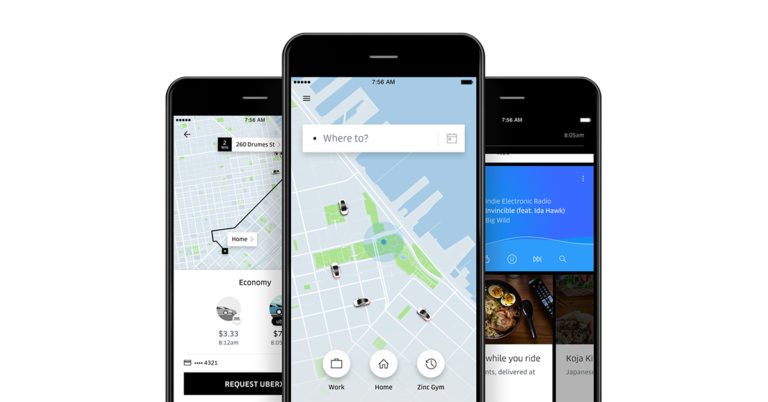
Uber Technologies has launched its Uber Lite app in India — a move which many are saying has been done to get more users on board.
In its initial phase, Uber Lite will only be launched for Android smartphone users in Delhi, Jaipur and Hyderabad. This will be followed by the app getting rolled out across India during summer and then Uber Lite will be launched in other countries.
What makes Uber Lite different from the regular Uber app is the fact that it is less than 5MB. It is claimed to have a response time of less than 300 milliseconds and can work perfectly well in areas with low connectivity.
The company went on to say in a statement that Uber Lite works on less than 5% Android devices.
Besides this, the app retains most other features of the main Uber app. It hasn’t compromised on the safety features and comes with an emergency button and also lets users share their route with friends.
However, some features are different. For instance, in the absence of GPS, the app might suggest a nearby landmark where the cab can come to pick the user up. Similarly, the app already has the city’s most popular places so that they appear even when the user is offline.
According to Uber Technologies, maps are not loaded by default in Uber Lite and are available at a tap when user needs them because this ensures that the app is light and works quickly even in low network connectivity.
Xiaomi Redmi 6 launched with 5.45-inch HD+ display: Price, specs and more

There were leaks and teasers flying about this phone and finally the Chinese maker has brought it to life. Called Xiaomi Redmi 6, the smartphone has been launched in China and integrates some new features that will be seen on upcoming Xiaomi smartphones (too) like the face unlock feature. Seems like Xiaomi is using AI in this device for various things ranging from the face unlock to it the cameras.
Xiaomi Redmi 6 specifications
The event held on Tuesday showcased the Xiaomi Redmi 6 with a HD+ 5.45-inch touchscreen with a resolution of 720×1,440 pixels. The aspect ratio is set at 18:9 and 80.7 percent screen to body ratio is what this phone has. As for the cameras, the Xiaomi Redmi 6 has dual rear cameras that are stacked just like the ones found on the OnePlus 5T. These are powered by 12MP plus 5MP sensors and both sport 1.25 micron pixels with AI firmware. Spin the phone around and one will find that the company has placed a 5MP front snapper.
Under the hood Xiaomi has given this smartphone, not a Snapdragon, but a MediaTek Helio P22 octa-core CPU which has speeds up to 2.0GHz. The Xiaomi Redmi 6 is available in two variations. One with 3GB RAM and 32GB memory and other has 4GB RAM and 64 GB memory. This seems to be the usual norm for all budget smartphones these days.
Storage is expandable in the Xiaomi Redmi 6 and one can insert up to 256GB microSD card in this smartphone, over the already available memory inside. As for the battery life, while others in the category are giving more than 3,400 mAh, Xiaomi is still stuck on 3,000 mAh. Other features of the mobile phone include 4G LTE, Wi-Fi, GPS, micro USB, Bluetooth 4.2 and 3.5mm audio jack. Xiaomi Redmi 6 weighs 146 grams and runs Android Oreo 8.1 with its own MIUI skin on top.
Xiaomi Redmi 6 Price and availability
The price of the Xiaomi Redmi 6 3GB RAM/32 GB storage variant has been kept at CNY 799 (that is approximately Rs 8,500) and the 4 GB RAM/64GB storage version has a price tag of CNY 999 (Rs 10,500 approximately). It will start selling in China on June 15, however there is no word of its launch in India. Nonetheless, going by the trend that this Chinese maker follows, they should bring the phone to our shores in a months’ time.
Selfie obsession: Two teenagers drown in river Tapi

While the smartphone has made life easier for many, it has caused a lot of trouble for some too. Starting from distracted driving to selfie deaths, the list just goes on. Adding to the selfie death list, two teenagers from Surat drowned in the Tapi river while trying to click a selfie. The two boys were hanging on a rope over the river when they fell in to it while capturing a selfie.
As per a report in Indian Express, two other boys who jumped in the river to save them were rescued by the bystanders and are currently undergoing treatment at New Civil Hospital. The four friends, Ikhlak Shaikh, Sohel Khan, Mohammed Zaid and Mohammed Kaif had gone to the causeway over the river. Here Shaikh and Zaid lost their balance and fell into the river while taking a selfie.
Bodies of the boys were later recovered by the fire brigade officers and declared the boys had died to due to drowning in the river. As said before selfie deaths are not new and have been happening in India and abroad at a constant pace. There needs to be some kind of education program running for people that tells them how to be safe and what not to do, especially the younger generation who takes thrills while clicking an action selfie in deadly environments.
Last year two youth in Mumbai died too taking a selfie at a railways station. Delhi has also seen its share of deaths while people are taking selfie on the railways tracks. Recently a young Indian boy just out of his teens died slipping from a 40-meter cliff in Australia. Parents should also take note of the at-times menace called a selfie and tell their children always to be safe when clicking one alone of with a group of people.
5 reasons why not to buy the Xiaomi Redmi Y2
Xiaomi might be leading smartphone player currently in India, but with the latest launch they do seem to have lost the plot quite a bit. They recently launched the Redmi Y2 in the Indian market, which is just a remodelled version of the Xiaomi Redmi S2 that was showcased in China a little while ago.
The Xiaomi Redmi Y2 failed to excite us on multiple levels and to us this phone is not a worthy buy at all, because of the heavy competition it faces from its own brother the Note 5 Pro and other brands like Realme, Honor and Motorola. Specs to price-wise we found this smartphone to be mediocre and here are 5 reasons why you should skip this smartphone:
Price: The Xiaomi Redmi Y2 is priced at Rs 9,999 for the 3GB RAM and 32 GB memory variant, and Rs 12,999 for the 4 GB RAM and 64 GB memory version. It is eating into its own siblings range, the Redmi Note 5, which is priced at Rs 9,999 for 3GB/32GB, however the Redmi Note 5 4GB/64GB version is a thousand rupees cheaper. Over that, the good looking Realme 1 is thousand rupees cheaper than both of them, priced at Rs 8,999 for 3GB/32GB piece and Rs 10,990 for 4GB/64GB version. Why do you want to spend more?
Seen form factor: Putting it simply, the Xiaomi Redmi Y2 has no great shakes when it comes to its form factor. The dual lens setup has become mundane and the plain jane looks just don’t work these days. There is no zing in this phone, which the youth wants these days. In a sea of great looking phones like the one from Realme and Moto G6 Play, the Y2 looks quite dreadful.
Plastic body: While most phone manufacturers like Motorola and Honor are giving glass backs or metal bodies, Xiaomi is busy cutting corners and is providing a plastic unibody thats looks tacky and not appealing. You are better of purchasing a top of the line glass back than plastic, if you as us.
Not a Full HD Screen: The 5.99-inch display on the Xiaomi Redmi Y2 supports only a 720×1,440 pixels resolution. Which is not even close to what its sibling at a cheaper price gives. The Redmi Note 5 has FHD+ graphics 1,080×2,160 pixels display, which is much higher than the Y2. Don’t know what Xiaomi was thinking when building this phone.
Smaller battery: This is probably the biggest flaw of Xiaomi Redmi Y2, it just does not have that much battery juice. While Realme 1 gives you a powerful 3,410 mAh battery, Moto G6 Play is even better at 4,000 mAh. the Xiaomi Redmi Y2 has just 3,080 mAh at a higher or similar price. Most want longer lasting devices and this is definitely not one of them.
Top 10 smartphones with big battery life

Tired of battery woes and can’t wait to replace your smartphone? We have made a list of 10 recently launched smartphones you can choose from. Here’s a look at our list:
Huawei P20 Pro
We won’t be surprised if you get reminded of triple rear cameras the moment you hear of Huawei P20 Pro. Theo 40MP+20MP+8MP triple rear camera setup is the key feature that makes the smartphone stand out. But it isn’t the only feature of the smartphone worth talking about. Huawei’s flagship boasts of a massive 4000mAh battery as well. Huawei P20 Pro is priced at Rs 64,999 and is powered by 1.8GHz octa-core processor clubbed with 6GB RAM and 128GB onboard storage. The smartphone runs Android 8.1 Oreo skinned with EMUI 8.1 and features a 6.10-inch touchscreen display.
 Moto G6 Play
If you are looking for a big battery smartphone and also want phone that has been launched recently, then Moto G6 Play is the right choice for you. Priced at Rs 11,999, the newly launched smartphone packs a 4000mAh battery and features a 5.7-inch HD+ display. Powered by Qualcomm Snapdragon 430 processor clubbed with 3GB RAM and 32GB of internal storage, the smartphone runs Android 8.0 Oreo out of the box. It comes with 13MP rear camera and an 8MP front facing snapper for selfies and video calls.
Coolpad Note 6
Coolpad Note 6 comes in two storage variants – 32GB and 64GB. However, both these variants have the same 3GB RAM. Coolpad’s smartphone packs a 4070mAh battery and features a 5.5-inch full-HD display. Running Android 7.1 Nougat, it is powered by an octa-core Qualcomm Snapdragon 435 processor and sports a dual front camera setup with 8MP and 5MP sensors along with a 13MP rear camera. While the 32GB variant of the smartphone is priced at Rs 8,999, the 64GB variant costs Rs 9,999.
InFocus Vision 3 Pro
Priced at Rs 6,999, InFocus Vision 3 Pro comes with a 4000mAh battery and features a 5.7-inch HD+ screen. Powered by 1.3 GHz quad-core Mediatek M6373 Cortex-A53 processor paired with 2GB RAM, the smartphone offers 16GB of internal storage and can hold microSD cards of up to 64GB. The Android 7.0 Nougat based smartphone comes with 13MP+5MP dual rear cameras and an 8MP selfie camera.
Xiaomi Redmi Note 5 Pro
Probably the most talked about budget smartphone of the year is Xiaomi Redmi Note 5 Pro. The smartphone has great specifications and is available in two storage variants – 4GB RAM/64GB storage and 6GB RAM/64GB storage. While the 4GB RAM version is priced at Rs 13,999 and the 6GB RAM variant is priced at Rs 16,999. With a 4000mAh battery, it is a good option for those who want to buy a smartphone with a long lasting battery.The smartphone features a 5.99-inch full-HD display and is powered by a Qualcomm Snapdragon 636 processor. For imaging duties, Xiaomi Redmi Note 5 Pro comes with 12MP+5MP dual rear cameras and a 20MP front facing camera.
Infinix Hot S3
The smartphone from Infinix packs a 4000mAh battery and features a 5.65-inch HD+ 2.5D Full View display. Powered by an octa-core Qualcomm Snapdragon 430, it comes in two storage variants – 3GB RAM/32GB storage and 4GB RAM/64GB storage. Running on Android Oreo skinned with XOS 3.0, it comes with a 13MP rear camera and a 20MP selfie camera. The 3GB RAM variant of the phone is priced at Rs 8,999 and the 4GB RAM version is priced at Rs 10,999.
Asus Zenfone Max Pro M1
Asus touted battery as one among the key features of its Zenfone Max Pro M1 smartphone when it was launched this year. Powered by a massive 5000mAH battery, the smartphone is available in two storage variants – 3GB RAM/32GB onboard storage and 4GB RAM/64GB inbuilt storage. While the former is priced at Rs 10,999, the latter is priced at Rs 12,999. The smartphone runs Android 8.1 Oreo and features a 5.99-inch full HD+ display. It is powered by Qualcomm Snapdragon 636 processor and comes with 13MP+5MP dual rear cameras and an 8MP selfie camera.
Blackberry Motion
BlackBerry Motion was found listed on Flipkart in January 2018. Priced at Rs 42,999, the smartphone comes with a 4000mAh battery which supports QuickCharge 3.0 and features a 5.5-inch Full HD screen. Powered by Qualcomm Snapdragon 624 processor clubbed with 4GB RAM, the smartphone offers 32GB internal storage and can hold microSD cards of up to 256GB. It comes with a 12MP rear camera and an 8MP front facing camera. Although there has been no official announcement on BlackBerry Motion’s launch yet, the smartphone is still available on Amazon India’s website at a price of Rs 34,700.
https://www.amazon.in/BlackBerry-Motion-mobile/dp/B077RLT9F8/
Smartron t.phone P
This one is for Sachin Tendulkar’s fans. Smartron t.phone P comes with a massive 5000mAh battery and Android 7.1.1 Nougat. The smartphone features a 5.2-inch HD IPS display and is powered by an octa-core Qualcomm Snapdragon 435 processor clubbed with 3GB RAM. The phone offers 32GB of onboard storage and can hold microSD cards of up to 128GB.Smartron t.phone P comes with a 13MP rear camera and a 5MP selfie camera and is priced at Rs 7,999.
iVooMi i2
iVooMi i2 smartphone boasts of a 4000mAh battery and features a 5.45-inch HD+ IPS FullView display. Powered by 1.5GHz quad-core Mediatek MTK6739 processor paired with 3GB RAM, the smartphone offers 32GB of internal storage and can hold microSD cards of up to 128GB. The smartphone sports a dual rear camera setup with 23MP and 2MP sensors and also has an 8MP selfie camera. It runs Android 8.1 Oreo out of the box and is priced at Rs 7,499.
Moto G6 Play
If you are looking for a big battery smartphone and also want phone that has been launched recently, then Moto G6 Play is the right choice for you. Priced at Rs 11,999, the newly launched smartphone packs a 4000mAh battery and features a 5.7-inch HD+ display. Powered by Qualcomm Snapdragon 430 processor clubbed with 3GB RAM and 32GB of internal storage, the smartphone runs Android 8.0 Oreo out of the box. It comes with 13MP rear camera and an 8MP front facing snapper for selfies and video calls.
Coolpad Note 6
Coolpad Note 6 comes in two storage variants – 32GB and 64GB. However, both these variants have the same 3GB RAM. Coolpad’s smartphone packs a 4070mAh battery and features a 5.5-inch full-HD display. Running Android 7.1 Nougat, it is powered by an octa-core Qualcomm Snapdragon 435 processor and sports a dual front camera setup with 8MP and 5MP sensors along with a 13MP rear camera. While the 32GB variant of the smartphone is priced at Rs 8,999, the 64GB variant costs Rs 9,999.
InFocus Vision 3 Pro
Priced at Rs 6,999, InFocus Vision 3 Pro comes with a 4000mAh battery and features a 5.7-inch HD+ screen. Powered by 1.3 GHz quad-core Mediatek M6373 Cortex-A53 processor paired with 2GB RAM, the smartphone offers 16GB of internal storage and can hold microSD cards of up to 64GB. The Android 7.0 Nougat based smartphone comes with 13MP+5MP dual rear cameras and an 8MP selfie camera.
Xiaomi Redmi Note 5 Pro
Probably the most talked about budget smartphone of the year is Xiaomi Redmi Note 5 Pro. The smartphone has great specifications and is available in two storage variants – 4GB RAM/64GB storage and 6GB RAM/64GB storage. While the 4GB RAM version is priced at Rs 13,999 and the 6GB RAM variant is priced at Rs 16,999. With a 4000mAh battery, it is a good option for those who want to buy a smartphone with a long lasting battery.The smartphone features a 5.99-inch full-HD display and is powered by a Qualcomm Snapdragon 636 processor. For imaging duties, Xiaomi Redmi Note 5 Pro comes with 12MP+5MP dual rear cameras and a 20MP front facing camera.
Infinix Hot S3
The smartphone from Infinix packs a 4000mAh battery and features a 5.65-inch HD+ 2.5D Full View display. Powered by an octa-core Qualcomm Snapdragon 430, it comes in two storage variants – 3GB RAM/32GB storage and 4GB RAM/64GB storage. Running on Android Oreo skinned with XOS 3.0, it comes with a 13MP rear camera and a 20MP selfie camera. The 3GB RAM variant of the phone is priced at Rs 8,999 and the 4GB RAM version is priced at Rs 10,999.
Asus Zenfone Max Pro M1
Asus touted battery as one among the key features of its Zenfone Max Pro M1 smartphone when it was launched this year. Powered by a massive 5000mAH battery, the smartphone is available in two storage variants – 3GB RAM/32GB onboard storage and 4GB RAM/64GB inbuilt storage. While the former is priced at Rs 10,999, the latter is priced at Rs 12,999. The smartphone runs Android 8.1 Oreo and features a 5.99-inch full HD+ display. It is powered by Qualcomm Snapdragon 636 processor and comes with 13MP+5MP dual rear cameras and an 8MP selfie camera.
Blackberry Motion
BlackBerry Motion was found listed on Flipkart in January 2018. Priced at Rs 42,999, the smartphone comes with a 4000mAh battery which supports QuickCharge 3.0 and features a 5.5-inch Full HD screen. Powered by Qualcomm Snapdragon 624 processor clubbed with 4GB RAM, the smartphone offers 32GB internal storage and can hold microSD cards of up to 256GB. It comes with a 12MP rear camera and an 8MP front facing camera. Although there has been no official announcement on BlackBerry Motion’s launch yet, the smartphone is still available on Amazon India’s website at a price of Rs 34,700.
https://www.amazon.in/BlackBerry-Motion-mobile/dp/B077RLT9F8/
Smartron t.phone P
This one is for Sachin Tendulkar’s fans. Smartron t.phone P comes with a massive 5000mAh battery and Android 7.1.1 Nougat. The smartphone features a 5.2-inch HD IPS display and is powered by an octa-core Qualcomm Snapdragon 435 processor clubbed with 3GB RAM. The phone offers 32GB of onboard storage and can hold microSD cards of up to 128GB.Smartron t.phone P comes with a 13MP rear camera and a 5MP selfie camera and is priced at Rs 7,999.
iVooMi i2
iVooMi i2 smartphone boasts of a 4000mAh battery and features a 5.45-inch HD+ IPS FullView display. Powered by 1.5GHz quad-core Mediatek MTK6739 processor paired with 3GB RAM, the smartphone offers 32GB of internal storage and can hold microSD cards of up to 128GB. The smartphone sports a dual rear camera setup with 23MP and 2MP sensors and also has an 8MP selfie camera. It runs Android 8.1 Oreo out of the box and is priced at Rs 7,499.
 Moto G6 Play
If you are looking for a big battery smartphone and also want phone that has been launched recently, then Moto G6 Play is the right choice for you. Priced at Rs 11,999, the newly launched smartphone packs a 4000mAh battery and features a 5.7-inch HD+ display. Powered by Qualcomm Snapdragon 430 processor clubbed with 3GB RAM and 32GB of internal storage, the smartphone runs Android 8.0 Oreo out of the box. It comes with 13MP rear camera and an 8MP front facing snapper for selfies and video calls.
Coolpad Note 6
Coolpad Note 6 comes in two storage variants – 32GB and 64GB. However, both these variants have the same 3GB RAM. Coolpad’s smartphone packs a 4070mAh battery and features a 5.5-inch full-HD display. Running Android 7.1 Nougat, it is powered by an octa-core Qualcomm Snapdragon 435 processor and sports a dual front camera setup with 8MP and 5MP sensors along with a 13MP rear camera. While the 32GB variant of the smartphone is priced at Rs 8,999, the 64GB variant costs Rs 9,999.
InFocus Vision 3 Pro
Priced at Rs 6,999, InFocus Vision 3 Pro comes with a 4000mAh battery and features a 5.7-inch HD+ screen. Powered by 1.3 GHz quad-core Mediatek M6373 Cortex-A53 processor paired with 2GB RAM, the smartphone offers 16GB of internal storage and can hold microSD cards of up to 64GB. The Android 7.0 Nougat based smartphone comes with 13MP+5MP dual rear cameras and an 8MP selfie camera.
Moto G6 Play
If you are looking for a big battery smartphone and also want phone that has been launched recently, then Moto G6 Play is the right choice for you. Priced at Rs 11,999, the newly launched smartphone packs a 4000mAh battery and features a 5.7-inch HD+ display. Powered by Qualcomm Snapdragon 430 processor clubbed with 3GB RAM and 32GB of internal storage, the smartphone runs Android 8.0 Oreo out of the box. It comes with 13MP rear camera and an 8MP front facing snapper for selfies and video calls.
Coolpad Note 6
Coolpad Note 6 comes in two storage variants – 32GB and 64GB. However, both these variants have the same 3GB RAM. Coolpad’s smartphone packs a 4070mAh battery and features a 5.5-inch full-HD display. Running Android 7.1 Nougat, it is powered by an octa-core Qualcomm Snapdragon 435 processor and sports a dual front camera setup with 8MP and 5MP sensors along with a 13MP rear camera. While the 32GB variant of the smartphone is priced at Rs 8,999, the 64GB variant costs Rs 9,999.
InFocus Vision 3 Pro
Priced at Rs 6,999, InFocus Vision 3 Pro comes with a 4000mAh battery and features a 5.7-inch HD+ screen. Powered by 1.3 GHz quad-core Mediatek M6373 Cortex-A53 processor paired with 2GB RAM, the smartphone offers 16GB of internal storage and can hold microSD cards of up to 64GB. The Android 7.0 Nougat based smartphone comes with 13MP+5MP dual rear cameras and an 8MP selfie camera.
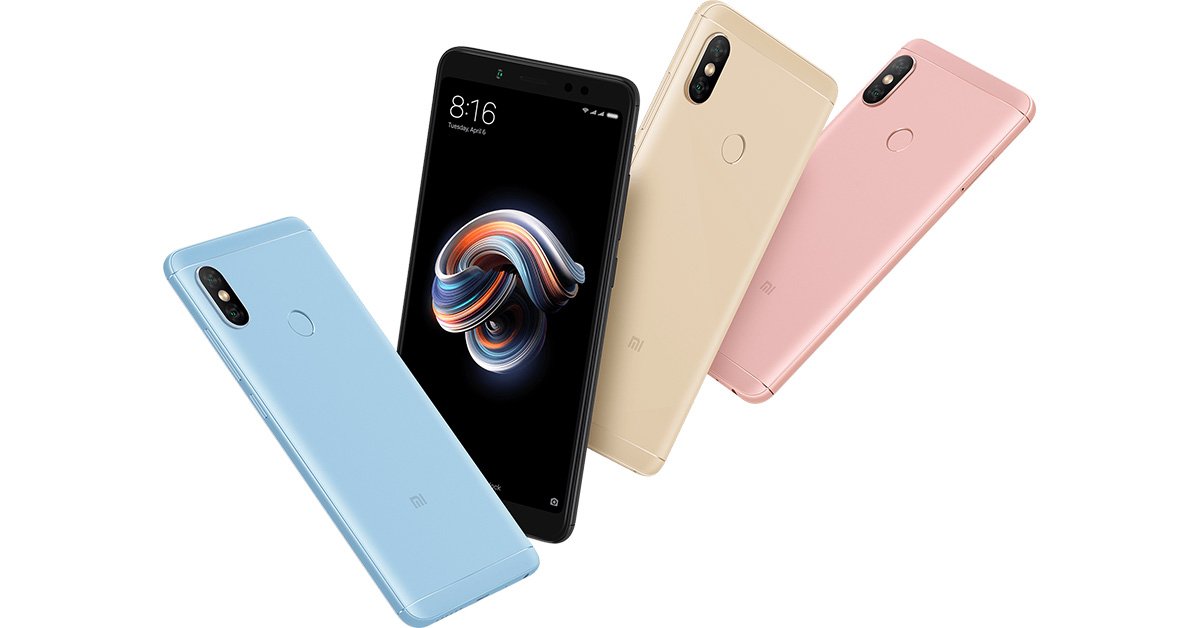 Xiaomi Redmi Note 5 Pro
Probably the most talked about budget smartphone of the year is Xiaomi Redmi Note 5 Pro. The smartphone has great specifications and is available in two storage variants – 4GB RAM/64GB storage and 6GB RAM/64GB storage. While the 4GB RAM version is priced at Rs 13,999 and the 6GB RAM variant is priced at Rs 16,999. With a 4000mAh battery, it is a good option for those who want to buy a smartphone with a long lasting battery.The smartphone features a 5.99-inch full-HD display and is powered by a Qualcomm Snapdragon 636 processor. For imaging duties, Xiaomi Redmi Note 5 Pro comes with 12MP+5MP dual rear cameras and a 20MP front facing camera.
Infinix Hot S3
The smartphone from Infinix packs a 4000mAh battery and features a 5.65-inch HD+ 2.5D Full View display. Powered by an octa-core Qualcomm Snapdragon 430, it comes in two storage variants – 3GB RAM/32GB storage and 4GB RAM/64GB storage. Running on Android Oreo skinned with XOS 3.0, it comes with a 13MP rear camera and a 20MP selfie camera. The 3GB RAM variant of the phone is priced at Rs 8,999 and the 4GB RAM version is priced at Rs 10,999.
Xiaomi Redmi Note 5 Pro
Probably the most talked about budget smartphone of the year is Xiaomi Redmi Note 5 Pro. The smartphone has great specifications and is available in two storage variants – 4GB RAM/64GB storage and 6GB RAM/64GB storage. While the 4GB RAM version is priced at Rs 13,999 and the 6GB RAM variant is priced at Rs 16,999. With a 4000mAh battery, it is a good option for those who want to buy a smartphone with a long lasting battery.The smartphone features a 5.99-inch full-HD display and is powered by a Qualcomm Snapdragon 636 processor. For imaging duties, Xiaomi Redmi Note 5 Pro comes with 12MP+5MP dual rear cameras and a 20MP front facing camera.
Infinix Hot S3
The smartphone from Infinix packs a 4000mAh battery and features a 5.65-inch HD+ 2.5D Full View display. Powered by an octa-core Qualcomm Snapdragon 430, it comes in two storage variants – 3GB RAM/32GB storage and 4GB RAM/64GB storage. Running on Android Oreo skinned with XOS 3.0, it comes with a 13MP rear camera and a 20MP selfie camera. The 3GB RAM variant of the phone is priced at Rs 8,999 and the 4GB RAM version is priced at Rs 10,999.
 Asus Zenfone Max Pro M1
Asus touted battery as one among the key features of its Zenfone Max Pro M1 smartphone when it was launched this year. Powered by a massive 5000mAH battery, the smartphone is available in two storage variants – 3GB RAM/32GB onboard storage and 4GB RAM/64GB inbuilt storage. While the former is priced at Rs 10,999, the latter is priced at Rs 12,999. The smartphone runs Android 8.1 Oreo and features a 5.99-inch full HD+ display. It is powered by Qualcomm Snapdragon 636 processor and comes with 13MP+5MP dual rear cameras and an 8MP selfie camera.
Blackberry Motion
BlackBerry Motion was found listed on Flipkart in January 2018. Priced at Rs 42,999, the smartphone comes with a 4000mAh battery which supports QuickCharge 3.0 and features a 5.5-inch Full HD screen. Powered by Qualcomm Snapdragon 624 processor clubbed with 4GB RAM, the smartphone offers 32GB internal storage and can hold microSD cards of up to 256GB. It comes with a 12MP rear camera and an 8MP front facing camera. Although there has been no official announcement on BlackBerry Motion’s launch yet, the smartphone is still available on Amazon India’s website at a price of Rs 34,700.
https://www.amazon.in/BlackBerry-Motion-mobile/dp/B077RLT9F8/
Smartron t.phone P
This one is for Sachin Tendulkar’s fans. Smartron t.phone P comes with a massive 5000mAh battery and Android 7.1.1 Nougat. The smartphone features a 5.2-inch HD IPS display and is powered by an octa-core Qualcomm Snapdragon 435 processor clubbed with 3GB RAM. The phone offers 32GB of onboard storage and can hold microSD cards of up to 128GB.Smartron t.phone P comes with a 13MP rear camera and a 5MP selfie camera and is priced at Rs 7,999.
iVooMi i2
iVooMi i2 smartphone boasts of a 4000mAh battery and features a 5.45-inch HD+ IPS FullView display. Powered by 1.5GHz quad-core Mediatek MTK6739 processor paired with 3GB RAM, the smartphone offers 32GB of internal storage and can hold microSD cards of up to 128GB. The smartphone sports a dual rear camera setup with 23MP and 2MP sensors and also has an 8MP selfie camera. It runs Android 8.1 Oreo out of the box and is priced at Rs 7,499.
Asus Zenfone Max Pro M1
Asus touted battery as one among the key features of its Zenfone Max Pro M1 smartphone when it was launched this year. Powered by a massive 5000mAH battery, the smartphone is available in two storage variants – 3GB RAM/32GB onboard storage and 4GB RAM/64GB inbuilt storage. While the former is priced at Rs 10,999, the latter is priced at Rs 12,999. The smartphone runs Android 8.1 Oreo and features a 5.99-inch full HD+ display. It is powered by Qualcomm Snapdragon 636 processor and comes with 13MP+5MP dual rear cameras and an 8MP selfie camera.
Blackberry Motion
BlackBerry Motion was found listed on Flipkart in January 2018. Priced at Rs 42,999, the smartphone comes with a 4000mAh battery which supports QuickCharge 3.0 and features a 5.5-inch Full HD screen. Powered by Qualcomm Snapdragon 624 processor clubbed with 4GB RAM, the smartphone offers 32GB internal storage and can hold microSD cards of up to 256GB. It comes with a 12MP rear camera and an 8MP front facing camera. Although there has been no official announcement on BlackBerry Motion’s launch yet, the smartphone is still available on Amazon India’s website at a price of Rs 34,700.
https://www.amazon.in/BlackBerry-Motion-mobile/dp/B077RLT9F8/
Smartron t.phone P
This one is for Sachin Tendulkar’s fans. Smartron t.phone P comes with a massive 5000mAh battery and Android 7.1.1 Nougat. The smartphone features a 5.2-inch HD IPS display and is powered by an octa-core Qualcomm Snapdragon 435 processor clubbed with 3GB RAM. The phone offers 32GB of onboard storage and can hold microSD cards of up to 128GB.Smartron t.phone P comes with a 13MP rear camera and a 5MP selfie camera and is priced at Rs 7,999.
iVooMi i2
iVooMi i2 smartphone boasts of a 4000mAh battery and features a 5.45-inch HD+ IPS FullView display. Powered by 1.5GHz quad-core Mediatek MTK6739 processor paired with 3GB RAM, the smartphone offers 32GB of internal storage and can hold microSD cards of up to 128GB. The smartphone sports a dual rear camera setup with 23MP and 2MP sensors and also has an 8MP selfie camera. It runs Android 8.1 Oreo out of the box and is priced at Rs 7,499. [Video] Moto G6 First Look and Box contents
![[Video] Moto G6 First Look and Box contents](https://www.gadgetbridge.com/wp-content/uploads/2018/06/maxresdefault-768x432.jpg "[Video] Moto G6 First Look and Box contents")
Moto G6 is out in the Indian market at a starting price of Rs 13,999 for 3GB RAM/3GB Memory and Rs 15,999 for 4GB RAM/64GB Memory. We have with us the later one. Check out the first look video which has all the details and our views of the newly launched smartphone.
Go Noise Play 2 unboxing and first look
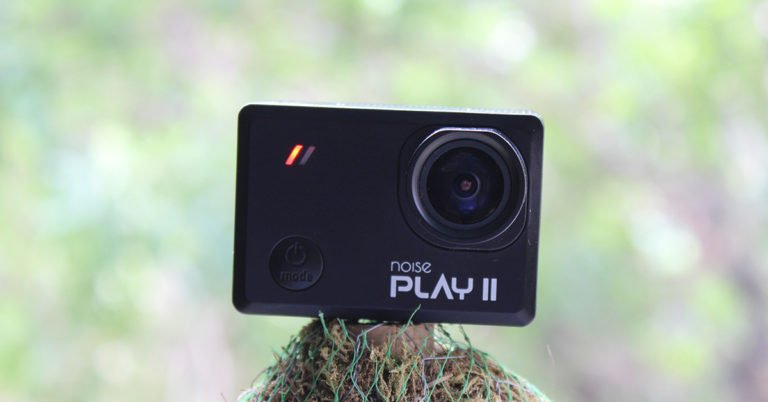
We got the Go Noise Play 2 and here is the unboxing and first look videos. Lot of components inside in this neat camera that retails for Rs 9,999.
Tech Specs:
| Image Sensor | ||
| 16 MP | ||
| Lens | ||
| F2.8 Aperture, 7G glass | ||
| Display | ||
| 2.0″TFT LCD Touchscreen | ||
| Ports | ||
| Mini USB , Micro HDMI, Micro SD Slot | ||
| Storage | ||
| MicroSD memory card with Class 10 or UHS-1 rating required | ||
| Up to 128GB capacity supported | ||
| Battery + Charging | ||
| Rechargeable lithium-ion battery | ||
| Battery Capacity: 1200mAh | ||
| USB Charging: DC 5V 1000 mA | ||
| APP | ||
| Android (Google Play Store) – https://play.google.com/store/apps/details?id=com.haotek.play iOS – Coming Soon | ||
| Video | ||
| Resolution | Frame Size | Frame Per Rate (fps) |
| 4K (2880*2160) | 16:9 | 24 |
| 4k (2880*2160) | 4:3 | 24 |
| QHD (2560*1440) | 16:9 | 30 |
| QHD (2560*1440) | 4:3 | 30 |
| 1296 (2304*1296)16:9 | 16:9 | 30 |
| Full HD(1920*1080)16:9 | 16:9 | 60 |
| 1080 (1920*1080) | 16:9 | 30 |
| Full HD (1440*1080) | 4:3 | 30 |
| HD 720 (1280*720) | 16:9 | 120 |
| HD 720 (1280*720) | 16:9 | 60 |
| HD 720 (1280*720) | 16:9 | 30 |
| WVGA (848*480) | 16:9 | 30 |
| VGA (640*480) | 4:3 | 240 |
| Photo | ||
| Resolution | ||
| 16MP | 4:3 | |
| 14 MP | 4:3 | |
| 12 MP | 16:9 | |
| 12MP | 4:3 | |
| 10MP | 16:9 | |
| 10MP | 4:3 | |
| 8MP | 16:9 | |
| 8MP | 4:3 | |
| VGA | 4:3 | |
| Time Lapse Photo | ||
| 0.5S / 1S / 2S / 5S / 10S / 30S / 60S | ||
Super Comparison: Moto G6 vs Xiaomi Redmi Note 5 Pro vs Oppo Realme 1 vs Asus Zenfone Max Pro M1 vs HTC Desire 12

The budget segment of Indian smartphone market has seen a number of new entrants this year. Starting from Xiaomi Redmi Redmi Note 5 Pro, a slew of smartphones have been launched in this category off late. These include Oppo Realme 1, Asus Zenfone Max Pro M1 and the very recently launched Moto G6 and HTC Desire 12. If you are confused about which one you should buy, reading our comparison will help you decide which among these five smartphones is the right one for you. Here’s our spec-to spec comparison of Xiaomi Redmi Note 5 Pro, Moto G6, Oppo Realme 1, Asus Zenfone Max Pro M1, and HTC Desire 12.
Display
Moto G6: 5.7-inch FHD+ IPS touch screen
Oppo Realme 1: 6-inch full-HD+ (1080x2160p) display
Xiaomi Redmi Note 5 Pro: 5.99-inch FHD+ display with 18:9 aspect ratio
Asus Zenfone Max Pro M1: 5.99-inch full HD+ display with 18:9 aspect ratio
HTC Desire 12: 5.5-inch HD+ IPS display with 18:9 aspect ratio
Processor
Moto G6: 1.8GHz Octa-core GHz Qualcomm snapdragon 450 CPU clubbed with Adreno 506 GPU
Oppo Realme 1: MediaTek’s 12nm octa-core Helio P60 processor
Xiaomi Redmi Note 5 Pro: Qualcomm Snapdragon 636 processor
Asus Zenfone Max Pro M1: Qualcomm Snapdragon 636 processor
HTC Desire 12: Quad-core MediaTek MT6739 processor
Primary camera
Moto G6: Dual rear cameras with 12MP and 5MP sensors.
Oppo Realme 1: 13MP rear camera. The camera app supports AR stickers that can be applied to photos taken by both rear and selfie cameras.
Xiaomi Redmi Note 5 Pro: Dual rear camera setup with 12MP and 5MP sensors.
Asus Zenfone Max Pro M1: 13MP+5MP dual rear cameras with LED flash. (A variant with 16MP+5MP dual rear cameras will be launched soon).
HTC Desire 12: 13MP rear camera.
Selfie camera
Moto G6: 5MP front facing camera for selfies and video calls.
Oppo Realme 1: 8MP front facing camera with AI Beauty 2.0 feature.
Xiaomi Redmi Note 5 Pro: 20 selfie camera with LED flash and Xiaomi’s AI learning mechanism.
Asus Zenfone Max Pro M1: 8MP front-facing snapper with Snapdragon camera app interface.
HTC Desire 12: 5MP front facing camera.
RAM and storage
Moto G6: The smartphone is available in two storage variants — 3GB RAM/32GB storage and 4GB RAM/64GB internal storage.
Oppo Realme 1: 3GB RAM/32GB internal storage, 4GB RAM/64GB onboard storage and 6GB RAM/128GB storage.
Xiaomi Redmi Note 5 Pro: 4GB RAM/64GB internal storage, 6GB RAM/64GB onboard storage
Asus Zenfone Max Pro M1: The smartphone is currently available in 3GB RAM/32GB onboard storage and 4GB RAM/64GB internal storage variants. A new variant with 6GB RAM/64GB storage is also expected.
HTC Desire 12: 3GB RAM, 32GB of internal storage
Support for microSD card
Moto G6: Up to 128GB
Oppo Realme 1: Up to 256GB
Xiaomi Redmi Note 5 Pro: Up to 128GB
Asus Zenfone Max Pro M1: Up to 2TB
HTC Desire 12: Up to 2TB
Battery
Moto G6: 3,000 mAh
Oppo Realme 1: 3,410mAh
Xiaomi Redmi Note 5 Pro: 4,000mAh
Asus Zenfone Max Pro M1: 5,000mAh
HTC Desire 12: 2,730mAh
Operating system
Moto G6: Android 8.0 Oreo
Oppo Realme 1: Android 8.1 Oreo skinned with ColorOS 5.0
Xiaomi Redmi Note 5 Pro: MIUI 9 based on Android 7.1.1 Nougat
Asus Zenfone Max Pro M1: Android 8.1 Oreo
HTC Desire 12: Android Oreo-based HTC Sense
Price
Moto G6: The 3GB RAM variant is priced at 13,999 and the 4GB RAM version bears a price tag of Rs 15,999.
Oppo Realme 1: Oppo Realme 1’s 3GB RAM variant is priced at Rs 8,990, the 4GB RAM variant costs Rs 10,990, and the 6GB RAM variant bears a price tag of Rs 13,990.
Xiaomi Redmi Note 5 Pro: The 3GB RAM variant costs Rs 14,999 and the 6GB RAM version bears a price tag Rs 16,999.
Asus Zenfone Max Pro M1: The 3GB RAM version costs Rs 10,999 and the 4GB RAM bears a price tag of Rs 12,999. The upcoming 6GB RAM version will be priced at Rs 14,999.
HTC Desire 12: Rs 15,800
Xiaomi Redmi Y2 gets launched in India: Price, specifications and more
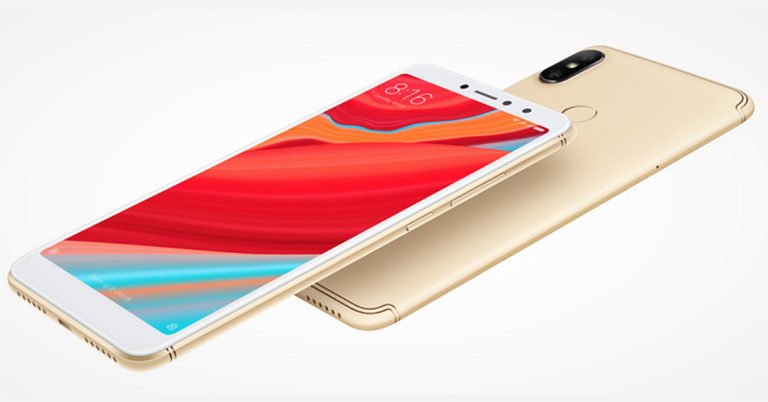
Chinese smartphone maker Xiaomi has rolled out the second generation of its selfie focussed smartphone Redmi Y1 that we saw last year. Dubbed Xiaomi Redmi Y2, the smartphone is the companies first device to run Android Oreo out-of-the-box.
Price and availability
Xiaomi Redmi Y2 comes in two variants – 3GB RAM and 32GB internal storage and 4GB RAM and 64GB onboard storage. While the 3GB RAM variant is available at Rs 9,999, the 4GB RAM variant bears a price tag of Rs 12,999.
At this price, the smartphone will compete against the likes of Oppo Realme 1 and Asus Zenfone Max Pro M1. In fact, Oppo Realme 1 also competes with Xiaomi’s smartphone in terms of the features because both are selfie-focussed smartphones.
Xiaomi Redmi Y2 will go on sale on June 12 on Amazon India at 12 noon. As a part of the offers with the smartphone, Airtel is offering a cashback of Rs 1,800 and up to 240GB of 4G data. Furthermore, there is also a cashback of Rs 500 available for purchases made via ICICI credit and debit cards.
Specifications
Available in Dark Grey, Rose Gold and Gold colour variants, Xiaomi Redmi Y2’s key feature is its 16MP front facing camera that comes with auto-HDR and AI Beautify 4.0 feature. The selfie camera of the smartphone is also capable of shooting in Potrait mode. On flipping the phone, you will see 12MP and 5MP dual rear cameras along with an LED flash.
Speaking of other specifications, Xiaomi Redmi Y2 sports a 5.99-inch HD+ screen with a screen resolution of 1440x720p and 269ppi. Powered by Qualcomm Snapdragon 625 processor clubbed with Adreno 506 GPU, it comes with the aforementioned RAM and storage.
Xiaomi Redmi Y2 runs Android Oreo skinned with MIUI 9.5. And like we mentioned earlier, it is the first Xiaomi smartphone to run Android Oreo out of the box.
The newly launched device by Xiaomi houses a 3,080mAh battery and in terms of connectivity, it offers 4G, VoLTE, 3G, Wi-Fi, Bluetooth and GPS.
OnePlus 6 Review: A smartphone that wins because of its superb price
OnePlus is a brand that is really-really smart. They learn from others mistakes and pick up things that are popular today and are trending. Probably the reason why their smartphones do not carry a hefty price tag with them when compared to the Samsung’s and Pixels of the world. In simple words, the other companies do all the R & D and bring out new features and OnePlus just picks the popular ones and incorporate them in their smartphones with the latest hardware.
Now that is not a bad thing at all, we say it is the smart way and a win-win combo. The users get a brilliant phone, not a burning a hole in their pocket when it comes to price and OnePlus sells more phones than before with the least amount of expenditure. So what is this new smartphone all about? We spent some time with the new OnePlus 6 and this our review of the latest blockbuster.
Design and Blueprint
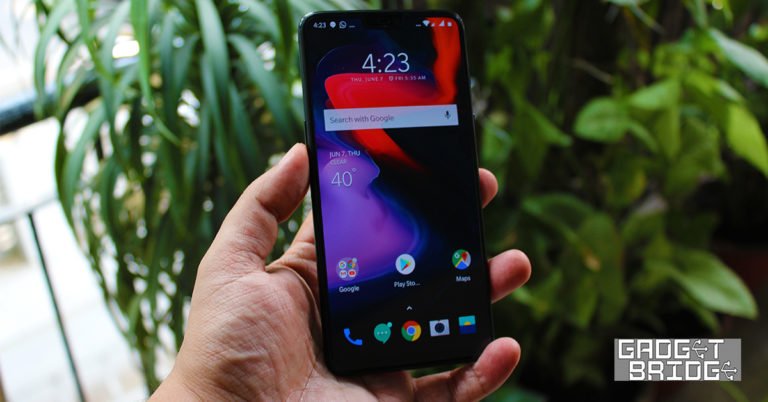
The OnePlus 6 is of the same size as OnePlus 5T, but has lot of new things going for it. To start with, the display on the OnePlus 6 is a 6.28-inch AMOLED touchscreen with 19:9 aspect ratio. This by far is the biggest that OnePlus has to offer featuring 84 percent screen-to-body ratio. We reviewed the Mirror Black version of the OnePlus 6 that has Gorilla Glass 5 on both front and the rear. The backside also has a thin layer of film under it to give the user a depth effect.
The front now also sports a notch, just like the one found on the iPhone X. However, is much smaller in width. This houses the ear speaker, proximity sensors and the front facing camera all cramped up just to give you that extra screen space on either side. The downer? Because of this you do not get to see all notifications icons on the sides. Yes, you can turn them off, but people like us tend to keep a lot of them on and this screen would just not show all of them. In the settings the users can also hide the notch display but we did not particularly like it since we lose out on display area.
As for the sides of the OnePlus 6, it has a metal strip running around it that is not the smoothest as found on the Samsung galaxy S9+ but does get the job done. On the metal trim, users will find the power and profile button on the right side, the dual SIM tray and the volume rocker key on the left, and a USB C port, single speaker grille and a 3.5mm audio jack at the bottom. Spin the smartphone around and you will find the dual rear camera setup with an LED flash underneath and a finger print sensor with the OnePlus logo.
Despite of its big size the OnePlus 6 is quite nice to hold and easy to access, even with one hand. We rarely found ourselves using two hands to manage it. The weight is just right and never did we once feel that this phone will slip out of ours hands. The only thing we didn’t like is that this shiny phone is a fingerprint magnet. So, one has to keep a microfiber cloth handy to clean it regularly.
Performance, Camera and Features
OnePlus 6 is one of the fastest smartphones available right now in the world. It runs the latest Qualcomm Snapdragon 845 chipset with Octa-core 2.8 GHz CPU, 8GB of RAM and the 128GB storage. Together they give this device the much needed kick and in many cases makes this smartphone faster than the Galaxies and Pixels. This is the reason we love OnePlus so much; they accord together the best hardware at mid-level pricing that makes the smartphone a drool worthy buy.
The OnePlus 6 has one of the brightest displays available right now, next to the Samsung Galaxy S9+. We enjoyed it thoroughly and playing games and videos on it was a pleasurable experience. It ran the most power and graphic hungry games like PubG at blitzkrieg pace with incredible detailing. The blacks on the OnePlus 6 are deep and colours are vibrant thanks to the latest Adreno 630 graphics processor on it. We ran the usual tests on the OnePlus 6 and the scores blew of the charts. It scored 244,436 points on AnTuTu benchmark and 8,983 points on Geekbench 4 multi-core CPU test and 13,633 on its compute tests. Putting it in the top 10 on the leader board.
A place where OnePlus 6 is not so great is the sound department. The single speaker is loud, but that is just about it. Somehow we prefer the OnePlus 5T’s speaker over the OnePlus 6’s. However, the inclusion of a 3.5mm jack makes up for it, since we can connect the wired headphone to it to enjoy movies, music and games. The OnePlus 6 is powered by a 3,300 mAh battery with fast charge support. We absolutely love it since it charges the phone in a jiffy and you can get a whole day’s worth of usage in a matter of minutes. The OnePlus 6 did last us for more than a day when fully charged. This included YouTube video browsing, voice calls on 4G network and a game or two here and there.
Jumping to its camera functionality, the image detailing from the rear cameras (20MP + 16MP) is quite good, you get crisp images during the day and in low light (both OIS and EIS is available here). But, when zoomed to 2X a bit of noise is visible. Videos can be shot in 4K at 60 FPS and is great outdoors, but indoors it suffers at times as they are not the sharpest.
Lot of shooting modes including portrait and our favourite the slo-mo mode is available that shoots HD videos at up to 480 frames per second. The front camera is powered by a 16MP Sony IMX 371 sensor with EIS and f/2.0 aperture. The images here were also nice indoors and outdoors, with good sharpness when clicking a selfie.
OnePlus 6 runs Android 8.1 out of the box and as soon as we unboxed it, connected it to the Wi-Fi, we were greeted with an update. That is how fast OnePlus plans to roll out security patches and updates. The Android OS has OnePlus’s OxygenOS skin on top of it. One does get the app drawer on this smartphone with some bloatware, which can be removed as one pleases. The interface is slick and good for one hand operations. Yes, some apps did get stuck once in a while, but we are sure these are teething problem and will be resolved in the next update.
Users have the option to remove the bottom touch screen buttons, which enables the users to get the full screen experience. So how does one go back or to the home screen? With screen gestures. Users can swipe from the bottom middle part to go back to the home screen or from bottom right/left to go back to the previous screen. These are similar to the ones found on the Apple iPhone X, but are not as smooth. To unlock the smartphone, the face-unlock as well as the fingerprint sensor work quite swiftly. Not once did these features trouble us.
Verdict and Final Thoughts
OnePlus 6 (8GB + 128GB) is priced at Rs 39,999 in India and is twenty to thirty thousand Rupees cheaper than the latest Samsung Galaxy S9 and Apple iPhone 8. It gives top end features at a lower price. Yes, the manufacturer does cut a few corners in the form of no IP67 or IP68 rating even though the company claims this smartphone is splash proof, no wireless charging capability and inclusion of just a single speaker. However, these are just a few cons in an ocean of pros. Overall, the OnePlus 6 does seem to be a worthy buy with the kind of performance it gives at this price point.
Pros:
Good performance
Decent Price
Good display
Cons:
Mediocre Sound
No wireless charging
 The front now also sports a notch, just like the one found on the iPhone X. However, is much smaller in width. This houses the ear speaker, proximity sensors and the front facing camera all cramped up just to give you that extra screen space on either side. The downer? Because of this you do not get to see all notifications icons on the sides. Yes, you can turn them off, but people like us tend to keep a lot of them on and this screen would just not show all of them. In the settings the users can also hide the notch display but we did not particularly like it since we lose out on display area.
As for the sides of the OnePlus 6, it has a metal strip running around it that is not the smoothest as found on the Samsung galaxy S9+ but does get the job done. On the metal trim, users will find the power and profile button on the right side, the dual SIM tray and the volume rocker key on the left, and a USB C port, single speaker grille and a 3.5mm audio jack at the bottom. Spin the smartphone around and you will find the dual rear camera setup with an LED flash underneath and a finger print sensor with the OnePlus logo.
The front now also sports a notch, just like the one found on the iPhone X. However, is much smaller in width. This houses the ear speaker, proximity sensors and the front facing camera all cramped up just to give you that extra screen space on either side. The downer? Because of this you do not get to see all notifications icons on the sides. Yes, you can turn them off, but people like us tend to keep a lot of them on and this screen would just not show all of them. In the settings the users can also hide the notch display but we did not particularly like it since we lose out on display area.
As for the sides of the OnePlus 6, it has a metal strip running around it that is not the smoothest as found on the Samsung galaxy S9+ but does get the job done. On the metal trim, users will find the power and profile button on the right side, the dual SIM tray and the volume rocker key on the left, and a USB C port, single speaker grille and a 3.5mm audio jack at the bottom. Spin the smartphone around and you will find the dual rear camera setup with an LED flash underneath and a finger print sensor with the OnePlus logo. Despite of its big size the OnePlus 6 is quite nice to hold and easy to access, even with one hand. We rarely found ourselves using two hands to manage it. The weight is just right and never did we once feel that this phone will slip out of ours hands. The only thing we didn’t like is that this shiny phone is a fingerprint magnet. So, one has to keep a microfiber cloth handy to clean it regularly.
Performance, Camera and Features
OnePlus 6 is one of the fastest smartphones available right now in the world. It runs the latest Qualcomm Snapdragon 845 chipset with Octa-core 2.8 GHz CPU, 8GB of RAM and the 128GB storage. Together they give this device the much needed kick and in many cases makes this smartphone faster than the Galaxies and Pixels. This is the reason we love OnePlus so much; they accord together the best hardware at mid-level pricing that makes the smartphone a drool worthy buy.
The OnePlus 6 has one of the brightest displays available right now, next to the Samsung Galaxy S9+. We enjoyed it thoroughly and playing games and videos on it was a pleasurable experience. It ran the most power and graphic hungry games like PubG at blitzkrieg pace with incredible detailing. The blacks on the OnePlus 6 are deep and colours are vibrant thanks to the latest Adreno 630 graphics processor on it. We ran the usual tests on the OnePlus 6 and the scores blew of the charts. It scored 244,436 points on AnTuTu benchmark and 8,983 points on Geekbench 4 multi-core CPU test and 13,633 on its compute tests. Putting it in the top 10 on the leader board.
A place where OnePlus 6 is not so great is the sound department. The single speaker is loud, but that is just about it. Somehow we prefer the OnePlus 5T’s speaker over the OnePlus 6’s. However, the inclusion of a 3.5mm jack makes up for it, since we can connect the wired headphone to it to enjoy movies, music and games. The OnePlus 6 is powered by a 3,300 mAh battery with fast charge support. We absolutely love it since it charges the phone in a jiffy and you can get a whole day’s worth of usage in a matter of minutes. The OnePlus 6 did last us for more than a day when fully charged. This included YouTube video browsing, voice calls on 4G network and a game or two here and there.
Jumping to its camera functionality, the image detailing from the rear cameras (20MP + 16MP) is quite good, you get crisp images during the day and in low light (both OIS and EIS is available here). But, when zoomed to 2X a bit of noise is visible. Videos can be shot in 4K at 60 FPS and is great outdoors, but indoors it suffers at times as they are not the sharpest.
Despite of its big size the OnePlus 6 is quite nice to hold and easy to access, even with one hand. We rarely found ourselves using two hands to manage it. The weight is just right and never did we once feel that this phone will slip out of ours hands. The only thing we didn’t like is that this shiny phone is a fingerprint magnet. So, one has to keep a microfiber cloth handy to clean it regularly.
Performance, Camera and Features
OnePlus 6 is one of the fastest smartphones available right now in the world. It runs the latest Qualcomm Snapdragon 845 chipset with Octa-core 2.8 GHz CPU, 8GB of RAM and the 128GB storage. Together they give this device the much needed kick and in many cases makes this smartphone faster than the Galaxies and Pixels. This is the reason we love OnePlus so much; they accord together the best hardware at mid-level pricing that makes the smartphone a drool worthy buy.
The OnePlus 6 has one of the brightest displays available right now, next to the Samsung Galaxy S9+. We enjoyed it thoroughly and playing games and videos on it was a pleasurable experience. It ran the most power and graphic hungry games like PubG at blitzkrieg pace with incredible detailing. The blacks on the OnePlus 6 are deep and colours are vibrant thanks to the latest Adreno 630 graphics processor on it. We ran the usual tests on the OnePlus 6 and the scores blew of the charts. It scored 244,436 points on AnTuTu benchmark and 8,983 points on Geekbench 4 multi-core CPU test and 13,633 on its compute tests. Putting it in the top 10 on the leader board.
A place where OnePlus 6 is not so great is the sound department. The single speaker is loud, but that is just about it. Somehow we prefer the OnePlus 5T’s speaker over the OnePlus 6’s. However, the inclusion of a 3.5mm jack makes up for it, since we can connect the wired headphone to it to enjoy movies, music and games. The OnePlus 6 is powered by a 3,300 mAh battery with fast charge support. We absolutely love it since it charges the phone in a jiffy and you can get a whole day’s worth of usage in a matter of minutes. The OnePlus 6 did last us for more than a day when fully charged. This included YouTube video browsing, voice calls on 4G network and a game or two here and there.
Jumping to its camera functionality, the image detailing from the rear cameras (20MP + 16MP) is quite good, you get crisp images during the day and in low light (both OIS and EIS is available here). But, when zoomed to 2X a bit of noise is visible. Videos can be shot in 4K at 60 FPS and is great outdoors, but indoors it suffers at times as they are not the sharpest.
 Lot of shooting modes including portrait and our favourite the slo-mo mode is available that shoots HD videos at up to 480 frames per second. The front camera is powered by a 16MP Sony IMX 371 sensor with EIS and f/2.0 aperture. The images here were also nice indoors and outdoors, with good sharpness when clicking a selfie.
OnePlus 6 runs Android 8.1 out of the box and as soon as we unboxed it, connected it to the Wi-Fi, we were greeted with an update. That is how fast OnePlus plans to roll out security patches and updates. The Android OS has OnePlus’s OxygenOS skin on top of it. One does get the app drawer on this smartphone with some bloatware, which can be removed as one pleases. The interface is slick and good for one hand operations. Yes, some apps did get stuck once in a while, but we are sure these are teething problem and will be resolved in the next update.
Users have the option to remove the bottom touch screen buttons, which enables the users to get the full screen experience. So how does one go back or to the home screen? With screen gestures. Users can swipe from the bottom middle part to go back to the home screen or from bottom right/left to go back to the previous screen. These are similar to the ones found on the Apple iPhone X, but are not as smooth. To unlock the smartphone, the face-unlock as well as the fingerprint sensor work quite swiftly. Not once did these features trouble us.
Verdict and Final Thoughts
OnePlus 6 (8GB + 128GB) is priced at Rs 39,999 in India and is twenty to thirty thousand Rupees cheaper than the latest Samsung Galaxy S9 and Apple iPhone 8. It gives top end features at a lower price. Yes, the manufacturer does cut a few corners in the form of no IP67 or IP68 rating even though the company claims this smartphone is splash proof, no wireless charging capability and inclusion of just a single speaker. However, these are just a few cons in an ocean of pros. Overall, the OnePlus 6 does seem to be a worthy buy with the kind of performance it gives at this price point.
Pros:
Good performance
Decent Price
Good display
Cons:
Mediocre Sound
No wireless charging
Lot of shooting modes including portrait and our favourite the slo-mo mode is available that shoots HD videos at up to 480 frames per second. The front camera is powered by a 16MP Sony IMX 371 sensor with EIS and f/2.0 aperture. The images here were also nice indoors and outdoors, with good sharpness when clicking a selfie.
OnePlus 6 runs Android 8.1 out of the box and as soon as we unboxed it, connected it to the Wi-Fi, we were greeted with an update. That is how fast OnePlus plans to roll out security patches and updates. The Android OS has OnePlus’s OxygenOS skin on top of it. One does get the app drawer on this smartphone with some bloatware, which can be removed as one pleases. The interface is slick and good for one hand operations. Yes, some apps did get stuck once in a while, but we are sure these are teething problem and will be resolved in the next update.
Users have the option to remove the bottom touch screen buttons, which enables the users to get the full screen experience. So how does one go back or to the home screen? With screen gestures. Users can swipe from the bottom middle part to go back to the home screen or from bottom right/left to go back to the previous screen. These are similar to the ones found on the Apple iPhone X, but are not as smooth. To unlock the smartphone, the face-unlock as well as the fingerprint sensor work quite swiftly. Not once did these features trouble us.
Verdict and Final Thoughts
OnePlus 6 (8GB + 128GB) is priced at Rs 39,999 in India and is twenty to thirty thousand Rupees cheaper than the latest Samsung Galaxy S9 and Apple iPhone 8. It gives top end features at a lower price. Yes, the manufacturer does cut a few corners in the form of no IP67 or IP68 rating even though the company claims this smartphone is splash proof, no wireless charging capability and inclusion of just a single speaker. However, these are just a few cons in an ocean of pros. Overall, the OnePlus 6 does seem to be a worthy buy with the kind of performance it gives at this price point.
Pros:
Good performance
Decent Price
Good display
Cons:
Mediocre Sound
No wireless charging