We have been huge fanboys of Motorola phones since its inception in India, more than two decades ago. The Moto RAZR series was one of our favorite at the time and no one came close to it when it boiled down to premium looks and thin bezels. Couple of decades later the game has changed and smartphones have taken over the world. Moto too has changes its strategy, but has seen some turbulent times. They recently launched the Moto G6 in India, after its debut in Brazil. We ran our usual tests on this smartphone and this is how it fared on our review bench.
Design and blueprint
Let’s start with the aesthetics. The Moto G6 is inspired by the Moto X4, you will find a lot of similarities between the two starting from the watch dial like dual camera cluster at the back to the all glass rear panel and curved edge design. Being inspired sometimes is taken in the negative sense, but in this case it is good. Since the worthy stuff from the more expensive Moto X4 has come down to the budget smartphone Moto G6.
Dressed in midnight blue, the Moto G6 sports an aluminum band around the edges, which has the power button and volume rocker key on the right, a curved dual SIM tray on top and USB type C charging port along with a 3.5 mm audio jack at the bottom. There is no speaker grille on this mobile, you ask why? Because the ear piece doubles up as the loud speaker. This is both a good and bad thing, you can enjoy media better with a front firing speaker, but at the same time chances of it getting ruined are higher and your call quality might go down.
The front of the smartphone has a large 5.7-inch display with 75.4 percent screen to body ratio. This is accompanied by Corning Gorilla Glass 3, which protects it from dust and thuds. The touchscreen is FHD+ (1080×2160 pixels resolution) and has an aspect ratio of 18:9 with 424 ppi density. On top of the screen users will also find couple of sensors like the proximity one, under the screen the company has placed its logo and a haptic touch sensitive button.
Users can enable the one touch button control, after which the bottom nav bar on the screen disappears. So, how does one navigate then? By using finger gestures on this haptic button. For example, to go back to the previous page on the browser you can swipe left on the button. Swipe right and the OS will show the list of open apps.
Performance, camera and features
This is a place where Moto G6 left us with a mixed bag of feelings. While we loved the camera performance, sound quality and the excellent display, there was the occasional speed issue with the device that was off-putting. But first, let’s talk about its specifications. The Moto G6 comes in two variants one with 3GB RAM and 32 GB storage, and the other with 4 GB RAM and 64 GB storage. We were using the 4 GB RAM version.
With it the device has Qualcomm Snapdragon 450 Octa core SoC supporting 1.8GHz clock speed. Graphics are powered by Adreno 506 chipset and the Moto G6 runs Android 8.0 not 8.1 like the other devices in this price bracket. The memory can be upgraded by up to 256GB using a microSD card and the phone has two nano SIM slots with it. Everything on paper seems fine, except that eye hurting Snapdragon 450 CPU. Frankly, in this price range its competition has much better chipset options.
Because of the same, we experienced occasional slowdowns while switching between apps and when browsing (when multiple tabs are open). Graphical game performance is not super either. Yes, the display does full justice to the device, but you cannot play graphic hungry games like PUBG on it properly. We ran the AnTuTu benchmark on it, where it scored just 61,496 points. On Geekbench 4’s compute test it got only 2,295 points, while on the multi-core CPU test it got 3,147 marks. All of it showcase subpar performance.
Moving past that, there are some good features of the smartphone besides its superior looks. We loved the movie watching experience on it and it got better with the ear plugs that come in the box. The cameras work well with the rear powered by a 12MP primary plus 5MP secondary sensor that adds depth (bokeh effect). They are just a step behind the competition, but do have features that will give the opposition a run for its money. One in particular we loved is the spot colour mode, where the user can select a colour on screen and only that colour stays and rest of the picture turns grayscale.
The shots during the day were nice and crisp, in low-light or at night the edges did lose some of its sheen. Videos too were bright and nice, but we have defiantly seen better from the Honor’s and Xiaomi’s in this price bracket. Front camera is powered by a 16MP sensor with LED flash. This the company says is one of Moto G6’s main features. The images here are good and become better when using the LED flash. The front camera can also record video at 1080p. A better resolution is always favoured these days on social networks and the Moto G6 front camera delivered a good close to life colour experience for that.
Battery lasted for more than 22 hours for us, even though it has just 3,000 mAh of it. We used the phone nominally with mixed use of WiFi and 4G. Our usage also included playing few YouTube videos during the day, voice calls and a game or two here and there. For heavy users the battery life will drop further, but keep the charger handy as it can turbo charge the phone in minutes.
The Moto G6 comes with Android 8.0 not 8.1 on it. Which does not take away from the experience, but one would want the absolute latest in terms of OS when buying a new device. Moto actions do play house in this smartphone and all the lovely features come here. Like a quick twist of the hand opens the camera app and if you chop twice the torch is enabled. Also, if you want to take a screen shot just press three fingers on the screen and the device will take a screen grab.
There is no dedicated button for the app drawer on the Moto G6, but one can swipe up on the home screen and the list of apps will be shown. There is no bloatware on it too, which does give it an additional star on our rating sheet.
Verdict and final thoughts
All in all, we liked and disliked the device. We absolutely love how it looks and feels in the hand, even though the rear panel is a fingerprint magnet. We just cannot get over the price bracket it is in and the kind of chipset it offers here. If you are looking for a trendy phone with a great selfie camera and a great screen in a budget, the Moto G6 could be your best buy. But if you are looking for extreme performance, you might want to look elsewhere.
Pros: Good Screen, great looks, decent cameras
Cons: Mediocre performance, Android 8.0
Music is a big multi-billion-dollar industry around the world. Google had showcased YouTube Music in May and now they have gone ahead and officially launched it in 17 countries around the world, and no India is not part of it, as yet. With YouTube Music, Google has also launched YouTube Premium, which will take the position of YouTube Red.
YouTube Music service in USA can be availed for $9.99 per month, while YouTube Premium service has a price tag of $11.99 per month. Currently, both the services are available in USA, Australia, Austria, Canada, Finland, France, Germany, Ireland, Italy, Mexico, New Zealand, Norway, Russia, South Korea, Spain, Sweden and UK.
Both the services are basically free in these countries where users can play music, watch videos, listen to full albums, see live performances and more. It also understands your liking and disliking’s and displays content according to your taste. But, the free service comes with ads in it, if you do not want ads then you would need to pay $9.99 per month for the YouTube Music service or $11.99 for YouTube Premium service that will be completely advertisement free.
YouTube Premium is same as YouTube Red and has all the functionalities of YouTube Music. However, the premium service throws in all the ad free videos that are not found on the music service along with the option to download them. You can watch online series on YouTube Premium as well, such as Cobra Kai etc. New users can try both the services for free for the first three months, which is 2 months more than Netflix, which also has its own line-up of original online series and has partnered with big Hollywood studios such as Marvel.
If you already have a YouTube Red subscription, you will automatically be upgraded to YouTube Premium. Sadly, the service is not available as yet in India and there is no clear indication on when both the services will be available here. Till we get clarity, if you want to hear Bollywood music, you can try the Google Play app available on Android smartphones.
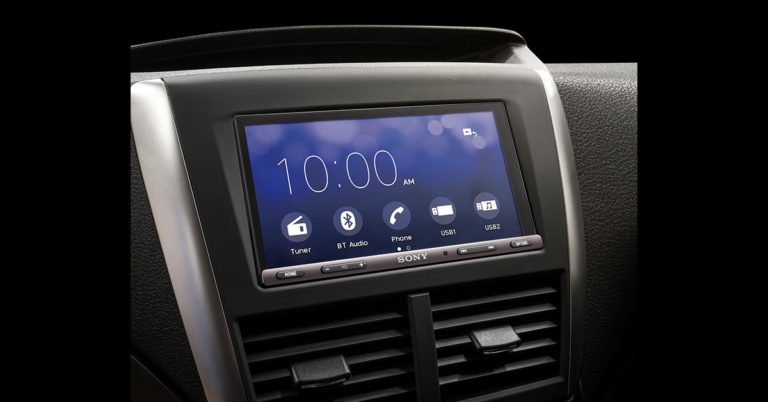
When it comes to ICE (in-car entertainment) systems in India, Sony tops the list in both the in-dash system and the speakers that go with it. The Japanese company has introduced a really cool new AV receiver here in India called the Sony XAV-AX5000. This one retails for Rs 24,990 and sports a 6.95-inch bezel-less touch display.
The main attraction of the Sony XAV-AX5000 is that it is both Android Auto and Apple CarPlay ready. Users can easily connect there Android or iOS devices to the Sony’s ICE system and get important messages on screen. Users can also make or receive calls, send messages and even access and play music from their mobile device through it.
The Sony XAV-AX5000 was first showcased at CES 2018 and now finally is available in India. The touch screen has card type buttons on it. There are some physical keys at the bottom of the panel as well, from where users can increase or decrease volume, go to the home screen or options menu and skip a track, too. There are dual USB ports available on it, so one can connect two devices to it at the same time.
This in-dash receiver by Sony is rear view camera compatible, so if a user wants to install a rear camera later, he/she would not require an additional screen for it. The Sony XAV-AX5000 does boast of Extra Bass circuitry which enables the device to produce clear sound with good amount of bass. Sony says it helps the system to overcome any type of engine noise and users get pure resonance without ambient sound. A 10 band equaliser has been added to the mix with 10 pre-sets. Audio files such as FLAC and MP3 are supported on the Sony XAV-AX5000.
The quick wakeup feature introduced in the system, reduces lag between the engine start and device start time. Sony claims that as soon as you turn the ignition the Sony XAV-AX5000 wakes up and is ready to play your favourite tunes.
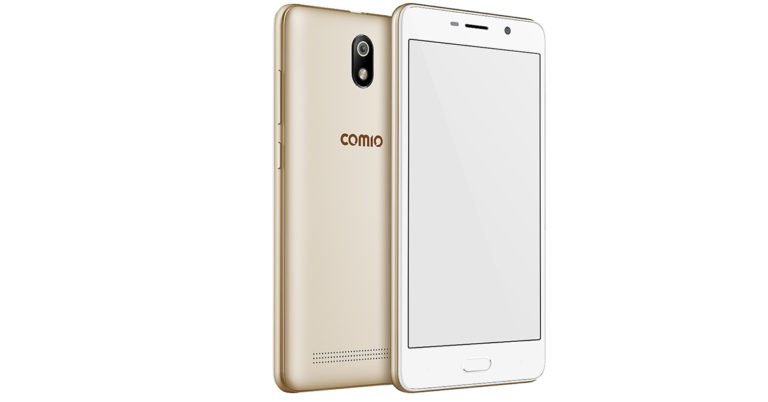
Comio seems to be on a roll, they recently launched the X1 Note in the Indian market dubbed as its flagship two weeks ago and now they are out with another mobile. Called the Comio C1 Pro the new device is ready to take on Xiaomi and Tambo in India. This smartphone is placed in the super budget segment of smartphones and seems to be aimed at people upgrading from feature phones.
Comio C1 Specifications
The Comio C1 Pro is driven by a 5-inch HD+ resolution 720×1,440 pixels’ touchscreen and runs Android Oreo 8.1 straight out of the factory. Under the bonnet it spaces a Mediatek 6739 SoC (quad-core) and 1.5 GB RAM. These are accompanied by 16GB on-board storage, which is expandable by up to 128GB using a microSD card.
The Comio C1 Pro is powered by a small 2,500mAh battery, which is said to last for a full day, but we can tell you more only once we test it fully. As for the cameras, the Comio C1 Pro has an 8MP rear camera with AF feature and a front snapper powered by a 5MP sensor with facial recognition. Modes like panorama are available and gesture controls to take images is also there. Over that, this smartphone sports 3 SIM slots and split screen mode for the touch display is also available.
Other features include Bike mode, 4G VoLTE, intruder selfie, font application and OTG support.
Price and offers
The Comio C1 Pro is available in 3 colours metallic grey, sunrise gold and royal black. It is priced at Rs 5,599 and as said before is aimed at the first time smartphone users.
Mr. Sanjay Kumar Kalirona, CEO & Director, COMIO Smartphone further adds, “We are delighted to announce the launch our new smartphone COMIO C1 Pro in such a short span. We believe that consumers in this price segment deserve better features and our budget friendly C1 PRO smartphone provides a potpourri of exciting features like good camera quality, better speed, security features, stylish design and value-added services.”
The company says that the C1 Pro comes with 1 year and 100 days of warranty, one-time screen breakage wave-off and 30-day replacement guarantee. With that, Reliance JIO users can get Rs 2,200 cashback through 44 vouchers of Rs 50 each. The offer will become valid after the customer has successfully recharged with the service provider (using a pack of Rs 198 or Rs 299).
Honor is one brand that has been launching smartphones one after the other, recently. Right after we saw the launch of its flagship Honor 10, the company rolled out two budget smartphones – Honor 7C and 7A. We spent some days with the bigger sibling Honor 7C to see what’s good in it and what all it lacks. Read the rest of our review to find out more about the phone:
Design and Blueprint
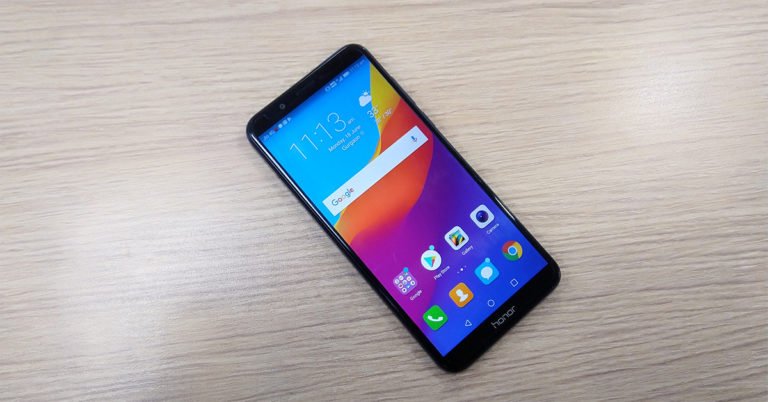
We’ll first talk about the design of the smartphone. For a mobile that falls in the budget range, the look and feel of the phone is very pleasing. Honor 7C has premium looks, with a metal back panel and a 5.99-inch HD+ IPS LCD display and 2.5D curved glass dominating the front. Above and below the display are the front facing camera and Honor branding, respectively.
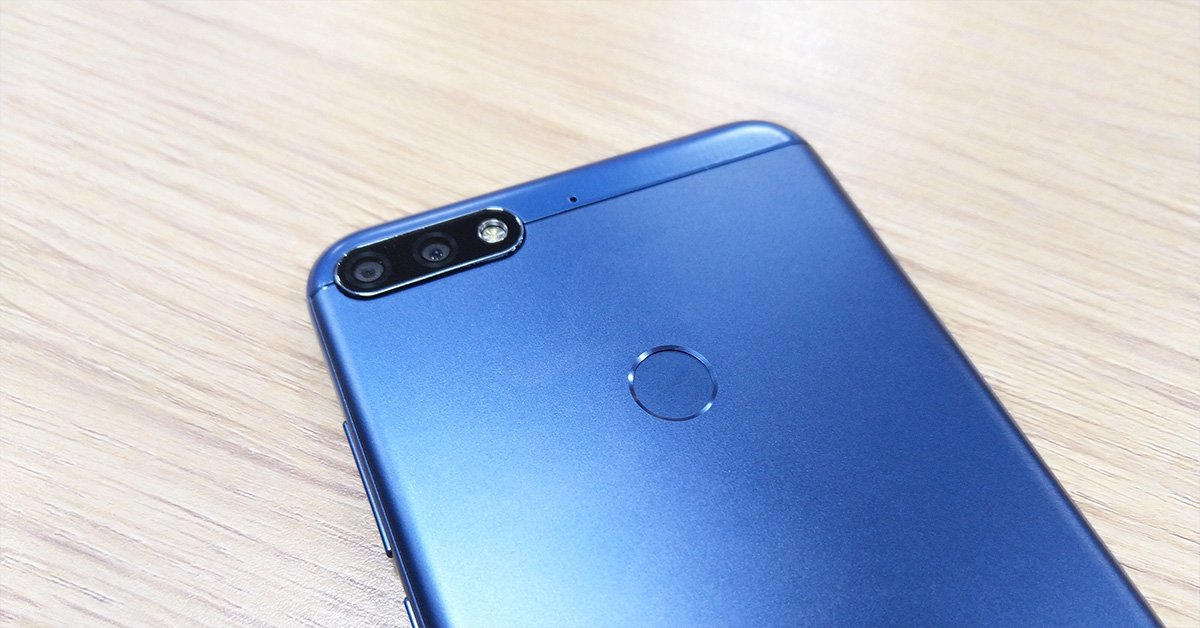
The phone is very sleek and has a minimalistic design. It comes without any antenna lines on the metallic back-panel, which also has the Honor branding on it. The back panel of the smartphone also sports dual cameras and a fingerprint sensor. The top and bottom inserts on the back panel are made of plastic, but that doesn’t hamper the looks of this device in any manner.
Honor 7C comes in three colour options – Black, Blue and Gold – and the one that we got for review was dressed in Blue. We are really impressed with the build quality of the smartphone and it feels solid to hold. In spite of this, the phone is not very heavy at 164g and one-handed usage is not a problem at all.
The side edges of the smartphone are where the SIM card and microSD card slots along with the volume rocker keys are placed. The bottom edge stocks the 3.5mm jack, microUSB port and speaker grille.
Coming to the display of Honor 7C, the smartphone sports a 5.99-inch HD+ IPS LCD screen and has an aspect ratio of 18:9. Although we were thoroughly impressed by the design of the smartphone, the same cannot be said about the display. There were a few good points, but some things were just average. The colour reproduction was accurate and vibrant, but we found the display to be reflective. We have seen phones with better sunlight readability. On the upside, viewing angles were just right. Considering that most of its competitors have a full HD display, it was also slightly disappointing to see Honor 7C to come with just a HD+ touchscreen.
In a nutshell, Honor 7C’s display left us with mixed feelings and we felt it definitely could have been better.
Performance, Camera and Features
Before we begin speaking about Honor 7C’s performance, we’ll take a minute to take you through its specifications. The Honor 7C is powered by Qualcomm Snapdragon 450 processor and comes in two storage variants – 3GB RAM/32GB onboard storage and 4GB RAM/64GB internal storage. The one that we are using is packed with 4GB RAM. Users can add a microSD card of up to 256GB, too. Coming to think of it, Honor 7C and 7A are first smartphones from the company to ditch its Kirin processors. For imaging duties, there is a 13MP+2MP dual rear camera setup and an 8MP selfie camera.
The smartphone houses a 3,000mAh battery and runs Android 8.0 Oreo skinned with EMUI 8.0. The software of the smartphone is extremely feature rich and some interesting ones include the ability to switch between Wi-Fi and mobile network automatically. The smartphone does so by detecting which network is stronger. There is a Ride Mode for those who travel on motorcycles, too. Over that, a number of things can be done via the fingerprint sensor including answering phone calls, taking photos, videos and stopping your alarm clock.
While these were some things that we liked, one thing that we really didn’t was bloatware. And Honor 7C has plenty of it. There are a number of gaming apps on it and the phone also has Truecaller, UC Browser and Netflix pre-installed.
Coming to the performance, the smartphone was good in performing daily tasks. We used multiple tabs of Chrome and opened various apps to put the phones multi-tasking ability to work. Honor 7C mostly performed well, although we did encounter an occasional lag in launching some heavy gaming apps, but it was negligible. We observed a delay only in launching these apps; the functioning was not affected by it.
One thing we liked a lot about the Honor 7C is that it did not heat up even once, even when we were gaming or browsing the net for a long while. The smartphone from Honor survived all kinds of games – from Super Mario to Asphalt 8. We just loved the experience.
But, the best thing about Honor 7C is definitely its Face Unlock feature. It worked instantly each and every time without any exceptions. It is a feature we were thoroughly impressed with.
We were quite happy with the battery life of the smartphone, too. It lasted us an entire day in spite of usage that included watching YouTube videos, using Maps for navigation and social media apps like Facebook, Instagram and Snapchat. If your usage isn’t heavy, it can last you more than that.
Skipping over to the calling experience. The call quality of the smartphone was good. We never encountered a problem with making or receiving calls even in areas like elevators and basements.
As for the cameras of this smartphone, they mostly just did an average job. The colours seemed slightly dull in most pictures and the objects seemed abnormally sharp. Shots taken at night were particularly unclear and grainy; the ones during the day weren’t bad but looked like they could do with some improvement.
The case was similar with the selfie shooter. The shots taken during well-lit conditions were decent enough, but the ones taken in low lit conditions were not up to the mark.
We ran a few benchmark tests on Honor 7C. It scored 782 and 3,989 in single and multi-core scores of Geekbench 4 and got 70,506 in Antutu benchmark test. Both showcasing decent performance when it comes to this segment of smartphones.
Verdict and Final Thoughts
Honor 7C has its ups and downs. The design is sleek, the built is solid and the battery is long lasting. The bloatware and the average cameras are the downsides of the phone. At a price of Rs 11,999, the smartphone is a decent buy, but we have seen other smartphones in the same price range like Xiaomi Redmi 5 and Asus Zenfone Max Pro M1 that are better when it comes to overall performance.
Pros – Good built and design, Accurate face unlock, Lasting battery
Cons – Bloatware, Cameras
Just one more day to go for Father’s Day and we are sure you have plans to surprise your Dad. However, if you have been busy throughout the week and didn’t have any time to go pick a gift for him, we have listed down some gifts that will surely make him happy. And if he’s tech-savvy he’ll love them even more. Here’s the list of gadgets that you can gift your Dad this Father’s Day:Fitbit versa: Encourage your father to start focussing on his health with Fitbit Versa. The smartwatch comes at a starting price of Rs 19,999 and is available in three colour variants — Black, Grey and Silver and Peach and Rose Gold. Fitbit Versa comes with a 24/7 heart rate tracking sensor and can also come handy to track sleep stages and workout sessions. It features a 1.34-inch touchscreen display and runs Fitbit OS 2.0. The smartwatch is compatible with Android 4.3 and iPhone 4S and above. It can also be taken for a swim as it is water resistant up to 50 meters. Fitbit’s smartwatch has a 2.5GB of internal storage and over four days of battery life.Amazon Echo Dot smart speaker: A smart speaker will make an excellent gift for your dad on Father’s Day. An you can always pick the Amazon Echo Dot speaker that is powered by Alexa digital assistant and can make shopping lists for users, set reminders, check weather, tell sports’ scores and do much more. Priced at Rs 4,499, the Amazon Echo Dot speaker is available in Black and White colours. Users can connect with it using Bluetooth and it also has a 3.5mm jack and a microUSB port. It can also stream music over Wi-Fi and has a 0.6-inch tweeter. Volume can be controlled via buttons on top of the speaker.Google Home: If you are actually planning to buy a smart speaker for your dad, then you needn’t stay restricted to Amazon’s speaker. You can pick up the Google Home too.There are again two options to choose from — Google Home and Google Home Mini priced at Rs 9,999 and Rs 4,499 respectively. The speakers directly compete with Amazon’s Eco and Echo Dot speakers.Powered by Google Assistant, Google Home can read out emails for your Dad, give him important news updates or even play music and give recipes for food. The speakers are both compatible with Android and iOS devices and come with Wi-Fi and Bluetooth connectivity.OnePlus 6: If your father needs a new smartphone, we recommend the the recently launched OnePlus 6. The smartphone is powered by Qualcomm Snapdragon 845 processor — which is the latest and the most powerful one yet. It features a 6.28-inch FHD+ Full Optic AMOLED display that has an iPhone X like Notch. The OnePlus 6 runs Android 8.1 Oreo skinned with OxygenOS 5.1.The smartphone has three storage variants — 6GB RAM/64GB storage, 8GB RAM/128GB storage and 8GB RAM/256GB of storage. The cameras remain the same as OnePlus 5T’s but there is a change in sensors. The 16MP+20MP dual rear cameras come with Sony IMX519 and Sony IM376K sensors. The starting price of the smartphone is Rs 34,999.Bose SoundSport Truly wireless earbuds: If your Dad loves music, thenBose SportSport Truly wireless earbuds probably the best gift that we can suggest. Priced at Rs 18,990, the wireless earbuds are IPx4 sweat resistant and come in Black, Midnight Blue and Bright Orange colour options. The earbuds come with Bose’s digital signal processing and volume optimized EQ. The earbuds are claimed to have a battery that lasts up to 5 hours and users can track the location of the earbuds at any time with the Bose Connect App’s ‘Find My Buds’ feature.Flipkart 10000/15000mAh power bank: Save your father from smartphone battery woes and buy him the Flipkart 10000mAh or 15000mAh power bank, that are priced at Rs 799 and Rs 999 respectively. While the 10000mAh power bank has three USB ports, the 15000mAh power bank has two USB ports. They also sport an LED torch and a battery level indicator.
Technology giant Google may soon let the users of Google Pixel series of smartphones select the colour of their smartphone’s launcher from light to dark mode according to a report in Android Police.
Till now, the launcher in Google Pixel phones automatically turned dark when users had a dark wallpaper on. This is even the current situation. Your theme depends on your wallpaper. So if your wallpaper is dark, so are your folder icons, app drawers and quick setting. Similarly, if your wallpaper is white in colour or has a neutral shade, the launcher your Pixel smartphone will automatically turn white.
Much to the frustration of many users, they cannot manually select one among the two themes if they have a preference for it. But it seems like now Google is changing this. This is because someone had added an item in the developer preview in March this year in which they had asked for a toggle to choose the theme.
And Google has now marked that particular item as ‘fixed’ in the bug tracker. Google’s reply says, “We have added support for a Dark theme to be applied to quick settings and launcher under Settings -> Display -> Device Theme. It will be available in a future Android build.”
So with this, users will be to go to the device’s settings, and make customizations to their launcher settings under Device Theme.
In other words, you will be able to select the dark or light launcher based on your preference and you will not have to select a particular wallpaper to enable it.
However, if users are expected to enable or customise these settings in Google Pixel phones, then it is definitely a possibility that the default settings will be exactly as they are right now – light launcher with white or neutral wallpapers and dark launcher with dark coloured wallpapers. The report by Android Police says that this change may arrive with the next developer preview, but one can expect it to be live by the time Android 9.0 officially rolls out.
OnePlus Bullets Wireless headphones were announced at an event in london recently, these will be available in the Indian market at Rs 3,990.
Tech Specs:
Today is the opening ceremony and first match of the largest football sporting event in the world. Yes, the Fifa World Cup 2018 will commence tonight as Russia takes on Saudi Arabia at 8:30 PM. The Fifa action is so big that the leading Indian telecom players could not stay away from it.
Both, Airtel and Reliance JIO have announced that their customers can watch the matches for free on their respective live TV apps on the mobile phones. All the matches of the Fifa world cup would be available to Airtel and Reliance JIO customers between June 14 to July 15, 2018.
Along with English and Hindi commentary, these matches will be available in all the local languages on the Airtel app. Over that, users will have access to the complete match schedules, summary and behind the scenes footage here. The Airtel TV app is available on the Android and iOS app stores.
Reliance JIO is also giving similar viewership to its customers where they can also enjoy this premium service for no additional cost. Users on both iOS and Android smartphones can download their app and enjoy uninterrupted coverage of the Fifa World Cup 2018.
Along with the Fifa World Cup 2018 live coverage, both the telecom players have announced that they will also live stream India Vs Afghanistan cricket matches on their respective platforms, too. Seems like a good day for sports enthusiasts and if you are a customer of Reliance JIO or Airtel then you are in luck as you can watch the matches (cricket or football) from anywhere for free.
Coming to think of it, network issues could play spoil sport as Airtel’s 4G is very patchy even in cities like Delhi, Mumbai and Gurugram. On top of that at times, rains do short circuit mobile towers, which will again hamper connectivity. Fingers crossed is all we can say, if you are on an Airtel network.
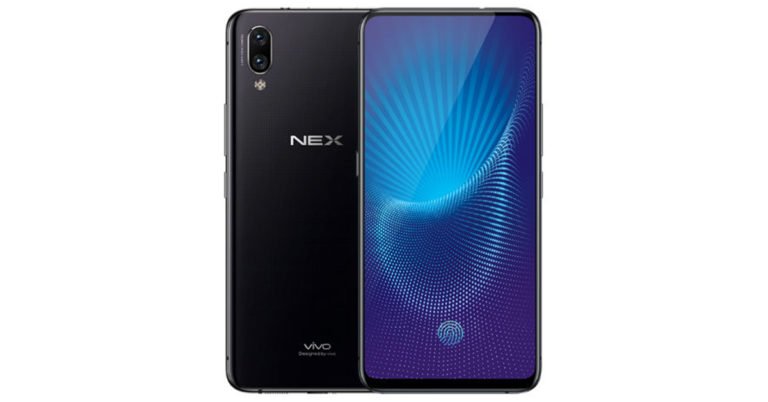
When Vivo’s concept smartphone Apex was showcased at the Mobile World Congress 2018, it did get some eyeballs rolling. The smartphone’s prototype was earlier seen at the Consumer Electronics Show this year and managed to grab headlines even then. The reason was its ‘half-screen in-display fingerprint scanning technology.’ With this technology, instead of putting one’s thumb or finger on the thumbnail-sized icon on the device to unlock it, one can do so by placing their finger anywhere on the smartphone’s display – or at least half of it. And now, the Chinese smartphone maker has announced its Nex S smartphone, which is based on the Apex concept phone.
Although Nex S does not have Apex’s ‘half-screen in-display fingerprint scanning technology,’ there are a number of features in it that we saw in Apex. To put in Vivo’s words, the Nex S smartphone “fulfils the bezel-less dream.” The Nex S smartphone – like the Apex concept phone – comes without the Notch on its display and we found this to be very refreshing. This also means that the Nex S smartphone has a screen-to-body ratio of 91.24%. That’s not all. Vivo Nex S also comes with the company’s glass-vibrating Screen Soundcasting technology, that was also seen the in Apex concept phone. This technology replaces the earpiece speaker found in devices.
Instead of Apex’s half-screen in-display fingerprint scanning technology, Vivo Nex S comes with an in-display fingerprint sensor. The difference between the two is only in the area covered. Although in-display fingerprint sensor is a feature we have already seen in Vivo X21, Vivo claims that its third generation sensor makes the speed faster.
Specifications
Speaking about other specifications of the Vivo Nex S Smartphone it features a 6.59-inch full-HD+ Super AMOLED display and is powered by Qualcomm’s Snapdragon 845 processor – which the latest in the market. Vivo Nex S smartphone comes with 8GB RAM and comes in 128GB and 256GB storage options. It houses a 4000mah battery and sport a 12MP primary rear camera with f/1.8 lens and a 5MP secondary rear camera with f/2.4 module. For selfies, there is an 8MP pop-up front facing camera with f/2.0 lens. The smartphone run Android 8.1 Oreo skinned with Funtouch OS 4.0.
Other than this, the company also launched a younger sibling, Nex A smartphone, that has a number of features similar to Vivo Nex S, but there are things that set them apart too. For starters, the Nex A is powered by Snapdragon 710 processor clubbed with 6GB RAM and offers 128GB inbuilt storage. A major difference is that unlike Nex S, Vivo Nex A has a fingerprint sensor on the rear panel instead of the in-display one. The display, camera setups and battery is the same as Vivo Nex S.
Pricing
Both the smartphones are currently only available in China. While the Vivo Nex S smartphone with 8GB RAM and 256GB internal storage is priced at CNY 4,998 (roughly Rs 53,000), and its 8GB RAM and 128GB storage variant costs CNY 4,498 (roughly Rs 47,500). The Vivo Nex A, which is only available in 6GB RAM/128GB on-board storage option, bears a price tag of CNY 3898 (roughly Rs 41,200).


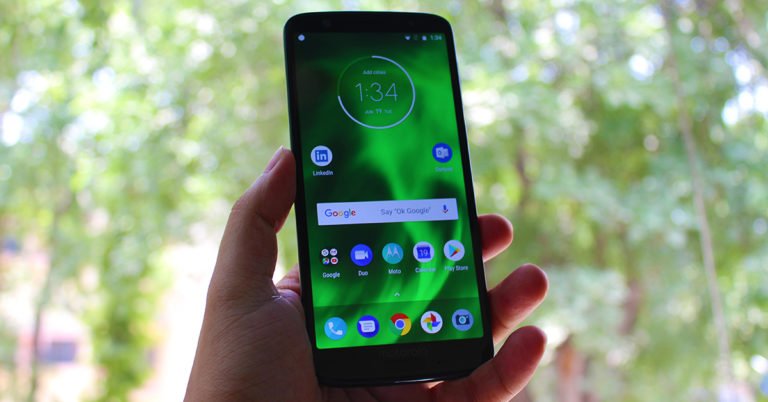
 Dressed in midnight blue, the Moto G6 sports an aluminum band around the edges, which has the power button and volume rocker key on the right, a curved dual SIM tray on top and USB type C charging port along with a 3.5 mm audio jack at the bottom. There is no speaker grille on this mobile, you ask why? Because the ear piece doubles up as the loud speaker. This is both a good and bad thing, you can enjoy media better with a front firing speaker, but at the same time chances of it getting ruined are higher and your call quality might go down.
The front of the smartphone has a large 5.7-inch display with 75.4 percent screen to body ratio. This is accompanied by Corning Gorilla Glass 3, which protects it from dust and thuds. The touchscreen is FHD+ (1080×2160 pixels resolution) and has an aspect ratio of 18:9 with 424 ppi density. On top of the screen users will also find couple of sensors like the proximity one, under the screen the company has placed its logo and a haptic touch sensitive button.
Dressed in midnight blue, the Moto G6 sports an aluminum band around the edges, which has the power button and volume rocker key on the right, a curved dual SIM tray on top and USB type C charging port along with a 3.5 mm audio jack at the bottom. There is no speaker grille on this mobile, you ask why? Because the ear piece doubles up as the loud speaker. This is both a good and bad thing, you can enjoy media better with a front firing speaker, but at the same time chances of it getting ruined are higher and your call quality might go down.
The front of the smartphone has a large 5.7-inch display with 75.4 percent screen to body ratio. This is accompanied by Corning Gorilla Glass 3, which protects it from dust and thuds. The touchscreen is FHD+ (1080×2160 pixels resolution) and has an aspect ratio of 18:9 with 424 ppi density. On top of the screen users will also find couple of sensors like the proximity one, under the screen the company has placed its logo and a haptic touch sensitive button. Users can enable the one touch button control, after which the bottom nav bar on the screen disappears. So, how does one navigate then? By using finger gestures on this haptic button. For example, to go back to the previous page on the browser you can swipe left on the button. Swipe right and the OS will show the list of open apps.
Performance, camera and features
This is a place where Moto G6 left us with a mixed bag of feelings. While we loved the camera performance, sound quality and the excellent display, there was the occasional speed issue with the device that was off-putting. But first, let’s talk about its specifications. The Moto G6 comes in two variants one with 3GB RAM and 32 GB storage, and the other with 4 GB RAM and 64 GB storage. We were using the 4 GB RAM version.
With it the device has Qualcomm Snapdragon 450 Octa core SoC supporting 1.8GHz clock speed. Graphics are powered by Adreno 506 chipset and the Moto G6 runs Android 8.0 not 8.1 like the other devices in this price bracket. The memory can be upgraded by up to 256GB using a microSD card and the phone has two nano SIM slots with it. Everything on paper seems fine, except that eye hurting Snapdragon 450 CPU. Frankly, in this price range its competition has much better chipset options.
Because of the same, we experienced occasional slowdowns while switching between apps and when browsing (when multiple tabs are open). Graphical game performance is not super either. Yes, the display does full justice to the device, but you cannot play graphic hungry games like PUBG on it properly. We ran the AnTuTu benchmark on it, where it scored just 61,496 points. On Geekbench 4’s compute test it got only 2,295 points, while on the multi-core CPU test it got 3,147 marks. All of it showcase subpar performance.
Moving past that, there are some good features of the smartphone besides its superior looks. We loved the movie watching experience on it and it got better with the ear plugs that come in the box. The cameras work well with the rear powered by a 12MP primary plus 5MP secondary sensor that adds depth (bokeh effect). They are just a step behind the competition, but do have features that will give the opposition a run for its money. One in particular we loved is the spot colour mode, where the user can select a colour on screen and only that colour stays and rest of the picture turns grayscale.
Users can enable the one touch button control, after which the bottom nav bar on the screen disappears. So, how does one navigate then? By using finger gestures on this haptic button. For example, to go back to the previous page on the browser you can swipe left on the button. Swipe right and the OS will show the list of open apps.
Performance, camera and features
This is a place where Moto G6 left us with a mixed bag of feelings. While we loved the camera performance, sound quality and the excellent display, there was the occasional speed issue with the device that was off-putting. But first, let’s talk about its specifications. The Moto G6 comes in two variants one with 3GB RAM and 32 GB storage, and the other with 4 GB RAM and 64 GB storage. We were using the 4 GB RAM version.
With it the device has Qualcomm Snapdragon 450 Octa core SoC supporting 1.8GHz clock speed. Graphics are powered by Adreno 506 chipset and the Moto G6 runs Android 8.0 not 8.1 like the other devices in this price bracket. The memory can be upgraded by up to 256GB using a microSD card and the phone has two nano SIM slots with it. Everything on paper seems fine, except that eye hurting Snapdragon 450 CPU. Frankly, in this price range its competition has much better chipset options.
Because of the same, we experienced occasional slowdowns while switching between apps and when browsing (when multiple tabs are open). Graphical game performance is not super either. Yes, the display does full justice to the device, but you cannot play graphic hungry games like PUBG on it properly. We ran the AnTuTu benchmark on it, where it scored just 61,496 points. On Geekbench 4’s compute test it got only 2,295 points, while on the multi-core CPU test it got 3,147 marks. All of it showcase subpar performance.
Moving past that, there are some good features of the smartphone besides its superior looks. We loved the movie watching experience on it and it got better with the ear plugs that come in the box. The cameras work well with the rear powered by a 12MP primary plus 5MP secondary sensor that adds depth (bokeh effect). They are just a step behind the competition, but do have features that will give the opposition a run for its money. One in particular we loved is the spot colour mode, where the user can select a colour on screen and only that colour stays and rest of the picture turns grayscale. The shots during the day were nice and crisp, in low-light or at night the edges did lose some of its sheen. Videos too were bright and nice, but we have defiantly seen better from the Honor’s and Xiaomi’s in this price bracket. Front camera is powered by a 16MP sensor with LED flash. This the company says is one of Moto G6’s main features. The images here are good and become better when using the LED flash. The front camera can also record video at 1080p. A better resolution is always favoured these days on social networks and the Moto G6 front camera delivered a good close to life colour experience for that.
 Battery lasted for more than 22 hours for us, even though it has just 3,000 mAh of it. We used the phone nominally with mixed use of WiFi and 4G. Our usage also included playing few YouTube videos during the day, voice calls and a game or two here and there. For heavy users the battery life will drop further, but keep the charger handy as it can turbo charge the phone in minutes.
The Moto G6 comes with Android 8.0 not 8.1 on it. Which does not take away from the experience, but one would want the absolute latest in terms of OS when buying a new device. Moto actions do play house in this smartphone and all the lovely features come here. Like a quick twist of the hand opens the camera app and if you chop twice the torch is enabled. Also, if you want to take a screen shot just press three fingers on the screen and the device will take a screen grab.
There is no dedicated button for the app drawer on the Moto G6, but one can swipe up on the home screen and the list of apps will be shown. There is no bloatware on it too, which does give it an additional star on our rating sheet.
Verdict and final thoughts
All in all, we liked and disliked the device. We absolutely love how it looks and feels in the hand, even though the rear panel is a fingerprint magnet. We just cannot get over the price bracket it is in and the kind of chipset it offers here. If you are looking for a trendy phone with a great selfie camera and a great screen in a budget, the Moto G6 could be your best buy. But if you are looking for extreme performance, you might want to look elsewhere.
Pros: Good Screen, great looks, decent cameras
Cons: Mediocre performance, Android 8.0
Battery lasted for more than 22 hours for us, even though it has just 3,000 mAh of it. We used the phone nominally with mixed use of WiFi and 4G. Our usage also included playing few YouTube videos during the day, voice calls and a game or two here and there. For heavy users the battery life will drop further, but keep the charger handy as it can turbo charge the phone in minutes.
The Moto G6 comes with Android 8.0 not 8.1 on it. Which does not take away from the experience, but one would want the absolute latest in terms of OS when buying a new device. Moto actions do play house in this smartphone and all the lovely features come here. Like a quick twist of the hand opens the camera app and if you chop twice the torch is enabled. Also, if you want to take a screen shot just press three fingers on the screen and the device will take a screen grab.
There is no dedicated button for the app drawer on the Moto G6, but one can swipe up on the home screen and the list of apps will be shown. There is no bloatware on it too, which does give it an additional star on our rating sheet.
Verdict and final thoughts
All in all, we liked and disliked the device. We absolutely love how it looks and feels in the hand, even though the rear panel is a fingerprint magnet. We just cannot get over the price bracket it is in and the kind of chipset it offers here. If you are looking for a trendy phone with a great selfie camera and a great screen in a budget, the Moto G6 could be your best buy. But if you are looking for extreme performance, you might want to look elsewhere.
Pros: Good Screen, great looks, decent cameras
Cons: Mediocre performance, Android 8.0








![[Video] OnePlus Bullets Wireless headphones Unboxing](https://www.gadgetbridge.com/wp-content/uploads/2018/06/maxresdefault-1-768x432.jpg "[Video] OnePlus Bullets Wireless headphones Unboxing")