

Honor 10 smartphone with AI powered cameras launched in India: Price, specs and more

Chinese electronics company Huawei’s sub-brand Honor has today launched flagship smartphone at an event in London. The smartphone – Honor 10 – will be going on sale in India exclusively via Flipkart starting tomorrow. Being the company’s flagship of the year, Honor 10 comes with high–end specifications including a dual rear camera setup, a 24MP front facing snapper, a display with 19:9 aspect ratio and iPhone X like notch design plus more. In terms of design, Honor 10 comes with the gradient colour finish that we previously saw in Huawei’s P20 Pro smartphone.
Price and availability
Although Honor 10 is available in two storage variants globally, in India the company will only be launching the 6GB RAM/128GB onboard storage variant. The smartphone will be priced at Rs 32,999 and will be available exclusively via Flipkart starting midnight, May 16. Honor 10 will be available in two colour variants in the country — Midnight Black and Phantom Blue.
If you buy the device between May 16 and May 18, there are two exchange offers you can avail. The company is offering an additional discount of Rs 5,000 over the regular exchange value for all Honor devices and a few other select smartphones. Besides this, you can exchange all other devices and get an additional discount of Rs 3,000 over the regular exchange value. If you have a Bajaj Finserv card, you can get a no cost EMI if you buy the smartphone on May 16. Those who have Axis Bank cards will get a 10% instant discount on the smartphone.
A Jio offer is also available with Honor 10 that includes Rs 1,200 cashback and 100GB of additional data. The offer also comes with Rs 3,300 worth of partner vouchers. On buying the Honor 10 from Hi Honor online store, customers will be given a coupon worth Rs 500 and up to Rs 2,000 of Mobikwik cashback.
Specifications
Honor flagship smartphone runs Android 8.1 Oreo topped with EMUI 8.1 and features a 5.84-inch full-HD+ FullView display with an aspect ratio of 19:9. Powered by the home brewed HiSilicon Kirin 970 processor paired with 6GB RAM, the smartphone comes with 128GB of internal storage. However, there is no slot on the smartphone for a microSD card.
Honor 10 houses a 3400mAh battery and comes with an Ultrasonic Under Glass fingerprint sensor which is integrated with its home button.
Talking about the cameras of the device, Honor 10 comes with a dual rear camera setup with 24MP and 16MP sensors which come with an AI photography mode. This mode enables the cameras of the smartphone to recognize objects in real-time. The company is even calling Honor 10’s dual rear camera setup as ‘AI Camera.’ The AI technology in the camera is said to enable features like 3D Portrait Lighting and HDR. For selfies and video calls, there is an ‘AI Camera’ on the smartphone’s front panel that with a 24MP sensor.
The smartphone also sports a 7.1 multi-channel Hi-Fi audio chip that comes with support for 7-channel sound effects. For connectivity, it comes with 4G VoLTE, Wi-Fi Bluetooth v4.2, USB Type-C, and a 3.5mm headphone jack.
Asus Zenfone Max Pro M1 review: Loooooong lasting
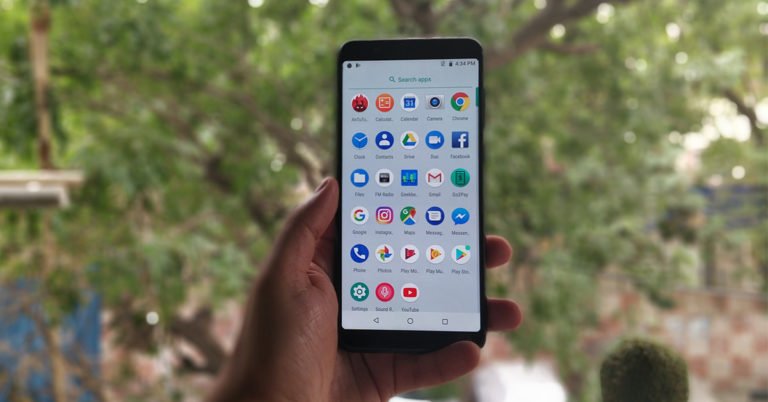
Asus Zenfone Max Pro M1, now that is a long name for any phone. Don’t know what the makers were thinking when they were naming this smartphone. Moving past the super long name this phone has quite a few good things going for it. We played around with it for a little while to find out what the deal is with this mobile and this is our review of the Asus Zenfone Max Pro M1.
Design and Blueprint
These days all the budget segment smartphone look the same. They have similar form factor, have similar fingerprint sensor placement and also the same iPhone X inspired dual camera setup. The Asus Zenfone Max Pro M1 also has those similarities, however it does have a bit of its own identity. To start with, the front glass placement is superb and it is smooth to the touch, even at the edges.
 The left side of the smartphone has no keys, which is rare to see, but has just the dual nano SIM tray. The right side of the Asus Zenfone Max Pro M1 features the power button and the volume rocker. The top again has nothing and has one smooth seamless design, while the bottom houses the 3.5 mm audio jack, USB Type B (not C) and a mono speaker.
Turn the phone around and this black beauty has the twin cameras on the top left, similar to the Apple iPhone X with a LED flash underneath it. The fingerprint sensor is placed on the top middle part of the back with the Asus logo underneath it. All this is on a compact metal body that has no sharp edges, full marks to team Asus.
The front side, like we said has a super slick glass on a 6-inch display, which supports 18:9 picture aspect ratio and 2,160×1080 pixel resolution. Above it, is the front facing camera and couple of sensors along with the ear microphone. Overall, in the looks department the Asus Zenfone Max Pro M1 does get good marks with its own distinct features.
Performance, Camera and Features
Now on to the fun part, where this phone scores a lot of marks. Let us start by pulling in all the specs of the Asus Zenfone Max Pro M1. This smartphone runs a Qualcomm Snapdragon 636 Octa-core CPU up to 1.8 Ghz, 32 GB on board memory and 3 GB RAM, which we found to be a bit low at first but then once we ran some tests and games it wasn’t so bad. The rear sports twin 13 MP + 5 MP cameras with the front one making space for an 8 MP sensor. Battery is a whopping 5,000 mAh and Asus Zenfone Max Pro M1 runs Android 8.1 straight out of the box.
So, let’s talk about its screen and display quality first. The Asus Zenfone Max Pro M1 has one of the best displays in the budget category. We absolutely loved it. The colours pop out and did wonderful things with the videos and games we played. This coupled with a not so powerful mono speaker was a bit of a let-down, however with the 3.5 mm port we connected one of our headphones and the experience came up again. Also, if you just want to listen to music then Asus does give its users a passive sound amplifier in the package. This boosts the sound passively and does a good job while at it.
With Android 8.1 running out of the box Asus gives you a neat stock Android experience. Yes, there is ZenUI still running, but the experience is very close to the stock one. There is minimal bloatware which you would not generally mind like the Instagram and FB apps. However, these do take a bit of a space and after everything users are left with just 22 odd GB of disc space. On AnTuTu the Asus Zenfone Max Pro M1 scored 1,14,284 points and on Geekbench 4 compute tests it got 4,467 marks. Both, putting it in the middle of smartphone pack.
Jumping over to the cameras, we were expecting a lot of good things from them. Some of them are, but not all of them. The rear cameras deliver good photos in day light and outdoors. However, they become sluggish indoors or in low light. Then there is the case of the camera app, which is not Google at all. It is Asus’s own and it not so good. The lag time is high and the whole interface is very yesterday. Yes, the Bokeh effect is there, but do not get your hopes up with it. It delivers mediocre photos. The selfie camera too, was mediocre and has same issues like its rear brothers. Videos did give us a bit of a respite and with 4K enabled we found the colours to be close to life.
So what made us jump with joy? The super-duper battery life. Asus Zenfone Max Pro M1 lasts for over 2 days after a full charge. And this is after we have played couple of hours of games, watched few YouTube videos and spoken to our whole dialling list. Well that is a bit of an exaggeration, we didn’t call everyone. But, you do get the gist of it. It is refreshing to come across a smartphone that does not require you to reach for the charger every now and then.
Verdict and Final Thoughts
At a price of Rs 10,999 you do get good things in the phone like the brilliant display, slick interface and display, good aesthetics and an excellent battery life. Yes, if the cameras and its app were better it would be a killer deal. If you are not much a clicker or are ok with mid-range shots, but want a long lasting phone then this is it. Since Asus did announce that they will update the OS till Android 10. So it should last you a good 2 years (minimum).
Pros:
Battery Life, Excellent Screen, Form Factor
Cons:
Cameras
Tech Specs:
The left side of the smartphone has no keys, which is rare to see, but has just the dual nano SIM tray. The right side of the Asus Zenfone Max Pro M1 features the power button and the volume rocker. The top again has nothing and has one smooth seamless design, while the bottom houses the 3.5 mm audio jack, USB Type B (not C) and a mono speaker.
Turn the phone around and this black beauty has the twin cameras on the top left, similar to the Apple iPhone X with a LED flash underneath it. The fingerprint sensor is placed on the top middle part of the back with the Asus logo underneath it. All this is on a compact metal body that has no sharp edges, full marks to team Asus.
The front side, like we said has a super slick glass on a 6-inch display, which supports 18:9 picture aspect ratio and 2,160×1080 pixel resolution. Above it, is the front facing camera and couple of sensors along with the ear microphone. Overall, in the looks department the Asus Zenfone Max Pro M1 does get good marks with its own distinct features.
Performance, Camera and Features
Now on to the fun part, where this phone scores a lot of marks. Let us start by pulling in all the specs of the Asus Zenfone Max Pro M1. This smartphone runs a Qualcomm Snapdragon 636 Octa-core CPU up to 1.8 Ghz, 32 GB on board memory and 3 GB RAM, which we found to be a bit low at first but then once we ran some tests and games it wasn’t so bad. The rear sports twin 13 MP + 5 MP cameras with the front one making space for an 8 MP sensor. Battery is a whopping 5,000 mAh and Asus Zenfone Max Pro M1 runs Android 8.1 straight out of the box.
So, let’s talk about its screen and display quality first. The Asus Zenfone Max Pro M1 has one of the best displays in the budget category. We absolutely loved it. The colours pop out and did wonderful things with the videos and games we played. This coupled with a not so powerful mono speaker was a bit of a let-down, however with the 3.5 mm port we connected one of our headphones and the experience came up again. Also, if you just want to listen to music then Asus does give its users a passive sound amplifier in the package. This boosts the sound passively and does a good job while at it.
With Android 8.1 running out of the box Asus gives you a neat stock Android experience. Yes, there is ZenUI still running, but the experience is very close to the stock one. There is minimal bloatware which you would not generally mind like the Instagram and FB apps. However, these do take a bit of a space and after everything users are left with just 22 odd GB of disc space. On AnTuTu the Asus Zenfone Max Pro M1 scored 1,14,284 points and on Geekbench 4 compute tests it got 4,467 marks. Both, putting it in the middle of smartphone pack.
Jumping over to the cameras, we were expecting a lot of good things from them. Some of them are, but not all of them. The rear cameras deliver good photos in day light and outdoors. However, they become sluggish indoors or in low light. Then there is the case of the camera app, which is not Google at all. It is Asus’s own and it not so good. The lag time is high and the whole interface is very yesterday. Yes, the Bokeh effect is there, but do not get your hopes up with it. It delivers mediocre photos. The selfie camera too, was mediocre and has same issues like its rear brothers. Videos did give us a bit of a respite and with 4K enabled we found the colours to be close to life.
So what made us jump with joy? The super-duper battery life. Asus Zenfone Max Pro M1 lasts for over 2 days after a full charge. And this is after we have played couple of hours of games, watched few YouTube videos and spoken to our whole dialling list. Well that is a bit of an exaggeration, we didn’t call everyone. But, you do get the gist of it. It is refreshing to come across a smartphone that does not require you to reach for the charger every now and then.
Verdict and Final Thoughts
At a price of Rs 10,999 you do get good things in the phone like the brilliant display, slick interface and display, good aesthetics and an excellent battery life. Yes, if the cameras and its app were better it would be a killer deal. If you are not much a clicker or are ok with mid-range shots, but want a long lasting phone then this is it. Since Asus did announce that they will update the OS till Android 10. So it should last you a good 2 years (minimum).
Pros:
Battery Life, Excellent Screen, Form Factor
Cons:
Cameras
Tech Specs:
 The left side of the smartphone has no keys, which is rare to see, but has just the dual nano SIM tray. The right side of the Asus Zenfone Max Pro M1 features the power button and the volume rocker. The top again has nothing and has one smooth seamless design, while the bottom houses the 3.5 mm audio jack, USB Type B (not C) and a mono speaker.
Turn the phone around and this black beauty has the twin cameras on the top left, similar to the Apple iPhone X with a LED flash underneath it. The fingerprint sensor is placed on the top middle part of the back with the Asus logo underneath it. All this is on a compact metal body that has no sharp edges, full marks to team Asus.
The front side, like we said has a super slick glass on a 6-inch display, which supports 18:9 picture aspect ratio and 2,160×1080 pixel resolution. Above it, is the front facing camera and couple of sensors along with the ear microphone. Overall, in the looks department the Asus Zenfone Max Pro M1 does get good marks with its own distinct features.
Performance, Camera and Features
Now on to the fun part, where this phone scores a lot of marks. Let us start by pulling in all the specs of the Asus Zenfone Max Pro M1. This smartphone runs a Qualcomm Snapdragon 636 Octa-core CPU up to 1.8 Ghz, 32 GB on board memory and 3 GB RAM, which we found to be a bit low at first but then once we ran some tests and games it wasn’t so bad. The rear sports twin 13 MP + 5 MP cameras with the front one making space for an 8 MP sensor. Battery is a whopping 5,000 mAh and Asus Zenfone Max Pro M1 runs Android 8.1 straight out of the box.
The left side of the smartphone has no keys, which is rare to see, but has just the dual nano SIM tray. The right side of the Asus Zenfone Max Pro M1 features the power button and the volume rocker. The top again has nothing and has one smooth seamless design, while the bottom houses the 3.5 mm audio jack, USB Type B (not C) and a mono speaker.
Turn the phone around and this black beauty has the twin cameras on the top left, similar to the Apple iPhone X with a LED flash underneath it. The fingerprint sensor is placed on the top middle part of the back with the Asus logo underneath it. All this is on a compact metal body that has no sharp edges, full marks to team Asus.
The front side, like we said has a super slick glass on a 6-inch display, which supports 18:9 picture aspect ratio and 2,160×1080 pixel resolution. Above it, is the front facing camera and couple of sensors along with the ear microphone. Overall, in the looks department the Asus Zenfone Max Pro M1 does get good marks with its own distinct features.
Performance, Camera and Features
Now on to the fun part, where this phone scores a lot of marks. Let us start by pulling in all the specs of the Asus Zenfone Max Pro M1. This smartphone runs a Qualcomm Snapdragon 636 Octa-core CPU up to 1.8 Ghz, 32 GB on board memory and 3 GB RAM, which we found to be a bit low at first but then once we ran some tests and games it wasn’t so bad. The rear sports twin 13 MP + 5 MP cameras with the front one making space for an 8 MP sensor. Battery is a whopping 5,000 mAh and Asus Zenfone Max Pro M1 runs Android 8.1 straight out of the box.
 So, let’s talk about its screen and display quality first. The Asus Zenfone Max Pro M1 has one of the best displays in the budget category. We absolutely loved it. The colours pop out and did wonderful things with the videos and games we played. This coupled with a not so powerful mono speaker was a bit of a let-down, however with the 3.5 mm port we connected one of our headphones and the experience came up again. Also, if you just want to listen to music then Asus does give its users a passive sound amplifier in the package. This boosts the sound passively and does a good job while at it.
With Android 8.1 running out of the box Asus gives you a neat stock Android experience. Yes, there is ZenUI still running, but the experience is very close to the stock one. There is minimal bloatware which you would not generally mind like the Instagram and FB apps. However, these do take a bit of a space and after everything users are left with just 22 odd GB of disc space. On AnTuTu the Asus Zenfone Max Pro M1 scored 1,14,284 points and on Geekbench 4 compute tests it got 4,467 marks. Both, putting it in the middle of smartphone pack.
Jumping over to the cameras, we were expecting a lot of good things from them. Some of them are, but not all of them. The rear cameras deliver good photos in day light and outdoors. However, they become sluggish indoors or in low light. Then there is the case of the camera app, which is not Google at all. It is Asus’s own and it not so good. The lag time is high and the whole interface is very yesterday. Yes, the Bokeh effect is there, but do not get your hopes up with it. It delivers mediocre photos. The selfie camera too, was mediocre and has same issues like its rear brothers. Videos did give us a bit of a respite and with 4K enabled we found the colours to be close to life.
So what made us jump with joy? The super-duper battery life. Asus Zenfone Max Pro M1 lasts for over 2 days after a full charge. And this is after we have played couple of hours of games, watched few YouTube videos and spoken to our whole dialling list. Well that is a bit of an exaggeration, we didn’t call everyone. But, you do get the gist of it. It is refreshing to come across a smartphone that does not require you to reach for the charger every now and then.
Verdict and Final Thoughts
At a price of Rs 10,999 you do get good things in the phone like the brilliant display, slick interface and display, good aesthetics and an excellent battery life. Yes, if the cameras and its app were better it would be a killer deal. If you are not much a clicker or are ok with mid-range shots, but want a long lasting phone then this is it. Since Asus did announce that they will update the OS till Android 10. So it should last you a good 2 years (minimum).
Pros:
Battery Life, Excellent Screen, Form Factor
Cons:
Cameras
Tech Specs:
So, let’s talk about its screen and display quality first. The Asus Zenfone Max Pro M1 has one of the best displays in the budget category. We absolutely loved it. The colours pop out and did wonderful things with the videos and games we played. This coupled with a not so powerful mono speaker was a bit of a let-down, however with the 3.5 mm port we connected one of our headphones and the experience came up again. Also, if you just want to listen to music then Asus does give its users a passive sound amplifier in the package. This boosts the sound passively and does a good job while at it.
With Android 8.1 running out of the box Asus gives you a neat stock Android experience. Yes, there is ZenUI still running, but the experience is very close to the stock one. There is minimal bloatware which you would not generally mind like the Instagram and FB apps. However, these do take a bit of a space and after everything users are left with just 22 odd GB of disc space. On AnTuTu the Asus Zenfone Max Pro M1 scored 1,14,284 points and on Geekbench 4 compute tests it got 4,467 marks. Both, putting it in the middle of smartphone pack.
Jumping over to the cameras, we were expecting a lot of good things from them. Some of them are, but not all of them. The rear cameras deliver good photos in day light and outdoors. However, they become sluggish indoors or in low light. Then there is the case of the camera app, which is not Google at all. It is Asus’s own and it not so good. The lag time is high and the whole interface is very yesterday. Yes, the Bokeh effect is there, but do not get your hopes up with it. It delivers mediocre photos. The selfie camera too, was mediocre and has same issues like its rear brothers. Videos did give us a bit of a respite and with 4K enabled we found the colours to be close to life.
So what made us jump with joy? The super-duper battery life. Asus Zenfone Max Pro M1 lasts for over 2 days after a full charge. And this is after we have played couple of hours of games, watched few YouTube videos and spoken to our whole dialling list. Well that is a bit of an exaggeration, we didn’t call everyone. But, you do get the gist of it. It is refreshing to come across a smartphone that does not require you to reach for the charger every now and then.
Verdict and Final Thoughts
At a price of Rs 10,999 you do get good things in the phone like the brilliant display, slick interface and display, good aesthetics and an excellent battery life. Yes, if the cameras and its app were better it would be a killer deal. If you are not much a clicker or are ok with mid-range shots, but want a long lasting phone then this is it. Since Asus did announce that they will update the OS till Android 10. So it should last you a good 2 years (minimum).
Pros:
Battery Life, Excellent Screen, Form Factor
Cons:
Cameras
Tech Specs:
- 3 GB RAM | 32 GB ROM | Expandable Upto 2 TB
- 5.99 inch Full HD+ Display
- 13MP + 5MP Dual Rear Camera | 8MP Front Camera
- 5000 mAh Battery
- Qualcomm Snapdragon 636 Processor
Top 10 smartphones under Rs 20,000
Choosing a smartphone in sub Rs 20,000 category can prove to be a tough task. With smartphones being launched in the said price segment every other week, it has become one of the most crowded categories in the Indian smartphone market. We have made this task easier for you by picking out the top 10 smartphones that you can consider buying if you only have a budget of Rs 20,000. Check out our list:
Xiaomi Redmi Note 5 Pro: Also popular as Xiaomi’s most expensive Redmi phone in India yet, Redmi Note 5 Pro features a 5.99-inch FHD+ display and comes with an 18:9 aspect ratio. Powered by Qualcomm Snapdragon 636 processor, the smartphone runs MIUI 9 based on Android Nougat. For imaging duties, Xiaomi sports 12MP+5MP dual rear cameras and also a 20MP selfie camera. The Redmi Note 5 Pro has a facial recognition feature and houses a 4,000mAh battery. Xiaomi’s smartphone is available in two variants — one with 4GB RAM and the other with 6GB RAM. Both come with 64GB onboard storage and are priced at Rs 13,999 and Rs 16,999 respectively.
Nokia 6 2018: The next smartphone on our list is from HMD Global’s line-up of this year’s Nokia smartphones. If you have a budget of Rs 20,000, you can go for either of the two variants of Nokia 6 2018. While the 3GB RAM/32GB inbuilt storage variant costs Rs 16,999, the 4GB RAM/64GB storage variant is priced at Rs 18,999. The smartphone runs Android 8.0 Oreo and is a part of Google’s Android One program. This means that the phone will come without any OEM customisations and will get prompt software updates. Nokia 6 (2018) features a 5.5-inch full-HD IPS LCD display with an aspect ratio of 16:9 and is powered by the octa-core Qualcomm Snapdragon 630 SoC. The smartphone sports a 16MP rear camera with ZEISS optics and a dual-tone LED flash. For selfies and video calls, there is an 8MP front snapper. Nokia 6 2018 houses a 3,000mAh battery and can hold microSD cards of up to 128GB.
Huawei P20 Lite: The P20 Lite smartphone was launched by Huawei along with its flagship P20 Pro, which is the world’s first smartphone to sport triple rear cameras. Priced at Rs 19,999, Huawei P20 Lite features a 5.8-inch full HD display and is powered by Kirin 659 octa-core processor clubbed with 4GB RAM. The smartphone offers 64GB onboard storage and is backed by a 3,000mAh battery. Unlike the P20 Pro, Huawei P20 Lite does not come with three cameras on its back panel, but it does sport 16MP+2MP dual rear cameras. For those who love taking selfies, the phone offers a 16MP front snapper. Photography lovers may also like the phone for its AR effects and stickers. The smartphone comes with a USB Type-C port and a fingerprint sensor.
Samsung Galaxy J7 Duo: The next smartphone on our list is from Samsung. Priced at Rs 16,990, Samsung Galaxy J7 Duo is the first smartphone in Samsung’s J series to come with a dual rear camera setup. The smartphone houses 13MP and 5MP sensors on its rear panel among which, the main camera can record full HD videos at 30 frames-per-second. Other highlights of the smartphone include Android Oreo, its App Pair feature and Bixby Home. The dual SIM Samsung Galaxy J7 Duo sports a 5.5-inch HD Super AMOLED display and is powered by 1.6GHz Exynos 7 Series octa-core processor paired by 4GB RAM. Galaxy J7 Duo comes with 32GB of onboard storage and can hold microSD cards of up to 256GB. For selfie lovers, there is an 8MP front facing camera that comes with Selfie Focus and Beauty Mode features. The smartphone also comes with Face Unlock and is powered by a 3,000mAh battery.
Asus ZenFone Max Pro M1: The recently launched Asus Zenfone Max Pro M1 is the Taiwanese electronics company’s competitor of Xiaomi Redmi Note 5 Pro. The Asus Zenfone Max Pro M1 is currently available in two variants — 3GB RAM/ 32GB internal storage and 4GB RAM/64GB onboard storage. While the 3GB RAM variant costs Rs 10,999, you would have to pay Rs 12,999 for the bigger 4GB RAM variant. The smartphone comes with a 5.99-inch full-HD+ IPS Full View display with 18:9 aspect ratio and is powered by Qualcomm Snapdragon 636 processor. It is the first smartphone by Asus to come without company’s own ZenUI and runs Android 8.1 Oreo out of the box. For imaging duties, the smartphone features 13MP+5MP dual rear cameras and an 8MP selfie camera. Asus Zenfone Max Pro M1 is backed by a massive 5,000mAh battery and comes with face unlock and fingerprint sensors. Another variant of the smartphone — with 6GB RAM/64GB internal storage — is expected to launch soon.
Vivo V9 Youth: Vivo V9 Youth is priced at Rs 18, 990 and comes with a dual rear camera setup with 16MP and 2MP sensors, as well as a 16MP front snapper with AI beauty feature. Other highlights of the smartphone include a 6.30-inch touchscreen display and Android 8.1 Oreo operating system. Vivo V9 Youth is powered by an octa-core processor paired with 4GB RAM and offers 32GB onboard storage. It can hold microSD cards of up to 256GB and packs a 3260mAh battery.
Panasonic P101: Panasonic’s P101 smartphone is priced at Rs 6,999 and features a 5.45-inch Big View IPS display. Powered by 1.3GHz quad-core MediaTek MT6739WA processor coupled with 2GB RAM, the smartphone runs Android 7.1 Nougat. For imaging duties, Panasonic P101 sports an 8MP rear camera and a 5MP selfie camera. Both the cameras come with LED flash. The smartphone packs a 2500mAh battery and offers 16GB of onboard storage. For more storage, users can install microSD cards of up to 128GB.
Oppo A71 (3GB): Oppo A71 (2018) comes with a 5.2-inch HD TFT display and is powered by a 1.8GHz octa-core Qualcomm Snapdragon 450 processor, paired with 3GB RAM. The smartphone runs Android 7.1 Nougat skinned with ColorOS 3.2 and offers 16GB of onboard storage. The phone also has a microSD card slot, which can hold cards up to 256GB. For imaging duties, Oppo A71 (2018) comes with a 13MP rear camera along with a LED flash and it houses a 5MP camera in the front for selfies and video calls. The handset packs a 3,000mAh battery and is priced at Rs 9,990.
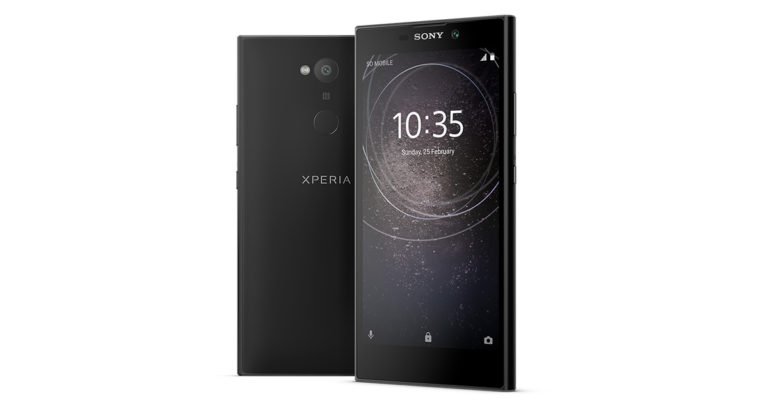
Sony Xperia L2: Priced at Rs 19,990, Sony Xperia L2 sports a 5.5-inch touchscreen display and is powered by 1.5GHz quad-core MediaTek MT6737T processor coupled with 3GB RAM. It offers 32GB of onboard storage and can hold microSD cards of up to 256GB. On camera front, Sony’s smartphone features a 13MP primary camera along with LED flash and has am 8MP front facing snapper. The selfie camera of the smartphone has a 120-degree super wide-angle lens and supports both Portrait and Group Selfie modes
Gionee S11 Lite: Priced at Rs 13,999, Gionee S11 Lite comes with a 5.7-inch HD+ display with 18:9 aspect ratio and is powered by Qualcomm Snapdragon 435 processor. The smartphone comes with 3GB RAM and offers 32GB inbuilt storage. For more storage, users can install microSD cards of up to 128GB. The smartphone runs Android 7.1 Nougat skinned with Amigo OS 5.0.13S. On the camera front, Gionee S11 Lite sports 13MP+2MP dual rear cameras and 16MP selfie camera which comes with Bokeh mode. The smartphone is backed by a 3030mAh battery.
 Xiaomi Redmi Note 5 Pro: Also popular as Xiaomi’s most expensive Redmi phone in India yet, Redmi Note 5 Pro features a 5.99-inch FHD+ display and comes with an 18:9 aspect ratio. Powered by Qualcomm Snapdragon 636 processor, the smartphone runs MIUI 9 based on Android Nougat. For imaging duties, Xiaomi sports 12MP+5MP dual rear cameras and also a 20MP selfie camera. The Redmi Note 5 Pro has a facial recognition feature and houses a 4,000mAh battery. Xiaomi’s smartphone is available in two variants — one with 4GB RAM and the other with 6GB RAM. Both come with 64GB onboard storage and are priced at Rs 13,999 and Rs 16,999 respectively.
 Nokia 6 2018: The next smartphone on our list is from HMD Global’s line-up of this year’s Nokia smartphones. If you have a budget of Rs 20,000, you can go for either of the two variants of Nokia 6 2018. While the 3GB RAM/32GB inbuilt storage variant costs Rs 16,999, the 4GB RAM/64GB storage variant is priced at Rs 18,999. The smartphone runs Android 8.0 Oreo and is a part of Google’s Android One program. This means that the phone will come without any OEM customisations and will get prompt software updates. Nokia 6 (2018) features a 5.5-inch full-HD IPS LCD display with an aspect ratio of 16:9 and is powered by the octa-core Qualcomm Snapdragon 630 SoC. The smartphone sports a 16MP rear camera with ZEISS optics and a dual-tone LED flash. For selfies and video calls, there is an 8MP front snapper. Nokia 6 2018 houses a 3,000mAh battery and can hold microSD cards of up to 128GB.
 Huawei P20 Lite: The P20 Lite smartphone was launched by Huawei along with its flagship P20 Pro, which is the world’s first smartphone to sport triple rear cameras. Priced at Rs 19,999, Huawei P20 Lite features a 5.8-inch full HD display and is powered by Kirin 659 octa-core processor clubbed with 4GB RAM. The smartphone offers 64GB onboard storage and is backed by a 3,000mAh battery. Unlike the P20 Pro, Huawei P20 Lite does not come with three cameras on its back panel, but it does sport 16MP+2MP dual rear cameras. For those who love taking selfies, the phone offers a 16MP front snapper. Photography lovers may also like the phone for its AR effects and stickers. The smartphone comes with a USB Type-C port and a fingerprint sensor.
 Samsung Galaxy J7 Duo: The next smartphone on our list is from Samsung. Priced at Rs 16,990, Samsung Galaxy J7 Duo is the first smartphone in Samsung’s J series to come with a dual rear camera setup. The smartphone houses 13MP and 5MP sensors on its rear panel among which, the main camera can record full HD videos at 30 frames-per-second. Other highlights of the smartphone include Android Oreo, its App Pair feature and Bixby Home. The dual SIM Samsung Galaxy J7 Duo sports a 5.5-inch HD Super AMOLED display and is powered by 1.6GHz Exynos 7 Series octa-core processor paired by 4GB RAM. Galaxy J7 Duo comes with 32GB of onboard storage and can hold microSD cards of up to 256GB. For selfie lovers, there is an 8MP front facing camera that comes with Selfie Focus and Beauty Mode features. The smartphone also comes with Face Unlock and is powered by a 3,000mAh battery.
 Asus ZenFone Max Pro M1: The recently launched Asus Zenfone Max Pro M1 is the Taiwanese electronics company’s competitor of Xiaomi Redmi Note 5 Pro. The Asus Zenfone Max Pro M1 is currently available in two variants — 3GB RAM/ 32GB internal storage and 4GB RAM/64GB onboard storage. While the 3GB RAM variant costs Rs 10,999, you would have to pay Rs 12,999 for the bigger 4GB RAM variant. The smartphone comes with a 5.99-inch full-HD+ IPS Full View display with 18:9 aspect ratio and is powered by Qualcomm Snapdragon 636 processor. It is the first smartphone by Asus to come without company’s own ZenUI and runs Android 8.1 Oreo out of the box. For imaging duties, the smartphone features 13MP+5MP dual rear cameras and an 8MP selfie camera. Asus Zenfone Max Pro M1 is backed by a massive 5,000mAh battery and comes with face unlock and fingerprint sensors. Another variant of the smartphone — with 6GB RAM/64GB internal storage — is expected to launch soon.
 Vivo V9 Youth: Vivo V9 Youth is priced at Rs 18, 990 and comes with a dual rear camera setup with 16MP and 2MP sensors, as well as a 16MP front snapper with AI beauty feature. Other highlights of the smartphone include a 6.30-inch touchscreen display and Android 8.1 Oreo operating system. Vivo V9 Youth is powered by an octa-core processor paired with 4GB RAM and offers 32GB onboard storage. It can hold microSD cards of up to 256GB and packs a 3260mAh battery.
 Panasonic P101: Panasonic’s P101 smartphone is priced at Rs 6,999 and features a 5.45-inch Big View IPS display. Powered by 1.3GHz quad-core MediaTek MT6739WA processor coupled with 2GB RAM, the smartphone runs Android 7.1 Nougat. For imaging duties, Panasonic P101 sports an 8MP rear camera and a 5MP selfie camera. Both the cameras come with LED flash. The smartphone packs a 2500mAh battery and offers 16GB of onboard storage. For more storage, users can install microSD cards of up to 128GB.
 Oppo A71 (3GB): Oppo A71 (2018) comes with a 5.2-inch HD TFT display and is powered by a 1.8GHz octa-core Qualcomm Snapdragon 450 processor, paired with 3GB RAM. The smartphone runs Android 7.1 Nougat skinned with ColorOS 3.2 and offers 16GB of onboard storage. The phone also has a microSD card slot, which can hold cards up to 256GB. For imaging duties, Oppo A71 (2018) comes with a 13MP rear camera along with a LED flash and it houses a 5MP camera in the front for selfies and video calls. The handset packs a 3,000mAh battery and is priced at Rs 9,990.
 Sony Xperia L2: Priced at Rs 19,990, Sony Xperia L2 sports a 5.5-inch touchscreen display and is powered by 1.5GHz quad-core MediaTek MT6737T processor coupled with 3GB RAM. It offers 32GB of onboard storage and can hold microSD cards of up to 256GB. On camera front, Sony’s smartphone features a 13MP primary camera along with LED flash and has am 8MP front facing snapper. The selfie camera of the smartphone has a 120-degree super wide-angle lens and supports both Portrait and Group Selfie modes
 Gionee S11 Lite: Priced at Rs 13,999, Gionee S11 Lite comes with a 5.7-inch HD+ display with 18:9 aspect ratio and is powered by Qualcomm Snapdragon 435 processor. The smartphone comes with 3GB RAM and offers 32GB inbuilt storage. For more storage, users can install microSD cards of up to 128GB. The smartphone runs Android 7.1 Nougat skinned with Amigo OS 5.0.13S. On the camera front, Gionee S11 Lite sports 13MP+2MP dual rear cameras and 16MP selfie camera which comes with Bokeh mode. The smartphone is backed by a 3030mAh battery.
 Comio’s next flagship smartphone is set to launch in India in the coming week

Chinese smartphone maker Comio is all set to launch its flagship smartphone is India next week. The company entered the Indian smartphone market last year with its Comio C1, Comio S1 and Comio P1 smartphones and extended its line-up in October 2017 with its C2 smartphone.
It is worth noting that all these smartphones were priced under Rs 10,000. Even now, the company is continuing with the trend as our sources have revealed that Comio’s flagship for this year will also be in the budget segment. With the device, Comio is eyeing markets in South and East India, where it hasn’t forayed as yet. The smartphone will also be launched in various tier-2 and tier-3 cities.
Comio has teased a picture of its upcoming flagship smartphone on Instagram today with the caption – “Keep guessing…#staytuned #Comio #DontListen Kar Daal.”
Although the name of Comio’s next flagship has not been revealed yet, we have been tipped off with some of the specifications that will be the key highlights of the phone. The smartphone is expected to feature a FullView (FHD) 1080p display and will sport a dual rear camera setup. Comio’s upcoming smartphone will run an updated version of Android operating system and comes with 32GB of on-board storage. The smartphone will be available in vibrant colour variants and will sport a mirror finish back panel. We are waiting to know about other features that we’ll get to see in Comio’s upcoming flagship smartphone and will keep you posted on the same. Comio was recently in news when it was reported that the company is planning to invest Rs 500 crore in India. The company had said in a statement that it will be investing Rs 250 crore in marketing, another Rs 150 crore in R&D and manufacturing, and Rs 100 crore for sales and distribution in the Indian mobile phone market till December 2018.
Days before launch OnePlus 6 leaked on Amazon, pricing revealed too

What seems to be a major upset for the Chinese company the OnePlus 6 has been accidently leaked on the Amazon Germany website. The images are the real deal and show everything the smartphone will have aesthetically. The link was swiftly taken down as the reports started to appear of the product listing. This is not the first time a major smartphone has been leaked via an E-commerce site such as Amazon, which makes us wonder was it really a mistake or…
Whatever the case maybe, we now fully know how the phone will look like. Looking at these fine renders of the OnePlus 6 It is confirmed that the smartphone will have a notch on top like the Apple iPhone X and Vivo V9 has. The leaks show that the smartphone will in fact have a Midnight Black variant with a glossy rear. The front has an almost bezel-less infinity screen, with just a small bar at the bottom.
The power button and alert slider is placed on the right of the phone, while the volume rocker key and SIM slot has been kept on the left. The rear indeed has a dual camera setup with dual tone flash and underneath it is a kind of an oval shaped fingerprint sensor and the OnePlus logo. The 3.5 MM audio jack is there at the bottom and USB Type C charging port can also be seen there.
Now for the most interesting part of this leak is its pricing. The Amazon Germany site (according to WinFuture) showed price of the 6 GB RAM with 64 GB memory variant at 519 Euros, which is approximately Rs 41,700. Over that, the 8 GB RAM and 128 GB memory version is prices at 569 Euros, bringing the Indian price to Rs 45,800 (approx). This is by far the most expensive price tag kept by OnePlus. Crossing the Rs 40K mark for this company immediately makes it compete with the big guns like Apple and Samsung. Will it survive at the price? We will know in a few weeks.
At the moment Amazon India is giving Rs 1,000 cashback if the consumer pre-bookds the device though its site. Might just not be a bad Idea to do so if you are an OnePlus loyalist.
 The power button and alert slider is placed on the right of the phone, while the volume rocker key and SIM slot has been kept on the left. The rear indeed has a dual camera setup with dual tone flash and underneath it is a kind of an oval shaped fingerprint sensor and the OnePlus logo. The 3.5 MM audio jack is there at the bottom and USB Type C charging port can also be seen there.
Now for the most interesting part of this leak is its pricing. The Amazon Germany site (according to WinFuture) showed price of the 6 GB RAM with 64 GB memory variant at 519 Euros, which is approximately Rs 41,700. Over that, the 8 GB RAM and 128 GB memory version is prices at 569 Euros, bringing the Indian price to Rs 45,800 (approx). This is by far the most expensive price tag kept by OnePlus. Crossing the Rs 40K mark for this company immediately makes it compete with the big guns like Apple and Samsung. Will it survive at the price? We will know in a few weeks.
The power button and alert slider is placed on the right of the phone, while the volume rocker key and SIM slot has been kept on the left. The rear indeed has a dual camera setup with dual tone flash and underneath it is a kind of an oval shaped fingerprint sensor and the OnePlus logo. The 3.5 MM audio jack is there at the bottom and USB Type C charging port can also be seen there.
Now for the most interesting part of this leak is its pricing. The Amazon Germany site (according to WinFuture) showed price of the 6 GB RAM with 64 GB memory variant at 519 Euros, which is approximately Rs 41,700. Over that, the 8 GB RAM and 128 GB memory version is prices at 569 Euros, bringing the Indian price to Rs 45,800 (approx). This is by far the most expensive price tag kept by OnePlus. Crossing the Rs 40K mark for this company immediately makes it compete with the big guns like Apple and Samsung. Will it survive at the price? We will know in a few weeks. At the moment Amazon India is giving Rs 1,000 cashback if the consumer pre-bookds the device though its site. Might just not be a bad Idea to do so if you are an OnePlus loyalist.
 [Video] Google Assistant Makes A Phone Call
![[Video] Google Assistant Makes A Phone Call](https://www.gadgetbridge.com/wp-content/uploads/2018/05/maxresdefault-768x432.jpg "[Video] Google Assistant Makes A Phone Call")
Well, we have said it before and we will say it again, AI is here to stay and very soon we might see Terminator style robots. Hopefully that is a distant dream. But, what Sundar Pichai and his execs at Google Showcased this year at Google I/O 2018 was nothing short of something from a Sci-Fi movie. Some got scared and some applauded the effort. But, we for one would not want to be at the other end of a phone call and not talking to a Human Being, unless it is an IVR. Check out the whole video here – Google Assistant Makes A Phone Call.
Another Render, this time HD, of the OnePlus 6 surfaces online showing 3.5 mm and USB Type C ports
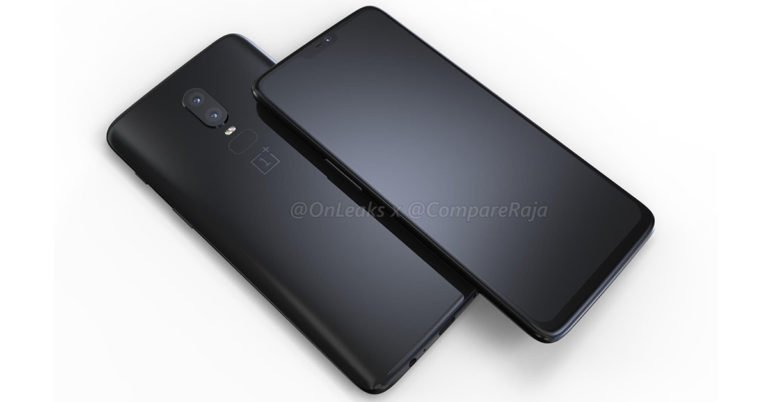
OnePlus 6 is slated to launch globally on the 16th of May and will be showcased in Mumbai, India on the following day. There have been lot of news and rumours about the smartphone and how it will look like. The latest that has come to light is a HD render by Compare Raja spotted by EV Leaks.
The image shows that OnePlus 6 will indeed sport a 3.5 MM audio jack and a USB Type C charging port. It will also have a dual vertical camera setup that should be the best in class. The camera setup is very Apple-like. The notch can also be seen in this image, but the bottom part will still have a bit of a band, though lesser than the one found on OnePlus 5T.
The price should be less than Rs 40,000 as indicated to us by industry insiders. OnePlus 6 will also be available in 2 variants, one with 64 GB and other with 128 GB memory. However, fan boys are going gaga over rumours of a 256 GB special edition variant. OnePlus 6 will also feature a Qualcomm 845 chipset and Android 8.1 operating system.
Other things also known to us is that the smartphone will carry the latest Qualcomm 845 chipset and will have 4K display resolution. Amazon will be the company’s official online sales partner and people should be able to purchase it soon after the launch.
Not only that the Avengers edition of OnePlus 6 will also go on sale on the 21st May, which will be a limited edition smartphone. The wait is just killing us, this is one of the most awaited smartphones of the year and has much good being done around it. There are few other nice one’s going launched in India, which we are privy to, more on that in the coming weeks. As of now, OnePlus 6 is making all the buzz.
Reliance Jio launches Rs 199 Postpaid plan: International calling, 25GB data per month and more

The company whose entry completely changed the face of Indian telecom market, Reliance Jio has today announced its new offering for its Postpaid customers. Dubbed JioPostpaid, the plan will enable users to get their postpaid pack activated at Rs 199. According to the company, with JioPostpaid, it aims to change people’s perspective towards postpaid plans, just like it did with its prepaid offers. Subscriptions to JioPostpaid begin on May 15.
JioPostpaid is being touted as India’s first ‘Zero-Touch’ service experience. Under JioPostpaid, services including voice calls, Internet, SMS, and International calling will be pre-activated. In its Rs 199 monthly plan, users will get 25GB of 4G data, free voice calls and SMSes. Besides this, they will also have access to entire suite of Jio apps.
For international calls, they will be charged at a starting price of 50 paise per minute. However, you may have to spend up to Rs 6 per minute depending on the country you wish to call. On calling someone in the United States or Canada, users would have to pay 50 paise per minute, however, this will go up to Rs 2 per minute if calls are being made to Bangladesh, China, France, Italy, New Zealand, Singapore and United Kingdom.
For Hong Kong, Indonesia, Malaysia and Turkey, users would have to pay Rs 3 per minute, and Australia, Bahrain, Pakistan and Thailand calls will cost Rs 4 per minute. Jio users would have to pay Rs 5 per minute for making calls to Germany, Ireland, Japan, Kuwait, Russia, and Vietnam and finally, one must pay Rs 6 per minute for calling someone in Israel, Nigeria, Saudi Arabia, South Korea, Spain, Sweden, UAE and Uzbekistan. Another upside is that JioPostpaid numbers will come with pre-activated ISD without any security deposit.
Furthermore, users would not need any additional packs for activating international roaming, as the company has made it a single-click way. Reliance JIO has come up with various plans one can choose from for unlimited benefits while travelling outside India. The international roaming packs include Rs 575, Rs 2,875 and Rs 5,751 plans. They will be functional in UAE, the United States, Thailand, Singapore, United Kingdom, Germany, Sri Lanka, Malaysia, Italy, Spain, Netherlands, Turkey, New Zealand, Philippines, Hungary, Greece, Portugal, Romania, Czech Republic, and Ireland.
BenQ TK800 4K projector launched in India at a price of Rs 1.99 lakhs: Other details and specs inside

With the IPL and upcoming FIFA world cup season the projector and TV market is heating up, as many consumers would want to upgrade their viewing experience at home and the work place. After Epson, latest to enter the Indian market is BenQ TK800 4K projector that is poised to give best colour reproduction experience even in fully lit room.
The BenQ TK800 projector features 3,840×2,160 UHD resolution with 8.3 million distinct pixels. The projector also has optimized HDR that enhances brightness and contrast range. It is powered by a 3,000 lumens high brightness lamp that can produce the best imagery as the company claims. The lamp life is estimated to be at 15,000 hours, which BenQ asserts to be first in class to come to any home projector series. Coming to think of it, that might be true as we have not seen any other home projector manufacturer saying it.
The BenQ TK800 gives its users modes such as Football and sports AV for the best sporting action on screen. These modes preserve natural skin stones while intensifying the greens on display. As for sound this display device has a 5Watt speaker system that should be good for small to medium rooms. Keystone correction and 1.2X zoom ability is also found on the BenQ TK800 4K projector. Other specifications include 10,000:1 contrast ratio, 240 W power consumption, image throw size from 30 to 300-inches and multi-picture modes.
As far as connectivity is concerned BenQ TK800 projector has 1 VGA, 2 HDMI and 1 USB Type A ports amongst others. And yes, this projector is 3D compatible, but we being not a ‘big fans’ of those goofy glasses would give this part a miss and not spend extra, unless one really wants to.
10 features of Android P you must know about

Google has unveiled the Android P Beta at its i/O Conference 2018. It is now available for Google Pixel devices and select smartphones including Essential PH-1, Nokia 7 Plus, OnePlus 6, Oppo R15 Pro, Sony Xperia XZ2, Vivo X21, Vivo X21 UD, and Xiaomi Mi Mix 2S. While it may take some time before it reaches your phone, here are some features of Android P you must know about:
Changes in UI: Google brings changes in UI with every new version of Android. And Android P is not an exception. Since the notch is becoming a popular theme for smartphone designs, Android P will come with a top bar that is black in colour. On pulling down the notification panel, you would see an option ‘Manage Notifications.’ This has been added to give users complete control of app notifications. Other than this, Quick toggles have been updated to circular elements and various icons in Settings are now coloured and more visually appealing.
Adaptive Battery: As the name suggests, the feature prioritizes battery for the apps and services that user engages with the most. In other words, with this feature the battery of the smartphone will be used only where it’s required the most and the rest will be saved. As this feature runs on AI, it will take some time to learn the usage before it begins showing results. So this feature can be counted upon to lessen our battery woes.
Adaptive Brightness: Using this feature, the smartphone can learn how the user keeps the brightness levels in different conditions and then starts adjusting brightness levels automatically. Like Adaptive Battery, Adaptive Brightness also runs on AI and shows results only after it learns the preferences of the user.
App actions: Anyone who has used a device with Android Oreo would know that Google suggests apps that you are most likely to use. With Android P, Google goes one step ahead and also suggests the action you’ll be taking with an app. For instance, if you have been in a text conversation with a friend, you would be able to see a suggestion to message them when you go to App drawer.
Slices: A lot of daily tasks are going to become a cakewalk with Slices. But, this feature is only limited to Google Search for now. So if a user types Lyft in Google Search, and Search will then prompt the app shortcut, and see options of booking a cab to home or office. The Search will also show the price, distance and ETA.
More control over audio: The update is getting a shortcut for users to toggle between ringer profiles and select the one that they like. Till now, one could only rely on volume rocker buttons to do this. In fact, the position of the slider has also changed and it no longer appears on the top of the screen. You’ll now be able to find it on the side of the screen where the hardware buttons for controlling volume are present. Users can now also hold the power and volume up buttons together to switch to vibrate mode.
Shush and Wind Down: With Shush and Wind Down, Google is actually reminding users of the need to disconnect from their smartphones for a few hours every day. Wind Down begins to switch the display to greyscale at a set time every day, so that users remember that it’s time to put their phones down and get ready to sleep instead. It automatically switches off in the morning. Shush is a simpler feature that activates DND on the smartphone when it’s kept screen down. However, some assigned contacts will still be able to reach the user.
Android Dashboard: The Dashboard will basically showcase the usage of the device. It will include information like what apps have been used and for how long, the number of notifications the device has got, and more.
App Timer: This feature will come in handy for users who are addicted to apps like Facebook or Snapchat. One can set a time limit to certain apps. So, if a user limits their Snapchat usage to 10 minutes during office hours, they won’t be able to access Snapchat after 10 minutes are up.
Updated navigation: With this update, Android is getting gesture based navigation. Users now have the option of switching to a single bar in place of the traditional navigation controls. This will enable them to use gesture controls for navigation. On swiping up, the bar will open recent apps and on swiping up again, users can access the app drawer. It is notable that the traditional three buttons for navigation will also be available.