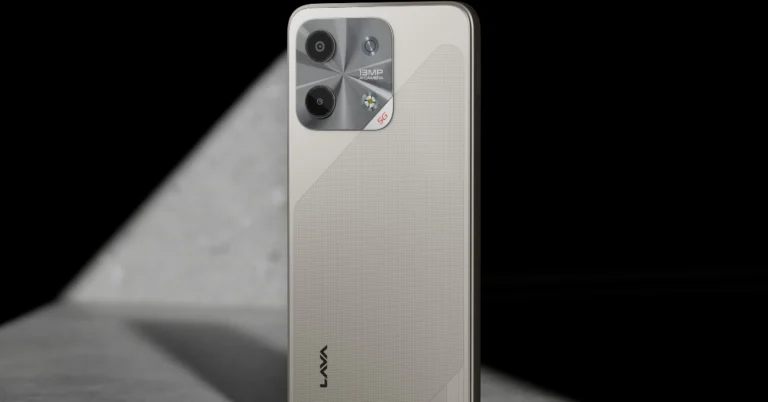
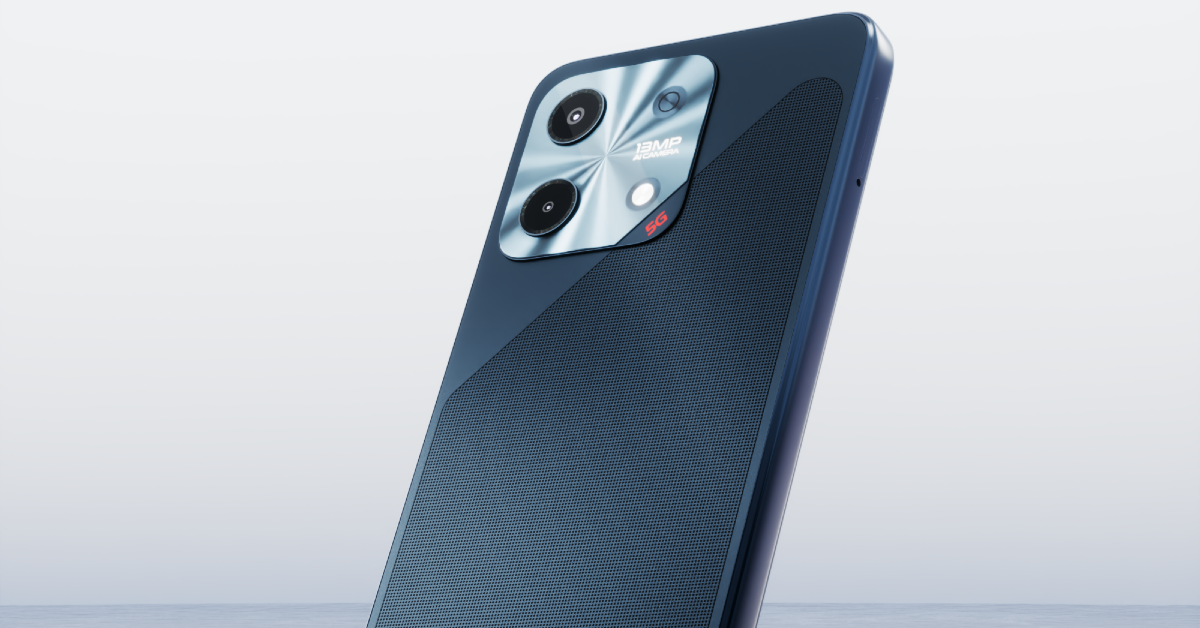
Lava Shark 2 5G has been introduced in India with a 6,000mAh battery, a 6.75-inch HD+ display with a 120Hz refresh rate and a single 13-megapixel back camera. It is powered by a Unisoc chipset and boasts efficient performance. You get 18W fast charging via USB Type-C, and the gadget runs on a clean Android experience with a promise of one version upgrade and two security upgrades. It will be available in Arya Blue and Sonar Gold and will be on sale in a single RAM and storage configuration early next month.
Price in India and Availability
The Lava Shark 2 5G smartphone is priced at Rs 11,999 in India and has 4GB RAM and 64GB internal storage. Customers will have two colour options to choose from: Arya Blue and Sonar Gold. The device will be available from June 10 and will be sold via multiple offline retail stores. Moreover, the maker provides a free home service, which is a common element in Lava’s smartphone portfolio.
The Lava Shark 2 5G has a 6.75-inch HD+ display with a 120Hz refresh rate, which translates to up to 815 minutes of YouTube video viewing. It has an octa-core 6nm UNISOC T8200 CPU to provide effective performance and a 6,000mAh battery that can be charged with the 18W charging standard for all-day use. It has 4GB RAM, 4GB virtual RAM, and 64GB ROM storage.
It runs on the Clean Android 16 OS, which is focused on a user-friendly experience without adverts and bloatware. An IP64 grade for dust and water protection highlights the durability.
With an AnTuTu score of over 500,000, the gadget exhibits strong multitasking and entertainment skills. It also supports key Indian 5G bands for dependable network access.
Commenting on the launch, Mr. Sumit Singh, SVP and Head of Product, Lava International Limited, said, “The Shark series is conceptualised to elevate product experience in the budget 5G segment. Featuring a 6000mAh battery for extensive usage, IP64 for enhanced durability alongside a clean, bloatware-free Android experience, the new SHARK 2 5G delivers quality, data safety, durability and performance. At its price point, the new phone is set to redefine standards and encourage users to expect a quality smartphone experience in the budget 5G segment.”
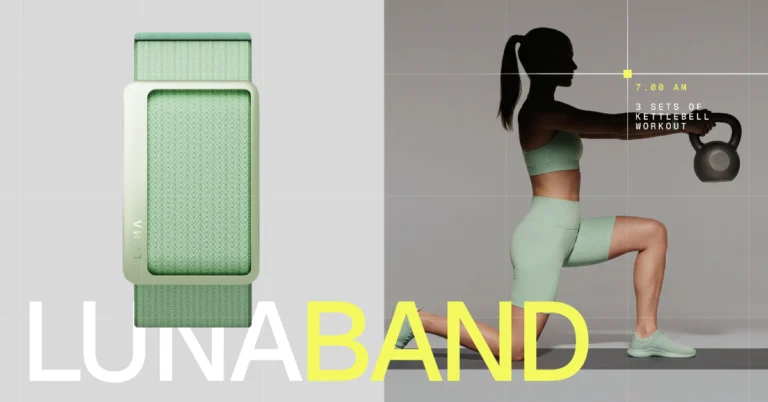
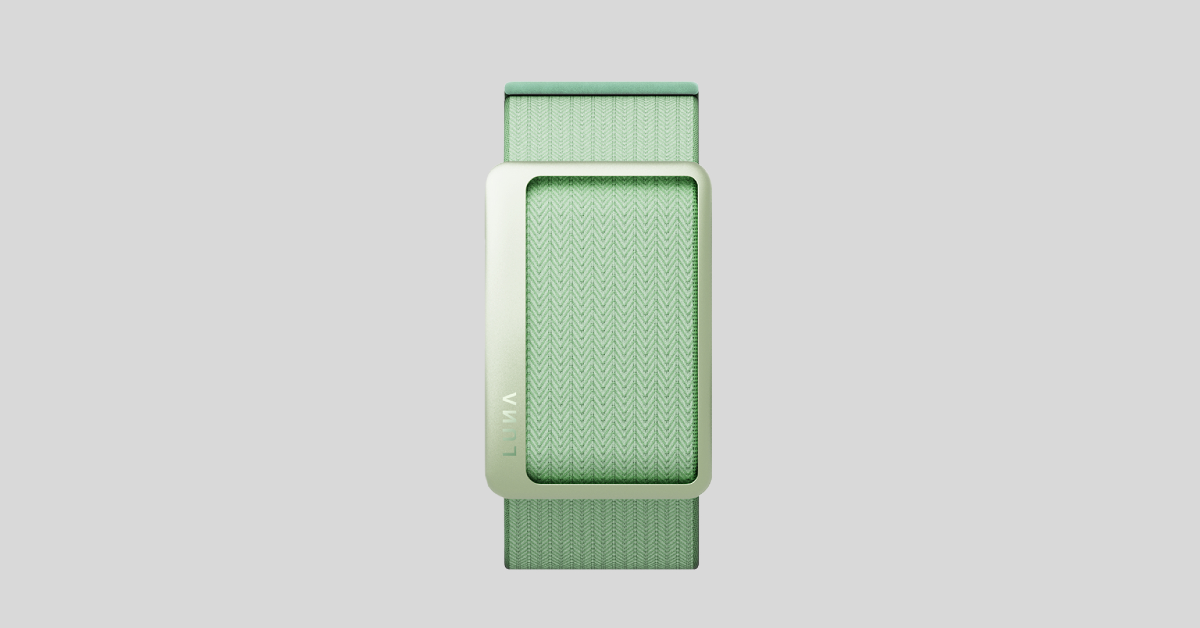
Luna has launched Luna Band, a voice-first wearable that improves everyday wellness. The unique gadget interacts with LifeOS, a health intelligence engine that constantly monitors your body signals and translates them into a personalised daily plan for maximum performance. Luna’s intelligence engine, LifeOS, continuously reads the body, combining multiple health data sources, including blood markers, medical context, and dietary habits. The gadget features haptic signals from a wearable band that provide actionable guidance. It also has advanced wellness features, such as causal insights, which enable users to see specific cause-and-effect relationships in their health data.
The company says it will begin delivering in July 2026 with Drop 1, an invite-only initial release. The waitlist is now available at www.band.lunazone.com.
Features and Specifications
LifeOS is an enhanced health intelligence model that improves the operation of the Luna Band. It works in real-time, adapting health plans to different circumstances, such as travel and fitness events, for personalised health management. This sophisticated system is capable of aggregating health data from many sources and producing a simplified and actionable output for users.
The Luna Band has undergone a significant redesign and improved functionality, first showcased at CES, along with the LifeOS variant. Importantly, LifeOS comes with the Luna Band, at no extra cost, giving tremendous value to the device and to its customers.
Luna’s app has a “Today” section that pulls together data from many sources, including Sleep AI and Nutrition AI, to present users with a full snapshot of the day ahead, along with insights from across the platform, to engage them at the appropriate moment. Haptic feedback notifies users, enabling them to easily monitor their past, present, and future actions, which encourages a proactive approach to health management.
At some moments, the app sends specific alerts to allow the user to make informed decisions, such as reducing coffee consumption or improving periods of focus. A one-of-a-kind peak score offers one comprehensive stat so users can quickly examine their overall performance patterns throughout time.
Luna is a single platform that integrates numerous functions, so you don’t need to use multiple apps to manage your health. It includes embedded micro-apps that take care of different areas of health – stress, diet, exercise, etc. – personalised according to user data and situation. Users may also design their own custom health modules, which further simplifies the administration process by eliminating the need for multiple separate apps.
Voice-Powered Clarity tackles the increasing problem of user disengagement in health applications, with people especially likely to quit meal and exercise logging after around three weeks. The goal of the program is to develop a new voice input method that facilitates logging. Users may report their actions naturally and efficiently. The system includes a personal voice assistant, Luna, who is supposed to answer users’ health-related enquiries and guide them through the app’s capabilities.
Additionally, the app’s LifeOS module delivers specific information to users about their behaviours and how they relate to health outcomes. For example, it examines the impact of coffee intake on sleep quality. This is especially useful for users in high-stress situations, providing them with the facts they need to make well-informed, health-conscious decisions.
In addition, the Health Clone feature is important for holistic health management by tracking a range of biomarkers with each user’s past health data. This results in a customised health record that enables users to record their health journey and may serve as a vital tool for predicting longevity, thereby highlighting the application’s focus on improving the whole wellness experience.
Motorola has done something that a lot of brands only dream about. In a fiercely competitive Indian smartphone market dominated by giants like Vivo, Samsung, and OPPO, the iconic American brand has officially broken into the top 5, landing the fifth spot in IDC’s Quarterly Mobile Phone Tracker for Q1 2026. If you’ve been following the Motorola India top 5 smartphone ranking story, you already know this was never a question of “if” but “when.”
The numbers tell a story that deserves a standing ovation. Motorola’s market share in India has jumped from 4.6% in Q1 2024 to 7.5% in Q1 2025 and now sits at 8.9% in Q1 2026, a near-doubling of its share in just two years. Its shipments grew 14% year-on-year, even as the overall Indian smartphone market declined 4.1% during the same quarter. While most brands were scrambling to stay afloat amid rising memory costs and weakening budget demand, Motorola was the one swimming upstream.
From Underdog to Top Five: How Motorola Did It
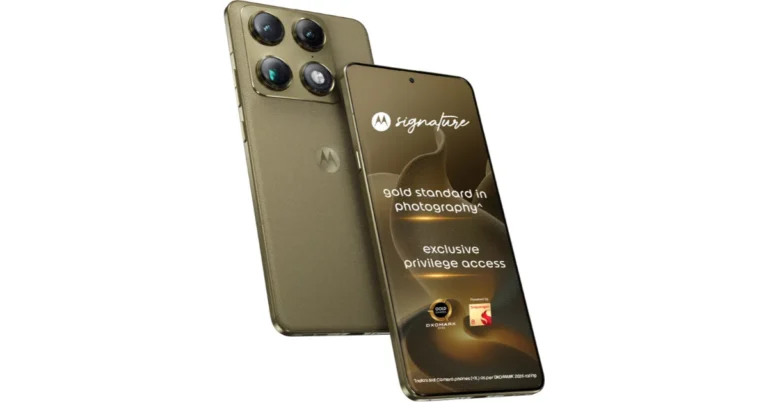
This is not the kind of growth that happens by accident. Motorola’s climb from the 9th position in Q1 2024 to the 5th in Q1 2026 was built on a deliberate and multi-layered strategy. The brand systematically expanded its portfolio across the Moto G series for the value-conscious buyer, the Motorola Edge series for the mid-premium crowd, the iconic razr lineup for the fashion-forward, and most recently, the newly introduced Motorola Signature series that adds an aspirational, lifestyle-first dimension to the brand.
What has truly differentiated Motorola is its focus on design language and partnerships that go beyond pure specs. Collaborations with PANTONE for curated colour finishes, Swarovski for premium aesthetics, Bose and Sony for audio experiences, and Corning for durability tell a brand story that is no longer just about gigabytes and megapixels. It is about how a phone makes you feel, and that is a smarter play in a market where ASPs (average selling prices) hit a record high of around 29,000 rupees in Q1 2026.
AI Is Now Motorola’s Secret Weapon
In a market increasingly defined by artificial intelligence, Motorola has built one of the more robust AI ecosystems among Android brands. The company’s software proposition is backed by partnerships with Google Gemini, Microsoft Copilot, and Perplexity, a trio that positions Motorola phones as genuinely intelligent devices rather than just AI-badged ones. For everyday users, this means more personalised, intuitive, and productivity-ready experiences right out of the box.
The company has also unveiled Motorola Qira, a connected ecosystem platform designed to bring seamless interoperability across smartphones, PCs, tablets, wearables, and personal audio devices. In an era where consumers want their devices to work together without friction, this is a notably forward-thinking move. It is the kind of ecosystem play that Apple has used to build incredible loyalty, and Motorola is betting that Indian consumers are ready for that experience without the Apple price tag.
The Razr Fold: Motorola’s Most Ambitious Hardware Yet
No conversation about Motorola’s current India momentum is complete without talking about the Motorola Razr Fold, which launched in India on May 13, 2026, starting at Rs 1,49,999. This is Motorola’s first notebook-style foldable smartphone, and it is a genuinely impressive piece of hardware. Powered by Qualcomm’s Snapdragon 8 Gen 5, it features an 8.1-inch 2K AMOLED main display, a 6.6-inch LTPO cover display with a 165Hz refresh rate, and a triple 50MP camera system that earned the DXOMARK Gold Label. The 6,000mAh silicon-carbon battery with 80W wired charging is the largest in any foldable in this class.
For those who want something extra, the limited FIFA World Cup 2026 Edition comes with a textured football-inspired design, 24K gold-plated logo, and a price tag of Rs 1,69,999. There is a reason Motorola landed the Official Smartphone Partner role for FIFA World Cup 2026. It knows how to make a statement.
A Market Bending Under Pressure, and Motorola Bending Back
The broader context matters here. The Indian smartphone market declined 4.1% year-on-year in Q1 2026, squeezed by a global AI-driven memory shortage that pushed prices higher and hammered budget-segment demand. Entry-level smartphones below $100 saw shipments crash a staggering 59% year-on-year. While most brands felt the pain acutely, Motorola, along with OPPO, was one of only two top-five brands to register year-on-year growth in shipments. That says a great deal about the strength of Motorola’s mid-to-premium positioning at exactly the right time.
Its retail and e-commerce partnerships have also played a crucial role, ensuring that products are accessible through Flipkart, Motorola’s own website, and offline retail networks. Better after-sales service infrastructure has helped too, converting first-time buyers into loyal, repeat customers.
TM Narasimhan, Managing Director of Motorola India, put it well when he said the growth reflects the strong trust consumers have placed in Motorola’s meaningful innovation and iconic design. That trust was not gifted. It was built, product by product, quarter by quarter, in one of the world’s most demanding smartphone markets.
With Motorola Qira expanding the connected ecosystem, the Razr Fold pushing into premium foldable territory, and AI partnerships that genuinely differentiate the software experience, Motorola’s India journey looks far from over. If the last two years are any indication, the top four should start looking over their shoulders.
If you have ever sat on a plane, coffee shop, or train and wondered whether the stranger beside you was reading your screen, Apple may be about to solve your problem in spectacularly dramatic fashion. Fresh leaks suggest that the upcoming M6 Pro and M6 Max MacBook Pro models will adopt the same hardware-level Privacy Display technology that Samsung debuted on the Galaxy S26 Ultra earlier this year, and it could arrive as soon as late 2026. That is a full three years ahead of what industry analysts had predicted.
What Is Privacy Display Technology and Why Does It Matter?
To understand why this is a big deal for MacBook Pro users, it helps to know what Samsung’s Privacy Display actually does on the Galaxy S26 Ultra. Rather than slapping a plastic privacy filter on top of the screen, the feature is baked directly into the panel itself at the hardware level. Samsung spent five years developing the technology, which works by controlling how light is emitted from each pixel. In normal mode, both narrow and wide pixel channels are active, allowing light to spread broadly so anyone nearby can see the screen clearly. When Privacy Mode is switched on, the display deprioritises the wide-angle pixel channels and funnels light tightly forward. The result is that the screen stays sharp and vivid for whoever is looking at it head-on, while anyone attempting to peek from the side sees little more than darkness.
The underlying mechanism involves a liquid crystal layer within the display stack that shifts its refractive index on command. Wide-angle light rays headed toward a snooper’s eyes hit internal prism structures at such steep angles that they undergo total internal reflection, bouncing back into the screen rather than escaping sideways. It is, frankly, physics doing the heavy lifting so that you can type your bank password on a flight without turning it into a spectator sport.
Three Years Ahead of Schedule
Research firm Omdia had publicly stated back in February 2026 that Apple might bring Privacy Display technology to its MacBook lineup by 2029. That is a long time to keep your spreadsheets private. However, a fresh report from leaker Schrödinger has upended that timeline entirely, claiming that privacy display panels could begin appearing on laptops very soon, specifically calling out the M6 MacBook Pro alongside certain Windows laptops.
Crucially, not every M6 MacBook will benefit from this feature. The base M6 MacBook Pro is expected to retain a mini-LED panel, meaning the Privacy Display upgrade, like the OLED screen itself, is firmly reserved for the higher-tier M6 Pro and M6 Max configurations. Apple has reportedly followed this tiered display strategy with previous product launches as well, rolling out premium panel technology to its top configurations first.
An OLED Upgrade That Goes Far Beyond Black Levels
The OLED transition itself has been one of the most anticipated MacBook upgrades in years. Samsung Display is set to be the sole supplier of OLED panels for these new MacBook Pro models, ramping up production on its 8.6th-generation production line specifically for Apple. Samsung has reportedly crossed the critical 90 per cent yield threshold for these panels, clearing the way for mass production to begin. The company is targeting approximately two million units to support Apple’s first wave of shipments for both the 14-inch and 16-inch models.
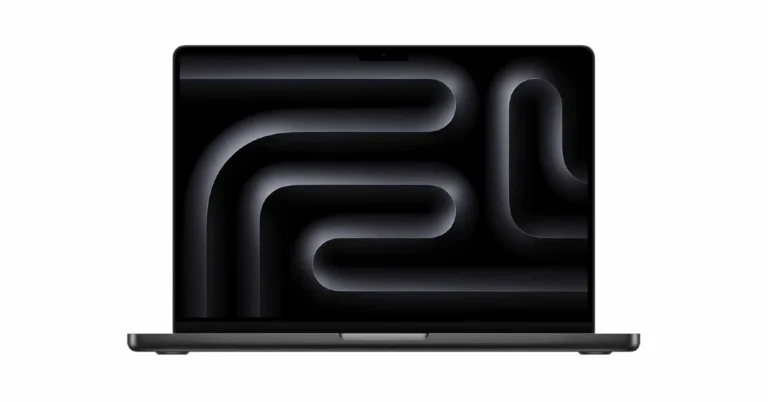
Beyond the display, the M6 Pro and M6 Max MacBook Pro are shaping up to be one of the most comprehensively redesigned Mac laptops in recent memory. Apple is expected to include a dedicated vapour chamber cooling system, replacing the single heatpipe solution that has served Apple Silicon MacBook Pros to date. A redesigned fan and blade configuration will accompany it, helping expel heat more efficiently from a chassis that is also expected to be noticeably thinner. The combination of a vapour chamber and improved fan design is especially welcome news, given how warm previous-generation MacBook Pros could get during sustained workloads.
The M6 chips themselves will be built on TSMC’s 2-nanometer process, a significant step down from the 3-nanometer fabrication used in the M5 generation, promising meaningful performance and efficiency gains. Bloomberg’s Mark Gurman has previously reported that the redesigned M6 Pro and M6 Max MacBook Pro is slated to arrive between late 2026 and early 2027, with late 2026 increasingly looking like the target window given how far along Samsung’s panel production reportedly is.
Could This MacBook Pro Actually Be Called the MacBook Ultra?
The sheer scope of the upgrades packed into the M6 Pro and M6 Max MacBook Pro has led some in the tech community to speculate that Apple might rebrand the device entirely, calling it the MacBook Ultra rather than sticking with the MacBook Pro name. It is not an entirely outlandish idea given how dramatically Apple has rethought the product. Whether Apple formally embraces that name remains an open question, but if the rumours hold, it would be a machine that earns the title.
The Privacy Display feature has genuine practical appeal beyond the obvious use case of keeping data away from opportunistic shoulder surfers. It carries real implications for professionals working on sensitive documents in open-plan offices, lawyers reviewing confidential files in public spaces, and anyone who regularly works with personal data on the move. The fact that it can reportedly be activated for the entire screen or just a specific area of it adds a layer of flexibility that pure physical privacy screen protectors simply cannot match.
If Apple’s M6 Pro and M6 Max MacBook Pro can deliver all of this, including an OLED screen, Privacy Display, vapour chamber cooling, a slimmer design, and a new 2nm chip, in a single product cycle, it would represent the kind of generational leap that makes even the most patient upgraders reach for their wallets. Whether Apple calls it a MacBook Pro or something else entirely, shoulder-surfers everywhere are about to have a very bad time.
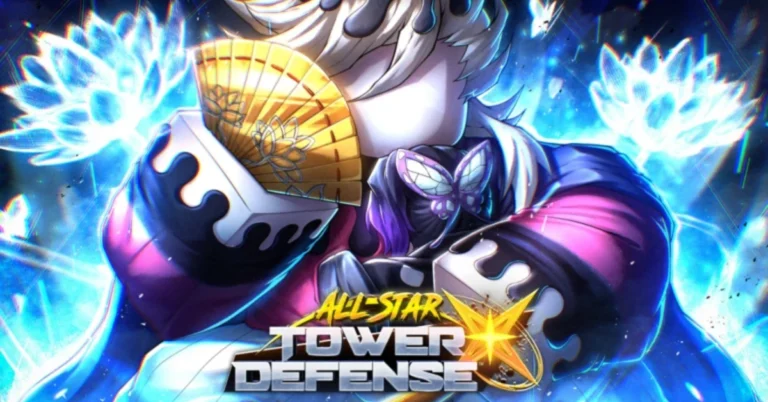
All Star Tower Defense X (ASTDX) is one of the finest old-school anime tower defence games on Roblox. You can play this game in Story Mode with your friends or take the heat on yourself in Solo Mode. In classic TD fashion, you are supposed to rear troops and rally them to your opponents’ bases. At the same time, you need to make sure your base is strong enough to survive incoming attacks. The game offers some special codes to help you in this quest. Here are all the All Star Tower Defense X (ASTDX) codes that are up for grabs in May 2026.
The next set of codes will be dropped when ASTDX reaches 600k likes on its Roblox page. Currently, it is sitting at 586k likes. While you’re here, check out the latest Kaizen codes. If you have any questions, let us know in the comments!
Speculation over Apple’s foldable phone is clearly running high, and rumours have suggested that the tech giant’s first foldable phone may be called the iPhone Fold or iPhone Ultra. The gadget is expected to arrive with the iPhone 18 Pro series in September 2026. In contrast to rival offerings from other brands, Apple’s foldable phone is likely to go for a wider and shorter book-style design in a bid to increase the amount of usable screen area.
Apple’s first foldable gadget is said to be launching soon, and we have a detailed analysis of the anticipated pricing, leaked technical specs, key specifications, and colourway rumours.
Expected Price (iPhone Fold or iPhone Ultra)
Apple’s next foldable, be it the iPhone Fold or iPhone Ultra, will be a departure from the company’s usual designs and its most ambitious move yet to a new form factor. The iPhone Fold is anticipated to be priced between $1,999 and $2,500 globally and in the USA.
Considering import duties and currency conversion, the expected base price for the 256GB model is likely to range between Rs 1,75,000 and Rs 2,00,000 for the Indian market. The premium 1TB edition might also surpass the Rs 2,20,000 mark, making it the most expensive consumer iPhone to ever be launched.
Leaked design and colour options (iPhone Fold or iPhone Ultra)
According to sources, Apple is working on employing premium structural materials in its devices to help with weight management and durability. The new design concept includes a frame using a mixture of lightweight titanium and aluminium, allowing for a combination of strength and less weight. The interior hinge mechanism will also be composed of a unique amorphous liquid metal alloy, increasing the overall longevity and utility of the device.
Based on the leaked intel, the upcoming product will come in colour variations that reflect a tasteful, subtle appearance. The Space Grey / Stealth Black option in this class has a traditional matte finish that gives it a premium dark look. The Titanium Silver variant, on the other hand, is meant to represent an industrial metallic elegance, perfectly combined with a new hinge design. There are also rumours of an exclusive signature shade, which is said to include a deep and beautiful colour, specifically designed to match the iPhone 18 Pro series.
Apple’s forthcoming foldable gadget is said to have a custom liquid metal hinge, a side-mounted Touch ID and next-gen computing power, along with a trend towards shorter, broader tablet-like displays. Firstly, it will have a functional 5.3- to 5.5-inch LTPO OLED exterior display that folds out to reveal a large 7.8-inch inner panel with a near 4:3 aspect ratio. The idea behind this arrangement is to allow for iPad-style app sidebars to improve multitasking, with less black bars when watching video.
Secondly, Apple is trying to optimise the folding mechanism using a specialised hinge between two layers of ultra-thin glass (UTG) and self-healing display technology to create a near-invisible crease and a perfectly flat fold when closed.
Thirdly, in a big shift from current iPhones that favour Face ID, Apple is rumoured to include a quick Touch ID sensor inside the power button. This also results in a more appealing gadget by removing sensor cuts and enables the device to remain an ultra-thin 4.5mm when unfolded.
In the end, the device is said to be powered by the revolutionary A20 Pro CPU built on TSMC’s superior 2nm technology. The processor promises to give a lot of efficiency to handle the large dual displays without taking a hit on battery capacity.
Do keep in mind that Apple has not publicly disclosed any information about their development strategy for a foldable device. The name and details of the gadget are yet to be confirmed. Ongoing analysis involves the manufacturing of prototypes and placing orders for components across the supply chain. An October event is anticipated, and this might result in new announcements on the gadget.
Jujutsu Kaisen has several game adaptations on Roblox, which shouldn’t surprise anyone, as it is one of the most popular anime series around. Our favourite of the bunch is Kaizen. This game executes the vibe of the game perfectly. You can explore the world, discover hidden secrets, and defeat your opponents on your path to becoming the Sorcerer. Along the way, the game offers some special codes that can be redeemed for useful items. Here are all the Kaizen codes that are up for grabs in May 2026.
The developers of this game will release the next set of codes when it crosses 200k likes on its official Roblox page. Currently, it has 172k likes. If you’re looking for more Jujutsu Kaisen-inspired games, we recommend checking out Jujutsu Infinite. While you’re here, take a look at the latest Dragon Blox codes as well. Got any questions? Let us know in the comments!
If your Tuesday brain is still recovering from a long weekend and you need NYT Strands hints and answers for puzzle 814 on May 26 2026, you have landed in exactly the right place. Today’s puzzle takes a gentle, almost poetic swerve from yesterday’s heavier Memorial Day theme and drops players onto a woodland path filled with feathers, acorns, and muddy pawprints. It is, honestly, a breath of fresh air.
What Is Today’s NYT Strands Theme?
Today’s official theme clue is “On the nature trail.” If that sounds pleasantly vague, the second hint offered by the game clarifies things brilliantly: “Similar to Geocaching.” That nudge should immediately point seasoned solvers toward the idea of outdoor exploration and searching for hidden items in natural settings. Everything on the board today is something you might genuinely spot, step on, or pick up during a morning hike.
The spangram for puzzle #814 is SCAVENGER HUNT. It is a 13-letter, two-word phrase that runs horizontally across the grid, starting with the S in the first row and snaking all the way down to the T in the final row. Once this lands, the rest of the board practically waves at you. It is one of those satisfying spangrams that does not just define the theme, it paints the entire picture. Suddenly, every blue word makes sense: you are not just finding vocabulary, you are collecting items for a woodland scavenger hunt.
All NYT Strands Answers for Puzzle #814
Here are all six theme words for today’s puzzle, every single one a genuine item you might bag on a nature trail:
FEATHER
PUDDLE
MOSS
ACORN
PAWPRINT
DAISY
Each word connects beautifully to the spangram. A feather, a rain puddle, soft moss on a log, a fallen acorn, a muddy pawprint, and a cheerful daisy. It reads less like a word puzzle and more like a nature journal entry.
How Difficult Is Today’s Strands Puzzle?
On the difficulty scale, puzzle #814 sits firmly in the accessible zone. The theme is transparent, the vocabulary is universally recognisable, and the spangram practically introduces itself once you start scanning the edges of the grid. Several players across social platforms have reported solving today’s puzzle without reaching for a single hint, which puts it among the gentler entries in recent weeks. Yesterday’s Memorial Day grid carried more weight, both thematically and in terms of challenge. Today is a palate cleanser.
For newer players, the standard strategy remains useful here: start by identifying the spangram, as it anchors the whole board. From there, shorter words like MOSS and ACORN tend to hide near corners or along outer edges. PAWPRINT is longer and may twist through the grid in an unexpected shape, so trace it carefully. Non-theme words you can use to earn in-game hints include CAVE, RAVE, HEAD, HAVE, CORN, DANG, RANG, SANG, and SLED.
Recent NYT Strands Answers: A Quick Recap
If you missed a few puzzles over the long weekend, here is a fast catch-up:
Monday, May 25 (puzzle #813): MEMORIALDAY was the spangram, with theme words HONOR, SERVICE, VIRTUE, PROTECTION, and SACRIFICE.
Sunday, May 24: TRYTOUNWIND was the spangram, featuring ROLL, SPIN, POOL, BINS, LEER, CHEER, BEER, BEERS, and TOIL.
Saturday, May 23: SURVIVALIST hid SHOVEL, TARP, MACHETE, HATCHET, PARACORD, and FLINT.
Friday, May 22: ITSBIG contained BOUNDLESS, EPIC, VAST, IMMENSE, WHOPPING, and ASTRONOMIC.
Thursday, May 21: FABRICS rounded up DENIM, SILK, VELVET, COTTON, FLEECE, WOOL, SATIN, and LINEN.
How to Play NYT Strands If You Are New
Strands is a free daily word game from The New York Times. Players are presented with a 6×8 grid of letters and must find all hidden theme words, plus the special spangram that ties the theme together. Unlike a traditional word search, letters can connect up, down, left, right, or diagonally, and words can change direction mid-path, producing some genuinely wild shapes. Every single letter in the grid must be used as part of an answer. No letter is wasted.
If you get stuck, you can earn in-game hints by finding non-theme words of four or more letters within the grid. Every three such words light up a hint icon. Use it and the game highlights which letters form the next answer. A second hint walks you through letter by letter. Just note that each hint you use shows up in your final score, so spend them wisely.
Like Wordle and Connections, Strands resets at midnight each night, giving players a fresh puzzle every single day.
Final Thoughts
There is something quietly delightful about a Tuesday puzzle that asks you to collect a feather, spot a pawprint, and admire a daisy in a 6×8 grid. After the solemnity of Monday’s Memorial Day theme, today’s nature trail feels like the NYT puzzle team handed you a wildflower and said, go on, enjoy yourself. Whether you needed zero hints or three, puzzle #814 was a good one.
Amazon’s daily quiz for May 26 is now live. You have a chance to win up to Rs 500 Amazon Pay Balance if you successfully answer every question. Users of the Amazon app only have the opportunity to take the quiz.
The Amazon daily quiz goes live every day at midnight and runs till 11:59 PM on the company’s mobile platform. By successfully answering every question, participants in the quiz have the chance to win wonderful rewards. One wrong answer could eliminate you from the quiz. Up to Rs 500 Amazon Pay Balance is up for grabs for participants today. Check Out the 26 May 2026 Quiz.
Apart from this, Amazon also runs a weekly quiz called FunZone Trivia, where you can win Rs 5,000 Amazon Pay Balance by answering all 4 questions correctly.
Question 1: Who won the Oscar for Best Actor in 2026?
Answer: Michael B. Jordan
Question 2: What is the name of the viral duet by Lady Gaga and Bruno Mars that topped global music charts?
Answer: Die with a smile
Question 3: How many Batman movies did Tim Burton direct?
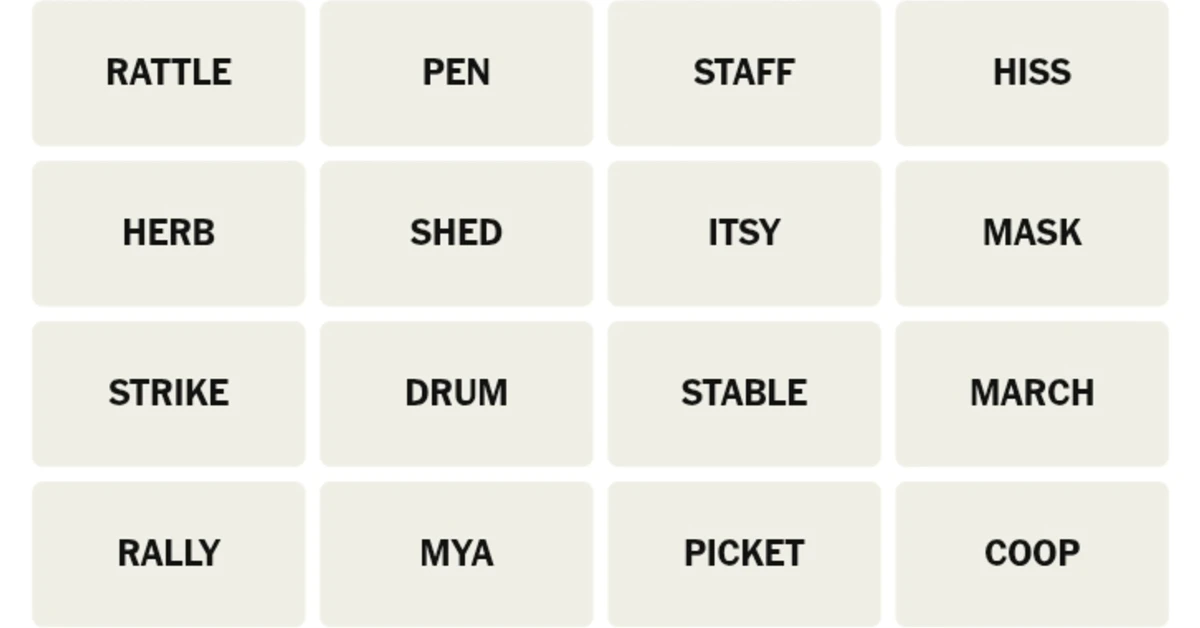
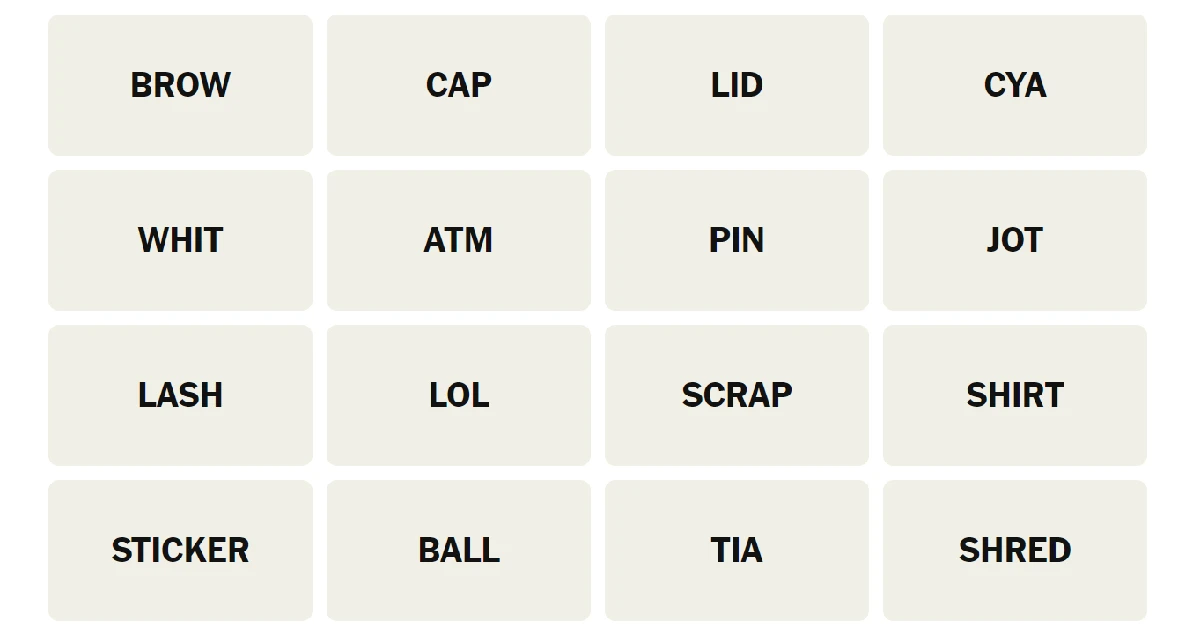
Today’s Connections puzzle is one of the easiest we’ve seen this month. For starters, it doesn’t delve into super niche topics. You can find easy breakthroughs without exerting yourself. However, if you’re struggling with the puzzle, we’re here to help you out. We’ll give you some general hints at first to help you solve the puzzle on your own. Then, we’ll reveal one word from each category. This will be followed by the list of themes and the answers. So, without further ado, here are all the hints, clues, and answers to today’s NYT Connections (#1,080, May 26, 2026).
After Wordle, Connections is the New York Times’ most popular word game. The rules are simple. You need to find words with a common theme and group them into 4 groups of 4. The 16-word grid is designed with an increasing level of difficulty. The Yellow group is the easiest to spot, followed by Green, Blue, and Purple. The misdirects and red herrings can trip you up, but they also make the puzzle more fun. You can play Connections in the NYT Games app or on the NYT website.
Some tips to solve Connections
Look for the obvious patterns: Not every category in the puzzle is confusing. The Yellow and Green category words are relatively easy to spot. However, if something seems too obvious, it could be a red herring. Typically, the first two categories comprise verbs and adjectives. The misdirects are often nouns.
Double-check your submissions: ‘Do not overthink’ is usually a good tip for solving most puzzles, but it doesn’t really apply to Connections. Before submitting a set of words, you should always check whether they fit somewhere else too.
Hit a dead end? Use the shuffle button: The shuffle button at the bottom of the grid exists for a reason. Placing the words in different positions can spark new connections. Think of it as a mental refresh. New patterns will emerge, and you may be able to find a breakthrough.
Tackle the Purple category with extra caution: The Connections team is known to serve up the toughest and most unexpected words for the Purple category. Here are some of the common tropes that you should look out for:
Homophones (For example: ‘Where’, ‘Wear’, ‘Ware’, and ‘Weir’)
Words within words (For example: ‘Slip’, ‘Hear’, ‘Keyes’, and ‘Undiagnosed’ could be ‘Words containing parts of the face’)
Words minus a letter (For example: ‘Anther’, ‘Easel’, ‘Hark’, and ‘Lama’ could be ‘Animals minus starting letter’)
Words preceded or followed by another word (For example: ‘Face’, ‘Sports’, ‘Note’, and ‘Year’ could be ‘____ Book’)
Pennant may have tripped some folks up, as it is typically associated with flags. In MLB, ‘winning the pennant’ is used in reference to winning the league.
🟢Green Group: Concern, Focus, Point, Subject. (Matter At Hand)
This was a simple and straightforward category. All of these words describe a topic, person, situation, or entity that’s the focus of your attention.
This one required some lateral thinking. The connection became obvious when there were fewer words left in the grid. For those who are still unaware, all of the words in this category contain the same set of letters, making them anagrams of each other.
Answers to yesterday’s puzzle (#1,079, May 25, 2026)
NYT’s early testers rated today’s Connection puzzle 1.8 out of 5. This puts it in the easy difficulty level. Let us know how you fared in the comments!
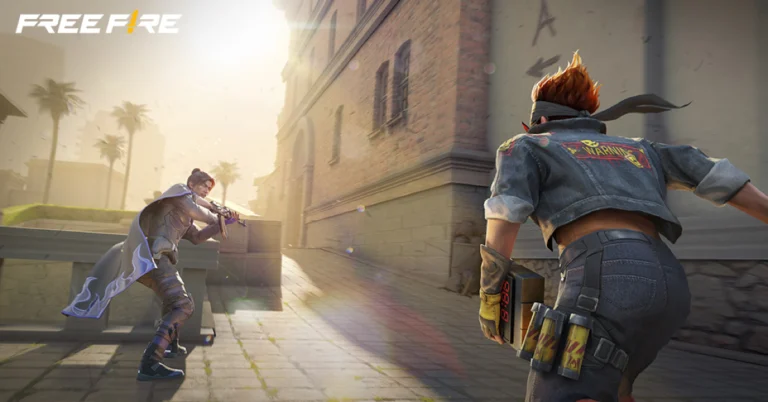
Garena Free Fire (GFF) Max is a very popular battle royale game that routinely holds awards and tournaments to engage its users. Players should stay updated with the daily redeem codes released for the game, as they can enhance their gaming experience. Thorough step-by-step instructions assist beginners in redeeming these codes. Under the Garena Free Fire Max Redeem Codes section, you can find specific redeem codes valid for May 26, 2026, which will allow users to get the most out of the rewards provided.
Codes have significance for getting items for free in the game. Each code is a unique combination of 12 characters (letters and numerals) with particular expiry dates and times. All Garena FF Max redeem codes may be used only once. Therefore, users must act quickly when redeeming their codes. Players need to visit the official redemption site at reward.ff.garena.com/en to redeem their rewards.
Follow Gadget Bridge for daily updates on GFF Max redemption codes and rewards.
The current pool of codes to give away is focused on the trendy Eclipse Rise celestial narrative rewards with specific equipment setups for the new tracking character, Ray. Players may utilise high-demand keys like BR43FMAPYEZZ and UPQ7X5NMJ64V to give free-to-play players a chance to skip the rigorous tier-grinding normally necessary to achieve level 80 of the premium “Chisel Dream” Booyah Pass. By successfully activating these codes, you may have straight access to valuable items such as durable Gloo Wall skins, personalised weapon wraps, and smooth Undersea Splatter arrival animations without having to pay any diamonds.
It’s normal to have issues at the redemption portal with real-time limits in Garena’s code infrastructure. Major concerns include
Redemption Limits: Developers restrict the quantity of high-value cosmetic coupons, so when the limit is reached, it says “Expired”.
Profile Binds: To complete transactions successfully, player IDs must be bound to external partners such as Google or Facebook. Guest accounts will be prohibited if not linked.
Server lockout codes are region-specific; thus, if you use the voucher from one region in another region, it won’t work.
First, open the website in a secure tab on your mobile browser.
Next, connect to your social platform account (Google, Facebook, Apple ID, X, VK, or Huawei ID), since guest accounts are ineligible for item redemption.
After you’ve verified your identification, copy the alphanumeric code provided, enter it into the prompt box, and click Confirm.
When the transaction is complete, you will get a pop-up message.
Finally, launch the Free Fire MAX app and check your internal game inbox within 24 hours to equip your premium gear obtained via this process.
The New York Times released Wordle #1802 in the final week of May with a distinctive split-vowel pattern that’s a big departure from the previous challenge, VISIT. It is a good puzzle since it contains a term that is commonly known and related to everyday life, appealing to a wide audience. But the Wordle answer today, May 26 2026 orthographic structure may hinder long-term winning techniques if handled with a careless and unstrategic attitude. Players may have to change their methods to successfully negotiate the challenges of this new layout.
Morning word puzzles usually start with vowel-rich words like AUDIO, ADIEU, or RAISE. The current challenge has a setup that may confuse more casual solvers. The primary challenge is in the last consonant grouping, which is more important for solving than the scarcity of letters. This puzzle combines a recognisable vowel cluster with a complicated phonetic blend. Conventional elimination approaches may be ineffectual, emphasising the necessity for strategic planning. To successfully secure the answer, dedicated players should create sacrificial lines by the third row of the puzzle.
To secure your valuable statistics ahead of the midweek rush, this detailed analysis examines the unique positioning issues inherent in the current layout. This vital guide will help you successfully navigate this Tuesday morning challenge, including everything from historical linguistic subtleties to concentrated cluster eradication tactics.
Is today’s Wordle #1802 difficult?
Structural repetition and rhyming overlap are the main tactical pitfalls of Wordle Puzzle #1802, which are more significant challenges than vocabulary obscurity. The letter ‘C’ appears in the beginning and the end of the five-letter word in the situation, i.e., the first and the fourth places. Many casual gamers see a green or yellow ‘C’ early on and think that “C” is now “accounted for”. This misperception might lead them to miss the fact that the same consonant is being used twice in the same word frame. This makes the process of solving the puzzle more difficult.
Morning analytics reveal an average solve count of around 4.2 out of 6 tries, a significant improvement in performance that may be linked to the “-OUCH” rhyming trap. In this situation, players are put into a guessing loop where they must pick between terms such as POUCH, TOUCH, VOUCH and MOUCH after they have finalised the last three letters. But players must be careful while choosing their guesses, since the incorrect application of rows might end their streak immediately. To keep your success rate high, it is recommended to use row 3 for a high-utility blend word, such as VAMPIRIC or PROVE, which allows players to try several initial consonants at once.
Hints and Answers for Today’s Wordle May 26, 2026
Wordle Hints 1 Vowel Configuration: 2 vowels, O and U, occupy the second and third positions.
Wordle Hints 2 Consonant Clusters: CO- and -CH
Wordle Hints 3 Repeat Letters: Yes, C is repeated and occupies both the first and fourth positions.
Wordle Hints 4 Starting Letter: C
Wordle Hints 5 Ending Letter: H
Wordle Hints 6 Meaning: The word is both a noun and a verb, which means a long, comfortable piece of upholstered furniture designed for sitting or lying down and can also be used to express a thought, idea, etc. in the way mentioned.
Today’s Wordle Answer #1802
Today’s Wordle Answer is COUCH
The Etymology of COUCH
The term COUCH comes from the Old French noun “couche”, which is derived from the verb “couchier”, meaning “to lie down”. It originates from the Latin word ‘collocare’, meaning to place together or ‘arranging’. The word “couch” was originally a bed or resting structure, but its meaning has moved on to include current uses linked to living rooms and seats. The phonetic composition of the term is notable in that it has a soft-vowel pair surrounded by a hard, repeated consonant, which is an unusual aspect of its linguistic composition.
Today’s Wordle delves into the cognitive psychology notion of ‘letter exhaustion’, which serves as a mental filter that influences our information processing, particularly during letter-recognition tasks. Identifying a consonant inadvertently draws our attention to adjacent unlit tiles, leading to inefficiency when re-testing previously confirmed letters. To overcome this effect, slowing down inputs and focusing on structural patterns may improve performance. This technique is intended to assist people in sustaining performance levels above the global average, revealing a viable strategy for boosting cognitive efficiency in letter recognition.
To improve the problem-solving process, avoid consonant cycling when the initial guesses suggest the existence of ‘O ‘ and ‘U’, explicitly excluding ‘E’ and ‘A’. Emphasising words that address the exterior structural framework may considerably improve efficiency. To successfully investigate trailing digraph orientations, consider using strategic phrases such as CHIPS, POUND, or CLOTH. Establishing an initial boundary line helps to cut down rhyming options, allowing for a more certain approach to finding the answer.
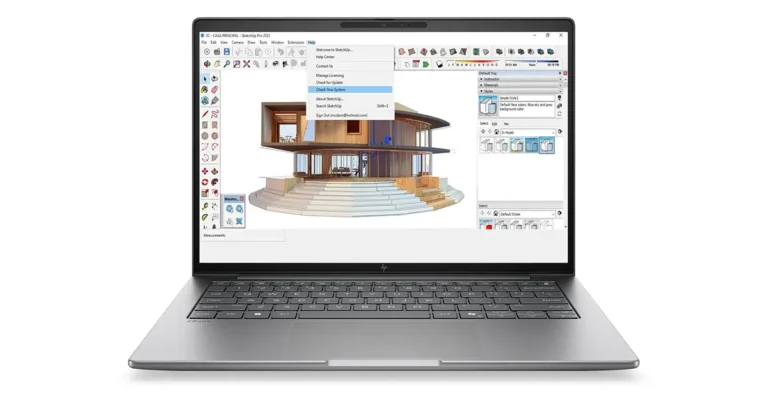
If you have ever stared at your laptop screen mid-render, silently pleading for it to hold on just a little longer, HP has heard your prayers and, apparently, your entire IT budget too. The HP ZBook 8 G2a 14-inch is now available to order globally, marking the company’s latest push to deliver proper workstation performance inside a package you can actually carry through an airport without requiring a sherpa.
The HP ZBook 8 G2a 14-inch mobile workstation with AMD Ryzen AI Pro processor builds on the solid foundation of its predecessor, the ZBook 8 G1, and brings meaningful upgrades across performance, memory, storage, and display. AMD-powered configurations are now listed across multiple markets, though availability and the number of configuration options vary considerably by region.
What Are the HP ZBook 8 G2a 14-inch Specs?
At the heart of the ZBook 8 G2a 14-inch is AMD’s latest Ryzen AI Pro 400-series lineup. In the United States, buyers can choose from the Ryzen AI 5 Pro 440, the Ryzen AI 7 Pro 450, and the top-spec Ryzen AI 9 HX Pro 470, the latter featuring a 55 TOPS neural processing unit that qualifies it as a Copilot+ PC. This NPU allows AI workloads, including features like Auto Frame, background blur, and virtual backgrounds, to run locally on the device rather than sending tasks to the cloud.
Memory options run up to 64GB of DDR5-5600 RAM, and storage scales all the way to 2TB via a PCIe 5.0 NVMe SSD in the M.2 2280 form factor. That combination of cutting-edge RAM speed and next-generation PCIe storage means this machine is genuinely built for professionals handling large datasets, complex simulations, or multi-track video timelines.
Display Choices: From Practical to Premium
The display lineup is where things get interesting. The entry configuration ships with a 1200p IPS panel running at 60Hz with 300 nits of peak brightness, which is workmanlike but nothing to write home about. Step up and you have access to a 1600p panel with a 120Hz variable refresh rate for an additional $233, bringing noticeably smoother visuals to everything from CAD software to creative editing timelines.
For users who need exceptional outdoor visibility or work in colour-critical environments, HP also offers an 800-nit display option, though this variant drops back to 1200p resolution and sticks with the 60Hz refresh rate. The company’s HP DreamColor display technology, available on select configurations, delivers 100% DCI-P3 colour coverage, making it a genuine tool for professional colour work rather than just a glossy marketing badge.
Image Courtesy: HP
How Much Does the HP ZBook 8 G2a 14-Inch Cost?
Here is where even the most enthusiastic professionals may need to sit down. In the US, the laptop starts at $2,796 with the Ryzen AI 5 Pro, 16GB of RAM, a 512GB SSD, and the base 1200p display. That is the entry ticket. Fully loading the system with the Ryzen AI 9 HX Pro 470, 64GB of RAM, 2TB of storage, and one of the premium displays will push the price to $7,800 or beyond $8,000, depending on the screen selected.
In the UK, the ZBook 8 G2a 14-inch is currently listed at £2,342.40, though with no further configuration choices available at launch. Germany has two SKUs on the books at €2,847 and €4,077, both of which were listed as out of stock at the time of writing. HP expects to begin shipping units in June 2026.
Built Tough, Packed With Smart Features
Beyond raw specifications, the ZBook 8 G2a has been designed with professional use in mind at every turn. The chassis passes 21 MIL-STD 810H durability tests, meaning it has been put through everything from extreme temperatures to vibration and pressure stress before it ever reaches a desk. For professionals working in the field, that kind of certification actually matters.
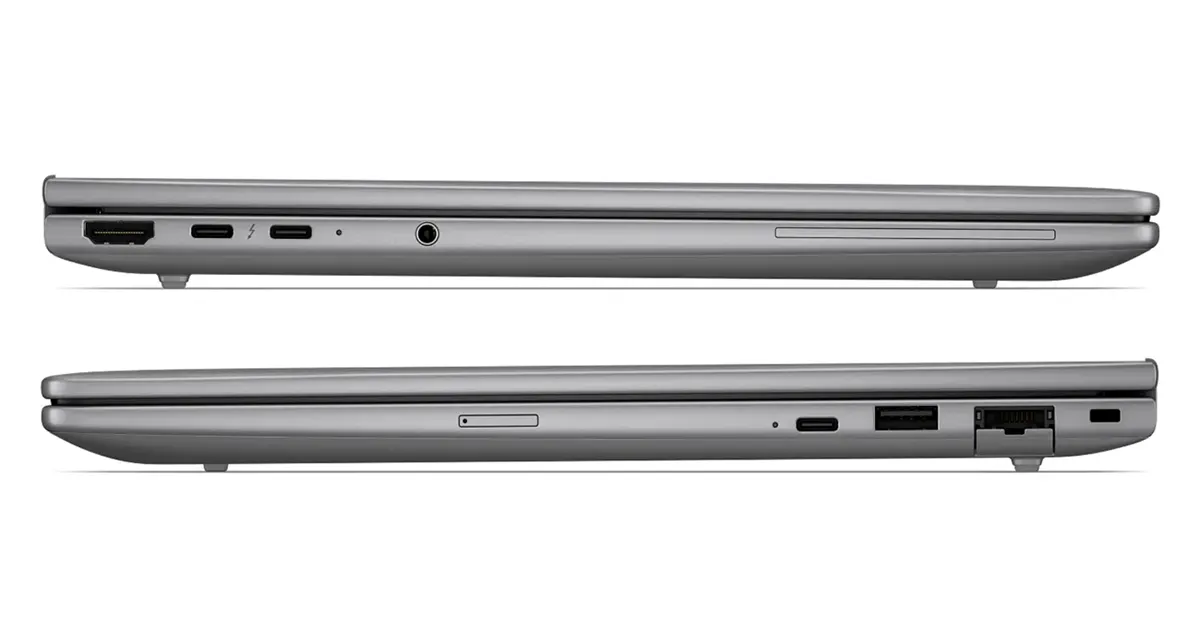
Connectivity is thorough across all configurations. Every model ships with an RJ-45 Ethernet port, which remains a thoughtful touch for anyone who has tried to run a large file transfer over shaky conference Wi-Fi. Wi-Fi 7 is also on board for the fastest wireless performance available, and HP has added optional 5G connectivity for markets and configurations where it is available.
Fast charging support means the battery can reach 50% in just 30 minutes, and HP claims up to 18 hours of battery life, though real-world performance will depend heavily on the workload and configuration. The 5MP infrared webcam handles Windows Hello facial recognition and delivers above-average video quality for remote meetings.
Security is handled by HP Wolf Security, which provides hardware-enforced, always-on protection built specifically for enterprise and workstation environments. HP’s Workforce Experience Platform offers IT teams AI-powered device management and workflow automation tools on top.
ISV certifications for professional applications, including AutoCAD, SolidWorks, Revit, ANSYS, and MATLAB, confirm that this machine is aimed squarely at engineers, architects, data scientists, and creative professionals who need reliable, certified performance from their software stack. It is not a laptop you buy to watch YouTube in better quality. It is one you buy because your projects demand that it not fail you halfway through a render at 11 pm.
The ZBook 8 G2a is also ENERGY STAR certified and holds an EPEAT Gold registration, so buyers who need to justify their purchases to sustainability-conscious organisations have something to point to.
What We Think
The HP ZBook 8 G2a 14-inch is clearly a machine built for a specific audience, and it serves that audience with a thoughtful combination of AMD’s latest AI-capable processors, flexible display options, and proper workstation credentials. The pricing, particularly at the top end, is steep enough to make most people wince. But for the professional who has ever lost an afternoon of work to an underpowered machine, spending more upfront on something that simply gets out of the way starts to look like a rational choice.
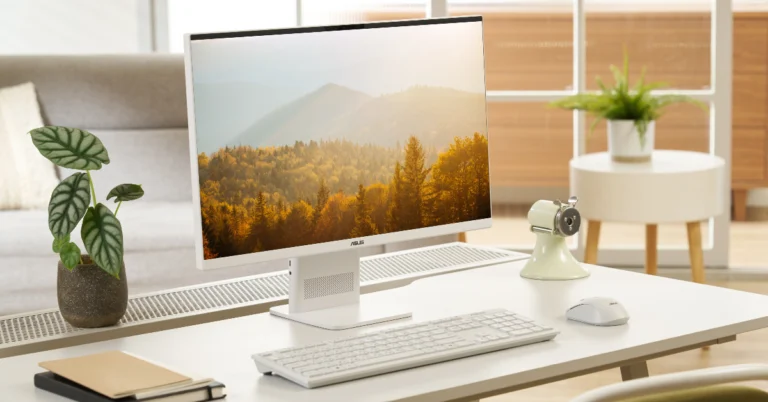
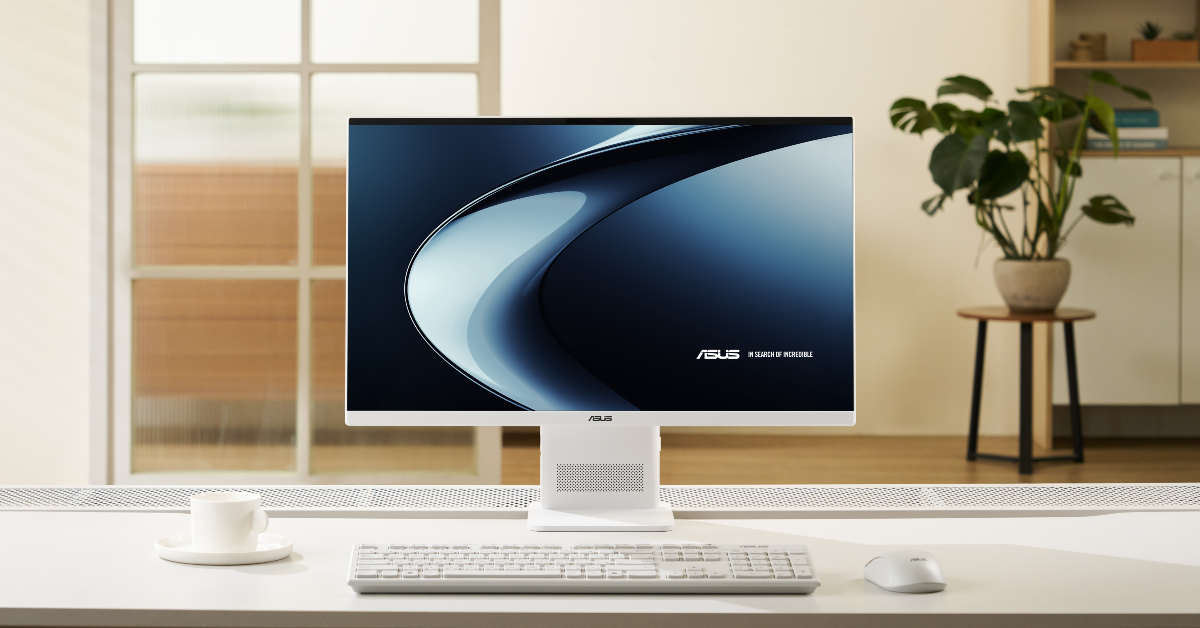
ASUS has unveiled the VM441 AiO, the first all-in-one PC powered by Qualcomm’s Snapdragon X processor that enables AI-first computing in homes and hybrid workplaces, among other situations of use. The gadget has a trendy 24-inch design that not only highlights smart performance but also increases immersive entertainment experiences. The VM441 is designed to be neat and space-saving, making it suitable for smooth work and learning interactions.
Price in India, Availability
The ASUS VM441QA AiO is available in two variants priced at Rs 1,01,990 for the 512GB model and at Rs 1,11,990 for the 1TB model. The device will be available offline via the ASUS Exclusive Stores, Croma, ROG Stores, and authorised ASUS retail partners, as well as online via the ASUS E-Shop, Amazon, and Flipkart. Financing options include ASUS Easy Financing solutions with no-cost EMI plans beginning at Rs 5,666 per month for up to 12 months, along with cashback of up to Rs 2,500 on EMI on selected bank cards, subject to terms and conditions. The general availability includes a wide range of platforms and retailers, making it easy for customers to get their hands on.
Specifications, Features
The ASUS VM441QA AiO has a sleek, minimalist style, so it will fit right in at a modern house and a compact studio setting.
The ASUS VM441 AiO is an all-in-one PC, offering versatility with a 24-inch Full HD touchscreen that tilts for ergonomic operation, supported by a slender 22mm stand. The screen has 178-degree viewing angles, 100% sRGB colours, and 300 nits of brightness, which is great for professional work or casual entertainment.
The gadget is powered by a Qualcomm Snapdragon X CPU with up to 45 TOPS NPU AI performance, improving multitasking and enabling AI-assisted workflows for a seamless user experience. This design is highly tailored as a Copilot+ PC, which greatly improves work, communication, and entertainment experiences for users.
The setup process is simple; the focus is on simplicity. The configuration is streamlined so the users can get started immediately. To store everything, the device has the option of a 512GB or 1TB PCIe 4.0 SSD, depending on customer requirements.
For audio, ASUS VM441 is equipped with dual 3W front-facing stereo speakers with Dolby Atmos and noise-cancelling technology, providing immersive sound quality and clear communication for video calls.
To keep users safe, the all-in-one PC also has a 5MP IR camera that supports Windows Hello facial recognition and ASUS AI camera upgrades to ensure video quality in different lighting settings.
The VM441 is also included with a wireless keyboard and mouse, a subscription to Microsoft Office Home 2024, and Microsoft 365 Basic, which provides 100GB of OneDrive cloud storage.
Pope Leo XIV has done something no pontiff has ever done before: made artificial intelligence the centrepiece of his very first encyclical. Released on May 25, 2026, and titled “Magnifica Humanitas” (“Magnificent Humanity”), the landmark 235-page document is Pope Leo’s formal declaration that the moral crisis of our era is not just about war, poverty, or climate change. It is also about who gets to control the machines shaping our world. For anyone wondering whether Pope Leo XIV’s AI encyclical matters to people outside the Catholic Church, the short answer is: yes, very much.
Why a Pope Is Talking About ChatGPT (And You Should Listen)
Pope Leo XIV is not your typical theologian staring nervously at a laptop. The 70-year-old American-born mathematician was elected to the papacy in May 2025, and from day one he signalled that AI would be a defining issue of his pontificate. He even chose his papal name as a deliberate echo of Pope Leo XIII, who in 1891 wrote “Rerum Novarum,” the famous encyclical that addressed the devastating impact of the Industrial Revolution on workers. Pope Leo XIV signed Magnifica Humanitas on May 15, 2026, precisely the 135th anniversary of that historic document. The symbolism is hard to miss.
What makes this encyclical particularly striking is how it was presented. Breaking with centuries of Vatican tradition, Pope Leo unveiled the document alongside Chris Olah, co-founder of Anthropic, one of the world’s leading AI companies. A theologian from the University of Durham in England, Anna Rowlands, also joined the launch. “The time to talk about AI is now. It is urgent,” Rowlands said at the event.
What “Magnifica Humanitas” Actually Says
The encyclical is divided into five chapters and spans 245 paragraphs, covering ground from Catholic social doctrine to the ethics of algorithmic warfare. But a few core ideas stand out with particular clarity.
The document’s most memorable phrase is the Pope’s call to “disarm AI.” This is not simply a warning against autonomous weapons systems, though it certainly includes that. The Pope argues that disarming AI means dismantling the assumption that whoever builds the most powerful technology automatically has the right to govern it. “To disarm does not mean rejecting technology, but preventing it from dominating humanity,” he writes. It means breaking the monopolistic grip that a handful of corporations currently hold over artificial intelligence and returning that power to “the plurality of human cultures and ways of life.”
Pope Leo takes direct aim at the concentration of digital power, warning that AI must not be “concentrated in the hands of only a few people,” as that would only widen the gap between those included in and those excluded from the technological revolution. He insists that technology is never morally neutral, because it carries the values of those who design it, fund it, regulate it, and use it.
On the subject of ethics, the Pope makes a pointed argument that has already attracted considerable attention. “A more moral AI is not enough if that morality is determined by a few,” he writes. In other words, it is not sufficient for OpenAI or Anthropic or any other company to develop its own internal ethical framework for AI. The ethics of this technology must be subject to open, democratic deliberation across all societies.
AI, Work, and the People Left Behind
One of the encyclical’s most practically urgent sections concerns the future of work. Pope Leo draws a direct parallel between AI and the Industrial Revolution, noting that just as mechanisation displaced millions of workers in the nineteenth century, AI is poised to do the same in the twenty-first. The document calls for the dignity of work to be protected, for inequality to be actively reduced, and for financial systems to focus on the creation and evolution of meaningful employment rather than pure profit metrics.
The Pope also pushes back against the ideologies of transhumanism, which holds that technology can help humans overcome physical and biological limitations like ageing, and posthumanism, which blurs the boundaries between human beings and machines. Both, he argues, risk eroding the “unique dignity” of the human person.
On military applications of AI, the encyclical draws a firm line. The use of artificial intelligence in warfare, it states, must be subject to the most rigorous ethical constraints, to guarantee respect for human dignity and the sanctity of life, and to avoid an arms race in autonomous weapons. This echoes a warning Pope Leo issued just days earlier when he addressed students at Rome’s La Sapienza University, signalling that this was always going to be central to the document.
What It Means for Everyday Users of AI
Magnifica Humanitas does not just address governments and tech executives. It also speaks directly to ordinary people about how they engage with AI tools in daily life. The speed and convenience of AI can be genuinely appealing, the Pope acknowledges. But that same convenience can erode personal creativity, weaken critical judgment, and encourage over-reliance on ready-made answers.
He raises a concern that many psychologists and researchers have also highlighted: that AI systems designed to mimic human warmth and communication can create the illusion of a genuine relationship, particularly for people who are isolated or lonely. “The danger is not so much that a person may believe they are communicating with another person, but rather that they may gradually lose the very desire to form genuine human connections,” he writes. That is a sentence worth reading twice.
A Document for Everyone, Not Just Catholics
Magnifica Humanitas is addressed not just to the Catholic Church but, in the spirit of recent papal social encyclicals, to all people of goodwill. It is broad in scope, grounded in decades of Catholic social teaching running from Rerum Novarum through Laudato Si, and calibrated to serve as a reference text for policymakers, technologists, educators, and citizens navigating the AI era. Theologians have already noted its likely influence on international policy discussions.
The encyclical frames AI as humanity’s pivotal fork-in-the-road moment: “Either to construct a new Tower of Babel or to build the city in which God and humanity dwell together.”
If watching Dragon Ball Z on TV is how you spent most of your childhood evenings, we’ve got the perfect Roblox game for you. Dragon Blox perfectly recreates the action of the series, ensuring that there’s never a dull moment in the gameplay. It puts you on a journey to become a Super Saiyan and makes you defeat your enemies to reach the next level. To get the edge in tougher battles, you can use some special codes that unlock useful items. Here are all the Dragon Blox codes that are up for grabs in May 2026.
Joining the official G RBLX games community on Roblox gets you free stat boosts in this game. If you’re looking for a different spin on Dragon Ball Z from another developer, check out Dragon Ball Rage on Roblox. If you’re a Pokémon fan, you need to give Pokémon Bronze Forever a shot. Got any questions? Let us know in the comments!
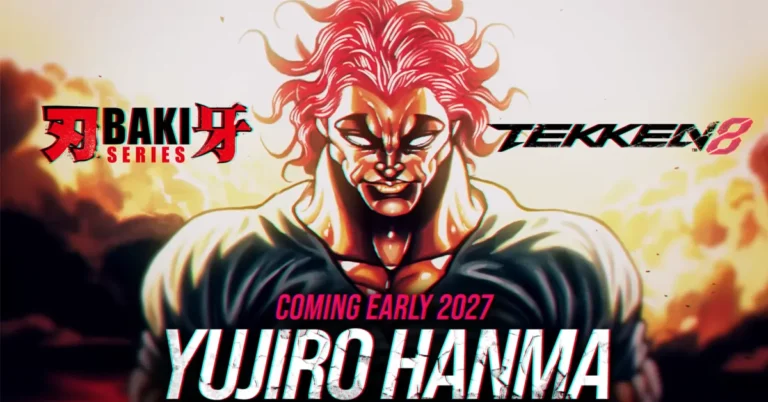
If you thought Tekken 8’s roster couldn’t get any more unhinged, think again. Bandai Namco Entertainment has officially announced Yujiro Hanma, the notorious “Strongest Creature on Earth” from Keisuke Itagaki’s legendary martial arts manga series Baki, as the fourth and final playable character for Tekken 8 Season 3. The bombshell was dropped at Combo Breaker 2026 before the top 8 finals, sending the fighting game community into a collective spiral of disbelief and absolute joy. Yujiro Hanma Tekken 8 Season 3 DLC is already one of the most-searched fighting game announcements of the year.
Who Is Yujiro Hanma?
For the uninitiated, Yujiro Hanma is not just another anime guest character. He is the central antagonist of the entire Baki franchise, a man so absurdly powerful that his own son, the series’ protagonist Baki Hanma, has spent decades of story arcs simply trying to one day be good enough to stand a chance against him. Yujiro is the peak predator of the Baki universe, possessing monstrous physical strength, mastery of virtually every martial art known to man, and a frightening “Demon Back” transformation that makes his musculature reshape into the face of a demon mid-fight. He is known for his brutal, utterly emotionless approach to combat, and he has never truly lost a fight in the entire series.
The Baki franchise, which first launched in September 1991, is celebrating its 35th anniversary in September 2026 and is currently active with ongoing anime adaptations. Dropping Yujiro into Tekken during this milestone year is a shrewd crossover move that rewards long-time fans of both franchises.
How the Announcement Went Down
Bandai Namco had been teasing a mystery fourth character for Tekken 8 Season 3 since the season was first revealed at the Tekken World Tour Finals 2025 in Malmö, Sweden. The company confirmed that three returning fan favourites, Kunimitsu, Bob, and Roger Jr., would join the roster across spring, summer, and autumn 2026, respectively. The fourth slot, slated for a winter window, remained a closely guarded secret until Combo Breaker 2026 delivered the reveal the internet was not ready for.
A teaser trailer for Yujiro Hanma has also been released, though it currently reveals very little about how he will actually play. Bandai Namco has confirmed that no gameplay details, move sets, or mechanics will be shared until later this year.
Fitting Right In With Tekken’s Family of Disasters
There is a poetic symmetry to Yujiro joining the Tekken 8 roster that fans have not missed. Tekken’s central narrative has always revolved around a toxic, violent father-son relationship, with Heihachi and Kazuya Mishima serving as the franchise’s defining broken family. Yujiro, a man who literally exists to be the unbeatable father figure his son can never surpass, slots into this theme perfectly. He is, in the most literal sense, Tekken’s kind of guy.
Tekken 8 is built around the aggressive new Heat system, which rewards relentless offensive pressure, and given Yujiro’s reputation for never defending and always overwhelming opponents, his playstyle in-game is something the community is desperately curious about. Balancing a character who, in the source material, is essentially unkillable will be one of the more interesting design challenges Bandai Namco’s team has faced.
When Is Yujiro Hanma Coming to Tekken 8?
Yujiro Hanma is scheduled to join the Tekken 8 roster in early 2027. Players who have purchased the Season 3 Pass will receive 120 hours of early access before the character becomes available to all players. The Season 3 Pass, available since February 10, 2026, covers all four characters, a new stage, and the Aurora Outfit Pack. Tekken 8 is currently available on PlayStation 5, Xbox Series X/S, and PC via Steam.
Yujiro Hanma in Tekken 8 is the crossover that genuinely nobody predicted and arguably everybody needed. Two franchises built entirely around men punching each other to extremes, now sharing the same screen. Bandai Namco has made a habit of landing guest characters that generate buzz, but this one might be the most audacious swing yet. Early 2027 cannot come soon enough.
If you’re looking for a durable smartwatch for everyday use, you don’t need to break the bank on a flagship product from Apple or Samsung. You can get reliable daily drivers with essential health and fitness functions without breaching the Rs 10,000 price limit. These smartwatches may not have Android or iOS skins running on them, but they offer a clean UI and a good set of features. So, without further ado, here are the best smartwatches you can buy under Rs 10,000 in 2026.
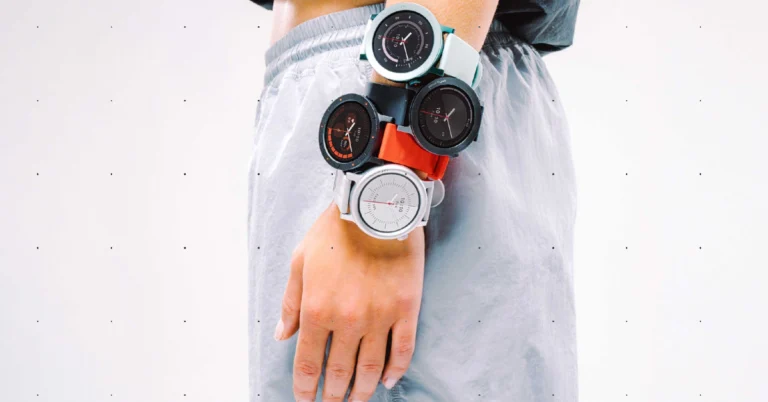
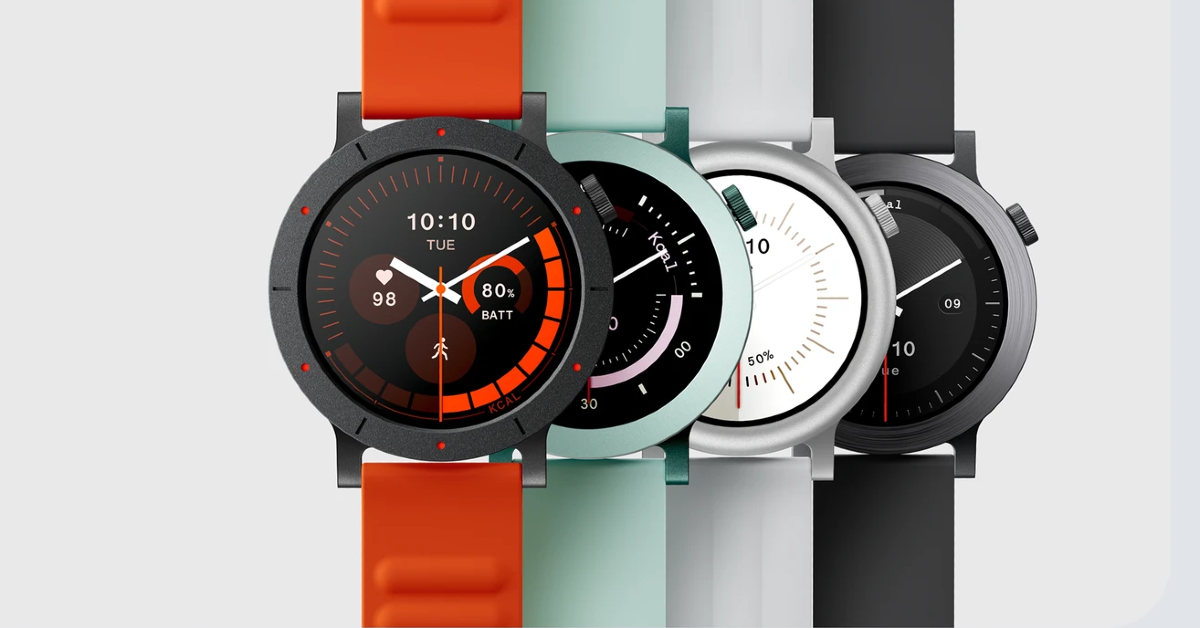
CMF’s newest smartwatch gathers all the right specs under its hood without carrying a hefty price tag. Its 1.43-inch AMOLED display has a 60Hz refresh rate and can reach a peak brightness of 670 nits, maintaining perfect lucidity in bright outdoor conditions. The Nothing X companion app for this watch gives you access to over 120 dynamic and static watch faces with customisation options. The metal frame of the watch is durable, and the liquid silicon strap offers a snug fit. There are 131 sport modes on offer. Common health functions include automatic heart rate measurement, sleep detection, blood oxygen measurement, stress monitoring, and more.
Redmi Watch Move dominates the entry-level smartwatch segment with its stunning 1.5-inch AMOLED display and fast operation. The rectangular display has a 60Hz refresh rate and can reach a peak brightness of 600 nits. Its 390 x 450p resolution ensures that the visuals remain crisp at all times. The watch is IP68 for protection against dust and water. The TPU strap has an unconventional buckle mechanism, but it gets the job done. The smartwatch can track basic exercises, sports, and workout routines while monitoring essential health metrics. It can last up to 10 days of heavy use on a full charge. Read our review of the Redmi Watch Move for more details about its performance.
If you’re looking for something minimal and unassuming, check out the Fastrack MYND. Its 1.9-inch curved AMOLED display is able to maintain perfect legibility under harsh sunlight. The silicone strap offers a snug fit once you get past the slightly complicated pin and buckle mechanism. The Fastrack Smart World companion app for this smartwatch gives you access to over 150 watch faces as well as an AI watch face generator. When it comes to health and fitness tracking functions, the watch is equipped with the standard measurement tools for heart rate, blood oxygen, stress, sleep, and over 100 workouts. The 300mAh battery pack holds enough juice to last 5 days. Read our Fastrack MYND review for an in-depth analysis.
Pros
Bright display
IP68 rating
AI watch face generator
Cons
The companion app requires your phone number to create an account
The ColorFit Pro 6 Max is one of the finest smartwatches in Noise’s extensive catalogue. Its 1.96-inch HD AMOLED display has a 410 x 502p resolution. The rectangular form factor ensures you get the most out of this display. You can pair the watch with a stainless steel, silicone, or faux leather strap, depending on your usage. The EN2 processor powering the smartwatch delivers a rock-solid performance. The watch comes with an AI companion and an AI watch face generator. The built-in GPS tracks your hikes and runs even if you leave your phone at home. Water damage is not an issue, with 5ATM pressure resistance on board. A full charge lasts up to 7 days of regular use.
The new Realme Watch S5 is one of the sleekest smartwatches around. Its body weighs just 32g and measures 11.8mm along the sides. The 1.43-inch round AMOLED display can reach a peak brightness of 1,500 nits. It has a 60Hz refresh rate. The panel supports Always on Display and Night Vision. The smartwatch has built-in GPS. It is geared with 5ATM water resistance, which means you can wear it while swimming. There are 110 sport modes on the device, covering a wide range of workouts, sports, and exercises. The One-Touch AI Button wakes up Gemini whenever you have a query. With light usage, you can push the battery life up to 20 days.
The Titan Celestor checks all the important boxes for us. It has a trendy design, a comfortable rubber strap, and all the important fitness and health monitoring functions. Its 1.43-inch round AMOLED display has a 60Hz refresh rate and can reach a peak brightness of 750 nits. You can take this watch to the pool, as it has a 3ATM water resistance. The Titan Smart World companion app gives you access to tons of charming watch faces. You can use this app to view detailed metrics related to your health and fitness. On a full charge, the smartwatch lasts up to 7 days. Read our Titan Celestor review for a deeper analysis.
Pros
Attractive design
Comfortable fit
Swimming mode
Cons
Does not have a quick reply feature for incoming messages
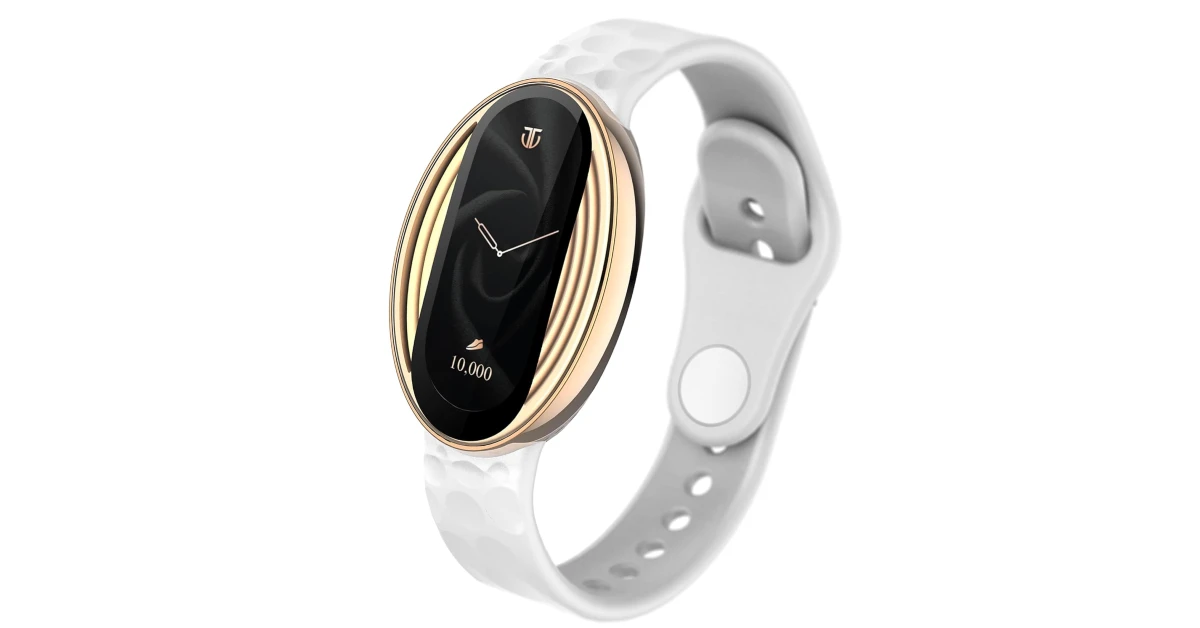
Designed for women, Titan Orbis has an oval 1.62-inch AMOLED display with a peak brightness of 750 nits. The metal case housing the display can survive light knocks with ease. The silicone strap has a buckle mechanism for fastening and offers a snug fit. The Sense UI offers a smooth software experience with women-oriented features like Luna Wellness insights. The smartwatch can also display UV and AQI Index in real-time. There’s IP68 resistance on board, which means you don’t need to worry about water splashes or rainfall while wearing this watch. It also offers support for a wide range of exercise and workouts, along with 24/7 heart rate, blood oxygen, and stress monitoring.
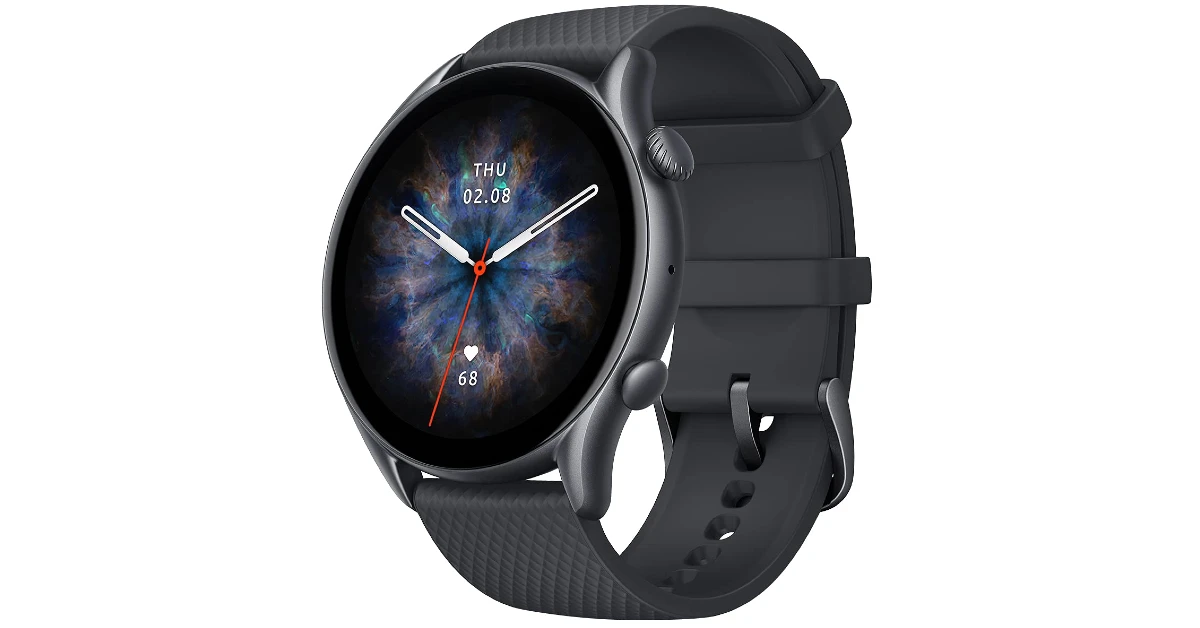
The Amazfit GTR 3 Pro has been around for a while, but it remains one of the best smartwatches on the market in 2026. Its 1.45-inch AMOLED display has a 480p resolution and a pixel density of 331ppi. The smartwatch comes with the Alexa assistant baked into it. Even if you don’t have internet connectivity, you can get the voice assistant to carry out routine tasks like launching a sport mode or displaying your health metrics. There are over 150 sport modes on the watch. With 5ATM water resistance, it can be worn in pools. The built-in GPS tracks your hikes and runs even when your phone is not in your pocket. The 450mAh battery pack lasts up to 12 days on a full charge.
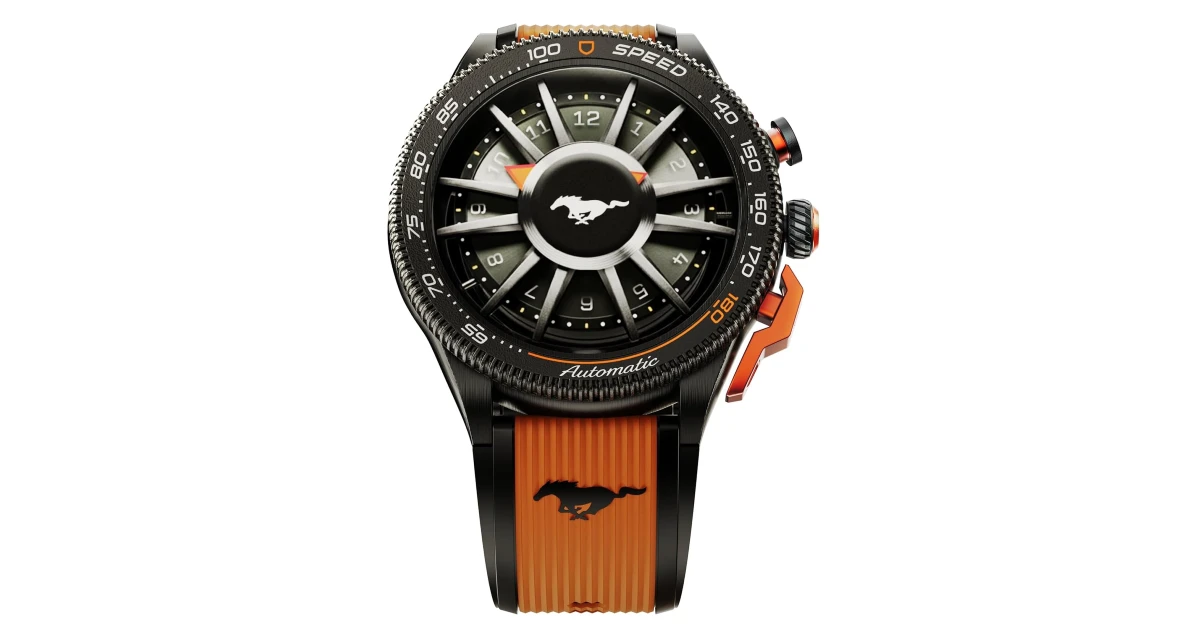
The GoBoult Mustang Stallion is an impeccable midrange smartwatch with sharp aesthetics. Its 1.43-inch AMOLED display is surrounded by a rotating bezel for smooth control. There are over 200 watch face options and over 120 sport modes on offer. There are 5 exclusive Mustang faces in the watch face library. Other features include 24/7 health monitoring, an AI voice assistant, Bluetooth calling, Always On Display, and more. The smartwatch lasts up to 7 days on a full charge. It takes up to 2 hours to fully charge the 300mAh battery pack.
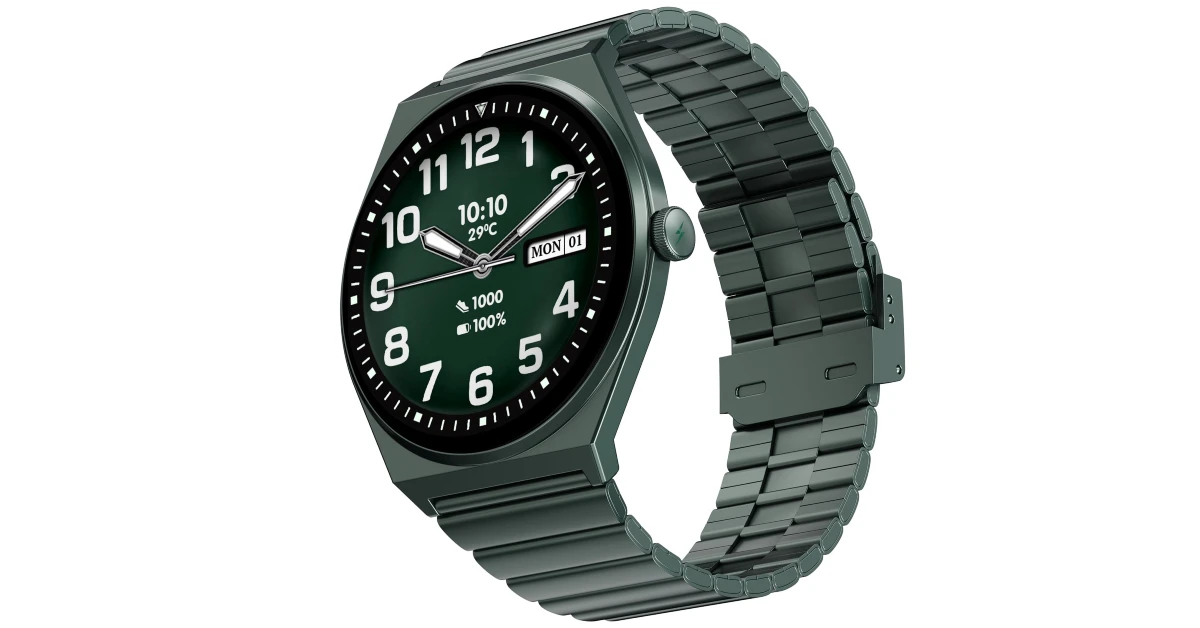
Ending this list is the ultra-affordable Fire-Boltt Phoenix Nova. Despite being an entry-level smartwatch, it does not compromise on aesthetics. Its sleek metal case houses a 466p, 1.43-inch AMOLED display. The watch comes with the option of metal, faux leather, or silicone bands. There’s support for Bluetooth calling and round-the-clock health monitoring, including heart rate, sleep, and blood oxygen. There’s IP67 protection on board against dust and water. A full charge lasts up to 7 days.
These are the top 10 smartwatches priced under Rs 10,000 in 2026. If Android connectivity is non-negotiable for you, we highly recommend checking out the OnePlus Watch 2 and Watch 2R. If you have any questions, let us know in the comments!
Apple will introduce the iPhone 18 Pro series in September 2026. Recent leaks suggest that upcoming models will have design changes that are a step up from the current design language without a major redesign. The Pro range will continue to have outstanding build quality but will be offered in a new colour palette. Here is detailed information on pricing in India, rumoured specs, and key features of the iPhone 18 series, which are scheduled to be released soon.
iPhone 18 Pro launch date expected
Apple is set to unveil its next flagship series, including the iPhone 18 Pro and iPhone 18 Pro Max, in September 2026. Leaks and insider rumours have begun to reveal information about these upcoming models. The company is likely to use a split-launch strategy, with the premium Pro models featuring a foldable phone coming out in September and regular iPhone 18 versions expected to launch in early 2027.
Apple hasn’t released any official statements on the price of the iPhone 18 Pro. However, industry experts believe the iPhone 18 Pro will continue to follow a high-end price strategy similar to its predecessors. The base variant of the Pro model is expected to be priced between Rs 1,34,900 and Rs 1,39,900 in India. On the other hand, the iPhone 18 Pro Max is reportedly beginning at about Rs 1,49,900, with the high-storage models perhaps priced around Rs 1,59,900. This approach indicates Apple’s goal to find the right level of innovation and affordability in the competitive smartphone industry.
Leaked Colour Options
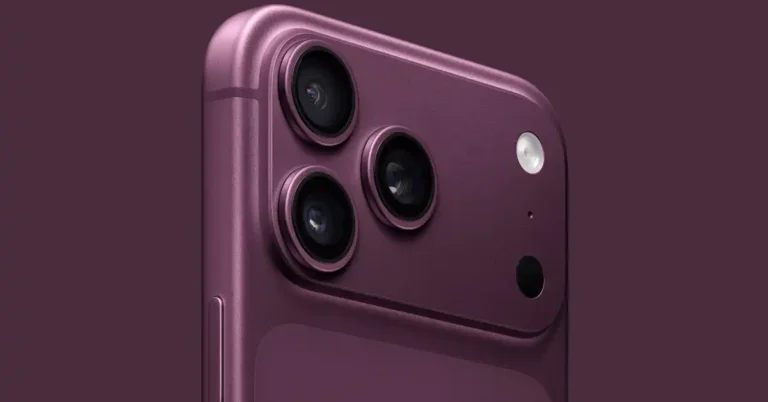
Apple is also working to improve the quality of the rear glass of its phones so that it is compatible with the aluminium frame. The new colour palette will introduce a number of new colours, including: dark cherry, a new exclusive deep wine-like red with subtle purple undertones to replace the current cosmic orange; light blue, a gentle and refreshing colour reminiscent of trendy pastel finishes; dark grey, a sophisticated and neutral dark colour; and silver, a timeless and elegant metallic finish that highlights a premium aesthetic.
Leaked/Rumoured Specifications
The iPhone 18 Pro and Pro Max are likely to offer substantial improvements in display, processor power, and camera versatility, with attention to storage, connectivity, and battery life demands.
The iPhone 18 Pro will likely have a 6.3-inch LTPO+ OLED display, with a 120Hz refresh rate and a peak brightness of over 3,000 nits. The Pro Max model is said to have a bigger 6.9-inch LTPO+ OLED display with comparable display technology. Both variants will run on the Apple A20 Pro CPU, based on the 2nm technology, and 12GB of LPDDR5 RAM, optimised for AI tasks. Both smartphones should be running iOS 20.
When it comes to storage, both devices could be provided with 256GB, 512GB, and 1TB choices, with the Pro Max also having a 2TB storage option. The devices shall come with a triple camera arrangement consisting of a 48MP primary camera with a variable aperture, a 48MP ultra-wide lens, and a 48MP telephoto lens, providing various photography capabilities. Both models will also include a 24MP front-facing camera supported with Face ID technology for biometric verification.
The iPhone 18 Pro should have a battery capacity of roughly 5,000 mAh, while the Pro Max will have a 5,100 to 5,200 mAh battery. The Pro Max is a little thicker at 8.8mm to accommodate the bigger cell and weighs more than 240 grams. Both versions will provide connectivity using a unique 5G C2 modem, Wi-Fi 7, and enhanced satellite integration.
All of this is, of course, speculation based on supply chain indicators and industry analysis before the official September 10 announcement, with Apple yet to make the iPhone 18 Pro range official.
India’s networking landscape just got a serious upgrade. TP-Link India has announced the commencement of local manufacturing of its Wi-Fi 7 product portfolio in India, positioning itself among the first global networking brands to localise Wi-Fi 7 production in the country following the Department of Telecommunications‘ (DoT) January 2026 notification delicensing the lower 6 GHz spectrum band. If faster, smarter, and more reliable Wi-Fi sounds like something you could use, this news is very much for you.
What Exactly Is Happening
Production has begun with the Omada EAP770, an enterprise-grade tri-band Wi-Fi 7 ceiling-mount access point designed for high-density environments like hospitals, university campuses, retail outlets, hospitality networks, and large educational institutions. The device integrates with TP-Link’s Omada Software Defined Networking platform, allowing centralised and cloud-based management of distributed networks from a single dashboard.
This is not a one-product announcement. TP-Link India has outlined a phased roadmap to progressively expand its locally manufactured Wi-Fi 7 portfolio across indoor, outdoor, and in-wall access points, targeting both the growing domestic enterprise market and, in time, select international export destinations.
The Spectrum Catalyst
The DoT’s January 2026 notification unlocked 500 MHz of spectrum in the 5,925 to 6,425 MHz band for licence-exempt use. That is a significant chunk of radio real estate. The decision to delicense this lower 6 GHz band finally gives Wi-Fi 7 technology room to breathe and perform in India, enabling deployments for both enterprise users and home consumers across the country.
Wi-Fi 7, officially known as IEEE 802.11be, operates across all three frequency bands: 2.4 GHz, 5 GHz, and 6 GHz. The addition of the 6 GHz band is what makes the standard truly transformative. It delivers substantially higher network capacity, much lower latency, and improved reliability for cloud computing workloads, AI-driven applications, video collaboration, and IoT ecosystems. Global market research indicates the Wi-Fi 7 market, valued at around USD 8.63 billion in 2026, is on track to reach USD 35.66 billion by 2031, growing at a compound annual rate of nearly 33 per cent. India’s enterprise network equipment market alone is projected to grow from USD 4.2 to 4.8 billion in 2026 to over USD 10.5 billion by 2035.
The Make in India Angle
Here is where things get genuinely interesting from a manufacturing perspective. Nearly 92 per cent of TP-Link India’s product portfolio sold domestically is already manufactured locally through Indian Electronics Manufacturing Services partners. The company has now set its sights on pushing that figure to 96 to 97 per cent over the next three years, with Wi-Fi 7 being the latest category added to local production.
TP-Link India’s broader ambitions in the country include establishing what the company describes as its largest global manufacturing facility over a five-year horizon, alongside its Mumbai headquarters and a Bengaluru R&D centre. Adding Wi-Fi 7 to the locally manufactured portfolio is a significant step in that direction, signalling that India is being positioned not just as a consumer market but as a strategic global supply hub for next-generation networking products.
Why Enterprise India Should Pay Attention
Enterprise adoption of Wi-Fi 7 is expected to accelerate sharply through 2026, with analysts noting the upgrade cycle is steeper than it was for any previous enterprise WLAN technology standard. Unlike Wi-Fi 5, which had a Wave 2 iteration that slowed transition, Wi-Fi 7 has no such intermediate step. Enterprises with ageing wireless infrastructure, growing numbers of Wi-Fi 7-capable devices, or large-scale digital transformation projects have a clear, unambiguous reason to act now.
The Omada EAP770 access point is specifically engineered for these scenarios. Tri-band operation, seamless SDN integration, and a design optimised for high-density environments make it a capable fit for Indian organisations running complex, multi-site networks.
Multi-gigabit speeds and lower latency for AI-powered and cloud-native applications
Improved performance in high-density deployments like campuses and event venues
Reduced network congestion through the newly unlocked 6 GHz band
Centralised, cloud-based management via the Omada SDN platform
Locally manufactured hardware supporting supply chain reliability and faster availability
The Bigger Picture
India joining the growing list of countries deploying Wi-Fi 7 at scale is a meaningful development for the country’s digital infrastructure ambitions. With data centres, smart city projects, and enterprise cloud migration all accelerating simultaneously, the timing of the 6 GHz spectrum delicensing and TP-Link India’s manufacturing announcement feels less like a coincidence and more like a well-timed convergence.
It is worth watching how other global networking brands respond. TP-Link India’s early-mover position in localising Wi-Fi 7 manufacturing puts it in a strong spot as enterprise procurement cycles for next-generation wireless infrastructure begin to ramp up across India. Whether the company can translate that manufacturing head start into dominant market share will be the real story to follow over the next 12 to 18 months.
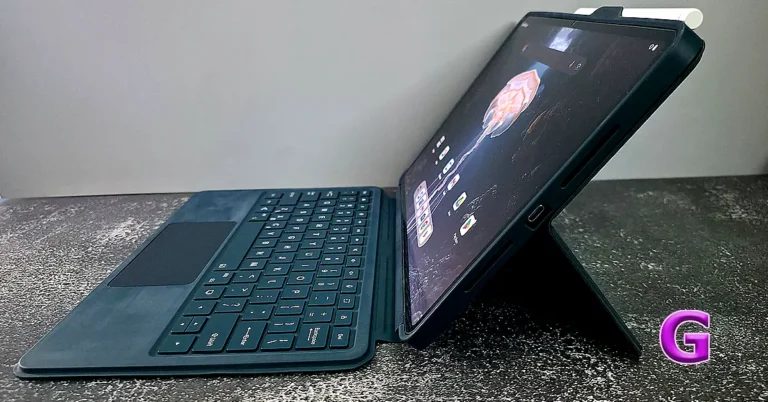
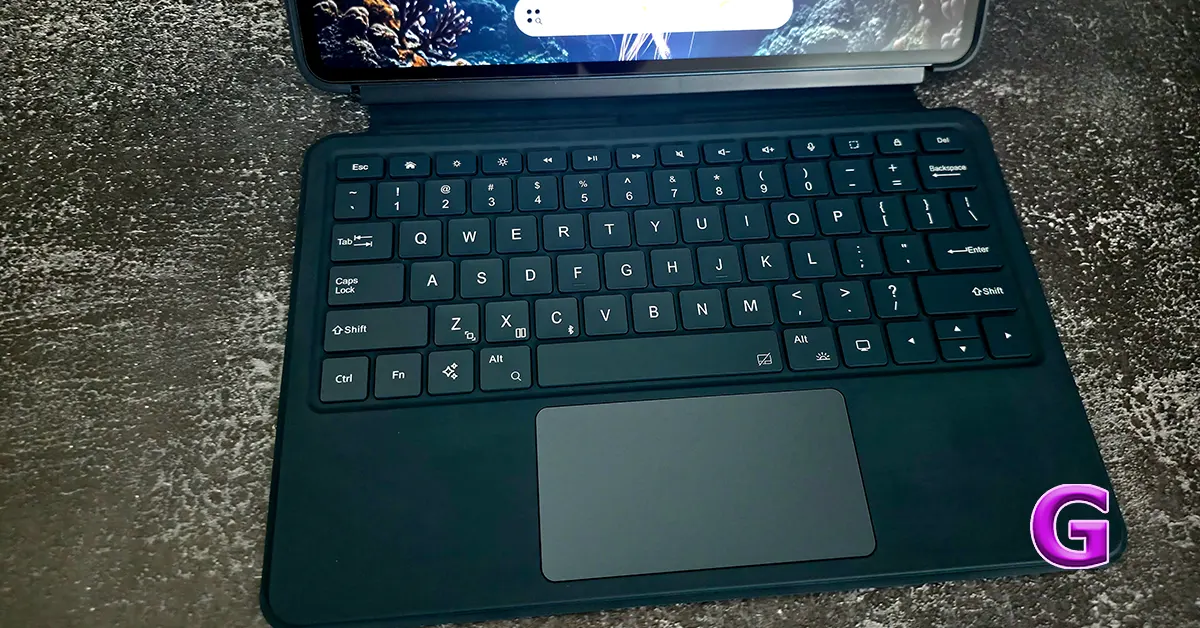
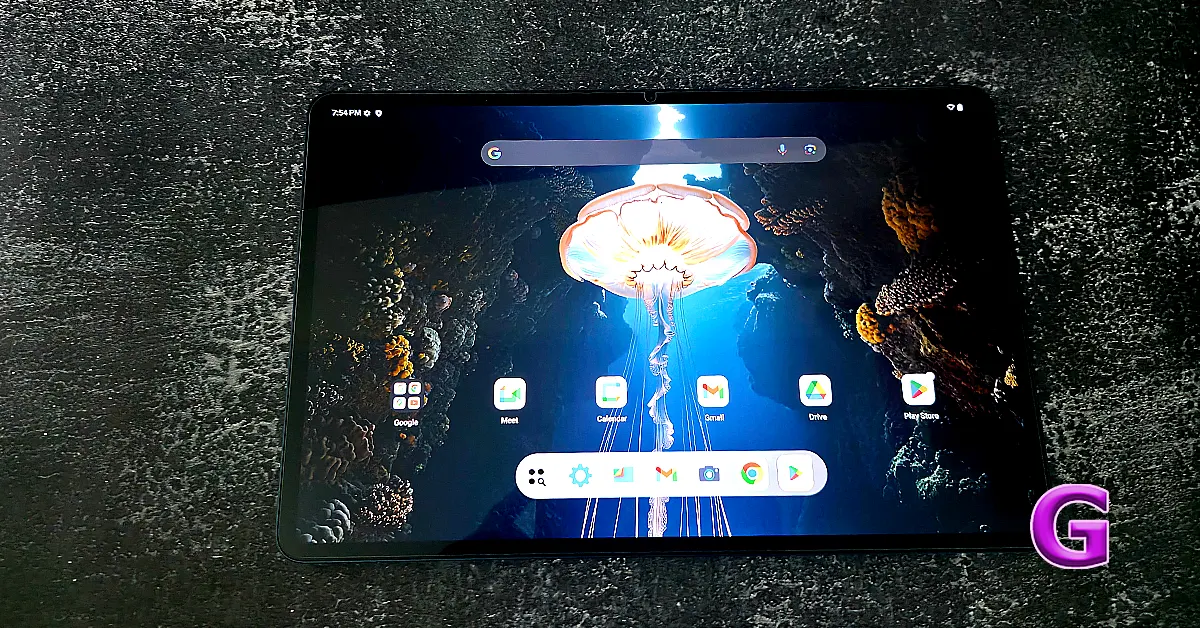
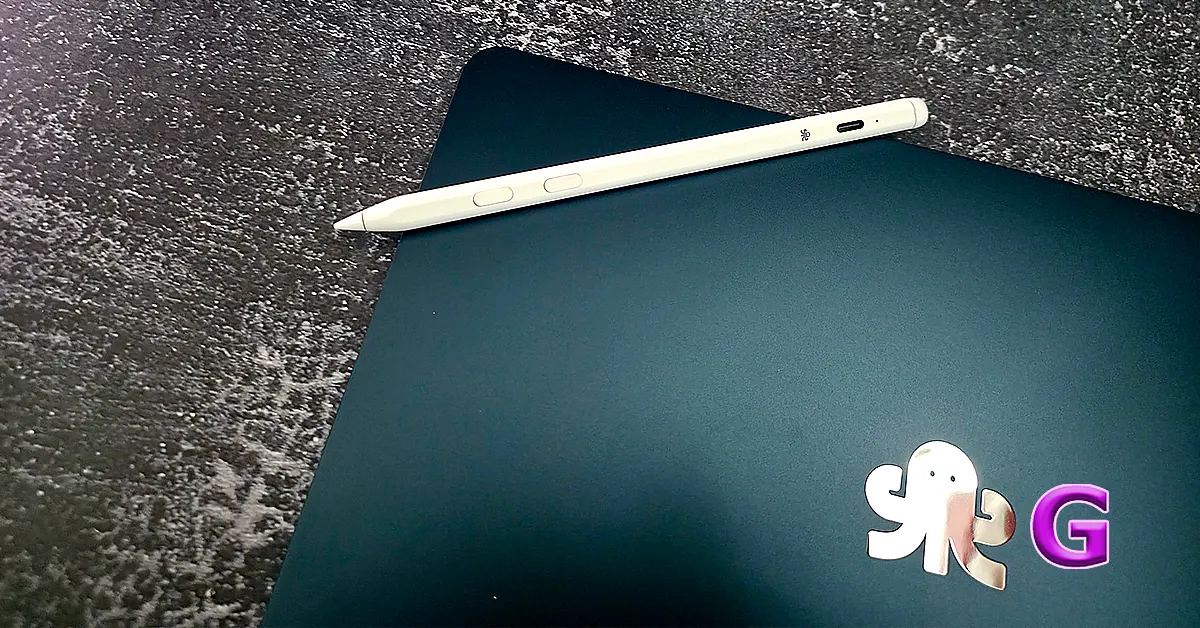
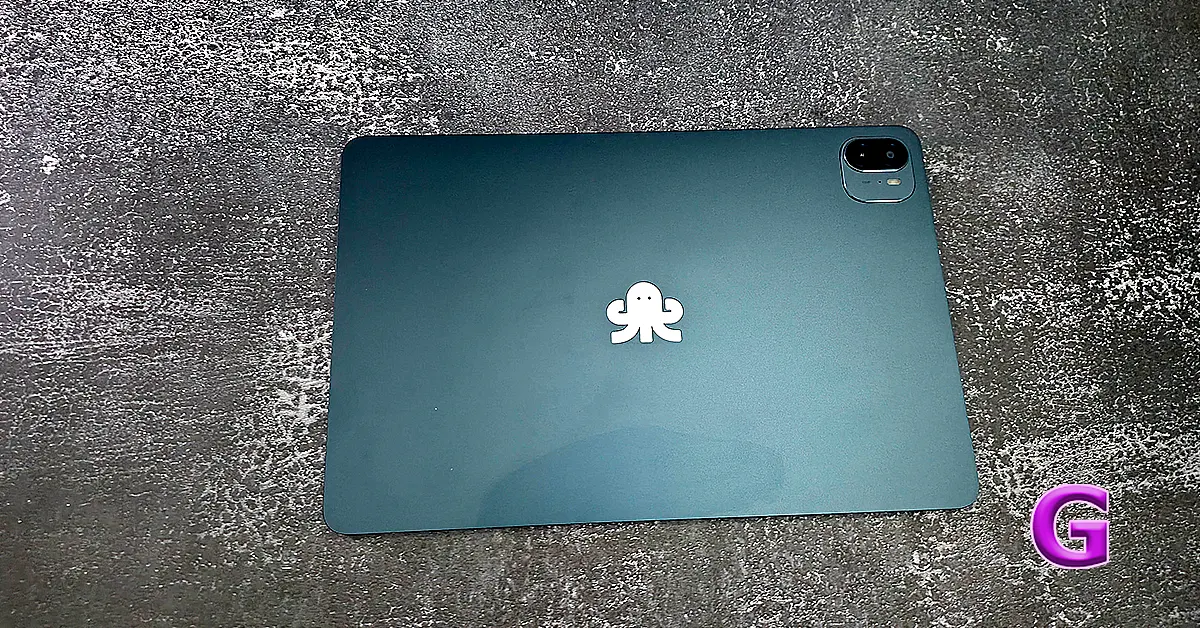
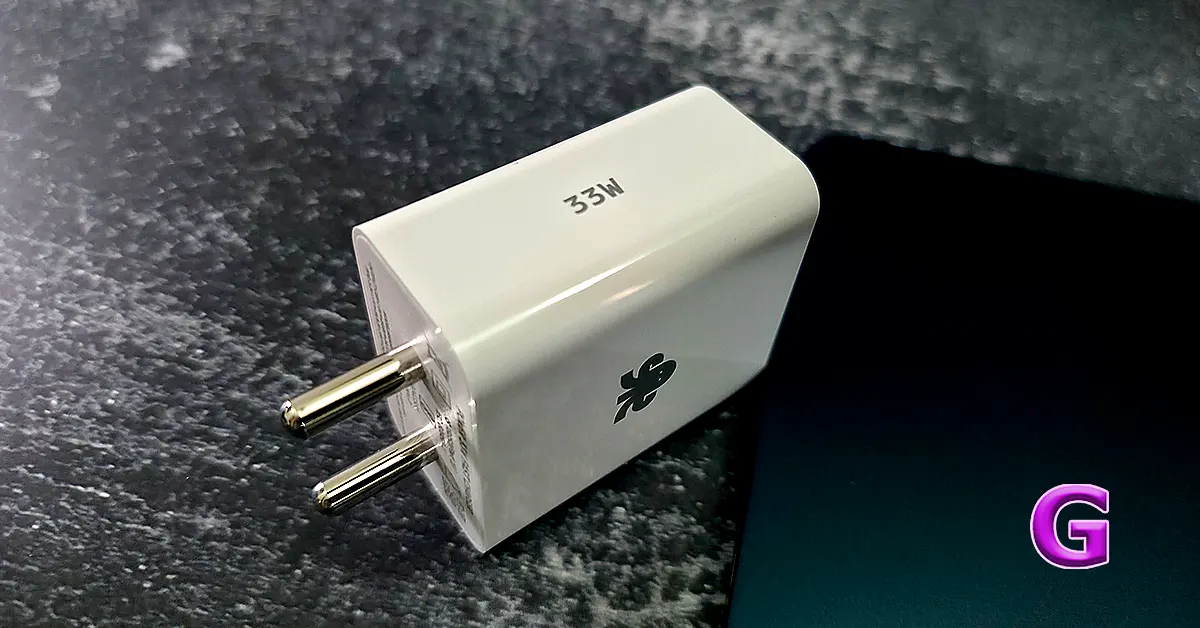
India has its own tablet maker in the form of Brave. They introduced the Ark, a good-looking tablet, which we have been using over the past few weeks. While we cannot say it was a perfect ride, yes, it did have its bumps, but mostly the tablet managed to sail through. If you are in the market for a tablet under Rs 40,000 with attachments, then you would definitely want to read the rest of our Brave Ark tablet review.
Priced at Rs 37,999, the Brave Ark is the debut product from Indian brand Brave Tech, and it is genuinely audacious. A Snapdragon 8s Gen 3 chip, a 14,550mAh battery, a 12.95-inch 144Hz display, and a stylus bundled in the box. On paper, this thing should not exist at this price. In practice, it very much feels like it needed six more months in the oven.
Design: Built Like a Safe, Weighs Like One Too
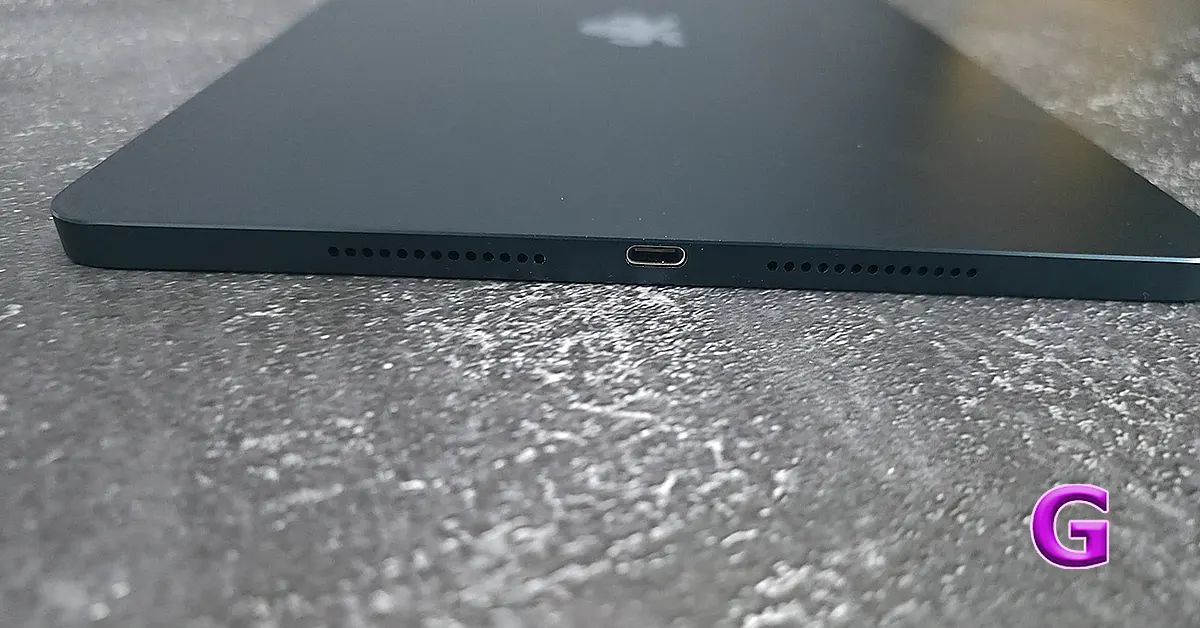
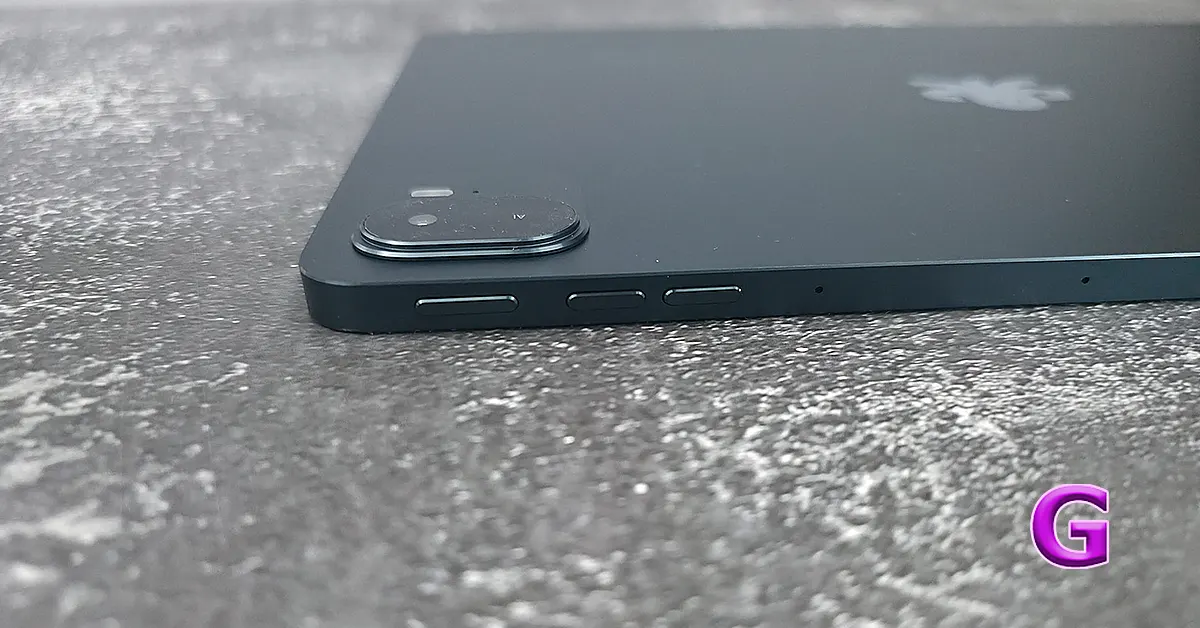
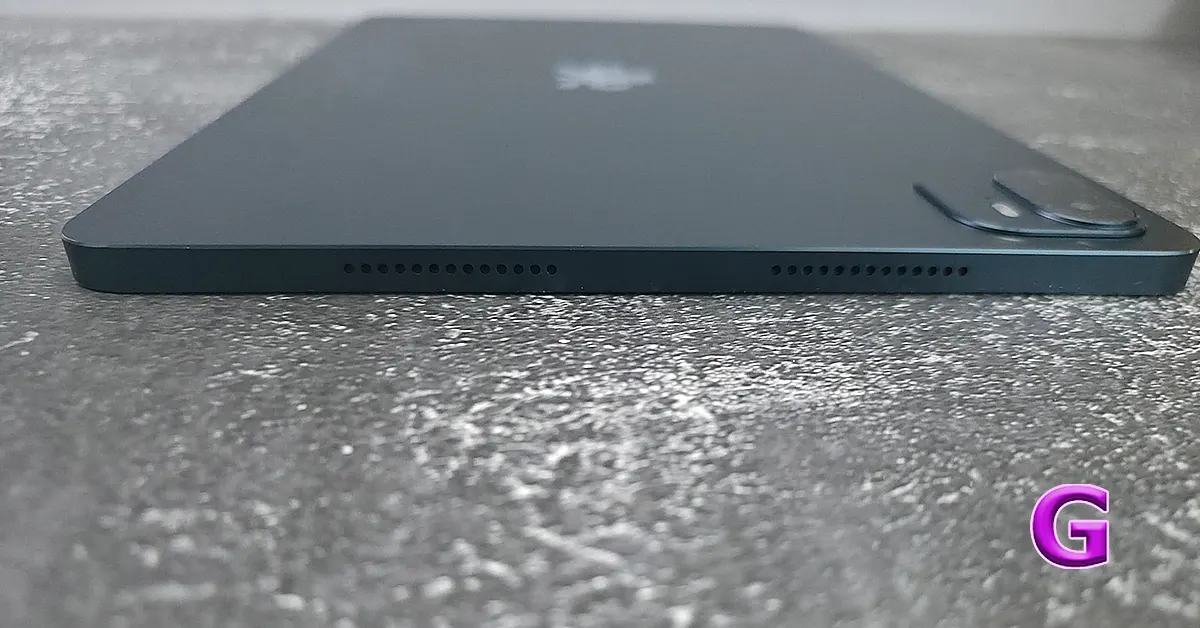
The Brave Ark looks the part. A dense aluminium unibody, a boxy professional frame, and a silver octopus logo that oozes quiet confidence for a brand nobody has heard of yet. First impressions? Solid.
Second impressions? Your wrist.
At 706 grams, the Brave Ark is heavy. Clip on the separately sold keyboard cover and you are holding almost a kilogram of device, which puts it squarely in laptop territory without the laptop-level refinement. After just one week of normal use, the paint near the corners on our review unit had already started chipping. There is no water or dust resistance either, and strangely, no fingerprint scanner. Face unlock is your only biometric option, which feels like an oversight on a device marketed at busy professionals.
The 12.95-inch form factor feels workspace-ready on a desk. Carrying it around all day is a different story entirely.
Display: Big Screen, Small Payoff
Turn it on and the slim bezels and buttery-smooth 144Hz refresh rate genuinely impress. The screen is huge, bright enough indoors at 700 nits, and comfortable for reading or sketching.
Then you try to watch a movie.
The 2.8K resolution, spread across nearly 13-inches, delivers a pixel density of 264ppi, which means text and fine detail look softer than they should. More critically, the Brave Ark has no HDR support. Put on something cinematic on Netflix, and the visuals look flat, a bit washed out, like watching through slightly foggy glass. Outdoors, direct sunlight wins every time, and we loved it. The eight-speaker system is loud and gets the job done, but calling it cinematic would be generous.
Performance: A Sports Car That Can Use Better Wipers
The Snapdragon 8s Gen 3 is a proper powerhouse. Apps snap open, multitasking is smooth, gaming is fast and the device barely breaks a sweat. For pure processing performance in this price range, the Brave Ark is genuinely impressive.
But mobile gamers, note this: there is no gyroscope. On a device this powerful, that is something that has stumped us, too.
The software is clean, bloatware-free Android 15. That is the good news. The bad news is that it also feels bare and unpolished. A dedicated photo gallery app is absent. Small but telling. A 13MP rear camera and a 5MP front camera are also in the mix. Both work just fine for video chatting.
Ark Pen and PC Mode: Great Ideas, Rough Reality
The Brave Ark Pen is included in the box, which is a genuine value win at this price. The three customisable shortcut buttons are brilliant. You can map them to screenshots, music controls, or a presentation laser pointer. Apple does not offer anything like this on its stylus.
The execution, however, needs serious work. The pen disconnected randomly few times during testing. Palm rejection is inconsistent, leaving accidental streaks across notes. PC Mode, the feature Brave uses to pitch this as a laptop replacement, gives you a taskbar, floating windows, and a desktop-style layout. The idea is excellent. At first, it was a jittery, stuttering interface that feels like a beta build, but as we tested it further, these bugs subsided.
Battery: The One Thing That Cannot Be Argued With
The 14,550mAh battery is the Brave Ark’s superpower, and it is a big one. Samsung’s most premium tablets do not come close to this capacity. In real-world use, you can expect 12 to 14 hours of screen-on time consistently. Light users will stretch it across an entire weekend without hunting for a charger.
The included 33W charger gets the job back to full in around two and a half hours. Not fast, but forgivable given the tank-sized battery.
If you want a tablet that simply will not die on you, the Brave Ark delivers in a way almost nothing else at this price can.
Verdict: A Prototype with Promise
The Brave Ark Tablet is a first-generation product that behaves exactly like one. It is proof that Indian hardware ambition is real and growing. But ambition is not enough when the software lets the hardware down at every turn. For Rs 37,999, the Xiaomi Pad 7 and OnePlus Pad 2 offer far more polished, reliable, and future-proofed experiences from brands that have actually earned your trust over time.
The most anticipated James Bond video game in over a decade had a rather dramatic weekend, and no, that drama did not involve villains, car chases, or a tuxedo. With 007 First Light set to launch on May 27, 2026, for PC, PS5, and Xbox Series X/S, physical copies of the game somehow managed to find their way into players’ hands days ahead of schedule. What followed was a textbook lesson in how to turn a PR headache into a marketing win.
A YouTube user who had obtained an early PS5 disc uploaded footage of the 007 First Light opening mission gameplay, titling it “007 First Light Part 1.” The video was flagged on Reddit’s r/GamingLeaksAndRumours almost immediately and started gathering thousands of views. IO Interactive swiftly issued a copyright strike and had the video removed. But then, in a move that would make even Bond’s handler M raise an eyebrow, the developer turned around and uploaded the very same footage themselves, officially, in full quality, accompanied by the message: “Since a few users got hold of the disc early, watch the first 13 minutes of the opening mission in 007 First Light, as intended on day one.”
What the Opening 13 Minutes Actually Show
The leaked segment, now officially released, covers the mission titled “Against the Odds,” and it is set in Iceland. It opens with a spectacular helicopter crash that leaves a young James Bond sinking into freezing ocean water. Players must revive him, get him air, and then navigate him through a tense series of stealth sequences that draw clear comparisons to classic Metal Gear Solid gameplay. The mission functions as a tutorial, easing players into traversal, stealth mechanics, and Bond’s early instincts as a field operative.
This is a Bond who is 26 years old. He is not yet a spy. He is a Royal Navy air crewman who stumbled into extraordinary circumstances, and it is precisely those circumstances that put him on MI6’s radar. The mission’s Iceland setting is dramatic, freezing, and beautifully rendered, thanks to IO Interactive’s upgraded Glacier engine, which powers the game with real-time global illumination, volumetric effects, and dynamic lighting that is a considerable step up from the Hitman series the studio is famous for.
It is also worth noting, for anyone worried about spoilers, that IO Interactive helpfully added: “Spoilers ahead, so if you’d rather save it for the in-game experience, best steer clear!” That is a fair warning. The opening sequence also reveals the origin of Bond’s facial scar, a detail that should resonate with fans who like their lore tied up neatly.
Since a few users got hold of the disc early, watch the first 13 minutes of the opening mission in 007 First Light, as intended on day 1.
Spoilers ahead, so if you’d rather save it for the in-game experience, best steer clear!
Playing the iconic role is Irish actor Patrick Gibson, best known internationally for his work on Dexter: Original Sin and The OA. This is a Bond reimagined as younger, rawer, and far more reckless than the versions audiences have seen in film. The casting has not been without debate in the gaming community, and IO Interactive is entirely unbothered by that.
Senior combat designer Tom Marcham was refreshingly candid about it. “People having differing opinions about a James Bond: that’s great,” he told Eurogamer. “Everyone has their favourite Bond. If we made a Bond where no one had any opinions on them, it would be the dullest Bond ever made.” That is a remarkably self-assured position, and honestly, one that makes the game more interesting to watch unfold.
The supporting cast is nothing short of stellar. Priyanga Burford plays M, Lennie James takes on the role of Greenway (Bond’s reluctant mentor and a former 00 agent), Lenny Kravitz steps in as the enigmatic villain Bawma, Alastair Mackenzie is Q, and Kiera Lester is Moneypenny. The title theme is performed by Lana Del Rey, which sets a particular mood before a single mission is even played.
What Else the Physical Leak Revealed
Beyond the gameplay footage, the early physical copies exposed something else worth knowing. The PS5 disc only contains the first mission of the game. The remainder of the campaign requires a mandatory day-one patch download. So while early disc holders could watch Bond nearly drown in Iceland, the rest of the adventure was firmly behind a digital gate. IO Interactive had previously confirmed this would be the case, describing the day-one update as essential for the full offline experience.
The leaked images also confirmed the presence of an in-game shop, which has predictably set off some speculation about paid cosmetics. The Deluxe Edition, which includes four outfits and various gadget skins, is available to pre-order buyers, along with 24-hour early access from May 26.
Why This Is the Bond Game Worth Watching
007 First Light is the first major James Bond video game since 007 Legends in 2012, ending what amounts to a 14-year drought for Bond in the gaming world. The mission previews that press received in late April 2026 indicated a game that is far more than a Hitman reskin. The standout Kensington gala mission in London reportedly offered dozens of unique approaches, from impersonating journalists to hacking earpieces and manipulating staff routes. That is the kind of sandbox depth that Bond deserves.
Whether Patrick Gibson’s version of 007 wins over sceptics or keeps the debate alive, one thing is already clear. IO Interactive knows exactly what they have built, and they are not shy about showing it. On the evidence of those 13 minutes, neither the icy waters of Iceland nor an early leak could slow this one down.
As Bond games go, the wait since 2012 has been long enough. May 27, 2026 cannot arrive soon enough.
If you have ever watched your phone die at the worst possible moment (mid-navigation, mid-stream, mid-argument about who was right), Motorola has a very specific answer for you. The moto g37 Power 7000mAh battery price in India is now official at Rs 15,999, and it went on sale today, 25th May 2026, on Flipkart, Motorola India Website, and leading retail stores across the country. Alongside it, the more standard moto g37 starts at Rs 13,999, and the new moto buds 2 earbuds debut at Rs 2,799.
A Battery That Actually Thinks About Tomorrow
The headline feature of the moto g37 Power is hard to ignore: a 7000mAh battery that Motorola claims can last up to three full days on a single charge. That is not a misprint. Three days. The device ships with a 33W TurboPower charger and includes intelligent Battery Care technology designed to preserve battery health across up to 1,200 charge cycles. For buyers who are tired of the daily charging ritual, this phone wants to be the cure.
Under the hood, both the moto g37 Power and the moto g37 run on the MediaTek Dimensity 6400 processor, built on a 6nm architecture. It delivers smooth 5G connectivity, responsive multitasking, and enough grunt for casual gaming and everyday productivity. The Power variant comes with up to 8GB of physical RAM plus up to 24GB RAM Boost, paired with 128GB of UFS 2.2 storage. Android 16 comes pre-installed, with an update path to Android 17 already confirmed.
Built Like It Means Business
Motorola has not cut corners on durability either. The moto g37 Power carries Corning Gorilla Glass 7i protection, MIL-STD-810H military-grade certification, and an SGS-tested IP64 rating for water and dust resistance. These are not specs you normally find comfortably inside a Rs 15,999 price tag. The device is finished in Pantone-curated colours, including Impenetrable, Capri, and Nautical Blue, and it weighs 215 grams, which is respectable given the battery sitting inside it.
A Display That Does Not Shy Away From Sunlight
The 6.7-inch 120Hz punch-hole display uses Display Colour Boost technology and peaks at 1050 nits of brightness. Whether you are scrolling through reels on a sun-drenched afternoon or watching a movie in a dimly lit room, the screen holds up well in both extremes. The 120Hz refresh rate keeps animations fluid across the board.
Camera and AI Smarts
Photography is handled by a 50MP Quad Pixel AI camera with an f/1.8 aperture and PDAF. Shot Optimisation and Auto Smile Capture are baked in, and the phone supports 2K video recording at 30fps. Where things get genuinely useful is in the Google AI-powered editing suite, which includes Magic Eraser for removing unwanted objects, Photo Unblur for fixing shaky shots, and Reimagine for creative edits. Circle to Search and Gemini integration round out the Google experience on the software side.
Audio That Fills the Room
The moto g37 Power features stereo speakers powered by Dolby Atmos, Hi-Res Audio support, and Volume Boost technology. It is a legitimately capable setup for a phone at this price, suited for music lovers, gamers, and video streamers who do not want to rely entirely on earbuds.
The Moto Buds 2 Join the Party
The moto buds 2 is not an afterthought. Equipped with dual 11mm dynamic drivers and 6mm micro planar magnetic drivers, the earbuds deliver Hi-Res Audio with LDAC support and Spatial Audio for immersive listening. Dynamic Active Noise Cancellation goes up to 55dB, and CrystalTalk AI across six microphones ensures call clarity even in noisy environments. Total playback time reaches up to 53 hours with the charging case, and Bluetooth 6.0 with Dual Connection keeps things seamlessly connected.
The moto g37 Power is available in two variants: 4GB plus 128GB at Rs 15,999 and 8GB plus 128GB at Rs 18,999. The moto g37 comes in a single 4GB plus 64GB variant at Rs 13,999. The moto buds 2 are priced at Rs 2,799. All three products are available today on Flipkart, Motorola.in, and offline stores. Jio users can also grab 5000GB of cloud storage for 18 months and free Google Gemini Pro access as part of an exclusive operator offer.
NYT Strands puzzle #813 arrives on Memorial Day 2026 with answers that carry far more weight than your average word search. If you have been searching for today’s NYT Strands hints and answers for May 25, you are not alone. This one is not just a brain teaser. It is a quiet tribute baked into 48 letters.
What Is the Theme for Today’s NYT Strands Puzzle?
The official theme clue for today’s Strands puzzle is “Thank you.” If that feels a little vague, the New York Times also offers the secondary nudge: “We remember.” Both clues are pointing straight at Memorial Day, the solemn US federal holiday observed on the last Monday of May each year to honour military personnel who died while serving their country.
The puzzle editors do not always tip their hat to the calendar. But today, puzzle #813 goes all in. Every answer is a word tied to the values, duties, and sacrifices of the armed forces.
For newcomers, Strands is the New York Times’ word puzzle that functions as an elevated word search. Players are presented with a six-by-eight grid of letters and must find a group of words that all share a common theme. When you find a correct theme word, it stays highlighted in blue.
The most important word to find is the spangram. This is a special word or phrase that describes what all the theme words have in common, and it must connect two opposite sides of the board. The spangram lights up in yellow. Finding the spangram early almost always cracks the rest of the puzzle open.
Today’s NYT Strands Hints (Puzzle #813)
Not ready for the full answers just yet? Here are the opening two letters of each theme word to give you a fair fighting chance:
HO, SE, PR, VI, SA
The spangram starts with M and ends with Y. Think big. Think national. Think of the one day a year the entire country is asked to pause and remember.
Today’s NYT Strands Spangram Answer
Today’s Strands spangram is MEMORIAL DAY. It begins with the M sitting in the very first position of the top row and winds its way across and down the board. Once you have it, the rest of the puzzle falls into place with remarkable clarity.
All NYT Strands Answers for May 25, 2026
Here are all five theme word answers for today’s puzzle:
HONOR
SERVICE
PROTECTION
VIRTUE
SACRIFICE
Each of these words defines a pillar of what military service represents. Honour for the commitment. Service for the action. Protection for the purpose. Virtue for the character. Sacrifice for the ultimate cost. The New York Times has essentially created a small monument in puzzle form.
Worth noting: PROTECTION is the one that trips most players up. The others tend to reveal themselves once the Memorial Day connection clicks. PROTECTION sprawls across a generous section of the board and requires a slightly more patient scan.
Tips for Solving Today’s Puzzle
Scan diagonals from the start. Strands frequently hides words at an angle, and today is no different. Once you clear one theme word, the remaining letters often point you toward the next. If you are really stuck, earn in-game hints by spotting any four-letter-or-longer word on the board that is not a theme answer. Every three such words unlocks a hint icon.
Words that worked as hint earners today include MERE, RIOT, PROM, TROT, RACE, RICE, LOAD, TOAD, VICE, TOTE, and MEME.
Most days, Strands is a fun three-minute distraction. Today it is something more. There is something quietly powerful about uncovering SACRIFICE and HONOR letter by letter on a Monday morning, knowing exactly why those words are there. The NYT puzzle team does not always acknowledge the calendar, but when they do, they do it well. This one hits differently.
Almost done with your morning coffee, but can’t find a breakthrough in today’s Connections puzzle? You’ve landed on the right page. We’ll get you started with some spoiler-free hints that’ll get you closer to the answers. Then, we’ll give you one word from each category, followed by the list of themes. Finally, you can have the answers. Here are all the hints, clues, and answers to today’s NYT Connections (#1,079, May 25, 2026).
Connections is one of the most popular online word games from the New York Times, closely trailing behind Wordle. The rules of the game are simple. You are presenting with a 4×4 grid comprising 16 words. Each grid hides 4 groups consisting of 4 words with a common connection. The difficulty range of these groups varies from Yellow (Easy) to Purple (Hard). You get 4 attempts to solve the puzzle. You can play Connections in the NYT Games app or on the NYT Website.
Some tips to solve Connections
Look for the obvious patterns: Not every category in the puzzle is confusing. The Yellow and Green category words are relatively easy to spot. However, if something seems too obvious, it could be a red herring. Typically, the first two categories comprise verbs and adjectives. The misdirects are often nouns.
Double-check your submissions: ‘Do not overthink’ is usually a good tip for solving most puzzles, but it doesn’t really apply to Connections. Before submitting a set of words, you should always check whether they fit somewhere else too.
Hit a dead end? Use the shuffle button: The shuffle button at the bottom of the grid exists for a reason. Placing the words in different positions can spark new connections. Think of it as a mental refresh. New patterns will emerge, and you may be able to find a breakthrough.
Tackle the Purple category with extra caution: The Connections team is known to serve up the toughest and most unexpected words for the Purple category. Here are some of the common tropes that you should look out for:
Homophones (For example: ‘Where’, ‘Wear’, ‘Ware’, and ‘Weir’)
Words within words (For example: ‘Slip’, ‘Hear’, ‘Keyes’, and ‘Undiagnosed’ could be ‘Words containing parts of the face’)
Words minus a letter (For example: ‘Anther’, ‘Easel’, ‘Hark’, and ‘Lama’ could be ‘Animals minus starting letter’)
Words preceded or followed by another word (For example: ‘Face’, ‘Sports’, ‘Note’, and ‘Year’ could be ‘____ Book’)
Here’s your grid for today
BROW
CAP
LID
CYA
WHIT
ATM
PIN
JOT
LASH
LOL
SCRAP
SHIRT
STICKER
BALL
TIA
SHRED
Hints for NYT Connections (#1,079) May 25, 2026
Let’s get you started with some general, spoiler-free hints.
🟡Yellow Group: Getting the word around using one of these.
🟢Green Group: Small quantity.
🔵Blue Group: What you might say while texting.
🟣Purple Group: Preceded by a common word.
One Word Per Category (Contains Spoilers)
Can’t seem to find an in? We’ll give you one word from each category.
🟡Yellow Group: Cap.
🟢Green Group: Jot.
🔵Blue Group: ATM.
🟣Purple Group: Ball.
List of Themes (Major Spoilers)
Maybe getting to know the common themes among the words will help you spot them faster. Here are all the categories for today.
🟡Yellow Group: Common Promo Items.
🟢Green Group: Tiny Bit.
🔵Blue Group: Texting Abbreviations.
🟣Purple Group: Eye ___.
Answers to NYT Connections (#1,079) Today (May 25, 2026)
Close to waving the white flag? Fine, we’ll give you the answers.
These are the items one might use to promote or market their business or event. ‘PIN’ was the obvious misdirect as it could have been confused with other abbreviations in the grid.
The Blue category was the easiest one to solve today. If you didn’t get it, ATM stands for ‘At This Moment’, CYA for ‘See Ya’, LOL for ‘Laugh Out Loud’, and TIA for ‘Thanks In Advance’.
🟣Purple Group: Ball, Brow, Lash Lid. (Eye ___)
One of the easiest Purple categories we’ve seen in Connections. We wouldn’t be surprised if a lot of people cracked this category first.
Answers to yesterday’s puzzle (#1,078, May 24, 2026)