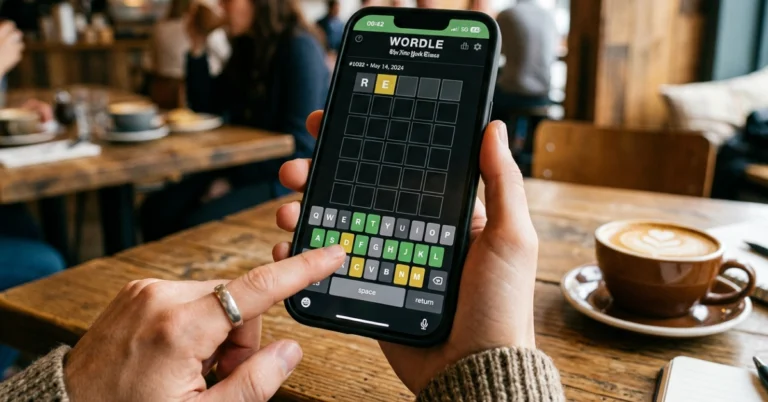
Today’s Wordle #1796 Hints: Wednesday’s Solution Means ‘To Ruin or Shatter’ (May 20)

The structural difficulty of Wordle Puzzle #1796 (May 20) has been raised thanks to The New York Times’ digital gaming staff. Today’s puzzle is going back to being very morphologically misleading after Tuesday’s stabilising hint, “DUSTY.” The challenge with this word puzzle isn’t some mysterious word but the phonetic assumptions we make in our everyday morning routines. Today’s grid layout makes it very challenging for the usual vowel-rich starters like AUDIO, ADIEU, or RAISE. Players have to watch out for a difficult double-consonant boundary instead of vowels. The change in structure causes a special kind of cognitive friction and so requires the use of advanced deductive reasoning techniques. By the third row, players are expected to move from easy elimination tactics to a specialised manner of isolating consonants, highlighting the necessity for a more strategic approach to problem-solving in the game. Our complete analysis breaks down the specific structural challenges in boards, focusing on historical spelling shifts and innovative consonant-clearing techniques. Also Read: Voice-powered Docs Live: Google’s major update to brain-dump whatever is on your mind

Is today’s Wordle #1796 difficult?

Difficulty Rating: 3/5 The tactical difficulty of Wordle #1796 is mostly due to orthographic deception rather than semantic complexities. In particular, the silent first letter ‘W’ in five-letter words accompanied by ‘R’ might trip up phonetics-focused players. This phonetic method may take them astray from the actual starting point of the answer, consuming guesses while looking for vowels. From the community stats, we see that the average number of tries to solve is 4.3 out of 6, meaning the terminal digraph ‘-CK’ usually makes the game challenging for players. After they find the core vowel, players often begin looking for frequent suffixes, like “-ED,” “-ER,” or “-ET.” Hard-stop blends at the end of words break this logical flow, requiring players to abandon vowel-heavy strategies by the second row. Players are recommended to use sacrificial words to isolate last consonant pairs to correctly approach the challenge, which could encourage a more successful solving technique. Also Read: Here is everything we know about Gemini Omni, the new advanced, multimodal creative feature designed for video creation and editing

Hints and Answers for Today’s Wordle May 20

  • Wordle Hints 1 Vowel Configuration: 1 vowel (E) sitting exactly in the centre of the word
  • Wordle Hints 2 Consonant Clusters: 4 Consonants ( silent -WR blens paired with a terminal -CK hard diagraph cluster.
  • Wordle Hints 3 Repeat Letters: None
  • Wordle Hints 4 Starting Letter: W
  • Wordle Hints 5 Ending Letter: K
  • Wordle Hints 6 Meaning: The word is a noun and a verb describing to ruin or to destroy.

Today’s Wordle Answer #1796

Today’s Wordle Answer is WRECK Yesterday’s Wordle #1794 answer May 19 was DUSTY.

Origin and Etymology of WRECK

“Wreck” has a deep and maritime history, originating in the Old Norse word “reka”, meaning “to drive, drift, or push”. This etymology emphasises the act of movement associated with seafaring activities. The term “wreck” was an Anglo-Norman word that was used to particularly denote goods washed ashore from abandoned ships, pointing to an early legal link to marine accidents. The legal interpretation of “seadrift” grew to include a wider sense of grave damage or physical obliteration, not necessarily confined to shipwrecks. Moreover, the linguistic foundations of these words show special features typical of maritime terminology, in particular the existence of hard-consonant ends. This phonetic quality is not only relevant in the context of marine language but also has a practical use in deciphering complicated puzzle grids in later applications. The connection between historical linguistics and legal definitions demonstrates the dynamic and evolving nature of language as it responds to the changing conditions of maritime contexts. Also Read: Google IO 2026: Here is everything about the Intelligent AI Search box and new features

Tips and tricks to solve the puzzle

• If you have a puzzle with a centre “E” and grey squares around it, don’t chase following vowels like “A” or “I”. • Test a number of consonant pairs using a focused consonant test (e.g., FLACK, TRUCK, or CHIPS). • Even when these strategic guesses become grey, they serve to narrow down the remaining letters. • This strategy separates the core frame, which is a more definite way to get the answer.

Previous Wordle Answers

How To Play Wordle:

• Players have six attempts to guess a hidden five-letter word. • Feedback is provided through colour changes to tiles after each guess: – Green indicates a correct letter in the correct position. – Yellow indicates a correct letter in the wrong position. – Grey indicates a letter that is not in the word.

Voice-powered Docs Live: Google’s major update to brain-dump whatever is on your mind

Google has introduced a revolutionary new tool named Docs Live that leverages powerful audio models to change the way users create documents, revealed at Google I/O ’26. The AI upgrade to Google Docs enables users to brain dump their ideas verbally instead of typing down precise prompts, creating a more fluid and natural writing experience. Docs Live is powered by Gemini and acts as a conversational, voice-driven thought partner and co-writer. It helps you create, outline and edit documents using unscripted speech, increasing productivity and creativity. Upcoming features will let users create and edit documents using voice commands, greatly improving user interactivity and productivity.

Here are the key features of Docs Live

There are three innovative features of Google Docs that enhance the user experience through voice interaction: First of all, Docs Live offers a new way to write by enabling users to communicate in a stream of consciousness. The AI understands and follows the user’s ideas well, responding to changes in the direction of the conversation. It automatically removes unnecessary filler words, arranges the text in a consistent manner, and forms a polished first draft or outline, making the writing process more efficient. Also Read: Here is everything we know about Gemini Omni, the new advanced, multimodal creative feature designed for video creation and editing Secondly, Docs Live lets you tweak text once it’s on the page, hands-free. Users may issue verbal commands to make specific changes, such as fixing sentences, adjusting the tone to something more professional, adding new sections or deleting unneeded stuff. Voice instructions enhance written content, simplifying and accelerating the editing process. Also Read: Google IO 2026: Here is everything about the Intelligent AI Search box and new features Lastly, with Cross-Workspace Context Integration in Google Docs Live, users can easily and dynamically access and add information from other Google Workspace applications using voice commands. For example, in a live demo during Google I/O presentation, a user was able to put together a document by pulling information about their résumé from Google Drive, extracting event logistics from linked Gmail threads, and adding personal stories – all in one spoken interaction. This new feature makes document creation more effective by making use of data that is integrated across multiple apps in the Google Workspace ecosystem. All these capabilities combine to dramatically increase productivity and flexibility in document editing and creation in Google Docs. Also Read: Google I/O 2026: Here is how Google’s AI Mode is changing the Search rules

Google Docs Live Availability

Docs Live will be coming in the summer of 2026 and will be available only to Google AI Premium and Ultra subscribers. A preview will be accessible for business customers who use Google Workspace. The launch will be paired with the release of voice-first capabilities for Gmail Live and Keep Live, increasing the user experience on both.

NYT Connections Companion (#1,074) May 20, 2026: All the hints, clues, and answers today

Today’s Connections puzzle is relatively easier than what the editors usually serve up, but some users may get confused by the purple category words. If you’re in the same camp, we’ve got some spoiler-free hints lined up for you. These hints will nudge you in the direction of the answers. If that isn’t enough, we’ll give you one word from each category, followed by the list of themes, and then the answers. Here are all the NYT Connections hints, clues, and answers for today’s puzzle (#1,074, May 20, 2026). Read Also: The Moto G37 and G37 Power with the MediaTek Dimensity 6400 SoC launched in India

What is Connections?

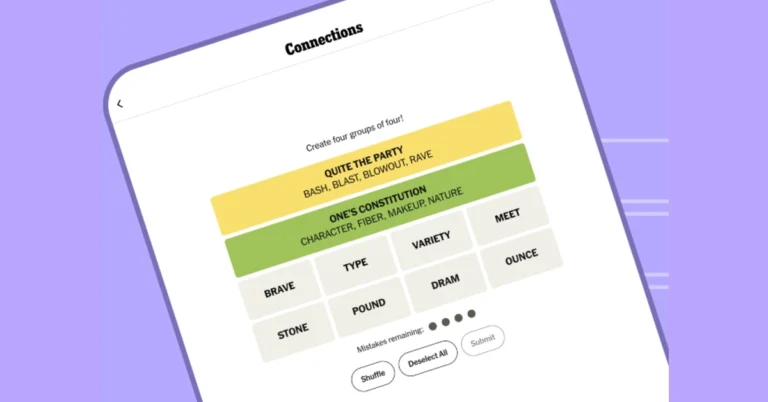
After Wordle, Connections is the New York Times’ most popular word game. The rules are simple. You need to find words with a common theme and group them into 4 groups of 4. The 16-word grid is designed with an increasing level of difficulty. The Yellow group is the easiest to spot, followed by Green, Blue, and Purple. The misdirects and red herrings can trip you up, but they also make the puzzle more fun. You can play the game in the NYT Games app or on the NYT website.

Some tips to solve Connections

Look for the obvious patterns: Not every category in the puzzle is confusing. The Yellow and Green category words are relatively easy to spot. However, if something seems too obvious, it could be a red herring. Typically, the first two categories comprise verbs and adjectives. The misdirects are often nouns. Double-check your submissions: ‘Do not overthink’ is usually a good tip for solving most puzzles, but it doesn’t really apply to Connections. Before submitting a set of words, you should always check whether they fit somewhere else too. Hit a dead end? Use the shuffle button: The shuffle button at the bottom of the grid exists for a reason. Placing the words in different positions can spark new connections. Think of it as a mental refresh. New patterns will emerge, and you may be able to find a breakthrough. Tackle the Purple category with extra caution: The Connections team is known to serve up the toughest and most unexpected words for the Purple category. Here are some of the common tropes that you should look out for:
  • Homophones (For example: ‘Pear’, ‘Pair’, ‘Pare’, and ‘Pere’)
  • Words within words (For example: ‘Slip’, ‘Hear’, ‘Keyes’, and ‘Undiagnosed’ could be ‘Words containing parts of the face’)
  • Words minus a letter (For example: ‘Anther’, ‘Easel’, ‘Hark’, and ‘Lama’ could be ‘Animals minus starting letter’)
  • Words preceded or followed by another word (For example: ‘Face’, ‘Sports’, ‘Note’, and ‘Year’ could be ‘____ Book’)

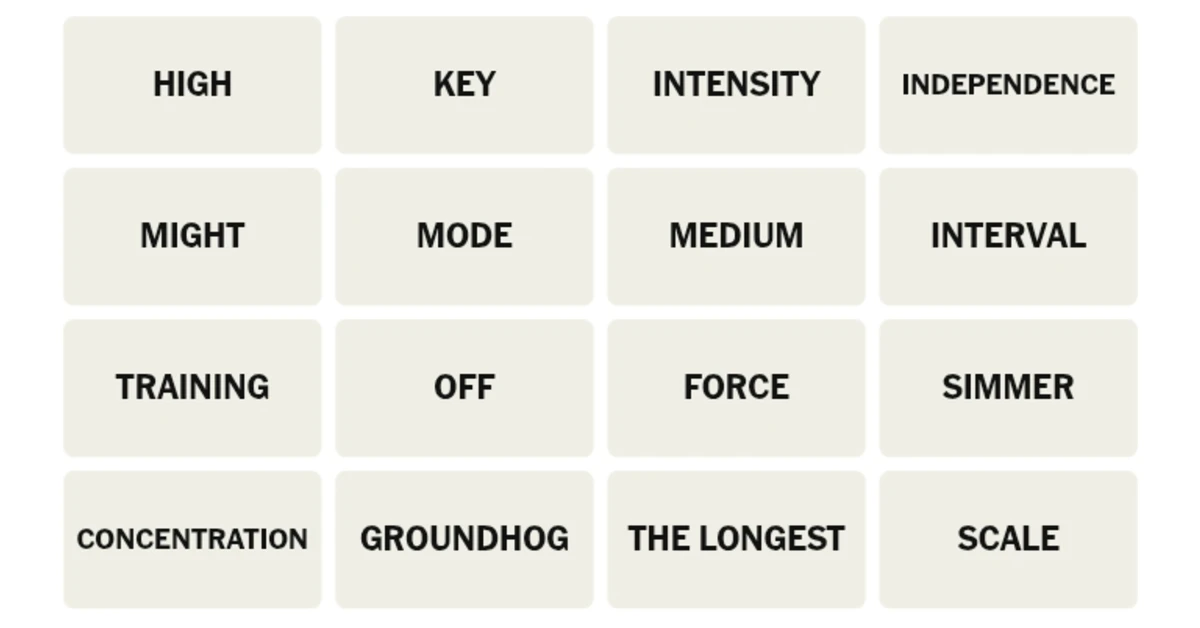
Here’s your grid for today

Here’s your grid for today
  • HIGH
  • KEY
  • INTENSITY
  • INDEPENDENCE
  • MIGHT
  • MODE
  • MEDIUM
  • INTERVAL
  • TRAINING
  • OFF
  • FORCE
  • SIMMER
  • CONCENTRATION
  • GROUNDHOG
  • THE LONGEST
  • SCALE

Hints for NYT Connections (#1,074) May 20, 2024

Let’s get you started with some general, spoiler-free hints.
  • 🟡Yellow Group: Adjusting the heat while cooking.
  • 🟢Green Group: Strength. 
  • 🔵Blue Group: Essential characteristics of a musical piece.
  • 🟣Purple Group: Popular movies ending in a common word.

One Word Per Category (Contains Spoilers)

Can’t seem to find an in? We’ll give you one word from each category.
  • 🟡Yellow Group: High.
  • 🟢Green Group: Concentration.
  • 🔵Blue Group: Interval.
  • 🟣Purple Group: Groundhog.

List of Themes (Major Spoilers)

Maybe getting to know the common themes among the words will help you spot them faster. Here are all the categories for today.
  • 🟡Yellow Group: Stove Knob Settings.
  • 🟢Green Group: Potency.
  • 🔵Blue Group: Music Theory Concepts.
  • 🟣Purple Group: “___ Day” Movies.

Answers to NYT Connections (#1,074) Today (May 20, 2026)

Close to waving the white flag? Fine, we’ll give you the answers.
  • 🟡Yellow Group: High, Medium, Off, Simmer. (Stove Knob Settings)
This group should not have given you any problems. Simmer is the obvious word that sparks the connection with the rest of the three members.
  • 🟢Green Group: Concentration, Force, Intensity, Might. (Potency)
Some may have been confused by ‘High’ being on the grid, but if you got the Yellow group before Green, this would not have been a problem.
  • 🔵Blue Group: Interval, Key, Mode, Scale. (Music Theory Concepts)
Mode, Medium, and Scale could also be mathematical terms, but ‘Interval’ makes this group easy to solve.
  • 🟣Purple Group: Groundhog, Independence, Training, The Longest (“___ Day” Movies)
Film nerds and cinephiles would’ve loved this one. These are some of the most popular movies of the last few decades: Groundhog Day, Independence Day, Training Day, and The Longest Day.

Answers to yesterday’s puzzle

  • 🟡Yellow Group: Babble, Cry, Nurse, Teethe. (Things Babies Do)
  • 🟢Green Group: Alter, Cook, Doctor, Fudge. (Modify Deceptively)
  • 🔵Blue Group: Blubber, Deenie, Forever, Superfudge. (Judy Blume Books)
  • 🟣Purple Group: Founder, Salon, Surgeon, Trot. (Fish Minus A Letter)

Answers to NYT Connections (#1,072, May 18, 2026)

  • 🟡Yellow Group: Pair, Pare, Pear, Pere. (Homphones)
  • 🟢Green Group: Blow, Crack, Pop, Split. (Rupture)
  • 🔵Blue Group: Padre, Red, Royal, Twin. (MLB Player)
  • 🟣Purple Group: Cheap, Earp, Lump, Wiki. (Fruit Anagrams)

Answers to NYT Connections (#1,071, May 17, 2026)

  • 🟡Yellow Group: Duct, Line, Main, Pipe. (Conduit) 
  • 🟢Green Group: Fleece, Hose, Squeeze, Stiff. (Swindle)
  • 🔵Blue Group: Boil, Pour, Steep, Strain. (Tea-Making Verbs)
  • 🟣Purple Group: Grade, Grammar, High, Primary. (‘School’ Modifiers)
Read Also: Google I/O 2026: Every Major Announcement Expected at Today’s Keynote 

How did other solvers do today?

NYT’s early testers rated today’s Connection puzzle 2.3 out of 5. This puts it in the medium difficulty level. Let us know how you fared in the comments!

Here is everything we know about Gemini Omni, the new advanced, multimodal creative feature designed for video creation and editing

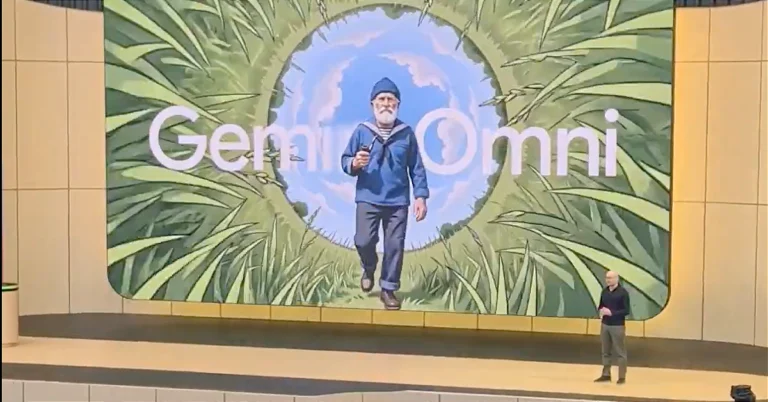
During the Google I/O 2026 event, Google explained the Gemini Omni model and its capacity to produce samples with many output modalities from any input, initially prioritising video outputs. This innovative model combines the more advanced intelligence of Gemini with generative media technologies to enhance a lot of its understanding of various contexts and facets of the world. The first commercial product in this range, called Gemini Omni Flash, is accessible to consumers immediately. Individuals may access the model via platforms including the Gemini app, Google Flow and YouTube Shorts. Google also expects to make this approach available to developers and enterprise clients via APIs over the coming weeks, allowing for wider integration and use in various applications.

Gemini Omni: What It Is And How It Works

Gemini Omni is a next-gen, multi-modal creative tool for creating and editing video. It combines the fundamental intelligence of Gemini with the latest generative media models from Google. It serves as an interactive conversational companion that enables video production and editing based on a natural understanding of various domains, like physics, history, biology, and culture. This enables Gemini Omni to efficiently mirror real-world dynamics in its outputs, making sure there is a realistic depiction in video clips. Also Read: Google IO 2026: Here is everything about the Intelligent AI Search box and new features It has multimodal inputs that allow users to combine text prompts, photos and video uploads to create high-quality video outputs, but is restricted to one video file at a time. The user may add various photographs and text instructions to improve the end result. Another unique feature is being able to edit videos through conversation – users can edit any film, whether it was posted by a user or created by Gemini, using only verbal commands. The system has a good memory of context, so every new instruction builds on the preceding one, helping to keep the characters, objects and scenes consistent as the project unfolds. Gemini Omni also significantly improves user engagement by giving immersive exploring capabilities that go well beyond regular playback options. It may also lead to more interesting, dynamic chat experiences, such as narrated video walkthroughs of 30 to 60 seconds, aimed at explaining complex concepts one step at a time. This adaptability not only helps the creative process but also enhances the user’s grasp of the content being presented. Also Read: Google I/O 2026: Here is how Google’s AI Mode is changing the Search rules Users can generate videos using Avatars that make a digital depiction of themselves. As of now, Google is experimenting with new features to edit the audio and speech in these videos to make sure they’re safe and ethically available to users. All videos generated with the Omni function have an imperceptible digital watermark, called SynthID. Videos created using Gemini Omni may be authenticated by the Gemini app, Gemini in Chrome and Google Search. Also Read: The Moto G37 and G37 Power with the MediaTek Dimensity 6400 SoC launched in India

Where to find it

Gemini Omni is a premium experience that is available globally for paying Google subscribers only. You’ll find it on the left-hand side navigation menu under “Videos” or by clicking the “+” (add) button in the chat input field. It is important to remember that this function is not available to individuals on the Free tier.

Google IO 2026: Here is everything about the Intelligent AI Search box and new features 

At Google I/O 2026, Google announced an AI-native search interface that changes the way we search by replacing the normal keyword input box. This new Intelligent Search box enables multimodal and conversational queries to enhance user engagement. The generative AI features have over 2.5 billion monthly active users, reflecting a major change in user engagement. In addition, Google is moving away from a single-turn keyword-matching model to a more dynamic conversation model with the web. The Intelligent Search Box is a huge leap in search technology that can capture user intent in a much more nuanced way than conventional, rigid keyword systems. The novel search interface is meant to grow dynamically as the user types in complex natural language queries, offering a more intuitive interaction with the search function. The engine is the Gemini 3.5 Flash model, which is also the default engine for Search’s AI Mode, so it’s powerful. The search box also offers AI-powered contextual recommendations to allow users to ask deeper and more precise questions, improving the entire search experience. Also Read: Google I/O 2026: Here is how Google’s AI Mode is changing the Search rules True multimodal search inputs have been enabled for consumer electronics, enabling the AI Search box to ingest a variety of formats, including normal text prompts, high-resolution photos, live camera feeds, advanced localised files, entire video clips, and active Chrome browser tabs. This capability enables users to troubleshoot devices, plan vacations or extract information from PDFs by pulling relevant resources straight into the search box. The technology is aimed at delivering synthesis-driven responses as well as standard web links, boosting the entire search experience. Also Read: The Moto G37 and G37 Power with the MediaTek Dimensity 6400 SoC launched in India Google has launched Generative UI with its Antigravity 2.0 technology to drastically enhance the user experience. This innovative user interface allows users to dynamically construct custom layouts beyond the traditional search results page. The platform is able to provide a wide range of interactive features, such as widgets, data frameworks, simulation tables, and mini-applications, all of which are tailored to specific queries. One such use case for this innovation is for a family vacation weekend planner that can gather information from users’ Gmail, Google Calendar and Google Photos. In addition, these generated mini-apps may be customised, stored and shared with others, promoting collaborative planning and user engagement. All in all, Google’s Generative UI is a huge step towards customising user experience and making it more responsive to individual requirements. Also Read: Amazon’s new Fire TV Stick HD with improved performance arrives in India Google has rolled out a new feature called Search Agents with the redesign of Search. This new feature makes the search process more passive than active. From the search interface, users may now create specialised information agents. The agents constantly crawl the web in real-time, gathering data from news sites, blogs and local data, so users can keep up with issues they care about. The adaptability and real-time responsiveness of the new system were shown by agents that follow dynamic factors like local apartment listings and athletes’ announcements about sneaker partnerships. In order to address latency issues tied to AI integrations in search, Google has been working on a dual-chip setup that uses the TPU 8t for pre-training and the TPU 8i for fast inference. The Gemini 3.5 Flash accelerates multi-modal query processing, enabling Search to run as a background agent and analyse substantial amounts of data without any delay to the user.

Availability

Google is rolling out their intelligent AI Search box worldwide without any regional restrictions. It’s a big and bold step in the tech landscape. Later this summer, it will also roll out Advanced Search Agents and custom mini-app features. But these advanced capabilities will be available only to subscribers to Google AI Pro and Ultra, providing distinct benefits to these user groups.

Google I/O 2026: Here is how Google’s AI Mode is changing the Search rules

Users have been using search engines with term truncation for about thirty years now. This allows users to make simplified enquiries, like the best Italian restaurant in Boston. That behaviour changed with the advent of Google’s AI Mode, which just marked its one-year anniversary and has over 1 billion monthly active users around the globe. In AI Mode, the number of queries has more than quadrupled each quarter, reflecting a major development in user behaviour. AI is the bridge between conventional search engines and reasoning engines, and consumers are not just searching more, but interacting with search engines in fundamentally new ways. Google says the shift from the old world of text-only search to a more multimodal web is underway, with more than 1 in 6 queries in the US now conducted by voice or pictures. Image-based enquiries have witnessed a tremendous increase, growing at a rate of 40% each month. More and more users are turning to visual and conversational enquiries over written descriptions. The change in search techniques means a transition from looking for particular words to more natural interactions like pointing and asking. Also Read: The Moto G37 and G37 Power with the MediaTek Dimensity 6400 SoC launched in India AI Mode search queries are almost three times longer than conventional Google searches, indicating a significant change in user behaviour. The query fan-out approach enables the simultaneous search of complicated queries by breaking them down into several subtopics. Users are more and more comfortable with formulating detailed questions than simple queries. A good illustration of this trend is the long-form query: Where should I take a family of four for a week in July that has outdoor hiking and a beach, is under a 4-hour drive from Philly, and fits a $3,000 budget? This tendency indicates a shift towards a full-sentence style of communication with AI, implying a more natural way of communicating. Also Read: Amazon’s new Fire TV Stick HD with improved performance arrives in India Google’s move from an information retrieval model to an action and planning model is a significant step forward in the power of search. Previously, Google would provide straight answers or connections to certain questions. But now, with the new AI Mode, search has turned into an execution engine, helping users plan travel itineraries, structuring workout regimens, coordinating corporate schedules, and mapping project timelines. This is reflected in a claimed 80% quicker rise in planning-related enquiries than total AI Mode requests in the last six months.  There’s also been an increase in brainstorming enquiries, which have grown 30% since AI Mode was introduced, suggesting a trend where people are starting to lean on AI for more complicated thinking. This trend is being driven by queries that start with conversational terms, such as where to and ideas for, which suggests that people are becoming more engaged with search. Also Read: The Moto G37 and G37 Power with the MediaTek Dimensity 6400 SoC launched in India These changes are of great significance. The launch of AI Mode has put to rest scepticism about users’ willingness to adopt a conversational search style with the one billion user milestone. This is a big change for creators, companies and digital marketers. The old-school SEO methodology, which concentrated on optimising for short, rigid keywords, is becoming more obsolete. Search enquiries are becoming longer and more contextual. The content that will win will need to answer complex, multi-dimensional human situations, not just simple keyword matches. At the end of the day, AI Mode is not simply upgrading search technology; it’s redefining what searchable actually means.

Google’s AI-Powered Smart Glasses Are Coming Soon: Meet the Android XR Eyewear That Wants to Replace Your Phone

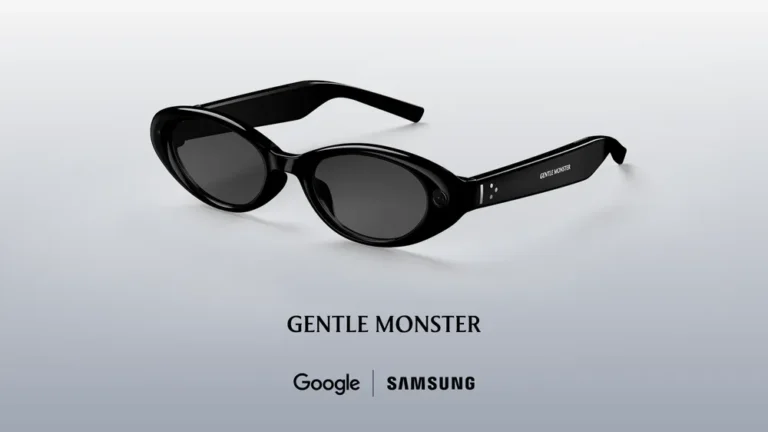
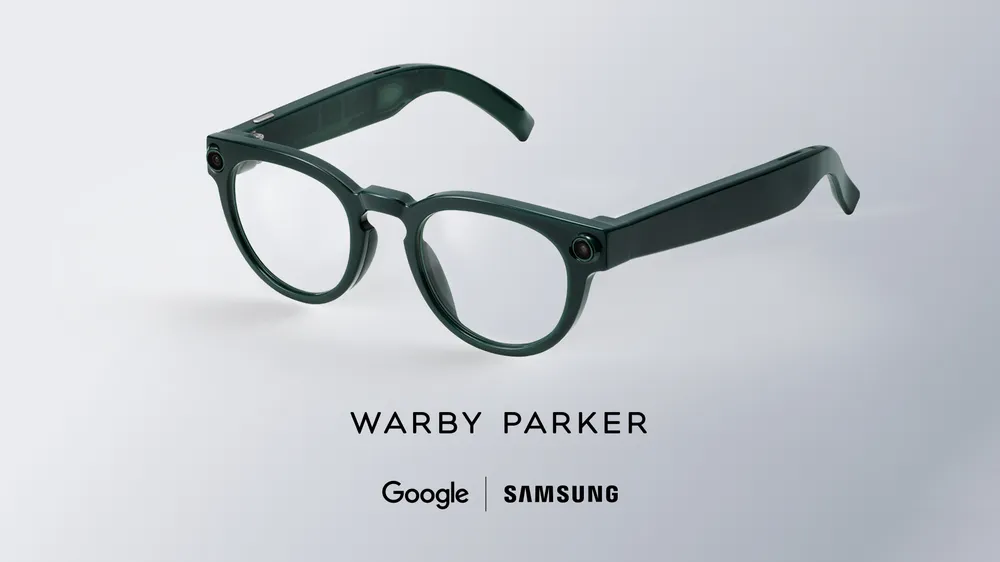
Google’s Android XR audio glasses with Gemini AI are officially on the horizon, and the search giant is not being shy about its ambitions. At Google I/O 2026, Google pulled back the curtain on its new category of “intelligent eyewear,” a product range built in close partnership with Samsung and Qualcomm that runs on the Android XR platform. For the first time, the world got a proper look at two real designs: one from cult fashion label Gentle Monster, and one from beloved American eyewear brand Warby Parker. No ugly prototype vibes here. These are glasses you might actually want to wear.

What Exactly Are These Glasses?

Google is splitting its intelligent eyewear into two distinct types. The first, launching later this fall, is audio glasses. These are screenless by design, delivering all their help through built-in over-ear speakers that are described as crisp, clear, and private. The second type, display glasses, will follow at a later date and will overlay information directly into your field of vision. For now, the audio glasses take the spotlight, and they are packing a surprising amount of technology into a pair of frames.

There are cameras and microphones onboard for Gemini’s use, and you can wake up the assistant either by saying “Hey Google” or by tapping the side of the frame. From that moment, the glasses become something of a personal AI companion for the real world.

Read Also: Google I/O 2026: Every Major Announcement Expected at Today’s Keynote 

Features That Actually Matter

The feature list is genuinely impressive, and reads less like a tech spec sheet and more like a wish list someone reasonable would have written.

Navigation gets a serious upgrade. Because the glasses know exactly where you are standing and which direction you are facing, turn-by-turn directions feel genuinely natural, rather than the robotic barking most phone navigation apps offer. Gemini can also add stops to your route or suggest nearby restaurants based on your preferences, mid-journey.

Warby Parker
Warby Parker

Real-time translation is another standout. Whether you are looking at a menu in a foreign language or having a conversation with someone who speaks a different tongue, the glasses can translate both written text and spoken speech. Impressively, the audio translation is designed to match the tone and pitch of the original speaker’s voice, which should make the experience feel far less robotic than the machine translations we have all grimaced through.

Photo and video capture work with a single voice command. Pair that with Nano Banana, Google’s generative AI image editing model, and you can take a picture and immediately transform it. The example Google gave was telling the glasses to “put everyone in funny hats,” which is either delightful or mildly unhinged, depending on your sense of humour.

The task management capabilities are where things get genuinely futuristic. Gemini Intelligence can handle multi-step background tasks while you are going about your day. The demo saw Gemini preparing a coffee order on DoorDash, with the user only needing to confirm the final purchase. Uber rides, language learning through Mondly, and managing calls and texts without touching your phone are all part of the mix, too.

The Fashion Question Google Finally Got Right

Anyone who remembers Google Glass knows that even the best tech falls flat if nobody wants to wear it. Google has clearly learned from that particular adventure. Both Gentle Monster, known for its bold and artistically disruptive designs, and Warby Parker, celebrated for its refined and timeless aesthetics, bring serious fashion credibility to the partnership. These are not novelty gadgets masquerading as eyewear. They are fashion pieces with technology quietly built inside.

Gentle Monster founder and CEO Hankook Kim described the goal as merging fashion and technology in a way that feels “bold, beautiful and human.” Warby Parker brings its own distinct design philosophy to its collection, aiming for the kind of understated elegance that sits comfortably in both a coffee shop and a boardroom.

A Few Things We Are Still Waiting On

No pricing has been confirmed. No exact release date beyond “fall 2026” has been given for the US market. International availability details are equally thin on the ground. For comparison, Meta sold over seven million AI glasses in 2025, more than triple the prior year, and currently holds around 82 per cent of global smart glasses shipments. Google is entering a market that already has a dominant player, and it needs both the technology and the fashion credentials to compete seriously.

The glasses will work with both Android and iOS phones, which is a smart move given the sheer number of iPhone users in key markets like the US, UK, and Australia.

Read Also: Google I/O 2026: Gemini Goes Agentic and Everything Changes

The Bigger Picture

Intelligent eyewear is shaping up to be the next genuinely new hardware category, and Google is making a serious play to lead it. The combination of Gemini AI, strong fashion partnerships, cross-platform support, and a rich feature set gives these glasses a better foundation than any previous attempt at smart eyewear. Whether they can convert that foundation into real consumer success will depend on factors that remain unanswered for now: price, battery life, and how well Gemini actually performs in real-world conditions.

The truth is that if these glasses are priced sensibly, look good, and the AI works reliably, Google might just have its most interesting consumer hardware launch in years. That is not a guarantee, but for the first time in a long time, it feels like a reasonable possibility.

Google I/O 2026: Gemini Goes Agentic and Everything Changes

If you thought last year’s Google I/O was ambitious, Google CEO Sundar Pichai just walked onto the Shoreline Amphitheatre stage in Mountain View and casually announced the next era of computing. Google I/O 2026 agentic AI announcements confirmed what many had suspected: Google is no longer building features around AI. It is rebuilding everything around it. From a 24/7 personal AI agent to a multimodal model that generates video from virtually any input, the sheer breadth of what landed at I/O this year would make anyone’s head spin.

Welcome to the agentic Gemini era. Buckle up.

The Numbers Are Staggering

Before getting to the products, the scale matters. Two years ago, Google was processing 9.7 trillion tokens a month across its surfaces. At last year’s I/O, it had grown to roughly 480 trillion. Today, that figure has jumped sevenfold to over 3.2 quadrillion tokens per month. Over 8.5 million developers are now building apps with Google’s models monthly, and the company’s model APIs are processing roughly 19 billion tokens per minute.

These are not vanity metrics. They represent real adoption at a speed that the industry has rarely seen before.

Read Also: Google I/O 2026: Every Major Announcement Expected at Today’s Keynote 

Gemini 3.5 Flash: Frontier Speed at Half the Price

The headline model of the day is Gemini 3.5 Flash. According to Google, it outperforms the older Gemini 3.1 Pro across almost all benchmarks, with particular leaps in coding tasks. The really striking number is speed. Google says 3.5 Flash is four times faster than comparable frontier models when measured by output tokens per second, making it simultaneously one of the most capable and most nimble AI models available right now.

The cost angle is just as compelling. Google pointed out that companies shifting 80% of their workloads from other frontier models to 3.5 Flash could save over one billion dollars annually. That is not a rounding error. Gemini 3.5 Flash is available today across Google’s products and APIs, with Gemini 3.5 Pro following next month.

Gemini Spark: Your AI Agent That Never Sleeps

The product generating the most excitement is Gemini Spark, a personal AI agent baked into the Gemini app that operates 24 hours a day, seven days a week, on dedicated virtual machines in Google Cloud. You do not need to leave your laptop open. Spark is powered by Gemini 3.5 and the new Google Antigravity platform, designed to handle long-horizon tasks quietly in the background while you get on with your life.

It integrates with Google’s own tools from the start, with third-party MCP support arriving in the coming weeks. On Android, users will be able to monitor task progress through a new UI layer called Android Halo, launching later this year. Later this summer, Spark will operate directly within Chrome, acting as a fully agentic browser companion.

The Gemini Spark beta is rolling out to Google AI Ultra subscribers in the US next week.

Gemini Omni: When AI Learns to Dream in Video

Google also introduced Gemini Omni, a new model capable of generating output in any modality from any input. The first launch, Gemini Omni Flash, starts with video outputs and will expand to images and text over time. It fuses Gemini’s language intelligence with Google’s generative media models into something that feels genuinely new. You can try it today in the Gemini app, Google Flow, and YouTube Shorts. API access for developers and enterprises is coming in the next few weeks.

Ask YouTube and Docs Live: AI Meets Everyday Products

Google did not stop at model announcements. Ask YouTube entirely reimagines how users discover content on the platform. Instead of scrolling through search results and hoping for the best, Ask YouTube surfaces the most relevant moment in a video, surfaced specifically for your question. It begins US testing this summer.

In Google Docs, a new feature called Docs Live lets users verbally brain dump their thoughts and have Gemini organise, structure and write from that raw audio. No more wrestling with a blank page. Docs Live rolls out to subscribers this summer, with similar voice capabilities heading to Gmail and Keep at the same time.

Read Also: NYT Strands Hints and Answers for May 19, 2026 (Puzzle #807)

Search Gets an Agentic Upgrade

Google Search itself is entering the agentic era in a meaningful way. Information agents in Search are personalised AI agents working in the background around the clock to find information and trigger actions at exactly the right moment. These agents roll out this summer, initially for Google AI Pro and Ultra subscribers.

Search will also gain generative UI capabilities, building custom layouts and interactive visuals for individual queries. These tools will be free for everyone this summer, with persistent custom dashboards and trackers coming first for Pro and Ultra subscribers in the US.

SynthID Now Has OpenAI as a Partner

In a surprising cross-industry development, Google announced that OpenAI, Kakao and Eleven Labs are all adopting SynthID, Google’s invisible AI watermarking technology. Since its launch three years ago, SynthID has watermarked over one hundred billion pieces of content. Google is now expanding Content Credentials and SynthID verification into Search and Chrome, giving users an easy way to verify whether content was created by AI or a camera.

The Infrastructure Behind It All

To support this AI wave, Google’s capital expenditure is expected to hit between $180 billion and $190 billion this year, roughly six times its 2022 figure. The company also announced its eighth generation of TPUs, with a dual chip approach: TPU 8t for training, which offers nearly three times the raw compute of the previous generation, and TPU 8i for inference, optimised for speed and efficiency. Both deliver up to two times better performance per watt.

Google I/O 2026 in One Sentence

If this year’s I/O had a thesis, it was this: AI should not be a destination you visit. It should be the infrastructure you live inside. Google has made a very bold, very expensive, and frankly very coherent bet that agentic AI is the next computing paradigm. Whether Gemini Spark becomes as indispensable as Google Search once did remains a genuinely interesting question. But after today, dismissing the possibility feels considerably harder than it did yesterday.

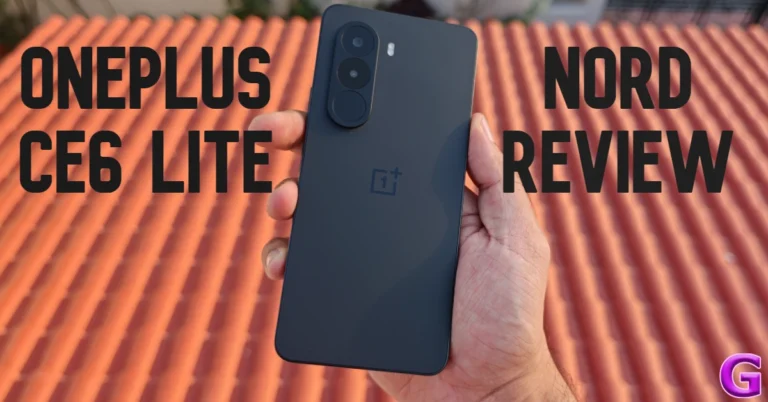
OnePlus Nord CE6 Lite Review: Stunning looks, reliable performance

After taking a hiatus in 2025, OnePlus’s ‘CE Lite’ offering is finally back on the Nord 6 series. The brand’s most affordable offering makes its comeback at a time when smartphone prices are going up across the board. The Nord CE6 Lite gets some key upgrades over its predecessor, Nord CE4 Lite (our review here). However, in order to keep its price in check, it has made some crucial tradeoffs as well. The most notable one is the LCD panel replacing the AMOLED display. We used the smartphone for a week to find out if it’s still a good deal at Rs 20,999. Check out our comprehensive review of the OnePlus Nord CE6 Lite. Read Also: Top 10 phones priced under Rs 40,000 in May 2026

OnePlus Nord CE6 Lite Review: Design and Display

Box Contents

  • Smartphone
  • 45W power adapter
  • USB-C to USB-A cable
  • Clear plastic cover
  • SIM ejector
  • Quick guide

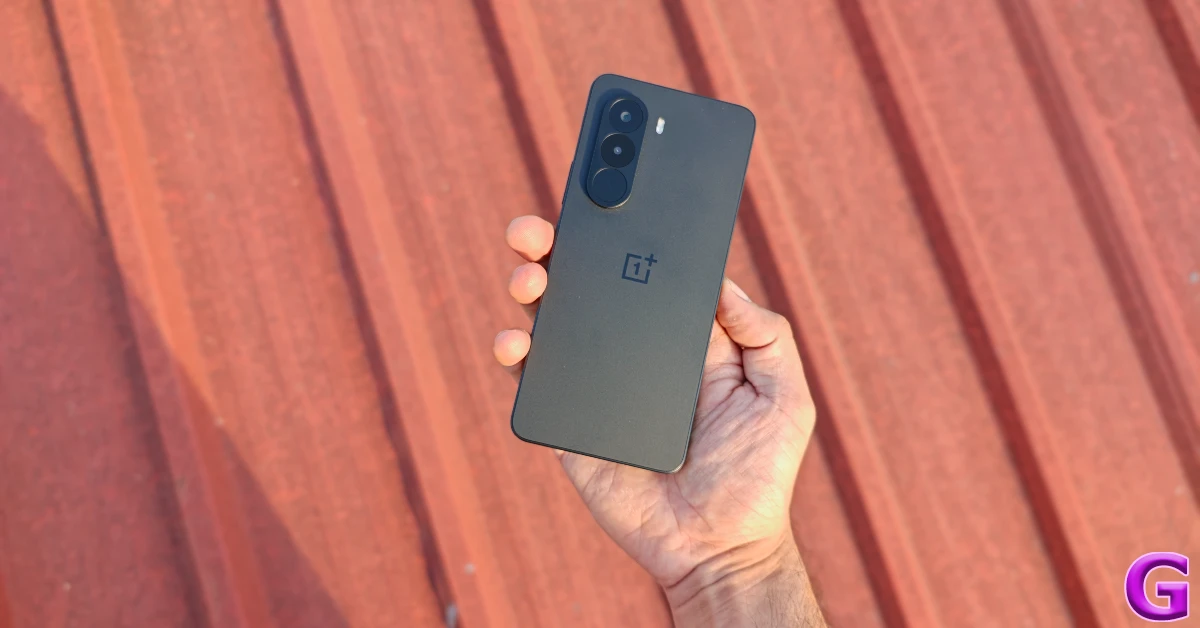
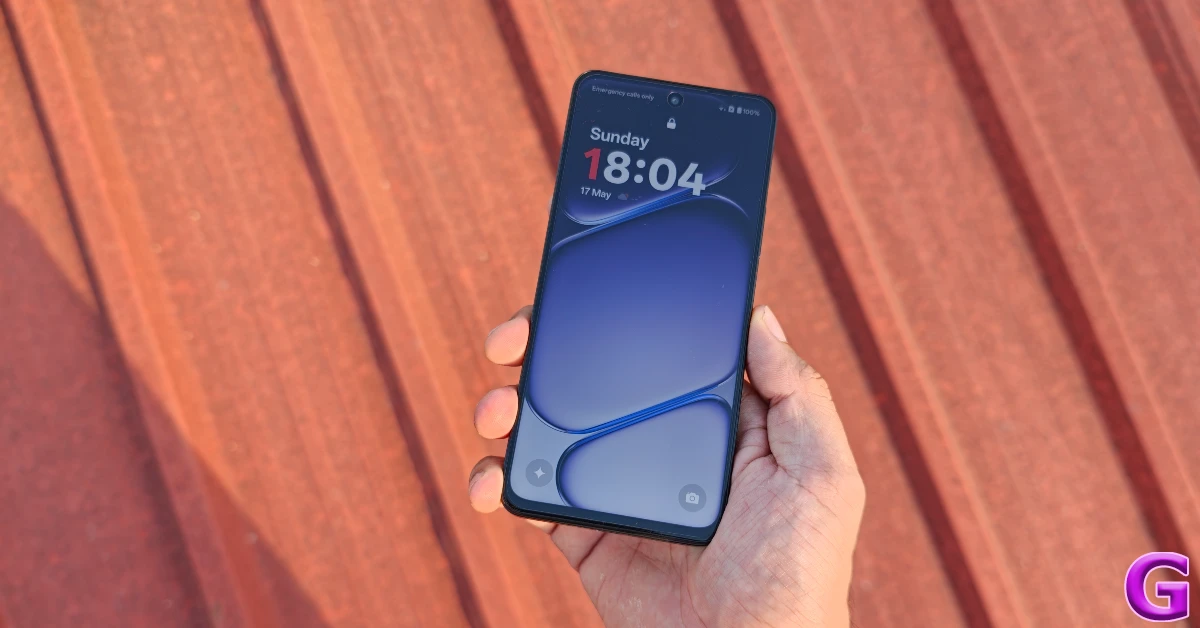
The Nord CE6 Lite is one of the most aesthetically sound phones we’ve seen this year, and, dare we say, better than most of the flagships on the market. While it has a plastic back panel, the matte finish lends it a sublime in-hand feel. The OnePlus logo embossed at the centre of the panel has a contrasting glossy texture. The pill-shaped camera island is the only one of its kind in OnePlus’s current lineup. It adds a touch of flair and gives the device a unique personality.

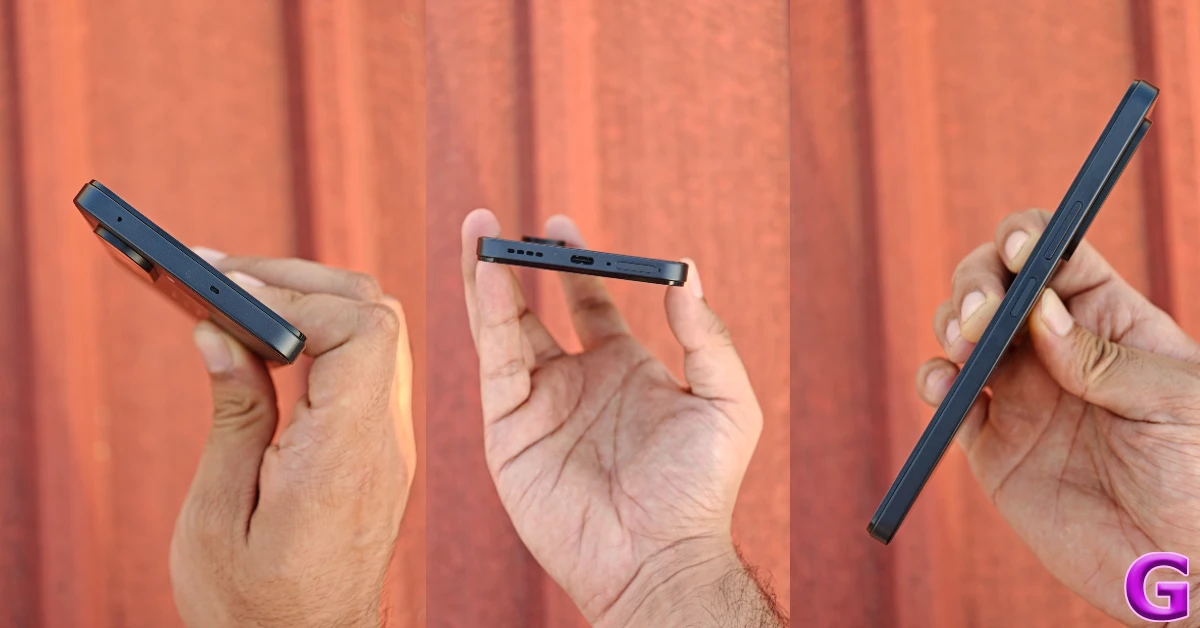
OnePlus Nord CE6 Lite Review: Design and Display The plastic frame houses the volume rocker and the side button on its right edge. The bottom edge houses the hybrid SIM tray (with microSD card support), primary microphone, USB-C port, and speaker grille. The secondary speaker and noise-cancelling microphone are positioned up top. Unlike the Nord CE4 Lite, this smartphone does not have a 3.5mm headphone jack. On the bright side, its dust and water resistance rating has been upgraded to IP64. The device is also compliant with MIL-STD-810H durability standards. design The 6.72-inch IPS LCD panel on the Nord CE6 Lite is a far cry from the 6.67-inch AMOLED display we saw on the Nord CE4 Lite. It has a higher refresh rate at 144Hz, but its brightness is capped at 1,000 nits in High Brightness Mode. As a result, the screen feels a bit dim when you pull it out in bright outdoor conditions. On the ‘bright’ side, this isn’t an issue in indoor conditions. The bottom edge of the display has a slightly chunky bezel, which feels a bit dated. Speaking of dated, this device has a side-mounted fingerprint scanner instead of an under-display optical unit. display The 1,080 x 2,400p LCD panel provides a decent viewing experience. The visuals are packed with vibrant colours and sharp details. However, if you’re looking for punchier contrast and finer dynamic range, an AMOLED display would be more suited to your needs. The stereo speaker setup on the Nord CE6 Lite is an improvement over the solo, bottom-firing speaker of its predecessor. The audio output is slightly boxy, but good enough for streaming content across platforms like Netflix, JioHostar, and YouTube.

OnePlus Nord CE6 Lite Review: Performance and Cameras

At the heart of the Nord CE6 Lite lies the MediaTek Dimensity 7400 Apex chipset. It comes in 3 RAM (LPDDR4X) and storage (UFS 3.1) variants:
  • 6GB + 128GB: Rs 20,999
  • 8GB + 128GB: Rs 22, 999
  • 8GB + 256GB: Rs 25,999
We ran a couple of benchmark tests on the device. Here is how it performed.
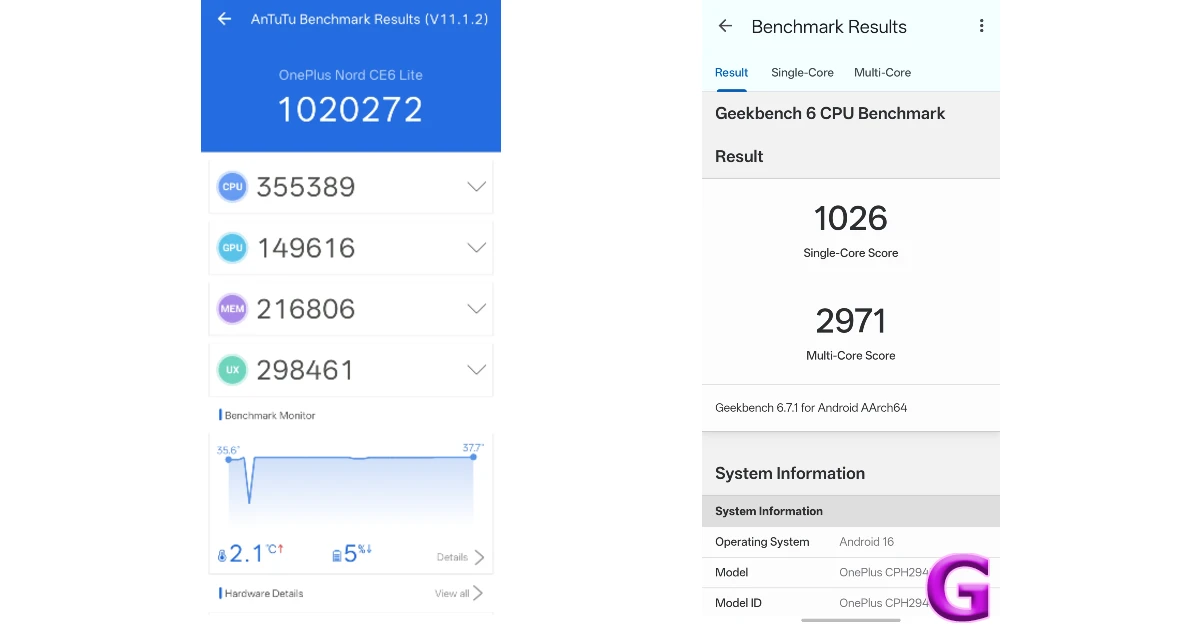
  • AnTuTu 3D: 1020272
  • Geekbench 6: 1026 (single-core) | 2971 (multi-core)
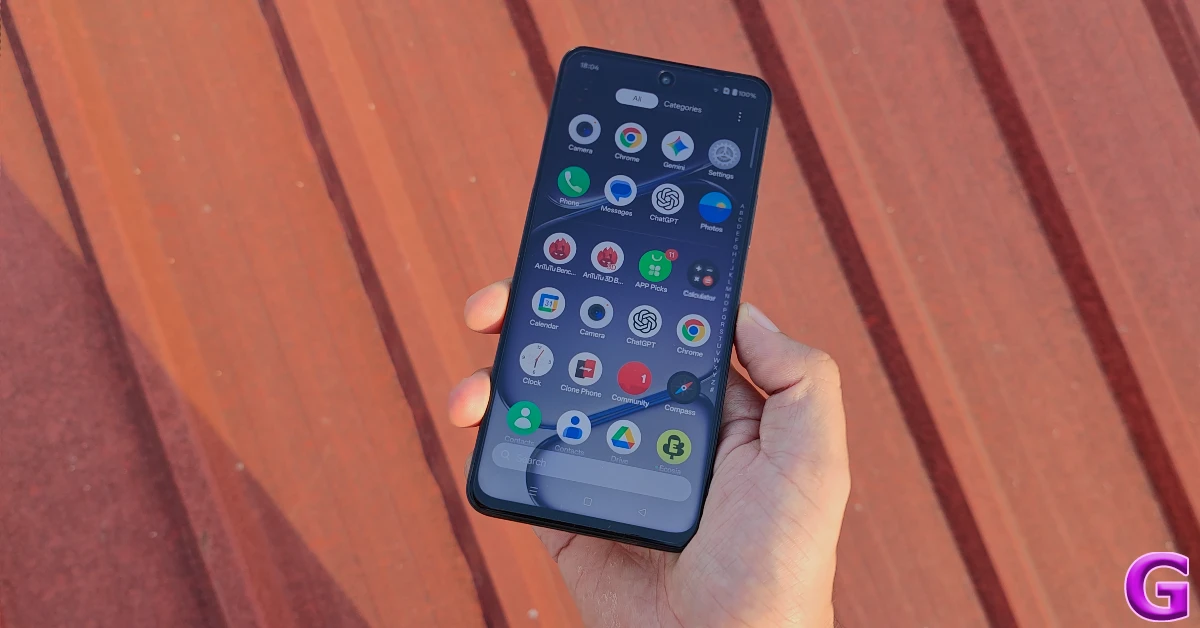
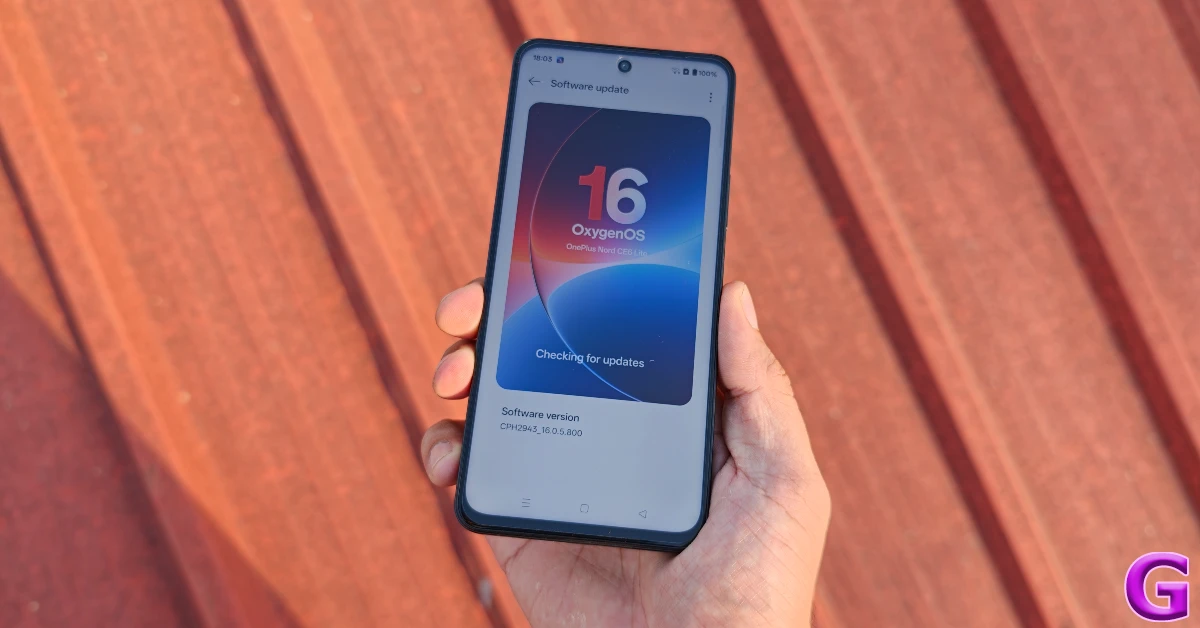
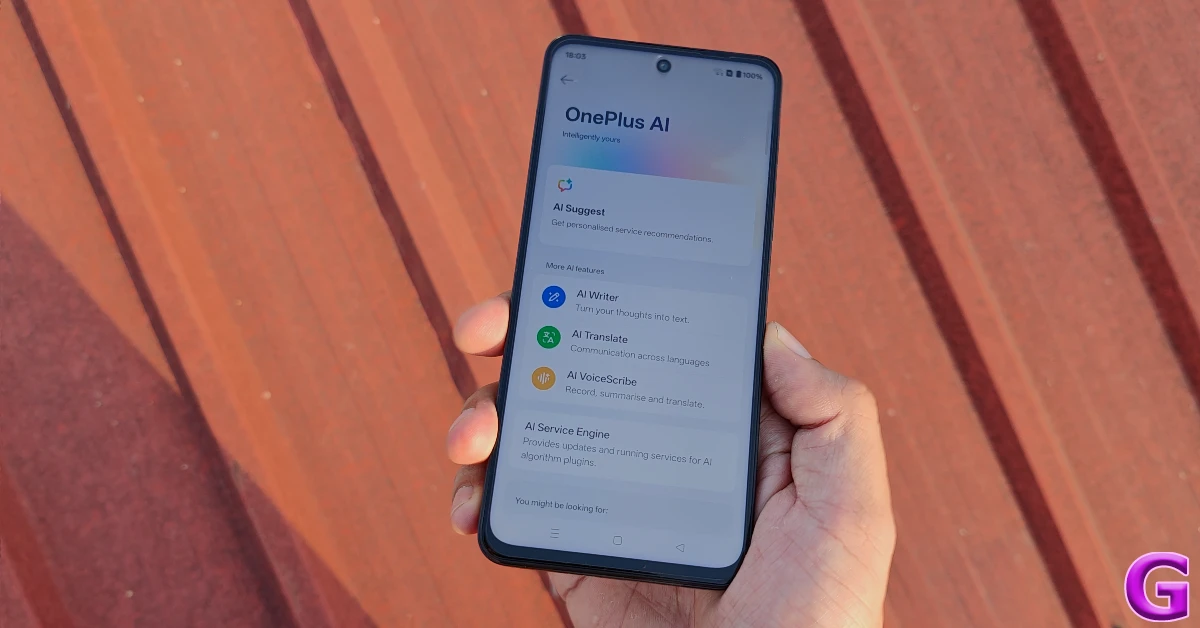
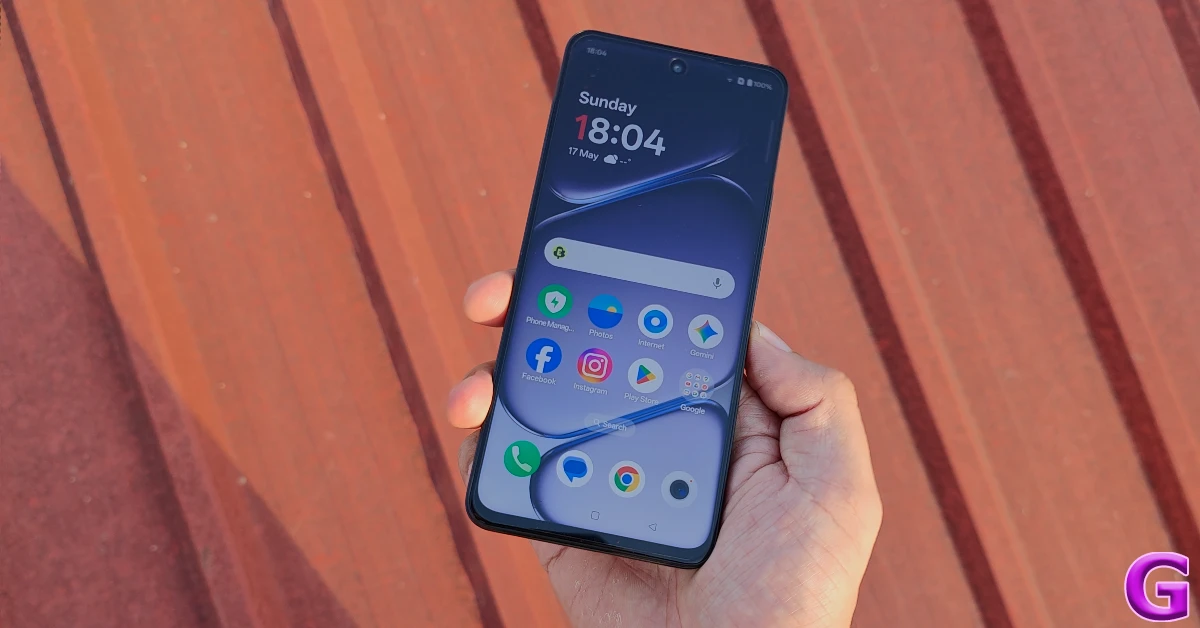
OnePlus Nord CE6 Lite Review: Performance and Cameras The Nord CE6 Lite is able to handle everyday tasks like calling, instant messaging, emailing, web browsing, and media streaming. Opening Instagram and browsing through Reels is a fluid and seamless experience. The same goes for video calls on WhatsApp and other third-party messengers. The UFS 3.1 storage configuration ensures that apps don’t take a long time to load. We did encounter a couple of odd jitters, but they didn’t take away from an otherwise good overall performance. apps When it comes to gaming, the Dimensity 7400 Apex chipset is well-equipped to handle titles like Call of Duty Mobile and BGMI. OnePlus says that the Nord CE6 Lite will be able to run these two titles at 90fps by the end of May. Endless runner games like Subway Surfers can be enjoyed at a stunning 144fps frame rate. The 5300mm² vapour chamber does its best to keep things cool, but the back panel starts to warm up after the 20-minute mark. We can give the device some grace since we’re in the middle of an intense summer, with temperatures soaring above 40°C. oxygenos 16 The Android 16-based OxygenOS 16 handles the software duties on this device. OnePlus has promised 2 major OS updates along with 3 years of security patches. There are a bunch of bloatware apps that come pre-installed on the phone – something that’s inescapable in the budget segment. We recommend taking the time to uninstall these apps while setting up the device. OxygenOS 16 feels light, vibrant, and well-optimised. We like that its app drawer has a separate ‘Categories’ panel inspired by iOS. The slick transitions and animations make general browsing a fun experience. You also get attractive ‘Flux’ themes for the lock screen and a good collection of wallpapers for the home page. Since the device does not have an AMOLED screen, it misses out on Always On Display. OnePlus Nord CE6 Lite Review: Performance and Cameras The OnePlus AI package consists of useful tools like AI Writer, AI Translate, and AI VoiceScribe. OnePlus’s ‘Mind Space’ is the only omission here. The AI Editor in the native Photos app has tools to remove reflection and unwanted objects, and boost the details of your pictures. You can also glow up your portraits using the aptly titled ‘AI Portrait Glow’ tool. You also get Google’s Circle to Search and Gemini Assistant out of the box. OnePlus Nord CE6 Lite Review: Performance and Cameras The Nord CE6 Lite packs a large 7,000mAh battery that holds enough juice to coast through the day with ease. You will have to try hard to drain this phone in a day. Even if your screen time exceeds 8 hours, you will be left with some charge in the tank before bed. We were able to get 2 days of battery life from this device on moderate usage. The battery pack supports 45W wired charging, a step down from the 80W charging support on the Nord CE4 Lite. It took us almost 2 hours to fully charge the phone using the 45W adapter provided in the box. main camera main camera The camera island on the back panel houses a 50MP Omnivision OV50D40 primary sensor and a 2MP depth sensor. In comparison, the Nord CE4 Lite employed a 50MP Sony LYT600 sensor for its main camera. The primary shooter on the Nord CE6 Lite takes good pictures in outdoor daylight conditions. The images have a natural tone to them, which is preferable over overprocessed images that end up looking artificial. We were happy with the contrast and the dynamic range, too. The camera struggles in limited lighting conditions, largely due to the lack of OIS. The resulting shots are hazy, grainy, and dim. OnePlus Nord CE6 Lite Review: Performance and Cameras camera camera
OnePlus Nord CE6 Lite Review: Performance and Cameras
Without Night Mode v Night Mode
Portrait shots taken by the Nord CE6 Lite are quite decent. The smartphone does a passable job of separating the subject from the background. However, we would’ve preferred a stronger background blur. The 8MP front-facing camera takes good selfies in natural lighting without overprocessing the skin tone and texture. This camera can record 1,080p videos at 30fps. Meanwhile, the primary camera can capture 4K footage at 30fps.
portraits
Portraits: 1x v 2x
selfie Read Also: Google I/O 2026: Every Major Announcement Expected at Today’s Keynote 

Verdict

Even though the OnePlus Nord CE6 Lite makes significant tradeoffs on the spec sheet, it manages to deliver a great performance for the price. The MediaTek Dimensity 7400 Apex chipset handles routine tasks without a hassle. 90fps support for gaming titles like BGMI and Call of Duty is a bonus. The massive 7,000mAh battery pack easily lasts 2 days on moderate usage. The main camera is reliable in outdoor daylight conditions. However, the Nord CE6 Lite’s strongest suit is its aesthetic appeal. The flat back panel with its matte texture and sleek camera pill is easily one of the best designs we’ve seen this year. Buy on the OnePlus eStore for Rs 20,999

Pros

  • Looks great
  • Big battery
  • 90fps support for BGMI and Call of Duty Mobile

Cons

  • LCD instead of AMOLED display
  • Missing under-display fingerprint scanner
  • Slow charging

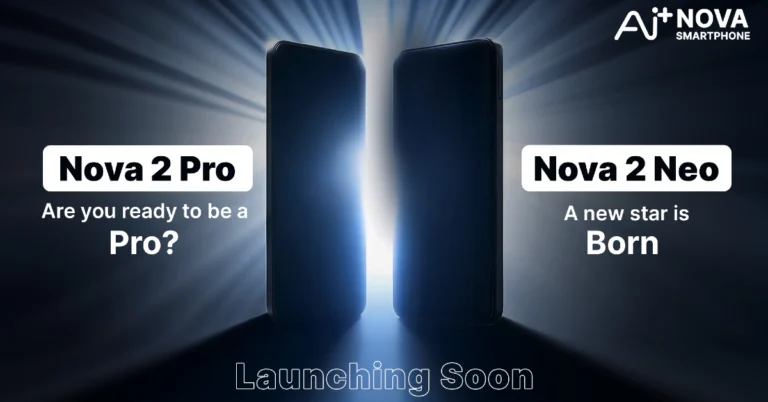
Ai+ Smartphone to soon launch Nova 2 Neo and Nova 2 Pro in India

Ai+ Smartphone is extending its flagship Nova 2 Series with the soon-to-be-launched Nova 2 Neo and Nova 2 Pro. The previous generations, Nova 2 and Nova 2 Ultra, were launched in April this year. According to the company, the smartphones experienced high consumer demand, leading to their quick sell-out. This considerable interest highlights the popularity of the Nova 2 Series, and the additional features are deliberately designed to build on this success. The expansion represents a significant stage in AI+’s expanding smartphone line, reflecting confidence in the market and a commitment to matching customer expectations. Also Read: Amazon’s new Fire TV Stick HD with improved performance arrives in India The Nova 2 Neo and Nova 2 Pro are the newest members of the AI+ smartphone family and have been tailored to address the needs of distinct market segments. The company says the Nova 2 Neo is designed to provide an entry-level smartphone experience with a focus on smart design and usability and to bring more people into the fold by putting the emphasis on accessible and meaningful technology. The Nova 2 Pro, on the other hand, is intended for consumers who want better performance and a premium experience but without the exorbitant price tag of a flagship device. We will hear more about both models in the coming weeks. Commenting on the expansion, Madhav Sheth, CEO, Ai+ Smartphone, said: “The response to the Nova 2 Series exceeded our expectations and validated a very simple belief for us that consumers today want devices that are not only powerful, but also expressive, accessible, and built around real-life usage. Nova 2 Neo and Nova 2 Pro are a natural extension of that journey. One expands access, the other raises capability, but both stay true to what Nova stands for. We’re excited for users to experience what comes next.” Also Read: The Moto G37 and G37 Power with the MediaTek Dimensity 6400 SoC launched in India Last month the company introduced the Nova 2 and Nova 2 Ultra in India. The Nova 2 has a 6.745-inch HD+ V-Notch display that refreshes at 120Hz. It is powered by an octa-core 6nm CPU that runs at 2.3GHz and is coupled with a Mali-G57 MP2 GPU. It has 4GB or 6GB of RAM and storage choices of 64GB or 128GB. There is a 50MP camera on the back and an 8MP camera on the front. It has a big 6,000mAh battery that supports 18W rapid charging and lets you connect to 5G NSA+SA, Bluetooth 5.0, and dual-band Wi-Fi. Also Read: Google I/O 2026: Every Major Announcement Expected at Today’s Keynote The Nova 2 Ultra has a bigger 6.78-inch 1.5K punch-hole AMOLED display that can be as bright as 2500 nits and refreshes at a faster rate of 144Hz. The MediaTek Dimensity 7400 4nm CPU in this model has 6GB or 8GB of RAM and 128GB of storage. The camera has a 50MP Sony IMX752 back sensor with optical image stabilisation, an 8MP wide-angle lens, and a 13MP front camera with Matrix AI. The battery is still 6000mAh; however, it can charge quicker at 33W. Wi-Fi 6 and Bluetooth 5.4 make it easier to connect to other devices. The gadget also has a custom gaming interface with dedicated triggers.