

Why would Apple do that? iPhone SE starts selling once again
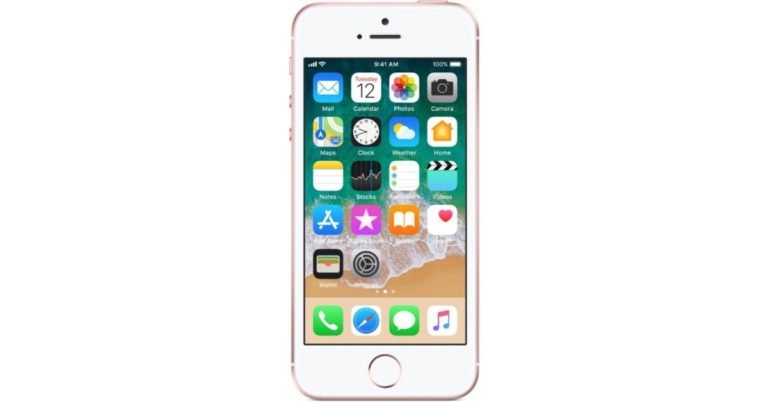
Apple has once again started selling the iPhone SE. This has been tipped by Macrumors that noticed that the Apple device is once again available for purchase through the company’s official website. The iPhone SE was discontinued last year along with the iPhone X and iPhone 6s. Alongside, it launched the iPhone XS, iPhone XS Max and iPhone XR as part of the 2018 lineup. However, things didn’t go as planned because the new iPhone models did not sell much. As a matter of consequence, Apple was forced to restart the production of iPhone X in November.
Now, it has also started manufacturing the iPhone SE. There are speculations that the company wants to get rid of its remaining stock of the iPhone SE, which is why it has made this move. The Apple iPhone SE has two storage variants—32GB and 128GB. The 32GB storage variant is available at $249 (roughly Rs 17,800) and the 128GB variant is purchasable at $299 (roughly Rs 21,300). Before they were banned, the former storage option costed $349 and the latter costed $449. To recall, the iPhone SE was launched back in March 2016 and appealed to a certain section of the Apple market with the Cupertino-based-tech giant selling quite a few units.
To recall, the device comes with an LED-backlit 4-inch IPS LCD display. The iPhone runs on iOS 12.1 and has a 2GB RAM. The main camera has a 12MP sensor with dual-tone flash and HDR. The selfie camera on the other hand comes with 1.2MP sensor. Connectivity options of the iPhone SE includes WiFi 802.11, Bluetooth 4.2, GPS, NFC and USB 2.0.
This Apple product comes with a non-removable battery of 1,624mAh. The three colour options of the iPhone SE include space grey, silver, gold and rose gold. It measures 123.8×58.6×7.6 mm and weighs 113grams.
For the latest gadget and tech news, and gadget reviews, follow us on Twitter, Facebook and Instagram. For newest tech & gadget videos subscribe to our YouTube Channel.
Mobiistar X1 Notch review: Good looks, not-so-great internals
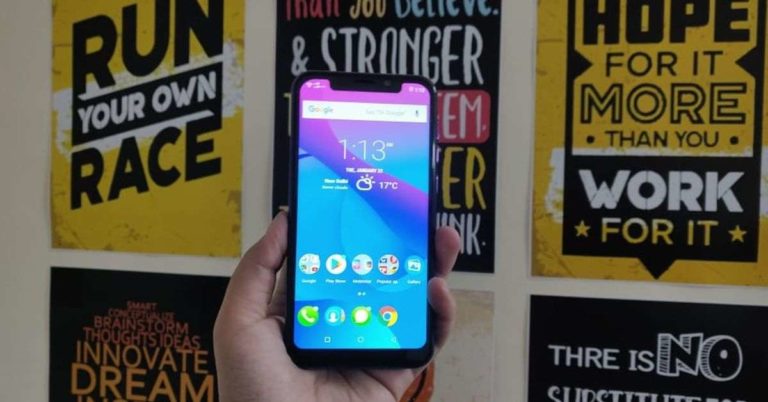
Vietnamese smartphone maker Mobiistar recently launched its X1 Notch smartphone in the Indian market. Priced at Rs 9,499, the smartphone competes with devices from Asus, Nokia and Honor in the budget segment. Is it good enough to give smartphones from these makers a run for their money? Or will it not manage to make a mark in the already crowded segment? Read the rest of our review to find out:
 The notch of the smartphone houses the earpiece, front camera and an ambient light sensor. The bezels that outline the display of Mobiistar X1 Notch are thicker than the ones we have seen on other recently launched smartphones. And its chin is pretty thick too. The power and volume rocker buttons are housed on the right edge of the Mobiistar X1 Notch and the left one has the SIM tray sandwiched in between.
The 3.5mm headphone jack is placed on the top while the speaker grille, microUSB port and the microphone are at the bottom. Flip over and you will see multi-toned back panel of the Mobiistar X1 Notch. While it was dominated by Purple, it has tones of Blue and Pink too. The rear panel of the smartphone houses its vertically stacked rear camera setup, its fingerprint sensor and its branding. In a nutshell, aesthetically, the smartphone is very good to look at, especially considering its price. Its rear panel makes it look premium and it does manage to stand out in the crowded budget segment.
The notch of the smartphone houses the earpiece, front camera and an ambient light sensor. The bezels that outline the display of Mobiistar X1 Notch are thicker than the ones we have seen on other recently launched smartphones. And its chin is pretty thick too. The power and volume rocker buttons are housed on the right edge of the Mobiistar X1 Notch and the left one has the SIM tray sandwiched in between.
The 3.5mm headphone jack is placed on the top while the speaker grille, microUSB port and the microphone are at the bottom. Flip over and you will see multi-toned back panel of the Mobiistar X1 Notch. While it was dominated by Purple, it has tones of Blue and Pink too. The rear panel of the smartphone houses its vertically stacked rear camera setup, its fingerprint sensor and its branding. In a nutshell, aesthetically, the smartphone is very good to look at, especially considering its price. Its rear panel makes it look premium and it does manage to stand out in the crowded budget segment.
 Coming to the 5.7-inch HD+ display of the smartphone, it left us with a mixed bag of feelings. We have already grumbled about the big notch and thick bezels while talking about the design, so we’ll straight away skip to the rest. The quality of images projected on the screen was mostly good and the colour reproduction was accurate in most cases.
They also remain consistent at various viewing angles and the display has decent sunlight readability. However, watching high-definition videos wasn’t too pleasant of an experience. But then, at this price point, that is forgivable. Overall, we would say that although the display has some downsides, it’s good for the price at which it is being offered.
Coming to the 5.7-inch HD+ display of the smartphone, it left us with a mixed bag of feelings. We have already grumbled about the big notch and thick bezels while talking about the design, so we’ll straight away skip to the rest. The quality of images projected on the screen was mostly good and the colour reproduction was accurate in most cases.
They also remain consistent at various viewing angles and the display has decent sunlight readability. However, watching high-definition videos wasn’t too pleasant of an experience. But then, at this price point, that is forgivable. Overall, we would say that although the display has some downsides, it’s good for the price at which it is being offered.
 A pop-box appears each time you receive a message and it can be slightly annoying at times. But, these are things we can live with. What we really found to be a problem is the fact that sometimes, the smartphone didn’t register our touch at all. So we had to tap the screen twice or even thrice to perform the function we intended to. Even launching or switching between some apps took longer than usual.
Although the device has an option of being unlocked via a fingerprint sensor or a face unlock, we preferred the former because, in lowly-lit conditions, the latter doesn’t work that well.
A pop-box appears each time you receive a message and it can be slightly annoying at times. But, these are things we can live with. What we really found to be a problem is the fact that sometimes, the smartphone didn’t register our touch at all. So we had to tap the screen twice or even thrice to perform the function we intended to. Even launching or switching between some apps took longer than usual.
Although the device has an option of being unlocked via a fingerprint sensor or a face unlock, we preferred the former because, in lowly-lit conditions, the latter doesn’t work that well.
 Mobiistar X1 Notch is powered by a 2GHz quad-core MediaTek Helio A22 processor coupled with 3GB RAM and 32GB internal storage. Users can also install a microSD card of up to 128GB in case they need more storage. If we have to sum up the device’s performance in a sentence, we would say that while it can handle day-to-day tasks, it does not excel when it is pushed beyond it.
Gaming on the device was a decent experience, provided the games being played aren’t too heavy. So, if you are into games like Alto’s Odessey and Temple Run 2, it shouldn’t be a problem at all. However, playing a game like Asphalt 9 Legends is not as enjoyable as the smartphone begins to heat up. It also started warming up while we were using it for navigation, but then, that’s an issue with most phones with glass back panel.
The 3,020mAh battery of the smartphone lasts an entire day with moderate usage involving phone calls, browsing various social media apps and a little bit of gaming and navigation. By the end of the day, you may have to charge it again though.
Now, let’s talk about the cameras of the device. Mobiistar X1 comes with a 13MP rear camera coupled with an LED flash. According to the company, the camera of the smartphone is powered by artificial intelligence and can adjust the colours of shot according to the scene. There are a number of modes on the app including Facebeauty, Night, Panorama, HDR, and Pro Mode.
Mobiistar X1 Notch is powered by a 2GHz quad-core MediaTek Helio A22 processor coupled with 3GB RAM and 32GB internal storage. Users can also install a microSD card of up to 128GB in case they need more storage. If we have to sum up the device’s performance in a sentence, we would say that while it can handle day-to-day tasks, it does not excel when it is pushed beyond it.
Gaming on the device was a decent experience, provided the games being played aren’t too heavy. So, if you are into games like Alto’s Odessey and Temple Run 2, it shouldn’t be a problem at all. However, playing a game like Asphalt 9 Legends is not as enjoyable as the smartphone begins to heat up. It also started warming up while we were using it for navigation, but then, that’s an issue with most phones with glass back panel.
The 3,020mAh battery of the smartphone lasts an entire day with moderate usage involving phone calls, browsing various social media apps and a little bit of gaming and navigation. By the end of the day, you may have to charge it again though.
Now, let’s talk about the cameras of the device. Mobiistar X1 comes with a 13MP rear camera coupled with an LED flash. According to the company, the camera of the smartphone is powered by artificial intelligence and can adjust the colours of shot according to the scene. There are a number of modes on the app including Facebeauty, Night, Panorama, HDR, and Pro Mode.
 Most of the images taken in well-lit conditions turned out to be clear and detailed. The colours were accurate and the images had the right amount of sharpness. However, the same cannot be said for the images clicked in lowly-lit conditions.
 The 13MP front-facing snapper also comes with AI enhancements and supports the Bokeh mode. It did a good job in well-lit conditions and we managed to take some great shots with the Bokeh mode. But then, in lowly-lit conditions, the quality of the image dropped. To sum it up, we would say that the cameras of the Mobiistar X1 Notch are decent.
We ran the Antutu benchmark test on our device and it scored 65408. For some reason, Geekbench didn’t run on our unit.Verdict and Final Words
The smartphone has its pros and cons. The pros include the design, the display and the battery life. On the other hand, the cons include the average performance, the heavily customised operating system and the not-so-great cameras. You may choose to buy the smartphone if you are really impressed by its looks, but we have seen smartphones in this segment that have a much better overall performance like Asus Zenfone Max Pro M1 and Nokia 3.1 Plus.
Pros
Beautiful design, Vibrant Display, Good battery life
Cons
Average performance, Heavily customised software, average cameras
For the latest gadget and tech news, and gadget reviews, follow us on Twitter, Facebook and Instagram. For newest tech & gadget videos subscribe to our YouTube Channel.
The 13MP front-facing snapper also comes with AI enhancements and supports the Bokeh mode. It did a good job in well-lit conditions and we managed to take some great shots with the Bokeh mode. But then, in lowly-lit conditions, the quality of the image dropped. To sum it up, we would say that the cameras of the Mobiistar X1 Notch are decent.
We ran the Antutu benchmark test on our device and it scored 65408. For some reason, Geekbench didn’t run on our unit.Verdict and Final Words
The smartphone has its pros and cons. The pros include the design, the display and the battery life. On the other hand, the cons include the average performance, the heavily customised operating system and the not-so-great cameras. You may choose to buy the smartphone if you are really impressed by its looks, but we have seen smartphones in this segment that have a much better overall performance like Asus Zenfone Max Pro M1 and Nokia 3.1 Plus.
Pros
Beautiful design, Vibrant Display, Good battery life
Cons
Average performance, Heavily customised software, average cameras
For the latest gadget and tech news, and gadget reviews, follow us on Twitter, Facebook and Instagram. For newest tech & gadget videos subscribe to our YouTube Channel.
In This Article
Design and Display
As far as the design goes, the Mobiistar X1 Notch is really appealing. For the given price segment, the smartphone looks premium primarily because of the glass finish on its back panel. The smartphone has rounded edges and it is very easy to use it with one hand. The front panel of the device is dominated by the 5.7-inch display that has a notch on top. The notch of the smartphone houses the earpiece, front camera and an ambient light sensor. The bezels that outline the display of Mobiistar X1 Notch are thicker than the ones we have seen on other recently launched smartphones. And its chin is pretty thick too. The power and volume rocker buttons are housed on the right edge of the Mobiistar X1 Notch and the left one has the SIM tray sandwiched in between.
The 3.5mm headphone jack is placed on the top while the speaker grille, microUSB port and the microphone are at the bottom. Flip over and you will see multi-toned back panel of the Mobiistar X1 Notch. While it was dominated by Purple, it has tones of Blue and Pink too. The rear panel of the smartphone houses its vertically stacked rear camera setup, its fingerprint sensor and its branding. In a nutshell, aesthetically, the smartphone is very good to look at, especially considering its price. Its rear panel makes it look premium and it does manage to stand out in the crowded budget segment.
The notch of the smartphone houses the earpiece, front camera and an ambient light sensor. The bezels that outline the display of Mobiistar X1 Notch are thicker than the ones we have seen on other recently launched smartphones. And its chin is pretty thick too. The power and volume rocker buttons are housed on the right edge of the Mobiistar X1 Notch and the left one has the SIM tray sandwiched in between.
The 3.5mm headphone jack is placed on the top while the speaker grille, microUSB port and the microphone are at the bottom. Flip over and you will see multi-toned back panel of the Mobiistar X1 Notch. While it was dominated by Purple, it has tones of Blue and Pink too. The rear panel of the smartphone houses its vertically stacked rear camera setup, its fingerprint sensor and its branding. In a nutshell, aesthetically, the smartphone is very good to look at, especially considering its price. Its rear panel makes it look premium and it does manage to stand out in the crowded budget segment.
 Coming to the 5.7-inch HD+ display of the smartphone, it left us with a mixed bag of feelings. We have already grumbled about the big notch and thick bezels while talking about the design, so we’ll straight away skip to the rest. The quality of images projected on the screen was mostly good and the colour reproduction was accurate in most cases.
They also remain consistent at various viewing angles and the display has decent sunlight readability. However, watching high-definition videos wasn’t too pleasant of an experience. But then, at this price point, that is forgivable. Overall, we would say that although the display has some downsides, it’s good for the price at which it is being offered.
Coming to the 5.7-inch HD+ display of the smartphone, it left us with a mixed bag of feelings. We have already grumbled about the big notch and thick bezels while talking about the design, so we’ll straight away skip to the rest. The quality of images projected on the screen was mostly good and the colour reproduction was accurate in most cases.
They also remain consistent at various viewing angles and the display has decent sunlight readability. However, watching high-definition videos wasn’t too pleasant of an experience. But then, at this price point, that is forgivable. Overall, we would say that although the display has some downsides, it’s good for the price at which it is being offered.
Performance and Camera
Before we start talking about the performance of the smartphone, we would talk about its software. Mobiistar X1 Notch runs the Android 8.1 Oreo with the company’s own skin baked on top. We found the software is heavily customised and we would have preferred to see something closer to stock Android. The app icons are different and app drawer of the device is integrated with the Home Screen. A pop-box appears each time you receive a message and it can be slightly annoying at times. But, these are things we can live with. What we really found to be a problem is the fact that sometimes, the smartphone didn’t register our touch at all. So we had to tap the screen twice or even thrice to perform the function we intended to. Even launching or switching between some apps took longer than usual.
Although the device has an option of being unlocked via a fingerprint sensor or a face unlock, we preferred the former because, in lowly-lit conditions, the latter doesn’t work that well.
A pop-box appears each time you receive a message and it can be slightly annoying at times. But, these are things we can live with. What we really found to be a problem is the fact that sometimes, the smartphone didn’t register our touch at all. So we had to tap the screen twice or even thrice to perform the function we intended to. Even launching or switching between some apps took longer than usual.
Although the device has an option of being unlocked via a fingerprint sensor or a face unlock, we preferred the former because, in lowly-lit conditions, the latter doesn’t work that well.
 Mobiistar X1 Notch is powered by a 2GHz quad-core MediaTek Helio A22 processor coupled with 3GB RAM and 32GB internal storage. Users can also install a microSD card of up to 128GB in case they need more storage. If we have to sum up the device’s performance in a sentence, we would say that while it can handle day-to-day tasks, it does not excel when it is pushed beyond it.
Gaming on the device was a decent experience, provided the games being played aren’t too heavy. So, if you are into games like Alto’s Odessey and Temple Run 2, it shouldn’t be a problem at all. However, playing a game like Asphalt 9 Legends is not as enjoyable as the smartphone begins to heat up. It also started warming up while we were using it for navigation, but then, that’s an issue with most phones with glass back panel.
The 3,020mAh battery of the smartphone lasts an entire day with moderate usage involving phone calls, browsing various social media apps and a little bit of gaming and navigation. By the end of the day, you may have to charge it again though.
Now, let’s talk about the cameras of the device. Mobiistar X1 comes with a 13MP rear camera coupled with an LED flash. According to the company, the camera of the smartphone is powered by artificial intelligence and can adjust the colours of shot according to the scene. There are a number of modes on the app including Facebeauty, Night, Panorama, HDR, and Pro Mode.
Mobiistar X1 Notch is powered by a 2GHz quad-core MediaTek Helio A22 processor coupled with 3GB RAM and 32GB internal storage. Users can also install a microSD card of up to 128GB in case they need more storage. If we have to sum up the device’s performance in a sentence, we would say that while it can handle day-to-day tasks, it does not excel when it is pushed beyond it.
Gaming on the device was a decent experience, provided the games being played aren’t too heavy. So, if you are into games like Alto’s Odessey and Temple Run 2, it shouldn’t be a problem at all. However, playing a game like Asphalt 9 Legends is not as enjoyable as the smartphone begins to heat up. It also started warming up while we were using it for navigation, but then, that’s an issue with most phones with glass back panel.
The 3,020mAh battery of the smartphone lasts an entire day with moderate usage involving phone calls, browsing various social media apps and a little bit of gaming and navigation. By the end of the day, you may have to charge it again though.
Now, let’s talk about the cameras of the device. Mobiistar X1 comes with a 13MP rear camera coupled with an LED flash. According to the company, the camera of the smartphone is powered by artificial intelligence and can adjust the colours of shot according to the scene. There are a number of modes on the app including Facebeauty, Night, Panorama, HDR, and Pro Mode.
 Most of the images taken in well-lit conditions turned out to be clear and detailed. The colours were accurate and the images had the right amount of sharpness. However, the same cannot be said for the images clicked in lowly-lit conditions.
 The 13MP front-facing snapper also comes with AI enhancements and supports the Bokeh mode. It did a good job in well-lit conditions and we managed to take some great shots with the Bokeh mode. But then, in lowly-lit conditions, the quality of the image dropped. To sum it up, we would say that the cameras of the Mobiistar X1 Notch are decent.
We ran the Antutu benchmark test on our device and it scored 65408. For some reason, Geekbench didn’t run on our unit.Verdict and Final Words
The smartphone has its pros and cons. The pros include the design, the display and the battery life. On the other hand, the cons include the average performance, the heavily customised operating system and the not-so-great cameras. You may choose to buy the smartphone if you are really impressed by its looks, but we have seen smartphones in this segment that have a much better overall performance like Asus Zenfone Max Pro M1 and Nokia 3.1 Plus.
Pros
Beautiful design, Vibrant Display, Good battery life
Cons
Average performance, Heavily customised software, average cameras
For the latest gadget and tech news, and gadget reviews, follow us on Twitter, Facebook and Instagram. For newest tech & gadget videos subscribe to our YouTube Channel.
The 13MP front-facing snapper also comes with AI enhancements and supports the Bokeh mode. It did a good job in well-lit conditions and we managed to take some great shots with the Bokeh mode. But then, in lowly-lit conditions, the quality of the image dropped. To sum it up, we would say that the cameras of the Mobiistar X1 Notch are decent.
We ran the Antutu benchmark test on our device and it scored 65408. For some reason, Geekbench didn’t run on our unit.Verdict and Final Words
The smartphone has its pros and cons. The pros include the design, the display and the battery life. On the other hand, the cons include the average performance, the heavily customised operating system and the not-so-great cameras. You may choose to buy the smartphone if you are really impressed by its looks, but we have seen smartphones in this segment that have a much better overall performance like Asus Zenfone Max Pro M1 and Nokia 3.1 Plus.
Pros
Beautiful design, Vibrant Display, Good battery life
Cons
Average performance, Heavily customised software, average cameras
For the latest gadget and tech news, and gadget reviews, follow us on Twitter, Facebook and Instagram. For newest tech & gadget videos subscribe to our YouTube Channel. Vivo Y89 with dual rear cameras, Snapdragon 626 processor launched
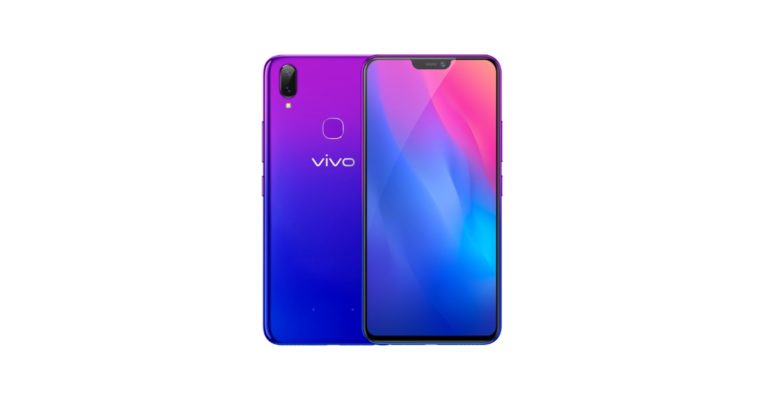
Chinese smartphone brand Vivo has today launched its Y89 smartphone in its home country. The Vivo Y89 is now listed on the Chinese website of the smartphone brand and is also available on AliExpress. The key highlights of the newly launched Vivo Y89 include the Snapdragon 626 processor, a 6.26-inch display, a dual rear camera setup and a 3,260mAh battery.
It is worth noticing that the device has been launched right after Vivo Z3i Standard Edition got unveiled in China last week. Here’s a look at the pricing details and specifications of the newly launched Vivo Y89 smartphone:
In This Article
Vivo Y89 price and availability
Vivo Y89 smartphone is only available in one variant that comes with 4GB of RAM and 64GB of internal storage and is priced at CNY 1,598. On converting this price in Indian value, it becomes approximately Rs 16,700. The Vivo Y89 is available in Aurora Purple and Black Gold colour options and can be picked up from AliExpress. As of now, there is no word on the smartphone’s availability or pricing in India.Vivo Y89 specifications
Coming to the specifications, Vivo Y89 runs Android 8.1 Oreo and has support for dual SIM cards. The newly launched smartphone features a 6.26-inch full-HD+ display that has a notch on the top. Powered by an octa-core Snapdragon 626 SoC clubbed with 4GB of RAM and 64GB of internal storage, the smartphone can hold a microSD card of up to 256GB. Vivo Y89 has a rear-mounted fingerprint scanner and houses a 3,260mAh battery. On the camera front, the device comes with a vertically stacked dual rear camera setup that has a 16MP primary sensor and a 2MP secondary sensor. the dual rear cameras of the device are coupled with an LED flash. For selfies and video calls, there is a 16MP sensor on the front panel of the smartphone that comes with an f/2.0 aperture. The camera app of the smartphone comes with a professional mode, panorama, beauty, slow motion, AR shoot, backlight photo, blur photo, etc. Sensors on the smartphone include a fingerprint sensor, facial recognition, a proximity sensor, a photosensitive sensor, a gravity sensor, and a gyroscope. For the latest gadget and tech news, and gadget reviews, follow us on Twitter, Facebook and Instagram. For newest tech & gadget videos subscribe to our YouTube Channel.Oppo might launch a foldable smartphone with 10X hybrid zoom at MWC 2019
Oppo’s product manager, Chuck Wang recently confirmed that the company is going to launch a foldable smartphone at the upcoming MWC. Reports had showcased a media invite saying that Oppo could be experimenting with new themes. These include Connectivity, AI, Industry 4.0, Immersive Content, Disruptive Innovation, Digital Wellness, Digital Trust, and The Future. The design of the invite has led many people to believe that Oppo might launch a foldable smartphone. However, we are yet to see what this smartphone is really going to look like. Hopefully it will be revealed at MWC in Feb end.
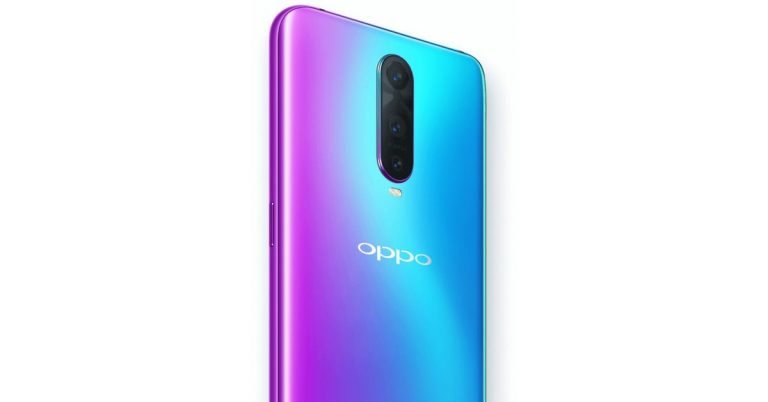
Oppo had also recently announced that it will soon launch a phone with the 10x hybrid zoom. Considering that the theme of the MWC 2019 is “Get Closer” it just might be possible that the Oppo will introduce this feature under this theme. With this, if we take into account the media invite sent out by Oppo, it just might be true that the device Oppo will launch is going to be a foldable smartphone with a 10x hybrid zoom technology. In this announcement, Oppo described it has something that uses three cameras than two. So maybe a smartphone with 3 camera sensors that can zoom up to 10X using three different types of lenses can be seen.
The Chinese smartphone maker reportedly added an ultra-wide camera and borrowed telephoto dual camera setup of the 5x optical zoom for this technology. Chuck Wang said a few months back, that Oppo is also working on a 5G smartphone that is going to launch in 2020. Also, it is expected that the Chinese smartphone manufacturer is aiming to launch its first smartphone this year with a display cut-out. Speaking of foldable smartphones, Oppo is not the only brand that would have monopoly on this trend.
In fact, the first company to come up with this idea was South-Korean manufacturer, Samsung. Samsung is also expected to unveil its foldable smartphone during February at the Galaxy Unpacked event. Recently, there was a press release by Samsung that showed banners on which it was written ‘Unfolding the future’. This is the biggest hint that tells us that the tech-giant will unveil a foldable smartphone in that event. Rumours are, that the name of the smartphone is Galaxy F.
For the latest gadget and tech news, and gadget reviews, follow us on Twitter, Facebook and Instagram. For newest tech & gadget videos subscribe to our YouTube Channel.
Is it tough enough? Xiaomi Redmi Note 7 withstanding durability tests surfaced online
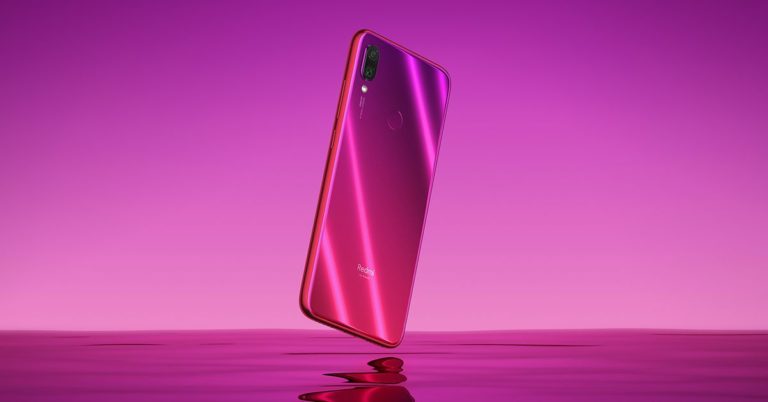
The Xiaomi Redmi Note 7 was recently launched in China at a price of CNY 999, that is roughly Rs 10,400. The smartphone has been seen in a few durability tests that have reportedly surfaced online a few days ago. Through those videos, we are convinced that the smartphone is extremely durable. As to why we are saying so, let us explain you what the videos have in store. In one of the videos, posted by Redmi, the phone is shown being stomped by employees several times. Inspite of that, there isn’t a scratch on it.
In another video, the Redmi Note 7 is thrown from the top of the stairs, it falls on the ground. There is no damage caused. A YouTube video shows Redmi CEO Lu Weibing putting the device in a metal basket and covering the top with a transparent tape. Then he kicks it down a flight of stairs. All the same, the phone remains unharmed; without any broken parts, glass, or dents. There was another video surfaced on YouTube where a user uses duct tapes to attach two Redmi Note 7s with the wheels of a skateboard.
Finally, he attaches the remaining part of the tape to his foot. The user stands on the phone for sometime but eventually, loses grip. However, it is claimed that the pressure that was put was enough to break the screen and cause critical damage. Yet, the phone remains the same as it was before the test was executed. To recall, the Xiaomi Redmi Note 7 is protected by a double-sided Corning Gorilla Glass 5 protection. The device is expected to launch in India by the end of January. Pricing is expected to be between Rs 10,000 and Rs 12,000.
It sports an IPS LCD 6.3-inches capacitive touchscreen which has a resolution of 1080×2340 pixels and an aspect ratio of 19.5:9. The smartphone measures 159.2x 75.2×8.1 mm and runs on Android 9.0 Pie skinned with MIUI 10. The handset is powered by Qualcomm’s SDM660 Snapdragon 660 octa-core processor. It has three RAM variants—3GB, 4GB and 6GB. The 3GB RAM variant brings an internal storage of 32GB. On the other hand, the 4GB and 6GB variants have an internal storage of 64GB.
For the latest gadget and tech news, and gadget reviews, follow us on Twitter, Facebook and Instagram. For newest tech & gadget videos subscribe to our YouTube Channel.
Motorola Razr foldable smartphone design leaked online
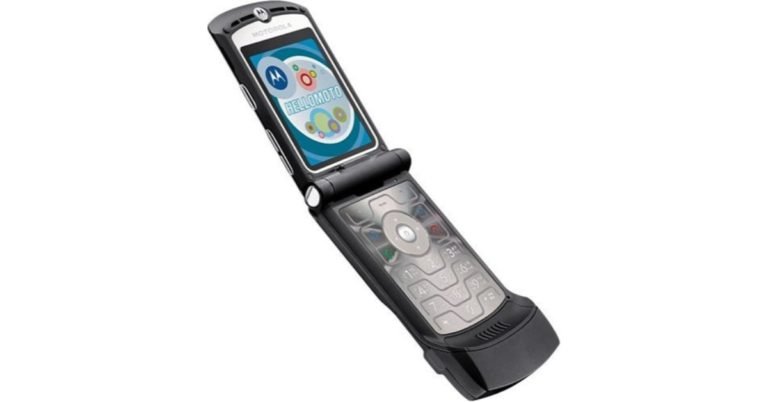
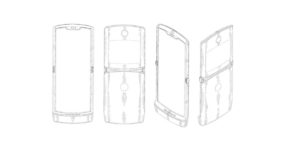
Since the last week, Motorola has been in the news because various reports about the revamped Moto Razr smartphone started circulating online. Adding fuel to the fire, a design registration has emerged on the World Intellectual Property Organisation that showcases the design of a foldable phone by Motorola Mobility.
We should mention that the iconic hinge of the Moto Razr family is clearly visible on the design that has been leaked. The design showcased looks very similar to a patent that was filed by the Motorola at the United States Patent and Trademark Office in August 2018.
The design registration that was filed by Motorola last week, was granted by World Intellectual Property Organisation (WIPO) on Saturday. As we just mentioned, it shows that the smartphone will have the iconic Motorola Razr hinge and along with that, it will come with the iconic chin that the earlier devices in the range sported.
From what it looks like, the smartphone will come with two displays – a large display on the inside of the device and another one on the top side of the handset. Reports suggest that the second screen of the upcoming Moto Razr smartphone will be able to show some information to users even when their handset is unfolded.
 The first display will come with more screen space and hence, it will be used as a regular one. The regular display of the Moto Razr smartphone will reportedly come with a notch on its top, which will house the earpiece. The back panel of the upcoming Moto Razr will come with two circular shapes on top as well as the bottom, which are said to be the selfie and rear camera of the device respectively. However, it is also possible that these circular shapes are, in fact, the fingerprint sensor and the Motorola logo. The report about the WIPO listing first appeared in 91mobiles.
 Last week, a report by The Wall Street Journal said that Motorola is working with Verizon to launch a foldable Razr phone in February. The same report also said that Motorola is planning to price the smartphone around $1,500 which, on conversion, becomes approximately Rs 1,04,300.
 The last clamshell phone launched by the company was the Motorola Razr V3, which was released in 2004. Reports claim that 130 million units of the smartphone were sold globally.
For the latest gadget and tech news, and gadget reviews, follow us on Twitter, Facebook and Instagram. For newest tech & gadget videos subscribe to our YouTube Channel.
The last clamshell phone launched by the company was the Motorola Razr V3, which was released in 2004. Reports claim that 130 million units of the smartphone were sold globally.
For the latest gadget and tech news, and gadget reviews, follow us on Twitter, Facebook and Instagram. For newest tech & gadget videos subscribe to our YouTube Channel.
 The first display will come with more screen space and hence, it will be used as a regular one. The regular display of the Moto Razr smartphone will reportedly come with a notch on its top, which will house the earpiece. The back panel of the upcoming Moto Razr will come with two circular shapes on top as well as the bottom, which are said to be the selfie and rear camera of the device respectively. However, it is also possible that these circular shapes are, in fact, the fingerprint sensor and the Motorola logo. The report about the WIPO listing first appeared in 91mobiles.
 Last week, a report by The Wall Street Journal said that Motorola is working with Verizon to launch a foldable Razr phone in February. The same report also said that Motorola is planning to price the smartphone around $1,500 which, on conversion, becomes approximately Rs 1,04,300.
 The last clamshell phone launched by the company was the Motorola Razr V3, which was released in 2004. Reports claim that 130 million units of the smartphone were sold globally.
For the latest gadget and tech news, and gadget reviews, follow us on Twitter, Facebook and Instagram. For newest tech & gadget videos subscribe to our YouTube Channel.
The last clamshell phone launched by the company was the Motorola Razr V3, which was released in 2004. Reports claim that 130 million units of the smartphone were sold globally.
For the latest gadget and tech news, and gadget reviews, follow us on Twitter, Facebook and Instagram. For newest tech & gadget videos subscribe to our YouTube Channel. LG G8 with triple rear cameras, Snapdragon 855 SoC to launch on February 24: Report
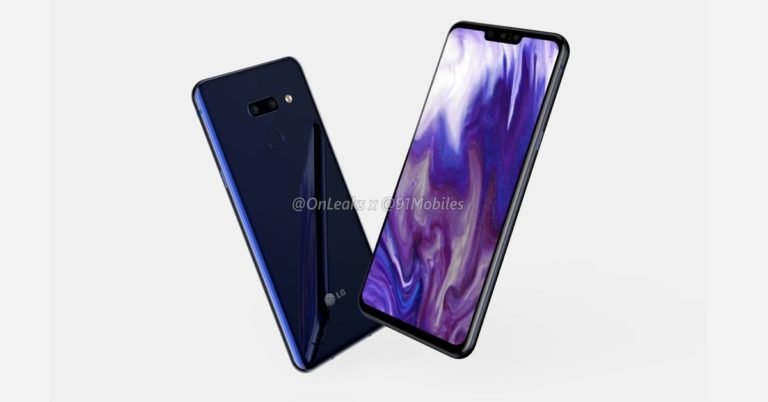
South Korean consumer electronics maker LG was expected to launch its next flagship smartphone – LG G8 – at the upcoming MWC 2019. But now, a report has emerged that says that the smartphone will be launched ahead of the ahead of MWC 2019, on February 24.
The report also throws light on some key highlight of LG G8 including the Snapdragon 855 SoC, a triple camera setup on the back panel, a waterdrop-shaped display notch and 3D photographic abilities. Although a report that had previously surfaced online claimed that LG will be launching a smartphone with a secondary display at MWC 2019, more recent reports are not in-line with it.
According to the report in ETNews, LG G8 will be unveiled by the company on February 24 at 10 am. However, as of now, it is not clear whether the website is referring to the South Korean local time or Barcelona local time. We think that it mentions the latter.
For those unaware, Mobile World Congress 2019 is scheduled to begin on February 25 and will end on February 28. So, if the launch of LG G8 is indeed on February 24, the smartphone will be unveiled a day before the event begins.
We should mention that this isn’t anything unusual as a lot of major smartphone makers hold events before MWC to showcase their products.
The report in ETNews also threw some light on the specifications of the upcoming LG G8 smartphone. According to the report, the upcoming smartphone will come with a triple rear camera setup and the lenses of the camera will also have a 3D shooting setup. The display of the device will reportedly have a waterdrop-shaped notch on top, which is something that we have seen in a number of smartphones lately. LG G8 is said to be powered by the latest Snapdragon 855 processor, which will also be used by Samsung, Sony and OnePlus in their respective flagships.
However, until now, Samsung is the only company that has confirmed the launch date of its next flagship device. The technology giant said that it will be launching its next flagship smartphones on February 20 and has also hinted that it will also take wraps off its much-talked-about foldable phone at the same event.
Image courtesy: @Onleaks, 91mobiles
For the latest gadget and tech news, and gadget reviews, follow us on Twitter, Facebook and Instagram. For newest tech & gadget videos subscribe to our YouTube Channel.
Samsung Galaxy A30 specifications revealed by Geekbench
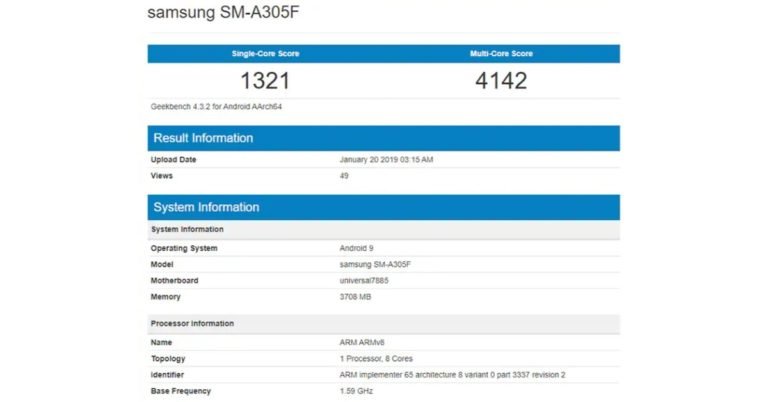
The Samsung Galaxy A30 has just been listed on Geekbench. From that, we know that the smartphone would run on Android Pie out-of-the-box. The smartphone is going to be powered by an Exynos 7885 SoC and will be coupled with 4GB RAM. In an earlier listing, it was mentioned that the Samsung Galaxy A30 will come in 32GB and 64GB storage variants. However, it is unknown as of now whether both of them will come with the 4GB RAM. This report is in sync with an earlier report that says that the Galaxy A30 will launch with nine phones in mid-range price category..
The latest Geekbench leak, that talks about the smartphone’s specifications showcased it with the model number SM-A305F. To talk about the processor, the Samsung Galaxy A30’s Enxnos 7885 SoC is the same as the Galaxy A8 and the Galaxy A8+. The Samsung Galaxy A8 measures 149.2×70.6×8.4mm and weighs 172grams.The smartphone sports a Super AMOLED capacitive 5.6-inch touchscreen with a resolution of 1,080×2,220 pixels and an aspect ratio of 18.5:9.
The Galaxy A8 runs on Android Oreo and has a 4GB RAM which comes in two storage options. These options include 32GB and 64GB internal storage. There is a dual front camera setup that includes an 8MP and a 16MP sensor. The back camera includes a single sensor of 16MP. Connectivity options include WiFi 802.11, Bluetooth 5.0, GPS, NFC, FM Radio and USB 2.0. The device packs a 3,000mAh battery that is non-removable.
The Samsung Galaxy A8+ sports a Super AMOLED 6-inch capacitive touchscreen that has a resolution of 1080×2220 pixels and an aspect ratio of 18.5:9. The 4GB RAM variant comes with 32GB internal storage, and the 6GB RAM comes with 64GB internal storage. The storage is expandable with the help of a microUSB card slot up to 256GB. Connectivity options include WiFi 802.11, Bluetooth 5.0, GPS, NFC FM Radio and USB 2.0. The Samsung Galaxy A8+ packs a non-removable battery of 3,500mAh.
Image courtesy: geekbench
For the latest gadget and tech news, and gadget reviews, follow us on Twitter, Facebook and Instagram. For newest tech & gadget videos subscribe to our YouTube Channel.
Oppo Find X2’s design leaks in a video
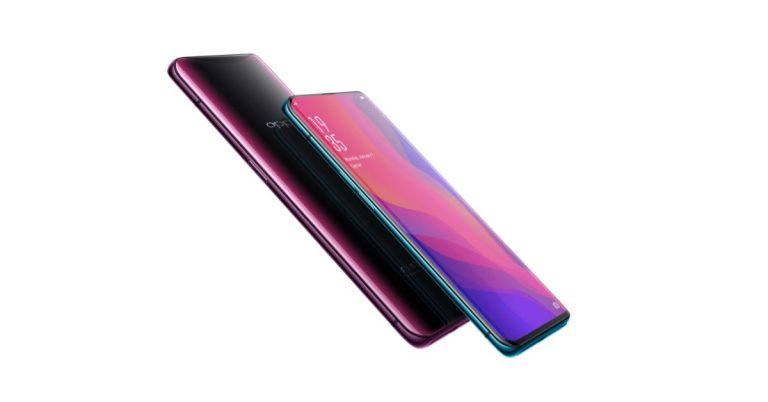
The Oppo Find X smartphone was talked about a lot last year primarily because of its futuristic design. The device came with a slider that housed the selfie cameras, face unlock sensors as well as the rear cameras. It added to the looks of the smartphone as because it had a slider, it didn’t have a notch on the top. And now, a report in has surfaced online which highlights various design aspects of the Oppo Find X2 smartphone.
According to a video released by YouTuber MrWhoseTheBoss, Oppo Find X2 will come with a 10x optical zoom technology and will have the new in-display fingerprint sensor technology that was announced last week.
According to the video, Oppo Find X2 will come with a camera technology similar to Samsung’s variable aperture camera that was seen in Galaxy S9. As per the video, the cameras of the upcoming Oppo Find X2 will come with the 10x optical zoom technology, a night mode feature and the variable aperture camera. He also said that the device will sport a Time of Flight 3D camera, which can be used for 3D scanning and full body frame adjustment.
However, there is no clarity on whether the device will come with a slider design or not, as because of it, Oppo Find X could not come with an IP rating. With this, we can derive that the Oppo Find X2 may come with some level of water-proofing.
It has been reported that with Find X2, Oppo will instead be going for a hole-in-display design to house the selfie camera. Although that means no 3D face unlock feature, but then, the smartphone will come with an in-display fingerprint technology. Reports also suggest that the smartphone would have a wider scanning are and that supports two-finger unlocking.
The upcoming smartphone is also expected to come with the company’s SuperVOOC technology that can charge a 3,400mAh battery from 0 to 100% in just 35 minutes. We should mention that Oppo Find X came with the company’s VOOC technology and only its special edition variants had the SuperVOOC fast charging.
Video courtesy: MrWhoseTheBoss
For the latest gadget and tech news, and gadget reviews, follow us on Twitter, Facebook and Instagram. For newest tech & gadget videos subscribe to our YouTube Channel.
Here’s a first look at WhatsApp’s Dark Mode

One among the most anticipated features of WhatsApp is surely the Dark mode. One of the main reasons behind this is that Dark mode is known to enhance the battery life of Android smartphones. Another reason is that the mode has been gaining popularity since a number of apps like Twitter, YouTube and Pocket opted for it.
While it is known for quite some time that WhatsApp Dark mode has been in development, a report has surfaced online which gives us the first glimpse of the much-talked-about mode that will soon be rolling out on both Android and iOS.
With the Dark Mode, the white background of the app turns into Black and a lot of users find it to be more comforting to the eyes. And as we mentioned earlier, the mode also helps in increasing the battery life of smartphones. We should point out that Google has admitted that Dark Mode draws around 43% less battery even when the device’s brightness is set to maximum. A number of popular apps like Twitter, YouTube, Google Maps and Pocket have already got the Dark mode and it is said to be one among the most-highlighted features of Android Pie too.
Speaking of the Dark Mode on WhatsApp, WABetainfo, the Twitter account that reports about WhatsApp’s updates in beta mode, has shared a screenshot of the concept image of the Dark Mode on WhatsApp. While it is just a concept image, it is our first look at what the Dark Mode in WhatsApp would look like.
In unrelated news, WhatsApp today announced that it has rolled out the limit to sending forward messages to five chats globally. This has been done to curtail fake news, which in many parts of the world has contributed to both online and offline violence. It is worth noticing that this feature was first launched in India in July 2018 and the company has said that it has decided to roll it out across the world only after testing it for six months and taking into account user’s feedback. The update has already started rolling out today. For the latest gadget and tech news, and gadget reviews, follow us on Twitter, Facebook and Instagram. For newest tech & gadget videos subscribe to our YouTube Channel.A follower sent me this **concept** of WhatsApp for Android with a Dark Mode (OLED compatible).
— WABetaInfo (@WABetaInfo) January 20, 2019
Do you like it? pic.twitter.com/DxGZtdNqZy