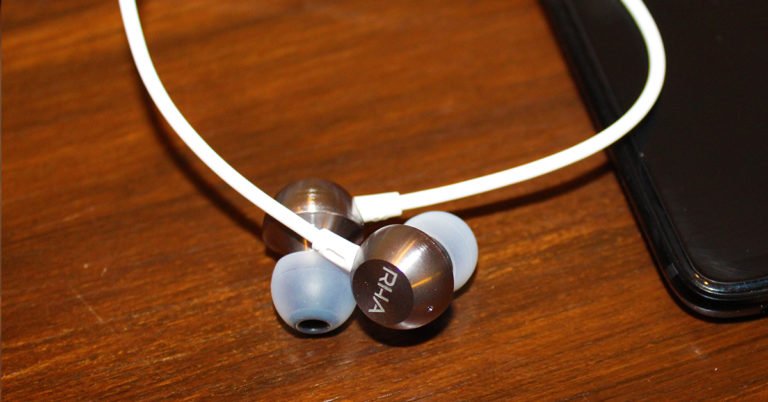
RHA is a company from Britain and has been producing some great pair of headphones. Recently they brought the RHA MA650 Wireless Headphones to India and we got to play with them for some time. This is our review of the audio beauties dressed in white
Design
Straight out of the box, we fell in love with the design of these nifty little headphones that are nothing short of stunning. They are light and the rubberised bright white neck band and wire paired with brushed aerospace graded aluminium earplugs looks superb. Yes, they do get a little dirty, but since they are water resistant (IPX4 rating) a quick moist wipe takes care of all the smudges and dirt.
The right wire has a controller, which has the volume up and down buttons along with the call/pause key in the middle. The power button, LED indictor along with the USB type C charging port are located on the right part of the neck band, above the metal ring. The RHA MA650 Wireless Headphones come with 7 plus silicon ear tips (in the box) and a special foam one, for people who want extra padding. Built for different ear cavities, these keep the ambient noise out, mostly. As for the battery, it is located within the neck band.
Performance
The RHA MA650 Wireless Headphones come with magnetised earbuds, which keeps them in place when not in use around the neck. These are not magnetically controlled like the OnePlus Bullets, but do produce that extra bass you would want. The headphones are comfortable to wear and not once did we feel they are falling out of place, even when jogging or running. However, at times the pesky wire does smack you on the cheek. A word of caution, when you are exercising lying down, use the wire clip (provided in the package) to keep the wires together, otherwise they will just come in the way.
The mids and lows are punchy, and we loved the vocals thanks to the noise isolating Aerophonic design of the ear plugs. All in all, the 380.1 drivers inside do manage to produce good resonance. The RHA MA650 Wireless Headphones are not just built for music; you can receive calls via it too. It has a 10-meter range so you can easily pick calls from far away spots, and we did not find any problems here during our review. The voice clarity was very nice and the other side could hear us properly, since the Microphone is located on the controller.
Verdict
All in all, we quite liked what the RHA MA650 Wireless Headphones have to offer. We were quickly able to connect it to our Android smartphone using Bluetooth and during our test it lasted for over 10 hours (battery backup), which is far superior than any of its competition. What too is more than the competition is its price, these come with a price tag of Rs 7,999 that is a tad steep.
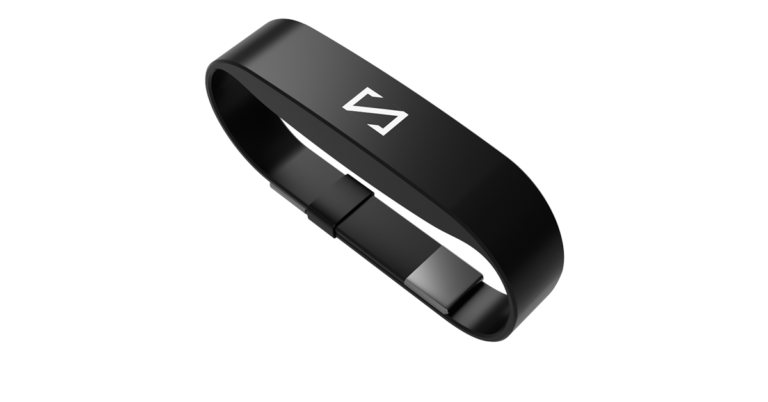
These are a young group of people who are inspired by super heroes and Sci-Fi movies. The company is called Vicara and they have created a nifty little device called The KAI. This band type expedient can be held in your hand and can control just about everything on your PC or laptop screen using hand gestures. We caught up with Adarsh Warrier, Co-founder of Vicara and maker of The KAI to understand what this device is all about and what new is happening at their end.
1) What were the inspirations behind building The Kai?
The idea for the KAI had initially started out as a hack project at an Intel Hackathon in Pune in August 2015 (3rd Year of Engineering). Abhishek and I are huge fans of futuristic technology and superhero gadgets. It had initially started out as a thought that, wouldn’t it be cool, if it was possible to control all kinds of technology like lights, robots, computers, etc; with a glove on your hand?
Within 24 hours, we had created a basic prototype on a KITCHEN GLOVE that could control a light and a presentation on a PC.
When the results were declared, the winner of the event had created a prototype that could just control lights. We later realized we were ineligible for the prize because we didn’t have PAN Cards. It was a demotivating moment but inspiring in the essence that the idea had recognized potential.
Both of us were in our 3rd year of engineering from VIT university at that time and the idea had remained dormant for about 6 months until we got an opportunity to pitch at VIT’s first ever business plan competition called StartupVIT. We realized this was a great stage to test the business potential of this project as well and so we created a business plan to pitch the idea of KAI. We were adjudged the runner ups in that competition and we won a prize money of Rs. 30,000. At that time, Abhishek and I had a brainwave to put that money into developing the product and making a company instead. We realized that this product had the potential to transform into the future standard of digital interaction!
Both of us mutually agreed that we will keep developing till the money runs out. Fortunately, we managed to move on to win various grants and prizes where we raised over 20.3 lakhs equity-free and our seed round.
We were adamant that our company name and product name should be inspired by Indian origins. That is precisely how the name “Vicara” came out. It was derived from the sanskrit word, ‘Vichar’, which meant idea or thought. Our product, the KAI, means ‘HAND’ in Tamil.
2) How does the Kai work? What is the tech behind it?
Vicara is a human augmentation startup working to a making disruptive wearable technology that can enhance and augment the capability of humans to work with their real and digital surroundings.
Our first product is called the KAI – The world’s first gesture-based workflow automation device. It enables professionals to seamlessly interact with their digital environment. The Kai harnesses natural body language and drastically enhances productivity by creating a truly revolutionary gesture-based computer interaction experience.
The product is essentially a sensor based wearable that uses a 9 axis IMU ( Invensense) and invisible light sensors to sense the movement of your hand and fingers. The data is relayed via a Bluetooth module to our proprietary desktop app.
The uniqueness of the solution is dual fold. On the hardware side, the unique non-obtrusive finger tracking algorithm enables the device to accurately measure the position of the fingers as well as the hand without the use of intensive image processing. On the software side, the KAI provides complete customizability from within its application. The differentiated algorithm enables KAI to be compatible with ANY desktop app from the get go.
3) In which sectors do you see it being used the most?
The main use case of the product is to augment the capability of creative professionals to interact effectively with their digital environments. For eg: A CAD designer can intuitively interact with his 3D models on Solidworks or MAYA as if the models were actually in their hands.
The additional Use cases of the product involve interfacing and improving our interaction with:
– Gaming
– Virtual Training & Simulation
– Robot and Drone Control
– AR/VR interfaces
The product has a potential use case to be integrated with any Bluetooth enabled device for digital or hardware interaction in the future. The potential applications of the wearable can revolutionize the way we play music, games, VR, AR and even the way we interact with drones and robots.
4) In the world where things are quickly moving towards augmented and virtual reality, where does the Kai fit in?
Gesture recognition technology has been a staple in Science fiction films since a long time. We’ve also witnessed quite a few of their incarnations in real life with the likes of Nintendo Wii, Kinect and Leap Motion. However, we are yet to see Gesture recognition technology being applied seriously in our lives for applications other than gaming and maybe robotics.
Gesture recognition has the potential to literally augment every kind of workflow in our life as gestures are a natural extension of our body language. This is exactly where the KAI fits in the picture for AR and VR technology. The ability to interact with the machines of tomorrow using an interface that natural has the potential to completely revolutionize our future.
With our first product, the KAI, we aim to provide the consumer with exactly that: A revolutionary interface for your machines that tap into the most basic form of communication: gestures.
Since the turn of the decade, there has been a gradual change in the outlook of consumers towards adopting future forward technologies in India. With the current encouragement of the government towards making in India, the situation is ripe to develop innovative technologies in the hardware domain. The rise of new varieties of digital interaction ranging from AR/VR glasses to smart interfaces, there is a pressing need to cater to the digital age consumers which gives our company the potential of massive scalability. As per Markets & Markets the combined value of the Robotics, Augmentation and AR/VR market is projected to be a 161-billion-dollar industry, which is more than the current value of the Indian IT Industry. We aspire to ride this new wave of innovation with our augmentation technologies.
5) How early will the device be available to developers? And are you already working with some?
Our product is currently available for pre-order on our crowdfunding campaign on Indiegogo. Our developer edition can be made available to users as early as September this year. We are already working with a few developers in a closed beta for feasibility testing.
6) Is gaming going to be a part of The Kai program?
Gaming is definitely going to be an integral part of the KAI portfolio. Gaming is the most engaging way we interact with our digital environments today. To be able to enhance or augment this interaction experience in any way possible is a dream come true for any gamer. With the KAI, we can achieve exactly that.
We are proud to announce that we have already had successful internal test runs for games like GTA V, Farcry, Asphalt 8 and casual games like Fruit Ninja and Mario.
We have also completed successful trials with VR Games and simulation software (Like Flight Simulator) as well.
7) How big is The Kai team and the average age?
The KAI team is currently 7 members strong with an additional intern team of 10. The average age in our team is roughly 20 years.
8) We do see you have raised some funds. Who are your initial investors?
Our initial investors are Mahesh Bhalla and Michael Marks. They represent the seed fund at the Startups Club Incubator Network (SCIN) based out of Bangalore. Our Investors, Mr. Mahesh Bhalla and Mr. Michael Marks, with their combined business experience of more than 50 years ensure that we aren’t reinventing the wheel. Mr Bhalla comes to the game with extensive experience in Distribution and Retail, while Mr. Marks (Who resides in China) comes with a solid experience in Manufacturing and Finance. Together, the experience gives us thorough access to knowledge and resources that help navigate the greatest pitfalls of the Hardware Industry.
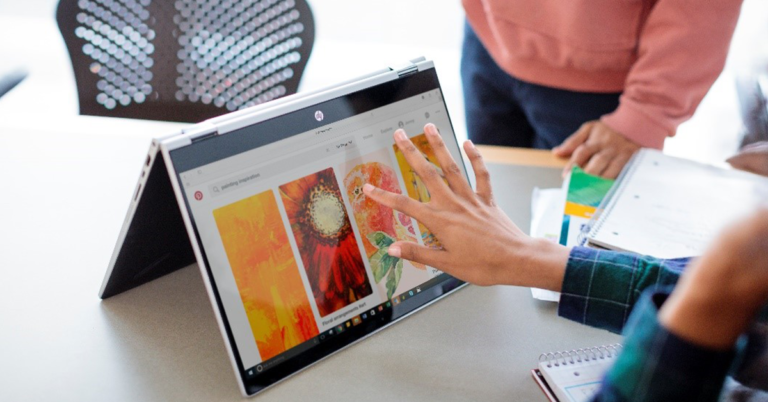
HP India has launched new models of its Pavilion X360 14 notebook range. The newly launched laptops come with a pen-stylus that students and creative professionals will find handy. The starting price of the new convertible laptops is Rs 50,347.
HP India said that the new range of laptops will be part of its Back to Campus offerings. Under its ‘Back to Campus’ campaign, HP India has introduced deals worth Rs 34,098 to students. These offers cover security, damage protection and warranty of the device.
Powered by 8th generation Intel Core processors, the newly launched HP Pavilion x360 weighs 1.68 kg and sports a 14-inch ‘Micro-edge’ bezel full-HD display. The convertible comes with a 5MP World Facing camera with 120-degree wide viewing lens. According to the company, this enables the user to capture photos and videos from every angle.
Another key highlight of the laptop is that it comes with speakers from Bang & Olufsen and Audio Boost tech, with which the company promises louder and more dynamic audio perfection. It also has a fingerprint sensor for biometric unlock.
Speaking about the launch of HP’s new laptops, Vickram Bedi, senior director of Personal Systems, HP India said, “The new range of HP Pavilion x360 upholds our philosophy of customer centric innovation, fulfilling the myriad requirements of users. The refreshed features in the new Pavilion x360 will cater to the professional and personal needs of the students as they begin their new year in college. We hope our Back to Campus initiative will make our products more easily available to the new students.”
The new HP Pavilion x360 14 laptops are backed by an Intel Optane memory and comes in two variants — one with Core i5 and the other with Core i7 processor. This is said to speed up the overall performance of the system by 28%. The laptops can, therefore, open large media files 4.1 times faster and launch emails 5.8 times faster.
The laptop is said to deliver 11 hours of battery back-up on a single charge and supports HP Fast Charge technology.
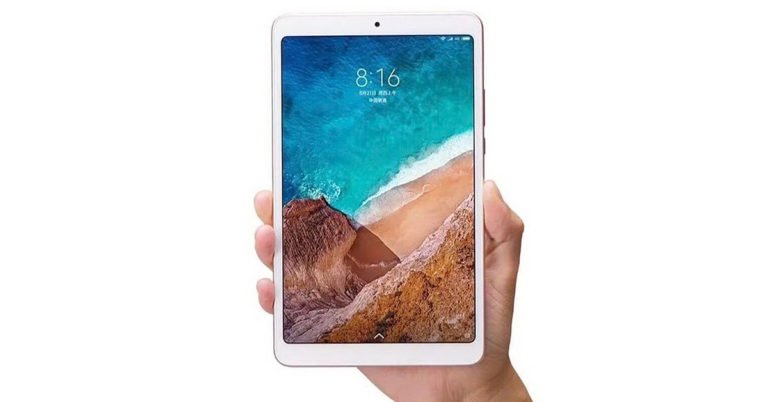
The way Xiaomi is releasing devices reminds us of the way Samsung used to do couple of years ago. At an event in China on Sunday, Xiaomi Mi Pad 4 was announced along with the Redmi 6 Pro budget smartphone. The Xiaomi Mi Pad 4 is an Android Tablet featuring an 8-inch Full HD 16:10 aspect ratio touch display and is available in both Wi-Fi as well as Wi-Fi plus cellular versions.
Xiaomi Mi Pad 4 specifications
Besides the large FHD touchscreen with 283ppi density this tablet also features a 13MP rear camera with f/2.0 aperture and HDR support. It also has a camera upfront that is powered by a 5-megapixel sensor and supports features like AI face unlock.
Inside, the Xiaomi Mi Pad 4 is powered by a Qualcomm Snapdragon 660 CPU (octa-core) with 2.2 GHz clock speed. This is partnered with 3GB and 4GB RAM, as different variants have different RAM. Over that, the variants also sport 32GB and 64 GB of internal storage. Unlike the Apple iPad’s the Xiaomi Mi Pad 4 does have expandable memory support and can accommodate microSD cards for the same.
The Xiaomi Mi Pad 4 is powered by a 6,000mAh battery and weighs 342.5 grams. For connectivity this tablet has 4G, LTE support using a nano-SIM, Wi-Fi 8.02.11 a/b/g/n/ac, USB Type C and Bluetooth 5.0. In the 7.9mm slim bezel the company has also included a 3.5mm audio jack.
Xiaomi Mi Pad 4 price and other details
The Xiaomi Mi Pad 4 3GB RAM/32 GB storage (Wi-Fi only) variant has a price tag of CNY 1,099 (Rs 11,400 approximately). The 4 GB RAM/64 GB storage (Wi-Fi only) versions has a price tag of CNY 1,399 (Rs 14,500 approximately). The 4 GB RAM/ 64 GB storage option also comes with Wi-Fi + cellular version as well, which is priced at CNY 1,499 (Rs 15,500 approximately). The tablets will be available in China first starting June 29 and are available in Black and Gold colour options. India availability is still not clear and it might take some time for this tablet to reach our country.
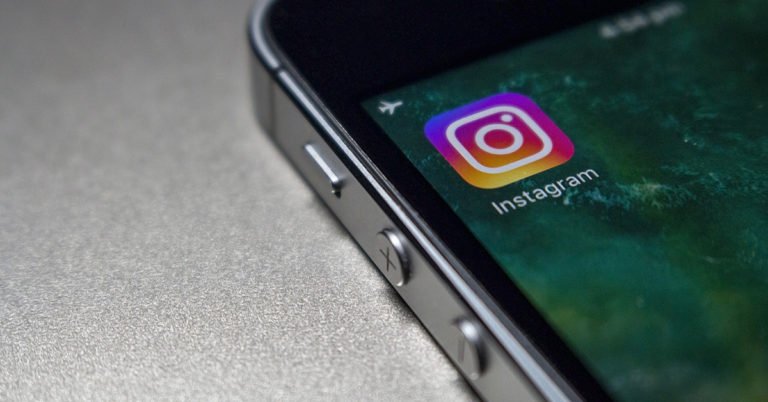
It was in 2012 that photo-sharing app Instagram got acquired by social networking giant Facebook. And there has been no looking back for the app ever since. It has already surpassed Snapchat in 2017 and now, it is planning to take on YouTube with a new app. Meet IGTV – Instagram’s answer to YouTube. While this is a move that was widely expected, the company finally took the wraps off its IGTV app at a fancy event in San Francisco this week. Till now, Instagram could support videos of up to 1 minute. With IGTV, content creators will be able to add longer videos.
Here’s everything you need to know about Instagram’s new app:
It is a standalone app by Instagram
IGTV is not a part of the main Instagram app. It is a standalone app by the company which is available for both Android and iOS. It has to be downloaded from Play Store or App Store in order to watch longer videos.
It can support an hour long videos
IGTV by Instagram can support videos that are as long as 1 hour. It is notable though, that most of the content creators will be able to upload videos that are up to 10 minutes long. The option of uploading videos up to 60 minutes long will only be available to creators who have massive audiences.
IGTV supports vertical videos
Since its inception, Instagram has been a mobile-first platform. All the features that it has got have been designed in sync with its mobile first strategy. And IGTV is no exception to this rule. So it wasn’t surprising to see that IGTV only supports vertical videos and not the horizontal ones like we are used to watching on YouTube.
Supports only pre-recorded videos
Currently, IGTV app only supports videos that are pre-recorded. While users can choose to go live on the main Instagram app, this option is currently not available to them on the IGTV app.
Will soon get live videos
Like we just mentioned, the IGTV app currently does not support live videos, but that doesn’t mean that it won’t ever. Instagram’s product manager Ashley Yuki indicated at the event that live videos are definitely a part of the company’s future plans for IGTV.
The Instagram app has a dedicated IGTV icon
Instagram is replicating the strategy that it adopted for Boomerang and Facebook adopted for its Messenger app. Both Boomerang and Messenger existed as features inside Instagram and Facebook apps initially and later got split as separate apps. So users had to download them in order to access the ‘features’ they had gotten used to. Similarly, the IGTV icon is placed right next to the Direct Message icon on Instagram. As of now, users can access the content on IGTV just by clicking on it. However, it is expected that soon users will have to download the IGTV app to access the same content.
Same engagement options as Instagram
Once you access the IGTV app, you’ll see that videos appear in as small thumbnails at the bottom of the page. Users need to tap on the thumbnail of the video they are interested in and instantly, it goes full screen for them to watch it. Below these videos, there are the same engagement options as Instagram – a heart to like the video, a bubble to comment on it and an arrow to share it with friends over direct message.
Not a place to share life updates
Unlike Instagram, IGTV is not a place that is being promoted as a place to share one’s life’s updated with a group of friends. Rather, the company is touting it as a place where users can watch entertainment content. This directly pits it against YouTube, which is also known for watching entertainment content, music videos and more.
Will soon be getting ads
Currently, IGTV is an ad-free space to watch videos. But that is not going to be the case in the long run. Instagram CEO Kevin Systrom was quizzed at the event about ads coming to IGTV, and he confirmed the same saying, “Right now we’re focused on building engagement, and there are no ads in IGTV in day one. But that is a very reasonable place to end up. There will obviously be a way for creators to make a living since they spend their lives doing this.”
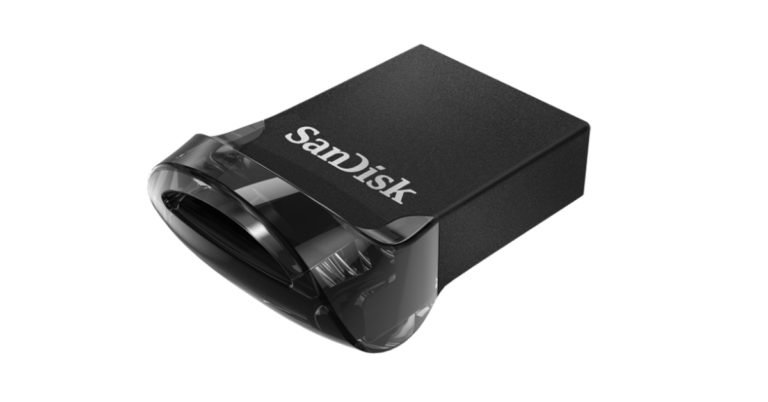
Western Digital has announced SanDisk Ultra Fit USB 3.1 flash drive, which comes with a capacity of up to 256GB and according to the company, can store approximately 14,000 photos, 10 hours of full HD video and 16,000 songs.
The flash drive is also available in 16GB, 32GB, 64GB and 128GB storage options. While the price of the flash drive starts at Rs 800, the highest 256GB model costs Rs 7,590. The 32GB, 64GB, and the 128GB storage variants are priced at Rs 899, Rs Rs 1,649 and Rs 3,099 respectively.
SanDisk Ultra Fit USB 3.1 will be available exclusively on Amazon.in till July 20th and post that, it can be bought from all retail outlets. Sandisk is also offering a five year limited warranty on the flash drive.
Coming to the features, the company says that compact design of the SanDisk Ultra Fit USB 3.1 flash drive enables users to plug it in various devices — including notebooks, tablets, TVs, gaming consoles and car audio systems — and instantly get add extra, high-speed storage to them.
Sandisk Ultra Fit USB 3.1 Flash Drive enables write speeds up to 15x faster than a standard USB 2.0 drives, according to the company.
Sandisk also added that using the flash drive can copy a full-length movie in less than seconds. To make it more secure, SanDisk has added its SecureAccess software and 128-bit AES encryption software. Both of these make it easy for users to protect critical files with a password.
All that users have to do it is drag and drop the files in a vault that encrypts them and makes them private.SanDisk Ultra Fit USB 3.1 flash drive also comes with RescuePRO Deluxe data recovery software download offer which enables users to recover files that they deleted accidentally.It is also backward compatible and can be plugged into USB 3.0 or USB 2.0 port.
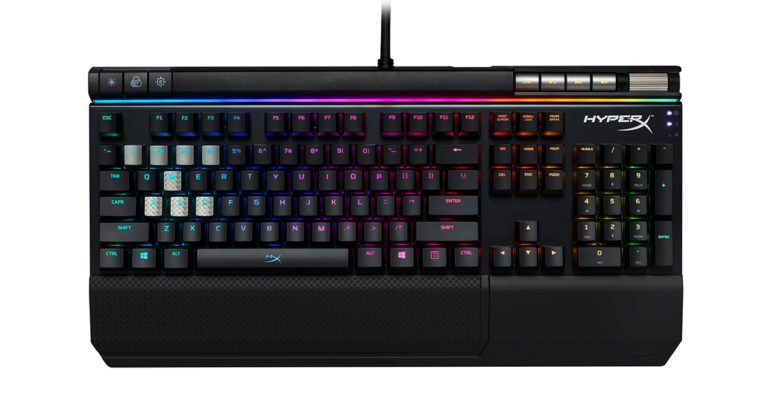
Kingston Technology’s gaming division HyperX has launched its first RGB mechanical gaming keyboard — HyperX Alloy Elite RGB – in India. Priced at Rs 15,999, the keyboard is available across all major retail stores and e-commerce websites. It comes with a two-year warranty and free technical support.
The keyboard features a steel frame and comes with a Game Mode, N-Key Rollover and functions for anti-ghosting. It is also backed by the company’s NGenuity software which enables backlight colour customisation for the keys of the HyperX Alloy Elite RGB.
HyperX Alloy Elite RGB keyboard features supplemental textured, titanium-coloured keycaps and has three custom lighting that can be saved on the keyboard’s inbuilt memory. This means that HyperX Alloy Elite RGB can light up even when it is being used on the go.
Besides this, the keyboard also has dedicated buttons for performing various tasks, a variety of CHERRY MX key switches, USB 2.0, and buttons for quick access and media. HyperX Alloy Elite RGB keyboard also comes with detachable wrist rest and is compatible with Windows 10, 8.1, 8, 7 operating systems. To sum it up, the features of the HyperX Alloy Elite RGB keyboard include:
RGB lighting effects with a light bar
HyperX NGenuity software for advanced customization
Solid steel frame
CHERRY MX mechanical key switches
Onboard memory for profiles
Detachable wrist rest with soft-touch coating
Additional titanium-colored textured keycaps
Speaking about the launch of its first RGB mechanical gaming keyboard in India, HyperX said in a statement.
“With the launch of our much awaited RGB Alloy Elite, we are happy to be proven responsive to the community demanding high-performing gaming products from us.”
Kingston Technology’s gaming arm also spoke about how the new offering from HyperX will give gamers the “ultimate freedom, convenience and customization to provide an accurate and engaging gaming experience.”
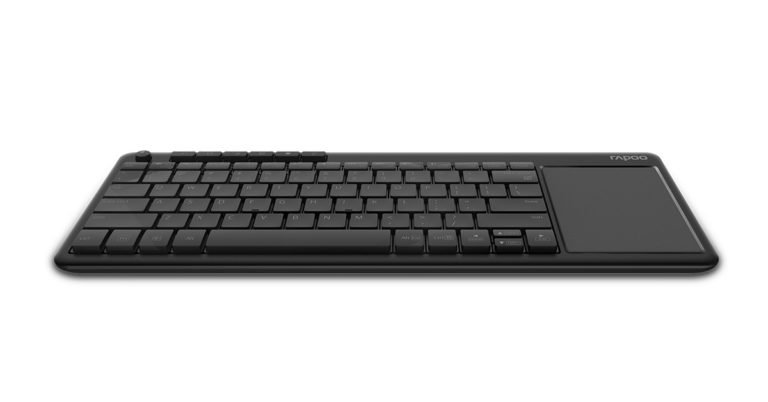
There has not been much innovation in the wireless keyboard segment since quite some time. Small bits here and there is what we see every now and then. Rapoo is a peripheral maker who does have some decent set of wireless keyboards and mice. Today, they have launched the Rapoo K2600 wireless keyboard in the Indian market that has a large touchpad on it. This is placed on it where the numeric keypad is usually placed.
The Rapoo K2600 works on 2.4GHz wireless tech and has a working range of 10 meters, which is roughly 30 feet. So, if you have a PC in your living room or bedroom connected to the TV set, then it will come handy. This keyboard also has a set of dedicated multimedia keys on top with quick functions such as volume and going back to homepage when browsing.
Mukesh Chaudhary, Country Head, India, SAARC & ME, Rapoo Technology said, “With the sleek and elegant K2600 Wireless Touch Keyboard, Rapoo aims to continue offering customers, products which encapsulate the essence of technology as well as style.”
The Rapoo K2600 supports Microsoft Windows 10 and has raised chicklet style keys for best in class ergonomics. There is sealed membrane inside the keyboard as well, which ensures that the machinery inside stays defect free and lasts for longer.
In India the Rapoo K2600 will be available through its channel partners and carries a price of Rs 2,999. Finger gestures has been added to this keyboard and users can use various finger actions, such as pinch to zoom in and out. The company claims that these actions are accurate and the keyboard quickly responds to the finger stroke. This is an interesting piece of machinery Rapoo has, does seem to be a good option for people with less desk space or who want wireless compatibility.
Technology giant Google has created an algorithm that can predict a number of outcomes for a patient suffering from a disease, a report in Bloomberg said. This includes forecasting how many people will stay in hospitals, their chances of getting readmitted and chance of surviving the disease or dying. This integration of artificial intelligence to predict death risks is being done by Google’s Medical Brain Team.
The report talks about a woman who was suffering from breast cancer and got a radiology scan done after getting admitted to a city hospital. It is worth mentioning that her cancer was in a late stage and fluids had already filled her lungs when she came to the hospital. Seeing her vital stats, the computers at hospital predicted a 9.3% for chance of her dying during her stay. Google differed the assessment. The technology giant’ algorithm assessed the woman and estimated the chance of her risk at 19.9%. And Google was proven to be right, as the woman passed away just 10 days after being admitted.
Google published the story of this woman in May this year in its research and highlighted how neural networks can be used in the field of health-care. For those who don’t know, neural networks are a kind of artificial intelligence that learns and improves by using data.
The report further says that medical experts are impressed by Google’s technology because of the access it had to data that was previously not available. It is even considered to be faster and more accurate than the techniques that are currently being used.
Google’s technology actually makes the machines to parse data and the neural networks not only collect data for predictions, but also showcase it to add credibility to them.
The current methods of mining health data, according to the report, are expensive, cumbersome and also consume time. Nigam Shah of Stanford University, who co-authored Google’s research said that the methods deployed today spend 80% time in ‘scut work’ of making data presentable. Google’s approach is said to avoid this.
According to Bloomberg, AI chief Jeff Dean said in revealed in May this year that in its next steps, the technology giant wants to bring its system to clinics. Google has been focussing a lot on artificial intelligence since the last few years and with these advancements, the company can foray into a new market.
However, implementation of this will surely be a challenge, moreover because it will mean giving machine learning a lot of control over which patient should get what care and when somebody would die.
Earlier, IBM Watson has also tried integrating artificial intelligence and medical science, but the company had a very tough time doing it.
Today is the 4th edition of International Yoga Day. If you are one of those who wants to learn about real Yog and Sadhna (most call it Yoga in the modern world) in its purest form, then you can download this app by Dhyan Foundation called Sanatan Kriya and Vedic Chants by Yogi Ashwini. The app is available on both, Android and iOS, app stores and can be downloaded for free. You can download the Android version here and the Apple iOS version by clicking on this link here.
“A mantra is coded form of energy in the form of sound (dhwani)”, says Yogi Ashwini
The app is completely ad free, hardly takes any space on your mobile and will take you through Vedic (ancient) chants and mantras recited in the purest form by Yogi Ashwini, as it was done thousands of years ago by rishi’s and muni’s of that time. Users will find the whole process of Yog called Sanatan Kriya that takes about 30-40 minutes to complete on this app in both, Hindi and English. This is a kriya (procedure) that can be done on a daily basis and is very simple to follow. One can even download the audio on their mobile phones and other devices if they are worried about mobile internet usage. This kriya brings your body back into balance and health, just remember to keep your spine straight to reap maximum benefit.
Over that, the app also has as special Vedic Chants section, where users will find lot of Vedic mantras and chants. The app enables users to learn and perform the chants, and mantras in the correct manner. You will find everything from the OM chant to the Ram Chant on it. Mantras include, Shri Gayatri Mantra, Poorna Mantra and Shri Mahamrityunjai Mantra. There is full Hanuman Chalisa also available on this app.
We would like to specially mention about the Shanti Path audio in the app. This mantra does wonders if you are feeling hyper in any manner. We have tried it out ourselves and it always relaxes our mind and body.
Overall, this is a great app by Dhyan Foundation and is a must download. It is easy to navigate and one will not be lost in it. There are plenty of other activities which Dhyan Foundation does to spread the true meaning of Yoga, to know more about it you can head over to www.dhyanfoundation.com. They also have free Yoga sessions every week too, in all major cities of India (like Delhi, Mumbai, Chennai, Bangalore, Hyderabad, Kolkata, Ludhiana Etc) and also abroad like Canada, Germany and UK.
The RHA MA650 are now available in India in white colour and they look sizzling hot. These retail for Rs 7,999 in India. These are designed in UK by RHA and come with over 7 ear plug types. These are splash proof and come with IPX4 rating.
Tech Specs:
Custom dynamic driver (model 380.1), engineered to deliver an accurate, clear listening experience
Aerophonic housings, designed to channel sound to the listener without distortion. Contoured secure flex cable.
12 hour battery life with NFC for easy device pairing.
aptX and AAC compatible for high quality stereo audio via Bluetooth streaming. Splash and sweatproof to IPX4 rating.
High grade 6063 aluminium construction for durability and effective sound delivery
Ever since it made its debut in the Indian telecom industry, Reliance Jio has time and again come up with offers that customers find hard to resist. And it has done the same yet again. The telecom major will now be offering 4.5 GB data per day along with unlimited calls under its Rs 299 plan.
This means, users will get a total of 126GB data with a validity of 28 days at Rs 299. Prior to the revision, people who recharged with the Rs 299 plan got 3GB of data per day along with calling and SMS benefits.
However, the offer is valid for a limited period. In order to get 126GB of data for 28 days, users will have to get a recharge of Rs 299 done before 30th June.
Customers buying the plan also get to use all Jio apps for free including the JioTV app on which users can watch the ongoing FIFA World Cup matches.
That’s not all. Other plans from Reliance Jio have got updated too.
Jio’s Rs 149, Rs 349, Rs 399 and Rs 449 plans offered up to 1.5GB data per day earlier, but will now offer 3GB of daily data.
Also, Rs 198, Rs 398, Rs 448 and Rs 498 plans earlier offered 2GB daily data, but will now offer 3.5GB data per day.
And those buying the Rs 509 plan can enjoy up to 5.5GB of data every day instead of the 4GB data that they got earlier. But even they aren’t the ones who’ll be getting the most data.
Reliance Jio’s Rs 799 plan earlier offered 5GB data to customers. But now, that has been beefed up by 1.5GB too. So, customers will be able to avail 6.5GB data per day with Rs 799 plan.
And if there are some who still don’t find these offers tempting, Jio is also offering a discount of Rs 100 on all recharges over Rs 300 done by PhonePe wallet. Furthermore, a discount of 20% can be availed on recharges below Rs 300 done via the mobile wallet.
We have been huge fanboys of Motorola phones since its inception in India, more than two decades ago. The Moto RAZR series was one of our favorite at the time and no one came close to it when it boiled down to premium looks and thin bezels. Couple of decades later the game has changed and smartphones have taken over the world. Moto too has changes its strategy, but has seen some turbulent times. They recently launched the Moto G6 in India, after its debut in Brazil. We ran our usual tests on this smartphone and this is how it fared on our review bench.
Design and blueprint
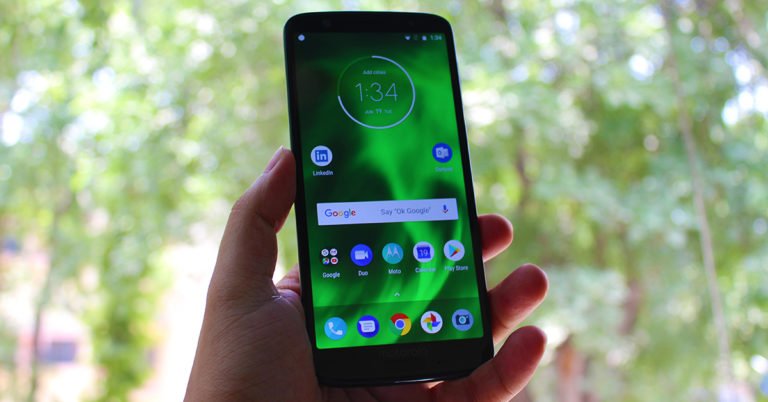
Let’s start with the aesthetics. The Moto G6 is inspired by the Moto X4, you will find a lot of similarities between the two starting from the watch dial like dual camera cluster at the back to the all glass rear panel and curved edge design. Being inspired sometimes is taken in the negative sense, but in this case it is good. Since the worthy stuff from the more expensive Moto X4 has come down to the budget smartphone Moto G6.
Dressed in midnight blue, the Moto G6 sports an aluminum band around the edges, which has the power button and volume rocker key on the right, a curved dual SIM tray on top and USB type C charging port along with a 3.5 mm audio jack at the bottom. There is no speaker grille on this mobile, you ask why? Because the ear piece doubles up as the loud speaker. This is both a good and bad thing, you can enjoy media better with a front firing speaker, but at the same time chances of it getting ruined are higher and your call quality might go down.
The front of the smartphone has a large 5.7-inch display with 75.4 percent screen to body ratio. This is accompanied by Corning Gorilla Glass 3, which protects it from dust and thuds. The touchscreen is FHD+ (1080×2160 pixels resolution) and has an aspect ratio of 18:9 with 424 ppi density. On top of the screen users will also find couple of sensors like the proximity one, under the screen the company has placed its logo and a haptic touch sensitive button.
Users can enable the one touch button control, after which the bottom nav bar on the screen disappears. So, how does one navigate then? By using finger gestures on this haptic button. For example, to go back to the previous page on the browser you can swipe left on the button. Swipe right and the OS will show the list of open apps.
Performance, camera and features
This is a place where Moto G6 left us with a mixed bag of feelings. While we loved the camera performance, sound quality and the excellent display, there was the occasional speed issue with the device that was off-putting. But first, let’s talk about its specifications. The Moto G6 comes in two variants one with 3GB RAM and 32 GB storage, and the other with 4 GB RAM and 64 GB storage. We were using the 4 GB RAM version.
With it the device has Qualcomm Snapdragon 450 Octa core SoC supporting 1.8GHz clock speed. Graphics are powered by Adreno 506 chipset and the Moto G6 runs Android 8.0 not 8.1 like the other devices in this price bracket. The memory can be upgraded by up to 256GB using a microSD card and the phone has two nano SIM slots with it. Everything on paper seems fine, except that eye hurting Snapdragon 450 CPU. Frankly, in this price range its competition has much better chipset options.
Because of the same, we experienced occasional slowdowns while switching between apps and when browsing (when multiple tabs are open). Graphical game performance is not super either. Yes, the display does full justice to the device, but you cannot play graphic hungry games like PUBG on it properly. We ran the AnTuTu benchmark on it, where it scored just 61,496 points. On Geekbench 4’s compute test it got only 2,295 points, while on the multi-core CPU test it got 3,147 marks. All of it showcase subpar performance.
Moving past that, there are some good features of the smartphone besides its superior looks. We loved the movie watching experience on it and it got better with the ear plugs that come in the box. The cameras work well with the rear powered by a 12MP primary plus 5MP secondary sensor that adds depth (bokeh effect). They are just a step behind the competition, but do have features that will give the opposition a run for its money. One in particular we loved is the spot colour mode, where the user can select a colour on screen and only that colour stays and rest of the picture turns grayscale.
The shots during the day were nice and crisp, in low-light or at night the edges did lose some of its sheen. Videos too were bright and nice, but we have defiantly seen better from the Honor’s and Xiaomi’s in this price bracket. Front camera is powered by a 16MP sensor with LED flash. This the company says is one of Moto G6’s main features. The images here are good and become better when using the LED flash. The front camera can also record video at 1080p. A better resolution is always favoured these days on social networks and the Moto G6 front camera delivered a good close to life colour experience for that.
Battery lasted for more than 22 hours for us, even though it has just 3,000 mAh of it. We used the phone nominally with mixed use of WiFi and 4G. Our usage also included playing few YouTube videos during the day, voice calls and a game or two here and there. For heavy users the battery life will drop further, but keep the charger handy as it can turbo charge the phone in minutes.
The Moto G6 comes with Android 8.0 not 8.1 on it. Which does not take away from the experience, but one would want the absolute latest in terms of OS when buying a new device. Moto actions do play house in this smartphone and all the lovely features come here. Like a quick twist of the hand opens the camera app and if you chop twice the torch is enabled. Also, if you want to take a screen shot just press three fingers on the screen and the device will take a screen grab.
There is no dedicated button for the app drawer on the Moto G6, but one can swipe up on the home screen and the list of apps will be shown. There is no bloatware on it too, which does give it an additional star on our rating sheet.
Verdict and final thoughts
All in all, we liked and disliked the device. We absolutely love how it looks and feels in the hand, even though the rear panel is a fingerprint magnet. We just cannot get over the price bracket it is in and the kind of chipset it offers here. If you are looking for a trendy phone with a great selfie camera and a great screen in a budget, the Moto G6 could be your best buy. But if you are looking for extreme performance, you might want to look elsewhere.
Music is a big multi-billion-dollar industry around the world. Google had showcased YouTube Music in May and now they have gone ahead and officially launched it in 17 countries around the world, and no India is not part of it, as yet. With YouTube Music, Google has also launched YouTube Premium, which will take the position of YouTube Red.
YouTube Music service in USA can be availed for $9.99 per month, while YouTube Premium service has a price tag of $11.99 per month. Currently, both the services are available in USA, Australia, Austria, Canada, Finland, France, Germany, Ireland, Italy, Mexico, New Zealand, Norway, Russia, South Korea, Spain, Sweden and UK.
Both the services are basically free in these countries where users can play music, watch videos, listen to full albums, see live performances and more. It also understands your liking and disliking’s and displays content according to your taste. But, the free service comes with ads in it, if you do not want ads then you would need to pay $9.99 per month for the YouTube Music service or $11.99 for YouTube Premium service that will be completely advertisement free.
YouTube Premium is same as YouTube Red and has all the functionalities of YouTube Music. However, the premium service throws in all the ad free videos that are not found on the music service along with the option to download them. You can watch online series on YouTube Premium as well, such as Cobra Kai etc. New users can try both the services for free for the first three months, which is 2 months more than Netflix, which also has its own line-up of original online series and has partnered with big Hollywood studios such as Marvel.
If you already have a YouTube Red subscription, you will automatically be upgraded to YouTube Premium. Sadly, the service is not available as yet in India and there is no clear indication on when both the services will be available here. Till we get clarity, if you want to hear Bollywood music, you can try the Google Play app available on Android smartphones.
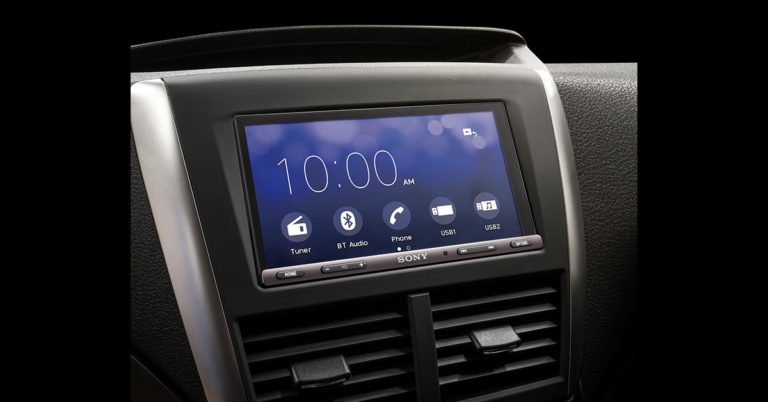
When it comes to ICE (in-car entertainment) systems in India, Sony tops the list in both the in-dash system and the speakers that go with it. The Japanese company has introduced a really cool new AV receiver here in India called the Sony XAV-AX5000. This one retails for Rs 24,990 and sports a 6.95-inch bezel-less touch display.
The main attraction of the Sony XAV-AX5000 is that it is both Android Auto and Apple CarPlay ready. Users can easily connect there Android or iOS devices to the Sony’s ICE system and get important messages on screen. Users can also make or receive calls, send messages and even access and play music from their mobile device through it.
The Sony XAV-AX5000 was first showcased at CES 2018 and now finally is available in India. The touch screen has card type buttons on it. There are some physical keys at the bottom of the panel as well, from where users can increase or decrease volume, go to the home screen or options menu and skip a track, too. There are dual USB ports available on it, so one can connect two devices to it at the same time.
This in-dash receiver by Sony is rear view camera compatible, so if a user wants to install a rear camera later, he/she would not require an additional screen for it. The Sony XAV-AX5000 does boast of Extra Bass circuitry which enables the device to produce clear sound with good amount of bass. Sony says it helps the system to overcome any type of engine noise and users get pure resonance without ambient sound. A 10 band equaliser has been added to the mix with 10 pre-sets. Audio files such as FLAC and MP3 are supported on the Sony XAV-AX5000.
The quick wakeup feature introduced in the system, reduces lag between the engine start and device start time. Sony claims that as soon as you turn the ignition the Sony XAV-AX5000 wakes up and is ready to play your favourite tunes.
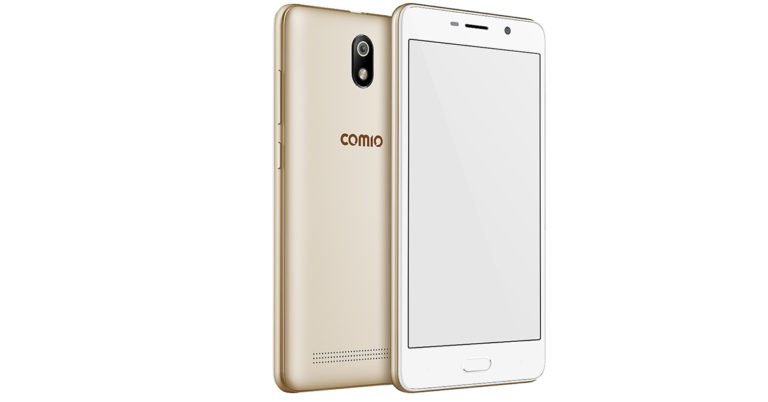
Comio seems to be on a roll, they recently launched the X1 Note in the Indian market dubbed as its flagship two weeks ago and now they are out with another mobile. Called the Comio C1 Pro the new device is ready to take on Xiaomi and Tambo in India. This smartphone is placed in the super budget segment of smartphones and seems to be aimed at people upgrading from feature phones.
Comio C1 Specifications
The Comio C1 Pro is driven by a 5-inch HD+ resolution 720×1,440 pixels’ touchscreen and runs Android Oreo 8.1 straight out of the factory. Under the bonnet it spaces a Mediatek 6739 SoC (quad-core) and 1.5 GB RAM. These are accompanied by 16GB on-board storage, which is expandable by up to 128GB using a microSD card.
The Comio C1 Pro is powered by a small 2,500mAh battery, which is said to last for a full day, but we can tell you more only once we test it fully. As for the cameras, the Comio C1 Pro has an 8MP rear camera with AF feature and a front snapper powered by a 5MP sensor with facial recognition. Modes like panorama are available and gesture controls to take images is also there. Over that, this smartphone sports 3 SIM slots and split screen mode for the touch display is also available.
Other features include Bike mode, 4G VoLTE, intruder selfie, font application and OTG support.
Price and offers
The Comio C1 Pro is available in 3 colours metallic grey, sunrise gold and royal black. It is priced at Rs 5,599 and as said before is aimed at the first time smartphone users.
Mr. Sanjay Kumar Kalirona, CEO & Director, COMIO Smartphone further adds, “We are delighted to announce the launch our new smartphone COMIO C1 Pro in such a short span. We believe that consumers in this price segment deserve better features and our budget friendly C1 PRO smartphone provides a potpourri of exciting features like good camera quality, better speed, security features, stylish design and value-added services.”
The company says that the C1 Pro comes with 1 year and 100 days of warranty, one-time screen breakage wave-off and 30-day replacement guarantee. With that, Reliance JIO users can get Rs 2,200 cashback through 44 vouchers of Rs 50 each. The offer will become valid after the customer has successfully recharged with the service provider (using a pack of Rs 198 or Rs 299).
Honor is one brand that has been launching smartphones one after the other, recently. Right after we saw the launch of its flagship Honor 10, the company rolled out two budget smartphones – Honor 7C and 7A. We spent some days with the bigger sibling Honor 7C to see what’s good in it and what all it lacks. Read the rest of our review to find out more about the phone:
Design and Blueprint
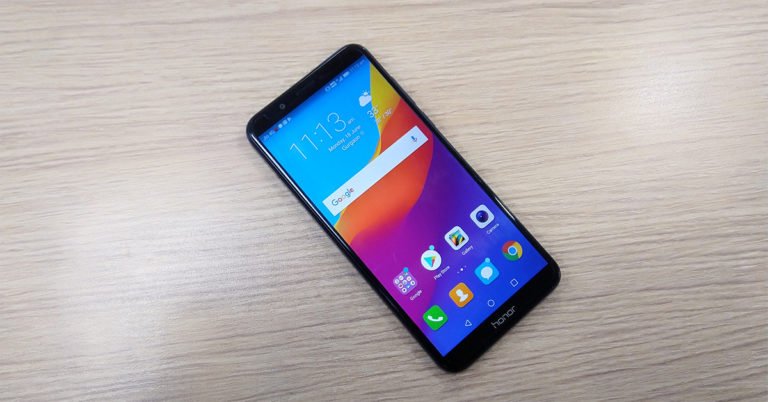
We’ll first talk about the design of the smartphone. For a mobile that falls in the budget range, the look and feel of the phone is very pleasing. Honor 7C has premium looks, with a metal back panel and a 5.99-inch HD+ IPS LCD display and 2.5D curved glass dominating the front. Above and below the display are the front facing camera and Honor branding, respectively.
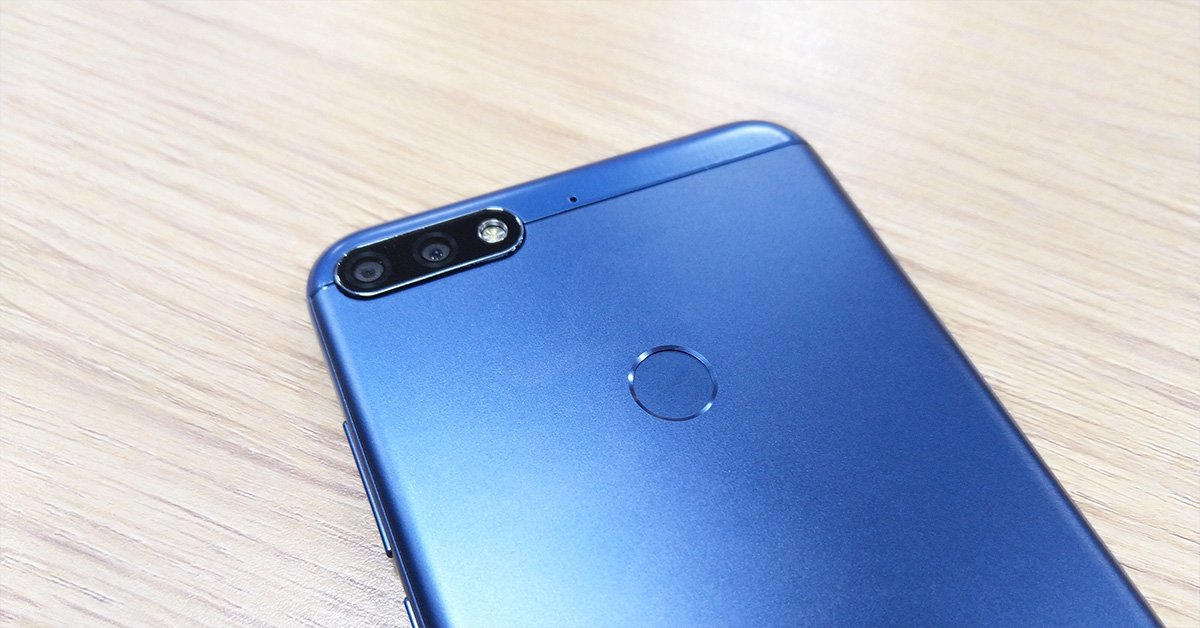
The phone is very sleek and has a minimalistic design. It comes without any antenna lines on the metallic back-panel, which also has the Honor branding on it. The back panel of the smartphone also sports dual cameras and a fingerprint sensor. The top and bottom inserts on the back panel are made of plastic, but that doesn’t hamper the looks of this device in any manner.
Honor 7C comes in three colour options – Black, Blue and Gold – and the one that we got for review was dressed in Blue. We are really impressed with the build quality of the smartphone and it feels solid to hold. In spite of this, the phone is not very heavy at 164g and one-handed usage is not a problem at all.
The side edges of the smartphone are where the SIM card and microSD card slots along with the volume rocker keys are placed. The bottom edge stocks the 3.5mm jack, microUSB port and speaker grille.
Coming to the display of Honor 7C, the smartphone sports a 5.99-inch HD+ IPS LCD screen and has an aspect ratio of 18:9. Although we were thoroughly impressed by the design of the smartphone, the same cannot be said about the display. There were a few good points, but some things were just average. The colour reproduction was accurate and vibrant, but we found the display to be reflective. We have seen phones with better sunlight readability. On the upside, viewing angles were just right. Considering that most of its competitors have a full HD display, it was also slightly disappointing to see Honor 7C to come with just a HD+ touchscreen.
In a nutshell, Honor 7C’s display left us with mixed feelings and we felt it definitely could have been better.
Performance, Camera and Features
Before we begin speaking about Honor 7C’s performance, we’ll take a minute to take you through its specifications. The Honor 7C is powered by Qualcomm Snapdragon 450 processor and comes in two storage variants – 3GB RAM/32GB onboard storage and 4GB RAM/64GB internal storage. The one that we are using is packed with 4GB RAM. Users can add a microSD card of up to 256GB, too. Coming to think of it, Honor 7C and 7A are first smartphones from the company to ditch its Kirin processors. For imaging duties, there is a 13MP+2MP dual rear camera setup and an 8MP selfie camera.
The smartphone houses a 3,000mAh battery and runs Android 8.0 Oreo skinned with EMUI 8.0. The software of the smartphone is extremely feature rich and some interesting ones include the ability to switch between Wi-Fi and mobile network automatically. The smartphone does so by detecting which network is stronger. There is a Ride Mode for those who travel on motorcycles, too. Over that, a number of things can be done via the fingerprint sensor including answering phone calls, taking photos, videos and stopping your alarm clock.
While these were some things that we liked, one thing that we really didn’t was bloatware. And Honor 7C has plenty of it. There are a number of gaming apps on it and the phone also has Truecaller, UC Browser and Netflix pre-installed.
Coming to the performance, the smartphone was good in performing daily tasks. We used multiple tabs of Chrome and opened various apps to put the phones multi-tasking ability to work. Honor 7C mostly performed well, although we did encounter an occasional lag in launching some heavy gaming apps, but it was negligible. We observed a delay only in launching these apps; the functioning was not affected by it.
One thing we liked a lot about the Honor 7C is that it did not heat up even once, even when we were gaming or browsing the net for a long while. The smartphone from Honor survived all kinds of games – from Super Mario to Asphalt 8. We just loved the experience.
But, the best thing about Honor 7C is definitely its Face Unlock feature. It worked instantly each and every time without any exceptions. It is a feature we were thoroughly impressed with.
We were quite happy with the battery life of the smartphone, too. It lasted us an entire day in spite of usage that included watching YouTube videos, using Maps for navigation and social media apps like Facebook, Instagram and Snapchat. If your usage isn’t heavy, it can last you more than that.
Skipping over to the calling experience. The call quality of the smartphone was good. We never encountered a problem with making or receiving calls even in areas like elevators and basements.
As for the cameras of this smartphone, they mostly just did an average job. The colours seemed slightly dull in most pictures and the objects seemed abnormally sharp. Shots taken at night were particularly unclear and grainy; the ones during the day weren’t bad but looked like they could do with some improvement.
The case was similar with the selfie shooter. The shots taken during well-lit conditions were decent enough, but the ones taken in low lit conditions were not up to the mark.
We ran a few benchmark tests on Honor 7C. It scored 782 and 3,989 in single and multi-core scores of Geekbench 4 and got 70,506 in Antutu benchmark test. Both showcasing decent performance when it comes to this segment of smartphones.
Verdict and Final Thoughts
Honor 7C has its ups and downs. The design is sleek, the built is solid and the battery is long lasting. The bloatware and the average cameras are the downsides of the phone. At a price of Rs 11,999, the smartphone is a decent buy, but we have seen other smartphones in the same price range like Xiaomi Redmi 5 and Asus Zenfone Max Pro M1 that are better when it comes to overall performance.
Pros – Good built and design, Accurate face unlock, Lasting battery Cons – Bloatware, Cameras
Just one more day to go for Father’s Day and we are sure you have plans to surprise your Dad. However, if you have been busy throughout the week and didn’t have any time to go pick a gift for him, we have listed down some gifts that will surely make him happy. And if he’s tech-savvy he’ll love them even more. Here’s the list of gadgets that you can gift your Dad this Father’s Day:
Fitbit versa: Encourage your father to start focussing on his health with Fitbit Versa. The smartwatch comes at a starting price of Rs 19,999 and is available in three colour variants — Black, Grey and Silver and Peach and Rose Gold. Fitbit Versa comes with a 24/7 heart rate tracking sensor and can also come handy to track sleep stages and workout sessions. It features a 1.34-inch touchscreen display and runs Fitbit OS 2.0. The smartwatch is compatible with Android 4.3 and iPhone 4S and above. It can also be taken for a swim as it is water resistant up to 50 meters. Fitbit’s smartwatch has a 2.5GB of internal storage and over four days of battery life.
Amazon Echo Dot smart speaker: A smart speaker will make an excellent gift for your dad on Father’s Day. An you can always pick the Amazon Echo Dot speaker that is powered by Alexa digital assistant and can make shopping lists for users, set reminders, check weather, tell sports’ scores and do much more. Priced at Rs 4,499, the Amazon Echo Dot speaker is available in Black and White colours. Users can connect with it using Bluetooth and it also has a 3.5mm jack and a microUSB port. It can also stream music over Wi-Fi and has a 0.6-inch tweeter. Volume can be controlled via buttons on top of the speaker.
Google Home: If you are actually planning to buy a smart speaker for your dad, then you needn’t stay restricted to Amazon’s speaker. You can pick up the Google Home too.There are again two options to choose from — Google Home and Google Home Mini priced at Rs 9,999 and Rs 4,499 respectively. The speakers directly compete with Amazon’s Eco and Echo Dot speakers.Powered by Google Assistant, Google Home can read out emails for your Dad, give him important news updates or even play music and give recipes for food. The speakers are both compatible with Android and iOS devices and come with Wi-Fi and Bluetooth connectivity.
OnePlus 6: If your father needs a new smartphone, we recommend the the recently launched OnePlus 6. The smartphone is powered by Qualcomm Snapdragon 845 processor — which is the latest and the most powerful one yet. It features a 6.28-inch FHD+ Full Optic AMOLED display that has an iPhone X like Notch. The OnePlus 6 runs Android 8.1 Oreo skinned with OxygenOS 5.1.The smartphone has three storage variants — 6GB RAM/64GB storage, 8GB RAM/128GB storage and 8GB RAM/256GB of storage. The cameras remain the same as OnePlus 5T’s but there is a change in sensors. The 16MP+20MP dual rear cameras come with Sony IMX519 and Sony IM376K sensors. The starting price of the smartphone is Rs 34,999.
Bose SoundSport Truly wireless earbuds: If your Dad loves music, thenBose SportSport Truly wireless earbuds probably the best gift that we can suggest. Priced at Rs 18,990, the wireless earbuds are IPx4 sweat resistant and come in Black, Midnight Blue and Bright Orange colour options. The earbuds come with Bose’s digital signal processing and volume optimized EQ. The earbuds are claimed to have a battery that lasts up to 5 hours and users can track the location of the earbuds at any time with the Bose Connect App’s ‘Find My Buds’ feature.
Flipkart 10000/15000mAh power bank: Save your father from smartphone battery woes and buy him the Flipkart 10000mAh or 15000mAh power bank, that are priced at Rs 799 and Rs 999 respectively. While the 10000mAh power bank has three USB ports, the 15000mAh power bank has two USB ports. They also sport an LED torch and a battery level indicator.
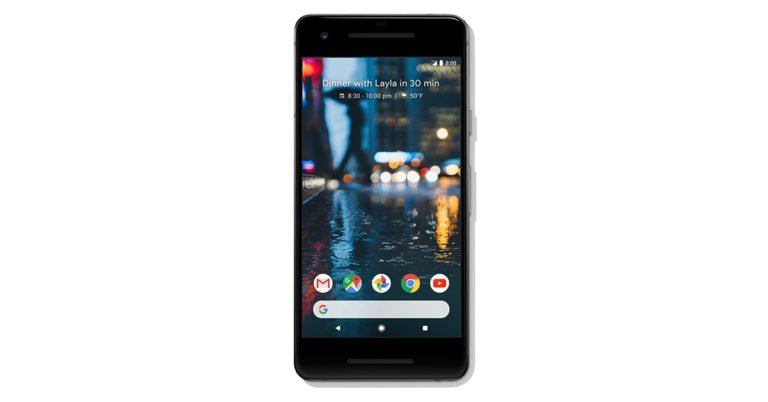
Technology giant Google may soon let the users of Google Pixel series of smartphones select the colour of their smartphone’s launcher from light to dark mode according to a report in Android Police.
Till now, the launcher in Google Pixel phones automatically turned dark when users had a dark wallpaper on. This is even the current situation. Your theme depends on your wallpaper. So if your wallpaper is dark, so are your folder icons, app drawers and quick setting. Similarly, if your wallpaper is white in colour or has a neutral shade, the launcher your Pixel smartphone will automatically turn white.
Much to the frustration of many users, they cannot manually select one among the two themes if they have a preference for it. But it seems like now Google is changing this. This is because someone had added an item in the developer preview in March this year in which they had asked for a toggle to choose the theme.
And Google has now marked that particular item as ‘fixed’ in the bug tracker. Google’s reply says, “We have added support for a Dark theme to be applied to quick settings and launcher under Settings -> Display -> Device Theme. It will be available in a future Android build.”
So with this, users will be to go to the device’s settings, and make customizations to their launcher settings under Device Theme.
In other words, you will be able to select the dark or light launcher based on your preference and you will not have to select a particular wallpaper to enable it.
However, if users are expected to enable or customise these settings in Google Pixel phones, then it is definitely a possibility that the default settings will be exactly as they are right now – light launcher with white or neutral wallpapers and dark launcher with dark coloured wallpapers. The report by Android Police says that this change may arrive with the next developer preview, but one can expect it to be live by the time Android 9.0 officially rolls out.
Today is the opening ceremony and first match of the largest football sporting event in the world. Yes, the Fifa World Cup 2018 will commence tonight as Russia takes on Saudi Arabia at 8:30 PM. The Fifa action is so big that the leading Indian telecom players could not stay away from it.
Both, Airtel and Reliance JIO have announced that their customers can watch the matches for free on their respective live TV apps on the mobile phones. All the matches of the Fifa world cup would be available to Airtel and Reliance JIO customers between June 14 to July 15, 2018.
Along with English and Hindi commentary, these matches will be available in all the local languages on the Airtel app. Over that, users will have access to the complete match schedules, summary and behind the scenes footage here. The Airtel TV app is available on the Android and iOS app stores.
Reliance JIO is also giving similar viewership to its customers where they can also enjoy this premium service for no additional cost. Users on both iOS and Android smartphones can download their app and enjoy uninterrupted coverage of the Fifa World Cup 2018.
Along with the Fifa World Cup 2018 live coverage, both the telecom players have announced that they will also live stream India Vs Afghanistan cricket matches on their respective platforms, too. Seems like a good day for sports enthusiasts and if you are a customer of Reliance JIO or Airtel then you are in luck as you can watch the matches (cricket or football) from anywhere for free.
Coming to think of it, network issues could play spoil sport as Airtel’s 4G is very patchy even in cities like Delhi, Mumbai and Gurugram. On top of that at times, rains do short circuit mobile towers, which will again hamper connectivity. Fingers crossed is all we can say, if you are on an Airtel network.
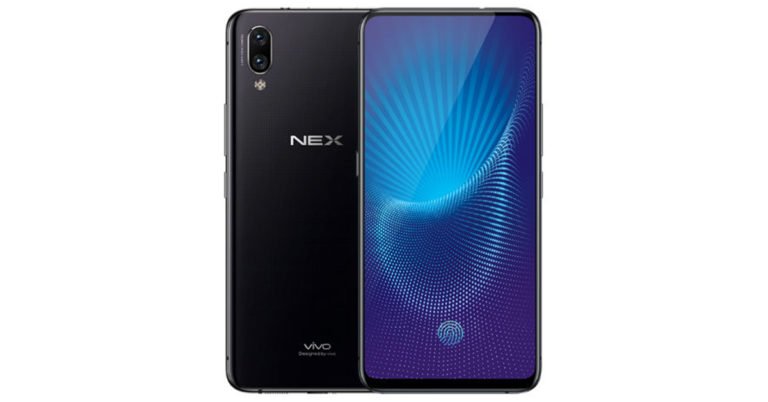
When Vivo’s concept smartphone Apex was showcased at the Mobile World Congress 2018, it did get some eyeballs rolling. The smartphone’s prototype was earlier seen at the Consumer Electronics Show this year and managed to grab headlines even then. The reason was its ‘half-screen in-display fingerprint scanning technology.’ With this technology, instead of putting one’s thumb or finger on the thumbnail-sized icon on the device to unlock it, one can do so by placing their finger anywhere on the smartphone’s display – or at least half of it. And now, the Chinese smartphone maker has announced its Nex S smartphone, which is based on the Apex concept phone.
Although Nex S does not have Apex’s ‘half-screen in-display fingerprint scanning technology,’ there are a number of features in it that we saw in Apex. To put in Vivo’s words, the Nex S smartphone “fulfils the bezel-less dream.” The Nex S smartphone – like the Apex concept phone – comes without the Notch on its display and we found this to be very refreshing. This also means that the Nex S smartphone has a screen-to-body ratio of 91.24%. That’s not all. Vivo Nex S also comes with the company’s glass-vibrating Screen Soundcasting technology, that was also seen the in Apex concept phone. This technology replaces the earpiece speaker found in devices.
Instead of Apex’s half-screen in-display fingerprint scanning technology, Vivo Nex S comes with an in-display fingerprint sensor. The difference between the two is only in the area covered. Although in-display fingerprint sensor is a feature we have already seen in Vivo X21, Vivo claims that its third generation sensor makes the speed faster.
Specifications
Speaking about other specifications of the Vivo Nex S Smartphone it features a 6.59-inch full-HD+ Super AMOLED display and is powered by Qualcomm’s Snapdragon 845 processor – which the latest in the market. Vivo Nex S smartphone comes with 8GB RAM and comes in 128GB and 256GB storage options. It houses a 4000mah battery and sport a 12MP primary rear camera with f/1.8 lens and a 5MP secondary rear camera with f/2.4 module. For selfies, there is an 8MP pop-up front facing camera with f/2.0 lens. The smartphone run Android 8.1 Oreo skinned with Funtouch OS 4.0.
Other than this, the company also launched a younger sibling, Nex A smartphone, that has a number of features similar to Vivo Nex S, but there are things that set them apart too. For starters, the Nex A is powered by Snapdragon 710 processor clubbed with 6GB RAM and offers 128GB inbuilt storage. A major difference is that unlike Nex S, Vivo Nex A has a fingerprint sensor on the rear panel instead of the in-display one. The display, camera setups and battery is the same as Vivo Nex S.
Pricing Both the smartphones are currently only available in China. While the Vivo Nex S smartphone with 8GB RAM and 256GB internal storage is priced at CNY 4,998 (roughly Rs 53,000), and its 8GB RAM and 128GB storage variant costs CNY 4,498 (roughly Rs 47,500). The Vivo Nex A, which is only available in 6GB RAM/128GB on-board storage option, bears a price tag of CNY 3898 (roughly Rs 41,200).
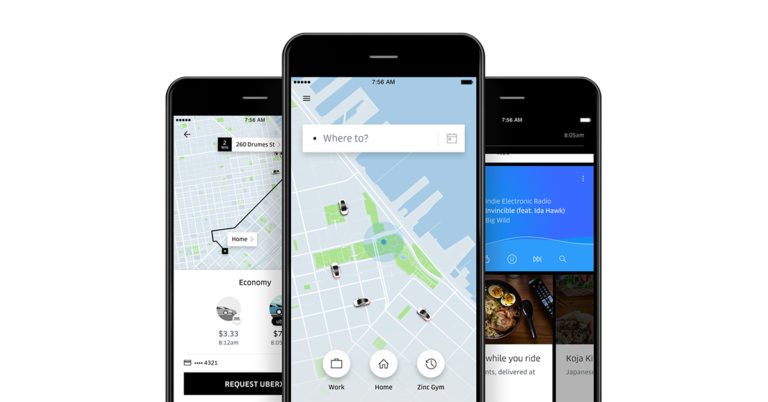
Uber Technologies has launched its Uber Lite app in India — a move which many are saying has been done to get more users on board.
In its initial phase, Uber Lite will only be launched for Android smartphone users in Delhi, Jaipur and Hyderabad. This will be followed by the app getting rolled out across India during summer and then Uber Lite will be launched in other countries.
What makes Uber Lite different from the regular Uber app is the fact that it is less than 5MB. It is claimed to have a response time of less than 300 milliseconds and can work perfectly well in areas with low connectivity.
The company went on to say in a statement that Uber Lite works on less than 5% Android devices.
Besides this, the app retains most other features of the main Uber app. It hasn’t compromised on the safety features and comes with an emergency button and also lets users share their route with friends.
However, some features are different. For instance, in the absence of GPS, the app might suggest a nearby landmark where the cab can come to pick the user up. Similarly, the app already has the city’s most popular places so that they appear even when the user is offline.
According to Uber Technologies, maps are not loaded by default in Uber Lite and are available at a tap when user needs them because this ensures that the app is light and works quickly even in low network connectivity.
“After extensive research with our riders, it was obvious we couldn’t just make a smaller copy of Uber. We needed to reimagine the experience for India and key markets around the world. The result is Uber Lite,” said Peter Deng, Head of Rider Product, Uber.





![[Video] 9 things about the new app IGTV by Instagram you must know](https://www.gadgetbridge.com/wp-content/uploads/2018/06/maxresdefault-3-768x432.jpg "[Video] 9 things about the new app IGTV by Instagram you must know")


![[Video] RHA MA650 Unboxing and First Look](https://www.gadgetbridge.com/wp-content/uploads/2018/06/maxresdefault-2-768x432.jpg "[Video] RHA MA650 Unboxing and First Look")










![[Video] OnePlus Bullets Wireless headphones Unboxing](https://www.gadgetbridge.com/wp-content/uploads/2018/06/maxresdefault-1-768x432.jpg "[Video] OnePlus Bullets Wireless headphones Unboxing")

![[Video] Comio X1 Note Unboxing and First Impressions](https://www.gadgetbridge.com/wp-content/uploads/2018/06/sddefault.jpg "[Video] Comio X1 Note Unboxing and First Impressions")