South Korean technology giant Samsung is soon expected to launch smartphones in its Galaxy A-series that are expected to come with features like in-display fingerprint sensors, Infinity display panels, and dual or triple rear camera setups. The report about this has been showcased on Geekbench.
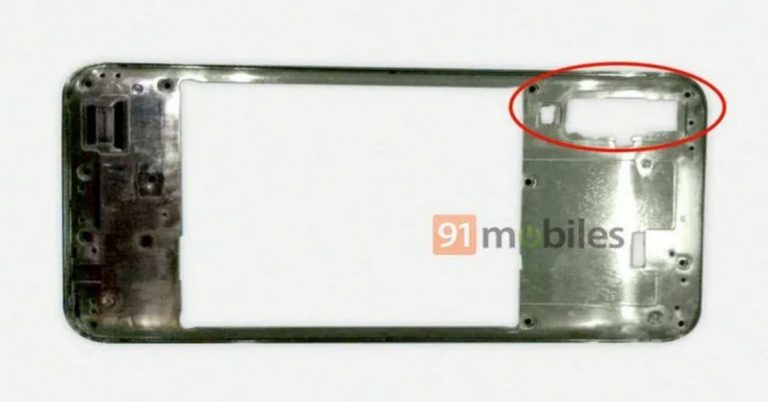
The report about the upcoming Samsung Galaxy A50 has just been released which claims that the smartphone will sport a triple rear camera setup. The report, which first appeared on 91mobiles along with a leaked image, also said that the device will come with an Infinity-V display.
Speaking of the leaked image, it shows the Galaxy A50’s chassis and reveals that it will feature a USB-Type port and come with a 3.5mm headphone jack. The chassis shows an elongated cut-out for the triple rear camera setup. Also, there is no cut-out for a physical fingerprint sensor, which means that the device will come with a fingerprint scanner embedded on its screen.
While not much is known about the smartphone, prior reports suggest that it will be powered by Exynos 7 9610 octa-core SoC paired with 4GB RAM. It is expected to be available in two storage variants—64GB and 128GB. In terms of battery, the Samsung Galaxy A50 is said to house a 4,000mAh battery.
Image courtesy: 91mobiles
Samsung Galaxy A10, on the other hand, has been spotted on Geekbench and according to the website, the smartphone will run the Android 9.0 Pie and will be powered by an octa-core Exynos processor.
Samsung Galaxy A10 which has been spotted on Geekbench carries a model number “Samsung SM-A105F”. The smartphone is expected to come with 2GB RAM, however, as of now, there is no word on its internal storage. Previous leaks have suggested that the device is going to have an LCD display and will sport an in-display fingerprint sensor.
There are nine smartphones that constitute the Samsung Galaxy A-series that are expected to launch this year. While the Samsung Galaxy A50 is a mid-range smartphone, the Samsung Galaxy A10 is a lower-end one. According to previous reports, all the smartphones that are part of the Galaxy A-series are going to be incorporated with multiple rear camera setup.
For the latest gadget and tech news, and gadget reviews, follow us on Twitter, Facebook and Instagram. For newest tech & gadget videos subscribe to our YouTube Channel.
Samsung is all set to launch its flagship smartphones from the Galaxy S10 series next month. And a recent report also claimed that the Samsung Galaxy S10 smartphone has been certified in Brazil. And now, another report has surfaced online which claims that three models that are set to be launched on February 20 are already in full-blown mass production.
The report, which first surfaced on The Investor from South Korean, says that as of now, the company is only focussing on producing 4G variants of the Samsung Galaxy S10 models. The 5G models will reportedly be launched sometime later this year and their production has been slated for first half of 2019. The Investor also mentions that all the three variants of the smartphone will sport an in-display fingerprint sensor and will come with a detachable screen protector.
The publication quoted a source saying, “Samsung started mass producing the Galaxy S10 at its manufacturing lines in [South] Korea on January 25. The 5G Galaxy S10 is still in the pipeline and will start being produced later during the first half.”
Speaking about other features of the device, the source said that all the three models of Samsung Galaxy S10 will come with an in-display fingerprint sensor. While the premium models will sport an ultrasonic in-display scanner, the most affordable one of the three will come with an optical fingerprint sensor.
We should mention that the ultrasonic solution will reportedly be more advanced and will be able to map the user’s fingerprint in three dimensions and will be more accurate than the optical fingerprint solution. The Investor’s source also mentioned that all the three variants of the smartphone will come with a detachable screen protector and Samsung Galaxy S10+ will also be available in a 1TB storage variant.
While the source did not reveal if the foldable phone will be launched by Samsung at the Galaxy Unpacked event, he did voice scepticism over the device’s adoption. The Investor quoted the source saying, “The expensive price will be a major hurdle for the foldable phone to go mainstream.”
For those unaware, Samsung has scheduled its Galaxy Unpacked event in San Francisco on February 20, where it is expected to launch its Galaxy S10 Lite, Galaxy S10 and Galaxy S10+ smartphones. All the three devices will come with the company’s new Infinity-O displays. We should also mention that Samsung has hinted that it may launch the foldable phone at the event too.
For the latest gadget and tech news, and gadget reviews, follow us on Twitter, Facebook and Instagram. For newest tech & gadget videos subscribe to our YouTube Channel
Google Chrome’s new update, Chrome 72 is out with new security improvements and features for developers. The Windows, Linux and Mac version of Chrome got a new Settings menu, complete pop-up blocking, Web Authentication API improvements and many other features as well.
In this update the Settings menu gets the Autofill support for its sections and a new shortcut has been added in the People section, which lets the user open their Google Account settings directly. The API improvements provided added layer of security to users. It now allows users to sign-in suing a security key, Bluetooth U2F keys or other security methods. For Windows users the update blocks code injections which reduces the crashes caused by third party software. And for Mac users, Chrome’s new update brings support for external authentication devices that connect over BLE. The update now restricts the pop-ups to appear during page unloads even if the pop-up blocker is active or not.
Chrome 72 also removes the ability to setup Chromecast dongle using the desktop browser. But this change is only for the dongle setting up process and casting tabs, videos or audio is still as easy as before. Windows users can update their Chrome by using Chrome’s built-in updater or by downloading it directly from the company’s website. The updated version of Chrome for Android has been upgraded as well, in the update it brings to the media player notification while using Incognito tab and more features as well along with 58 security fixes.
For Android the updated browser brings a few changes to The tab menu. Security improvements have been implemented and now users can long press the back button to see tab history.
And for iOS the update brings support for more search engines, fixed crashes, a Siri shortcut to start a new search and translations for previously untranslated websites and webpages have been added.
Android users can download the update from Google Play Store and the iOS users can download the update from the App Store, or they can use the built-in updater in Chrome to update their browser to the latest version.
For the latest gadget and tech news, and gadget reviews, follow us on Twitter, Facebook and Instagram. For newest tech & gadget videos subscribe to our YouTube Channel.
Recently, we have come to know that Facebook will be launching the end-to-end encryption and combine all its messaging platforms into one. This would lead to the integration of WhatsApp and Instagram with Facebook. The latest news about this feature is that it is not going to arrive this year. We are not going to see end-to-end encryption on Facebook throughout this year. Mark Zukerberg reportedly said that, the app integration is not going to arrive before 2020 and beyond.
The reason behind this, Mark Zukerberg is saying, is that they need to figure out some things. There is a lot of work going on around this. However, the date of the launch of this feature has not been specified. Zuckerberg talks about why would users want to use end-to-end encryption by citing awkward cases where someone might use the marketplace feature on Facebook, but then have to jump over to WhatsApp for messaging. He also talked about the fact that messenger combined with WhatsApp and Instagram can lead to an iMessage-like layer for SMS that offers more security and functionality.
In terms of security, the end-to-end encryption will protect messages from being viewed by others, except the participants of the conversation. Things like strangers contacting people without sharing their phone numbers will get curbed. Even though the end-to-end encryption is aimed towards user safety, it won’t always conceal information. According to researchers, information regarding who is interacting with whom just might be shared. Facebook might come across users’ data that could expose their private information.
However, end-to-end encryption would be a very useful move as there are chances for it to curb terrorism that can happen using social media platforms. There have been reports in the past about terrorists and cyber attackers using non-secure messaging services. This move is being made in order to counter all these problems.
The EETE would allow Facebook users to send an encrypted message to another user who is not on Facebook, but WhatsApp and Instagram. There is still a lot of time for this to be established, and so it is hard to tell whether it will be boon or a bane for users.
For the latest gadget and tech news, and gadget reviews, follow us on Twitter, Facebook and Instagram. For newest tech & gadget videos subscribe to our YouTube Channel.
The tech giant Apple Inc’s iPhones are known for many things and the cameras are one of them, Next year Apple is planning to bring 3D cameras to their iPhones. They will also be pushing towards augmented reality. The company is also expected to bring 3 camera setup to the new line-up of iPhones.
According to a report from Bloomberg, for the 3D camera the company will be using laser scanner instead of the dot-projection technology, which it has been using till now. Since the dot-projection tech doesn’t work well over long distances. And that’s not it, the company will also be bringing a third camera to their dual-camera setup, it will be advanced and will enhance the photo-capture tools of the iPhones. Over that, the company will also incorporate a new and more powerful chip to compete with Snapdragon 855 SoC, which is the Qualcomm’s 2019 flagship processor. So, the next generation of iPhones will be more advanced, feature rich and powerful than the current gen of iPhones.
The 3-D camera will enhance the augmented reality on the iPhones too, which will give more accurate depth perception and placement of virtual objects. It will give the cameras better control to capture the depth of an image. The cameras will be designed to scan the environment to create a three-dimensional reconstruction of the real world which will work up to 15 feet from the device. If we talk about the current gen of iPhones, the cameras operate at distances of 25-50 centimetres to power Apple’s Face ID facial-recognition feature. The company has been talking with Sony about testing sensors for their new system of cameras.
The difference between VR (Virtual Reality) and AR (Augmented Reality) is that while VR puts the user in a digitally created world with use of headphones, VR glasses, controllers and bodysuits to feel the full immersion of VR. AR puts visuals and data onto a view of the real world by use of cameras, so when the camera is recording or seeing the real thing the AR will put digitally created images, characters into that live camera view. Currently the appeal of AR is less but it is predicted to have a much wider market than VR.
The laser-powered 3-D cameras could make their debut on iPad Pro update around 2020 spring. And for 2019, the company is planning to go with successor of iPhone XS and XS Max along with an updated iPhone XR. The XS Max which might have the three-camera setup on the back, other iPhones might also come with upgraded system as well.
For the latest gadget and tech news, and gadget reviews, follow us on Twitter, Facebook and Instagram. For newest tech & gadget videos subscribe to our YouTube Channel.
According to reports by counterpoint, smartphone company OnePlus was the best-selling smartphone of 2018. Taking a dig at Apple, OnePlus posted an image on Facebook in which it said, “Hey Siri, which is India’s no.1 premium smartphone?”.
Based on the Counterpoint news, OnePlus recorded the highest shipments in the fourth quarter of 2018 and maintains its lead in the premium phone segment for three consecutive quarters now. On the other hand, Apple’s share in the premium phone segment fell down by 15% in the last quarter of 2018, compared to 2017 in the same time period.
The market share of OnePlus during the fourth quarter of 2018 was 36% whereas Apple and Samsung secured 30% and 26% market share respectively. Counterpoint Research report said, “OnePlus 6 recorded its highest ever shipments in a single quarter to lead the premium smartphone segment for three successive quarters. Additionally, the success of OnePlus drove overall premium smartphone shipments to a record number in a single year.”
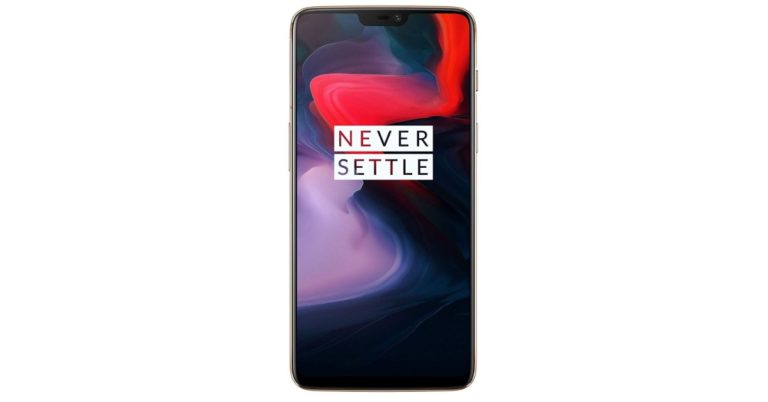
OnePlus 6 was the highest selling phone in 2018 followed by OnePlus 6T. To recall, the OnePlus sports an optic AMOLED 6.28-inch capacitive touchscreen with a resolution of 1,080×2,280 pixels. The aspect ratio of the screen is 19:9. The device is powered by a Qualcomm Snapdragon 845 octa-core processor. It runs Android Pie skinned with OxygenOS 9.0.2. When it comes to the RAM, the smartphone has two RAM variants—6GB and 8GB. The 6GB RAM brings an onboard storage of 64GB whereas the 8GB brings an onboard storage of 128GB and 256GB.
In terms of camera, the OnePlus 6 sports a dual rear camera setup that consists of a 16MP and a 20MP sensor. On the other hand, the front camera has a 16MP single sensor. Connectivity options of the smartphone includes WiFi 802.11, dual-band, hotspot, Bluetooth 5.0, GPS, NFC and USB 2.0. The OnePlus 6 houses a 3,300mAh non-removable battery. The handset comes in four colour options—midnight black, mirror black, silk white and amber red.
For the latest gadget and tech news, and gadget reviews, follow us on Twitter, Facebook and Instagram. For newest tech & gadget videos subscribe to our YouTube Channel.
Last year in October, search giant Google had announced that it will be closing down its social networking platform, Google Plus (or Google+), for consumers after a security flaw exposed users’ profile data. Shortly after the announcement, Google+ faced another data leak and this made the technology giant quicken the process of shutting down its social networking platform. It was after this leak that the company decided to close down the platform in April 2019. And now, the technology giant has formally announced a new timeline about how and when Google+ will shut down.
Starting February 4, users will no longer be able to create new Google+ profiles, pages, communities and events. Even the comments that are generated by Google+ on external websites will be removed from Blogger on the same date. Comments on other websites will be removed by March 7. All website comments that are made via Google+ will get deleted starting April 2, and on the same day, all of consumer Google+ content will also be deleted.
However, the only exception to this is Google notes, and that is being kept for legal reasons. The Google notes content that will not be deleted includes photos and videos from Google+ in users’ Album Archive and on other Google+ pages. You can create and download an archive of your data before it is deleted if you wish to save it and Google has listed down instructions for the same on its support page. We should mention that if your photos and videos are backed up to Google Photos, they will not be deleted and will stay safe.
It is also worth noticing that if you have used Google+ to sign in to apps, this button will also stop working and you may have to re-login via Facebook or email. Some reports also suggest that it will be replaced by a Google sign-in button. In such cases, you will be signed in with our Google account instead of Google+. But we must add that you would still be able to access other Google services and Google+ shutdown will not affect that in any way.
The search giant has also said that it will take some time to delete all the Google+ data, so there is a possibility that portions of account will be visible for a few months before it’s gone.
Furthermore, G Suite customers will be able to access Google+, but then a new look and some additional features are also expected to surface on the social network for them. Considering that these headlines are just around the corner, you should act now and save your Google+ history while you can.
For the latest gadget and tech news, and gadget reviews, follow us on Twitter, Facebook and Instagram. For newest tech & gadget videos subscribe to our YouTube Channel
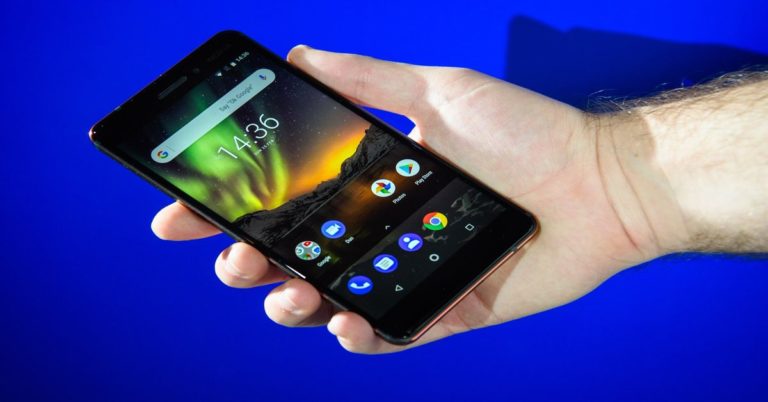
HMD Nokia has slashed the prices of their smartphones Nokia 3.1 and Nokia 6.1 in India, now they are available Rs 2,000 off of their original prices. The Finnish smartphone maker has confirmed the news and now the base version of Nokia 3.1 is available at Rs 8,999 and Nokia 6.1 is available at Rs 11,999. The manufacturer also started selling Nokia 5.1 plus and Nokia 6.1 plus across the country and they will be available in offline stores.
Nokia 3.1 comes with 5.2-inch display and runs Android 8.1 Oreo. It is powered by an octa-core MediaTek MT6750Soc and sports a 13MP rear camera with 8MP front shooter. Its battery capacity is 2990mAh. It is paired with 3GB RAM and has 32GB storage. The phone was priced at Rs 11,999 when launched and it is not the first time Nokia has cut price of their 3.1, earlier they cut its price by Rs 1,000 and now again it is cut by Rs 2,000. Now the phone is available at Rs 8,999.
Whereas Nokia 6.1 houses Snapdragon 630SoC with Adreno 508 GPU, and has a 5.5-inch Full HD display, it comes with 3GB RAM and 32GB for the base version. Its battery capacity is 3000 mAh. It has a 16MP rear camera and 8MP front camera. When launched it came with Android 8.1 Oreo out of the box but recently it started receiving the Android 9.0 Pie update. After the price cut of Rs 1500 the Nokia 6.1 3GB + 32GB variant will be retailing for Rs 11,999. And the top-spec model of 6.1 which is the 4GB + 64GB will be retailing at Rs 13,999.
Nokia’s price cut has put it directly in competition with Redmi phones which are aggressively priced between Rs 8,000 to Rs 15,000. And not just Mi, there are other brands recognising the entry level smartphone market’s capabilities. And now many phone makers are pushing out their phones in the same price segment. Manufacturers like Asus, Realme, Mi, Oppo, Vivo have multitude of phone in the same price range.
For the latest gadget and tech news, and gadget reviews, follow us on Twitter, Facebook and Instagram. For newest tech & gadget videos subscribe to our YouTube Channel.
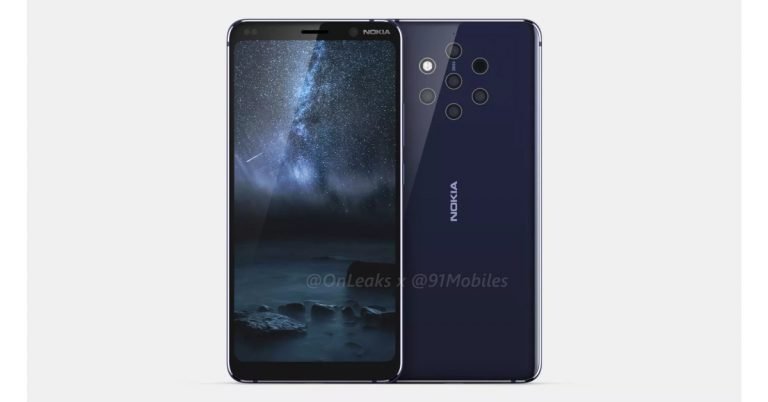
Nokia 9 PureView can certainly be called as the most-anticipated smartphone by HMD Global. After a few delays in the launch, the company has hinted that it will finally be unveiling its flagship smartphone at the upcoming MWC 2019 on February 24. The flagship handset will be made available in all important markets of the company, and India is definitely one of them. However, as of now, there is no official word from the company about which markets will Nokia 9 PureView be launched in.
One thing that we are sure of is that Nokia 9 PureView will be launching in China. This can be said because the handset recently passed China’s 3C certification agency. It is worth noticing that the certification agency has not revealed any details about Nokia 9 PureView, besides its model number TA-1094 and that the smartphone will have support for 18W fast charging. According to the certification, Nokia 9 PureView will come with an AD-18WC fast travel charger in China. It can be speculated that the same will be done for other markets in which the smartphone will be launched too.
Prior reports have suggested that Nokia 9 PureView will house a 4,150mAh battery. We should mention that this is a pretty big jump as compared to what the company has offered in its devices till now. HMD Global’s last flagship, Nokia 8 Sirocco, packs a 3,260mAh battery. Considering that Nokia 9 PureView will reportedly sport a 6-inch AMOLED QHD+ display, the large battery will definitely be useful.
The flagship device has been in news for months now and a lot has been said about its specifications. But we should point out that the most highlighted feature of the upcoming smartphone is the five-camera setup on its back panel. From the teaser images of the smartphone that had surfaced online recently, this feature is pretty much confirmed. Other specifications of the Nokia 9 PureView include Qualcomm’s Snapdragon 845 processor, 6GB of RAM and the stock version of Android Pie.
Rumours about a 5G variant of the Nokia 9 PureView have also been circulating online and it is being said that the company will launch this variant later with the latest Snapdragon 855 SoC.
For the latest gadget and tech news, and gadget reviews, follow us on Twitter, Facebookand Instagram. For newest tech & gadget videos subscribe to our YouTube Channel.
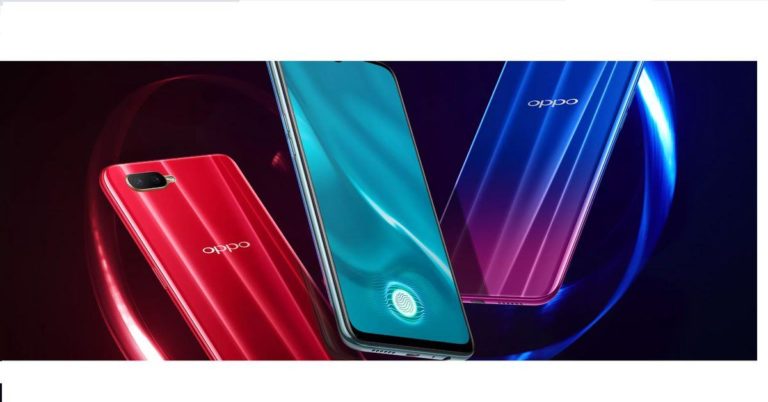
There was an Oppo smartphone that was teased yesterday on Flipkart. The e-commerce portal hasn’t specified the name of the phone. However, reports have revealed that the name of the smartphone is Oppo K1 that is supposed to launch in India soon. It is said that Oppo will be launching the K1 during the first week of February. The smartphone was launched in China back in October, 2018 with an in-display fingerprint sensor. It is one of the affordable smartphones Oppo has launched there. The price in India is expected to be under Rs 20,000.
The Oppo K1 sports an almost bezel-less display with a waterdrop-like notch above the screen. The smartphone features a 6.4-inch Super AMOLED display with a resolution of 1,080×2,340 pixels. The screen has an aspect ratio of 19.5:9. The device is powered by Qualcomm’s Snapdragon 660 AI processor and in terms of software, the devices boasts ColorOS 5.2 that is based on Android 8.1 Oreo. The Oppo K1 features a dual-rear camera setup of 16MP and 2MP and a front shooter of 25MP that is meant for taking selfies. There are two RAM variants—4GB and 6GB.
The 4GB RAM variant brings 64GB onboard storage and the 6GB RAM variant brings along an internal storage of 128GB. Connectivity options include dual-sim slots, WiFi, Bluetooth 5.0, GPS and a microUSB slot. The device houses a 3,600mAh non-removable battery. The Oppo K1 comes in three colour options—blue, red and silver green. The handset measures 158.3×75.5×7.4mm and it weighs 156 grams.
When it comes to sensors, the Oppo K1 includes fingerprint sensor, accelerometer, gyro, proximity and compass. After this, Oppo is also planning to launch a foldable smartphone during Mobile World Congress 2019. This smartphone is supposed to have 10X Hybrid zoom that is introducing us to a different league of mobile cameras. This is going to be very exciting!
For the latest gadget and tech news, and gadget reviews, follow us on Twitter, Facebookand Instagram. For newest tech & gadget videos subscribe to our YouTube Channel.
South Korean technology giant Samsung led the premium segment of the Indian smartphone market in 2018 with 34% share of shipments. Samsung was closely followed by Chinese smartphone brand at 33%, according to Counterpoint Research.
The third position was taken by Cupertino-based giant Apple with 23% share as the overall market share grew by 8% for the entire year and 16% for the last quarter for 2018. Counterpoint Research said that all three companies accounted for 92% of the overall premium market in Q4 2018.
It is also worth noticing that OnePlus recorded its highest-ever shipments in a single quarter in Q4 2018 and captured a 36% market share and led the premium market share for the first three quarters. According to Counterpoint Research, in terms of shipments, Samsung led the premium smartphone market but OnePlus took the lead in terms of sell-through for the entire year.
Counterpoint’s research analyst Karn Chauhan said, “OnePlus 6 (15% of overall premium smartphone shipments) was the best-selling premium model throughout 2018 in terms of shipment as well as in retail value. OnePlus 6T (10% of shipments) was positioned at second place followed by Samsung S9+ (8% of shipments).”
He further added that what contributed to OnePlus’ success was the strong demand for teh OnePlus 6T smartphone during the Diwali season. In the coming quarters, OnePlus’ expansion into offline space as well as setting up ‘Experience Stores’ will help the company reach its potential users.
We should also mention that Samsung captured 26% of the shares of the premium smartphone market in Q4 2018. The report by Counterpoint also said that its shipments grew 72% (YoY). Shedding further light on Samsung’s performance, the report said, “The newly-launched Galaxy A9, the world’s first quad rear camera phone, in Rs 30,000 to Rs 40,000 price segment attributed towards Samsung’s growth, which is in direct competition with OnePlus.”
Coming to Apple, its shipments in the premium segment came down by 25% (YoY) in Q4 2018 primarily because of the exorbitantly high price of the new range of iPhones. Import duties are a very big reason the cost of the new iPhones in so high, and they would certainly go down if Apple starts manufacturing in India.
Speaking on this, Chauhan said, “As a result, we believe Apple to start manufacturing locally for latest iPhones in 2019 and beyond to potentially lower the current higher iPhone pricing.”
The report also adds that Apple may face stiffer competition this year from companies like Huawei, OnePlus, Samsung and Google. With this, the report added, “The premium smartphone market is now within the Rs 30,000 to Rs 1,45,000 price band, and thus, differentiation among premium smartphones has become more essential.”
Speaking on the upcoming trends in the smartphone market, Chauhan said, “We will see in this year most flagship phones to innovate on hardware by adding 5G and multi-gigabit capabilities, unibody button-less design with advance biometrics, Xtended Reality (XR) and gaming. We will see most of the popular features from last year such as multi-camera configuration, AI and notch display trickle down to below Rs. 30,000 segment.”
For the latest gadget and tech news, and gadget reviews, follow us on Twitter, Facebook and Instagram. For newest tech & gadget videos subscribe to our YouTube Channel.
Google India is the latest company that has joined the ‘really really really’ meme bandwagon. The technology giant has taken to microblogging website Twitter and used the ‘really really really’ meme to ask its Indian users a question: Why you keep asking Google Assistant to marry you?
Yes, you read that right. If the tweet is based on facts and not completely random, then it seems like a lot of Indian users have been asking Google Assistant to marry them.
If you are a regular Twitter user, you would have come across such ‘really really really’ memes on the social media platform. However, if you don’t use Twitter regularly, we’ll tell you what these ‘really really really’ memes are all about.
We really really really really really really really really really really really really really really really really really really really want to know why you keep asking the Google Assistant to marry you 🤔
It is basically a social media trend that has garnered tremendous popularity on Twitter in the last few months. So, it’s common to see tweets by people with the word ‘really’ written in different lines one after the other till you reach the last word. The word ‘really’ is written a lot of times in the meme and it forms a sort of a curved pattern.
According to a report in Financial Express, among the first known posts on Twitter to use the meme was tweeted on December 24, 2018. It was shared by a user with handle @jjkdsc and he used the hashtag #WE_NEED_DSC with this tweet. He had posted about a member from K-pop group NCT127.
After that, the meme went viral on the microblogging website. A number of technology companies have posted on their respective profiles using the meme including Youtube, Netflix, Amazon Prime, Linkedin and OnePlus. However, Google India’s tweet can easily be called the best among the lot. The ‘really really really’ post by Google India made a number of Twitter users tweet back hilarious replies. While some replied with ‘really really really’ memes, some used GIFs, and others just blamed the perils of being single for too long. And some witty ones went ahead and asked Google questions that they ‘really really really’ wanted answers to.
Take a look at a few of them here:
I am really really really really really really really really really really really really really really really really really really really sorry that you guys have to deal with single guys like us.
The trouble of Facebook with data doesn’t seem to end. It has been found yet again that Facebook had paid teens and adults to install a software called ‘Facebook Research’ VPN onto their smartphones to collect data of their usage, web activity and basically every piece of information on their smartphones.
It was last week that the platform received heavy complaints from the users when it said that it wants to integrate all three of its platforms into one, namely Instagram, Whatsapp and Messanger. TechCrunch reported that the company is desperate for data on its competitors so it secretly paid people to install the VPN that lets Facebook get access to all of the data on the user’s phone and their web activity.
Facebook even admitted that it was gathering data on people for their usage activity using the Facebook Research. Since 2016, the social media giant had been paying users of age 13 to 35 up to $20 per month along with referral fees to sell their privacy by installing ‘Facebook Research’ app for Android and iOS as well. The program is administered through beta testing services Applause, BetaBound and uTest to mask the company’s involvement. Project Atlas is the name given to this whole process where Facebook can monitor its rivals and trends all around the world, and the name of the project is fitting in ways more than one.
The companies Apple and Google still have comment on this issue, if Facebook violated its private policy or not. The Research app has been taken down from the iOS Appstore, but it continues to run on Android. There might be a possibility that Apple might have told Facebook privately to remove the app. Apple has already blocked Facebook’s data plans on their platform in the past.
Facebook collects data including private social media messages, photos, videos, sent by messaging apps, emails through the VPN. It can also track the location of the users through other apps installed in their smartphones. Facebook has been caught accessing and monitoring user’s data through its three major social platforms which it owns, these platforms serve more than 2.5 billion people around the world.
This is not the first time something like this has happened and seeing Facebook’s history it surely won’t be the last. This shows us just to what extent Facebook wants to control the user’s data and use it how the company sees fit.
For the latest gadget and tech news, and gadget reviews, follow us on Twitter, Facebook and Instagram. For newest tech & gadget videos subscribe to our YouTube Channel.
Today, Lenovo had its Legion of Champions Three grand finale. The winner of this tournament was Awe Star from Korea as part of the first LoC tournament win. The annual eSports tournament was held in conjunction with Intel that received a lot of crowd cheering.
Ken Wong, the president of PCs and smart devices of Lenovo Asia Pacific said, “I’m proud to share that this is the third consecutive year that we have provided an excellent platform for the next generation of gamers to gather, compete and network with each other. It is also a chance for us to engage them and ensure that the Legion brand is evolving with their needs. Since the first edition of LoC in 2017, we have doubled the number of participating teams. The results have exceeded our wildest expectations and we look forward to taking eSports to the next level in Asia Pacific.”
After its win, team Awe Star received an enormous prize money of $7,000 and $5,000 worth of Legion Y530 notebooks. The first and second runner up on the other hand, was team Diamond from Taiwan and team Esports from Thailand. They took home prize money worth $3,000 and $2,000 respectively. Team India had also participated in this contest but however, did not did not gain any position.
Amit Doshi, CMO of Lenovo India praised team India in a statement. He said, “Team India has made us proud by showing up so strong at LoC this year. Given the rise of eSports in India, we are excited to be a part of today’s vibrant gaming culture. This is our first time participating in LoC and we can’t wait to see even more exciting developments in the eSports space next year.”
George Chacko, Director of Global Account for Lenovo, Intel Asia Pacific said, “Intel congratulates the winners of the Lenovo Legion of Champions and is thrilled to be associated with the league. Along with partners like Lenovo, Intel is helping transform the future of esports by inspiring and supporting this vibrant community of fans and gamers by delivering the best in class technology that pushes the boundaries of performance.” This has been a great event because the LoC was attended by many people who were entertained by the Thai idol group, Sweat 16!.
For the latest gadget and tech news, and gadget reviews, follow us on Twitter, Facebookand Instagram. For newest tech & gadget videos subscribe to our YouTube Channel.
Domestic electronics maker Samy Informatics has today launched its SM32-K5500 HD LED TV in India. The main highlight of the newly launched television is its price as it costs just Rs 4,999. With the launch of Samy SM32-K5500 HD LED TV, the company plans to bring the smart TV experience to every household. Here are nine things that you must know about the Samy SM32-K5500 HD LED TV:
In This Article
Key features
As the name suggests, Samy SM32-K5500 HD LED TV has a 32-inch display that comes with an HD resolution of 1366×786 pixels. The television’s screen has an aspect ratio of 16:9 and a dynamic ratio of 1000000:1. The television comes with 512MB of RAM and 4GB of ROM and for connectivity, it has two HDMI and USB ports, an audio out port and a video input port.
Runs Android 4.4 OS
Samy SM32-K5500 HD LED TV runs Android 4.4 operating system and can be used for watching content on various video streaming services, browsing web pages, playing games and more.
Has some useful apps preinstalled
Samy SM32-K5500 HD LED TV comes with a number of apps installed on it including Facebook, YouTube, Hotstar, Aptoide TV, Google Drive, Hungama Play, Netflix, NextGTV, etc. You can also download other application that you think would be useful to you.
Comes with 10W speakers
For sound, Samy SM32-K5500 HD LED TV comes with two 10W speakers, among which one is an SRS Dolby Digital and the other is a 5 Band Equalizer. The company has touted the television’s immersive audio performance with an external sound blaster.
Can only be bought via Samy’s app
If you are an interested buyer, you should know that the television can only be bought via Samy’s official app, which can be found on the Google Play Store. It is available exclusively on the app, so there isn’t much point looking for it elsewhere.
The company is offering a warranty and after sales service
Another thing that the company has touted is the after sales service that it is providing with the television. Samy Informatics has said that it will be providing an onsite service for the SM32-K5500 HD LED TV and it has also mentioned that the television comes with a 3-year warranty.
90% of the television’s parts are made in India
It is also worth noticing that most of the parts that are used in the television have been produced in India. The only major exception to this is the LED screens that have been used.
How is the pricing so affordable?
When asked about how the pricing of the television, the company said that it is selling the product directly to the customers, without any middle man in between. So, that is what made it possible for it to sell the television cost-to-cost to its customers.
Is a part of ‘Make in India’ and ‘Startup India’ programmes
We should also mention that the Samsy SM32-K5500 HD LED TV falls in the Indian government’s ‘Make in India’ and ‘Startup India’ programmes.
For the latest gadget and tech news, and gadget reviews, follow us on Twitter, Facebook and Instagram. For newest tech & gadget videos subscribe to our YouTube Channel.
[td_smart_list_end]
Today, Google is going to roll out new re-design for its Gmail mobile app. On Tuesday Google said that it will apply the ‘Material Theme’ to its mobile app as well, so that it looks more like the desktop web version. The update is for android devices, meaning Gmail app for smartphones and tablets. After the update it will look much cleaner and modern than before.
But the change in design is not just in the looks department, there are also a few new features which were previously present just in the desktop web version. Now it will have prominent white colour and the red top bar and the red trims will be removed completely.
Like on the desktop version you can change and choose from the default view or the comfortable and compact view of Gmail. The default view will have a good amount of white and also the same attachment pin under the mail preview, while the compact view removes spaces between messages to show you more emails on the screen.
The account switcher will also have changed places now. It is integrated with the search bar, so switching between work and personal accounts is easier than before. Also, users can open the attachment of the mail without opening the mail itself. And if there is any suspicious looking mail or infectious mail with attachments you will see a red bar on it just like you see on the desktop web version. The floating action button still rests on the lower right side of the screen, but it has been changed to look like that on the web version.
New year, new look. Learn more about our updated design, including features to quickly view attachments and easily switch between personal and work accounts → https://t.co/bt10EUVutdpic.twitter.com/nR2d7DQ8cx
After the Gmail design update other Google mobile apps like Drive, Docs, Site, Calendar will follow suite. This redesign is Google’s effort to make all their apps look and feel similar. There might be some new features and a new theme added to the mix. These may look and feel new, but it still is the same old and trusty Gmail we were using before. And yes, it still works and acts like before too. Google had said that the update will have a ‘gradual rollout’ and the update will be available on Android from today and in the coming weeks it will push out the update to iOS as well.
For the latest gadget and tech news, and gadget reviews, follow us on Twitter, Facebookand Instagram. For newest tech & gadget videos subscribe to our YouTube Channel.
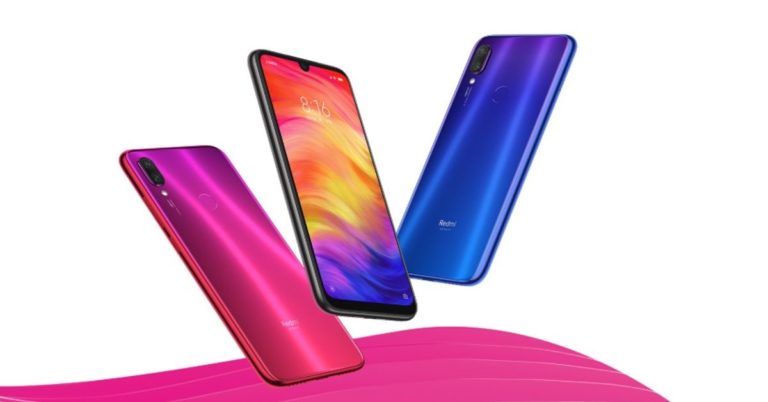
The Xiaomi Redmi Note 7 Pro is on its way to get launched soon. It will come with Sony IMX586 sensor for its cameras. Redmi CEO, Lu Weibing asked fans about what they want from the smartphone. One fan told him to omit the 3/32GB version, and establish the 6/64GB or 6/128GB version, which very well could be the case here in India. It is expected that the Xiaomi Redmi Note 7 Pro is also .
going to come with a 4,000mAh battery with Quick Charge 4 capabilities. Also, it is expected that the smartphone is going to be powered by Snapdragon 675 processor instead of the Snapdragon 660 SoC.
To recall, the younger brother of Note 7 Pro, Xiaomi Redmi Note 7 was launched very recently in China. To talk about its specifications, it sports an IPS LCD 6.3-inch capacitive touchscreen with a 1,080×2,340 resolution. The aspect ratio of the same is 19.5:9. It is protected by Corning Gorilla Glass 5 and runs on Android 9.0 Pie skinned with MIUI 10. The Redmi Note 7 is powered by Qualcomm’s SDM660 Snapdragon 660 processor and has 3GB, 4GB and 6GB RAM variants. The 3GB variant comes with 32GB internal storage and the 4GB and 6GB RAM brings 64GB internal storage. The storage is expandable via a microSD card slot up to 512GB.
Connectivity options of the Xiaomi Redmi Note 7 includes WiFi 802.11, dual band, WiFi Direct, hotspot, Bluetooth 5.0, GPS, Infrared port, FM Radio and USB 2.0. Sensors include fingerprint, accelerometer, gyro, proximity and compass. The device packs a large battery of 4,000mAh that is non-removable. It comes in three colour options—blue, black and twilight gold. In terms of measurement, the dimensions of the phone are 159.2×75.2×8.1mm and it weighs 186 grams. In terms of camera, the smartphone has a dual rear camera setup.
The dual rear camera setup includes a 5MP and a 48MP sensor and there is a front camera as well that is meant for taking selfies. The front camera comprises of a single sensor that is 13MP. The Xiaomi Redmi Note 7 Pro was launched in beginning of January. Now we just have to wait until the Xiaomi Redmi Note 7 Pro comes out.
For the latest gadget and tech news, and gadget reviews, follow us on Twitter, Facebook and Instagram. For newest tech & gadget videos subscribe to our YouTube Channel.
Every day we face issues in which we either do not get time for the gym or face hard time battling some disease. Technology, therefore, has been guided to a brilliant stage where new health apps have been introduced to keep men and women fit. These apps are meant to provide you with good health and an easy lifestyle. In this article, we will introduce you to five health apps that can help you in diverse ways. From maintaining or reducing weight to increasing immunity, these apps sure do help a lot. Here are our picks:
In This Article
Jillian Michaels Fitness Motivation
In this app, you can choose from fourteen different exercise categories. These range from stretches to calisthenics to free weight movements. This app was made by Jillian Michaels who happens to be a popular trainer on NBC’s ‘The Biggest Loser’. In this Fitness Motivation app, you can either choose one activity or combine several in accordance to what suits you the best. There is a dedicated section for running with the help of which you can track your run, favourite routes and compare your performance with previous records.
MyFitnessPal Calories Counter and Diet Tracker
MyFitnessPal has an extensive database, which contains the service to provide you with an exercise tracker, diet coach and serves as a food diary. This helps you keep track of what you have eaten and the number of calories you consumed. MyFitnessPal includes food from Canadian companies such as President’s Choice, Longo’s Sobey’s, M&M Meat Shops and Tim Horton’s.
You can search for calories and nutritional details of over 4,25,000 foods. This app is very useful if losing weight is what you are looking for. Also, there is a website component in it with the help of which you can add or review information online.
Period Tracker Lite
This app helps you to figure out your future menstrual period, you don’t need to do that yourself anymore. The calendar is going to inform you about when you are going to have your next period. With this, you will be able to know your most fertile days and when ovulation is going to occur. Taking privacy into account, the Period Track Lite features a discreet on-screen thumbnail. This requires a four-digit access code that keeps your personal data safe.
Six Pack App
This app consists of multiple exercises and routines for different parts of your body. There are tips which guide you step-by-step, photos, muscle diagrams along with dos and don’ts. One drawback of the app is that it has frequent pop-up ads that do not go away even with purchasing an upgrade.
Medscape
In case you have a persisting cough or aches and pains, then WebMD’s Medscape app will come in handy. It has got information of over 3,500 illnesses and conditions and can give you lot of useful information as for how to recover. You can search this app for prescription bios, harmful medication interactions, and latest medical news. Also, Medscape covers herbal medications and vitamins.
For the latest gadget and tech news, and gadget reviews, follow us on Twitter, Facebook and Instagram. For newest tech & gadget videos subscribe to our YouTube Channel.
Razer unveiled a new colour of their Razer Blade Stealth series, which is quartz pink. The limited-edition pink laptop comes days before Valentine’s Day. And not just the laptop, the company has also unveiled several of their gaming peripherals and products in quartz pink colour.
Talking about the quartz colour scheme the company CEO Min-Liang Tan says that it will “steal hearts everywhere”. Will it be the gaming laptops aimed towards females only? The company hasn’t said anything about it, but it is being unveiled right before Valentine’s week says otherwise. According to the company it won’t charge extra for this limited-edition colour, it will be priced the same as the regular Razer Blade Stealth. Even the quartz pink peripherals will cost the same as the regular coloured hardware.
Although, this is not the first time Razer has launched Quartz products. Last year they had launched four gaming laptops in the same colour scheme. But it’s different this time as the product which received the quartz colour treatment is far more extensive and wider. This year we have the Basilisk mouse, Kraken headset, Seiren X microphone, Huntsman keyboard and much more sporting this colour.
These ‘different’ coloured products from Razer are very different than what the company is known for. All their products have that same expensive, high-end, black with green logo themed designs, and their products are all aimed for a specific crowd, but this year they have changed their image. Changing their product line-up colour doesn’t come in as a surprise though as last year the company did polls to ask in which colour the fans would like to see the next Razer products and Quartz Pink was the colour that won the poll.
Say it with Quartz 💗 Take a fresh look at some of our best-performing hardware, now in a playful pink hue.
Talking about the specs of this ultra-portable gaming laptop, it comes with a 13-inch Full HD (1920 x 1080) display with an 8th-gen Intel Core i7-8565U processor. It houses 16GB of 2,133MHz RAM and a 256GB SSD, Nvidia GeForce MX150 GPU along with integrated Intel Graphics module to handle any type of game. Its price in the market is $1,599 (approx. Rs 1,13,772). It looks similar to the Razer Blade laptop announced in December of 2018 which was later updated to the Razer Blade Stealth which was compact on design, had slimmer bezels and a bigger touchpad.
For the latest gadget and tech news, and gadget reviews, follow us on Twitter, Facebookand Instagram. For newest tech & gadget videos subscribe to our YouTube Channel.
Taiwanese electronics maker Asus has today announced its new line of ultrabooks that fall in its Zenbook range. The company had rolled out its Asus Zenbook 15, Zenbook 14 and Zenbook 13 laptops during the IFA 2018 in Berlin. And after months of wait, the company has launched these laptops in India.
The Asus Zenbook 13, Zenbook 14 and Zenbook 15 laptops are available at a price of Rs 71,990, Rs 72,990 and Rs 1,39,990 respectively. The new laptops can be bought with no-cost EMI option which starts at Rs 11,999 per month. If you have an Axis Bank credit card, you can also get an additional 5% instant discount on your purchase. Furthermore, you can also get a discount of Rs 2,000 for prepaid offers that are placed between February 1. Here’s a look at the specifications of the three new laptops launched by Asus:
In This Article
Asus Zenbook 13 specifications
Asus Zenbook 13 features a 13.3-inch Full HD LED Backlit Wideview NanoEdge Display that offers users a bezel-less screen experience and is equipped with the company’s Splendid technology and Tru2Life Video technology. According to Asus, the two technologies tweak the colours projected on the screen to their real nature. In addition to this, the laptop also comes with an ErgoLift Hinge which can be used to tilt the keyboard to a position that is comfortable for the user.
Asus Zenbook 13 weighs 1.19 kgs and is powered by the 8th generation Intel Core i5 or i7 processors coupled with up to 8GB RAM and 512GB of SSD storage. The device can be purchased with NVIDIA Geforce MX150 and runs Windows 10 Home 64-bit OS. For connectivity, there is an HDMI Port, a USB 2.0 port, a USB 3.1 port and a USB 3.1 Type C. The laptop also has support for Wi-Fi, ASUS Wi-Fi Master technology and Bluetooth 5.0.
Asus Zenbook 14 specifications
Asus Zenbook 14 sports a 14-inch Full HD LED Backlit Wideview NanoEdge Display that comes with a resolution of 1920×1080 pixels. It also comes with an ErgoLift Hinge which can be used to tilt the keyboard to a comfortable position when opening the display. Asus Zenbook 14 comes with improved cooling and enhanced audio performance.
The laptop is powered by the 8th generation Intel Core i7 processor with up to 8GB RAM and 512GB of SSD storage. The device runs Windows 10 Home and its connectivity options include a USB 2.0 port, a USB 3.1 port, a USB 3.1 Type C port, an HDMI port a microSD card, Wi-Fi, and Bluetooth 5.0.
Asus Zenbook 15 specifications
Speaking of Asus Zenbook 15, it comes with a 15.6-inch Full HD LED Backlit Wideview NanoEdge Display that has a resolution of 1920×1080 pixels and weighs 1.67 kgs. The laptop is powered by an Intel Core i7 processor with NVIDEA GTX 1050 MaxQ coupled with 16GB of RAM and 1TB of SSD storage.
The laptop, like Zenbook 13 and Zenbook 14, comes with the ErgoLift Hinge and its connectivity options include a USB 2.0 port, a USB 3.1 port, a USB 3.1 Type C port, an HDMI port, a microSD card reader, Wi-Fi and Bluetooth 5.0.
For the latest gadget and tech news, and gadget reviews, follow us on Twitter, Facebook and Instagram. For newest tech & gadget videos subscribe to our YouTube Channel.
Realme, which was once a subsidiary brand of Oppo, is planning to make its own operating system (OS). The operating system will be used going forward in Realme smartphones which were till now running Oppo’s ColorOS.
According to a report in 91Mobiles, Realme had filed a trademark application with the United Kingdom Intellectual Property Office recently. And the ‘RealmeOS’ is what is being talked about in the application they filed. There might be a possibility that the company is working on their own OS and if that happens, they might ditch Oppo’s ColorOS.
But the company has not confirmed this yet and they haven’t disclosed if they are working on a new OS or not. There is also no word on when are they going to release it and in which phones we might see it prei-nstalled. We are also curious to know if they will be releasing the OS updates for their older phones too or not?
Realme3 smartphone, which is reportedly the successor of the Realme2, will be launching in the next few months of 2019 and it is very likely that the smartphone will come with RealmeOS.
We should mention that Realme smartphones garnered a lot of popularity with customers last year as they launched some feature-packed smartphones at affordable prices like the Realme 2 and Realme C1. The smartphone maker is also planning to make its own app store which will work as an alternative to Google Play Store.
Realme’s smartphone market is booming with launch of new smartphones, and it is worth noticing that last year the company launched five smartphones and most of them were sold at an affordable price. Its budget smartphone C1 priced at Rs 7,499 on Flipkart which already crossed the 1 million sales mark got an upgraded version in 2019, and with it the company hopes to increase their sales further.
Sky Li who is the former Vice President of Oppo is now heading Realme. Realme started off as a subsidiary brand of the Chinese smartphone manufacturer Oppo, but soon, it detached itself and became an independent company of its own. But still, all of its phones come preloaded with Oppo’s ColorOS. However, if the reports are correct then we will see Realme phones with their own OS.
For the latest gadget and tech news, and gadget reviews, follow us on Twitter, Facebook and Instagram. For newest tech & gadget videos subscribe to our YouTube Channel.
Taiwanese consumer electronics maker Asus has released an update for its recently launched device – Zenfone Max Pro M2. This is an over-the-air (OTA) update and is being rolled out in a phased-out manner. The update version that is being rolled out is 15.2016.1901.186 and it brings AI Scene Detection to the device.
We should mention that Asus had posted about the update on its forum Asus Zentalk. Post the update, if you point the camera to a certain object, it will automatically switch to the recommended preset. In other words, the settings will be modified based on the kind of picture the user wants to click. This feature will add nature mode, food mode and a few of other options to the camera app of the handset. There is a changelog of this update which we would like to acquaint you with.
Apart from the AI camera scene detect support, it will come with an upgraded Touch FW, improved touch camera quality, enhancements in the quality of the selfie camera and an improved system power consumption. The update also brings the January 2019 security patch to Asus Zenfone Max Pro M2. In order to check if you have received the update, go to Settings and then head to System category.
To recall, Asus ZenFone Max Pro M2 measures 157.9×75.5×8.5mm and weighs 175 grams. The smartphone features a 6.26-inch IPS LCD capacitive touchscreen with a resolution of 1080×2280 pixels. The screen has an aspect ratio of 19:9. The smartphone is powered by Qualcomm’s SDM660 Snapdragon 660 SoC and comes with 3GB/4GB/6GB RAM. While the 3GB RAM variant is clubbed with an internal storage of up to 32GB and on the other hand, the 4GB and 6GB RAM variants are coupled with 64GB internal storage. The storage is expandable via a microSD card slot up to 512GB. In terms of camera, the Asus ZenFone Max Pro M2 has a dual rear camera setup that includes a 5MP and a 12MP sensor. On the front, there is a 13MP camera sensor.
Connectivity options include WiFi 802.11, hotspot, Bluetooth 5.0, GPS, NFC, FM Radio and microUSB 2.0. The Asus ZenFone Max Pro M2 houses a huge battery of 5,000mAh and comes in blue and titanium colours.
For the latest gadget and tech news, and gadget reviews, follow us on Twitter, Facebook and Instagram. For newest tech & gadget videos subscribe to our YouTube Channel.
CVS Health Corp’s health insurer Aetna has announced that it is teaming up with Apple to develop on a new fitness and health tracking app for the Apple watch. The new app will be called Attain, and it will use the user’s medical history to set personalized health goals. The app offers different challenges, goals, reminders and much more.
In addition to this, there is also a reward system which will be granted once the individual has fulfilled or completed the set goals and we should mention that some of these rewards include a free Apple Watch or gift cards. The app will be designed in such a way that it can be personalised by the user of the app. The app will be available for the users from spring this year.
The app does not only rewards goal completion, but also other healthy behavior and habits like getting the right hours of sleep, regular exercise, getting timely vaccination, refilling medications, etc. It is not a new step taken by health insurance companies, as many have done it in the past. What is different this time is that Attain will be using the individual’s recorded medical history held by Aetna to set up customized goals and recommend exercises beneficial and helpful for their health.
“We understand that you don’t need to be a personal trainer or work out several hours a day to be healthier,” Alan Lotvin, executive vice president for transformation at CVS Health, said in a statement.
The health data of individuals is kept on a tight regulation by the US government, and Apple had to enter with Aetna in a business associate agreement for Aetna to share the data with Apple. Aetna has also said that the program is entirely voluntary and the data gathered will not be used in any way to charge more or for premium pricing or coverage decisions. Aetna, the insurance company had merged with pharmacy giant CVS in November 2018, and it serves millions of people. The partnership between Apple and Aetna this app can definitely lead to an increase in Apple Watch’s sales, thus adding on to Apple’s profit.
A first-of-its-kind health experience, Attain combines your health history with your Apple Watch® activity for goals personalized to you. Sign up now, spaces limited.
The company will use machine learning to fine tune the app and notify the users based on their habits and daily schedule. And the app will be tuned as per the users based on the data Apple receives anonymously from Aetna.
“As we learn over time, the goal is to make more customized recommendations that will help members accomplish their goals and live healthier lives,” Jeff Williams, Apple’s chief operating officer, said in a statement.
For the latest gadget and tech news, and gadget reviews, follow us on Twitter, Facebook and Instagram. For newest tech & gadget videos subscribe to our YouTube Channel.
Would you believe us if we told you that you can buy a television under Rs 5,000? Yes, we know. You think this is a joke. We would have thought the same had someone told us a month back that it was possible. But domestic electronics maker Samy Informatics Pvt Ltd has made this possible by launching a smart TV at Rs 4,999. Yes, you read that right.
The electronics brand has today launched a 32-inch Android Smart TV called Samy SM32-K5500 HD LED TV that, as we just mentioned, is priced at Rs 4,999 and is a part of the government’s ‘Make in India’ and ‘Startup India’ programmes. We should mention that most of the parts of the television are built in India, except for its LED screen.
Although its price point is the television’s biggest highlight, another key feature of the smart TV is its immersive audio performance with an external sound blaster. Samy Informatics has said that with its offering it plans to bring smart TV experience to every household. The company has also said that it will be providing an onsite service and warranty for its Android smart television.
Coming to the features and specifications of Samy SM32-K5500 HD LED TV, as the name suggests, it features a 32-inch display that has an HD resolution of 1366×786 pixels. The display of the television comes with an aspect ratio of 16:9 and it has a dynamic ratio of 1000000:1. The company has touted the television for providing crisp details and rich texture in its highest resolution.
Samy SM32-K5500 HD LED TV has 512MB of RAM and 4GB of ROM using which it can store various apps and content. The television has two 10W speakers, among which one is an SRS Dolby Digital and the other is a 5 Band Equalizer. For connectivity, there are two HDMI and two USB ports, an audio out port and a port that can be used for video input.
You can also connect a USB to Samy SM32-K5500 HD LED TV to play videos, music and see pictures. The television also comes with in-built Wi-Fi and has screen mirroring. We should mention that mostly these features are only seen in premium offerings in the smart TV market. The Samy SM32-K5500 HD LED TV runs Android 4.4 and comes with a number of pre-installed apps like Facebook and YouTube. You can even download other apps if you think they would be useful to you. A 40-inch variant of the smart TV has also been launched which is priced at Rs 15,000.
If you are an interested buyer, you should know that the television can only be bought via Samy’s official app. The company is also offering a 3-year warranty on the television and it says that the pricing has been kept so low because it is selling directly to customers and there is no middle man involved.
For the latest gadget and tech news, and gadget reviews, follow us on Twitter, Facebook and Instagram. For newest tech & gadget videos subscribe to our YouTube Channel.
Smartphone companies have been, for a while, hiding front cameras in order to enlarge the screen space. For instance, Vivo opted for a pop-up selfie camera for the Nex and a dual-display setup for its Nex Dual Display. Oppo hid its selfie snappers in a camera slider in its Find X, and Xiaomi and Huawei followed its lead.
Recently, Samsung housed the selfie camera in the screen of its A8s smartphone, and Honor View 20 and Huawei Nova 4 followed closely. However, the selfie camera is still very visible in this case.
However, Chinese smartphone brand Oppo may have given us the solution that we need for thing kind of a display. The company has gone a step ahead and put the camera app over the camera hole. If you put the camera app icon over the camera hole, then the punch hole camera can be hidden. This can be seen in a patent that has been filed by the company that appeared on Let’s Go Digital.
Image courtesy: Letsgodigital
The icon is designed in a way that the camera hole becomes a part of the icon, and shows the lens arrangement in real-time. Also, swiping the homescreen will only let users swap apps other than camera to switch their places. The camera app will always stay in the same place. However, we must mention that the punch hole camera can be seen while watching videos.
With this, we could get a camera hole that might be hidden in more affordable phones. As of now, we do not know if this feature will retain the camera app on top of the display continuously. We should also mention that even LG has implemented a similar feature on the V10 with a secondary display that shows app shortcuts continuously.
Another very exciting news from Oppo is that the Chinese smartphone brand is expected to showcase a foldable smartphone at the upcoming Mobile World Congress 2019, which is scheduled to begin on February 25. This smartphone is expected to have 10X hybrid zoom technology and it will sport a triple camera setup on its back panel.
For the latest gadget and tech news, and gadget reviews, follow us on Twitter, Facebook and Instagram. For newest tech & gadget videos subscribe to our YouTube Channel.








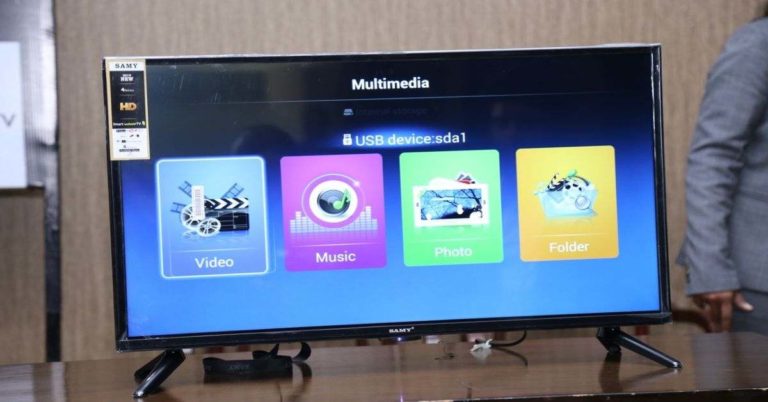
 As the name suggests, Samy SM32-K5500 HD LED TV has a 32-inch display that comes with an HD resolution of 1366×786 pixels. The television’s screen has an aspect ratio of 16:9 and a dynamic ratio of 1000000:1. The television comes with 512MB of RAM and 4GB of ROM and for connectivity, it has two HDMI and USB ports, an audio out port and a video input port.
 Samy SM32-K5500 HD LED TV runs Android 4.4 operating system and can be used for watching content on various video streaming services, browsing web pages, playing games and more.
 Samy SM32-K5500 HD LED TV comes with a number of apps installed on it including Facebook, YouTube, Hotstar, Aptoide TV, Google Drive, Hungama Play, Netflix, NextGTV, etc. You can also download other application that you think would be useful to you.
 For sound, Samy SM32-K5500 HD LED TV comes with two 10W speakers, among which one is an SRS Dolby Digital and the other is a 5 Band Equalizer. The company has touted the television’s immersive audio performance with an external sound blaster.
 If you are an interested buyer, you should know that the television can only be bought via Samy’s official app, which can be found on the Google Play Store. It is available exclusively on the app, so there isn’t much point looking for it elsewhere.
 Another thing that the company has touted is the after sales service that it is providing with the television. Samy Informatics has said that it will be providing an onsite service for the SM32-K5500 HD LED TV and it has also mentioned that the television comes with a 3-year warranty.
 It is also worth noticing that most of the parts that are used in the television have been produced in India. The only major exception to this is the LED screens that have been used.
 When asked about how the pricing of the television, the company said that it is selling the product directly to the customers, without any middle man in between. So, that is what made it possible for it to sell the television cost-to-cost to its customers.
 We should also mention that the Samsy SM32-K5500 HD LED TV falls in the Indian government’s ‘Make in India’ and ‘Startup India’ programmes.
For the latest gadget and tech news, and gadget reviews, follow us on Twitter, Facebook and Instagram. For newest tech & gadget videos subscribe to our YouTube Channel.
[td_smart_list_end]
We should also mention that the Samsy SM32-K5500 HD LED TV falls in the Indian government’s ‘Make in India’ and ‘Startup India’ programmes.
For the latest gadget and tech news, and gadget reviews, follow us on Twitter, Facebook and Instagram. For newest tech & gadget videos subscribe to our YouTube Channel.
[td_smart_list_end]  As the name suggests, Samy SM32-K5500 HD LED TV has a 32-inch display that comes with an HD resolution of 1366×786 pixels. The television’s screen has an aspect ratio of 16:9 and a dynamic ratio of 1000000:1. The television comes with 512MB of RAM and 4GB of ROM and for connectivity, it has two HDMI and USB ports, an audio out port and a video input port.
 Samy SM32-K5500 HD LED TV runs Android 4.4 operating system and can be used for watching content on various video streaming services, browsing web pages, playing games and more.
 Samy SM32-K5500 HD LED TV comes with a number of apps installed on it including Facebook, YouTube, Hotstar, Aptoide TV, Google Drive, Hungama Play, Netflix, NextGTV, etc. You can also download other application that you think would be useful to you.
 For sound, Samy SM32-K5500 HD LED TV comes with two 10W speakers, among which one is an SRS Dolby Digital and the other is a 5 Band Equalizer. The company has touted the television’s immersive audio performance with an external sound blaster.
 If you are an interested buyer, you should know that the television can only be bought via Samy’s official app, which can be found on the Google Play Store. It is available exclusively on the app, so there isn’t much point looking for it elsewhere.
 Another thing that the company has touted is the after sales service that it is providing with the television. Samy Informatics has said that it will be providing an onsite service for the SM32-K5500 HD LED TV and it has also mentioned that the television comes with a 3-year warranty.
 It is also worth noticing that most of the parts that are used in the television have been produced in India. The only major exception to this is the LED screens that have been used.
 When asked about how the pricing of the television, the company said that it is selling the product directly to the customers, without any middle man in between. So, that is what made it possible for it to sell the television cost-to-cost to its customers.
 We should also mention that the Samsy SM32-K5500 HD LED TV falls in the Indian government’s ‘Make in India’ and ‘Startup India’ programmes.
For the latest gadget and tech news, and gadget reviews, follow us on Twitter, Facebook and Instagram. For newest tech & gadget videos subscribe to our YouTube Channel.
[td_smart_list_end]
We should also mention that the Samsy SM32-K5500 HD LED TV falls in the Indian government’s ‘Make in India’ and ‘Startup India’ programmes.
For the latest gadget and tech news, and gadget reviews, follow us on Twitter, Facebook and Instagram. For newest tech & gadget videos subscribe to our YouTube Channel.
[td_smart_list_end] 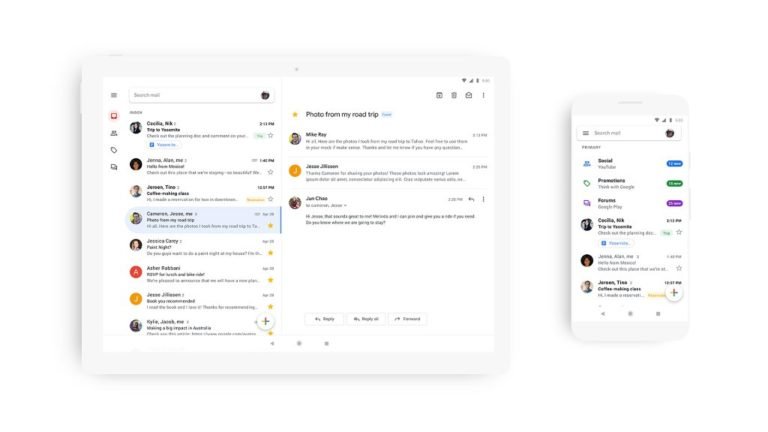

 In this app, you can choose from fourteen different exercise categories. These range from stretches to calisthenics to free weight movements. This app was made by Jillian Michaels who happens to be a popular trainer on NBC’s ‘The Biggest Loser’. In this Fitness Motivation app, you can either choose one activity or combine several in accordance to what suits you the best. There is a dedicated section for running with the help of which you can track your run, favourite routes and compare your performance with previous records.
 In this app, you can choose from fourteen different exercise categories. These range from stretches to calisthenics to free weight movements. This app was made by Jillian Michaels who happens to be a popular trainer on NBC’s ‘The Biggest Loser’. In this Fitness Motivation app, you can either choose one activity or combine several in accordance to what suits you the best. There is a dedicated section for running with the help of which you can track your run, favourite routes and compare your performance with previous records.
 MyFitnessPal has an extensive database, which contains the service to provide you with an exercise tracker, diet coach and serves as a food diary. This helps you keep track of what you have eaten and the number of calories you consumed. MyFitnessPal includes food from Canadian companies such as President’s Choice, Longo’s Sobey’s, M&M Meat Shops and Tim Horton’s.
You can search for calories and nutritional details of over 4,25,000 foods. This app is very useful if losing weight is what you are looking for. Also, there is a website component in it with the help of which you can add or review information online.
MyFitnessPal has an extensive database, which contains the service to provide you with an exercise tracker, diet coach and serves as a food diary. This helps you keep track of what you have eaten and the number of calories you consumed. MyFitnessPal includes food from Canadian companies such as President’s Choice, Longo’s Sobey’s, M&M Meat Shops and Tim Horton’s.
You can search for calories and nutritional details of over 4,25,000 foods. This app is very useful if losing weight is what you are looking for. Also, there is a website component in it with the help of which you can add or review information online.
 This app helps you to figure out your future menstrual period, you don’t need to do that yourself anymore. The calendar is going to inform you about when you are going to have your next period. With this, you will be able to know your most fertile days and when ovulation is going to occur. Taking privacy into account, the Period Track Lite features a discreet on-screen thumbnail. This requires a four-digit access code that keeps your personal data safe.
 This app consists of multiple exercises and routines for different parts of your body. There are tips which guide you step-by-step, photos, muscle diagrams along with dos and don’ts. One drawback of the app is that it has frequent pop-up ads that do not go away even with purchasing an upgrade.
 In case you have a persisting cough or aches and pains, then WebMD’s Medscape app will come in handy. It has got information of over 3,500 illnesses and conditions and can give you lot of useful information as for how to recover. You can search this app for prescription bios, harmful medication interactions, and latest medical news. Also, Medscape covers herbal medications and vitamins.
For the latest gadget and tech news, and gadget reviews, follow us on Twitter, Facebook and Instagram. For newest tech & gadget videos subscribe to our YouTube Channel.
In case you have a persisting cough or aches and pains, then WebMD’s Medscape app will come in handy. It has got information of over 3,500 illnesses and conditions and can give you lot of useful information as for how to recover. You can search this app for prescription bios, harmful medication interactions, and latest medical news. Also, Medscape covers herbal medications and vitamins.
For the latest gadget and tech news, and gadget reviews, follow us on Twitter, Facebook and Instagram. For newest tech & gadget videos subscribe to our YouTube Channel.
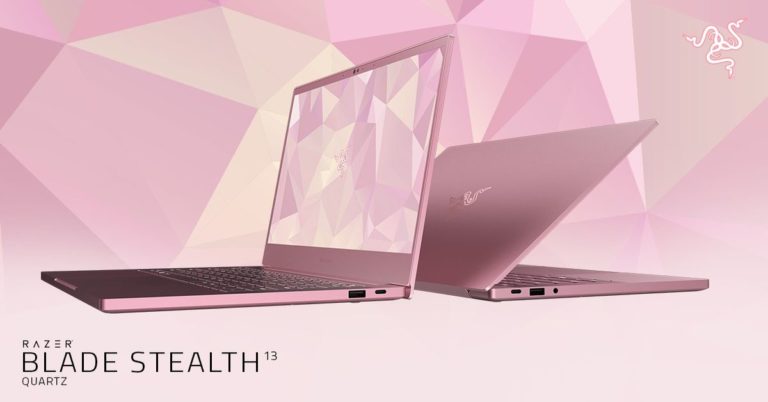

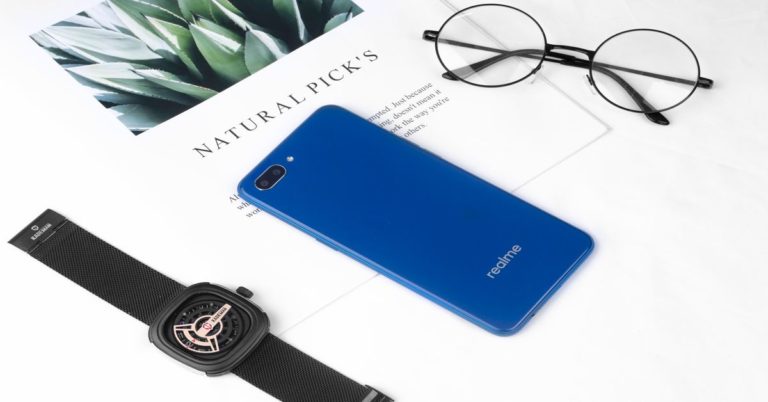
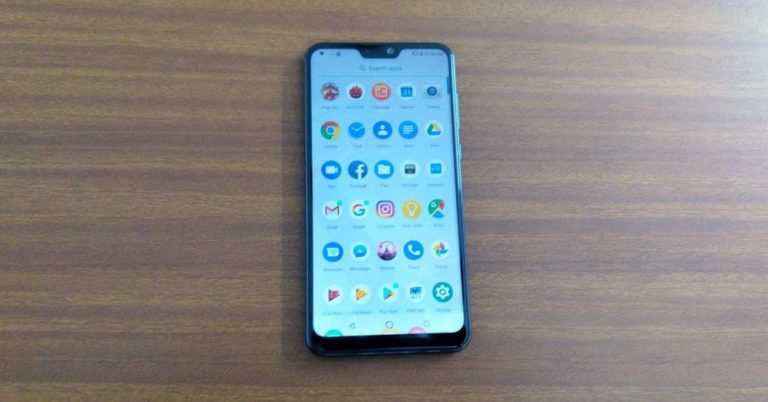

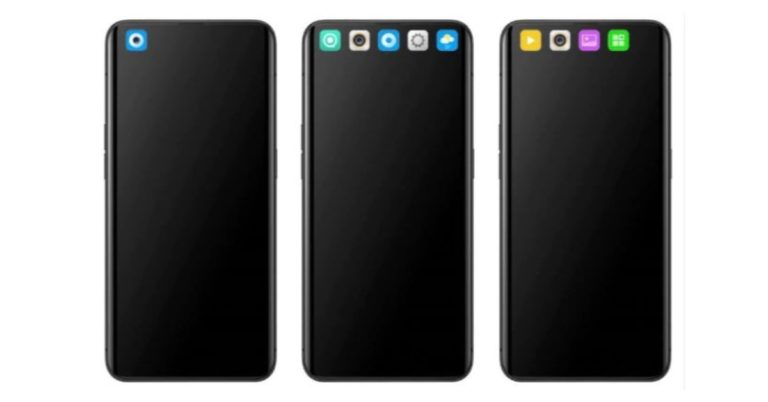
 Image courtesy: Letsgodigital
The icon is designed in a way that the camera hole becomes a part of the icon, and shows the lens arrangement in real-time. Also, swiping the homescreen will only let users swap apps other than camera to switch their places. The camera app will always stay in the same place. However, we must mention that the punch hole camera can be seen while watching videos.
With this, we could get a camera hole that might be hidden in more affordable phones. As of now, we do not know if this feature will retain the camera app on top of the display continuously. We should also mention that even LG has implemented a similar feature on the V10 with a secondary display that shows app shortcuts continuously.
Another very exciting news from Oppo is that the Chinese smartphone brand is expected to showcase a foldable smartphone at the upcoming Mobile World Congress 2019, which is scheduled to begin on February 25. This smartphone is expected to have 10X hybrid zoom technology and it will sport a triple camera setup on its back panel.
For the latest gadget and tech news, and gadget reviews, follow us on Twitter, Facebook and Instagram. For newest tech & gadget videos subscribe to our YouTube Channel.
Image courtesy: Letsgodigital
The icon is designed in a way that the camera hole becomes a part of the icon, and shows the lens arrangement in real-time. Also, swiping the homescreen will only let users swap apps other than camera to switch their places. The camera app will always stay in the same place. However, we must mention that the punch hole camera can be seen while watching videos.
With this, we could get a camera hole that might be hidden in more affordable phones. As of now, we do not know if this feature will retain the camera app on top of the display continuously. We should also mention that even LG has implemented a similar feature on the V10 with a secondary display that shows app shortcuts continuously.
Another very exciting news from Oppo is that the Chinese smartphone brand is expected to showcase a foldable smartphone at the upcoming Mobile World Congress 2019, which is scheduled to begin on February 25. This smartphone is expected to have 10X hybrid zoom technology and it will sport a triple camera setup on its back panel.
For the latest gadget and tech news, and gadget reviews, follow us on Twitter, Facebook and Instagram. For newest tech & gadget videos subscribe to our YouTube Channel.
 Image courtesy: Letsgodigital
The icon is designed in a way that the camera hole becomes a part of the icon, and shows the lens arrangement in real-time. Also, swiping the homescreen will only let users swap apps other than camera to switch their places. The camera app will always stay in the same place. However, we must mention that the punch hole camera can be seen while watching videos.
With this, we could get a camera hole that might be hidden in more affordable phones. As of now, we do not know if this feature will retain the camera app on top of the display continuously. We should also mention that even LG has implemented a similar feature on the V10 with a secondary display that shows app shortcuts continuously.
Another very exciting news from Oppo is that the Chinese smartphone brand is expected to showcase a foldable smartphone at the upcoming Mobile World Congress 2019, which is scheduled to begin on February 25. This smartphone is expected to have 10X hybrid zoom technology and it will sport a triple camera setup on its back panel.
For the latest gadget and tech news, and gadget reviews, follow us on Twitter, Facebook and Instagram. For newest tech & gadget videos subscribe to our YouTube Channel.
Image courtesy: Letsgodigital
The icon is designed in a way that the camera hole becomes a part of the icon, and shows the lens arrangement in real-time. Also, swiping the homescreen will only let users swap apps other than camera to switch their places. The camera app will always stay in the same place. However, we must mention that the punch hole camera can be seen while watching videos.
With this, we could get a camera hole that might be hidden in more affordable phones. As of now, we do not know if this feature will retain the camera app on top of the display continuously. We should also mention that even LG has implemented a similar feature on the V10 with a secondary display that shows app shortcuts continuously.
Another very exciting news from Oppo is that the Chinese smartphone brand is expected to showcase a foldable smartphone at the upcoming Mobile World Congress 2019, which is scheduled to begin on February 25. This smartphone is expected to have 10X hybrid zoom technology and it will sport a triple camera setup on its back panel.
For the latest gadget and tech news, and gadget reviews, follow us on Twitter, Facebook and Instagram. For newest tech & gadget videos subscribe to our YouTube Channel.