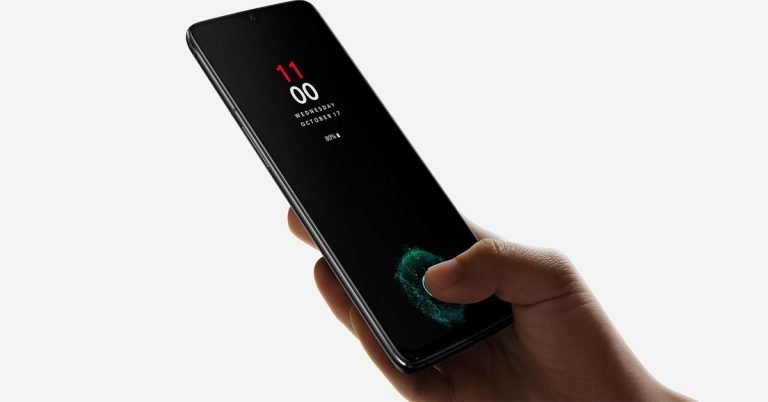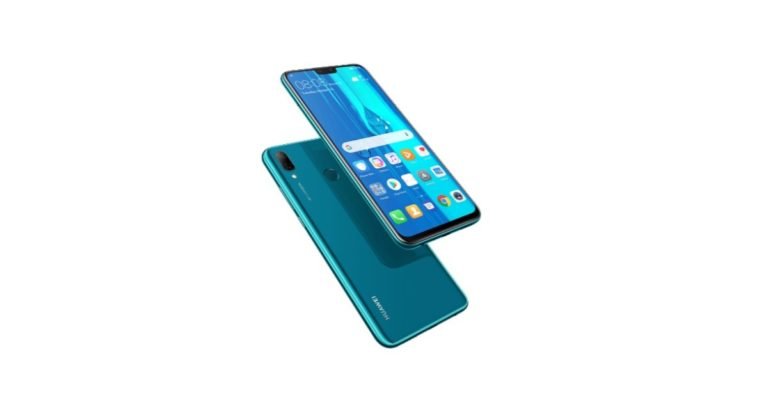
The Nokia 8.1 was launched back in December 2018 with a price tag of Rs 26,999 for the 4GB RAM/ 64GB storage variant. While its 6GB RAM/ 128GB storage variant cost Rs 29,999 and was launched in February 2019. And now, as we reach midway through May 2019, Nokia 8.1 receives a price cut of Rs 6,000 during the Nokia Phones Fan Festival. In the ongoing sale, Nokia 7.1 and Nokia 6.1 Plus along with Nokia 8 Sirocco are getting discounts worth Rs 1,000.
But it should be noted that the discounts are valid from Monday May 13 only till the smartphones remain in stocks. Interested buyers can reach the Nokia website and get the discounts. According to the official Nokia India’s website, Nokia 8.1 with 4GB RAM has received a price cut of Rs 6,000. But the customers will have to use the promocode “FAN6000” to get the said discount. Similarly, the Nokia 8.1 with the 6GB RAM has received a price cut of Rs 4,000 and it can be availed by using the promocode “FAN4000”. The new price cuts come days after the company announced a temporary price cut on Nokia 6.1 Plus and the Nokia 5.1 Plus smartphones.
Other than the Nokia 8.1, the Nokia 7.1 smartphone has also received a price cut worth Rs 1,000. And as mentioned above, the Nokia 6.1 Plus with both the 4GB RAM and the 6GB RAM has received a discount of Rs 1,000. Even the Nokia 8 Sirocco has received similar Rs 1,000 off from its original price. To get the smartphones with the discounted prices, the customers will have to use the promocode “FANFESTIVAL” when buying any of the three mentioned smartphones. As mentioned above, the discounts end on Monday itself at 11:59pm. All these new price cuts and discounts are part of the Nokia’s ongoing Nokia Phones Fan Festival sale. The sale is currently live on the official Nokia’s India website only.
Other than the above-mentioned smartphones, the Nokia 6.1 and the Nokia 5.1 Plus have also received a limited period price cut. Furthermore, the telecom operator Airtel has also added additional 240GB data on the purchase of these two smartphones during the sale. The price cut was announced by HMD Global last week. The Nokia 6.1 Plus with the 4GB RAM variant along with the 3GB RAM variant of the Nokia 5.1 has received a promotional price cut of Rs 1,750.
Chinese smartphone brand Oppo has slashed the price of its F11 Pro smartphone in India by Rs 2,000. Both the variants of Oppo F11 Pro – with 64GB storage as well as with 128GB storage – have received a price cut. It is worth noticing that the revision comes just days after the company started selling Oppo F11 Pro’s 128GB storage model on Amazon India’s website. The smartphone brand is also set to get the Oppo F11 handset in the country soon. The device was launched in March, but it is yet to go on sale in the country.
According to a tweet that was posted by Manish Khatri of Mumbai-based Mahesh Telecom, the 64GB storage variant of Oppo F11 Pro smartphone has been slashed to Rs 22,990, while the cost of its 128GB storage model has been dropped to Rs 23,990. The revised prices are effective starting May 13.
As we mentioned, Oppo F11 Pro was launched in the country in March and it costs Rs 24,990. The handset was launched in the sole 6GB RAM/64GB storage variant in the country. However, last week, it also added the 128GB storage variant to the lineup at Rs 25,990.
The retailer has also said that Oppo F11 will soon come to India at a price of Rs 17,990. If you are interested in buying the handset, you can pre-order it already at select offline retailers. We should add that the smartphone was launched at Rs 19,990 in India in March this year, however, since then, there has been no word about the availability of the device from the company.
Oppo F11 Pro, Oppo F11 specifications
Coming to the specifications, Oppo F11 Pro runs Android 9.0 Pie skinned with ColorOS 6 and sports a 6.53-inch full-HD+ LCD panel that has an aspect ratio of 19.5:9 and a screen-to-body ratio of 90.90%. The smartphone is powered by an octa-core MediaTek Helio P70 SoC clubbed with 6GB RAM.
The device is available in 64GB and 128GB storage options and it has a dual camera setup on its back panel that comprises of a 48MP primary sensor and a 5MP sensor. The handset also has a 16MP pop-up selfie camera. Oppo F11 Pro houses a 4,000mAh battery that has support for VOOC Flash Charge 3.0 fast charging.
It is worth mentioning that Oppo F11 is identical to its elder sibling, however, instead of a pop-up selfie camera, it comes with a waterdrop-style display notch that houses the selfie camera. It packs a 4,020mAh battery and comes with 4GB of RAM and 128GB storage.
Would you be interested in buying either of the two devices from Oppo now that their prices have been revised in India? Let us know in the comments section below.
Apple is gearing up to launch its 2019 models of iPhones in September this year and they will reportedly be powered by the new A13 chips. But other than being powered by a new chipset, they will also run the new operating system – the iOS 13. Although Apple users generally enjoy the constant updates for all the devices – old or new but recent news might change that update cycle. The iOS 12 came with support for each and every Apple device which earlier ran iOS 11. iPhones as old as the iPhone 5S received the new iOS update with the latest iOS 12. But that won’t be happening anymore.
The new iPhones will run iOS 13 and it will be released in 2019 itself. But the new Apple’s OS might not support the older iPhones models such as the iPhone 5S, iPhone SE, iPhone 6 and the iPhone 6 Plus. According to a report by iPhoneSoft, the iOS 13 will also not be compatible with the iPad Mini 2 and the iPad Air. All the devices mentioned here already run iOS 12 but the recent development suggests that they won’t support the new OS. And thus, they won’t be receiving the new OS update.
If the new iOS 13 update won’t be coming to the abovementioned devices then the users of the older iPhone models will have to switch to newer ones which support the new OS to avail the new features. And if not, they can just stick to their old iPhones running the iOS 12.
It is being estimated, that the Cupertino-based tech firm will be announcing the new iOS 13 at its annual developer conference, WWDC in June 2019. With the launch of the new OS, the company might also announce new apps, features, tools and possibly new hardware/ devices at the event. Apple is expected to announce new and upgraded Maps, Reminders, Messages along with many other new features for its Apple Watch as well. Other than the new iOS 13, we could also see a new macOS and watchOS as well. The WWDC event is scheduled for June 3.
It should be noted that the iPhone 6 and the iPhone 6 Plus were launched in 2014. Before the launch of the iPhone 6-series Apple didn’t released any phones with a big display. It just focused on making them thinner and more premium. But the iPhone 6 and the iPhone 6 Plus saw Apple’s entry to the big screened display iPhones and it has continued till now.
AMD competes with Intel in making chipsets and CPUs for computers and laptops. Earlier, there was news that AMD would come with a 16-core next-generation Ryzen CPU. But nothing was confirmed by the company and neither was there any leak, which supported the data. But now, weeks before Computex 2019, a Thai hardware leaker TUM_APISAK has posted specifications about an engineering sample of the 16-core Ryzen CPU on Twitter. The details were also disclosed in an online database of the CPU’s benchmarks.
According to the leaker, the upcoming Ryzen CPU has 16-cores and it has a base clock speed of 3.3GHz with a boost speed of 4.2GHz. But as we mentioned before, it could be an engineering sample of the product. If it is true then we can see considerable improvement in the speed of the upcoming CPU when it launches. The new chip was tested on a motherboard based on the X570 platform controller. Other than that, the chip could also support multi-threading for a total of 32 threads.
Earlier, we saw that that AMD will be bringing the new Ryzen 9 tier CPU to compete with the Intel’s i9 CPUs. The CEO of AMD, Dr Lisa Su showed a working sample of the 8-core Ryzen CPU at CES 2019. The chipset came with an 8-core die and a modular IO die. With Computex 2019 just weeks away, the company could announce the Ryzen 3000 CPUs at the event. The CEO Su, will be delivering the opening keynote at the event and could tease us with a formal launch on July 7. The Ryzen 3000 series CPUs will be built around the Zen 2 architecture, which is an upgrade from the current Zen+ and Zen designs.
But it is currently not known if the AMD X570-based motherboards will be launching at Computex 2019 or not. Previously, the electronic maker MSI had teased an animation about the motherboard model with integrated Wi-Fi 6 andthe number 3000 flashing briefly on screen. So, there is a possibility that we could see a launch in the coming weeks.
Zen2 ES 16 Core Base clock 3.3 Ghzฺ Boost clock 4.2 Ghz MB X570 This CPU name can't decode by decode chart
Further leaks and rumours suggest that the Ryzen 3000-series CPU will support DDR4 RAM at up to 5,000MHz with overclocking. But it is very unlikely that the company will increase the core counts across the Ryzen 3000-series with 6 cores and 12 threads becoming a standard in the Ryzen 3 range. While the 12-core and 16-core options will used in the top-end Ryzen 7 or rumoured Ryzen 9 series. Hopefully, all the misty air and rumours will come to end in a couple of weeks’ time at Computex 2019.
Till now, Samsung has released three smartphones in its Galaxy M-series of devices. The Galaxy M10 and the Galaxy M20 were released back in February in the mid-range smartphone market to compete against the likes of Xiaomi, Realme etc. Then the South Korean tech giant launched the Galaxy M30 in March of 2019 with its Super AMOLED display and triple-rear camera setup. it too was priced in the same category, but slightly higher. And now, according to recent news, Samsung is about to launch its next mobile in the Galaxy M-series of devices – the Galaxy M40 (next month).
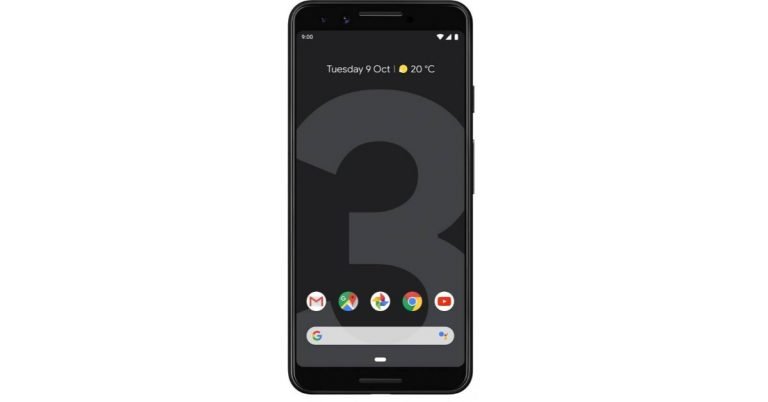

The Samsung Galaxy M40 will reportedly hold a price tag around Rs 25,000. According to a report from IANS, the upcoming Samsung Galaxy M40 will be next in line after the Samsung Galaxy M30. The upcoming device might also sport a punch-hole camera display and it is tipped to be the most powerful smartphone in the Galaxy M-series.
Unlike the previous Samsung Galaxy M-series devices, the Galaxy M40 won’t be powered by the Exynos processor. instead, it will be powered by a Qualcomm Snapdragon SoC. Recalling, we see that the Samsung Galaxy M10 was powered by the Exynos 7870, while the Samsung Galaxy M20 and the Samsung Galaxy M30 were powered by the same Exynos 7904 CPUs. But the recent developments states that the Samsung Galaxy M40 will be powered by a Snapdragon 675 SoC.
Talking about the specifications of the device we see that it will reportedly hold 6GB of RAM and 128GB of internal storage. An earlier leak suggests that the Samsung Galaxy M40 will pack a 5,000mAh battery and will sport a Super AMOLED display similar to the Samsung Galaxy M30. The upcoming smartphones is expected to run Android 9 Pie skinned with One UI. Other than that, it will might offer dual-band Wi-Fi (2.4GHz and 5GHz) connectivity.
Other than that, reports also claims that the Samsung Galaxy M40 will be sporting a triple-rear camera setup similar to the Samsung Galaxy M30. Nevertheless, unlike the previous Galaxy M-series devices, the Samsung Galaxy M40 will sport a hole-punch display camera on the front.
The Samsung Galaxy M30 was launched in two variants with 4GB RAM/ 64GB storage variant priced at Rs 14,990. While the 6GB RAM/ 128GB storage variant of the Samsung Galaxy M40 cost Rs 17,990. And if the reports and the leaks are correct then we can see the Samsung Galaxy M40 priced somewhere between Rs 20,000 – Rs 25,000.
Realme 3 smartphone, that was launched at the beginning of the year by the Chinese technology brand, is the No.1 smartphone model on online channels in March 2019, according to research firm Counterpoint.
Speaking about this achievement, Realme India’s Chief Executive Officer, Madhav Sheth said, “We are delighted to share the news of Realme’s latest achievement. Realme has already created records by selling more than 5 lakh units of Realme 3 in just three weeks of its sale. Today it has earned another milestone by receiving the No. 1 position on online channels in March 2019 by Counterpoint Research. We are sure Realme 3 will go a long way with the never-ending love from our customers and fans.”
Counterpoint Research also gave its statement about Realme 3 handset becoming the No.1 in the country. It said, “Realme has a strong momentum in India driven by its aggressive specs and spotting changing market trends. This helped Realme 3 to become the No. 1 model on online channels for the first time in March 2019.”
The Realme 3 smartphone features a 6.2-inch Dewdrop HD+ display that has an aspect ratio of 19:9 and has a layer of Gorilla Glass 3 on top which keeps it protected. Realme 3 smartphone is available in Dynamic Black, Radiant Blue, and Classic Black colours. Powered by 12nm Mediatek AI Master Helio P70 SoC, the handset comes with up to 4GB of RAM and 64GB of onboard storage. The smartphone can hold a microSD card of up to 256GB.
For imaging duties, Realme 3 sports a dual rear camera setup with 13MP and 2MP sensors. The sensors of the Realme 3 device come with Nightscape and ChromeBoost modes. The handset also has a 13MP selfie camera on the front panel for selfies and video calls.
Realme 3 houses a 4,230mAh battery that comes with AI enhancements and screen battery optimization. The device runs Android 9.0 Pie skinned with ColorOS 6.0. The handset is splash and dust resistant.
The company also recently launched its Realme 3 Pro smartphone in India that comes with 6.3-inch Full HD+ (1080 x 2340 pixels) IPS display and is powered by an octa-core Snapdragon 710 SoC paired with Adreno 616 GPU with 6GB of RAM. Another key feature of the smartphone is that it has a dual-rear camera setup which comprises of a 16MP primary camera (IMX519 sensor) with an f/1.7 aperture paired with a 5MP secondary camera (GC5035 sensor) with an f/2.4 aperture.
One would not change their television as a mobile phone. That is because a good TV is an expensive proposition and also does not go bad as quickly as a mobile phone does. These days LED TVs have become cheaper and cheaper, with the emergence of Chinese brands like Xiaomi in the sector. Which might have the price point on its side, but certainly are not the best when it comes to image quality or after sales.
VU is a brand with Indian roots, with R and D facility based in the USA. The company have been building TVs for India for a decade now. They have launched some great looking TVs in the past and 2019 seems to be even better for them. VU Premium Android 4K TV is what the company came up with as its 2019 flagship. Out of the pack of 43, 50, 55 and 65-inches, we reviewed the 55-inch version of this smart tele. We ran it through its paces to understand does this affordable smart TV deliver what the company says or not? Let’s find out.
In This Article
VU Premium Android 4K TV Design and Display
Like we said before, VU does know how to make a television and the VU Premium Android 4K TV is no different. Premium grade plastic and metal have been used all around and the side bezels have been kept to a minimum. This makes the picture area look neater. The front also sports the VU branding right in the middle with an unusually placed power and channel buttons. These can be found at the bottom left side of the screen, where the power icon is made.
Which is good and bad. Good because one can easily access it when it is wall mounted and bad when it is placed on a table top. Since the user would not be able to see which button they are pressing. There are a lot of connectivity ports present in both the side section and also at the back (downward facing). These include 3 HDMI ports, couple of USB ports, a headphone jack and Ethernet plus AV inputs. Using these consumers can connect at least 5-7 devices to the VU Premium Android 4K TV, all at once.
Bluetooth 5.0 and Wi-Fi have also been thrown in the mix, which makes connecting the TV to various other wireless sources such as BT headphone quite easy. The VU Premium Android 4K TV comes with a very modern looking remote control too. This one has got dedicated buttons for YouTube and Google Play as well. Also, one can send voice commands using the remote, which in most cases worked well. Since VU is an Indian brand, it can recognise the Indian accent with ease.
Moving to the display, the 55-inch A+ grade IPS LED-backlit panel on the VU Premium Android 4K TV is one of the best we have seen so far in 2019. It is right up there with the big players such as Samsung and Sony, but with a great price difference. Which works in favour of VU. The videos on this thin panel are vivid and the blacks are deeper than before. With a brightness level of 450 nits, this big screen is excellent for any type of room.
Various aspect ratios are supported but most will use either 16:9 or auto. This is great since most HD channels support this aspect ratio and if you have an HD set top box or watch a lot of HD content online, you are in for a treat. The contrast ratio of the VU Premium Android 4K TV is 10,000,000:1. This means you get richer colours that look close to life.
VU Premium Android 4K TV Performance and Audio Quality
To talk more about its picture quality lets come over the performance sections. The VU Premium Android 4K TV supports VOD upscaler. This means that users can upscale HD or FHD content to 4K on this smart television. We ran a couple of HD and FHD YouTube videos on the TV and the results were spectacular. It is only during fast-paced action scenes that the upscaling did not work super well, but otherwise it was top notch.
We ran a lot of 4K content on it, including latest games such as Mortal Kombat 11. And with each passing video, it kept blowing us away. As much as we wanted to find a fault in the 4K viewing experience we always came empty-handed. The Indian brand has outdone itself in this department on the VU Premium Android 4K TV. And if you thought that was it, the TV kept surprising us as there is HDR10 and Dolby Vision inbuilt too. Overall, we found the movie and game experience on the TV very-very pleasant.
As for the sound, the TV is not bad at all. It has twin 12W RMS down-firing speakers that are neatly tucked under the screen. These support Dolby audio and DXB surround sound as well. We watched the TV from a distance of 20 feet and not once did we felt that the sound is underpowered or we require additional speakers. 8 sound modes are also available on this thin-tube like sports and theatre, which will take care of the most type of viewing and audio experiences.
Switching gears, let’s shed some light on its tech specs and internal hardware. The VU Premium Android 4K TV has 16GB of storage with 1.75GB of RAM. This is paired with a Quad-Core CPU with 1.1GHz clock speed. The graphics are supplied by Mali 450 GPU. The Android version on this smart telly is 8 Oreo. All this (when compared to today’s smartphone) does seem dated, but in television space it is almost top of the line.
What this configuration essentially does is turn on the device, with everything loaded, at a very fast pace. Compared to Blaunpunkt and Xiaomi TVs the VU Premium Android 4K TV boot up much faster. The OS inside is like the rest of the Android TVs with a couple of additional apps like Voot, Alt Balaji etc pre-loaded. Dedicated Netflix and Hotstar apps can also be found on it. Most of the video apps like YouTube and Netflix support up to 4K resolution. However, apps like Hotstar or Amazon prime do not.
Also, 16GB of storage seemed a little less when one wants to keep some videos/larger apps on it. But, if you have USB 3.0 supported pen drive, you can quickly expand the videos and picture storage using the same. Latest video and audio files are supported by the TV and one can additionally download their favourite music streaming apps from the Google Playstore as well. As for the power, this smart LED TV consumes 160 watts when turned that is on the higher side of all things TV.
Verdict
All in all, at a price of Rs 41,999 the VU Premium Android 4K TV is a steal if you want 4K viewing experience at home. Not only does this flat screen TV performs well, but it also has the sass one needs in their living room. If you want a good large screen experience at home, go for it.
Huawei’s sub-brand Honor has announced the Honor Days sale in which all the major smartphones from the company will receive price cuts and offers. The sale will start from today, May 13 and will go on till May 17 on Amazon.in. During this five-days sale, most of the Honor smartphones, tablets and wearables will be available at discounted prices. Some of the best smartphones from Honor, like the Honor View 20, Honor 9 Lite, Honor 10 Lite, Honor 8C and others will go on sale. Other than that, the customers can save up to Rs 10,000 on ten Honor smartphones and four wearables and tablets.
Some of the highlights of the Honor Days sale on Amazon India are:
During the Honor Days sale, Honor View 20 has received a price cut of Rs 5,000 on both its variants. The Honor View 20 with 6GB RAM/ 128GB storage is now selling for Rs 37,999 instead of Rs 42,999. While the 8GB RAM/ 256GB storage variant costs Rs 45,999 instead of Rs 50,999.
The Honor 8X has received a price cut of Rs 5,000 as well on both its variants. The smartphone’s variant with 4GB RAM and 64GB storage is selling for Rs 12,999 instead of its original price of Rs 17,999. While the 6GB RAM/ 64GB storage variant of the Honor 8X costs for Rs 14,999 instead of Rs 19,999.
Similarly, the Honor 8C with 4GB RAM/ 32GB storage has received a price cut of Rs 3,000 and is now selling for Rs 9,999. Its original price was Rs 12,999.
The Honor 7C, on the other hand, has received a price cut of Rs 5,000. The Honor 7C with 3GB RAM/ 32GB storage is now selling at Rs 7,999 instead of Rs 12,999. While the 4GB RAM/ 64GB storage variant of the device is selling for Rs 9,499 instead of Rs 14,999.
The Honor Play with 4GB RAM/ 64GB storage is selling for Rs 13,999 in the Honor Days sale. The 6GB RAM/ 64GB storage variant of the smartphone can be bought at Rs 15,999 instead of Rs 25,999.
The Honor 9N with 4GB RAM/ 64GB storage is selling for Rs 9,999 instead of Rs 15,999 and the 4GB RAM/128GB storage variant of the Honor 9N is selling for Rs 11,999.
Furthermore, the Honor 9 Lite has also received a price cut of Rs 7,000 in the Honor Days sale. The Honor 9 Lite with 4GB RAM/ 64GB storage is selling for Rs 9,999 instead of Rs 16,999. The Honor 10 Lite with 3GB RAM/ 32GB storage, on the other hand, is selling for Rs 10,999 instead of Rs 13,999. The 4GB RAM/ 64GB storage variant of the Honor 10 Lite holds a price tag of Rs 12,999 which is down from its original price of Rs 16,999.
The Honor View 20 and the Honor 8X has got 9 months No Cost EMI offer along with additional Rs 5,000 off if the purchase is made using the Debit or Credit cards. The Honor 9 Lite and the Honor 10 Lite is getting Rs 1,000 off on exchange. The customers will also get an opportunity to buy the HONOR Band 4 at a discounted price of Rs 2,099.
The Honor Mediapad T3 tablet with 2GB RAM/ 16GB storage now costs Rs 10,499 and the Honor Mediapad T3 with 3GB RAM/ 32GB storage costs Rs 11,999. The Honor Mediapad T3 10 with 2GB RAM/ 16GB storage costs Rs 11,999 while the Honor Mediapad T3 10 with 3GB RAM/ 32GB storage costs Rs 13,999.
In terms of wearables, the Honor Band 4 Running now costs Rs 1,399 and the Honor Band 4 costs Rs 2,399. The Honor Watch Magic (L/B) costs Rs 11,999 and the Honor Watch Magic (M/S) can be picked up at Rs 12,999.
Chinese smartphone brand Vivo recently launched its V15 Pro smartphone in India, which was followed by the launch of the V15 handset. Today, the company has rolled out another variant of the device in the country – the 8GB RAM/128GB storage model of Vivo V15 Pro. In addition to this, Vivo has also slashed the price of the base variant of the V15 Pro (review) handset by Rs 2,000 in the country.
That’s not all. The company has also announced that the Vivo V15 will now be available in another colour variant – Aqua Blue. Prior to this, the device was only available in Frozen Black and Glamour Red colour options. Vivo has also announced some offers for the Vivo V15 and Vivo V15 Pro devices.
Vivo V15 Pro launched in India this year in the lone 6GB RAM/128GB storage variant. As we mentioned earlier, the company has now launched a more powerful variant of the handset with 8GB of RAM and 128GB storage. The new variant of Vivo V15 Pro is priced at Rs 29,990. But then, we should mention that the variant is not listed on the company’s official website or on any major e-commerce website.
Coming to the revision at price of the 6GB RAM/128GB storage model of Vivo V15 Pro, the company has reduced the cost of the variant by Rs 2,000. The smartphone was launched at Rs 28,990 and now, it is available at Rs 26,990. We should also mention that the revised price of Vivo V15 Pro’s 6GB RAM/128GB storage model is currently not listed on the company’s website, Flipkart, Amazon or others.
It is worth adding that the news of the price cut first came from Mumbai-based retailer Mahesh Telecom.
The company has also announced that Vivo V15 will be available in a new Aqua Blue colour that will come with Blue and Black gradient finish on its back panel. The new colour variant will cost as much as the previously launched ones did – Rs 21,990. Vivo V15’s Aqua Blue colour option is now available to purchase from the company’s official online store.
Other offers that have been announced by the company can be availed from online as well as offline stores. You can get up to 12 months of no-cost EMI plans including Bajaj Finance and an additional exchange discount of Rs 2,000. Other than this, there is an option of zero down payment for 8 months or 6 months of EMI for IDFC and HDB customers. Buyers can also get Jio benefits of up to Rs 10,000.
Chinese smartphone and electronics maker Xiaomi is set to launch its flagship smartphone and a laptop this month in India. But before the launch of the smartphone, Xiaomi has launched its Mi Express Kiosks in the country. With it, Xiaomi became the first technology company to sell smartphones using vending machines. According to the company, the new Mi Express Kiosk will be set all across India from which the consumers can buy the gadgets directly.
The Mi Express Kiosk does what its name suggests, it is a Kiosk from which the user can buy gadgets and smartphones directly, in other words, a vending machine of handsets. The Mi Express Kiosk will provide smartphones along with mobile accessories. Xiaomi has designed the Kiosk to accept all sorts of payment method – Credit cards, debit cards, cash and UPI. The user can choose any of these methods to make the purchase.
With the launch of the Mi Express Kiosk, Xiaomi once again took an innovative and different step towards the Indian smartphone market. According to Xiaomi, this new innovative Retail Strategy would help it by reaching the consumers directly and this, in turn, would remove the operational and cost inefficiencies of the consumers. The smartphones sold through Mi Express Kiosk will hold the same pricing as the Mi.com and Mi Home Stores prices.
According to Xiaomi, all the technology put inside the Mi Express Kiosk have been researched and developed in India itself. It makes the Mi Express Kiosk a homegrown product from a foreign company. With the introduction of a new technology and a new way to purchase smartphones, Xiaomi has proved that it is serious about the Indian smartphone business. Xiaomi plans to set more of these Mi Express Kiosk all across India in the coming months and will expand the retail plans in more cities.
The Mi Express Kiosk can be found in metro cities in public areas like tech parks, metro stations, shopping malls and airports. The company has high hopes for these Mi Express Kiosk as it would give the customers the freedom to purchase smartphones from the vending machine itself. The customers can find these vending machines/ Mi Express Kiosk by going on the Mi.com webpage. From there, they can locate the actual locations of the Mi Express Kiosk.
This is a first move by any smartphone maker or a company, in general, to install smartphone vending machine in India. If the Mi Express Kiosk works as intended, it would start a new way by which people can buy smartphones.
News is that more Samsung smartphones will be added to it’s a series in the coming months. The latest that has been launched in India is the Samsung Galaxy A70. It comes with a triple rear camera setup, has a massive 4,500mAh battery and is powered by Qualcomm Snapdragon 675 SoC. At a price of Rs 28,990, it has everything that makes it sound good on paper. But how good is it actually? We spent quite a few days with the mobile phone and here’s our review of the Samsung Galaxy A70:
In This Article
Samsung Galaxy A70 design and display
Samsung Galaxy A70 looks strikingly similar to Galaxy A50 at first. But considering the fact that Samsung Galaxy A50’s design was really beautiful. we don’t really have any complaints. Samsung Galaxy A70 comes with the same curved edges and the rainbow-like gradient effect on its dark grey back panel. The colours change very beautifully when light reflects off the rear panel at different angles. We should mention that the handset is available in three colours – Black, White, and Blue. The one that we got for review is the black version, but (as said before) looked more like Dark Grey. The glossy finish on the back panel makes it look like it’s made of glass, but it actually has a plastic body.
Moving on, Samsung Galaxy A70 has a vertically stacked triple rear camera setup and the LED flash of the device is placed right below it. There is also Samsung branding that is placed right in the centre. The right edge of the smartphone houses the power and volume rocker buttons and the left has the SIM tray (which can also accommodate a microSD card). The USB Type-C port, the 3.5mm headphone jack and the speaker grille is placed on the bottom edge of the handset, while the secondary mic can be seen at the top.
One thing that we should mention is that some may find the smartphone too big to hold. We found using it with one hand a little too hard thanks to its dimensions – 164.3×76.7×7.9mm. But then, on the upside, bigger dimensions mean a bigger screen, which in turn can be a very big plus if you use your handset for entertainment purposes.
Speaking of the screen, Samsung Galaxy A70 comes with a 6.7-inch full-HD+ Super AMOLED Infinity-U display that has an aspect ratio of 20:9. The display is one of the key highlights of the smartphone. The display colours are very rich and vibrant. At the same time, they remain accurate. The blacks are deep and the contrast is just right. The images appear crisp and sharp, which makes up for a very delightful experience.
The colours remain consistent at various viewing angles and we encountered no problem while using the handset under direct sunlight. There is an option of turning on the blue light filter mode so that long hours of watching movies or playing games doesn’t strain your eyes. you can also choose between Vivid and Natural modes.
To sum it up, we would say that Samsung could have experimented more with the design of Galaxy A70. It looked a lot like Samsung Galaxy A50 and the one-handed usage on it was slightly tough. But then only because the design is similar, it doesn’t mean it’s bad. We liked it on Galaxy A50 and certainly looks sharp on the A70. As for the display, as we said, it is a delightful experience.
Samsung Galaxy A70 performance and cameras
Samsung Galaxy A70 is powered by Qualcomm Snapdragon 675 SoC and comes with 6GB of RAM and 128GB of RAM. It can hold a microSD card of up to 512GB. The handset houses a 4,500mAh battery that has support for 25W fast charging. For imaging duties, Samsung Galaxy A70 comes with a triple rear camera setup that comprises of a 32MP primary camera with an f/1.7 aperture, an 8MP ultra-wide sensor with an f/2.2 aperture and a 5MP depth sensor with an f/2.2 aperture. There is a 32MP selfie camera on the front panel.
Coming to the software of Samsung Galaxy A70, the handset runs Android Pie skinned with the company’s own One UI. We have always maintained that One UI is far more simplified than Samsung’s Experience UI and have always found it to be better.
It is far easier to use and finding various settings are quite easy here. It also looks cleaner because of the spaces between icons. One of the best things about it is that you can customise some things about it. The handset comes with a number of pre-installed apps including Netflix, Amazon, Amazon Prime Video and DailyHunt among others, which can be removed if the users want. Samsung Pay has also been added to the device and we saw it in actions, it does work very well.
Speaking about the performance of Samsung Galaxy A70, the Qualcomm Snapdragon 675 SoC of the device carries the weight of most day to day tasks well. We did not encounter any lag while using multiple tabs of Chrome, launching various apps and switching between them. We surfed social media websites and listened to music and at times, we even used Samsung Galaxy A70 for gaming and navigation together. But it never heated up and the performance remained good throughout.
Now that we have mentioned gaming, we should tell you that the smartphone did a very good job when we played various games on it. We played some light ones like Alto’s Odyssey and some graphic-hungry ones like Asphalt 9: Legends. The handset handled it all very well. All the games ran very smoothly on it and we did not come across any heating issues.
We also watched several videos on Samsung Galaxy A70. We already discussed in the Display section of this review that the display image quality is great, and what made the experience better was the surround sound effect thanks to Dolby Atmos.
The in-display fingerprint scanner of the smartphone worked decently, though we have to admit that we found it to be a little inconsistent. Especially when our fingers were soggy, it could not recognise them. Nevertheless, the face unlock system does come to the rescue.
Coming to the cameras of the smartphone, our experience left us with mixed emotions. Most photos taken by Samsung Galaxy A70 turned out to be good. They had vibrant colours and rich details. Most macro shots also turned out very well. When we zoomed in to take close-up shots, the quality remained (mostly) intact. However, one thing that could have been better was shots in which the sun was too bright. The images taken at night do need improvement too. Maybe Samsung will fix it with an update in the coming months.
The images taken from the wide-angle lens were also good, but needless to say, they weren’t as great as the ones taken from the primary camera. We really liked the shots taken from the depth sensor, so no complaints there.
While photography was mostly good, the same cannot be said about recording videos. The camera found it hard to focus on the object and often the videos turned out darker than usual, in spite of optimal lights being there.
Coming to the 32MP selfie camera of Samsung Galaxy A70, most images taken from it turned out very well. You can click selfies with Bokeh mode and wide-angle front shots too.
The key highlight of the device is its 4,500mAh battery. We used the handset for social media apps, gaming, navigation, making calls, watching YouTube videos and it still lasted more than a day. At the end of the day, we usually had 30% battery, which we think is very impressive.
The call quality of the smartphone was consistent and good. We could even make and receive calls in areas like basements and elevators, which we think is always a plus.
Verdict
At a price of Rs 28,990, Samsung Galaxy A70 is a great device. It handles day to day tasks very well and is amazing for gaming. Some aspects of the camera were great, but the video-recording could definitely be better. The battery was definitely the star of the show. It lasted us more than a day, no matter how we used the smartphone. While it’s a great option to consider because Samsung Galaxy A70’s overall performance is very good, but it does have good competition in the price bracket from the likes of Vivo and Asus.
With the arrival of the new Android version – Android Q just months away it would seem as if the OEM makers would be gearing up for the new update. And most smartphones from major companies have already received the Android 9 Pie update. But now, HTC has announced that it would be rolling out the Android 9 Pie update for its smartphones. However, the roll out schedule of Android Pie for HTC devices is still days away; it could even be weeks.
The company took to Twitter to announce that it will be bringing new Android 9 Pie update for its smartphones. The HTC U11 will be the first device to receive the new update by the end of May. The company’s current flagship, the HTC U12 Plus will get Android Pie update in June 2019. While the HTC U11 Plus will start receiving the new update at the end of June 2019. But other than these smartphones, the company hasn’t mentioned any other and older HTC handset receiving the new update.
In the rising storm of the smartphone brands like Samsung, Apple, Xiaomi, Huawei, HTC has become a dying smartphone company now. Its last flagship smartphone, the HTC U12 Plus was launched back in 2018 and the last device that it launched was Desire 12s. The HTC Desire 12s was a mid-range segment phone launched back in December 2018. After that, the company hasn’t been much active and someone would assume if the company wasn’t planning to launch smartphones anymore.
The Google Pixel 3a, a mid-range smartphone launched by Google last week was developed by its Taiwan team. This team earlier belonged to HTC which was acquired by Google a year ago. After that, the company hasn’t been as active as its other competitors and competition.
We want to share the release schedule of the Android Pie updates for #HTC smartphones. Please note, certain regions & carrier deployment may affect these dates. U11 rollout will begin late May, 2019; U11+ will begin late June, 2019; U12+ will begin mid-June, 2019. Thank you pic.twitter.com/eyeCdX5qWm
The new Android 9 Pie update for only few of its smartphones seems late as the new Android Q beta update is already being rolled out. Earlier, in the past HTC was one of the few OEM makers to roll out the new Android versions to its smartphones and users. But now it seems as if those were the golden days of HTC and they are long gone now. Currently, HTC is more focused towards making the Vive virtual reality (VR) hardware ecosystem and is focusing most of its time and resources on it. And this new update seems as if the company is making a final attempt to stay in the smartphone industry running, or maybe it’s the last update before it bids farewell.
Last week, Chinese smartphone brand Realme announced that it is all set to unveil its latest smartphone – Realme X – in China on May 15. Days ahead of the handset’s launch, the Chief Marketing Officer of Realme Xu Qi Chase has posted a press render along with Realme X’s live images. Chase posted the images on Chinese social networking platform Weibo and they have revealed a lot about the design as well as the features of the upcoming device from the company.
The press renders of the Realme X smartphone show that the handset will come with an all-screen fascia and a will sport a pop-up selfie camera module. On its back panel, the device has a dual primary camera and an LED flash that are stacked vertically. Realme branding can be seen in the middle of the back panel of the smartphone. While the Power button can be seen on the right edge, the volume rocker keys can be seen on the left one.
The press renders also show that the Realme X will be the brand’s first smartphone that will come with an in-display fingerprint scanner Coming to the live images of the handset, they show that Realme X will be available in at least two colour variants – Blue and White.
We should mention that Realme X smartphone was also recently spotted on Geekbench’s benchmarking website. The listing on Geekbench shows that the smartphone is powered by a 1.71GHz octa-core Qualcomm Snapdragon 710 processor clubbed with 8GB of RAM. In addition to this, it has also been revealed that the handset will run Android 9.0 Pie out-of-the-box.
According to various reports, the Realme X smartphone will feature a 6.5-inch full-HD+ AMOLED display and will be available with up to 64GB of onboard storage. The handset is said to sport a 16MP front-facing cameras that can be used for selfies and video calls. Other details about the smartphone are not available as of now.
It is also worth adding that some reports suggest that the handset will be available in three variants – Realme X, Realme X Lite or Youth Edition, and Realme X Pro. It has been speculated that the most high-end model of the smartphone will be powered by Qualcomm Snapdragon 855 processor. We should also point out that it has been confirmed by Realme’s India head Madhav Seth that the upcoming Realme X smartphone will arrive in India too.
Last week, we learned that 2019 models of Apple’s iPhones will be powered by the A13 chip that is currently under development. The new A13 chip will soon go on its mass production followed by the production of the new iPhones as well. Apple will be launching three new iPhones this year which will succeed iPhone XR, iPhone XS and iPhone XS Max. The latter two smartphones will have three cameras on their backs and will come with a bigger size.
But the successor of iPhone XR will reportedly feature a dual-rear camera setup and will be the smallest of the lot. And now, it has been reported that the 2019 models of iPhone XR will come in two new colour options replacing the earlier colour options of the iPhone XR 2018.
The iPhone XR 2019 is expected to launch on September this year when the Cupertino-based tech firm will be holding the annual launch event. According to a report by Macotakara, the new iPhone XR 2019 will come in Green and Lavender colour options. The new colours will be replacing the earlier colours of the iPhone XR – Blue and Coral. While there will be some colour options which will be making their return for the iPhone XR 2019 including Black, White, Red, and Yellow.
It has also been reported earlier that the new 2019 iPhones will have a better display and will be featuring the AMOLED displays from Samsung. But the iPhone XR will come in the same last year’s LCD display panel. The use of LCD displays will definitely cut the cost of the new iPhone XR but it won’t be the same as its top-end variants. Apple launches most of its top-end variants of iPhones with optional and regular colour options like the Black, White and Gold. This strategy seems to work for the company. But it seems to take a more challenging and adventurous approach when it comes to the colouring options of the iPhone XR. With iPhone XR, Apple introduced new colour options last year like Coral and Blue. And this year, it is reported to be Green and Lavender. Even earlier, Apple tried a new range of colours like Yellow and Pink for its affordable iPhone 5C in 2013.
Also, as mentioned above, the newer 2019 variant of the iPhones will be powered by the Apple’s new A13 SoC. These new chips will be an upgrade to the A12 Bionic chipset powering last year’s Apple iPhone XS and the iPhone XS Max.
A few days back, the key specifications of the upcoming Oppo K3 smartphone had surfaced online. And now, other details about the handset including its hardware, colour variants and price have also emerged on China Telecom’s website, which indicates that the device is all set to be launched soon. According to the listing, the Oppo K3 smartphone will come with a 6.5-inch display and feature dual rear cameras.
The listing also says that the handset will be powered by an octa-core Snapdragon 710 processor, and we should mention that this is in-line with the leaks that have surfaced online previously. According to China Telecom database, the upcoming Oppo K3 handset will come with a 6.5-inch display that will have a resolution of 1080×2340 pixels. However, it does not give any other details about the aspect ratio or the pixel density of the screen of the Oppo K3 smartphone.
The image of the handset on China Telecom’s database, it can be seen that Oppo K3 will have a gradient finish. The listing about the upcoming handset was first spotted by ITHome.
Image courtesy: ITHome
Coming to the rest of the specifications of the smartphone, Oppo K3 will reportedly be powered by an octa-core Snapdragon 710 SoC clubbed with 8GB of RAM. Another variant with 6GB of RAM is also being speculated. The China Telecom database has also said that the smartphone will come with a 16MP primary camera and a 2MP secondary sensor on its rear panel. For selfies and video calls, it is supposed to have a 16MP sensor which may be housed in a pop-up module like the one we saw on Oppo Reno.
The database also said that the Oppo K3 smartphone will bear a price at of CNY 2,199 (approximately Rs 22,500). However, we should point out that since the listing is about the 8GB RAM/128GB storage version, the variant that has 6GB of RAM can be expected to be priced lower. As of now, there is no word about when exactly the device will be launched in China. But then, since the listing has appeared on the website, we can expect it to happen soon.
The listing has also added that Oppo K3 smartphone will come with a 3.5mm headphone jack and a USB Type C port that will have support for 20W fast charging. It has also been mentioned that the dimensions and weight of the handset are 161.2×76.0x9.4mm and 191 grams respectively. The colour options of the Oppo K3 are expected to be Nebula Purple, Dark Black, and Morning White.
Facebook-owned photo-sharing app Instagram is currently the most used social media platform. Facebook has started taking it even more seriously than its own platform and is constantly updating it with new features and improvements. Instagram has now started testing a new Sticker feature that will show the lyrics of the music that is being played in the Stories background.
The new feature will be a sticker, similar to the multiple stickers we already see on the platform. But this sticker will be able to show the lyrics of the song which is being played. However, currently, the new feature is still in development with no official release date revealed. This feature was predicted in April 2019 on Twitter when Jane Manchun Wong reverse engineered codes of the photo-sharing platform. She even demonstrated how the new feature works in a short music video “Never Gonna Give You Up” by Rick Ashley. As reported by The Verge, the lyrics went alongside the song as it played.
Currently, it is not known what region will this feature be made available in. And information about the public availability of the new feature still is not known. With this feature being launched in the recent future, Instagram Stories are set to become even more interesting. The Instagram Stories feature let the users share stories and short videos on their profile for 24-hours. After 24-hours, the Stories would disappear from the user’s profile. But there is an option by which he can save the posted Stories to their profile to view anytime they want, for that they would have to check the option of saving the Stories to their profile.
In 2018, the Facebook-owned photo-sharing platform brought music to its Stories feature. This allowed the users to add background music to their regular Stories and customise it. The users could even add specific clips for their pictures and videos posted to Instagram Stories. Furthermore, last year, in December of 2018, Instagram added new and additional features which allowed the users to respond to questions with songs. There was also addition of new countdowns and question stickers for the live videos the users posted on their profile.
civic engagement sticker
Moreover, in the recent elections going on in India, the platform brought a special Sticker for Instagram Stories. The Sticker was of a hand with a blue tick – the proof that one has voted. This was to promote voting and get more people to vote
India is a price sensitive market. It factors in the advantages and benefits before shelling out money to buy any product or services. It stands true for the LED light as well, especially when there is smart technology in it. Nowadays, smart technology is viewed as a mean to address critical challenges and solve problems, which has transformed the way people are living and using technology efficiently or rather smartly to perform their day-to-day chores. But since India is also a country where the smart technology adoption is considerably slow, lets deep-dive into why one should invest in Smart LED Light or Bulb.
In This Article
Smart LED bulb gives the power of control in the hand of the consumer!
Anything that gives you the power to control makes you feel empowered. And the Smart LED Bulbs are interactive too. It enables you to control your lights at home without any effort or wasting any time. You can experience how Smart light makes your Home more interactive rather than a dull age-old switching it on/off homes. There are unlimited options one can get while opting for the bulb when it comes to controlling it. It can be controlled from any corner in your house and for that matter, even from outside. It’s power to play!
Connectivity plays a vital role
Smart LED bulbs connected via Bluetooth gives you the flexibility to operate the lights while you are watching your favourite TV show, reading a book or doing something else. It spares you the hassle of physically going to the switchboards. They are smart enough to take commands from your phone app, Alexa or even Google Assistant.
Rapid smartphones penetration and their adoption
With more and more people adopting smartphones in India, the awareness quotient around the usage of smart technology is increasing day-by-day. It is expected that India will reach 83 crore unique smartphone users by 2022. Since millennials have already started exploring the power of virtual digital assistants, smart connectivity enabled LED Products including bulbs, are fast getting accepted into the homes of the Indian consumers.
Smart LED Bulb resonates with your mood and lifestyle
LED Smart Bulb is an intelligent investment inside a home as it empowers you to have control over features such as dimming your lights at home even if you don’t have dimmer switches. They help you light up your home basis your personal choices. They sync with the hip-hop party music running inside your home and changes colour to make it more vibrant. You can also control your light colours as per your mood.
Have all of it in one Smart LED Bulb
The Smart LED Bulb eliminates the need for having separate lighting products for different purposes. It doesn’t matter what you want to do – read in bright light or sleep in a soothing one – you can have it all in one bulb. Additionally, a little play with colour components of your smart LED bulbs can give your house a unique look and feel every day without spending on painting your walls again and again.
Author:Jitendra Agrawal, Sr. Vice President at Luminous India
Disney-owned video streaming platform Hotstar has set a new world record by gathering a record number of viewers for a live event on its platform. May 12 saw the finals of Indian Premier League (IPL) 2019 and it was streaming live on Hotstar. To watch the finals, around 18.6 million tuned into Hotstar’s official website as well as the application. Earlier, Hotstar had set another record last year as it gathered around 10.3 million viewers.
Besides this, in the 2019’s IPL, Hotstar’s viewership record crossed 10 million viewers three times. According to a Hotstar’s spokesperson, around 12.7 million viewers gathered on to the platform to watch the match between Royal Challengers Bangalore and Mumbai Indians. Earlier, Hotstar said that IPL had already garnered around 267 million viewership creating a new record for the platform. In 2018, the record was 202 million overall viewership. Seeing the ever-increasing numbers of concurrent viewership of a single live event shows that how the internet market and viewership in India has increased.
Netflix and Amazon Prime have already set up their own camps to invite more viewers to their platforms. They are constantly producing new and exclusive shows tailored exclusively for Indian viewers. They have also gathered viewers in the recent times, but Hotstar still remains on top. Hotstar, with its local parent organisation Star India have taken streaming right and broadcasting of many cricket series. And seeing what importance the game holds in India, this was a genius move on their part.
Prior to this, in 2017, Star India was owned by 21st Century Fox and it held the streaming and broadcasting rights for the IPL tournament for five years. For this, the company payed around $2.5 billion. Later, Star India was acquired by Disney for a staggering $71.3 billion this year itself. Last month, Hotstar gathered around 300 million monthly active users which was around 150 million in 2018. Comparing it to Netflix and Amazon Prime, each of whom have around 30 million subscribers, Hotstar is miles ahead in the race.
“In the last two years, Hotstar has expanded to three international markets — the U.S., Canada, and most recently, the UK — to chase new audiences. The streaming service is hoping to attract Indians living overseas and anyone else who is interested in Bollywood movies and cricket”, Ipsita Dasgupta, president of Hotstar’s international operations, told TechCrunch in an interview. The streaming service plans to enter more nations with high density of Indians in the next few quarters, Dasgupta said.
And now, Hotstar is even streaming the last season of the popular series – Game of Thrones, adding to its viewership. By the comment of Dasgupta it can be said that, Hotstar is planning to further expand its reaches and add to the viewership not just in India, but to other countries as well. And seeing its massive viewership base, this won’t prove much of a challenge to the Disney-owned streaming service.
Tinder does enjoy a lot of popularity as compared to other dating apps. And now, the company is planning to launch a light-weight version of its app in order to get more users on board. The new Tinder Lite app will use less internet and lesser space on the device.
With the lite version of the app, millions of people who own basic smartphones or have limited access to data will get access to the dating service.
The plans of getting such an app were announced in the earnings call by Match Group’s CEO Mandy Ginsberg. According to a report in the Engadget, she said that Tinder Lite will be an app that is better suited for areas where cellular data “comes at a premium.”
However, she did not say anything about the features of the upcoming Tinder Lite app or its release date. She only said that it will be launched “soon.” Ginsberg also said that Southeast Asia is a high priority for the company as it has scores of potential Tinder users.
We should also mention that India is also a targeted market for Tinder Lite as it has the largest population of millennials in the world.
Tinder is reported to have almost 50 million users worldwide and Match Group announced that its paid subscribers have gone up by 38% year-over-year in early 2019.
Recently, in order to get more transparency about how its platform ranks and shows people their potential matches, Tinder published a blog post that talks about the subject. However, the dating app still kept everything fairly vague.
According to the blog post, the company’s Elo score was a ‘hot topic’ till a few years back, however, now the ranking feature has been depreciated. Tinder’s Elo score used to rank people on the basis of attractiveness. We should mention that in the real world, Elo scores are actually used to rank chess players, but in Tinder, it goes up as more and more number of people swipe right on a person’s profile.
And then, their profile is shown to other people who have similar scores. It is Tinder’s way of making the most desirable people interact with one another. We should mention that since profiles are limited in scope, a person’s looks and attractiveness play a key role in matches getting made. But then, people also started speculating that with Elo scores on, only the attractive lot kept talking to one another, while the ‘undesirable’ people were left with a low ranking.
Dark Mode has been gaining a lot of popularity lately because it puts less strain on users’ eyes and increases the battery life of smartphones. Over the last few months, we have seen a number of apps get the dark mode and now, the theme has finally been rolled out to Android Q too. Till now, we have seen system-wide Dark Theme on a few smartphones like Vivo V15 Pro, but those handsets had a customised version of Android running on them.
Although the Dark Mode is not available everywhere as of now, it can be enabled via some third party extensions too. Here, we have listed down how you can enable it on your smartphone. Take a look
In This Article
How to get Dark Mode on iPhone
You may know it already if you have an iPhone, but we’ll state it anyway: iOS does not officially support Dark Mode. However, iOS 12 does have a smart colour inverter that offers almost the same effect. According to Apple it “reverses the colours of the display, except for images, media and some apps that use dark colour styles.”
The inverter works well with Apple’s own pre-installed apps as well as with apps that have support for dark mode. Here’s how you can turn it on:
Head to Settings.
Tap on General and then go to Accessibility.
Go to Display Accommodations and then select Invert Colours.
Switch it on.
We should also point out that a number of apps support Dark Mode on iOS including YouTube, Twitter, Facebook Messenger, Slack, and Microsoft Outlook. However, a system-wide Dark Mode is currently available unless you jailbreak your device, which we don’t recommend you to do.
How to get Dark Mode on Android smartphone
Google has rolled out its a system-wide dark mode on its Android Q’s third developer preview, however, it calls it Dark Theme. The company has rolled out the Dark Theme on 21 smartphones including all Pixel handsets.
You can check out the list of devices on which the Android Q’s third beta is rolling out here. If you have one among these smartphones, here’s how you can enable the Dark Theme:
Make sure your device has the Android Q third beta update.
Go to Quick Settings from the top of your smartphone’s display.
If you see the icon of turning it on, click on it.
If not, click on the Pencil icon. You’ll find the Dark Theme.
You can drag it into the main lineup of your smartphone. If you don’t want to do that, you can simply enable it.
Although not much is known about the 2019 iPhone from the Cupertino-based tech giant Apple, it is confirmed that it will be powered by a new chip. A new report has surfaced online that claims that the Taiwan Semiconductor Manufacturing Co. (TSMC) has started the production of the new chip for the next generation of iPhones. These chips are being called Apple A13 and as of now, and it has been said that they have already gone into the early phase of production. The report also suggests that the mass production of the Apple A13 chips will start this month itself.
The report first emerged on Bloomberg and it says that TSMC has started its early testing phase of the chips. These new chips will reportedly increase the battery life, speed and performance of the iPhone. The report further mentions that there could be around three new iPhone models this year and all three will be powered by the A13 chipset.
Out of the three, two are codenamed as D43 and the D44 while the third is codenamed N104. The N104 is being called the successor of the iPhone XR. There won’t be too many design changes to these new iPhones, but they will come with changed screen sizes. The successor of the iPhone XS and the iPhone XS Max will reportedly feature a triple-rear camera setup according to their renders. While the successor of the iPhone XR will hold a dual-rear camera setup. In other words, all upcoming iPhone 11 models will have an extra camera sensor on their backs compared to their predecessors. According to reports, there will also be an ultra-wide-angle lens and better zooming capabilities in the upcoming iPhones.
And this time, there is a possibility that Apple might be jumping on the reverse wireless charging feature to charge the AirPods. We already saw this technology with some other flagship devices of 2019 so it would make sense for Apple to adopt it as well. The users can place their AirPods on the back of the new iPhones to charge them wirelessly.
LG has finally joined in on the 5G wagon with the launch of its LG V50 ThinQ 5G. The newly launched smartphone is currently selling only in South Korea right now through the country’s three major telecom operators – KT, SK and LG U+. With this, LG has become the second smartphone company to bring out a commercial 5G phone for the users, with the first being the Samsung Galaxy S10 5G. LG V50 ThinQ 5G has become the second 5G smartphone to be sold for commercial use. Other than these two devices, Oppo’s Reno is the third in this ranking as it too is selling its Reno 5G smartphone. But the Oppo Reno 5G is currently selling only in Switzerland.
In This Article
LG V50 ThinQ 5G price and availability
The newly launched LG V50 ThinQ 5G was to be launched and sold commercially from April onwards. But the company delayed the launch of the device for unknown reasons. The LG V50 ThinQ 5G can be purchased through the three telecom operators mentioned above along with LG’s own retail shops in South Korea.
The LG V50 ThinQ 5G is selling for a price tag of KRW 1,119,000 (approximately Rs 67,000) and it comes in only one colour option – Black.
With the purchase of the LG V50 ThinQ 5G the users will also get a compatible second screen attachment. The attachment can be used as a second screen and enhance the multitasking and can be used to run two applications at the same time. Currently the second screen attachment-cum-case it is being offered for a price of KRW 219,000 (approximately Rs 13,000).
LG V50 ThinQ 5G specifications and features
The LG V50 ThinQ 5G sports a 6.4-inch OLED QHD+ (1440×3120 pixels) display. It will be powered by Qualcomm Snapdragon 855 SoC paired with 6GB of RAM. It runs Android 9 Pie and supports single-SIM (Nano) and packs a 4,000mAh battery with wireless charging support. The LG V50 ThinQ 5G comes with 128GB of internal storage with microSD card support. It houses a rear-mounted fingerprint scanner.
On the camera front, the LG V50 ThinQ 5G features a triple-rear camera comprising of a 12MP primary sensor with an f/1.5 aperture and 78-degree lens. It is paired with a 12MP sensor with an f/2.4 aperture and 45-degree telephoto lens. The third camera is a 16MP sensor with an f/1.9 apertuer and 107-degree wide-angle lens. While on the front houses a dual-camera setup comprises of an 8MP RGB sensor paired with a 5MP sensor.
Other features of the LG V50 ThinQ 5G includes 5G support, Bluetooth 5.0, NFC and a USB Type-C port in the smartphone. There is also an IP68 rating for dust and water resistance on the LG V50 ThinQ 5G and it features a MIL-STD 810G certified build.
The Telecom operator Idea has joined the list of telecom operators to add new prepaid plans to offer more to their subscribers. Earlier, Vodafone had introduced two new prepaid plans for its subscribers – Rs 999 and Rs 1,999 prepaid plans which offered long-term validity. And now, Idea too is coming up with the same priced prepaid plans for its subscribers. Idea launched the Rs 999 and Rs 1,999 prepaid plans, both of which come with one year/ 365 days validity.
Idea’s Rs 999 prepaid plan offers 12GB of data to its customers for 365 days. But this plan is only limited to Punjab circle only. The new plan was spotted by Telecom Talk and it is currently selling live in the beforementioned circle. Other than 12GB of 3G/4G data the Rs 999 plan offers unlimited voice calling on both home and roaming network, 100 SMS per day for 365 days. Other than that, the newly launched plan doesn’t bring any more offers and benefits. Comparing it to Vodafone’s plan which offers the same benefits but it also bundles the Vodafone Play subscription as well.
The second plan of Rs 1,999 prepaid recharge plan offers 1.5GB of 2G/3G/4G data everyday for a period of 365 days. If calculated, the plan offers a total of 547.5GB of data benefit to the user for a year. Other than data, the new plan also offers unlimited local, STD and roaming calls along with 100 SMS per day for a year. Currently, this plan is live only in the Kerala circle only. Currently, it hasn’t been revealed by the company when the plan will be brought to the other circles.
Furthermore, the telecom operator has also partnered with Citi Banks to launch an offer where the subscribers will get data and calling benefits for a year. But to avail the Citi Bank Credit card offer, the Idea user need to apply for a credit card on the Idea’s website. They also need to spend Rs 4,000 within 30 days of getting the card. The customers who fulfil these requirements will get 1.5GB of data and unlimited voice calling for 365 days. But this offer is available only on Idea and not on Vodafone.
It’s Mother’s Day tomorrow. And if you still have not bought a gift for your mother, we are here to help you. You can order one among these techy gifts for your mother for her special day. Moreover, since most of them are available online, you’ll be able to get them deliver to you quickly. Take a look:
In This Article
A new smartphone
There are a number of devices to choose from in case you want to buy a new smartphone for your mother. In the budget segment, you can go for one of the smartphones from Samsung Galaxy A or Galaxy M series range, as the handsets in both the ranges are worth the money and offer a promising performance. In the mid-range segment, you can pick the OnePlus 6T, as it is available on a discount and has a good performance. If you wish to splurge, you can go for the iPhone XR, which is also available at a discounted price right now.
Google Home
This will assist your mother in so many things. From telling her the morning news to curating recipes and saving her from routes that have too much traffic, Google Home will do it all. Your mother will really thank you for it as Google Home is immensely useful.
Amazon Kindle Paperwhite
If your mother likes to read, then this is the gift for her. Amazon’s latest Paperwhite tablet is the most upgraded one till now and it is a perfect gadget to catch up on some books for any bibliophilic.
Jabra Elite Active 45e wireless earbuds
The newly launched earbuds also make a good gift for your mother. No matter what your mother’s profession is, you can make her working hours more fun by adding music to them. Jabra Elite Active 45e wireless earbuds were first announced at the CES 2019 and have just made their way to India. They certainly make a good pick if your mother is somebody who likes listening to music.
Fitbit Charge 3
If you want your mother to adopt a healthier lifestyle, Fitbit Charge 3 will make an excellent gift for them. The smartband has a 24×7 heart rate monitor and can track sleep, calories, real-time pace and distance. The company has touted the Fitbit Charge 3 to have 7-day battery life. In addition to this, it is also swim proof, so the chances of it getting spoiled are pretty slim.
Motorola One Vision is a device which has been in talks for quite some time now. There has been several leaks and rumours about the device but no major leaks were out, until now. Moto has scheduled a launch event on May 15, Sao Paulo, Brazil where it will be launching few devices along with the Moto One Vision. The leaks of the Motorola One Vision happened a few days ago, but now the full specifications alongside the expected price of the device has been leaked online, again. According to the recent leaks, the Motorola One Vision will be powered by Samsung’s Exynos 9609 SoC and will be paired with 4GB of RAM and 128GB of storage. It will also come with a rear-mounted fingerprint scanner and dual-rear camera setup.
The leaks were revealed by WinFuture and it hints that the Motorola One Vision will be housing a punch-hole notched display with a small chin at the bottom. The leaked image reveals that the volume and power buttons will be placed on the right side of the smartphone. While the speaker grille will be on the bottom edge.
In This Article
Motorola One Vision price (expected)
According to the leaks, the Motorola One Vision will be priced at EUR 299 (approximately Rs 23,400). The device comes in two colour options – Blue and Bronze. It will be available for purchase from May 16 onwards and the company will be giving away Motorola Verve earbuds to the first few customers.
Motorola One Vision specifications and features (expected)
The leaks mention that the Motorola One Vision will be sporting a 6.3-inch (1080 x 2520 pixels) LCD display. It will come with CinemaVision 21:9 aspect ratio and 432ppi pixel density. The upcoming smartphone will reportedly have dual-SIM (Nano) support and will also support microSD card. It will be powered by the 2.2GHz Samsung’s Exynos 9609 SoC and will be paired with 4GB RAM and 128GB of storage. the Motorola One Vision will pack a 3,500mAh battery and will be a part of the Android One program.
On the camera front, the Motorola One Vision will reportedly have a 48MP primary camera with an f/1.7 aperture and OIS support. It will be paired with a 25MP secondary camera with an f/2.0 aperture. The details of the front camera is currently unknown but it will be placed in a punch-hole notch setup.
Other features of the Motorola One Vision includes LTE, dual-SIM, Bluetooth v5.0, Wi-Fi 802.11 ac, NFC, and USB Type-C port.
But it should be kept in mind that these specifications are based on leaks and should be taken with a pinch of salt.