

Nubia Red Magic Mars RNG Edition launched: Here is all you need to know

The new variant of the Nubia Red Magic Mars has finally come out. It is the Nubia Red Magic Mars RNG Edition that has just been launched in China. RNG refers to the dedicated branding of Chinese eSports club Royal Never Give Up. Unlike the prior version that has a simpler convex-styled back, the RNG version has a back panel with signatures of various RNG team members.
The Nubia Red Magic Mars RNG Edition comes with two RAM variants which are 8GB and 10GB. The phone is coming with a price tag of CNY 3,299 that is roughly Rs 33,500 for its 8GB RAM variant. On the other hand, the 10GB RAM is coming for CNY 3,888 which is roughly Rs 39,500. The 8GB RAM and 10GB RAM variants have an on-board storage of 128GB and 256GB respectively.
The phone comes in three colour options that is black, camouflage and flame red. To talk about the technical specifications, the Nubia Red Magic Mars RNG Edition will have a 6-inch full HD+ display with an aspect ratio of 18:9. Resolution of the phone screen is 1,080×2,160 pixels. The handset will run on Android 9.0 Pie out-of-the-box and is powered by an octa-core Qualcomm Snapdragon 845 SoC.
There is a single rear camera of 16MP along with f/1.8 aperture and phase detection autofocus (PDAF). Also, there is an 8MP camera sensor at the front with a f/2.0 aperture. Connectivity options include 4G LTE, WiFi, Bluetooth, GPS/A-GPS, USB Type-C and a 3.5mm headphone jack. The Nubia Red Magic Mars is powered by 3,800mAh battery that supports fast charging. Also, the dimensions of the phone are 158.25x75x9.85mm and it weighs 193 grams.
Over that, there is a DTS 7.1 channel 3D surround sound integrated with an RGB LED panel. Sensors include fingerprint, accelerometer, gyro, proximity and compass. Last but not the least, there is liquid and air-cooling technology within this device that can increase CPU performance up to 70 percent. This also leads to reduction of the temperature by up to 13.2 degrees. There is no news that this smartphone will come to India. Even if it does, it will be late to the party as smartphones like Asus ROG phone and OnePlus 6T have already made niche for themselves here.
For the latest gadget and tech news, and gadget reviews, follow us on Twitter, Facebook and Instagram. For newest tech & gadget videos subscribe to our YouTube Channel.
Top 16 smartphones launched in India in December 2018

December saw a number of smartphone launches in India. From OnePlus’ fifth anniversary smartphone to Meizu’s comeback devices, the month saw an action-packed one. Here we are listing down all the smartphones that were launched in the country during this time:
 OnePlus teamed up with racing giant McLaren for its fifth-anniversary smartphone. OnePlus 6T McLaren Edition comes with the McLaren’s logo embedded on it and the side edges of the device are Papaya Orange in colour. The smartphone has a massive 10GB RAM and supports company’s Warp Charging technology. Priced at Rs 50,999, OnePlus 6T McLaren Edition comes with a subtle carbon fibre pattern underneath its glass back panel and has an Orange charging cable instead of a signature Red one.
 Priced at Rs 26,999, the Nokia 8.1 smartphone features a 6.18-inch full-HD+ display that has an aspect ratio of 18.7:9. Nokia 8.1 runs Android 9.0 Pie out-of-the-box and is a part of Google’s Android One programme. The smartphone is powered by an octa-core Qualcomm Snapdragon 710 processor and it comes with 4GB of RAM and 64GB of internal storage. There is a dual rear camera setup onboard with 12MP and 13MP sensors and Nokia 8.1 comes with a 20MP selfie camera too. The smartphone houses a 3,500mAh.
 The month also saw the launch of the Oppo R17 and R17 Pro smartphones. While the former is priced at Rs 34,990, the latter costs Rs 45,990 in India. Coming to the specifications, Oppo Rs 17 Pro runs Android 8.1 Oreo skinned with ColorOS 5.2, features a 6.4-inch full-HD+ display, has 8GB of RAM and 128GB of onboard storage and sports a triple rear camera setup with 12MP, 20MP and a TOF 3D stereo sensor. The device features a 25MP AI front-facing snapper and is the first to come with the company’s Super VOOC flash charging technology in India. Coming to Oppo R17, most of the specifications remain the same. The differences include a Qualcomm Snapdragon 670 processor, a 16MP and 5MP dual rear camera setup, and a smaller 3,500mAh battery.
Asus Zenfone Max Pro M2 is certainly among the best smartphones that were launched this month. And we personally thought that it gives a tough competition to all the handsets that are currently ruling the budget segment of the Indian smartphone market. The device has a 6.3-inch Full-HD+ display, is powered by an octa-core Qualcomm Snapdragon 660 processor and comes with 3GB/4GB/6GB of RAM. The device has a dual rear camera setup with 12MP and 5MP sensors and a 13MP selfie camera. The smartphone houses a 5,000mAh battery and its base model is priced at Rs 12,999 in India.
The month also saw the launch of the Oppo R17 and R17 Pro smartphones. While the former is priced at Rs 34,990, the latter costs Rs 45,990 in India. Coming to the specifications, Oppo Rs 17 Pro runs Android 8.1 Oreo skinned with ColorOS 5.2, features a 6.4-inch full-HD+ display, has 8GB of RAM and 128GB of onboard storage and sports a triple rear camera setup with 12MP, 20MP and a TOF 3D stereo sensor. The device features a 25MP AI front-facing snapper and is the first to come with the company’s Super VOOC flash charging technology in India. Coming to Oppo R17, most of the specifications remain the same. The differences include a Qualcomm Snapdragon 670 processor, a 16MP and 5MP dual rear camera setup, and a smaller 3,500mAh battery.
Asus Zenfone Max Pro M2 is certainly among the best smartphones that were launched this month. And we personally thought that it gives a tough competition to all the handsets that are currently ruling the budget segment of the Indian smartphone market. The device has a 6.3-inch Full-HD+ display, is powered by an octa-core Qualcomm Snapdragon 660 processor and comes with 3GB/4GB/6GB of RAM. The device has a dual rear camera setup with 12MP and 5MP sensors and a 13MP selfie camera. The smartphone houses a 5,000mAh battery and its base model is priced at Rs 12,999 in India.
 Meizu made a comeback in India this month with three smartphones – M16th, M6T and C9. While the Meizu M16th is priced at Rs 39,999, the M6T costs Rs 7,999 and C9 bears a price tag of Rs 5,999. Meizu M16th features a 6-inch full HD Super AMOLED display and is powered by Qualcomm’s Snapdragon 845 SoC clubbed with 8GB of RAM and 128GB of internal storage. The device has a dual rear camera setup with 12MP and 20MP sensors and its front panel houses a 20MP selfie camera. Speaking of Meizu M6T, the handset sports a 5.7-inch HD+ display and is powered by a MediaTek MT6750 processor coupled with up to 3GB RAM and 32GB internal storage. The smartphone has 13MP and 2MP dual rear cameras and an 8MP front-facing snapper. There is also a 3,300mAh battery onboard. The entry-level Meizu C9 smartphone has a 5.45-inch HD+ display and is powered by a quad-core Unisoc SC9832E processor. It has a 13MP primary camera, an 8MP selfie camera and has a 3,000mAh battery onboard.
 Asus Zenfone Max M2 comes in 3GB RAM/32GB onboard storage and 4GB RAM/64GB internal storage options. While the former is priced at Rs 9,999 and the latter bears a price tag of Rs 11,999. The device comes with a 6.3-inch HD+ IPS LCD display and is powered by a Qualcomm Snapdragon 632 processor. The Android 8.1 Oreo-based smartphone houses a 4,000mAh battery and comes with 13MP+2MP dual rear cameras and an 8MP selfie camera.
Micromax also launched two smartphones in the budget segment this month. Called Micromax Infinity N11 and N12, the two smartphones share most of the specifications and are priced at Rs 8,999 and Rs 9,999 respectively. The smartphones come with a 6.19-inch HD+ display and are powered by an octa-core MediaTek Helio P22 processor. While Infinity 12 packs 3GB RAM, Infinity 11 comes with 2GB of RAM. Both the smartphones house a 4,000mAh battery and feature 13MP+5MP dual rear cameras. While the bigger sibling has a 16MP selfie camera, Infinity N11 has an 8MP front-facing snapper.
Asus Zenfone Max M2 comes in 3GB RAM/32GB onboard storage and 4GB RAM/64GB internal storage options. While the former is priced at Rs 9,999 and the latter bears a price tag of Rs 11,999. The device comes with a 6.3-inch HD+ IPS LCD display and is powered by a Qualcomm Snapdragon 632 processor. The Android 8.1 Oreo-based smartphone houses a 4,000mAh battery and comes with 13MP+2MP dual rear cameras and an 8MP selfie camera.
Micromax also launched two smartphones in the budget segment this month. Called Micromax Infinity N11 and N12, the two smartphones share most of the specifications and are priced at Rs 8,999 and Rs 9,999 respectively. The smartphones come with a 6.19-inch HD+ display and are powered by an octa-core MediaTek Helio P22 processor. While Infinity 12 packs 3GB RAM, Infinity 11 comes with 2GB of RAM. Both the smartphones house a 4,000mAh battery and feature 13MP+5MP dual rear cameras. While the bigger sibling has a 16MP selfie camera, Infinity N11 has an 8MP front-facing snapper.
 Coolpad launched three devices in the Indian smartphone market this month – Mega 5, Mega 5M, Mega 5C. All three are entry-level smartphones and the most expensive of them is Coolpad Mega 5, which is priced at Rs 6,999. Coolpad Mega 5 features a 5.7-inch HD+ display, is powered by 1.5GHz quad-core MediaTek MT6739 processor and has 3GB of RAM. The Android 8.1 Oreo-based smartphone comes with a 13MP+0.3MP dual rear cameras and houses a 3,000mAh battery. Coolpad Mega 5C, on the other hand, has a 5.45-inch HD+ display and runs the 1.3GHz quad-core processor clubbed with 1GB RAM. On the camera front, it has a 5MP primary camera and a 5MP selfie camera. Speaking of Coolpad Mega 5C, it has a 5-inch HD display and is powered by a 1.2GHz quad-core processor clubbed with 1GB RAM. The smartphone has a 2,000mah battery and it comes with a 5MP primary camera along with a 2MP selfie camera.
 Samsung launched an Alpine White coloured variant of its Galaxy Note 9 smartphone. While there is no change in the specifications of the device, it will only be available in 128GB storage model and cost Rs 67,900. Prior to this, it was available in Ocean Blue, Midnight Black, Metallic Copper, and Lavender Purple colours.
 Samsung Galaxy S9+ also got its own new coloured variant – Polaris Blue. The new coloured variant is available only in the 64GB storage variant and bears a price tag of Rs 64,900. Before this, the smartphone was only available in Blue, Black, Purple, Red, and Sunrise Gold colours.
For the latest gadget and tech news, and gadget reviews, follow us on Twitter, Facebook and Instagram. For newest tech & gadget videos subscribe to our YouTube Channel.
[td_smart_list_end]
Samsung Galaxy S9+ also got its own new coloured variant – Polaris Blue. The new coloured variant is available only in the 64GB storage variant and bears a price tag of Rs 64,900. Before this, the smartphone was only available in Blue, Black, Purple, Red, and Sunrise Gold colours.
For the latest gadget and tech news, and gadget reviews, follow us on Twitter, Facebook and Instagram. For newest tech & gadget videos subscribe to our YouTube Channel.
[td_smart_list_end]
In This Article
OnePlus 6T McLaren Edition
 OnePlus teamed up with racing giant McLaren for its fifth-anniversary smartphone. OnePlus 6T McLaren Edition comes with the McLaren’s logo embedded on it and the side edges of the device are Papaya Orange in colour. The smartphone has a massive 10GB RAM and supports company’s Warp Charging technology. Priced at Rs 50,999, OnePlus 6T McLaren Edition comes with a subtle carbon fibre pattern underneath its glass back panel and has an Orange charging cable instead of a signature Red one.
Nokia 8.1
 Priced at Rs 26,999, the Nokia 8.1 smartphone features a 6.18-inch full-HD+ display that has an aspect ratio of 18.7:9. Nokia 8.1 runs Android 9.0 Pie out-of-the-box and is a part of Google’s Android One programme. The smartphone is powered by an octa-core Qualcomm Snapdragon 710 processor and it comes with 4GB of RAM and 64GB of internal storage. There is a dual rear camera setup onboard with 12MP and 13MP sensors and Nokia 8.1 comes with a 20MP selfie camera too. The smartphone houses a 3,500mAh.
Oppo R17 Pro and R17
 The month also saw the launch of the Oppo R17 and R17 Pro smartphones. While the former is priced at Rs 34,990, the latter costs Rs 45,990 in India. Coming to the specifications, Oppo Rs 17 Pro runs Android 8.1 Oreo skinned with ColorOS 5.2, features a 6.4-inch full-HD+ display, has 8GB of RAM and 128GB of onboard storage and sports a triple rear camera setup with 12MP, 20MP and a TOF 3D stereo sensor. The device features a 25MP AI front-facing snapper and is the first to come with the company’s Super VOOC flash charging technology in India. Coming to Oppo R17, most of the specifications remain the same. The differences include a Qualcomm Snapdragon 670 processor, a 16MP and 5MP dual rear camera setup, and a smaller 3,500mAh battery.
Asus Zenfone Max Pro M2
 Asus Zenfone Max Pro M2 is certainly among the best smartphones that were launched this month. And we personally thought that it gives a tough competition to all the handsets that are currently ruling the budget segment of the Indian smartphone market. The device has a 6.3-inch Full-HD+ display, is powered by an octa-core Qualcomm Snapdragon 660 processor and comes with 3GB/4GB/6GB of RAM. The device has a dual rear camera setup with 12MP and 5MP sensors and a 13MP selfie camera. The smartphone houses a 5,000mAh battery and its base model is priced at Rs 12,999 in India.
Meizu M16th, M6T and C9
 Meizu made a comeback in India this month with three smartphones – M16th, M6T and C9. While the Meizu M16th is priced at Rs 39,999, the M6T costs Rs 7,999 and C9 bears a price tag of Rs 5,999. Meizu M16th features a 6-inch full HD Super AMOLED display and is powered by Qualcomm’s Snapdragon 845 SoC clubbed with 8GB of RAM and 128GB of internal storage. The device has a dual rear camera setup with 12MP and 20MP sensors and its front panel houses a 20MP selfie camera. Speaking of Meizu M6T, the handset sports a 5.7-inch HD+ display and is powered by a MediaTek MT6750 processor coupled with up to 3GB RAM and 32GB internal storage. The smartphone has 13MP and 2MP dual rear cameras and an 8MP front-facing snapper. There is also a 3,300mAh battery onboard. The entry-level Meizu C9 smartphone has a 5.45-inch HD+ display and is powered by a quad-core Unisoc SC9832E processor. It has a 13MP primary camera, an 8MP selfie camera and has a 3,000mAh battery onboard.
Asus Zenfone Max M2
 Asus Zenfone Max M2 comes in 3GB RAM/32GB onboard storage and 4GB RAM/64GB internal storage options. While the former is priced at Rs 9,999 and the latter bears a price tag of Rs 11,999. The device comes with a 6.3-inch HD+ IPS LCD display and is powered by a Qualcomm Snapdragon 632 processor. The Android 8.1 Oreo-based smartphone houses a 4,000mAh battery and comes with 13MP+2MP dual rear cameras and an 8MP selfie camera.
Micromax Infinity N11 and N12
 Micromax also launched two smartphones in the budget segment this month. Called Micromax Infinity N11 and N12, the two smartphones share most of the specifications and are priced at Rs 8,999 and Rs 9,999 respectively. The smartphones come with a 6.19-inch HD+ display and are powered by an octa-core MediaTek Helio P22 processor. While Infinity 12 packs 3GB RAM, Infinity 11 comes with 2GB of RAM. Both the smartphones house a 4,000mAh battery and feature 13MP+5MP dual rear cameras. While the bigger sibling has a 16MP selfie camera, Infinity N11 has an 8MP front-facing snapper.
Coolpad Mega 5, Coolpad Mega 5M, Coolpad Mega 5C
 Coolpad launched three devices in the Indian smartphone market this month – Mega 5, Mega 5M, Mega 5C. All three are entry-level smartphones and the most expensive of them is Coolpad Mega 5, which is priced at Rs 6,999. Coolpad Mega 5 features a 5.7-inch HD+ display, is powered by 1.5GHz quad-core MediaTek MT6739 processor and has 3GB of RAM. The Android 8.1 Oreo-based smartphone comes with a 13MP+0.3MP dual rear cameras and houses a 3,000mAh battery. Coolpad Mega 5C, on the other hand, has a 5.45-inch HD+ display and runs the 1.3GHz quad-core processor clubbed with 1GB RAM. On the camera front, it has a 5MP primary camera and a 5MP selfie camera. Speaking of Coolpad Mega 5C, it has a 5-inch HD display and is powered by a 1.2GHz quad-core processor clubbed with 1GB RAM. The smartphone has a 2,000mah battery and it comes with a 5MP primary camera along with a 2MP selfie camera.
Samsung Galaxy Note 9 Alpine White
 Samsung launched an Alpine White coloured variant of its Galaxy Note 9 smartphone. While there is no change in the specifications of the device, it will only be available in 128GB storage model and cost Rs 67,900. Prior to this, it was available in Ocean Blue, Midnight Black, Metallic Copper, and Lavender Purple colours.
Samsung Galaxy S9+ Polaris Blue
 Samsung Galaxy S9+ also got its own new coloured variant – Polaris Blue. The new coloured variant is available only in the 64GB storage variant and bears a price tag of Rs 64,900. Before this, the smartphone was only available in Blue, Black, Purple, Red, and Sunrise Gold colours.
For the latest gadget and tech news, and gadget reviews, follow us on Twitter, Facebook and Instagram. For newest tech & gadget videos subscribe to our YouTube Channel.
[td_smart_list_end]
Samsung Galaxy S9+ also got its own new coloured variant – Polaris Blue. The new coloured variant is available only in the 64GB storage variant and bears a price tag of Rs 64,900. Before this, the smartphone was only available in Blue, Black, Purple, Red, and Sunrise Gold colours.
For the latest gadget and tech news, and gadget reviews, follow us on Twitter, Facebook and Instagram. For newest tech & gadget videos subscribe to our YouTube Channel.
[td_smart_list_end] Nokia 9 PureView press renders leaked

There has been a recent leak of the Nokia 9 PureView through a press render. The render shows that the smartphone is the first one to come with a penta-lens camera setup. Though the phone was supposed to arrive today, HMD Global postponed its launch date due to production line issues. The smartphone was rumoured to debut in the last week of December, however now has a date of somewhere in the end of January 2018.
Tipster Evan Blass leaked a press render about the Nokia 9 PureView, which tells us quite a lot about it. We know that the handset is coming with a penta-lens camera setup at the back and would have an in-display fingerprint sensor. The Nokia 9 PureView has an Android One branding on the back as well. So, it would probably run on Android 9.0 Pie out-of-the-box with upgradability to Android Q in the coming year.
More details from the leak tells us that the mobile phone will come with a thin-bezel with a super slim display panel. This display does not have any curved edges that sets it apart from numerous Samsung and other flagship smartphones launched in 2018. There is no display notch in the front panel of the Nokia phone as well. And also, there is a metal frame with glass panels covering the front and back sides of the phone.
Reports suggest that there is only one 8GB RAM variant which has an on-board storage of 256GB. Earlier the Nokia 9 PureView had a nickname called ‘Olympic’ and now, as tipster Blass has informed, it is called ‘Beholder’. The reason behind the launch postponement is, like we said, due to production line issues, especially with the complex penta-lens camera setup.
Some previous insights claim that the Nokia 9 PureView will be powered by a Qualcomm Snapdragon 845 SoC. There could also be single and dual-SIM options available. Connectivity options would include WiFi, GPS, Bluetooth, 3G and 4G LTE. The smartphone will probably come with a 5.9-inch touchscreen display with a resolution of 1,440×2,560 pixels. It will have 5 cameras at the back with one of them having a 22MP sensor, along with a 12MP front camera meant for selfies. Over that, the device will house a 3,800mAh battery.
Image courtesy: Android Pure
For the latest gadget and tech news, and gadget reviews, follow us on Twitter, Facebook and Instagram. For newest tech & gadget videos subscribe to our YouTube Channel.
New York City cops to fly a drone over New York City for security purposes this New Year’s Eve
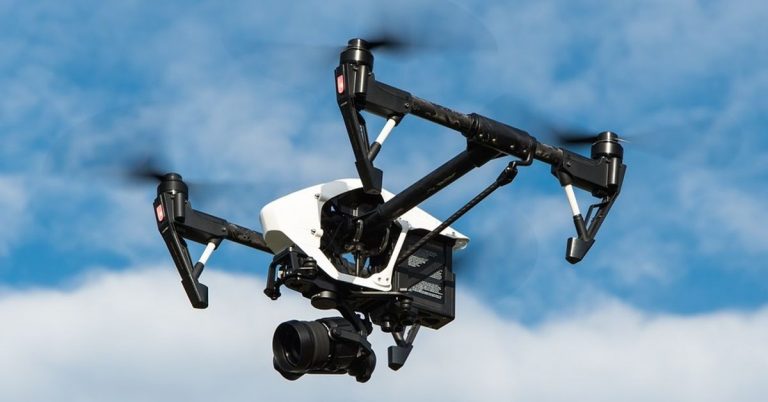
Police will keep a watchful eye for the first time in New York during New Year’s Eve. This will happen with the help of a police drone. The New York City police deployed 7,000 police officers, bomb-sniffing dogs and 200 blocker trucks filled with sand. Since this technology is going to stay very high above the ground level, it will make it difficult for the pedestrians to spot them. The quadcopter drone will be controlled by the police and will provide a massive view of the entire ground level area.
This will help police to easily identify criminals if any suspicious activity is taking place. Though there are no apparent threats, the police have ensured that it will do its duty, which is why this air patrol is taking place. Also, the police said that they will spot any unmanned vehicles in the air which are not authorised.
Drones are kind of new to the New York Police and they had announced it only a month back. Police Commissioner James P. O’Neill commented on the Drones that time. He said in a statement that the police “must always be willing to leverage the benefits of new and always-improving technology.” Some drones can zoom into objects using camera lenses and can map an area in 3D with the help of thermal-imaging.
The introduction of drones isn’t surprising considering that they have been in huge demand by local advocacy groups who wanted to draw attention to the need for the protection of individuals’ rights and privacy. The NYPD has been trying to enhance its technology for quite some time for better execution of its duties. For example, the department gave up 36,000 Windows phones in order to start working on iPhones. Also, they introduced body cameras to the force so that they could provide greater accountability for their actions. They have established this target that they would provide one camera to each and every officer on the force by the end of 2019.
Hopefully with the Drone guidelines coming into effect in India as well, the same system can be picked up city police here in India as well. This will definitely reduce crime.
For the latest gadget and tech news, and gadget reviews, follow us on Twitter, Facebook and Instagram. For newest tech & gadget videos subscribe to our YouTube Channel.
iPhone XS Max catches fire, owner planning to sue Apple: Report

The year certainly wasn’t a good one for Apple. After seeing a drop in sales in various parts of the world including India and having some iPhones banned in China and Germany, it seems like the Cupertino based technology giant will have to look at another pressing matter. A new report has surfaced online which claims that an iPhone XS Max, owned by Ohio-based man Josh Hillard, caught fire and exploded while it was inside his pants.
According to iDrop News, the rather shocking incident took place on December 12 when Hillard was near Columbus, Ohio. Hillard said that he noticed thick smoke coming from his iPhone XS Max and also suddenly started feeling a “large amount of heat” clubbed with a burning sensation on his skin. He reportedly rushed and took off his pants where he had placed his iPhone XS Max and a fire extinguisher had to be used to put out the flames of the burning smartphone.
Hillard said that he took the remains of his burnt iPhone XS Max to an Apple Store on the same day, but he wasn’t provided satisfactory customer service. It has been reported that he was made to answer questions for nearly 20 minutes by an employee at the Apple Store and then had to wait for 40 minutes before he could return his iPhone to the company.
Hillard claims that the Apple Store manager told him that his iPhone XS Max had to go to the company’s engineering team for analysis, as that was the only way for him to get his smartphone replaced.
After this, he returned home and called the Apple Care to inform them about the entire incident. While Apple did provide Hillard with a replacement unit, he feels that this does not make up for what happened to him. Hillard is also seeking compensation for his clothes and shoes that were damaged and also for the wireless service which he couldn’t use while he was being questioned by Apple employees.
The report in iDrop News says that Hillard plans to file a lawsuit against Apple. As of now, Apple has not commented on any issue regarding iPhone XS Max exploding. There is also no clarity on what made the iPhone catch fire in this case, but we’ll update you if and when we get to know.
For the latest gadget and tech news, and gadget reviews, follow us on Twitter, Facebook and Instagram. For newest tech & gadget videos subscribe to our YouTube Channel.
Xiaomi Mi 9 and Mi Mix 4 might come with triple rear cameras and a Snapdragon 855 chipset

What a year end it has been, with a plethora of leaks this December, another one has come to light. The upcoming Xiaomi Mi 9 and Mi Mix 4 are leaked to have triple rear cameras. This has been tipped by a research note from GF Securities of Hong Kong. In their performance market report, they said that Mi 9 would be the first smartphone have triple rear cameras by the company. In terms of the Mi 4, it is going to have a periscope lens that will allow greater optical zoom. Moreover, this smartphone won’t be needing more space in the chassis (at least on the thickness axis).
Both phones have been leaked to be powered by Qualcomm’s Snapdragon 855 processor. The fact that both these phones will have the latest CPU is not surprising because they will be Xiaomi’s flagship devices. Rumours say, that the Mi 9 will have 5G connectivity too, so the ones who will possess the MI Mix 3 won’t be the only ones to be privileged with 5G.
Recently, another Xiaomi phone, the Poco F2 was leaked on Geekbench, along with its specifications. The phone is supposed to run Android 9.0 Pie out-of-the-box skinned with Xiaomi’s latest MIUI 10 update. The phone evidently will have Snapdragon 855 processor considering that its predecessor, the Poco F1, is powered by a Snapdragon 845 SoC.
The Xiaomi Redmi Note 6 was accidentally listed on Flipkart a few days ago and Flipkart did not rectify this mistake until 15-year old tipster, Ishan Agarwal tweeted about it. The device will probably be powered by a Snapdragon 636 Processor. The screen resolution of the smartphone will be 2,280×1,080pixels and will come with an aspect ratio of 19:9.
Two RAM variants include 4GB and 6GB with an internal storage of 64GB. The device would be powered by a 4,000mAh battery. As far as the rear camera arrangement is concerned, this mobile will have 12MP and 5MP dual rear cameras. The 4GB and 6GB RAM variants will come for a price of Rs 13,999 and Rs 15,999 respectively. In the recent turn of events, we have noticed a lot of phone leaks of the Chinese smartphone brands. Now we only need to see when they come to life and if they meet consumer expectations when they are launched.
For the latest gadget and tech news, and gadget reviews, follow us on Twitter, Facebook and Instagram. For newest tech & gadget videos subscribe to our YouTube Channel.
How to click the perfect selfie in any type of light conditions

Selfie, a millennial fad which was named as the word of the year by Oxford Dictionaries in the year 2013, has indubitably ginger up the social media. No second thought about its popularity, which comes to in play in any smartphone in a form of some fancy application. We love to click a self-portrait snap and post it on Snapchat, Instagram, Facebook, WhatsApp and a plethora of such apps, which are gushed with a myriad of selfies everyday. What else could be better than expressing yourself with a single click from your smartphone camera? Noted, no aid requisite. An alternative to this joy has not been found yet. But, the question is how to click a perfect selfie, that would help you stand out of the crowd? Fret not, we are here to help you out with the same. And no matter if you are old or new to the selfie game, the following tips will help you along the way to become a selfie expert, just like Karan Johar.
In This Article
Defining perspective:
Indeed, a picture is worth a thousand words. The perspective of the photo defines the subject. A low angle shot, with the camera below eye level, makes you look dominating and authoritative while a high angle shot, with the camera above eye level, makes you look meek. Notice, a shot from eye level makes the photo look more realistic, while the prior two are used to add a dramatic twist to your photo. Test each shot out and pick the best one that suits your style.Playing with lights:
A studio light setup is not always available to us. However, that does not mean you cannot use the regular room lights or a study lamp available around the house to shoot that coveted selfie. Points to remember, hard lights help in casting a sharp shadow, differentiating them with highlights, whereas soft lights help in making diffused shadow and smooth edges. Thus, avoid front flash when you want smooth edges in your photograph.Splash of colours:
The trending coloured LEDs, popularly known as fairy lights are widely used for bokeh, adding an aesthetic sense to the photograph. If you are taking a selfie with it, use of flashlight would add a different colour to the photo. Avoid them in such cases.Dealing with dim lights:
Always take a raw selfie. You may not like it at first place but editing it wisely will probably give you a better result. Editing a filtered selfie often end up with burned as well as blurred image. You surely don’t want to be trolled for a selfie failing to recognise you. Don’t you? Make sure you use flashlight sparingly.A perfect sun-kissed selfie:
To get that dreamy sun-kissed selfie always remember the source of light should be used to enhance not to burn the composition of your face. While taking selfie also ensure that the shadow of your hand should not cast on your face. If bearable as well as suitable, open your eyes and glee for a happy morning selfie face, for sure that could light up anybody’s day. Indubitably, taking a good selfie has never been a monotonous job, rather a hobby of many. It may get tricky sometimes to click a perfect selfie. However, forbidding your senses while taking a selfie might put you in trouble someday. Besides, never push yourself to smile, after all, it all about expressing yourself not pretending to be what you are not. Don’t forget trying the sassy pout(s). For inspiration check out some of the selfies taken by Shahrukh Khan or Karan Johar on Instagram. They are the pout masters! For the latest gadget and tech news, and gadget reviews, follow us on Twitter, Facebook and Instagram. For newest tech & gadget videos subscribe to our YouTube Channel.Google’s Android Messages app gets this much needed ‘Truecaller feature’

For months now, rumours about Google working on a spam protection feature for its Android Messages app have been surfacing online. And now, a report has emerged on Android Police that says that Google has started rolling out the spam protection feature to some of its users. After testing it for a few days, the company will roll the feature out to the masses.
As of now, it is being said that it is a server-end rollout of the spam protection feature. So, when your device gets the feature, you will be informed about it via a notification message. To manually activate the feature, you can head to the Settings of your smartphone, then select the option of Advanced Settings and then choose Spam Protection. You need to make sure that this option is enabled in order to make the spam protection feature work in Android Messages.
Post this, the feature will start alerting you about spam messages that you receive. Personally, we think that this is a much-needed feature as currently, our Android Messages app is full of spam messages, and we are sure that a majority of the people would agree with us on this.
It is also worth noticing that a section was discovered on Google’s support help site some time back which is said to have gone live prematurely. The section explained how the new spam protection feature will function while keeping the user’s privacy intact. According to Google’s support help website, on enabling the feature some information about the messages will be sent to the company. However, the company has assured users that the content of their messages like the phone number or the message body will not be read.
When users enable the feature, they will see this alert message beneath the Enable Spam Protection toggle. However, we should also point out that it has not been explained how this feature works at the back-end. But then, it is worth noticing that if you report spam messages manually, the entire message will be submitted to Google including the phone numbers and the contents of the message reported.
Although the feature sounds to be a useful one, if you are someone who is concerned about your data on the Messages app, you would rather keep the spam protection feature off. Till we get some more details about how this feature works, it’s a tough choice that we have to make between privacy and spam.
For the latest gadget and tech news, and gadget reviews, follow us on Twitter, Facebook and Instagram. For newest tech & gadget videos subscribe to our YouTube Channel.
Samsung Galaxy Note 9 Android Pie update is expected to come on January 15
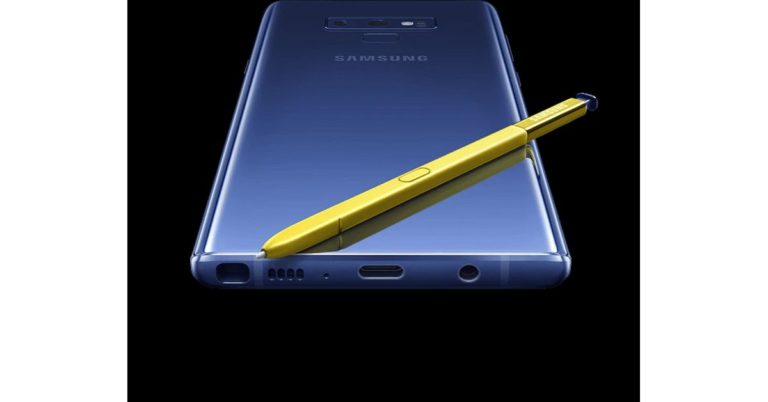
The Samsung Galaxy Note 9 beta program is ongoing and Samsung released a new Note 9 beta update recently. Therefore, it is safe say that the January update which Samsung had planned for Galaxy Note 9 seems to be on track. According to Samsung Turkey, users will have the update in their phone by January 15.
The Galaxy S8 and the Galaxy Note 8 will receive Android Pie update exactly a month after Note 9 update, that is 15th February. Samsung Turkey usually changes its update roadmaps. And considering that it was very fast in rolling out the update for the Galaxy S9, it lays more weight to the speculation that the Android Pie for Note 9 is going to roll out by mid-January.
To recall its specifications, the Samsung Galaxy Note 9 comes with a super AMOLED capacitive touchscreen. The screen is 6.4-inch wide and it has a resolution of 1,440x,2960 pixels. The smartphone is protected by a corning gorilla glass 5. The handset is powered by a Qualcomm Snapdragon 845 processor in some parts of the world while others have it running Exynos 9810 chipset. This is combined with 6GB RAM and 128GB storage with the option to expand it further using a microSD card.
The dual rear camera setup on this smartphone comprises of two 12MP sensors and the front camera is powered by an 8MP sensor meant for selfies. Connectivity options of the Samsung Galaxy Note 9 include WiFi 802.11, hotspot, Bluetooth 5.0, NFC and USB 3.1. The Samsung Galaxy Note 9 houses a non-removable battery of 4,000mAh and comes in a lot of colour options. Price of the mobile is Rs 67,900 on Indian e-commerce stores. It has many sensors which include iris scanner, fingerprint sensor, accelerometer, gyroscope, proximity, compass, barometer, heart rate and SpO2. Also, messaging options include SMS, MMS, Email, push Email and IM.
For the latest gadget and tech news, and gadget reviews, follow us on Twitter, Facebook and Instagram. For newest tech & gadget videos subscribe to our YouTube Channel.
Samsung Galaxy A50 to house a 4,000mAh battery: Report
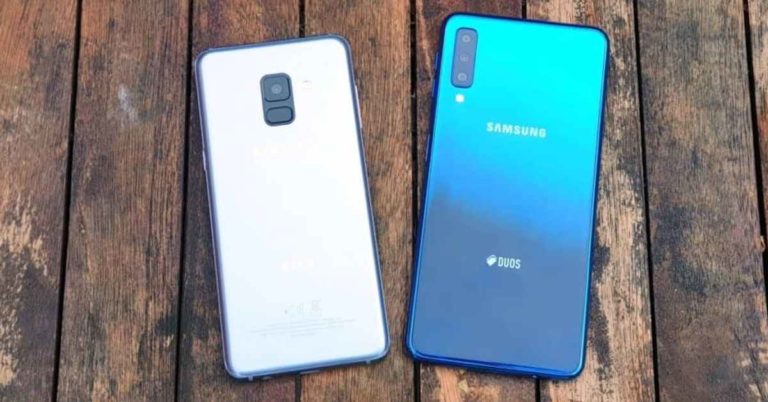
South Korean technology giant Samsung’s upcoming smartphone Galaxy A50 will house a massive 4,000mAh battery, according to a new report that has surfaced online. The report also says that Samsung Galaxy A50 will sport a 24MP primary camera. However, there is no information about other shooters on its back panel.
Furthermore, it has also been revealed that Samsung Galaxy A50 smartphone will be powered by the company’s own Exynos 7 9610 processor, which comes with a CPU with four Cortex-A73 cores and four A53s. The smartphone is said to have 4GB of RAM clubbed with either 64GB or 128GB of internal storage. The upcoming offering by Samsung will run Android 9.0 Pie out-of-the-box.
While the reported battery capacity of the smartphone is good, it is lesser than the 5,000mAh battery that we will see in the company’s Galaxy M20 handset. Another thing we can derive from the specifications is that Galaxy A50 will be launched after the Galaxy S10 smartphones. This is because Samsung usually launches its flagship devices with the new Android version first and the rest of its smartphones follow. This is particularly true for mid-range smartphones from Samsung, and Galaxy A50 happens to be one of them.
Although we fully expect it to be launched in the first half of 2019, picking out a particular month will be tough right now. We would have to wait to know more about the launch date of the device.
 Samsung’s Galaxy A50 smartphone is also expected to come with wireless charging as well as an in-display fingerprint scanner, as the company has said that it plans to bring the two technologies to its mid-tier devices. However, it has also been reported that the fingerprint sensor the company will use would be optical in nature and not ultrasonic.
While we have seen optical fingerprint sensors in the likes of Vivo Nex, Oppo Find X and OnePlus 6T smartphones, we will get to see an ultrasonic fingerprint scanner in Samsung Galaxy S10. An interesting fact that has been reported about Samsung Galaxy S10 is that 30% of its screen will be covered with the fingerprint sensor. So, touching anywhere on that area of the display will unlock the device. This is something we are really looking forward to using when the smartphone launches next year.
Image courtesy: GalaxyClub
For the latest gadget and tech news, and gadget reviews, follow us on Twitter, Facebook and Instagram. For newest tech & gadget videos subscribe to our YouTube Channel.
Samsung’s Galaxy A50 smartphone is also expected to come with wireless charging as well as an in-display fingerprint scanner, as the company has said that it plans to bring the two technologies to its mid-tier devices. However, it has also been reported that the fingerprint sensor the company will use would be optical in nature and not ultrasonic.
While we have seen optical fingerprint sensors in the likes of Vivo Nex, Oppo Find X and OnePlus 6T smartphones, we will get to see an ultrasonic fingerprint scanner in Samsung Galaxy S10. An interesting fact that has been reported about Samsung Galaxy S10 is that 30% of its screen will be covered with the fingerprint sensor. So, touching anywhere on that area of the display will unlock the device. This is something we are really looking forward to using when the smartphone launches next year.
Image courtesy: GalaxyClub
For the latest gadget and tech news, and gadget reviews, follow us on Twitter, Facebook and Instagram. For newest tech & gadget videos subscribe to our YouTube Channel.
 Samsung’s Galaxy A50 smartphone is also expected to come with wireless charging as well as an in-display fingerprint scanner, as the company has said that it plans to bring the two technologies to its mid-tier devices. However, it has also been reported that the fingerprint sensor the company will use would be optical in nature and not ultrasonic.
While we have seen optical fingerprint sensors in the likes of Vivo Nex, Oppo Find X and OnePlus 6T smartphones, we will get to see an ultrasonic fingerprint scanner in Samsung Galaxy S10. An interesting fact that has been reported about Samsung Galaxy S10 is that 30% of its screen will be covered with the fingerprint sensor. So, touching anywhere on that area of the display will unlock the device. This is something we are really looking forward to using when the smartphone launches next year.
Image courtesy: GalaxyClub
For the latest gadget and tech news, and gadget reviews, follow us on Twitter, Facebook and Instagram. For newest tech & gadget videos subscribe to our YouTube Channel.
Samsung’s Galaxy A50 smartphone is also expected to come with wireless charging as well as an in-display fingerprint scanner, as the company has said that it plans to bring the two technologies to its mid-tier devices. However, it has also been reported that the fingerprint sensor the company will use would be optical in nature and not ultrasonic.
While we have seen optical fingerprint sensors in the likes of Vivo Nex, Oppo Find X and OnePlus 6T smartphones, we will get to see an ultrasonic fingerprint scanner in Samsung Galaxy S10. An interesting fact that has been reported about Samsung Galaxy S10 is that 30% of its screen will be covered with the fingerprint sensor. So, touching anywhere on that area of the display will unlock the device. This is something we are really looking forward to using when the smartphone launches next year.
Image courtesy: GalaxyClub
For the latest gadget and tech news, and gadget reviews, follow us on Twitter, Facebook and Instagram. For newest tech & gadget videos subscribe to our YouTube Channel.