

For the latest gadget and tech news, and gadget reviews, follow us on Twitter, Facebook and Instagram. For newest tech & gadget videos subscribe to our YouTube Channel.

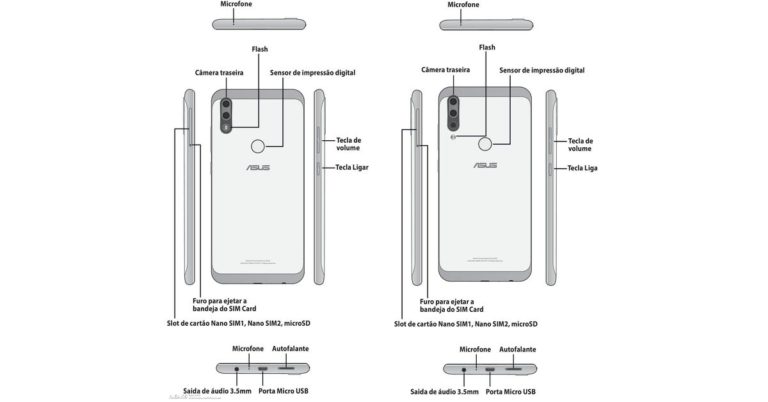


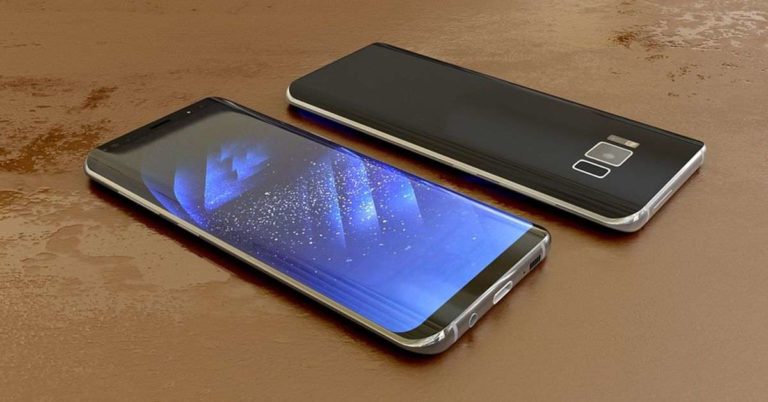

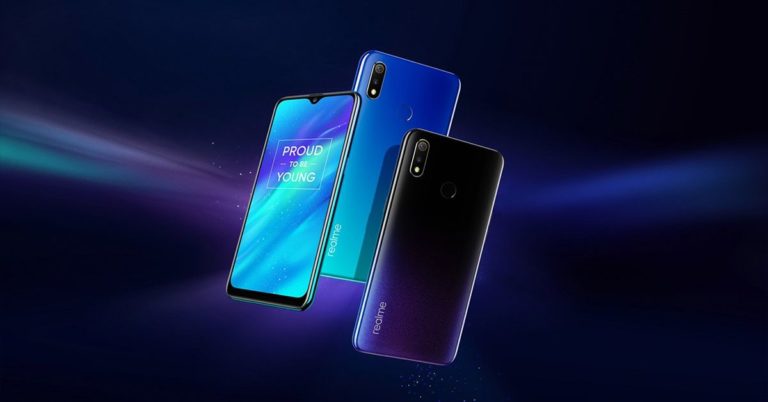
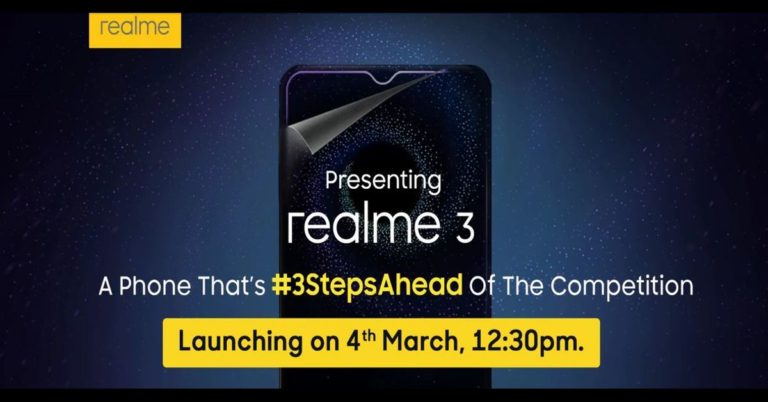
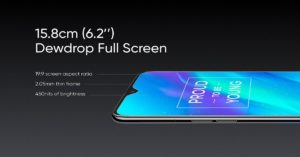 The newly launched Realme 3 smartphone has 6.2-inch Dewdrop HD+ display that comes with an aspect ratio of 19:9 and is protected by a layer of Corning Gorilla Glass 3. The ‘Dewdrop’ display basically means that the device has a waterdrop shaped notch on the top.
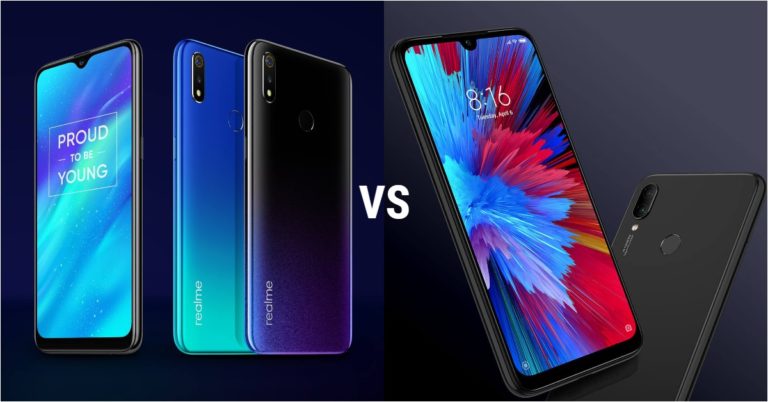
 The newest offering by Realme is powered by 12nm Mediatek AI Master Helio P70 processor. This was something that the company had already confirmed on the handset’s dedicated Flipkart page when it said “Faster 12nm Helio P70 AI processor Vs. 14nm processor.” This was a direct jab at the recently launched Redmi Note 7 smartphone.
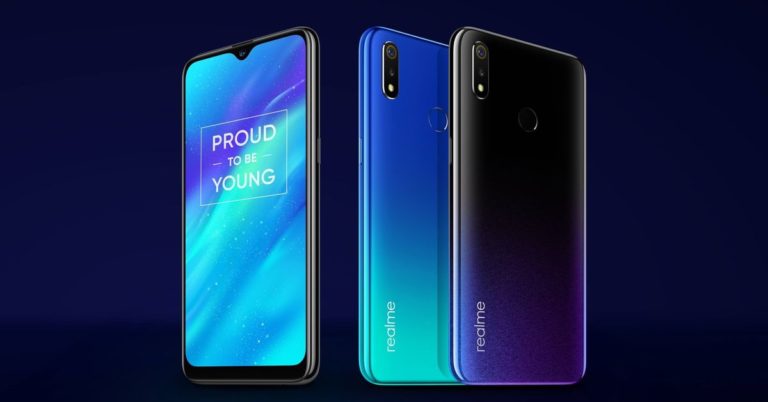
 Realme 3 smartphone is available in 3GB RAM and 4GB RAM variants. While the former is clubbed with 32GB storage, the latter comes with 64GB of onboard storage. Besides this, the device is available in Dynamic Black, Radiant Blue, and Classic Black colours.
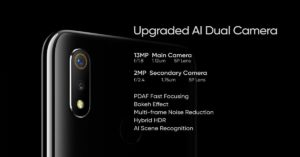 In spite of being a budget smartphone, Realme 3 handset has a dual rear camera setup on its back panel that comprises of a 13MP sensor and a 2MP sensor. The Realme 3 smartphone’s cameras come with Nightscape and ChromeBoost modes.
 The smartphone has a 13MP sensor on its front panel that comes with AI enhancements that gives improved results while clicking selfies. Other than this, it also has support for facial unlock feature.
 Realme 3 houses a massive 4,230mAh battery, that was also touted by the company has “more than 4,000mAh battery”. For those unaware, Redmi Note 7 smartphone houses a 4,000mAh battery.
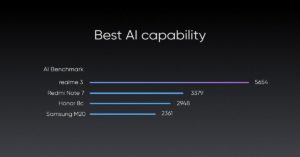 The cameras and the battery of the device come with AI enhancements. While in the case of cameras, it improves the quality of images and helps in scene recognition, in case of battery it adds screen battery optimization.
 Realme 3 smartphone comes with Android 9.0 Pie operating system out of the box. However, it does not run stock Android, as it has the company’s own ColorOS 6.0 baked on top.
 While the 3GB RAM/32GB storage model of Realme 3 smartphone costs Rs 8,999, its 4GB RAM/64GB variant is priced at Rs 10,999. At this, price it competes directly with Redmi Note 7 smartphone that is also available in the same variants, but is priced at Rs 9,999 and Rs 11,999 respectively.
 Realme 3 smartphone is available exclusively on Flipkart and its first sale is on March 12.


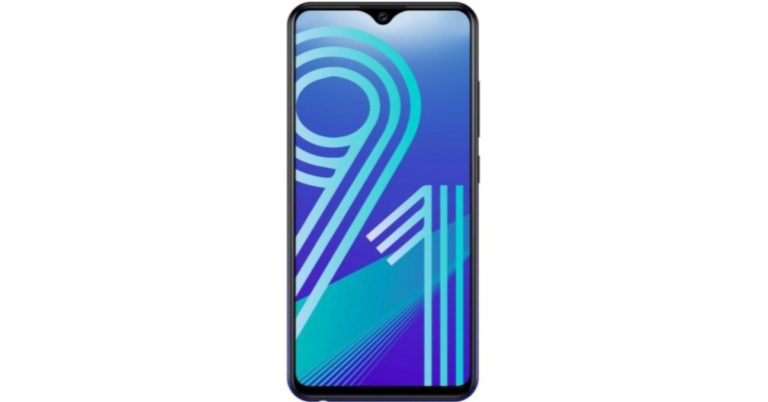
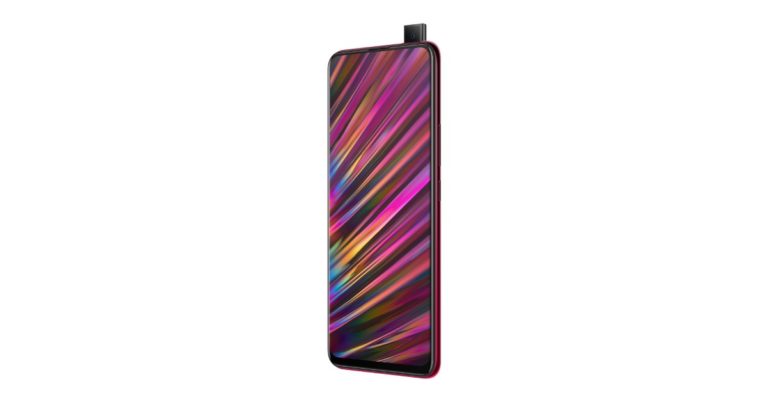
 The smartphone comes with support for a microSD card of up to 256GB and its connectivity options include 4G LTE, Wi-Fi, Bluetooth v4.2, GPS, FM radio, Micro-USB, and a 3.5mm headphone jack. Vivo V15 also has sensors like an accelerometer, ambient light sensor, gyroscope, magnetometer, and a proximity sensor. The smartphone packs a 4,000mAh battery that comes with support for Dual-Engine fast charging technology.





She wrote: We often hear from heavy Tweeters that they want to be able to protect their conversations… People who start interesting conversations on Twitter are really important to us, and we want to empower them to make the conversations they start as healthy as possible by giving them some control. We think of conversations as an ecosystem of different groups: authors, repliers, the audience and the platform. We try to balance the experience across all four groups, and we are continuously exploring ways to shift the balance without overcorrecting. We already see people trying keep their conversations healthy by using block, mute, and report, but these tools don’t always address the issue. Block and mute only change the experience of the blocker, and report only works for the content that violates our policies. With this feature, the person who started a conversation could choose to hide replies to their tweets. The hidden replies would be viewable by others through a menu option. We think the transparency of the hidden replies would allow the community to notice and call out situations where people use the feature to hide content they disagree with. We think this can balance the product experience between the original Tweeter and the audience. In the coming months, we plan to start testing this publicly so stay tuned for more and keep telling us what you think! Twitter has already been under constant pressure from fans and critics alike and most agree that it needs to improve its overall conversational health on the platform. Twitter CEO Jack Dorsey in a recent interview said that Twitter was looking into new ways to proactively enforce and promote health. That’s why blocking or reporting a user or tweet was last resorts. It should also be kept in mind that Twitter tests a lot of new things and features that they never implement on the actual public platform. So, only time will tell when the company will implement the new feature on the actual social platform.Twitter is testing replies moderation. It lets you to hide replies under your tweets, while providing an option to show the hidden replies pic.twitter.com/dE19w4TLtp
— Jane Manchun Wong (@wongmjane) February 28, 2019
 Flip over, and you will see that the design of the back panel of Vivo V15 Pro is very impressive. The top left corner of the rear panel of the mobile has a black-coloured strip that houses the triple rear camera setup of the smartphone, LED flash as well as the pop-up selfie camera module. Vivo V15 Pro is available in Topaz Blue and Ruby Red colour variants and the one that we got for review was dressed in Blue.
The smartphone has a plastic body and we have to admit that in this price segment, we did expect something better. However, we should add that in no way does it hamper the device’s look. In fact, if you are someone who gets worried about the glass back panels fragility, this may actually prove to be better for you.
One handed usage on the smartphone was not a problem at all. Its rounded corners and slightly curved back panel helped with that a lot. While the right edge of the Vivo V15 Pro comes with the volume rocker and power buttons, the left one has the Google Assistant key and the microSD card slot. The top houses the 3.5mm headphone jack and the bottom has a microUSB port, SIM card slot, and the speaker grill placed on it.
To sum it up, we would say that we really liked many aspects of the design of this smartphone. The pop-up selfie camera gave the handset a very futuristic look, and the back panel is quite a stunner. We liked the fact that no fingerprint smudges stay on the device’s rear panel and the gradient colours add to its premium look. Some may not like the plastic finish, but it wasn’t an issue for us.
Flip over, and you will see that the design of the back panel of Vivo V15 Pro is very impressive. The top left corner of the rear panel of the mobile has a black-coloured strip that houses the triple rear camera setup of the smartphone, LED flash as well as the pop-up selfie camera module. Vivo V15 Pro is available in Topaz Blue and Ruby Red colour variants and the one that we got for review was dressed in Blue.
The smartphone has a plastic body and we have to admit that in this price segment, we did expect something better. However, we should add that in no way does it hamper the device’s look. In fact, if you are someone who gets worried about the glass back panels fragility, this may actually prove to be better for you.
One handed usage on the smartphone was not a problem at all. Its rounded corners and slightly curved back panel helped with that a lot. While the right edge of the Vivo V15 Pro comes with the volume rocker and power buttons, the left one has the Google Assistant key and the microSD card slot. The top houses the 3.5mm headphone jack and the bottom has a microUSB port, SIM card slot, and the speaker grill placed on it.
To sum it up, we would say that we really liked many aspects of the design of this smartphone. The pop-up selfie camera gave the handset a very futuristic look, and the back panel is quite a stunner. We liked the fact that no fingerprint smudges stay on the device’s rear panel and the gradient colours add to its premium look. Some may not like the plastic finish, but it wasn’t an issue for us.
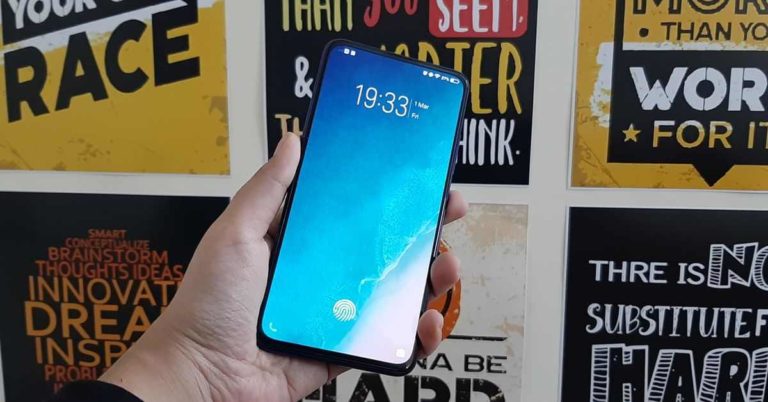
 Coming to the 6.39-inches full HD+ Super AMOLED display of the smartphone, we really liked it. The colours were very rich and the blacks were deep. So no matter what you use your device for – watching videos or gaming – your experience will be a good one, also because there is no notch on top. We could easily use the smartphone under sunlight and the viewing angles were consistent.
Coming to the in-display fingerprint scanner of the smartphone, it was better than Vivo NEX, but we have to admit one thing: It didn’t recognise our fingerprint all the time. This was particularly true when our finger was moist. However, it is definitely an improvement over earlier models. In a nutshell, we would say that our experience with the smartphone’s display was a good one. It is one of the good aspects of the Vivo V15 Pro.
Coming to the 6.39-inches full HD+ Super AMOLED display of the smartphone, we really liked it. The colours were very rich and the blacks were deep. So no matter what you use your device for – watching videos or gaming – your experience will be a good one, also because there is no notch on top. We could easily use the smartphone under sunlight and the viewing angles were consistent.
Coming to the in-display fingerprint scanner of the smartphone, it was better than Vivo NEX, but we have to admit one thing: It didn’t recognise our fingerprint all the time. This was particularly true when our finger was moist. However, it is definitely an improvement over earlier models. In a nutshell, we would say that our experience with the smartphone’s display was a good one. It is one of the good aspects of the Vivo V15 Pro.
 Coming to the software of the device, it is a heavily customised version of Android, unlike most other smartphones that have been launched recently. Like all other Vivo smartphones, the Quick Settings are not integrated with the notification panel, but instead can be accessed by swiping up from the bottom edge of the smartphone.
On the downside, Vivo V15 Pro came with a lot of bloatware. The pre-installed apps on the device include UC browser, Amazon, Facebook, PhonePe, Paytm, WPS Office and a number of Vivo’s native applications. We personally prefer smartphones that come with no bloatware. The closer a smartphone’s software is to stock Android, the better and cleaner it is.
Coming to the software of the device, it is a heavily customised version of Android, unlike most other smartphones that have been launched recently. Like all other Vivo smartphones, the Quick Settings are not integrated with the notification panel, but instead can be accessed by swiping up from the bottom edge of the smartphone.
On the downside, Vivo V15 Pro came with a lot of bloatware. The pre-installed apps on the device include UC browser, Amazon, Facebook, PhonePe, Paytm, WPS Office and a number of Vivo’s native applications. We personally prefer smartphones that come with no bloatware. The closer a smartphone’s software is to stock Android, the better and cleaner it is.
 Vivo V15 Pro smartphone has the motorbike and gaming modes that promise to enhance the experience. Furthermore, it also comes with the Jovi assistant, which lets you put smart reminders and has features like smart planning and image recognizer. The smartphone also supports motion-based gestures and a virtual easy touch button.
Coming to its performance, the Vivo V15 Pro is powered by Qualcomm Snapdragon 675 processor and it comes with 6GB RAM and 128GB onboard storage. The device runs smoothly. There was no lag while launching or switching between apps and the smartphone didn’t slow down even when we had 10 apps running in the background.
We tried gaming on the device and even graphics hungry games like PUBG Mobile ran very smoothly. When we tried playing games like Asphalt 9: Legends while using our smartphone for navigation, the smartphone still handled it without heating up.
The 3,700mAh battery is another good aspect of the Vivo V15 Pro smartphone. It lasted easily more than a day with usage involving social media browsing, gaming, watching YouTube videos and shows on Hotstar, and more.
But we still wouldn’t call it the best aspect of Vivo V15 Pro, as we feel that the cameras of the smartphone deserve to be called that. In some aspects, the device’s cameras even surpass the ones on Vivo NEX. Yes, in some aspects only. The device has a triple rear camera setup comprising of a 48MP primary sensor, 8MP wide-angle lens and 5MP depth of field sensor.
Vivo V15 Pro smartphone has the motorbike and gaming modes that promise to enhance the experience. Furthermore, it also comes with the Jovi assistant, which lets you put smart reminders and has features like smart planning and image recognizer. The smartphone also supports motion-based gestures and a virtual easy touch button.
Coming to its performance, the Vivo V15 Pro is powered by Qualcomm Snapdragon 675 processor and it comes with 6GB RAM and 128GB onboard storage. The device runs smoothly. There was no lag while launching or switching between apps and the smartphone didn’t slow down even when we had 10 apps running in the background.
We tried gaming on the device and even graphics hungry games like PUBG Mobile ran very smoothly. When we tried playing games like Asphalt 9: Legends while using our smartphone for navigation, the smartphone still handled it without heating up.
The 3,700mAh battery is another good aspect of the Vivo V15 Pro smartphone. It lasted easily more than a day with usage involving social media browsing, gaming, watching YouTube videos and shows on Hotstar, and more.
But we still wouldn’t call it the best aspect of Vivo V15 Pro, as we feel that the cameras of the smartphone deserve to be called that. In some aspects, the device’s cameras even surpass the ones on Vivo NEX. Yes, in some aspects only. The device has a triple rear camera setup comprising of a 48MP primary sensor, 8MP wide-angle lens and 5MP depth of field sensor.
 But then, we should point out that the 48MP primary camera of the smartphone combines four 0.8μm pixels into one 1.6μm pixel as it uses the Samsung GM1 sensor. This basically means that you get images that are 12MP in resolution. The company does provide an option to shoot images in 48MP resolution too and you can enable it via Settings. However, we preferred the 12MP images. Needless to say, the images taken were absolutely stunning. They were sharp, clear, rich in details and colours. We managed to click some very high-quality images during our time with the smartphone. The macro shots, especially, turned out to be really great.
In addition to this, you also have the option of clicking 120-degree wide-angle images and portrait shots whose depth of field you can adjust. There are also options that enable you to click live photos, apply filters, use AR stickers and beauty mode. Vivo V15 Pro’s camera also comes with AI-enabled scene recognition and portrait framing.
But then, we should point out that the 48MP primary camera of the smartphone combines four 0.8μm pixels into one 1.6μm pixel as it uses the Samsung GM1 sensor. This basically means that you get images that are 12MP in resolution. The company does provide an option to shoot images in 48MP resolution too and you can enable it via Settings. However, we preferred the 12MP images. Needless to say, the images taken were absolutely stunning. They were sharp, clear, rich in details and colours. We managed to click some very high-quality images during our time with the smartphone. The macro shots, especially, turned out to be really great.
In addition to this, you also have the option of clicking 120-degree wide-angle images and portrait shots whose depth of field you can adjust. There are also options that enable you to click live photos, apply filters, use AR stickers and beauty mode. Vivo V15 Pro’s camera also comes with AI-enabled scene recognition and portrait framing.
 We personally found these additions to be very useful. And the images taken from the wide-angle lens and the shots with depth enabled turned out to be good too. The best thing about the smartphone’s photography is that its performance remains consistent when it is being used in the dark too. However, there was one thing that we were not very happy with. When we tried shooting 4K videos with the camera, it took the sensor abnormally long to focus on certain objects at times. It was slightly annoying, as the rest of the experience that we had with the cameras was very good.
 Now, let’s talk about the 32MP pop-up selfie camera. We simply loved it. However, we should again point out that the images you will get will have a resolution of 8MP. The images taken with the selfie camera were really good. And the best part is that it didn’t make our skin look artificially smooth or turn our skin unnaturally light just to make the images look ‘good’.
Although we were a little sceptical about how the face unlock would work, it worked each and every time for us. In fact, we preferred it over the in-display fingerprint scanner. It even worked in the dark, which is a very big plus on our test sheets.
We ran a few benchmarks on our device. While it scored 2,390 and 6,503 in Geekbench 4, it managed a 1,80,694 in Antutu. All indicating good performance.
Now, let’s talk about the 32MP pop-up selfie camera. We simply loved it. However, we should again point out that the images you will get will have a resolution of 8MP. The images taken with the selfie camera were really good. And the best part is that it didn’t make our skin look artificially smooth or turn our skin unnaturally light just to make the images look ‘good’.
Although we were a little sceptical about how the face unlock would work, it worked each and every time for us. In fact, we preferred it over the in-display fingerprint scanner. It even worked in the dark, which is a very big plus on our test sheets.
We ran a few benchmarks on our device. While it scored 2,390 and 6,503 in Geekbench 4, it managed a 1,80,694 in Antutu. All indicating good performance.