

CES 2020: Samsung plans to launch Galaxy Home Mini smart speaker this year

Samsung Galaxy Home Mini is one among the most awaited devices by the South Korean technology giant. At the on-going CES 2020, the company has confirmed that the Galaxy Home Mini smart speaker will be released early this year. According to a report in Bloomberg, it was Samsung’s CEO and head of consumer electronics division Hyun-Suk Kim who made this announcement at the tech show.
We should mention that Samsung first teased the Bixby-powered Galaxy Home smart speaker in August 2018 at the launch of its Galaxy Note 9 phablet. Ever since then, the company has delayed the release of the smart speaker a number of times. However, during this time, Samsung did start a public beta test of the Galaxy Home Mini speaker in South Korea. And it is this ‘Mini’ version of the smart speaker that is now set to being released.
Back in August 2019, the company had reportedly said that it is refining and enhancing the Galaxy Home smart speaker prior to launching the device. Coming to Samsung Galaxy Home Mini, the smart speaker comes with the company’s digital assistant Bixby and has the ability to control IoT devices via SmartThings platform. It also functions as a home speaker and uses the company’s AKG audio-brand for the same purpose.
Bloomberg’s report also states that the South Korean technology giant’s aim with the Galaxy Home Mini is to create an assistant that carries out voice commands by the users. With this particular device, the company is not trying to emulate the conversational style of other digital assistants like Apple‘s Siri and Amazon’s Alexa, according to the report.
It is worth noting that as of now, there is still no word about when the bigger sibling — Samsung Galaxy Home — will be released. In fact, Bloomberg says in its report that Samsung has still not decided whether it will be selling it at all.
But even if speak about the Galaxy Home Mini speaker, it should be pointed out that the smart home industry has seen a number of changes since 2018, when the device was actually introduced by the company. The segment is now complete dominated by Amazon and Google and both the technology giants have launched a number of new products since the time Samsung first teased its speaker. So even if Samsung releases its speaker now, it will have a lot of competition to beat in this particular space.
For the latest gadget and tech news, and gadget reviews, follow us on Twitter, Facebook and Instagram. For newest tech & gadget videos subscribe to our YouTube Channel. You can also stay up to date using the Gadget Bridge Android App.
Sony Vision-S electric vehicle announced at CES 2020

Japanese technology company Sony has announced its new car at the ongoing CES 2020 technology show. The electric concept sedan has been named Sony Vision-S and it comes with a lot of tech elements that the company specializes in, ranging from entertainment products to cameras.
The company has also said that the newly announced sedan comes with a total of 33 sensors which are placed both inside and outside the car. Sony Vision-S is also equipped with widescreen displays and has a 360 audio system. Some of the tech elements that have been used in the sedan have been made by companies like BlackBerry and Bosch.
Sony has also said that the car has been powered by a newly-designed EV platform, which is reported to be made by Magna. The company has also added that this platform also has the ability to power other vehicles too.
Sony Vision-S has a screen that pretty much covers the dashboard and this resembles some of the cars that have been made by China-based electric vehicle company Byton. Apart from this, there are also screens that have been placed in the headrests of the seats so that passengers sitting at the back don’t have to miss out on any entertainment.
Speaking about the newly introduced sedan, CEO of Sony Kenichiro Yoshida said, “This prototype embodies our contribution to the future of mobility.”
It should be pointed out that the company has only introduced the electric vehicle right now and a lot of details about it are still under wraps. As of now, there is no clarity even on the when exactly the car will be going into production, or whether it will be produced for commercial use at all.
The company has also spoke about investments that its image sensor division has been making. The press release says:
 CMOS image sensors which achieve high sensitivity, high definition and high dynamic range while also suppressing LED flicker*3 to deliver accurate object recognition, even in situations where conventionally detection has been difficult.
Solid State LiDAR which uses highly accurate distance measurement to gain a precise 3D grasp of real-life spaces.
Sensor fusion technology which merges the capabilities of sensors of varied attributes to enable early and accurate recognition, even in challenging conditions such as fog, backlight and night-time driving.
Time-of-Flight (ToF) in-cabin sensing solutions use distance measurement technology to detect and recognize people and objects inside the car. This information is used to provide an optimized infotainment system with intuitive interfaces such as gesture control and improve safety and comfort inside the vehicle.
For the latest gadget and tech news, and gadget reviews, follow us on Twitter, Facebook and Instagram. For newest tech & gadget videos subscribe to our YouTube Channel. You can also stay up to date using the Gadget Bridge Android App.
CMOS image sensors which achieve high sensitivity, high definition and high dynamic range while also suppressing LED flicker*3 to deliver accurate object recognition, even in situations where conventionally detection has been difficult.
Solid State LiDAR which uses highly accurate distance measurement to gain a precise 3D grasp of real-life spaces.
Sensor fusion technology which merges the capabilities of sensors of varied attributes to enable early and accurate recognition, even in challenging conditions such as fog, backlight and night-time driving.
Time-of-Flight (ToF) in-cabin sensing solutions use distance measurement technology to detect and recognize people and objects inside the car. This information is used to provide an optimized infotainment system with intuitive interfaces such as gesture control and improve safety and comfort inside the vehicle.
For the latest gadget and tech news, and gadget reviews, follow us on Twitter, Facebook and Instagram. For newest tech & gadget videos subscribe to our YouTube Channel. You can also stay up to date using the Gadget Bridge Android App.
 CMOS image sensors which achieve high sensitivity, high definition and high dynamic range while also suppressing LED flicker*3 to deliver accurate object recognition, even in situations where conventionally detection has been difficult.
Solid State LiDAR which uses highly accurate distance measurement to gain a precise 3D grasp of real-life spaces.
Sensor fusion technology which merges the capabilities of sensors of varied attributes to enable early and accurate recognition, even in challenging conditions such as fog, backlight and night-time driving.
Time-of-Flight (ToF) in-cabin sensing solutions use distance measurement technology to detect and recognize people and objects inside the car. This information is used to provide an optimized infotainment system with intuitive interfaces such as gesture control and improve safety and comfort inside the vehicle.
For the latest gadget and tech news, and gadget reviews, follow us on Twitter, Facebook and Instagram. For newest tech & gadget videos subscribe to our YouTube Channel. You can also stay up to date using the Gadget Bridge Android App.
CMOS image sensors which achieve high sensitivity, high definition and high dynamic range while also suppressing LED flicker*3 to deliver accurate object recognition, even in situations where conventionally detection has been difficult.
Solid State LiDAR which uses highly accurate distance measurement to gain a precise 3D grasp of real-life spaces.
Sensor fusion technology which merges the capabilities of sensors of varied attributes to enable early and accurate recognition, even in challenging conditions such as fog, backlight and night-time driving.
Time-of-Flight (ToF) in-cabin sensing solutions use distance measurement technology to detect and recognize people and objects inside the car. This information is used to provide an optimized infotainment system with intuitive interfaces such as gesture control and improve safety and comfort inside the vehicle.
For the latest gadget and tech news, and gadget reviews, follow us on Twitter, Facebook and Instagram. For newest tech & gadget videos subscribe to our YouTube Channel. You can also stay up to date using the Gadget Bridge Android App. Moto G8 Plus review: The big battery budget smartphone
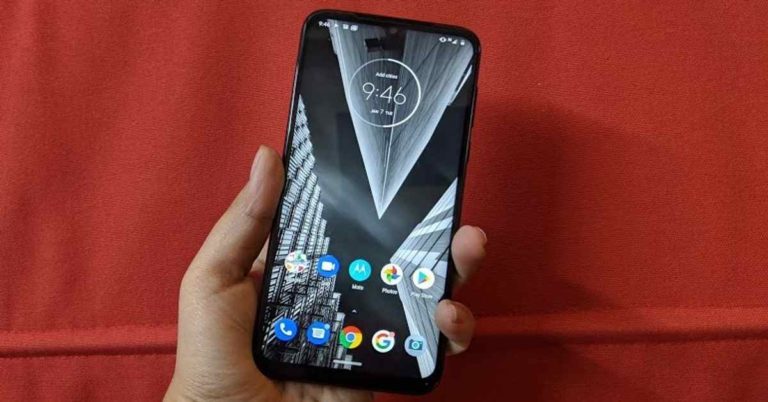
Motorola recently launched its Moto G8 Plus smartphone in India in the most overcrowded segment of the market, the sub-Rs 15,000 category. The smartphone comes with a 4,000mAh battery, houses Snapdragon 665 SoC, and packs a 48MP primary sensor. On paper, it has all the specifications of a good smartphone. So, we spent a few days with it to know how good it really is. Here’s our review of the Moto G8 Plus smartphone:
 The back panel of the device also houses the rear camera modules and the fingerprint sensor that has the Motorola logo embedded in it is placed in the centre. The right edge of the handset houses the textured power button and the volume rocker keys while the left edge has the SIM tray. The top has the secondary microphone and the 3.5mm headphone jack placed on it and the bottom of the device houses a speaker grille, Type-C port and a microphone. The front panel is majorly taken up by the display of the smartphone that has a waterdrop-shaped notch on its top.
Coming to the 6.3-inch LTPS IPS full-HD+ screen of Moto G8 Plus, it has an aspect ratio of 19:9 and Motorola is calling it as ‘Max Vision’ display. Our experience with it was great during our time with the device. The colours projected by the display are very vibrant and true-to-life and the images were sharp and clear at all times. Even at different viewing angles, the colours on the screen of the Motorola’s new offering don’t change. The sunlight readability of the handset was decent too.
The back panel of the device also houses the rear camera modules and the fingerprint sensor that has the Motorola logo embedded in it is placed in the centre. The right edge of the handset houses the textured power button and the volume rocker keys while the left edge has the SIM tray. The top has the secondary microphone and the 3.5mm headphone jack placed on it and the bottom of the device houses a speaker grille, Type-C port and a microphone. The front panel is majorly taken up by the display of the smartphone that has a waterdrop-shaped notch on its top.
Coming to the 6.3-inch LTPS IPS full-HD+ screen of Moto G8 Plus, it has an aspect ratio of 19:9 and Motorola is calling it as ‘Max Vision’ display. Our experience with it was great during our time with the device. The colours projected by the display are very vibrant and true-to-life and the images were sharp and clear at all times. Even at different viewing angles, the colours on the screen of the Motorola’s new offering don’t change. The sunlight readability of the handset was decent too.
 We played a lot of games on the handset and watched some high-resolution videos on it, and all of it appeared very crisp on the screen of Moto G8 Plus. We would certainly consider the display to be one among the positives of the smartphone.
 Coming to the performance of Moto G8 Plus, it managed most everyday tasks quite well. Multitasking on the device is an absolute cakewalk and when we used and switched between several apps, the phone could do so without any lag. Even when we used navigation on the smartphone for two hours straight, it didn’t even begin to warm up and we think that this is worthy of praise.
We also played a number of games on the handset ranging from Alto’s Odessey to Asphalt 9: Legends. Moto G8 Plus handled most of them very well. It was only while playing Asphalt 9 that we observed a slight stutter in performance. But then, Asphalt 9 is a very graphic-hungry game. If you only stick to playing lighter ones, there should be no issue for you.
The battery of the smartphone is one among its key features. With usage that involved long phone calls, watching high-resolution videos, playing games, and clicking pictures, the battery of the device lasted us a day and a half. If your usage is not very heavy, it may even last for two days. This is quite impressive, we feel.
We faced no issues while making phone calls using the device. At all times, regardless of the place we made calls from, we could hear and be heard clearly.
Now, let’s talk about the cameras of Moto G8 Plus. The handset comes with three cameras on its rear panel, as we had mentioned earlier. The camera app of the smartphone offers a variety of modes like Portrait and Panorama. It also has a dedicated Night Vision mode and some less common ones like Cutout.
Coming to the performance of Moto G8 Plus, it managed most everyday tasks quite well. Multitasking on the device is an absolute cakewalk and when we used and switched between several apps, the phone could do so without any lag. Even when we used navigation on the smartphone for two hours straight, it didn’t even begin to warm up and we think that this is worthy of praise.
We also played a number of games on the handset ranging from Alto’s Odessey to Asphalt 9: Legends. Moto G8 Plus handled most of them very well. It was only while playing Asphalt 9 that we observed a slight stutter in performance. But then, Asphalt 9 is a very graphic-hungry game. If you only stick to playing lighter ones, there should be no issue for you.
The battery of the smartphone is one among its key features. With usage that involved long phone calls, watching high-resolution videos, playing games, and clicking pictures, the battery of the device lasted us a day and a half. If your usage is not very heavy, it may even last for two days. This is quite impressive, we feel.
We faced no issues while making phone calls using the device. At all times, regardless of the place we made calls from, we could hear and be heard clearly.
Now, let’s talk about the cameras of Moto G8 Plus. The handset comes with three cameras on its rear panel, as we had mentioned earlier. The camera app of the smartphone offers a variety of modes like Portrait and Panorama. It also has a dedicated Night Vision mode and some less common ones like Cutout.
 During the day, the 48MP primary camera did a good job at capturing images. It aced at clicking objects that were far away as well as those that were in close range. However, we did notice that it did take some time to focus when the objects were very close to it. The colours were accurate, the brightness was apt and the images taken were also sharp. Even in dimly lit areas, the quality of images didn’t go down, and switching on the Night mode made an incredible difference to the colours. However, it is worth mentioning that there is no option of saving images in 48MP resolution, instead the devices saves all images in 12MP resolution by default.
 The depth sensor on the smartphone also did a good job and could differentiate between the object in focus and its background. Users also get an option of adjusting the blur level after the image has been captured. Coming to the wide-angle camera, we should mention that it can only be used for capturing videos and not images.
 The selfie camera of the smartphone clicked decent images in well-lit conditions, but at night, the quality of images was not the same and we did notice some noise on the pictures.
In This Article
Moto G8 Plus design and display
Subtle, yet impressive. That’s the first thing that comes to our mind when we think of the Moto G8 Plus. In the recent past, we have seen a number of smartphones that have a gradient back panel. But then, at the same time, we have also seen a number of devices that completely ditch the ongoing trend and instead sport an elegant monotone design. But Moto G8 Plus is different. If you hold it at a certain angle, the handset looks all black, but tilt it a bit and you will see a Blue highlight starting somewhere in the middle of the back panel going all the way down to its bottom. The effect is simply beautiful. We should mention that we got the Cosmic Blue coloured variant of Moto G8 Plus. Apart from this, the handset can also be bought in Crystal Pink colour option. Although the smartphone is made up of polycarbonate, the body of the device does come across like glass. The back panel of the device also houses the rear camera modules and the fingerprint sensor that has the Motorola logo embedded in it is placed in the centre. The right edge of the handset houses the textured power button and the volume rocker keys while the left edge has the SIM tray. The top has the secondary microphone and the 3.5mm headphone jack placed on it and the bottom of the device houses a speaker grille, Type-C port and a microphone. The front panel is majorly taken up by the display of the smartphone that has a waterdrop-shaped notch on its top.
Coming to the 6.3-inch LTPS IPS full-HD+ screen of Moto G8 Plus, it has an aspect ratio of 19:9 and Motorola is calling it as ‘Max Vision’ display. Our experience with it was great during our time with the device. The colours projected by the display are very vibrant and true-to-life and the images were sharp and clear at all times. Even at different viewing angles, the colours on the screen of the Motorola’s new offering don’t change. The sunlight readability of the handset was decent too.
The back panel of the device also houses the rear camera modules and the fingerprint sensor that has the Motorola logo embedded in it is placed in the centre. The right edge of the handset houses the textured power button and the volume rocker keys while the left edge has the SIM tray. The top has the secondary microphone and the 3.5mm headphone jack placed on it and the bottom of the device houses a speaker grille, Type-C port and a microphone. The front panel is majorly taken up by the display of the smartphone that has a waterdrop-shaped notch on its top.
Coming to the 6.3-inch LTPS IPS full-HD+ screen of Moto G8 Plus, it has an aspect ratio of 19:9 and Motorola is calling it as ‘Max Vision’ display. Our experience with it was great during our time with the device. The colours projected by the display are very vibrant and true-to-life and the images were sharp and clear at all times. Even at different viewing angles, the colours on the screen of the Motorola’s new offering don’t change. The sunlight readability of the handset was decent too.
 We played a lot of games on the handset and watched some high-resolution videos on it, and all of it appeared very crisp on the screen of Moto G8 Plus. We would certainly consider the display to be one among the positives of the smartphone.
Moto G8 Plus performance and cameras
Let’s begin with the smartphone’s tech specs. The Moto G8 Plus runs Qualcomm’s Snapdragon 665 chipset and it comes with 4GB of RAM and 64GB of onboard storage. For imaging duties, the handset sports a triple rear camera setup with a 48MP primary sensor, a 16MP wide-angle lens and a 5MP depth sensor. There is also a 25MP selfie camera onboard. The smartphone has a 4,000mAh battery and it runs an almost stock version of Android 9.0 Pie. Speaking about the software, we really liked it because the smartphone comes without any bloatware. You can choose from some options like Moto Actions and Moto Display from the Moto app if you wish to enable them. The handset also comes with Digital Wellbeing. Coming to the performance of Moto G8 Plus, it managed most everyday tasks quite well. Multitasking on the device is an absolute cakewalk and when we used and switched between several apps, the phone could do so without any lag. Even when we used navigation on the smartphone for two hours straight, it didn’t even begin to warm up and we think that this is worthy of praise.
We also played a number of games on the handset ranging from Alto’s Odessey to Asphalt 9: Legends. Moto G8 Plus handled most of them very well. It was only while playing Asphalt 9 that we observed a slight stutter in performance. But then, Asphalt 9 is a very graphic-hungry game. If you only stick to playing lighter ones, there should be no issue for you.
The battery of the smartphone is one among its key features. With usage that involved long phone calls, watching high-resolution videos, playing games, and clicking pictures, the battery of the device lasted us a day and a half. If your usage is not very heavy, it may even last for two days. This is quite impressive, we feel.
We faced no issues while making phone calls using the device. At all times, regardless of the place we made calls from, we could hear and be heard clearly.
Now, let’s talk about the cameras of Moto G8 Plus. The handset comes with three cameras on its rear panel, as we had mentioned earlier. The camera app of the smartphone offers a variety of modes like Portrait and Panorama. It also has a dedicated Night Vision mode and some less common ones like Cutout.
Coming to the performance of Moto G8 Plus, it managed most everyday tasks quite well. Multitasking on the device is an absolute cakewalk and when we used and switched between several apps, the phone could do so without any lag. Even when we used navigation on the smartphone for two hours straight, it didn’t even begin to warm up and we think that this is worthy of praise.
We also played a number of games on the handset ranging from Alto’s Odessey to Asphalt 9: Legends. Moto G8 Plus handled most of them very well. It was only while playing Asphalt 9 that we observed a slight stutter in performance. But then, Asphalt 9 is a very graphic-hungry game. If you only stick to playing lighter ones, there should be no issue for you.
The battery of the smartphone is one among its key features. With usage that involved long phone calls, watching high-resolution videos, playing games, and clicking pictures, the battery of the device lasted us a day and a half. If your usage is not very heavy, it may even last for two days. This is quite impressive, we feel.
We faced no issues while making phone calls using the device. At all times, regardless of the place we made calls from, we could hear and be heard clearly.
Now, let’s talk about the cameras of Moto G8 Plus. The handset comes with three cameras on its rear panel, as we had mentioned earlier. The camera app of the smartphone offers a variety of modes like Portrait and Panorama. It also has a dedicated Night Vision mode and some less common ones like Cutout.
 During the day, the 48MP primary camera did a good job at capturing images. It aced at clicking objects that were far away as well as those that were in close range. However, we did notice that it did take some time to focus when the objects were very close to it. The colours were accurate, the brightness was apt and the images taken were also sharp. Even in dimly lit areas, the quality of images didn’t go down, and switching on the Night mode made an incredible difference to the colours. However, it is worth mentioning that there is no option of saving images in 48MP resolution, instead the devices saves all images in 12MP resolution by default.
 The depth sensor on the smartphone also did a good job and could differentiate between the object in focus and its background. Users also get an option of adjusting the blur level after the image has been captured. Coming to the wide-angle camera, we should mention that it can only be used for capturing videos and not images.
 The selfie camera of the smartphone clicked decent images in well-lit conditions, but at night, the quality of images was not the same and we did notice some noise on the pictures.
Verdict
At Rs 13,999, Moto G8 Plus is definitely a good buy. It has a number of things working for it including its beautiful design, vibrant display, smooth performance and lasting battery. The gaming experience and selfie camera could be better, but then, these aspects were also average. We wouldn’t really call them as negatives as it was only graphic hungry games that the phone couldn’t handle as well as others and the selfie camera also managed fairly in well-lit areas. It was only in dimly lit areas that its performance couldn’t match up. If you are looking for a smartphone under Rs 15,000 that has a big battery and a beautiful design, Moto G8 Plus wouldn’t disappoint at all. Pros- Big battery
- Beautiful design
- Vibrant display
- Selfie camera could be more consistent
- Gaming experience could be better
CES 2020: Asus announces a 14-inch Zenbook Duo model, updates VivoBook S range

At the CES 2020, Taiwanese technology company Asus has announced its Zenbook Duo laptop, which is basically the younger sibling of the Asus Zenbook Pro Duo that was launched last year. The newly launched Asus Zenbook Duo laptop is 14-inches in size and much like its predecessor, it comes with a secondary “ScreenPad Plus” display. However, while the Zenbook Pro Duo had a 14-inch secondary display, it is 12.6-inches in size on the new one.
It is worth pointing out that besides reducing the screen size in the new laptop, the company has also diminished some of the specifications as compared to the predecessor. Firstly, the new 14-inch Asus Zenbook Dup comes has an FHD screen and not a 4K one. Also, the display is no longer OLED. It should also be added that the processors that have been used are Intel‘s 10th Gen Comet Lake SoCs. These are not as powerful as the H-series chips that were housed in the previous model. Other than this, the Taiwanese technology giant has also added an optional GPU — GeForce MX250.
The optional GPU of the Zenbook Pro Duo laptop — RTX 2060 — was superior to this. Even the RAM is lesser in the new model. While Asus’ Zenbook Pro Duo had 32GB of RAM, the newly launched Zenbook Duo packs only 16GB.
While most of the specifications are inferior as compared to the bigger sibling that was launched last year, Asus Zenbook Duo will definitely prove to be more practical for those who prefer a laptop that is more portable. As of now, Asus has not announced the price of the device. However, since Asus Zenbook Pro Duo was sold at $2,499, we can expect the newly-announced Zenbook Duo to be more affordable than that. However, we wouldn’t have to wait too long to find out as the Taiwanese technology giant has announced that Asus Zenbook Duo will be made available in Q1 2020.
Besides this, the company has also updated its VivoBook S range. All the three models of the range — 13.3-inch, 14-inch and 15.6-inch — will now be available with Intel‘s 10th Gen chipsets. They will also come with up to 16GB of RAM and have optional discrete Nvidia GPUs for cases when the machine required extra power. The upgraded models will either be available in the first or second quarter of this year. Even the starting prices of the new models have to be announced yet.
For the latest gadget and tech news, and gadget reviews, follow us on Twitter, Facebook and Instagram. For newest tech & gadget videos subscribe to our YouTube Channel. You can also stay up to date using the Gadget Bridge Android App.
CES 2020: LG announces its 2020 OLED TV lineup in four screen sizes

South Korean technology company LG has announced new ‘Gallery Series’ OLED televisions that can be hung on a wall. So, besides working like a television, these devices can also act like a “piece of art”, according to the company. The newly announced Galaxy Series TVs by LG will be available in four screen sizes: 48-inch 55-inch, 65-inch and 77-inch. The technology company has also added that the 65-inch model of the range measures just 20mm.
We should mention that the range is similar to LG‘s wallpaper OLED TV, however, the key difference between the two is that new televisions do not come with a separate box meant for ports.
It is also worth noting that the 48-inch 4K OLED TV model has been added by the company for the first time and LG has said that the pixel density at this size can be compared to their 96-inch 8K model. The South Korean company has also said that the 48-inch 4K OLED TV model can be used as a gaming monitor besides being used as a television. LG has also added that the model comes with around 13ms of input lag has support for variable refresh rate too.
It is also worth mentioning that the South Korean technology company has added a new Filmmaker Mode in its newly-announced range. According to LG, this mode “delivers images the way they intended.”
Besides this, it has also been said that the new Alpha 9 Gen 3 processor has the ability to distinguish between various types of objects that appear on screen and then use different kinds of processing to get the right level of sharpness. With this, the television will be able to recognize the genre of content on the screen and accordingly switch to an appropriate mode. It is also supposed to help in the noise reduction.
However, it should also be noted that LG has added active-listening microphones in some of the models of its latest lineup. But then, the company has also added that it can completely be disabled. Other than this, the televisions will also come with digital assistants like Amazon’s Alexa and Google Assistant. The company has also added its own voice command that can be accessed by saying, “Hi LG.” The new televisions will also have support for AirPlay 2.
Besides launching a new range of TVs today, the company has also made the announcement that its rollable TV will be going on sale this year.
For the latest gadget and tech news, and gadget reviews, follow us on Twitter, Facebook and Instagram. For newest tech & gadget videos subscribe to our YouTube Channel. You can also stay up to date using the Gadget Bridge Android App.
CES 2020: Colgate and Oral-B are bringing AI driven toothbrushes into a mouth near you

Each year one gets to see something new and bizarre at Consumer Electronics Show (CES). This time at CES 2020 there are a lot of weird innovations like digital diapers and toilet paper robos. But a new innovation that is ready to enter your mouths is by Colgate and P&G. Both have announced that they are bringing smart toothbrushes with individual apps to the market.
While most are talking about 8K TVs, smarter smartphones and what not, these companies are boasting about their new-age digital toothbrushes. Colgate is bringing Plaqless Pro smart electric toothbrush, which has a sensor in it that can easily detect plaque and other harsh build-ups in the mouth. As said, this comes with its own app and via BlueTooth, it can be connected to the smartphone to give it real-time data. This is great as one can show the data to the dentist next time you are in his office. Also, the app tells the users better techniques and methods on how to brush better and keep their teeth shiny clean.
“The Colgate Plaqless Pro smart electric toothbrush is inspired by that shift and improves brushing efficacy by accounting for an individual’s brushing technique and the biofilm buildup in their mouth. And by immediately alerting the user when an area is clean, Plaqless Pro coaches them to brush better, helping both the patient and the oral care provider to build an even stronger partnership in achieving optimal oral health,” says Dr Maria Ryan, Colgate’s Chief Dental Officer.
Next in line from CES 2020 is P&G’s Oral-B iO. This is another AI-driven smart electric toothbrush. It comes with an oscillating, rotating motor with light vibration, which will deep clean the teeth, as claimed by the company. “Oral-B iO™ goes beyond being a new toothbrush – it is an innovative brushing technology with a truly sensorial experience that users will feel, hear and see, transforming the act of brushing teeth from something they have to do into something they actually want to do,” said Lisa Ernst, VP Global Health Care R&D, Proctor & Gamble.
There is a pressure sensor in the toothbrush which tells the users how much pressure he/she needs to put for better cleaning. With the help of the Oral-B, iO app users keep a track of their tooth health in real-time. The electric toothbrush comes with 7 cleaning modes which seem to be helpful in keeping your teeth pearly white.
For the latest gadget and tech news, and gadget reviews, follow us on Twitter, Facebook and Instagram. For newest tech & gadget videos subscribe to our YouTube Channel. You can also stay up to date using the Gadget Bridge Android App.
“Oral-B iO™ goes beyond being a new toothbrush – it is an innovative brushing technology with a truly sensorial experience that users will feel, hear and see, transforming the act of brushing teeth from something they have to do into something they actually want to do,” said Lisa Ernst, VP Global Health Care R&D, Proctor & Gamble.
There is a pressure sensor in the toothbrush which tells the users how much pressure he/she needs to put for better cleaning. With the help of the Oral-B, iO app users keep a track of their tooth health in real-time. The electric toothbrush comes with 7 cleaning modes which seem to be helpful in keeping your teeth pearly white.
For the latest gadget and tech news, and gadget reviews, follow us on Twitter, Facebook and Instagram. For newest tech & gadget videos subscribe to our YouTube Channel. You can also stay up to date using the Gadget Bridge Android App.
 “Oral-B iO™ goes beyond being a new toothbrush – it is an innovative brushing technology with a truly sensorial experience that users will feel, hear and see, transforming the act of brushing teeth from something they have to do into something they actually want to do,” said Lisa Ernst, VP Global Health Care R&D, Proctor & Gamble.
There is a pressure sensor in the toothbrush which tells the users how much pressure he/she needs to put for better cleaning. With the help of the Oral-B, iO app users keep a track of their tooth health in real-time. The electric toothbrush comes with 7 cleaning modes which seem to be helpful in keeping your teeth pearly white.
For the latest gadget and tech news, and gadget reviews, follow us on Twitter, Facebook and Instagram. For newest tech & gadget videos subscribe to our YouTube Channel. You can also stay up to date using the Gadget Bridge Android App.
“Oral-B iO™ goes beyond being a new toothbrush – it is an innovative brushing technology with a truly sensorial experience that users will feel, hear and see, transforming the act of brushing teeth from something they have to do into something they actually want to do,” said Lisa Ernst, VP Global Health Care R&D, Proctor & Gamble.
There is a pressure sensor in the toothbrush which tells the users how much pressure he/she needs to put for better cleaning. With the help of the Oral-B, iO app users keep a track of their tooth health in real-time. The electric toothbrush comes with 7 cleaning modes which seem to be helpful in keeping your teeth pearly white.
For the latest gadget and tech news, and gadget reviews, follow us on Twitter, Facebook and Instagram. For newest tech & gadget videos subscribe to our YouTube Channel. You can also stay up to date using the Gadget Bridge Android App. Vivo S1 Launched in India: Priced at Rs 19,999
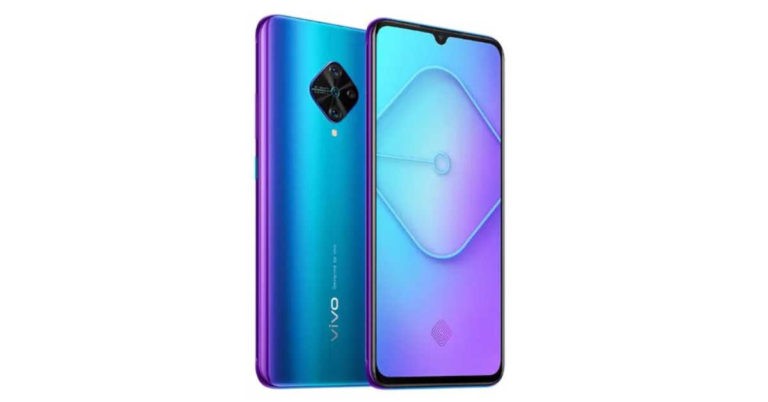
The Vivo S1 Pro was officially launched on January 4 in India. This new device has its rear camera setup in the shape of a diamond. The S1 Pro is Vivo’s latest addition to 2019’s S series. The Vivo S1 Pro packs an in-display fingerprint sensor with a waterdrop-style display notch. Another key feature of the Vivo S1 Pro is the 48MP primary sensor.
The device supports dual-SIM and runs Android 9 Pie with FunTouch as predicted by rumours. The device has a 6.38-inch full-HD Super AMOLED display. The smartphone is run by an octa-core Qualcomm Snapdragon 665 processor. The device has 8GB RAM and 128GB internal storage. The 8GB RAM prepares the phone to run without interruptions by letting the user run multiple applications without slowing down the operation of the device.
Talking about the camera specifications, the Vivo S1 Pro has a quad rear camera setup with a 48MP primary sensor, an 8MP secondary sensor and two 2MP sensors covering the capture of a range of wide-angle, macro and bokeh shots. The smartphone also comes equipped to resist shakes and jerks in videos with electronic image stabilisation technology.
The front camera is of 32MP in the Vivo S1 Pro and comes with support features like AI Face Beauty, HDR, AI portrait lighting and group selfie. The device also has an in-display fingerprint sensor. The Vivo S1 Pro has a 4,500mAh battery with support for 18W dual fast charging. The phone offers connectivity through 4G VoLTE, Wi-Fi, Bluetooth etc. and has a USB Type-C port. Vivo’s Multi-turbo feature gives the user access to a range of optimisations and increases the performance and response of the device. The device also comes with an Ultra-Game Mode to prevent disturbing notifications and alerts which may occur during gameplay. The phone also provides support for Dark Mode.
The phone is priced at Rs 19,999 for the 8GB RAM and 128GB variant which is the only variant released in India. The phone comes in Mystic Black, Jazzy Blue and Dreamy White colour variants and is available offline and online on the Vivo India online store along with Amazon and Flipkart.
For the latest gadget and tech news, and gadget reviews, follow us on Twitter, Facebook and Instagram. For newest tech & gadget videos subscribe to our YouTube Channel. You can also stay up to date using the Gadget Bridge Android App.
Realme 5i budget smartphone to launch in India on Jan 9 2020, will get 5,000mAh battery

Realme India has announced that the Chinese company will soft launch the Realme 5i in India this week. Yes, the date has been set for the first launch of 2020 by the company, they will be launching the smartphone in an online event on Jan 9th 2020 at 12:30 noon. Realme India’s CEO Madhav Sheth has also tweeted that the smartphone will be launching then and the Realme 5i has been listed on Flipkart as its online partner. The phone is slated to launch in Vietnam today, so from that, we have got a fair bit of Idea what kind of specs the phone will carry.
Guys, introducing #realme5i our new edition to the highly appreciated #realme5series!
— Madhav Faster7 (@MadhavSheth1) January 6, 2020
Launching on 9th Jan. at 12:30 PM
RT, if you are excited. #TheStylishPowerhousehttps://t.co/CKdg7QdUt8 pic.twitter.com/933eDVH0Eh
In This Article
Realme 5i technical specifications
The Realme 5i is slated to come with Qualcomm Snapdragon 665 chipset. This will be accompanied by 3GB RAM and 32GB storage. The other variant will have 4GB RAM and 64GB storage. This is a budget smartphone so we do not expect extreme graphics from it. The company has put a 6.5-inch display on it with a notch on top that has the front-facing 8-megapixel camera. This is an LCD display with HD+ resolution. The teaser image of the phone shows that the rear will have 4 cameras and no rear fingerprint scanner. The camera will carry 12MP+8MP+2MP+2MP sensors. The second 2MP camera will be for macro shots. And the 8MP camera will be for ultra-wide shots and should have f/1.8 aperture. The battery of the smartphone will be 5,000mAh and should come with a fast charger in the box. As for the operating system, the Realme 5i will come with Android Pie 9 OS with ColorOS 6. The colour options will be Green and Blue gradient panels at the back. Connectivity options will include WiFi, GPS, Bluetooth, USB Type-C and 3.5mm audio port.Realme 5i price
Realme 5i is the successor to Realme 3i that was launched in 2019 here in India, which was priced at Rs 7,999. Industry insiders are saying that Realme 5i will also be priced around the same price for the 3GB version. The 4GB version can be Rs 1,000 more expensive. For the latest gadget and tech news, and gadget reviews, follow us on Twitter, Facebook and Instagram. For newest tech & gadget videos subscribe to our YouTube Channel. You can also stay up to date using the Gadget Bridge Android App.OnePlus teases the Concept One on their official twitter page

OnePlus fans have a reason to rejoice now, as the company released a teaser video about the OnePlus Concept One. OnePlus proudly proclaimed in the teaser that CES 2020 will see the much-awaited OnePlus Concept One, which reportedly comes equipped with an invisible camera and colour shifting glass technology. OnePlus shares the tagline of Alternate Future with Alternate Design in the teaser video.
The video shows parts of the Concept One smartphone, which has the classic OnePlus slider in a variant of the colour gold. The video also showed the front of the device having curved-edge glass-like in the OnePlus 7T Pro. It is unclear if the display is curved at the edges.
The teaser video shows the rear side of the Concept One smartphone, which is marked with a OnePlus logo and a pattern. The teaser showed three cameras on the rear of the device with a flash at a particular angle. This might be the invisible camera feature on the device. The appearance of the invisible camera looks like in-display camera technology or cameras which function only when the camera feature is turned on. It is also possible that the invisibility feature of the camera works through a button. OnePlus might reveal more information or teasers as we edge closer to the CES 2020. The Concept One could possibly help us identify key features we can expect from the OnePlus 8 Pro and the OnePlus 8T Pro.
There is no official information about the colour-shifting glass technology yet, but more will be known in the coming days.
One of the devices launched by OnePlus recently was the OnePlus 7T Pro, which has a 6.65-inch AMOLED display. The smartphone is powered by Qualcomm Snapdragon 855 processor and offers 8GB RAM and 256GB internal storage. The phone features a triple rear camera setup with a 48MP primary sensor, an 8MP telephoto lens and a 16MP ultra-wide lens. The smartphone also comes equipped with Dolby Atmos speaker. The OnePlus 7T Pro has a 4,085 mAh battery which supports Warp Charge 30T. The device runs Android 10 with OxygenOS 10. For the latest gadget and tech news, and gadget reviews, follow us on Twitter, Facebook and Instagram. For newest tech & gadget videos subscribe to our YouTube Channel. You can also stay up to date using the Gadget Bridge Android App.We’re bringing the #OnePlusConceptOne to #CES2020, but you don’t have to wait: you can get a sneak peek at it right here, along with its groundbreaking “invisible camera” and color-shifting glass technology. pic.twitter.com/elsV9DKctn
— OnePlus (@oneplus) January 3, 2020
Samsung reportedly sold 6.7 million 5G devices in 2019, will bring a new 5G tablet soon

Samsung recently announced that they sold more than 6.7 million 5G smartphones in 2019 globally. According to Counterpoint Research, 2020 will be the breakout year for 5G smartphones and that 5G smartphones contributed to only 1% of global smartphone sales in 2019.
Samsung currently has five 5G compliant devices in the global market – The Galaxy S10 5G, Note10 5G, Note 10+ 5G, Galaxy A90 5G and the Galaxy Fold 5G. Samsung is currently at 53.9% of the global 5G smartphone market.
TM Roh, the President and Head of R and D at IT and Mobile Communications division of Samsung Electronics said that “Consumers can’t wait to experience 5G and we are proud to offer a diverse portfolio of devices that deliver the best 5G experience possible”. He also went on to say that 2020 will be the year of the Galaxy 5G where Samsung will bring 5G compatibility to many more devices and give people mobile experiences that they never thought possible.
Samsung also confirmed that they will be releasing a Galaxy Tab S6 that is compatible with 5G very soon. The company also made an announcement that 2019 saw the sale of 6.7 million 5G phones by the company. The 5G compliant tablet might put Samsung as the first to launch a 5G compatible tablet. The company did not give any information about the global release of the tablet, yet.
The tablet was featured on Samsung’s Korean website since Christmas day and will be available soon in Korea. It is not clear if the device will have different features and specifications between the 5G compliant and 5G non-compliant versions. The Samsung Galaxy Tab S6 5G will be available in Korea in 2020’s first quarter and will be the first device to bring 5G speed with the power-packed performance of the Galaxy Tab series. The tablet is all set to be a premium experience for users who can enjoy faster connectivity by connecting to 5G networks.
For the latest gadget and tech news, and gadget reviews, follow us on Twitter, Facebook and Instagram. For newest tech & gadget videos subscribe to our YouTube Channel. You can also stay up to date using the Gadget Bridge Android App.
Samsung announces the latest additions to the Galaxy S and Galaxy Note series: The Galaxy S10 Lite and Galaxy Note10 Lite

Samsung announced the all-new Galaxy S10 Lite and Galaxy Note10 Lite on January 3. The newest additions to the Galaxy S and Galaxy Note series, these devices promise premium features at an affordable price. DJ Koh, the President and CEO of the IT and Mobile communications division of Samsung electronics said “the Galaxy S10 Lite and Galaxy Note10 Lite is a product of Samsung’s constant effort to deliver innovation, performance and power to users”.
Galaxy S10 Lite
The display of the Galaxy S10 Lite is of 6.7-inch Full HD+ with support for Super AMOLED plus infinity-O display. The device has a battery of 4,500 mAh with support for super-fast charging. The phone comes equipped to recognise the user through a fingerprint sensor which is on-screen and through face recognition. The device is available in variants of 6GB and 8GB RAM offering up to 128GB internal storage. The phone is powered by an Octa-core processor and is available in three colours of Prism White, Prism Black and Prism Blue. Talking about the cameras present, the rear camera has an ultra-wide 12MP sensor with a wide 48MP sensor and a 5MP macro sensor while the front camera is of 32MP to facilitate selfies and video calls.
The Galaxy S10 Lite offers a range of features to photography enthusiasts.
Galaxy Note10 Lite
The Samsung Galaxy Note10 Lite has a 6.7-inch display supporting Super AMOLED Infinity O display and a battery of 4,500mAh with support for super-fast charging. The device has an octa-core processor with two variants of 6GB and 8GB RAM and offering internal storage of 128GB. The device supports biometric authentications with an on-screen fingerprint sensor and face recognition software. The phone comes in three colours of Aura Glow, Aura Black and Aura Red. The Rear camera has three 12MP cameras functioning as the Ultra-Wide, wide and telephoto lens of the device. The front camera is of 32MP letting users enjoy clearer selfies and video calls.
The Galaxy Note10 Lite is aimed at helping users increase their productivity. The device comes with a signature S pen. Consumers can use the S pen to navigate through presentations, control video content and even click a picture! The S pen is connected to the phone through Bluetooth low energy support.
Both devices come equipped with Samsung’s range of applications and are protected by Samsung Knox. Unfortunately, the prices of the devices are not revealed yet.
For the latest gadget and tech news, and gadget reviews, follow us on Twitter, Facebook and Instagram. For newest tech & gadget videos subscribe to our YouTube Channel. You can also stay up to date with the Gadget Bridge Android App.
Realme X50 teased by Company in India, CEO shares images

The Realme X50 5G will be launched soon on January 7 2020. Rumours speculate that the company may lift the curtain off the Realme X50 Youth edition too. The China-based firm has now revealed to the world, the rear design of the upcoming Realme X50 5G through the account of Realme India’s CEO Madhav Sheth.
Madhav Sheth shared images of the rear of the Realme X50 5G, which has a gradient colour design. The phone has a vertical camera setup and looks similar to the Realme X2. General speculations by industry experts suggest that the phone comes with a 64MP primary sensor and an ultra-wide lens.
The images show that the fingerprint scanner of the device is placed under the power button of the Realme X50 5G on the right side. The Realme X50 5G will be the first device produced by the company with a dual front camera feature. The device is speculated to have a 6.6-inch display with front cameras of 32MP and 8MP making the setup. The images let us know that the volume controls will be on the left profile of the phone.
Rumours suggest that the Realme X50 5G will be powered by a Snapdragon 765 processor. However not much of the specifications of the phone like the battery, RAM and storage are revealed, we will have to wait till Tuesday to get complete details of the new smartphone by Realme.
The availability of the 5G variant of the phone in India is however doubtful, as the country is not equipped to support 5G smartphones. India may possibly see the 4G variant of this device. The phone is expected to come supporting VOOC 4.0 Flash Charge technology which can get a smartphone charged quicker than regular chargers.
Other rumours based on previous leaks tell us that the Realme X50 5G will have an Octa-Core CPU with 8GB RAM and 256GB internal storage. The leaks about the camera setup have us believe that the phone will have a primary sensor of 64MP, a 13MP telephoto lens, a 8MP wide-angle lens and a 2MP macro lens. It is also speculated that the battery of the phone will have a 4,500 mAh battery with support for VOOC fast charge technology. The smartphone is expected to come in three variants of 6GB RAM with 128GB internal storage,8GB RAM with 128GB storage and a third version having 8GB RAM and 256GB storage.
For the latest gadget and tech news, and gadget reviews, follow us on Twitter, Facebook and Instagram. For newest tech & gadget videos subscribe to our YouTube Channel. You can also stay up to date with the Gadget Bridge Android App.
Xiaomi, Oppo and Vivo to soon go global with the P2P file transfer feature

2019 saw the creation of Peer to Peer Transmission Alliance by Xiaomi with Oppo and Vivo. The three giant smartphone companies created this file transfer system. The companies recently announced that the Wi-Fi based feature will soon go global. Current smartphone users of Oppo and Xiaomi already have access to the peer-to-peer file transfer system in many parts of the world, while Vivo users will start getting access to the P2P transfer technology from next month. The companies have announced the details of its availability and phone compatibility.
The P2P technology works without an internet connection, instead relying on the device’s Bluetooth for fast pairing. The technology lets users transfer data seamlessly between their smartphone devices. Xiaomi has made the P2P feature available to all phones running Android 9 Pie or higher versions. This means that devices like the Redmi 6 series, Redmi 7 series, Redmi S2 and the Redmi 8 series will not have this feature. This file transfer feature is listed under the name of Mi Share on Xiaomi’s range of devices. Some Xiaomi devices already feature the Mi share feature if they run on MIUI 11.
Oppo has named the technology as Oppo Share in their devices. They have made it available to all devices running Android 10-based ColorOS 7 or its successors. Currently, Oppo’s Reno 2, Reno 10X Zoom and F11 Pro run trial versions of ColorOS 7. Oppo has promised its users to make the Oppo Share feature available to more devices very soon. This file transfer feature may show up on the Find series, the Reno Series and other popular Oppo devices over the course of this year.
Meanwhile, Vivo has announced that they will make the P2P wireless data transfer feature available to some of its users from next month.
How does P2P wireless transfer work?
The technology works by enabling data transfer through Wi-Fi direct after the phones are connected through a Bluetooth connection. The feature works seamlessly and at just one tap users can send files to the other smartphone. The option to transfer files through the P2P method is available in the quick settings menu of the devices.
For the latest gadget and tech news, and gadget reviews, follow us on Twitter, Facebook and Instagram. For newest tech & gadget videos subscribe to our YouTube Channel. You can also stay up to date with the Gadget Bridge Android App.
Vivo S1 Pro to launch in India tomorrow: All details inside

Vivo is prepped and ready for the launch of the Vivo S1 Pro in India tomorrow. Thanks to the series of teasers by the company, we know definitely that the Vivo S1 Pro comes with a diamond-shaped quad camera set up. The company has revealed that the phone’s primary sensor will be of 48MP while the front camera will be of 32MP. Thanks to the teasers, we know that the phone will be available in three colours.
Vivo India’s official website gives us information about the camera setup. Apart from the 48MP primary sensor, the phone will come equipped with a wide-angle snapper and a macro camera. The website also tells us that the 32MP front camera will be placed inside a waterdrop notch. While more information about the phone is still being speculated on, we can tell some of the phone’s features because of its earlier launch in the Philippines.
Talking about the specifications of the phone, The Vivo S1 Pro is expected to have a 6.39-inch full HD+ AMOLED display with a waterdrop notch on it. The phone is run by Qualcomm Snapdragon 665 Octa-core processor and gives 8GB RAM and 128GB internal storage. The phone will most likely run Android Pie 9 with FunTouch OS.
As said, the rear setup consists of 4 cameras housed in a diamond-shaped setup. This setup consists of a 48MP primary sensor, with an 8MP wide-angle sensor, and two 2MP camera sensors as its macro camera and portrait lens. The cameras come with support for a variety of functions like HDR and palm capture. The device possesses a 4,500 mAh battery which may or may not support fast charging.
The company has kept mum about the pricing of the phone in India, so we can speculate on possible pricing thanks to the pricing of the Philippines version of the phone. The phone is expected to roughly come around Rs 22,500 for the 8GB RAM and 128GB internal storage version.
We will know the actual pricing and all the missing or changed specs tomorrow after the launch.
For the latest gadget and tech news, and gadget reviews, follow us on Twitter, Facebook and Instagram. For newest tech & gadget videos subscribe to our YouTube Channel. You can also stay up to date with the Gadget Bridge Android App.
Google restricts Xiaomi camera access to Google Nest Hub indefinitely

Security cameras are installed with a mission to help residents stay aware of their surroundings while reassuring them about their safety. However, this did not work out with a Reddit user who owns a Xiaomi Mijia 1080p smart camera. According to the post by the user, the footage on his Google Nest Hub showed random images and visuals of random houses. The user stated that both the Google Nest Hub and the Xiaomi camera were recently installed. The user shared images of stills from the recording, which consisted of images of a man sleeping, a sleeping baby and a kid playing with toys. The user also reported that his Nest Hub setup showed a different time zone. These images alarmed the user who posted about this malfunctioning system on his Reddit and shared the images and video of the recording. The user is rumoured to be based in the Netherlands.
It is believed that this malfunction occurred because of a bug within the Xiaomi camera or the Google Nest Hub device. Google responded with a statement about the issue where they said they are disabling Xiaomi integrations from Google devices for a short time till the bug is resolved. The user then confirmed that the Xiaomi camera was no longer connected to their Nest Hub device.
Xiaomi, on the other hand, gave a statement apologising for the inconvenience caused and said that the issue is now rectified. Xiaomi went on to say that they prioritise users security and that they are aware of the issue where some users were receiving stills not taken through their camera.
The company said that the issue took place because of a cache update, which was originally designed to improve the streaming quality. Elaborating on the issue at hand, Xiaomi explained that the glitch only happened because of extremely rare conditions occurring during the integration of the security camera and the Google home hub which took place under a poor network connection. The company assured users that this glitch would not repeat itself if the camera is connected to the Xiaomi Mi home application.
Xiaomi reassured users that they have communicated with Google and fixed the issue while suspending service to solve and figure out the root cause and work on its prevention.
For the latest gadget and tech news, and gadget reviews, follow us on Twitter, Facebook and Instagram. For newest tech & gadget videos subscribe to our YouTube Channel. You can also stay up to date with the Gadget Bridge Android App.
Dell XPS 13, Latitude 9510 laptops and Alienware monitor showcased before CES 2020

Consumer Electronics Show or CES of this year is going to start in a few days’ time and companies like Dell have already started launching devices. At CES we get to see a lot of things on the show floors, but the trend is that before hitting the floor the electronics manufacturers want to get the first limelight. Dell has already announced a slew of products. Here is what the US-based company has broadcasted.
Dell Latitude 9510 laptop
Built for professionals, the company says that Dell Latitude 9510 is the lightest and thinnest laptop for commercial use in the 15-inch category. Over that, this laptop is 5G compliant. So, users who are in countries where 5G is available then this laptop will be a great choice for on the fly work. Inside the Dell Latitude 9510 comes with 10th gen Intel iCore CPUs, 16GB RAM and the price of this laptop starts at USD 1,799 (roughly Rs 1,29,000 INR). The sale of this laptop will commence by the end of March 2020.
Alienware gaming monitors
A couple of commercial monitors have also been announced by Dell, however, the one that has caught our eye is the Alienware Gaming Monitor. There was news that one would get to see some great monitors by Dell as well after Apple introduced its own last year. This monitor has 1ms response time and a whopping 240Hz refresh rate. It supports both AMD and NVIDIA graphical systems and supports HDMI. The price of this 25-inch gaming monitor is USD 499 and will come to stores in early March 2020.
For the latest gadget and tech news, and gadget reviews, follow us on Twitter, Facebook and Instagram. For newest tech & gadget videos subscribe to our YouTube Channel. You can also stay up to date with the Gadget Bridge Android App.
In This Article
Dell XPS 13 2020 version
The first to be showcased by the company is Dell XPS 13 2020 edition laptop. It is their top-of-the-line laptop, which caters to professionals and multimedia mongers. This laptop comes with a 13.4-inch screen in an ultra-thin shell. The screen is almost bezel-less and as we had predicted last year, this year we will see more of bezel-less laptops. The aspect ratio of Dell XPS 13 2020 is 16:10 and features the 10th gen Intel i7 CPU’s. It would come with 16GB RAM and a 512GB SSD model will be available too. The price of the Microsoft Windows 10 driven Dell XPS 13 2020 is kept at USD 999 (starting price, roughly Rs 72,000 INR) and will start shipping globally in Feb 2020.Dell Latitude 9510 laptop
Built for professionals, the company says that Dell Latitude 9510 is the lightest and thinnest laptop for commercial use in the 15-inch category. Over that, this laptop is 5G compliant. So, users who are in countries where 5G is available then this laptop will be a great choice for on the fly work. Inside the Dell Latitude 9510 comes with 10th gen Intel iCore CPUs, 16GB RAM and the price of this laptop starts at USD 1,799 (roughly Rs 1,29,000 INR). The sale of this laptop will commence by the end of March 2020.

Alienware gaming monitors
A couple of commercial monitors have also been announced by Dell, however, the one that has caught our eye is the Alienware Gaming Monitor. There was news that one would get to see some great monitors by Dell as well after Apple introduced its own last year. This monitor has 1ms response time and a whopping 240Hz refresh rate. It supports both AMD and NVIDIA graphical systems and supports HDMI. The price of this 25-inch gaming monitor is USD 499 and will come to stores in early March 2020.
For the latest gadget and tech news, and gadget reviews, follow us on Twitter, Facebook and Instagram. For newest tech & gadget videos subscribe to our YouTube Channel. You can also stay up to date with the Gadget Bridge Android App. 
Gaming PC: Build your custom gaming rig under Rs 60,000

If you’re a hard core gamer, you already know how important your gaming system is to you. It sounds intimidating when you hear about building your very own gaming apparatus. But if you game intensively, you know you would have definitely thought of building your own system. A custom gaming rig is an easy way to get exactly the specifications you want in your system, to play the games you want without any sacrifices. Building your own system might be a way for you to upgrade at your convenience and enjoy the gaming experience you truly deserve. Here are our recommendations to enable you to build your very own gaming rig all in a budget!
Central Processing Unit (CPU): Intel Core i5 9400f
The CPU is the first element you need to work on, it is the functional brain of your entire PC. a program on the computer run by sending a list of instructions to the CPU, who then acts as a taskmaster. The CPU then instructs all the other components asking them to perform the necessary task.
We recommend the Intel Core i5 9400F Desktop Processor, which has 6 Cores. Meaning it can perform 6 tasks simultaneously, at a regular speed of 2.9GHz and a turbo speed of up to 4.1GHz.This processor has a cache of 9MB, promising good performance and high-speed data transfer, with support for a maximum memory of 128GB. This processor is available at Rs 11,000.
Memory (RAM)
The RAM is the computer’s immediate memory. Its temporary and easier to access than the PC’s hard drive which is where the computer stores information. The active data that the PC is using to read, understand and execute is all from the RAM.
For the RAM, we recommend the CORSAIR Vengeance LPX 16GB, which is a DDR4 type. This RAM is of 16GB and 3200MHz speed and is priced at Rs 6,100 and will go a long way into giving you a quick response and a step closer to the perfect gaming experience.
Motherboard
The Motherboard is the main connector of all components of the PC. The CPU and every other component of the PC is connected to the motherboard, so choose a motherboard which is compatible with all your other components and the CPU. We recommend the MSI PRO B365M. This motherboard has an Intel B365 Chipset. This particular motherboard comes with support for running Windows 10 64-bit version. This motherboard supports DDR4 Memory, up to 2666 MHz. It offers port connections to VGA, LAN, HD audio connectors, USB 2.0 with an HDMI port and a USB 3.1 Gen1 port. This motherboard is available at Rs 7,000.
Solid-State Drives (SSD)
SSDs have an integrated processor which they use to access stored data, for your custom-made PC we recommend the Seagate BarraCuda internal SSD. This SSD is suitable for high-performance seeking individuals offering gamers setups with a capacity of 500GB, letting them multitask at speeds of up to 560 MBps and maximise productivity. This SSD has a capacity of 500GB and Max Sequential ReadUp of 560 Mbps and Max Sequential Write Up of 535 Mbps. The SSD also has 4kb Random Read Up to 90,000 IOPS,4KB Random Write Up to 90,000 IOPS. This SSD is priced at Rs 5,500.
Cabinet
Cabinets provide the outer casing for your custom-built CPU, we recommend the Corsair Carbide Series CC-9011050 gaming case. This case comes with a USB 3.0 port with an internal connector on the front and large side panel windows. The case comes with a fan to provide cooling to the CPU while being used intensively for gaming. The cabinet case has dust filters to protect the delicate components of the PC, and is easy to build. This particular cabinet costs around Rs 2,850.
Power Supply Unit (PSU)
The power supply unit is the most essential part of the PC, it powers all the components and keeps them running. We recommend the Corsair VS450 450 to be your custom PC’s power supply. The VS450 delivers up to 450 Watts of continuous power as required by the system. It is well protected and will not harm the components of the system in place. The PSU has high-quality capacitors which provide performance that can be relied on. This is priced at around Rs 2600 (depending upon which market in India you are picking it up from).
Graphics Card
To play games with powerful visuals, the PC needs to have a good graphics card. We recommend the MSI GeForce GTX 1650 as the graphic card in your custom made PC. This graphic card has a 4GB RAM and offers a boosted clock speed of 1740-1860 MHz and a memory speed of 8 GBPS. This graphics set up comes with twin fan cooling technology and 2 Display ports and an HDMI port. The technology within the graphics card stops the fan from making unnecessary noise in low load situations. This graphic card is priced at around 13,000 (depending upon which market in India you are picking it up from).
Monitor
The final component needed in your custom PC is the display. The display monitor will be the element that you can physically see working and use to play games on the PC. We recommend the ViewSonic VX2252MH 22-inch Full HD gaming monitor. This monitor has a built-in speaker and provides 22-inches of Full HD output. The monitor has a response time of 2ms and comes equipped for providing a great visual treat for gamers. This gaming monitor is available at Rs 7,500.
These were our recommendations for building your custom gaming rig under a budget and we really hope you go ahead and build the ultimate system to get the gaming experience you truly deserve. Remember the price might vary a bit in your city/town since we have picked up the components from Nehru Place, New Delhi. Also, now you are left with about Rs 5,000. So you might want to pick up a gaming keyboard and mouse of your choice in that amount.
For the latest gadget and tech news, and gadget reviews, follow us on Twitter, Facebook and Instagram. For newest tech & gadget videos subscribe to our YouTube Channel. You can also stay up to date with the Gadget Bridge Android App.
 The CPU is the first element you need to work on, it is the functional brain of your entire PC. a program on the computer run by sending a list of instructions to the CPU, who then acts as a taskmaster. The CPU then instructs all the other components asking them to perform the necessary task.
We recommend the Intel Core i5 9400F Desktop Processor, which has 6 Cores. Meaning it can perform 6 tasks simultaneously, at a regular speed of 2.9GHz and a turbo speed of up to 4.1GHz.This processor has a cache of 9MB, promising good performance and high-speed data transfer, with support for a maximum memory of 128GB. This processor is available at Rs 11,000.
Memory (RAM)
The CPU is the first element you need to work on, it is the functional brain of your entire PC. a program on the computer run by sending a list of instructions to the CPU, who then acts as a taskmaster. The CPU then instructs all the other components asking them to perform the necessary task.
We recommend the Intel Core i5 9400F Desktop Processor, which has 6 Cores. Meaning it can perform 6 tasks simultaneously, at a regular speed of 2.9GHz and a turbo speed of up to 4.1GHz.This processor has a cache of 9MB, promising good performance and high-speed data transfer, with support for a maximum memory of 128GB. This processor is available at Rs 11,000.
Memory (RAM)
 The RAM is the computer’s immediate memory. Its temporary and easier to access than the PC’s hard drive which is where the computer stores information. The active data that the PC is using to read, understand and execute is all from the RAM.
For the RAM, we recommend the CORSAIR Vengeance LPX 16GB, which is a DDR4 type. This RAM is of 16GB and 3200MHz speed and is priced at Rs 6,100 and will go a long way into giving you a quick response and a step closer to the perfect gaming experience.
Motherboard
The RAM is the computer’s immediate memory. Its temporary and easier to access than the PC’s hard drive which is where the computer stores information. The active data that the PC is using to read, understand and execute is all from the RAM.
For the RAM, we recommend the CORSAIR Vengeance LPX 16GB, which is a DDR4 type. This RAM is of 16GB and 3200MHz speed and is priced at Rs 6,100 and will go a long way into giving you a quick response and a step closer to the perfect gaming experience.
Motherboard
 The Motherboard is the main connector of all components of the PC. The CPU and every other component of the PC is connected to the motherboard, so choose a motherboard which is compatible with all your other components and the CPU. We recommend the MSI PRO B365M. This motherboard has an Intel B365 Chipset. This particular motherboard comes with support for running Windows 10 64-bit version. This motherboard supports DDR4 Memory, up to 2666 MHz. It offers port connections to VGA, LAN, HD audio connectors, USB 2.0 with an HDMI port and a USB 3.1 Gen1 port. This motherboard is available at Rs 7,000.
Solid-State Drives (SSD)
The Motherboard is the main connector of all components of the PC. The CPU and every other component of the PC is connected to the motherboard, so choose a motherboard which is compatible with all your other components and the CPU. We recommend the MSI PRO B365M. This motherboard has an Intel B365 Chipset. This particular motherboard comes with support for running Windows 10 64-bit version. This motherboard supports DDR4 Memory, up to 2666 MHz. It offers port connections to VGA, LAN, HD audio connectors, USB 2.0 with an HDMI port and a USB 3.1 Gen1 port. This motherboard is available at Rs 7,000.
Solid-State Drives (SSD)
 SSDs have an integrated processor which they use to access stored data, for your custom-made PC we recommend the Seagate BarraCuda internal SSD. This SSD is suitable for high-performance seeking individuals offering gamers setups with a capacity of 500GB, letting them multitask at speeds of up to 560 MBps and maximise productivity. This SSD has a capacity of 500GB and Max Sequential ReadUp of 560 Mbps and Max Sequential Write Up of 535 Mbps. The SSD also has 4kb Random Read Up to 90,000 IOPS,4KB Random Write Up to 90,000 IOPS. This SSD is priced at Rs 5,500.
Cabinet
SSDs have an integrated processor which they use to access stored data, for your custom-made PC we recommend the Seagate BarraCuda internal SSD. This SSD is suitable for high-performance seeking individuals offering gamers setups with a capacity of 500GB, letting them multitask at speeds of up to 560 MBps and maximise productivity. This SSD has a capacity of 500GB and Max Sequential ReadUp of 560 Mbps and Max Sequential Write Up of 535 Mbps. The SSD also has 4kb Random Read Up to 90,000 IOPS,4KB Random Write Up to 90,000 IOPS. This SSD is priced at Rs 5,500.
Cabinet
 Cabinets provide the outer casing for your custom-built CPU, we recommend the Corsair Carbide Series CC-9011050 gaming case. This case comes with a USB 3.0 port with an internal connector on the front and large side panel windows. The case comes with a fan to provide cooling to the CPU while being used intensively for gaming. The cabinet case has dust filters to protect the delicate components of the PC, and is easy to build. This particular cabinet costs around Rs 2,850.
Power Supply Unit (PSU)
Cabinets provide the outer casing for your custom-built CPU, we recommend the Corsair Carbide Series CC-9011050 gaming case. This case comes with a USB 3.0 port with an internal connector on the front and large side panel windows. The case comes with a fan to provide cooling to the CPU while being used intensively for gaming. The cabinet case has dust filters to protect the delicate components of the PC, and is easy to build. This particular cabinet costs around Rs 2,850.
Power Supply Unit (PSU)
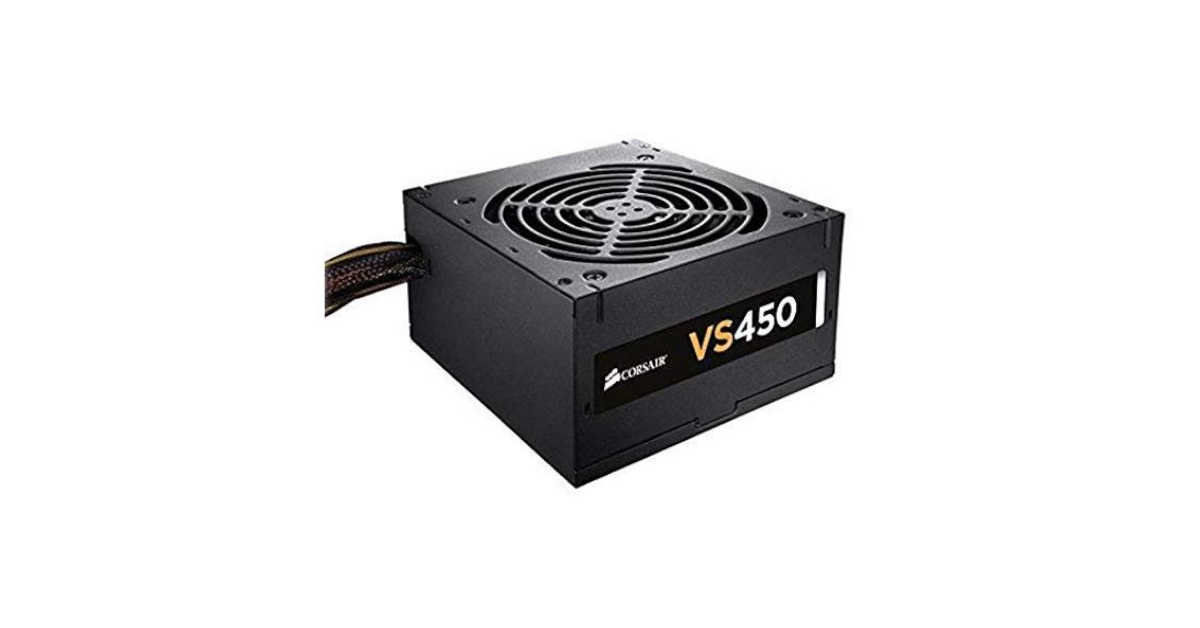 The power supply unit is the most essential part of the PC, it powers all the components and keeps them running. We recommend the Corsair VS450 450 to be your custom PC’s power supply. The VS450 delivers up to 450 Watts of continuous power as required by the system. It is well protected and will not harm the components of the system in place. The PSU has high-quality capacitors which provide performance that can be relied on. This is priced at around Rs 2600 (depending upon which market in India you are picking it up from).
Graphics Card
The power supply unit is the most essential part of the PC, it powers all the components and keeps them running. We recommend the Corsair VS450 450 to be your custom PC’s power supply. The VS450 delivers up to 450 Watts of continuous power as required by the system. It is well protected and will not harm the components of the system in place. The PSU has high-quality capacitors which provide performance that can be relied on. This is priced at around Rs 2600 (depending upon which market in India you are picking it up from).
Graphics Card
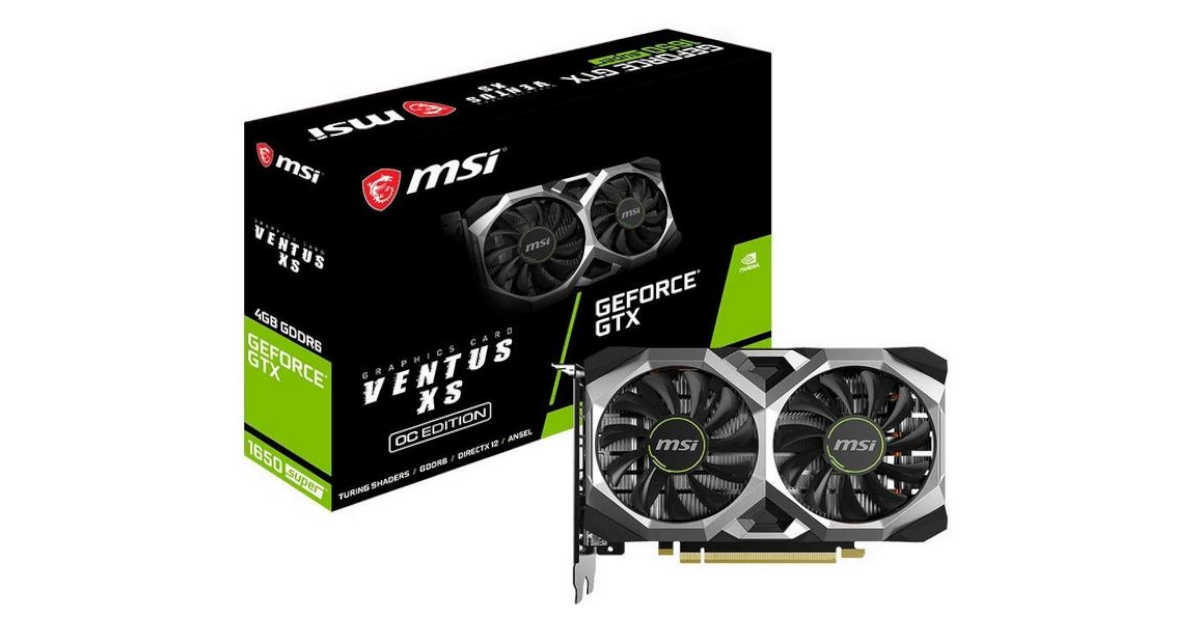 To play games with powerful visuals, the PC needs to have a good graphics card. We recommend the MSI GeForce GTX 1650 as the graphic card in your custom made PC. This graphic card has a 4GB RAM and offers a boosted clock speed of 1740-1860 MHz and a memory speed of 8 GBPS. This graphics set up comes with twin fan cooling technology and 2 Display ports and an HDMI port. The technology within the graphics card stops the fan from making unnecessary noise in low load situations. This graphic card is priced at around 13,000 (depending upon which market in India you are picking it up from).
Monitor
To play games with powerful visuals, the PC needs to have a good graphics card. We recommend the MSI GeForce GTX 1650 as the graphic card in your custom made PC. This graphic card has a 4GB RAM and offers a boosted clock speed of 1740-1860 MHz and a memory speed of 8 GBPS. This graphics set up comes with twin fan cooling technology and 2 Display ports and an HDMI port. The technology within the graphics card stops the fan from making unnecessary noise in low load situations. This graphic card is priced at around 13,000 (depending upon which market in India you are picking it up from).
Monitor
 The final component needed in your custom PC is the display. The display monitor will be the element that you can physically see working and use to play games on the PC. We recommend the ViewSonic VX2252MH 22-inch Full HD gaming monitor. This monitor has a built-in speaker and provides 22-inches of Full HD output. The monitor has a response time of 2ms and comes equipped for providing a great visual treat for gamers. This gaming monitor is available at Rs 7,500.
These were our recommendations for building your custom gaming rig under a budget and we really hope you go ahead and build the ultimate system to get the gaming experience you truly deserve. Remember the price might vary a bit in your city/town since we have picked up the components from Nehru Place, New Delhi. Also, now you are left with about Rs 5,000. So you might want to pick up a gaming keyboard and mouse of your choice in that amount.
For the latest gadget and tech news, and gadget reviews, follow us on Twitter, Facebook and Instagram. For newest tech & gadget videos subscribe to our YouTube Channel. You can also stay up to date with the Gadget Bridge Android App.
The final component needed in your custom PC is the display. The display monitor will be the element that you can physically see working and use to play games on the PC. We recommend the ViewSonic VX2252MH 22-inch Full HD gaming monitor. This monitor has a built-in speaker and provides 22-inches of Full HD output. The monitor has a response time of 2ms and comes equipped for providing a great visual treat for gamers. This gaming monitor is available at Rs 7,500.
These were our recommendations for building your custom gaming rig under a budget and we really hope you go ahead and build the ultimate system to get the gaming experience you truly deserve. Remember the price might vary a bit in your city/town since we have picked up the components from Nehru Place, New Delhi. Also, now you are left with about Rs 5,000. So you might want to pick up a gaming keyboard and mouse of your choice in that amount.
For the latest gadget and tech news, and gadget reviews, follow us on Twitter, Facebook and Instagram. For newest tech & gadget videos subscribe to our YouTube Channel. You can also stay up to date with the Gadget Bridge Android App. Portronics Harmonic Twins Mini earbuds launched in India at Rs 3,499
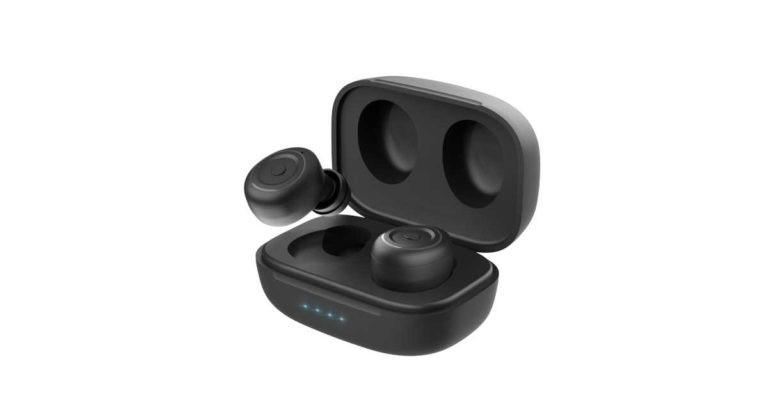
2020 could very well be the year for truly wireless earbuds. These are becoming mainstream and are getting cheaper and better by the day. Another one has been launched in India, this time by Portronics. Portronics launched their latest addition to their range of earbuds with the Harmonics Twins Mini on January 2 in New Delhi, India.
The Harmonics Twins Mini promise wireless connectivity through Bluetooth to devices like smartphones and tablets. The company claims that the users can enjoy true high definition sound with powerful bass because of the speaker drivers. The Twins Mini case has a 320mAh battery while the earphones have 40mAh batteries and support playback of upto 12 hours.
The case of the Twins mini is small and portable, and comes with an LED indicator to show the charging status of the Twins mini. The earbuds make it easier for users to shift between calls and music, as stated by the company. Portronics offers these earbuds in three different sizes to suit all customers and provides warranty for the time period of 1 year.
Before this in 2019, Portronics had launched their Wireless Portable Speaker the PICO. This device is a compact portable speaker with Bluetooth connectivity. This device let users enjoy music hands free through any of their devices. The speakers had a silicon body and came in three colour variants of red, grey and black. The device also had LED light indicators. These speakers are available at a price of Rs 999 and come with a warranty of 1 year.
The Portronics Harmonics Twins Mini is currently available in Black colour at a price of Rs 3,499 across online and offline stores nationwide.
For the latest gadget and tech news, and gadget reviews, follow us on Twitter, Facebook and Instagram. For newest tech & gadget videos subscribe to our YouTube Channel. You can also stay up to date using the Gadget Bridge Android App.
Realme 5 and Realme 5s start receiving new updates in India

Realme has sent out new updates to the software in the Realme 5 and Realme 5s for Indian users. This software update brings the latest Android security patch, i.e. the December security patch to these two smartphones.
The company, in a post, communicated with users and called this roll out the initial stage. Realme also said that the new update will be spread over days to reach all users and ensures that the update is bug-free. The OTA will be pushed out to some users and then tested to make sure it is free of bugs. If everything goes well and no bugs are found, the roll our will be sent soon to all users of these devices.
This update is called the RMX1911EX_11_A.23 and carries with it fixes to known bugs and improves the system stability of the devices along with December’s Android security patch.
The new update on the Realme 5 and 5s allows users to quickly switch between dark and light modes of the device through the notification center, the update also fixed the problem of the touch feature not responding and the auto-reboot issue some users were facing.
For the unknown, the Realme 5 features a 6.5-inch HD+ display with Corning Gorilla Glass 3+ for protection and is powered by the Qualcomm Snapdragon 665 processor with 3GB or 4GB RAM depending on the variant. The smartphone has ColorOS 6.0 based on Android 9 Pie. The device is available in three internal storage options of 32GB, 64GB and 128GB storage that can be expanded. The device has a 5,000 mAh battery. The device has a quad-camera setup with a 12-Megapixel, an 8-Megapixel and two 2-Megapixel cameras. The front camera is of 13-Megapixel.
The Realme 5s too has similar specifications to the Realme 5 but has only one variant of 4GB RAM and 128GB internal storage with expandable memory. This device too has a 5,000 mAh battery. The camera setup of the Realme 5s has a quad-camera setup with a 48-Megapixel primary sensor followed by 8-Megapixel and two 2-Megapixel camera sensors.
For the latest gadget and tech news, and gadget reviews, follow us on Twitter, Facebook and Instagram. For newest tech & gadget videos subscribe to our YouTube Channel. You can also stay up to date using the Gadget Bridge Android App.
Oppo to invest 2,200 crores into its Noida facility in India

Oppo will soon begin working on doubling their production capacity in India to 100 million units by the end of 2020. This comes as an effort from the company’s side to support the Make in India movement and help India on its way to becoming a global superpower exporting smart devices worldwide. The company’s devices are priced in a way where all kinds of customers can buy and use Oppo devices.
Sumit Walia, the VP-Product and Marketing of Oppo India made a statement that the company will continue investing strategically into talent, footprint, manufacturing, associations, research and development and after-sales to grow the company. He also said that the company’s focus is currently on growing the premium market with products for all categories of customers with new innovative products. Walia also said that Oppo is now the second-largest vendor in the mid-range phone segment of 300 to 500 USD or Rs 20000-Rs 30000 market segment.
Also, Oppo has increased their market share to 11.8% in Q3 of 2019 as compared to the 2.9 million of Q3 in 2018. Oppo has currently invested Rs 2,200 crores in the facility in Kasna, Greater Noida which produces more than 50 million smartphones every year. The company is currently working on doubling production and export levels of the company. Which means south-east Asia and European markets will get Oppo phones made in India.
Oppo’s fame grew because of their series of firsts in the smartphone market. This began with Oppo devices having the first in-built beautifying software and the first rotating camera. Oppo went on to introduce the rising camera in its Oppo F11 Pro. Their recent releases, the Reno, which became the first smartphone in the world to have a tri-lens rear camera setup offering users 10X Zoom, and periscopic telephoto lens of 48-Megapixel and 13-Megapixel and the Reno 2 series on the other hand offers 20X digital zoom in a quad-camera set up with the world’s first pop-up camera.
For the latest gadget and tech news, and gadget reviews, follow us on Twitter, Facebook and Instagram. For newest tech & gadget videos subscribe to our YouTube Channel. You can also stay up to date with the Gadget Bridge Android App.
Samsung’s new additions to the M series might be launched sooner than expected

Samsung might launch the new additions to the Galaxy M series in early 2020. Speculations suggest that one of the upcoming phones in this series will be the Samsung Galaxy M21, the successor of last year’s Galaxy M20. A report with leaked details of this phone and the other additions to the Galaxy M series has surfaced. This tale primarily suggests that the Galaxy M21 has SM-M215F as its model number is powered by either the Samsung Exynos 9610 or Exynos 9611 processor. The phone might come offering 64 or 128GB internal storage space to the users.
The Samsung M21 will most probably run Android 10 out of the box with Samsung’s One UI operating system over it. The phone may come with a triple or a quad-camera setup as it is the current trend in smartphones. Details about the presence of a fingerprint sensor and its placement are not clear yet. If it does come with one, the device may feature the fingerprint sensor on its rear like other phones. This rudimentary information can only help us estimate the features of the phone, with rumours getting confirmed only after the phone launches or arrives in the market. The report also suggests that the Galaxy M21 will be featured in three colours, black, blue and red.
Other phones that Samsung may launch soon belonging to the M series are the M11 and M31. The M11 and M31 will have variants in black and blue colours. There are rumours of two more colours to be available for the series. The M11 may be available in a purple colour while the M31 might have a green colour variant available. Price-wise, we believe that the M11 and M31 might be on either end of the M21, which is speculated to be a mid-range smartphone. The display portion of these devices may have a punch-hole or a V notch camera layout.
The other specifications and details of the prices of these phones are still being deliberated on by industry experts. However, if rumours come true, then these phones might make an appearance by early 2020.
For the latest gadget and tech news, and gadget reviews, follow us on Twitter, Facebook and Instagram. For newest tech & gadget videos subscribe to our YouTube Channel. You can also stay up to date with the Gadget Bridge Android App.
USA Army has banned TikTok and has told its soldiers not use the Chinese app

It is not a good start to the year for ByteDance as one of its premium apps ‘TikTok’ is under serious threat in the USA. The US government and the army heads have told the soldiers to not use the TikTok App. The popular 10-second video app has been banned on all government-owned smartphones.
The state officials have come forward and said that the app is a serious cyber-threat to the national security. US Army spokeswoman Lt. Col. Robin Ocha has gone on record and said that this app “is considered a cyber threat”. Many reports have surfaced after the statement that the US army has used the TikTok app prior to this to recruit soldiers into the USA army.
According to military.com, the Navy and defence departments have also issued the warning stating “be wary of applications you download, monitor your phones for unusual and unsolicited texts etc., and delete them immediately and uninstall TikTok to circumvent any exposure of personal information”. The defence department of USA has also sent out notices to the armed forces to be wary of any erratic behaviour in their smartphones and if TikTok has been installed in any Government-owned devices, then remove them with immediate effect.
Over that the departments have warned the staff to be cautious of any such apps that can pose a threat to the national security. All this is coming at a time when US-China trade relationships are already under a lot of stress. This might just further put a bad taste in the mouth. The committee on foreign investments has been keeping a close eye on TikTok and last year has put an investigation on the app. They wanted to know if the app collects and stores any user information and/or uses it to their benefit.
A statement came from TikTok in October 2019 that it does store the US user data in servers based in Singapore, which is not under Chinese jurisdiction. But it seems like that it still poses a threat to the US armed forces as data is being sent to an offshore server farm, which is not located in just USA.
For the latest gadget and tech news, and gadget reviews, follow us on Twitter, Facebook and Instagram. For newest tech & gadget videos subscribe to our YouTube Channel. You can also stay up to date using the Gadget Bridge Android App.
Oppo to launch F15 in India: The Chinese company confirmed

Oppo recently confirmed speculations about an addition to Oppo India’s F-series. The brand-new phone will be called the Oppo F15. The company released a render of the new device on twitter showing the sleek side profile of the soon to be launched smartphone. The phone is expected to have a great camera setup like other smartphones of Oppo. Not much has been revealed about the product by the company.
The F11 series were the last smartphones to be released by the brand in India. Speculations say that the Oppo F15 will have a water-drop notch with a 32-Megapixel sensor. The device most likely will have a quad-camera setup with a 48MP or 64MP primary sensor and could possibly run on Qualcomm’s Snapdragon 730 processor. The device is expected to come with 4GB or 6GB RAM.
From the teaser image, we know that the device will possibly have a sleek design and carry powerful cameras on both sides of the phone. The phone appears to have an elongated camera module which will house a vertical lens array on the back. Both the F11 and F11 Pro had dual cameras, so it is expected that the F15 will carry at least two or more cameras.
As a reminder, The Oppo F11 came with a 6.5-inch full HD+ LCD display and is powered by an Octa-core MediaTek Helio P70 processor. The phone has 4GB RAM and 128GB internal storage. The device comes with a battery of 4,020 mAh which supports VOOC flash charge. The phone has a dual rear camera setup with a 48MP primary sensor and a 5MP secondary sensor. The device also has a 16MP selfie camera.
Meanwhile, the Oppo F11 Pro has a 6.53-inch Full HD+ LCD display, the phone runs Android 9 with ColorOS 6, and is powered by an octa-core MediaTek Helio processor with 6GB RAM. This phone comes with a 4,000 mAh battery with support for 4,000 mAh VOOC flash charge. The F11 Pro came with dual rear cameras of 48MP and 5MP with a 16MP selfie camera.
The Oppo F15 will be the successor to the Oppo F11 and Oppo F11 Pro which were launched in March 2019. The phone is expected to be launched early 2020 around the same price point.
For the latest gadget and tech news, and gadget reviews, follow us on Twitter, Facebook and Instagram. For newest tech & gadget videos subscribe to our YouTube Channel. You can also stay up to date using the Gadget Bridge Android App.
Samsung might release a clamshell designed foldable phone in February 2020
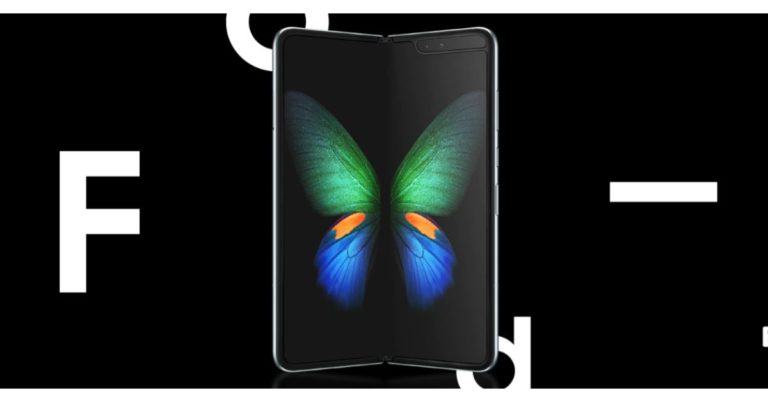
The Samsung Galaxy Fold might have a new successor soon if rumours are to be believed. The upcoming device will be a new clamshell designed foldable smartphone. The upcoming smartphone is scheduled to launch in February 2020, which means its release will precede the release of the Galaxy S11 series.
Speculations have led us to believe that the company will shed more light on the device and its specifications at the Unpacked event they are hosting in the United States with the Samsung Galaxy S11 series. Reports suggest that the company is now engaged in discussions within South Korea to launch the next generation of foldable smartphones by February 2020.
The device will most probably have a 6.7-inch display folding into a square when folded and be priced much cheaper than the Galaxy Fold. The company might share more details in the coming weeks. The pricing of this phone is expected to be in the range of around 1,000 USD or roughly Rs 71,300.
The Galaxy Fold, on the other hand, has two displays and a 7.3-inch AMOLED display while the front display is of 4.6-inch supporting HD+ Super AMOLED display. The device offers 12GB RAM and 512GB inbuilt storage. The device is powered by a 64bit octa-core processor and runs on Android 9 Pie with One UI on top. The device comes with 6 cameras on it, with a 10MP selfie camera and a dual camera set of 10MP and 8MP on the front display. The triple rear camera has a 16MP and two 12MP cameras giving 10X digital zoom and powering HDR+ recording. The phone houses dual batteries with a capacity of 4,380 mAh. Samsung has launched the foldable smartphone in India at a price of Rs 1,64,999.
Samsung may be rushing to launch a new phone because of the competition, like Huawei who have two upcoming foldable smartphones scheduled or the Motorola Razr. It is believed that other manufacturers too are designing and developing devices to enter the foldable smartphone market soon.
For the latest gadget and tech news, and gadget reviews, follow us on Twitter, Facebook and Instagram. For newest tech & gadget videos subscribe to our YouTube Channel. You can also stay up to date using the Gadget Bridge Android App.
Here is what Realme’s new fast charging technology will be called

Realme has seen a lot of growth in the smartphone market. Recently, rumours suggested that Realme is working on its own software to replace Oppo’s ColorOS 7 in their smartphones. Rumours also suggest that they are working on their own super-fast charging technology as well. The company recently applied to trademark the words Dart and SuperDart, we believe these to be the names of their replacement to the VOOC fast charging technology currently in use in Realme’s devices. This move puts Realme in the same bracket as OnePlus who use Oppo’s VOOC charging technology in their devices, calling the technology as Warp or Dash charge.
Prominent tipsters on Twitter shared screenshots of Realme’s application to trademark these names, let us believe that Dart and SuperDart will be the names of Realme’s future technology. We do not have all the details about this and are waiting for the company’s official announcement. Current Realme devices in the market like the Realme X2 Pro come with support for Oppo’s VOOC fast charging 50W technology, which enables the phone to be fully charged in less than 35 minutes.
The soon to be released Realme X50 5G is expected to support enhanced VOOC 4.0 Flash charge technology. This technology, the company claims, can charge a device to 70 percent in under 30 minutes meaning a full charge is now possible in less than an hour. It is not yet certain if Realme will license existing VOOC technology like OnePlus or if they will introduce a new charging technology in itself.
Recent leaks about the Realme X50 5G revealed that the device will sport the latest Qualcomm Snapdragon 765 processor, with an octa-core CPU. The device is likely to have 8GB RAM and 256GB storage available to users. The screen will be of 6.67-inches and the phone will have a 3D curved design. The device is said to have a quad-camera set up with the primary sensor being of 64MP, the secondary sensor as a 13MP telephoto lens, with an 8MP wide-angle lens as the third and a 2MP macro lens as its fourth camera in the setup. The front display of the phone will house two cameras with the primary one being of 32MP with the secondary camera having 8MP sensor. The Realme X50 is expected to come with a 4,500mAh battery with support for 30W fast charging.
For the latest gadget and tech news, and gadget reviews, follow us on Twitter, Facebook and Instagram. For newest tech & gadget videos subscribe to our YouTube Channel. You can also stay up to date with the Gadget Bridge Android App.