- Now, it’s possible to move music from one room to another
- Now, experience stereo sound
- Now, get new music recommendations


In This Article


 The news is rife, the company has shared a teaser video that gives us a glimpse of the device’s design confirming a flip camera mechanism similar to its predecessor. Though the only front of Asus Zenfone 7 can be seen in the video with slim bezels and no notch can be seen on the screen. The six-second video has been posted on the Asus Deutschland account via Twitter that says “Flip Deine Welt” In German that translates to “Flip your world” in English.
According to a report the Asus ZenFone 7 series has now appeared on Geekbench suggesting a Qualcomm Snapdragon 865+ SoC. The American chipset maker themselves confirmed that Qualcomm Snapdragon 865 has been used on Zenfone 7. Then the device with model number I002D could be ZenFone 7 Pro.
In addition to this, the listing has also revealed that the smartphone will run on Android 10 and might be available with 8GB of RAM. While the previous Geekbench listing suggested 16GB of RAM.
According to NCC certification listing the Zenfone 7 is tipped to come with a 6.7-inch display. It will be offering up to 512GB of storage option with a battery capacity of 4,115mAh supported by 30W fast charging tech. For connectivity, it will include Wi-Fi 6, Bluetooth v5, and NFC.
For the latest gadget and tech news, and gadget reviews, follow us on Twitter, Facebook and Instagram. For newest tech & gadget videos subscribe to our YouTube Channel. You can also stay up to date using the Gadget Bridge Android App.
The news is rife, the company has shared a teaser video that gives us a glimpse of the device’s design confirming a flip camera mechanism similar to its predecessor. Though the only front of Asus Zenfone 7 can be seen in the video with slim bezels and no notch can be seen on the screen. The six-second video has been posted on the Asus Deutschland account via Twitter that says “Flip Deine Welt” In German that translates to “Flip your world” in English.
According to a report the Asus ZenFone 7 series has now appeared on Geekbench suggesting a Qualcomm Snapdragon 865+ SoC. The American chipset maker themselves confirmed that Qualcomm Snapdragon 865 has been used on Zenfone 7. Then the device with model number I002D could be ZenFone 7 Pro.
In addition to this, the listing has also revealed that the smartphone will run on Android 10 and might be available with 8GB of RAM. While the previous Geekbench listing suggested 16GB of RAM.
According to NCC certification listing the Zenfone 7 is tipped to come with a 6.7-inch display. It will be offering up to 512GB of storage option with a battery capacity of 4,115mAh supported by 30W fast charging tech. For connectivity, it will include Wi-Fi 6, Bluetooth v5, and NFC.
For the latest gadget and tech news, and gadget reviews, follow us on Twitter, Facebook and Instagram. For newest tech & gadget videos subscribe to our YouTube Channel. You can also stay up to date using the Gadget Bridge Android App. 

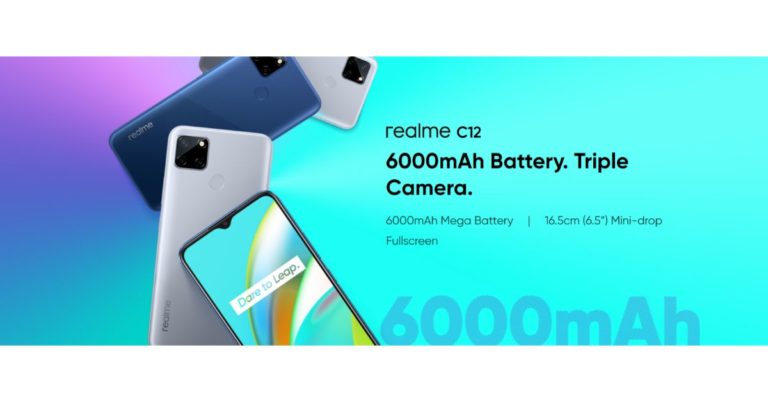
 For optics, there is a triple rear camera setup that includes a 13-megapixel main sensor with phase-detection autofocus (PDAF) and f/2.2 aperture. In addition to this, there is a 2-megapixel monochrome sensor with an f/2.4 aperture and a 2-megapixel macro lens with f/2.4 aperture. On the front, there is a 5-megapixel facing camera with f/2.4 supported by features such as AI Beauty, HDR, Panorama, and Timelapse.
In terms of connectivity, there is 4G VoLTE, Wi-Fi, Bluetooth v5.0, GPS/ A-GPS, and a Micro-USB port on the device. The onboard sensors include an accelerometer, ambient light, magnetometer, and a proximity sensor with a rear-mounted fingerprint sensor. The smartphone is backed by a 6,000mAh battery supported by reverse charging.
Realme C15 specifications
Realme C15 runs on Realme UI based on Android 10. It comes with a 6.5-inch HD+ display with 720×1,600 pixels of resolution, a 20:9 aspect ratio and an 88.7 percent screen-to-body ratio. The phone is powered by an octa-core MediaTek Helio G35 SoC with up to 4GB LPDDR4x RAM and up to 64GB of expandable storage.
There is a quad rear camera set up on the Realme C15 that includes a 13-megapixel primary sensor with an f/2.2 aperture. Along with an 8-megapixel ultra-wide-angle lens with 119 degrees of field of view and f/2.25 aperture. Further assisted by a 2-megapixel monochrome sensor with an f/2.4 aperture and a 2-megapixel retro lens with f/2.4 aperture. Upfront there is an 8-megapixel selfie camera.
For optics, there is a triple rear camera setup that includes a 13-megapixel main sensor with phase-detection autofocus (PDAF) and f/2.2 aperture. In addition to this, there is a 2-megapixel monochrome sensor with an f/2.4 aperture and a 2-megapixel macro lens with f/2.4 aperture. On the front, there is a 5-megapixel facing camera with f/2.4 supported by features such as AI Beauty, HDR, Panorama, and Timelapse.
In terms of connectivity, there is 4G VoLTE, Wi-Fi, Bluetooth v5.0, GPS/ A-GPS, and a Micro-USB port on the device. The onboard sensors include an accelerometer, ambient light, magnetometer, and a proximity sensor with a rear-mounted fingerprint sensor. The smartphone is backed by a 6,000mAh battery supported by reverse charging.
Realme C15 specifications
Realme C15 runs on Realme UI based on Android 10. It comes with a 6.5-inch HD+ display with 720×1,600 pixels of resolution, a 20:9 aspect ratio and an 88.7 percent screen-to-body ratio. The phone is powered by an octa-core MediaTek Helio G35 SoC with up to 4GB LPDDR4x RAM and up to 64GB of expandable storage.
There is a quad rear camera set up on the Realme C15 that includes a 13-megapixel primary sensor with an f/2.2 aperture. Along with an 8-megapixel ultra-wide-angle lens with 119 degrees of field of view and f/2.25 aperture. Further assisted by a 2-megapixel monochrome sensor with an f/2.4 aperture and a 2-megapixel retro lens with f/2.4 aperture. Upfront there is an 8-megapixel selfie camera.
 For connectivity, there is 4G VoLTE, Wi-Fi, Bluetooth v5.0, GPS/ A-GPS, and a Micro-USB port. At the same time, the sensors on the phone include an accelerometer, ambient light sensor, magnetometer, a proximity sensor and a rear-mounted fingerprint sensor. The device boasts a massive 6,000mAh battery with 18W fast charging support.
Realme C12, Realme C15 price and availability
Realme C12 price in India has been set at Rs 8,999 for the base 3GB RAM with 32GB storage. In contrast, Realme C15 comes with a 2GB RAM with 32GB storage priced at 9,999 along with 4GB RAM with 64GB storage at Rs 10,999. Both the devices are offered in Power Blue and Power Silver colour options. C12 will be available on sale starting August 24 while C15 on August 27. The sale will begin at 12 noon onwards via Flipkart and Realme.com.
For the latest gadget and tech news, and gadget reviews, follow us on Twitter, Facebook and Instagram. For newest tech & gadget videos subscribe to our YouTube Channel. You can also stay up to date using the Gadget Bridge Android App.
For connectivity, there is 4G VoLTE, Wi-Fi, Bluetooth v5.0, GPS/ A-GPS, and a Micro-USB port. At the same time, the sensors on the phone include an accelerometer, ambient light sensor, magnetometer, a proximity sensor and a rear-mounted fingerprint sensor. The device boasts a massive 6,000mAh battery with 18W fast charging support.
Realme C12, Realme C15 price and availability
Realme C12 price in India has been set at Rs 8,999 for the base 3GB RAM with 32GB storage. In contrast, Realme C15 comes with a 2GB RAM with 32GB storage priced at 9,999 along with 4GB RAM with 64GB storage at Rs 10,999. Both the devices are offered in Power Blue and Power Silver colour options. C12 will be available on sale starting August 24 while C15 on August 27. The sale will begin at 12 noon onwards via Flipkart and Realme.com.
For the latest gadget and tech news, and gadget reviews, follow us on Twitter, Facebook and Instagram. For newest tech & gadget videos subscribe to our YouTube Channel. You can also stay up to date using the Gadget Bridge Android App. 


In This Article
 There is now a premium touch given to it that does not look more plasticky. However, the company has not provided any protected layer (in the form of screen guard) to protect the phone against scratches, which again is odd in this price segment. Moving on, not using a whole glass body makes the phone less bulky. The box comes with a phone back cover too, but one does not need it as it already has a plastic back and is good enough. But it does catch fingerprints easily so to avoid that you can use the case on the phone.
 There’s no notch on the front, so you get a clean full display with slim bezels on the sides with a noticeable chin. The Volume rocker placed on the right side of the phone. While the audio jack, a USB Type-C port and a speaker are positioned at the bottom.
As said, you get a full display experience on this phone as there is no hindrance in the form of a notch. Motorola One Fusion+ comes with a 6.5-inch full-HD+ display supporting 1,080×2,340 pixels of resolution, 19.5:9 aspect ratio and 395ppi pixel density. It has an Always-On Display that will display notifications on screen as and when they come. Streaming videos on it is such a treat to your eyes as the display is sharp while the colours are vibrant. So you get an impressive nice-looking and a slim LCD panel with a standard refresh rate of 60Hz and support for DCI-P3 colours.
There’s no notch on the front, so you get a clean full display with slim bezels on the sides with a noticeable chin. The Volume rocker placed on the right side of the phone. While the audio jack, a USB Type-C port and a speaker are positioned at the bottom.
As said, you get a full display experience on this phone as there is no hindrance in the form of a notch. Motorola One Fusion+ comes with a 6.5-inch full-HD+ display supporting 1,080×2,340 pixels of resolution, 19.5:9 aspect ratio and 395ppi pixel density. It has an Always-On Display that will display notifications on screen as and when they come. Streaming videos on it is such a treat to your eyes as the display is sharp while the colours are vibrant. So you get an impressive nice-looking and a slim LCD panel with a standard refresh rate of 60Hz and support for DCI-P3 colours.
 On the gaming front, Motorola One Fusion+ also did well. We ran Call of Duty Mobile and PUBG Mobile with ease. Though there is a single speaker on the phone, there is an amazing sound experience that we missed in some of the smartphones in the segment. It is loud and very clear.
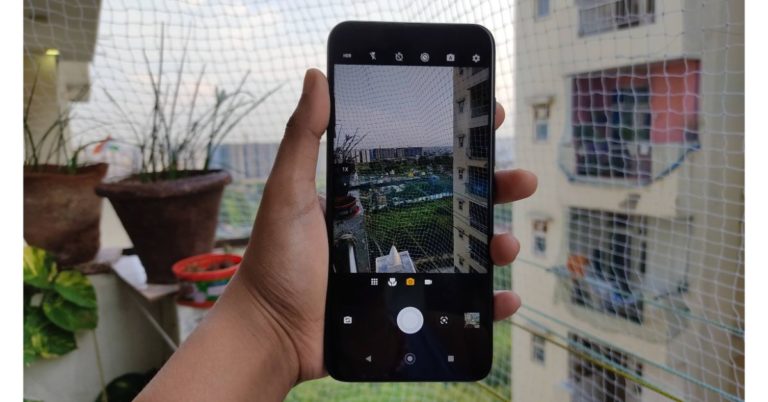
Next, we tested the performance of the camera, Motorola One Fusion+ has a 1+3 camera setup. There is a 64-megapixel primary sensor with an f/1.8 aperture. Further assisted by, a secondary 8-megapixel ultra-wide angle lens with f/2.2 aperture, a 5-megapixel macro sensor with f/2.4 aperture and a 2-megapixel depth sensor with f/2.4 aperture. While on the front there is a 16-megapixel pop-up selfie camera with f/2.2 aperture.
On the gaming front, Motorola One Fusion+ also did well. We ran Call of Duty Mobile and PUBG Mobile with ease. Though there is a single speaker on the phone, there is an amazing sound experience that we missed in some of the smartphones in the segment. It is loud and very clear.
Next, we tested the performance of the camera, Motorola One Fusion+ has a 1+3 camera setup. There is a 64-megapixel primary sensor with an f/1.8 aperture. Further assisted by, a secondary 8-megapixel ultra-wide angle lens with f/2.2 aperture, a 5-megapixel macro sensor with f/2.4 aperture and a 2-megapixel depth sensor with f/2.4 aperture. While on the front there is a 16-megapixel pop-up selfie camera with f/2.2 aperture.
 Personally speaking, Motorola devices offer the best camera performance in any price segment. Motorola One Fusion+ has various camera modes to capture the most beautiful shots. The device performed its best even in darkness; surprisingly, the pictures turned out to be soft and less noisy. It comes with a dedicated Night Vision feature which enhanced the pictures more. While the HDR Mode delivered pulsating images.
 Shooting the images from the wide-angle camera also delivered good shots. Some of the images seemed to be less sharp when compared to the primary camera, but that is the case with most smartphones these days. On the other hand, the macro images on the phone captured were always impressive and sharp. We must add, the macro images produced were well detailed and came out with natural colours close to life. The portrait shots were impressive too, the edge detection on it is also on point, and you can also set the level of blur before you take one.

 The Motorola One Fusion+ comes with a pop-up selfie camera that pops up when you switch from rear to front. The images captured here were perfect and had the right amount of details with perfect edge detection. And, the night mode comes to the rescue in low light situations. Overall the camera setup did impress us.
After all the testing, the device’s battery lasted for more than a day when used excessively. This included watching videos, movies, capturing images, gaming and browsing Facebook and checking our Instagram feed. If you are a moderate user, then it would last for 1.5 days, while for light users it can last for more than that on the Motorola One Fusion+.
The Motorola One Fusion+ comes with a pop-up selfie camera that pops up when you switch from rear to front. The images captured here were perfect and had the right amount of details with perfect edge detection. And, the night mode comes to the rescue in low light situations. Overall the camera setup did impress us.
After all the testing, the device’s battery lasted for more than a day when used excessively. This included watching videos, movies, capturing images, gaming and browsing Facebook and checking our Instagram feed. If you are a moderate user, then it would last for 1.5 days, while for light users it can last for more than that on the Motorola One Fusion+.
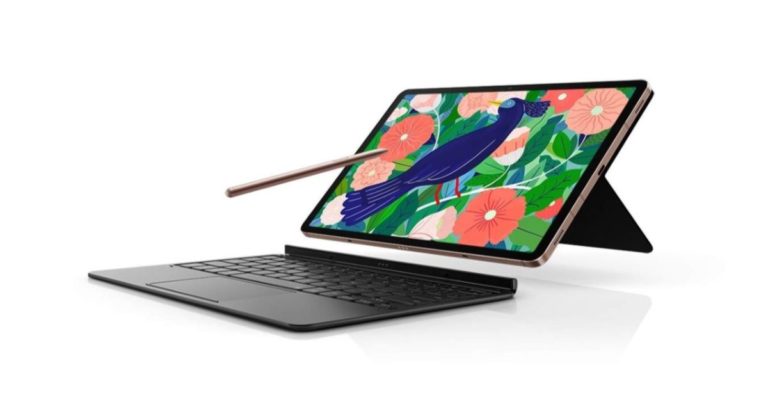
 Galaxy Tab S7 comes at EUR 699 (approximately Rs 62,000) for the 6GB RAM with 128GB storage whereas the 8GB RAM with 256GB storage at EUR 779 (approximately Rs 69,100). On the other hand, the 4G model of the Tab S7 comes with a price tag of 6GB RAM with 128GB storage at EUR 799 (approximately Rs 70,900) and the 8GB RAM with 256GB storage option comes at EUR 879 (approximately Rs 78,000). The device will be offered in three colour options Mystic Black, Mystic Bronze and Mystic Silver.
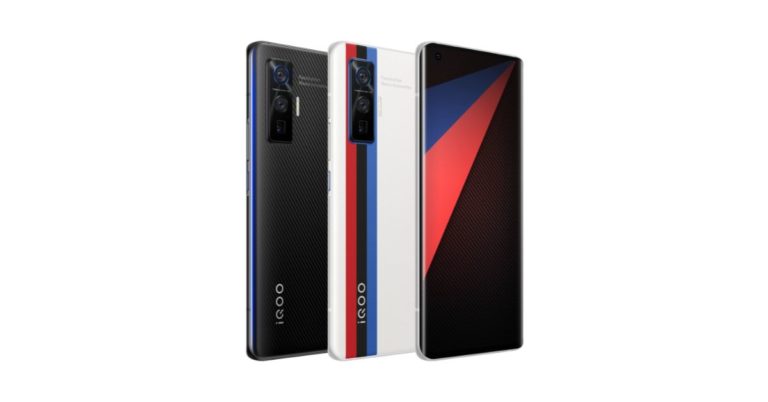
 iQoo 5 Pro specifications
The iQOO 5 Pro is very much identical to its sibling. The display is similar to a 120Hz refresh rate panel though there is the same chipset which is coupled with up to 12GB of RAM and 256GB of storage. The phone also equips a triple rear camera set up but the difference is it has an 8-megapixel periscopic lens having f/3.4 aperture instead of a 13-megapixel third sensor that comes on iQoo 5. The camera set up supports OIS, 60x digital zoom, and 5x optical zoom. While on the front there is a 16-megapixel selfie camera with f/2.4 aperture.
Also, the device boasts a battery with a reduced capacity of 4,000mAh offering 120W fast charging support. The connectivity options on the phone include USB Type-C, 5G, Wi-Fi 6, Bluetooth v5.1, NFC, GPS along others. It also has an in-display fingerprint sensor for authentication along with dual stereo speakers.
For the latest gadget and tech news, and gadget reviews, follow us on Twitter, Facebook and Instagram. For newest tech & gadget videos subscribe to our YouTube Channel. You can also stay up to date using the Gadget Bridge Android App.
iQoo 5 Pro specifications
The iQOO 5 Pro is very much identical to its sibling. The display is similar to a 120Hz refresh rate panel though there is the same chipset which is coupled with up to 12GB of RAM and 256GB of storage. The phone also equips a triple rear camera set up but the difference is it has an 8-megapixel periscopic lens having f/3.4 aperture instead of a 13-megapixel third sensor that comes on iQoo 5. The camera set up supports OIS, 60x digital zoom, and 5x optical zoom. While on the front there is a 16-megapixel selfie camera with f/2.4 aperture.
Also, the device boasts a battery with a reduced capacity of 4,000mAh offering 120W fast charging support. The connectivity options on the phone include USB Type-C, 5G, Wi-Fi 6, Bluetooth v5.1, NFC, GPS along others. It also has an in-display fingerprint sensor for authentication along with dual stereo speakers.
For the latest gadget and tech news, and gadget reviews, follow us on Twitter, Facebook and Instagram. For newest tech & gadget videos subscribe to our YouTube Channel. You can also stay up to date using the Gadget Bridge Android App. 

In This Article
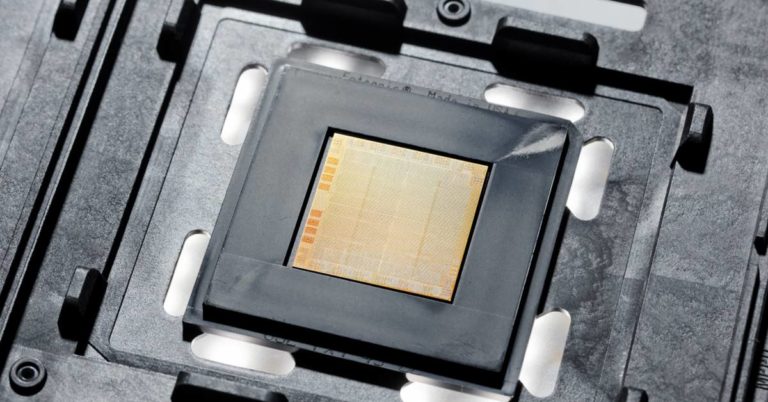



 Whereas the Willow Cove is Intel’s upcoming CPU microarchitecture which is based on the latest process advancements, 10nm SuperFin technology and the foundation of the Sunny Cove architecture. Intel’s next-generation CPU microarchitecture is capable of providing a generational increase in CPU performance with large frequency improvements and increased power efficiency with redesigned caching architecture to a larger non-inclusive 1.25MB MLC and security enhancements with Intel Control-Flow Enforcement Technology.
According to the company, Tiger Lake SoC architecture will be offering the new Willow Cove CPU core with significant frequency uplift leveraging 10nm SuperFin technology advancements. The latest Xe graphics with up to 96 execution units (EUs) with significant performance-per-watt efficiency improvements. For power management, the – autonomous dynamic voltage frequency scaling in coherent fabric, increased fully integrated voltage regulator efficiency.
Fabrics and memory – 2x increase in coherent fabric bandwidth, ~86GB/s memory bandwidth, validated LP4x-4267, DDR4-3200; LP5-5400 architecture capability and Gaussian Network Accelerator (GNA) 2.0 dedicated IP for low-power neural inferencing offloading from the CPU. ~20% lower CPU utilisation on GNA vs CPU (running noise suppression workload). Along with the integration of TB4/USB4, integrated PCIe Gen 4 on CPU for low-latency, high-bandwidth device access to memory with a display of up to 64GB/s of isochronous bandwidth to memory for multiple high-resolution displays. In addition to six sensors with 4K30 video, 27MP image, up to 4K90 and 42MP image architectural capability.
Although the company is refining its hybrid architecture with Alder Lake, the company’s next-generation client product together with two upcoming architectures: Golden Cove and Gracemont, optimised to offer great performance per watt.
During the Architecture 2020 event, the company has also detailed the Xe-LP (low power) microarchitecture. The company’s in-house GPU will come with up to 96 EUs and new architecture designs. These include asynchronous compute, view instancing, sampler feedback, updated media engine with AV1 and updated display engine to enable new end-user features with instant game tuning, capture, and stream-and-image sharpening. On software optimisation, Xe-LP will have driver improvements with a fresh DX11 path and optimized compiler.
Intel touts that its first Xe-HP chip is multi-tiled, highly scalable, high-performance architecture, providing data centre-class, rack-level media performance, GPU scalability and AI optimization.
The company is now sampling Xe-HP with key customers and plans to enable it in Intel DevCloud for developers. Xe-HP will be available next year. The company has also introduced a Xe microarchitecture variant. Over that the Xe-HPG and a gaming-optimized microarchitecture are also on the cards. These bring good performance-per-watt building blocks from Xe-LP, leveraging the scale from Xe-HP for a more significant configuration and compute frequency optimisation from Xe-HPC. A new memory subsystem based on GDDR6 is added to improve performance per dollar and XeHPG will have accelerated ray tracing support. Xe-HPG is expected to start shipping in 2021.
Whereas the Willow Cove is Intel’s upcoming CPU microarchitecture which is based on the latest process advancements, 10nm SuperFin technology and the foundation of the Sunny Cove architecture. Intel’s next-generation CPU microarchitecture is capable of providing a generational increase in CPU performance with large frequency improvements and increased power efficiency with redesigned caching architecture to a larger non-inclusive 1.25MB MLC and security enhancements with Intel Control-Flow Enforcement Technology.
According to the company, Tiger Lake SoC architecture will be offering the new Willow Cove CPU core with significant frequency uplift leveraging 10nm SuperFin technology advancements. The latest Xe graphics with up to 96 execution units (EUs) with significant performance-per-watt efficiency improvements. For power management, the – autonomous dynamic voltage frequency scaling in coherent fabric, increased fully integrated voltage regulator efficiency.
Fabrics and memory – 2x increase in coherent fabric bandwidth, ~86GB/s memory bandwidth, validated LP4x-4267, DDR4-3200; LP5-5400 architecture capability and Gaussian Network Accelerator (GNA) 2.0 dedicated IP for low-power neural inferencing offloading from the CPU. ~20% lower CPU utilisation on GNA vs CPU (running noise suppression workload). Along with the integration of TB4/USB4, integrated PCIe Gen 4 on CPU for low-latency, high-bandwidth device access to memory with a display of up to 64GB/s of isochronous bandwidth to memory for multiple high-resolution displays. In addition to six sensors with 4K30 video, 27MP image, up to 4K90 and 42MP image architectural capability.
Although the company is refining its hybrid architecture with Alder Lake, the company’s next-generation client product together with two upcoming architectures: Golden Cove and Gracemont, optimised to offer great performance per watt.
During the Architecture 2020 event, the company has also detailed the Xe-LP (low power) microarchitecture. The company’s in-house GPU will come with up to 96 EUs and new architecture designs. These include asynchronous compute, view instancing, sampler feedback, updated media engine with AV1 and updated display engine to enable new end-user features with instant game tuning, capture, and stream-and-image sharpening. On software optimisation, Xe-LP will have driver improvements with a fresh DX11 path and optimized compiler.
Intel touts that its first Xe-HP chip is multi-tiled, highly scalable, high-performance architecture, providing data centre-class, rack-level media performance, GPU scalability and AI optimization.
The company is now sampling Xe-HP with key customers and plans to enable it in Intel DevCloud for developers. Xe-HP will be available next year. The company has also introduced a Xe microarchitecture variant. Over that the Xe-HPG and a gaming-optimized microarchitecture are also on the cards. These bring good performance-per-watt building blocks from Xe-LP, leveraging the scale from Xe-HP for a more significant configuration and compute frequency optimisation from Xe-HPC. A new memory subsystem based on GDDR6 is added to improve performance per dollar and XeHPG will have accelerated ray tracing support. Xe-HPG is expected to start shipping in 2021.
 For the data centres, the next-gen Xeon Scalable processor based on Ice Lake SP architecture is expected to be ship later this year bringing a set of technologies. This includes total memory encryption, PCIe Gen 4 and eight memory channels with instruction-set architecture to speed up crypto processing. While the Sapphire Rapids is Intel’s next-generation Xeon Scalable processor based on enhanced SuperFin technology will include DDR5, PCIe Gen 5 and Compute Express Link 1.1. Sapphire Rapids will be the CPU used in the Aurora Exascale supercomputer system at Argonne National Lab. Sapphire Rapids is expected to start initial production shipments in the second half of 2021.
For the latest gadget and tech news, and gadget reviews, follow us on Twitter, Facebook and Instagram. For newest tech & gadget videos subscribe to our YouTube Channel. You can also stay up to date using the Gadget Bridge Android App.
For the data centres, the next-gen Xeon Scalable processor based on Ice Lake SP architecture is expected to be ship later this year bringing a set of technologies. This includes total memory encryption, PCIe Gen 4 and eight memory channels with instruction-set architecture to speed up crypto processing. While the Sapphire Rapids is Intel’s next-generation Xeon Scalable processor based on enhanced SuperFin technology will include DDR5, PCIe Gen 5 and Compute Express Link 1.1. Sapphire Rapids will be the CPU used in the Aurora Exascale supercomputer system at Argonne National Lab. Sapphire Rapids is expected to start initial production shipments in the second half of 2021.
For the latest gadget and tech news, and gadget reviews, follow us on Twitter, Facebook and Instagram. For newest tech & gadget videos subscribe to our YouTube Channel. You can also stay up to date using the Gadget Bridge Android App.