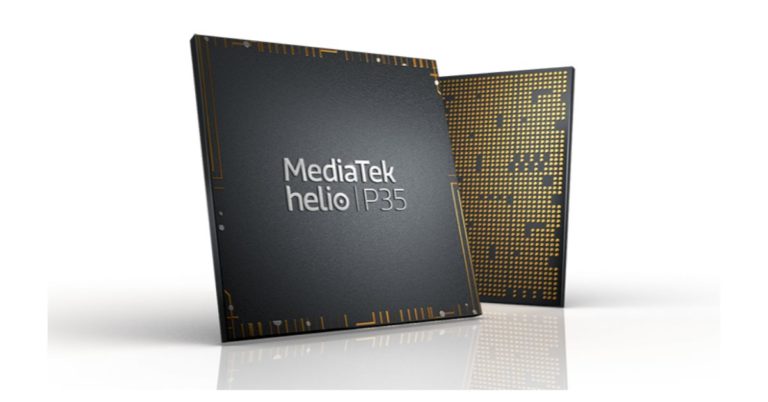
Chipmaker MediaTek has today announced its Helio P35 chipset, which is aimed at affordable smartphones in India. The processor will be able to support smartphones with advanced dual-camera features, light enhancements and rich connectivity.
In addition to this, it will enable original equipment manufacturers to provide consumers with features like light AI enhancements including face ID and single-cam/dual-cam bokeh at an affordable price. We should mention that Oppo‘s A5s smartphone comes with MediaTek’s Helio P35 SoC.
The company has said that Helio P35 is built on the advanced TSMC 12nm FinFET production process that provides the performance that is needed to support enhanced camera features, AI capabilities and at the same time, it is claimed to prolong the battery life of the device.
With support for Helio P35’s, devices will come for support for Full HD+ resolution displays with 20:9 aspect ratio. So, with MediaTek Helio P35 SoC, smartphone makers will be able to provide all-screen handsets.
MediaTek Helio P35 processor has support for dual rear cameras of up to 13MP+13MP that come with professional-grade depth of field (bokeh) effects. Other than this, with the chipset, a smartphone can hold up to 25MP single camera with simulated bokeh effects.
The company also claims that with its Electronic Image Stabilization (EIS) technology and a rolling shutter compensation (RSC) model, the Helio P35 chipset is designed to mitigate warped video when capturing fast action content or panning.
MediaTek has also said that P35 SoC also supports low-light performance, multi-frame noise reduction and clear image zoom technology. The Imagiq capture suite of Helio P35 comes with enhancements that automatically minimize aliasing and grain so that photos turn out to be more crisp. In addition to this, it will also provide correction techniques for defects and distortion.
The company has also said that the P35 chipset has 3A hardware engine that comes with MediaTek’s instant auto exposure (AE) technology and is powered by a hardware camera control unit (CCU). This enables the smartphones to automatically adjust the exposure when lighting conditions change suddenly, according to the company.
Speaking about the chipset, Anku Jain, Managing Director of MediaTek India, said, “Consumers in India want smartphones that capture great photos, take advantage of the latest AI capabilities and deliver robust connectivity, without breaking the bank. The powerful and power-efficient Helio P35 continues MediaTek’s mission to make great technology accessible, enabling device makers to bring to market ‘New Premium’ devices that reshape expectations of what an affordable smartphone can deliver.”
As we mentioned earlier, MediaTek Helio P35 comes with AI enhancements like Face ID and it also has support for smart photo album and single-cam/dual-cam bokeh. The processor is integrated with a powerful octa-core Arm Cortex-A53 CPU that operates at up to 2.3GHz and an IMG PowerVR GE8320 GPU that runs up to 680MHz and a flexible LPDDR3/LPDDR4x memory controller.
With MediaTek’s NeuroPilot support, the company claims that the devices will be able to leverage a robust ecosystem. This would also have support for many common AI frameworks. The company has also added 4G LTE WorldMode modem to the chipset that provides smartphones with dual 4G SIM support. Users will be able to add VoLTE/ViLTE on both the connections. The chipset comes with MediaTek’s TAS 2.0 smart antenna technology to provide optimal signal quality at the lowest power usage.
The chipset also has a dedicated sub-processor in the GNSS engine (including GPS, Glonass, Beidou, Galileo) and it provides a 57% improvement in hot TTFF, a 10% improvement in accuracy and up to 24% lower power operation compared to the previous generation SoC. The chip has support for Bluetooth 5 for 2X speeds, 4X range and 8X broadcast capacity over the previous generation, along with Bluetooth and Wi-Fi 5 (802.11ac).
With the launch of Samsung A2 Core, it is confirmed that the South Korean technology giant is taking over the entry-level smartphone market after being absent from it for a long time. The Samsung A2 Core is the successor of the Samsung J2 Core that was launched back in 2018. The Galaxy A2 Core comes with a good set specifications considering its price of Rs 5,290.
For its price, it offers a qHD display (960 x 540 pixels) and is powered by Samsung’s Exynos 7870 SoC. Some of the similar devices come with a similar price tag but they feature Android 8 Oreo (Go Edition). However, Galaxy A2 Core from Samsung comes with Android 9 Pie (Go Edition). Also, it comes with 1GB RAM and 16GB of internal storage compared to its closest rival, the Xiaomi Redmi Go which has 1GB of RAM and 8GB of storage.
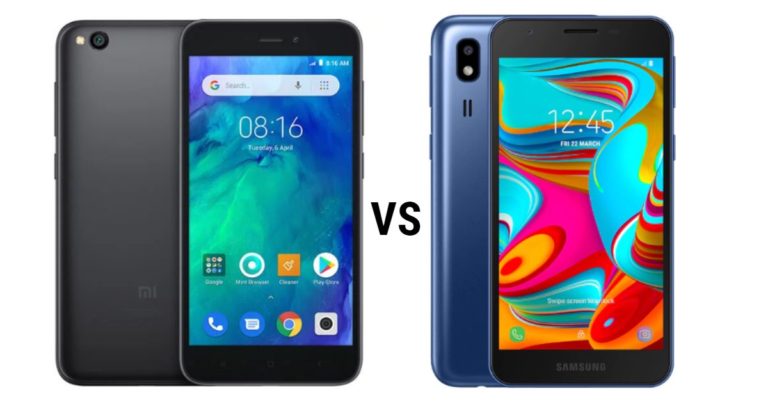
For the price it is being offered, the Samsung Galaxy A2 Core has only one worthy competitor, the Xiaomi Redmi Go. And seeing the rivalry between the South Korean technology giant and the Chinese smartphone maker, we are pitting them against each other and to compare their details and specifications side by side so that you can see which one is a better buy.
Xiaomi Redmi Go: Rs 4,499
Samsung A2 Galaxy Core: Rs 5,290
While both the smartphones are entry-level devices from Samsung and Xiaomi, there is a difference of around Rs 500 in their price. But we also see few changes in the specification and the features of the Xiaomi Redmi Go and the Samsung Galaxy A2 Core. In some aspects like CPU, GPU, price and the camera, Xiaomi wins, but in others like Android OS, RAM and Storage, and Display, Samsung Galaxy A2 Core wins. Both of these devices are a good buy for a first time Android user and the customer won’t feel as if he is cheated if he buys any of these devices. One should buy on the basis of what they think is important for them in a smartphone.
Social media giant Facebook has announced in that the dark mode feature for its Messenger app has now started rolling out officially for all its users across the globe. Furthermore, the company has also said that users don’t even have to send somebody the moon emoji to activate it. Since last year, the company has teased its much-awaited Dark Mode for the Messenger app. The feature was first announced by the company in October last year and promised to roll out the feature soon.
It was only four months after the initial announcement that the feature first appeared on Facebook Messenger. However, even then it was silently rolling out to Messenger users in several countries including India in the form of an Easter Egg, as it was only activated if you sent someone the Moon Emoji.
But then, that is not the case anymore. Now, to activate the Dark Mode on Facebook Messenger, here are the steps that you need to follow:
Open the Facebook Messenger app on your smartphone.
Tap on your profile photo and access Settings on a new page.
Here, you will see a Dark Mode toggle right below your name and profile picture. Enable it.
That’s all. On following these steps, the Dark Mode will enable automatically on your Facebook Messenger app and your screen will turn from White to Black. According to the company’s blog post, by turning on the Dark Mode in Messenger, the brightness of the screen will be decreased and the contrast and vibrancy will still be maintained.
In addition to this, this cuts down the glare from your device and enables you to use it comfortably in low-light conditions. It is also worth noticing that enabling the Dark Mode increases the battery life of Android devices, as search giant Google itself admitted once.
Dark Mode for Messenger was first spotted last month when Facebook launched the feature in select countries. However, as we mentioned earlier, back then it was in the form of a hidden Easter Egg. So, whenever a user sent the Moon Emoji in chat, a message popped up saying “You found dark mode”. If users chose to enable it, Facebook further informed them that it is still a working feature so you won’t get to see the dark mode everywhere in the app. It was being tested in a few countries in January and India was one of them.
Facebook-owned WhatsApp has been working on a number of new features for its Android platform. But a newly launched version of the popular instant messaging application holding the beta version number 2.19.106 comes with a number of new features. The new beta version of the application is being rolled out to those who are a part of WhatsApp’s beta programme and it is available on the Google Play Store. The new beta update brings a new user interface (UI) for the WhatsApp Doodle feature. There is also a new feature in the beta update which lets the user block the screenshots in a conversation so that the other person or the user himself won’t be able to take the screenshot of the WhatsApp conversation.
The new WhatsApp Doodle interface is also only available in the beta version of WhatsApp, so in order to get the feature, you will first have to become a beta tester of the app. On the other hand, the screenshot blocking feature will be available for the users at the same time when the biometric authentication goes live.
According to a report by WABetaInfo, WhatsApp version 2.19.106 beta version will come with a new and revamped WhatsApp Doodle interface. It should be noted that the WhatsApp Doodle is a part of WhatsApp image edit screen and from here, the user can choose gifs, stickers, make hand drawn pictures or text and send it to his contacts.
In the new Doodle UI, two separate tabs for stickers and emojis will be included. Similar to the Emoji section of WhatsApp, the new Doodle UI will group stickers according to ‘favourites’ and ‘category’. Also, WhatsApp has included a search bar from where the user can search for an appropriate sticker or GIF by typing it in the search bar. The results will be shown according to the word searched.
Image credit: Gadgets360
The other feature being included in the new WhatsApp beta version is the option to block screenshots in conversations, however, this will only roll out with biometric authentication. It works in a way that when the biometric authentication is activated/enabled, it won’t let anyone take screenshots of the conversation. To make the platform more secure, WhatsApp is coming up with a number of new features and this is one of them where it has taken the privacy of the user into account. But it should be noted that the blocking the screenshot feature is not live yet.
📝 WhatsApp beta for Android 2.19.106: what's new? New improvements for the WhatsApp Doodle are now available for any Android beta user.https://t.co/Ad3Prx2YbC
Other than the new features mentioned above, no other changes have been made to the new beta version of the WhatsApp app. Also, the new features are expected to come to the stable version WhatsApp in the coming weeks.
Earlier this month, LinkedIn shared its annual list of companies where Indians want to work. The list comprises of 25 big names and among them, 15 are from the technology sector.
According to LinkedIn, these aren’t just companies where Indians want to get a job, but they also intend to “stick around once they’re in.” Here’s a look at the top 15 technology companies Indians wish to work for in 2019:
In This Article
Flipkart
Company’s headcount (India): 13,900
Top locations (India): Bengaluru, New Delhi, Mumbai
Skills that are growing the fastest: Spring Framework, Hibernate, HTML5
Jobs with most new hires: Engineering, Education, Product Management
Amazon
Company’s headcount (India): 50,000
Top locations (India): Bengaluru, Hyderabad, Chennai
Skills that are growing the fastest: Machine Learning, AWS, R
Jobs with most new hires: Engineering, Operations, Support
OYO
Company’s headcount (India): 7,000
Top locations (India): New Delhi, Gurugram, Bengaluru
Skills that are growing the fastest: Microsoft Project, Construction Management, Telecommunications
Jobs with most new hires: Operations, Business Development, Sales
One97 Communications
Company’s headcount (India): 7,200
Top locations (India): New Delhi, Noida, Mumbai
Skills that are growing the fastest: Human Resources, Channel Sales, Online Marketing
Jobs with most new hires: Engineering, Sales, Information Technology
Uber
Company’s headcount (India): 1,700
Top locations (India): Hyderabad, Bengaluru, Mumbai
Skills that are growing the fastest: Web Services, Android Development, Oracle Database
Jobs with most new hires: Operations, Engineering, Business Development
Swiggy
Company’s headcount (India): 6,000
Top locations (India): Bengaluru, Mumbai, New Delhi
Skills that are growing the fastest: Information Technology, Market Analysis, Data Mining
Jobs with most new hires: Operations, Business Development, Sales
Tata Consultancy Services
Company’s headcount (Global): 417,900
Top locations (India): Chennai, Mumbai, Bengaluru
Skills that are growing the fastest: PHP, Web Development, Cascading Style Sheets
Jobs with most new hires: Information Technology, Engineering, Operations
Zomato
Company’s headcount (India): 4,000
Top locations (India): New Delhi, Gurugram, Mumbai
Skills that are growing the fastest: AutoCAD, Employee Engagement, Web Content Writing
Jobs with most new hires: Sales, Operations, Business Development
Alphabet
Company’s headcount (Global): 98,800
Top locations (India): Hyderabad, New Delhi, Bengaluru
Skills that are growing the fastest: Machine Learning, jQuery, Algorithms
Jobs with most new hires: Engineering, Marketing, Media and Communication
Adobe
Company’s headcount (India): 5,500
Top locations (India): Bengaluru, New Delhi, Noida
Skills that are growing the fastest: Machine Learning, Matlab, Market Research
Jobs with most new hires: Engineering, Sales, Information Technology
IBM
Company’s headcount (India): 100,000
Top locations (India): Bengaluru, New Delhi, Hyderabad
Skills that are growing the fastest: Cascading Style Sheets, jQuery, HTML
Jobs with most new hires: Information Technology, Engineering, Consulting
Accenture
Company’s headcount (India): 150,000
Top locations (India): Bengaluru, Mumbai, Hyderabad
Skills that are growing the fastest: PHP, Cascading Style Sheets, C
Jobs with most new hires: Engineering, Information Technology, Business Development
Ola
Company’s headcount (Global): 7,000
Top locations (India): Bengaluru, Mumbai, New Delhi
Skills that are growing the fastest: Automotive Design, Human Resources, Banking
Jobs with most new hires: Operations, Business Development, Engineering
Oracle
Company’s headcount (India): 36,000
Top locations (India): Bengaluru, Hyderabad, Mumbai
Skills that are growing the fastest: NetSuite, C#, Oracle Cloud
Jobs with most new hires: Engineering, Consulting, Information Technology
Qualcomm
Company’s headcount (Global): 35,400
Top locations (India): Bengaluru, Hyderabad, Chennai
Skills that are growing the fastest: Machine Learning, Digital Electronics, HTML
Jobs with most new hires: Engineering, Information Technology, Quality Assurance
Realme is gearing up for the launch of its new device – Realme 3 Pro on April 22. The company has created quite a hype about the device and its performance. According to Realme’s CEO, the performance of the upcoming smartphone is better than the newly launched Redmi Note 7 Pro.
However, now a report has surfaced online that claims that other than the Realme 3 Pro, the company may also launch the successor of the Realme C1 (2019) – the Realme C2. Although the company hasn’t said anything about the launch of the Realme C2, it speculated to launch alongside the Realme 3 Pro. Also, the Realme C2 will be powered by the MediaTek Helio P22 processor and it will have an 8MP selfie camera.
According to 91mobiles, the Realme C2 smartphone will be launched alongside the Realme 3 Pro on April 22, and the launch event will be held in the Delhi University itself. The report also talks about the presence of MediaTek P22 SoC inside the Realme C2 instead of the Snapdragon 450 SoC which was present in Realme C1. The Realme C1 came with a 5MP selfie camera but the Realme C2 will sport a larger 8MP selfie camera.
Much like Realme C1 (2019), the Realme C2 will also have a dual-rear camera setup. The main camera of the smartphone will be a 13MP sensor paired with a 2MP secondary sensor. The Realme C2 will reportedly run Android 9 Pie skinned with ColorOS 6.0 out of the box. Also, according to the report, it will pack a 4,230mAh battery.
The Realme C1 (2018) was an affordable device with good specifications and features, it had a price tag of Rs 6,999 for the 3GB RAM/32GB storage. But the 2GB RAM/32GB storage variant of Realme C1 (2019) cost Rs 7,499 while the 3GB RAM is priced at Rs 8,499. So, the upcoming Realme C2 is expected to hold a price around Rs 8,000.
Meet hyperboost, the performance boost you need for a speedy and seamless gaming experience! We are super-excited for #realme3Pro.Are you? Comment with a 🙌🏻 and show us your excitement! Launching at 12:30PM, 22nd Apr. #SpeedAwakenspic.twitter.com/W6W4fuSin2
Furthermore, the Realme 3 Pro will come with good CPU and GPU integration for gaming, as the CEO of the company also said that the device will be able to play Fortnite. It should be noted that Fortnite is a graphically intensive game and not even Redmi Note 7 Pro or Galaxy A30 is capable of running it. So, the main focus of the upcoming Realme 3 Pro is its performance. According to earlier leaks, the Realme 3 Pro will be powered by Snapdragon 710 SoC paired with 6GB of RAM. There will also be a 48MP main camera on the Realme 3 Pro which puts it head-to-head with the Redmi Note 7 Pro.
For the latest gadget and tech news, and gadget reviews, follow us on Twitter, Facebook and Instagram. For newest tech & gadget videos subscribe to our YouTube Channel. You can also stay up to date using the Gadget Bridge Android App.
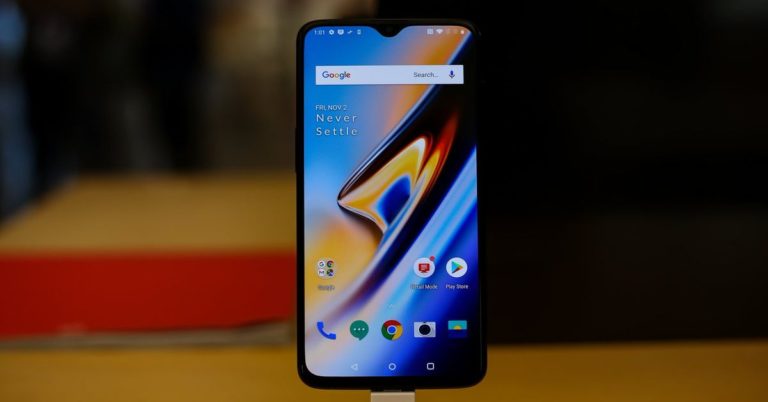
During Amazon’s Fab Phones Fest Sale, a number of smartphones were available at discounted prices. Among these, OnePlus 6T could be bought at a reduced price too. Although the sale on Amazon India ended on April 13, the smartphone is still being sold with a discount.
During the Amazon India’s sale, which was live from April 11 to April 13, OnePlus 6T was available at a starting price of Rs 34,999, instead of Rs 37,999. And as we mentioned earlier, even though the sale is over, the website is still selling the OnePlus 6T at the same discounted price. However, Amazon has listed that the OnePlus 6T is on a ‘Limited Time Deal’ and it will end soon. All the other variants of the OnePlus 6T are also selling at a discounted rate currently.
Currently, the OnePlus 6T with 6GB RAM/128GB storage is selling for Rs 34,999 while the 8GB RAM/128GB storage variant is selling for Rs 37,999, instead of Rs 41,999. The highest variant of the device with 8GB RAM/256GB storage is selling for Rs 41,999, instead of its original price of Rs 45,999.
Other than this, those who pay for the OnePlus 6T via ICICI bank Credit and Debit Card (EMI transactions) will also get an instant discount of Rs 1,500. Additionally, there is also Rs 15 Amazon Pay Cashback with No Rush Delivery. The 8GB RAM/256GB storage variant of the OnePlus 6T is also listed on the no-cost EMI option through the Amazon Pay ICICI credit cards. Although the OnePlus 6T variants are listed at a discounted price on Amazon India, but on the official OnePlus India Store website, the devices are available at their original prices.
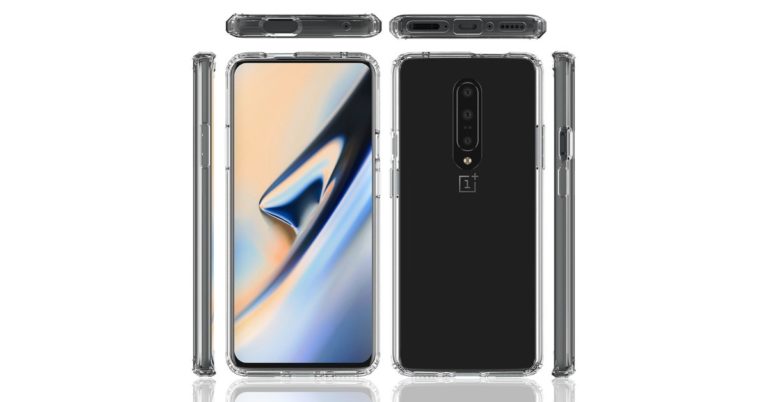
The price cut on the OnePlus 6T variants could be a result of the upcoming device from company – the OnePlus 7. According to a leak, the OnePlus 7 will be launched on May 14 and it will come in three variants – OnePlus 7, OnePlus 7 Pro and the OnePlus 7 Pro 5G. Some of the known and expected specifications of the upcoming OnePlus 7 are the pop-up selfie camera, a triple rear-camera setup, Snapdragon 855 SoC, a 48MP main camera and much more. It should also be noted that, earlier, the OnePlus 6T devices also received a permanent price cut in China which further proved that the company is trying to clear its stock before launching its next flagship device.
For the latest gadget and tech news, and gadget reviews, follow us on Twitter, Facebook and Instagram. For newest tech & gadget videos subscribe to our YouTube Channel. You can also stay up to date using the Gadget Bridge Android App.
Chinese smartphone maker OnePlus is loved by scores of technology lovers across the globe. In India, it has created a place for itself in the Indian smartphone market by offering premium specifications at a relatively affordable price. All OnePlus fans are now waiting for the launch of the company’s next smartphone – OnePlus 7.
A lot has been reported about the upcoming smartphone and the report that is the most widely-believed till now is the one that suggests that OnePlus 7 will come with a pop-up selfie camera and a triple rear camera setup. And now, we may soon find out the launch date of the device.
OnePlus CEO Pete Lau has teased that the company is planning to reveal the launch date of its next smartphone on Wednesday. As we have mentioned earlier, the smartphone will be called OnePlus 7 and it will succeed the OnePlus 6T (review). It will reportedly be the first smartphone by the company to come with a pop-up selfie camera and three cameras on the back since OnePlus used notches to house the front snappers in its previous models which came with dual rear cameras.
I know you guys are stoked to hear about the new device – check back to see my post this Wednesday 😬
Along with OnePlus 7, the company is also expected to unveil a pair of truly wireless earbuds at the launch event. According to a recent report, the company will be launching the smartphone on May 14. We should mention that the said date is in line with OnePlus’ previous launches.
Lau teased the upcoming announcement of the next OnePlus smartphone on Twitter. He took to the microblogging website to say, “I know you guys are stoked to hear about the new device – check back to see my post this Wednesday.”
It is worth noticing that he did not mention anything about the upcoming smartphone.
According to prior reports, OnePlus will be unveiling three smartphones instead of one this time. This will include OnePlus 7’s vanilla edition, OnePlus 7 Pro, and OnePlus 7 5G. The OnePlus 7 Pro is reported to sport a dual-edged 6.67-inch Super Optic display. The smartphone is said to be powered by Qualcomm’s Snapdragon 855 processor clubbed with 8GB of RAM and 256GB of internal storage.
The handset will reportedly come with a triple rear camera setup that will comprise of a 48MP primary sensor, a 16MP secondary sensor and an 8MP sensor. It has also been reported that the smartphone will come with Android 9 Pie and have a USB Type-C port.
Indian electronic maker Syska has announced a new pair of earphones named the Syska Ultrabass HE2000. With the launch of the new earphones, Syska hopes to provide the consumers an enhanced audio quality with a good bass. With Syska Ultrabass HE2000 earphones, the has added another product to its ever-increasing mobile accessories line-up.
The Ultrabass HE2000 earphones comes with high definition built-in mic that is capable of giving noise-free communication during a call. The earphones also come with a multifunctional button which can be used to play, pause, control volume and track speed control as well.
In This Article
Syska Ultrabass HE2000 earphones price and availability
The Syska Ultrabass HE2000 earphones come with a price tag of Rs 899 and it comes with a range of colour options to choose from – Black, Blue, Green and Yellow.
The Syska Ultrabass HE2000 earphones will be available for purchase from major e-commerce websites starting today. With the purchase of the earphones, the customers will also get one-year warranty.
Furthermore, currently there is a sale that is live on Amazon India where the Syska Ultrabass HE2000 earphones are being offered for Rs 589 instead of Rs 899.
Commenting on the launch of the Syska Ultrabass earphones, Gurumukh Uttamchandani, Executive Director of the Syska Group said, “Our millennial consumers and music lovers look for audio devices that give them a superior music experience at competitive prices. At Syska, we believe in bringing innovative products that would make a positive impact on the mobile accessories market in India. That said, it gives me immense pleasure to launch the Syska Ultrabass earphones that are designed to provide comfort while listening, is convenient in carrying and is aesthetically appealing”.
Syska Ultrabass HE2000 earphones specifications and features
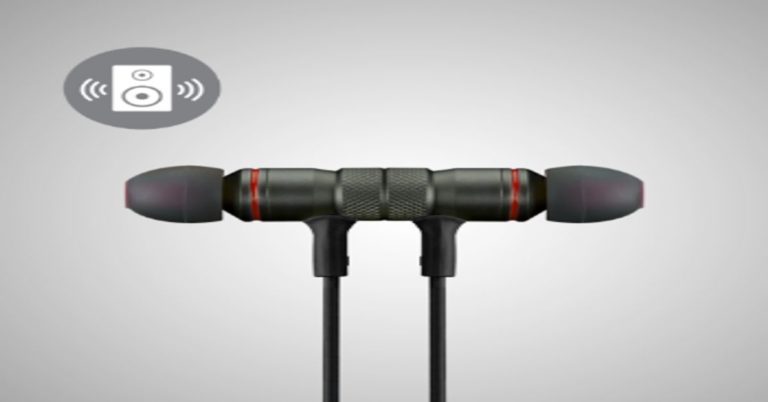
The Syska Ultrabass HE2000 earphones come with a 1.2m anti-winding TPE Flat cable that offers the users a tangle-free experience. As mentioned above, the Ultrabass HE2000 earphones has a built-in high definition microphone which gives the user a noise free communication so that the person on the other side hear the audio clearly. As the name suggests, Syska Ultrabass HE2000 earphones comes with Hi-Fi Music and Deep Bass that gives the user a clear sound with thumping and rich bass. The newly launched earphones also comes with multifunctional buttons which gives the user control over play, pause, volume and track speed.
Syska Ultrabass Earphone
The Syska Ultrabass HE2000 earphones has inbuilt Noise Cancellation that gives the user a noise free audio experience. In the box, the Syska Ultrabass HE2000 earphones packs comfortable and different ear bud’s sizes that the user can choose from. And according to the company, the earbuds are sterilised, which keeps then germ free so that they don’t irritate the user when worn for a long period of time. The Syska Ultrabass HE2000 earphones are compatible with all types of smartphones, tablets, PCs, Mac along with all types of music players.
For the latest gadget and tech news, and gadget reviews, follow us on Twitter, Facebook and Instagram. For newest tech & gadget videos subscribe to our YouTube Channel. You can also stay up to date using the Gadget Bridge Android App.
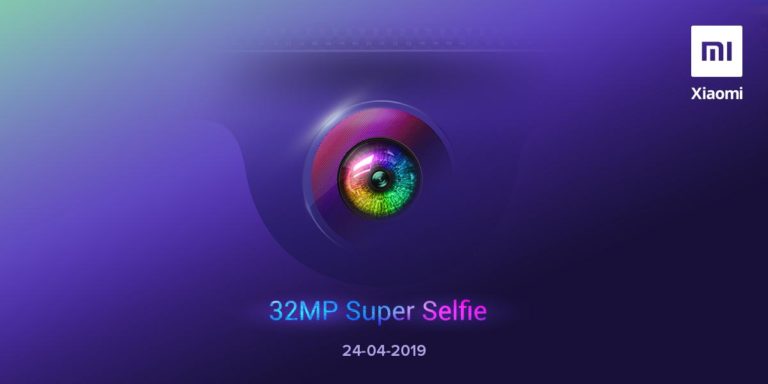
Xiaomi India has released a few teasers of its upcoming smartphone with the 32MP selfie camera since the beginning of this month. The next smartphone by Xiaomi – Redmi Y3 – is confirmed to come with a high-resolution front camera which will capture better selfies. And now, the company has also confirmed the launch date of the upcoming handset. The Redmi Y3 will the next iteration of the selfie camera-centric Redmi Y2 that was launched by Xiaomi back in 2018. According to the Chinese smartphone brand, the Redmi Y3 will be launched in India on April 24.
Xiaomi earlier took to micro-blogging website Twitter to announce that the Redmi Y3 will have a 32MP selfie camera that will let the users click better and high-resolution selfies with more details. The company’s teasers also talk about ‘32MP Super Selfie’, which the Redmi Y3 will be able to take. But other than the launch date and the front camera of the device, the specifications and the price of the Redmi Y3 is currently not known.
The company also sent out invites of the launch to media which say that the event will be held on April 24 at 12:00pm IST. Other than the front camera, the Chinese smartphone manufacturer has also put a silhouette of the device on its Twitter handle which indicates that the Redmi Y3 will come with a waterdrop style notched display similar to the Redmi Note 7 and the Redmi Note 7 Pro.
The front camera of the Redmi Y3 is reported to be Samsung’s 32-megapixel ISOCELL Bright GD1 image sensor that was announced by the South Korean technology giant in October 2018. Other than the camera, the company had also tweeted about the battery of the device saying that the Redmi Y3 will pack a ‘larger battery’. The battery of the Redmi Y3 is claimed to give users a much-longer on-screen time before dying. A ‘larger battery’ could mean something between the 4,000mAh and the 5,000mAh battery range. However, it is not yet known if the Redmi Y3 will have support for fast-charging technology.
Y should selfies be less detailed? Y can’t we change the way we look at them?
Y wait? The #32MPSuperSelfie is coming your way soon. Revealing on 24-04-2019.
— Redmi India – #Redmi9 is here! (@RedmiIndia) April 15, 2019
Earlier, the Redmi Y3 was spotted on the Wi-Fi Alliance listing which hinted that the launch of the device was near, and now that the company has revealed the launch date of the device. According to the listing, the Redmi Y3 carries a model number M1810F6G and it will run Android 9 Pie skinned with MIUI 10. The Redmi Y3 handset also comes with the support for Wi-Fi 802.11 b/g/n standards.
For the latest gadget and tech news, and gadget reviews, follow us on Twitter, Facebook and Instagram. For newest tech & gadget videos subscribe to our YouTube Channel. You can also stay up to date using the Gadget Bridge Android App.
Viewsonic is not a new name in the Indian market when it comes to monitors or projectors. We recently got our hands on the Viewsonic TD 1630-3 Touch LED monitor to review it and found out some neat things. What are they? Read the rest of our review.
In This Article
Design
Going by what Viewsonic has been producing in the past this is something quite different, since this LED panel has a touchscreen. But, before we talk about its performance lets quickly go over its aesthetics. Out of the box it looks like a simple and plain monitor, till you realise there is no base stand on it. Instead, this 15.6-inch monitor has a swivel out metal stand at the back which can move to almost 90 degrees and back to lie flat, and can be used as a tablet.
The front part of the Viewsonic TD 1630-3 Touch LED monitor is basically built of the touchscreen with the power and other buttons along with Viewsonic branding at the bottom. The monitor is light and can be easily placed on any desk big or small. At the back there are downward facing ports, which include power, USB, VGA and HDMI as well as audio in. Talking about audio, there are two 1W upward firing speakers in this monitor. Dressed in grey and black plastic, there is nothing unusual about the monitor, till you come to the workings of it.
Performance
Now here is where all the fun begins. The Viewsonic TD 1630-3 Touch LED monitor is excellent when it comes to touch performance. We used it with HDMI and setting it up via USB was not hard at all. The USB basically enables the touch part of it and response time for the tap to performance is not bad. We ran the usual tests when we found that this monitor does not support FHD graphics and just HD (720p) is supported.
But that does not mean it is not great to work with. Yes, the games were not running at its optimum, but that is not what the monitor is made for. It is made for professional work use. Which it does just fine. The screen has 7H hardness which keeps it scratch proof, but the constant touches and taps does make it a fingerprint magnet and we for one do like our monitors smudge free.
The viewing angles on the monitor are not great as they support on only up to 90 degrees. Neither is the sound since 1W does not do justice to the multimedia experience. But what is good are its colours, they are bright and crisp. Blacks are not bad either. Though we have seen better from some other less expensive Viewsonic monitors.
Verdict and Final Words
The Viewsonic TD 1630-3 Touch LED monitor is compatible with Windows 7 and later along with Linux OS. So, the touch experience on a desktop is good for basic daily professional tasks. But, one would not want to use it all the time in an office setup. It at times did feel like a gimmick, but some professionals would want a touch experience from their monitor. Like? When it comes to POS systems or shops where one wants to demo things, it will be a good option to have there. However, with a price tag of Rs 20,000 for a touch monitor that does not support full HD graphics is a bit steep.
For the latest gadget and tech news, and gadget reviews, follow us on Twitter, Facebook and Instagram. For newest tech & gadget videos subscribe to our YouTube Channel. You can also stay up to date using the Gadget Bridge Android App.
Almost four years back in 2015, Aston Martin promised its fans that it will be launching an electric car. And now, keeping its word, the company has finally revealed its first all-electric car called ‘Rapide E’. The newly-launched car was unveiled by Aston Martin today at the Shanghai Auto Show. The Aston Martin Rapide E is based on the auto-maker’s existing combustion engine Rapide sedan and the company has also said that only the 155 will be made available.
The new electric car is powered by an 800-volt, 65kWh battery, which according to the company can make the vehicle run “over 200 miles” on a single charge. Aston Martin Rapide E has twin motors placed on its rear axle that will be able to generate 450kW (more than 600 horsepower). The motors can also get the new car to a speed of up to 155 miles per hour.
Furthermore, Aston Martin has also said that the car will be able to go from 0 to 60 miles per hour in under four seconds. We should mention that this is faster than the standard internal combustion Rapide S. The company has also ensured that the car doesn’t take too long to be charged.
According to Aston Martin, Rapide E’s battery will be recharged at a rate of 31 miles per hour.
Speaking of in-car tech, the Rapide E will sport a 10-inch digital instrument cluster, which will be placed behind its steering wheel. In addition to this, right above its dashboard, an 8-inch display will be placed that will handle all the infotainment related duties. The display will have support for Apple CarPlay as well as Android Auto.
The body of the car looks a lot like the combustion engine car’s that it is based on. The difference is in the electric blue accents on the headlights of the car and the brake callipers. While the looks are similar, the internals are completely different.
To begin with, the battery system of Rapide E has been placed where the V12 engine, gearbox, and fuel tank are placed in the combustion version.
However, unlike electric cars from Tesla, Aston Martin’s Rapide E does not have a full floor of batteries. The company may have decided to do this to cut down on some costs, but we should add here that this obviously reduces the number of battery cells and capacity that have been used in the electric car. Another thing worth adding is that Rapide E weighs 4,717 pounds, which is around 400 pounds more than Rapide S.
The next iteration of the PlayStation gaming console might be the PlayStation 5 or the PS5 and it will be launched by Sony in 2020. Although we are still a year away from the release and there’s no official word from Sony, a report has surfaced online which reveals the launch dates, price, games and the specifications of the PlayStation 5.
According to a third-party developer from Europe, the launch games of the PlayStation 5 will include Gran Turismo 7, a PUBG remaster and Battlefield Bad Company 3 among others. The post also claims that the PlayStation 5 will be priced around $499 (approximately Rs 35,000) and will be released either in March 2020 or November 2020.
According to the report from Pastebin, the games which would be included with the launch of the PlayStation 5 will be Gran Turismo 7, PUBG remaster (4K free to play with PS+ only on PS5), Last of Us: Part II remaster, Ghost of Tsushima remaster, Battlefield Bad Company 3, Harry Potter and Assassin’s Creed. The leaks further suggest that Horizon Zero Dawn 2 will be released sometimes in 2021 while GTA 6 will have a one-month exclusivity title for the PlayStation 5.
The GTA 6 will be the next instalment in the Grand Theft Auto series and it will be set in two big cities – Miami and New York City/ Liberty City. Furthermore, the PlayStation 5 will reportedly also have backwards compatibility, the presence of physical games, an AMD Ryzen CPU along with a Navi GPU.
Talking about the specifications of the PlayStation 5, according to the leaks, the next iteration of the PlayStation will come with 24GB of DDR6 RAM out of which 4GB DDR4 will be used for the OS, 8K upscaling, 2TB HDD with “some NAND flash” as well as DualShock 5 controllers. There will also be a camera for VR tracking in the PlayStation 5.
Earlier, it was also reported that the PlayStation VR 2 or the PS VR2 may be announced alongside the PlayStation 5. The PS VR2 is expected to come with 2560 x 1440-pixel resolution, 120Hz refresh rate, 220 field of view, eye tracking, wireless capabilities, battery life of up to 4-5 hours, integrated headphones, no breaker box and a larger focus on VR for the AAA titles. It has also been reported that the PlayStation VR 2 might be priced at $250 (approximately Rs 17,350). But it should be noted that the PlayStation 5 and the PlayStation VR2 are still a year away from their official launch. And since Sony hasn’t said anything about the upcoming gaming console or its titles, the news should be taken with a bucket of salt.
For the latest gadget and tech news, and gadget reviews, follow us on Twitter, Facebook and Instagram. For newest tech & gadget videos subscribe to our YouTube Channel. You can also stay up to date using the Gadget Bridge Android App.
Google has been in news for its upcoming ‘affordable’ Pixel smartphones – the Pixel 3a and the Pixel 3a XL. The details about both the devices have been leaked multiple times the past month and even Google’s own website leaked about the upcoming Pixel smartphone. And now, the Google Store page has a new teaser that reads, “Something big is coming to the Pixel universe”. The teaser from Google comes a month before its I/O 2019 keynote which is scheduled for May 7. Although not mentioned on the website, but the teaser could be hinting about the Pixel 3a and the Pixel 3a XL.
The Google Store’s page also includes the tagline “help is on the way” including the Avengers logo, which shows the tie-up between Marvel Studios and Google. The video on the Google Store page shows some footage from Avengers: Infinity War along with the trailer of Avengers: Endgame. Many Marvel characters will also be joining the line-up of the augmented reality ‘Playmojis’ which are exclusive to the Google Pixel devices.
The Pixel 3a and the Pixel 3a XL will a more affordable version of Google’s original Pixel 3 and the Pixel 3 XL. Both the Pixel 3 and the Pixel 3 XL are priced above Rs 55,000 and are high-end flagship devices. But with the Pixel 3a and the Pixel 3a XL, Google is aiming to offer its consumers something more affordable which still holds the Google brand on its back.
It should be noted that both the Pixel 3 and the Pixel 3 XL were launched last year and are touted to have the best camera that has been seen on any smartphone till date. But is should also be noted the cameras were a specialty and a strong point of most of the Pixel devices. And Google will be bringing the same level of camera performance to its upcoming Pixel 3a and the Pixel 3a XL smartphones as well.
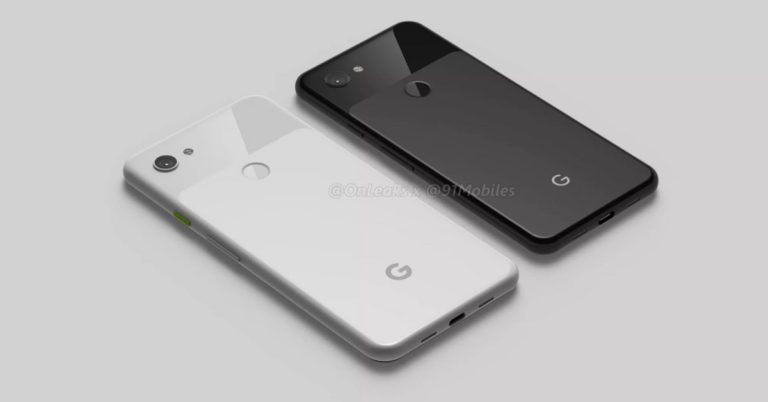
The lower price of the Pixel 3a and the Pixel 3a XL will be seen on its build quality, performance and overall look and feel. The primary reason for this is that Pixel 3a and the Pixel 3a XL will come with plastic or poly-carbonate back panel instead of the glass back panel the original Pixel 3 series uses. Their processors will also reportedly have reduced power which justifies its price point. The screen resolution of the new Pixel 3a series will also be lower than their flagship counterparts.
More details about the phone will be made available once the Google I/O 2019 keynote kicks off next month.
For the latest gadget and tech news, and gadget reviews, follow us on Twitter, Facebook and Instagram. For newest tech & gadget videos subscribe to our YouTube Channel. You can also stay up to date using the Gadget Bridge Android App.
South Korean technology giant Samsung has launched its Galaxy A2 Core smartphone in India. The Samsung Galaxy A2 Core smartphone is an entry-level offering from the company that is aimed at first-time smartphone users and runs Android Pie (Go Edition). The handset is the successor of Samsung Galaxy J2 Core that the company launched in August 2018.
The newly launched smartphone by Samsung features a 5-inch qHD display and is powered by an Exynos processor clubbed with 1GB of RAM. Here are all the details Samsung Galaxy A2 Core launch that you should know about:
In This Article
Samsung Galaxy A2 Core price in India
According to IANS, Ranjivjit Singh, Chief Marketing Officer and Senior Vice President of Samsung India, Samsung Galaxy A2 Core is priced in India at Rs 5,290. The smartphone can now be bought via offline channels, according to renowned retailer Mahesh Telecom. However, as of now, there is no word from Samsung India about when the handset will be available via online channels in the country.
Coming to the specifications of the entry-level Samsung Galaxy A2 Core smartphone, according to an image that was shared by Mahesh Telecom, the device features a 5-inch qHD (960×540 pixels) display and is powered by an octa-core Exynos 7870 processor. The newly-launched smartphone comes with 1GB of RAM and 16GB of internal storage. As we mentioned earlier, the handset runs Android Pie (Go Edition) and houses a 2,600mAh battery.
For imaging duties, Samsung’s new offering has a 5MP primary camera on its back panel as well as a 5MP sensor on its front panel for selfies and video calls.
The connectivity options of the Galaxy A2 Core handset were not mentioned by Mahesh Telecom. However, according to a leak that surfaced online last month, the device comes with include 4G LTE, Wi-Fi, Bluetooth v4.2, GPS, FM radio, Micro-USB port, and a 3.5mm headphone jack. The dimensions of the dveice have been said to be 141.6x71x9.1mm and the device weighs 142 grams.
Since the smartphone comes with Android Pie (Go Edition), it will come pre-installed with a number of apps that are optimised for Android Go like Google Assistant Go and Maps Go. Another leak mentions that Samsung has launched the device in Blue and Black colour options.
In addition to this, a leaked user manual has also revealed that Samsung Galaxy A2 Core will be made available by the company in a single-SIM as well as a dual-SIM variant. However, it is not clear as of now which one among the two is available in the Indian smartphone market.
Amazon Fire TV Stick 4K has received an update that has got the ability of screen mirroring to it. The company has claimed that it has been one of the most requested features that the customers wanted. It is worth mentioning that the feature was already present on the Amazon Fire TV Stick with the All New Alexa remote, and the company has now made it available to users of the Amazon Fire TV Stick 4K.
The feature would automatically become active once the users install the update. In order to use the new screen mirroring feature, users of Amazon Fire TV Stick 4K will have to press and hold the Home button on the Alexa Voice Remote and then choose the option of mirroring. The company has said that the Fire TV Stick will be able to detect the devices that are compatible with it within 30 feet. Once it does this, the user can press on any button on the remote to start screen mirroring.
Amazon has also specified that its Fire TV Stick 4K is compatible with devices running Android 4.2 or higher versions and Fire tablets that are either third-generation or higher.
The company had launched the Amazon Fire TV Stick 4K in India in October last year. Speaking on the new update that the device has got, Parag Gupta, Head – Amazon Devices, India, said, “We are always listening to our customers and excited to add features that allow them to enjoy their favourite content on Fire TV. Screen mirroring on Amazon Fire TV Stick 4K brings content from more devices into their living rooms on large screens.”
The company has also added that with the Fire TV, customer can enjoy their favourites from Prime Video, Hotstar, Netflix, Sony LIV, Zee5, Voot and others. Customers can also use websites like YouTube, Facebook and Reddi and listen to songs, playlists, live radio stations, and podcasts through services like Amazon Prime Music, Saavn, Gaana and TuneIn.
Earlier this month, Amazon launched three devices in India – the Amazon Echo Show, the Echo Link, and the Echo Link Amp. The Amazon Echo Show is basically a smart display that comes with the company’s voice assistant Alexa built-in. On the other hand, the other two devices can be integrated with the users’ existing home audio setup to bring Alexa and music streaming to high-end audio players.
Amazon Echo Show bears a price tag of Rs 22,999 in India, while the Echo Link can be bought at Rs 19,999 and the Echo Link Amp can be picked up at Rs 29,999.
Huawei’s sub-brand Honor has revealed that it will be launching its 20 series on May 21. The Honor 20 series is all set to be unveiled globally at an event in London that is scheduled for next month. It is worth mentioning that the first smartphone that will be launched in the series is Honor 20i, which will also be launching in China on April 17.
Chinese smartphone brand Huawei and its sub-brand Honor have already first launched their devices in China and then rolled them out globally a month later a few times. So, it is not a move that is not expected of them.
As of now, very little is known about the upcoming Honor 20i smartphone, however, the company has shared some teasers that shed light on the resolution of its selfie camera. According to a report in the IANS, the company has said that it will be launching a few industry-first smartphones across different price-ranges. The devices will also be launched in India after the global launch. Honor took to Twitter to announce the launch date of its upcoming series.
Honor 20 series will be succeeding the Honor 10 series and it is expected to come with Honor 20, Honor 20 Pro, Honor 20i, Honor 20A, Honor 20C, and Honor 20X. However, this is just a speculation keeping in mind the Honor 10 series launches.
It has also been said that the Honor 20 will be the flagship smartphone of the company and will come with the HiSilicon Kirin 980 SoC. Reports also suggest that the smartphone will come with a triple rear camera setup that will comprise of a 48MP primary sensor, a 20MP secondary sensor, and a third 8MP sensor. Other specifications include Android 9.0 Pie, a 32MP selfie camera and a 3,650mAh battery.
Details about Honor 20 Pro have also been leaked recently and the smartphone is said to feature a 6.1-inch OLED display, an in-display fingerprint sensor and be powered by the HiSilicon Kirin 980 SoC. The device will be available in three RAM/storage configurations — 6GB/ 128GB, 8GB/ 128GB, and 8GB/ 256GB. The smartphone is said to have the same triple camera setup at the back and the same selfie camera as the Honor 20. Other features will include Gaming+, Link Turbo, CPU, and GPU Turbo.
Coming to Honor 20i, it is all set to launch on Wednesday and the company has teased a 32MP AI selfie camera and a waterdrop-shaped display notch. The smartphone is rumoured to come with a 6.2-inch full-HD+ display, be powered by a HiSilicon Kirin 710 SoC clubbed with 4GB/6GB RAM options, have 64GB/128GB of storage options and house a 3,400mAh battery.
Paytm Money is undoubtedly among the largest online platforms in India for mutual fund investments and as the name suggests, it is an owned subsidiary of One97 Communications Limited.
Paytm Money has today announced the launch of the web and mobile web version of its platform that is aimed at assisting users to discover and research about mutual funds. Other than this, the platform will also simplify investments.
Paytm Money has over 1 million people making use of its web platform every month and with this new service, it wants to cater to the needs of investment research and discovery of users who want to invest in mutual funds.
Users will be able to invest via Android as well as iOS apps of Paytm Money for now and soon, the same service will come to the web platform too.
The Paytm Money platform is touted to provide the most comprehensive data about Mutual Funds to its users. And this includes all the schemes, latest NAVs, fund manager profiles, riskometers, benchmarks, portfolio holdings, sector exposure, scheme exit loads, ratings and more such information in order to help users take an informed investment decision.
With the launch, the company has extended all this information for the ease of the users of its web and mobile platforms.
According to Pravin Jadhav, Whole-time Director of Paytm Money, “Many of our users had requested for the availability of Paytm Money on web & mobile web platforms for research & discovery of Mutual Funds, this launch is aimed towards serving our investors on platforms of their choice. In the next phase, we also plan to introduce the ability to invest, manage investments & portfolio and advisory products as well on web.”
In addition to this, the company has also extended some popular features like Search, Best Rated Mutual Funds, AMC and Fund Manager discovery through the web platform. According to the company, since its launch, Paytm Money has witnessed over 1 million users making it the largest commission-free platform for mutual fund investments in India.
Recently, Paytm Money also announced that they have received SEBI approval for stock broking. The company is fast innovating its offerings with the introduction of Advisory Recommended Investment Packs, which is basically a curated portfolio of mutual funds, based on the research conducted by their in-house advisory team. They have also launched a single flow for faster payment of multiple SIPs on the same day.
Samsung has today announced that its Galaxy A70 smartphone will be launched in India next week, while Galaxy A80 will arrive in May. The South Korean technology giant has also revealed the price of smartphones in India. The company is targetting $4 billion (approximately Rs 27,700 crores) in revenue from its Galaxy A series during this year, according to a top official from the company.
Ranjivjit Singh, Chief Marketing Officer and Senior Vice President, Samsung India said to IANS, “We will launch the Galaxy A70 in India next week in the Rs 25,000 – Rs 30,000 bracket and the Galaxy A80 in the Rs 45,000 – Rs 50,000 bracket in May.”
Samsung Galaxy A70 features a 6.7-inch Infinity U display, houses a 4,500mAh battery that has support for 25W Super-Charging fast charging technology and sports a triple rear camera setup.
Samsung Galaxy A80, on the other hand, has a rotating triple camera setup and is the first device from the company to come with a full-screen display.
Considering that Samsun is facing stiff competition from Chinese smartphone players in India, it has decided to price its Galaxy A series of smartphones in India between Rs 10,000 and Rs 50,000.
Speaking further about the range, Singh said, “We are targeting $4 billion from the Galaxy A series over the calendar year. Just in the first 40 days starting March 1, we have sold a total of two million units of three Galaxy ‘A’ models in India — A50, A30, and A10. The revenue turnover from these three phones in 40 days is $500 million. I think this is a record for any brand in the industry. When the rest of the portfolio in the Galaxy A-series becomes available we are sure of not only achieving but exceeding our target.”
Singh also added that Galaxy A series of smartphones will remain available across online as well as offline channels.
The company had previously said that it would be launching at least one Galaxy A series smartphone every month from March to June this year.
Singh also told IANS that Samsung keeps on evolving its portfolio according to what a consumer wants. He said, “The portfolio is ever-evolving with the consumer. To hit $4 billion revenue I will have to look at every opportunity. We will come up with the right opportunity for the range you are referring to (the Rs 30,000-Rs 45,000 segment). Just because we have not announced the Galaxy A-series phone in this range in India, does not mean we are not working on it. We are going to ship out Galaxy A2 core this week at Rs. 5,290. This is going to be a tremendous boost to people who want to switch from feature phones to smartphones. This is going to be huge in terms of volume.”
Update: Samsung Galaxy A70 has now launched in India. Read more about its pricing and specifications here.
Japanese electronics maker Panasonic has today launched its first full-frame mirrorless LUMIX S series in India. As a part of the series, the company has launched two camera models in India – LUMIX S1 and LUMIX S1R. While Panasonic LUMIX S1 costs Rs 1,99,990 and comes with a 24-105mm F4 lens, the LUMIX S1R costs Rs 2,99,990 (body only) and Rs 3,67,990 if you buy the 24-105mm F4 lens along with it.
While the Panasonic LUMIX S1 comes with a come with 24MP full-frame CMOS sensor, the LUMIX S1R camera has a 47.3MP full-frame CMOS sensor. Both the cameras are based on L-Mount standard, and according to the company, this means that the camera has an uncompromised imaging experience.
Speaking about the newly-launched cameras, Panasonic India’s Business Chief, Sandeep Sehgal said, “The new LUMIX S series boasts intuitive control, a rugged design for heavy-field use, durability and expandability, and is suitable for professional photography and videography. The LUMIX S Series showcases our commitment to India and we are extremely confident to achieve double-digit market share in the next two years.”
The company has claimed that Panasonic LUMIX S Series has an industry-leading video recording performance and an effective image stabilization. Furthermore, it is also supposed to give better results with rich gradation and superior colour reproduction.
Both the newly launched cameras offer a high-speed, high-precision AF system that is based on advanced control technology over the lens, the new ‘Venus Engine’ and the sensor. We should also point out that it is this that enables the user to capture the target in sharp focus using either of the two cameras.
Manish Sharma, President and CEO, Panasonic India and South Asia also spoke about the launch saying, “The imaging industry is a complex and demanding space and we have brought in defining changes by listening to our users and continuous investment in R&D to bring in industry-first technologies.”
The LUMIX S1R camera comes with a high-resolution mode and the company says that it is the first time that a mirrorless full-frame camera will be able to enable 187MP ultra-high precision picture with a pixel shift technology shooting.
The last few months have seen a number of launches from Panasonic but it has been quite a while since the company launched mirrorless cameras. Prior to this, the Japanese company was seen launching air conditioners in the country and other than that, it also expanded its Eluga range of smartphones.
Outages are becoming just as common for Facebook as data breaches. The social media giant, on Sunday, suffered its third major outage of this year and it left users all across the globe without access of its network. In fact, the outage, much like the previous one that the social media giant suffered, affected Facebook as well as its other services including Instagram and WhatsApp.
Facebook and Instagram were inaccessible again for several hours on Sunday and users could not refresh either of the two platforms. On the other hand, messages were not getting delivered on WhatsApp and Facebook’s Messenger app.
According to Downdetector, a website that tracks outages on various websites and platforms, Facebook was down starting Sunday at 6.30 am EDT, which is basically 4 pm IST. The outage primarily affected users in Asia, Europe, and the United States.
In an email that Facebook sent acknowledging the issue, a spokesperson said, “Earlier today, some people may have experienced trouble connecting to the family of apps. The issue has since been resolved; we’re sorry for any inconvenience.”
The outage continued for three hours and the services were only restored at 9.30 am in New York, which means 7 pm IST. However, it was long enough for users to take to Twitter to express what they felt about yet another outage on Facebook.
To recall, the first major outage that the company faced was in January when photo-sharing app Instagram crashed and WhatsApp users all across the world could not send or receive messages on the app. Following this, in March, Facebook suffered its most severe outage. The outage affected users across the globe and they couldn’t access Facebook and Instagram for a good 12 hours.
According to DownDetector, the Facebook and Instagram outages last month were spread across New England, Texas, Seattle, Washington, parts of Latin America, Peru, the UK, India, and the Philippines. However, media reports suggested that users in Canada, Las Vegas, and Turkey faced issues too.
In fact, in the last outage, WhatsApp and Messenger apps were also affected in various parts of the world and some users complained about not being able to use Oculus VR too. A number of users also took to social media to say that they couldn’t login to apps like Tinder using the social networking website.
And less than a month later, another outage affecting so many Facebook services happened again, however, luckily this time, it didn’t last for a month.
This March was a happening month for Apple fans as the company upgraded a number of its products including AirPods, iPads and iMacs. Last week, the Cupertino-based technology giant made the newly launched iPad Air (2019) and iPad Mini 2019 available for purchase in India. And now, the company has made the new iMacs available in the country.
The two upgraded iMacs were launched by Apple last month and they come with 21.5-inch and 27-inch display sizes and have new processors and graphics cards. With the update, the Cupertino based technology company has promised a ‘2x performance boost’ on the new iMacs
Let’s talk about the smaller sibling first. The upgraded device that comes with a 21.5-inch display size is powered by a 3.6GHz quad-core Intel Core i3 or 3.0GHz 6-core Intel Core i5 processor and has a Turbo Boost up to 4.1GHz.
Other than this, the device has 8GB of RAM and comes with 1TB (5400-rpm) of hard drive or 1TB Fusion Drive. The 21.5-inch device comes with a Radeon Pro 555X with 2GB of GDDR5 memory or Radeon Pro 560X with 4GB of GDDR5 memory. The iMac has a 21.5-inch LED-backlit Retina 4K display. Other features of the 21.5-inch iMac include four USB 3 ports, two Thunderbolt 3 (USB-C) ports, Wi-Fi 802.11ac, Bluetooth v4.2, Gigabit Ethernet, FaceTime HD camera, and macOS Mojave. We should also mention that the new iMac comes with a Magic Keyboard and has a Magic Mouse 2 or Magic Trackpad 2.
Speaking of the 27-inch model of the new device from Apple, it is powered by 3.6GHz quad-core Intel Core i3 or 3.0GHz 6-core Intel Core i5 processor and has a Turbo Boost up to 4.6GHz. The upgraded iMac has 8GB of RAM and 1TB or 2TB Fusion Drive. It clubs Radeon Pro 570X with 4GB of GDDR5 memory, Radeon Pro 575X with 4GB of GDDR5 memory, and Radeon Pro 580X with 8GB of GDDR5 memory.
The new iMac has 27-inch LED-backlit Retina 5K display. Other features of the new iMac include four USB 3 ports, two Thunderbolt 3 (USB-C) ports, Wi-Fi 802.11ac, Bluetooth v4.2, and support for FaceTime HD camera. The device runs macOS Mojave and comes with Magic Keyboard and has Magic Mouse 2 or Magic Trackpad 2.
Coming to the pricing of the two iMacs in India, the 21.5-inch device will cost Rs 1,19,900, while the bigger sibling with 27-inch screen bears a price tag of Rs 1,69,900.
Motorola launched its Moto G7 lineup in Brazil in February this year. The range comes with four smartphones including Moto G7, Moto G7 Plus, Moto G7 Power and Moto G7 Play. However, till now, only two have made their way to India – Moto G7 Power and the recently launched Moto G7.
The latter comes with Qualcomm Snapdragon 632 SoC, 4GB of RAM, Android 9.0 Pie and a 3,000mAh battery. For a budget smartphone, these specifications seem to be powerful. However, do they actually perform well when they come together in the Moto G7? We spent a few days with the smartphone and here’s our review of the same:
In This Article
Design and Display
As far as the design of the smartphone goes, it is a big upgrade over last year’s Moto G6 handset. The device comes with an all-glass back panel, which gives it a very premium feel, and in this price segment, rarely do we get to see a smartphone that looks so good.
The front panel of the Moto G7 is dominated by its 6.2-inch display that has a U-shaped notch and is outlined with not-so-thin bezels on three sides. The chin is thicker than the bezels and it has the Motorola branding on it. The notch of the device is just big enough to house the selfie camera and doesn’t interfere with any notifications when they pop up on the screen.
The edges of the Moto G7 smartphone are made of plastic, unlike the back panel of the device. The right edge of the smartphone houses the volume rocker and power keys, while the 3.5mm headphone jack, speaker grille and USB Type-C port are placed on the bottom edge. The SIM tray is placed on the top of the handset along with the secondary microphone.
The handset is curved at its edges, which is a factor that really helps in one-handed usage.
Coming to Moto G7’s back panel, as we mentioned earlier, it is made up of glass. The back panel is what truly adds a premium look and feel to the smartphone. There are only two things on Moto G7’s back – the dual rear camera setup of the device and the Moto dimple.
The dual rear cameras of Moto G7 are placed inside a circular module that also has an LED flash inside it. Although it protrudes out like the camera modules found on previous Moto smartphones, it doesn’t stick out as much as the earlier ones did. The Moto dimple that lies right below it houses the fingerprint scanner of the smartphone. There’s one thing that we should mention though: The back panel is prone to getting fingerprint smudges, much like any other smartphone with a glass back. However, it is very easy to get rid of them too. Just one wipe with a piece of cloth and you’ll see them all disappear.
It is also worth adding that Moto G7 comes with P2i coating, which makes it water resistant. This is definitely a plus, considering the price segment, as it would keep your device safe in case it is accidentally hit by a splash of water. However, if you drop it in a pool of water, the handset is likely to be damaged, as it just has P2i water repellent coating and not an IP rating.
In a nutshell, we would say that we really liked the design of the Moto G7 smartphone. It is very minimalistic and sleek. It’s not for you if you like your smartphone to be flashy though. Go for it if you like elegant and classy looking handsets.
Coming to the 6.2-inch Full HD+ IPS LCD display of the smartphone, it comes with an aspect ratio of 19:9 and is protected by a layer of Corning Gorilla Glass 3.
The colours projected on the display of the smartphone seem to be a little soaked. We wouldn’t call the difference to be a massive one, but we did consistently notice a slight difference between colours projected on Moto G7’s display and the screens of other devices. However, they remain the same at different viewing angles, which is a big plus in our books.
The images and videos appeared to be absolutely clear on the screen and we did not notice any pixelation whatsoever. Also, we faced no problems while using the display under direct sunlight, and we consider this to be another big plus on any device.
Performance and Cameras
Before we start talking about the performance of Moto G7, we would take a minute to tell you its specifications. Powered by a 1.8GHz octa-core Qualcomm Snapdragon 632 SoC, the smartphone comes with 4GB of RAM. The handset holds 64GB of internal storage and can also support microSD card up to 512GB. The Moto G7 smartphone packs a 3,000mAh battery with 15W TurboPower fast charging support.
For imaging duties, the Moto G7 comes with dual-rear camera setup, which comprises of a 12MP primary sensor with an f/1.8 aperture paired with a 5MP secondary sensor with an f/2.2 aperture. On the front, there is an 8MP camera with an f/2.2 aperture that can be used for selfies and video calls.
For software, Moto G7 comes with Android 9.0 Pie that the company has tweaked a bit, but mostly, it’s stock Android. The company has added a number of gestures to the smartphone. So you can touch the smartphone with three fingers to take a screenshot, navigate through your device using only one button, turn the Fast Torch on and off using two karate chop motions, twist your wrist two quickly to launch the camera app, flip the phone to activate DND and more.
Coming to the performance, Moto G7 can handle basic day to day tasks very well. However, it is not very great at super multi-tasking. When we tried using the device for navigation and games at the same time, it began to heat up, which is common amongst all smartphone with a glass back.
However, navigation via Google Maps alone on the device works without any hiccups. And so do most games – even the graphic hungry ones. The handset could handle even games like Asphalt 9: Legends well, which we think is great for a budget smartphone.
Speaking of the biometric security of Moto G7, the face unlock as well as the fingerprint sensor worked well during our time with it. The fingerprint scanner even recognised our finger when it was moist, and the face unlock continued to work in dimly lit conditions. However, stick to using the fingerprint scanner when you are in really dark areas.
The 3,000mAh battery of the handset left us with a bag of mixed emotions. The battery lasts an entire day with moderate usage and if your usage is heavy, you would have to charge it again by the evening. However, that should not be a problem because the smartphone has support for 15W TurboPower fast charging and it takes very less time to charge the device completely.
Coming to the cameras of the smartphone, their performance was not very consistent. The shots taken from the dual rear cameras during the day were overexposed and the colours were saturated.
Saying that the images clicked were sharp and clear. During the day, the quality of images remains good. However, the same cannot be said for night shots as they turned out to be grainy.
Probably with the next set of patches we would see this fixed. Also, you might want to use the flash when in low lit or dark areas.
Even the selfie camera of the smartphone works similarly. Most selfies we took with it turned out to be good, but again, the colours were slightly saturated.
Verdict
Moto G7 is a decent enough budget smartphone, and it comes with its own set of pros and some cons. You can buy it for its stunning looks, accurate biometric locks, good gaming performance and smooth UI experience. Some aspects of the device’s performance like its multi-tasking and cameras could have been better. At Rs 16,999, it is a good smartphone to buy, provided you know for which set of aspects you are buying it.
Pros
Beautiful designAccurate biometric locksPowerful gaming performanceGestures in UI
Cons
Heats up while multi-taskingInconsistent camera performanceColours not accurate in display and photos
Software giant Microsoft has sent notifications to some users of Outlook.com saying that earlier this year, a hacker was able to access their accounts for months. The company discovered that the credentials of the support agent of its web mail service were compromised and this allowed hackers to access some of the accounts in between January 1, 2019 and March 28, 2019.
Microsoft has also added that besides having unauthorized access to some accounts, hackers could have also viewed account email addresses, folder names and subject lines of emails. However, hackers could not see the contents of the emails or attachments, according to the company.
As of now, it is not clear how many users have been affected because of this breach or who all were involved in obtaining access to email accounts on Outlook.com. In the email Microsoft sent to affected users, the company said, “Our data indicates that account-related information (but not the content of any e-mails) could have been viewed, but Microsoft has no indication why that information was viewed or how it may have been used.”
While the hackers were not able to steal login details or other personal details of these users, Microsoft has recommended all the affected users to reset their passwords. This is reasonable because practising basic online hygiene is absolutely necessary at the time of a data breach.
The security notification sent by the company says, “Microsoft regrets any inconvenience caused by this issue. Please be assured that Microsoft takes data protection very seriously and has engaged its internal security and privacy teams in the investigation and resolution of the issue, as well as additional hardening of systems and processes to prevent such recurrence.”
The security incident has surfaced just weeks after a former security researcher pled guilty of attacking Microsoft and Nintendo servers. In that particular case, the development servers of Microsoft Windows were breached for a few weeks in January 2017. This breach enabled hackers across Europe to access pre-release versions of Windows.
The software giant has confirmed the breach in a statement, however, it has not revealed the exact number of accounts on Outlook.com that have been affected because of it. Microsoft spokesperson said in a statement to technology website The Verge, “We addressed this scheme, which affected a limited subset of consumer accounts, by disabling the compromised credentials and blocking the perpetrators’ access.”
HMD Global has quietly reduced the price of Nokia 7.1 in India today. The smartphone was launched in India in November last year and back then, it cost Rs 19,999. However, now its price on Nokia‘s eShop has been listed as Rs 17,999, reflecting a reduction of Rs 2,000 in cost. In addition to this, the smartphone’s listing on Flipkart and Amazon India also show the revised pricing of the handset.
The key highlights of the Nokia 7.1 smartphone include a PureDisplay with 19:9 aspect ratio and HDR support, Snapdragon 636 processor, dual rear camera setup with Zeiss optics and of course, its candy bar design. Here’s a look at the details of the discount on the Nokia 7.1 smartphone:
In This Article
Nokia 7.1 price in India
According to the update in the listing of the Nokia 7.1 smartphone on the official Nokia eShop, the handset is now available for purchase at Rs 17,999 in India. And as we mentioned earlier, Nokia 7.1 is also listed on Flipkart and Amazon India at the same price. At the time of its launch, the Nokia smartphone was priced at Rs 19,999.
As of now, there is no official statement from Nokia about the price cut, so we don’t know if it for a limited period or a permanent one.
Nokia 7.1 specifications
The Nokia 7.1 smartphone has support for dual SIM cards and runs Android 8.1 Oreo, which is soon expected to get an update to Android 9.0 Pie. The smartphone has a 5.84-inch full-HD+ PureDisplay panel that comes with an aspect ratio of 19:9. The screen of the device has support for HD10 and is protected with a layer of Corning Gorilla Glass 3. Powered by Qualcomm Snapdragon 636 processor, Nokia 7.1 comes with 4GB of RAM and 64GB of internal storage. The handset can also hold a microSD card of up to 400GB.
For imaging duties, the Nokia 7.1 smartphone comes with a dual rear camera setup that comprises of a 12MP primary sensor with an f/1.8 aperture coupled with a 5MP secondary sensor with an f/2.4 aperture.
The device comes with an 8MP sensor with an f/2.0 aperture and 84-degree of field-of-view that can be used for selfies and video calls. Nokia 7.1 handset houses a 3,060mAh battery and comes with 4G LTE, Wi-Fi, Bluetooth v5.0, GPS, GLONASS, NFC, USB Type-C, and a 3.5mm headphone jack for connectivity. The sensors of the device include an accelerometer, ambient light sensor, electronic compass, gyroscope, proximity sensor, and a fingerprint sensor that is placed on the smartphone’s back panel.



























 For the latest gadget and tech news, and gadget reviews, follow us on Twitter, Facebook and Instagram. For newest tech & gadget videos subscribe to our YouTube Channel. You can also stay up to date using the Gadget Bridge Android App.
  For the latest gadget and tech news, and gadget reviews, follow us on Twitter, Facebook and Instagram. For newest tech & gadget videos subscribe to our YouTube Channel. You can also stay up to date using the Gadget Bridge Android App.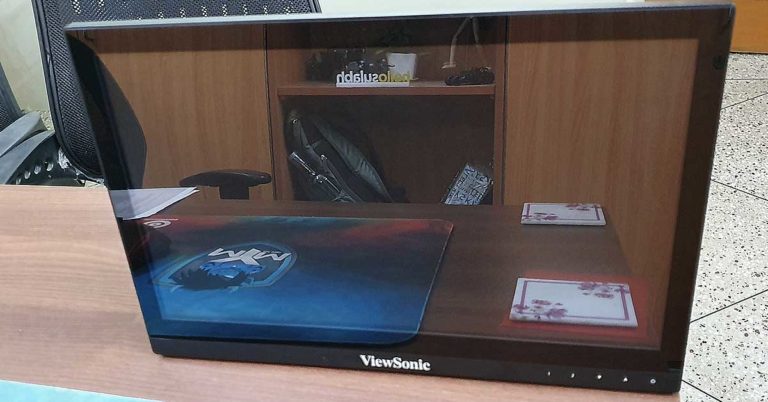
 The front part of the Viewsonic TD 1630-3 Touch LED monitor is basically built of the touchscreen with the power and other buttons along with Viewsonic branding at the bottom. The monitor is light and can be easily placed on any desk big or small. At the back there are downward facing ports, which include power, USB, VGA and HDMI as well as audio in. Talking about audio, there are two 1W upward firing speakers in this monitor. Dressed in grey and black plastic, there is nothing unusual about the monitor, till you come to the workings of it.
 The front part of the Viewsonic TD 1630-3 Touch LED monitor is basically built of the touchscreen with the power and other buttons along with Viewsonic branding at the bottom. The monitor is light and can be easily placed on any desk big or small. At the back there are downward facing ports, which include power, USB, VGA and HDMI as well as audio in. Talking about audio, there are two 1W upward firing speakers in this monitor. Dressed in grey and black plastic, there is nothing unusual about the monitor, till you come to the workings of it.
 But that does not mean it is not great to work with. Yes, the games were not running at its optimum, but that is not what the monitor is made for. It is made for professional work use. Which it does just fine. The screen has 7H hardness which keeps it scratch proof, but the constant touches and taps does make it a fingerprint magnet and we for one do like our monitors smudge free.
The viewing angles on the monitor are not great as they support on only up to 90 degrees. Neither is the sound since 1W does not do justice to the multimedia experience. But what is good are its colours, they are bright and crisp. Blacks are not bad either. Though we have seen better from some other less expensive Viewsonic monitors.
But that does not mean it is not great to work with. Yes, the games were not running at its optimum, but that is not what the monitor is made for. It is made for professional work use. Which it does just fine. The screen has 7H hardness which keeps it scratch proof, but the constant touches and taps does make it a fingerprint magnet and we for one do like our monitors smudge free.
The viewing angles on the monitor are not great as they support on only up to 90 degrees. Neither is the sound since 1W does not do justice to the multimedia experience. But what is good are its colours, they are bright and crisp. Blacks are not bad either. Though we have seen better from some other less expensive Viewsonic monitors.


 The lower price of the Pixel 3a and the Pixel 3a XL will be seen on its build quality, performance and overall look and feel. The primary reason for this is that Pixel 3a and the Pixel 3a XL will come with plastic or poly-carbonate back panel instead of the glass back panel the original Pixel 3 series uses. Their processors will also reportedly have reduced power which justifies its price point. The screen resolution of the new Pixel 3a series will also be lower than their flagship counterparts.
More details about the phone will be made available once the Google I/O 2019 keynote kicks off next month.
For the latest gadget and tech news, and gadget reviews, follow us on Twitter, Facebook and Instagram. For newest tech & gadget videos subscribe to our YouTube Channel. You can also stay up to date using the Gadget Bridge Android App.
The lower price of the Pixel 3a and the Pixel 3a XL will be seen on its build quality, performance and overall look and feel. The primary reason for this is that Pixel 3a and the Pixel 3a XL will come with plastic or poly-carbonate back panel instead of the glass back panel the original Pixel 3 series uses. Their processors will also reportedly have reduced power which justifies its price point. The screen resolution of the new Pixel 3a series will also be lower than their flagship counterparts.
More details about the phone will be made available once the Google I/O 2019 keynote kicks off next month.
For the latest gadget and tech news, and gadget reviews, follow us on Twitter, Facebook and Instagram. For newest tech & gadget videos subscribe to our YouTube Channel. You can also stay up to date using the Gadget Bridge Android App.
 The lower price of the Pixel 3a and the Pixel 3a XL will be seen on its build quality, performance and overall look and feel. The primary reason for this is that Pixel 3a and the Pixel 3a XL will come with plastic or poly-carbonate back panel instead of the glass back panel the original Pixel 3 series uses. Their processors will also reportedly have reduced power which justifies its price point. The screen resolution of the new Pixel 3a series will also be lower than their flagship counterparts.
More details about the phone will be made available once the Google I/O 2019 keynote kicks off next month.
For the latest gadget and tech news, and gadget reviews, follow us on Twitter, Facebook and Instagram. For newest tech & gadget videos subscribe to our YouTube Channel. You can also stay up to date using the Gadget Bridge Android App.
The lower price of the Pixel 3a and the Pixel 3a XL will be seen on its build quality, performance and overall look and feel. The primary reason for this is that Pixel 3a and the Pixel 3a XL will come with plastic or poly-carbonate back panel instead of the glass back panel the original Pixel 3 series uses. Their processors will also reportedly have reduced power which justifies its price point. The screen resolution of the new Pixel 3a series will also be lower than their flagship counterparts.
More details about the phone will be made available once the Google I/O 2019 keynote kicks off next month.
For the latest gadget and tech news, and gadget reviews, follow us on Twitter, Facebook and Instagram. For newest tech & gadget videos subscribe to our YouTube Channel. You can also stay up to date using the Gadget Bridge Android App.
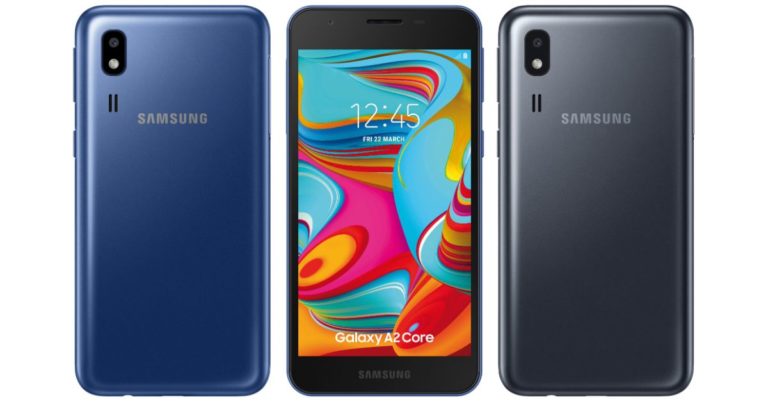
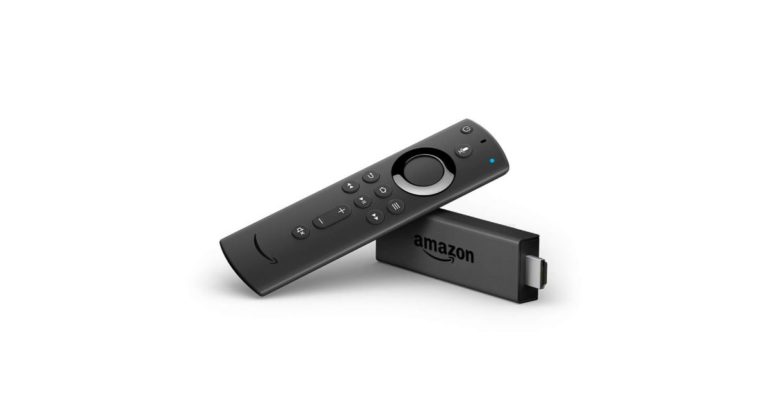


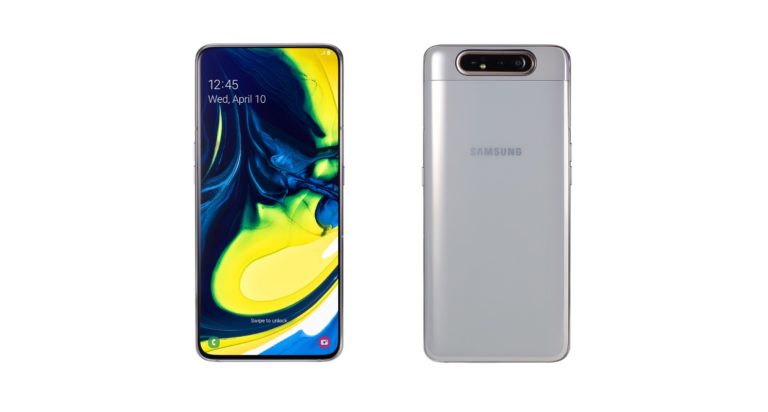
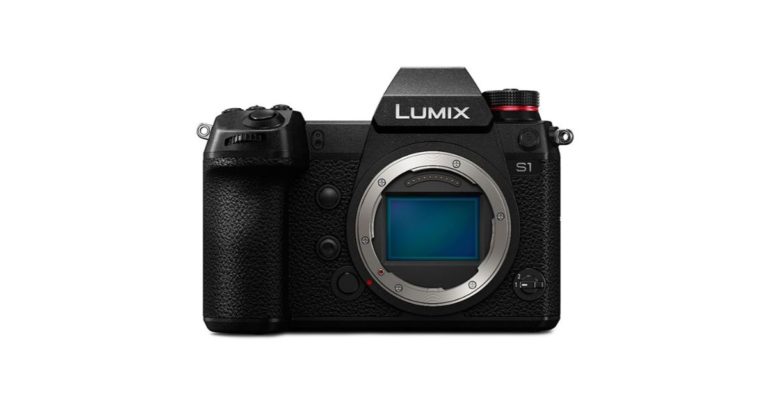


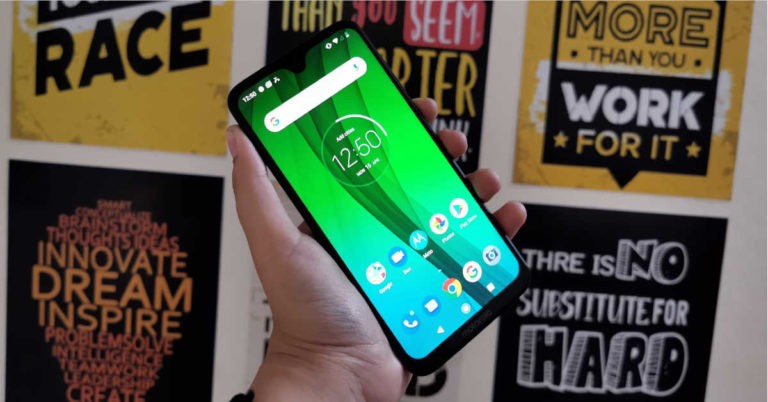
 The handset is curved at its edges, which is a factor that really helps in one-handed usage.
Coming to Moto G7’s back panel, as we mentioned earlier, it is made up of glass. The back panel is what truly adds a premium look and feel to the smartphone. There are only two things on Moto G7’s back – the dual rear camera setup of the device and the Moto dimple.
The dual rear cameras of Moto G7 are placed inside a circular module that also has an LED flash inside it. Although it protrudes out like the camera modules found on previous Moto smartphones, it doesn’t stick out as much as the earlier ones did. The Moto dimple that lies right below it houses the fingerprint scanner of the smartphone. There’s one thing that we should mention though: The back panel is prone to getting fingerprint smudges, much like any other smartphone with a glass back. However, it is very easy to get rid of them too. Just one wipe with a piece of cloth and you’ll see them all disappear.
It is also worth adding that Moto G7 comes with P2i coating, which makes it water resistant. This is definitely a plus, considering the price segment, as it would keep your device safe in case it is accidentally hit by a splash of water. However, if you drop it in a pool of water, the handset is likely to be damaged, as it just has P2i water repellent coating and not an IP rating.
In a nutshell, we would say that we really liked the design of the Moto G7 smartphone. It is very minimalistic and sleek. It’s not for you if you like your smartphone to be flashy though. Go for it if you like elegant and classy looking handsets.
The handset is curved at its edges, which is a factor that really helps in one-handed usage.
Coming to Moto G7’s back panel, as we mentioned earlier, it is made up of glass. The back panel is what truly adds a premium look and feel to the smartphone. There are only two things on Moto G7’s back – the dual rear camera setup of the device and the Moto dimple.
The dual rear cameras of Moto G7 are placed inside a circular module that also has an LED flash inside it. Although it protrudes out like the camera modules found on previous Moto smartphones, it doesn’t stick out as much as the earlier ones did. The Moto dimple that lies right below it houses the fingerprint scanner of the smartphone. There’s one thing that we should mention though: The back panel is prone to getting fingerprint smudges, much like any other smartphone with a glass back. However, it is very easy to get rid of them too. Just one wipe with a piece of cloth and you’ll see them all disappear.
It is also worth adding that Moto G7 comes with P2i coating, which makes it water resistant. This is definitely a plus, considering the price segment, as it would keep your device safe in case it is accidentally hit by a splash of water. However, if you drop it in a pool of water, the handset is likely to be damaged, as it just has P2i water repellent coating and not an IP rating.
In a nutshell, we would say that we really liked the design of the Moto G7 smartphone. It is very minimalistic and sleek. It’s not for you if you like your smartphone to be flashy though. Go for it if you like elegant and classy looking handsets.
 However, navigation via Google Maps alone on the device works without any hiccups. And so do most games – even the graphic hungry ones. The handset could handle even games like Asphalt 9: Legends well, which we think is great for a budget smartphone.
Speaking of the biometric security of Moto G7, the face unlock as well as the fingerprint sensor worked well during our time with it. The fingerprint scanner even recognised our finger when it was moist, and the face unlock continued to work in dimly lit conditions. However, stick to using the fingerprint scanner when you are in really dark areas.
However, navigation via Google Maps alone on the device works without any hiccups. And so do most games – even the graphic hungry ones. The handset could handle even games like Asphalt 9: Legends well, which we think is great for a budget smartphone.
Speaking of the biometric security of Moto G7, the face unlock as well as the fingerprint sensor worked well during our time with it. The fingerprint scanner even recognised our finger when it was moist, and the face unlock continued to work in dimly lit conditions. However, stick to using the fingerprint scanner when you are in really dark areas.
 Coming to the cameras of the smartphone, their performance was not very consistent. The shots taken from the dual rear cameras during the day were overexposed and the colours were saturated.
 Saying that the images clicked were sharp and clear. During the day, the quality of images remains good. However, the same cannot be said for night shots as they turned out to be grainy.
 Probably with the next set of patches we would see this fixed. Also, you might want to use the flash when in low lit or dark areas.
 Even the selfie camera of the smartphone works similarly. Most selfies we took with it turned out to be good, but again, the colours were slightly saturated.
 The handset is curved at its edges, which is a factor that really helps in one-handed usage.
Coming to Moto G7’s back panel, as we mentioned earlier, it is made up of glass. The back panel is what truly adds a premium look and feel to the smartphone. There are only two things on Moto G7’s back – the dual rear camera setup of the device and the Moto dimple.
The dual rear cameras of Moto G7 are placed inside a circular module that also has an LED flash inside it. Although it protrudes out like the camera modules found on previous Moto smartphones, it doesn’t stick out as much as the earlier ones did. The Moto dimple that lies right below it houses the fingerprint scanner of the smartphone. There’s one thing that we should mention though: The back panel is prone to getting fingerprint smudges, much like any other smartphone with a glass back. However, it is very easy to get rid of them too. Just one wipe with a piece of cloth and you’ll see them all disappear.
It is also worth adding that Moto G7 comes with P2i coating, which makes it water resistant. This is definitely a plus, considering the price segment, as it would keep your device safe in case it is accidentally hit by a splash of water. However, if you drop it in a pool of water, the handset is likely to be damaged, as it just has P2i water repellent coating and not an IP rating.
In a nutshell, we would say that we really liked the design of the Moto G7 smartphone. It is very minimalistic and sleek. It’s not for you if you like your smartphone to be flashy though. Go for it if you like elegant and classy looking handsets.
The handset is curved at its edges, which is a factor that really helps in one-handed usage.
Coming to Moto G7’s back panel, as we mentioned earlier, it is made up of glass. The back panel is what truly adds a premium look and feel to the smartphone. There are only two things on Moto G7’s back – the dual rear camera setup of the device and the Moto dimple.
The dual rear cameras of Moto G7 are placed inside a circular module that also has an LED flash inside it. Although it protrudes out like the camera modules found on previous Moto smartphones, it doesn’t stick out as much as the earlier ones did. The Moto dimple that lies right below it houses the fingerprint scanner of the smartphone. There’s one thing that we should mention though: The back panel is prone to getting fingerprint smudges, much like any other smartphone with a glass back. However, it is very easy to get rid of them too. Just one wipe with a piece of cloth and you’ll see them all disappear.
It is also worth adding that Moto G7 comes with P2i coating, which makes it water resistant. This is definitely a plus, considering the price segment, as it would keep your device safe in case it is accidentally hit by a splash of water. However, if you drop it in a pool of water, the handset is likely to be damaged, as it just has P2i water repellent coating and not an IP rating.
In a nutshell, we would say that we really liked the design of the Moto G7 smartphone. It is very minimalistic and sleek. It’s not for you if you like your smartphone to be flashy though. Go for it if you like elegant and classy looking handsets.
 Coming to the 6.2-inch Full HD+ IPS LCD display of the smartphone, it comes with an aspect ratio of 19:9 and is protected by a layer of Corning Gorilla Glass 3.
The colours projected on the display of the smartphone seem to be a little soaked. We wouldn’t call the difference to be a massive one, but we did consistently notice a slight difference between colours projected on Moto G7’s display and the screens of other devices. However, they remain the same at different viewing angles, which is a big plus in our books.
The images and videos appeared to be absolutely clear on the screen and we did not notice any pixelation whatsoever. Also, we faced no problems while using the display under direct sunlight, and we consider this to be another big plus on any device.
Coming to the 6.2-inch Full HD+ IPS LCD display of the smartphone, it comes with an aspect ratio of 19:9 and is protected by a layer of Corning Gorilla Glass 3.
The colours projected on the display of the smartphone seem to be a little soaked. We wouldn’t call the difference to be a massive one, but we did consistently notice a slight difference between colours projected on Moto G7’s display and the screens of other devices. However, they remain the same at different viewing angles, which is a big plus in our books.
The images and videos appeared to be absolutely clear on the screen and we did not notice any pixelation whatsoever. Also, we faced no problems while using the display under direct sunlight, and we consider this to be another big plus on any device.
 For imaging duties, the Moto G7 comes with dual-rear camera setup, which comprises of a 12MP primary sensor with an f/1.8 aperture paired with a 5MP secondary sensor with an f/2.2 aperture. On the front, there is an 8MP camera with an f/2.2 aperture that can be used for selfies and video calls.
For software, Moto G7 comes with Android 9.0 Pie that the company has tweaked a bit, but mostly, it’s stock Android. The company has added a number of gestures to the smartphone. So you can touch the smartphone with three fingers to take a screenshot, navigate through your device using only one button, turn the Fast Torch on and off using two karate chop motions, twist your wrist two quickly to launch the camera app, flip the phone to activate DND and more.
Coming to the performance, Moto G7 can handle basic day to day tasks very well. However, it is not very great at super multi-tasking. When we tried using the device for navigation and games at the same time, it began to heat up, which is common amongst all smartphone with a glass back.
For imaging duties, the Moto G7 comes with dual-rear camera setup, which comprises of a 12MP primary sensor with an f/1.8 aperture paired with a 5MP secondary sensor with an f/2.2 aperture. On the front, there is an 8MP camera with an f/2.2 aperture that can be used for selfies and video calls.
For software, Moto G7 comes with Android 9.0 Pie that the company has tweaked a bit, but mostly, it’s stock Android. The company has added a number of gestures to the smartphone. So you can touch the smartphone with three fingers to take a screenshot, navigate through your device using only one button, turn the Fast Torch on and off using two karate chop motions, twist your wrist two quickly to launch the camera app, flip the phone to activate DND and more.
Coming to the performance, Moto G7 can handle basic day to day tasks very well. However, it is not very great at super multi-tasking. When we tried using the device for navigation and games at the same time, it began to heat up, which is common amongst all smartphone with a glass back.
 However, navigation via Google Maps alone on the device works without any hiccups. And so do most games – even the graphic hungry ones. The handset could handle even games like Asphalt 9: Legends well, which we think is great for a budget smartphone.
Speaking of the biometric security of Moto G7, the face unlock as well as the fingerprint sensor worked well during our time with it. The fingerprint scanner even recognised our finger when it was moist, and the face unlock continued to work in dimly lit conditions. However, stick to using the fingerprint scanner when you are in really dark areas.
However, navigation via Google Maps alone on the device works without any hiccups. And so do most games – even the graphic hungry ones. The handset could handle even games like Asphalt 9: Legends well, which we think is great for a budget smartphone.
Speaking of the biometric security of Moto G7, the face unlock as well as the fingerprint sensor worked well during our time with it. The fingerprint scanner even recognised our finger when it was moist, and the face unlock continued to work in dimly lit conditions. However, stick to using the fingerprint scanner when you are in really dark areas.
 The 3,000mAh battery of the handset left us with a bag of mixed emotions. The battery lasts an entire day with moderate usage and if your usage is heavy, you would have to charge it again by the evening. However, that should not be a problem because the smartphone has support for 15W TurboPower fast charging and it takes very less time to charge the device completely.
 Coming to the cameras of the smartphone, their performance was not very consistent. The shots taken from the dual rear cameras during the day were overexposed and the colours were saturated.
 Saying that the images clicked were sharp and clear. During the day, the quality of images remains good. However, the same cannot be said for night shots as they turned out to be grainy.
 Probably with the next set of patches we would see this fixed. Also, you might want to use the flash when in low lit or dark areas.
 Even the selfie camera of the smartphone works similarly. Most selfies we took with it turned out to be good, but again, the colours were slightly saturated.