In This Article
Understanding the Basics: AI and Trading
Before diving into the impact of AI on trading, it is essential to understand what AI is and how it has evolved over time. Artificial Intelligence, or AI, refers to the simulation of human intelligence in machines. It encompasses various technologies that enable machines to understand, learn, and perform tasks that would typically require human intervention. The concept of AI has been around for decades, but it is in recent years that we have witnessed significant advancements in this field. With the exponential growth of computing power and the availability of vast amounts of data, AI has become more accessible and powerful than ever before. AI can be categorized into two main types: narrow AI and general AI. Narrow AI, also known as weak AI, is designed to perform specific tasks, such as speech recognition or image classification. On the other hand, general AI, also known as strong AI, aims to replicate human intelligence across a wide range of tasks. The Evolution of Trading Trading has come a long way from manual transactions to computerized systems. Over the years, advancements in technology have reshaped the trading landscape, leading to increased speed, efficiency, and accuracy. In the early days of trading, transactions were conducted manually, with traders physically exchanging assets on trading floors. This process was time-consuming and prone to human error. However, with the advent of computers and electronic trading platforms, the trading process became more streamlined and efficient. Computerized trading systems, also known as algorithmic trading or automated trading, revolutionized the financial markets. These systems use pre-programmed algorithms to execute trades automatically based on predefined rules and market conditions. By eliminating human intervention, algorithmic trading minimizes the impact of emotions and human biases on trading decisions. With the rise of AI, trading systems have become even more sophisticated. AI algorithms can analyze vast amounts of data, including market trends, news articles, social media sentiment, and even satellite imagery, to make informed trading decisions. These algorithms can identify patterns and correlations that may not be apparent to human traders, enabling them to capitalize on market opportunities and mitigate risks. Moreover, AI-powered trading systems can adapt and learn from past experiences. Through a process called machine learning, these systems can improve their performance over time by continuously analyzing data and refining their algorithms. AI is also transforming other areas of trading, such as risk management and compliance. AI algorithms can analyze large volumes of data to identify potential risks and anomalies, helping traders and regulators make more informed decisions. However, it is important to note that AI is not a magic bullet. While it has the potential to enhance trading strategies and improve outcomes, it is not immune to limitations and risks. AI algorithms are only as good as the data they are trained on, and they can be susceptible to biases and errors. In conclusion, AI has revolutionized the trading landscape, enabling faster, more efficient, and more data-driven decision-making. As technology continues to advance, we can expect AI to play an increasingly prominent role in the future of trading.The Intersection of AI and Trading
AI has found its way into the trading world and is being utilized in various aspects of the trading process. The integration of artificial intelligence (AI) technology in trading has brought about significant advancements and transformed the way financial markets operate. One of the key areas where AI is used in trading is for tasks such as data analysis, prediction, and automation. Machine learning algorithms can analyze vast amounts of data to identify market patterns and trends, aiding in making informed trading decisions. These algorithms can process data from various sources, including financial news, social media, and historical price data, to detect patterns that might not be apparent to human traders. Machine learning, a subset of AI, plays a vital role in trading. By continuously analyzing data and adapting algorithms, machine learning models can make predictions about market conditions and identify potential trading opportunities. These models can learn from historical data to recognize patterns and trends, enabling traders to anticipate market movements and make more accurate predictions. Moreover, predictive analytics, powered by AI, provides traders with valuable insights into market behavior. It involves analyzing historical data, identifying patterns, and using statistical models to forecast future market trends. This enables traders to make data-driven decisions and develop effective trading strategies. Another area where AI is revolutionizing trading is automation. AI-powered trading systems can execute trades automatically based on pre-defined rules and algorithms. These systems can monitor market conditions in real-time, identify trading signals, and execute trades with minimal human intervention. This not only saves time but also eliminates the potential for human error. Furthermore, AI has enabled the development of algorithmic trading strategies that can adapt to changing market conditions. These strategies can automatically adjust their parameters and trading rules based on real-time market data, ensuring optimal performance in dynamic trading environments. In conclusion, the intersection of AI and trading has opened up new possibilities for traders. AI technology, with its ability to analyze vast amounts of data, make accurate predictions, and automate trading processes, has transformed the way financial markets operate. As AI continues to evolve, it is expected to play an even more significant role in shaping the future of trading.Changing the Risk Landscape
 The introduction of AI in trading has brought about significant changes in how risks are managed.
Quantum ai trading represents a paradigm shift in the risk landscape of modern financial markets. By harnessing the principles of quantum computing, it enables the analysis of massive data sets in a fraction of the time traditional algorithms would take. These ultra-fast calculations allow for the prediction of market trends with a level of precision and efficiency previously unseen.
The implications of this technology are profound, reshaping risk management strategies and challenging existing trading paradigms. As quantum AI trading becomes more pervasive, understanding its impact is crucial for investors, regulators, and market participants, who must adapt to a rapidly changing risk environment.
The introduction of AI in trading has brought about significant changes in how risks are managed.
Quantum ai trading represents a paradigm shift in the risk landscape of modern financial markets. By harnessing the principles of quantum computing, it enables the analysis of massive data sets in a fraction of the time traditional algorithms would take. These ultra-fast calculations allow for the prediction of market trends with a level of precision and efficiency previously unseen.
The implications of this technology are profound, reshaping risk management strategies and challenging existing trading paradigms. As quantum AI trading becomes more pervasive, understanding its impact is crucial for investors, regulators, and market participants, who must adapt to a rapidly changing risk environment.




 Also Read:



 Step 3:
 Step 4:
 Step 5:
 Step 6:
 Step 8:
 Step 11:
 Step 12:
 Step 13: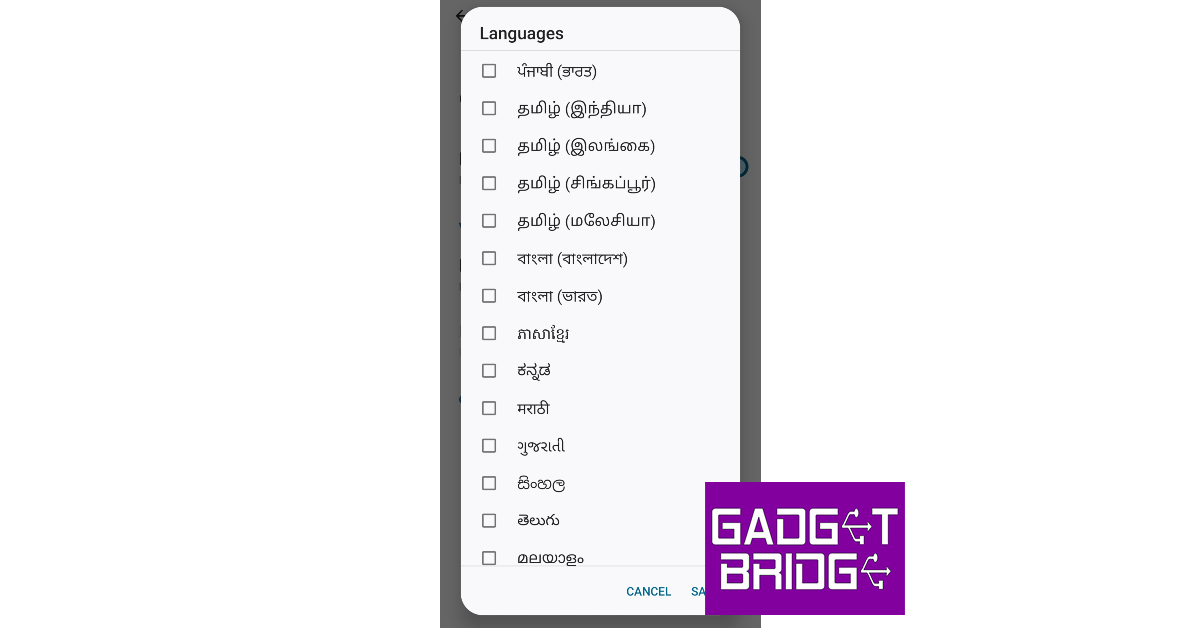





 Step 2:
 Step 3: Turn on the toggle switch
 Step 4:
 Step 2:
 Step 3: Select the app
 Step 4:
 Step 2:
 Step 3:
 Step 4:
 Step 5:
 Step 6:
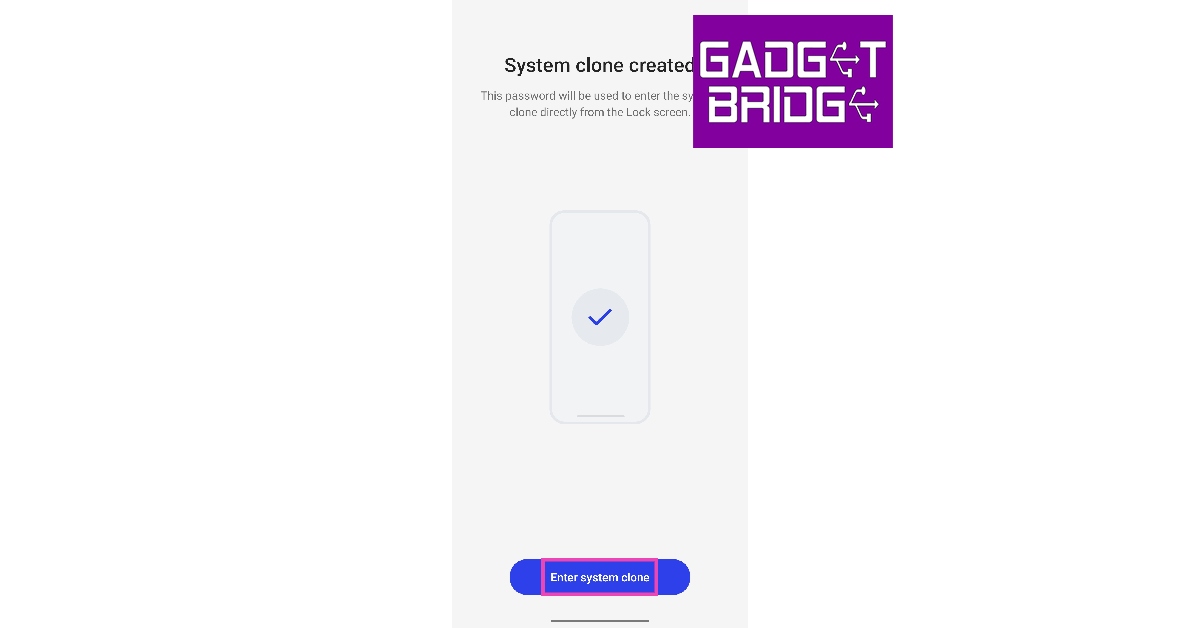 Step 7:
 Step 10:
 Step 11:
 Step 3: Hit Add next to the app you wish to clone.
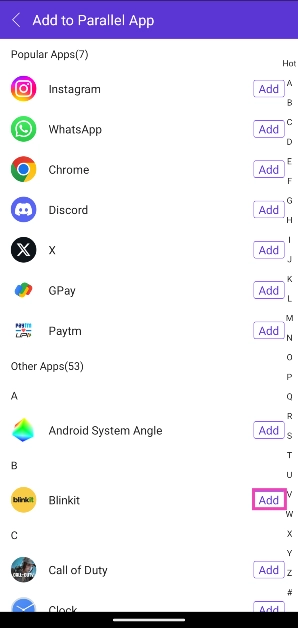 Step 4: Parallel App will download the app and add it to its library. Tap on the app’s icon to open it.


 Step 3:
 Step 4: Swipe down
 Step 5:
 Step 8:
 Step 9:
 Step 11:
 Step 13: Save













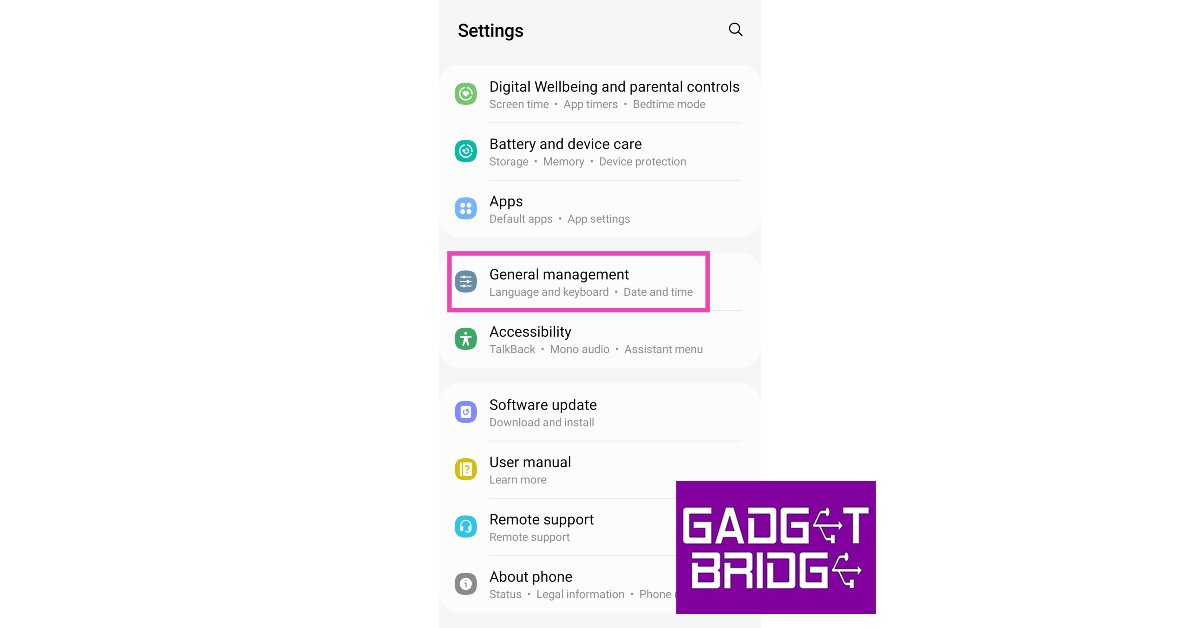 Step 2:
 Step 3:
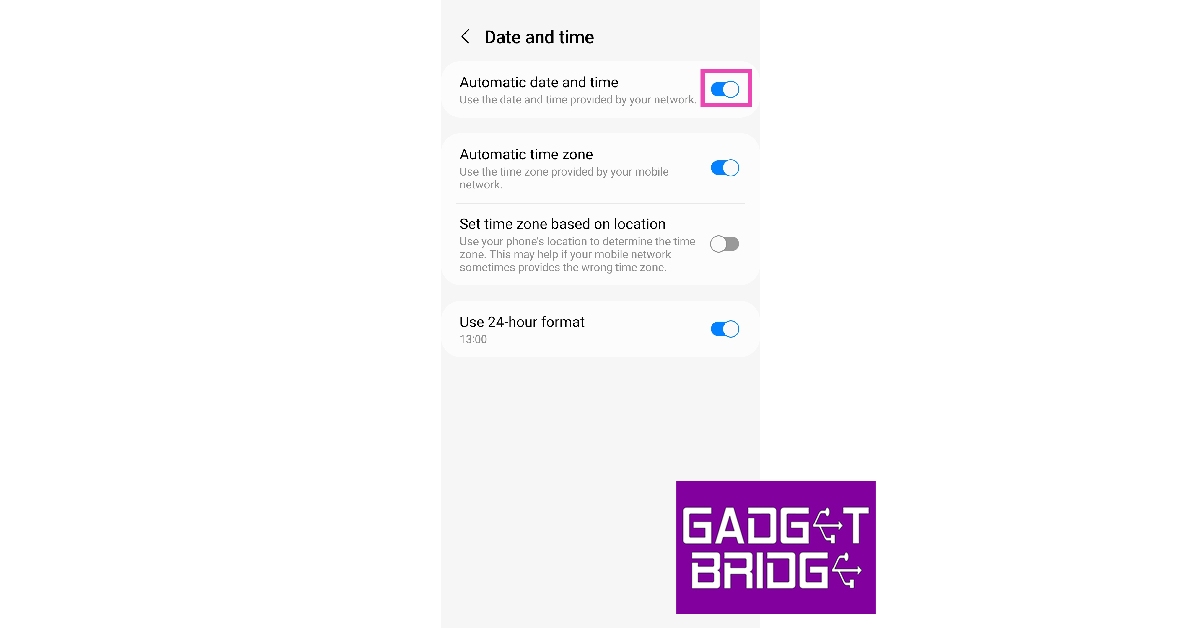 Step 4:
 Step 5:




 Step 2:
 Step 3:
 Step 4:

 Step 2: Select a contact
 Step 3: