OnePlus 7 and OnePlus 7 Pro are now official, specifications leaked before the official launch date reveal

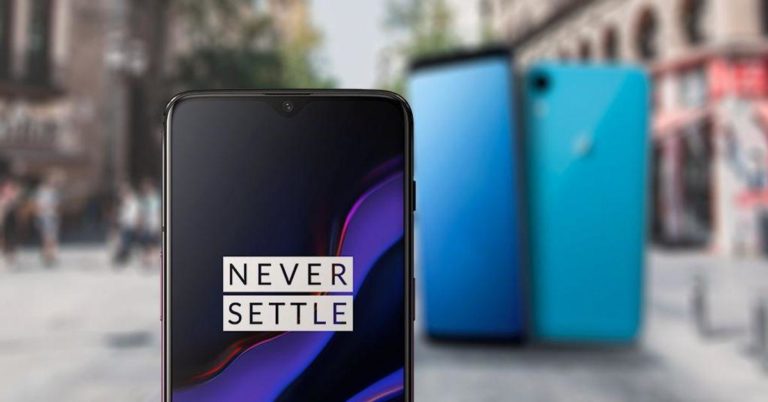
The upcoming flagship devices from Chinese smartphone maker OnePlus are going to be the OnePlus 7 and the OnePlus 7 Pro. The company is set to announce the launch date of the OnePlus 7-series later today. But before its official reveal, the CEO of the company Pete Lau has confirmed the names of the smartphones and also teased that the upcoming OnePlus 7 handsets will use a new display technology. According to the CEO, the new technology is expensive but he also added that ‘the end result is one of the best in the world’. In addition to this, prior to the official launch, the specifications of the upcoming OnePlus 7 Pro have been leaked online. And according to the leaks, both the variants will be powered by the Snapdragon 855 SoC but the OnePlus 7 Pro will have a 90Hz screen.

Pete Lau confirmed The Verge’s report that the upcoming OnePlus 7 Pro will be using a new type of display technology. The new display will reportedly “redefine fast and smooth and is the best in the world”. He also said that the cost of the new display technology is 3-times the cost of normal flagship display, so the company has increased the budget on its display by a margin of around 300 percent compared to previous OnePlus smartphones.

Coming to the new display technology of the OnePlus 7, Lau said, “The first time I saw it myself, I was stunned.” But before its official launch date reveal, the specifications of the OnePlus 7 and the OnePlus 7 Pro has been leaked online.

OnePlus 7 Pro specifications (leaked)

The leaks have been reported by a tipster named Max J. and they reveal that the OnePlus 7 Pro will reportedly be a 5G ready device. It is said to sport a 6.7-inch display with a resolution of 3120×1440 pixels and an aspect ratio of 19.5:9. The display of the device will also have a 90Hz refresh rate and it will reportedly be powered by the Snapdragon 855 SoC. There will be multiple variants of the OnePlus 7 Pro, one with 6GB RAM/ 128GB storage, the other with 8GB RAM/ 256GB storage and the highest variant of the device will have 12GB RAM/ 256GB storage. The OnePlus 7 Pro will reportedly come with a storage standard UFS 3.0 which will give it a faster data transfer speed. Reports suggest that it will pack a 4,000mAh battery with 30W Warp Charge support and will have the in-display fingerprint scanner.

On the camera front, the OnePlus 7 Pro will reportedly come with triple-rear camera setup with a 48MP sensor with an f/1.6 aperture and OIS as well as EIS. It will be paired with an 8MP telephoto lens with an f/2.4 aperture with 3X zoom capability and a 16MP wide-angle lens with an f/2.2 aperture and 117-degrees field of view.

OnePlus 7 specifications (leaked)

The normal/vanilla variant of the upcoming smartphone will be called the OnePlus 7 and it will lack some of the features that we get to see in the Pro version. It will reportedly sport a 6.4-inch display with 2340 x 1080 pixels resolution without the 90Hz refresh rate.

According to the leaks, the OnePlus 7 will be powered by Snapdragon 855 SoC and it will come in two variants – one with 6GB RAM and 128GB storage and the other with 8GB RAM and 256GB storage. It is speculated to pack a 3,700mAh battery with 20W fast charging support.

On the camera front, the OnePlus 7 will reportedly pack a 48MP camera as well with an f/1.7 aperture paired with a 5MP depth sensor. And unlike the Pro variant, the OnePlus 7 won’t have 5G capabilities.

For the latest gadget and tech news, and gadget reviews, follow us on TwitterFacebook and Instagram. For newest tech & gadget videos subscribe to our YouTube Channel. You can also stay up to date using the Gadget Bridge Android App.
Redmi Y3 spotted on Geekbench listing with its specifications leaked

0

Xiaomi’s upcoming selfie-centric smartphone, the Redmi Y3 is scheduled to be launched tomorrow at an event in New Delhi. And before the launch of the device, it has been spotted on the Geekbench benchmark website and most of the specifications of the handset have been listed. The listing shows that the Redmi Y3 will be powered by the Snapdragon 625 SoC and it will come with 3GB of RAM.

Some of the confirmed details about the Redmi Y3 is that it will sport a 32MP selfie camera, house a 4,000mAh battery, sport a gradient back panel, come with dual rear cameras and feature a rear-mounted fingerprint scanner.

Yesterday, the company officially released a teaser video on its Twitter handle showcasing the Redmi Y3’s durability as it was pushed down a flight of stairs. The video confirmed the rear camera, gradient back as well as the presence of the rear fingerprint scanner. Here, we are listing down the expected specification of the upcoming Redmi Y3.

Redmi Y3 specifications (expected)

According to the Geekbench listing, the Redmi Y3 will is powered by the Snapdragon 625 SoC (MSM8953) paired with 3GB of RAM. But Redmi Y3 will also be launched in other variants with varying RAM and storage options much like its predecessor Redmi Y2.

It is should be noted that the company had already used the Snapdragon 625 SoC in its previous Redmi Y2, so using the same chipset in the successor of the device seems a little unlikely. Xiaomi has also used the same processor in Redmi Note 4 as well so that makes the chipset a dated one. But there is a possibility that Xiaomi might be adding some software enhancements to increase the performance of the upcoming Redmi Y3.

The Redmi Y3 will reportedly run Android 9 Pie skinned with MIUI 10 out-of-the-box. In terms of performance scores, the Redmi Y3 has scored 1,236 on the single-core and 4,213 on the multi-core testing on Geekbench website. The listing was spotted by technology blog Nashville Chatter and the upload date of the report on the website is listed as April 22.

However, since there is no official word on these specifications yet, we suggest you take them with a pinch of salt

Along with the launch of the Redmi Y3, the company is also expected to launch the Redmi 7 in the Indian market as well. Redmi 7 is the successor of the Redmi 6 and it was released in China earlier this year.

For the latest gadget and tech news, and gadget reviews, follow us on TwitterFacebook and Instagram. For newest tech & gadget videos subscribe to our YouTube Channel. You can also stay up to date using the Gadget Bridge Android App.
Oppo A1k with 4,000mAh battery, Android 9.0 Pie launched: Price and specifications

Chinese smartphone maker Oppo has expanded its portfolio with the launch of its A1k handset. The company unveiled the Oppo A1k smartphone in Russia this week along with its A5s handset, which was also launched in India on the same day. According to Oppo, the smartphone comes with a metallic texture on its back panel and sports a teardrop-shaped notch on its display.

The company has also touted the presence of its AI-powered battery technology that has been used in the Oppo A1k device saying that it will make the smartphone last for up to 17 hours after it is fully charged. Here’s a look at the pricing details and specifications of the newly-unveiled smartphone from Oppo:

Oppo A1k price and availability

The Oppo A1k smartphone has been launched in only one variant in Russia that comes with 2GB of RAM and 32GB of internal storage. The device costs RUB 9,990, which is approximately Rs 10,500.

The new smartphone from Oppo will be available in Black and Red colour options, however, as of now, we don’t know when that will happen as the company has not shared its availability details. There is also no word about when the handset will be launched outside Russia.

Oppo A1k specifications

Coming to the specifications and features of the Oppo A1k smartphone, it runs Android 9.0 Pie skinned with ColorOS 6.0. The device has support for dual-SIM cards and features a 6.1-inch HD+ (720×1560 pixels) display that comes with a screen to body ratio of 87.43 percent. The device has a layer of Corning Gorilla Glass for protection.

Powered by MediaTek Helio P22 (MT6762R) processor, Oppo A1k smartphone comes with IMG GE8320 GPU and 2GB of RAM. On the camera front, the handset features an 8MP primary camera with an f/2.2 lens and for selfies and video calls, there is a 5MP front-facing snapper with an f/2.0 lens.

Oppo A1k smartphone packs 32GB of internal storage and also has support for a microSD card. For connectivity options, the new device from Oppo offers 4G LTE support, Wi-Fi, Bluetooth 4.2, GPS, and a Micro-USB port.

The handset houses a 4,000mAh battery which, according to the company, can last up to 17 hours of active usage on a single charge. Oppo A1k weighs 170 grams and measures 154.5×73.8x84mm.

It is worth mentioning that Oppo has yesterday launched its A5s smartphone in India that is powered by the MediaTek Helio P35 SoC and houses a 4,230mAh battery. The newly launched smartphone is priced at Rs 9,990 in India.

For the latest gadget and tech news, and gadget reviews, follow us on TwitterFacebook and Instagram. For newest tech & gadget videos subscribe to our YouTube Channel. You can also stay up to date using the Gadget Bridge Android App.

Samsung Galaxy Fold’s screen failure leads to an indefinite delay in its launch

1

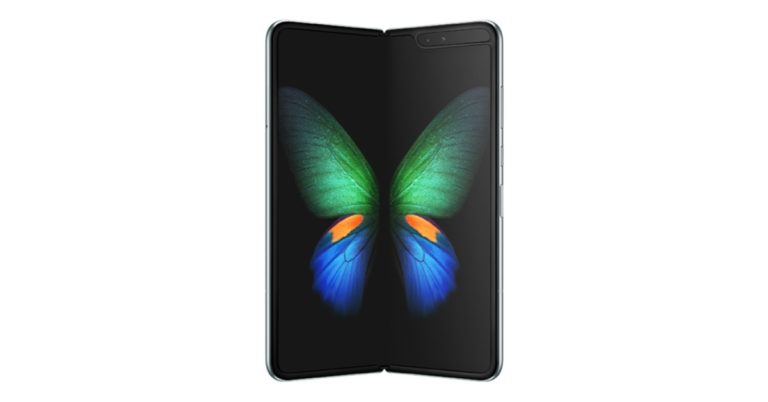
After multiple display failures of the review units of Samsung Galaxy Fold sent by the company to members of the tech press, the company has confirmed that it is postponing the release of its foldable phone. The news comes in as a surprise as the $2,000 (approximately Rs 1,39,500) Galaxy Fold was about to go on sale tomorrow onwards in the United States. Although Samsung had said that it wants the device to be of ‘high standards’ and it said that it will be releasing the Galaxy Fold ‘in the coming weeks’, industry experts believe that the device’s release may take some more time.

Samsung confirmed the news about the indefinite delay of its Galaxy Fold in a statement that read, “We want our customers to have the best experience possible which is why, after initial feedback, we have decided to delay the release of the category-changing Galaxy Fold to make sure it measures up to the high standards we know you expect from us. We plan to announce the [new] release date in the coming weeks.”

According to a report by The Wall Street Journal, Samsung Galaxy Fold won’t be made available for purchase until May. The company also replied to a customer who pre-ordered the device that he can expect a revised update on shipping details in two weeks (most probably in the first week of May). Although the company is saying that the Galaxy Fold will be brought out in May, but industry critics, reviewers and veterans have other thoughts in mind.

It should be noted that before officially being released to the markets, Samsung had given few of the Galaxy Fold units to reviewers. But they soon started having issues with the display of the device, and in most of the cases the display stopped working altogether. Some units of the device broke when the reviewers tried to pull out the ‘protective layer’ from the screen. Most of the reviewers reported problems with their units and most had problems with the screen itself. And seeing how gung-ho Samsung was about the Galaxy Fold, it seems it is a big failure on the company’s part after the exploding Galaxy Note 7.

Speaking about Samsung Galaxy Fold, the company said, “Initial findings from the inspection of reported issues on the display showed that they could be associated with impact on the top and bottom exposed areas of the hinge. There was also an instance where substances found inside the device affected the display performance. Samsung also said that it “will take measures to strengthen the display protection.” It is being speculated that the Galaxy Fold won’t be coming out anytime soon. But even now, the company is saying to the customers who pre-ordered the device, “Your pre-order guarantees your place in the queue for this innovative technology.”

About the device’s fragile screen Samsung said, “We will also enhance the guidance on care and use of the display including the protective layer so that our customers get the most out of their Galaxy Fold.”

Delaying the launch of the Galaxy Fold is the right move by Samsung because even though the device will now reach customers on a later date than expected, it would not come with issues that the reviewers of the handset faced. Samsung Galaxy Fold is a very expensive and premium smartphone and anyone spending that kind of money would expect top-notch performance from it.

For the latest gadget and tech news, and gadget reviews, follow us on TwitterFacebook and Instagram. For newest tech & gadget videos subscribe to our YouTube Channel. You can also stay up to date using the Gadget Bridge Android App.

[Video] Samsung Galaxy A70 unboxing, First Impressions and Camera Shots

Today we just added the Samsung Galaxy A70 unboxing video. We are also showing its camera shots. The Samsung Galaxy A70 has a Snapdragon 675 octa-core CPU with a clock speed of up to 2GHz. This is available in one variation only with 6GB of RAM and 128 GB of storage. This is expandable using a microSD card of up to 512 GB. The battery is a 4,500 MAH one which supports 25W super fast charging, so essentially you will get between 6-8 hours of talk time in just 15 minutes of charge.

The device is priced at Rs 28,990 and comes with a clear case and a pair of headphones in the box. Dolby Atmos is also supported here.

For the latest gadget and tech news, and gadget reviews, follow us on TwitterFacebook and Instagram. For newest tech & gadget videos subscribe to our YouTube Channel. You can also stay up to date using the Gadget Bridge Android App, too.

Lenovo Z6 Pro set to launch today: How to watch the live stream

Chinese smartphone brand Lenovo is all set to launch its Z6 Pro handset in China today. A number of teasers of the Lenovo Z6 Pro smartphone have been shared by the company itself over the last few weeks and because of them, we have a fair idea about what to expect from the device. The smartphone is the successor of Lenovo Z5 Pro handset and it comes with quad rear camera setup and features an in-display fingerprint scanner.

The key highlight of the device is that it is powered by Qualcomm Snapdragon 855 SoC, PC-like liquid cooling system and 4,000mAh battery. Here’s a look at how you can watch the live stream of the launch event of Lenovo Z6 Pro:

Lenovo Z6 Pro launch live stream

Lenovo will be launching its Z6 Pro smartphone in China at 2 pm local time, which means that it would begin at 11:30 am IST. The launch event will be live streamed on the company’s official Weibo account.

Lenovo has released a number of teasers that have confirmed major specifications and other highlighted features of the Lenovo Z6 Pro. A few camera samples of the upcoming smartphone have also been shared to show off its photography-centered features. A video promo that has been shared by the company also confirmed that an in-display fingerprint scanner and a waterdrop notch will be present on the display of the device.

The company has touted the smartphone to come with photography-centered features and other than this, it also packs 12GB of RAM and 512GB of internal storage.

The smartphone brand will today be announcing the pricing and availability details of the Lenovo Z6 Pro in China.

Lenovo has already been taking pre-orders of the device on its official website and JD.com. The reservation page also says that the smartphone comes in 6GB and 8GB RAM options, apart from the 12GB one.

Lenovo Z6 Pro specifications

The smartphone will come with a 6.39-inch display and be powered by Snapdragon 855 processor clubbed with up to 12GB of RAM. The teasers of the Lenovo Z6 Pro smartphone have also confirmed that the device will come with a quad rear camera setup with 48MP, 16MP, 8MP and 2MP sensors. The cameras of the handset are backed by Artificial Intelligence. For selfies and video calls, the smartphone will come with a 32MP sensor. The smartphone houses a 4,000mAh battery and runs Android Pie skinned with ZUI 11.

For the latest gadget and tech news, and gadget reviews, follow us on TwitterFacebook and Instagram. For newest tech & gadget videos subscribe to our YouTube Channel. You can also stay up to date using the Gadget Bridge Android App.
Vivo Funtouch OS 9 update roadmap announced, Android Pie open beta is now available for select smartphones

0

Chinese smartphone maker Vivo has finally announced its roadmap of its Funtouch OS 9 update. The new update will be based on Android 9 Pie and it is coming to thirteen Vivo smartphones in China. Some of smartphones from Vivo’s list of devices have already received the new Funtouch OS 9 update via an open beta channel. These include the Vivo X21s, Vivo Z1, and Vivo X23. Rest of the Vivo’s smartphones will receive the new update in the coming months. The final rollout of the Funtouch OS 9 based on Android 9 Pie for the smartphones will end in July, meaning before then all the devices mentioned in the list will receive the new update.

According to an official post from Vivo’s China forum, the Android Pie rollout with Funtouch OS 9 has already begun to selected devices but it is still in its public beta channel. The forum also mentions the list of devices which have already received the new beta build of the Funtouch OS 9, and as we mentioned earlier, these include Vivo X21i, Vivo Z1, Vivo Z1i, Vivo X23, and the Vivo X23 Symphony Edition.

Although some of the devices of the company are already receiving the new update in the current phase, but the next phase of the rollout will occur in June. During the second phase of the rollout, Funtouch OS 9 will be made available to Vivo X21, Vivo X21 UD, Vivo X21s, Vivo NEX A, Vivo NEX S, Vivo NEX Dual Screen Edition, and the Vivo Z3i. The company’s roadmap of the update states that the Vivo Z3 will receive the new Funtouch OS 9 update through the open public beta channel at the end of July.

But it should be noted that the new update and the rollout is currently being made available for the Chinese market only. And till now Vivo hasn’t said anything about the global rollout of the Funtouch OS 9. But since the new software is being pushed out to the abovementioned devices in China, the Global rollout will also be made available in the coming months, and some speculations suggest that we can expect it after July.

Furthermore, yesterday we saw that the new Android Pie update was being rolled out in phases for the Vivo V11 Pro and some of the users received the new update. The new update brings a number of changes along with the much-awaited system-wide dark mode. Revamped visual improvements and major as well as minor fixes over the previous update have also been added.

For the latest gadget and tech news, and gadget reviews, follow us on TwitterFacebook and Instagram. For newest tech & gadget videos subscribe to our YouTube Channel. You can also stay up to date using the Gadget Bridge Android App.

 

Tesla will enable the aggressive Autopilot mode with ‘slight chance of a fender bender’: CEO Elon Musk

Tesla CEO Elon Musk has said at the company’s event on Monday that the electric car maker will enable drivers to select aggressive modes of its Autopilot driver assistance system which have a “slight chance of a fender bender.” However, he did not give a specific timeline for this, but only mentioned it as one of the plans Tesla has for the future. He also added that in order to roll the feature out, the company would need to have “higher confidence” in the Autopilot capabilities.

Speaking about the plans at the event which was meant for Tesla investors, Musk said, “Do you want to have a nonzero chance of a fender bender on freeway traffic?” We should also mention that he dubbed this as “LA traffic mode” as “unfortunately, (it’s) the only way to navigate LA traffic.”

It is worth noticing that Tesla already lets its customers select a “Mad Max” setting to Navigate on Autopilot, a feature that handles highway driving and lets driver go from on-ramp to off-ramp. It also lets drivers change lanes quickly provided that the car is in ‘Mild’ or ‘Average’ modes.

Musk also suggest that Tesla will also let drivers choose a “gradually more aggressive behavior”. He again did not give a specific timeline for this but he did mention that in order to do this, drivers would just need to “dial the setting up.”

The event also saw Musk along with other executives from Tesla explain about the hardware and software work that the company has been putting in as it takes more and more steps towards making its cars fully self-sustainable when it comes to driving. The CEO also announced at the event that all cars that are currently being produced at Tesla come with the company’s new custom “self-driving” computer. However, he also said that the company is still working on the software that will enable the advanced autonomous capabilities and added that it would not be ready until later this year.

It is worth pointing out though that back in 2016, Musk and Tesla said the exact same thing claiming that “all Tesla cars being produced now have full self-driving hardware.” However, that did not turn out to be true. Eventually, the company did admit that it had to develop the new hardware adding that it would change it for free for customers who had paid to get a “full self-driving” car.

To recall, there have been several instances in the past when Tesla’s Autopilot driver assistance feature had to face scrutiny from the public, media and regulators. A few owners of Tesla have also died using the feature.

For the latest gadget and tech news, and gadget reviews, follow us on TwitterFacebook and Instagram. For newest tech & gadget videos subscribe to our YouTube Channel. You can also stay up to date using the Gadget Bridge Android App.

Vivo V11 Pro is getting Android 9.0 Pie update, to be rolled out in batches: Report

0

The Vivo V11 Pro was launched in September 2018 last year and it was one of the devices which came with the in-display fingerprint scanners at an affordable price. When launched, the Vivo V11 Pro came with Android 8.1 Oreo out-of-the-box. But now, the Vivo V11 Pro is getting Android 9 Pie update. The new update is being rolled out by Vivo in batches and it will take time for the users of the Vivo V11 Pro to receive the Android Pie update.

The new update is 3.11GB in size and it adds some new highlights to the update. It brings the upgraded Android Pie along with a new UI look and revamped visual elements. There is also an addition of an upgraded Shortcut Centre and much more. A Twitter user with the name Anmol Kumar had received the new update and he shared the picture on his Twitter handle which shows that the new update will bring the much-awaited system-wide dark mode to the Vivo V11 Pro. Other than the above mentioned upgrades, the update also brings much more changes, fixes upgrades over the previous version of Android and the OS.

The update also adds a new FunTouchOS version PD1814F_EX_A_1.8.25 and it brings new elements to the Vivo V11 Pro. There is new UI design being provided with the update along with a stable update.

Moreover, talking about the specifications of the Vivo V11 Pro, it sports a 6.41-inch Full HD+ (1080 x 2340 pixels) Halo FullView 3.0 Super AMOLED display with an aspect ratio of 19.5:9. It is powered by the Snapdragon 660 SoC paired with an AI Engine and Adreno 512GPU. The Vivo V11 Pro comes with 6GB of RAM and 64GB of inbuilt storage with support of microSD card of up to 256GB.

On the camera front, the Vivo V11 Pro pairs a dual-rear camera setup of a 12MP main camera with an f/1.8 aperture paired with a 5MP secondary sensor with an f/2.4 aperture. There is also an LED flash and ‘dual pixel’ technology accompanied with the cameras which gives better low-light photography and fast autofocus. While at the front, there is a 25MP selfie camera with an f/2.0 aperture, the front camera of the Vivo V11 Pro comes with AI-powered features and AR stickers.

Other features of the Vivo V11 Pro includes 4G VoLTE, dual-band (2.4GHz and 5GHz) Wi-Fi, Bluetooth v4.2, GPS/ A-GPS, Micro-USB with OTG, and a 3.5mm headphone jack.

For the latest gadget and tech news, and gadget reviews, follow us on TwitterFacebook and Instagram. For newest tech & gadget videos subscribe to our YouTube Channel. You can also stay up to date using the Gadget Bridge Android App.

 

Microsoft drops Windows 10’s ‘Sets’ feature

It looks like Microsoft’s Windows 10 development team has stopped implementing Sets, which is basically a system-wide feature that was supposed to bring tabs to a number of Windows 10 applications but also lets users open multiple tabs in the same window in order to run different programs.

The feature was promised to bring a whole new paradigm to the Windows desktop, which would have completely changed the way how the desktop operating system is used. Windows users have been wanting to use tabs in the Windows Explorer, and Sets would have been a much better feature than that.

It is worth mentioning that the concept was introduced initially in late 2017, and even back then it looked like it was a well-planned feature as Microsoft spoke about a number of keyboard shortcuts and behavioural elements that it had designed. The purpose of Sets was said to help people group various activities on the basis of task and purpose.

The company had also said that the name ‘Sets’ was not a final one and that it may have changed when the feature was released. Microsoft rolled out the feature to a small number of Windows Insider beta tester in what it called as a “controlled study” to get user feedback.

However, in June 2018, Microsoft removed the feature from builds released to Windows Insider because it said that it had to do more background work on it. The release notes also stated that developers would work on the visual design of the UI, enhanced workflow, and better integration of Microsoft Edge and Microsoft Office. The company also promised that it would bring back Sets in a future build. But then, the feature did not get back in time for the Windows 10 October 2018 update. Or for the new Windows 10 May 2019 Update.

And now, Microsoft’s Senior Product Manager Rich Turner has taken to Twitter to say that the company has stopped working on the feature completely. Turner was responding to a query on Twitter when he stated that, “The shell-provided tab experience is no more.” However, he did add that there is still an effort being made by the company to add tabs to PowerShell, which is expected to look and behave more like the tabs in other programs.

This statement does leave hope that tabs will come to Windows Explorer in Windows 10, which has been a demand from Windows power users for a very long time.

For the latest gadget and tech news, and gadget reviews, follow us on TwitterFacebook and Instagram. For newest tech & gadget videos subscribe to our YouTube Channel. You can also stay up to date using the Gadget Bridge Android App.

Huawei claims to have launched ‘World’s First’ 5G Hardware for Autos’

Chinese electronics maker Huawei Technologies has today launched what it calls as the world’s first 5G communications hardware that is meant for the automotive industry. This is being considered as a sign of Huawei’s growing ambition to be one among the key suppliers for the self-driving technology sector.

In a statement, the company said that the so-called MH5000 module is based on the Balong 5000 5G chip that was launched earlier this year in January. The statement read, “Based on this chip, Huawei has developed the world’s first 5G car module with high speed and high quality.”

Huawei launched its newest offering at Shanghai Autoshow, which kicked off last week and will go on till Thursday. The company further added, “As an important communication product for future intelligent car transportation, this 5G car module will promote the automotive industry to move towards the 5G era.”

The Chinese technology brand also said that the module will help it to commercialise 5G network technology for the automotive sector in the second half of 2019.

In the last few years, Huawei has also been testing technology for intelligent connected cars in various cities in China including Shanghai, Shenzhen and Wuxi. The company has also signed cooperation deals with a number of car makers including FAW, Dongfeng and Changan.

It is worth adding that Huawei, which has become the world’s biggest telecoms equipment maker, is now working on becoming the leader of the global race for next-generation 5G networks, but has under a lot of scrutiny from the United States. The United States has alleged that Huawei’s equipment could be used for espionage. However, the Chinese smartphone maker has always denied these allegations.

In the latest development on this note, the US Intelligence has accused Huawei of receiving funding from China’s National Security Commission, the People’s Liberation Army along with the third batch of Chinese state Intelligence network.

It should be noted that the new development between the US and the Chinese company comes at a time when the trade tensions between the US and Huawei are high.

While as of now, the Chinese smartphone maker has not commented on the latest allegations, in the past, the company did issue a statement on the matter. Speaking on the allegations against the company, a representative from Huawei said in a statement, “Huawei does not comment on unsubstantiated allegations backed up by zero evidence from anonymous sources.”

For the latest gadget and tech news, and gadget reviews, follow us on TwitterFacebook and Instagram. For newest tech & gadget videos subscribe to our YouTube Channel. You can also stay up to date using the Gadget Bridge Android App.

Tesla is getting ready for the fully automated self-driving cars despite questionable arguments

Tesla, the company known for its advancements in the electric cars and vehicles, is going ahead at breakneck speed in its race to launch fully-automated vehicles. And now the CEO of Tesla, Elon Musk is looking forward to transform Tesla’s electric cars to driverless vehicles. The move is risky as it has failed many times in the past before, but then it is also a bold thing to do. The new technology about the driverless vehicles is scheduled to be shown off to Tesla investors on Monday at the company’s HQ in Palo Alto, California.

Tesla’s CEO Elon Musk is certain that his company will win the race towards making completely automated vehicles. Earlier, in an interview, he suggested that the cars made by Tesla should be able to navigate the congested highways and streets of the city without needing a human behind the steering wheels. Musk also added that it would be possible by next year.

However, the experts of the industry are sceptical about Tesla’s technological advancements and they don’t thing that think that the technology is ready when the cars itself could drive itself without a human.

Musk told Lex Fridman, “I could be wrong, but it appears to be the case that Tesla is vastly ahead of everyone.” While a retired engineer, Steven E. Shladover said, “It’s all hype. The technology does not exist to do what he is claiming. He doesn’t have it and neither does anybody else.”

Driverless cars may be the future Musk is looking at, but even now, there are a number of people who thinks that the “Full Self-Driving” cars give a false sense of security. And there might be times when the cars or robots would not be able to handle a situation. On the other hand, some people are also waiting for Musk to define the self-driving cars and what places could they travel to without human intervention.

Moreover, Musk continues to use his Twitter account and Tesla’s website to push out new stories and information about the fully-self driving cars and vehicles. Once the software is ready, those vehicles with new computers will get an update through the internet. It should be noted that there are more than 400,000 Tesla vehicles which are equipped with full autonomy and will rely on the eight cameras that cover the 360 degree of the car.

Tesla’s system is different than the system being developed by other companies such as Google’s Waymo or General Motors’ Cruise Control Automation or Ford-affiliated Argo A. Similar to Tesla’s, they too use the cameras and the radar to cover the 360 degree of the car along with certain censors.

There are other companies who don’t believe that the self-driving and driverless cars are 100% safe and that a number of people would die in its testing before it reaches its final stage.

Although, Tesla is already offering a system called “Autopilot” which can control the cars on a limited basis but it needs constant monitoring by a human driver. Tesla mentions on its official website that ‘its Autopilot system steers your car in its lane and accelerates and brakes automatically for other vehicles and pedestrians in its lane’. But it should be noted that till now, Tesla’s autopiloted car has been involved in three fatal crashes, so its dependency is questionable.

For the latest gadget and tech news, and gadget reviews, follow us on TwitterFacebook and Instagram. For newest tech & gadget videos subscribe to our YouTube Channel. You can also stay up to date using the Gadget Bridge Android App.

Samsung launches its SpaceMax series of side-by-side refrigerator in India

South Korean technology giant Samsung has launched its new offerings in the side-by-side refrigerator segment with the all-new SpaceMax series. The newly launched two-door refrigerator from Samsung is available at a starting price of Rs 1,06,990, and on the other hand, the two-door fridge that has an ice & water dispenser costs Rs 1,25,990.

In addition to this, Samsung has also launched a three-door model lineup and the price of this range starts at Rs 1,16,990. Samsung’s new SpaceMax series will be available for purchase at all retail stores and the company’s shop starting April 22, 2019.

Samsung’s new series of refrigerator has the new SpaceMax technology pre-loaded in them. The company has said that because of the technology, the walls of the refrigerator are thinner. With this, customers will be able to get more storage space without increasing the dimensions or compromising on the efficiency of energy.

The new refrigerator series from Samsung comes with all-around cooling system that blows cold air via multiple vents. The company has said that this cools the entire fridge and maintains the right temperature so that the food remains fresh for long. The refrigerators come with Samsung’s digital inverter compressor which, according to the South Korean technology giant, can save up to 50 percent of the energy.

The inverter technology used in the refrigerator is certified for 21-year lifespan durability as it comes with high-quality components. It also comes with a 10-year warranty.

The three-door model of the side-by-side refrigerator comes with two fridges and one freezer. There is also a customisable storage option that comes with the upper and lower fridge areas. Speaking of the model with the ice and water dispenser, it comes with a large water tank in which consumer can add water and enjoy chilled drinks or ice without having to install a separate filter for water.

We should mention that the new range of refrigerators come with features like Power Cool and Power Freeze. While Power Cool quickly cools off groceries and drinks with just a touch of a button, the Power Freeze can be used to firm up frozen foods and making ice quickly.

Another feature that is found in the refrigerator is EZ Slide Shelf that helps in organizing the items so that consumers can put in and take out food more easily, so there’s no ‘dead space’ in the refrigerator. It is built on rolling hinges and simply slides in and out.

For the latest gadget and tech news, and gadget reviews, follow us on TwitterFacebook and Instagram. For newest tech & gadget videos subscribe to our YouTube Channel. You can also stay up to date using the Gadget Bridge Android App.

LG X4 (2019) with Hi-Fi Quad DAC support launched: Price and specifications

0

After being absent from the mid-range smartphone segment for a while, LG is making its come back with the launch of a new device for its home market called LG X4 (2019). The newly launched X-series device from LG is meant for the audiophiles and music lovers as the X4 comes equipped with the Hi-Fi Quad DAC.

This feature is used in the upper range and flagship smartphones of the company but now the South Korean technology company is bringing it to the mid-range devices as well. The LG X4 (2019) comes with the MIL-STD 810G-certified build and has a 16MP back camera with AI features. According to the company, the LG X4 (2019) is the official successor of the LG X4. Here’s everything you need to know about the newly launched smartphone:

LG X4 price and availability

LG X4 comes as a Korea-only variant because as of now, it has been launched in the company’s home country only. The LG X4 (2019) has a price tag of KRW 2,97,000 (approximately Rs 18,000) and it will be available on all the local carriers from April 26 onwards. The smartphone comes in two colour options – New Platinum Gray and New Aurora Black.

As of now, there is no word from LG about the launch of its X4 smartphone in markets other than its home country.

LG X4 specifications and features

The LG X4 (2019) sports a 5.7-inch HD+ (720 x 1440 pixels) display with an aspect ratio of 18:9 and it is powered by an octa-core MediaTek Helio P22 (MT6762) SoC. It comes with 2GB of RAM and 32GB of inbuilt storage. LG X4 (2019) runs Android 8.1 Oreo and it supports dual-SIM cards (Nano). As mentioned above, the LG X4 (2019) comes with Hi-Fi Quad DAC support which gives it a superior music and audio listening experience. Other than that, the handset also comes with the DTS:X support (7.1 channels) which according to LG, delivers a stereophonic audio experience with headphones. The LG X4 (2019) packs a 3,000mAh battery and comes with a rear-mounted fingerprint scanner.

On the camera front, the LG X4 (2019) comes with a 16MP primary rear camera packing features such as PDAF, AI Camera, and Time Helper. On the front, there is an 8MP selfie camera with an f/2.0 aperture paired with front LED flash. The camera app of the LG X4 (2019) comes with AI support that helps the users to adjust the image settings for eight different subjects while optimising the overall quality. Also, it comes with Google Lens integration and also supports LG’s own digital payments app called LG Fee.

For the latest gadget and tech news, and gadget reviews, follow us on TwitterFacebook and Instagram. For newest tech & gadget videos subscribe to our YouTube Channel. You can also stay up to date using the Gadget Bridge Android App.

Huawei’s EMUI 9.1 Public Beta is now available on four smartphones, 49 devices to receive the new update

0

Till now, most of the Huawei’s smartphones came pre-installed with older version of the EMUI, the custom UI of the company. But the newest Huawei smartphones are coming pre-loaded with the EMUI 9.1 – the latest skin by the company. While it has not started officially rolling out yet, the company has released a list of 49 smartphones that would receive the new EMUI 9.1 upgrade in the coming weeks. The new update of EMUI brings lots of new features to the Huawei smartphones along with fixing some old bugs and issues. Before its official launch, the EMUI 9.1 public beta is being rolled out to four devices out of the 49 smartphones mentioned in the list.

Huawei took to Chinese social media platform Weibo to officially announce that the devices which are getting the public beta version of EMUI 9.1 are – Mate 20, Mate 20 Pro, Mate 20 X and Mate 20 Porsche Design edition. Other than the phones mentioned above, Huawei has started internal testing of few smartphones of the Mate 10-series and the Mate 9-series. The smartphones in Huawei Mate 10-series which will get the update are Mate 10, Mate 10 Pro, Mate 10 Porsche Design Mate RS Porsche Design. Speaking of Huawei Mate 9-series, the list devices to get the update include the Mate 9, Mate 9 Pro, Mate 9 Porsche Design. Some other smartphones which are currently being tested internally are Huawei P20, P20 Pro, P10 and the P10 Plus. There are also Honor smartphones in the list, Honor 8A, Honor 8X, Nova 2s, Honor 7, Honor 10, Honor V10 and a few others. Huawei Nova 4, Nova 3, Nova 3i will also be getting the update.

Talking about the new EMUI 9.1UI, it brings a number of changes over its predecessor. It has new themes along with fresh icon designs. There are reports which claim that the new EMUI 9.1 comes with Huawei’s super file system which can save 14 percent of storage space by advanced compression algorithms and improve the read performance of the device by 20 percent. The EMUI 9.1 also brings fixes and other minor improvements over its previous UI. Although the exact date of the roll out of EMUI 9.1 is currently not known, but it is certain that the four devices which are a part of the public beta phase will receive the update sooner than others.

Other than the devices mentioned above, Huawei is also planning to push the new EMUI 9.1 update to Honor Nova 4e, Nova 3e, Enjoy 9 Plus, Enjoy 8 Plus, Enjoy Max and Enjoy 9s. Besides the smartphones, the EMUI 9.1 update will also be pushed out to some tablets of the Chinese electronic maker as well. The list of tablets includes the MediaPad M5 Lite, MediaPad M5 Lite, MediaPad M5 along with Honor Tab 5 and few other tablets as wells.

For the latest gadget and tech news, and gadget reviews, follow us on TwitterFacebook and Instagram. For newest tech & gadget videos subscribe to our YouTube Channel. You can also stay up to date using the Gadget Bridge Android App.

Twitter India appoints Manish Maheshwari as the Managing Director

The Indian arm of microblogging website Twitter has appointed Manish Maheshwari, the former CEO of Network18 Digital, as the Managing Director for country operations. It is worth mentioning that the company has hired him nearly eight months after its Country Director Taranjeet Singh resigned from the post.

With the appointment of the new Managing Director, Twitter‘s Balaji Krish, who until now was handling the India operations of the company in the interim, will be going back to the company’s headquarters in San Francisco to resume his role as the Global Head of Revenue Strategy and Operations.

On joining Twitter India, Maheshwari will be reporting to Maya Hari, the company’s Vice President and Managing director of Asia Pacific. According to a statement issued by Twitter India, Maheshwari will be responsible for driving an integrated business strategy to take the company’s audience and revenue growth up in India.

He will be joining Twitter India on April 29 and will oversee the company’s teams in New Delhi, Mumbai, and Bengaluru.

Speaking on the new appointment, Hari said, ” The future of India is digital-first and full of possibilities with the world’s largest youth population and soon, the world’s largest workforce. We are thrilled to have Manish join us at this important time to take our Indian business to the next level. He has a successful track record of building strong digital businesses and leading teams in India, extensive experience working at the intersection of media and technology sectors, and a deep understanding of Indian consumer trends over the past 20 years. Under his leadership, we will continue to invest in India to empower all elements of Indian society to have a public voice to be heard through Twitter.”

It is worth mentioning that prior to serving as the Managing Director of Network18, Maheshwari has held leadership roles at Flipkart, txtWeb, Intuit, McKinsey and P&G.

Talking about joining Twitter India, Manish Maheshwari said, “The future of India is digital-first and full of possibilities with the world’s largest youth population and soon, the world’s largest workforce. I’ve been a Twitter user for more than 10 years now and I’m excited to lead Twitter India now to greater heights in the country. With premium Indian content on the rise in multiple regions across the country, I believe we are scratching the surface of what’s possible with Twitter in India. With our amazing teams across India, I’m bullish about the overall impact that Twitter India can create in the country and the influence of India on our global platform.”

For the latest gadget and tech news, and gadget reviews, follow us on TwitterFacebook and Instagram. For newest tech & gadget videos subscribe to our YouTube Channel.

Blaupunkt SBWL-01 Wireless Soundbar with Dolby Digital launched in India: Price and specifications

German electronics maker Blaupunkt launched a new wireless soundbar in India named SBWL-01. The newly launched wireless soundbar is named SBWL-01 (200W) and it comes with support for Dolby Digital to give a pleasing and detailed audio experience to its customers.

Being wireless, it does not necessarily need any wires to be connected with any device or sub-woofers as it can be connected with Bluetooth, AUX cable or it can be connected with TV through the HDMI cable. Here’s a look at all the pricing details and specifications of the newly launched Blaupunkt SBWL-01 Wireless Soundbar:

Blaupunkt SBWL-01 Wireless Soundbar price and availability

The Blaupunkt SBWL-01 Wireless Soundbar comes with a price tag of Rs 13,990 and it is available on all major e-commerce platforms likes Amazon and Flipkart along with brick and mortar stores like Croma and Vijay Sales.

On the launch of the Blaupunkt SBWL-01 Wireless Soundbar in India, Andrzej Cebrat the Managing Director of Blaupunkt said, “We are excited to introduce our high-quality sound category product in the Indian market. Music has been an important part of our daily lifestyle as it has expanded its reach from being a mere leisure activity to an indispensable element in our existence. We believe, our product will emerge as a boon for GenX as“Blaupunkt’s SBWL-01 Soundbar with its performance-tuned sound will surely become the first choice of Indian users in the home audio market.”

Blaupunkt SBWL-01 Wireless Soundbar specifications and features

The newly launched Blaupunkt SBWL-01 Wireless Soundbar comes with 200W output which makes it a powerful speaker. It has one 8-inch woofer along with two 3-inches speakers to produce the sound. The SBWL-01 comes with a variety of options to connect with different devices and it supports AUX, Bluetooth, RCA, Optical and Coaxial input along with HDMI-ARC audio input. Additional features of the Blaupunkt SBWL-01 Wireless Soundbar includes 4 Pre-set Equaliser mode – Movie, News, Sports and Music which automatically sets the music according to the choice selected.

blaupunkt-sbwl-01-wireless-dolby-original-imaf48pas8m3zxse
blaupunkt SBWL-01 wireless speaker

As mentioned above, the Blaupunkt SBWL-01 Wireless Soundbar comes with Dolby Digital sound quality which, according to the company, gives a world-class sound and cinematic experience. It has a honeycomb look and design with the sub-woofer in Piano Black front. And being wireless, the Blaupunkt SBWL-01 Wireless Soundbar does not need any physical cables to be connected and it can be placed and used anywhere inside the home. The soundbar has a dimension of 97 x 6.6 x 7.4cm while the woofer has a dimension of 30.5 x 37 x 10.5cm.

With the launch of the Blaupunkt SBWL-01 Wireless Soundbar, the company has added another audio device to its ever-increasing line-up of equipment.

For the latest gadget and tech news, and gadget reviews, follow us on TwitterFacebook and Instagram. For newest tech & gadget videos subscribe to our YouTube Channel.


WATCH: Xiaomi Redmi Y3 teaser video shows a dual-rear camera setup and a water-drop style notch

0

Xiaomi is gearing up to unveil its new camera-centric smartphone named the Redmi Y3, which will succeed the Redmi Y2 that was launched last year. The official launch date of the Redmi Y3 is scheduled for April 24. But days ahead of its launch, the official video teaser of the Redmi Y3 has been released on YouTube. The video showcases Redmi Y 3 and its display with waterdrop shaped notch which, according to Xiaomi will include the 32MP selfie camera. In addition to this, it can be seen that Redmi Y3 has a gradient back finish with a rear-mounted fingerprint scanner.

It will also have a dual-rear camera setup and will come with 4,000mAh battery. The video was published by Redmi India’s Twitter handle and it shows how durable the Redmi Y3 is. In the video, the smartphone can be seen kept in a bucket and it was tumbled down the. Once the ‘tumbling’ stopped, the Redmi Y3 was unbroken and intact without any scratches or broken parts.

Looking at the video, we see that the Redmi Y3 sports a large and vibrant display with a water-drop style notch with thick top and bottom bezels. However, the ones on the sides are shown to be thin. Moreover, it sports a dual-rear camera setup with a front 32MP selfie camera. The video also showcases the UI the Redmi Y3 will be running and looking at the type and style of icons, we can say that it runs on the MIUI 10. The UI will most probably be on top of the Android 9 Pie.

As mentioned earlier, the Redmi Y3 will be launched by the company in India on April 24 at an event in New Delhi. Prior to its launch some of the details have already been revealed by the company like its 32MP selfie camera and its 4,000mAh battery. But we will have to wait for the launch of the device to see what other specifications the Redmi Y3 holds.

Furthermore, it is also expected that the Chinese smartphone giant will also be launching the Redmi 7 alongside the Redmi Y3. And it won’t be a surprise if the company releases two phones at the same event. To recall, at Redmi Note 7 Pro’s launch event, the company launched Remi Note 7 as a surprise. So, it wouldn’t be surprising to see if Xiaomi plays the same card again.

For the latest gadget and tech news, and gadget reviews, follow us on TwitterFacebook and Instagram. For newest tech & gadget videos subscribe to our YouTube Channel.

Realme 3 Pro vs Samsung Galaxy M30 vs Redmi Note 7 Pro: Comparison

The much-awaited and talked-about Realme 3 Pro smartphone has been launched in India today. The handset is priced in the budget segment and competes directly with Samsung Galaxy M30 and Redmi Note 7 Pro – both of which managed to create quite a stir in the country with their specifications and affordability.

If you want to buy a smartphone in the budget range and are confused among the three, we have made your life simpler by comparing the specifications of the three. Here’s a look at our comparison of the features and specifications of the Realme 3 Pro smartphone with those of Samsung Galaxy M30 and Xiaomi’s Redmi Note 7 Pro. Take a look and let us know in the comments which among the three is your pick:

Display

Realme 3 Pro: 6.3-inch Dewdrop Full-Screen full-HD display protected with Corning Gorilla Glass 5

Samsung Galaxy M30: 6.4-inch (2340 x 1080 pixels) Full HD+ Super AMOLED Infinity-U display

Redmi Note 7 Pro: 6.3-inch FHD+ Dot Notch display protected with Corning Gorilla Glass 5

Processor

Realme 3 Pro: Qualcomm’s Snapdragon 710 processor

Samsung Galaxy M30: Octa-core Exynos 7904 14nm processor

Redmi Note 7 Pro: Qualcomm’s Snapdragon 675 processor

Rear Camera(s)

Realme 3 Pro: Dual rear camera setup with a 16MP Sony IMX519 sensor and a 5MP lens

Samsung Galaxy M30: Triple-rear camera setup with a 13MP primary sensor, a 5MP secondary sensor and 5MP ultra-wide-angle sensor.

Redmi Note 7 Pro: Dual rear camera setup with a 48MP and a 5MP sensor

Selfie Camera

Realme 3 Pro: 25MP AI selfie camera

Samsung Galaxy M30: 16MP camera

Redmi Note 7 Pro: 13MP AI front camera

RAM and storage

Realme 3 Pro: 4GB RAM/64GB internal storage and 6GB RAM/128GB onboard storage

Samsung Galaxy M30: 4GB RAM/64GB storage and 6GB RAM/128GB storage

Redmi Note 7 Pro: 4GB RAM/64GB onboard storage and 6GB RAM/128GB internal storage

Support for memory card

Realme 3 Pro: Yes, capacity not disclosed

Samsung Galaxy M30: Up to 512GB

Redmi Note 7 Pro: Up to 256GB

Battery

Realme 3 Pro: 4,045mAh battery

Samsung Galaxy M30: 5,000mAh battery

Redmi Note 7 Pro: 4,000mAh battery

Operating System (OS)

Realme 3 Pro: Android 9.0 Pie based on Color OS 6.0

Samsung Galaxy M30: Android 8.1 Oreo skinned with Samsung Experience 9.5 UI

Redmi Note 7 Pro: Android Pie skinned with MIUI 10

Starting Price

Realme 3 Pro: Rs 13,999

Samsung Galaxy M30: Rs 14,990

Redmi Note 7 Pro: Rs 13,999

For the latest gadget and tech news, and gadget reviews, follow us on TwitterFacebook and Instagram. For newest tech & gadget videos subscribe to our YouTube Channel.

Realme C2 vs Samsung Galaxy M10 vs Xiaomi Redmi 7: Comparison

Chinese smartphone brand Realme has today unveiled the successor of Realme C1 at an event in New Delhi. Dubbed Realme C2, the handset comes with a better processor and improved specifications than its predecessor. The entry-level smartphone from Realme competes directly against the liked of Samsung Galaxy M10 and Xiaomi’s Redmi 7.

All the smartphones mentioned are available in the same price range and offer similar sets of specifications. So much so, that it can be rather confusing for a person looking to buy an affordable smartphone to decide. Here we are comparing Realme C2 its closest competitors – Samsung Galaxy M10 and the Xiaomi Redmi 7.

Display

Realme C2: 6.1-inch HD+ waterdrop notched display with Corning Gorilla Glass 3 Protection

Samsung Galaxy M10: 6.2-inch HD+ TFT display

Xiaomi Redmi 7: 6.26-inch HD+ (720 x 1520 pixels) display with Corning Gorilla Glass 5 protection

Processor

Realme C2: Helio P22 Processor

Samsung Galaxy M10: Exynos 7870 processor

Xiaomi Redmi 7: Snapdragon 632 processor

Rear Cameras

Realme C2: 13MP camera + 2MP camera

Samsung Galaxy M10: 13MP camera + 5MP camera

Xiaomi Redmi 7: 12MP camera + 2MP camera

Front Camera

Realme C2: 5MP selfie camera

Samsung Galaxy M10: 5MP selfie camera

Xiaomi Redmi 7: 8MP selfie camera

RAM and storage

Realme C2: 2GB RAM/16GB storage and 3GB RAM/32GB storage

Samsung Galaxy M10: 3GB RAM/ 32GB storage and 2GB RAM/16GB storage

Xiaomi Redmi 7: 2GB RAM/ 32GB storage and 3GB RAM/ 32GB storage

Support for microSD card

Realme C2: Yes, up to 256GB

Samsung Galaxy M10: Yes, up to 256GB

Xiaomi Redmi 7: Yes, up to 512GB

Battery

Realme C2: 4,000mAh battery

Samsung Galaxy M10: 3,400mAh battery

Xiaomi Redmi 7: 4,000mAh battery

Operating system

Realme C2: Android 9 Pie skinned with ColorOS 6.0

Samsung Galaxy M10:  Android 8.1 Oreo

Xiaomi Redmi 7: Android 9 Pie skinned with MIUI 10

Price

Realme C2: Rs 5,999 for the 2GB RAM/16GB storage variant and Rs 7,999 for the 3GB RAM/32GB storage variant

Samsung Galaxy M10: Rs 7,990 for 2GB RAM/16GB storage variant and Rs 8,990 for 3GB RAM/32GB storage variant

Xiaomi Redmi 7: Rs 7,999 for the 2GB RAM/ 32GB storage variant and Rs 8,999 for the 3GB RAM/ 32GB storage

All the devices compared here offer somewhat similar specifications with slight change in their CPUs. But out of all three, the Realme C2 seems to be the most worthy option. The company has priced the device aggressively and it does hold its ground against its rivals. So, if the user wants a good entry-level phone with good specifications, they would not be disappointed with Realme C2’s specifications.

For the latest gadget and tech news, and gadget reviews, follow us on TwitterFacebook and Instagram. For newest tech & gadget videos subscribe to our YouTube Channel. You can also stay up to date using the Gadget Bridge Android App.

Oppo A5s with water-drop notch display and 4,230mAh battery launched in India: Price and specifications

0

Oppo has unveiled a new smartphone that has a display with waterdrop notch and a big battery – the Oppo A5s. The newly launched device is powered by the MediaTek Helio P35 SoC paired with 2GB of RAM and a 4,230mAh battery.

The Oppo A5s is priced in budget range of the Indian smartphone market and competes with the likes of Redmi Note 7 and the Samsung Galaxy M20. Here’s a look at the pricing details and specifications of the smartphone:

Oppo A5s price and availability

The Oppo A5s is priced at Rs 9,990 for the 2GB RAM/32GB storage variant. The smartphone model has gone on sale already and can be bought from Amazon, Flipkart, Snapdeal, Tata CLiQ, PayTM Mall and all offline stores. The Oppo A5s comes in two colour options – Red and Black. The other model of handset that comes with 4GB RAM/64GB storage will be available in May 2019.

Speaking on the launch, Charles Wong, CEO of OPPO India and President OPPO South Asia said, “OPPO is committed to scale new heights of product innovation and customer centricity through its products. At OPPO, we have always focused on simplifying the lives and needs of our customers by bringing together seamless smartphone experiences at competitive price points. With the launch of OPPO A5s, we aim to push the envelope further by giving our users more power with advanced technology and stunning design at a budget friendly price point.

Oppo A5s specifications and features

The Oppo A5s sports a 6.2-inch LCD waterdrop display with 1520 x 720p resolution and an aspect ratio of 19:9. It is powered by an octa-core MediaTek Helio P35 SoC paired with IMG PowerVR GE8320 GPU, 2GB of RAM and 32GB of internal storage. The Oppo A5s packs a 4,230mAh battery which, according to the company, can give up to 13.5 hours of video playback. Along with that, the smartphone also sports a rear-mounted fingerprint scanner. The Oppo A5s runs Android 9 Pie skinned with ColorOS 5.2.1 with ‘Smart Bar’ that is touted to make the UI smoother and easier to operate.

oppo a5s
Oppo A5s

On the camera front, the Oppo A5s comes with a dual-rear camera setup with 13MP 5P lens paired with a 2MP secondary sensor. On the front, there is an 8MP selfie camera with an f/2.0 aperture. Since the Oppo A5s is backed by a hardware depth engine, it enables the device to capture professional-grade Depth of Field (Bokeh). It is also paired with Rolling Shutter Compensation (RSC) which mitigates the warped (‘jello effect’) video when capturing fast action or panning.

For the latest gadget and tech news, and gadget reviews, follow us on TwitterFacebook and Instagram. For newest tech & gadget videos subscribe to our YouTube Channel. You can also stay up to date using the Gadget Bridge Android App.

Realme 3 Pro, Realme C2 with dual rear cameras, Android Pie launched in India: Price and specifications

Chinese smartphone brand Realme has today launched its Realme 3 Pro and Realme C2 handsets in India at an event in New Delhi today.

With the newly-launched Realme 3 Pro, the company plans to take on the Redmi Note 7 Pro that was unveiled this year by its rival Xiaomi. On the other hand, with Realme C2 it is targeting at first-time smartphone users.

Here’s a look at the pricing details and specifications of both the smartphones:

Realme 3 Pro, Realme C2 price in India

Both the newly launched smartphones from Realme are available in two storage variants in India. Realme 3 Pro is available in 4GB RAM/64GB storage and 6GB RAM/128GB storage models that are priced at Rs 13,999 and Rs 16,999 respectively.

On the other hand, Realme C2 handset is available in 2GB RAM/16GB storage and 3GB RAM/32GB storage variants that cost Rs 5,999 and Rs 7,999 respectively. While Realme 3 Pro will go on sale starting April 29, the entry-level Realme C2 will be available for purchase starting May 15. Both the devices will be available on Flipkart, Realme’s official website and offline stores in the country.

Realme 3 Pro specifications

The Realme 3 Pro smartphone, it runs Android 9.0 Pie based on Color OS 6.0 and features a 6.3-inch Dewdrop Full-Screen full-HD display that is protected with Corning Gorilla Glass 5. Powered by Qualcomm’s Snapdragon 710 processor, the smartphone comes with either 4GB or 6GB of RAM clubbed with 64GB and 128GB of internal storage respectively.

The Realme 3 Pro smartphone houses a massive 4,045mAh battery and the handset comes with a 20W fast charger in its box. For imaging duties, it comes with a dual rear camera setup that comprises of a 16MP sensor and a 5MP sensor. The primary camera of the smartphone has the Sony IMX519 sensor and it has support for 960fps Super Slo-mo videos. The camera is also touted to come with a 64MP Ultra HD Mode. For selfies and video calls, there is a 25MP AI selfie camera on the handset.

Realme C2 specification

Realme C2 smartphone comes with a 6.1-inch HD+ Dewdrop Full-Screen display and is powered by an octa-core Helio P22 12nm processor that is clocked at 2.0GHz. The smartphone is available in 2GB RAM and 3GB RAM variants that are clubbed with 16GB and 32GB internal storage respectively.

The newly launched Realme C2 smartphone runs Android 9.0 Pie skinned with ColorOS 6.0 and houses a 4,000mAh battery. For imaging duties, it sports a dual rear camera setup with a 13MP and a 2MP sensors. The device also has a 5MP selfie camera that is touted to be backed by AI enhancements and supports the facial unlock feature.

For the latest gadget and tech news, and gadget reviews, follow us on TwitterFacebook and Instagram. For newest tech & gadget videos subscribe to our YouTube Channel. You can also stay up to date using the Gadget Bridge Android App.

Samsung Galaxy Fold launch in China gets delayed after ‘foldgate’

South Korean technology giant Samsung has postponed the media launch events of its Galaxy Fold smartphone that were supposed to be held this week in Hong Kong and Shanghai. The news of the delay in the launch of Samsung Galaxy Fold was confirmed by a company official just days after members of the technology press reported about defective review samples.

However, the executive did not mention any reason for the delay or disclose when exactly the launch will be taking place now. But then, we don’t need the company to officially declare the reason for the delay in the launch of the device.

We should mention that the company has not commented as yet about whether there is a delay in the launch of Samsung Galaxy Fold smartphone in the United States.

The entire last week a number of reviewers reported about breaks, bulges and blinking screens after using the samples of Samsung Galaxy Fold smartphone. And this happened just ahead of the smartphone’s launch in the United States on April 26. What’s even worse, most reports surfaced online just after a day of the reviewers using the smartphone samples.

A hashtag regarding the issue called #foldgate also started trending on microblogging website Twitter after the reports of these issues went viral.

Samsung also acknowledged the issue with this statement:

“A limited number of early Galaxy Fold samples were provided to media for review. We have received a few reports regarding the main display on the samples provided. We will thoroughly inspect these units in person to determine the cause of the matter.

Separately, a few reviewers reported having removed the top layer of the display causing damage to the screen. The main display on the Galaxy Fold features a top protective layer, which is part of the display structure designed to protect the screen from unintended scratches. Removing the protective layer or adding adhesives to the main display may cause damage. We will ensure this information is clearly delivered to our customers.”

Samsung Galaxy Fold is priced at $1,980 and the South Korean technology giant has also confirmed that it will be launched in India too. The company has said in the past that with Galaxy Fold, it is focussing on providing a much larger real estate in terms display to its customers. However, in a premium offering like Samsung Galaxy Fold, is simply not acceptable and the company must do all that it can to fix the issue before making it available for purchase.

Update: Samsung has announced that it has delayed the sale/launch of the Galaxy Fold smartphone in all regions indefinitely.

For the latest gadget and tech news, and gadget reviews, follow us on TwitterFacebook and Instagram. For newest tech & gadget videos subscribe to our YouTube Channel. You can also stay up to date using the Gadget Bridge Android App.

CIA accuses Huawei of bring funded by the Chinese State Security, company denies allegations: Reports

In the wake of the rising tension between the US and the Chinese electronics maker Huawei, a new leaf has turned. The US Intelligence has accused Huawei Technologies of being funded by the Chinese state security. On Saturday, a report by The Times read that the new finding has added to the list of the allegations faced by Huawei Technologies in the US.

According to reports, the accuser is none other than the Central Intelligence Agency (CIA) who said that Huawei is receiving funding from China’s National Security Commission, the People’s Liberation Army along with a third batch of Chinese state Intelligence network. It should be noted that earlier in 2019, US Intelligence had shared its claims about the company to other members of the Five Eyes Intelligence-sharing group – Britain, Australia, Canada and New Zealand.

But Huawei has dismissed the allegations put on it, and in a statement a representative of the company said, “Huawei does not comment on unsubstantiated allegations backed up by zero evidence from anonymous sources.” The company along with the CIA and the Chinese state security agencies did not respond to the allegations and the news itself.

It should be noted that the new development between the US and the Chinese company comes at a time when the trade tensions between the US and Huawei are high. The US is also concerned that the equipment’s made and sold by Huawei could be used for espionage and spying but the smartphone maker has defended itself by saying that the concerns are unfounded. The authorities in the US are also probing the Chinese company for alleged sanctions violations.

Moreover, at the request of the US, last year Meng Wanzhou, Huawei’s chief financial officer and the daughter of the company’s founder Ren Zhengfei were arrested in Canada. The US had put them under the charges of bank and wire fraud in violation of US sanctions against Iran. Even the founder of the company was arrested earlier, it was said that the arrest was ‘politically motivated’.

To the allegations put against her and the company, Wanzhou denied the wrongdoings and the allegations. With the tensions rising, the top educational institutions in the West have also severed their ties with Huawei to avoid losing federal funding.

Other than Huawei, another Chinese tech company, ZTE has also been with bad terms with the US on similar controversies. Last year between April and July, US sanctions forced ZTE to stop most of its business after the Commerce Department officials said that the company broke a pact. They also caught ZTE illegally shipping US-origin goods to Iran and North Korea. But the sanctions against the company was lifted after ZTE paid $1.4 billion in penalties.

For the latest gadget and tech news, and gadget reviews, follow us on TwitterFacebook and Instagram. For newest tech & gadget videos subscribe to our YouTube Channel. You can also stay up to date using the Gadget Bridge Android App.
Here’s how Huawei P30 Pro performed in the bend and scratch tests

Huawei’s latest flagship smartphone – Huawei P30 Pro – is arguably one of the best handsets that we have seen in 2019. In some aspects, it goes head-to-head with the Samsung’s Galaxy S10 that was launched early this year. Most smartphones today come with a full glass built with a metal chassis but being glass is also one of the reasons these devices are fragile. And Huawei P30 Pro is no different since it has a glass body too.

YouTuber JerryRigEverything, who is known for testing all flagship devices and popular smartphones, put Huawei P30 Pro to bend and scratch tests too. The smartphone seems to have survived the tests pretty well. Read on to know what happened.

In his video, JerryRigEverything is seen putting the Huawei P30 Pro to test and the device scratches on level 6 and level 7 of the Moh scale as it is made up of tampered glass. The scratch level on which the P30 Pro scratches is normal for flagship smartphones. The smartphone also goes through the flame test in which the device’s display was put under a lighter’s flame. Initially, some pixels on the screen turning white, but after 22 seconds of the prolonged flame being kept on the screen, the pixels die and the area never recover.

Other than that, the YouTuber also scratched the Huawei P30 Pro’s in-display fingerprint to see if it works after getting damaged. Even when the screen above the in-display fingerprint scanner got heavily scratched, the screen and the fingerprint scanner seemed to work just fine proving how durable Huawei P30 Pro.

But the Huawei P30 Pro did exceptionally well in the bend test.  In the video, it can be seen that when the device was bent, it didn’t receive any cracks on its glass screens on the front or at the back. But as mentioned above, the sides of the P30 Pro are made up of metal and it cracks when bent. The glass on top of the P30 Pro as well as the back-camera’s glass are resistant to scratches which makes the smartphone more reliable and durable than its predecessor, the P20 Pro. Moreover, the P30 Pro has an Infrared LED indicator which makes it possible to control the TVs and other electronic devices.

It should be noted that the Huawei P30 Pro was launched in India this month itself and it bears a price tag of Rs 71,990. Currently, the device comes in only one variant with 8GB RAM and 256GB inbuilt storage. The P30 Pro is available for purchase on Amazon in two colour variants – Aurora and Breathing Crystal. The key feature of Huawei P30 Pro is its quad-rear camera setup that comes with 50x zooming capabilities. It is powered by a 7nm HiSilicon Kirin 980 SoC and is IP68-certified dust and water resistant.

For the latest gadget and tech news, and gadget reviews, follow us on TwitterFacebook and Instagram. For newest tech & gadget videos subscribe to our YouTube Channel. You can also stay up to date using the Gadget Bridge Android App.