Top 15 smartphones that were launched in India this month

October was an exciting month for the world of technology. OnePlus launched its much awaited flagship smartphone, Apple’s ‘affordable’ iPhone became available in 50 countries, and Google unveiled its Pixel 3 and Pixel 3 XL. So the month saw three technology giants refreshing their flagship lineup and a number of other launches. Here, we bring to you 15 smartphones that were launched in the month of October:

OnePlus 6T

OnePlus has always managed to create a stir when it launches new products. And OnePlus 6T was no exception. After months of rumours and speculations, the OnePlus 6T smartphone was launched on October 30 in India. The smartphone is available in 6GB RAM/128GB storage, 8GB RAM/128GB storage and 8GB RAM/256GB storage variants that are priced at Rs 37,999, Rs 41,999 and Rs 45,999. OnePlus 6T retains a number of specifications from OnePlus 6. The differences include an in-display fingerprint sensor, a waterdrop shaped notch, a bigger 3,700mAh battery and the presence of Android 9.0 Pie. The device has also replaced the 3.5mm headphone jack with a Type-C port.

Apple iPhone XR

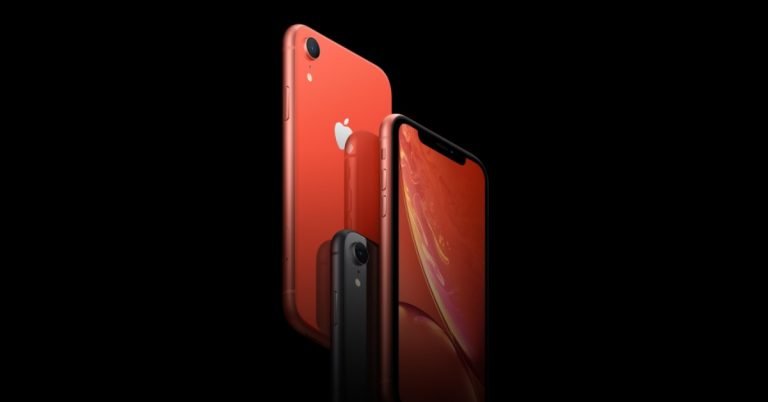
Apple’s ‘affordable’ iPhone XR, went on pre-orders in India on October 19 and its sale began last week on October 26.  Most of the specifications of the smartphone are the same as that of iPhone XS and iPhone XS Max. Speaking of differences, unlike iPhone XS and iPhone XS Max which feature OLED screens, iPhone XR sports a 6.1-inch LCD screen with 1,792×828-pixel resolution. Also, it does not support dual rear cameras on its back panel. Instead, it comes with a 12MP wide angle rear camera with Optical Image Stabilization. Also, it doesn’t come with an IP68 rating, but does have an IP67 one. The price of iPhone XR begins at Rs 76,900 and it is available in six colour options including blue, coral, yellow, white, black, and Project Red.

Google Pixel 3 and Google Pixel 3 XL

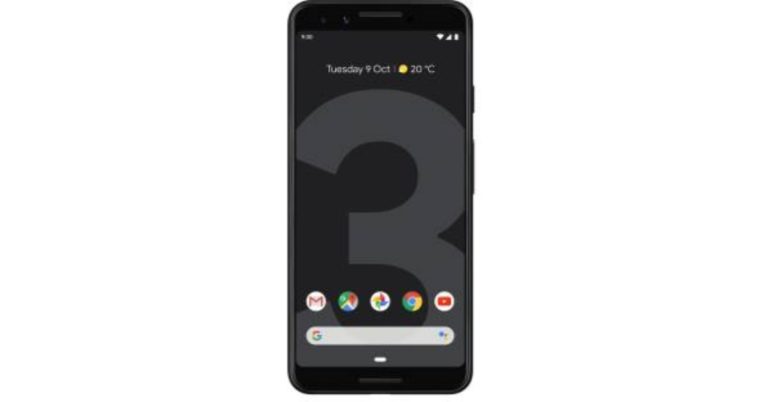
The month also saw the launch of Google’s flagship devices of the year – Pixel 3 and Pixel 3 XL. The two smartphones share most of the specifications. Both the smartphones sport a dual front camera setup with 8MP+8MP sensors and feature a 12.2MP camera on the back panel. They are powered by Qualcomm Snapdragon 845 clubbed with Adreno 630 GPU and 4GB of RAM. Google Pixel 3 and Pixel 3XL also come with Pixel Visual core, Titan M Security Module and comes with IP68 dust and water resistance. They devices run Android 9.0 Pie out of the box. they only in terms of battery and display. While Google Pixel 3 sports a 5.5-inch FHD+ flexible OLED display and houses a 2915mAh battery, Google Pixel 3 XL features a 6.3-inch QHD+ flexible OLED display and packs a 3430mAh battery. In India, Google Pixel 3’s price starts at

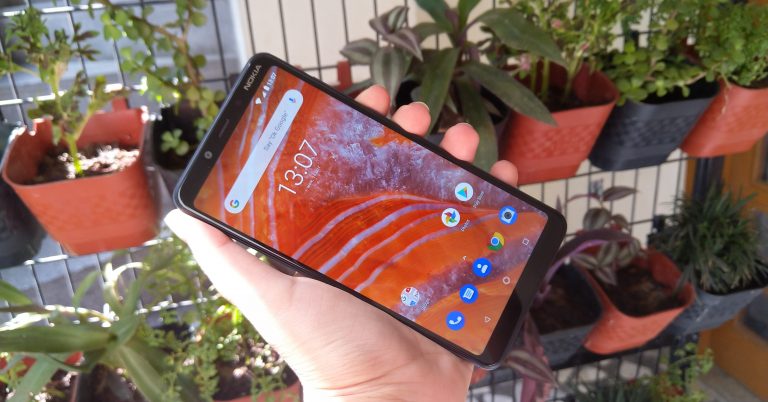
Nokia 3.1 Plus

HMD global updated its budget lineup in India this month with the launch of Nokia 3.1 Plus. The device comes with a 6-inch HD+ IPS display and is powered by MediaTek HelioP22 processor clubbed with 3GB RAM.  The smartphone runs Android Oreo out of the box and has 32GB of storage on board. It houses a 3500mAh battery and has a dual rear camera setup with 13MP and 5MP sensors. In India, the price of Nokia 3.1 Plus is Rs 11, 499.

Nokia 8110 4G ‘Banana’ phone

We were so happy to see the Matrix phone come to India.  The revamped version of the iconic Nokia 8110 – Nokia 8110 4G smart feature phone sports 2.45-inch QVGA curved screen display, runs KaiOS and is powered by 1.1GHz dual-core Qualcomm Snapdragon 205 processor. It has 512MB of RAM and 4GB of internal storage. There is also a 2MP rear camera and a 1,500mAh battery on board. Nokia 8110 4G is priced at Rs 5,999.

Lenovo K9 and Lenovo A5

We also saw Lenovo’s comeback this month with its K9 and A5 smartphones. Both fall in the budget segment, with Lenovo K9 priced at Rs 8,999 and Lenovo A5 bearing price tag of Rs 5,999. Lenovo K9’s specifications include a 5.7-inch HD+ display, 2.0GHz MediaTek MT6762 octa-core processor, 13MP+5MP dual rear cameras and a dual selfie camera with the same sensors. Furthermore, it packs a 3,000mAh battery and runs Android 8.1 Oreo. Coming to Lenovo A5, it comes with 5.45-inch HD+ IPS display, 1.5GHz quad-core MediaTek MT6739 processor and is available in 16GB and 32GB storage options.

BlackBerry KEY2 LE

If you still love BlackBerry, then the next smartphone on our list is definitely something you would like. BlackBerry launched its KEY2 LE smartphone in India this month which is priced at Rs 29,990. BlackBerry KEY2 LE comes with a 4.5-inch full-HD+ IPS LCD display, octa-core Qualcomm Snapdragon 636 processor, Android 8.1 Oreo, 3,000mAh battery and 13MP+5MP dual rear cameras.

Honor 8X

Honor 8X got launched in India this month in 4GB RAM/64GB storage, 6GB RAM/64GB storage and 6GB RAM/128GB storage variants. The smartphone models cost Rs 14,999, Rs 16,999 and Rs 18,999 respectively. The specifications of Honor 8X include a 6.5-inch fullView display, octa-core HiSilicon Kirin 710 processor, dual AI camera setup on its back panel, and a 3,750mAh battery.

Asus Zenfone Max M1 and Asus Zenfone Lite L1

A number of specifications in Asus Zen fone Max M1 and Asus Zenfone Lite L1smartphones are the same. Both of them come with a 5.45-inch LCD screen, Qualcomm Snapdragon 430 processor, 13MP primary snapper and Android Oreo with ZenUI on to. Talking about the differences, Asus ZenFone Max M1 comes in 3GB RAM/32GB onboard storage, while the ZenFone Lite L1 has 2GB RAM and 16GB internal storage. Both pack a 4,000mAh and 3,000mAh battery respectively. While ZenFone Max M1 sports an 8MP selfie snapper, the ZenFone Lite L1 features a 5MP front shooter. The smartphones were priced at Rs 8,999 and Rs 6,999 respectively and  are available at Rs 7,499 and Rs 5,999 as a part of an introductory offer.

Coolpad Note 8

The key features of Coolpad Note 8 include a 5.99-inch Full-HD+ display, 1.5GHz MediaTek MTK6750T quad-core processor, 4GB of RAM,64GB of internal storage, Android 8.0 and a 4,000mAh battery. For imaging duties, the smartphone comes with 16MP and 0.3MP dual rear cameras and an 8MP selfie camera. Coolpad Note 8 bears a price tag of Rs 9,999 in India.

Infinix Hot S3X

Priced at Rs 9,999 in India, Infinix Hot S3X comes with a 6.2-inch HD+ LCD display, Qualcomm Snapdragon 430 processor, 32GB of onboard storage, and a 13MP+2MP dual rear cameras. The smartphone runs Android 8.1 Oreo and houses a 4,000mAh battery.

Panasonic Eluga Ray 600

Panasonic Eluga Ray 600 costs Rs 7,999 in India and its key specifications include a 5.99-inch HD+ IPS display, 1.3GHz MediaTek MT6739WA quad-core processor, Android 8.1 Oreo and a 13MP primary camera.

For the latest gadget and tech news, and gadget reviews, follow us on TwitterFacebook and Instagram. For newest tech & gadget videos subscribe to our YouTube Channel.
[td_smart_list_end]

Apple unveils the new, updated iPad Pro

Apple has taken wraps off its upgraded iPad Pro at its event in Brooklyn today. According to the company, the new iPad Pro is more powerful than 92% of laptops and it can transform into a kind of a laptop with a keyboard that can be attached or even into s desktop provided its clubbed with an external monitor.

The new Apple iPad Pro comes with thinner bezels than its predecessor and is available in 11-inch and 12.9-inch models. Both the versions come with a super-sharp Liquid Retina display and has rounded corners. The device had to let go of a Touch ID sensor and only comes with a Face ID. The company has done this in order to thin down the bezels of the device.

The ProMotion displays used in the device have the ability to render content at 120 frames per second. They can also sense your fingers or the Apple Pencil at 120GHz.

The upgraded Apple Pencil can charge wireless as soon as it attaches to the tablet with magnets.

Apple’s new iPad Pro is powered by an A12X Bionic chipset and, according to the company, you get a 35% faster single-core and 90% faster multi-core performance compared to that of its predecessors. Coming to the GPU, it is said to be as fast as X Box One S’.

The new Apple iPad Pro runs the full-blown versions of Adobe Photoshop and Autodesk AutoCAD. The device comes with a Folio keyboard that can be attached via magnet.

The base model of the new iPad Pro comes with 64GB storage, and the most high-end one has 1TB. The other two storage variants are 256GB and 512GB.

The new iPad Pros have gone up on pre-orders and will go on sale on November 7. There are two versions – Wi-Fi only and LTE (with nanoSIM and eSIM). Both the models come with a 18W charger.

Coming to the pricing, the 11-inch variant costs $800 for the 64GB storage version. For the 1TB variant in the same screen size, you would have to pay $1,550. Speaking of the 12.9-inch version, its pricing begins at $1,000 and goes up to $1,750 for the 1TB storage model. These were all the prices of the Wi-Fi versions. If you wish to buy the LTE models, you would have to pay $150 more. You would have to buy the Smart Folio separately at $180 for 11-inch model and $200 for the 12.9-inch one. The new Apple Pencil can be bought for $130.

For the latest gadget and tech news, and gadget reviews, follow us on TwitterFacebookInstagram and YouTube.

Apple announces its updated Mac mini: All that you need to know

0

Apple not only upgraded its MacBook Air laptop today, but also refreshed its Mac mini. We saw the last model of the mini desktop computer four years back. And the new one comes with a number of updates.

The new Mac mini comes with improved cooling and can therefore support hardware that are more powerful. Like the MacBook Air, it is also made entirely of 100% recyclable aluminium. Apple’s Mac mini’s configurations start from Intel’s 8th Generation quad-core Core i3 processors and go up to 3.2 GHz/4.6 GHzsix-core Core i7 chips. However, these are not mobile processors.

Apple Mac mini is comes with enhanced graphics performance and is claimed to be 60% more powerful than its predecessor when it comes to performing tasks that are graphically-intensive.

Apple Mac Mini has a memory of up to 64GB that is provided to it by 2,666 MHz SO-DIMM sticks and this means that upgrading the device is simple. The storage of the device starts from 128GB and goes up to 2TB. The only option that are available for storage are SSDs.

According to Apple, these changes result in 5 times better performance than the previous device. However, we must not forget that the current model is being compared to a device that was launched four years back.

For connectivity, Apple Mac Mini comes with 10Gbps-capable Ethernet port, full-sized HDMI 2.0, 2x USB-A, 4x Thunderbolt 3 connectors and a 3.5mm jack.

Apple’s own T2 security chip is present in the device and it is worth noticing that Mac mini can be paired to the MacBook.

The pre-orders of Apple Mac mini begin on October 31 and the device will go on sale on November 7. The device is available in Space Gray colour and its base model, that comes with 8GB of RAM and 128GB of flash storage, is priced at $799 and the most high-end model bears a price tag of $4,199. The previous Mac mini that we saw four years ago, was far less in price and costed $499. But then, four years is a long time and the new model does come with a number of updates.

For the latest gadget and tech news, and gadget reviews, follow us on TwitterFacebookInstagram and YouTube.

Apple finally unveils the updated version of MacBook Air

Apple has finally upgraded its Macbook Air. MacBook Air is the Cupertino based technology giant’s best selling laptop and fans had been waiting for an upgrade for years now. At today’s event in Brooklyn, the company finally announced the updated version that people had been waiting for.

Apple’s new MacBook Air features a 13.3-inch Retina display with a resolution of 2560×1600 and 50% narrower bezels than the previous model. The display is claimed to show 48% more colours. The selfie camera is placed right on top of it and the design has a glass coverage right up to the edges.

Apple’s new Macbook Air comes with a Touch ID that works with the T2 chip and ensures that the software that was loaded into the system at the boot hasn’t been compromised or tampered with. The laptop does data encryption for SSD and comes with Apple’s digital assistant Siri.

Apple MacBook Air offers 16GB of RAM and up to 1.5TB of storage to its users.

Powered by an 8th generation dual-core Intel Core i5, Apple MacCook Air’s battery life is promised to last for 12 hours with the user browsing the internet and 13 hours when movies are being played off iTunes.

Speaking of the keyboard of the device, it is a 4th generation butterfly type and according to Apple, it has never been as precise and responsive as it is now. All the keys of the Apple MacBook Air are individually backlit and it comes with a Force Touch trackpad which has 20% more area. Apple MacBook Air’s speakers are said to be 25% and come with twice as bass as the previous device.

The new Apple MacBook Air comes with Thunderbolt 3 ports and it they can be used to connect a 5K display. The updated device is completely made from recycled aluminium and is 10% thinner and has 17% less volume than its predecessor.

It will be going up on pre-orders today and will go on sale on November 7. The new Apple MacBook Air is available in Gold, Space Gray and Silver colour options. The price of the upgraded Apple MacBook Air starts ats $1,199.

For the latest gadget and tech news, and gadget reviews, follow us on TwitterFacebookInstagram and YouTube.

OnePlus 6T with indisplay fingerprint sensor, Android Pie launched in India: Price, specs and more

OnePlus has finally taken wraps off its second flagship smartphone of the year, OnePlus 6T, which comes with a number of premium features. While some of them are the same as OnePlus 6, the company has updated the smartphone with the latest trends of the industry.

Here’s a look at the price, availability and specifications of the latest flagship by OnePlus:

OnePlus 6T price in India

OnePlus 6T is available in three storage variants in India. The base model – with 6GB of RAM and 128GGB storage – is priced at Rs 37,999. The 8GB RAM and 128GB storage variant costs Rs 41,999 and the most high end model – with 8GB RAM and 256GB storage bears a price tag of Rs 45,999.

Besides the smartphone, the company also launched its OnePlus Type C Bullets earphones and OnePlus Explorer Bagpack. While the earphones cost Rs 1,490, the bag pack is priced at Rs 4,990.

Speaking of OnePlus 6T, it will be going on sale on November 1 in India. It is available for pre-booking on Amazon India’s website, Croma outlets and OnePlus pop-up stores. Customers would also be able to buy the device from Reliance Digital stores. A cashback of Rs 2,000 is available for those who pre-order the device.

As a part of launch offers, OnePlus has partnered with Reliance Jio and unveiled an ”Unlock the Speed’ offer. Under this, all Jio subscribers would be given an instant cashback of Rs 5,400 in the form of 36 vouchers of Rs 150 each. These vouchers will be available on customers MyJio app once they a prepaid recharge of Rs 299 done. These coupons can be used on subsequent recharges of Rs 299.

If you are an ICICI bank credit or debit card holder, or a Citibank credit card holder, you can get a discount of Rs 2,000 on buying the phone. The company is also offering a free accidental and liquid damage protection insurance that is worth Rs 2,000 to those who open a Kotak 811 account. No cost EMI options are also available and a cashback of Rs 1,000 as Amazon Pay balance will also be available for the first 5 days of the sale.

Amazon is also offering an Amazon Pay cashback of Rs 500 on OnePlus Type-C Bullets earphones. The OnePlus Explorer Bagpack can only be bought if you have an invite.

OnePlus 6T specifications in India

OnePlus 6T mobile sports a 6.41-inch Optic AMOLED display that has a 19.5:9 aspect ratio and is protected by Corning Gorilla Glass 6. As announced earlier by the company, the smartphone comes with an optical indisplay fingerprint sensor that unlocks in 0.34 seconds.

Powered by an octa-core Qualcomm Snapdragon 845 processor with Adreno 630 GPU, OnePlus 6T comes in three variants. The base model has 6GB RAM and 128GB storage, while the other two high end models come with 8GB RAM and 128GB/256GB storage.

The smartphone runs Oxygen OS based on Android 9.0 Pie. OnePlus 6T comes with a dual rear camera setup with 16MP Sony IMX519 and 20MP Sony IMX376K sensors. The cameras come with a dual LED flash and optical image stabilization. It also has a 20MP Sony IMX376K sensor on the waterdrop-shaped notch on the display. The camera app of OnePlus 6T has features like Face Unlock, HDR, OIS, Panorama mode. Face Unlock is also supported on the device.

OnePlus 6T houses a 3,700mAh battery that supports fast charge (5V 4A). The smartphone comes with no IP rating, so it is not dust or water-proof.

Connectivity options of the smartphone include 4G VoLTE, Wi-Fi, Bluetooth v5.0, NFC, GPS/ A-GPS, and a USB Type-C port.

For the latest gadget and tech news, and gadget reviews, follow us on TwitterFacebookInstagram and YouTube.

Micromax Bharat 5 Infinity Edition, Bharat 4 Diwali Edition launched in India: Price, specifications and more

0

Homegrown smartphone manufacturer Micromax has launched two new smartphones in India. Micromax Bharat 5 Infinity Edition and Micromax Bharat 4 Diwali Edition, both fall in the budget lineup of the company and run Android Oreo (Go Edition).

Micromax Bharat 5 Infinity Edition is already up for sales via retail stores and the Bharat 4 Infinity Edition will be made available by November 3. For those unaware, Android Go is a version of Android Ore that can run on entry-level smartphones. It enables the operating system to run smoothly on low-cost smartphones and gives the user a rebuilt suite of Google apps. These apps use less memory, storage and mobile data. And when the users visit the Google Play Store, apps that specifically designed for entry level phones get highlighted to them.

Micromax Bharat 5 Infinity Edition, Micromax Bharat 4 Diwali Edition price in India

While Micromax Bharat 5 Infinity Edition costs Rs 5,899, the Micromax Bharat 4 Diwali Edition bears a price tag of Rs 4,249. As we mentioned earlier, both the smartphones by Micromax will be available on offline retail stores on the previously mentioned dates.

For the launch, Micromax has partnered with Reliance Jio to give its users 25GB of additional data. Customers will also get 5GB of additional data benefits for a maximum of 5 recharges if they get a recharge of Rs 198 and Rs 299 done.

Specifications

Micromax Bharat 5 Infinity Edition features an 18:9 Full Vision display and comes with two SIM card slots. The Android Oreo (Go Edition) based smartphone comes with 1GB of RAM, but the company has not disclosed which processor it runs on. The smartphone has a 5MP primary camera as well as a 5MP selfie camera. The new smartphone by Micromax has 16GB of internal storage and can hold microSD card slots of up to 64GB. Micromax Bharat 5 Infinity Edition houses a 5,000mAh battery and comes with Face Unlock and also has a fingerprint sensor.

Speaking of Micromax Bharat 4 Diwali Edition, the smartphone comes with a 5-inch display and has 1GB RAM. There is a 5MP rear camera coupled with flash and a 2MP selfie camera.

Other specifications of the device include 8GB of storage, microSD card capacity of up to 32GB and a 2,000mAh battery.

For the latest gadget and tech news, and gadget reviews, follow us on TwitterFacebookInstagram and YouTube.

Asus VivoBook S15 (S530) and VivoBook S14 (S430) launched in India: Price and specifications

Taiwanese consumer electronics manufacturer Asus has today launched its Windows 10 laptops, VivoBook S15 (S530) and S14 (S430). The laptops are available in a number of colours including Icicle Gold, Firmament Green, Silver Blue, Star Grey, and Gun Metal. Asus VivoBook S15 and VivoBook S14 come with ErgoLift hinge that is said to offer a desktop keyboard like experience to the user.

While the starting price of Asus VivoBook S14 is Rs 54,990, Asus VivoBook S15 costs Rs 69,990. If you are interesting in buying the Asus VivoBook S15 laptop, it can be picked up from all Asus exclusive stores. On the other hand, Asus VivoBook S14 will be available exclusively on Flipkart starting November 1. But if you are more interested in Asus VivoBook S15, you will have to wait till November 15 to get your hands on it.

Coming to the specifications of the two laptops, both sport a three-sided NanoEdge display and are powered by up to 8th Generation Intel Core i7 processor. The laptops also come with NVIDIA GeForce MX150 discrete graphics. Asus VivoBook S15 and VivoBook S14 come with a dual-storage design and come with an ErgoLift hinge that can automatically tilt the keyboard by 3.5°. The Ergolift hinge can be used to create the feeling of a desktop computer and another benefit of having it is that laptops get an extra ventilation space as it enables more airflow around the underside of the chassis.

The two are the first two laptops in the VivoBook Series to come with three-sided NanoEdge design. The said design offers a screen to body ratio 86% and 84% to S15 and S14 respectively. While the S15 weighs 1.8Kg, the S14 is of 1.4Kg.

The laptops come with ASUS Wi-FI Master technology, which enables wireless connectivity on the laptop. It has a top speed of up to 867Mbps that is 6X faster than 802.11n. The two new laptops by Asus also offer one-touch access with Windows Hello, as the device has a fingerprint sensor on the touchpad. However, it is optional to use it. On the connectivity front, the laptops come with USB Type-C port, USB-C 3.1 Gen 1, HDMI output, and a microSD card reader.

For the latest gadget and tech news, and gadget reviews, follow us on TwitterFacebookInstagram and YouTube.

Haier Quantum Dot 4K LED Slim and Curved TVs launched in India: Price and specifications

1

Chinese consumer electronics and home appliances maker Haier has today launched its Quantum Dot 4K Slim LED and Quantum Dot 4K Curved LED televisions in India. The new offerings from Haier are available at a starting price of Rs 2,09,990 and come with advanced features like 4K UHD and HDR display.

The new range of televisions come in Slim and Curved models and both these variants are available in two sizes – 55-inch and 65 inch. Haier’s new televisions are powered by Android operating system and will come with all the features that a Smart TV has. AS we mentioned earlier, the televisions have a 4K Ultra High Definition resolution of 3840 x 2160 pixels.

The televisions come with Quantum Dot display technology with HDR that is said to deliver perfect colours. With this technology onboard, the televisions from Haier produce more vibrant colours of the images they project. If you want a nearly bezel-less experience, you should opt for the Slim (X7000QUA) model, but you should choose the Curved (Q9800QUAG) model if you are looking for a greater sense of immersion.

The new televisions by Haier come with a built-in Wi-Fi that can be used to connect them to the internet. You can access a number of apps and stream content online by doing this. The new range of televisions also come with a Smart Share feature, using which one can connect their smartphone to their TV wirelessly. So any content that you have on your mobile phone like photos, videos, etc can be viewed on your television by connecting the two using Smart Share feature. There is also a Dolby Decoder and a Smart Remote that comes with a QWERTY keypad.

Coming to the price of Haier Quantum Dot 4K LED TVs in India, the 55-inch Curved model costs Rs 2,09,990, while the 55-inch Slim variant is priced at Rs 2,19,990. The 65-inch Curved model is priced at Rs 2,59,990 and the 65-inch Slim version can be picked up for 2,69,990.

Speaking at the launch, Eric Braganza, Haier India President said, “With the launch of Haier Quantum Dot televisions, we are augmenting our premium LED TV range to deliver the best picture quality and an immersive experience that never fades. With options to choose from Slim and Curved displays, this range is designed to offer brilliant design, richer colours and deeper contrasts to bring to life the true colours of India.”

For the latest gadget and tech news, and gadget reviews, follow us on TwitterFacebookInstagram and YouTube.

These Airtel and Vodafone plans may have been discontinued

0

If you are an Airtel or Vodafone Idea user, then we may some news for you. Amid the growing competition in the telecom industry, the companies seem to have found a way to make its users buy recharge plans for their number every 28 days.

Although since Reliance Jio forayed into the industry, most users have shifted to using combo packs — either from Jio or from the other two telcos. A few others chose to go for talk time offers that were available. But now, the companies have silently removed all their talk-time plans from Paytm and their own apps. While earlier, the users could get recharges of Rs 50, Rs 100, Rs 300, Rs 500 and more done, now, the options in talk time have been brought down to just three. One is Rs 10, the other is Rs 1000 and the last one is Rs 5000. And yes, both Airtel and Vodafone Idea have the same three talk time options.

Out of the three, the Rs 10 one only credits Rs 7 to the users’ account. Considering this, there are very little chances of it being used. So if you ever have to get a recharge done again, you will be forced to spend Rs 1,000.

It is worth noticing that the combo packs that are available come with daily data, unlimited calls and SMS. However, most of them have a validity of 28 days. Once the validity is over, the outgoing calls of the user are stopped and eventually incoming calls too.

However, the talk time offers that have been discontinued came with unlimited validity. So, if your usage was not much, you could have easily bought a talk time plan that is cheaper than the company’s combo offers like Rs 149, Rs 199, Rs 349, Rs 399 and more. Or, you could get a recharge of Rs 500 done and use it till even 2-3 months or however long it lasted.

It is extremely likely that this step has been taken by the companies to increase the ARPU or the average revenue per person for themselves. One the flipside, assume that few customers now go for talk time plans, as combo offers club data, unlimited free calls and SMS in one recharge. Maybe the companies thought that these talk time offers are now obsolete, and hence discontinued them. But even if that is the real reason behind what seems like a discontinuation of certain talk-time offers, it will definitely increase the company’s ARPU.

We reached out to Airtel regarding this, but we haven’t as yet got a response. But we’ll surely let you know if and when we do.

For the latest gadget and tech news, and gadget reviews, follow us on TwitterFacebookInstagram and YouTube.

AMD launches two new 2nd-gen Threadripper CPUs: Price and specifications

AMD has expanded its lineup by officially launching two new 2nd-generation Ryzen Threadripper CPUs – 24-core/48-thread Threadripper 2970WX and the 12-core/24-thread Threadripper 2920X.

Prior to this, the company had launched the 32-core/64-thread Threadripper 2990WX and the 16-core/2950X in August this year. The two newly launched offerings are an addition to this lineup of the company.

Like their predecessor, the new CPUs by AMD are aimed at prosumers. They come with 24 cores and pack 48 threads. While they have 3.0GHz base, they come with 4.2GHz Boost clocks and have 76MB of cache. However, what remains unchanged is the 250W TDP.

AMD’s Threadripper 2970WX supports the Dynamic Local Mode (DLM) software, which is said to enhance application performance. It does so by giving preferential time on cores with local memory to the most demanding threads.

The AMD Ryzen Master software on the two CPUs automatically configure the Dynamic Local Mode, which can measure CPU time of active threads and rank the most and the least demanding active threads. It also atomically migrates the most demanding thread to dies by using local memory access and also speeds up latency sensitive apps without letting it affect the heavy multi-threaded tasks. The company has promised all this and said these should result in 15% performance boost in apps and games.

Speaking of 12-core/24-thread Threadripper 2920X, it comes with 3.5GHz base and 4.3GHz Boost clocks and has 38MB cache. The TDP present on the CPU is 180W. Both Ryzen Threadripper 2970WX and the 2920X are available at all global retail stores of the company. They will also be used in systems from partners like Alienware. While Ryzen Threadripper 2970WX will cost Rs 99,990 , the Threadripper 2920X is priced at Rs 49,990.

Speaking on the launch, Saeid Moshkelani, senior vice president and general manager, Client Compute, AMD said, “The dramatic transformation in the HEDT and overall PC market is driven by AMD leadership and innovation, and the AMD Ryzen Threadripper family is central to this global excitement. We are expanding this excitement while also ensuring the HEDT market remains accessible to a broader range of creators and gamers with two new Threadripper processors that start at $649.”

For the latest gadget and tech news, and gadget reviews, follow us on TwitterFacebookInstagram and YouTube.

Reliance JioPhone Gift Card launched ahead of festive season: Here’s everything you can do with it

With Diwali just around, telecom major Reliance Jio has unveiled its Jio Phone Gift Card that you can pick up for your family and friends. Priced at Rs 1,095, the gift card by Reliance Jio can be redeemed for the first generation JioPhone. It has been launched as a part of the Jio Phone Monsoon Hungama exchange offer and is available on Amazon India’s website and Reliance Digital stores. It can also be bought from Reliance Fresh, Reliance Smart and Reliance Digital Xpress Mini.

To recall, with Reliance Jio’s Monsoon Hungama offer, buyers can get the JioPhone at an effective price of Rs 501 after exchanging their existing feature phones. The additional Rs 594 is used for a six-month recharge of Rs 99 Jio recharge pack.

The first generation JioPhone is available in India at Rs 1,499, which is a refundable security deposit.

The Jio Phone Gift Card is available at Rs 1,095 and is targeted to those who may wish to gift it to their family, friends of company employees this Diwali. According to the Amazon listing, the gift card cannot be returned or refunded once it is bought.

If a close one gifts you this Gift Card, and you wish to get your feature phone exchanged, you can visit any Jio authorized retail outlet to swap it. It doesn’t matter if your feature phone runs on 2G, 3G or 4G, but it must be less than three years old.

The Rs 99 Jio Phone recharge pack that you will get comes with unlimited voice calls, 500MB of 4G data per day, 300 SMS, and a complimentary subscription to Jio’s suite of apps. It is worth noticing that users can make local, STD and roaming calls with the benefits of the plans and use the entire suite of Jio’s app for 30 days. Under the offer, the user will be getting six back to back recharges for Rs 594.

Additionally, the gift card also offers 6GB data voucher as special exchange bonus, which takes up the total benefits that the user gets to 90GB. The validity of the gift card is 2 months from the date of its loading, according to the listing on Amazon.

Other Jio Phone exclusive recharges include a Rs 49 plan and a Rs 153 plan. The Rs 49 plan comes with 1GB of monthly data, unlimited voice calls, 50 SMS messages and users also get complimentary subscription of the entire suit of Jio apps. The validity of this pack is 28 days. On the other hand, Rs 153 plan comes with unlimited voice calls, 1.5GB 4G data/day, 100 SMS/day and a complimentary subscription to Jio apps.

For the latest gadget and tech news, and gadget reviews, follow us on TwitterFacebookInstagram and YouTube.

Apple iPhone XR review: Brilliant performance at a lower price

When it comes to making futuristic machinery, which the world wants to copy, Apple is the first name that pops to anyone’s mind. Apple is known to build brilliant gizmos that not only look good but have a golden heart inside. One such example is the Apple iPhone XR. In case you are reading it as X-R then you might want to correct yourself. It is actually called the Apple iPhone Ten R. The X is the roman character for ten.

The Apple iPhone XR is a smartphone available in a sea of colours. These include black, blue, red, white, yellow and coral (the one we received for review). We spent a good time with the new device that has launched in India at the same time as in much of the world. And this is our review of the Apple iPhone XR.

Design and Display

As always let’s start with the aesthetics of the smartphone. The Apple iPhone XR is the third iPhone model launched this year after the iPhone XS and XS Max. It is 8.3mm thick from the sides, which are built of 7000 series aluminium. The metal is curved around the edges and runs across the sides of the smartphone. On the right side, Apple has placed the large power button along with a dual SIM tray. On the left side there are separate volume up and down keys, along with the ringer slider.

The bottom holds the lightening charging port as well as the speaker and microphone grille. Twin hardened glass is placed on the front as well as the back, which enables the device to charge itself using a wireless charger. The front of the Apple iPhone XR is dominated by a large 6.1-inch Liquid Retina IPS LCD. And yes, there is a notch present here too and no physical home key, just like the iPhone X, XS and XS Max.

The notch here is about the same size as found on its siblings. It hides the front facing camera system for Face ID along with other sensors like proximity. Flip the device around and you will be greeted by a raised single telephoto camera with dual-tone flash under it. In the upper middle is the shiny Apple logo and at the bottom part of the back is where the iPhone branding lies. The device weighs 194 grams with the large battery inside, but does not feel bulky at all.

Coming back to the display it is a treat to work with. It is not as brilliant or bright as we have seen in some of the more expensive iPhones, but it is definitely better than other or at par with competitive Android displays you get in the Indian market. The LCD is curved from the sides, which gave us an enhanced viewing experience. Even when watching it from the sides. No matter what we threw at the Apple iPhone XR touch screen to play, it came back with great sharpness and better than nice colour reproduction.

However, we do feel that the black band that runs around the screen could have been slightly less. Screen to body ratio is 79% and as we said it could have been better. The LCD screen has 326 pixel per inch density and supports 828×1,792 pixels resolution. Also, there is no 3D touch in the Apple iPhone XR. To be frank we really did not miss it. Overall, we were quite happy with the form factor and design of this smartphone. Oh and before we forget the Apple iPhone XR has an IP67 rating, which makes it dust and water resistant. In plain words, if you manage to drop it in 3 feet of water it will stay alive for 30 minutes, before the water seeps in.

Performance, Cameras and Other Features

Let’s start with under the hood features. The Apple iPhone XR is also built on the same Apple A12 Bionic platform that is found on the Apple iPhone XS and XS Max. So, we got the same kind of performance as the users of these phones are getting. The CPU has 6 cores and the Apple’s own GPU in the system has 4 cores. 3GB of RAM is there inside this phone, which when an Android user reads might seem less, but it really does not matter here. As the Apple iOS 12 is very smooth. You really don’t hit a performance lag, even when you have multiple applications or multiple tabs open in Safari/Chrome.

As for the storage there are three variants available at different price points. The 64GB one is the base version that can be picked up for Rs 76,900. The one we reviewed is the 256GB version that comes with a price tag of Rs 91,900. Then there is the middle variant with 128GB storage, priced at Rs 81,900. No cost EMI is available on all the models.

Apple has left no stone unturned to give extreme performance to its users. We gave the mobile a stress test and the Apple iPhone XR sailed through without flinching. We played graphic hungry games and it did remarkably well. YouTube videos and music apps ran well, too. We loved the video quality on it and stereo sound took the experience to the next level. Talking about which, when one is watching a video or listening to music without the supplied headphones (which by the way a quite nice to listen to), the loudspeaker as well as the speaker on the ear microphone grill also fire up. Together they give you very immersive close to life audio experience.

Call quality is not bad at all either. With the JIO 4G network we could hear everything clearly even at 50% volume. The Apple iPhone XR packs a 2,942 mAh battery inside which is larger than the previous generation of iPhones. We were hoping to get a day’s battery life and amazingly it did deliver and more. iPhones are not the best when it comes to battery life and with our kind of usage definitely not. However, remarkably the Apple iPhone XR lasted more than 24 hours on a single charge. This included our daily dose of phones call on the 4G network with Wi-Fi on, over 200 whatsapp message exchange, light gaming, YouTube library browsing and some music playback with Bluetooth when driving back from work. And here we are, getting more than a full day’s battery life.

iOS 12 comes pre-installed on the Apple iPhone XR and since we have spoken about it numerous times on the website as well as our YouTube channel we will not bore you with the workings. In case you want know more about the OS, which works wonderfully well on the Apple iPhone XR, you can check our video with its new features here.

Jumping over to the cameras the Apple iPhone XR features a single 12MP camera at the back. This has a wide lens over it and features an aperture size of f/1.8. We clicked a lot of images with it at various times during the day and found out the results to be quite intriguing. The macro shots taken during the day or in well-lit conditions came out well. In low lit not so well. However, the case changes when you try to take landscape shots or pictures of far-away objects. The Apple iPhone XR did justice to shots during daylight and less light. For night shots we did use the flash and the camera was able to capture more detail and colours became brighter.

Over that, the rear camera uses software to take portrait shots. Bokeh effect is not as good as the iPhone XS or XS Max (since both have dual sensors), but nothing that we would call a downer. In fact, on most occasions we found the images to be quite vibrant and sharp. Moving the front camera, the 7MP sensor does get all the effects like stage light and stage light mono in the portrait mode, which are missing from the rear camera as those need a dual camera setup. We loved the selfie experience and the modes have become much better than what was there in the iPhone X. There is great attention to detail here.

Videos came out be as brilliant as ever. The rear camera can capture moving pictures at 4K resolution at 60FPS and the front one can capture in Full HD resolution at 60FPS. With the rear camera the colours are very vibrant. Blacks are deeper and there is exceptional clarity in the shots. Same is the case with the front cameras videos, but since the resolution is lower, a bit of clarity loss can be seen.

Siri is available on the Apple iPhone XR as well, but seems a little dated when compared to its competition. Apple needs to drastically upgrade this feature as Amazon Alexa and Google Assistant are way ahead, especially when it boils down to localisation of content. Other features of the smartphone include Face ID, that works extremely well to open the smartphone, Wireless charging, active noise cancelation, Bluetooth 5.0, Wi-Fi 802.11 a/b/g/n/ac band support as well as A-GPS.

Verdict and Final Words

To tell you the Truth, we were sceptical on how the Apple iPhone XR will perform. However, it did not disappoint from the get go. We loved how it performed and managed graphically demanding games as well as its large touch display. Yes, it does have a single camera at the back, but that too yielded good results and in all fairness did the job very similar to what the dual lenses could do on the other iPhones. Also, it comes in a variety of colours so users can choose the one they prefer. All in all, a great device to go for that will give you great performance, battery life and superb built quality at a lesser price.

Pros: 

Excellent Built

Superb Battery Life

Smooth Performance

Cons:

Single cam at the back means not all camera modes are available

For the latest gadget and tech news, and gadget reviews, follow us on TwitterFacebook and Instagram. For newest tech & gadget videos subscribe to our YouTube Channel.
OnePlus 6T vs iPhone XS vs Google Pixel 3: Comparison

OnePlus today finally took wraps off its flagship smartphone, OnePlus 6T. The smartphone has been launched right after the launch of Apple and Google’s flagship phones – iPhone XS and Google Pixel 3 were unveiled globally. And the comparison between the three flagship smartphones is rather inevitable. Here, we compare all the specifications and the starting price of the three smartphones so that you can decide which one among the three is the right buy for you. Read our comparison of OnePlus 6T, iPhone XS and Google Pixel 3 here:

Display

OnePlus 6T: 6.41-inch full-HD+ Optic AMOLED panel with an aspect ratio of 19.5:9. Comes with Corning Gorilla Glass 6 protection.

iPhone XS: 5.8-inch OLED Super Retina display.

Google Pixel 3: 5.5-inch full-HD+ flexible OLED display panel with an aspect ratio of 18:9. Comes with Corning Gorilla Glass 5 protection.

Processor

OnePlus 6T: 64-bit octa-core Qualcomm Snapdragon 845 SoC.

iPhone XS: A12 Bionic.

Google Pixel 3: 64-bit octa-core Qualcomm Snapdragon 845 SoC.

RAM and storage

OnePlus 6T: 6GB or 8GB RAM, 128GB and 256GB storage variants.

iPhone XS: RAM not disclosed, 64GB, 256GB and 512GB storage variants.

Google Pixel 3: 4GB RAM, 64GB and 128GB storage models.

Support for microSD card

OnePlus 6T: No

iPhone XS: No

Google Pixel 3: No

Operating system

OnePlus 6T: Android 9.0 Pie skinned with OxygenOS.

iPhone XS: iOS 12

Google Pixel 3: Stock version of Android 9.0 Pie.

Primary cameras

OnePlus 6T: 16MP Sony IMX519 sensor with f/1.7 aperture + 20MP Sony IMX376K sensor with f/1.7 aperture.

iPhone XS:12MP wide-angle sensor with f/1.8 aperture + 12MP telephoto sensor with f/2.4 aperture. The cameras comes with 2x optical zoom and a 6-element lens.

Google Pixel 3: 12.2MP dual-pixel rear camera with f/1.8 aperture.

Selfie cameras

OnePlus 6T: 16MP Sony IMX371 sensor with f/2.0 aperture.

iPhone XS:  7MP RGB selfie camera with f/2.2 aperture.

Google Pixel 3: 8MP wide-angle lens with f/2.2 aperture + 8MP normal lens with f/1.8 aperture.

Battery

OnePlus 6T: 3,700mAh with support for 5V/ 4A fast charge technology

iPhone XS: Not disclosed.

Google Pixel 3: 2,915mAh

Starting price

OnePlus 6T: $549

iPhone XS: $999

Google Pixel 3: $799

For the latest gadget and tech news, and gadget reviews, follow us on TwitterFacebookInstagram and YouTube.

OnePlus 6T vs OnePlus 6: Comparison

OnePlus 6T is finally here. As we had seen in a number of leaks, the smartphone does sport an optical indisplay fingerprint sensor that unlocks in 0.34 seconds, and comes with a waterdrop shaped notch on top of its display. The smartphone also packs more storage in its base variant and unlike its predecessor, does not come in 64GB storage model. But if that is new, a lot about the OnePlus 6T smartphone is the same as its predecessor OnePlus 6. We already knew about some of these specifications thanks to the reports that surfaced online prior to the launch of the device. Here, we list down all the specifications of the two smartphones, so that you can compare and decide if you really need to upgrade.

Display

OnePlus 6T: 6.41-inch full-HD+ Optic AMOLED panel with an aspect ratio of 19.5:9. Comes with Corning Gorilla Glass 6 protection.

OnePlus 6: 6.28-inch full-HD+ Optic AMOLED display with an aspect ratio of 19:9. Comes with Corning Gorilla Glass 5 protection.

Processor

OnePlus 6T: Octa-core Qualcomm Snapdragon 845 SoC

OnePlus 6: Octa-core Qualcomm Snapdragon 845 SoC

RAM and storage

OnePlus 6T: 6GB or 8GB RAM, 128GB and 256GB storage variants

OnePlus 6: 6GB or 8GB RAM, 64GB, 128GB and 256GB storage variants

Support for microSD card

OnePlus 6T: No

OnePlus 6: No

Operating system

OnePlus 6T: Android 9.0 Pie skinned with OxygenOS

OnePlus 6: Android 8.1 Oreo skinned with OxygenOS, recently got an update to Android Pie.

Primary cameras

OnePlus 6T: 16MP Sony IMX519 sensor with f/1.7 aperture + 20-megapixel Sony IMX376K sensor with f/1.7 aperture

OnePlus 6: 16MP Sony IMX519 sensor with f/1.7 aperture + 20-megapixel Sony IMX376K sensor with f/1.7 aperture

Selfie cameras

OnePlus 6T: 16-megapixel Sony IMX371 sensor with f/2.0 aperture

OnePlus 6: 16-megapixel Sony IMX371 sensor with f/2.0 aperture

Battery

OnePlus 6T: 3,700mAh with support for 5V/ 4A fast charge technology

OnePlus 6: 3,300mAh with Dash Charge technology

Colour options

OnePlus 6T: Midnight Black and Mirror Black

OnePlus 6: Midnight Black, Mirror Black and Silken White Limited Edition

Starting price

OnePlus 6T: $549

OnePlus 6: $529

For the latest gadget and tech news, and gadget reviews, follow us on TwitterFacebookInstagram and YouTube.

OnePlus 6T with in-display fingerprint sensor launched: Price, specifications and availability

Chinese smartphone maker OnePlus has finally taken wraps off its flagship smartphone OnePlus 6T at an event in New York City today. After months of speculations, rumours and leaks, we finally know all the specifications and features of the company’s flagship smartphone.

We also wouldn’t have to wait too long for the India launch of the smartphone, as that has been scheduled for 8.30pm tomorrow.

Here’s a look at the price, availability and specifications of the smartphone:

OnePlus 6T price and availability

OnePlus 6T is available in three variants globally – 6GB RAM/128GB onboard storage, 8GB RAM/128GB internal storage and 8GB RAM clubbed with 256GB inbuilt storage. The three models are priced at $549, $579, and $629 respectively. The smartphone is available in Midnight Black and Mirror Black colour options.

In India, the device has been available for pre-orders on Amazon, Croma retail stores and OnePlus offline stores. It will be available starting November 1 and interested customers will also be able to buy it from Reliance Digital Stores. Speaking of Asian countries, other than India, OnePlus 6T will be available in Hong Kong and Mainland China.

OnePlus 6T specifications

Coming to the specifications of the device, OnePlus 6T mobile sports a 6.41-inch Optic AMOLED display with an aspect ratio of 19.5:9. The display is protected by Gorilla Glass 6 and is claimed to have a peak brightness of over 600 nits.  It comes with an indisplay fingerprint sensor that unlocks in 0.34 seconds, and houses a waterdrop shaped notch on top.

Powered by 2.8GHz Qualcomm Snapdragon 845 processor with Adreno 630 GPU, OnePlus 6T comes in two storage variants – one with 6GB RAM and the other with 8GB RAM. The smartphone is available in either 128GB or 256GB storage models. But it does not have support for microSD cards.

The latest offering by OnePlus runs Android 9.0 Pie with OxygenOS baked on top.

The device will feature dual rear cameras with 16MP and 20MP sensors, both of which come with f/1.7 aperture. The sensors used in the smartphone are Sony IMX519 and Sony IMX376K respectively. The dual rear cameras are coupled with dual LED flash, and come with optical image stabilization, EIS and can record 480fps slow-mo videos.

For selfies and video calls, there will be a 20MP Sony IMX376K sensor with f/1.7 aperture on the front panel. The selfie camera also comes with EIS and can record 1080p videos at 30fps and 720p videos at 30fps. The camera app that has feature like Face Unlock, HDR, OIS, Panorama mode. The device supports Face Unlock that, according to the company, can unlock the smartphone in 0.4 seconds. OnePlus 6T houses a 3,700mAh battery that comes with support for fast charge (5V 4A).

The smartphone would not be dust or water resistant as it will come without an IP rating. Like its predecessor, OnePlus 6T also does not support wireless charging. On the connectivity front, OnePlus 6T comes with 4G VoLTE, Wi-Fi , Bluetooth v5.0, NFC, GPS/ A-GPS, and a USB Type-C (v2.0) port.

For the latest gadget and tech news, and gadget reviews, follow us on TwitterFacebookInstagram and YouTube.

The 3-year old Android Marshmallow is still the most popular version of Google OS

0

Yes, you read that right. Even three years after it was made public, Android 6.0 Marshmallow is the most popular version of Google’ widely used operating system. The technology giant has revealed the distribution data on its Android Developer website.

According to the chart shared by Google, Android 6.0 Marshmallow runs on 21.3% devices, followed by the 7.0 and 7.1 versions of Android Nougat, which are available on 18.1% and 10.1% of the devices respectively.

Surprisingly, Android 9.0 Pie is not even present on the chart. It is worth noticing that the stable release of the latest Android version has been out for a good three months now. Also, less than 0.1% share is not depicted in the data shown by Google.

Considering this, it is easy to say that Android 9.0 Pie is not available on even 0.1% of the devices, and this does disappoint us.

Android Oreo, which was launched year also has two versions. While the 8.0 version is present on 14% of devices, 7.5% devices have the upgraded 8.1 version. This doesn’t come as a surprise because since the last few months, most new smartphones that have been launched run Android 8.0 or  Android 8.1 Oreo out of the box.

And the Android OS version that is even older than Marshmallow, Android Lollipop still has a presence that can be compared to Android Oreo’s. While 3.5% devices are running Android 5.0 Lollipop, a good 14.4% are powered by the upgraded 5.1 version of the operating system.

Android 4.4 Kitkat, which is even older than Lollipop still grabs 7.6% of the entire distribution and 4.1x, 4.2x and 4.3 versions of Jellybean have 1.1%, 1.5% and 0.4% devices running them respectively.

While Android 9.0 Pie were not present, Ice Cream Sandwich and Gingerbread were. While the former still runs on 0.3% devices, the latter is present on 0.2%.

If we talk about Google’s arch rival Apple, we should tell you that last week, the Cupertino based technology giant announced that as many as 50% of its active devices are using the latest iOS version. Apple also posted that 53% of devices it introduced in the last four years are currently using iOS 12.

For the latest gadget and tech news, and gadget reviews, follow us on TwitterFacebookInstagram and YouTube.

Samsung Galaxy A9 (2018) to launch in India soon

If you are constantly on your smartphone’s camera, then you would be happy to know that Samsung Galaxy A9 (2018), that was launched in Malaysia this month is coming to India next month.

The company had announced that Samsung Galaxy A9 (2019) will be launched globally in November and the smartphone has now been listed on Samsung’s India website. A dedicated page has also been setup by the company where those who are interested in buying the device can register themselves to get all the details about it. However, details about its pricing and availability in India has not yet been revealed.

Samsung Galaxy A9 (2018) is the first ever smartphone to come with four rear cameras. One is 24MP sensor that comes with an f/1.7 aperture, the second is a 10MP telephoto sensor that has an f/2.4 aperture and features 2x optical zoom. The third one is an 8MP ultra-wide camera that sports a 120-degree lens and an f/2.4 aperture and the last one is a 5MP depth camera that comes with f/2.2 aperture. The primary 24MP camera is said to use pixel binning and it can combine 4 pixels into one.

The selfie camera of the smartphone has a 24MP sensor that comes with an f/2.0 aperture.

Speaking of other specifications of the device, Samsung Galaxy A9 mobile features a 6.3-inch full-HD+ Super AMOLED Infinity display with an aspect ratio of 18.5:9. Powered by Qualcomm Snapdragon 660 processor, the smartphone comes in 6GB and 8GB RAM models. Both the RAM variants come with a 128GB internal storage and can support a microSD card of up to 512GB.

The smartphone runs Android Oreo and houses a 3,800mAh battery that has support for fast charging. The new smartphone by Samsung comes with the company’s digital assistant Bixby, Samsung Pay and has the Face Unlock technology.

Globally, the price of the Samsung Galaxy A9 (2018) smartphone begins at EUR 599 and GBP 549.

Speaking of the options Samsung Galaxy A9 has to offer on the connectivity front, it comes with 4G VoLTE, Wi-Fi, Bluetooth v5, NFC, a 3.5mm jack, and a USB Type-C port.

For the latest gadget and tech news, and gadget reviews, follow us on TwitterFacebookInstagram and YouTube.

OnePlus 6T launch: Live Updates (As It Happened)

OnePlus 6T will be launched today globally, a day earlier than it was supposed to be. OnePlus decided to pre-pone the global event as Apple is going to showcase its new iPads tomorrow. A lot has already been said about the OnePlus 6T smartphone including its key specifications. These include a water drop design touchscreen, Qualcomm 845 chipset, 8GB RAM and 256GB internal storage. The smartphone is said to have an in-screen fingerprint reader just like the one found on some of the Vivo phones. The price is rumoured to be around Rs 40,000 for the higher version. Stay tuned as we bring you live updates from the OnePlus 6T launch event that is happening in New York.

Nubia Red Magic smartphone to launch in India after Diwali: Report

The Nubia Red Magic smartphone that is aimed at gamers, will be available in India post Diwali, according to a report in Gadgets360. The smartphone was unveiled by ZTE’s sub brand in April this year, and launched it in August. At its launch, the company also teaser the India launch of the premium smartphone.

The report in Gadgets360 further says that Nubia Red Magic smartphone will be priced under Rs 30,000 in India, competing directly with the likes of OnePlus 6T, which is all set to launch in the country on October 30.

It is also worth noticing that the successor of the said smartphone, Nubia Red Magic 2, has already been teased in China.

Speaking of Nubia Red Magic mobile‘s launch in China, it came in two variants, one with 6GB of RAM and 64GB of onboard storage and the other with 8GB of RAM and 128GB of inbuilt storage. While the 6GB RAM model was priced at CNY 2,499, the 8GB RAM model costed CNY 2,999. At IFA 2018, it was showcased with a price tag of EUR 450.

As we mentioned earlier, in India it will reportedly cost less than Rs 30,000 and will go on sale after Diwali. The same report also said that the company is looking to provide special launch offers for customers who will be pre-booking the smartphone.

Coming to specifications, Nubia Red Magic is a dual SIM smartphone that features a 5.99-inch full-HD+ LTPS TFT display with an aspect ratio of 18:9, a pixel density of 403ppi and a screen to body ratio of 85%. Powered by Qualcomm Snapdragon 835 processor paired with Adreno 540 GPU, Nubia Red Magic comes with 8GB RAM and 128GB on onboard storage. the smartphone runs Android 8.1 Oreo out of the box.

For imaging duties, Nubia Red Magic comes with a 24MP rear camera with f/1.7 aperture and has support for 4K video recording at 30 frames per second. The smartphone also sports an 8MP selfie camera that has an f/2.0 aperture and support for full-HD (1080p) recording at 30 frames per second.

It houses a 3,800mAh battery that supports NeoPower 3.0 and Nubia fast charging capabilities.

The connectivity options of the device include 4G VoLTE, Wi-Fi, Bluetooth v5.0, GPS, a USB Type-C port, and a 3.5mm headphone jack.

For the latest gadget and tech news, and gadget reviews, follow us on TwitterFacebookInstagram and YouTube.

Lenovo Z5 Pro to launch on November 1 with dual front snappers, camera slider and indisplay fingerprint scanner

The camera slider that we first saw in Oppo Find X is soon becoming a trend. Last week saw the launch of Xiaomi Mi Mix 3 that houses its selfie cameras in its slider and now, Lenovo is all set to launch its Z5 Pro smartphone with a camera slider this week. Lenovo Z5 Pro, which was earlier scheduled to launch on October 1, will now get launched on November 1.

Lenovo’s VP Chang Chen has posted new posters on Chinese social networking website Weibo, and the posters suggest that Lenovo Z5 Pro will comes with a camera slider and will be launched this week on November 1.

An all-screen bezel less smartphone is highlighted in the poster and along with it shows the camera slider up. Another thing that can be seen in the poster shared on Weibo is that Lenovo Z5 Pro will come with dual selfie cameras. Going by the caption written by Chen, the  Android smartphone is also likely to come with an in-display fingerprint sensor, like smartphones from Vivo and OnePlus 6T.

It is worth noticing that the smartphone will be launched in China first.

Other posters that Chen has shared reveal that Lenovo Z5 Pro will come with a specialised chip for hardware encryption. This is something that we have earlier seen in Google Pixel 3 and it is aimed at professionals who require some security in their smartphones.

The poster shows the image of a chip with ‘Turbo’ written on it hinting on a feature to boost performance. Another teaser by the company confirms the presence of Dolby Atmos.

However, Chen had earlier shared teasers of a smartphone with notch-less display, a massive battery and 4TB of storage before Lenovo Z5, and none of these features actually made it to the smartphone at its launch. Considering this, we would believe that the features that have been teased by him are present on the device only when we see them when the smartphone is launched.

Not many other details of Lenovo Z5 Pro are available as of now, and we think it’s better to just wait for the device rather than go by what speculations say.

Image courtesy: Weibo

For the latest gadget and tech news, and gadget reviews, follow us on TwitterFacebookInstagram and YouTube.

IBM to acquire Red Hat for $34 billion

IBM Corp has announced that it will be acquiring the US based software company for $34 billion, including debt. According to Reuters, with this acquisition, the company eyes the diversify of its technology hardware and consulting business into products and services that have a higher-margin.

This will be IBM’s biggest acquisition so far and it is a part of CEO Ginni Rometty’s efforts to widen the company’s software offerings that are subscription based. The need for doing this arises out of the drop in software sales of the company and the diminishing demand for mainframe servers.

IBM has a market capitalisation of $114 billion and for acquiring Red Hat, the company will be paying $190 per share in cash.

Red Hat’s speciality is in Linux operating systems, which are an alternative to Microsoft’s proprietary software. According to what Rometty told Reuters, Red Hat is one among the few companies in cloud computing sector which has free cash flow as well as revenue growth. Rometty was quoted saying, “This acquisition we are clearly doing for growth synergies. This is not about cost synergies at all.”

While IBM shares have fallen by almost a third of their value in the last five years, Red Hat’s have grown by over 170% during the same time period. By acquiring Red Hat, IBM is hoping to catch up with the likes of Amazon.com, Alphabet and Microsoft.

Other recent initiatives of IBM, which has faced years of revenue declines while transitioning the computer maker business into new technology products and services, include artificial intelligence and several other businesses around Watson.

Earlier in 2008, the company had acquired a Canada based business software maker Cognos for $5 billion, followed by an acquisition of cloud infrastructure provider Softlayer for $2 billion in 2013, and Weather Channel’s data assets for ‘over $2 billion’ in 2015.

IBM and Red Hat’s deal is expected to close in 2019.  In order to pay for the deal, IBM will be suspending its share repurchase program in 2020 and 2021. The company has also said that Red Hat would continue functioning its current CEO Jim Whitehurst and that its current management would remain intact. Red Hat’s headquarters, facilities, brands and practices would also remain the same.

For the latest gadget and tech news, and gadget reviews, follow us on TwitterFacebookInstagram and YouTube.

Vivo V9 Pro 4GB RAM variant to launch on November 1 in India, price will be Rs 17,990

Vivo V9 Pro with 6GB RAM was launched in India last month and now the company is all set to launch the 4GB version of the smartphone here on November 1. The rumour mills started churning when Flipkart had put out a banner on their website stating ‘coming soon’ for the new smartphone. Some reports have suggested that the smartphone will go on sale on the same day and there is no pre-order period for the Vivo V9 Pro 4GB version.

The price of the phone will be kept at Rs 17,990, however users can avail a discount of Rs 2,000 during Flipkart’s Big Diwali sale that will be running at the same time. So, effectively users can pick up the device at Rs 15,990, after discount. Over that, users can available additional 10% discount as Flipkart is also giving instant discount on Mastercard credit cards for its first online payments. Additionally, there is a 5% extra discount scheme also running on Axis bank credit card during this festive period on Flipkart. The price of the Vivo V9 Pro 6GB model is Rs 19,990.

Boiling down the technical specifications of the Vivo V9 Pro 4GB, this smartphone has all the goodies that are available in the bigger 6GB version. The 4GB version also has 64GB storage with the option to expand it by up to 256GB using a microSD card. The Vivo V9 Pro 4GB will also feature a 6.3-inch FHD+ display with 19:9 aspect ratio. Inside, the mobile will be powered by a Qualcomm 660 chipset with graphics driven by the Adreno 510 GPU. Android Oreo will run out of the box with Vivo’s Funtouch OS 4 skin on top.

As for the cameras, the Vivo V9 Pro 4GB will feature a dual camera system at the back. This will be powered by 13MP plus 2MP camera sensors. The front will feature a 16MP selfie snapper. Both the cameras come with AI enhancements and Bokeh image effect is also part of the package. The Vivo V9 Pro 4GB will be in the mid-budget segment of smartphone in India and is likely to go up against Nokia 6.1 Plus.

For the latest gadget and tech news, and gadget reviews, follow us on TwitterFacebook and Instagram. For newest tech & gadget videos subscribe to our YouTube Channel.

7 OnePlus 6T specifications that would be the same as OnePlus 6

The much awaited and talked about OnePlus 6T will be unveiled at an event in New York City today. The smartphone is set to sport an in-display fingerprint sensor and a water-drop shaped notch, use a Type-C port in place of 3.5mm headphone jack, and come with a bigger 3,700mAh battery. While a lot is set to change, according to the complete set of specifications of OnePlus 6T leaked by tipster Ishan Agarwal last week on Twitter, there are some specifications of the upcoming smartphone that will remain the same as OnePlus 6. Here, we list down seven such specifications of OnePlus 6T:

Display type

While the size and aspect ratios of the displays of OnePlus 6 and OnePlus 6T reportedly vary, OnePlus 6T is expected to come with the same Optic AMOLED display as OnePlus 6. Instead of OnePlus 6’s 6.28-inch screen, OnePlus 6T is said to have a bigger 6.4-inch display panel.

Processor

Both OnePlus 6 and OnePlus 6T run on the most powerful processor available — Qualcomm Snapdragon 845 SoC coupled with Adreno 630.

RAM

OnePlus 6 was launched in 6GB and 8GB RAM options and was available in three storage variants — 64GB, 128GB and 256GB. As of now, we only know of the 8GB RAM model of OnePlus 6T, that comes with 128GB storage onboard. While some reports have suggested that OnePlus 6T’s base variant comes with 8GB RAM, we don’t think that is likely. Had OnePlus been planning a higher RAM version for the smartphone, we would have seen some reports around it. Having said that, we are expecting to see other RAM/storage configurations at the launch.

Dual rear cameras

OnePlus 6T sports a dual rear camera setup with a 16MP primary sensor and a 20MP secondary sensor. Both the sensors at the back come with f1.7 aperture. Although currently we don’t know the kind of sensors that have been used, the specifications that have been reported are the same as what we saw on OnePlus 6.

Selfie camera

The front facing snapper of the upcoming smartphone will reportedly come with a 20MP senor with f1.7 aperture. Like the dual rear cameras, the specifications are the same as OnePlus 6, but we will have to wait for a few more hours to know about the kind of sensors that are used.

Operating system

When launched, OnePlus 6 came with Android 8.1 Oreo skinned with OxygenOS 5.1. However, it recently got upgraded to Android 9.0 Pie. Speaking of OnePlus 6T, it is expected to run Android 9.0 Pie too. While an earlier listing on Otto claimed the presence of Android 8.1 Oreo, we think that is highly unlikely.

IP Rating

To our disappointment, OnePlus 6T will not come with an IP rating, which means that it will not be dust or water resistant. However, we do expect it to be at least splash proof like its predecessor.

Image courtesy: Ishan Agarwal’s Twitter profile, WinFuture.De, Caschys Blog

For the latest gadget and tech news, and gadget reviews, follow us on TwitterFacebookInstagram and YouTube.

How to become a WhatsApp beta tester to get its new features first

0

Like a number of popular apps, WhatsApp first gets its features to its Beta version to test them with a limited number of users, and then rolls them out to the public. A number of features of WhatsApp are available on its Beta version for weeks before they come to the main app. The latest feature that has come to Beta is Stickers, which is yet to make its way to WhatsApp’s public app.

The reason why companies first roll out features in Beta is that it allows them get rid of any abnormalities before launching them to their entire user base. If you want to receive updates on WhatsApp before everyone else gets them, you should know that you can opt to become one. However, we must tell you that once you do get the Beta version of the app, you get app updates way more than you do now. So if you want to avoid that, you would rather stay on the public version of WhatsApp. But if getting new feature is more important to you, then here’s what you need to do to become a WhatsApp Beta tester on Android:

Via Browser

  1. Open your computer/laptop or smartphone’s browser. (It doesn’t matter which one it is).
  2. Go to Google Play’s website and then head to WhatsApp Beta test page.
  3. Sign in using the account details that you have used to log in from your smartphone.
  4. Press the ‘Become a Tester’ button. By doing this, you a become a tester, but you still have to download the Beta version of the app.
  5. To download the Beta version of WhatsApp, head to Google Play Store from your Android smartphone.
  6. Search for WhatsApp.
  7. Now when you visit the app page, it will say ‘WhatsApp Messenger (Beta)’ instead of ‘WhatsApp Messenger’.
  8. In the next few hours, you would receive an app update. On downloading it, you will get WhatsApp’s Beta version.

Via Google Play Store

You can actually become a Bester for the app with fewer steps too.

  1. Open Google Play Store.
  2. Search for WhatsApp Messenger an open app page.
  3. Scroll down past similar apps section. You would see a ‘Become a beta tester’ panel at the bottom.
  4. Select ‘I’m in’, and when you are asked to confirm, press ‘Join’.
  5. In the next few hours, you receive an app update on your smartphone. On downloading it, you will become a Beta tester and would start receiving all WhatsApp updates before anyone else does.

For the latest gadget and tech news, and gadget reviews, follow us on TwitterFacebookInstagram and YouTube.

[Video] This Week in Tech: Episode 1 (October 22- October 28)

The week was an exciting one for the world of technology. We got to see two Xiaomi smartphones with 10GB RAM, the first smartphone to come with 5G connectivity and a Blockchain phone from HTC.

Apple iPhone XR went on sale in 50 countries including India and WhatsApp got support for a long-awaited feature, Stickers.

According to a ruling in Italy, Apple and Samsung will have to pay millions as fine for ‘planned obsolescence’ of their devices. Watch the first episode of our weekly tech show, This Week in Tech to know more.

For the latest gadget and tech news, and gadget reviews, follow us on TwitterFacebook and Instagram. For newest tech & gadget videos subscribe to our YouTube Channel.