For the latest gadget and tech news, and gadget reviews, follow us on Twitter, Facebook and Instagram. For newest tech & gadget videos subscribe to our YouTube Channel.


In This Article
 Xiaomi’s Mi 9 smartphone has a waterdrop-shaped notch on its display that houses the selfie camera of the device. For imaging duties, the Mi 9 smartphone comes with a triple rear camera setup with a 48MP Sony IMX586 primary sensor with an f/1.75 aperture, a 12MP telephoto sensor that has a 2X optical zoom lens, and a 16MP ultra-wide-angle secondary camera with an f/2.2 aperture. It is worth noticing that the 48MP primary camera of the smartphone uses the 4-in-1 pixel binning technology.
On the front panel, Xiaomi’s Mi 9 comes with a 24-MP Sony IMX576 sensor that can be used for clicking selfies and making video calls. The handset runs Android 9.0 Pie skinned with MIUI 10 out of the box.
Xiaomi’s Mi 9 smartphone has a waterdrop-shaped notch on its display that houses the selfie camera of the device. For imaging duties, the Mi 9 smartphone comes with a triple rear camera setup with a 48MP Sony IMX586 primary sensor with an f/1.75 aperture, a 12MP telephoto sensor that has a 2X optical zoom lens, and a 16MP ultra-wide-angle secondary camera with an f/2.2 aperture. It is worth noticing that the 48MP primary camera of the smartphone uses the 4-in-1 pixel binning technology.
On the front panel, Xiaomi’s Mi 9 comes with a 24-MP Sony IMX576 sensor that can be used for clicking selfies and making video calls. The handset runs Android 9.0 Pie skinned with MIUI 10 out of the box.
For the latest gadget and tech news, and gadget reviews, follow us on Twitter, Facebook and Instagram. For newest tech & gadget videos subscribe to our YouTube Channel.The #Snapdragon X55 is the 🔑 to unlocking the next generation of connectivity. Introducing the world’s most advanced — and our second — #5G modem, designed to bring 5G to devices beyond your smartphone. https://t.co/qB7Pp2Em5K
— Qualcomm (@Qualcomm) February 19, 2019

In This Article

![[Video] Vivo V15 Pro Unboxing, First Impressions and everything else](https://www.gadgetbridge.com/wp-content/uploads/2019/02/maxresdefault-3-768x432.jpg "[Video] Vivo V15 Pro Unboxing, First Impressions and everything else")



In This Article


In This Article
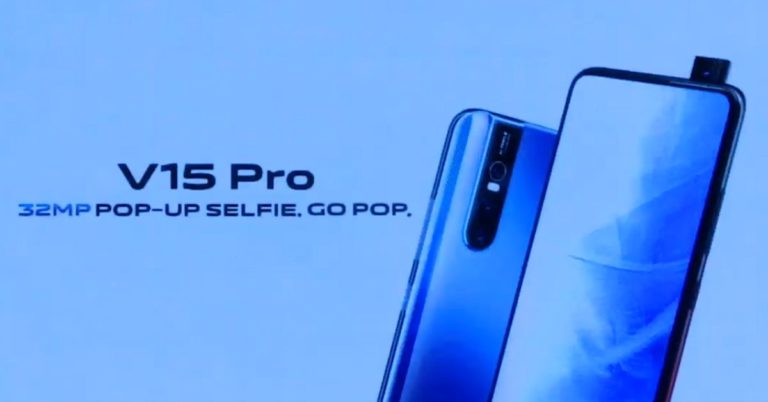
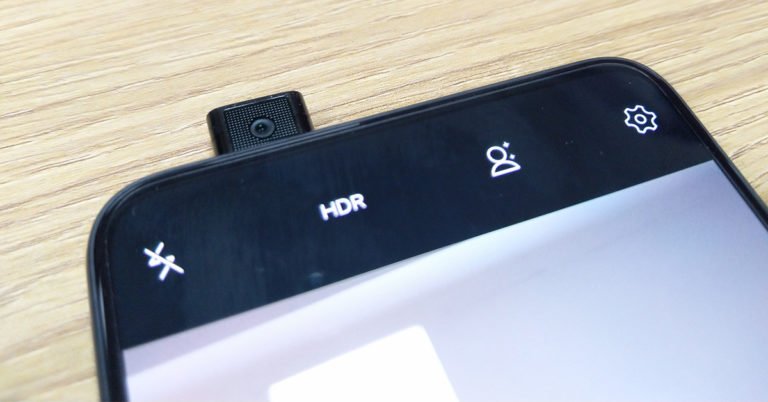
 On the camera front, Vivo V15 Pro is touted to come with a triple camera setup on its back panel. The camera setup includes a 48MP million quad pixel sensor that comes with an f/1.8 aperture, an 8MP super wide angle sensor that has an f/2.2 aperture and a 5MP sensor with an f/2.4 aperture. For selfies and video calls, there is a 32MP pop-up front camera that has an f/2.0 aperture. The cameras of the Vivo V15 Pro smartphone come with AI enhancements.
The device houses a 3,700mAh battery that has support for Dual-Engine Fast Charging. Vivo V15 Pro has support for a face unlock feature and comes with an accelerometer, an ambient light sensor, a proximity sensor, an e-compass and a gyroscope.
On the camera front, Vivo V15 Pro is touted to come with a triple camera setup on its back panel. The camera setup includes a 48MP million quad pixel sensor that comes with an f/1.8 aperture, an 8MP super wide angle sensor that has an f/2.2 aperture and a 5MP sensor with an f/2.4 aperture. For selfies and video calls, there is a 32MP pop-up front camera that has an f/2.0 aperture. The cameras of the Vivo V15 Pro smartphone come with AI enhancements.
The device houses a 3,700mAh battery that has support for Dual-Engine Fast Charging. Vivo V15 Pro has support for a face unlock feature and comes with an accelerometer, an ambient light sensor, a proximity sensor, an e-compass and a gyroscope.

In This Article

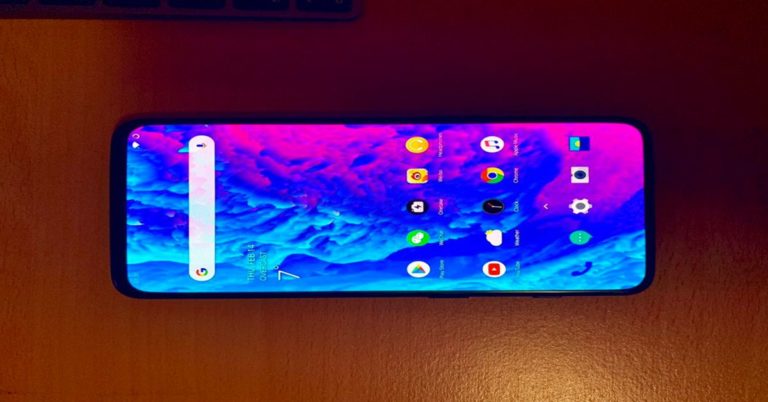
 We should mention that at Qualcomm Snapdragon Tech Summit 2018, that was held in December last year in Hawaii, OnePlus CEO Pete Lau had said that the company will be launching a 5G smartphone in 2019. He also said that the smartphone will be using Qualcomm’s latest flagship processor – Snapdragon 855 SoC and Snapdragon X50 5G modem.
It was also revealed later that the 5G smartphone by the company will not be a part of its regular flagship lineup, but instead will be launched in a separate range altogether. The reason behind this is that OnePlus’ 5G smartphone will be costlier than the devices launched in its regular flagship lineup, and the company doesn’t want to let go of its primary objective of offering flagship features at an affordable price.
We should mention that at Qualcomm Snapdragon Tech Summit 2018, that was held in December last year in Hawaii, OnePlus CEO Pete Lau had said that the company will be launching a 5G smartphone in 2019. He also said that the smartphone will be using Qualcomm’s latest flagship processor – Snapdragon 855 SoC and Snapdragon X50 5G modem.
It was also revealed later that the 5G smartphone by the company will not be a part of its regular flagship lineup, but instead will be launched in a separate range altogether. The reason behind this is that OnePlus’ 5G smartphone will be costlier than the devices launched in its regular flagship lineup, and the company doesn’t want to let go of its primary objective of offering flagship features at an affordable price.





The monuments that have been showcased in the video include Eiffel tower, Arc de Triomphe, and Notre-Dame de Paris. Considering that the video has normal as well as zoomed-in shots of the monuments, it can be concluded that the devices that are set to be launched will come with lossless optical zoom capabilities. It is worth noticing that these leaks are in-line with past reports that claimed that Huawei P30 Pro smartphone will come with periscope-style rear imaging hardware which will facilitate its lossless optical zoom. The series that is all set to be launched on March 26 is expected to come with two smartphones – Huawei P30 and Huawei P30 Pro. The previously leaked renders of the smartphones suggest that they will come with a waterdrop-shaped notch on their front panels. While the Huawei P30 will sport a triple rear camera, the P30 Pro will come with a quad-camera setup on its back panel. The cameras of the devices will come with a dual LED flash module. It has also been reported that the displays of the smartphones will have the on-screen fingerprint scanner embedded on them. According to reports, Huawei P30 and P30 Pro will come with OLED screens will be powered by HiSilicon Kirin 980 processor. While Huawei P30 is said to come with a 6.1-inch OLED panel and 8GB of RAM, Huawei P30 Pro will sport 6.5-inch display with 12GB of RAM. It has also been reported that Huawei P30 will come with a 40MP sensor that will have support for 5x lossless zoom clubbed with a 24MP selfie camera on its front panel.Rules were made to be rewritten. Paris, 26.03.2019. #RewriteTheRules #HUAWEIP30 pic.twitter.com/hFzZI3pVYr
— Huawei Mobile (@HuaweiMobile) February 19, 2019

Ahead of the MWC 2019’s main event, Oppo is holding an event on February 23 and we expect the company to announce 10x hybrid optical zoom there. In this upgraded hybrid optical zoom, we will get to see double the power of the earlier optical zoom of Oppo. In the smartphone world where the cameras are getting beefed up and more and more cameras are put on smartphones, the feature will be a breakthrough. For the latest gadget and tech news, and gadget reviews, follow us on Twitter, Facebook and Instagram. For newest tech & gadget videos subscribe to our YouTube Channel.Rising Camera ↕️
— OPPO (@oppo) February 17, 2019
Panoramic Screen 👁️
The first detail shots of the #OPPOF11Pro.
What else do you want to see? pic.twitter.com/c6h48VGsg7


Realme 2 is powered by the Snapdragon 450 SoC and has up to 4GB of RAM along with storage up to 64GB. The phone has dual rear camera setup of a 13MP main sensor with a 2MP secondary camera sensor. At the front, there is an 8MP selfie camera. The phone comes with a fingerprint scanner and face unlock feature and packs a 4,320mAh battery. It runs on Android Oreo skinned with Color OS which is the official OS of Oppo, but there are news reports that Realme is developing its own OS. Maybe we will get to see the new OS of Realme on the new Realme 3 which might be launching in the later months of 2019.Let’s see if you can put 1 and 2 together. 🤔 pic.twitter.com/hLneqExJc9
— realme (@realmemobiles) February 19, 2019

In This Article



 Samsung Galaxy S10 and Galaxy S10+ will be powered by Qualcomm’s Snapdragon 855 processor or Exynos 9820 chipset, depending on the market. According to reports, Samsung Galaxy S10 will come in two variants – one with 6GB RAM and 128GB of internal storage and the other with 8GB RAM and 512GB of onboard storage. While Samsung Galaxy S10+ will be available in these two variants, it will also have a model that will come with 12GB of RAM and 1TB of storage.
 While Samsung Galaxy S10 will come with 3,100mAh battery, Galaxy S10+ will house a 4,100mAh battery. Reports have suggested that the smartphones will come with a reverse wireless charging feature that will help you charge other devices directly via the smartphone.


 Another product that will be launched by Samsung tomorrow is its new Galaxy Watch Active smartwatch. Since Apple has been leading the smartwatch market for quite some time now, we can expect Samsung’s upcoming watch to pack some very powerful features.
 According to tipster Ishan Agarwal, the following will be the pricing of the new flagship smartphones by Samsung: