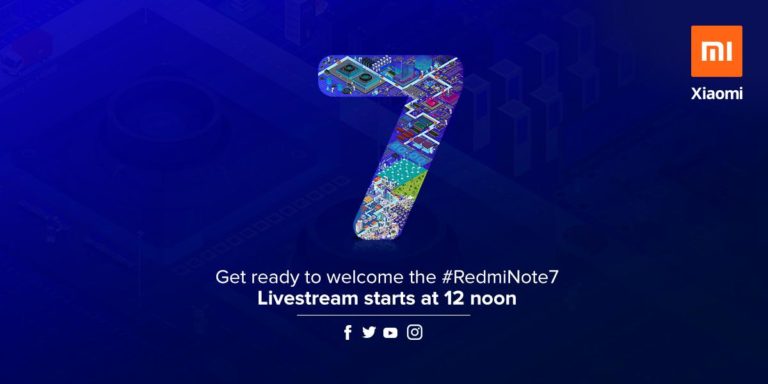
Xiaomi has launched its much-awaited Redmi Note 7 smartphone in India today. The launch comes a day after Samsung Galaxy M30 got unveiled in the country, which is the latest smartphone in the South Korean technology giant’s M-series. Both the smartphones have similar specifications and features and they also fall in the same price segment – which is the sub Rs 15,000 segment. However, we should mention that this is the most competitive price segment in the Indian smartphone market as many smartphone manufacturers have launched their products in this range with similar features. If you have been planning to buy a new smartphone from the budget segment, here we have compared the two newly launched smartphones with Asus Zenfone Max Pro M2, which is an impressive offering from the same segment. Take a look at our comparison of Redmi Note 7, Samsung M30 and Asus Zenfone Pro M2 smartphones and decide which one among the three is an apt buy for you:
In This Article
Display
Redmi Note 7: 6.3-inch full HD+ display
Samsung Galaxy M30: 6.4-inch Full HD+ Super AMOLED Infinity-U display
Asus Zenfone Pro M2: 6.3-inch full-HD+ display
Redmi Note 7: 12MP primary sensor + 2MP secondary sensor
Samsung Galaxy M30: Triple rear cameras with 13MP, 5MP and 5MP sensors
Asus Zenfone Pro M2: 13MP+12MP dual rear cameras
Selfie camera
Redmi Note 7: 13MP front-facing camera
Samsung Galaxy M30: 16MP front-facing camera
Asus Zenfone Pro M2: 13MP selfie camera
RAM and storage
Redmi Note 7: 3GB/4GB/6GB of RAM along with 32GB/64GB internal storage
Samsung Galaxy M30: 4GB RAM/64GB storage, 6GB RAM/128GB storage
Asus Zenfone Pro M2: 3GB/4GB/6GB of RAM clubbed with 32GB/64GB of onboard storage.
Support for microSD card
Redmi Note 7: Up to 256GB
Samsung Galaxy M30: Up to 512GB
Asus Zenfone Pro M2: Up to 2TB
Battery
Redmi Note 7: 4,000mAh battery
Samsung Galaxy M30: 5,000mAh battery
Asus Zenfone Pro M2: 5,000mAh battery
Operating system
Redmi Note 7: Android 9.0 Pie with MIUI 10
Samsung Galaxy M30: Android 8.1 Oreo with Samsung Experience 9.5 UI on top.
Asus Zenfone Pro M2: Android 8.1 Oreo
Price
Redmi Note 7: The 3GB RAM/32GB storage model costs Rs 9,999 and the 4GB RAM/64GB storage model costs Rs 11,999.
Samsung Galaxy M30: The 4GB RAM/64GB storage variant is priced at Rs 14,990, 6GB RAM/128GB storage model Rs 17,990.
Asus Zenfone Pro M2: The 3GB RAM/32GB storage model costs Rs 12,999, 4GB RAM/64GB storage variant is priced at Rs 14,999, 6GB RAM/64GB storage version costs Rs 16,999.
After weeks and months of teases and renders, the day Xiaomi’s Redmi Note 7 launch in India has finally arrived. The Redmi Note 7smartphone will be getting launched at an event in New Delhi. According to some rumors that have surfaced online, Redmi Note 7 Pro – which is an upgraded version of Redmi Note 7 – may also be launched at the same event today. Here’s everything you should know about the device’s launch:
In This Article
Redmi Note 7 launch: How to watch the livestream?
If you are interested in watching the Redmi Note 7 smartphone getting launched, you can tune in to Xiaomi’s official YouTube channel at 12pm today. The company will be livestreaming the event there. We have also embedded the video of the livestream on this page, so you can also watch the livestream here.
Redmi Note 7 price in India (expected)
Xiaomi had already launched the Redmi Note 7 in China in January this year. In the Chinese market, the smartphone is selling for a starting price of 999RMB (approximately Rs 10,500). The price range of Redmi Note 7 starts from 999RMB and goes up to 1,399RMB (approximately Rs 14,500) according to the specifications and the variants of the phone. There are 3 variants of the phone, one with 3GB RAM and 32GB storage, another with 4GB RAM and 64GB storage and the top-end variant of the smartphone comes with 6GB of RAM and 64GB of storage. The cost of all the variants of Redmi Note 7 in India should be similar to the Chinese pricing.
Redmi Note 7 specifications
The key highlight of the Redmi Note 7 smartphone is its 48MP rear camera sensor which will be a first in the budget segment. The main camera will be accompanied with a 5MP sensor, and for selfies and video calls, there will be a 13MP AI sensor on the front panel. Other than that, Redmi Note 7 packs a 2.2GHz Snapdragon 660 octa-core processor and comes in the aforementioned RAM and storage variants. Redmi Note 7 will also have a 4,000mAh battery and sport a 6.3-inch Full HD+ LTPS display with 1080 x 2340 resolution.
The smartphone the successor of Xiaomi’s Redmi Note 6 Pro which didn’t sell very well in the Indian market because it wasn’t too much of an upgrade from the previously launched Xiaomi Redmi Note 5 Pro.
Update: The variant that has been launched in India comes with 12MP+2MP dual rear cameras.
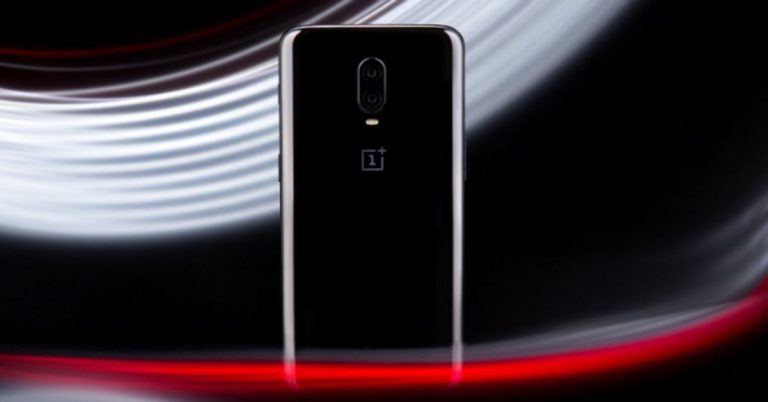
Chinese smartphone brand OnePlus recently showcased its 5G prototype smartphone at the Mobile World Congress 2019. And now, the company has said that it has plans to work with American chipmaker Qualcomm on 5G trials in India. Although the news of 5G trials in India is certainly going to make some very happy, we are surprised that the company is collaborating with Qualcomm to do it, as OnePlus and the chipmaker’s relationship dates back to the time when OnePlus One made its debut.
Even at MWC 2019, the 5G prototype smartphone that OnePlus showed was displayed at Qualcomm‘s booth and it is powered by Snapdragon 855 processor coupled with Snapdragon X50 5G modem.
Coming back to OnePlus’s plans to begin 5G rollout in India, the company’s CEO Pete Lau said in a statement that the smartphone maker will be “amongst the first OEMs (original equipment manufacturers) to launch smartphones powered by the Qualcomm Snapdragon 855 mobile platform in India, and plans to work with Qualcomm on 5G trials.”
However, he did not give out any more details about the company’s plans. Speaking about its relationship with Qualcomm, Lau said, “We have been loyal to Qualcomm’s 800-series Snapdragon chipsets since the release of our very first flagship device. This strong partnership with Qualcomm makes us believe that we could bring the best 5G device to the world.”
We should mention that the company had started researching on new-age 5G technology in 2016. And just after a year in 2017, OnePlus began working with Qualcomm to develop a 5G smartphone.
Find out how you can shape the future of 5G in @petelau2007's latest post. Are you ready to join the 5G Apps of Tomorrow program and bring your vision to life?
In October last year, OnePlus also posted the world’s first 5G tweet by connecting a prototype smartphone to a non-standalone 5G network. And at Qualcomm’s Snapdragon Tech Summit in December 2018, the company announced that it will be launching a 5G smartphone this year. And OnePlus seems to be keeping its promise as it did give attendees of MWC 2019 the first look of its 5G prototype smartphone at the tech show. However, we should add that the company did main some confidentiality by keeping the device in a casing.
Last year, OnePlus surpassed Apple and Samsung in India and garnered the largest share of the premium smartphone segment in the country during the December quarter. To be precise, OnePlus had 36% of the share of the premium segment of the Indian smartphone market.
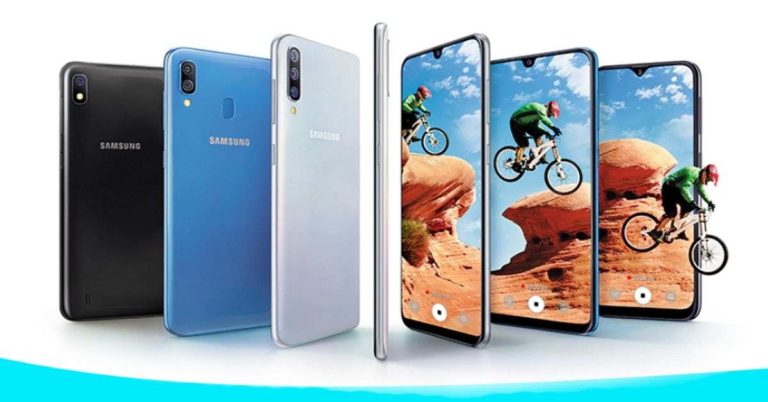
South Korean technology giant Samsung will today be unveiling its Galaxy A10, Galaxy A30 and Galaxy A50 smartphones in India today. The new Galaxy A-series devices will come equipped with Infinity-U and Infinity-V displays and sport Super AMOLED screens.
We should mention that Samsung Galaxy A30 and Galaxy A50 were unveiled by the technology company earlier this week and it was revealed yesterday that the smartphones would launch along with Galaxy A10 at its India launch event that is scheduled for today. Samsung is holding an event to launch Samsung Galaxy A10, Galaxy A30 and Galaxy A50 at an event in Mumbai that is all set to begin at 12 pm.
Speaking about Samsung Galaxy A30 and Galaxy A50 smartphones that were unveiled on Monday, both the devices come with Infinity-U Display panels, sport Super AMOLED screens, and house 4,000mAh battery. The company tweeted yesterday via its Samsung Mobile India account that it will also be unveiling the Galaxy A10 handset at the event today. Here’s a look at the expected pricing and specifications of the upcoming smartphones in the country:
In This Article
Samsung Galaxy A10, Galaxy A30 and Galaxy A50 expected price in India
As we mentioned in a report yesterday, Samsung Netherlands recently revealed that its Galaxy A50 smartphone will come with a price tag of EUR 349, which is approximately Rs 28,300. So, we are expecting the price of the device in India also to be similar. If all three devices are priced similarly, they will give competition to budget and mid-range smartphones from the likes of Xiaomi, Oppo and Vivo.
Samsung Galaxy A30, Galaxy A50 specifications
Since Samsung Galaxy A50 and Galaxy A30 have already been announced, we know about their specifications already. However, currently, we don’t know much about Samsung Galaxy A10.
Samsung Galaxy A30 sports a 6.4-inch full-HD+ Super AMOLED Infinity-U Display that has an aspect ratio of 19.5:9. Powered by an octa-core processor, the smartphone comes with 3GB or 4GB of RAM and is available in 32GB and 64GB internal storage variants. The device can hold a microSD card of up to 512GB. On the camera front, Samsung Galaxy A30 has a dual rear camera setup that comprises of a 16MP sensor with an f/1.7 lens and a 5MP sensor with an f/2.2 lens. For selfies and video calls, there is a 25MP sensor that comes with a fixed-focus f/2.0 lens.
Samsung Galaxy A50, on the other hand, has a 6.4-inch full-HD+ Super AMOLED Infinity-U display that has an aspect ratio of 19.5:9. The smartphone comes with an octa-core processor clubbed with 4GB/6GB of RAM and 64GB/128GB of internal storage. Samsung Galaxy A50 can also hold a microSD card of up too 512GB and comes with a triple rear camera setup with a 25MP sensor with an auto-focus f/1.7 lens, a 5MP sensor with a fixed-focus f/2.2 lens and an 8MP sensor with a fixed-focus f/2.2 lens. For selfies and video calls, there is a 25MP camera with a fixed-focus f/2.0 lens. Both the smartphones house a 4,000mAh battery.
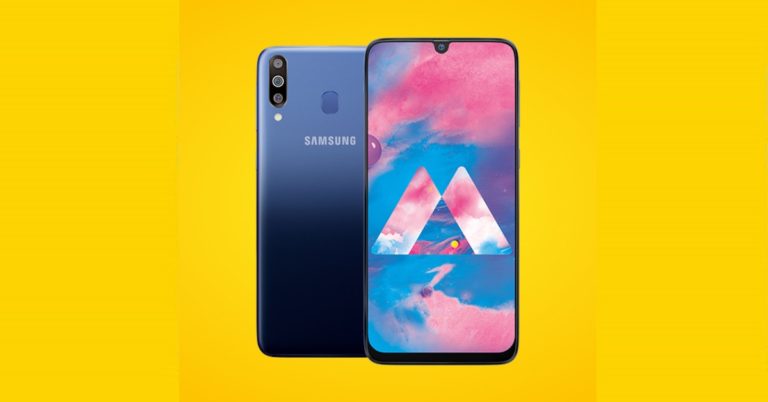
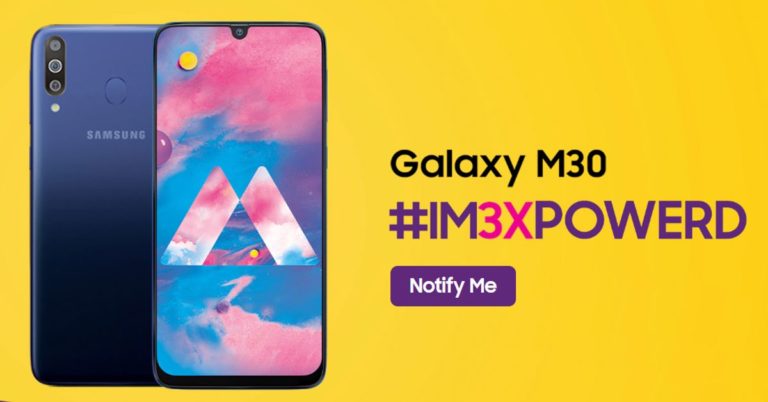
Samsung has been on a launching spree since the year began. It first launched its Galaxy M20 and Galaxy M10 smartphones last month, and now it has unveiled its Samsung Galaxy M30 handset. The device is the most expensive in the Samsung Galaxy M series yet, however, it is still priced in the budget segment. We should mention that the South Korean technology giant is competing with the likes of Xiaomi and Asus in the budget segment.
Samsung Galaxy M30 smartphone has gone up for pre-orders on Amazon India as well as Samsung’s official website and it will be available on both the platforms starting March 5. In case you want to buy a new Samsung smartphone and are confused between Galaxy M20 (review) and Galaxy M30 devices, we are here to help you! Here, we have compared all the specifications of Samsung Galaxy M30 with those of Galaxy M20 so that you can decide which one among the two is a better buy for you:
In This Article
Display
Samsung Galaxy M20: 6.3-inch full HD+ Infinity-V display
Samsung Galaxy M30: 6.4-inch Full HD+ Super AMOLED Infinity-U display
South Korean technology giant Samsung has taken wraps off its Galaxy M30 smartphone in India today. The smartphone is a part of the Galaxy M Series that Samsung unveiled in January with the launch of its Galaxy M10 and Galaxy M20 handsets.
We should mention that although Samsung Galaxy M30 smartphone is in the budget segment, it is the most expensive of the three devices that have been launched in the Galaxy M series yet. Here’s a look at the pricing details and specifications of the newly launched Samsung smartphone:
In This Article
Samsung Galaxy M30 price and availability
Samsung Galaxy M30 is available in two RAM/storage variants in the country. While one of them comes with 4GB RAM and 64GB storage, the other has 6GB RAM and 128GB of storage. The former is priced at Rs 14,990 and the latter bears a price tag of Rs 17,990. It is available in two gradient colour options – Gradation Black and Gradation Blue. The device is up for pre-orders on Amazon India as well as Samsung’s official website and it will be available on the two websites starting March 5.
As a part of launch offers, Samsung has partnered with Reliance Jio to offer double-data on Rs 198 and Rs 299 plans. With this offer, on the Rs 198 recharge, users get savings worth Rs 3,110 over 10 recharges along with the Double-Data benefit and much more.
Samsung Galaxy M30 specifications
Samsung Galaxy M30 features a 6.4-inch Full HD+ Super AMOLED display and has an Infinity-U screen, which basically means that it has a U-shaped notch on its top. Powered by 1.8GHz octa-core Exynos 7904 chipset paired with 4GB/6GB RAM, the device is available in 64GB and 128GB storage options. The smartphone runs Android 8.1 Oreo skinned with Samsung Experience 9.5 UI.
On the camera front, Samsung Galaxy S30 smartphone has a triple rear camera setup with a 13MP sensor, a 5MP depth sensor and a 5MP wide-angle sensor. For selfies and video calls, there is a 16MP front-facing camera that has support for Live Focus. The device houses a 5,000mAh battery and comes with support for fast charging. Samsung Galaxy M30 has a fingerprint sensor on its back panel as well as a face unlock feature. For connectivity options, there is a USB-C port, Bluetooth, Wi-Fi, GPS, and a 3.5mm headphone jack.
Popular instant messaging app WhatsApp has started testing the group invitation control feature in Android, according to reports. As we have mentioned in our previous articles, the features enable users to decide who can add them to a group. Needless to say, it is a much-awaited feature as it gives users some level of control over being added to WhatsApp groups.
As of now, you would not be able to find it as it has been disabled by default and we should mention that it was first spotted in a beta code by WABetaInfo, a Twitter account that keeps a track of WhatsApp Beta updates. Although there is no word about when the feature will be made available, we guess it will take some time so that the bugs and glitches can be removed.
We should point out that the group invitation control feature that has been spotted in WhatsApp beta version 2.19.55, is the same as the one that iOS TestFlight users got some time back. The WhatsApp group invitation control feature is reported to be in early stages of development as of now and it wouldn’t even be available to all the members of WhatsApp’s Android beta programme.
📝 WhatsApp beta for Android 2.19.55: what's new?
Finally found first hidden tracks of the Group Invitation feature! Screenshots in the article.
And currently, there is no word on when it will be made available to all the beta users of WhatsApp’s Android app, let alone to all users in general. We are personally not expecting to see the update anytime soon.
According to WABetaInfo, the group invitation feature can be accessed by going to Settings > Account > Privacy > Groups. Under Groups, you would be able to choose between three settings – Everyone, My Contacts, and Nobody. If you select ‘Everyone’ anyone on WhatsApp will be able to add you to groups, while ‘My Contacts’ would only let those in your phone’s contact list add you and ‘Nobody’ wouldn’t let anyone add you to group without their permission.
We should mention that if you select ‘Nobody’, people would be able to add you to groups, but only via an invite. So, if they try and add you, you will get an invite for the group and it is your choice to accept or reject it. Similarly, if you select ‘My Contacts’ people who are not in your friend list would be able to send you an invite to be a part of the group.
Technical specifications-wise the Samsung Galaxy S10+ has the works. It has got the latest Exynos 9820 chipset inside that has an Octa-core processor on it with couple of cores working at 2.7GHz and the rest working at 2.3 and 1.9 GHz. Along with that it has 8 GB RAM and 128GB storage, and to power the device a large 4,100 mAh battery has been installed in it. So yes, it is built to perform.
To unlock the Samsung Galaxy S10+ users can pick between couple of unlocking systems. Which include the usual pin code and the latest ultrasonic fingerprint sensor. Now we have tested it for a little while and it does open the device very quickly. Apart from that there is a face unlocking system available, too. So upon your preference you can chose the one that fits you.
For the latest gadget and tech news, and gadget reviews, follow us on Twitter, Facebook and Instagram. For newest tech & gadget videos subscribe to our YouTube Channel.
Mobile World Congress 2019 started on February 25 and till now, we have mostly seen all the major announcements from the tech show. Here, we bring to you 11 key announcements that you must know about:
In This Article
Nokia finally took wraps off its flagship with five rear cameras
HMD Global finally launched its flagship smartphone Nokia 9 PureView that has five cameras on its back panel. As of now, this is the maximum number of cameras that can be found on a smartphone’s rear panel. Prior to this, it was Samsung Galaxy A9 (2018) that came with four camera sensors placed on its back. Other than this, the company was also seen launching Nokia 3.2, Nokia 4.2, Nokia 1 Plus and Nokia 210 at the tech show.
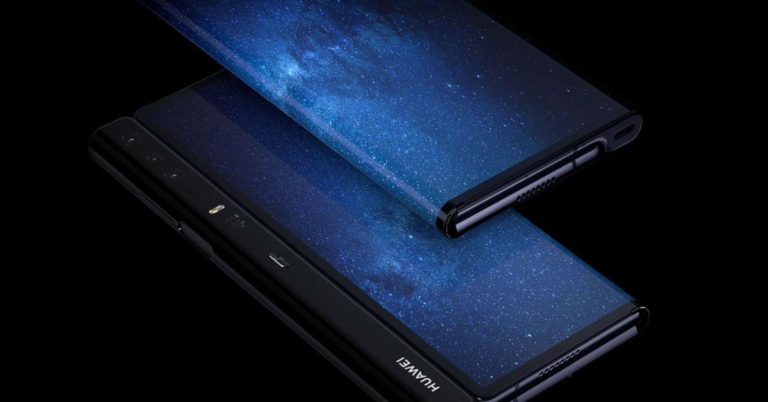
Huawei unveiled its foldable phone
Chinese electronics brand Huawei took wraps off its 5G foldable phone at the MWC 2019. Dubbed Huawei Mate X foldable phone, the device comes with two displays and is powered by the company’s own Kirin 980 processor. Other than the foldable smartphone, the company was also seen launching the Huawei MateBook X Pro, MateBook 14 and MateBook 13 laptops.
Oppo introduced its 10x lossless zoom smartphone camera technology
MWC 2019 saw the 10x lossless zoom smartphone camera technology by Oppo getting introduced, which would only work in triple rear camera setups and would be seen in the company’s next smartphone. Furthermore, the Chinese smartphone brand also showed off its first 5G smartphone and said that it will be launched later and will be powered by Qualcomm Snapdragon 855 SoC.
Microsoft launched the HoloLens 2
Software giant Microsoft took wraps off its new Hololens 2 at the Mobile World Congress 2019. Hololens 2 is Microsoft’s second-generation mixed reality headset and it is touted to come with improved gesture controls, enhanced performance and higher power efficiency. The device is powered by Qualcomm Snapdragon 850 Compute Platform and has a custom-built Holographic Processing Unit.
Sony launched a number of powerful smartphones
Sony launched its Xperia 1, Xperia 10, Xperia 10 Plus and Xperia L3 smartphones at the MWC 2019. Among these, Sony Xperia 1 is the flagship smartphone of the company and it is powered by the Snapdragon 855 processor and comes with a 6.5-inch ‘CinemaWide’ OLED 4K screen that comes with X1-style image processing. The device runs Android 9 Pie.
Xiaomi Mi Mix 3’s 5G variant finally got unveiled
Xiaomi finally launched the 5G variant of its Mi Mix 3 smartphone at the tech show in Barcelona, Spain. Although the rest of the specifications of the smartphone are the same as the previously launched model, the 5G variant comes with Qualcomm Snapdragon 855 SoC and Snapdragon X50 5G modem. The company also made its Mi 9 smartphone globally available at the event.
OnePlus showcased its 5G smartphone
As promised, we got a first look at the 5G smartphone by OnePlus at MWC 2019. However, the company did manage to maintain its secrecy around the device and kept it a casing. The smartphone was present at Qualcomm’s booth and attendees could try out some gaming capabilities on the device.
LG took wraps off a very powerful flagship
LG V50 ThinQ is among the most powerful flagship smartphones that we saw this year at MWC 2019. The device comes with a 6.4-inch Quad HD+ OLED FullVision Display and is powered by Snapdragon 855 SoC paired with Snapdragon X50 modem. The LG V50 ThinQ has support for 5G connectivity and comes with a triple rear camera setup. The newly launched smartphone runs Android Pie. Besides this, LG G8 ThinQ and G8s ThinQ were also launched at the event.
Nubia launched the first ever smartwatch to come with a foldable display
MWC 2019 also saw the launch of the first ever smartwatch that has a foldable display – Nubia Alpha. The smartwatch is powered by Qualcomm Snapdragon Wear 2100 processor, 1GB of RAM, 8GB of internal storage and it houses a 500mAh battery. Nubia Alpha features a 4-inch flexible OLED display that gives 230% more real estate to users than most other standard smartwatches that are available.
Qualcomm introduced Quick Charge for wireless charging
American chipmaker Qualcomm announced at the ongoing Mobile World Congress 2019 that going forward, its Quick Charge technology will work wireless power as well. It also said that this will add speed in the charging process, however, the charging pads would have to meet certain requirements and standards for it.
ZTE launched a 5G flagship phone
ZTE launched its flagship smartphone Axon 10 Pro 5G at MWC 2019. The smartphone is powered by Snapdragon 855 SoC clubbed with Snapdragon X50 5G modem and it sports a triple rear camera setup and an in-display fingerprint scanner. In addition to this, the company also launched the ZTE Blade V10 at the event.
After launching the EOS R a few months back, Canon has today launched its EOS RP mirrorless camera in India. The newly launched Canon EOS RP is a part of the R series and is a mirrorless camera that comes equipped with a full-frame image sensor.
We should mention that Canon EOS RP full-frame mirrorless camera is relatively more affordable than the company’s more expensive R camera and at the same time, it comes with an array of features that will make photography-fans love it. Here’s a look at price and specifications of the newly launched Canon EOS RP full-frame mirrorless camera:
In This Article
Canon EOS RP full-frame mirrorless camera price
The price of Canon EOS RP mirrorless camera in India is Rs 1,10,495. However, this price is for body-only and if you buy the 24-105mm kit lens along with the camera, it would cost you Rs 1,99,490. The camera will be competing with the likes of A7 Mark 3, Nikon Z7 mirrorless cameras and Nikon Z6.
Canon EOS RP full-frame mirrorless camera specifications
Coming to the specifications of the newly launched gadget, it has a 26.2-megapixel full-frame image sensor and is capable of recording 4K videos and has features like eye autofocus and dual-pixel autofocus. The camera uses an RF mount for lenses, however, the number of lenses available for the mount is not too many as of now. But then, Canon is offering an adapter that can be used to put EF and EF-S lenses on EOS RP mirrorless camera.
One of the main highlights of the device is its weight and dimensions. Canon EOS RP mirrorless camera weighs 440 grams and hence, is lighter than any other full-frame DSLR by Canon. This adds on to the portability of Canon EOS RP and makes it easier for the user to carry it around.
We should mention that while Canon and Nikon led the high-end digital cameras’ market for two decades, they were rather slow to join the mirrorless camera race. Sony, on the other hand, started launching mirrorless cameras a little early. It was actually Sony’s success with its A series that led Nikon and Canon to get away from DSLRs and foray into mirrorless camera category.
OnePlus has avoided putting some features in its flagship smartphones since the very beginning. And the most awaited ones among these are IP certifications that promise water and dust resistance and wireless charging. If you have been counting on OnePlus 7 to come with these features, then you may have to face some disappointment.
The Chinese smartphone maker’s CEO Pete Lau has said that wireless charging will not be present in the company’s upcoming flagship smartphone OnePlus 7 and as it is still a nascent technology. He further said that Warp Charge, which is OnePlus’ proprietary charging technology is one among the best in the industry. Lau also said that till the time wireless charging will be able to charge devices without causing them to heat up, it would not be seen in OnePlus smartphones.
OnePlus CEO gave this information to technology website CNET during MWC 2019, saying, “OnePlus charging is one of the best. Wireless charging is far inferior.” We should mention that a reason for OnePlus not getting wireless charging in its smartphones may be to keep their costs more affordable than flagship devices of other companies. Wireless charging technology gained a lot of prominence since the time Apple used it in its iPhone 8, iPhone 8 Plus and iPhone X. We should also point out that at MWC 2019, American chipmaker Qualcomm introduced Quick Charge for wireless power.
When Lau was asked about whether OnePlus will be integrating this newly-launched technology in its upcoming devices, OnePlus CEO did not comment on it. As of now, it doesn’t seem likely that the Chinese smartphone brand will adopt the technology anytime soon. The reasons may be cost related, but OnePlus also happens to take pride in its own Warp Charging technology.
Although not much is known about OnePlus’ upcoming smartphone right now, it has been confirmed that it will be powered by Qualcomm’s Snapdragon 855 processor. While it is too early to speculate about its features, the device will most likely run Android Pie-based OxygenOS. A report that surfaced online recently also suggested that OnePlus 7 mobile would come with a pop-up selfie camera and hence, would give users a full-screen experience.
South Korean technology giant Samsung may have officially announced the Galaxy A30 and Galaxy A50 smartphones, but the company has not given away information about its pricing and availability. However, now the same information has been revealed by Samsung’s regional arm. A press release that was shared by Samsung’s Netherlands arm stated that the Galaxy A50 will bear a price tag of EUR 349, which is approximately Rs 28,100.
But that’s not all. If the Netherlands gave us an insight into the pricing of the device, the South Korea arm of Samsung has shed light on the global rollout of Galaxy A50 and Galaxy A30. According to Samsung South Korea, the two smartphones would be launched globally in the middle of next month. We should add that Samsung Netherlands also confirmed the mid-March availability of the Galaxy A50 handset. However, currently, there is no word on the Samsung Galaxy A30 smartphone.
It was on Monday this week that the South Korean technology company unveiled its updated Galaxy A series. While initially, the smartphone maker would launch only Samsung Galaxy A30 and Galaxy A50 handsets, eventually Galaxy A10 and Galaxy A20 will also be launched, according to reports. We should mention that in India, Galaxy A series would be launched on February 28 at an event in Mumbai, and Samsung has already sent out invites for the same. Here, we have listed down the expected price and specifications of Samsung Galaxy A50 smartphone:
In This Article
Samsung Galaxy A50 expected price in India
Samsung Netherlands has revealed that Galaxy A50 will cost EUR 349, which is approximately Rs 28,100. We should mention that the handset’s price in India will not be exactly the same, however, with the Netherlands pricing out, we know what price bracket to expect. According to Samsung South Korea, Galaxy A30 and Galaxy A50 smartphones will be made available in global markets starting mid-March.
Samsung Galaxy A50 specifications
Samsung Galaxy A50 features a 6.4-inch Super AMOLED Infinity-U display that has a full-HD+ resolution and comes with an aspect ratio of 19.5:9. The smartphone is available with 4GB/6GB of RAM and 64GB/128GB of internal storage. Furthermore, it can hold a microSD card of up to 512GB. The device houses a 4,000mAh battery and is powered by an unnamed octa-core processor.
It comes with an in-display fingerprint scanner and sports a triple rear camera setup that comprises of a 25MP sensor with an f/1.7 lens, a 5MP sensor with an f/2.2 lens and an 8MP sensor with an f/2.2 lens. On the front panel, Samsung Galaxy A50 comes with a 25MP sensor with an f/2.0 lens to click selfies and make video calls.
We have some news that is going to make music lovers really happy. Popular music streaming service Spotify has officially been launched in India today. The cost of subscribing to Spotify India is Rs 119 per month and Rs 1,189 per year. Furthermore, if you don’t wish to pay for a recurring subscription, the company has also launched some top-up packs, so you can avail those. These top-up packs start at Rs 13 for a day and go up to Rs 719 for six months. However, we should mention that you only need to pay in order to have access to Spotify Premium, which lets you download music, listen to it offline and gives an ad-free experience. Otherwise, the app can be downloaded for free.
Spotify is originally a Sweden-based music streaming service and it currently has the highest number of paid subscribers in the world. India happens to be the 79th country where Spotify has forayed and the 11th Asian nation to get the music service. In India, Spotify is available on both Android and iOS and will be seen competing with the likes of Apple Music, JioSaavn, Amazon Prime, Google Play music service, Wynk and Gaana.
Although Spotify is primarily known for music-streaming, it also comes with podcasts. Another factor that adds on to Spotify’s popularity is its algorithm-based music recommendations engine which can curate music according to the user’s taste. While Spotify is mostly used on the Web, Android and iOS, we should point out that it also has apps for gaming consoles like Xbox One and PlayStation 4 or smart speakers like Amazon Echo, various smart TV, and even Windows 10.
In India, Spotify will be seen offering some localisations on its service to make it more user-friendly for the local audience. So, on tapping on the search button, you would be able to select from categories like Bollywood, Punjabi, Tamil, Telegu and more. Although it may vary according to people’s preferences, it will definitely help them find music that they actually like and would want to listen to.
It is also worth pointing out that Spotify’s pricing makes it one among the most expensive music services in India. Also, the company has not yet said anything about launching a family plan in the country yet. Currently, the music service has 200 million active users and 96 million paid subscribers across the globe. The first acknowledgement of Spotify’s plan to come to India surfaced in March 2018.
South Korean technology giant Samsung is all set to launch its Galaxy M30 smartphone in India today. Samsung Galaxy M30 is the third smartphone in the company’s Galaxy M series and it will be launched at 6 pm in the country today. Prior to this, the company has launched the Samsung Galaxy M20 and Galaxy M10 in the same range, both of which garnered appreciation for offering good performance at an affordable price.
With the Galaxy M series, Samsung plans to take on the likes of Xiaomi that are currently dominating the budget segment and it will be seen launching a number of smartphones from the range this year. Here’s a look at the expected price and specifications of the Samsung Galaxy M30 smartphone:
In This Article
Samsung Galaxy M30 price (expected)
According to a report in IANS that quotes industry sources, Samsung Galaxy M30 will be priced at Rs 15,000 in India. To recall, the base model of Samsung Galaxy M20 with 3GB RAM and 32GB storage costs Rs 10,990 in India and the high-end variant with 4GB RAM and 64GB storage comes with a price tag of Rs 12,990. The younger sibling that was launched on the same day, Samsung Galaxy M10, is available in 2GB RAM/16GB storage variant and 3GB RAM/32GB storage model that is priced at Rs 7,990 and Rs 8,990 respectively.
Samsung Galaxy M30 specifications (expected)
Coming to the specifications, Samsung Galaxy M30 will reportedly come with a 6.4-inch full-HD+ (1080×2220 pixels) display and will be powered by an Exynos 7904 processor. The device will come with 4GB of LPDDR4 RAM and is said to sport a triple rear camera setup on its back panel that will comprise of a 13MP primary sensor with an f/1.9 aperture, a 5MP secondary sensor with an f/2.2 aperture and a 5MP third sensor with an f/2.2 lens.
For selfies and video calls, there is said to be a 16MP front-facing snapper that comes with an f/2.0 sensor. Reports have suggested that the upcoming smartphone will be available in Black and Blue colours and Samsung has already confirmed the Blue-coloured variant of the device.
The dimensions of Samsung Galaxy M30 are tipped to be 159×75.1×8.4mm, while its weight is said to be 175 grams.
Spotify, one among the most popular audio streaming platforms in the world, is finally on its way to India. According to the company, the price to use this platform in India will be Rs 119 per month, or Rs 1,189 annually. We should mention that Spotify’s monthly pricing is Re 1 cheaper than Apple Music’s subscription while the yearly plan is Rs 11 lesser.
It is worth noticing that Apple Music charges Rs 120 for its monthly plan and Rs 2,000 for a yearly plan. But till now, Spotify was not officially available in India and its services weren’t available in the country. Currently, in order to to avail the 30-days free trail of Spotify, users in India have to sign up for the service from another region/country using a VPN.
Other than the monthly and yearly subscription prices of Spotify, the platform also gives daily, weekly and quarterly plans. The daily plan of Spotify costs Rs 13 per day while the weekly plan costs Rs 39. For one month the service costs Rs 119 and Rs 389 is the cost three months. For a six months subscription, users would have to pay Rs 719.
If we compare Spotify with other music streaming platforms, then we see that the pricing of Spotify puts it in the premium tier league of music streaming platforms. Apple Music costs Rs 120 monthly compared to Rs 119 of Spotify. However, other music streaming platforms like Google Play Music, Gaana and JioSaavn charge Rs 99 for their monthly subscription. But topping the costliest music streaming platform is the Amazon Music which charges Rs 129 per month for its subscription.
Gaana, which is an Indian music streaming platform is the cheapest of the lot. It charges Rs 499 for a yearly subscription. Google’s Play Music doesn’t have a yearly plan. Spotify also offers a student membership with 50% discount on the subscription charges. To avail the student membership, students need to upload their ‘school-issued documents’ to prove that they are an actual student enrolled in a school or college. If the documents are verified, they would get the membership where they would get 50% off on any Spotify subscription.
Google’s email service Gmail recently received a major Material Redesign. A few days back, the new design was rolled out to all Android users. Prior to that, the Material theme was made available on the Web app. The new Material theme completely changes the look of the popular email service.
And now, the search giant is rolling out a similar change in theme for its iOS app, so that its users on iPhone and iPad will be able to experience the new cleaned up service. Furthermore, users would not have to install an update manually to get Gmail’s new look. Instead, it will be a part of the server-side update.
So, even if some users are not updated to Gmail’s latest version, they will receive the Material Theme automatically. The new theme will be rolling out to all iOS users this week itself.
The Material theme rolled out to all Android smartphones and tablets last year, and will now be making its way to iOS. However, it will take a few days for the change to be visible for everyone who uses Gmail on iOS.
With the new Material theme, the red band and the colourful appearance of the app have gone. Instead, now Gmail’s app has a whiter and cleaner appearance. There is also a new font, a redesigned compose button and a different method for switching accounts with Gmail’s app. According to Gmail, the white colour will make it easier to find emails. Furthermore, a key feature to search for specific emails or attachments has also been added to the new Material theme.
As we mentioned earlier, Google has already been moving its apps and services to the Material theme and the Web-based apps were the first on to get this new design. However, we should all here that not everyone liked Gmail’s new design as come users reportedly said that the app now looks ‘too white’.
It is also worth pointing out that a number of other Google apps across Android and iOS apart from Gmail, like Keep and Maps, have seen a redesigned theme being implemented recently.
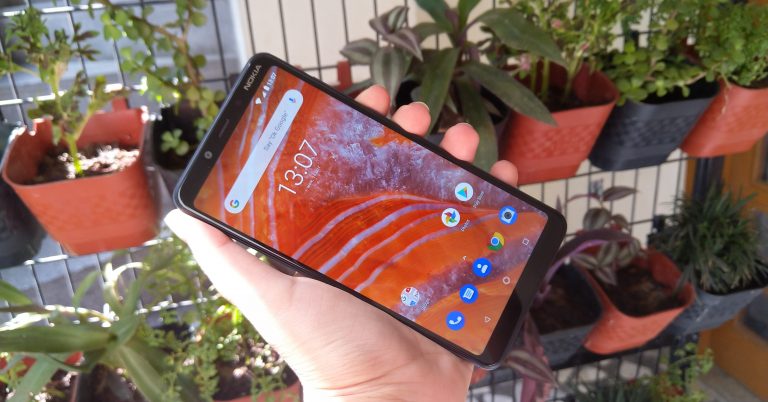
HMD Global is known for rolling out timely updates to its Nokia devices. So much so, that now we know that if a Nokia smartphone is being launched, it will fall under Google’s Android One programme. And now, the company has rolled out the Android 9.0 Pie update for its Nokia 3.1 Plus handset.
However, it is an over-the-air update that is being rolled out in a phased manner and it will reach all Nokia 3.1 Plus users in the next few days’ time. It is worth noticing that the update for Nokia 3.1 Plus comes just days after the company released the update for its Nokia 2.1 and Nokia 8 devices.
With this, the entire lineup of Nokia smartphones from HMD Global is close to being updated to Android Pie which, we think is very impressive.
The announcement of Android Pie update coming to Nokia 3.1 Plus was made by HMD Global’s chief product officer Juho Sarvikas on microblogging website Twitter today. All the updates by HMD Global are released in phases and patches. So, don’t be surprised if your friend receives it and you don’t.
The wait is over! Get ready to feast on a sweeter smartphone experience with Android 9 Pie on Nokia 3.1 Plus. Nokia smartphones get smarter with time #GetSmart#Nokiamobilepic.twitter.com/8wG544OAEk
But then, if you don’ want to wait for the official update, you can go to ‘Settings’ of your smartphone and then go to ‘About Phone’. After this, go to ‘Software updates’ and manually check for the update.
The exact size of the Android Pie update for Nokia 3.1 Plus (review) is not known yet. However, we do know that it will get new system navigation, upgraded settings menu, and some enhancements to notifications to the device. In addition to this, with Android Pie, Nokia 3.1 Plus will also get Adaptive Battery, Adaptive Brightness, and Predictive App Actions. The latest update also gets the February security patch to the Nokia 3.1 Plus handset.
HMD Global launched the Nokia 3.1 Plus smartphone in October 2018. The device comes with a 6.1-inch HD+ (720×1440 pixels) IPS display and is powered by MediaTek Helio P22 (MT6762) processor. It houses up to 3GB of RAM and up to 32GB of internal storage. The smartphone can also hold a microSD card of up to 400GB.
The device comes with a dual rear camera setup with a 13MP and a 5MP sensor. For selfies and video calls, there is an 8MP front-facing snapper as well.
Flipkart really does know how to keep shoppers happy by offering them deals and discounts. A few days back, the OMG! Days sale was live on the platform, which was followed by the Mobile Bonanza Sale. The latest among these sales is the Flipkart Month-end Mobile Fest. The Month-end Fest started on February 25 and will go on till February 28 and during this period, Flipkart is offering discounts on a huge range of Asus smartphones. The Taiwanese electronics manufacturer has partnered with Flipkart to offer discounts on its existing smartphones range which includes the Asus Zenfone Lite L1, Zenfone Max Pro M2, Zenfone Max Pro M1, Zenfone 5Z etc.
Along with the discounts, the customers can also get the No Cost EMI offered by Flipkart if they purchase the smartphones with select debit and credit cards. There is also an exchange offer where the customer can exchange their old smartphones for a new one. Here is the list of Asus smartphones which are getting the offer in the Month-end Mobile Fest:
Asus Zenfone 5Z, the company’s flagship smartphone of 2018, was released by the Taiwan based company in to take on the OnePlus 6. During the sale, Asus is giving Rs 8,000 off on the 8GB RAM/256GB storage variant of the Zenfone 5Z. The smartphone is available for Rs 28,999 for the mentioned variant instead of its original price of Rs 36,999.
Asus Zenfone Max Pro M2 comes in two variant – a 3GB RAM and a 4GB RAM variant. The 3GB RAM/32GB storage variant of Zenfone Max Pro M2 is priced at Rs 11,999 instead of its original price of Rs 12,999. On the other hand, the 4GB/64GB storage variant of the smartphone is selling for Rs 13,999 instead of Rs 14,999 in the ongoing sale. The 6GB RAM variant of the device is also available at a discounted price of Rs 15,999.
The predecessor of Asus Zenfone Max Pro M2 is the Zenfone Max Pro M1, and it comes in three variants and all of them are on discount in the ongoing Month-end Mobiles sale. The 3GB RAM/32GB storage variant of Asus Zenfone Max Pro M1 is selling for Rs 8,499 instead of its original price of Rs 9,999. Similarly, the 4GB RAM/64GB storage variant can be picked up for Rs 10,499 instead of Rs 11,999. And the most high-end variant of Asus Zenfone Max Pro M1 that comes with 6GB RAM/64GB storage is available for Rs 12,499 instead of Rs 13,999.
Asus Zenfone Max M2 comes in two variants – a 3GB RAM version and a 4GB RAM model. The 3GB RAM/32GB storage model of the Zenfone Max M2 is selling for Rs 8,999 while the 4GB/64GB storage model of the smartphone is selling for Rs 10,999.
The cheapest smartphone of the Zenfone series, Asus Zenfone Lite L1 is selling for Rs 4,999 for the 2GB + 16GB storage variant.
Other prominent brands smartphones are selling as well in the Month-end Mobile Fest. Best selling devices like the Xiaomi Poco F1, Honor 9i, Honor 9 Lite, Honor 10 Lite, Samsung Galaxy S8, Samsung Galaxy A7, Samsung Galaxy S9, Samsung Galaxy Note 9, Google Pixel 2, Google Pixel 2 XL are on sale as well along with LG V30+, LG G7 ThinQ etc.
For the latest gadget and tech news, and gadget reviews, follow us on Twitter, Facebook and Instagram. For newest tech & gadget videos subscribe to our YouTube Channel.
At the MWC 2019, a number of companies unveiled their 5G ready smartphones that capable of connecting with the most advanced networks and can run at 5G speeds. 5G is the next generation in wireless connectivity and the race to make 5G capable smartphones has begun. Prominent brands like Samsung and Huawei have already launched their 5G ready devices and other companies are right behind. 5G will have a number of advantages over 4G including better stability, a big bandwidth and a reliable network. Just like 4G, which enveloped the 3G completely after its launch, 5G connectivity is expected to overtake 4G.
However, a very prominent player is not yet in the race: Apple. And now a report has surfaced on Bloomberg, that the Cupertino-based technology giant is not planning to release its 5G smartphone till next year or later. The company will continue with their 4G VoLTE smartphones until the 5G is spread ‘far and wide’. We should mention that Apple did the same thing with 3G and 4G, as it launched a 3G and 4G capable device a year after the market was flooded with such devices from other companies. However, till then company was sure that the connectivity was spread globally and was stable.
While 5G is the next generation in connectivity technology, but the technology is still new and it won’t immediately become mainstream, so maybe waiting is the right move for Apple. We should also mention that even a number of the telecom providers right now don’t have 5G connectivity. And the roll-out of the network is expected to be a little slow.
For instance, in the United States, Verizon will be launching its operational 5G connectivity in Los Angeles, Houston, Sacramento and Indianapolis in the coming weeks. If we talk about 5G connectivity in India, it still seems miles away and we possibly won’t be seeing a working 5G network in India in the coming months or even an entire year.
Even representative of prominent phone brands seem skeptical about putting 5G in their devices this early in 2019. Having 5G modem in phones come with their own fair share of problems. The earlier 5G modem were bulky and relied on phone’s battery to work. And now that thin and elegant smartphones are mainstream, using 5G modems in the smartphones makes them bulkier which in a way just pushes us back in time. And making bulky and heavy devices is against Apple’s vision of smartphones.
But recently, Qualcomm released their newest 5G modem for smartphones named – the Snapdragon X55 which is capable of 5G connectivity and is far better than its predecessors. And most of the 5G smartphones launching in the MWC 2019 are equipped with this very particular modem.
5G connectivity technology still seem miles away from becoming mainstream, and till the time 5G is not available globally, making 5G capable devices seems pointless.
5G smartphones have become the talk of the town since Mobile World Congress 2019 kicked off in Barcelona on February 25. A number of smartphone makers announced their 5G products at the event including the likes of LG, Xiaomi, OnePlus, Oppo and ZTE. Just days before the MWC 2019 started, Samsung launched the 5G variant of its Galaxy S10 at its Unpacked event in San Francisco.
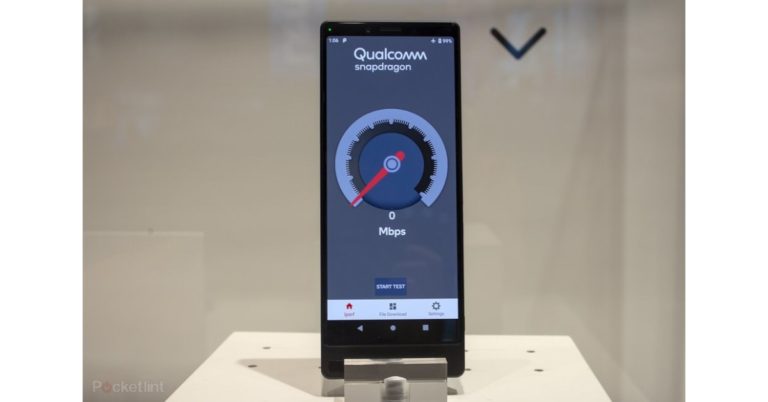
And today, Japanese electronics maker Sony today reportedly displayed its 5G prototype Xperia smartphone on its booth that tech show today. We should point out that its 5G device was also available at Qualcomm’s booth for the users to see.
However, Sony did maintain some level of secrecy around the device as on both the booths, it was kept in a casing so that attendees could not touch the device. The front panel of the Sony Xperia 5G smartphone looks very similar to its flagship Xperia 1. Like Sony Xperia 1, the 5G smartphone also comes with an ultra-tall 21:9 CinemaWide display.
But then, the company has not disclosed any details about the specifications of the smartphone or even the name of the gadget. However, since it was present at Qualcomm’s booth, it is easy to guess that the upcoming smartphone will be powered by Snapdragon 855 SoC coupled with Snapdragon X50 5G modem.
According to a report in technology website Pocket-lint that quotes a Sony spokesperson, the device is internally known by the name ‘AG-1’ and it is not a commercial device at all. It is reportedly being used for network and experience testing with some key customers.
The prototype that was showcased at MWC 2019 was a 5mm wave product and also supported the sub-6GHz band. Speaking about the device, Adam Marsh from Sony’s global communications team said, “At the moment, from a rollout point of view, 5G just isn’t there. In 4G, you can still [get] more speed in more places than 5G, at the moment.”
It is worth noticing that this is just a prototype device right now, and just on the basis of this, it cannot be said if Sony will have an actual commercial 5G product. But then, the company doesn’t seem to look like it’s in a hurry, which makes sense as it will take time before 5G becomes mainstream.
South Korean technology giant Samsung is all set to launch its latest flagship smartphones in India on March 6. The company has sent out invites to tech press saying that its Samsung Galaxy S10, Galaxy S10+ and Galaxy S10e smartphones will be launched in the country next month at an event in New Delhi.
We should mention that although the invite only has the image of Samsung Galaxy S10 and the text on the image also just reads that, but we will be safe to assume that Galaxy S10+ and Galaxy S10e handsets will be getting launched too since they are already on pre-orders on Amazon India’s website. You can read our article here to know about the smartphones’ pricing on Amazon.
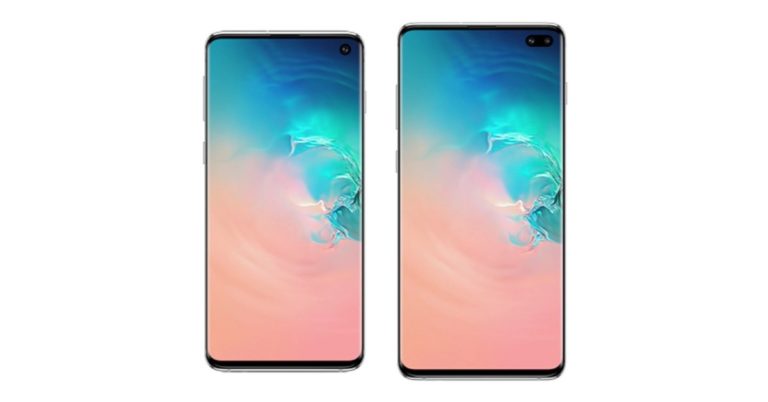
Samsung Galaxy S10 runs Android 9.0 Pie skinned with the company’s new One UI and it comes with a 6.1-inch QHD+ Curved Dynamic AMOLED Infinity-O display. The device is powered by either the 7nm octa-core Qualcomm Snapdragon 855 SoC or the 8nm octa-core Samsung Exynos 9820 processor, Samsung Galaxy S10 has 8GB of RAM onboard.
For imaging duties, the handset has a triple rear camera module that comes with a 12MP wide-angle camera, a 12MP telephoto sensor, and a 16MP ultra-wide lens. On the front, there is a 10MP sensor that can be used for selfies and video calls. Other than this, the smartphone houses a 3,400mAh battery.
https://www.youtube.com/watch?v=ZCfgkIyD9g0
The most premium of the lot is Samsung Galaxy S10+, that features a 6.4-inch QHD+ Curved Dynamic AMOLED Infinity-O display and comes with up to 12GB of RAM. It os worth noticing that the rear cameras of Samsung Galaxy S10+ are the same as Galaxy S10’s. However, for selfies, the device has 10MP+8MP dual selfie cameras. Furthermore, the Galaxy S10+ is available in 128GB, 512GB, and 1TB storage options and all the variants can hold a microSD card of up to 512GB.
Samsung Galaxy S10+ houses a 4,100mAh battery. We should also add that Samsung Galaxy S10 as well as Galaxy S10+ sport an ultrasonic in-display fingerprint sensor.
Coming to Samsung Galaxy S10e, which is the most affordable of the lot, sports a 5.8-inch full-HD+ Flat Dynamic AMOLED Infinity-O display and is available with up to 8GB of RAM. For imaging duties, Samsung Galaxy S10e comes with a dual rear camera setup with 12MP and 16MP sensors. It is available in 128GB and 512GB storage variants and packs a 3,100mAh battery.
All the three smartphones come with an Infinity-O display to house the selfie camera in the screen itself.
Qualcomm took wraps off its latest processor – Snapdragon 855 SoC – in December last year. It has just been two months and a number of smartphones with the processor have been announced already. We should point out that Qualcomm 8 series processors are the most advanced ones in the market and the devices running on them have an extremely smooth performance. They can handle a lot of heavy duty tasks without any lags, stutters or glitches. Here, we are listing down 13 smartphones that have been announced to come with Qualcomm Snapdragon 855 processor:
In This Article
Samsung Galaxy S10, Galaxy S10+ and Galaxy S10e
The latest lineup from South Korean technology giant Samsung is powered by Qualcomm Snapdragon 855 SoC. The lineup has just been launched recently and comprises of the vanilla variant of Samsung Galaxy S10, the premium Galaxy S10+ model and the affordable Galaxy S10e. The devices also come with other premium features like Infinity-O screens, Dynamic AMOLED displays with HDR10+ certification, Wireless PowerShare and Fast Wireless Charging 2.0.
Sony Xperia 1
Sony’s flagship smartphone of the year – Xperia 1 – also comes with Qualcomm Snapdragon 855 processor. But that’s not all that is impressive about the device. It features a 6.5-inch ‘CinemaWide’ OLED 4K display that comes with HDR support and has an aspect ratio of 21:9. Sony Xperia 1 has support for Dolby Atmos, runs Android 9.0 Pie and is houses a 3,300mAh battery.
Samsung Galaxy S10 5G
Samsung also launched a 5G variant of its Galaxy S10 smartphone that also comes with Qualcomm Snapdragon 855 processor coupled with Snapdragon X50 5G modem. The smartphone has some very high-end features like a Quad-HD+ Curved Dynamic AMOLED display, 8GB RAM, 256GB of internal storage and an ultrasonic in-display fingerprint sensor.
LG V50 ThinQ
Next on our list is LG’s flagship smartphone for the year. The LG V50 ThinQ is powered by Snapdragon 855 SoC CPU coupled with Snapdragon X50 modem which supports 5G connectivity. The smartphone comes with Adreno 640 GPU that controls all its graphics processing operations and it sports a triple-rear camera setup. The device has 6GB RAM paired with 128GB of storage and can hold a microSD card of up to 2TB. LG V50 ThinQ sports a 6.4-inch Quad HD+ OLED FullVision Display and it runs Android 9 Pie.
LG G8 ThinQ and G8s ThinQ
LG G8 ThinQ and G8s ThinQ run Qualcomm’s Snapdragon 855 processor and run Android Pie out-of-the-box. The newly launched smartphones by LG come with IP68 certification that makes it dust and water resistant. Another interesting feature that the smartphones have is Hand ID that scans your palms in order to unlock the device. The smartphones also come with features like Crystal Sound OLED and 3D-based face recognition.
Mi Mix 3 5G
Xiaomi finally unveiled the 5G version of its Mi Mix 3 smartphone that was launched in China last year. Although all the specifications of the handset are the same as the previously launched Mi Mix 3, the newer version comes with Snapdragon 855 SoC coupled with Snapdragon X50 modem that adds 5G connectivity to the device.
Xiaomi Mi 9
Another device by Xiaomi that comes with Qualcomm Snapdragon 855 processor is Mi 9 smartphone. The handset was launched in China a few days back and its global variant got unveiled at the MWC 2019. Other premium features of the smartphone include wireless charging and an in-display fingerprint scanner.
ZTE Axon 10 Pro 5G
The ZTE Axon 10 Pro 5G is be powered by Snapdragon 855 SoC paired with the latest Snapdragon X50 5G modem. The device comes with a triple rear camera setup, an in-display fingerprint scanner, and an AI camera that has scene recognition, portrait recognition, and motion capture. ZTE has also said that the handset’s AI has a ‘user behaviour learning’ keeps a track of the usage pattern to give a better-personalised performance.
Oppo 5G smartphone
Chinese smartphone maker Oppo also showed off its upcoming 5G smartphone recently at the Mobile World Congress 2019 in Barcelona. However, not much is known about the device except for the fact that it comes with Snapdragon 855 SoC coupled with Snapdragon X50 5G modem.
OnePlus 5G prototype
As promised, OnePlus also showcased its 5G smartphone at the MWC 2019, however, it also maintained confidentiality around the device at the same time. However, since OnePlus and Qualcomm have been associated with each other since the Chinese smartphone maker’s inception days, the company is using the Snapdragon 855 chipset along with Snapdragon X50 modem in its upcoming device.
iQoo 5G phone
Image courtesy: Weibo
Vivo’s sub-brand iQoo will also be seen launching its 5G smartphone sometime soon. The company recently showed off the upcoming smartphone and confirmed that it will be powered by Qualcomm Snapdragon 855 processor. Besides this, all that we know so far is that the smartphone will sport a triple camera setup on its back panel.
MicroSD cards have been proving how useful they can be since they were launched in 2005. Ever since they have been introduced, they are being used for storing photos, videos, audio and adding more storage to electronic devices. In general, the microSD card is used to further increase the limit to which the device (smartphones, cameras, recorders) can store data.
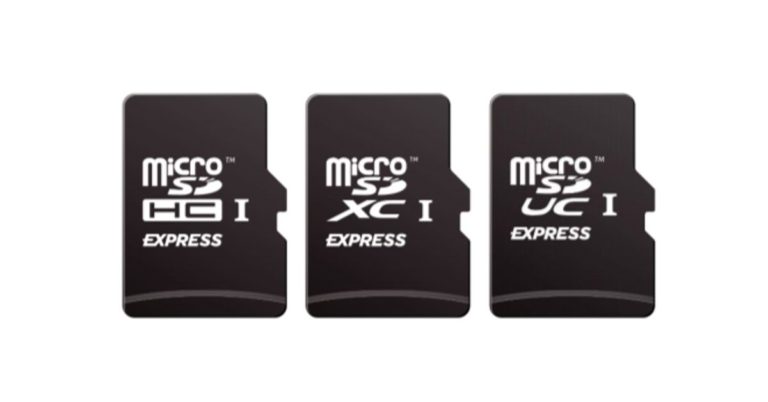
And now, microSD cards are about to be upgraded as they will now have a faster speed in data transfer. The SD Association has introduced microSD Express cards, which are the next generation of memory cards. These newly launched cards were unveiled at MWC 2019 and they rely on NVMe and PCIe technologies for SSDs which gives an incredibly fast read and write speed. With these new microSD cards, the Association has promised a data transfer speed of up to 985MBps which gives them more speed than the previous generation cards.
The SD Association first announced the Express standard for SD cards back in 2018. They had also revealed that the new generation of SD Express cards will have up to 128TB in storage. The three new variants of the new microSD cards are named — microSDHC Express, micro SDXC Express and microSDUC Express. These new Express microSD cards will come in varying storage options and they will follow SD 7.1 specifications.
These newly launched microSD Express cards has a second row of pins which are used for the PCIe 3.1 and NVMe 1.3 technology. Earlier there used to be only one row of pins which housed all the data and technology. These SD cards are ideal for high-intensity tasks like recording 4K videos, slow motion video recording, RAW burst mode output, 8K video playback etc. Other than offering huge expansion of storage, these microSD Express cards also consume less energy than their predecessors.
For developers, the microSD Express cards offer Bus mastering, Multi Queue, Host Memory Buffer among many other features like enhanced data processing, advanced memory access mechanism. In terms of security, these microSD Express cards come with password lock security and data write protection.
But the consumers won’t be able to use and utilise these cards as there are certain limitations. First, the manufacturers would have to use the standard and manufacture new cards in the Express line-up. Second, as the new cards have a different hardware than their predecessors so the smartphone, laptops and other device manufacturers would also have to come up with upgraded and new technology so that their devices could support these microSD Express cards.
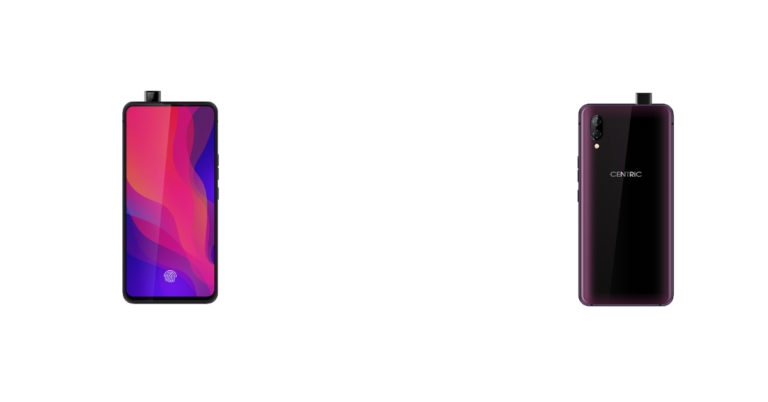
CENTRiC, an Indian smartphone manufacturer has launched its first pop-up selfie camera smartphone named CENTRiC S1 at the ongoing MWC 2019 in Barcelona, Spain. The smartphone also comes with a Pump Express 3.0 fast charging which, according to the company, can charge 50% of the device’s battery in 20 minutes. Besides the CENTRiC S1 the company has also unveiled four of its other smartphones named -L4, A2, G5 and G3.
In This Article
CENTRiC S1, L4, A2, G5 and G3 price and availability
The CENTRiC S1 smartphone is available at a price of $310 (approximately Rs 22,030) and it will start selling in the Indian market from June 2019.
The other smartphones launched by the company besides the S1 are the CENTRiC L4 which is the most affordable of the lot and is priced at $90 (approximately Rs 6,397). The CENTRiC A2 has a starting price of $140 (approximately Rs 9,951) and CENTRiC G5 bears a price tag of $160 (approximately Rs 11,380). Another smartphone launched by the company – CENTRiC G3 costs $250 (approximately Rs 17,781) respectively. Out of all of the smartphones launched by the Indian smartphone company, the CENTRiC S1 is the flagship device while the rest are aimed at the entry-level and mid-level smartphone market. Like the CENTRiC S1, the other smartphones too will be available in the Indian market from June 2019.
CENTRiC S1, L4, A2, G5 and G3 features and specifications
The costliest of the smartphones, CENTRiC S1 comes with an in-display fingerprint scanner as well as face unlock feature. It has two variants, 4GB RAM + 64GB storage variant and the other with 6GB RAM + 128GB storage model. The smartphone sports a 6.39-inch Full HD AMOLED display with tear-drop notch, it has 92% screen-to-body ratio and has an aspect ratio of 19:5:9. It is powered by MediaTek Helio P70 Octa-core CPU and its display brightness is up to 700 Nits. The device runs on Android Pie out of the box and comes with a dual rear camera setup that has a 16MP primary sensor and a 5MP secondary sensor. The front camera of the device will be a pop-up selfie camera holding an 8MP sensor. It is backed by a 3,800mAh battery that has support for fast charging and wireless charging.
Manish Agrawal, Managing Director of CENTRiC smartphones said, “With CENTRiC, our focus has always been on expanding our customers’ ability to resonate with our technology. We waited for the right moment to bring the best products that encompass the digital needs of new-age consumers. The new CENTRiC S1 perfectly syncs with the customers and their desire to update themselves with the latest advances in digitization. Fast charging, popup selfie camera, wireless charging are the growing necessities to enhance the consumer experience.”
“The resounding success of CENTRiC’s launch event at MWC 2019 is a promising step in the right direction to foray into the global market with our product offerings.” he added.
CENTRiC G5, which is one of the five smartphones launched by the company features a 6.21-inch HD display that has an aspect ratio of 19:9 and comes with a tear-drop notch on top. The smartphone is powered by a MediaTek Helio P22 Octa-core processor and it houses 4,050mAh battery. The device has a dual rear camera setup of a 13MP primary sensor along with a 2MP secondary sensor with auto focus and it houses an 8MP selfie camera on its front panel. Other features of CENTRiC G5 include fingerprint scanner and face unlock. It too runs Android Pie out of the box and is available in only one variant – 3GB RAM and 32GB storage.
CENTRiC G5
CENTRiC G3 sports a 6.23-inch Full HD notched display that has an aspect ratio of 20:9. The smartphone runs MediaTek P60 octa-core processor and has a 3,800mAh battery. Just like the CENTRiC G5, it too comes in only one variant that has 4GB RAM and 64GB storage. There is a dual rear camera setup on the smartphone that has a 12MP primary sensor and a 5MP secondary sensor. The front panel houses an 8MP selfie camera. There is a fingerprint scanner on the back for unlocking the phone. The CENTRiC G3 is the upgraded version of the CENTRiC G5.
CENTRiC G3
Speaking of, the CENTRiC A2 smartphone, it features a 5.86-inch HD notched display with an aspect ratio of 19:9. It is powered by a MediaTek Helio P22 Octa-core Processor and comes with 3GB RAM and 32GB storage. Like all the other smartphones mentioned above the CENTRiC A2 runs Android Pie out of the box. The device has a dual rear camera setup with a 13MP primary sensor and a 5MP secondary sensor and an 8MP selfie camera on the front panel. The smartphone is backed by a 3,400mAh battery.
CENTRiC A2
The cheapest and the smallest smartphone of the lot is the CENTRiC L4. The smartphone has a 5.45-inch HD display but unlike the other smartphones, it doesn’t come with a notch. It is powered by MediaTek MTK6739 1.5GHz quad-core processor and runs Android 8.1 Oreo out of the box. It comes with 2GB of RAM and 16GB of internal storage. But even though it is the cheapest of the lot, it comes with a fingerprint scanner. It is backed by a 2,950mAh battery and has a 13MP AF OptiVu camera at the back with dual LED flash and an 8MP selfie camera.
CENTRiC L4
For the latest gadget and tech news, and gadget reviews, follow us on Twitter, Facebook and Instagram. For newest tech & gadget videos subscribe to our YouTube Channel.
The ongoing MWC 2019 saw a number of latest gadgets with the newest technological innovations being unveiled. Among all the trends, foldable smartphones are definitely the most talked-about one. And now, the first ever smartwatch that has a foldable screen has been showcased at MWC 2019, in Barcelona, Spain.
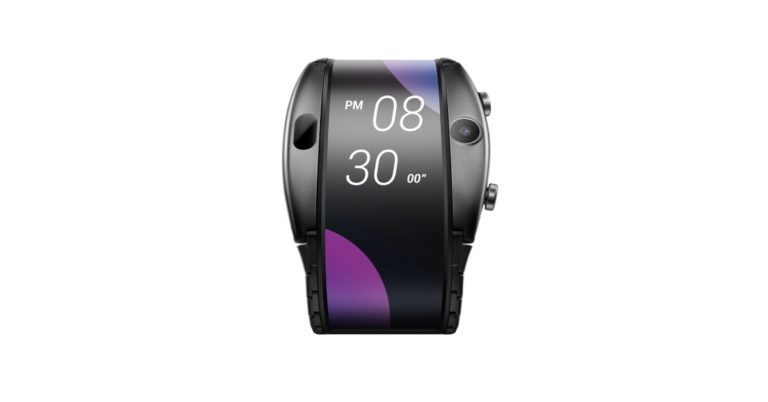
The first of its kind wearable has been launched by ZTE’s Nubia and it comes with an OLED flexible display, a camera, and an eSIM support. Dubbed Nubia Alpha, the smartwatch has a number of features that are usually seen on an Android smartphone. The key specifications of the wearable include Qualcomm Snapdragon Wear 2100 processor, 1GB of RAM and 8GB of internal storage. The device runs on a custom OS and houses a 500mAh battery.
Coming to the detailed specifications of the smartwatch, it features a 4-inch flexible OLED display and according to ZTE, the Nubia Alpha has 230% more real estate than most other standard smartwatches that are available. The straps of the Nubia Alpha smartwatch are like a bracelet, and the device lets users make and receive calls, click pictures, and use various other apps.
The Nubia Alpha smartwatch comes with the usual gamut of smartwatch sensors including a heart rate monitor. Nubia has also announced that the wearable will go on sale starting April this year.
The Nubia Alpha smartwatch runs a custom OS which is claimed to help in motion gestures of the device. So basically, the device can be controlled via gestures in the air, however, you must do them close to the smartwatch. On the right edge of the smartwatch, there are two knobs for navigation and furthermore, the device has support for 4G connectivity via eSIM. The newly launched Nubia Alpha smartwatch is powered by the Qualcomm Snapdragon Wear 2100 SoC clubbed with 1GB of RAM and it has an internal storage of 8GB.
The wearable has a 500mAh battery that is claimed to last up to a day or two on a single charge. It also has an in-built speaker and a T9 keyboard. On the camera front, the smartwatch comes with a 5MP 82-degree wide-angle sensor with an f/2.2 aperture.
The Nubia Alpha smartwatch has a stainless steel band in Gold and Black colour variants and according to the company, it is water resistant.
The smartwatch will be available in a Bluetooth version and an eSIM version. The Black Bluetooth variant of the smartwatch will be available in Europe and North America starting April this year at EUR 449, which is approximately Rs 36,200. The eSIM variant will be available in China in April at EUR 549 for the Black coloured variant, on the other hand, the 18K Gold model would cost around EUR 649.





![[Video] Samsung Galaxy S10+ Unboxing, First Impressions and Camera Shots](https://www.gadgetbridge.com/wp-content/uploads/2019/02/maxresdefault-4-768x432.jpg "[Video] Samsung Galaxy S10+ Unboxing, First Impressions and Camera Shots")
 HMD Global finally
  Chinese electronics brand
  MWC 2019 saw the
  Software giant
  Sony launched its Xperia 1, Xperia 10, Xperia 10 Plus and Xperia L3 smartphones at the MWC 2019. Among these,
  Xiaomi finally launched
  As promised, we got a first look at
 MWC 2019 also saw the launch of the first ever
  American chipmaker Qualcomm announced at the ongoing Mobile World Congress 2019 that going forward, its
  ZTE launched its flagship smartphone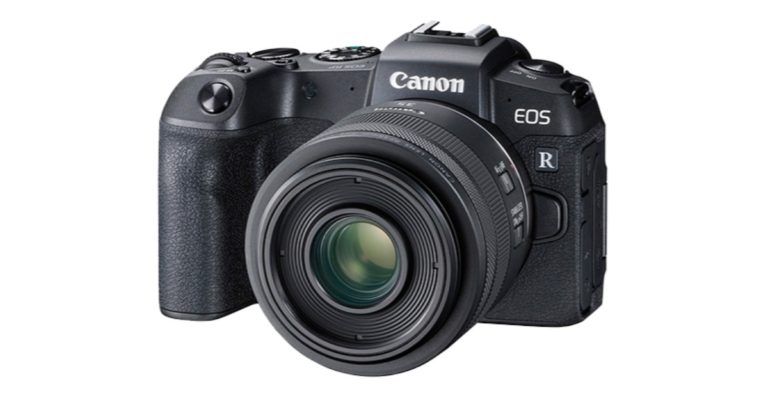
 One of the main highlights of the device is its weight and dimensions.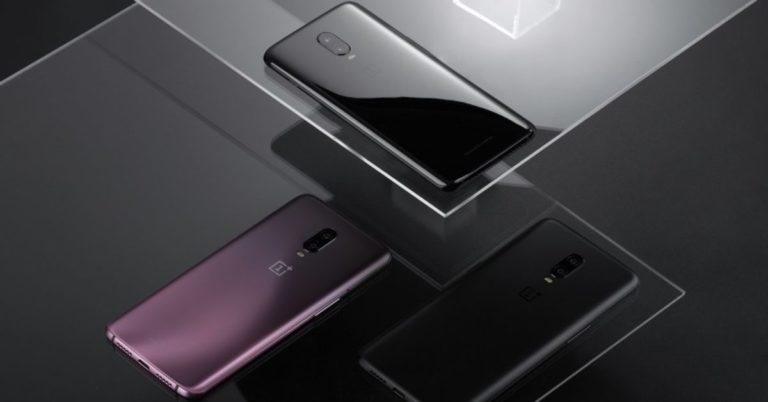
 Although not much is known about OnePlus’ upcoming smartphone right now, it has been confirmed that it will be powered by




 For imaging duties, the handset has a triple rear camera module that comes with a 12MP wide-angle camera, a 12MP telephoto sensor, and a 16MP ultra-wide lens. On the front, there is a 10MP sensor that can be used for selfies and video calls. Other than this, the smartphone houses a 3,400mAh battery.
https://www.youtube.com/watch?v=ZCfgkIyD9g0
The most premium of the lot is
For imaging duties, the handset has a triple rear camera module that comes with a 12MP wide-angle camera, a 12MP telephoto sensor, and a 16MP ultra-wide lens. On the front, there is a 10MP sensor that can be used for selfies and video calls. Other than this, the smartphone houses a 3,400mAh battery.
https://www.youtube.com/watch?v=ZCfgkIyD9g0
The most premium of the lot is 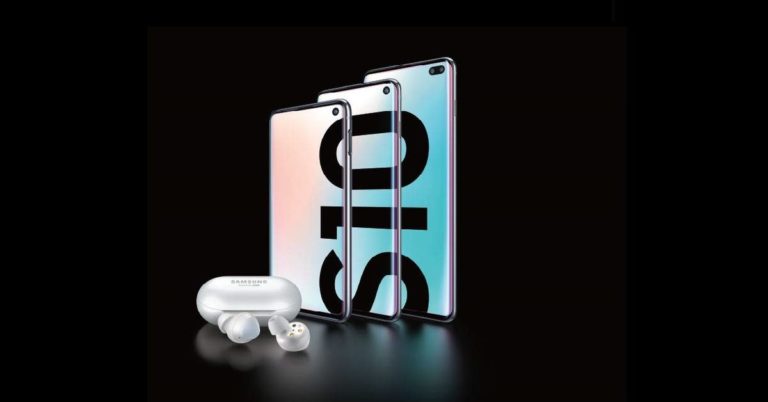
 The latest lineup from South Korean technology giant Samsung is powered by Qualcomm Snapdragon 855 SoC. The lineup has just been launched recently and comprises of the vanilla variant of Samsung Galaxy S10, the premium Galaxy S10+ model and the affordable Galaxy S10e. The devices also come with other premium features like Infinity-O screens, Dynamic AMOLED displays with HDR10+ certification, Wireless PowerShare and Fast Wireless Charging 2.0.
 Samsung also launched a 5G variant of its Galaxy S10 smartphone that also comes with Qualcomm Snapdragon 855 processor coupled with Snapdragon X50 5G modem. The smartphone has some very high-end features like a Quad-HD+ Curved Dynamic AMOLED display, 8GB RAM, 256GB of internal storage and an ultrasonic in-display fingerprint sensor.
 LG G8 ThinQ and G8s ThinQ run Qualcomm’s Snapdragon 855 processor and run Android Pie out-of-the-box. The newly launched smartphones by LG come with IP68 certification that makes it dust and water resistant. Another interesting feature that the smartphones have is Hand ID that scans your palms in order to unlock the device. The smartphones also come with features like Crystal Sound OLED and 3D-based face recognition.
 Another device by Xiaomi that comes with Qualcomm Snapdragon 855 processor is Mi 9 smartphone. The handset was launched in China a few days back and its global variant got unveiled at the MWC 2019. Other premium features of the smartphone include wireless charging and an in-display fingerprint scanner.
 Chinese smartphone maker Oppo also showed off its upcoming 5G smartphone recently at the Mobile World Congress 2019 in Barcelona. However, not much is known about the device except for the fact that it comes with Snapdragon 855 SoC coupled with Snapdragon X50 5G modem.
 As promised, OnePlus also showcased its 5G smartphone at the MWC 2019, however, it also maintained confidentiality around the device at the same time. However, since OnePlus and Qualcomm have been associated with each other since the Chinese smartphone maker’s inception days, the company is using the Snapdragon 855 chipset along with Snapdragon X50 modem in its upcoming device.



 The
The  The smartwatch will be available in a Bluetooth version and an eSIM version. The Black Bluetooth variant of the smartwatch will be available in Europe and North America starting April this year at EUR 449, which is approximately Rs 36,200. The eSIM variant will be available in China in April at EUR 549 for the Black coloured variant, on the other hand, the 18K Gold model would cost around EUR 649.