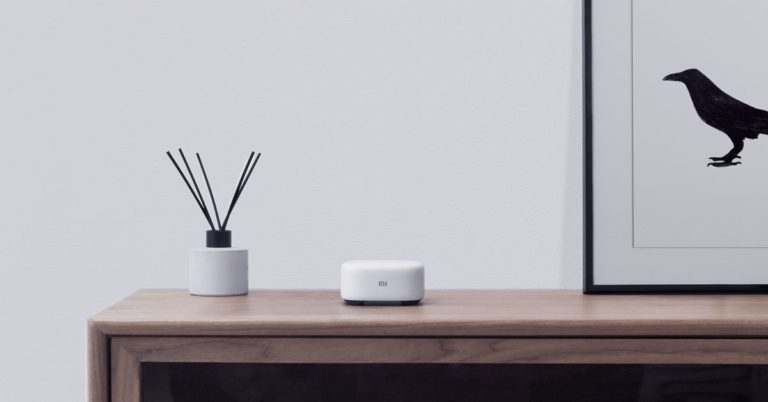
Xiaomi launched its new smart speaker named XiaoAI Mini TV Smart Speaker

0
The Chinese smartphone maker Xiaomi is quickly coming up with new smartphones and other devices in the market to compete with rival companies. The company had recently launched its flagship the Mi 9, while its beefed-up variant the Mi 9 Transparent Edition is scheduled to launch on February 24. It has also announced some new products in China today, one of them is the Smart TV Speaker in the XaoAI lineup. The new speaker is named the XiaoAI Mini TV Smart. Its direct competitors are the Amazon Echo Spot and the Google Home smart speaker. Being a smart speaker, it comes with a 4-inch touchscreen display so that the user can interact with the speaker and set it up according to his preference. Managing and using the XiaoAI Mini Smart speaker is easy. Users can do that by using the touchscreen or by voice commands. Just like the other smart speakers from Amazon and Google, Xiaomi’s smart speaker can do multitude of things. These include playing/pausing music, setting up alarms, smart doorbells or setting up a custom routine for the user. The beta registrations for the XiaoAI series is going live on February 28. Till now the company hasn’t provided any more information on the smart speaker. But, it was launched alongside the flagship Xiaomi Mi 9.
Earlier, Xiaomi had launched another XiaoAI smart speaker in China with the name XiaoAi Speaker HD which went on sale from January 11, 2019. It comes with its own virtual voice assistant and is capable of handling and controlling other smart home devices. The Xiaomi XiaoAi Speaker HD offers support for 360-degree surround and Hi-Fi sound qualitythat according to the company can give strong performance and a rich musical expression. The woofer of the speaker is of 104-mm caliber and has accurate transient response. The speaker comes with dual-band Wi-Fi and Bluetooth 4.1 for connectivity. It supports A2DP music playback and also comes with Digital Signal Processor (DSP), which automatically adjusts the audio settings, controls the loudness and gives a clear audio experience. On the physical side, it has a power button, volume rocker and a play/pause buttons. In China, the speakers are priced at RMB 599 (approx Rs 6,100). It measures 150x150x230mm and comes in light grey and dark grey colour options.
Xiaomi launched its new smart speaker named XiaoAI Mini TV Smart Speaker
Talking about the other products launched by the company, the Mi 9, which is the flagship smartphone of Xiaomi for 2019 comes with a 6.4-inch Full HD+ display. The mobile has a water-drop notched display with Gorilla Glass 6. It comes with an in-display fingerprint scanner, too. The phone has Snapdragon 855SoC, 8GB RAM with 128GB storage and 3,300mAh battery to power it up. It has triple rear camera setup comprising of 48MP Sony IMX586 primary sensor + 12MP telephoto sensor with 2xoptical zoom + 16MP ultra-wide angle camera. Its front camera comprises of a 24MP Sony IMX576 sensor and it runs on Android 9.0 Pie skinned with MIUI 10. There is also a more powerful variant of the Xiaomi Mi 9 called the Mi 9 Transparent Edition which comes with 12GB of RAM and some other changes over its predecessor.
For the latest gadget and tech news, and gadget reviews, follow us on TwitterFacebook and Instagram. For newest tech & gadget videos subscribe to our YouTube Channel.
Samsung Galaxy S10, Galaxy S10+, Galaxy S10E launched: Here is the complete evolution cycle of the brand

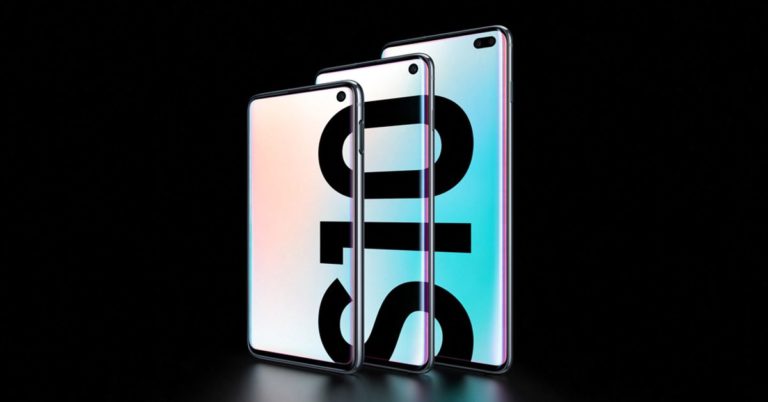
Samsung has finally taken wraps off its Galaxy S10, Galaxy S10+ and Galaxy S10E smartphones at its Unpacked event in San Francisco. The all new Samsung Galaxy S10 devices pack some really impressive features like multiple cameras, Infinity-O display and ultrasonic fingerprint scanners. Here, we will take you down the memory lane by listing down all the smartphones Samsung has launch in its Galaxy S range yet:

Samsung Galaxy S10, Galaxy S10+ and Galaxy S10E

samsung galaxy s10 Samsung Galaxy S10 smartphone runs Android 9.0 Pie skinned with the company’s own One UI and features a 6.1-inch QHD+ Curved Dynamic AMOLED Infinity-O display. Powered by either the 7nm octa-core Qualcomm Snapdragon 855 SoC or the 8nm octa-core Samsung Exynos 9820 SoC processor, depending on the market, the smartphone comes with 8GB of RAM. On the camera front, Samsung Galaxy S10 comes with a triple rear camera setup that comprises of a 12MP wide-angle camera, a 12MP telephoto sensor, and a 16MP ultra-wide lens. For selfies and video calls, there is a 10MP sensor and the device houses a 3,400mAh battery. Samsung Galaxy S10+ features a 6.4-inch QHD+ Curved Dynamic AMOLED Infinity-O display and comes with 8GB as well as 12GB of RAM. While the rear cameras of Samsung Galaxy S10+ are the same as Galaxy S10’s, on the front, it has 10MP+8MP dual selfie cameras. Samsung Galaxy S10+ is available in 128GB, 512GB, and 1TB storage options and they all can hold a microSD card of up to 512GB. The device houses a 4,100mAh battery. Both Samsung Galaxy S10 and Galaxy S10+ sport an ultrasonic in-display fingerprint sensor. Samsung Galaxy S10e, on the other hand, comes with a 5.8-inch full-HD+ Flat Dynamic AMOLED Infinity-O display and is available with either 6GB or 8GB of RAM. For imaging duties, Samsung Galaxy S10e comes with a 12MP+ 16MP dual rear cameras. It is available in 128GB and 512GB storage variants and houses a 3,100mAh battery.

Samsung Galaxy S9 and Galaxy S9+

Samsung Galaxy S9 Samsung Galaxy S9 and Galaxy S9+ were launched last year by Samsung and they came with Samsung Experience 9.0 UI on top of Android 8.0 Oreo at the time of their launch. However, they have received subsequent updates after that. The smartphones were powered by either Qualcomm Snapdragon 845 processor or Exynos 9810 SoC clubbed with 4GB (S9) or 6GB (S9+) RAM clubbed with 64GB, 128GB or 256GB of internal storage. The devices can also hold microSD cards of up to 512GB and come with support for Bixby. While Samsung Galaxy S9 features a 5.8-inch Super AMOLED capacitive touchscreen Infinity Display and houses a 3,000mAh battery, Galaxy S9+ has a 6.2-inch Super AMOLED capacitive touchscreen Infinity screen and packs a 3,500mAh battery. While the younger sibling comes with a 12MP primary camera, the bigger sibling has dual 12MP cameras. Both the smartphones have an 8MP selfie snapper.

Samsung Galaxy S8 and Galaxy S8+

samsung-galaxy-s8 Samsung Galaxy S8 and Galaxy S8+ were launched in 2017 by the South Korean technology giant. The devices came with Android 7.0 Nougat with Samsung Experience 8.1 baked on top and were powered by Qualcomm Snapdragon 835 SoC or Exynos 8895 processor, depending on the market. The smartphones came with 4GB/6GB RAM clubbed with 64GB/128GB of internal storage and can hold a microSD card of up to 256GB. While Samsung Galaxy S8 features a 5.8-inch Super AMOLED capacitive touchscreen display and houses a 3,000mAh battery, Galaxy S8+ sports a 6.2-inch Super AMOLED capacitive touchscreen screen and packs a 3,500mAh battery. The smartphones come with a 12Mp primary camera at the back and an 8MP selfie camera.

Samsung Galaxy S7, Samsung Galaxy S7 Edge and Samsung Galaxy S7 Active

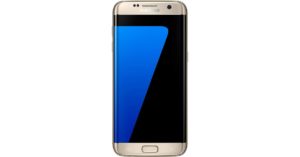
Samsung Galaxy S7 2016 saw the launch of Samsung Galaxy S7, Galaxy S7 Edge and Galaxy S7 Active smartphones. The handsets came with Android 7.0 Nougat skinned with Samsung Experience 8.0 at the time of their launch and were powered by Qualcomm Snapdragon 820 processor or Samsung Exynos 8890 SoC, depending on the region. All the three smartphones came with 4GB of RAM and 32/64/128GB of internal storage. Samsung Galaxy S7, Galaxy S7 Edge and Galaxy S7 Active could hold a microSD card of up to 256GB and housed 3,000mAh, 3,600mAh and 4,000mAh battery respectively. While Samsung Galaxy S7 and Galaxy S7 Active came with 5.1-inch Quad HD Super AMOLED display, Galaxy S7 Edge featured a 5.5-inch Quad HD Super AMOLED screen. The devices house a 12MP primary camera and a 5Mp selfie camera.

Samsung Galaxy S6, Galaxy S6 Edge and Galaxy S6 Edge+

samsung galaxy s6 In 2015, Samsung launched its Galaxy S6, Galaxy S6 Edge, and Galaxy S6 Edge+ smartphones. All the three smartphones came with Android Lollipop and were powered by Samsung Exynos 7420 octa-score processor clubbed with Mali-T760 MP8 GPU. While Samsung Galaxy S6 and Galaxy S6 Edge came with 3GB RAM and 32GB/64GB/128GB of internal storage, the Galaxy S6 Edge+ had 4GB of RAM and 32GB/64GB of internal storage. The three devices also differed on battery sizes. While Samsung Galaxy S6 housed a 2,550mAh battery, Galaxy S6 Edge and Galaxy S6 Edge+ packed a 2,600mAh and a 3,000mAh battery respectively. Samsung Galaxy S6 and Galaxy S6 Edge featured a 5.1 inches Super AMOLED display, while Galaxy S6 Edge+ came with a 5.7 inches Super AMOLED screen.

Samsung Galaxy S5

Samsung_Galaxy_S5
Image courtesy: Wikipedia
Samsung Galaxy S5 was launched by the company in April 2014 and it was claimed by Samsung that 12 million units were sold in the first three months after the launch. The device came with Android 4.4 KitKat at the time of its launch and was powered by either Qualcomm Snapdragon 801 SoC or Exynos 5 Octa 5422 processor, depending on the region. The smartphone featured a 5.1 in Super AMOLED that was protected by Gorilla Glass 3 and came with 2GB /3GB RAM and 16GB/32GB of internal storage. Samsung Galaxy S5 can hold a microSD card of up to 128GB and houses a 2845mAh battery.

Samsung Galaxy S4

Samsung_Galaxy_S4
Image courtesy: Wikipedia
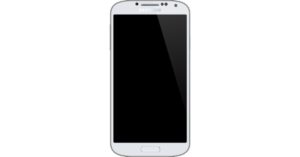
Samsung Galaxy S4 was launched in March 2013 at the company’s Unpacked event in New York City. The smartphone featured a 5-inch PenTile RGBG Super AMOLED screen that was protected by Corning Gorilla Glass 3. The device was powered by the Qualcomm’s Snapdragon 600 processor or Exynos 5 Octa 5410 SoC, depending on the market, clubbed with Adreno 320 GPU and 2GB of RAM. Samsung Galaxy S4 is available in 16GB or 32GB storage variants and can hold a microSD card of up to 256GB. It housed a 2600mAh and had support for Qi wireless charging. The smartphone was launched with Android 4.2.2 Jelly Bean operating system.

Samsung Galaxy S III

Samsung_Galaxy_S_III
Image courtesy: Wikipedia
Samsung launched its Galaxy S III smartphone in 2012. Samsung Galaxy S III was powered by the company’s Exynos 4 Quad processor paired with ARM Mali-400 MP GPU and up to 2GB of RAM. The device was available in 16GB, 32GB, and 64GB storage variants and could hold a microSD card of up to 64GB. It had a 4.8-inch HD Super AMOLED display that came with a 720×1280-pixel resolution and 306ppi. Samsung Galaxy S III came with an 8MP primary camera and a 1.9MP selfie camera. The handset housed a bigger 2,100mAh battery and was launched with Android 4.0.4 Ice Cream Sandwich.

Samsung Galaxy S II

Samsung_Galaxy_S_II
Image courtesy: Wikipedia
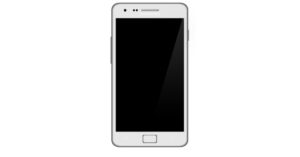
2011 saw the launch of Samsung Galaxy S II, which is the second smartphone in the Samsung Galaxy S series. The device was powered by 1.2 GHz dual-core ARM Cortex-A9 processor clubbed with 1GB of RAM and 16GB of internal storage. Samsung Galaxy S II featured a 4.27-inch WVGA (800 x 480) Super AMOLED Plus capacitive touchscreen display and came with an 8MP primary camera and a 2Mp selfie camera. The device could hold a microSD card of up to 64GB and housed a 1,850mAh battery. The Samsung Galaxy S II was launched with Android 2.3 Gingerbread, however, it got the update for Android 4.1.2 Jelly Bean.

Samsung Galaxy S

Samsung_Galaxy_S_White
Image courtesy: Wikipedia
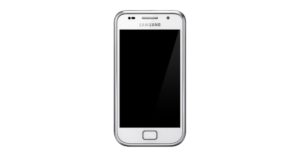
Samsung Galaxy S was the first smartphone in the series and was launched by the company in March 2010. The device was powered by Samsung’s S5PC110 processor which was eventually renamed to Exynos 3110 SoC. The smartphone packed 512 MB of RAM and had internal storage of up to 8GB or 16GB. Furthermore, it could also hold a microSD card of up to 32GB. Samsung Galaxy S had a 4-inch Super AMOLED touch screen display and featured a 5MP camera.
For the latest gadget and tech news, and gadget reviews, follow us on TwitterFacebook and Instagram. For newest tech & gadget videos subscribe to our YouTube Channel.
Realme 3 will sport a MediaTek Helio P70 SoC

0
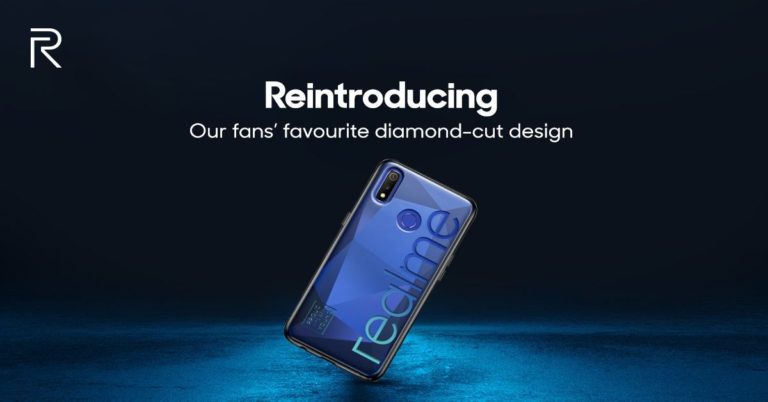
Realme was once a sub-brand of Oppo, but after it became an independent company it launched a couple of phones in the affordable segment. All the phones hurled by the company like the Realme 1, Realme 2, Realme C1, Realme U1 had good specifications and came at an affordable price point. That became the main selling point of the company and using the same strategy Realme began producing more phones targeted towards the affordable phone market. The strategy worked and now it has made a name for itself as an individual company. The next iteration in the Realme line-up will be the Realme 3 as company’s CEO, Madhav Sheth has confirmed with a tweet on his Twitter handle. In his tweet, the CEO said that the upcoming smartphone of Realme will have a MediaTek Helio P70 SoC powering it up. He also mentioned that the P70 processor is the best mid-ranger CPU. Over that, he pointed out the benefits of the MediaTek processor in comparison to its competitors processor, the Snapdragon 660. But it should be noted that Realme has used both brands of CPUs in its previous smartphones. Realme U1 was powered by Helio P70 while the Realme 2 Pro was powered by Snapdragon 660.
Using the MediaTek CPU in Realme 3 might help the company cut the cost of Realme 3 and also limit its market price. By using the MediaTek Helio P70, the phone could cost around Rs 10,000 -12,000. Helio P70 has an octa-core CPU, which can give processing speed up to 2.3GHz. https://twitter.com/MadhavSheth1/status/1098444387711938561 It also comes with Mali-G72 MP3 GPU for graphics related work. It has a multi-core APU clocked at 525MHz to support phone’s AI, too. The phone might also be getting characteristic diamond-cut design, which we saw earlier on Realme 1 and Realme 2. But there is a probability that it will come with a gradient colour back. The Realme CEO’s post on Twitter shows the back of the phone, it is confirmed that Realme 3 will have dual rear camera setup accompanied with a finger-print scanner placed on the rear panel. The cameras might be a combination of 24MP + 16MP as it is the highest camera setup supported by the mid-range CPU. Till now there is no launch date confirmed by the company or its CEO, but according to rumours we could see it launching in March of 2019. For the latest gadget and tech news, and gadget reviews, follow us on TwitterFacebook and Instagram. For newest tech & gadget videos subscribe to our YouTube Channel.

Twitter to start public testing of redesigned replies

The statement made by Twitter last year in October that it will be redesigning conversations on the platform, is finally going to be true. Twitter is starting the public testing of redesigned replies with a wide group of users. For this, users need to submit applications which Twitter will provide and then they can sign up for this test. This move has been made in order to make people see the conversations clearly. If replies are displayed in a circular form, then it becomes easier to see the entire thread evidently. The reason behind the move is that Twitter wants to resemble a thread like Reddit, where the conversation is very clear. The replies which are given from the original tweeter will be displayed in grey colour and the ones that come from the people you follow will appear in blue. Also, Twitter is reportedly experimenting in order to de-emphasise engagement numbers.
With this change, likes and retweets will be discreet. Until a user clicks on the reply, they will not be able to see them. Also, there have been reports that messages on Twitter are not being deleted once you delete them. Twitter has been storing all the DMs that are as old as twelve months. Also, you will be able to access these messages by downloading archived data from your account. Twitter is aware of the issue and it reportedly said that the company has scrutinised the issue thoroughly. Another major highlight related to Twitter is that, the microblogging site is testing a new feature called Profile Preview. This will help users to keep track of their conversations in long threads. If somebody you don’t know tweets in a thread in which you have participated, you cannot know about their description unless you are taken to the site. What Profile Preview would do exactly is that once you press on the person’s profile link, their profile bio will pop up in the same Twitter window instead of taking you to their profile page. That way you would be able to see people’s description within the same window and stay connected with the rest of the conversation. For the latest gadget and tech news, and gadget reviews, follow us on TwitterFacebook and Instagram. For newest tech & gadget videos subscribe to our YouTube Channel.

Nokia 6 and Nokia 8 start receiving Android 9.0 Pie updates

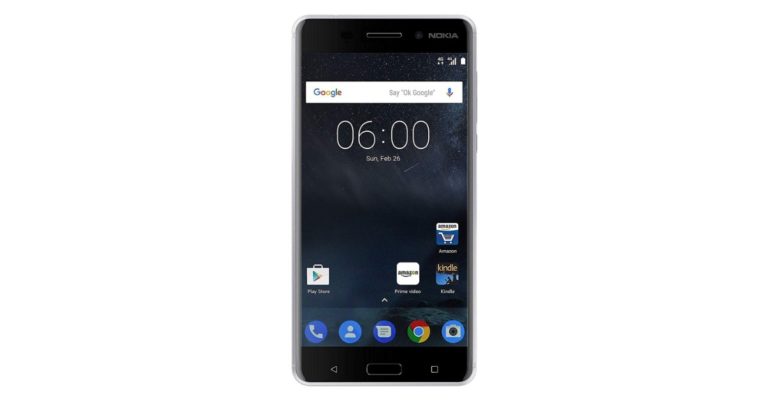
HMD Global has finally started rolling Android 9.0 Pie for Nokia 6 and Nokia 8. It is an over-the-air (OTA) update so it might take a while before you get the update on your smartphone. It is going to be rolled out in a phased-out manner and not all markets are getting it from the beginning. The Nokia 6 Android Pie update is being rolled out in Australia, India and Latin America. On the other hand, Nokia 8 Android Pie update is being rolled out in India, Romania, and the Netherlands. The size of the update is 1.7GB. This Android Pie update is bringing, to both phones, the February 2019 security patch.

Nokia 6 specifications

To recall, the Nokia 6 sports a 5.5-inch LCD capacitive touchscreen, a resolution of 1,080×1,920 and an aspect ratio of 16:9. It is powered by Qualcomm Snapdragon 430 SoC. There are two RAM variants—3GB and 4GB. They bring internal storage for 32GB and 64GB respectively. There is a single rear camera here, which comprises of a 16MP sensor. A front camera with an 8MP sensor is also there. Connectivity options include WiFi 802.11, Bluetooth 4.1, GPS, NFC, FM Radio and microUSB 2.0. The Nokia 6 is powered by a non-removable battery of 3,000mAh.

Nokia 8 specifications

The Nokia 8 sports a 5.3-inch 1,440×2,560 display with an aspect ratio of 16:9. The device is powered by Qualcomm Snapdragon 835 processor. There is a 4GB RAM and a 6GB RAM variant which come with 64GB and 128GB internal storage respectively. The smartphone can additionally hold up to 512GB data via a microSD card. There is a dual rear camera setup of 13MP each and a front camera with a 13MP sensor, that is meant for selfies. Connectivity options include WiFi 802.11, Bluetooth 5.0, GPS, NFC and USB 3.1. The Nokia 8 houses a non-removable battery of 3,090mAh and comes in multiple colour options. This includes tempered blue, polished blue, steel and copper polish. Sensors of the handset include a fingerprint sensor, accelerometer, gyro sensor, proximity sensor, compass and barometer. For the latest gadget and tech news, and gadget reviews, follow us on TwitterFacebook and Instagram. For newest tech & gadget videos subscribe to our YouTube Channel.

Samsung Galaxy S10 vs Apple iPhone XS: Comparison

0
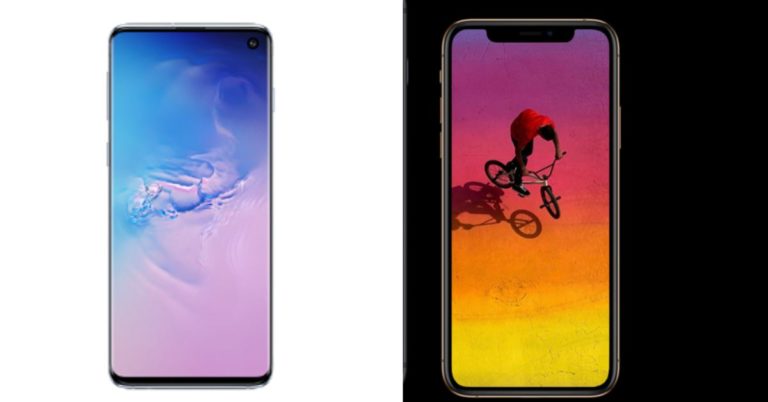
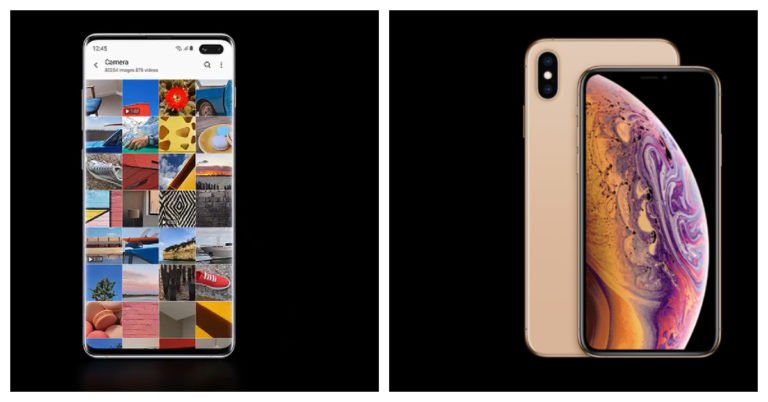
Samsung has just launched its 2019 flagship smartphones, the Samsung Galaxy S10 lineup at the Samsung Unpacked event. Other products launched in the event were Samsung Galaxy Fold, Galaxy Buds, Galaxy Watch Active, Galaxy Fit etc. There are four variants of the flagship Galaxy S10 launched by the company – Galaxy S10, Galaxy S10e, Galaxy S10+ and the Galaxy S10 5G. All of the phones are quite similar, but also different from each other. Out of all the variants in the S10 lineup, the Samsung Galaxy S10 is the one which can be said as the mid-range phone of the Galaxy S10 series. Why? Because it holds the middle ground, it has all the specifications and features of its plus sized variant (Galaxy S10+) but it is also better than the S10e, which is the cheapest of the lot. The competitors of Galaxy S10 could be many smartphones, but today we are going to compare it with its popular rival Apple iPhone XS that is the mid-range iPhone of the ten S series.

Display:

Samsung Galaxy S10: 6.1-inch QHD+ Curved Dynamic AMOLED Infinity-O display Apple iPhone XS: 5.8-inch OLED Super Retina display https://www.youtube.com/watch?v=ZCfgkIyD9g0&t=139s

Processor:

Samsung Galaxy S10: Qualcomm Snapdragon 855 SoC or Samsung Exynos 9820 SoC. Apple iPhone XS: A12 Bionic chipset

Primary Camera:

Samsung Galaxy S10: 12MP wide-angle camera paired with 2PD autofocus and f/1.5 to f/2.4 variable aperture + 12MP telephoto sensor with autofocus and f/2.4 aperture + 16MP ultra-wide lens with fixed focus and an f/2.2 aperture. Apple iPhone XS: 12MP wide-angle sensor with f/1.8 aperture + 12MP telephoto sensor with f/2.4 aperture

Front Camera:

Samsung Galaxy S10: 10MP sensor with 2PD autofocus and f/1.9 aperture Apple iPhone XS:  7MP RGB selfie camera with f/2.2 aperture

RAM and Storage:

Samsung Galaxy S10: 8GB RAM + 128GB or 512GB storage options Apple iPhone XS: 4GB RAM + 64GB, 256GB and 512GB storage variants

Support for Storage card:

Samsung Galaxy S10: Yes, up to 512GB Apple iPhone XS: No

Battery:

Samsung Galaxy S10: 3,400mAh Apple iPhone XS: 2,658mAh

Operating System (OS):

Samsung Galaxy S10: Android 9 Pie skinned with Samsung One UI Apple iPhone XS: iOS 12

Starting Price:

Samsung Galaxy S10: starting price $899.99 (approx Rs 64,000), Indian market price not announced yet Apple iPhone XS: starting price $999 (approx Rs 71,115), but Rs 94,900 for 64GB in Indian market.
For the latest gadget and tech news, and gadget reviews, follow us on TwitterFacebook and Instagram. For newest tech & gadget videos subscribe to our YouTube Channel.

Lenovo Z6 Pro to be unveiled at MWC 2019

0
The Mobile World Congress 2019 is just days away now. One of the biggest tech shows of the year will begin on February 25 in Barcelona, Spain and most major smartphone makers like Huawei, LG, Oppo, Xiaomi, HMD Global and Microsoft have confirmed that they will be present at MWC 2019. However, one company which had not broken its silence on this so far was Lenovo. But now, the Group VP of the Chinese smartphone maker – Chang Cheng – has confirmed that Lenovo will also make an appearance at the upcoming Mobile World Congress and that it has plans to unveil its Lenovo Z6 Pro smartphone at the event. We should mention that the smartphone is the successor of Lenovo Z5 Pro handset, that was launched in China in November last year. Cheng made the announcement via Chinese social networking website Weibo that the company’s upcoming smartphone, Lenovo Z6 Pro, will get unveiled at MWC 2019 in Barcelona. However, the poster that he has shared to make the announcement does not reveal too much about the next-generation smartphone.
The image that has been shared shows ripples in the middle, which may be indicating the presence of an in-display fingerprint scanner on the device. We wouldn’t exactly be surprised to see this as the smartphone’s predecessor also came with an on-screen fingerprint sensor. The Lenovo Z5 Pro smartphone also came with a slider design and featured a dual rear camera setup on its back panel. We should also add that the company also launched its Lenovo Z5 Pro GT variant that comes with 12GB of RAM and Qualcomm Snapdragon 855 processor in December 2018, a month after launching the vanilla variant. The upcoming Lenovo Z6 Pro is expected to come with more high-end specifications in terms of camera and design. lenovo z5 pro gt To recall, Lenovo had engaged in guerrilla marketing techniques when it launched the Z5 Pro smartphone and had made tall claims about the device. When the smartphone did not meet the expectations of users at the launch, the company somewhere lost its credibility and its teasers were no longer taken seriously. Maybe that is the reason that the Chinese smartphone brand has adopted a different route to market its Lenovo Z5 Pro smartphone. This is actually the first time that Cheng has spoken about the smartphone, which completely defies the way he normally posts teasers of smartphones months ahead of their launch. For the latest gadget and tech news, and gadget reviews, follow us on TwitterFacebook and Instagram. For newest tech & gadget videos subscribe to our YouTube Channel.

Samsung Galaxy Buds launched with wireless connectivity

At the much-awaited Samsung Unpacked event, the company has launched more than five products altogether. Among those were Samsung’s flagship Galaxy S10 and its variants, Galaxy Fold, Galaxy Watch Active, Galaxy Fit wearables and the Samsung Galaxy Buds.  These are the wireless , which are the successor of Samsung Gear IconX launched back in 2016. The Galaxy Buds are 30 percent smaller than their predecessor. An image was teased before the launch of the Galaxy Buds where we saw that the Galaxy Buds were kept in their case on top of Galaxy S10 and they were charging wirelessly. When the company announced the Samsung Galaxy Buds the leaked information was proved right as their charging case actually come with wireless charging. The charging case is compatible with Samsung’s Wireless PowerShare feature, which can be used to charge the Galaxy Buds through Samsung Galaxy S10. The Galaxy Buds will hold a price tag of $129 (approx Rs 9,200) and will sell in the international markets from March 8. Just like Galaxy S10, the Galaxy Buds will come in Black, Yellow and White colour variations.
The sound department of the Samsung Galaxy Buds is handled by the Austrian audio firm, AKG which has provided earphones to many Samsung smartphones. But to further enhance the audio experience of Galaxy Buds Samsung has put an ‘Enhanced Ambient Sound’ feature that will let the user hear his/her surroundings when required, even when the music is playing. Samsung has also put Adaptive Dual Microphone in the Galaxy Buds, which is as its name suggests. Two microphones are put inside the Samsung Galaxy Buds, one inner microphone and one outer microphone in each earbud so that the user is audible in quiet or loud environment. Also, these headphones are compatible with Bixby, Samsung’s virtual assistant like Siri, and will understand instructions in English, German, Italian and Spanish. These wireless ear plugs come with 5.8pi dynamic driver in each earbud. The next generation of earbuds from Samsung uses Bluetooth 5.0 for its connectivity and has 58mAh battery in each. The South Korean tech giant has said that the earbuds can give up to 5 hours of calling and 6 hours of music playback in a single charge. While the charging case comes with a 252mAh battery backup with USB Type-C, so the Buds can be charged over 3-4 times. The company has also said that these earphones can deliver up to 1.7 hours of music playback after just 15 minutes of charge. The weight of the Samsung Galaxy Buds is 5.6 grams and the charging case weighs 39.6 grams. They measure 17.5×19.4×22.3mm while the charging case measures 38.8x70x26.5mm. There are sensors onboard the Galaxy Buds, which include accelerometer and proximity sensor. The Buds are also able to control the music or pick calls with its touch sensors and they also come with ear on/off detection. The Samsung Galaxy Buds can work with any Android device that has Android 5.0 or higher installed in it. The earbuds support SBC, AAC, Scalable (Samsung proprietary) codecs. For the latest gadget and tech news, and gadget reviews, follow us on TwitterFacebook and Instagram. For newest tech & gadget videos subscribe to our YouTube Channel.

Samsung Galaxy Watch Active, Galaxy Fit and Galaxy Fit e unveiled: Price and specifications

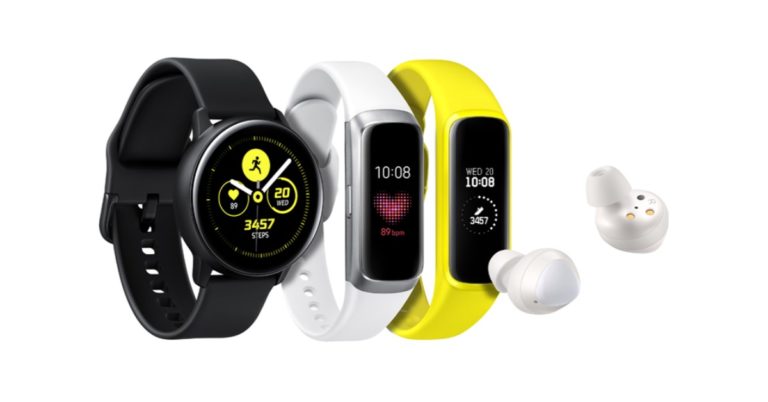
South Korean technology giant Samsung has unveiled its Galaxy Watch Active smartwatch as well as Galaxy Fit and Galaxy Fit e activity trackers at the Galaxy Unpacked 2019 event that was held in San Francisco earlier today. The company has said that Samsung comes with enhanced fitness tracking and wellbeing features. While Samsung Galaxy Watch Active will go on sale next month, the Galaxy Fit activity tracker will hit the stores in May-end. However, as of now, Samsung has not announced when it will be launching the Galaxy Fit e. Here’s look at the specifications and pricing details of the Samsung Galaxy Watch Active, Galaxy Fit and Galaxy Fit wearables:

Samsung Galaxy Watch Active, Galaxy Fit and Galaxy Fit e price and availability

Samsung Galaxy Watch Active smartwatch has been priced at $199.99 which becomes approximately Rs 14,300 when converted to Indian money. The smartwatch is available in Silver, Black, Rose Gold, Sea Green and will go on pre-orders in the United States on February 21. Its shipping will begin on March 8. https://www.youtube.com/watch?v=LRTqadjEkiQ Samsung Galaxy Fit, on the other hand, costs $99 and upon conversion, this becomes approximately Rs 7,000. The band will be available in Black and Silver colour go on sale on May 31 in the United States. Speaking of Samsung Galaxy Fit e, there is no word on the pricing and availability details of the fitness band as of now. It will be available in Black, White and Yellow colours. Currently, there is no word on the India pricing or availability of the smartwatch or fitness bands.

Samsung Galaxy Watch Active, Galaxy Fit and Galaxy Fit e specifications

According to Samsung, its Galaxy Watch Active smartwatch is more than just a fitness tracking wearable. Samsung Galaxy Active Watch can be used for tracking exercises, sleep, stress, and health. Samsung claims that these features make it “a personal lifestyle coach for those seeking a healthier body and mind.” It is the first wearable by the company that can monitor blood pressure, and users will have to download the MY BP Lab app in order to do so. Samsung has developed this app by collaborating with the University of California, San Francisco. However, we should mention that this feature is only limited to a few markets including US, Canada, Singapore, Australia, and Germany. samsung galaxy watch active smartwatch The watch has support for Bixby and can be connected to Android as well as iOS devices. Samsung Galaxy Watch Active comes with a 1.1-inch 360×360 pixel AMOLED display that is protected by Gorilla Glass 3 and houses a 230mAh battery. The wearable is powered by dual-core Exynos 9110 processor clubbed with 768MB of RAM and 4GB internal storage and runs Tizen-based Wearable OS 4.0. It has IP68 certified and has 5ATM water resistance. Coming to Samsung Galaxy Fit and Galaxy Fit e, the newly-launched fitness bands come with intuitive fitness tracking and, according to the company, can automatically start tracking when the user runs, walks, rides a bike or begins working out. While Samsung Galaxy Fit sports a 0.95-inch 120×240 pixel AMOLED display, Galaxy Fit e comes with a 0.74-inch 64×128 pixel PMOLED screen. Both the devices run Realtime OS and come with a heart-rate monitor. Much like Samsung Galaxy Watch Active, they have  5ATM water resistance. Speaking about the new wearables launched by Samsung, President and CEO of IT & Mobile Communications Division of Samsung Electronics – DJ Koh said, “Consumers are increasingly putting their overall wellbeing at the centre of their lifestyle decisions, and they’re looking for wearables that make it easier to get active and stay balanced every day. Everyone has their own way of pursuing their goals. We’re thrilled to introduce our new line of wearables to fit seamlessly into your life and complement your own personal wellness journey.”
For the latest gadget and tech news, and gadget reviews, follow us on TwitterFacebook and Instagram. For newest tech & gadget videos subscribe to our YouTube Channel.

Samsung Galaxy S10e vs iPhone XR: Comparison

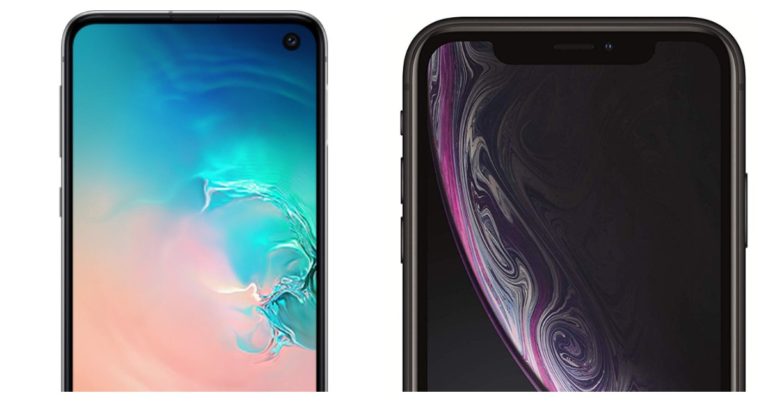
The Samsung Galaxy S10e was launched yesterday at Samsung’s Unpacked event, which was held in San Francisco. The device costs $749.99 that is approximately Rs 53,300. It has been launched as an iPhone XR competitor that costs Rs 76,900. One of the key highlights of the Samsung Galaxy S10e is that it comes with a 5.8-inch Dynamic AMOLED capacitive touchscreen. Both smartphones are on the costlier side of things but have stark differences when compared to each other. Therefore, in order to help you decide which one is the best suited for you, we have done a comparison. This will help you weigh both the smartphones against each other and help you decide which one you should buy. Here you go:

Display

Samsung Galaxy S10e: 5.8-inch Dynamic AMOLED capacitive touchscreen with a resolution of 1,080×2,280 pixels and 19:9 aspect ratio iPhone XR: 6.1-inch IPS LCD capacitive touchscreen with a resolution of 828×1,792 pixels and an aspect ratio of 19.5:9

Processor

Samsung Galaxy S10e: Qualcomm Snapdragon 855 SoC iPhone XR: Apple A12 Bionic

Rear Camera

Samsung Galaxy S10e: 12MP and 16MP dual rear camera setup iPhone XR: 12MP single rear camera

Front Camera

Samsung Galaxy: 10MP selfie camera iPhone XR: 7MP front camera meant for clicking selfies
 

RAM and Storage

Samsung Galaxy S10e: 6GB RAM coupled with 128GB internal storage, 8GB RAM coupled with 256GB internal storage iPhone XR: 3GB RAM coupled with 64GB, 128GB and 256GB storage variants

Support for Storage card

Samsung Galaxy S10e: microSD card slot with storage up to 512GB iPhone XR: No microSD card slot

Battery

Samsung Galaxy S10e: 3,100mAh non-removable battery iPhone XR: 2,942mAh non-removable battery

Operating System (OS)

Samsung Galaxy S10e: Android 9.0 Pie out-of-the-box skinned with UI 1 iPhone XR: iOS 12.1.3

Starting Price

Samsung Galaxy S10e: Rs 53,300 approx iPhone XR: Rs 76,900 For the latest gadget and tech news, and gadget reviews, follow us on TwitterFacebook and Instagram. For newest tech & gadget videos subscribe to our YouTube Channel.      

[Infographic] Samsung Galaxy S10+ vs Samsung Galaxy S9+: Comparison

After months of speculations and reports, we have finally got to see what the tenth-anniversary special Samsung Galaxy S10+ looks like. And we have to say, that Samsung has left no stone unturned to make it a powerful flagship device that packs impressive specifications and features. It is a big upgrade from last years’ Samsung Galaxy S9+ smartphone. The smartphone comes with Dynamic AMOLED displays with HDR10+ certification, Fast Wireless Charging 2.0, Wireless PowerShare and an ultrasonic fingerprint scanner. We should mention that Wireless PoweShare is a feature that enables Samsung Galaxy S10+ to charge devices that have support for wireless charging. And Samsung has claimed that the ultrasonic fingerprint scanner that has been used in the smartphone comes with the “most advanced embedded fingerprint scanning method.” The device also comes with IP68 certification that makes it water and dust resistant. The special features of the smartphone are endless, to be honest, and coming to its specifications, it has been launched in 8GB and 12GB RAM options. The device comes with 6.4-inch QHD+ Curved Dynamic AMOLED Infinity-O display and is powered by either Qualcomm Snapdragon 855 SoC or Samsung Exynos 9820 SoC processor, depending on the market. Samsung Galaxy S10+ has a triple rear camera setup on the back that comprises of a 12MP wide-angle camera paired with f/1.5 to f/2.4 variable aperture, a 12MP telephoto sensor with f/2.4 aperture, and a 16MP ultra-wide lens with an f/2.2 aperture. On its front panel, it has a dual selfie camera setup with a 10MP sensor that comes with an f/1.9 aperture clubbed with an 8MP fixed focus RGB depth sensor with an f/2.2 aperture. Samsung Galaxy S10+ houses a 4,100mAh battery and can hold a microSD card of up to 512GB. It runs Android 9.0 Pie skinned with the company’s own OneUI. The starting price of Samsung Galaxy S10+ is $999.99 and can be bought in Prism Black, Prism Blue, Prism Green, Prism White, Ceramic Black and Ceramic White colour variants. Needless to say, when the smartphone will be made available in India, Samsung Galaxy S9+’s price will be slashed. If you are wondering which one among the two you should pick, you can have a look at this comparison to decide:   Samsung Galaxy S10+ vs Galaxy S9+ display Samsung Galaxy S10+ vs Galaxy S9+ camera Samsung Galaxy S10+ vs Galaxy S9+ processor
Samsung Galaxy S10+ vs Galaxy S9+ battery Samsung Galaxy S10+ vs Galaxy S9+ OS For the latest gadget and tech news, and gadget reviews, follow us on TwitterFacebook and Instagram. For newest tech & gadget videos subscribe to our YouTube Channel.

Volkswagen Connect App: A must have if you own a Volkswagen car

As car tech advances, more and more automobiles will be connected to a smart device like a tablet or smartphone. Many companies such as Volkswagen have realised this and are building apps around their cars, which will help the driver understand their car better. One such app that has recently come to India is by VW called Volkswagen Connect app. We took it out for a spin along with the VW Passat and this is what we could make of it.

User Interface

Let’s start with the UI. The App is available on both iOS and Android. We used the Android version, which does not take too much space in the smartphone and has a very clean interface. Everything is placed nicely, including tabs and setting it up does not take much time. There is a tutorial available in the App too that takes you through the Apps features, if you are using it for the first time. We do recommend you run through it once so that you are familiar with the settings and features. The UI is built of just three colours, Blue, Black and white, which keeps everything simple. Users will find things like Tank fuel level, battery voltage, mileage and much more on the app. You just need to connect the app to the VW cars console (or in some cases a wireless data plug) and you would be able to see all of this and more.

Ease of Use and features

We found the app to be quite convenient. It does not take a lot of the smartphones memory and one would not feel lost in it. Everything is pretty much self-explanatory and one can navigate through it with ease. Features like Trips enable the user to record all the journeys one has been on and there is statistics available here too. This even sorts it via day or night trips, so when turned on, every trip that you take in your Volkswagen car gets recorded for you to analyse. With the app, users can also find the nearest VW service station and book appointments, as it has a map within too. You can also rate them as your favourite so the app knows which one to take you to next time you need your car to be serviced. Roadside assistance is a good addition, though we did not use it, nevertheless is something you can use easily in the city at the time of need. VW wants you to drive safe and make your journey safer, which is why they added a section in the app called my challenges. Here the driver gets points by driving well. You can activate three challenges only at a time. These are fun challenges that make your drive a pleasurable one. Things like long distance driver, 100/200/300 KM drive challenge et al are available on it. Completing each gets you points on the app. Parking space is another good feature in the app, that remembers where you parked your car. You can also share your parking position with other people. So that in case they want to pick up your car for you they would know exactly where to look. This worked well in open car parking spaces, however in the basement level 2 or 3 it was not super accurate.

Final words

All in all, the Volkswagen Connect app is a good software to have if you own a VW car. It will keep track of your car services and can keep your auto data within too. Challenges are a fun addition and best of all it is free to download. For the latest gadget and tech news, and gadget reviews, follow us on TwitterFacebook and Instagram. For newest tech & gadget videos subscribe to our YouTube Channel.

WhatsApp admits that it has Face ID and Touch ID bugs: Activates Change authentication timer

WhatsApp has acknowledged that it was attacked by a bug, which makes everyone impervious to Face ID and Touch ID additional lock. This has happened in the iOS version of the messaging app. WhatsApp said that it is soon going to come out with a solution to this issue. A WhatsApp spokesperson said, “We are aware of the issue and a fix will be available shortly. In the meantime, we recommend that people set the screen lock option to immediately.” Previously someone posted on Reddit that the latest WhatsApp bug allows anyone to bypass the security scan. The Redditor on the forum wrote, “While transitioning to the next screen, you observe that no FaceID or TouchID verification takes place if an option other than ’immediately’ was set previously. Now just exit out to the iOS Home Screen. (If in some cases, it asks for FaceID or TouchID verification, just cancel it and try clicking on WhatsApp icon in the iOS Share Sheet again).” Also, he said that the Face ID and Touch ID feature works well once authentication kick-in time is set to “immediately”.  There are three more authentication options in WhatsApp—one that comes in a minute, the other in 15 minutes, and the last one is one hour.
In order to modify the authentication, kick in time on your iPhone, go to settings> Account/Privacy> Enable screen lock> Choose “immediately”. Also, we got know very recently that WhatsApp is going to launch a feature, which will help you choose who can add you in groups. This feature is like an invitation control mechanism. It is not known when WhatsApp will launch this feature, however, the beta testing of this has already begun. The WhatsApp group invitation feature was first spotted on WABetaInfo, which tracks beta updates of apps. Though it is being worked on for iOS versions as of now, it will soon be launching for Android devices as well. The WhatsApp group invitation feature is reportedly in the early stages of development. So, it might take a while until this is launched for everybody. For the latest gadget and tech news, and gadget reviews, follow us on TwitterFacebook and Instagram. For newest tech & gadget videos subscribe to our YouTube Channel.  

Samsung Galaxy S10+ vs Apple iPhone XS Max: Comparison

0
Samsung has finally launched its flagship Galaxy S10 smartphone lineup and the internet is flooded with the news of the big launch. At the Samsung Unpacked event the company launched four variants of their Galaxy S10 – Galaxy S10e, Galaxy S10, Galaxy S10+ and the Galaxy S10 5G along with Galaxy Fold. The biggest in size and in specification sheet is the Galaxy S10+, the top-end variant of the flagship lineup and it has up to 12GB of RAM and 1TB of storage, which is just outright impressive. Seeing the ever-growing rivalry between Samsung and Apple we are comparing the Galaxy S10+ with iPhone XS Max, which is the top-end variant of iPhone X:

Display:

Samsung Galaxy S10+: 6.4-inch QHD+ Curved Dynamic AMOLED Infinity-O display Apple iPhone XS Max: 6.5-inch OLED HDR Super Retina display

Processor:

Samsung Galaxy S10+: Qualcomm Snapdragon 855 SoC or Exynos 9820 SoC Apple iPhone XS Max: A12 Bionic processor

Primary Camera:

Samsung Galaxy S10+: 12MP wide-angle camera paired with 2PD autofocus and f/1.5 to f/2.4 variable aperture + a 12MP telephoto sensor with autofocus and f/2.4 aperture +a 16MP ultra-wide lens with fixed focus and an f/2.2 aperture Apple iPhone XS Max: 12MP wide-angle lens + 12MP telephoto lens

Front Camera:

Samsung Galaxy S10+: 10MP sensor that comes with 2PD autofocus + an f/1.9 aperture8MP fixed focus RGB depth sensor with an f/2.2 aperture Apple iPhone XS Max: 7MP TrueDepth camera

RAM and Storage:

Samsung Galaxy S10+: 8GB and 12GB RAM + 128GB or 512GB or 1TB storage options Apple iPhone XS Max: 4GB RAM + 256GB, and 512GB storage options.

Support for Storage card:

Samsung Galaxy S10+: Yes, up to 512GB Apple iPhone XS Max: No microSD card slot

Battery:

Samsung Galaxy S10+: 4,100mAh battery Apple iPhone XS Max: 3,174 mAh

Operating System (OS):

Samsung Galaxy S10+: Android 9.0 Pie skinned with Samsung’s One UI Apple iPhone XS Max: iOS 12

Starting Price:

Samsung Galaxy S10+: Starts at $999.99, which is approx. Rs 70,999 Apple iPhone XS Max: The 64GB storage variant costs Rs 1,09,900, 256GB variant is available at Rs 1,24,900 and 512GB variant is priced at Rs 1,44,900.
For the latest gadget and tech news, and gadget reviews, follow us on TwitterFacebook and Instagram. For newest tech & gadget videos subscribe to our YouTube Channel.

Samsung Galaxy Fold with 7.3-inch Infinity Flex display unveiled: Price and specifications

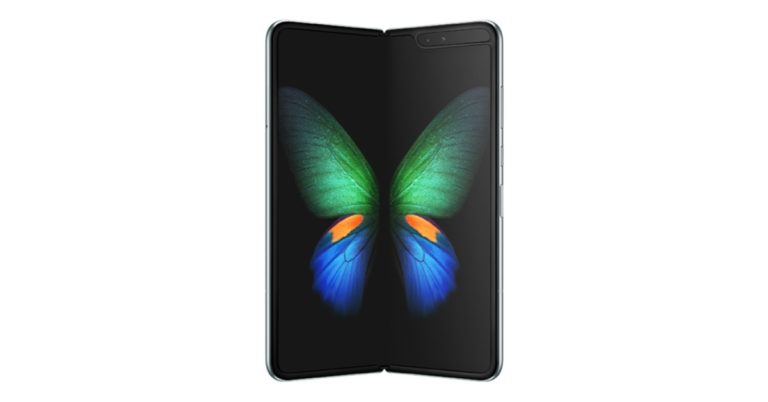
South Korean technology giant Samsung has launched its first foldable phone. After months of speculations following the company’s developer conference in November 2018 where it gave a first look at the foldable phone, Samsung unveiled the much-talked-about smartphone at its Galaxy Unpacked event in San Francisco. The device is called Samsung Galaxy Fold and it comes with two displays – a 7.3-inch screen that appears when it is unfolded and a 4.6-inch screen that can be seen once it is folded. Samsung Galaxy Fold is being marketed as a luxury smartphone that is not meant for the masses but only for those who want to experience the latest technology.  Samsung Galaxy Fold will go on sale in select markets in April this year. Samsung has said that in order to make sure that Galaxy Fold’s folding mechanism works efficiently, the company has added a hinge to the device that comes with interlocking gears. However, this hinge cannot be seen on the outside and Samsung has done this to ensure that the design of the smartphone doesn’t get hampered. Here’s a look at the price, availability and specifications of Samsung Galaxy Fold smartphone: https://www.youtube.com/watch?time_continue=30&v=7r_UgNcJtzQ

Samsung Galaxy Fold price and availability

Samsung has announced that its Galaxy Fold smartphone will go on sale starting April 26 in select countries. Samsung Galaxy Fold is priced at $1,980 which, on conversion becomes Rs 1,41,300. The device will be available in Green, Blue, Silver and Black colour variants and can be bought with 4G LTE as well as 5G connectivity.

Samsung Galaxy Fold specifications

Speaking about the specifications of the Samsung Galaxy Fold smartphone, it is powered by a 7nm unnamed processor, which is speculated to be Snapdragon 855 SoC. As we mentioned earlier, the device comes with two displays. When the device is unfolded into a tablet, it can be seen with a 7.3-inch Infinity Flex Dynamic AMOLED panel with 1536×2152 pixels and an aspect ratio of 4.2:3. And when it is folded into a candy bar phone, its 4.6-inch Super AMOLED panel with 840×1960 pixels resolution and 21:9 aspect ratio can be seen. Samsung Galaxy Fold comes with 12GB of RAM and 512GB of internal storage, however, it does not have any support a microSD card. The batteries of the smartphone have a combined capacity of 4,380mAh. Samsung Galaxy Fold comes with six cameras, among which three are placed on its back panel, two can be accessed when the device is unfolded, and the last one is placed on the front which can only be seen when it is folded into a candy bar phone. Speaking of the triple rear camera setup, it comes with a 16MP ultra-wide sensor with an f/2.2 aperture, a 12MP wide-angle sensor that comes with dual pixel AF and has a variable aperture of f/1.5 to f/2.4, and a third 12MP telephoto lens with PDAF and an f/2.4 aperture clubbed with 2X optical zoom. The cameras also come with Optical Image Stabilization. samsung galaxy fold Coming to the dual front cameras that are visible when the device is in the tablet mode, there is one 10MP sensor with an f/2.2 aperture and an 8MP RBG depth sensor with an f/1.9 aperture. The selfie camera that can only be seen when the device is working as a candy bar phone has a 10MP sensor with an f/2.2 aperture. Samsung Galaxy Fold smartphone runs Android Pie skinned with Samsung’s OneUI software. The device can run three apps simultaneously when it is unfolded and being used in its 7.3-inch mode. Another key feature that is available on the device is App Continuity, that allows a seamless transition from larger to the smaller screen and vice versa so that you can use apps in any mode without having to start over again when switching modes. Samsung claims that apps like YouTube, WhatsApp, and Microsoft Office have been optimized especially so that they run smoothly on the Samsung Galaxy Fold smartphone.

For the latest gadget and tech news, and gadget reviews, follow us on TwitterFacebook and Instagram. For newest tech & gadget videos subscribe to our YouTube Channel.

Google likely to showcase it’s game console at Game Developer conference

Google is supposed to announce new games consoles at the Game Developer Conference 2019. There have been official details, albeit scarce with Google’s invite having a line ‘Gather Around’ and what seems to be a dark hallway which leads to an exit. The search giant sent invites to many gaming outlets to a keynote recently. The keynote will reportedly be the first official revelation for Project Yeti, which is a streaming service from Google. There are high chances that the streaming service comes with a console and controller. Either this or the beta-tested Project stream service will be expanded. Google’s industry insider, Liam Robertson confirmed that there will be a console launch with a plethora of games. In the gaming forum, ResetEra he said, “Sitting here, looking at screenshots of unannounced Google console games and debating whether or not to release them. Don’t really want to get copyright claimed to hell.” On the other hand, Kotaku’s Jason Schreier said that this won’t just be a streaming service. In his tweet, he mentioned that “Google has put money into both” streaming infrastructure and games.
To quote The Information’s opinions, they said, “An early iteration of Yeti was designed to work with the Chromecast TV streaming stick, according to a person familiar with the project and another person who was briefed about it. More recently, Google has been testing a hardware gaming console for running the Yeti service, one of the people said. Yeti also includes a hardware controller that’s used to play the games, developed by Google’s hardware team.” According to another report, Google is pushing out a game streaming service similar to Nvidia’s GeForce. Let us wait and watch until Google monetises the streaming service. It is very likely that Google is going to capitalise a lot from Yeti considering that earlier, it gained a lot of revenue through advertising via Google Play. After this happens, video game streaming is going to experience a lot of changes. However, this cannot be ascertained until and unless Google finds a way to deal with bandwidth hassles. For the latest gadget and tech news, and gadget reviews, follow us on TwitterFacebook and Instagram. For newest tech & gadget videos subscribe to our YouTube Channel.

The Legendary Gaming Mouse returns, Logitech MX518 gets an upgrade and will start shipping soon

0
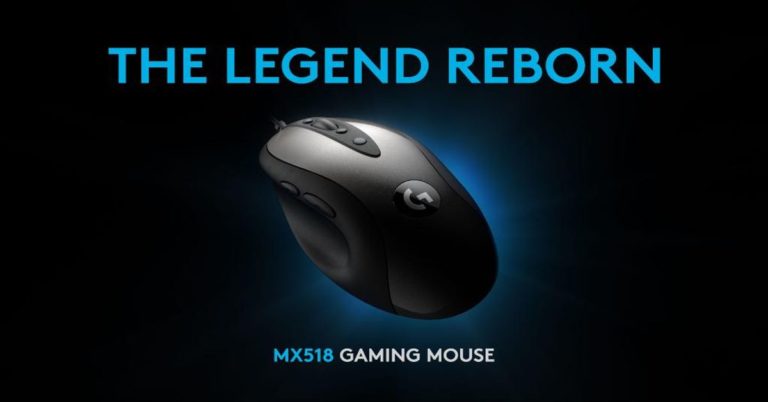
Logitech, a Swiss company known for making computer accessories and devices launched an upgraded gaming mouse named Logitech G MX518. The new mouse is an upgraded version of what was called the best gaming mouse for its price, the MX518 that was launched in 2005. Since then there was no upgrade to this lethal weapon of choice for many gamers, until now. The old mouse has been combined with the G-Series of gaming mouse from Logitech. For the unknown, the G-Series is a range of gaming mice developed by Logitech with more features and is fancier than the other gaming mice launched by the company. With the launch of Logitech G MX518, the company hopes to upgrade its best-selling gaming mouse ever. The build of the new Logitech G MX518 is same as the old one. It is oval in shape so the gamers can rest their whole palm on the mouse comfortably. Despite of the upgrade it is still a wired mouse. In 2019, wired mice seem like a thing from the past. Nevertheless, there are gamers who play with wired mice as it has better response time than their wireless counterpart. Then there are some which like the wireless mice better. In the end, it all comes down to taste. The Logitech G MX518 is now powered by 16,000dpi sensor which is similar to what Logitech’s flagship gaming mice have. It also has the HERO 16K Gaming Sensor in it. The company has claimed that the upgraded G MX518 gives a 1ms response time because of its built-in 32-bit ARM processor.
There are eight buttons present on the mouse, which can be customized by the player to suit his or her playing style. Once customised the mouse will store the button configuration in its onboard memory so that when switching computers, the player can play with the same configuration without reconfiguring the buttons. The original Logitech MX 518 is still selling in the markets despite it being more than 12 years old, it is currently available in the market for Rs 3,799. However, the upgraded Logitech G MX518 is available for pre-order only for a price of $60 (approx. Rs 4,270). It is priced higher than the original MX518 which was priced $49 (approx. Rs 3,500) but it also comes with better and present technology onboard so the price might be justified.
For the latest gadget and tech news, and gadget reviews, follow us on TwitterFacebook and Instagram. For newest tech & gadget videos subscribe to our YouTube Channel.

Samsung Galaxy S10, Galaxy S10+, Galaxy S10e with Infinity-O displays, ultrasonic in-display fingerprint sensors launched: Price and specifications

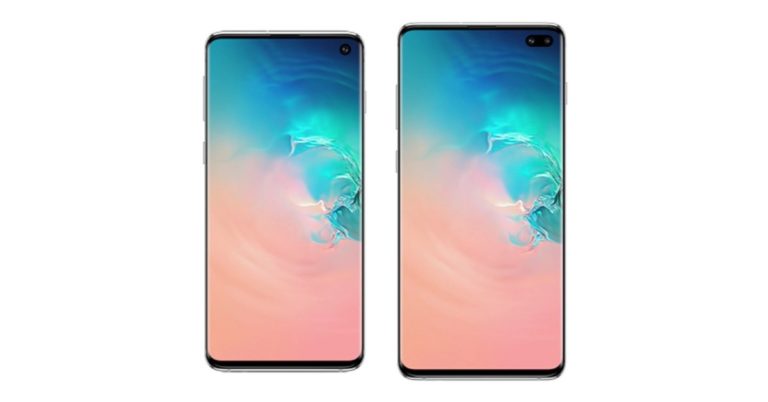
Samsung has finally taken wraps off its Galaxy S10 series at an event in San Francisco, ahead of MWC 2019. As expected the South Korean technology giant has launched Samsung Galaxy S10, Galaxy S10+ and Galaxy S10e smartphones and they all come with Infinity-O displays, which basically means that they have a ‘hole-punch’ design on their screen to house the selfie camera. Among the common features of Samsung Galaxy S10, Galaxy S10+ and Galaxy S0e are the processors, Dynamic AMOLED displays with HDR10+ certification, Wireless PowerShare and Fast Wireless Charging 2.0. We should mention that with Wireless PowerShare, the smartphones can wirelessly charge other devices. As reported earlier, Samsung Galaxy S10 and Galaxy S10+ come with ultrasonic in-display scanners which, according to the company are the “most advanced embedded fingerprint scanning method.” Another key highlight of the devices is their Dynamic AMOLED displays that are certified by HDR10+, have a brightness of 1,200 nits and are said to have features that reduce blue light. All three devices also come with IP68 certification for dust and water resistance. Here’s a look at the price and specifications of Samsung Galaxy S10, Galaxy S10+ and Galaxy S10e smartphones:

Samsung Galaxy S10, Galaxy S10+ and Galaxy S10e price

The price of Samsung Galaxy S10 starts at $899.99, and the smartphone will be available in Prism Black, Prism Blue, Prism Green, and Prism White colours. On the other hand, Samsung Galaxy S10+’s price starts at $999.99 and the device can be bought in Prism Black, Prism Blue, Prism Green, Prism White, Ceramic Black and Ceramic White colour variants. https://www.youtube.com/watch?v=ZCfgkIyD9g0 Samsung Galaxy S10e is the most affordable of the lot and its price begins at $749.99 and the smartphone will be Prism Black, Prism Blue, Prism Green, Prism White and Canary Yellow colour variants. All three smartphones will go on sale on March 8 in the United States. As of now, Samsung has not disclosed the pricing of its Galaxy S10 5G variant, but it has confirmed that the device will be available via Verizon in the US.

Samsung Galaxy S10 specifications

Samsung Galaxy S10 smartphone runs Android 9.0 Pie skinned with the company’s own One UI and features a 6.1-inch QHD+ Curved Dynamic AMOLED Infinity-O display that has an aspect ratio of 19:9 and a pixel density of 550ppi. Powered by either the 7nm octa-core Qualcomm Snapdragon 855 SoC or the 8nm octa-core Samsung Exynos 9820 SoC processor, depending on the market, the smartphone comes with 8GB of RAM. On the camera front, Samsung Galaxy S10 comes with a triple rear camera setup that comprises of a 12MP wide-angle camera paired with 2PD autofocus and f/1.5 to f/2.4 variable aperture, a 12MP telephoto sensor with autofocus and f/2.4 aperture, and a 16MP ultra-wide lens with fixed focus and an f/2.2 aperture. The cameras also come with optical image stabilization and 10x digital zoom. For selfies and video calls, there is a 10MP sensor that comes with 2PD autofocus and an f/1.9 aperture on the smartphone’s front panel. Samsung Galaxy S10 houses a 3,400mAh battery and comes with an ultrasonic in-display fingerprint sensor.

Samsung Galaxy S10+ specifications

Samsung Galaxy S10+ has several things in common with the younger sibling. The smartphone features a 6.4-inch QHD+ Curved Dynamic AMOLED Infinity-O display, has the same aspect ratio as Galaxy S10’s but comes with a lower pixel density of 438ppi. It is powered by the same processor but comes with 8GB as well as 12GB of RAM. While the rear cameras of Samsung Galaxy S10+ are the same as Galaxy S10’s, on the front, it has dual selfie cameras. Samsung Galaxy S10, Galaxy S10+, Galaxy S10e While the primary selfie camera is also the same as the younger sibling, the secondary selfie camera has an 8MP fixed focus RGB depth sensor with an f/2.2 aperture. The device is available in 128GB, 512GB, and 1TB storage options and they all can hold a microSD card of up to 512GB. Samsung Galaxy S10+ houses a 4,100mAh battery and sports an ultrasonic in-display fingerprint sensor.

Samsung Galaxy S10e specifications

Samsung Galaxy S10e comes with a 5.8-inch full-HD+ Flat Dynamic AMOLED Infinity-O display that has a pixel density of 522ppi. It comes with the same processors and is available in 6GB and 8GB of RAM. For imaging duties, Samsung Galaxy S10e comes with a dual rear camera setup that comprises of a 12MP camera that has a 77-degree wide-angle lens and a variable aperture of f/1.5 to f/2.4 clubbed with a 16MP fixed-focus sensor with a 123-degree ultra-wide lens and an f/2.2 aperture. The cameras come with Optical Image Stabilization and up to 8x digital zoom. The selfie camera of the device is the same as Samsung Galaxy S10’s. Samsung Galaxy S10e comes in 128GB and 512GB storage variants and can hold a microSD card of up to 512GB. The smartphone houses a 3,100mAh battery and comes with a physical fingerprint sensor on its home button.

Samsung Galaxy S10 5G specifications

Samsung Galaxy S10 5G is a single SIM smartphone that comes with a Quad-HD+ Curved Dynamic AMOLED display that has an aspect ratio of 19:9 and a pixel density of 505ppi. While the processor on the smartphone will be the same, it will come with 8GB RAM, 256GB of internal storage and will not have support for a microSD card. The device comes with a quad camera setup which comprises of the same three lenses as Galaxy S10, but also has a 3D Depth sensor that comes with an hQVGA resolution. For selfies and video calls, here is a 10MP Dual Pixel AF with an f/1.9 aperture clubbed with a 3D Depth Camera. The smartphone houses a 4,500mAh battery and comes with an ultrasonic in-display fingerprint sensor.
For the latest gadget and tech news, and gadget reviews, follow us on TwitterFacebook and Instagram. For newest tech & gadget videos subscribe to our YouTube Channel.

Gmail’s Material Design update is now being rolled out to all Android users

1
Last year, Google’s email service Gmail got the biggest design change since its inception. And since it got the big design change, Google has been rolling out useful features to Gmail every now and then. To recall, last month Google announced that it will be rolling out a Material Design update to its email service soon. And today, the search giant has announced a blog post that it has rolled out the update to all its Android users via the Google Play Store. The update has got some new design elements to Gmail including Google Sans font, that was till now available in Pixel smartphones, and a redesigned search bar that will be placed on top of the device’s display. Furthermore, the red menu bar that used to be a defining feature will not be present anymore. The overall design of the app has also been tweaked and cleaned up to make it look less crowded.
However, there will be some who will find Gmail’s design to be too bright, particularly because the red bar on the top has been replaced by a solid white block now. Some may even want to turn down the brightness level of their devices. But then, it is just a Material Design update, and even if some may not like the way it looks now, one has to admit, there’s hardly any other email service that has so many useful features packed in it. So it’s highly unlikely that people would switch to something else because of the change in design. As we mentioned earlier, the update is already out on Android and should soon be released on iOS too. A few days back, Google added another change to Gmail with which, users can access some useful features by just accessing the right-click menu. According to Google, these features would first roll out for G Suite users and would then come to regular Gmail users. Google said that users would be able to perform various functions just by right-clicking on an email or a conversation. The options in the right-click menu include replying, forwarding, searching for emails from the sender or with the subject of the conversation and more.
For the latest gadget and tech news, and gadget reviews, follow us on TwitterFacebook and Instagram. For newest tech & gadget videos subscribe to our YouTube Channel.

Razer Phone 2 will start getting Android Pie next week

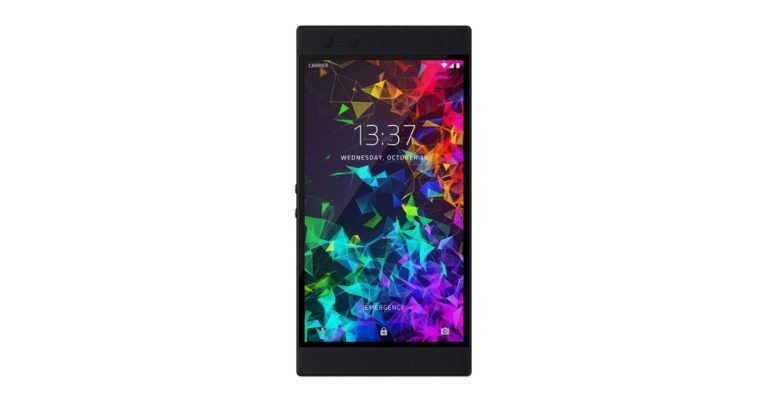
Razer Phone 2, the smartphone that was launched in October last year is set to receive Android Pie. The date for getting the latest operating system from Google is said to be February 27 and the official roll out is going to begin on March 14. In the case of the units of the smartphone sold by AT&T, the update is going to come on April 4. However, these dates haven’t been confirmed and might change in the future, though the launch date of February 27 is absolute. It is worth noticing that the Android 9.0 Pie update is going to bring February 2019 security patches and navigation gestures, too. You have the option of turning these features off, though they are going to be there by default in the Razer Phone 2. To recall, the Razer Phone 2 measures 158.5x79x8.5mm and weighs 220 grams. It sports a 5.72-inch LCD capacitive touchscreen with a resolution of 1,440×2,560 pixels and an aspect ratio of 16:9.
The smartphone is powered by Qualcomm Snapdragon 845 SoC paired with 8GB RAM. This single RAM variant comes with internal storage of 64GB and can hold additional 512GB of data via a microSD card. The dual rear camera setup includes two 12MP sensors. The front camera, on the other hand, consists of an 8MP sensor that is meant for clicking selfies. Connectivity options include WiFi 802.11, Bluetooth 5.0, GPS, NFC and USB Type-C. The Razer Phone 2 houses a massive battery of 4,000mAh and comes in two colour options—mirror black and rugged satin. Sensors of the smartphone include a fingerprint sensor, accelerometer, gyro sensor, proximity sensor, and compass. Another big news is that Razer has reportedly fired some of its staff in a structure reorganisation under the pretext of working on the Razer Phone 3. In a statement to Droid Life, it said it is going to shut the programme, which makes us speculate that the Razer Phone 3 won’t be launched. But if the company still intends to work on the smartphone then will it run Android Pie out-of-the-box like the Razer Phone 2? Only time will tell what is going to happen. For the latest gadget and tech news, and gadget reviews, follow us on TwitterFacebook and Instagram. For newest tech & gadget videos subscribe to our YouTube Channel.  

Apple plans to combine its iPhone, iPad and Mac apps by 2021: Report

Cupertino-based technology giant Apple rarely stays out of the news for too long. Recently, it was reported that the company is focussing on its services business and will be launching a subscription-based news service and a Netflix-like video-streaming platform. And now, according to a new report that has surfaced online, Apple has plans of combining the apps made for iPhone, iPad and macOS by 2021. The report, which surfaced on Bloomberg, claims that Apple will enable developers to create a single app – single binary – which will work across all its platforms. To recall, the technology giant had revealed about this work at its last year’s developer conference, WWDC 2018. This program by the company has been codenamed Marzipan. Apple has also started bringing the iOS versions of various apps like Stocks, News and Voice Memo to its macOS 10.14 Mojave platform.
Considering that a combined universal app is a very big step, Apple will be carrying this out in phases, according to the report. It has also been said that developers will also be allowed to port their iPad apps to Mac later this year using a new SDK. The report further says that this shall also be extended to iPhone apps in 2020 so that they can be brought to macOS too. Apple is expected to unveil the SDK at this year’s WWDC. We should mention that Apple’s plan sounds very similar to what software giant Microsoft did with its Universal Windows Platform. The company had worked to make a single universal application for its Windows smartphones, tablets and PCs. However, it gave up on its Windows Phone in 2017 as it had undercut the idea of universal Windows apps. But there is also a difference in Microsoft‘s and Apple’s approach. The software giant worked on the idea while keeping the Windows operating system at the heart of its universal apps. However, Apple is keeping iOS and macOS separate. Although Microsoft’s universal apps still exist, the company has been pushing developers to bring its desktop apps to Microsoft Store and it won’t be using a single app on all its devices like Xbox One, HoloLens, PCs, and tablets. Coming back to Apple, it is speculated to hold its WWDC 2019 from June 3rd to 7th.
For the latest gadget and tech news, and gadget reviews, follow us on TwitterFacebook and Instagram. For newest tech & gadget videos subscribe to our YouTube Channel.

Facebook to develop its own version of AI Virtual Assistant, which will be smarter than Siri

0
The social media giant Facebook has decided to develop its own AI Assistant (Artificial Intelligence) like Apple’s Siri and Google Assistant. Last month Facebook partnered with a chip making company, Intel to develop more powerful AI chips than what is being used right now. According to the Financial Times, the company is hoping that its virtual assistant powered by the artificial intelligence chips will be smarter than Apple’s Siri and Amazon’s Alexa. Yann LeCun, who is the chief AI scientist at Facebook told the daily that they were going to work hard and not leave “any stone unturned” in the AI development. He also said that they are looking forward to developing an AI, which would have some level of “common sense”, so that the user can have discussion with it on any topic. An AI chip could be the solution for the social platform giant in solving many of its problems. The AI could help Facebook moderate and check its contents so that no abusive or harmful/wrong content is posted on the platform. If there is something posted then the AI will remove it from Facebook. The program could also be used in home devices launched by Facebook. Introduction of AI to Facebook might solve the company’s problems or maybe create some as Facebook has been in the news every now and then due to one thing or another.
Back in 2015, Facebook launched a text-based digital assistant named M. M was not an AI but it was powered by Artificial Intelligence and Facebook’s contracted employees. Eventually FB decided to get rid of M and so they stopped working on it. But, now partnering with Intel might be their way of getting serious in the development of their own version of AI assistant. Facebook’s take on AI might be a good step in the Artificial Intelligence direction and we might get a smarter assistant who would be able to help us with our day-to-day tasks. However, there is also a possibility that Facebook might use this tech to spy on its users in a more ‘legal’ way. For the latest gadget and tech news, and gadget reviews, follow us on TwitterFacebook and Instagram. For newest tech & gadget videos subscribe to our YouTube Channel.

PUBG Mobile to come up with a ‘solution’ for addiction among Indian youth

0
Player Unknown’s Battlegrounds (PUBG) mobile has swept through the nation like a storm as people everywhere are seen playing the game. There are competitions and championships being organized in schools, colleges and even at a national level. Those competitions usually have good prize money and today there are hundreds of people streaming the game online. But there is also news and reports about PUBG bans, and crime occurrences due to it all over the country.  There are reports that the game has been the reason for suicide, poor results in studies, violence and other crimes in children. Due to these problems the game is receiving a wide criticism from Indian parents, government and educational institutions. Some states and government officials along with parents are demanding total ban on PUBG. So, to fix the problem, the PUBG Mobile developers have promised that they will solve the problems and addiction among its users. They also said that they will provide a safe and rewarding ecosystem for the players of PUBG Mobile. The game development team said that they will enhance the experience of the game by working with government officials, educational institutions, stakeholders and parents.
PUBG Mobile team said that they are currently working on “numerous new features and enhancements, which enables us to provide an environment for players to enjoy PUBG Mobile in a rewarding and responsible manner”. To make the platform and the game better the developers have asked for feedback from the parents and agencies so that they can solve the problem at hand and make PUBG Mobile “the best game ever”. There are many agencies and institutions who are demanding ban on the game so that the children and youth can spend their time on studying. Its not the first game to receive such criticism as there are other games and apps, which face similar criticism like Tik-Tok. Indian Prime Minister Narendra Modi also mentioned the game in an event where he was addressing the parents and students. In his comment he said “Yeh PUBG wala hai kya?” (is he the one who plays PUBG) in response to a parent’s comments about his child being indulged in online game. Currently PUBG Mobile India Series 2019 is going on, where players above level 20 can participate to win Rs 10,00,000 ($1,40,000). The negative news and ban comes in the midst when PUBG receives its Zombie mode and new updates. PUBG Mobile in India could see decline in many states if Tencent Games doesn’t come up with a solution fast.
For the latest gadget and tech news, and gadget reviews, follow us on TwitterFacebook and Instagram. For newest tech & gadget videos subscribe to our YouTube Channel.

Microsoft’s new Chrome extension enables the company’s Windows 10 Timeline feature

Software giant Microsoft launched its Windows 10 Timeline feature a year back and it became a much-talked-about one thanks to its ability to let users sync browsing and app history between Windows 10, iOS and Android devices. However, the only downside to it was that it was limited to Microsoft’s Edge browser, where it could be found on the browsing history side. But now, the company has rolled out its own official Chrome extension for Windows Timeline. The extension is called as Web Activities, and lets users sync and show their Chrome browser history across Windows 10 devices. This means that you have a built-in Timeline viewer at your disposal. However, we should point out that this means that a copy of your browsing history will be sent to the software giant’s servers, and some may feel that by doing this, the company is compromising on their privacy. We should also mention that Google also syncs browsing history between Chrome sessions and this also includes tabs that users have viewed on other devices.
The feature that has been rolled out by Microsoft simplifies this by building it directly into the Task View feature of Windows 10. So, this can be accessed any time via the taskbar. It is worth noticing that as of now, Microsoft has not launched the Firefox version of the Timeline extension, however, unofficially Chrome and Firefox extensions have been available for a good six months now. If you wish to download Microsoft’s new Chrome TimeLine extension, you can head to the Chrome Web Store. To recall, last month Microsoft had announced that it will be ending support for its Windows 10 Mobile platform. The company further asked its existing users to either move to Android or iOS. The software giant also published an ‘End of Support’ page, in which it has specified that security updates will stop getting rolled out to the Windows 10 Mobile platform post-December 2019. So, the company has given users a lot of time to switch to another operating system. On its ‘End of Support’ page, the company wrote, “With the Windows 10 Mobile OS end of support, we recommend that customers move to a supported Android or iOS device. Microsoft’s mission statement to empower every person and every organisation on the planet to achieve more compels us to support our Mobile apps on those platforms and devices.”
For the latest gadget and tech news, and gadget reviews, follow us on TwitterFacebook and Instagram. For newest tech & gadget videos subscribe to our YouTube Channel.

Duracell launches Duracell Ultra: A battery that can last longer than before

0
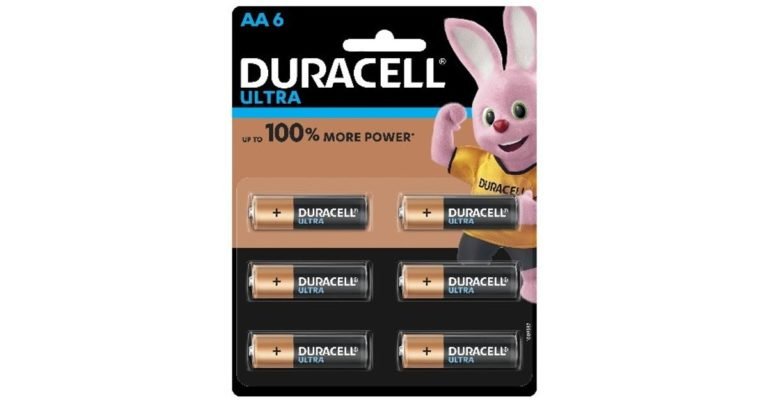
Duracell, a company known for making AA and AAA alkaline batteries, today launched a new alkaline battery which could provide “up to 100% more power” than the other batteries, as claimed by the company. These new batteries are named – Duracell Ultra. The Duracell Ultra’s canister is made from steel. Zinc, manganese and graphite are present inside the battery to convert the chemical energy into electrical energy. The company has targeted these batteries towards the Indian households, where more than 12 devices run on batteries like TV remotes, remote controlled toys, wall-clocks, AC remotes etc. According to the company, the Duracell Ultra “packs more high-quality active materials to deliver quality performance”. Inside the batteries are three components – the Cathode, the Anode and the Separator. The cathode is optimized to provide high energy capacity while the anode gives the battery more efficiency. The separator allows the ions to transfer evenly and efficiently between the cathode and the anode. Together these components allow the active materials inside the battery, which are packed in nickel-plated steel canister with a tin-plated brass nail to fully utilize the battery’s power. David Abraham who is the Marketing Director of Duracell for Middle East and India said, “At Duracell, we are passionate about using over 50 years of expertise in developing the very best portable power technology to ensure we are meeting the evolving demands of our consumers. As the popularity of power-hungry gadgets that keep us connected, entertained and monitored increases in India, we want to ensure we are powering families with the very best, longest lasting battery. With Duracell Ultra, we are offering just that. Lasting up to 100% longer, families can rely on Duracell Ultra to power their favorite toys and devices with safe quality unstoppable power that they can trust.”
Duracell is known for making long-lasting batteries, but if what the company said is true about Duracell Ultra then it would last longer than other batteries. Now the company is also making power banks, rechargeable batteries and speciality cells. According to the company, it is planning to launch more batteries in India as the Indian market is evolving in the “device landscape”. The company has promised that Duracell Ultra is only the beginning of its new products in India and it will bring out more products in the future.
For the latest gadget and tech news, and gadget reviews, follow us on TwitterFacebook and Instagram. For newest tech & gadget videos subscribe to our YouTube Channel.