In This Article
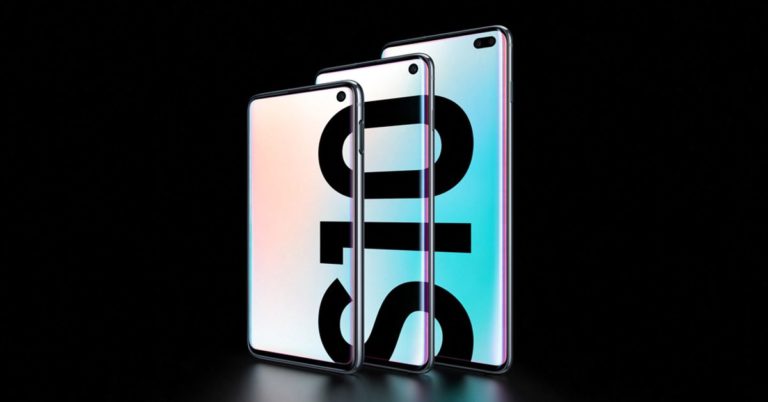
Samsung Galaxy S10, Galaxy S10+ and Galaxy S10E
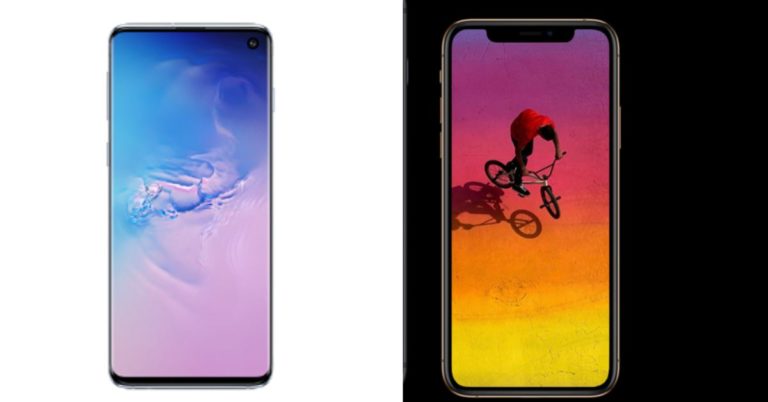
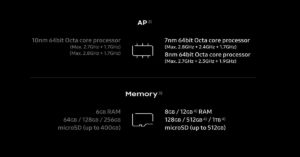
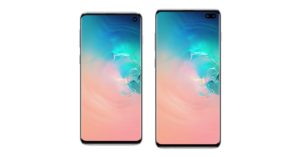 Samsung Galaxy S10 smartphone runs Android 9.0 Pie skinned with the company’s own One UI and features a 6.1-inch QHD+ Curved Dynamic AMOLED Infinity-O display. Powered by either the 7nm octa-core Qualcomm Snapdragon 855 SoC or the 8nm octa-core Samsung Exynos 9820 SoC processor, depending on the market, the smartphone comes with 8GB of RAM. On the camera front, Samsung Galaxy S10 comes with a triple rear camera setup that comprises of a 12MP wide-angle camera, a 12MP telephoto sensor, and a 16MP ultra-wide lens. For selfies and video calls, there is a 10MP sensor and the device houses a 3,400mAh battery. Samsung Galaxy S10+ features a 6.4-inch QHD+ Curved Dynamic AMOLED Infinity-O display and comes with 8GB as well as 12GB of RAM. While the rear cameras of Samsung Galaxy S10+ are the same as Galaxy S10’s, on the front, it has 10MP+8MP dual selfie cameras. Samsung Galaxy S10+ is available in 128GB, 512GB, and 1TB storage options and they all can hold a microSD card of up to 512GB. The device houses a 4,100mAh battery. Both Samsung Galaxy S10 and Galaxy S10+ sport an ultrasonic in-display fingerprint sensor. Samsung Galaxy S10e, on the other hand, comes with a 5.8-inch full-HD+ Flat Dynamic AMOLED Infinity-O display and is available with either 6GB or 8GB of RAM. For imaging duties, Samsung Galaxy S10e comes with a 12MP+ 16MP dual rear cameras. It is available in 128GB and 512GB storage variants and houses a 3,100mAh battery.
Samsung Galaxy S9 and Galaxy S9+
 Samsung Galaxy S9 and Galaxy S9+ were launched last year by Samsung and they came with Samsung Experience 9.0 UI on top of Android 8.0 Oreo at the time of their launch. However, they have received subsequent updates after that. The smartphones were powered by either Qualcomm Snapdragon 845 processor or Exynos 9810 SoC clubbed with 4GB (S9) or 6GB (S9+) RAM clubbed with 64GB, 128GB or 256GB of internal storage. The devices can also hold microSD cards of up to 512GB and come with support for Bixby. While Samsung Galaxy S9 features a 5.8-inch Super AMOLED capacitive touchscreen Infinity Display and houses a 3,000mAh battery, Galaxy S9+ has a 6.2-inch Super AMOLED capacitive touchscreen Infinity screen and packs a 3,500mAh battery. While the younger sibling comes with a 12MP primary camera, the bigger sibling has dual 12MP cameras. Both the smartphones have an 8MP selfie snapper.
Samsung Galaxy S8 and Galaxy S8+
 Samsung Galaxy S8 and Galaxy S8+ were launched in 2017 by the South Korean technology giant. The devices came with Android 7.0 Nougat with Samsung Experience 8.1 baked on top and were powered by Qualcomm Snapdragon 835 SoC or Exynos 8895 processor, depending on the market. The smartphones came with 4GB/6GB RAM clubbed with 64GB/128GB of internal storage and can hold a microSD card of up to 256GB. While Samsung Galaxy S8 features a 5.8-inch Super AMOLED capacitive touchscreen display and houses a 3,000mAh battery, Galaxy S8+ sports a 6.2-inch Super AMOLED capacitive touchscreen screen and packs a 3,500mAh battery. The smartphones come with a 12Mp primary camera at the back and an 8MP selfie camera.
Samsung Galaxy S7, Samsung Galaxy S7 Edge and Samsung Galaxy S7 Active
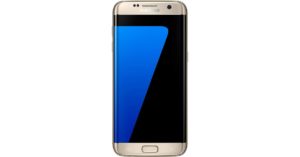 2016 saw the launch of Samsung Galaxy S7, Galaxy S7 Edge and Galaxy S7 Active smartphones. The handsets came with Android 7.0 Nougat skinned with Samsung Experience 8.0 at the time of their launch and were powered by Qualcomm Snapdragon 820 processor or Samsung Exynos 8890 SoC, depending on the region. All the three smartphones came with 4GB of RAM and 32/64/128GB of internal storage. Samsung Galaxy S7, Galaxy S7 Edge and Galaxy S7 Active could hold a microSD card of up to 256GB and housed 3,000mAh, 3,600mAh and 4,000mAh battery respectively. While Samsung Galaxy S7 and Galaxy S7 Active came with 5.1-inch Quad HD Super AMOLED display, Galaxy S7 Edge featured a 5.5-inch Quad HD Super AMOLED screen. The devices house a 12MP primary camera and a 5Mp selfie camera.
Samsung Galaxy S6, Galaxy S6 Edge and Galaxy S6 Edge+
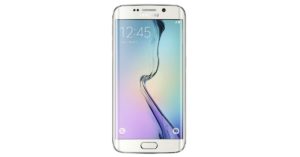 In 2015, Samsung launched its Galaxy S6, Galaxy S6 Edge, and Galaxy S6 Edge+ smartphones. All the three smartphones came with Android Lollipop and were powered by Samsung Exynos 7420 octa-score processor clubbed with Mali-T760 MP8 GPU. While Samsung Galaxy S6 and Galaxy S6 Edge came with 3GB RAM and 32GB/64GB/128GB of internal storage, the Galaxy S6 Edge+ had 4GB of RAM and 32GB/64GB of internal storage. The three devices also differed on battery sizes. While Samsung Galaxy S6 housed a 2,550mAh battery, Galaxy S6 Edge and Galaxy S6 Edge+ packed a 2,600mAh and a 3,000mAh battery respectively. Samsung Galaxy S6 and Galaxy S6 Edge featured a 5.1 inches Super AMOLED display, while Galaxy S6 Edge+ came with a 5.7 inches Super AMOLED screen.
Samsung Galaxy S5
Samsung Galaxy S4
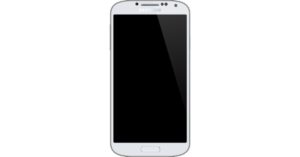
Samsung Galaxy S III

Samsung Galaxy S II
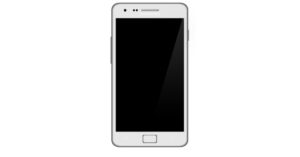
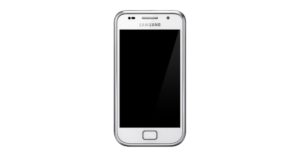
Samsung Galaxy S
For the latest gadget and tech news, and gadget reviews, follow us on Twitter, Facebook and Instagram. For newest tech & gadget videos subscribe to our YouTube Channel.


 To recall, Lenovo had engaged in guerrilla marketing techniques when it launched the Z5 Pro smartphone and had made tall claims about the
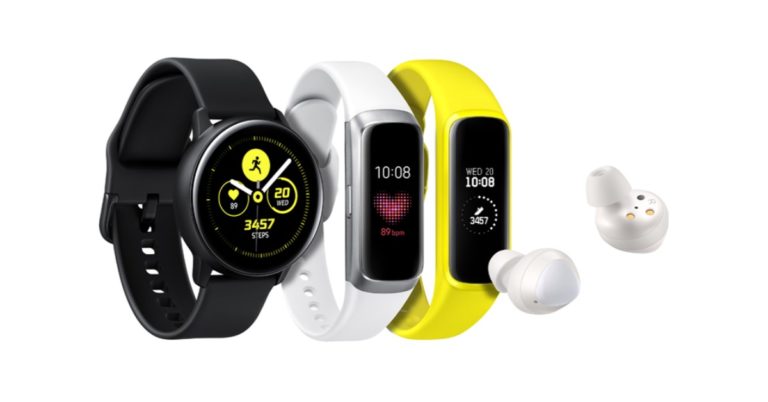
 The watch has support for Bixby and can be connected to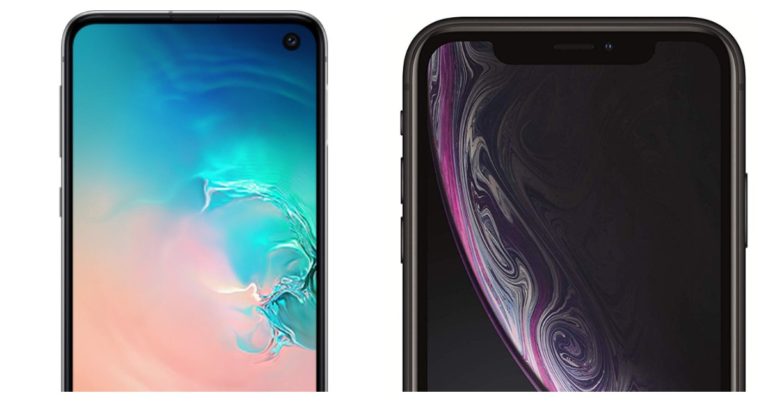
![[Infographic] Samsung Galaxy S10+ vs Samsung Galaxy S9+: Comparison](https://www.gadgetbridge.com/wp-content/uploads/2019/02/Samsung-Galaxy-S10-vs-Samsung-Galaxy-S9-768x402.jpeg "[Infographic] Samsung Galaxy S10+ vs Samsung Galaxy S9+: Comparison")



 For the latest

 Coming to the dual front cameras that are visible when the device is in the

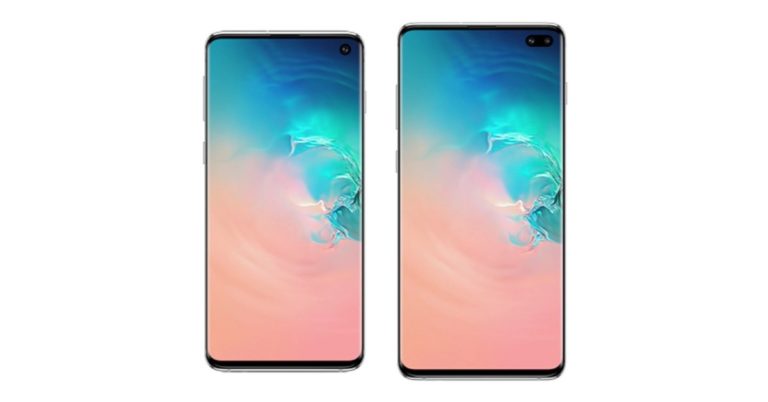
 While the primary selfie camera is also the same as the younger sibling, the secondary selfie camera has an 8MP fixed focus RGB depth sensor with an f/2.2 aperture. The device is available in 128GB, 512GB, and 1TB storage options and they all can hold a microSD card of up to 512GB. Samsung Galaxy S10+ houses a 4,100mAh battery and sports an ultrasonic in-display fingerprint sensor.