




In This Article





 For the latest gadget and tech news, and gadget reviews, follow us on Twitter, Facebook and Instagram. For newest tech & gadget videos subscribe to our YouTube Channel. You can also stay up to date using the Gadget Bridge Android App.
In This Article

In This Article
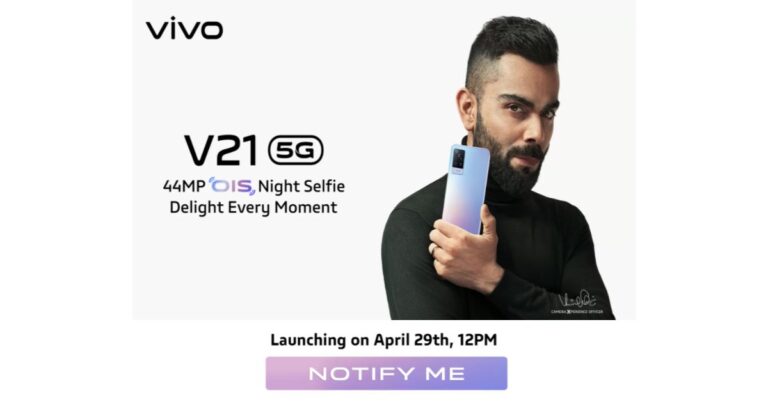
As far as the specifications are concerned, the dedicated microsite reveals that the Vivo V21 5G will come in sunset dazzle and arctic white colour options. Whereas the body thickness and the weight will be 7.39mm and 177g. In addition to this, a third dusky blue colour edition of V21 is 7.29 thick and 176g. The Vivo V21 series looks similar to its predecessor however it will feature an ultra-slim matte glass design. The listing further reveals that the next generation of the Vivo V-Series smartphone will feature a 44-megapixel selfie camera with optical image stabilisation (OIS) and a waterdrop-style notch display. For the low light selfies, the device is also provided with a dual spotlight flash. The rear panel will include a triple rear camera set up that will sport a 64-megapixel primary lens with optical image stabilisation (OIS). Over that, the device is teased to be offered with an extended RAM option in order to maximise the phone’s potential and run apps at a faster speed. However, there is no mention of the configuration but if we look at the Malaysian listing the phone will be offered with 8GB of RAM along with an additional 3GB of virtual RAM. Previously, the India tipster Mukul Sharma also spotted Vivo V21 SE on Google Play Console with model number V2061. According to him, the alleged smartphone will be powered by Qualcomm Snapdragon 720G SoC paired with 8GB of RAM and will run Android 11 out of the box. In addition to this, it could feature a full-HD+ display with 1,080×2,400 pixels of resolution. For the latest gadget and tech news, and gadget reviews, follow us on Twitter, Facebook and Instagram. For newest tech & gadget videos subscribe to our YouTube Channel. You can also stay up to date using the Gadget Bridge Android App.Your night selfies won’t be the same with #vivoV21, the slimmest and lightest phone in town with 44MP OIS Night Selfie.
— Vivo India (@Vivo_India) April 25, 2021
Coming to you on the 29th of April, 2021 at 12 PM. Let's #DelightEveryMoment pic.twitter.com/cigzXRIEMi
In This Article


The e-commerce website Flipkart is hosting Daily Trivia Quiz. Every day it brings a bunch of new questions for its users. By answering them correctly you can win exciting prizes. The questionnaire is based on questions related to general knowledge. Also, the users can win free vouchers and super coins, among other offers via the daily quiz. April 26 Flipkart Daily Trivia Quiz Answers has already gone live on its platform.
In This Article

In This Article


In This Article


In This Article


In This Article


In This Article
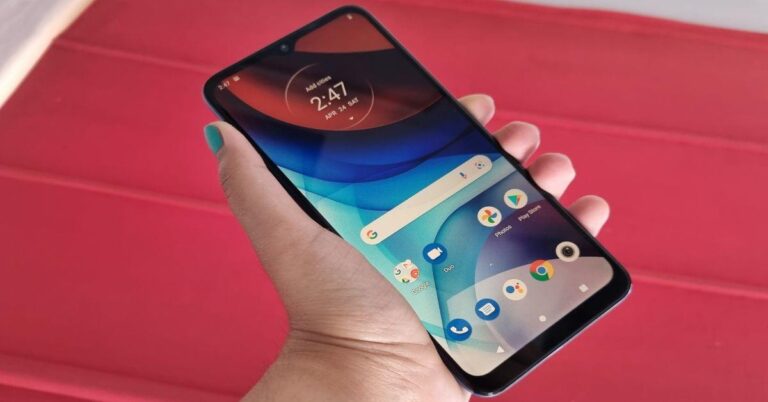
 Flip over, and you will see the 6.5-inch display of the device that is outlined by not-very-thin bezels and an even broader chin. The selfie camera is placed in a waterdrop-shaped notch on the top of the screen, right below the earpiece.
Coming to the 6.5-inch HD+ IPS panel of the smartphone, it is protected with a layer of Panda Glass. The images projected on the screen were sharp and clear, and the colours were accurate and vibrant. They even remained consistent at different viewing angles. The display was adequately bright, and one has the option of scheduling Night Light on it. The only real problem with the display was the sunlight readability. We think that could have been better on Moto E7 Power.
Flip over, and you will see the 6.5-inch display of the device that is outlined by not-very-thin bezels and an even broader chin. The selfie camera is placed in a waterdrop-shaped notch on the top of the screen, right below the earpiece.
Coming to the 6.5-inch HD+ IPS panel of the smartphone, it is protected with a layer of Panda Glass. The images projected on the screen were sharp and clear, and the colours were accurate and vibrant. They even remained consistent at different viewing angles. The display was adequately bright, and one has the option of scheduling Night Light on it. The only real problem with the display was the sunlight readability. We think that could have been better on Moto E7 Power.
 To conclude, we would say that even though there is nothing out of the ordinary about the design of the Moto E7 Power, there are no major cons too. The display was decent as well, and mostly did a good job.
 One among the best aspects of the Moto E7 Power smartphone is its software. The handset has stock Android, and almost comes without any bloatware. The only extra pre-installed app was Facebook, and even that could be uninstalled. We were surprised that the company hadn’t even added the Moto Support app to the device. While some may appreciate the stock version of Android, others may miss the gestures and actions that other phones with customizations support.
However, we should add here that it isn’t like Moto E7 Power doesn’t support any of these. One can find a few of them in the Settings of the device. These include ‘Jump to camera’, ‘Lift to check phone’, ‘Three finger screenshot’, etc. The only downside of the software is that Android 10 is slightly dated now, so we hope the device gets the Android 11 update soon.
The smartphone managed the basic everyday tasks, but it did stutter a bit at times, particularly when we tried multitasking. However, one should keep in mind that it is a budget smartphone and it’s not fair to expect its performance to be flawless. We tried playing a few games on the device as well. While we could play the light ones like Temple Run 2 and Alto’s Odyssey smoothly, the smartphone wasn’t at its best with graphic-hungry ones like Asphalt 9: Legends.
One among the best aspects of the Moto E7 Power smartphone is its software. The handset has stock Android, and almost comes without any bloatware. The only extra pre-installed app was Facebook, and even that could be uninstalled. We were surprised that the company hadn’t even added the Moto Support app to the device. While some may appreciate the stock version of Android, others may miss the gestures and actions that other phones with customizations support.
However, we should add here that it isn’t like Moto E7 Power doesn’t support any of these. One can find a few of them in the Settings of the device. These include ‘Jump to camera’, ‘Lift to check phone’, ‘Three finger screenshot’, etc. The only downside of the software is that Android 10 is slightly dated now, so we hope the device gets the Android 11 update soon.
The smartphone managed the basic everyday tasks, but it did stutter a bit at times, particularly when we tried multitasking. However, one should keep in mind that it is a budget smartphone and it’s not fair to expect its performance to be flawless. We tried playing a few games on the device as well. While we could play the light ones like Temple Run 2 and Alto’s Odyssey smoothly, the smartphone wasn’t at its best with graphic-hungry ones like Asphalt 9: Legends.
 The 5,000mAh battery of the device is also among its best aspects. Even with heavy usage involving social media, gaming, watching videos on YouTube and Netflix, and a few long phone calls, the battery lasted more than a day. We found this to be quite impressive.
Now, let’s talk about the cameras of the smartphone. The 13MP primary camera of the device does a decent job in well-lit areas, particularly outdoors. The images were sharp and clear, however, the colour reproduction could have been better. We noticed that they were duller than they were in real. But that, of course, can be fixed with a little bit of editing. The real problem was the camera’s performance in dimly-lit areas.
The 5,000mAh battery of the device is also among its best aspects. Even with heavy usage involving social media, gaming, watching videos on YouTube and Netflix, and a few long phone calls, the battery lasted more than a day. We found this to be quite impressive.
Now, let’s talk about the cameras of the smartphone. The 13MP primary camera of the device does a decent job in well-lit areas, particularly outdoors. The images were sharp and clear, however, the colour reproduction could have been better. We noticed that they were duller than they were in real. But that, of course, can be fixed with a little bit of editing. The real problem was the camera’s performance in dimly-lit areas.
 The device struggled to focus and there was noise visible in the images taken. The 2MP lens was also just average. We clicked some Bokeh and Macro shots, but the quality of the images dropped as compared to the primary camera. The 5MP selfie camera also did a decent job, but we would be editing our selfies taken from Moto E7 Power before we upload them on social media. We weren’t too happy with the camera of the device, but then, it is an entry-level smartphone, so we can’t expect too much.

In This Article




In This Article





In This Article


In This Article



In This Article



In This Article



 By utilising an improved artificial intelligence (AI) solution, the Galaxy device can be used to record or save certain sounds such as a baby crying, dog barking, cat meowing, or a knock. While it distinguishes sounds in everyday surroundings it will send an alert directly to the user’s smartphone and the user can listen to the recorded sound.
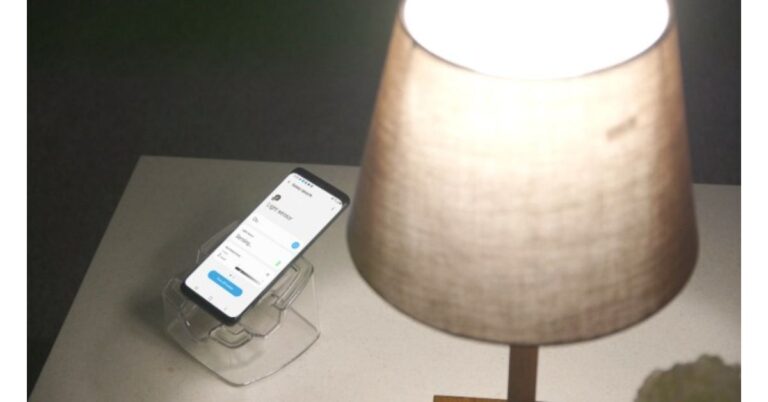
 Apart from this, the Samsung Galaxy phones may also be employed as a light sensor to measure the brightness level of the room. So that the user can access the device to automatically turn on the lights or the TV through SmartThings if the room becomes darker than the preset standard of light.
For this the phone needs to detect the sound and light continuously therefore it must be actively operating for long periods of time. Accordingly, Samsung equipped the Galaxy Upcycling at Home upgrade with battery optimization solutions to minimize battery usage so that it stays connected to SmartThings.
For the latest gadget and tech news, and gadget reviews, follow us on Twitter, Facebook and Instagram. For newest tech & gadget videos subscribe to our YouTube Channel. You can also stay up to date using the Gadget Bridge Android App.
Apart from this, the Samsung Galaxy phones may also be employed as a light sensor to measure the brightness level of the room. So that the user can access the device to automatically turn on the lights or the TV through SmartThings if the room becomes darker than the preset standard of light.
For this the phone needs to detect the sound and light continuously therefore it must be actively operating for long periods of time. Accordingly, Samsung equipped the Galaxy Upcycling at Home upgrade with battery optimization solutions to minimize battery usage so that it stays connected to SmartThings.
For the latest gadget and tech news, and gadget reviews, follow us on Twitter, Facebook and Instagram. For newest tech & gadget videos subscribe to our YouTube Channel. You can also stay up to date using the Gadget Bridge Android App. 
In This Article





 Xiaomi Mi 11X and Mi 11X Pro specifications and pricing
Both the devices are identical in terms of specifications; the only difference here is the chipsets and the primary sensors.
Starting with Mi 11X that comes with a 6.67-inch full-HD+ E4 AMOLED display with 1,080×2,400 pixels of resolution. It also offers a 120Hz refresh rate panel, 1,300 nits of peak brightness, 360Hz touch sampling rate and 20:9 aspect ratio. The phone runs MIUI 12 on top of Android 11 out of the box. Under the hood, there is an octa-core Qualcomm Snapdragon 870 SoC with the Adreno 650 GPU along with up to 8GB of LPDDR5 RAM and up to 128GB of UFS 3.1 storage.
Xiaomi Mi 11X and Mi 11X Pro specifications and pricing
Both the devices are identical in terms of specifications; the only difference here is the chipsets and the primary sensors.
Starting with Mi 11X that comes with a 6.67-inch full-HD+ E4 AMOLED display with 1,080×2,400 pixels of resolution. It also offers a 120Hz refresh rate panel, 1,300 nits of peak brightness, 360Hz touch sampling rate and 20:9 aspect ratio. The phone runs MIUI 12 on top of Android 11 out of the box. Under the hood, there is an octa-core Qualcomm Snapdragon 870 SoC with the Adreno 650 GPU along with up to 8GB of LPDDR5 RAM and up to 128GB of UFS 3.1 storage.

