Popular music streaming app Spotify made its way to the Indian market just a few weeks back. And now, it will soon start offering personalised playlists that will be created on the basis of the listener’s interest and browsing history. According to the streaming service, it will personalise human-curated playlists algorithmically in order to ensure that “music has a better chance of getting into the ears of the right listeners.”
The personalised editorial playlists are being tested by Spotify for a while now and the company has claimed that 80% of the users seek out the track on their own to listen to it repeatedly and the average number of times a listener saves a track goes up by 66%.
We should mention that earlier, Spotify has thousands of playlists that were curated by its editors and the same playlist was heard by all the users of the music-streaming app. However, now this is set to change as the music-streaming app is going to personalise some playlists for each of its listeners, and they will be based on the genre of music they like. This also means that as far as these playlists go, listening experience of no two users will be the same.
The company has also added that it has been testing the new personalised editorial playlists system for some time now and it has observed in this time that users started listening to music on Spotify app for longer durations. In addition to this, the personalised editorial playlists increase the number of artists that are featured on playlists by 30% and the number of songs that are being discovered by listeners increase by 35%.
Speaking about the feature, Spotify noted, “When a song is added to one of these playlists, it won’t necessarily appear on every listener’s personalised version of that playlist. That’s why, starting today, we’ll create unique links to these playlists for artists to share via Spotify for Artists and Spotify Analytics. Anyone who clicks a unique link shared by an artist will see a personalized version of the playlist with that artist’s track as the first song. (For editorial playlists that are not personalised, artists should continue to use public links as they do now.) When songs get added to one of these playlists, an email notification gets sent to artists and their teams, so they can share the good news with fans.”
In the midst of the arrival of new and more engaging battle-royale like Apex Legends and Battlefield Firestorm, Fortnite has released a new update for its game. The new update – Fortnite 8.20 brings new features, tweaks and fixes over the last update and a new limited time mode called the Floor is Lava.
As the name suggests, in the new mode, the Floor becomes Lava. So basically, Lava rises from the lowest parts of the map and the players has to save themselves from the rising Lava, the zone and the other players as well to be victorious. For the new mode, the company behind Fortnite, Epic Games said that the players now need to drop in fast and quickly loot the guns, armours and building materials to reach the higher ground before the lower ground gets consumed by Lava.
The new update is 150MB in size for the iOS with additional in-game download after the update is finished. The new update also adds other features such as fixes for the 21:9 aspect ratio and reactivating voice chat for iOS.
Fortnite update 8.20 patch notes
Floor Is Lava LTM: A few minutes into the match, the lava will begin to rise. The lava moves at a steady speed until the entire map is covered. Touching the lava will apply damage directly to your health and bounce you up in the air. You can build on the lava. Players will be given a small number of materials every second, to help out in those “entire map is on fire” situations.
Dedicated use buttons now support hold to swap.
Voice Chat has been reactivated on iOS.
Emote button now supports hold to replay last emote.
Updated the Baller button icons.
Updated the battery icon to indicate the device is charging. Refreshes visibility every 2 seconds.
Cycle left button added to the HUD layout tool.
Added loot pickup stream UI.
This is the part of the UI that tracks how many resources and ammo you’re picking up.
Net Debug Stats is now movable in the HUD Layout Tool.
Enabled Squad Communication and Emote buttons while DBNO.
Fixed field of view on 21:9 devices.
Fixed an issue with quickbar and extra buttons that made it possible to cause fire state to be stuck on a continuous loop.
Fixed an issue causing the camera to jump on initial touch input.
This will also fix the issue where HUD control buttons are missing when starting a match on some Android devices.
Fixed an issue causing incorrect building pieces to gain focus when editing.
Fixed missing outline effect for squad members.
Fixed minimap remaining on screen during Victory Royale sequence.
Fixed not being able to select building material while being a passenger in a vehicle.
Fortnite has around 250 million registered players as Epic Games noted at the GDC 2019. The numbers are huge as the game was released only 18 months ago and since then the numbers kept on growing. The company also said that at its highest point, the game saw more than 10.8 million players online.
🔥 Bring the heat! 🔥
Downtime has completed for the v8.20 update. Fire away in the new Floor is Lava LTM, coming soon! pic.twitter.com/1HP7n4a9XP
But it should be noted that the new update comes days after the Battlefield Firestorm was released. With the inclusion of Firestorm in the battle royale genre, the competition has gotten tougher so the new update might add ‘new-ness’ to the game.
Popular messaging app WhatsApp has rolled out an update to its Android beta app which upgrades it to version 2.19.82. The teardown of the WhatsApp Android beta app version 2.19.82 shows that the company has finally made a progress with Dark Mode. The much-awaited feature has popped up a few times in the past and the latest update of WhatsApp gives us the first proper look at the Dark Mode. Needless to say, this is a hint that the feature will be rolled out to more people soon.
As of now, even in the beta version, the feature is under development and not available for everyone to use. Some recent beta versions of WhatsApp also indicate that the company is also working on a new forwarding feature. We should mention that as of now, there is no official word from WhatsApp about when the Dark Mode will be launched in a stable version.
It is worth adding that this update was first found by WABetaInfo, a Twitter account that tracks changes in WhatsApp beta app. To support its claim, WABetaInfo has also published a few screenshots of the Dark Mode on WhatsApp 2.19.82 beta update. According to the tipster, as of now, WhatsApp has used the Dark Mode in Settings only and the screenshots show the new mode in data and storage settings, chats settings, notifications settings and even account settings.
The tipster has also added that the Dark Mode on Android “won’t be OLED friendly but it’s based on very dark grey colour.” As we mentioned earlier, although the feature is a part of the update, it has not been enabled yet. And because it has been disabled by default, you would not be able to see it even when you update your app to the latest 2.19.82 version of WhatsApp for Android. It is worth noticing that the company has been working Dark Mode since last year.
📝 WhatsApp beta for Android 2.19.82: what's new? Finally there are first hidden tracks of the Dark Mode! Screenshots in the article, exclusively for @WABetaInfo followers! 😃https://t.co/zX63MEgmkQ
NOTE: The Dark Mode is not available yet and it will be available in future.
Speaking of WhatsApp for Android version 2.19.80, two new features have been added – Forwarding Info and Frequently Forwarded. Among the two, Forwarding Info will enable users to get more details about a forwarded message and tell them how many times the message has been forwarded. On the other hand, Frequently Forwarded will show up as a label if one message has been forwarded more than four times.
To get the latest updates of WhatsApp, you can read our step-by-step guide on how to become a beta tester of the app. However, we should add that if you do this, your app will be updated a lot more than usual and not all updates are bug-free.
Software giant Microsoft is planning to hold a special press event in New York City next month. The company has also started sending out press invites to the technology media today for the work-focussed event that is scheduled for April 17. It is worth mentioning that Microsoft’s event will include Steelcase, which is the same company that it had partnered with for Surface-powered office of the future that it demonstrated last year.
The invite that has been sent by Microsoft reads, “Microsoft & Steelcase invite you to experience new ways to work better, together.” This means that we can finally get to see the Surface Hub 2S. The company may also throw light on its detailed plan for Surface Hub 2S.
To recall, Microsoft gave us a first look at the Surface Hub 2 last year and promised to launch the Surface Hub’s next model in Q2 2019. And it seems like the company is keeping up with its promise. From what we know till now, Microsoft’s 50-inch display will work with removable hardware cartridges and allow users to keep their devices upgraded in future.
The software company is also planning to deliver a Surface Hub 2X cartridge by next year and that will come with new software and the ability to rotate the device.
Microsoft has had it on its mind to create workspaces of the future for a very long time and now it seems like the company’s plans are finally materializing. We would have to wait to find out more about the company’s plans till April 17 though.
As of now, it is being speculated that the company will add unique furniture and additional Surface accessories from Steelcase coupled with some giant touch-driven displays. But other than this, we will have to wait to see Microsoft’s vision for workspaces of the future.
We should add here that Microsoft announced that it is teaming up with Steelcase in 2017. Back then, it was said that the collaboration involved ideas on how to best design workspaces at a time when technology companies are coming up with a number of new devices to fit the new ways of working. The company also highlighted five ‘Creatives Spaces’ that make up the most of Surface hardware.
The software giant first started working on its vision of the future with products like the Surface Hub and Surface Studio. And when the company collaborated with Steelcase, it just took a step closer to making its vision a reality.
Social media platform Facebook is used by millions to stay connected to each other on a regular basis. And more importantly, it helps us engage with our elected officials and reach out to them about several issues that matter. Keeping in mind how its platform connects people to their leaders, Facebook India has announced two new features before the Lok Sabha elections of 2019 – Candidate Connect and Share You Voted.
With Candidate Connect, Facebook will help its users learn more about the candidates who are contesting the Lok Sabha elections from their respective constituencies. On the other hand, ‘Share you Voted’ will give users polling information and let them announce and celebrate the fact that they have voted.
Starting next week, voters in India will be able to watch 20-second videos of candidates contesting from their respective constituencies. They will be able to do this either via a message in their News Feed or through a bookmark in the Settings section of their profile. These videos will be presented to users under the ‘Candidate Connect’ tool and will let them engage with the electorate.
Speaking from the candidate’s point of view, they would be able to introduce themselves and talk about how they will address the challenges in their constituencies if they get elected. We should also mention that the questions included as part of Facebook’s ‘Candidate Connect’ tool and the name itself are an outcome of a locally conducted consumer research.
Coming to the other feature that has been launched by the social media platform – Share you Voted – will let people share the fact that they have voted. Furthermore, it will also collect posts and photos from people who have voted to put it together in a collage at the top of peoples’ Facebook Friend’s News Feeds. This will serve two purposes. One, people will be able to celebrate the fact that they voted. And secondly, it will encourage others on the social networking website to participate in the voting process.
We should add here that the two new tools will be available in twelve local languages in India.
Speaking about the new features, Samidh Chakrabarti, Director, Product Management for Civic Integrity, Facebook said, “We believe encouraging civic participation is an important contribution Facebook can make to the community. With the introduction of tools like ‘Candidate Connect’ and ‘Share You Voted’, we aim to better equip our users as they look forward to participating in the political process of the country.”
He further added, “Our elections work is not just limited to increasing users’ involvement in the democratic process, but also to protect its integrity on Facebook. We are working hard to prevent bad actors from interfering with elections on Facebook. We have more than tripled the team working on safety and security to 30,000 people, introduced unprecedented transparency requirements for political advertising, greatly improved our ability to detect and quickly remove fake accounts, and stepped up our efforts to fight false news and misinformation.”
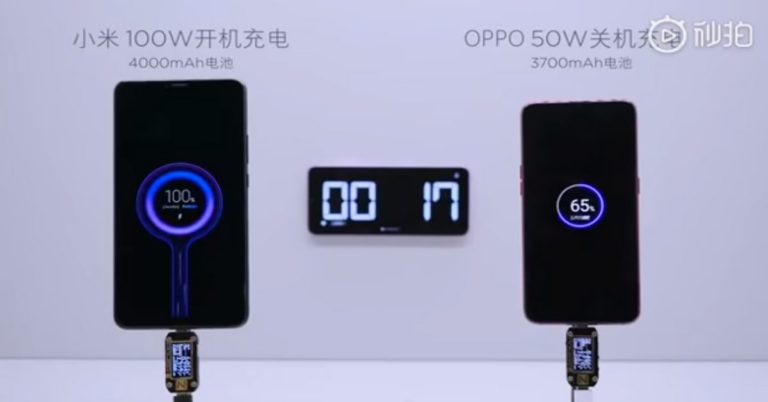
All of us are aware of the various smartphone battery-related issues that can arise and how much problem they can cause. Smartphone companies are aware of it too, and they are coming up with devices that pack heavier batteries that can last at least a day or more, However, with big batteries comes the time required to charge them fully. Try to charge a smartphone’s 4,000mAh battery with a regular charger and you will find out that it takes more than 3 hours to completely charge the handset. That’s where quick chargers come in, and today Xiaomi has taken a lead in developing a 100W fast-charger which is able to charge smartphone carrying a 3,700mAh battery from 0% to 100% in just 17 minutes.
A video was posted by the company on Chinese social networking platform Weibo that was spotted by XDA developers. The video was posted by Redmi’s General Manager Lu Weibing where it showcased Xiaomi’s new 100W charger charging a smartphone with 3,700mAh battery capacity alongside the Oppo’s 50W Super VOOC charger. The Xiaomi 100W charger managed to charge the device completely from 0% to 100% in just 17 minutes while at that time the other charger had managed to charge 65% of the battery.
We should mention that this is the fastest charger the smartphone world has seen yet and it is even faster than Oppo’s 50W charger which was one of the fastest chargers in the market till now. But Xiaomi didn’t comment on the 100W charger details and how does the new fast-charging technology works. But it should be noted that USB Type-C used in smartphones already come capable of supporting a 100W charger and the 100W power drawing capability. However, the problem with a larger power generating output charger is delivering the large amount of power from the charger to the small battery without the danger of overloading it and blowing it up. Currently it is not known how does the Xiaomi’s new charger works and how does it manages to not overload the device and the battery. It is worth noticing, however, that Oppo’s 50W Super VOOC Charger supplies half the power of the new Xiaomi’s charger. But even that much amount of power could overload the device to which the Super VOOC Charger came up with the solution by dividing the 3,400mAh battery into two separate 1,400mAh batteries and then charging them separately.
Till now, Xiaomi has made no comment on the charger or the possibility of bringing the charger for any of its devices. And it also hasn’t commented on the launch or announcement of the new 100W fast-charger. But since the video was posted by the Redmi GM, it can be assumed that one of Redmi devices might be the first to get the charger.
For the latest gadget and tech news, and gadget reviews, follow us on Twitter, Facebook and Instagram. For newest tech & gadget videos subscribe to our YouTube Channel. You can also stay up to date using the Gadget Bridge Android App.
Chinese company Huawei launched its flagship Huawei P30 Pro along with Huawei P30 at an event in Paris yesterday. Both the devices come with great camera capabilities and are powered by the company’s latest processor. However, after the launch of Huawei P30, Xiaomi wasted no time in pointing out that its flagship smartphone Mi 9 has better specifications and is available at a lesser price than Huawei P30. Xiaomi even posted a picture comparing the two devices on some points which it received criticism from the users about doing a selective comparison. We took a look at the comparison too, which seemed to obviously biased. So here, we decided to look beyond specifications in both the devices. Take a look:
In This Article
Camera
Xiaomi’s Mi 9 sports a triple-rear camera setup that comprises of a 48MP Sony IMX586 image sensor with an f/1.75 aperture paired with a 12MP telephoto lens with an f/2.2 aperture and a 16MP ultra wide-angle lens with an f/2.2 aperture. The camera of the Mi 9 supports macro, wide-angle photography along with laser focus, phase detection focus and contrast detection focus. At the front, the Mi 9 has a 20MP camera with an f/2.0 aperture.
On the other hand, Huawei P30 comes with Leica triple-rear camera setup with a 40MP Super Sensing wide angle lens with an f/1.8 aperture paired with a 16MP ultra wide-angle lens with an f/2.2 aperture and an 8MP telephoto lens with an f/2.4 aperture. Although less in terms of resolution, Huawei P30 comes supports laser focus, phase focus, contrast focus along with AIS (Huawei AI Image Stabilization) and has support for 3X optical zoom and 5X hybrid zoom. The device comes with Laser Transmitter and Laser Receiver for an improved focus and has a feature called SuperSpectrum Sensor that enables and ISO rating of 204,800.
Furthermore, Mi 9 packs a 20MP Beautify selfie camera, while Huawei P30 has a 32MP front facing snapper with AI HDR+ support.
So, in terms of camera capabilities, Huawei P30 clearly wins even though it’s lesser in terms of resolution. We should remind you that resolution in camera isn’t everything, but features are. Even Google Pixel 3 packs a 12.2MP rear camera, but it comes with so many features that it makes it one among the best that are there.
Processor
Xiaomi’s Mi 9 is powered by Qualcomm’s Snapdragon 855 processor, which is the most powerful mobile chip in the world. Huawei P30, on the other hand, runs on the company’s own Kirin 980 SoC, which is the most powerful one by the Chinese smartphone brand yet. In this, we have to say that Xiaomi wins.
At Xiaomi, we really believe in giving you amazing products at #HonestPrices.
While Mi 9 comes with 6.39-inch Samsung’s AMOLED FHD+ (2340 x 1080 pixels) display with 403ppi, the Huawei P30 comes with 6.1-inch FHD+ (2340 x 1080 pixels) Wide Color Gamut OLED display with 398ppi.
We should point out here that even though Mi 9’s screen size is more, Huawei P30 has an OLED display, which is the same as iPhone XS and iPhone XS Max’s. However, it should be noted that the Mi 9 comes with Gorilla Glass 6 protection which the Huawei P30 lacks.
As far as display goes, it comes down to what you prefer. Some may opt for Mi 9’s slightly taller display, but personally, we would opt for an OLED screen.
Battery
The Mi 9 packs a 3,300mAh with QuickCharge v4.0 and wireless charge support while the Huawei P30 comes with 3,650mAh battery with 40W SuperCharge support. However, it cannot be charged wirelessly.
IP rating
The Mi 9 doesn’t come with any IP rating which makes it susceptible to rain, dust and water damage but the Huawei P30 comes with IP53 rating making the device splash and dust resistant.
RAM and Storage
Both the devices come with 6GB RAM/128GB storage as the base variants. However, Huawei P30 has another variant with 8GB RAM. The Huawei P30 also comes with nano-memory card support of up to 256GB, which the Mi 9 lacks.
Honorable mention: OneHop
Huawei P30 has a very interesting and useful feature called OneHop, which enables users to send photos, videos and documents to Huawei Matebook just by tapping the smartphone on the laptop. This feature also allows the Huawei Matebook to start recording a 60 seconds video of the laptop screen just by shaking and touching the P30 with the Matebook. Copied texts can also be pasted between the devices easily.
Conclusion
Xiaomi’s Mi 9 is price lower than the Huawei P30 which is a big point for the company but there are additional features in the Huawei P30, which the Mi 9 lacks. So even though it’s costlier, we would say that Huawei P30 is worth the money for someone who would want the extra camera features, or a better display experience for watching your favourite shows. Furthermore, we must add here that Xiaomi devices may charge less, but they are also full of bloatware and ads that you can’t get rid of. So, if you are someone who would want to avoid getting annoyed with them, you may want to throw in some extra bucks to buy the Huawei P30 instead.
For the latest gadget and tech news, and gadget reviews, follow us on Twitter, Facebook and Instagram. For newest tech & gadget videos subscribe to our YouTube Channel. You can also stay up to date using the Gadget Bridge Android App.
Xiaomi has launched a refreshed version of its Mi Notebook Air 12.5-inch laptop in China. The Mi Notebook Air 12.5 (2019) is the less costly competitor of the Apple MacBook Air. The refreshed Mi Notebook Air 12.5 (2019) packs Intel’s eighth-generation Core i5 or Core m3 CPUs with 4GB of RAM and up to 256GB SSD. The Mi Notebook Air 12.5 (2019) has a full-metal chassis and it weighs 1.07kgs. The upgraded version of the Mi Notebook Air 12.5 comes with addition of fast charge support and it is launched three-months after the launch of the same series of Notebook powered by seventh-generation Core i5 CPUs.
In This Article
Mi Notebook Air 12.5 (2019) price and availability
The Mi Notebook Air 12.5 (2019) with the Intel Core m3 chipset and 128GB SSD holds a price tag of CNY 3,599 (approximately Rs 38,400) and the Mi Notebook Air 12.5 (2019) powered by the Intel Core m3 chipset with 256GB SSD is priced at CNY 3,999 (approximately Rs 42,700). The Intel Core i5 chipset with 256GB SSD variant of the Mi Notebook Air 12.5 (2019) is priced at CNY 4,299 (approximately Rs 45,900).
All the variants of the Mi Notebook Air 12.5 (2019) come in two colour options – Gold and Silver – and will go on sale for the first time in China from March 28, 10:00am CST (07:30am IST).
However, Xiaomi has made no comment about the launch of the Mi Notebook Air 12.5 (2019) for markets outside China, so we don’t know if the laptop will be launched in India.
Mi Notebook Air 12.5 (2019) specifications
As mentioned earlier, the Mi Notebook Air 12.5 (2019) comes in two variants when it comes to CPU – one is powered by the eighth-generation Intel Core m3 CPU while the other is powered by the eighth-generation Intel Core i5 CPU. In terms of storage capabilities, the Mi Notebook Air 12.5 (2019) comes in two variants as well – one with 128GB SSD while the other has 256GB SSD. According to Xiaomi, the Mi Notebook Air 12.5 (2019) is the refreshed version of the Mi Notebook Air 12.5 previous model and it sports an all-metal chassis with no-logo design. The Notebook weighs 1.07kgs and it comes with fast-charging support which can charge the device to 50 percent in around 50 minutes. It should be noted that the fast charge support was absent in the previous version of the Mi Notebook Air 12.5. Additionally, the Mi Notebook Air 12.5 (2019) comes preloaded with Windows 10 Home edition.
The Mi Notebook Air 12.5 (2019) comes with 4GB of RAM and has a USB Type-C port, one HDMI port, one USB 3.0 port and a 3.5mm audio jack. The device also comes with three Harman speakers with DTS Surround Sound support and a full-size backlit keyboard.
For the latest gadget and tech news, and gadget reviews, follow us on Twitter, Facebook and Instagram. For newest tech & gadget videos subscribe to our YouTube Channel. You can also stay up to date using the Gadget Bridge Android App.
Technology giant Google announced last year that it would roll out the support for AMP in Gmail. The company seems to be keeping its promise as now, Google has rolled out a beta to the general G Suite audience. According to the company, the support for AMP in Gmail is designed to make emails seem more like an interactive webpage so that users would not have to go to a browser for the same experience.
With AMP in Gmail, users will be able to browse image carousels, RSVP to an event or even fill out forms within their inbox. We should mention that this is nothing like the current situation, as in order to do most of this, users need to go the browser that they are using. These emails have been names as ‘Dynamic Emails’ by Google.
The search giant has said that the support for AMP in Gmail is arriving fast on the web version of the email service, and it will soon be rolled out to the mobile app too. However, it is worth adding that just like AMP instant articles, emails would only be able to provide users with the new experience if the company that has sent the email has support for the format.
As of now, the list of partners which have AMP for Gmail is small. The list companies that will be providing the Dynamic Email experience includes Booking.com, Despegar, Doodle, Ecwid, Freshworks, Nexxt, OYO Rooms, Pinterest, and redBus.
However, Google has also pointed out that several other third-party email products including SparkPost, Litmus, Twilio Sendgrid, and Amazon SES and Pinpoint have signed up to add support for AMP. So, marketers who use one among these tools to send emails, you would be able to create Dynamic Emails to send to your target audience or customers too. While these tools don’t have the support for AMP right now, they are supposed to get it soon.
Currently, AMP for Gmail has been made available to G Suite customers. We should add here that you don’t necessarily have to use Gmail in order to see dynamic emails. If you use a third-party email service like Outlook, Yahoo Mail, Mail.ru, you will still be able to see the Dynamic Emails. However, in order to enable it, the admin has to be a part of the beta program.
What do you think of this new Gmail feature? Do you think it’ll prove to be useful, or just add on to some privacy concerns? Let us know in the comments below!
The ongoing battle between Apple and Qualcomm seems to be turning out in favour of the American chipmaker. The latest news about legal battle comes from the United States, which says that the country may impose a ban on some iPhone models. A US trade judge has said that Apple is guilty of infringing on two Qualcomm patents. While one of them was related to power management, the other was connected to data download speeds.
And as a result of this, International Trade Commission Judge MaryJoan McNamara has said that some models of the iPhone which contain Intel modems may be blocked from shipping from China to the United States. However, the judgement still has to be reviewed by the ITC and there is a possibility that when that happens, things may change for Apple.
We should point out that in a separate ITC ruling, Qualcomm has lost an opportunity for an iPhone ban because the entire commission rejected the initial finding of patent infringement. But in spite of this, the recommendation for iPhone ban by McNamara is a big deal for Apple. It is worth adding here that earlier this month, the company was found to have infringed on three of Qualcomm patents. The American chipmaker was given $31 million after that verdict came out.
But nevertheless, Qualcomm has been building a legal case against Apple steadily and it has also managed to win in various parts of the world, ahead of a larger trial that is scheduled to take place next month. At the trial, the two companies will be seen battling over the core argument of their legal issues, which involves Qualcomm’s alleged anti-competitive licensing strategies and the patent royalties that Apple supposedly owes to the company for flouting the terms of their relationship.
We should add here that the lawsuit was initially filed by Apple more than two years ago, and it has now become a legal battle that is as big as the Cupertino based technology giant’s dispute with Samsung. The original complaint was followed by a number of separate lawsuits that involved patent infringement and the battle soon reached to countries other than the United States. It is worth noticing that this also led to a ban on some iPhone models in China and Germany.
Prior to the legal battle, Apple and Qualcomm had an exclusive licensing arrangement for iPhone models to use modems that were made by Qualcomm.
The much-awaited final season of the popular TV series Game of Thrones is scheduled to air next month starting April 14. However, weeks before the premier of Season 8, a Game of Thrones browser game has been launched named – Game of Thrones Winter is Coming. The game is developed by the China-based Yoozoo Games and it’s a real-time strategy game (RTS) for computer browsers. Furthermore, the game has also received an official license from the Warner Bros. Interactive Entertainment under the license from HBO.
There are certain game modes in ‘Game of Thrones Winter is Coming’ which might remind the players of the TV show. There are also unlockable exclusive storylines in the game with lots of PvE (player vs enemy) missions to play. The PvE mode makes the player battle with hordes of bandits and assassins where they can earn valuable rewards if they win.
Also, in the Game of Thrones Winter is Coming game, there will be an inclusion of many characters from the Game of Thrones TV show with their own skills and followers. The players can also ally with those characters to empower their power and influence further.
The game’s story starts after the death of Eddard Stark from the original series. In this new game the players become the new lord/lady of Westeros in place of Eddard Stark. They would require to build a base, train an army and recruit followers, basically do what Eddard was doing before he died. With the progress of the Game of Thrones Winter is Coming, the players need to acquire money, power and influence to take over the Iron Throne and rule the Seven Kingdoms. The game also gives the players the ability to invite other players to raise an army and compete with other players.
Although the current Game of Thrones Winter is Coming game can be played in a browser, a smartphone version of the game is also in development with collaboration with Tencent, the parent company of PUBG Mobile. The smartphone version of the game is also expected to launch in the months to come.
The Game of Thrones Winter is Coming browser game will let players control some of the most iconic characters from the TV show, such as Tyrion Lannister. The players can also visit Castle Black and other such spots the show features. They can also experience some of the most memorable and iconic moments from the show such as the Red Wedding.
In a rather shocking incident, a malware reportedly was sent from Taiwanese consumer electronics company Asus‘ servers to over a million PCs. A report surfaced online earlier this week which claims that the software update system of Asus was hacked and was then used to send malware to Windows computers.
According to cybersecurity firm Kaspersky Lab, the malware was sent to systems via Asus’ servers disguised as a ‘critical’ software update. And since it had a real Asus certificate, it looked exactly like an authentic update. The malware was planted by hackers in a targeted attack that has now been named as ‘ShadowHammer’.
And now, the Taiwanese electronics company has said that it has come up with a fix for the malware in the form of a real security update, which can be downloaded using its Live Update software tool.
Asus has also added that users can go to its ‘security diagnostic’ tool to check if their system has been infected with malware. The company has said in its press release that it encourages “users who are still concerned to run it as a precaution.”
However, we should point out that in its press release, Asus has not issued an apology for the malware being spread via its servers in the press release. In fact, it has downplayed the entire incident saying, “Only a very small number of specific user group were found to have been targeted by this attack and as such, it is extremely unlikely that your device has been targeted.”
But as we mentioned earlier, Kaspersky Lab said that the malware was distributed to as many as 1 million PCs and the first report about the hack stated that hundreds of thousands of machines have the malware installed already. Furthermore, the numbers given by Kaspersky are in line with the ones that have been shared by Symantec. While Asus may say that this is a small number, we don’t agree.
The Taiwanese company did say in its press release that it has taken the required steps to ensure that a Trojan horse like this would not be able to make it through its servers again. It says that it has added “multiple security verification mechanisms to prevent any malicious manipulation” and in addition to this, the company has also enabled “an enhanced end-to-end encryption mechanism.”
The consumer electronics company also said, “At the same time, we have also updated and strengthened our server-to-end-user software architecture to prevent similar attacks from happening in the future.”
Xiaomi’s newest additions to its Redmi Note line-up – the Redmi Note 7 and the Redmi Note 7 Pro – created a stir in the Indian smartphone market for offering powerful specifications at an affordable price. After two successful sales, the company is preparing for the third sale of the Redmi Note 7 Pro and the third Redmi Note 7 Pro in India which is scheduled for March 27, today. The sale will start from 12pm (noon) and the devices will be available for purchase on Mi.com, Mi Home stores and Flipkart. Both the devices were launched in India last month and both of them are powered by Snapdragon CPUs. Here’s a look at the specifications, pricing and availability details of the Redmi Note 7 Pro and Redmi Note 7 smartphones:
In This Article
Redmi Note 7 and Redmi Note 7 Pro price and availability in India
The Redmi Note 7 is priced at Rs 9,999 for the 3GB RAM/32GB storage variant while its 4GB RAM/64GB storage variant sells for Rs 11,999. The Redmi Note 7 comes in three colour options — Onyx Black, Ruby Red, and Sapphire Blue.
Similarly, the Redmi Note 7 Pro’s price starts at Rs 13,999 for the 4GB RAM/64GB storage variant while the 6GB RAM/128GB storage model costs Rs 16,999. The device comes in three colour options — Neptune Blue, Nebula Red, and Space Black.
Both the devices will go on sale today from 12pm (noon) onwards on Mi.com, Mi Home stores and Flipkart.
As a part of launch offers, customers will get up to 1,120GB data with unlimited calling on Airtel network. Airtel is also offering ‘Airtel Thanks benefits’ on the purchase of any of the two devices. Reliance Jio is also offering double data offer on a recharge of Rs 198 or above on the purchase of the devices.
Redmi Note 7 specifications
The Redmi Note 7 sports a 6.3-inch Full HD+ (1080 x 2340 pixels) resolution display and is powered by an octa-core Snapdragon 660 SoC coupled with 3GB or 4GB of RAM. The Redmi Note 7 comes with 32GB or 64GB storage options, and both the variants have support for a microSD card of up to 256GB. The device runs Android 9.0 Pie skinned with MIUI 10 and packs a 4,000mAh battery with Quick Charge 4.0 support.
The Redmi Note 7 comes with a dual-rear camera setup which comprises of a 12MP primary sensor paired with a 2MP secondary sensor. On the front, there is a 13MP selfie camera with AI Portrait mode, AI Beautify (4.0), Face recognition, HDR support, and AI scene detection. It comes with dual-SIM (nano) support and has a rear-mounted fingerprint scanner. Other features of the device include 4G VoLTE, Wi-Fi 802.11ac, Bluetooth v5.0, GPS/ A-GPS, Infrared (IR) blaster, USB Type-C port, and a 3.5mm headphone jack.
Set reminders, block calendars, or reschedule your meetings. Because the #RedmiNote7 will go on sale, yet again, today at 12 PM.
Do not keep calm! We repeat DO NOT KEEP CALM!
— Redmi India – #Redmi9 is here! (@RedmiIndia) March 27, 2019
Redmi Note 7 Pro specifications
Similar to the non-Pro counterpart, the Redmi Note 7 Pro sports a 6.3-inch Full HD+ (1080 x 2340 pixels) resolution display. The device is powered by an 11nm octa-core Snapdragon 675 SoC coupled with 4GB or 6GB of RAM. It too runs on Android 9.0 Pie skinned with MIUI 10. The Redmi Note 7 Pro comes with either 64GB or 128GB of storage with support of microSD card of up to 256GB. The Redmi Note 7 Pro smartphone packs a 4,000mAh battery that has support for Qualcomm’s Quick Charge 4.0, and it has a rear-mounted fingerprint scanner.
For imaging duties, the smartphone holds a dual camera setup at the back which comprises of a 48MP primary camera paired with a 5MP depth sensor. On the front, there is a 13MP selfie camera.
Other features of the Redmi Note 7 Pro includes 4G VoLTE, Wi-Fi 802.11ac, Bluetooth v5.0, GPS/ A-GPS, USB Type-C port, and 3.5mm headphone jack.
If you are looking for a perfect budget smartphone then the Redmi Note 7 and the Redmi Note 7 Pro is one of the best choices right now.
For the latest gadget and tech news, and gadget reviews, follow us on Twitter, Facebook and Instagram. For newest tech & gadget videos subscribe to our YouTube Channel. You can also stay up to date using the Gadget Bridge Android App.
The Vivo V15 is the younger sibling of the Vivo V15 Pro, but has a lot of similarities. To start with the Vivo V15 also has a pop-up selfie camera and triple rear camera array. Inside it has the Meditek Helio P70 CPU with 2.1GHz clock speed. The price of this smartphone has been kept at Rs 23,990 and will start selling on the 1st of April. No that is not an Aprils Fool, it actually will start selling on that day. In the Vivo V15 unboxing video we have shown the camera samples and complete overview of the device. Check it out.
For the latest gadget and tech news, and gadget reviews, follow us on Twitter, Facebook and Instagram. For newest tech & gadget videos subscribe to our YouTube Channel. You can also stay up to date using the Gadget Bridge Android App.
Apple has finally taken wraps off its video-streaming service Apple TV+, that will be competing directly with the likes of Netflix and Amazon Prime. Apple did everything it could to make the launch of the service as grand as possible. The Cupertino-based technology giant has roped in a number of big names from Hollywood to create shows for Apple TV+. Here, we have listed down 10 popular celebrities who will have their shows on Apple TV+ as soon as this fall. Take a look:
In This Article
Oprah Winfrey
Yes, that’s right. Apple has roped in Oprah Winfrey for its Apple TV+ service. And what’s more, she will be working on two documentaries for Apple TV+. One will be called Toxic Labor, which will be centred around harassment at work place, and the other will focus on mental health issues. Oprah said that she is partnering with the Cupertino-based technology giant because “the Apple platform allows me to do what I do in a new way.”
Steven Spielberg
Another big name that Apple has roped in for Apple TV+ is Steven Spielberg. He will be working on a show called Amazing Stories for the platform, with which he intends to revive the science-fiction anthology series. For those unaware, the show ran from 1985-1987 on NBC and had two seasons.
Reese Witherspoon
Reese Witherspoon is another popular name who will have her show on Apple TV+. The Legally Blonde actress will be seen on The Morning Show, which is basically a behind-the-scenes drama at a TV morning show. According to Witherspoon, the show will “pull back the curtain on men and women in the high-stakes battle of morning television.”
Jennifer Aniston
Jennifer Aniston is making a comeback on TV! If that isn’t exciting enough, we should tell you that she will also be a part of The Morning Show along with Reese Witherspoon. We should remind you that this is the first time that Aniston will be back on TV after Friends.
Steve Carel
Reese Witherspoon and Jennifer Aniston aren’t the only ones who will be seen on The Morning Show. The two actresses will be accompanied by Steve Carell, who will surely make the show even more fun. We honestly cannot wait for it to start!
Kumail Nanjiani
The issue of immigrants is a much-debated one in the United States. And now, a show on Apple TV+ — Little America – will be based on the lives of immigrants in the country. The show will star Kumail Nanjiani and will talk about real-life stories only. Speaking about the show, the actor said, “This is no such thing as the other. There is only us.”
Jason Momoa
Game of Thrones and Aquaman star Jason Momoa is coming back on TV. The actor will be a part of a show called See on Apple TV+. The post-apocalyptic series has a very interesting concept. It takes place centuries after the world is devastated by a virus, because of humanity ends up being blind. According to Momoa, “The drama will touch on how much of the human experience is visual, and aims to get viewers pondering whether a lack of sight would change who they are.”
Alfre Woodard
Jason Momoa isn’t the only popular name who will be seen on See. He is going to be accompanied by actress Alfre Woodard in the post-apocalyptic series. We are waiting to see what the show has in store!
JJ Abrams
Another exciting show on Apple TV+ will be Little Voice, which will be filmed by JJ Abrams. The show will be a romantic comedy and will focus on showing what it’s like to be a young woman trying to find her voice as a musician.
Sara Bareilles
Although JJ Abrams will be filming Little Voice, Sara Bareilles will be playing the woman the show focuses on. She even sang at Apple’s keynote when she announced the show and she was absolutely brilliant!
And, there’s more!
We should mention that these aren’t the only celebrities who will have their shows on Apple TV+. Take a look at the number of names on the picture above. Apple has roped them all in for its new video streaming service. Like we said earlier, the company is leaving no stone unturned to make Apple TV+ as attractive as possible.
Reliance Jio grabs headlines from time to time for bringing new offers and data plans for users at affordable prices. This is the reason it has become one of the fastest growing telecom networks in India. Now, Reliance Jio is reportedly testing a triple-play plan for its Jio GigaFiber. This new triple-play plan of Jio will include internet access for Jio Home TV, Jio Apps and the Jio GigaFIber with a single monthly recharge.
However, it is worth noticing that Jio GigaFiber is available only in a few cites of India and a majority of the country does not have access to it. There is also no official known plan for the Jio GigaFiber to be launched in other parts of India. The current users of the Jio GigaFiber are being offered recharge plans under the preview offer of the Jio GIgaFiber.
According to a report by Telecom Talk, currently Reliance Jio is testing the triple play plan amongst its employees and once finalized, it will be released for the masses. But the plan and its details can be seen on the Jio GigaFiber account dashboard so it is likely to launch in the coming weeks/months. But as of now, there are no charges listed on the triple play plan and it is still being tested. Currently, Reliance has only listed one triple play plan with a validity of 28 days. With the recharge of the plan, the users will get unlimited voice and data limit up to 100GB. The current plan also includes access to Jio Home TV along with a subscription to the Jio Apps.
But it should be noted that the inclusion of Jio Home TV service shouldn’t be a surprise as it might be the rebranded version of the Jio GigaTV service so its addition in the triple play plan is only logical. But since the Jio GigaFiber is available to some customers and is active in some cities, we might hear about the announcement or the launch of the Jio Home TV. However, since the company is testing its new triple play plan among its employees, there might be a possibility that Reliance might launch the Jio Home TV when it launches the Jio GigaFiber’s new triple play plan for the regular customers.
Till now, Reliance Jio hasn’t offered any launch date for the triple-play plan or when will it be offered to the regular Jio GigaFiber users. And it still hasn’t revealed when will the Jio GIgaFiber will be made available to other cities of India.
For the latest gadget and tech news, and gadget reviews, follow us on Twitter, Facebook and Instagram. For newest tech & gadget videos subscribe to our YouTube Channel. You can also stay up to date using the Gadget Bridge Android App.
After teasing its flagship smartphone for almost a month, Huawei finally took wraps off its P30 Pro handset along with P30 mobile at an event in Paris, France. The launch event of Huawei P30 Pro and P30 smartphones started at 6:30 pm IST, and right before the event started, the handsets’ ‘Notify Me’ page went live on Amazon India’s website.
The page only says ‘Huawei P30 Series. #RewriteTheRules. Coming Soon.’ And beneath this, the ‘Notify Me’ button is placed. Interested customers can go on the page and click the button to know about the pricing and the availability details of the Huawei P30 and P30 Pro smartphones. However, we should add that since the page has popped up on Amazon India, it is safe to assume that both the handsets will exclusively be available on the website.
As of now, there is no word on whether the Huawei P30 Pro and P30 smartphones will be sold offline too. In fact, we would also have to wait to find out the exact date of the launch of the two devices. But then, considering that the Notify Me page has gone live, it should happen soon.
Huawei P30 Pro, P30 specifications
Huawei P30 Pro runs Android 9,0 Pie with the company’s own EMUI 9.1 on top. Powered by Huawei’s Kirin 980 SoC, Huawei P30 Pro comes with 8GB RAM and has 128GB/256GB/512GB of internal storage. The Huawei P30 Pro smartphone features a 6.47-inch full-HD+ (1080×2340 pixels) OLED display that has curved edges and sports a waterdrop-shaped notch to house the selfie camera.
On the camera front, Huawei P30 Pro smartphone comes with a quad-camera setup on its back panel that comprises of a 40MP primary sensor with OIS (f/1.6 aperture), a 20MP sensor with OIS (f/2.2 wide-angle lens), an 8MP sensor with periscope style zoom system and a ToF camera. The cameras of the Huawei P30 Pro have support for HDR+ mode and come with 5X optical zoom and 10X hybrid zoom and 50X digital zoom.
For selfies and video calls, the handset comes with a 32MP sensor that comes with support for AI HDR+. The device houses a 4200mAh battery and comes with reverse wireless charging.
Coming to Huawei P30, it comes with a 6.1-inch full-HD+ (1080×2340 pixels) OLED display and sports a triple rear camera setup. The camera setup comprises of a 40MP primary camera (f/1.8 aperture), a 16MP wide-angle sensor and an 8MP sensor (f/2.4 aperture). The smartphone has support for 3X optical zoom and 5X hybrid zoom.
For the latest gadget and tech news, and gadget reviews, follow us on Twitter, Facebook and Instagram. For newest tech & gadget videos subscribe to our YouTube Channel. You can also stay up to date using the Gadget Bridge Android App.
Huawei today unveiled its flagship smartphone P30 Pro along with Huawei P30 at an event in Paris, France today. Although the flagship smartphone of the Chinese electronics brand is P30 Pro, Huawei P30 shares a number of its specifications. The successor of Huawei P20 Pro comes is touted to come with a number of photography-centric features and the company claims that it has support for 3X optical zoom and 5X hybrid zoom. Huawei P30 smartphone comes with a triple rear camera setup with a 40MP primary sensor and houses a 3,650mAh battery. The device also has a wide-angle sensor and comes with 6GB RAM and 128GB of internal storage.
The handset competes directly with the vanilla variant of Samsung’s flagship smartphone – Galaxy S10 – that was launched in India some time back. Samsung Galaxy S10 also comes with a triple rear camera setup and runs Android Pie skinned with One UI. Here, we have compared all the specifications of the two flagship smartphones so that you can know which among the two premium handsets is the right buy for you. So if you have been thinking of buying one among the two premium handsets, and can’t decide which one is the right one, read on our comparison to know:
Huawei P30: Huawei’s HiSilicon Kirin 980 SoC
Samsung Galaxy S10: Qualcomm Snapdragon 855 processor or Samsung Exynos 9820 SoC.
Primary Camera
Huawei P30: 40MP primary camera with an f/1.8 aperture + 16MP wide-angle sensor + an 8MP sensor with an f/2.4 aperture.
Samsung Galaxy S10: 12MP wide-angle camera with f/1.5 to f/2.4 variable aperture + 12MP telephoto sensor with f/2.4 aperture + 16MP ultra-wide lens with an f/2.2 aperture.
Front Camera
Huawei P30: 32MP sensor that comes with support for AI HDR+
Samsung Galaxy S10: 10MP sensor with 2PD autofocus.
RAM and storage
Huawei P30: 6GB RAM and 128GB storage
Samsung Galaxy S10: 8GB RAM clubbed with 128GB or 512GB storage
Support for memory card
Huawei P30: Yes, nano memory card.
Samsung Galaxy S10: Yes, up to 512GB
Chinese smartphone brand Huawei has today taken wraps off its flagship smartphone – Huawei P30 Pro – at an event in Paris. The smartphone is touted to come with a quad camera setup that has 5X optical zoom and 10X hybrid zoom and 50X digital zoom. Other than this, it has a 40MP primary camera, is powered by the company’s own HiSilicon Kirin 980 SoC and runs Android 9.0 Pie skinned with EMUI 9.1. Here, we have compared the newly launched Huawei P30 Pro with Samsung Galaxy S10+ and Huawei Mate 20 Pro. Read our comparison to know which among the three is the right flagship device for you:
Huawei P30 Pro: Huawei’s HiSilicon Kirin 980 SoC
Samsung Galaxy S10+: Qualcomm Snapdragon 855 SoC or Exynos 9820 SoC
Huawei Mate 20 Pro: HiSilicon Kirin 980 processor
Primary Camera
Huawei P30 Pro: 40MP primary sensor with OIS and f/1.6 aperture + 20MP sensor with an f/2.2 wide-angle lens and OIS + 8MP sensor with periscope style zoom system + ToF sensor
Samsung Galaxy S10+: 12MP wide-angle camera with 2PD autofocus and f/1.5 to f/2.4 variable aperture + 12MP telephoto sensor with f/2.4 aperture + 16MP ultra-wide lens with an f/2.2 aperture.
Huawei Mate 20 Pro: 40MP primary wide-angle sensor + 20MP ultra wide angle sensor + 8MP 3X telephoto sensor
Front Camera
Huawei P30 Pro: 32MP sensor that comes with support for AI HDR+
Samsung Galaxy S10+: 10MP sensor that comes with 2PD autofocus + an f/1.9 aperture8MP fixed focus RGB depth sensor with an f/2.2 aperture
Huawei Mate 20 Pro: 24MP RGB selfie camera
RAM and storage
Huawei P30 Pro: 8GB of RAM paired with 128GB/256GB/512GB of internal storage
Samsung Galaxy S10+: 8GB of RAM clubbed with 128GB or 512GB or 1TB storage options
Huawei Mate 20 Pro: 6GB of RAM and 128GB of onboard storage.
Support for memory card
Huawei P30 Pro: Yes, nano-memory card.
Samsung Galaxy S10+: Yes, up to 512GB.
Huawei Mate 20 Pro: Up to 256GB (nano memory card).
Huawei P30 Pro: Android 9.0 Pie skinned with EMUI 9.1.
Samsung Galaxy S10+: Android 9.0 Pie skinned with Samsung’s One UI
Huawei Mate 20 Pro: Android 9.0 Pie skinned with EMUI 9.0.
Chinese smartphone brand Huawei has today launched new smartphones in its Enjoy Series in its home country today. The company unveiled two smartphones – the Huawei Enjoy 9S and the Huawei Enjoy 9e. While the Huawei Enjoy 9S’ key highlight is its Kirin 710 SoC, the newly launched Enjoy 9e has 87% screen-to-body ratio and comes with Huawei’s SuperSound audio technology. Along with new smartphones, the company has also launched a new tablet – Tablet M5 Youth Edition which comes with GPU Turbo 2.0 and 4GB of RAM.
In This Article
Huawei Enjoy 9S, Huawei Enjoy 9e and Tablet M5 Youth Edition price and availability
The Huawei Enjoy 9S with 4GB RAM/64GB storage holds a price tag of CNY 1,499 (approximately Rs 15,400) while the 128GB storage variant of the handset comes at CNY 1,699 (approximately Rs 17,400). The device comes in multiple colour options – Coral Red, Magic Night Black, and Aurora Blue (with gradient finish) and will go on pre-order from today onwards in China. On the other hand, the Huawei Enjoy 9e with 3GB RAM/64GB storage is priced at CNY 999 (approximately Rs 10,300). The device will go on pre-booking from April 2 in China.
Lastly, the Tablet M5 Youth Edition with 3GB RAM/32GB storage Wi-Fi only model bears a price tag of CNY 1,199 (approximately Rs 12,300) while 4GB RAM/32GB storage with same connectivity option is available for CNY 1,399 (approximately Rs 14,400). The LTE variant of the tablet with 3GB RAM/32GB storage comes at CNY 1,499 (approximately Rs 15,400) and the 4GB RAM/32GB storage variant with LTE connectivity costs CNY 1,599 (approximately Rs 16,400). The company has also brought out a 10-inch variant of the Tablet M5 Youth Edition which holds a price tag of CNY 2,199 (approximately Rs 24,600). All the launched tablets will go on pre-orders in China from today onwards. The international availability of the devices is currently unknown.
Huawei Enjoy 9S specifications
The Huawei Enjoy 9S sports a 6.21-inch Full HD+ (1080 x 2340 pixels) resolution display with 89% screen-to-body ratio and a waterdrop notch. The device runs HiSilicon Kirin 710 SoC coupled with 4GB of RAM. It comes in two storage variants – 64GB and 128GB with support for microSD card of up to 512GB. The Huawei Enjoy 9S packs a 3,400mAh battery and has a rear-mounted fingerprint scanner. The Enjoy 9S runs Android 9.0 Pie skinned with EMUI 9.0.
On the camera front, the Huawei Enjoy 9S comes with a triple rear camera which comprises of a 24MP primary sensor with f/1.8 aperture paired with a 16MP wide-angle lens and a 2MP depth-sensor. While at the front, there is an 8MP selfie camera. The camera of the Huawei Enjoy 9S comes with Huawei’s Artificial Image Stabilisation (AIS), 480 fps super slow-motion video support along with an AI-based scene recognition support which can recognise over 500 scenes.
Other features of the Huawei Enjoy 9S include 4G VoLTE, Wi-Fi 802.11ac, Bluetooth v4.2, GPS/ A-GPS, Micro-USB, and 3.5mm headphone jack.
Huawei Enjoy 9e specifications
The Huawei Enjoy 9e sports a 6.09-inch HD+ (720 x 1560 pixels) resolution display with a waterdrop notch and 87% screen-to-body ratio. It is powered by a 2.3GHz 12nm SoC coupled with 3GB RAM. The Huawei Enjoy 9e runs Anrdoid 9.0 Pie skinned with EMUI 9.0. The handset comes with 64GB storage with microSD support of up to 512GB.
Huawei Enjoy 9e
For imaging duties, the Huawei Enjoy 9e sports a dual rear camera setup comprising of a 13MP primary sensor with an f/1.8 aperture lens with HDR support and on the front, there is an 8MP selfie camera with an f/2.0 aperture. Other features of the Huawei Enjoy 9e includes Huawei’s SuperSound audio technology and FM radio.
Huawei Tablet M5 Youth Edition specifications
Huawei Tablet M5 Youth Edition comes in two screen variants – 8-inch and 10-inch variant. The tablet is powered by Hisilicon Kirin 710 SoC and it comes with GPU Turbo 2.0. The Tablet M5 Youth Edition packs a 5,100mAh battery which, according to Huawei, can give up to 62 hours of music playback on a single charge.
Tablet M5 Youth Edition
The device comes in 3GB RAM/32GB storage and 4GB RAM/32GB storage variant. Both the variants also have two variants – with Wi-Fi support and another with LTE support.
For the latest gadget and tech news, and gadget reviews, follow us on Twitter, Facebook and Instagram. For newest tech & gadget videos subscribe to our YouTube Channel. You can also stay up to date using the Gadget Bridge Android App.
Chinese smartphone brand Huawei has today taken wraps off its flagship P30 Pro smartphone. Huawei P30 Pro smartphone was launched with the company’s P30 handset at an event in Paris, France. The handsets are the successors of Huawei P20 Pro and P20 smartphones, and much like the devices launched last year, come with photographic centric features.
The Huawei P30 Pro smartphone comes with a quad camera setup and is powered by the company’s own Kirin 980 SoC. Other key features of the Huawei P30 Pro include a 40MP primary camera, a 4,200mAh battery and Android 9.0 Pie. Here’s a look at the pricing details and specifications of the newly launched Huawei P30 Pro and P30 smartphones:
In This Article
Huawei P30 Pro, Huawei P30 price and availability
Huawei P30 Pro is available in three variants that have 8GB of RAM coupled with 128GB/256GB/512GB of internal storage. While the former costs €999, the 256GB storage model is priced at €1,099 and the 512GB storage version costs €1,249.
On the other hand, the Huawei P30 is available in only 6GB RAM/128GB storage option and can be picked up at €799. Both smartphones are available starting today.
Huawei P30 Pro specifications
The company’s flagship smartphone, Huawei P30 Pro, runs Android 9.0 Pie skinned with the Chinese brand’s own EMUI 9.1. The handset is powered by Huawei’s Kirin 980 SoC coupled with 8GB RAM. Huawei P30 Pro smartphone has 128GB/256GB/512GB of internal storage.
The device will feature a 6.47-inch full-HD+ (1080×2340 pixels) OLED display that has curved edges and a waterdrop-shaped notch on top.
For imaging duties, Huawei P30 Pro smartphone comes with a quad-camera setup on its back panel that comprises of a 40MP primary sensor with Optical Image Stabilization and f/1.6 aperture, a 20MP sensor with an f/2.2 wide-angle lens and OIS, an 8MP sensor with periscope style zoom system and a ToF sensor. The cameras of the smartphone have support for HDR+ mode and come with 5X optical zoom and 10X hybrid zoom and 50X digital zoom.
On the front panel, Huawei P30 Pro smartphone has a 32MP sensor that comes with support for AI HDR+. The newly launched smartphone by Huawei houses a 4200mAh battery and comes with reverse wireless charging. This basically means that the smartphone can wirelessly charge any device that supports Qi wireless charging.
Huawei P30 specifications
Coming to Huawei P30, while some of the specifications of the smartphone are the same as its bigger sibling’s, it comes with its own set of differences too. Huawei P30 has a triple rear camera setup that comprises of a 40MP primary camera with an f/1.8 aperture, a 16MP wide-angle sensor and an 8MP sensor with an f/2.4 aperture. The Huawei P30 smartphone also has support for 3X optical zoom and 5X hybrid zoom. Other than this, the device packs a 3,650mAh battery and comes with 6GB RAM and 128GB storage option.
It is worth mentioning that Huawei also launched its FreeLace earphones, Watch GT, 12,000 40W SuperCharge power bank, and FreeBuds Lite at the event.
Lenovo has been teasing its next flagship smartphone – Z6 Pro – for quite some time now. And now, the Chinese smartphone maker is stepping back in the smartphone market with its upcoming Lenovo Z6 Pro handset.
The Chinese smartphone manufacturer was expected to launch the device at the MWC 2019 but it just teased the device at the event without showing the specifications or the handset itself. At the MWC 2019, Lenovo Phone’s Vice-President Chang Cheng confirmed that the Lenovo Z6 Pro will be launched in June 2019. He also added that the smartphone will come with 5G support and HyperVision Camera. But now, it is confirmed that Lenovo will be announcing its Z6 Pro smartphone at the end of this month itself and along with this, some details about the much-awaited device have also been revealed.
The company’s VP Chang took to Chinese social networking platform, Weibo to announce that the Lenovo Z6 Pro will be announced on March 27. And looking at the posts of the VP, the main focus of the Lenovo Z6 Pro seems to be its camera. The post on Weibo read ‘Hyper Video’ which could be a small detail about the HyperVision Camera the Lenovo Z6 Pro will sport. But still, the company didn’t reveal the camera specifications or define what the Hyper Video and HyperVision camera means.
A few known facts about the Lenovo Z6 Pro is that it will come with support for 5G connectivity but according to some reports and leaks online, a non-5G variant of the Lenovo Z6 Pro might also be launched by the company in the coming months. Although the company hasn’t mentioned the processor of the Lenovo Z6 Pro, but there is a high possibility that the device will be powered by the Qualcomm’s Snapdragon 855 SoC which was also used in the Lenovo Z5 Pro GT. The Lenovo Z5 Pro GT came with 12GB of RAM and 512GB of storage so the Z6 Pro is also expected to come with similar or higher specifications. The Lenovo Z5 Pro GT was launched last year in December 2018 and it created a huge splash in the smartphone market with its 12GB RAM.
Although the Lenovo Z6 Pro will officially be launched in June 2019 but the announcement of the device few months before its official launch should tell us what the Lenovo’s upcoming flagship device will have. It will also give us and Lenovo’s competitor an idea what they are up against so that the next batch of smartphones will pack similar or better specifications than the Lenovo’s Z6 Pro.
For the latest gadget and tech news, and gadget reviews, follow us on Twitter, Facebook and Instagram. For newest tech & gadget videos subscribe to our YouTube Channel. You can also stay up to date using the Gadget Bridge Android App.
Most of the Android smartphones come with certain pre-installed apps like Google, Gmail, Facebook and Instagram. While these cannot be considered as bloatware, some handsets have a number of games and other apps installed that aren’t exactly too useful. And those, can certainly be called bloatware. There are some cases where the user is given the permission to disable or uninstall the bloatware apps, however in some devices, there is no option to uninstall the bloatware from the handset.
Now, according to an independent study led by a Spanish academic group it has been found that personal information of the user can be collected by the pre-installed apps in the Android smartphones.
The study was conducted by the public Universidad Carlos III de Madrid, IMDEA Networks Institute and Stony Brook University where they looked at pre-installed apps from Android devices of 130 countries which comprised of 2,748 users, 1,742 devices from 214 vendors. Although Android is a Google-owned OS platform, it is open-source in nature unlike Apple’s iOS.
The open-source nature of Android allows the smartphone makers to customize the OS according to their own wishes, so they are able to apply their own customised skins. For instance, Xiaomi smartphones come with MIUI, Samsung’s with One UI, OnePlus’ handsets with OxygenOS etc. The customization also allows the device manufacturers to put their own choice of applications in their customized OS before it is released in the markets.
The study found out that the pre-installed apps that comes with the devices puts a potential threat on the user’s privacy and security. As the pre-installed apps asks for permission and access to data before they can be used, but it should be noted that the same app does not ask for similar permissions when they are downloaded through the Google Play Store. As mentioned earlier, there are some pre-installed apps that can not be uninstalled by the user which increases the risk even further.
The co-author of the study said, “There is a lack of regulation and transparency and no one seems to be monitoring what these stakeholders and apps do.”
Google replied that it provides tools to the smartphone makers which helps in the development of their own version of the UIs but it also makes sure that no Google privacy and security standards are violated.
A Google spokesperson said, “We also provide our partners with clear policies regarding the safety of pre-installed apps, and regularly give them information about potentially dangerous pre-loads we’ve identified.”
It should be noted that the study did not focus on any specific app or software developers but they focused on the apps which lacked the regulations and violated the rules and the pre-installed apps were found doing the same.
With man’s dependence on the Android devices for everything in his day-to-day life, security and privacy are a major concern. It is up to the Android makers and the parent company Google to keep a tight check on the software developers to make sure no law and regulations are violated.
For the latest gadget and tech news, and gadget reviews, follow us on Twitter, Facebook and Instagram. For newest tech & gadget videos subscribe to our YouTube Channel. You can also stay up to date using the Gadget Bridge Android App.
Samsung has always maintained that India is one of its most important markets. And since the beginning of this year, the South Korean technology giant is doing everything it can to take back its No. 1 position in the budget as well as in the premium segments of the Indian smartphone market. We should point out that besides its flagship Galaxy S10 smartphones, Samsung has launched three Galaxy M series handsets and three Galaxy A-series devices in the country.
And now, Samsung India has announced that it’s partnering with Indus App Bazaar in order to empower its users to discover and access their favourite mobile apps in twelve Indian languages. The move from Samsung comes at a time when the industry has seen a surge in the number of app downloads from smaller cities in the country. Samsung has said that it has taken this step in order to strengthen “the connect with its strong user base.”
Speaking about the development, Sanjay Razdan, Samsung India’s Senior Director, Services Management said, “There is a marked increase in the penetration of smartphones and mobile application downloads across Tier 2 and Tier 3 markets. We studied this trend in key markets and partnered with Indus App Bazaar to address the growing demand for vernacular applications. The partnership will enable our valued customers to access their favourite apps on Galaxy Apps Store in 12 Indian languages in addition to English. With this, we are certain that our customers across the country will find the ‘Galaxy App Store’ even more useful and user-friendly.”
Samsung’s move is a part of the ‘Make for India’ program and will aid a number of Indians to navigate through an extensive catalogue of apps in the company’s App Store. Also, more number of users will also be interested in using these apps since they will be in their own language. Samsung’s Galaxy Apps Store will be available in twelve Indian languages including English, Telugu, Malayalam, Odia, Tamil, Punjabi, Assamese, Gujarati, Kannada, Urdu, Hindi, Marathi and Bengali.
Samsung Galaxy Apps Store will enable users to download a host of free apps that too without having to sign in. According to Samsung, this is being done to make the experience hassle-free and easy for users.
Razdan further added, “We understand that there is a growing demand among mobile users to communicate in their local language. The new Galaxy Apps Store is a big step in that direction. We also realized that the mandatory sign in on the Apps store is an extra step and have completely removed this requirement for free downloadable apps. Coupled with the revamped user experience and the enormous catalogue of apps available on Galaxy Apps Store, we are sure that our Galaxy users will cherish the new experience and will fall in love with it.”
Digital and portable electronic device maker Toreto has launched its new smartwatch named Bloom. The smartwatch keeps track of the user’s health but the company has stated that the new device would ‘let the user create his own style statement’. The Toreto Bloom smartwatch is able to measure the number of calories the user has consumed, his blood pressure, his heart rate, how many steps he has taken in a day and overall aims to improve the user’s fitness.
In This Article
Toreto Bloom price and availability
The Toreto Bloom smartwatch is priced at Rs 3,499 and it is available on all leading e-commerce shopping platforms like Flipkart and Amazon India and retail stores in India.
The Toreto Bloom comes with two detachable straps and a 12-months warranty.
Toreto Bloom specifications and features
Toreto Bloom smartwatch comes with Corning Gorilla Glass 5 protection along with alloyed metallic finish. The Toreto Bloom smartwatch comes with IP68 rating and can be submerged in up to 1.5 metres of water for half hour without getting damaged.
The Toreto Bloom has Bluetooth 4.4 for connectivity and it is compatible with iOS 8.0 or newer and Android 4.4 or newer version. The outer material is made up of metal while the strap is of rubber. Once connected with smartphone, it is capable of showing the messages, calls or any app notifications on its display. The Bloom smartwatch can be paired with smartphones with the Wear Health App which can be installed in Android or iOS.
Toreto Bloom
According to the company, the Toreto Bloom comes with an advanced chipset which lets it consume less battery and gives it a long-term performance. As mentioned above, the Toreto Bloom is able to track heart rate and blood pressure with an inbuilt light mechanism. It also comes with a Pedometer, which counts the number of steps the user has walked in a day and the distance he has travelled. There is also an in-built calorie counter which controls the calorie intake of the user so he can be aware of his health.
The Toreto Bloom can also be used to check the notifications of Whatsapp, Facebook, Instagram, Twitter and other social media apps installed in the user’s smartphone. The user is also able to customize the wallpaper of the Toreto Bloom so that he can choose what he wants his device’s background to look like.
Other features of the Toreto Bloom include a countdown timer and an alarm clock. The Toreto Bloom offers health monitoring and gives all the benefits of a fitness wear at an affordable price.
For the latest gadget and tech news, and gadget reviews, follow us on Twitter, Facebook and Instagram. For newest tech & gadget videos subscribe to our YouTube Channel. You can also stay up to date using the Gadget Bridge Android App.







 Xiaomi’s Mi 9 sports a triple-rear camera setup that comprises of a 48MP Sony IMX586 image sensor with an f/1.75 aperture paired with a 12MP telephoto lens with an f/2.2 aperture and a 16MP ultra wide-angle lens with an f/2.2 aperture. The camera of the Mi 9 supports macro, wide-angle photography along with laser focus, phase detection focus and contrast detection focus. At the front, the Mi 9 has a 20MP camera with an f/2.0 aperture.
On the other hand, Huawei P30 comes with Leica triple-rear camera setup with a 40MP Super Sensing wide angle lens with an f/1.8 aperture paired with a 16MP ultra wide-angle lens with an f/2.2 aperture and an 8MP telephoto lens with an f/2.4 aperture. Although less in terms of resolution, Huawei P30 comes supports laser focus, phase focus, contrast focus along with AIS (Huawei AI Image Stabilization) and has support for 3X optical zoom and 5X hybrid zoom. The device comes with Laser Transmitter and Laser Receiver for an improved focus and has a feature called SuperSpectrum Sensor that enables and ISO rating of 204,800.
Furthermore, Mi 9 packs a 20MP Beautify selfie camera, while Huawei P30 has a 32MP front facing snapper with AI HDR+ support.
So, in terms of camera capabilities, Huawei P30 clearly wins even though it’s lesser in terms of resolution. We should remind you that resolution in camera isn’t everything, but features are. Even Google Pixel 3 packs a 12.2MP rear camera, but it comes with so many features that it makes it one among the best that are there.
Xiaomi’s Mi 9 sports a triple-rear camera setup that comprises of a 48MP Sony IMX586 image sensor with an f/1.75 aperture paired with a 12MP telephoto lens with an f/2.2 aperture and a 16MP ultra wide-angle lens with an f/2.2 aperture. The camera of the Mi 9 supports macro, wide-angle photography along with laser focus, phase detection focus and contrast detection focus. At the front, the Mi 9 has a 20MP camera with an f/2.0 aperture.
On the other hand, Huawei P30 comes with Leica triple-rear camera setup with a 40MP Super Sensing wide angle lens with an f/1.8 aperture paired with a 16MP ultra wide-angle lens with an f/2.2 aperture and an 8MP telephoto lens with an f/2.4 aperture. Although less in terms of resolution, Huawei P30 comes supports laser focus, phase focus, contrast focus along with AIS (Huawei AI Image Stabilization) and has support for 3X optical zoom and 5X hybrid zoom. The device comes with Laser Transmitter and Laser Receiver for an improved focus and has a feature called SuperSpectrum Sensor that enables and ISO rating of 204,800.
Furthermore, Mi 9 packs a 20MP Beautify selfie camera, while Huawei P30 has a 32MP front facing snapper with AI HDR+ support.
So, in terms of camera capabilities, Huawei P30 clearly wins even though it’s lesser in terms of resolution. We should remind you that resolution in camera isn’t everything, but features are. Even Google Pixel 3 packs a 12.2MP rear camera, but it comes with so many features that it makes it one among the best that are there.
 Xiaomi’s Mi 9 is powered by Qualcomm’s Snapdragon 855 processor, which is the most powerful mobile chip in the world. Huawei P30, on the other hand, runs on the company’s own Kirin 980 SoC, which is the most powerful one by the Chinese smartphone brand yet. In this, we have to say that Xiaomi wins.
 While Mi 9 comes with 6.39-inch Samsung’s AMOLED FHD+ (2340 x 1080 pixels) display with 403ppi, the Huawei P30 comes with 6.1-inch FHD+ (2340 x 1080 pixels) Wide Color Gamut OLED display with 398ppi.
We should point out here that even though Mi 9’s screen size is more, Huawei P30 has an OLED display, which is the same as iPhone XS and iPhone XS Max’s. However, it should be noted that the Mi 9 comes with Gorilla Glass 6 protection which the Huawei P30 lacks.
As far as display goes, it comes down to what you prefer. Some may opt for Mi 9’s slightly taller display, but personally, we would opt for an OLED screen.
While Mi 9 comes with 6.39-inch Samsung’s AMOLED FHD+ (2340 x 1080 pixels) display with 403ppi, the Huawei P30 comes with 6.1-inch FHD+ (2340 x 1080 pixels) Wide Color Gamut OLED display with 398ppi.
We should point out here that even though Mi 9’s screen size is more, Huawei P30 has an OLED display, which is the same as iPhone XS and iPhone XS Max’s. However, it should be noted that the Mi 9 comes with Gorilla Glass 6 protection which the Huawei P30 lacks.
As far as display goes, it comes down to what you prefer. Some may opt for Mi 9’s slightly taller display, but personally, we would opt for an OLED screen.
 The Mi 9 packs a 3,300mAh with QuickCharge v4.0 and wireless charge support while the Huawei P30 comes with 3,650mAh battery with 40W SuperCharge support. However, it cannot be charged wirelessly.
 The Mi 9 doesn’t come with any IP rating which makes it susceptible to rain, dust and water damage but the Huawei P30 comes with IP53 rating making the device splash and dust resistant.
 Both the devices come with 6GB RAM/128GB storage as the base variants. However, Huawei P30 has another variant with 8GB RAM. The Huawei P30 also comes with nano-memory card support of up to 256GB, which the Mi 9 lacks.
 Huawei P30 has a very interesting and useful feature called OneHop, which enables users to send photos, videos and documents to Huawei Matebook just by tapping the smartphone on the laptop. This feature also allows the Huawei Matebook to start recording a 60 seconds video of the laptop screen just by shaking and touching the P30 with the Matebook. Copied texts can also be pasted between the devices easily.
 Xiaomi’s Mi 9 sports a triple-rear camera setup that comprises of a 48MP Sony IMX586 image sensor with an f/1.75 aperture paired with a 12MP telephoto lens with an f/2.2 aperture and a 16MP ultra wide-angle lens with an f/2.2 aperture. The camera of the Mi 9 supports macro, wide-angle photography along with laser focus, phase detection focus and contrast detection focus. At the front, the Mi 9 has a 20MP camera with an f/2.0 aperture.
On the other hand, Huawei P30 comes with Leica triple-rear camera setup with a 40MP Super Sensing wide angle lens with an f/1.8 aperture paired with a 16MP ultra wide-angle lens with an f/2.2 aperture and an 8MP telephoto lens with an f/2.4 aperture. Although less in terms of resolution, Huawei P30 comes supports laser focus, phase focus, contrast focus along with AIS (Huawei AI Image Stabilization) and has support for 3X optical zoom and 5X hybrid zoom. The device comes with Laser Transmitter and Laser Receiver for an improved focus and has a feature called SuperSpectrum Sensor that enables and ISO rating of 204,800.
Furthermore, Mi 9 packs a 20MP Beautify selfie camera, while Huawei P30 has a 32MP front facing snapper with AI HDR+ support.
So, in terms of camera capabilities, Huawei P30 clearly wins even though it’s lesser in terms of resolution. We should remind you that resolution in camera isn’t everything, but features are. Even Google Pixel 3 packs a 12.2MP rear camera, but it comes with so many features that it makes it one among the best that are there.
Xiaomi’s Mi 9 sports a triple-rear camera setup that comprises of a 48MP Sony IMX586 image sensor with an f/1.75 aperture paired with a 12MP telephoto lens with an f/2.2 aperture and a 16MP ultra wide-angle lens with an f/2.2 aperture. The camera of the Mi 9 supports macro, wide-angle photography along with laser focus, phase detection focus and contrast detection focus. At the front, the Mi 9 has a 20MP camera with an f/2.0 aperture.
On the other hand, Huawei P30 comes with Leica triple-rear camera setup with a 40MP Super Sensing wide angle lens with an f/1.8 aperture paired with a 16MP ultra wide-angle lens with an f/2.2 aperture and an 8MP telephoto lens with an f/2.4 aperture. Although less in terms of resolution, Huawei P30 comes supports laser focus, phase focus, contrast focus along with AIS (Huawei AI Image Stabilization) and has support for 3X optical zoom and 5X hybrid zoom. The device comes with Laser Transmitter and Laser Receiver for an improved focus and has a feature called SuperSpectrum Sensor that enables and ISO rating of 204,800.
Furthermore, Mi 9 packs a 20MP Beautify selfie camera, while Huawei P30 has a 32MP front facing snapper with AI HDR+ support.
So, in terms of camera capabilities, Huawei P30 clearly wins even though it’s lesser in terms of resolution. We should remind you that resolution in camera isn’t everything, but features are. Even Google Pixel 3 packs a 12.2MP rear camera, but it comes with so many features that it makes it one among the best that are there.
 Xiaomi’s Mi 9 is powered by Qualcomm’s Snapdragon 855 processor, which is the most powerful mobile chip in the world. Huawei P30, on the other hand, runs on the company’s own Kirin 980 SoC, which is the most powerful one by the Chinese smartphone brand yet. In this, we have to say that Xiaomi wins.
 While Mi 9 comes with 6.39-inch Samsung’s AMOLED FHD+ (2340 x 1080 pixels) display with 403ppi, the Huawei P30 comes with 6.1-inch FHD+ (2340 x 1080 pixels) Wide Color Gamut OLED display with 398ppi.
We should point out here that even though Mi 9’s screen size is more, Huawei P30 has an OLED display, which is the same as iPhone XS and iPhone XS Max’s. However, it should be noted that the Mi 9 comes with Gorilla Glass 6 protection which the Huawei P30 lacks.
As far as display goes, it comes down to what you prefer. Some may opt for Mi 9’s slightly taller display, but personally, we would opt for an OLED screen.
While Mi 9 comes with 6.39-inch Samsung’s AMOLED FHD+ (2340 x 1080 pixels) display with 403ppi, the Huawei P30 comes with 6.1-inch FHD+ (2340 x 1080 pixels) Wide Color Gamut OLED display with 398ppi.
We should point out here that even though Mi 9’s screen size is more, Huawei P30 has an OLED display, which is the same as iPhone XS and iPhone XS Max’s. However, it should be noted that the Mi 9 comes with Gorilla Glass 6 protection which the Huawei P30 lacks.
As far as display goes, it comes down to what you prefer. Some may opt for Mi 9’s slightly taller display, but personally, we would opt for an OLED screen.
 The Mi 9 packs a 3,300mAh with QuickCharge v4.0 and wireless charge support while the Huawei P30 comes with 3,650mAh battery with 40W SuperCharge support. However, it cannot be charged wirelessly.
 The Mi 9 doesn’t come with any IP rating which makes it susceptible to rain, dust and water damage but the Huawei P30 comes with IP53 rating making the device splash and dust resistant.
 Both the devices come with 6GB RAM/128GB storage as the base variants. However, Huawei P30 has another variant with 8GB RAM. The Huawei P30 also comes with nano-memory card support of up to 256GB, which the Mi 9 lacks.
 Huawei P30 has a very interesting and useful feature called OneHop, which enables users to send photos, videos and documents to Huawei Matebook just by tapping the smartphone on the laptop. This feature also allows the Huawei Matebook to start recording a 60 seconds video of the laptop screen just by shaking and touching the P30 with the Matebook. Copied texts can also be pasted between the devices easily.





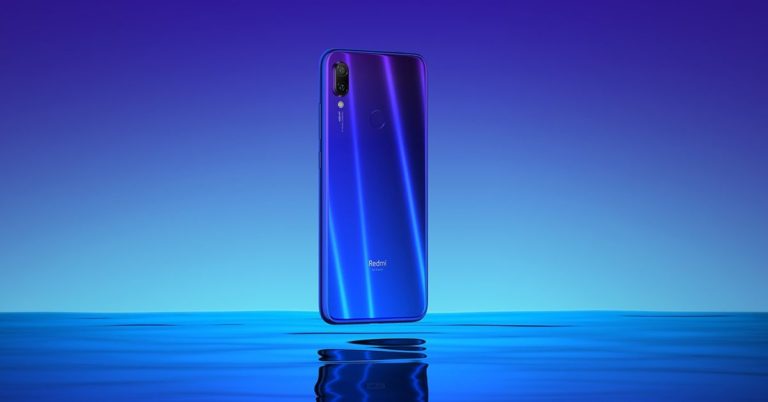
![[Video] Vivo V15 Unboxing, First impressions and Camera samples: Price and availability](https://www.gadgetbridge.com/wp-content/uploads/2019/03/vivo-v15-unboxing-768x432.jpg "[Video] Vivo V15 Unboxing, First impressions and Camera samples: Price and availability")

 Yes, that’s right. Apple has roped in Oprah Winfrey for its Apple TV+ service. And what’s more, she will be working on two documentaries for Apple TV+. One will be called Toxic Labor, which will be centred around harassment at work place, and the other will focus on mental health issues. Oprah said that she is partnering with the Cupertino-based technology giant because “the Apple platform allows me to do what I do in a new way.”
 Another big name that Apple has roped in for Apple TV+ is Steven Spielberg. He will be working on a show called Amazing Stories for the platform, with which he intends to revive the science-fiction anthology series. For those unaware, the show ran from 1985-1987 on NBC and had two seasons.
 Reese Witherspoon is another popular name who will have her show on Apple TV+. The Legally Blonde actress will be seen on The Morning Show, which is basically a behind-the-scenes drama at a TV morning show. According to Witherspoon, the show will “pull back the curtain on men and women in the high-stakes battle of morning television.”
 Jennifer Aniston is making a comeback on TV! If that isn’t exciting enough, we should tell you that she will also be a part of The Morning Show along with Reese Witherspoon. We should remind you that this is the first time that Aniston will be back on TV after Friends.
 Reese Witherspoon and Jennifer Aniston aren’t the only ones who will be seen on The Morning Show. The two actresses will be accompanied by Steve Carell, who will surely make the show even more fun. We honestly cannot wait for it to start!
 The issue of immigrants is a much-debated one in the United States. And now, a show on Apple TV+ — Little America – will be based on the lives of immigrants in the country. The show will star Kumail Nanjiani and will talk about real-life stories only. Speaking about the show, the actor said, “This is no such thing as the other. There is only us.”
 Game of Thrones and Aquaman star Jason Momoa is coming back on TV. The actor will be a part of a show called See on Apple TV+. The post-apocalyptic series has a very interesting concept. It takes place centuries after the world is devastated by a virus, because of humanity ends up being blind. According to Momoa, “The drama will touch on how much of the human experience is visual, and aims to get viewers pondering whether a lack of sight would change who they are.”
 Jason Momoa isn’t the only popular name who will be seen on See. He is going to be accompanied by actress Alfre Woodard in the post-apocalyptic series. We are waiting to see what the show has in store!
 Another exciting show on Apple TV+ will be Little Voice, which will be filmed by JJ Abrams. The show will be a romantic comedy and will focus on showing what it’s like to be a young woman trying to find her voice as a musician.
 Although JJ Abrams will be filming Little Voice, Sara Bareilles will be playing the woman the show focuses on. She even sang at Apple’s keynote when she announced the show and she was absolutely brilliant!
 We should mention that these aren’t the only celebrities who will have their shows on Apple TV+. Take a look at the number of names on the picture above. Apple has roped them all in for its new video streaming service. Like we said earlier, the company is leaving no stone unturned to make Apple TV+ as attractive as possible.
 Yes, that’s right. Apple has roped in Oprah Winfrey for its Apple TV+ service. And what’s more, she will be working on two documentaries for Apple TV+. One will be called Toxic Labor, which will be centred around harassment at work place, and the other will focus on mental health issues. Oprah said that she is partnering with the Cupertino-based technology giant because “the Apple platform allows me to do what I do in a new way.”
 Another big name that Apple has roped in for Apple TV+ is Steven Spielberg. He will be working on a show called Amazing Stories for the platform, with which he intends to revive the science-fiction anthology series. For those unaware, the show ran from 1985-1987 on NBC and had two seasons.
 Reese Witherspoon is another popular name who will have her show on Apple TV+. The Legally Blonde actress will be seen on The Morning Show, which is basically a behind-the-scenes drama at a TV morning show. According to Witherspoon, the show will “pull back the curtain on men and women in the high-stakes battle of morning television.”
 Jennifer Aniston is making a comeback on TV! If that isn’t exciting enough, we should tell you that she will also be a part of The Morning Show along with Reese Witherspoon. We should remind you that this is the first time that Aniston will be back on TV after Friends.
 Reese Witherspoon and Jennifer Aniston aren’t the only ones who will be seen on The Morning Show. The two actresses will be accompanied by Steve Carell, who will surely make the show even more fun. We honestly cannot wait for it to start!
 The issue of immigrants is a much-debated one in the United States. And now, a show on Apple TV+ — Little America – will be based on the lives of immigrants in the country. The show will star Kumail Nanjiani and will talk about real-life stories only. Speaking about the show, the actor said, “This is no such thing as the other. There is only us.”
 Game of Thrones and Aquaman star Jason Momoa is coming back on TV. The actor will be a part of a show called See on Apple TV+. The post-apocalyptic series has a very interesting concept. It takes place centuries after the world is devastated by a virus, because of humanity ends up being blind. According to Momoa, “The drama will touch on how much of the human experience is visual, and aims to get viewers pondering whether a lack of sight would change who they are.”
 Jason Momoa isn’t the only popular name who will be seen on See. He is going to be accompanied by actress Alfre Woodard in the post-apocalyptic series. We are waiting to see what the show has in store!
 Another exciting show on Apple TV+ will be Little Voice, which will be filmed by JJ Abrams. The show will be a romantic comedy and will focus on showing what it’s like to be a young woman trying to find her voice as a musician.
 Although JJ Abrams will be filming Little Voice, Sara Bareilles will be playing the woman the show focuses on. She even sang at Apple’s keynote when she announced the show and she was absolutely brilliant!
 We should mention that these aren’t the only celebrities who will have their shows on Apple TV+. Take a look at the number of names on the picture above. Apple has roped them all in for its new video streaming service. Like we said earlier, the company is leaving no stone unturned to make Apple TV+ as attractive as possible.



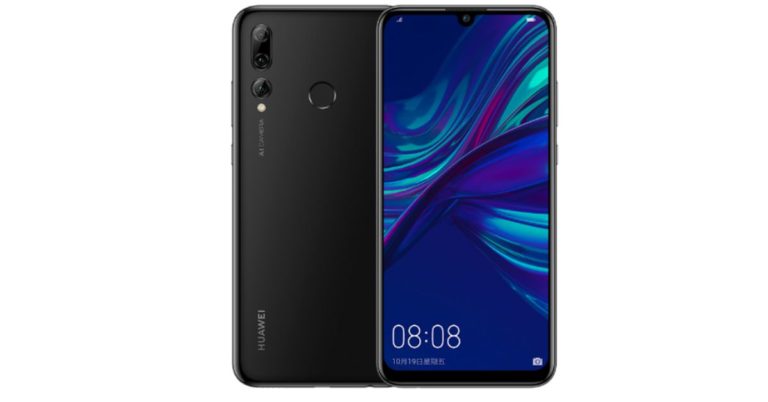


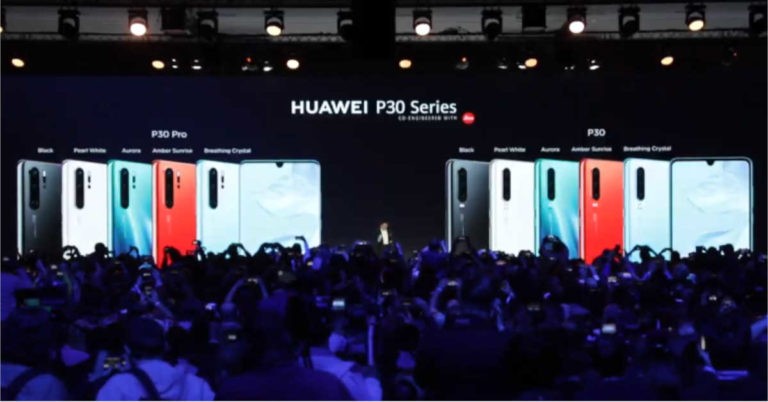
 For imaging duties, Huawei P30 Pro smartphone comes with a quad-camera setup on its back panel that comprises of a 40MP primary sensor with Optical Image Stabilization and f/1.6 aperture, a 20MP sensor with an f/2.2 wide-angle lens and OIS, an 8MP sensor with periscope style zoom system and a ToF sensor. The cameras of the smartphone have support for HDR+ mode and come with 5X optical zoom and 10X hybrid zoom and 50X digital zoom.
On the front panel, Huawei P30 Pro smartphone has a 32MP sensor that comes with support for AI HDR+. The newly launched smartphone by Huawei houses a 4200mAh battery and comes with reverse wireless charging. This basically means that the smartphone can wirelessly charge any device that supports Qi wireless charging.
For imaging duties, Huawei P30 Pro smartphone comes with a quad-camera setup on its back panel that comprises of a 40MP primary sensor with Optical Image Stabilization and f/1.6 aperture, a 20MP sensor with an f/2.2 wide-angle lens and OIS, an 8MP sensor with periscope style zoom system and a ToF sensor. The cameras of the smartphone have support for HDR+ mode and come with 5X optical zoom and 10X hybrid zoom and 50X digital zoom.
On the front panel, Huawei P30 Pro smartphone has a 32MP sensor that comes with support for AI HDR+. The newly launched smartphone by Huawei houses a 4200mAh battery and comes with reverse wireless charging. This basically means that the smartphone can wirelessly charge any device that supports Qi wireless charging.
 For imaging duties, Huawei P30 Pro smartphone comes with a quad-camera setup on its back panel that comprises of a 40MP primary sensor with Optical Image Stabilization and f/1.6 aperture, a 20MP sensor with an f/2.2 wide-angle lens and OIS, an 8MP sensor with periscope style zoom system and a ToF sensor. The cameras of the smartphone have support for HDR+ mode and come with 5X optical zoom and 10X hybrid zoom and 50X digital zoom.
On the front panel, Huawei P30 Pro smartphone has a 32MP sensor that comes with support for AI HDR+. The newly launched smartphone by Huawei houses a 4200mAh battery and comes with reverse wireless charging. This basically means that the smartphone can wirelessly charge any device that supports Qi wireless charging.
For imaging duties, Huawei P30 Pro smartphone comes with a quad-camera setup on its back panel that comprises of a 40MP primary sensor with Optical Image Stabilization and f/1.6 aperture, a 20MP sensor with an f/2.2 wide-angle lens and OIS, an 8MP sensor with periscope style zoom system and a ToF sensor. The cameras of the smartphone have support for HDR+ mode and come with 5X optical zoom and 10X hybrid zoom and 50X digital zoom.
On the front panel, Huawei P30 Pro smartphone has a 32MP sensor that comes with support for AI HDR+. The newly launched smartphone by Huawei houses a 4200mAh battery and comes with reverse wireless charging. This basically means that the smartphone can wirelessly charge any device that supports Qi wireless charging.