Pantum’s growth story is known to all. After growing highly in China and Asian markets, the company is quickly scaling in India with its latest line-up of laserjet printers. These include the not-costly M6502NW laserjet printer, which is a three in one printer that comes with 1 year’s warranty and is freely available in computer stores and online E-commerce websites. It is built for homes and offices alike, and thanks to its small size one can place it in small, medium or large rooms with ease. Here are 5 reasons why you should pick this printer for your home or office setup:
In This Article
Scan, copy and print
Not many printers these days can do that, especially in the compact laser category. Pantum M6502NW laser printer is one such printer that can scan documents, copy papers or just stand-alone print them. Users can scan, copy or print documents when connected to a PC/Laptop with ease and with the help of the control panel located on the printer, quick actions such as One-click copy or Notes Copy can also be performed. The laser printer tray can hold up to 150 A4 sheets, which means you can copy or print a lot of papers without the need for a paper refill.
Compact size
In a SOHO environment or a startup, space is always a constraint. We want to use the office area in the best possible manner. With the Pantum M6502NW laser printer space is not a problem as this compact three in one laser printer will not take much space. The printer’s dimensions are 41.7×30.5×24.4 cm, which can fit into tight spaces. In fact, because it is three in one printer, you save space which would have been utilised if you had a separate printer and scanner. The printer has black exteriors which unlike white printers does not get dirty. Hence you get a professional looking printer in the office.
Excellent print quality
Pantum M6502NW laser printer excels in this department. Compared to printers in the same price category, this printer gives you superior prints. You can get 700 A4 prints with the primary cartridge that comes pre-installed in the printer that is higher than its rivals. The monochrome printer provides deep blacks and crisp text. We could not come across any sort of ink bleeds. Images in B/W are also very clear and has accurate details.
Wireless and Affordable
This printer is very easy to set up, it can intelligently identify the connection mode via which you want to connect the printer. With one-click installation to set up the printer (that gets up and running in under a minute) and even its wireless print capability, we found Pantum to be extremely useful and user-friendly. Over that, the setup also gives visual aid to the user on how to set up the printer. At under Rs 10,000 this printer provides extreme value for money that a professional, SOHO users or a startup would want from a printing machine.
Super quick mobile printing
The Pantum M6502NW laser printer can print 22 pages per minute. This is higher than industry standards and scan to print time is also very low. Talking about which, the printer will give fast and accurate prints when a picture is scanned and printed. Over that, with the help of the Pantum Android or iOS app, users can also directly print from a mobile device, eliminating the need of connecting it with a PC just to print. This is very convenient for users when compared to other products in the market.
Recently Motorola teased and then sent out invites of its flexible screen smartphone that has been inspired by the Moto Razr series. Now, Samsung has also teased a new vertically folding smartphone just like a clamshell. The Samsung folding phone is the latest by the company. A decade and a half ago, clamshell-type feature phones were all the rage, but not it is all about touch screens.
However, with changing times and flexible LED touchscreens, one can again see folding smartphones. Samsung Galaxy Fold is the perfect example. Samsung in a video has teased the working of the smartphone, which will join together vertically. It will be like a candy bar touchscreen phone when opened. An example of a video being played is also shown that goes to the top half when the phone is folded to a 90-degree angle.
This gives limitless options to the app and game developers and this smartphone by Samsung will ignite imagination. Not much has been said about its technical specifications, but rumours do suggest it will come with 8G or more RAM and screen size of over 6.2-inch when fully opened. Also, it will run the latest Snapdragon 855 CPU or the Exynos 9 series chipset.
Cameras and battery are also unknown. However, looking at the video we can confirm it will have an ‘Infinity O’ display that means the single selfie camera will be in a punch hole on the top middle part of the touchscreen. Also, the touchscreen seems to be edge to edge, which means minimal bezels with metal side trims. Also, Android 10 should with Samsung One UI should be the native operating system on it.
This is a concept smart folding phone that Samsung is right now showcasing, it might be that they show the first prototype at MWC 2020. Which means it might get launched in late 2020 or early 2021. At the moment Samsung is quickly running out of its Galaxy Fold smartphones, which in India alone sold over 1,600 units in the first open sale.
With its iPhone 11 series, Apple has done a number of things for the first time. To begin with, it has added a square camera module on the back panel, which is a big deviation in terms of design. The company has added more number of camera sensors to all the three models and for the first time, it has included the Night Mode. Other than this, Apple has emphasized that its iOS 13 software will come with a slew of features that further guarantee the privacy of its users. There are also some useful additions in some of the popular apps that are aimed to make the user’s life simpler. In a nutshell, the new iPhones are promised to pack a number of improvements over the previous generation of smartphones from Apple. We spent a few days with the Apple iPhone 11, which is the youngest sibling in the latest lot, and here’s our review of the same. Take a look:
In This Article
Apple iPhone 11 design and display
Rich, premium, and a class apart – these are the words that come to our mind when we think of the iPhone 11’s design. It does not deviate too much from the look and feel of its predecessor iPhone XR, but then, there is something about it that makes it better. Let’s take a look at their similarities and differences. While the dimensions of the new Apple device are the same, the company is offering the iPhone 11 in more colours than its predecessor including Purple, Green, Yellow, Black White and Product Red.
To recall, the iPhone XR was not available in the first two colours. But then, we should also mention that although the iPhone 11 and iPhone XR have a number of colours in common, the ones on the latest model are a few shades lighter than its predecessor. The one that we got for review was dressed in Black. Apple has used glass and aluminium to build the body of its latest smartphone and the company has claimed that the glass that has been deployed for the front and the back of the iPhone 11 is the “toughest” one found on any phone.
The back panel of the iPhone 11 houses the camera module and has the Apple logo. The square camera module is one among the biggest design changes that Apple has introduced in the its latest range and the one on iPhone 11 comes with two lenses, a mic and the True Tone Flash. While the rest of the back panel of the iPhone 11 comes with a glossy finish, the area inside the square camera bump is matte.
The front panel of the iPhone 11 is dominated by its 6.1-inch LCD display, which one among the best ones that we have seen this year. No matter which aspect of the display we talk about – brightness, viewing angles, accuracy or sunlight readability – the screen on the iPhone 11 outperforms most others that we have seen this year. However, we should mention here that the display on the iPhone 11 Pro and iPhone 11 Pro Max will definitely be better since they are OLED and not LCD. But even though the screen on iPhone 11 is not OLED, it projects vivid colours and rich blacks. Watching content on the device was a true treat for the eyes.
Even when we tried watching HDR content on the device, the experience was a good one. But then, it doesn’t match up to the experience offered by iPhones or even Android phones with OLED screens. At the same price, you can get your hands on a device with OLED screen, so if you are someone who binge watches shows on your smartphone all day, you may have a preference for those.
Coming back to the iPhone 11’s display, Apple has added P3 wide colour gamut and True Tone technology that enable the light on the screen to adapt with the ambient light. One thing that is worth noting is that the bezels that outline the display of the iPhone 11 are very noticeable – almost as much as the ones of iPhone XR. This may prove to be a spoiler for those who prefer to own a smartphone that provides as much real estate as possible.
To sum it up, we would say that iPhone 11 is a complete stunner when it comes to the design. Even though the design of the smartphone is similar to that of its predecessor, we really liked the subtler colours and the combination of glass and aluminium and make it so premium. The display does give a good experience, but then, at this price point there are smartphones that come with OLED screens that offer more real estate. But then, if you don’t rely too much on your smartphone to watch your favourite TV shows for hours, you would not be disappointed.
Apple iPhone 11 performance and cameras
Before we begin talking about the performance of the iPhone 11, let’s speak about its specifications. Apple’s iPhone 11 runs the iOS 13 and it is powered by the company’s latest processor – A13 Bionic chipset. For imaging duties, iPhone 11 comes with a 12MP wide-angle sensor that has an f/1.8 aperture and OIS and a 12MP ultra-wide-angle lens that has an f/2.4 aperture and 120-degree field of view. For selfies and video calls, there is a 12MP selfie camera that has the ability of recording 4K videos as well as slo-mo videos. The device has been made available in 64GB, 128GB and 256GB storage models. iPhone 11 comes with IP68 water and dust resistance and is said to survive in up to 2 meters of water for half an hour. A remarkable addition that Apple has made to the iPhone 11 is Wi-Fi 6 and Bluetooth 5.0. In addition to this, users can add two SIM cards in the smartphone with the eSIM functionality.
With iOS 13, there are a number of new additions that Apple has included in the new iPhone. To begin with, users can opt for a system-wide Dark Mode, which is very beneficial in decreasing the strain on eyes as well as in making the battery last longer. Users can head to the Control Centre of the device to enable or disable it. Another option is to schedule the Dark Mode to be enabled for a pre-set number of hours. Apple has also added some new and interesting features in its apps like Photos, Reminders and Messages.
Let’s talk in more detail about the Photos app first. Users can now view their pictures according to Years, Months, Days and even All Photos just by clicking on these options on a tab. Besides this, a number of new editing options have been added to the device. While some of them may take some time to learn, but they will prove to be very useful in making your pictures look great once you get an idea of how they should be used.
Speaking of Reminders, it now has four lists that are categorised as ‘Today, Scheduled, Flagged, and All’. They users also get an option of creating their own lists. A very useful thing that you can do now is create reminders that come up when you are performing a particular task on your device or when you visit a particular place. So, for instance, if you want to be reminded of calling someone once you get back home, you have the option of setting a location based reminder rather than a time-specific one. There are a number of new options like these in the revamped app. Other than this, the Messages app has got some new additions too including enhancements in the Search option.
Other notable changes of iOS 13 include increased focus on privacy. Apple has made it very evident that it is increasing transparency about how location is used by various apps. So whenever we launched a new app, we could were given three options to choose from for location access: ‘Allow Once’, ‘Allow while using the app’, and ‘Never’.
Personally, we loved the new features that Apple has added to iOS 13. Using the iPhone with all these new features made certain tasks way simpler than they were before and the experience has only changed for the better. Plus, the way Apple is focusing on privacy is really worthy of appreciation.
Moving on, let’s talk about the performance. The specifications and the features of the iPhone 11 sound really good on paper and honestly, our expectation were really high. Did iPhone 11 live up to them? The answer is an absolute yes. One really has to use it to know what a performer it really is. No matter which heavy-duty task we tried on the iPhone 11, it handled everything like a cakewalk. We can barely see any Android smartphones competing with the level of performance that the iPhone 11 offered during out time with it. Even we played graphic-hungry games like Asphalt 9: Legends and tried insane multi-tasking, we not only got an absolutely smooth experience, but the amount of details that the device offered was really impressive. The iPhone 11’s performance is such that it really raises the bar by a few notches as compared to its competitors.
The iPhone 11 comes with support for Dolby Atmos and because of this, the gaming and the video watching experience on the device becomes even better. Even at very high volumes, the sound output remains very clear and the quality remains consistence.
Coming to the Face ID of the device, it is highly accurate. In fact, we would not consider it an exaggeration to call it flawless. Even when we tried using it in absolute darkness, the iPhone 11 unlocked as soon as we kept it in front of our face. Personally, we haven’t seen any other smartphone unlock as quickly as the iPhone 11 does, that too in complete darkness.
Apple has always remained tight-lipped about the size of battery it uses in its iPhones. It only tells us how much better it is than the one on the previous model. In iPhone 11’s case, Apple just said that the battery of the smartphone will last an hour longer than that of the iPhone XR. But then, Apple has really focussed a lot on power efficiency in its A13 Bionic processor, and that really shows in the day-to-day usage of the handset. With heavy usage that involves clicking pictures, listening to music, watching videos on YouTube, playing games like Asphalt 9: Legends, and using Maps for navigation, the battery of the iPhone 11 lasted more than a day. If your usage is moderate, the battery will easily last for around two days. In our opinion, this is quite impressive. However, the real downer here was the 5-watt charger that the iPhone 11 ships with. It is because of the charger that iPhone took almost two hours to be charged completely.
Now, let’s finally talk about the cameras of the iPhone 11. Till a few years back, iPhones were undeniably the best when it came to photography. However, that changed in the last few years, as the competition between photography-focussed smartphones really went up with Google’s Pixel series and Huawei introducing its P-series and Mate series. With this, Apple’s iPhones were no longer considered to be the best photography smartphones, but even then, they always managed to be one among the best. With the iPhone 11 series, Apple has attempted to take its crown back.
The company has finally adopted the Night Mode that we till now have seen in devices from the likes of Google, Huawei and even Samsung. However, Apple still sticks to its ideology of producing colours in the image that are as close to the real objects or scene as possible. So, don’t expect images that are away from the reality only so that they look more pleasant. Even with the Night Mode, the company does not deviate from this. After using the device extensively for photography, we saw that the images clicked by the iPhone 11 were very high in quality and at the same time, the company did not compromise on accuracy of colours or contrast.
Image taken with Google Pixel 3a (Night Sight enabled)
Let’s begin by talking about the Night Mode. Since we regularly use a Google Pixel 3a, we could not help but compare the cameras of the two smartphones. We clicked some scenes in dimly-lit areas with the Pixel 3a as well as the iPhone 11. While both the smartphones did an exemplary job, but it was evident in each picture that the colours in the images taken by Google Pixel 3a were more saturated than the ones taken by iPhone 11. While some of the shots taken by Google Pixel 3a looked better, it cannot be argued that they were closer to reality. Apple takes away the cake as far as that goes. In our opinion, the company has struck the right balance between lighting up a scene of a dimly lit place and at the same time remaining as close to the real scene as much as possible.
Image taken with Apple iPhone 11 (Night Mode enabled)
In fact, we should mention that we saw the same difference in the colours of the pictures that were taken during the day or in well-lit conditions too. The images taken by Pixel 3a were pleasing to the eyes, but the colours appeared to be saturated when we compared them to the iPhone. There were cases of differences in contrasts too. But that wasn’t the case with the iPhone 11 images. The iPhone 11 managed to click better images in every possible condition.
Apart from this, the images taken by the iPhone 11 also did not appear to be artificially bright. They had just the right amount of brightness and contrast. With the results that we got from it in different lighting conditions, we can easily say that Apple has finally left its competition behind with the new iPhones. As we have mentioned earlier, the algorithm of the camera app has struck the right balance between clicking images that please the eye and being as close to the real scene or object as possible. The results that we got are extremely impressive.
Now that we have already established that the camera of the iPhone 11 is better than that of its competitors, let’s talk about the functions that its Camera app can perform and some of its features. To begin with, we should mention that the Night Mode on the app gets activated automatically as soon as it detects dimly lit conditions. The icon of the Night Mode will appear on the top left and it will also depict the number of seconds for which you need to hold the handset steady to get a good shot. If lights are not too dim but you still wish to use the Night Mode, you can click on the same icon to enable it. When disabled, it is White is colour and it turns Yellow on being enabled. Another thing worth mentioning is that the Night Mode is only available for the primary camera of the device and not the ultra-wide one.
Unlike most other smartphones, Apple has not added a separate toggle to switch between its two sensors. Instead, the wide-angle lens kicks in the moment you zoom out enough to reach ‘0.5x zoom’. Interestingly, Apple has maintained consistency in images taken with the wide-angle and the ultra-wide angle lenses of its camera. This is a big contrast to most other smartphones in which both wide-angle and ultra-wide angle sensors are present and we consider it to be a big plus. We should also point out that iPhone 11 enables users to take images with up to 5x digital zoom.
With the iPhone 11, Apple has also come up with its own version of Google‘s Top Shot feature: Live Photos. So, the device does not capture just a still shot of the image you take, but a 3-second moving image. Users also have the option of later going through the moving image to select the best possible shot for their picture. However, this feature cannot be used with the Night Mode on. Another notable mention is QuickTake that enables the user to record videos just by long-pressing the capture button. This can prove to be useful in situations when you don’t have enough time to open the camera app of the smartphone and then switch to video mode.
Besides this, Apple has also extended the use of Portrait Mode to objects in its latest iPhone series. Earlier, this was only restricted to humans. With the Portrait Mode, you get to choose from six kinds of lighting effects including Natural Light, Studio Light, Contour Light, Stage Light, Stage Light Mono, and High-Key Light Mono. The best thing about this feature is that you can click the image with one kind of lighting effect and then change it in editing options if you think some other lighting effect would look better.
Coming to the selfie camera of the iPhone 11, it did a fantastic job. The colour accuracy, brightness and the contrast were all as good as they were in the rear cameras of the device. Other than this, the Portrait Mode is also available for the images taken from the selfie camera of the smartphone and it helped us in taking some very interesting shots. Apple also let gives users the option of capturing more area in pictures which proves to be useful for clicking Group Selfies.
Verdict
To conclude, we would say that buying the iPhone 11 is definitely a good idea, even if it’s priced at Rs 64,900. But it does come with some bank cards discounts of up to 10%, so might want to check that when you go to buy it. The smartphone is completely worth every penny. It has a very classy and premium design, its battery is lasting, the iOS 13 comes with a slew of interesting and useful features and some of them really enhance the level of privacy that users get. Besides this, the camera is just exemplary.
We would like to call the iPhone 11 flawless, but then, the use of LCD instead of OLED display would not make everyone happy. In our opinion, the 5-Watt charger that the device ships with is the only true disappointment. But then, that’s hardly anything to worry about as you can use a different adapter with the iPhone’s cable to make it charge more quickly. So, to sum it up we would say that the iPhone 11 may fall in the premium range at this price, but it is an investment that you will not regret.
Pros
Brilliant cameras
Very powerful performance
Lasting battery life
Privacy focussed features
Cons
Takes a long time to charge with the 5-Watt charger
The number of gadgets are increasing around us by the day. When we wake up, we check our cell phones, in the washroom we might read our digital newspapers, in the office we are constantly surrounded by laptops and PCs and much more throughout the day. All these devices produce some sort of radiation. Some are in the form of electromagnetic fields (EMF) and they make up for electrosmog. Cell phone towers and WiFi routers also emit these hence the human body is under stress everywhere it goes.
To neutralise these harmful waves and EMF radiations Modicare has launched Enviroglobe in India at Rs 4,500. It will help in reducing these EMFs around your home or office without hampering the signal. It is in the shape of a globe that gets charged under sunlight or room lights. With just 15 minutes of charge, the Modicare Enviroglobe will run for up to seven days. The product works in rooms up to 350 sq meters. So it is perfect for your home or workplace where you have high levels of EMF radiation.
Modicare says, “The Modicare EnviroGlobe is a passive device and generates random waves at higher frequencies, which carry the constant Microwaves emitted from electrical gadgets, server rooms, wi-fi routers, mobile transmission towers, mobile boosters, etc. in a random form to make them compatible with the body’s waveforms, which is no longer harmful for the human body. The device is quite handy and portable, hence providing protection from radiation anytime, anywhere.”
The company has done a study on over 1,000 people who were using Modicare Enviroglobe. Modicare saw a drop of 7% in the pulse rate of people who were using it when compared to people who were not using it. The device is available through Modicare’s consultants or at Modicare Distribution Points/ Modicare Success Centres/ Modicare Lifestyle Centres.
Western Digital has been making hard drives for a very long time. Like many, we also use some of its internal HDD drives in our desktop systems. However, times have changed and people have moved on from the spindle driven 2.5/3.5-inch hard drives to a better performing SSD’s. Solid-state drives or SSD’s have no moving parts, hence they do not heat up as much, neither do they go bad as quickly. The performance is also 15x or higher when compared to the same size HDD’s.
External drives are now also made up of SSD’s, which gives its users a lot of power and performance muscle. We recently got our hands on the newly launched WD My Passport Go external SSD and this is what we could make of it.
Out of the box, the WD My Passport Go external SSD seems like a chunkier version of a credit card. Yes, it is that small. Available in two colours Grey with Yellow band and Grey with Blue band, we reviewed the later. The coloured band is what makes this SSD rugged since that has hardened rubberised finish. Nothing will happen to your data inside even if the drive takes a fall of up to 6 feet. We tried it from 3-4 feet and nothing happened to its, not even a bump. Over that, all the data inside was intact.
The WD My Passport Go external SSD comes with 500GB of storage space and the supports USB 3.0. The short cable comes attached to the SSD and one can neatly tuck it in behind the SSD. We loved the cable management system on this drive.
So, quickly we put WD My Passport Go to the test. It comes with a simple plug and play function to transfer files. However, you can install its own software on Window or MAC called WD discovery. This helps you to backup data on the drive with ease. We ran HD Tune and it showed us transfer write speed of up to 250Mbps. So, in real-time, we transferred a 1GB file to it using USB 3.0. It transferred the file in under 5 seconds from the PC to the SSD. Which is great. Read speed according to HD Tune came out at 412Mbps.
All in all, we loved the fact that WD My Passport Go external SSD is super compatible and easy to port. It hardly weighs anything and one can lug it around easily. Also, it is not bad to look at and comes in a trendy rugged shell. At a price of Rs 5,800, if you want to keep a lot of data safely with you or need a fast external drive with backup features, then your search has ended.
Apple Airpods have been a super hit amongst the millennials in India and abroad. They were first its kind, which started the ear pods race amongst many Indian, Korean and Chinese companies. Since the last few months rumours and leaks of the new Airpods did the rounds and finally Apple has launched the Apple Airpods Pro in the US. The official India website of Apple says that these in-ear audio plugs will be available in the country soon.
Apple Airpods Pro Price and Tech Specs
The Apple Airpods Pro is priced at Rs 24,900, which might seem a tad bit high when compared to its official USD price of $249. These will start shipping in USA from October 30 and soon after will start selling in India. The official selling date has not been revealed yet. The Apple Airpods Pro’s come with a water-resistant design that would be a welcomed change for everyone who was on the previous generation of the Apple Aipods.
Over that, the Apple Airpods Pro’s also feature active noise cancellation that will cut out the ambient noise actively. The Apple Airpods Pro’s come with a wireless charging case as well via which these audio plugs can give its users playback time of up to 24 hours. 5 minutes of charge in the charging case gives 1 hour of audio playback. The pro version of Airpods now features comfortable silicone tips which man users wanted. The box comes with 3 sizes so they will fit each ear cavity type.
Apple says “We refined the details of comfort, creating a new class of in-ear headphones with a customizable fit that forms an exceptional seal for Active Noise Cancellation. You’ll feel your music, not your headphones.”
The company also says “Apple AirPods Pro are the only in-ear headphones with Active Noise Cancellation that continuously adapts to the geometry of your ear and the fit of the ear tips — blocking out the world so you can focus on what you’re listening to.”
Users can also hear ambient noise when they are in active noise cancellation mode. Just press and the force sensor on the Airpod Pro’s and you will be to hear the outside noise. This will come in handy when you are at the train station, airport or in a plane to hear important announcements. Also, there is a vent system on the Apple Airpods Pro that lessens the pressure on the ear and reduces discomfort. Siri is also supported by these earphones and each Airpod Pro weighs 5.4 grams. Bluetooth v5.0 is the technology used by these audio plugs to connect to an iPhone or tablet. The Apple Airpods Pro will be available in all leading Apple stores soon.
Redmi this month launched many new smartphones in India. Redmi 8 is also among many other smartphones. The smartphone was launched by Xiaomi’s sub-brand earlier this month which is the successor of Redmi 7 which was introduced in the country this year. The key highlights of the smartphone include a dual rear camera set up, 5000nAh battery and Qualcomm Snapdragon 439 SoC. The handset earlier went on sale via Flipkart, Mi.com and Mi Home offline stores. Today again the company is putting up the 4GB variant on sale on the above-mentioned website and stores. If you are planning to buy a new phone then read the whole story to know about the new smartphones.
Redmi Note 8 pricing, availability and sale offers
Redmi 8 will go on its second sale via online platforms Mi.com, Flipkart and Mi Home stores from 12 noon onwards. The newly launched smartphone will be available in four colour options Oynx Black, Ruby Red and Sapphire Blue that also comes with a splash-resistant P2i coating and Xiaomi’s Aura Mirror design.
The company launched Redmi 8 in two storage variant GB RAM with 32GB of internal storage and 4GB of RAM with 64GB of internal storage. The younger sibling comes at Rs 7,999 and the elder sibling will be available at Rs 8,999. But today only the 4GB variant will be available on sale through these platforms.
The sale offers includes a 10 percent instant discount if the payment is made using HDFC Bank debit cards. Whereas the e-commerce platform Flipkart will be offering a 5 percent cashback if the transactions are made through Flipkart Axis Bank credit card or Axis Bank Buzz credit card.
Redmi 8 specifications
Redmi 8 runs MIUI skinned on Android 9 Pie OS and is powered by a Qualcomm Snapdragon 439 SoC processor coupled with 4GB of RAM. The latest device features a 6.22-inch High Definition IPS LCD Display with Corning Gorilla Glass 5. The is a microSD card slot that gives you an option to expand the memory using a microSD card up to 512GB.
In terms of optics, Redmi 8 comes with an AI-powered dual rear camera system. The camera system includes a 12-megapixel Sony IMX363 primary sensor with an f/1.8 aperture and a 2-megapixel depth sensor. The set up is supported by features like AI Scene Detection and Google Lens. On the front, there is an 8-megapixel selfie camera with AI Portrait mode and face unlock feature.
Redmi 8 draws the power from a 5,000mAh battery supported with 18W fast charging technology. But the company provides a 10W charger and the 18W charger is available separately. The connectivity options include 4G VoLTE, Wi-Fi, GPS/ A-GPS, infrared, wireless FM radio, 3.5mm headphone jack, and a USB Type-C port. There is also a fingerprint sensor on the back panel.
Telecom company Reliance Jio has now introduced four new All-in-One plans for its users that will start at Rs 75 and goes up to Rs 185. All the plans come with 28 days of validity.
The cheapest plan in the All-in-One plans is Rs 75 then there is a Rs 125 plan, Rs 155 and Rs 185 plan. The plans also offer unlimited free Jio to Jio voice calls plus internet data benefits. Apart from that the company already offers plans of Rs 49, Rs 99 and Rs 153. But the new plans now provide unlimited free calls to the Jio phones plus additional non Jio calling minutes and internet data. The new plans are now available via MyJio app and Reliance Jio website.
Reliance Jio All-in-One Rs 75 Recharge Plan
JioPhone All-in-One prepaid recharge of Rs 75 offers up to 3GB of internet data, Unlimited Jio to Jio free voice calls, free 50 SMS and 500 non Jio minutes. The plan is valid for 28 days.
Reliance Jio All-in-One Rs 125 Recharge Plan
The Rs 125 JioPhone All-in-One prepaid recharge comes with unlimited Jio-to-Jio voice calls, 500 offnet minutes, 300 free SMS and 0.5GB of per day data with total 14GB data benefit but with a validity of 28 days only.
Reliance Jio All-in-One Rs 155 Recharge Plan
The next one is the Rs 155 recharge plan. The new plan offers 28GB of data which means 1GB data per day, plus 500 minutes of non-Jio voice calling, 100 SMS per day and unlimited free Jio-to-Jio voice calling that is valid for 28 days.
Reliance Jio All-in-One Rs 185 Recharge Plan
Reliance Jio introduced Rs 185 recharge plan of its subscribers. The plan offers unlimited Jio-to-Jio voice calling, 56GB off data benefit, 100 free SMS per day and 500 offnet minutes. This plan is also valid for 28 days from the date of recharge.
The Taiwanese electronics brand, Asus, last month launched the second generation of its gaming smartphone in India. The Company launched Asus ROG Phone 2 in the country. Alongside the smartphone, the company also introduced a few accessories for the device. From today onwards the ROG Phone 2 Accessories will also be available on the e-commerce website Flipkart. Apart from that, the handset will also be available on the website for pre-booking.
Yes, from today onwards Asus ROG Phone 2 will again be available on Flipkart for pre-orders plus now you can also buy its accessories like TwinView Dock, Mobile Desktop Dock and AeroActive Cooler for the better gaming experience.
Asus ROG Phone 2 comes with a price tag of Rs Rs 37,999 for the 8GB RAM with 128GB storage and 8GB RAM with 512GB storage will cost Rs 59,999. In addition to this, the company will also be offering a 10% discount to the buyers using ICICI credit and debit cards.
TwinView II Dock will be available at Rs 19,999. The device offers a dual-screen gaming experience that comes with a 6.59-inch FHD+ (2340 x 1080) auxiliary AMOLED screen. The accessory also features a new turbo-fan cooling system and a 5,000mAh battery. balanced, featuring a new turbo-fan cooling system and a high-capacity 5000mAh extended battery pack. The ROG Kunai Gamepad is also compatible with the Dock adding full physical controls creating a complete self-contained dual-screen gaming system.
The Mobile Desktop Dock comes with a price tag of Rs 12,999. It can also be paired with ROG Kunai Gamepad, keyboard or mouse. It also has input and output ports like up to 4K HDMI and DisplayPort, 4 USB Super Speed ports, an RJ45 Gigabit Ethernet port, a USB micro B connector, and an SD card reader among others.
The new AeroActive Cooler II can be purchased for Rs 3,999. The device comes with upgraded fan blades to deliver more airflow into the ROG Aerodynamic System. It also fits with the ROG Phone Aero Case. These accessories will be compatible with future models of ROG smartphone.
Asus ROG Phone 2 comes with a 6.59-inch full-HD+ AMOLED display with 1,080×2,340 pixels of resolution and 120Hz of refresh rate. It runs on Android 9 Pie with ROG UI skinned on top and powered by a Qualcomm Snapdragon 855+ SoC processor paired with up to 12GB of RAM and 512 GB of storage. Asus ROG Phone 2 comes with a 6,000mAh battery with up to 30W fast charging support and an in-display fingerprint sensor
For photos and videos, Asus ROG Phone 2 features a dual rear camera setup which includes a 48-megapixel primary sensor and a 13-megapixel wide-angle secondary lens offering a 125-degree field of view. On the front, there is a 24-megapixel selfie camera.
On Thursday at an event held in Brazil, Motorola announced the launch of its brand new smartphone Moto G8 Plus. At the same time, the company also launched the smartphone in India with a price tag of Rs 13,999. The phone packs a triple rear camera set up that includes a 48-megapixel primary camera and a 25-megapixel selfie camera. The newly launched device is the successor of Moto G7 Plus, which was launched by the Lenovo owned company earlier this year. So we put the all-new Moto G8 Plus against Moto G7 Plus to see what all is new.
In This Article
Display
Moto G8 Plus: 6.3-inch full-HD IPS display
Moto G7 Plus: 6.20-inch
Processor
Moto G8 Plus: Snapdragon 665 octa-core processor
Moto G7 Plus: Snapdragon 636 processor
RAM and storage
Moto G8 Plus: 4GB of RAM with 64GB of storage
Moto G7 Plus: 4GB of RAM and 64GB of internal storage
Operating System
Moto G8 Plus: Android 9 Pie
Moto G7 Plus: Android 9 Pie
Rear cameras
Moto G8 Plus: Triple rear camera set up that includes a 48-megapixel primary sensor with an f/1.79 aperture, a 16-megapixel wide-angle lens and a 5-megapixel depth sensor.
Moto G7 Plus: 16-megapixel main camera and a second 5-megapixel camera
Selfie camera
Moto G8 Plus: 25-megapixel camera
Moto G7 Plus: 12-megapixel camera
Battery
Moto G8 Plus: 4,000mAh
Moto G7 Plus: 3,000mAh
Price
Moto G8 Plus: Rs 13,999
Moto G7 Plus: Rs 15,999
Our Take
Speaking of the price the company has introduced Moto G8 Plus at a very affordable price with all the upgraded features and specifications. The fresh G8 Plus is a better device in all aspects and when compared to launch prices it is much cheaper too.
Lenovo owned company Motorola today announced the launch of Moto G8 Plus in India today. The phone comes with a triple rear camera set up with a 48-megapixel primary sensor. The phone is powered by the Qualcomm Snapdragon SD665 octa-core processor. Read on to know more about the latest offering by Motorola.
Moto G8 Plus price and availability
Moto G8 Plus has been launched in India as well as in Brazil today. The company introduced the smartphone in a single storage variant of 4GB of RAM with 64GB of storage option. The phone will be available in two colour options Cosmic Blue and Crystal Pink.
Moto G8 Plus will be available for purchase through the e-commerce website Flipkart at the end of October. The company has launched the handset with a price tag of Rs 13,999 for the 4GB of RAM with 64Gb of storage model. The launch offers of the newly launched device include a cashback of Rs 2200 to the Jio subscribers along with vouchers worth Rs 3000 and Rs 2000 valued Zoom Car vouchers.
Moto G8 Plus specifications
Moto G8 Plus runs on Android 9 Pie and it features a 6.3-inch full-HD IPS display with 1080×2280 pixels of resolution and 19:9 aspect ratio. It draws its power from a Snapdragon 665 octa-core SoC processor coupled with 4GB of RAM and 64GB of internal storage which can be easily expanded up to 512GB via microSD card.
Coming on the imaging capabilities, the Moto G8 Plus comes with a triple rear camera system that includes a 48-megapixel primary sensor with an f/1.79 aperture, assisted by a 16-megapixel wide-angle lens and a 5-megapixel depth sensor. For the selfies, there is a 25-megapixel selfie camera.
The connectivity options include 4G LTE, Bluetooth v5.0, Wi-Fi 802.11 a/b/g/n/ac, Qualcomm aptX, GPS, A-GPS, GLONASS, Galileo, 3.5mm headphone jack as well as a USB Type-C port. The sensors include an accelerometer, ambient light sensor, e-compass, fingerprint reader, gyroscope, proximity sensor along with a magnetometer. Moto G8 Plus packs a battery with a capacity of 4000mAh supported by a 15W TurboPower charger.
Motorola has not done with launching new smartphones. The Lenovo owned company is all set to launch Moto G8 Plus in Brazil as well as in India today. The smartphone will be introduced in India tonight. New Moto G8 is the successor of Moto G7 Plus that was launched in the country earlier this month.
The upcoming smartphone has been in the news for quite a long time since the leaks and rumours started surfacing on the web recently. It is being speculated that Moto G8 Plus will debut with a 25-megapixel selfie camera and will be powered by Snapdragon 665 chipset.
Moto G8 Plus expected price and launch event
Moto G8 Plus launch event will begin at 9.30 am CT according to the Brazil timing. In India, it will take place at 8 PM onwards. Until now the company has been tight-lipped when it comes to details related to pricing and specifications details. But if we look into the past Moto G7 Plus was introduced at an asking price of EUR 299.99 that translates to Rs 23,600 so there is a possibility that the Moto G8 will also carry a price tag in the similar price segment.
Moto G8 Plus rumoured specifications and design
Firstly, talking about the blueprint of the Moto G8 Plus, in the past, we came across some of the leaked images of the upcoming smartphone as well as its specifications. The upcoming smartphone is expected to carry a gradient finish on its back panel, a triple rear camera set up that will be aligned vertically on the top left corner of the phone also there will be a rear fingerprint sensor and will be available in two colour variants Blue and Red. While on the front there is a waterdrop-style notch housing a selfie camera.
Now coming on the specifications, reportedly there will be a 6.3-inch full-HD IPS display offering a resolution of 1080×2280 pixels. It is expected to be powered by a Snapdragon 665 octa-core SoC processor offering 4GB of RAM and up to 128GB on internal storage option. The storage can also be expanded using a microSD card and Moto G8 Plus will run on Android 9 Pie. Also, it is likely to pack a 4000mAh battery.
In terms of camera, the Moto G8 Plus might offer a triple rear camera set up that includes a 48-megapixel primary sensor, a 16-megapixel wide-angle lens and a 5-megapixel depth sensor. Apart from that, the phone could also include a laser autofocus system for better focusing. While on the front it is possible to sport a 25-megapixel selfie camera.
Samsung recently expanded its M series with the launch of Galaxy M30s smartphone. The biggest highlight of the Samsung Galaxy M30s handset is its 6,000mAh battery. The device is specification-rich and it comes with a 6.4-inch Infinity U display, Android 9.0 Pie, and a triple rear camera setup. We spent a few days with the smartphone to know how good it is to use. Read the rest of our review of Samsung Galaxy M30s to find out more:
In This Article
Samsung Galaxy M30s design and display
We found the look and feel of the Samsung Galaxy M30s to be quite pleasing. It is similar to what other devices in Samsung‘s M series range look like, but even then, we did like its design. The gradient back panel of the smartphone has a glossy finish and it houses a triple rear camera setup, a fingerprint scanner and has the Samsung branding on it. Samsung Galaxy M30s smartphone is available in three colours: Opal Black, Pearl White and Sapphire Blue. The device that we got for review was dressed in Sapphire Blue. The shade of Blue on the back panel of the handset goes from dark to light horizontally. While it is the darkest at left, it is the lightest at right.
The camera module on the back panel of the handset has three camera lenses along with LED flash. The right edge of the smartphone has the power and volume rocker keys sandwiched on it while the left one has the SIM tray. The Type C port, 3.5mm headphone jack and speaker grille is placed at the bottom while the top edge has the secondary microphone.
On flipping over, you will see the 6.4-inch full-HD+ AMOLED display of the smartphone that has a dewdrop notch on its top. Samsung calls this kind of screen as ‘Infinity-U’ display. While the bezels that outline the screen of the device are thin, the chin is thicker than the other three. We should mention that the size of the earpiece of Samsung Galaxy M30s is slightly smaller than the ones we have seen on other handsets from the company. However, in spite of this, we did not face any problem while making audio calls with the handset.
Coming to the display of the Samsung Galaxy M30s, it is one of its plus points. The screen projects vivid colours and the images appear very clear on it. The colours remain consistent at different viewing angles and if you are someone who prefers to see colours with more contrast, you would be happy to know that there is an option of choosing the ‘Vivid’ mode on the device. However, for us, the colours in the default mode were good enough. We watched a lot of content on YouTube during our time with the device and our experience was a good one. Even high resolution videos played well on the smartphone. It is also worth mentioning that the display of the smartphone has Widevine L1 certification, so it can play HD content on apps like Netflix, Hotstar and others, and this is obviously a plus. To top it all, we did not have any issue when we tried to use the smartphone under direct sunlight and we consider this to be a big plus in any smartphone.
To sum it up, we would say that we liked the design and display of Samsung Galaxy M30s. While the look of the smartphone was slightly similar to the ones already available in Samsung’s Galaxy M range, its gradient back panel is something that we found to be extremely pleasant looking. The display is another plus and it was always a good experience to watch videos on it.
Samsung Galaxy M30s performance and cameras
First, let’s talk about the specifications of Samsung Galaxy M30s. The smartphone runs Android 9.0 Pie skinned with the company’s own One UI. Powered by Exynos 9611 SoC, the device comes with 6GB of RAM and has 128GB of internal storage. Users can also add a microSD card of up to 512GB in case they feel the need of more storage. Samsung Galaxy M30s houses a 6,000mAh battery and sports a triple rear camera module that comprises of a 48MP primary sensor, a 5MP depth sensing lens and an 8MP super wide-angle sensor.
As said, Samsung Galaxy M30s runs Android 9.0 Pie skinned with One UI 1.5. The software of the device has some notable features like Digital Wellbeing and the Wind Down mode, both of which are aimed to help users disconnect from the digital world. While these count as the pros of the smartphone’s software, we should mention that the downsides include too many notifications and bloatware. There were a number of apps installed on the handset including Likee, Daily Hunt, Helo, Netflix, Amazon, Amazon Prime, Snapchat, Facebook and Booking.com. Some of these apps really spammed us with too many notifications. However, on the upside, all of these can be uninstalled.
Coming to the performance of the device, we were happy with it at most times. Multi-tasking was not at all an issue for the Exynos 9611 chipset of the smartphone. We often used the device for a number of tasks at once and we faced no lag in the handset’s performance. Even when we were using the smartphone for navigation and gaming together, its performance remained consistent and it didn’t even heat up. Speaking of gaming, the experience on Samsung Galaxy M30s was a decent one, however, a few things could have been better. With games like Alto’s Odessey, we confronted no issue at all. However, when we tried playing Asphalt 9: Legends, the performance was not as flawless. To begin with, there were occasional stutters. Besides this, we noticed that the battery of the smartphone started falling a lot faster than it did otherwise.
Speaking of the battery of the smartphone, the 6,000mAh cell completely lived up to our expectations. There were times when we even used the device for a complete two days before charging it again. It is worth mentioning that our usage involved browsing social media platforms, clicking images, gaming and watching YouTube videos. Since the battery capacity of the smartphone is bigger than that of most other handsets, it also takes longer to charge. You would easily need around two hours to charge the device completely.
The fingerprint sensor of the device was decent and worked most of the times. However, we preferred the facial unlock of the smartphone as it was much quicker and worked even in dimly-lit conditions.
Now, let’s talk about the cameras of the smartphone. The Samsung Galaxy M30s smartphone comes with a a triple rear camera setup on its back panel that comprises of a 48MP primary lens, an 8MP wide-angle sensor and a 5MP depth-sensor. The default settings of the camera app are such that the 48MP primary camera takes shots that are 12MP in resolution. While the aspect ratio can be changed, we will recommend you to keep it at default settings for the best possible results. The camera app also allows you to switch between the lenses easily using a toggle.
Image taken from the primary camera
Coming to the performance of the cameras, most images turned out to be decent. While the shots taken in daylight were mostly good, we saw them lose some amount of details when we tried zooming in to take some shots. When we tried using the wide-angle sensor, the area covered in the image did increase, but then, the photo taken wasn’t as good in quality as the ones taken from the primary lens.
Image taken from the wide-angle lens
Images taken in lowly-lit areas failed to impress us as some of them turned out to be grainy and lacked clarity. You can use the Night mode for relatively better results.
Coming to selfies that we took with the smartphone, the ones taken in well-lit conditions turned out to be good and had a decent amount of details. But then, much like the rear cameras of the smartphone, the selfie camera’s performance dropped in lowly-lit areas.
Image taken from depth sensor
Last but not the least, the call quality of the device was good in spite of the fact that the earpiece was smaller than other smartphones. We could even make and receive calls in areas with low network receptivity with ease.
Verdict
Samsung Galaxy M30s is available at a starting price of Rs 13,999. There are a number of aspects of the device that make it a worthy buy at this cost. It has a beautiful design, a vibrant display and a battery that will easily last you two complete days. Mostly, the performance of the smartphone was good too and multi-tasking was not an issue. However, the gaming performance and the cameras could be better. If battery, display and design are what you are looking for, Samsung Galaxy M30s is the handset for you. However, if you are an avid gamer or love photography, there are other devices around the same price range that you can consider by Samsung.
The Taiwanese electronics brand Asus is bringing back gaming-centric Asus ROG Phone 2 on pre-orders. So, for those who missed the chance to own the handset now is the time as the smartphone that will be available on Flipkart from October 25 at 12 noon onwards.
Asus ROG Phone 2 is the first phone that has Qualcomm Snapdragon 855+ processor and the fastest smartphone display with a 120Hz refresh rate for the best gaming experience. It also comes with front-facing stereo speakers with DTS-X Ultra, dual surrounding vibration technology as well as AirTrigger II ultrasonic sensors.
Asus ROG Phone 2 price and availability
Asus ROG Phone 2 is again back on pre-order on Flipkart e-commerce store. The company launched the smartphone in two storage variants 8GB RAM with 128GB storage and the 12GB RAM with 512GB. The 8Gb RAM option comes with a price tag of Rs 37,999 while the latter one comes at Rs 59,999. Initial offers might include a 10% discount with ICICI cards.
Asus ROG Phone 2 specifications
Asus ROG Phone 2 runs on Android 9 Pie with ROG UI skinned on top. It features a 6.59-inch full-HD+ AMOLED display with 1,080×2,340 pixels of resolution and 120Hz of refresh rate. The phone is powered by a Qualcomm Snapdragon 855+ SoC processor, with up to 12GB of RAM and up to 512 GB of internal storage.
In terms of optics, Asus ROG Phone 2 sports a dual rear camera setup that includes a 48-megapixel primary sensor and a 13-megapixel secondary sensor with a wide-angle lens offering a 125-degree field of view. For the selfies and video calling there is a 24-megapixel camera sensor on the front.
Asus ROG Phone 2 comes with an in-display fingerprint sensor and a huge 6,000mAh battery with up to 30W fast charging support. The connectivity options on the phone include G VoLTE, Wi-Fi 802.11ac, Bluetooth v5.0, GPS/ A-GPS, FM radio, USB Type-C, and a 3.5mm headphone jack.
Last month The South Korean smartphone company Samsung launched another new smartphone in its new A-series line-up of smartphones. Galaxy A70s debuted globally and in India, it is the company’s first handset to offer a triple rear camera set up with a 64-megapixel main camera. The newly launched smartphone is the upgraded version of Galaxy A70.
On the occasion of Diwali, the company is offering its fans a free ITFIT Bluetooth Earphone, worth Rs 1,999 on the purchase of a new Samsung Galaxy A70s. In addition to this, the company is also offering an additional 10 percent cash back on the purchase of the phone using an SBI credit card. Apart from that, the company is also giving an extra 10 percent cashback to SBI credit card users while buying Samsung Galaxy A80, A50s, A30s & A20s.
Samsung Galaxy A70s is available in three colour variants Prism Crush Red, Prism Crush Black, and Prism Crush White. The phone comes in two storage variants 6GB of RAM with 128GB of storage and 8GB of RAM with 128GB of internal storage model. The price of the younger sibling has been set at Rs 28,999 while the elder one comes with a price tag of Rs 30,999.
Samsung Galaxy A70s specifications
Samsung Galaxy A70s features a 6.7-inch full-HD+ Super AMOLED display with a 20:9 aspect ratio and 1,080×2,400 pixels of resolution. The phone runs on Android 9 Pie with One UI on top and is powered by an octa-core Qualcomm Snapdragon 675 SoC processor coupled with up to 8GB of RAM and 128GB of memory. The internal storage can be expanded up to 512GB using a microSD card.
In terms of camera, the new Galaxy A70s sports a triple rear camera set up that includes a 64-megapixel primary sensor with f/1.8 aperture. The camera system is further assisted by an 8-megapixel ultra-wide-angle camera and a 5-megapixel camera sensor. While on the front there is a 32-megapixel selfie camera with an f/2.0 of aperture.
Samsung Galaxy A70s features an in-display fingerprint sensor. The device houses a 4,500mAh battery offering a 25W fast charging support.
Samsung showed great innovation when they launched the Samsung Galaxy A80 this year. With its class-leading mechanised rotating cameras and beautiful touch display, the device showed that Samsung can innovate. However, with the innovation, Samsung kept a hefty price on it. Which many thought will eat into its own brother to the likes of Samsung Galaxy S10e that is just a tad bit higher in price than A80. Also, then there was the case of using a less powerful Qualcomm Snapdragon 730 chipset. However, now the company has gone ahead and reduced the price. Now one can get it at a discount of more than 20% combined with other offers.
In This Article
Samsung Galaxy A80 price in India refreshed
When the Samsung Galaxy A80 smartphone was first launched here it was priced at Rs 47,990. However, with the price drop of Rs 8,000 by the company the new price is Rs 39,990, which can also be seen on the Samsung online store. The scheme is available on offline stores as well. We confirmed this with few dealers in Nehru Place New Delhi and they confirmed that the price drop will be seen in their stores. Moreover, users of HDFC and ICICI bank cards can also get up to 5% additional discount in these offline stores, which is for a limited Diwali period. So the price will go down further, to about 37,900.
Samsung Galaxy A80 technical specifications
This smartphone is the first in the country to come with mechanised rotating cameras. These work as rear as well as the front shooter. The triple array of cameras has a primary 48MP sensor, an 8MP ultra-wide sensor and a 3D depth camera with IR sensor. These push upwards and rotate to the front if the users want to click a selfie.
Inside, the Samsung Galaxy A80 holds a Qualcomm Snapdragon 730 chipset. It comes with 8GB RAM and 128GB storage. The display on this smartphone is 6.7-inches in size and is edge to edge. It has an aspect ratio of 20:9 and is FHD+ that means a resolution of 1,080×2,400 pixels can be seen on it.
Android 9 Pie is available out of the box and the news is that it will be upgraded to Android 10 by the first quarter next year. Battery of 3,700 mAh drives power to the apparatus and it can keep the phone alive for a day. Connectivity options include USB Type-C, Wifi, Bluetooth v5.0, GPS/A-GPS etc.
The festivities have begun and it is the time of the year when you buy something for yourself or your loved ones. If you are looking to buy/gift a smartphone then you can check out our recommendation here. For other great gifting gadgets check out the list below.
Kodak 55-Inch 4K UHDXS smart TV (Rs 29,990)
Diwali is always grand and if you want to bring a large TV to your home, at a reasonable price, then our pick is the 55-inch 4K smart TV from Kodak. The IPS panel comes with 4K resolution of 3,840 x 2,160 pixels, a 5,00,000:1 contrast ratio, 500 nits brightness and is supported by HDR 10. Over that, you get Android for TV inside, which means all your favourite Binge-Watching apps such as Amazon Prime will be available on it. This LED TV is powered by a quad-core A53 CPU coupled with Mali-450MP multi-core GPU.
Samsung Galaxy Tab S6 (Rs 59,900 upwards)
If you are in the market looking for a tablet this festive season then your search ends here. Inspired by the Galaxy Note 10 series, there is an S-Pen stylus that comes with this tablet and works as a remote control. It will let its users manage thigs from afar. The Samsung Galaxy Tab S6 has the latest Qualcomm Snapdragon 855 chipset inside partnered with 6GB RAM and 128GB storage (expandable by up to 1TB using a microSD card). A neat keyboard attachment can be bought as well, which is available at a discount now. With it, the tablet turns on the DEX mode that gives the tablet a laptop-like look and feel.
Sony SRS-XB23 Bluetooth Speaker (Rs 10,990)
The best Bluetooth speakers out there, which you can buy right now. The Sony SRS-XB32 Bluetooth speakers are built to perfection. Available in 3 colours – Red, Black and Blue you can pick the one you like the most. The front has a set of 48MM audio drivers behind a mesh type grille, which deliver all the great sound. But what takes the cake are the set of LED light strips that run around the front façade and sides of this speaker grille. It looks exceptional and one would love to turn these on in parties.
HP Laser 108W Wireless Printer (Rs 10,499)
An excellent wireless laser printer to own if you want to crisp black and white prints at home or around the office. For small spaces, this is one of the finest choice available in India. Users will get 18.5 pages per minute, which is great looking at the printer’s size. The prints came out nice with deep blacks and the text is crisp. The tray can hold up to 150 pages and one can use the HP app as well to print directly from mobile phones or tablets. A truly wireless printer.
Amazon Echo Show (20,999)
The Echo series seem to be super successful in India as it has Alexa built-in. We love how this AI adapts to your commands. Which is why our pick is the Amazon Echo Show. The smart speaker by Amazon sports a 10.1-inch HD (1,280×800 pixels) touchscreen display, which dominates the entire body of the device. On top of the screen, there is a 5MP camera and four microphones. While the microphones can be used to give commands to Alexa and make voice calls, the camera is handy to make voice calls.
Samsung Galaxy Watch Active (Rs 19,900)
Samsung Galaxy Watch Active has a minimalistic design but still looks very elegant. The watch has a compact body and it is very light to wear. Consumers can use the screen to navigate the user interface. If you like smartwatches that don’t look too chunky or big, you can go for the Samsung Galaxy Watch Active this festive season.
Sony WH-XB900N Headphones
Sony has been spectacular in its headphone’s series since some time now. WH-XB900 headset is our pick of the season. The audio quality on the Sony WH-XB900N headphones is superb. Since these are from the Extra Bass series of headphones from Sony, the thump is breath-taking. The highs are great and lows are audible. The active noise cancellation feature works wonderfully well and it cuts down on 100 per cent of the ambient noise when turned on. With Bluetooth 4.2 and NFC, you can easily pair them with any modern smart device.
Asus Vivobook X512 laptop (Rs 35,000 upwards)
Asus is one of the first to give SSD drives with high RAM in laptops. If you are looking for rock-solid performance in a laptop this Diwali then this is our pick. Asus Vivobook X512 has got Intel Core i7 8565 (8th Gen CPU) that has a base clock speed of 1.8GHz. This is partnered with 8GB RAM and Kingston 512GB PCIeNVME SSD. Windows 10 Home comes as native and the combo boots the machine in under 12 seconds. Compare that to a spindle drive, it is 8-12X faster. An Intel Core i3 and i5 version of the laptop is also available, so pick what suits your pocket.
Skullcandy Indy wireless earbuds
Want a good pair of earphones for gymming this season? Want to go for a run and want to hear your favourite tunes at the same time? Then take a look at the Skullcandy Indy wireless earbuds. Skullcandy Indy has touch controls for access. Micro USB for charging and it has IP55 sweat, water, and dust resistance. The earbuds have touch controls, LED status light, the stability gel, interchangeable ear tips and the charging contacts. They come in a compact, easy to carry case.
Fitbit Charge 3 (Rs 2,990 upwards)
Stay fit with this fitness smart band. Fitbit Charge 3 is said to be one among the most focused fitness trackers of the year. The fitness tracker comes with an improved design and sports a small touchscreen display that can adjust to ambient brightness automatically. Fitbit Charge 3 has a 24/7 heart rate monitor that helps users track calories burnt, optimize their workouts and uncover trends that can enable them to achieve their health and fitness goals. In addition to this, the fitness tracker can track sleep too.
Indian mobile handset company, Lava, announced the launch of Lava Z41 in India. The new budget segment smartphone comes with a 2,400mmAh battery along with a 5-megapixel camera on the rear panel. The device will be available in all the retail stores across the country. The phone will be available in two colour options and has 4G dual VoLTE support.
Lava Z41 specifications and features
Lava Z41 features a 5-inch display with 197ppi pixel density along with 480×854 pixels of resolution. The device runs on Star OS V5.0 lite skinned on top of Android 9 Pie (Go Edition). Under the hood, there is a 1.4GHz Spreadtrum SC9832E quad-core processor offering 1GB RAM and 16GB internal storage, which can be expanded up to 128GB via microSD card.
In terms of imaging, there is a single 5-megapixel camera on the back panel of the phone that offers features like Beauty Mode, HDR Mode, Panorama, Night Shot, Smart Sleep, real-time bokeh, Audio note, Burst Mode, among others. On the front, there is a 2-megapixel camera sensor for taking selfies and video calling.
Lava Z41 comes with a battery capacity of 2,500mAh. The company claims that the battery offers up to 21 hours of talk time, 37 hours of audio playback, up to 6 hours of internet browsing, 6 hours of video playback and 490 hours of standby time.
The connectivity options on the phone include a Micro USB port, Wi-Fi 802.11 b/g/n, USB OTG, Bluetooth v5, 3.5mm audio jack, GPS/AGPS, FM Radio among others. The phone’s dimensions are 143 mm x 73.5 mm x 10.35 mm and it weighs 160 grams.
Lava Z41 Price and availability
The company has launched Lava Z41 in two colour variants Midnight Blue and Amber Red. The newly launched device comes with a price tag of Rs 3,899 for the 1GB of RAM with 16GB of internal storage option. As per the company, the handset will be available at 60,000 outlets across the country.
The launch offers include an instant cashback of Rs 1,200 along with additional data of 50GB for Jio customers. The cashback will be transferred to the subscriber’s My Jio App on the first recharge of Rs 199 or Rs 299 in the form of 24 cashback vouchers of Rs 50 each.
Kodak has teamed with India’s leading e-commerce website Amazon and Flipkart to participated in their ongoing festival sales. Kodak will be selling its HD LED TVs on the respective website during the Great Indian Festival Sale and Big Diwali Sale which is already live and will run until October 25.
According to Mr. Avneet Singh Marwah, Director and CEO of Super Plastronics, a Kodak brand licensee, “We have recently invested in our manufacturing capabilities and now our total manufacturing capacity has risen to 85,000 units per month from 30,000 units per month earlier. We are aiming to sell one lakh units of Kodak HD LED TV smart television sets during Diwali on the five-day sale on leading e-commerce platforms”.
Super Plastronics Pvt. Ltd. (SPPL) in association with Kodak announced the launch of a series of new LED and Smart TVs in India. During the festival sales, the company will be offering huge discounts on its HD and FHD series television.
During the sale on Amazon and Flipkart Kodak 24HDX100S which comes with a 24-inch display will be sold at Rs 5,499 which is original being sold at Rs 6,999.
The Kodak 32HDX900s current price is Rs 8,499 but the festive price is 7,499. Kodak 32HDX900S BT with a 32-inch display will be sold at Rs 8,499. Kodak’s 32-inch smart TV with model number 32HDXSMART retails at Rs 10,499 but the company has reduced the price of the product to Rs 8,999 for the sale.
The 40 inches Full HD TV with model number 40FHDX900S can be bought at a reduced price of Rs 13,499. Kodak 40FHDXSMART has received a temporary price cut of Rs 1500. It can now be available at Rs 14,999. After receiving a discount of Rs 1500 Kodak 43FHDXPRO TV can be purchased at Rs 18,999.
The 43-inch Kodak 43UHDXSMART 4K TV is currently being sold at Rs 22,999 but after the discount, it is being sold at Rs 21,999. On the e-commerce platforms Kodak 50FHDXPRO that comes in the 50-inch display will be available at Rs 21,999 which is originally being sold at Rs 23,999.
Kodak 50UHDXSMART 4K TV can now be purchased at a festive rate of Rs 26,499. Whereas the 55-inch Kodak 55UHDXSMART 4K Television will be available at Rs 29,999 during the Amazon Great Indian Festival sale and Flipkart Big Diwali Sale however the original cost of the product is Rs 32,999
The E-commerce website Flipkart last week wrapped its first part of Big Diwali Sale in India, which ran from October 12 to October 16. To lure its customers Flipkart is back with its Big Diwali Sale that has already begun on the website and will end till October 25 on the e-retail website. Those who already missed the last sale now is the time to grab great offers and deals on the website across various categories. Plus, there are bank offers also available for SBI credit card and debit card users.
In This Article
Flipkart Big Diwali Sale offers on mobile phones laptops and other products
Flipkart’s Big Diwali Sale has already begun and will run until October 25. During the five days of the sale, the e-commerce platform will be offering big discounts and deals on smartphones, Televisions, laptops, electronics, and fashion accessories among others.
During the Big Diwali Sale, consumers using State Bank of India debit and credit cards are eligible to avail 10 percent instant discount. Apart from that patrons buying other products from the website can also avail additional discounts on any credit and debit card payment.
Google Pixel 3a and Pixel 3a XL
Last week California based technology giant Google launched its new series of flagship smartphones: Pixel 4 and Pixel 4 XL. Now the company has put its Pixel 3a and Pixel 3a XL on sale. The Google Pixel 3a can be purchased at Rs 29,999 down from Rs 39,999 for the 64GB RAM variant. Whereas the Google Pixel 3a XL which was earlier sold at Rs 44,999 for the 64GB variant can now be purchased at Rs 34,999 during the Flipkart Big Diwali Sale.
Apple iPhone 7
The iPhone 7 32GB variant is selling at Rs 26,999 down from its retail cost of Rs 29,999 during the five days Big Diwali Sale. Those exchanging their old smartphones can avail an instant discount of up to Rs 11,900. Additionally, SBI Bank cardholders can also avail an extra 10% instant discount on the purchase of the smartphone.
Black Shark 2
Black Shark 2 is a gaming smartphone that comes in 6GB and 12GB of RAM. The company will be offering the phone with a special discount during Flipkart’s festive sale. After a heavy discount the 6GB variant would cost Rs 29,999 which is currently being sold at Rs 39,999.
Asus 6Z
The Asus 6Z which is currently being sold at Rs 35,999 can be purchased via Flipkart Rs 27,999 for the 64GB storage model. The e-retailer is also offering an instant discount of up to Rs 11,900 on the exchange of your old handset.
Xioami Redmi K20 series
Few months ago Xiaomi launched Redmi K20 and K20 Pro in India which will also be part of the Flipkart sale. The Redmi K20 6GB Ram with a 64GB storage model can be purchased at Rs 19,999 down from Rs 22,999. In addition to this the company is also offering exchange benefits of worth Rs 14,000. On the other hand, Redmi K20 Pro 6GB RAM with 128GB storage variant will be sold at Rs 24,999. The original price of the phone is Rs 28,999.
The Frame QLED TV
The Frame QLED TV by Samsung will be available at a discounted price during the Flipkart Big Diwali Sale. Samsung launched The Frame QLED TV a few months ago in India with a price tag of Rs 1,19,999 but during the sale, it will be available at Rs 84,990. The Frame QLED TV features a 55-inch QLED display that can also be used as a picture frame.
Earlier this year the South Korean technology giant Samsung launched Galaxy S10 series in India. The company launched three flagship smartphones Galaxy S10+, Galaxy S10 and Galaxy S10e. Now the company is planning to launch another variant of Samsung Galaxy S10 lineup. Galaxy S10 Lite is expected to be introduced later this year.
However, the company has not revealed any detail in regards to its launch date and specifications. But prior to its official launch few leaks and rumours have already been surfaced on the web indicating that the Samsung Galaxy S10 Lite will be introduced in three colour variants Prism White, Prism Black and Prism Blue. Here’s a look at all the details that you should know about:
Samsung Galaxy S10 Lite rumoured specifications
According to rumours Samsung Galaxy S10 Lite is expected to arrive with a 6.7-inch Super AMOLED display with 20:9 aspect ratio offering a 1,080 x 2,400 pixels FHD+ resolution and 393 PPI pixel density along with a hole punch on the front panel.
The said smartphone will reportedly be powered by an octa-core Qualcomm Snapdragon 855 processor along with Adreno 640 GPU. The is expected to be offering 8GB RAM and 128GB of internal storage option that can also be expanded up to 512GB using a microSD card. The rumours also suggest that the mobile phone might also run on Android Pie with One UI skinned on top.
In terms of photos and videos, Samsung Galaxy S10 Lite is expected to feature a triple rear camera set up that includes a 48-megapixel main sensor with an f/2.0 aperture. The setup also consists of a 12-megapixel secondary sensor with an f/2.2 aperture and a 5-megapixel tertiary lens with an f/2.2 aperture. For the selfies, there might be a 32-megapixel front camera sensor. The Rear camera system on the phone is rumoured to be offering various features like OIS, Auto HDR, 4K video, 2160@60fps, 1080@240fps video recording.
The reports and rumours also suggest that Samsung Galaxy S10 Lite will be housing a 4,500 mAh battery with 45W fast charging support.
Xiaomi’s sub-brand Redmi last week launched two new smartphones in India. Redmi Note 8 Pro and Redmi Note 8 launched in the country that is also the successors of Redmi Note 8 series, which were launched by the company a few months ago in its home market China. Today both the smartphones will be put on sale in India via Amazon, Mi.com and Mi Home offline stores. The key highlights of the smartphones include; Redmi Note 8 Pro comes with a quad rear camera setup whereas the younger sibling has a triple rear camera system.
Xiaomi Redmi Note 8 Pro and Redmi Note 8 will go on its first sale in India today from 12 noon onwards via Amazon, Mi.com and Mi Home Stores. Redmi Note 8 Pro will be available in three colour options Gamma Green, Halo White and Shadow Black, whereas Xiaomi Redmi Note 8 comes in four colour options Moonlight White, Neptune Blue, Space Black colours.
Redmi Note 8 Pro has been launched in three storage options, 6GB RAM with 64GB storage model at Rs 14,999, whereas 6GB RAM with 128GB storage variant will be available with a price tag of Rs 15,999 and the 8GB RAM with 128GB storage model can be purchased at Rs 17,999.
Xiaomi introduced Redmi Note 8 in two storage models 4GB RAM with 64GB of storage and 6GB RAM with 128GB storage version. Both the variants can be purchased at Rs 9,999 and Rs 12,999 respectively.
The launch offers includes double data benefits for Airtel subscribers on the pre-paid recharge of Rs 249 and Rs 349 valid up to 10 months.
Xiaomi Redmi Note 8 Pro specifications
Redmi Note 8 Pro features a 6.53-inch FHD+ display with 19.5:9 aspect ratio with 1,080×2,340 pixels screen and also has Corning Gorilla Glass 5 for protection. The device is powered by a Mediatek Helio G90T CPU with up to 8GB of RAM and 128GB of internal storage option. Note 8 Pro runs Android Pie with MIUI 10 on top.
In terms of camera, Redmi Note 8 Pro comes with a quad rear camera setup that includes a 64-megapixel primary sensor with an f/1.89 lens and also supported with an 8megapixel camera and FOV sensors with an ultra-wide-angle f/2.2 lens. There are also two 2-megapixel sensors with an ultra-macro lens and a depth sensor. While on the front there is a 20-megapixel front-facing camera sensor with an f/2.0 lens.
On the connectivity front, the phone includes Wi-Fi, dual NANO SIMs slots, Bluetooth v5.0, GPS/A-GPS, USB Type-C and IR blaster. Redmi Note 8 Pro sensors includes an accelerometer, ambient light, gyroscope, proximity sensor, a magnetometer and a rear fingerprint sensor. The handset houses a 4,500mAh battery that supports 18W fast charging support.
Xiaomi Redmi Note 8 specifications
Redmi Note 8 comes with a 6.39-inch FHD+ display with 1,080×2,280 pixels resolution and 19.5:9 aspect ratio. The newly launched smartphone is powered by a Qualcomm Snapdragon 665 chipset paired with up to 6GB RAM and 128GB storage. The storage can be expanded up to 512GB via microSD card. The device runs on Android Pie with MIUI 10 on top. The handset draws its power from a battery with a capacity of 4,000mAh.
In terms of imaging capabilities, Redmi Note 8 features a triple rear camera set up. The set up includes a 48-megapixel main sensor with an f/1.79 of aperture. Also assisted by an 8-megapixel wide-angle camera sensor with 120-degree field of view. There is also a twin 2-megapixel cameras with macro and depth sensors. While on the front there is a 13-megapixel selfie camera with f/2.0 aperture.
Asus recently got its gaming-centric ROG Phone 2 to India. Available at a starting price of Rs 37,999, the device has a number of features that are aimed at gamers and is powered by Snapdragon 855+ SoC and houses a 6,000mAh battery. On paper, it sounds like quite a performer and we spent a few days with it to know how it is like to use. Read the rest of our review of Asus ROG Phone 2 to find out more about it:
In This Article
Asus ROG Phone 2 design and display
Asus has always kept the products in its ROG range aimed at gamers. Most products in the ROG range look swanky and have been designed in a way that makes gaming a great experience. Asus ROG 2 smartphone is no exception to this rule. The back panel of the smartphone has the ROG logo and an exposed air vent that has orange highlights running along it. If we compare it to its predecessor, there are a number of changes in the design. To begin with, the Asus ROG Phone 2 is more sleek and tamed than the first device in the series. Most of its elements look more subtle than its predecessor’s and it is also darker in shade when compared.
It is also worth mentioning that the new gaming handset is bigger in size than the Asus ROG Phone and at 240g, it is heavier in weight too. The right edge of the smartphone houses the power and volume buttons and the company’s AirTrigger system while the left side has the SIM tray, a port for attaching accessories as well as an additional Type-C charging port. The bottom edge of the handset has a 3.5mm headphone jack and a charging port too.
The front panel of the handset is dominated by its 6.59-inch AMOLED full HD+ display that has a refresh rate of 120Hz, HDR-10 and according to the company, the Delta E average of the smartphone is less than 1. The screen of Asus ROG Phone 2 is protected with a layer of Corning Gorilla Glass 6 on top. It is worth noticing that unlike most other smartphones that have been launched recently, Asus ROG Phone 2’s top and bottom bezel is thicker than the ones on the side.
Asus has added 3D vapour chamber system in the device to keep it cool during long sessions of gaming and besides this, there is a new dual vibration system too. The company has also said that the smartphone has four Wi-Fi antennas for best recpetion.
In our opinion, the Asus ROG Phone has truly been designed for gamers. Asus has paid great attention to details when it comes to the design of the smartphone. Each aspect of the design that has been tweaked by the company will make gaming a better experience for users. For instance, because the device has two charging ports, users will face no problem attaching headphones to the phone and charging it at the same time.
Coming to the display of the smartphone, it is another highlight of Asus ROG Phone 2. The colours are vivid and bright, and remain consistent at various viewing angles. While the handset is primarily aimed at gamers, it will also be liked a lot by those who love watching videos. It is great for watching 4K and HDR content. We spent hours watching videos on it and never felt like keeping the phone down, because the experience was so immersive and captivating. Besides this, a feature that we found to useful is that one can choose which icons they want in the status bar.
It is also worth noticing that in the settings of the smartphone, you can choose between 60Hz, 90Hz, and 120Hz refresh rates for the display. However, the sunlight readability of the device could definitely be better. We didn’t find it easy to use the handset even for basic stuff under the direct sunlight. But then, rest everything about the screen of the Asus ROG Phone 2 is superb. We would still call it one among the device’s best features.
Asus ROG Phone 2 performance and cameras
Before speaking about the performance of the device, we’ll talk about the specifications of the Asus ROG Phone 2. Powered by the Qualcomm Snapdragon 855+ SoC processor, the handset comes with up to 12GB of RAM and 512GB of internal storage. The smartphone runs ROG UI based on Android 9.0 Pie and houses a massive 6,000mAh battery that has support for 30W fast charging technology. The Asus ROG Phone 2 sports a dual rear camera setup that comprises of a 48MP primary sensor and a 13MP wide-angle sensor that offers a 125-degree field of view. For selfies and video calls, there is a 24MP front shooter. The mobile comes with an in-display fingerprint sensor and also has facial recognition.
Coming to the software of the Asus ROG phone 2, there are a number of customizations that Asus has made. To begin with, there are two themes that you can choose from: One is the ROG theme and the other one is closer to the regular Android theme found in most smartphones. Asus has also added a performance mode to the device called the X Mode. Although there isn’t too much bloatware in the device, you will find a few apps like Asus Data Transfer app and Armoury Crate besides the usual suite of Google apps. Asphalt 9: Legends was pre-installed too. One very useful feature for gamers is Game Genie. It enables the user to perform a number of functions like configuring AirTriggers, running live-streams on various social media platforms and lets you keep a track of useful information like framerate and system temperature in real-time. If you are a hard-core gamer, chances are there are a number of features of Game Genie that you will find useful.
Now, let’s talk about the performance of the smartphone. With Qualcomm‘s Snapdragon 855+ SoC, one can rightly expect the handset to be an excellent performer. And we have to say that Asus ROG Phone 2 did meet our expectations. No matter how heavy our usage was, the handset could handle anything. With a refresh rate of 120Hz, the smartphone was super-quick in performing any and every function. The heaviest of apps launched instantly and no matter how many tasks we performed together, it was a cakewalk for the smartphone to handle it.
Needless to say, gaming is the best aspect of the smartphone. We have to say that it is definitely among the best smartphones that one can consider buying if gaming is a priority for them. We played numerous levels of heavy games like Asphalt 9: Legends on the device and the performance of Asus ROG Phone was simply flawless. Even if we played games for hours at a stretch, we noticed no lag in the performance of the device. While it did warm up a bit after prolonged gaming, it only took 5-10 minutes to get back to normal when we took a break.
As we mentioned earlier, the handset has a number of modes and features that are dedicated for gaming including the X Mode, Game Genie and Armoury Crate. On pressing a Red coloured icon on the Home Screen, you will be taken to Game Lobby. Here, you will have the option of enabling ‘No Calls’, ‘No Alerts’, ‘X Mode’ and ‘Clear Memory’. You can pick the ones that you like before you begin gaming. The Game Genie can be accessed here by swiping right from the top edge of the phone while you are in this section. It will show you shortcuts to perform various functions like ‘Speed Up’, ‘AirTriggers’, ‘Lock Touch’, ‘Record’ and more. There are a lot of features that you will find useful if you are a gamer. Like we said earlier, we played numerous levels of graphic-hungry games like Asphalt 9: Legends and we did not experience any lag even once. In fact, due to lack of calls and alerts in the mode, our experience was only enhanced.
Another aspect of the smartphone that is worth talking about is its 6,000mA battery. Even with very heavy usage involving hours of gaming, browsing social media apps, using the device for photography and navigation and watching shows on Netflix, the smartphone’s battery easily lasts a day and a half. Battery life is an aspect of the Asus ROG Phone 2 that you cannot be disappointed with no matter how heavy your usage is. With the 18W charger that we got with the handset, it took a little less than two hours to be charged from 0 to 100%.
The call quality of the device was good too. We didn’t encounter any problem with it during our time with the smartphone. We had no trouble receiving or making phone calls even from areas like basements.
Now, let’s move on to talk about the cameras of the Asus ROG Phone 2. The handset has a 48MP Sony IMX586 sensor as its primary lens coupled with a 13MP wide-angle sensor. On the front, there is a 24MP selfie camera. The performance of the cameras of the smartphone, unlike most of its other aspects, was not very consistent.
Shot taken with primary camera
During the day, the images captured were very clear and projected accurate colours. They were even rich in details. We clicked a number of shots and we were happy with the images, particularly the ones taken from the primary camera. The ones taken from the wide-angle lens were good too, but obviously they were not as rich in detail as the ones taken from the 48MP primary lens. We even clicked some Portrait shots from the smartphone and were happy to see that we had to option of adjusting the level of blur in the images.
Shot taken with wide-angle lens
However, we cannot say that we were impressed by the low-light photography of the device. The images lacked clarity and were at times grainy too. However, enabling the Night mode did improve them.
Bokeh effect shot
Coming to the selfie camera, it also managed to do a good job in well-lit areas, but its performance in dimly lit areas wasn’t as good.
Verdict
To conclude, we would say that at a price of Rs 37,999 (and discount of additional 10% on various bank cards), Asus ROG Phone 2 is great buy. You would not regret buying this smartphone simply because it is such a good performer. It has an amazingly smooth performance and the battery lasts really long no matter how heavy the usage is.
The display is another aspect of the device that is very good. The only one aspect that doesn’t match up to the rest is the camera. Although in well-lit conditions it performs well, its performance in dimly-lit conditions wasn’t as great. But if you can live with that, we can’t recommend a better gaming smartphone to you. If you like gaming, Asus ROG Phone 2 is one of the best handsets we can suggest you to buy.
The demand for a good compact wireless laser printer is increasing. There are a number of companies getting into this ring as it caters to the masses. The latest one in the arena is HP with its Laser 108W wireless printer. We gave it a go and it did return satisfactory results. So let’s get to it and tell you all about the HP Laser 108W wireless printer.
First up let’s talk about its form and design. Out-of-the-box the printer is nothing unusual to look at, in fact the HP Laser 108W wireless printer looks very similar to the Xerox 3020 series of the laser printers. The size and button placements are also identical. Since we use the Xerox 3020 the comparison was easy for us. The HP Laser 108W wireless laser printer weighs 4.1Kg which makes it easy to move around if the need be. But one would not need to do that since it is a wireless printer with 178x215x331 (DxHxW) dimensions.
Dressed in grey and white, the top part of the HP Laser 108W wireless printer has two keys for powering on and WiFi. The front panel drops down where up to A4 size of paper can be loaded. So yes, the paper goes in from the bottom and comes out from the top. Since HP Laser 108W wireless laser printer is a black and white printer a BW toner cartridge goes inside it by lifting the top part of the printer. The rear has a USB port as well as the power port for connectivity.
Setting up the HP Laser 108W wireless printer was not a big task. With the help of the supplied CD we were able to set it up in 15 minutes and the step by step process in the installation menu was a good help to connect with WiFi as well. But here is something that this printer has that the Xerox does not. Since many users have important documents on their mobiles and tablets. These can be printed with the help of the HP Smart App. This enhances productivity so much.
So like any other printer, we put the HP Laser 108W wireless printer up to the test and found out that this printer is great in spurting out quick prints. While HP said it can do a maximum of 21 prints per minute, we were able to squeeze out about 18.5, which is still not bad considering the size of this printer. The prints came out nice with deep blacks and the text was crisp. Initial few prints had a little bit of bleeding, however after few prints that issue was not to be found.
The tray can hold up to 150 A4 size sheets, which is good for any small office or home office use. We gave the HP Smart app a go as well and it works on WiFi direct as well resulting in 18PPM. Overall, we found the printer to be very useful. The prints come out fast and one need not be a rocket scientist to operate it. 2.4GHz and 5GHz WiFi is supported and with the in-the-box initial cartridge users can get up to 500 pages. However, if you buy a new one from HP, that can print up to 1,000 pages. Which we felt were a bit less considering RICOH SP111 can give up to 2,000 pages in the introductory cartridge. But that does not come with wireless capabilities and is much bigger than HP. At a price of Rs 10,499, the HP Laser 108W wireless printer is a great printer to own for your home or small office needs.
Nubia has achieved some great things with its Red Magic series. Firstly, they have got the pricing right starting with the Nubia Red Magic 3 series. And now again they have hit the nail hard on its head with another good offering at the right price. Let’s take a look at the smartphone and its price.
In This Article
Nubia Red Magic 3S technical specifications
The smartphones features a 6.65-inch FHD+ AMOLED display with 1,080×2,340 pixels resolution. This supports a 90Hz refresh rate and aspect ratio of 19.5:9. The screen is not edge to edge and has a lot of fo chin and headroom on it. The touch display is protected by a 2.5D Corning Gorilla Glass. Under the hood, this smartphone features a Qualcomm Snapdragon 855+ chipset with clock speed up to 2.9GHz. It is combined with either 8GB or 12GB of RAM and storage size of up to 256GB is supported.
A massive 5,000 mAh battery comes inside of the Nubia Red Magic 3S, which can be fast-charged using the 27W fast charger. On the camera front, this gaming smartphone comes with a single 48MP Sony IMG586 sensor with aperture size of f/1.79 at the back. For selfies there a mono 16MP sensor on the front with an aperture size of f/2.0.
For gameplay, this smartphone has shoulder triggers and for security, it comes with a fingerprint scanner at the back. The futuristic-looking device has red accents all over its back with Reg Magic logo and also the branding of Nubia Red Magic 3S on a metal frame. The insides also have a fan, which liquid cools the system using two vents.
On the connectivity front, the Nubia Red Magic 3S has Wi-Fi 802.11ac, Bluetooth v5.0, 4G LTE and USB Type C charging port. Audio is supplied by twin front-firing speakers located on the top and bottom of the device. A 3.5mm audio port is also in the fray, which enables headphones to be attached to the system but are not supplied in the box. Android 9 Pie is the operating system on this device with a gaming mode option that can be triggered using a dedicated key located on the left of the smartphone.
Nubia RedMagic 3S Price and availability
The Nubia Red Magic 3S can be bought for Rs 35,999 for the 8GB RAM/128GB storage version and Rs 47,999 for the 12GB RAM/256GB storage variant. The colour options available here are Space Grey and the Red hue option is called Cyber Shade. The smartphone will go on sale on October 21 on Flipkart where no-cost EMI option and complete mobile protection scheme of Rs 499 can be availed.


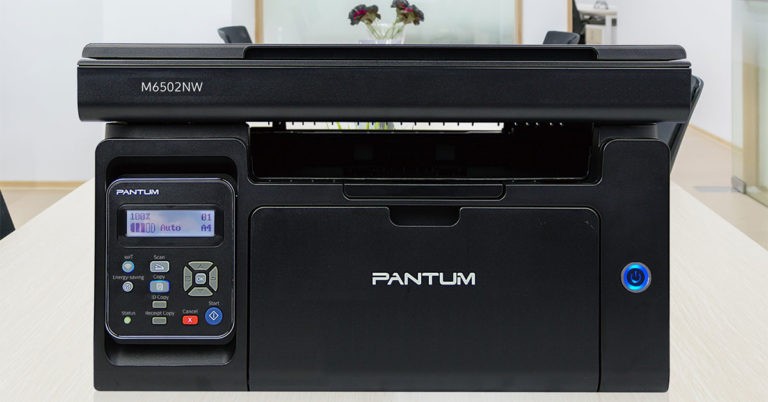


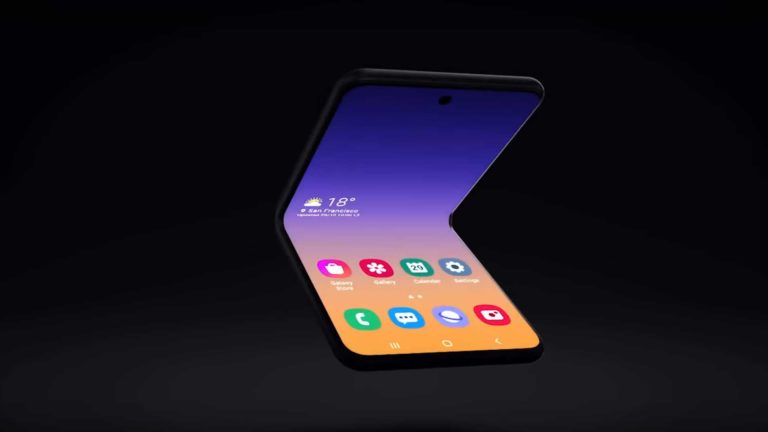
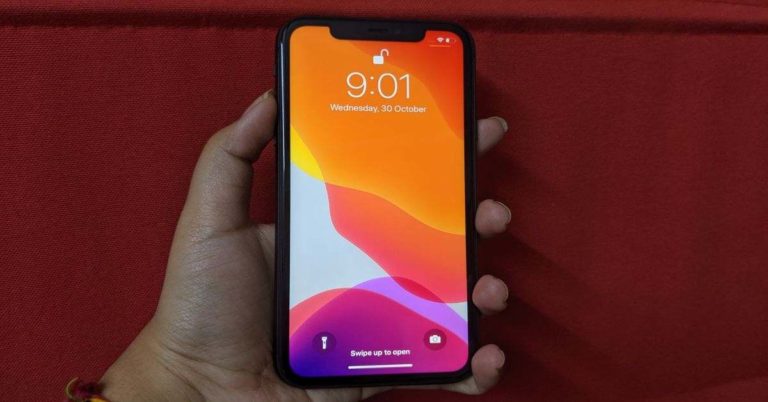


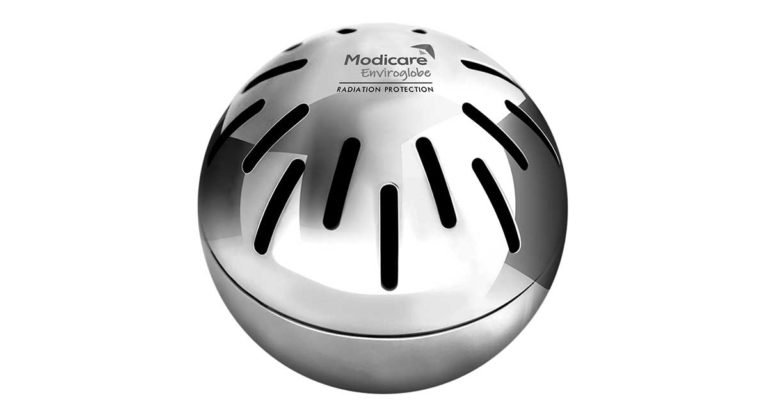
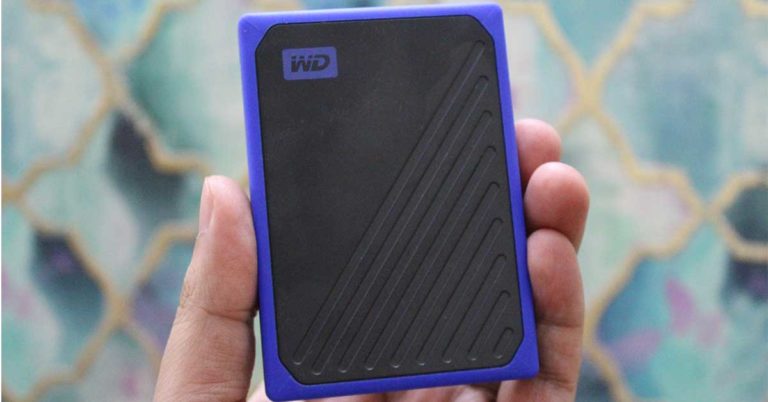
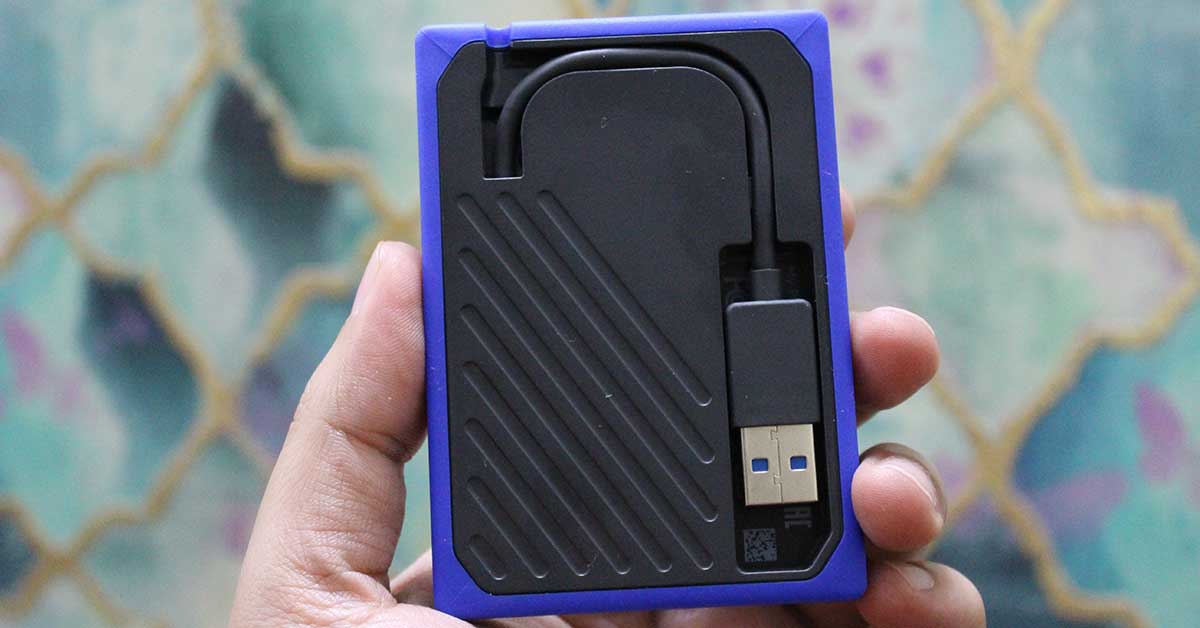


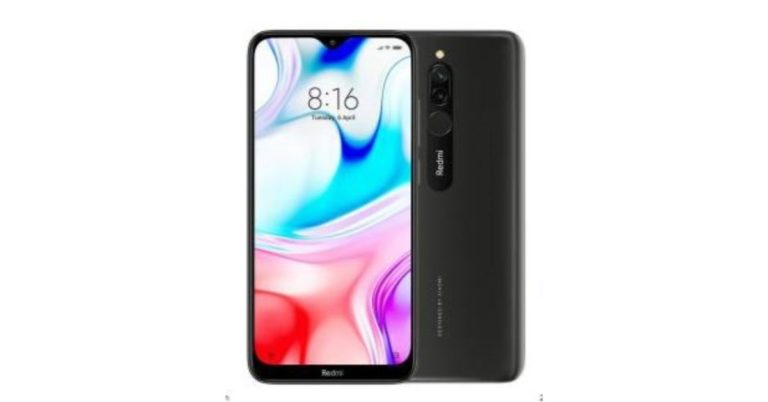
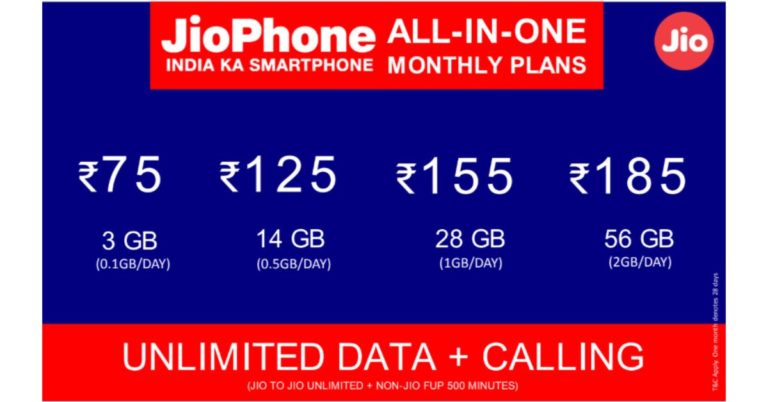
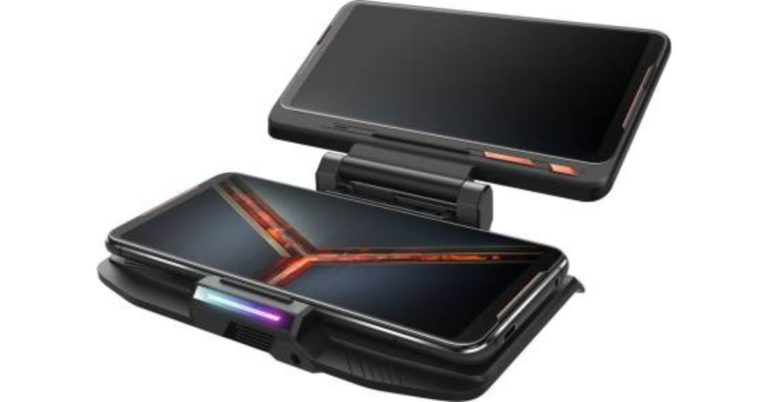
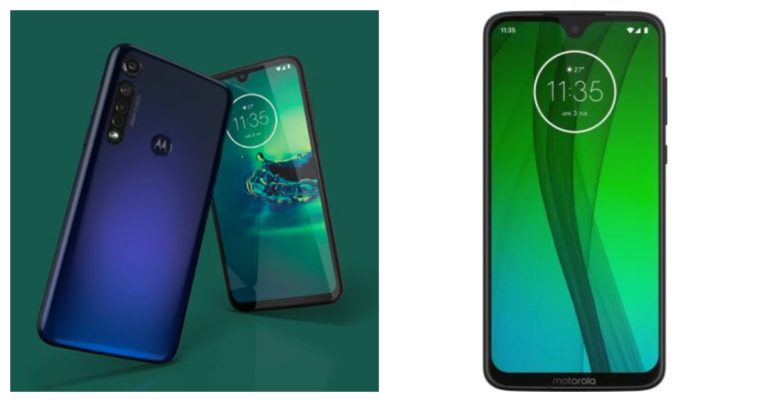
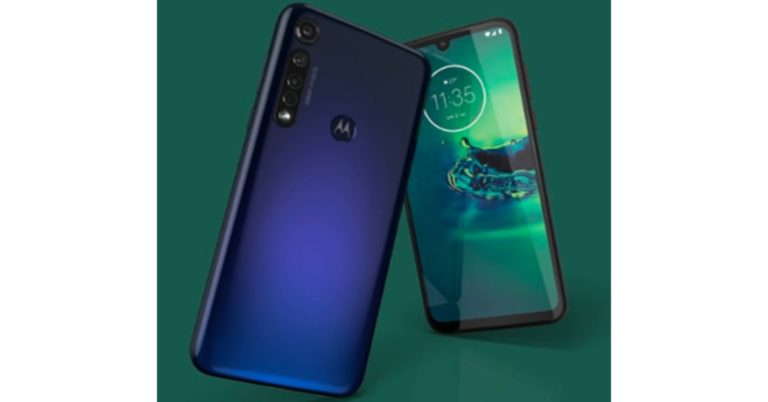
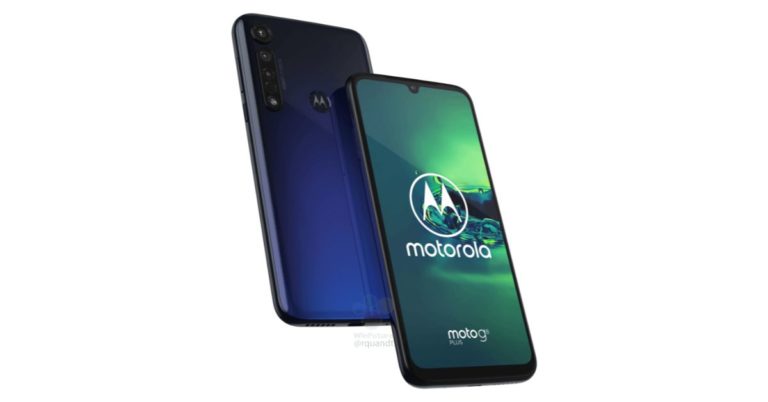
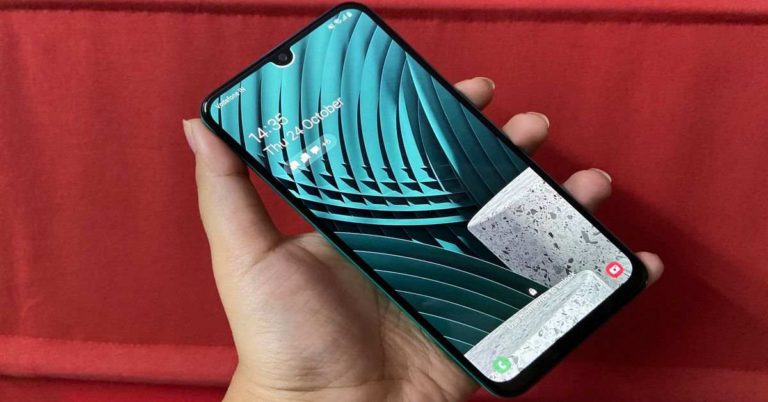



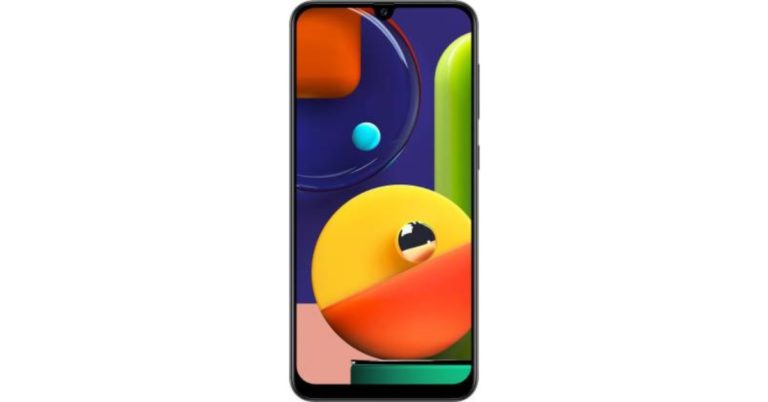
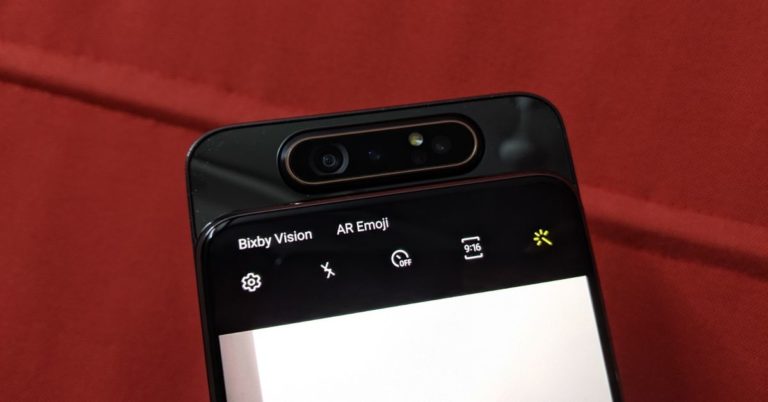
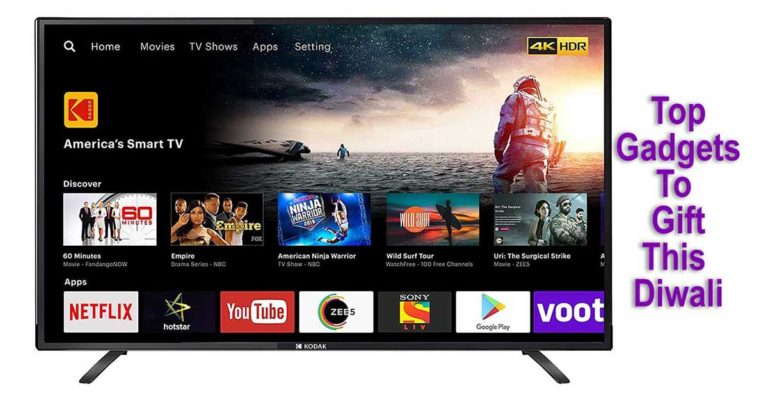


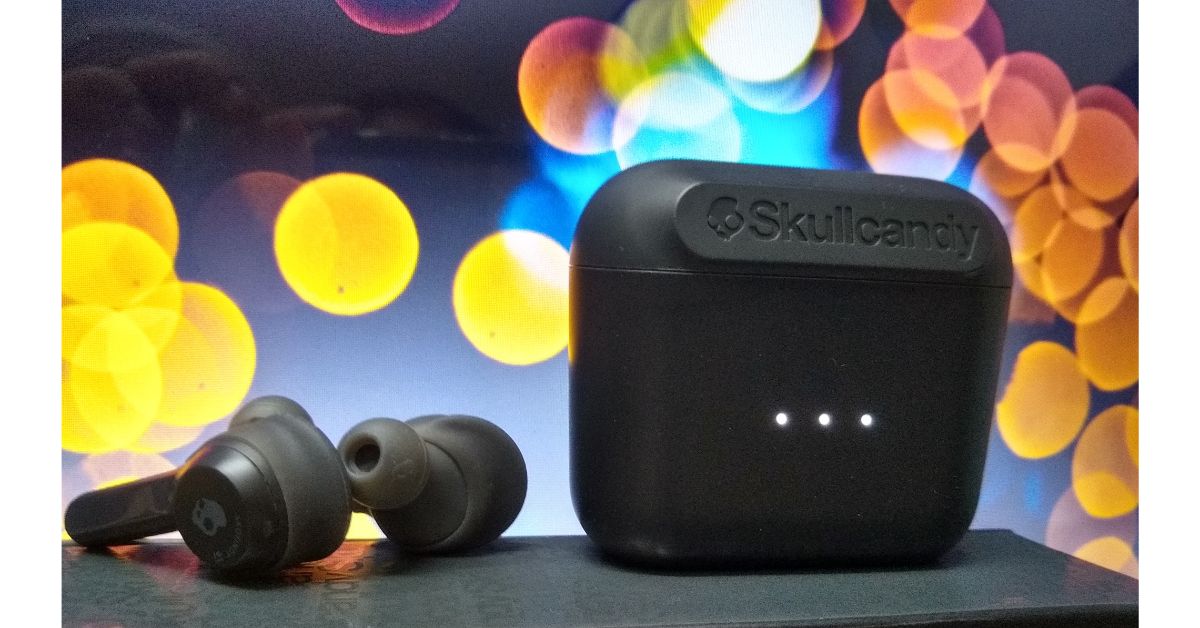

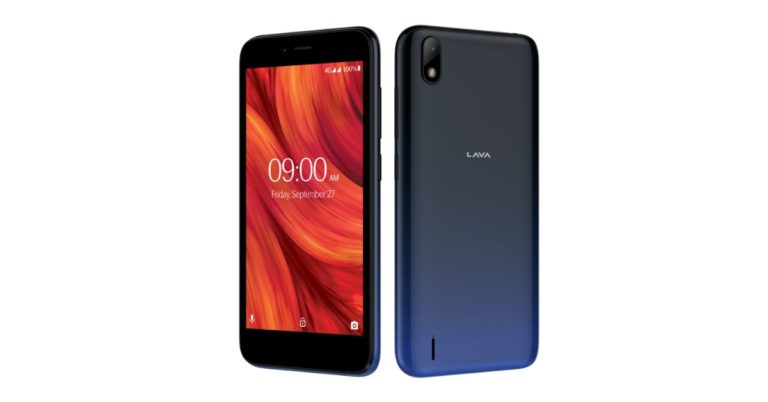
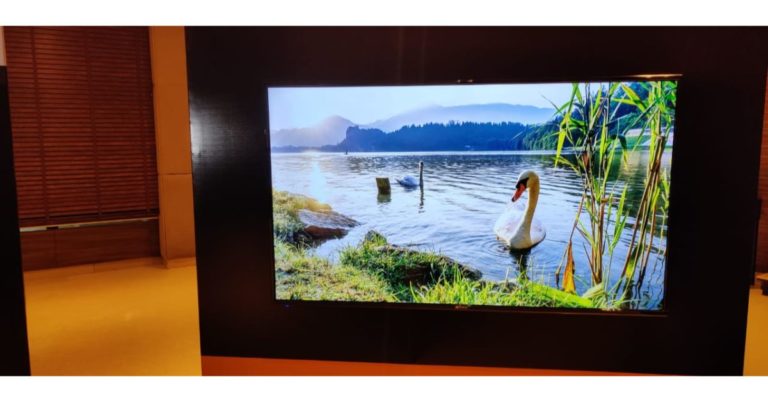



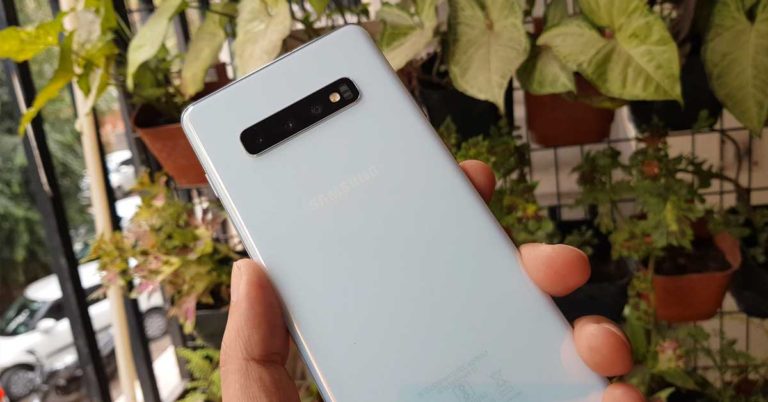



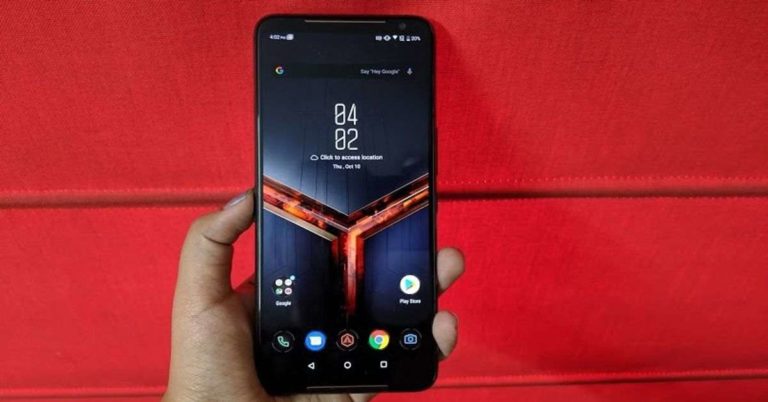





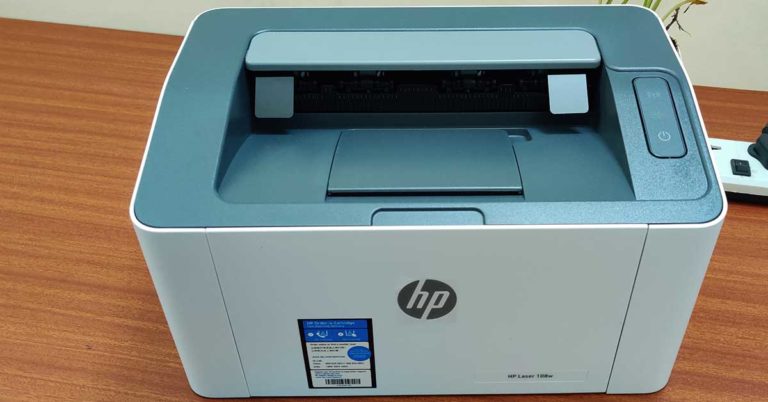

 Setting up the