Google Chrome 74 for Windows, macOS and Linux gets released

Google has released the new and updated Chrome 74 update for Windows, Mac, Linux, Chrome OS as well as for Android (beta). The new Chrome 74 brings the much-awaited dark mode for Windows along with some other features and bug fixes. With the Chrome 74 update, the mode has now finally made its way to the Windows platform.

The earlier version of Chrome – Chrome 73 – had already added the dark mode, but it was available only on Mac. However, Windows users did not get the dark mode with that update.

To enable the dark mode, users need to open the Settings in Chrome 74 and then they need to make the Switch. Once it is done, Chrome will automatically switch to dark mode. Alternatively, users can also click on the Chrome icon and head to Properties, and then click on Target. At the end of the target the users need to add “–force-dark-mode”. This will open the Chrome 74 in dark mode.

Other than the dark mode, Chrome 74 comes with another new improvement. This new improvement is the browser’s ability to prevent the webpages from automatically opening pop-ups when the user is closing or opening a page. This new feature disables the web pages from exploiting the window.open() API to open a new page when it unloads.

Other than that, the Chrome 74 also disables the drive-by downloads in sandboxed iframes. This prevents malicious websites from sending harmful malware to the user’s system through the ads on web pages.

Other than Windows, the Chrome 74 is also being released for Android in beta version. This version has fixed the older bugs and gets new improvements over its predecessor. The browser reduces the motion sickness by limiting the motion effect. On Android, Chrome 74 beta has renamed its earlier Data Saver mode to ‘Lite mode’. And as its name suggests, the Lite mode helps reduce the mobile data usage by compressing the web pages.

However, it should be noted that the Lite mode needs to be enabled in Android. For that, the users need to open the Chrome 74 and go to Settings, then scroll down to the Lite mode to enable it.

The new update can be downloaded in Windows by going to the Help>About Chrome. Once there, it will automatically start looking for the update, to download and install it. The stable version of Chrome 74 on Android and iOS will be released the next few days.

For the latest gadget and tech news, and gadget reviews, follow us on TwitterFacebook and Instagram. For newest tech & gadget videos subscribe to our YouTube Channel. You can also stay up to date using the Gadget Bridge Android App.
OnePlus 7 Pro ‘The Lab’ programme announced, will offer early access to select customers

Chinese smartphone maker OnePlus has opened ‘The Lab’ programme for business again. The company has a tradition of offering its consumers a chance to try out its upcoming smartphones before they are launched officially. And right after announcing the launch date of its new OnePlus 7 and OnePlus 7 Pro handsets, the company has started taking applications for The Lab. However, it is worth mentioning that the programme is only meant for OnePlus 7 Pro smartphone, which will be the company’s flagship device for the better part of 2019.

Recently, the company also announced that OnePlus 7 Pro, along with OnePlus 7, will be unveiled on May 14 at launch events that will take place simultaneously in New York City, London, and Bengaluru. This is the first time that OnePlus will be launching a smartphone at three locations at the same time.

The company has taken to its official OnePlus forum to announce that it is opening The Lab for OnePlus 7 Pro. The smartphone maker has also added that interested customers can start applying to review the upcoming flagship device. It is worth mentioning that you can register yourself on the platform till May 3, 8:00 pm ET, which is basically 05:30 am IST on May 4. The registrations are being done on OnePlus’ website and the company will take six days to review the applications. OnePlus will be choosing 15 customers to review the smartphone and the list of winners will be announced on May 9.

As we mentioned earlier, this is not the first time that OnePlus is running The Lab programme to give some customers early access to its upcoming smartphone. The first edition of The Lab started with OnePlus 3 in May 2016. Last year, the company ran the programme with both OnePlus 6 and OnePlus 6T under its The Lab programme. And this year, it is doing it with OnePlus 7 Pro.

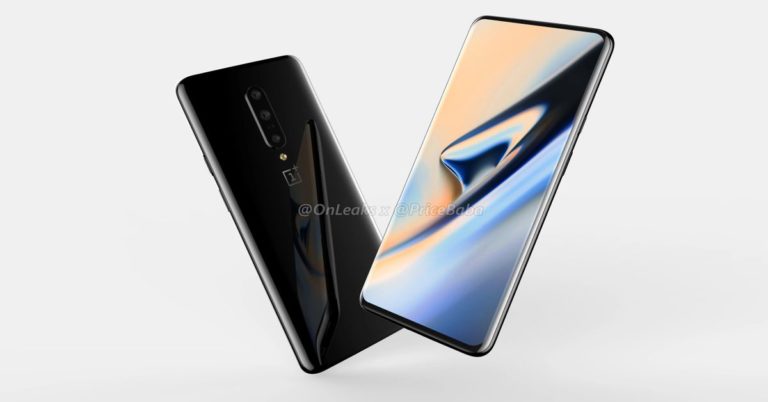
OnePlus CEO Pete Lau has teased that OnePlus 7 Pro will come with a ‘fast and smooth’ display. The smartphone will reportedly sport a 6.7-inch QHD+ (1440×3120 pixels) display that will have a refresh rate of 90Hz. The handset will run Qualcomm’s Snapdragon 855 processor and will reportedly come with up to 12GB of RAM.

For imaging duties, the device is said to feature a triple rear camera setup that will comprise of a 48MP primary sensor with an f/1.6 lens and OIS, an 8MP telephoto sensor with an f/2.4 lens and a 16MP wide-angle sensor with an f/2.2 lens and 117-degree field of view. Reports also suggest that OnePlus 7 Pro will house a 4,000mAh battery that will come with support for 30W Warp Charge.

For the latest gadget and tech news, and gadget reviews, follow us on TwitterFacebook and Instagram. For newest tech & gadget videos subscribe to our YouTube Channel. You can also stay up to date using the Gadget Bridge Android App.

Reliance Jio revises its recharge plans to cost less and offer more data: Get all the details here

Reliance Jio once has made headlines once again by increasing the data limits on its existing recharge plans. With this updated plan, the recharge plans by Jio which offered 1GB daily data earlier will now offer 1.5GB daily data, the ones that offered 2GB daily data will offer 2.5GB daily data and so on. Jio already has a wide range of prepaid recharge plans for its subscribers to choose from, and each plan comes with its fair-share of benefits. But now, Jio has increased the daily data limit of all its existing prepaid recharge plans except the sachet packs. In addition to this, it has also revised and reduced the prices of some of its recharge plans so the users can get the earlier data plans at a lesser rate.

Prior to this, the Rs 199 recharge pack by Reliance Jio offered 1GB daily data, but with the update, it has been increased to 1.5GB daily data. The Rs 199 plan now costs Rs 149 and it offers 42GB data in its 28 days validity. The Rs 399 plan which came with a validity of 70 days is now priced at Rs 349 and it offers 105GB data. Similarly, the Rs 459 plan that had a validity of 84 days now cost Rs 399 and it offers 126GB data. And the Rs 509 plan with 91 days validity is now priced at Rs 499 and it offers 136.5GB data.

Other than the abovementioned plans and their revised prices, the highest plan of Rs 1,699 remains the same on price but its data limit has been increased. Now the Rs 1,699 plan offers 547.5GB data instead of 365GB data for a total of 365 days.

Coming to the increased data limit, the recharge packs of Jio which offered 1.5GB data will now offer 2GB data. The new increased data limit includes the Rs 198 recharge plan now offers 56 GB data for 28 days. On the other hand, the Rs 398 plan now offers 140GB data with a validity of 70 days. The Rs 448 plan now offers 168 GB data for 84 days and the Rs 498 plan offers 182 GB data for 91 days.

Jio’s Rs 299 plan, which offered 56GB data for 28 days, will now offer 84GB data for the same duration. Similarly, Jio’s Rs 509 plan that offered 3GB daily data limit will now offer 4GB daily data with a validity of 28 days.

Once the given high-speed data limit has been exhausted, the speed will be limited to 64Kbps. Other than the increased data limit and the reduced data plans, Jio will also be giving the ongoing benefits such as the free national voice calls, 100 SMS per day etc.

For the latest gadget and tech news, and gadget reviews, follow us on TwitterFacebook and Instagram. For newest tech & gadget videos subscribe to our YouTube Channel. You can also stay up to date using the Gadget Bridge Android App.
Jabra 65e wireless earbuds with UC-certification launched: Price and details

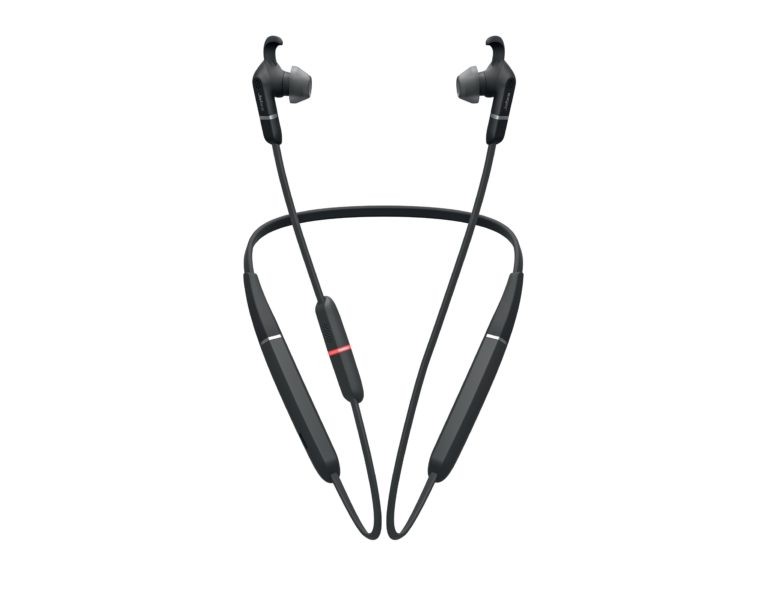
Jabra, a Denmark based audio equipment maker has launched its second generation of wireless earbuds with the UC-certification named Evolve 65e. According to the company, the new wireless earbuds is capable of giving professional sound with ease. It is light in weight, and has a soft and sleek neckband making it easy to use and wear. Jabra has promised a battery life of up to 13 hours on its Evolve 65e wireless earbuds. And it can be connected with PC as well as mobile phones.

Jabra 65e wireless earbuds price and availability

The newly launched Jabra 65e wireless earbuds is priced at Rs 20,320 +GST and it will be available for purchase from May onwards. The Jabra 65e can be purchased from authorised Channel partners and retailers.

Evolve 65e
Evolve 65e

On the launch, Holger Reisinger, a SVP Enterprise Solutions at Jabra said, “Enterprises are constantly seeking new ways to enable their employees to be productive wherever they are, making UC one of the most important mobile technologies today. But if mobile workers are to use professional headsets, they will expect the same wearing-styles and form-factors, great comfort and range of features that they get from their consumer devices. That’s why we engineered the Jabra Evolve 65e with both the user and the business in mind. By combining a lightweight, ultra-comfortable neckband design with the highest standards of sound quality – together with a range of user and enterprise management options – the latest addition to the mobile-first line-up of the Evolve family will be an employee’s constant companion for productivity and music on the move.”

Jabra 65e wireless earbuds specifications and features

As mentioned above, the Jabra 65e wireless earbuds is designed to offer professional level sound and it has also received the UC-certificate with Skype for Business certificate. According to the company, the Jabra 65e wireless earbuds can offer up to 13 hours of music and 8 hours of talk time. It comes with a Jabra Link 370 USB Bluetooth adapter which enables it to simultaneously connect with the PC/laptop and smartphones. The wireless earbuds has a range of 30m for PC and 10m for mobile phones.

The Jabra 65e wireless earbuds also comes with a built-in busylight feature which serves as a ‘do not disturb’ sign. It comes with a four-microphone system, two in the microphone box for capturing voice, and one in each earbud which listens to ambient noise around the user. The Jabra 65e wireless earbuds uses DSP algorithms to find the best voice-to-noise ratio giving its sound and the user’s voice a good clarity.

The Jabra 65e wireless earbuds weighs just 36g and comes with oval earbuds, soft memory wire and multiple sizes of ear-gels and ear-wings with passive noise cancellation. It can also be integrated with the Jabra Sound+ mobile app which gives the users the ability to customize their calls and music experience. The app also provides manuals, hints and enables the users to update the device’s software from within the application. It also comes with the Jabra’s HearThrough technology that enables the user to hear the environment around him. And lastly, it has a single button connectivity to voice assistant enabling it to connect with Google Assistant or Apple’s Siri.

For the latest gadget and tech news, and gadget reviews, follow us on TwitterFacebook and Instagram. For newest tech & gadget videos subscribe to our YouTube Channel. You can also stay up to date using the Gadget Bridge Android App.

Microsoft blocks Windows 10’s May 2019 update on PCs using USB storage

Software giant Microsoft has not as yet officially released the Windows 10 May 2019 update for everyone. Nevertheless, the company has already issued a warning about a bug that comes with the update. Microsoft is blocking the update on PCs that have a USB hard disk attached to it, or even on machines that have an SD card plugged in the SD card reader.

In a support article that Microsoft has published, the company has said, “Inappropriate drive reassignment can occur on eligible computers that have an external USB device or SD memory card attached during the installation of the May 2019 update.”

This basically means that is your system has a USB drive with ‘D:’ letter assigned to it by Windows, post the May 2019 update, it could have shifted to ‘E:’ instead. While this would not be a problem for a number of consumers, however, for those who own a tightly managed business machine, any change in the drive letter could result in a big problem.

This is the reason that the software giant is blocking the May 2019 update on machines with this storage attached. In case you wish to upgrade your system, all that you would have to do is remove all USB or SD storage attached to it.

Microsoft has also said that “this issue will be resolved in a future servicing update for Windows 10.” But then, this fix is speculated to not be available in time for when the company begins rolling out the May 2019 update next month. Windows 10 testers on the Release Preview ring already have access to the final May 2019 update, and the software giant is being extremely careful with any last minute testing this time.

We should mention that the previous October 2018 update had some file deletion issues when it rolled out first. And this time, the company is being extra careful because it does not want any problems like that.

But then, it is strange that Microsoft has only been able to detect the USB storage issue this late in May 2019, when it actually has millions of testers of Windows 10 who are there to flag issues like these.

In an unrelated piece of news that surfaced online earlier this month, it was suggested that the May 2019 Update by Microsoft will enable Windows 10 users to control how exactly they get feature updates. So, users will be able to decide when they want to install the latest major version on your system. You can read more about other additions here.

For the latest gadget and tech news, and gadget reviews, follow us on TwitterFacebook and Instagram. For newest tech & gadget videos subscribe to our YouTube Channel. You can also stay up to date using the Gadget Bridge Android App.

Lenovo Z6 Pro vs Xiaomi Mi 9 vs Oppo Reno 10x Zoom: Comparison

After months of wait, Lenovo finally launched its new flagship device, the Z6 Pro. Needless to say, it comes with pretty impressive and high-end specifications. The Lenovo Z6 Pro is powered by the Snapdragon 855 SoC clocked at 2.84GHz which is an industry standard for 2019 flagships. Although the Z6 Pro comes with a quad-rear camera setup, it also has a ToF sensor along with a PDAF sensor to improve the overall photography experience. The starting price of the Z6 Pro is also similar to some of the other newly launched devices. Here, we have compared the Lenovo Z6 Pro with its closest competitors –  Xiaomi Mi 9 and Oppo Reno 10x Zoom.

Display

Lenovo Z6 Pro: 6.39-inch Super AMOLED display with 1080 x 2340 pixels

Xiaomi Mi 9:  6.39-inch Samsung’s AMOLED Full HD+ (2340 x 1080 pixels) display

Oppo Reno 10x Zoom: 6.6-inch panoramic AMOLED display with 1080 x 2340 pixels

Processor

Lenovo Z6 Pro: Qualcomm Snapdragon 855 SoC

Xiaomi Mi 9: Qualcomm Snapdragon 855 SoC

Oppo Reno 10x Zoom: Qualcomm Snapdragon 855 SoC

Rear camera(s)

Lenovo Z6 Pro: 48MP primary sensor with an f/1.8 lens + 16MP wide-angle sensor + 8MP telephoto sensor + 2MP sensor

Xiaomi Mi 9:  48MP Sony IMX586 image sensor with an f/1.75 aperture + 12MP telephoto lens with an f/2.2 aperture + 16MP ultra wide-angle lens with an f/2.2 aperture

Oppo Reno 10x Zoom: 48MP Sony IMX586 sensor with an f/1.7 aperture + 13MP periscope telephoto lens + 8MP super wide-angle lens

Selfie camera

Lenovo Z6 Pro: 32MP front-facing camera

Xiaomi Mi 9: a 20MP camera with an f/2.0 aperture

Oppo Reno 10x Zoom: a 16MP Swing selfie camera

RAM and storage

Lenovo Z6 Pro: 6GB RAM/ 128GB storage, 8GB RAM/ 128GB storage, 8GB RAM/ 256GB storage, 12GB RAM/ 512GB storage

Xiaomi Mi 9: 6GB RAM/64GB storage, 6GB RAM/ 128GB storage, 8GB RAM/ 128GB storage

Oppo Reno 10x Zoom: 6GB RAM/ 128GB storage, 6GB RAM/ 256GB storage, 8GB RAM/ 256GB storaeg

Support for microSD card

Lenovo Z6 Pro: Yes

Xiaomi Mi 9: No

Oppo Reno 10x Zoom: Yes

Battery

Lenovo Z6 Pro: 4,000mAh battery with 27W fast charging support

Xiaomi Mi 9: 3,300mAh battery with Quick Charge 4+ fast charging support, wireless charging

Oppo Reno 10x Zoom: 4,065mAh battery with 20W fast charging support

Operating system

Lenovo Z6 Pro: Android 9 Pie skinned with ZUI 11

Xiaomi Mi 9: Android 9 Pie skinned with MIUI 10

Oppo Reno 10x Zoom: Android 9 Pie skinned with Color OS

Starting Price

Lenovo Z6 Pro: CNY 2,899 (approximately Rs 30,145)

Xiaomi Mi 9: CNY 2,999 (approximately Rs 31,185)

Oppo Reno 10x Zoom: CNY 3,999 (approximately Rs 41,583)

Although all the smartphones mentioned here haven’t currently been launched for the Indian market but we could see their launch in the coming weeks. Comparing the devices, we see that the Lenovo Z6 gives a tough competition to Xiaomi Mi 9 and Oppo’s Reno smartphone and of course, the latter is way more expensive too. But Oppo Reno’s only advantage is its 10x Zooming capability which the other two devices lack.

For the latest gadget and tech news, and gadget reviews, follow us on TwitterFacebook and Instagram. For newest tech & gadget videos subscribe to our YouTube Channel. You can also stay up to date using the Gadget Bridge Android App.



Facebook Stories hits 500 million daily users mark

We always thought that Facebook Stories are not as popular as the feature is on other platforms. But we have to admit today, that there are people who use Facebook Stories. And we are not talking about the few people who still have not joined Instagram. The social media giant has said that more than 500 million people use Facebook Stories on its platform every day.

It is worth pointing out that this is the first time that Facebook has said that its Stories product has reached at a point in its native app and Messenger that it has started catching up to the feature’s popularity on Instagram. It is worth noticing that after various attempts of acquiring Snapchat, Facebook got inspired from the Stories feature on the photo-messaging app and got it to Instagram. The feature later also made its way to WhatsApp, Messenger and Instagram.

The Stories feature saw immense popularity on Instagram and WhatsApp. So much so, that the daily users of the feature on the two apps soon crossed those of Snapchat. But as we mentioned earlier, this is the first time that Facebook has shared numbers which indicate that Stories on its native app and Messenger are catching up.

The last time that social media giant made an announcement about its Stories feature in September last year, it had 300 million daily users. Speaking of Instagram Stories alone, it had hit a mark of 500 million daily users in January this year.

The latest numbers were revealed today by Facebook CEO Mark Zuckerberg on a call with investors which happened right after the company’s first-quarter earnings report. The company also announced today that it has kept $3 billion apart to pay the Federal Trade Commission fine over its bad privacy and security track record.

However, even with the massive privacy fine included, Facebook has only continued to grow and earn a substantial amount of money. And it is also worth mentioning that Stories are increasingly becoming an important part of Facebook’s financial success.

The company’s COO also told listeners that around 3 million advertisers had made use of Stories across Facebook’s overall ecosystem. As of now, the social networking giant has not disclosed how much money it made via these ads, or on which platform a majority of them were placed.

Needless to say, with all these numbers, we have to admit that Stories are a big hit on Facebook’s platform. While everyone does not like to see Stories each time they open Facebook, it seems like there are 500 million people across the globe who do.

For the latest gadget and tech news, and gadget reviews, follow us on TwitterFacebook and Instagram. For newest tech & gadget videos subscribe to our YouTube Channel. You can also stay up to date using the Gadget Bridge Android App.

Apple to launch two new third-generation of AirPods with noise-cancellation this year: Report

Apple recently launched its next generation AirPods named AirPods 2. Although the new AirPods don’t come with a lot of new improvements over its predecessor but it is powered by a new chipset and is in need of a much needed upgrade. And now, the Cupertino-based technology giant will reportedly launch two new AirPods by the end of 2019.

According to a report by Digitimes, a TF International Securities Analyst, Ming-Chi Kuo has predicted that Apple will be coming out with two new models of its third generation of AirPods. Kuo has a good record with correct and accurate predictions of Apple products and he has revealed this news by obtaining a note from a client. According to Kuo, the Cupertino based firm will be looking at the end of 2019 or early 2020 for the release of its third generation of AirPods.

Among the two upcoming AirPods, one will be a proper upgrade to its predecessor – AirPods 2. And the other will come with a new design element unlike the AirPods 2 which holds similar design elements as the Airpods 1. It should also be noted that other than the chipset powering the AirPods 2, nothing much has been changed, so the AirPods offers only a slight improvement over the first generation of the Apple’s wireless earbuds.

According to the report, the third generation of upcoming AirPods will come with noise-canceling technology, but it is currently not clear if both the variants will have this feature or just one. And if it will be provided for one of them, it will most probably be the one with the updated design. But bringing a new ‘innovative’ feature to the AirPods will mean a considerable increase in its price range. The current generation (2nd) of AirPods costs $79 (approximately Rs 5,529) for the Wireless Charging Case alone, the AirPods with a Charging Case cost $159 (approximately Rs 11,129) and finally the AirPods with the Wireless Charging Case has a price tag of $199 (approximately Rs 13,929). It won’t be a surprise if the third generation of the AirPods goes up to $250 or above including the wireless charging case.

As mentioned earlier, the Apple AirPods second generation was released earlier this year and it came with a new chip which makes the pairing with iPhones and Macs easier. There was also a wireless charging case released with the AirPods, which was able to charge wirelessly using a wireless charging pad.

For the latest gadget and tech news, and gadget reviews, follow us on TwitterFacebook and Instagram. For newest tech & gadget videos subscribe to our YouTube Channel. You can also stay up to date using the Gadget Bridge Android App.

This is what Apple’s iPhone Flex foldable phone may look like

Cupertino based technology giant Apple always manages to stay in the news. From the beginning of the year, we have seen multiple renders and reports about its upcoming iPhones, even though their launch time is months away. We have also got a glimpse of what may be the plan for Apple‘s foldable phone – iPhone Flex.

Reports have suggested how Apple plans the build of the upcoming iPhone Flex foldable handset to be like, what to expect from its display orientation, hinge design, the structural integrity and the internal dynamics of making glass fold. And now, tech graphic designer Concept Creator has made some renders that bring give us a clear picture of how all of this will look like once it is put together.

The images and video render that have been created by Concept Creator and shared by Forbes show Apple’s design aesthetic combined with the form factor that the company has been working on. It is worth pointing out that the publication calls this step as ‘crucial’ as the technology giant is known to leak misleading designs as structural patents so that viewers cannot guess what’s really up it really has up its sleeve.

With its iPhone Flex foldable phone, Apple is said to coming up with a completely new form factor that is being called as a ‘game-changer’. According to Forbes, it will be like an iPhone when folded and more like an iPad when unfolded. While this is something that we have been expecting, the report also added that Apple’s iPhone Flex would cost more than both combined. But then, after seeing the exorbitant pricing of Samsung Galaxy Fold and Huawei Mate X, we cannot really expect Apple to lag behind in this aspect.

It is worth pointing out that Apple also has an advantage that Samsung and Huawei didn’t. While the two companies had to work together with Android to come with a customized operating system for their foldable phones, Apple’s iOS can already switch between phone and tablet modes. Currently, Apple is adopting its ‘Wait and Conquer’ strategy with the foldable phone.

iphone flex 2
Image courtesy: Concept Creator

So it would wait to see how the market responds to foldable phones by other companies, and then make the strategy around its iPhone Flex based on that. Adopting this way gives Apple a chance to learn from others’ mistakes and also to understand what the customers expect from a particular gadget. Also, in case foldable phones don’t become a hit at all, the Cupertino based technology company would know while its product is in development, so it will be able to take steps accordingly.

For the latest gadget and tech news, and gadget reviews, follow us on TwitterFacebook and Instagram. For newest tech & gadget videos subscribe to our YouTube Channel. You can also stay up to date using the Gadget Bridge Android App.

Apple has quietly released a YouTube channel of its Apple TV app

It seems as if Apple won’t be stopping anytime soon in bringing out new services with its branding on it. It was last month when we saw the Cupertino based technology giant launch more than five products and services. These included the Apple TV streaming service, Apple Music and Apple News among others. And now, expanding its online presence in the extremely competitive world of video streaming, Apple has launched its “Apple TV” channel. The Apple TV channel can be found on YouTube.

But it should be noted that the Apple TV YouTube channel is dedicated to the company’s TV application. The newly launched Apple TV YouTube channel will offer its viewers the trailers of upcoming shows, movies, behind the scenes commentary and interviews. Also, show clips along with videos highlighting Apple’s own original content can be found here. Earlier, we saw that Apple had been creating original content for its Apple TV video streaming platform. The new YouTube channel seems to be a way for the company to spread the word about features and programs being offered on its app. According to a report by MacStories, the YouTube channel will also show the trailer and the Carpool Karaoke previews. These are popular among the fans, as the report said.

But there is a piece of good news too – the channel might be free of advertisements. This should definitely make the experience much better for the viewers on the application.

Nevertheless, it seems strange that the company has launched the Apple TV’s YouTube channel for promotion at a time when the TV app doesn’t have much videos or content.

Coming to the behind-the-scenes clips and footage, interviews which the Apple TV’s YouTube channel has uploaded isn’t even on the Apple TV application. And most of the trailers on YouTube are unavailable in the TV app. Since the unreleased movies and shows do not show in the Apple TV’s content database list.

Even though Apple TV has been announced, the company will launch the redesigned Apple TV app in May 2019. It will be part of its tvOS 12.3 and iOS 12.3. Even though the TV app of Apple have exclusive content as well as some popular shows and films, it is yet to be seen what kind of content the YouTube channel of the application will publish.

For the latest gadget and tech news, and gadget reviews, follow us on TwitterFacebook and Instagram. For newest tech & gadget videos subscribe to our YouTube Channel. You can also stay up to date using the Gadget Bridge Android App.

Flipkart Super Value Week Sale: Discounts on Honor 10 Lite, Honor 9N, Honor 9i and more

E-commerce website Flipkart’s Super Value Week sale started earlier this week on April 23 and it will go on till April 30. During this time, a number of smartphones and devices will be available at discounted rates on the shopping website. So, if you have been planning to buy a new handset for yourself, now is the right time to do it.

During the sale, deals and discounts on various Honor smartphones will be available. Customers will also be able to get their Honor smartphones insured with the ‘Complete Mobile Protection’ offer for Rs 99. This plan covers screen damage, water damage, hardware and software defects along with other brand authorized repairs. In addition to this, customers would also have the option of exchanging their old smartphones and avail additional discount ranging from Rs 250 to Rs 1000 using the ‘Surprise Exchange Offer.’

As a part of the sale, you can get the 4GB RAM & 128GB storage variant of Honor 9N at Rs 11,999 along with the 4GB & 64GB storage model of dual selfie-camera phone, Honor 9 Lite at an offer price of Rs 9,999. Additionally, buyers can avail discount offers on Honor 10 Lite, Honor 7A, Honor 7S and Honor 9i devices.

Here’s a complete list of discounts on Honor smartphones that can be availed on Flipkart during the Super Value Week sale:

Honor 10 Lite

3 GB RAM + 32 GB storage – MRP: Rs 13,999; Offer Price: Rs 11,999

4 GB RAM + 64 GB storage – MRP: Rs 16,999; Offer Price: Rs 12,999

Honor 9 Lite

This smartphone can also be found on discount during Flipkart super value week sale.

3 GB RAM + 32 GB storage – MRP: Rs 13,999; Offer Price: Rs 8,499

4 GB RAM + 64 GB storage – MRP: Rs 16,999; Offer Price: Rs 9,999

Honor 9N

3 GB RAM + 32 GB storage – MRP: Rs 13,999; Offer Price: Rs 8,999

4 GB RAM + 64 GB storage – MRP: Rs 15,999; Offer Price: Rs 9,999

4 GB RAM + 128 GB storage – MRP: Rs 15,999; Offer Price: Rs 11,999

Honor 7A

3 GB RAM + 32 GB storage – MRP: Rs 10,999; Offer Price: Rs 7,499

Honor 7S

Another smartphone available at a discount during Flipkart Super Value sale is Honor 7S.

2 GB RAM + 16 GB storage – MRP: Rs 8,999; Offer Price: Rs 5,999

Honor 9i

4 GB RAM + 64 GB storage – MRP: Rs 19,999; Offer Price: Rs 10,999

If you want to buy smartphones from companies other than Honor during the Super Value Week sale on Flipkart, you can read about the deals available on them here.

For the latest gadget and tech news, and gadget reviews, follow us on TwitterFacebook and Instagram. For newest tech & gadget videos subscribe to our YouTube Channel. You can also stay up to date using the Gadget Bridge Android App.

Vivo V17 officially confirmed as it gets listed on the company’s official India website

0

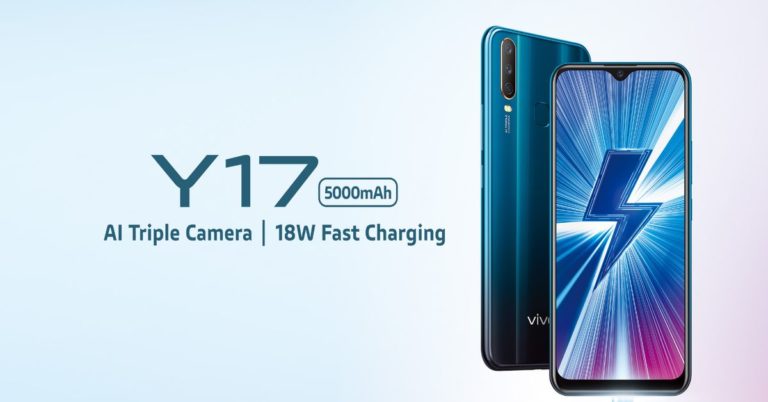
A few days ago, we saw the leaks of an upcoming device from Vivo – Vivo V17. And days later, the Vivo V17 has been made official as it is now listed on the official website of the company. The upcoming Vivo V17 comes in two colour variants and it will be powered by the Helio P35 SoC. Other than that, the main highlights of the Vivo V17 are its AI powered triple-rear camera along with 5,000mAh battery and 18W fast charging support.

Although the price of the Vivo V17 is currently not known but since it has been made official and is listed on the company’s website means that its launch is imminent. As mentioned above, it will come in two colour variants – Mineral Blue and Mystic Purple.

Vivo V17 specifications and design

Talking about the design of the device, the Vivo V17 sports a waterdrop style notched display with a slightly broad chin at the bottom. While the back of the device has a gradient and metallic finish and a vertically stacked triple rear camera setup. There is also a rear-mounted fingerprint scanner on the back panel Vivo V17. The right edge of the Vivo V17 holds the volume button along with the power button while the bottom of the device holds the 3.5mm audio jack, the microphone, the speaker grille, and the Micro-USB port.

Coming to the specifications of the device, the Vivo V17 sports a 6.35-inch (720 x 1544 pixels) HD+ LCD display with an aspect ratio of 19.3:9 and 89% screen-to-body ratio. It is powered by an octa-core MediaTek Helio P35 CPU paired with 4GB RAM and 128GB of internal storage. The Vivo V17 runs Android 9 Pie skinned with Funtouch OS 9 and it reportedly packs a huge 5,000mAh battery with 18W dual-engine fast charging support. The device has dual-SIM card slot.

On the camera front, the Vivo V17 reportedly sports a triple-rear camera setup which comprises of a 13MP primary sensor with an f/2.2 aperture paired with an 8MP secondary sensor with an f/2.2 aperture along with a 2MP tertiary sensor with an f/2.4 aperture. For selfies and video calls, there is a 20MP camera with an f/2.0 aperture. The rear cameras come with features like PDAF, time-lapse, HDR, AI Face Beauty, and super wide-angle mode. And the front camera comes with features like gender detection, panorama, face beauty, live photo, HDR, portrait, AI face beauty, camera filters, and more.

Other features of the upcoming Vivo V17 includes dual band Wi-Fi, Bluetooth 5.0, Micro-USB with OTG, GPS, FM radio, and more.

For the latest gadget and tech news, and gadget reviews, follow us on TwitterFacebook and Instagram. For newest tech & gadget videos subscribe to our YouTube Channel. You can also stay up to date using the Gadget Bridge Android App.
Nintendo’s affordable Switch gaming console to launch in June: Report

0

Japanese consumer electronics and video game company Nintendo will reportedly launch a more affordable version of its Switch gaming console in June 2019. This is completely in line with previous rumours that have also suggested that the company is working a budget variant of its portable gaming console.

The report which claimed that Nintendo Switch will be launched in June first surfaced on Bloomberg. But then, it is not clear as of now what changes the company will be adding to its portable console. However, it has also been speculated that the new Switch will come with a smaller display or remove the dock capability completely for a device that can work with smartphones.

Till now Nintendo has not released the official numbers for the last fiscal year, Bloomberg has said that according to analysts the company has shipped 17.5 million Switch consoles. The number would beat Nintendo’s revised estimate that said that the company will be shipping 17 million units. However, it is still short of the original 20 million consoles goal.

A more affordable model of the Switch will help in enhancing the sales of the company. We should mention that Nintendo has also used this strategy in the past with its 2DS, and it did work back then for the company as it opened up the console’s vast library of games to customers and they had to pay less for it.

In addition to this, the report also says that the existing Switch will be getting a “modest upgrade” later this year. As we mentioned earlier, this is in line with the that appeared in The Wall Street Journal last month and said that the company will be launching a new model of Switch with “enhanced features targeted at avid video gamers.”

Coming back to Bloomberg’s report, it also said that “a more powerful version” of the Switch gaming console is not something that the company is working on at this time. So, whatever the company will launch in the next few months, it is not wise to expect a drastic upgrade in the performance.

It has also been reported by Emily Rogers on ResetEra that Nintendo may have plans of launching as many as 12 games for its Switch gaming console this year. Among these, three games are set to be launched as eShop-only titles, one as Nintendo Labo kit and two as Wii U ports. The remaining six games that Nintendo plans to launch this year are big retail games.

For the latest gadget and tech news, and gadget reviews, follow us on TwitterFacebookand Instagram. For newest tech & gadget videos subscribe to our YouTube Channel. You can also stay up to date using the Gadget Bridge Android App.
TikTok ban gets lifted by the Madras High Court

0

The interim ban that was placed on Chinese video-sharing app TikTok has been lifted by the Madras High Court, however, certain conditions have to be complied with by the company for this. The popular video sharing app claims to have more than 54 million active users in the country.

The case against TikTok was filed by advocate Muthukumar and the court has now decided to lift the ban on the app provided pornographic content will not be uploaded on its platform. In case TikTok fails to comply with this, proceedings would begin again.

We should mention that on April 3, the court had directed the central government to ban the download the TikTok app in India because of concerns related to ‘pornographic’ content. It is also worth adding that when TikTok approached the Supreme Court of India, it refused to stay the interim order on the grounds that it was temporary and still being heard at the Madras High Court. After the government passed the order, TikTok was taken off from Google Play Store as well as Apple’s App Store on April 18.

It is also worth noticing that the Madurai bench of the Madras High Court, which is currently hearing a petition that says that TikTok “degrades culture and encourages pornography” had earlier said that children who were using TikTok were vulnerable to be exposed to sexual predators via the platform. The inappropriate content on TikTok is a dangerous aspect of the app, according to the High Court.

TikTok’s parent company ByteDance challenged the High Court order with a petition to the Supreme Court that said that the interim order was passed without hearing them and that restriction like these would pose a threat to free speech.

The company also said that users on TikTok only flagged a tiny portion of the videos on the platform, and according to it, this goes to show that a “very minuscule” portion of its content can be considered objectionable.

According to ByteDance, it has suffered a financial loss of up to $500,000 (approximately Rs 3.5 crores) a day and because of the ban, more than 250 jobs are at risk. The company has also added that the ban would harm its reputation and goodwill among advertisers and investors.

TikTok lets users create short videos with special effects and then share them with everyone. In February 2019, TikTok reached the one billion download mark.

Speaking about the ban being lifted, TikTok said in a statement, “We are glad about this decision and we believe it is also greatly welcomed by our thriving community in India, who use TikTok as a platform to showcase their creativity. We are grateful for the opportunity to continue serving our users better. While we’re pleased that our efforts to fight against misuse of the platform has been recognized, the work is never “done” on our end. We are committed to continuously enhancing our safety features as a testament to our ongoing commitment to our users in India.”

For the latest gadget and tech news, and gadget reviews, follow us on TwitterFacebook and Instagram. For newest tech & gadget videos subscribe to our YouTube Channel. You can also stay up to date using the Gadget Bridge Android App.

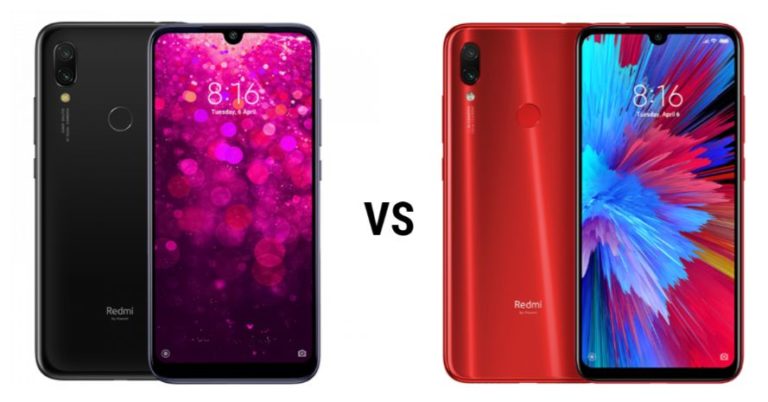
Redmi Y3 vs Redmi Note 7: Comparison

Xiaomi today launched its selfie-centric smartphone Redmi Y3 at an event in New Delhi. The handset is touted to come with a 32MP Super Selfie camera that can click shake-free selfies and has support for Electronic Image Stabilization. The camera can also record Full HD videos and take Group Selfies. Other key highlights of the new Y3 smartphone are its 4,000mAh battery, its AI backed dual rear camera setup and its Aura Prism design.

The starting price of the newly launched smartphone is Rs 9,999. It is worth mentioning that another recently launched smartphone from Xiaomi – Redmi Note 7 – also holds the same starting price tag. However, the set of specifications of the two handsets are different in some aspects.

The Chinese smartphone brand currently holds the top position in the budget segment of the Indian smartphone market. In fact, most of the handsets by Xiaomi are priced in this segment. So, it is not very surprising to see the company launch two different devices of the same price in such a short time span.

It can be safely assumed that Xiaomi is catering to two different sets of target audiences with both the smartphones as one comes with a better selfie camera and the other packs a more powerful processor.

Here, we have listed down all the specifications of Redmi Y3 and Redmi Note 7 so that you can compare the two smartphones and decide which among the two Xiaomi handsets would make a good buy for you. Check out our comparison of the two smartphones here:

Display

Redmi Y3: 6.26-inch HD+ Dot Notch display

Redmi Note 7: 6.3-inch Full HD+ LCD display

Processor

Redmi Y3: Qualcomm Snapdragon 632 processor

Redmi Note 7: Qualcomm Snapdragon 660 processor

Rear camera(s)

Redmi Y3: Dual rear camera setup with 12MP and 2MP sensors

Redmi Note 7: Dual rear camera setup with 12MP and 2MP sensors

Selfie camera

Redmi Y3: 32MP Super Selfie camera with AI enhancements

Redmi Note 7: 13MP front-facing camera

RAM and storage

Redmi Y3: 3GB RAM/32GB internal storage, 4GB RAM/64GB onboard storage

Redmi Note 7: 3GB RAM/32GB onboard storage, 4GB RAM/64GB internal storage

Support for microSD card

Redmi Y3: Up to 512GB

Redmi Note 7: Up to 256GB

Battery

Redmi Y3: 4,000mAh battery

Redmi Note 7: 4000mAh high-capacity battery

Operating system

Redmi Y3: Android 9.0 Pie skinned with MIUI 10

Redmi Note 7: Android 9.0 Pie skinned with MIUI 10

Starting Price

Redmi Y3: Rs 9,999

Redmi Note 7: Rs 9,999

For the latest gadget and tech news, and gadget reviews, follow us on TwitterFacebook and Instagram. For newest tech & gadget videos subscribe to our YouTube Channel. You can also stay up to date using the Gadget Bridge Android App.

MSI launches world’s first gaming laptop with Intel i9 chipset, other laptops launched too

After Intel’s announcement of the launch of 9th Generation Core CPU, many laptop manufacturers are coming up with new laptops powered by the newly launched chipsets. In that race, MSI debuts with the launch of world’s first gaming laptop powered by the 9th Generation Intel Core i9 CPUs paired with the NVIDIA GTX-16 series GPUs.

MSI new laptops price and availability

The starting price of the new gaming laptops from MSI is Rs 77,990 while the highest model of the range costs Rs 3,99,990. The newly launched MSI gaming laptops are available on e-commerce platforms such as Flipkart and Amazon along with MSI exclusive stores in New Delhi, Pune, Kolkata and Bangalore. The newly launched MSI gaming laptops are already available as they started selling from April 23 onwards.

Speaking on the launch, Chang-Ching Lin, Regional Marketing Manager said, “We are excited to announce that MSI is the first brand to debut the 9th Gen. Intel® Core™ i9 Processors in the gaming series. Furthermore, the GTX 16 series graphics cards will provide a more affordable graphics solution for gamers while still attaining a high level of performance. With these new additions to our product portfolio, we not only aim at offering gamers the best experience but also want to make gaming more inclusive. India is a key focus market for MSI and we will continue to bring in our latest line of products in the country in line with the global launches.”

MSI GT Titan, MSI GS Stealth and other gaming laptops specifications and features

The newly launched MSI laptops are a part of a fully upgradable gaming line-up which includes the MSI GT-series, MSI GS-series, MSI GE-series, MSI GP-series, MSI GL-series and MSI GF-series. The new laptops come powered by the 9th Generation Intel Core CPUs which are 45% faster than the previous models. But the new laptops are not only good for gaming as they can handle heavy audio composition, video editing and multitasking with ease. They also equip the NVIDIA GTX-16 series GPUs which offer 50% more performance increase.

The new MSI GT Titan comes with 9th Generation Intel Core i9 overclockable CPU paired with the ‘most powerful GPU’. It also comes with the Cooler Boost Titan, dual fans and 11 pipes which reduces the temperature of the laptop during intense gaming. The Titan MSI GT Titan comes with 4K Ultra HD display panel and offers an immersive gameplay.

The MSI GS Stealth, on the other hand, comes in multiple variants, from NVIDIA RTX 2080 with the Max-Q design to the NVIDIA GTX-16 series. The MSI GS65 comes with a 240Hz display panel to maximize the gaming experience without frame drops.

The MSI GE-series is known for its aesthetics and design and in the updated version, the GE-series is getting a 17.3-inch and a 15.6-inch display with 144Hz refresh rate. It is powered by the Intel 9th Gen Core i7 CPUs paired with NVIDIA GPUs. Also, the MSI GE75 is the first model from MSI with Wi-Fi 6 capability which gives it a faster network and speed.

Moreover, the MSI GP-series comes with a brand-new cosmological warship style design and misty grey color. The MSI GP75 comes with Leopard sports a per-key RGB keyboard by SteelSeries. It too has gotten a new Intel 9th Generation CPU paired with the updated NVIDIA GPU.

Furthermore, the MSI GL-series has multiple variants with RTX series NVIDIA GPU to GTX-16 series GPU. According to the company, the GL-series gaming laptops is good and mainstream for the gamers and it can handle most of the AAA title games with ease. It also has the RGB backlit keyboard like many other MSI laptops.

Finally, the MSI GF-series is known for its unique built and light weight. Even though it is light in weight it offers the latest Intel 9th Gen CPU and NVIDIA updated GPU. According to the company, the MSI GF75 and the MSI GF63 is lighter and more powerful than its predecessor.

For the latest gadget and tech news, and gadget reviews, follow us on TwitterFacebook and Instagram. For newest tech & gadget videos subscribe to our YouTube Channel. You can also stay up to date using the Gadget Bridge Android App.
Nokia 9 PureView in-display fingerprint scanner has this serious bug

0

Nokia 9 PureView was launched by the HMD Global at the MWC 2019 in Barcelona and the handset made heads turn with the penta-camera setup on its back panel. The Nokia 9 PureView is the flagship device from the company and although it is powered by an older Snapdragon 845 SoC, it still considered to be one among the best smartphones that have been launched in 2019. But now, reports have surfaced online that claim that the Nokia 9 PureView is having security issues with its in-display fingerprint scanner.

Some users reported that the in-display fingerprint scanner of the Nokia 9 PureView is accepting unregistered fingerprints to unlock the device. The fingerprint scanner of the Nokia 9 PureView is also letting chewing gum and random objects unlock the smartphone. On this note, HMD Global confirmed that it is investigating the malfunction further to see if the reports are true or not, and if it is true then what is the cause behind it and how can they fix it. Currently, it is not known whether the malfunction is related to hardware or software.

A Twitter user with the name DecodedPixel shared a video on his handle where his Nokia 9 PureView is being unlocked with a pack of chewing gum. He also said that, he was able to unlock his device using someone else’s fingerprints. He was even able to unlock the device using a coin and leather gloves as well. Other Twitter and Reddit users confirmed that they were also able to unlock their Nokia 9 PureView using unregistered fingerprints or objects.

On this matter, the Global Chief Officer of HMD Global Juho Sarvikas responded to the user saying that the matter was being investigated.  He also said that his team in the UK will reach out to the user if they were able to recreate and reproduce the issue on their own unit. Sarvikas also said that he would take the user’s phone to investigate the malfunction further and find a solution.

Although not much is known about the issue, but if it’s a software issue that the HMD Global should be able to fix it with an update. But if it’s a hardware issue then the company might face some problems.

It should be noted that, the Samsung Galaxy S10 had also faced similar less-secure face unlock feature, but it turned out to be a turned-on option in Settings menu of the device. the problem in the Galaxy S10 was fixed by turning the Settings off.

For the latest gadget and tech news, and gadget reviews, follow us on TwitterFacebook and Instagram. For newest tech & gadget videos subscribe to our YouTube Channel. You can also stay up to date using the Gadget Bridge Android App.

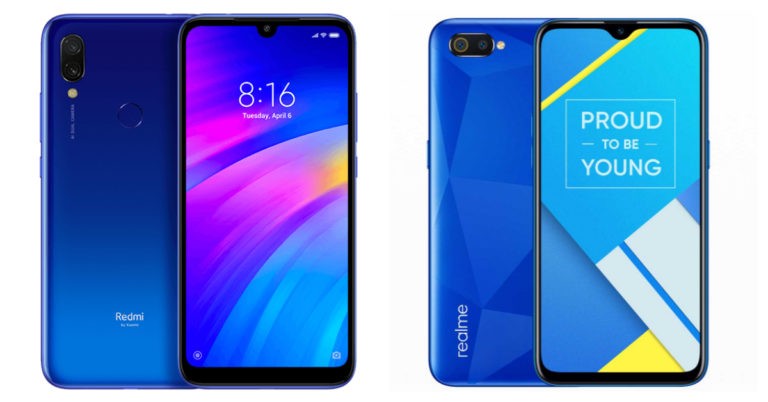
Redmi 7 vs Realme C2: Comparison

Xiaomi has finally launched its much-awaited Redmi 7 handset in India alongside the selfie-centric Redmi Y3. Before today, there was no official word about the launch of the Redmi 7 from Xiaomi. Instead, only some leaks and speculations had surfaced online, so today’s launch comes as a surprise. The Redmi 7 was already launched in China first so we already knew the specifications of the smartphone. The difference was in the RAM/storage variants that were launched in India, and of course, we did not know about the pricing. Besides this, the colour names of the Indian variants of the Redmi 7 are different despite the fact that the colours are the same as their Chinese counterparts.

On the other hand, we have the Realme C2 which has already been announced but will go on sale in the Indian market sometime later. We are comparing the Redmi 7 with the Realme C2 as both of them hold similar specifications and features. Read on to know which among the two is the handset for you:

Display

Redmi 7: 6.26-inch HD+ (720 x 1520 pixels) display with Corning Gorilla Glass 5 protection

Realme C2: 6.1-inch HD+ waterdrop notched display with Corning Gorilla Glass 3 Protection

Processor

Redmi 7: Qualcomm Snapdragon 632 processor

Realme C2: MediaTek Helio P22 Processor

Rear Camera(s)

Redmi 7: Dual rear cameras with 12MP + 2MP sensors

Realme C2: 13MP + 2MP dual rear camera setup

Selfie camera

Redmi 7:  8MP selfie camera

Realme C2:  5MP selfie camera

RAM and storage

Redmi 7: 2GB RAM/ 32GB storage and 3GB RAM/ 32GB storage

Realme C2: 2GB RAM/16GB storage and 3GB RAM/32GB storage

Support for microSD card

Redmi 7: Yes, up to 512GB

Realme C2: Yes, up to 256GB

Battery

Redmi 7: 4,000mAh battery

Realme C2: 4,000mAh battery

Operating system

Redmi 7: Android 9 Pie skinned with MIUI 10

Realme C2: Android 9 Pie skinned with ColorOS 6.0

Starting Price

Redmi 7: Rs 7,999 for the 2GB RAM/ 32GB storage variant and Rs 8,999 for the 3GB RAM/ 32GB storage

Realme C2: Rs 5,999 for the 2GB RAM/16GB storage variant and Rs 7,999 for the 3GB RAM/32GB storage variant

We see that the Realme C2 offers similar performance as the Redmi 7 with the main differences being the front camera, the CPU and the price. The starting price of the Realme C2 is Rs 2,000 cheaper than the Redmi 7 and Rs 1,000 cheaper than the 3GB RAM variant. And keeping the CPU aside, the Realme C2 beats the Redmi 7 in most aspects. But if you want the Snapdragon CPU and are not afraid to spend Rs 2,000 more then you can go for the Redmi 7 smartphone.

For the latest gadget and tech news, and gadget reviews, follow us on TwitterFacebook and Instagram. For newest tech & gadget videos subscribe to our YouTube Channel. You can also stay up to date using the Gadget Bridge Android App.

OnePlus 7 goes official: 10 things you should know about the smartphone

OnePlus is all set to launch its next flagship smartphone – OnePlus 7 – on May 14 next month. A lot has been said about the upcoming smartphone already and as we move closer to the launch, more and more reports about it are surfacing online.

Here, we have compiled a list of ten things that you must know about the upcoming smartphone from OnePlus:

Two smartphones instead of one

Oneplus 7
Image courtesy: The Verge

If you are a OnePlus fan, we have some good news for you. This time, the Chinese smartphone brand will be launching two smartphones instead of one. It has been confirmed by CEO Pete Lau that OnePlus will be launching OnePlus 7 and OnePlus 7 Pro devices. The handsets will be launching globally next month and we should mention that this is the first time that OnePlus is launching more than one smartphone at a launch event.

The first OnePlus smartphone with a QHD+ display

OnePlus 7 case renders
Image courtesy: Sudhanshu Ambhore/ Twitter

In his recent media interview, OnePlus CEO Pete Lau also said that the company has “invested significantly” to develop the display of its upcoming handset. He also added that the technology is said to be 3X the price of what’s the one that has been used in other flagship displays. We should mention that this is in line with the leak that said that OnePlus 7 will be the first smartphone by the Chinese brand to come with a 90Hz QHD+ display. The leak also said that OnePlus 7 Pro will sport a 6.7-inch display that will have an aspect ratio of 19.5:9. Other devices from the company till now have featured Full HD displays.

Will be powered by the most powerful processor in the world

855

This isn’t speculation. OnePlus had already confirmed that its next flagship smartphone will be powered by Qualcomm’s Snapdragon 855 SoC. It is worth noticing that currently, this is the most powerful processor in the world, so the performance of the upcoming handsets is expected to be very good. We should also add that OnePlus has used chipsets from Qualcomm since they launched their first ever device.

The Pro variant will sport a 48MP primary camera

OnePlus 7
Image courtesy: Pricebaba, @Onleaks

OnePlus 7 Pro smartphone has also been tipped to come with triple rear camera setup and would have a 48MP primary sensor with an f/1.6 aperture and OIS as well as EIS. Besides this, there will also be an 8MP telephoto sensor with 3X zoom capability and a 16MP wide-angle sensor. OnePlus 7, on the other hand, will come with 48MP and 5MP dual rear cameras.

The smartphone will have a pop-up selfie camera

Image courtesy: Pricebaba, @Onleaks

It seems like OnePlus has decided to a number of things for the first time with OnePlus 7 and OnePlus 7 Pro. OnePlus 7 Pro is said to be the first ever smartphone from the company that will come with a pop-up selfie camera. On the other hand, OnePlus 7 will have waterdrop notch on its display to house the front-facing sensor. We should mention that till now, elevating selfie cameras have only been seen in handsets from Oppo and Vivo.

OnePlus 7 Pro to also house a massive battery

oneplus (2)

OnePlus 7 Pro will reportedly house a massive 4,000mAh battery. This is again the first time that a handset from the company will be seen packing battery with that much capacity. Till now, the OnePlus smartphone that has the maximum battery capacity is OnePlus 6T, that houses a 3,700mAh battery. OnePlus 7 is also said to house the battery of the same size as OnePlus 6T.

It will also have an in-display fingerprint scanner

OnePlus display

We know, you must be thinking that there’s nothing new about a OnePlus smartphone coming with an in-display fingerprint sensor, as the company did roll the feature out to OnePlus 6T. However, there will be a small difference this time. OnePlus 7 Pro is said to come with an ultrasonic fingerprint scanner, instead of the optical one that we saw on OnePlus 6T. We should mention that ultrasonic fingerprint sensors are more accurate than optical ones. Samsung Galaxy S10 also comes with an ultrasonic fingerprint scanner.

A 5G variant is expected too

OnePlus 5G (1)

A 5G variant of OnePlus 7 Pro is also expected to be launched by the company. This model will come with Qualcomm’s Snapdragon 855 processor clubbed with Snapdragon X50 modem, that enables 5G connectivity on it. However, till the company announces this, we would suggest that you take this piece of information with a bucket of salt.

This time the focus is not just on speed

oneplus 5G phone

OnePlus is known to focus on speed and powerful performance with its flagship smartphones. However, this time, the company is not only focussing on speed. CEO Pete Lau had posted a video on his Twitter profile that said ‘Fast and Smooth.‘ While it’s nothing new for OnePlus to talk about speed, it is the first time that the company will also be focussing on the smooth performance of the device. We should also mention that this can point towards the 5G capabilities of one of the smartphones.

Will be launched in the US, Europe and India simultaneously

OnePlus 6T smartphone

For the first time ever, OnePlus will be launching its flagship smartphones simultaneously in three regions – the United States, Europe and India. The two smartphones will be launched on May 14, and in India, the launch event is scheduled to begin at 8.15 pm IST in Bengaluru.

For the latest gadget and tech news, and gadget reviews, follow us on TwitterFacebook and Instagram. For newest tech & gadget videos subscribe to our YouTube Channel. You can also stay up to date using the Gadget Bridge Android App.
[td_smart_list_end]

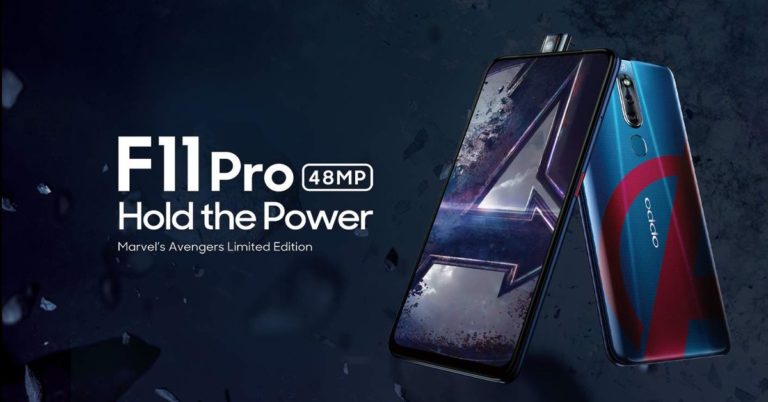
Oppo F11 Pro Marvel’s Avengers Limited Edition to launch in India on April 26

0

Marvel is finally concluding its 11 years of the cinematic universe with the release of the Avengers Endgame on April 26. Needless to say, the Marvel fans across the globe are waiting for the movie to be released. Amid this, Chinese smartphone brand Oppo is partnering with Marvel Studios to bring the Oppo F11 Pro Marvel’s Avengers Limited Edition in India.

The device will be launched on April 26, which coincides with the release of the movie in the country. The Oppo F11 Pro Marvel’s Avengers Limited Edition comes with some changes over its vanilla counterpart. For instance, the rear panel of the smartphone comes with a changed pattern. The retail package of the Oppo F11 Pro Marvel’s Avengers Limited Edition will also come with many Avengers-themed accessories.

F11 Pro box contents

The main difference between the Oppo F11 Pro Marvel’s Avengers Limited Edition and its vanilla variant is that the new model comes with a different design and increased storage. The Oppo F11 Pro Marvel’s Avengers Limited Edition offers an Avengers styled back panel and houses 128GB of internal storage. The device will sport a glossy blue finish with a gradient design. The back panel of the Oppo F11 Pro Marvel’s Avengers Limited Edition will have beehive-like symmetrical hexagonal patterns with a large Avengers logo on the back in bold red colour. The power button of the device is also painted red to match with the other design aspects of the Oppo F11 Pro Marvel’s Avengers Limited Edition. Other than the back design and internal storage of the device rest of the specifications are the same as the regular variant of Oppo F11 Pro.

Talking about the additional accessories, the Oppo F11 Pro Marvel’s Avengers Limited Edition will come with a Blue-coloured Captain America inspired protective case. The back case will also have the Cap’s Shield logo which can also turn into a smartphone stand holder. Inside the retail box of the Oppo F11 Pro Marvel’s Avengers Limited Edition, there will also be a stamped collector’s badge along with a ‘Collection Certificate’ with golden stickers of some of the major characters of Avengers like Hulk, Iron Man, Captain America, Hawkeye, Thor etc.

Coming to the availability of the Oppo F11 Pro Marvel’s Avengers Limited Edition, it will be an Amazon exclusive device and it is already listed on the platform. Amazon has also provided a ‘Notify Me’ button on the microsite of the Oppo F11 Pro Marvel’s Avengers Limited Edition. Interested customers can press the button to get alerts about the availability of the device in India. But as of now, the company hasn’t revealed the pricing of the Oppo F11 Pro Marvel’s Avengers Limited Edition so it is still a mystery. But considering the fact that the 6GB RAM and 64GB storage variant of the Oppo F11 Pro sells for Rs 24,990 on Amazon, the price of the Oppo F11 Pro Marvel’s Avengers Limited Edition is expected to be priced around Rs 30,000.

For the latest gadget and tech news, and gadget reviews, follow us on TwitterFacebook and Instagram. For newest tech & gadget videos subscribe to our YouTube Channel. You can also stay up to date using the Gadget Bridge Android App.

Vivo V15 price is India slashed, can now be bought at Rs 21,990

0

Just after a month of its launch, Vivo V15 has received a price cut of Rs 2,000 in India. With this discount, the smartphone can now be purchased at Rs 21,990. Other than the price cut, Vivo V15 has also received new offers including an exchange discount, a cashback of 5% on SBI and HDFC cards and other offers. The Vivo V15 packs a triple-rear camera setup, a pop-up selfie camera and is the watered-down version of the Vivo V15 Pro.

Vivo V15 Price (revised)

When Vivo V15 got launched in India, it had a price of Rs 23,990 for the lone 6GB RAM and 64GB internal storage variant. But now, the price of the device has been revised and it is currently being sold for Rs 21,990. The Vivo V15 comes in three colour options – Frozen Black, Glamour Red, and Royal Blue.

You can get the Vivo V15 at a reduced price from the Vivo India e-store, Amazon India, Flipkart, Paytm Mall, and Tata CLiQ. The retail outlets are also expected to sell the Vivo V15 at the new price.

Offers announced alongside include an exchange discount and a 5 percent cashback on SBI and HDFC cards. Vivo V15 comes with other offers like no-cost EMI and benefits worth Rs 10,000 from Reliance Jio which includes up to 3.3TB of data and the Jio Vivo Cricket Offer. The Vivo V15 is also receiving bank offers such as 5% cashback on SBI credit and debit cards.

Vivo V15 specifications and features

The Vivo V15 sports a 6.53-inch Full-HD+ (1080 x 2340 pixels) InCell FullView Display with an aspect ratio of 19.5:9 along with Corning Gorilla Glass 5 protection on top. Vivo V15 is powered by the octa-core MediaTek Helio P70 SoC paired with 6GB of RAM and 64GB of storage. The device runs Android 9 Pie skinned with Funtouch OS 9 and packs a 4,000mAh battery. It also supports microSD card of up to 256GB and comes with a gradient back panel with a rear-mounted fingerprint scanner.

On the camera front, the Vivo V15 comes with a triple-rear camera which comprises of a 12MP dual-pixel primary sensor with an f/1.78 aperture paired with an 8MP sensor with an f/2.2 aperture along with a 5MP sensor with an f/2.4 aperture. For selfies and video calls, there is a pop-up selfie camera which houses the 32MP sensor and an f/2.0 aperture.

Other features of the Vivo V15 includes VoLTE, Bluetooth v5.0, Micro-USB (with OTG), GPS/ A-GPS, and 3.5mm headphone jack.

For the latest gadget and tech news, and gadget reviews, follow us on TwitterFacebook and Instagram. For newest tech & gadget videos subscribe to our YouTube Channel. You can also stay up to date using the Gadget Bridge Android App.

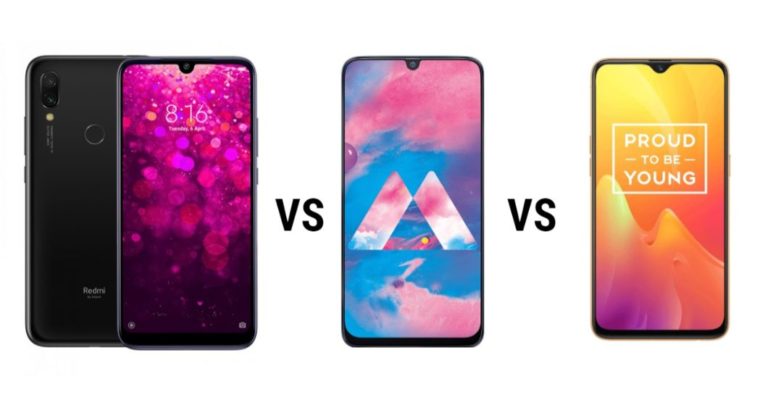
Redmi Y3 vs Samsung Galaxy M30 vs Realme U1: Comparison

Xiaomi’s sub-brand Redmi has today launched its Redmi Y3 smartphone in India. The key highlight of the newly launched smartphone is its 32MP Super Selfie camera, much like other handsets from Xiaomi’s Redmi Y range.

The Redmi Y3 smartphone is priced in the budget segment of the Indian smartphone market and its other key highlights include a massive 4,000mAh battery, Qualcomm’s Snapdragon 632 processor and a dual rear camera setup.

If we take its price and specifications into consideration, the newly launched Redmi Y3 smartphone competes directly with the likes of Samsung Galaxy M30 (review) and Realme U1 handsets.

It is worth noticing that both of these smartphones are also priced in the budget segment. While Samsung Galaxy M30 is touted to be an all-rounder, Realme U1 – like Redmi Y3 – focusses on selfies.

If you have been planning to buy a smartphone in the budget segment that has a good camera and powerful specifications, it is easy to be confused among these three. Hence, we have compared all the specifications of Redmi Y3 with Samsung Galaxy M30 and Realme U1. Read our comparison of the three and tell us in the comments below which one do you think is the best:

Display

Redmi Y3: 6.26-inch HD+ Dot Notch display

Samsung Galaxy M30: 6.4-inch Full HD+ Super AMOLED Infinity-U display

Realme U1: 6.3-inch FHD+ Dewdrop LCD display

Processor

Redmi Y3: Qualcomm Snapdragon 632 processor

Samsung Galaxy M30: Octa-core Exynos 7904 chipset

Realme U1: Qualcomm Snapdragon 636 14nm processor

Rear camera(s)

Redmi Y3: Dual rear camera setup with 12MP and 2MP sensors

Samsung Galaxy M30: Triple rear cameras with 13MP, 5MP and 5MP sensors

Realme U1: 13MP+2MP dual rear cameras

Selfie camera

Redmi Y3: 32MP Super Selfie camera with AI enhancements

Samsung Galaxy M30: 16MP front-facing camera

Realme U1: 25MP IMX576 sensor

RAM and storage

Redmi Y3: 3GB RAM/32GB internal storage, 4GB RAM/64GB onboard storage

Samsung Galaxy M30: 4GB RAM/64GB onboard storage, 6GB RAM/128GB internal storage

Realme U1: 3GB RAM/32GB onboard storage, 4GB RAM/64GB storage

Support for microSD card

Redmi Y3: Up to 512GB

Samsung Galaxy M30: Up to 512GB

Realme U1: Up to 256GB

Battery

Redmi Y3: 4,000mAh battery

Samsung Galaxy M30: 5,000mAh battery

Realme U1: 3,500mAh battery

Operating system

Redmi Y3: Android 9.0 Pie skinned with MIUI 10

Samsung Galaxy M30: Android 8.1 Oreo skinned with Samsung Experience 9.5

Realme U1: Android 8.1 Oreo skinned with Color OS 5.2

Starting Price

Redmi Y3: Rs 9,999

Samsung Galaxy M30: Rs 14,990

Realme U1: Rs 11,999

For the latest gadget and tech news, and gadget reviews, follow us on TwitterFacebook and Instagram. For newest tech & gadget videos subscribe to our YouTube Channel. You can also stay up to date using the Gadget Bridge Android App.

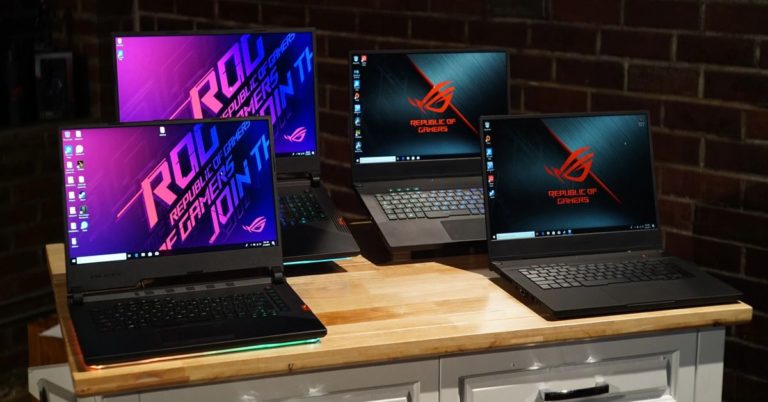
Asus and Lenovo’s new laptops pack the latest 9th Generation Core CPUs and NVIDIA GTX-16 series GPUs: Get all the details here

7

Yesterday, the world of technology saw two very important launches. While NVIDIA launched its new GTX-16 series GPU, which is claimed to be coming in more than 80 laptops, Intel announced its new 9th Generation Core CPUs.

Just a day later, Asus and Lenovo became the first companies to announce new gaming laptops powered by Intel 9th Gen Core CPU paired with GTX-16 series GPU by NVIDIA. Intel’s new 9th Gen Core CPUs is being offered in the mid-range to ultra-premium laptops while NVIDIA’s GTX-16 series GPU is aimed more at the gamers. Unlike the NVIDIA RTX series, the GTX series doesn’t offer the ray tracing effects.

The new laptops having these new components have been announced globally. Here’s a look at their pricing details and specifications:

Lenovo new laptops price and availability

The Lenovo IdeaPad L340 Gaming laptop is available at a starting price of $869.99 (approximately Rs 60,405) while the base variant of Lenovo Legion costs $1,609.99 (approximately Rs 1,11,780). The starting price of Lenovo Legion Y540 is $929.99 (approximately Rs 64,570) and the Lenovo Legion Y7000p is available at a starting price of $979.99 (approximately Rs 68,040).

All the abovementioned Lenovo laptops will be made available in the USA from May or June onwards. As of now, the company hasn’t said anything about the launch of these laptops in other regions.

Lenovo Legion Y740, Lenovo Legion Y540 and others’ specifications

Lenovo has updated five of its Legion gaming laptops and it has also added two new laptops to the range. There is also an inclusion of an affordable model of the Lenovo IdeaPad series. The new laptops include the Lenovo Legion Y740 with its 17-inch and 15-inch models. The laptop is powered by the 9th Gen Intel Core i7 processor paired with GeForce GTX 1660 Ti. It also includes the GeForce RTX GPU, 144Hz display with NVIDIA G-Sync and 32GB of RAM. There is also an option of including the RGB LED backlit keyboard designed by Corsair and a Dolby Atmos speaker system.

The Lenovo Legion Y540 is built for gaming and productivity and it also offers up to 6-hours of battery life. There is a white backlit keyboard including two cooling fans. It is powered by a 9th Gen Intel Core i7 CPU paired with a new Nvidia GPU. Customers can also opt for a higher GeForce RTX 2060 GPU.

Coming to the Lenovo IdeaPad L340 Gaming laptop, it comes with 15-inch and 17-inch screen variants. The device is powered by a 9th Gen Intel Core i7 CPU paired with an Nvidia GeForce GTX 1650 GPU. There is also an option to go for Intel Optane Memory and it comes with blue backlit keyboard and Dolby Audio.

The other is the Lenovo Legion Y7000, a 15-inch gaming laptop with the red ‘Y’ lighting and full sized red backlit keyboard. It is powered by the 9th Gen Intel Core i7 mobile processor paired with NVIDIA GeForce RTX 2060 GPU. But there is an option to go for the GeForce GTX 1660 Ti or 1650 GPUs. It comes with thin bezels and a Full HD display with 144Hz refresh rate, 300 nits of brightness, and an IPS anti-glare screen.

Asus new laptops price and availability

Asus has only revealed the pricing of a few of its laptops. Asus Zephyrus G GA502 comes with a price tag of $1,200 (approximately Rs 83,315) and it will be made available only in select countries June onwards.

The Asus ROG Strix models will go on sale from June onwards and it is expected to launch in India by July. Other than that, the prices and the availability details of the other laptops is currently unknown.

Asus Zephyrus S GX502, Asus ROG Strix Scar III, Hero III, and others’ specifications

Asus ROG Mothership, which is an all-in-one PC, is being rolled out with the highest Intel Core i9-9980HK processor paired with NVIDIA GeForce RTX 2080 GPU. It sports a 17.3-inch 4K screen and is a behemoth of a machine. It initially made its debut at the CES 2019.

Asus Zephyrus S GX502, on the other hand, comes with a new 15-inch display and is powered by the Intel Core i7-9750H CPU paired with GeForce GTX 1660Ti or GeForce RTX 2070 GPU. The laptop has a 240Hz screen with Pantone calibration

Asus and Lenovo’s new laptops pack the latest 9th Generation Core CPUs and NVIDIA GTX-16 series GPUs: Get all the details here

Asus Zephyrus M GU502 sports a 15-inch display and it comes with NVIDIA GeForce RTX 2060 GPU. There is also a lower variant, Zephyrus G GA502 that comes with AMD’s Ryzen 7 3750H CPU paired with GeForce GTX 1660 Ti GPU and a 120Hz screen.

The new Asus ROG Strix Scar III and Hero III models are focused more towards esports enthusiasts. Both the laptops come with a removable NFC module called the Keystone, which lets the gamers move their game profiles from one compatible laptop to another. The Keystone also comes with features such as unlocking a hidden storage area on the laptop. Both the new laptop models come in 15-inch and 17-inch display variants and both of them are powered by either a 9th Gen Core i7 or Core i9 CPU paired with NVIDIA GeForce GTX or older GeForce RTX GPUs. Other features of the devices include 144Hz or 240Hz screens and RGB LED strips running around their bases along with an RGB LED keyboards.

Coming to Asus ROG Strix G model, it is available in 15-inch and 17-inch display variants. Although it lacks the RGB LEDs and the Keystone feature, it offers up to a 9th Gen Core i7 CPU and GeForce GTX 1660 Ti GPU. Some other models have also been refreshed such as the Asus TUF Gaming FX505 and FX705 models with Ryzen 5 and Ryzen 7 3000-series CPUs paired with GeForce GTX 1660 Ti GPU.

For the latest gadget and tech news, and gadget reviews, follow us on TwitterFacebook and Instagram. For newest tech & gadget videos subscribe to our YouTube Channel. You can also stay up to date using the Gadget Bridge Android App.

Redmi 7 with Snapdragon 632 SoC and 4,000mAh battery launched in India: Price and specifications

0

Chinese smartphone brand Xiaomi today launched its Redmi 7 smartphone in India along with the much-awaited Redmi Y3. While Redmi Y3 was expected to be unveiled in the country today, Redmi 7’s launch comes in as a surprise.

But, since the handset had already launched in China last month, there was nothing we didn’t know about it apart from its price in India. The Redmi 7 is powered by an octa-core Snapdragon 632 SoC paired with up to 3GB of RAM and it houses a 4,000mAh battery. Here’s a look at all the details about the newly launched Redmi smartphone in India:

Redmi 7 price and availability

The Redmi 7’s 2GB RAM/32GB storage variant is priced at Rs 7,999 while its 3GB RAM/32GB storage model costs Rs 8,999.

The Redmi 7 smartphone comes in three colours options – Comet Blue, Lunar Red and Eclipse Black – and all of them comes with gradient back panels. The handset’s body has an Aura Smoke design.

The Redmi 7 will be available for purchase from April 29, 12pm (noon) onwards and it will be available on Mi.com, Mi Home Stores and Amazon India.

Redmi 7 specifications and features

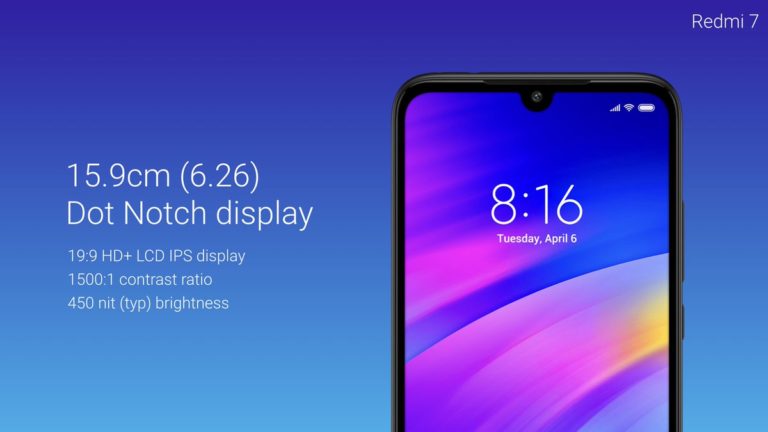
Redmi 7 smartphone sports a 6.26-inch HD+ display and it comes with an aspect ratio of 19:9 and a water-drop notch display. Its display is protected by the Gorilla Glass 5 and has a colour gamut of 84% NTSC. As mentioned before, it is powered by the Snapdragon 632 SoC paired with up to 3GB of RAM. The device packs 32GB of internal storage and comes with support of microSD cards of up to 512GB.

Redmi 7 runs Android 9 Pie skinned with MIUI 10 and it packs a 4,000mAh which, according to the company, can last up to 2 days and offer 17 days of standby time. But the battery doesn’t come with fast charging support. It comes with dual-SIM card slot with a dedicated microSD card slot.

On the camera front, the Redmi 7 holds a dual-rear camera setup which comprises of a 12MP primary sensor with an f/2.2 aperture clubbed with a 2MP secondary depth of field camera. On the front, there is an 8MP AI selfie camera with no front flash. Both the rear and the front camera of the Redmi 7 comes with AI support. The rear camera comes with depth of field, scene detection of up to 33 scenes, Full HD video recording at 60fps. There is also a rear-mounted fingerprint scanner at the top of Redmi 7.

Other features of the Redmi 7 include 4G VoLTE, Wi-Fi, Bluetooth v4.2, GPS, USB, Infrared blaster, and a 3.5mm headphone jack.

For the latest gadget and tech news, and gadget reviews, follow us on TwitterFacebook and Instagram. For newest tech & gadget videos subscribe to our YouTube Channel. You can also stay up to date using the Gadget Bridge Android App.

Redmi Y3 with 32MP super selfie camera, 4,000mAh battery launched in India: Price and specifications

After weeks of sharing teasers of its upcoming smartphone, Chinese technology brand Xiaomi‘s sub-brand Redmi has finally taken wraps off its Redmi Y3. Much like predecessors from the Redmi Y range, Redmi Y3 smartphone focusses on selfies and comes with a 32MP Super Selfie camera.

Other key highlights of the handset are its 4,000mAh battery, MIUI 10 based on Android 9.0 Pie and Snapdragon 632 SoC. Here’s a look at the pricing details and specifications of the Redmi Y3 smartphone that you should know about:

Redmi Y3 price in India

The newly launched Redmi Y3 smartphone is available in two storage options in India – one with 3GB of RAM and 32GB of internal storage and the other with 4GB of RAM and 64GB of onboard storage. While the former is priced at Rs 9,999, the latter costs Rs 11,999.

Both the variants of Redmi Y3 smartphone will be available for purchase on Mi.com, Mi Home and Amazon India’s website. The first sale of the smartphone is on April 30, 2019, and it will begin at 12 pm (noon) IST. As a part of launch offers, Redmi has partnered with Airtel India to offer 1120GB of free 4G data benefits and unlimited calling.

Redmi Y3 specifications

The key highlight of the Redmi Y3 smartphone is its 32MP Super Selfie camera, and the company claims that this is the highest resolution front-facing snapper in the entire industry. The selfie camera of the handset is touted to come with an AI-backed beauty mode. The company has also introduced Electronic Image Stabilization for videos taken by the front camera. The selfie camera also supports Full-HD selfie video recording, Shake-free selfie and Group selfie.

Coming to the dual rear cameras of the handset, Redmi Y3 comes with a 12MP primary sensor and a 2MP depth sensor. The rear camera of the smartphone comes with AI scene detection and with this, Redmi Y3 can recognise 33 categories. The rear camera of the smartphone also supports Full HD video recording at 60fps and Electronic Image Stabilization. The camera is also integrated with Google Lens.

The smartphone comes features a 6.26-inch Dot Notch display that comes with an aspect ratio of 19:9 and has a contrast ratio of 1500:1. The display of the handset also has a layer of Corning Gorilla Glass 5 that keeps it protected. Redmi Y3’s body comes with an Aura Prism Design.

Powered by Qualcomm’s Snapdragon 632 processor, Redmi Y3 comes with up to 4GB of RAM and 64GB of internal storage. The smartphone can also hold a microSD card of up to 512GB. Redmi Y3 smartphone houses a 4,000mAh battery, has a fingerprint sensor on the back panel and supports the face unlock feature. The handset runs Android 9.0 Pie skinned with MIUI 10 and comes with P2i protection, which basically means that it is splash-proof.

For the latest gadget and tech news, and gadget reviews, follow us on TwitterFacebook and Instagram. For newest tech & gadget videos subscribe to our YouTube Channel. You can also stay up to date using the Gadget Bridge Android App.