Coolpad has launched its Mega 5, Mega 5M and Mega 5C smartphones in India today. All three smartphones have been launched in the budget segment of the smartphone market and in fact, the most expensive of the three is priced at Rs 6,999. All the three smartphones come with traditional displays and only Coolpad Mega 5 has a dual rear camera setup. Here are the entire pricing details and specifications of the three newly launched Coolpad smartphones:
In This Article
Coolpad Mega 5, Coolpad Mega 5M, Coolpad Mega 5C price and availability
Coolpad Mega 5 is priced at Rs 6,999 and is the most expensive of the three smartphones launched. The other two smartphones – Coolpad Mega 5C and Coolpad Mega 5M – are priced at Rs 4,499 and Rs 3,999. The smartphones will only be sold via offline stores in India and are available in Blue, Gold and Dark grey colour options.
Coolpad Mega 5, Coolpad Mega 5M, Coolpad Mega 5C specifications
We’ll begin with the specifications of Coolpad Mega 5 smartphone. The most expensive among the new offerings launched today, Coolpad Mega 5 smartphone features a 5.7-inch HD+ display and is powered by 1.5GHz quad-core MediaTek MT6739 SoC clubbed with 3GB of RAM. The smartphone comes with 32GB of internal storage, comes with a microSD card slot and has dual-SIM functionality. Coolpad Mega 5 runs Android 8.1 Oreo and sports a dual rear camera setup with a 13MP sensor and a 0.3MP VGA sensor with LED flash. For selfies and video calls, there is a 5MP sensor on the front panel. The smartphone houses a 3,000mAh battery.
Speaking of Coolpad Mega 5C, it comes with dual SIM card slots and runs Android Oreo. The smartphone features a 5.45-inch HD+ display and is powered by 1.3GHz quad-core processor coupled with 1GB RAM. The newly launched device comes with 16GB of onboard storage and can hold a microSD card of up to 32GB. On the camera front, Coolpad Mega 5C comes with a 5MP primary sensor and a 5MP front-facing lens. The smartphone packs a 2,500mAh battery and supports Face Unlock.
Coming to Coolpad Mega 5M mobile, it sports a 5-inch HD display and is powered by 1.2GHz quad-core processor. There is no clarity on the Android version of the smartphone and it packs 1GB RAM and 16GB inbuilt storage. It can also hold microSD cards of up to 32GB and houses a 2,000mAh battery. For imaging duties, it comes with a 5MP rear camera and a 2MP selfie camera.
Popular photo-sharing app Instagram has added a number of new features to Stories. With the new features, Instagram users can ask for music recommendations from their followers, answer questions during a live stream and create a countdown for your moments. The update to the app has started rolling out to both its Android as well as iOS versions.
The Facebook-owned company created a blog post to announce these features to its users. Another interesting thing that you can do is reply to questions sticker in Stories with a song from their library. But it is worth noticing that this feature is only available in regions where the app’s music library is available. If it is available in your region, you’ll be able to see a music icon with the question sticker on your friends’ Stories. On clicking that icon, users will be able to share a song from your music library on the photo-sharing app.
Instagram has also enabled new camera effects that work with the music that is being played via the app. To access these, you can go to the music section in camera and click on the new icons that are available above capture.
The question sticker can also be used in live videos on Instagram going forward. With the feature, you will be able to post questions as you normally would in Stories format. Once the user goes live on the app, they’ll be able to see your questions in order to answer them.
Furthermore, followers will also be to view which questions that are being answered by the user who has gone live. The photo-sharing app will also let users share photos and videos during live broadcasts.
The latest update will also enable you to use the new countdown sticker in your Instagram Stories. Furthermore, users can add a countdown with an end date and time. They will also be able to select the colour of the countdown before it gets added to their Story.
You will also be able to use the countdown sticker in your future Stories. When your countdown ends, your followers will receive a notification about the same. This feature is now available on both Android and iOS versions of Instagram across the globe.
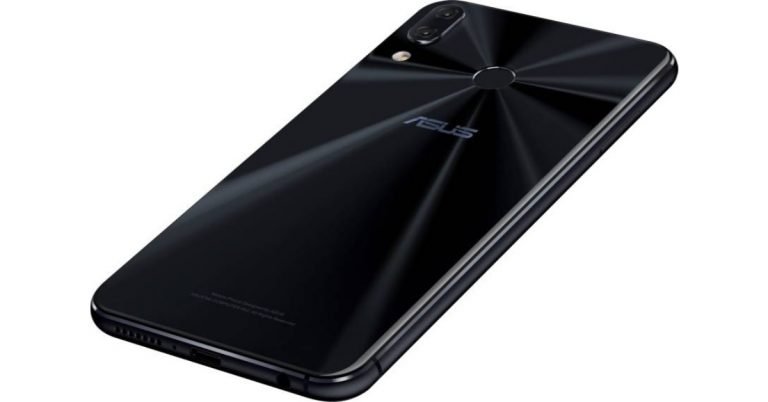
You would be happy to hear that the Asus ZenFone 5 has received the Android 9.0 Pie update finally. There are two kinds of updates which are available—the FOTA update and the OTA update. The FOTA update has already been launched and the OTA update is going to be launched soon.
In order to download the FOTA update, we have enlisted a few steps for your convenience. They are pretty easy to follow so go ahead if you have the Asus Zenfone 5:
Download the package from the source link
Move the downloaded files to the microSD card
Then after entering into recovery mode click on “apply updates” from microSD
Now select the downloaded package and your work is done
To recall the specifications of the Asus Zenfone 5, its dimensions are 153×75.7×7.7mm. It weighs 165grams and is built with a front glass, aluminium body. Two RAM variants are available in the form of 4GB and 6GB with an internal storage of 64GB. A microSD card slot is built-in it, which can store up to 512GB of files. The machine has a dual camera at the back that consists of 12MP and 8MP, and one selfie camera of 8MP. Connectivity options include Bluetooth v5.0, WiFi 802.11 a/b/g/n/ac, hotspot, FM Radio, USB 2.0 NFC and GPS.
Messaging options include SMS, MMS, Email, Push Email and IM. The smartphone is powered by a 3,300mAh battery and comes in two colours—Midnight Blue and Meteor Silver. There hasn’t yet been an official word about the update of the ZenFone 5Z and 5Lite as yet, to get the update. However, they are expected to be updated sometime during January.
The Pie update in ZenFone 5Z will make the copy-pasting experience a bit better and enhance the battery life of the phone with the help of the new Magnifier feature. The phone already has some outstanding features and with the Android Pie, it will hopefully be even more appealing. Considering that it will have a better battery life, people who use their phones day in and out might get attracted to it.
For the unknown, the ZenFone 5Z features a 6.2-inch full HD+ Super IPS+ display. The screen aspect ratio is 18:7:9. The mobile comes with 8GB RAM and 256GB in-built storage along with a microSD card slot which holds up to 2TB.
The brand new Orbi RBK20 has been launched by Netgear, today. Netgear is a global networking company which has been providing devices to customers, based on connectivity, for a long time. The company is based out of California, USA and has its offices in India too. They have a large range of WiFi routers and digital hubs in India and now they expanded the line-up with the launch of Orbi RBK20. According to the company, this device has been made specially in order to evade the consequences of cyber threats, which often pervade through WiFi networks, if not configured properly.
The device has a 5GHz connection between the router and satellite and can provide signals to up to 4,000 square feet. It is compatible with diverse kinds of houses and can spread connectivity to large extent due to its four high-gain antennas. This feature is based on the company’s vision to provide WiFi to any kind of home considering that every home nowadays is in demand of a great and more powerful wireless internet connection.
The WiFi speed on his machine can reach up to 2.2Gbps. It comes with FastLane3 technology (the dedicated WiFi backhaul) that creates a better 4K HD streaming and gaming environment in spite of connecting to more devices. The WiFi can be connected to more than one satellite if need be, and therefore it eliminates a lot of dead zones. In other words, the WiFi provides a large network coverage at a very high speed. It also means that a lot of devices can be connected to it without hinderance of any one device’s net speed. Over that, this WiFi hub has smart parental controls, works with Amazon Alexa and Google Assistant.
To talk more about the company, Netgear sells its products in more than 30,000 retail locations worldwide, and through tentatively 25,000 resellers. The selling also takes place by the means of multiple major cable, mobile and wireline service providers. The product is priced at Rs 12,899 and is selling via online stores such as Amazon, here in India.
Do you have battery troubles with your smartphone? We know that most people would answer that with a yes. Considering that the tasks we perform on smartphones in today’s time are so demanding, it’s actually unsurprising to see so many people carry power banks. With this list, we are here to make your life easy so that you can make the most of your Android smartphone’s battery. Here are some easy tips to follow in order to do so:
In This Article
Enable dark mode on your device
In a recent report, Google literally admitted that dark mode consumes less battery on any Android smartphone. If your smartphone has a system-wide dark theme, enable it right away. If not, opt for the dark mode in as many apps as you can and use a dark wallpaper. YouTube, Android Messages, Twitter, and Pocket are examples of apps that support the dark theme.
Control your location settings
We understand that disabling GPS on your device is not a practical piece of advice. So we recommend going to the Settings of your smartphone to see which all apps have access to your location. You’ll find this in the option of App-level permissions under Location tab. From here, you can disable the apps which you think don’t really require your location or the ones you don’t use too much.
Turn the option of Automatic Wi-Fi off
If you use a device that has Android Oreo or Android Pie, you would know that your smartphone notifies you about open Wi-Fi networks even if Wi-Fi has been disabled. You can turn this off by heading to Settings, then clicking on Network & internet and then selecting the option of Wi-Fi. Here, go to Wi-Fi preferences and uncheck ‘Open network notification’.
Check background apps
Did you know that a lot of apps stay active even after you exit them? But these are not something to worry about as you only have to adjust a few settings in order to save the battery they use. Head to Settings and click on Apps & Notifications. Here, go to the app’s page and tap on Battery and then go to the option of ‘Battery Optimisation’. Here, select all the valid options to save battery that is being used by the app.
Use the Lite version of battery draining apps
Check the battery usage of all of your apps in the settings of your smartphone. You can do this by heading to Settings and then to Battery Usage under the Battery tab. If you find some apps to be draining too much battery, uninstall them and instead install their Lite version or use them on the web if the Lite version is not available.
Turn off Google Assistant
Using Google Assistant surely makes things fun and easy, but then, it can use up a lot of battery from your device in order to provide you with information and respond at your wake command. So, if you are not heavily dependent on it, here are the steps to disable it. Head to Google app and select ‘More’. Tap on Settings and then go to Google Assistant header. Here, tap on Settings again and select Assistant. Press on Phone and switch Google Assistant off.
Turn off auto-sync
If you find notifications on your smartphone to be too annoying, you can disable them completely. For doing this, go to the Settings of your smartphone, and press on Accounts. You would be able to see the Automatically sync data option at the bottom. Scroll down and disable it or disable it for select apps by going to their page. Going forward, you would only see the new content on that app when you visit it.
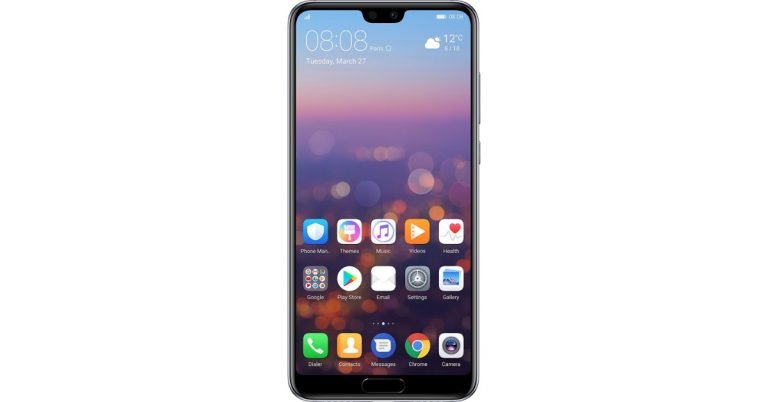
The EMUI based Android Pie update is going to roll out for a lot of Huawei phones. Those phones include Huawei P20, P20 Pro, Mate 10, Mate 10 Pro, Honor View 10, Honor Play and Honor 10. The Honor Play, View 10, 10 are priced Rs 15,999, Rs 29,999, Rs24,999 respectively. The Huawei P20 Pro and Mate 10 are priced Rs 59,999 and Rs 16,835.
The news about the update was found out from a tweet Huawei posted recently that it is going to roll out Pie skinned with EMUI 9 for the aforementioned phones. The update might not come to everyone’s phone immediately as the roll out is being done in a gradual process. Previously the company rolled out the same update for Huawei P20 and Huawei P20 Pro, which happened in China this month. Along with the update the November security patch for the P20 and P20 Pro has been released to protect the phones from any bugs, viruses whatsoever.
According to reports, one is required to have at least 80 percent battery and a strong WiFi connection before this update can be downloaded. These things are really important for the updates to be downloaded successfully in your Android Smartphone.
Once the software updated is successfully downloaded, it is reported to provide the following benefits:
New UI.
Gesture based navigation.
The new HiVision visual, which does image search similar to that of Google Lens. One thing good about it is that it shows a range of food items and also their calories, so one can eat without caution of having to become obese. They can test the calories out prior to eating and select the food items that are healthy for them. Also, HiVision shows landmarks of 15 countries and over 10 million artworks.
HiTouch is another feature, which helps users to search by tapping two fingers on the screen. This feature can search 120 different items from more than 200 e-commerce platforms and also official online stores of 100 brands.
Next is One click projection, GPU Turbo 2.0 and PC mode that are also part of this update.
The year is not a good one for Apple in India. It was earlier reported that the sales of iPhones have taken a hit this year and that the Cupertino based technology giant has seen the first full year decline in sales. And now, a report has emerged that highlights how the company continues to lose its grip in the Indian smartphone market. The report in The Wall Street Journal states that the expensive Apple iPhone range is not able to compete against devices from companies like Samsung, Xiaomi and Oppo in India.
A number of smartphone makers from Asia, and mainly China has captured the Indian smartphone market. While Xiaomi reportedly dominated the budget segment, OnePlus has been ruling the premium smartphone market in the country, according to research firms Counterpoint and IDC. Generally, devices from these companies are more affordable than Apple and they pack a number of features, so customers are naturally drawn to buy them.
Coming back to the The Wall Street Journal report, it highlights a counter salesperson from India who said that even a single iPhone sale in a day now is being considered lucky. A few years back in 2013, around 80 iPhones were sold in a single day, the source continued to tell. However, we should mention that a shift from offline to online shopping must be considered. Also, the competition in recent years has grown stiffer with a number of new smartphone players coming in.
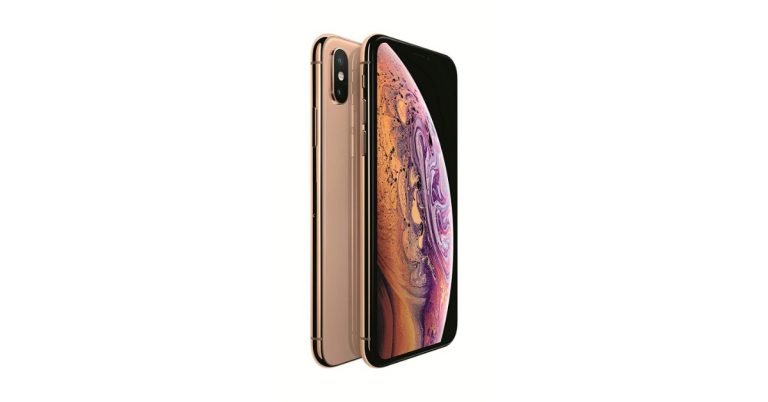
Apple’s this year’s range comprises of iPhone XS, iPhone XS Max and the ‘affordable’ iPhone XR. However, since the smartphone bears a price tag of Rs 76,900, it is not exactly what many people call as ‘affordable’. However, some Apple devices do continue to sell in India, but these are mostly older models including the iPhone 6 and iPhone SE. It is worth noticing that these can be bought by customers at around Rs 20,000. The more expensive models have fewer takers. And to add to Apple’s woes, OnePlus and Samsung are continuing to strengthen their hold in the smartphone market.
According to the report, Apple’s premium and high-margin approach may make it successful in some ‘developed’ markets, but it’s not doing the company much good in India. A change in strategy is the obvious next move for Apple if it hopes to revive in India.
In order for you to download the Vikendi map, you need to update the mobile game to 0.10.0 version, which has been released by Tencent games in both the mobile operating systems. This can also be done through the respective app stores. Earlier there was a notice that the Vikendi map would be activated in the game starting 18th December, however that has been delayed by two days. It was also mentioned that those who download the game update before 25th December would be able to avail Outfit box III and 1,888 BP.
The new map sort of celebrates Christmas. The home screen of the game is based on the holidays. There is snowy background with an SUV in the game which has Christmas lights. In the backdrop there is a Christmas song going on, which warns players to beware of enemies while cherishing the festive season. The map’s dimensions are 6x6km. The game would be later available for consoles on January 21.
Here is everything you need to know about the new PUBG Vikendi Map:
The snow map is 6x6km
Arabic language support is added
New Snowmobile added being the Vikendi-exclusive vehicle
Snowball fight in Vikendi Spawn Island
Players who regularly exit matches right in the beginning will be barred from entering matches for a certain period of time
Players can collect all daily mission awards at one time
By finishing daily missions, players would be able to avail Added Lucky Treasure feature, which gives them a chance to upgrade weapon
Backpack has added features to show players the sources of unobtained items
Added season spending rewards
New commands added for quick chats
Suspicious behaviour can be reported if spotted by players while spectating after dying
The added snow theme in the game leads players to collect bells from classic mode and exchange them for rewards
Added cross-server match making: players now have the privilege to compare themselves with other players from the same tier
Added firearms upgrade system
Added display for crew challenge winners on Erangel’s Spawn Island
The upcoming year will be an important one for OnePlus. The Chinese smartphone brand will not only be seen launching its OnePlus 7 and OnePlus 7T smartphones, but it has also announced that it will be unveiling a 5G smartphone too. Although earlier speculations assumed that OnePlus 7 will come with 5G capabilities, the company clarified that it is planning a separate range for its 5G handsets as it wishes to continue selling its flagships at affordable prices. Reports about both its upcoming devices keep surfacing online.
And now, we may have got the first look at one of the upcoming OnePlus smartphones. A photograph from an internal company meeting that shows OnePlus CEO Pete Lau has been leaked. In the background, one can see a picture of a OnePlus device. But there’s no clarity on whether it’s OnePlus 7, OnePlus 7T or OnePlus’ 5G smartphone. However, if you take a look at the picture, you’ll see the upcoming smartphone has a very different design compared to the one we have seen till now on other OnePlus smartphones.
EXCLUSIVE! Here's your first look at an upcoming OnePlus Device I don't know much about. This image shows the device in prototype/designing stage and it is not final but this is probably how the device may end up looking. That's Pete (CEO of OP) in the img and the device itself. pic.twitter.com/Yau9EsgSDy
The device featured on the slide is Red in colour and it sports a huge circular camera module on its back panel. The smartphone lying on the desk seems to be of the same colour too. But if you see the picture closely, the man sitting towards the right has the same OnePlus smartphone with a huge camera module. The only difference is, that the smartphone he is holding is White in colour.
As we mentioned earlier, we don’t know which model of OnePlus this is, but if we believe the reports that claim that OnePlus’ 5G smartphone would be launched earlier than OnePlus 7, then in all probability the device in the image is OnePlus 5G mobile.
Recently, OnePlus had announced at Qualcomm’s annual summit that the first carrier to get the OnePlus 5G will be EE in the UK. The 5G-enabled smartphone by OnePlus is expected to cost $100 or $200 more than OnePlus 6T.
The company has also announced that its 5G-enabled smartphone will be powered by the Snapdragon 855 chipset paired with X50 modem. The same chipset will also be present in OnePlus 7, but with a different modem.
When Asus launched its Zenfone Max Pro M1 smartphone earlier this year, it set a benchmark for budget smartphones. The smartphone packed good features and was very reasonably priced. And we loved it when we reviewed it. Naturally, we were really looking forward to using the Asus Zenfone Max Pro M2. The smartphone comes in three storage variants priced in the range of Rs 12,999 to Rs 16,999. Read the rest of our review to know more about Asus Zenfone Max Pro M2 and how did it perform on our test bench:
In This Article
Asus Zenfone Max Pro M2 Design and Display
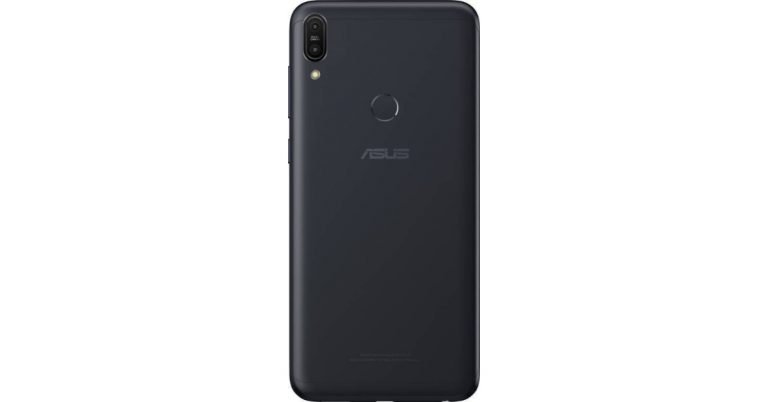
Let’s start with the design of the smartphone. Asus Zenfone Max Pro M2 looks more premium than its predecessor and its good looks show that the company has invested thought and time into its design. The new offering from Asus is available in two colour options – Blue and Titanium, and the one that we got for review was dressed in Titanium. Asus Zenfone Max Pro M2’s back panel is laminated and has a glossy finish. This, in fact, is primarily what makes the smartphone look so premium. It does attract more fingerprint smudges than its predecessor, but then that can’t really be compared as Asus Zenfone Max Pro M1 mobile came with a metal back panel. The back panel of Asus Zenfone Max Pro M2 houses the vertically stacked dual rear cameras in a module that also includes the LED flash. The fingerprint sensor of the device is placed in the centre and right beneath it lies the Asus branding. The front is dominated by a 6.26-inch display that has a notch on the top and is protected by Corning Gorilla Glass 6.
Asus has claimed that Zenfone Max Pro M2 is the first smartphone in the price segment to come with Corning Gorilla Glass 6. Coming back to the display, it is outlined by thin bezels on the sides and the top, and has a slightly broader chin at the bottom. It is worth noticing that Asus Zenfone Max Pro M2’s earpiece is not placed inside the notch, but instead, it lies more towards the top part of the frame. The company has done this in order to decrease the size of the notch.
Asus Zenfone Max Pro M2 has plastic side edges that house the power and volume buttons on the right and SIM tray on the left. The bottom edge has the microUSB port, the primary microphone, the 3.5mm headphone jack and the speaker grille. The secondary microphone is placed on the top.
There are a number of the things that we liked about the design of the device. Firstly, it is extremely comfortable to use the smartphone with one hand. The power and volume buttons and the fingerprint sensor are all placed well and are easy to reach. During our time with the smartphone, the fingerprint scanner worked really well.
Coming to the 6.3-inch Full-HD+ display of the smartphone, it is another aspect that we really liked. The screen produced very sharp and clear images with accurate colours. When we tried looking at the screen from different angles, the colours did not lose their consistency. The sunlight readability was not a problem either. We spent long hours playing games and watching YouTube videos on the device and we loved every bit of it.
Asus Zenfone Max Pro M2 Performance and Cameras
Before we start talking about the performance of the device, we’ll take a minute to shed some light on its specifications. Asus Zenfone Max Pro M2 is powered by an octa-core Qualcomm Snapdragon 660 processor clubbed with either 3GB/4GB/6GB of RAM. It comes in two storage models – 32GB and 64GB. The one in this review is with 4GB RAM. On the camera front, Asus Zenfone Max Pro M2 sports a dual rear camera setup with 12MP and 5MP sensors. For selfies and video calls, there is a 13MP sensor on the front panel. The key highlight of the Android 8.1 Oreo-based smartphone is its massive 5,000mAh battery.
We always give some extra marks to smartphones that come with a stock Android experience. And Asus Zenfone Max Pro M2 is one of them. We love how the software had no bloatware at all and came without any customizations, which can at times make the experience laggy. The smartphone had Google’s entire suite of apps, and Facebook, Messenger and Instagram – which can’t really be counted as extra apps since most of us use it on a daily basis. Other than this, the Sound Recorder, FM Radio and Calculator apps are from Asus. So, they are really as few as they can be.
During our time with the smartphone, we did not encounter any lag in its performance. The apps launched very quickly and we had no trouble switching between them. There were no delays in the smartphone’s performance when we multitasked on it and we found the experience with the UI to be pretty smooth. However, there was one small thing that we missed in this smartphone. In a lot of smartphones that come with notches, there is an option of running the apps in full-screen mode. In Asus Zenfone Max Pro M2, some apps ran in full screen, but when we tried to use the others, the area on either side of the notch blacked out. It’s negligible, but you’ll miss it if you have used the functionality in a previous device. Furthermore, there isn’t an option of ‘removing’ the notch using software adjustments, so you would really just have to live with it.
Most games ran on the device very smoothly. The lighter ones didn’t cause any trouble at all, and even the heavier ones like Asphalt 9 Legends ran reasonably well. If you play a heavy game on the device for around 30 minutes or so, it might start getting slightly warm. But this doesn’t apply to games that come without very heavy graphics. As we mentioned earlier, we watched a number of videos on YouTube during our time with the smartphone. The experience was really good. The images depicted were sharp and clear. The Zenfone Max Pro M2’s speaker can be very loud, too. Clubbed together, they make the video watching experience extremely good.
The battery life of the smartphone was definitely among the key highlights. After usage that involved browsing the internet, listening to music, playing games, watching videos and using Google Maps for straight two hours, the smartphone was still left with over 50% charge by the end of the day. In fact, we only charged it once in two days. However, fast charging is not supported on the device and it takes almost two hours to charge it fully.
Coming to the cameras of Asus Zenfone Max Pro M2, they also did a good job. The camera app was very simple to use and comes with quick access buttons for shooting modes and beautification along with depth effect. There are a number of filters present on the app that can be used on the images too. In the December update, Asus has said that the camera app will also get AI enhancements; and EIS and Bokeh effect for the selfie camera.
We liked the performance of the cameras. The images were detailed and the colours were accurate. The photos taken retained clarity even when they were viewed on a laptop. While the pictures taken in well-lit areas were very good, the ones taken in dimly lit areas were reasonable. Selfies taken by the front-facing snapper were decent too, but they became much better as soon as we enabled the Beautification mode.
For some reason, we couldn’t run the Antutu benchmark test on this device. In Geekbench, Asus Zenfone Max Pro M2 scored 1,474 and 5,539 in the single and multi-core scores. Putting it at the top lot of the category.
Verdict and Final Words
At the given price, it is surely one amongst the best devices that are available. It has a beautiful design, a good display, and smooth performance. The battery is undoubtedly the best feature of Asus Zenfone Max Pro M2 and the cameras work reasonably well too. We see no reason to not recommend it.
You certainly would not regret spending your money on Asus Zenfone Max Pro M2. The smartphone does give a strong competition to the Realme handsets available in the budget range, but our vote goes to Asus Zenfone Max Pro M2 since it comes with stock Android. With it, you can expect to get timely Android updates and security patches. So your device will stay updated at all times.
Motorola is all set to launch its Moto G7 series early next year. And from what we know so far, the company will be launching four smartphones in the series —Moto G7, Moto G7 Power, Moto G7 Plus, Moto G7 Play.
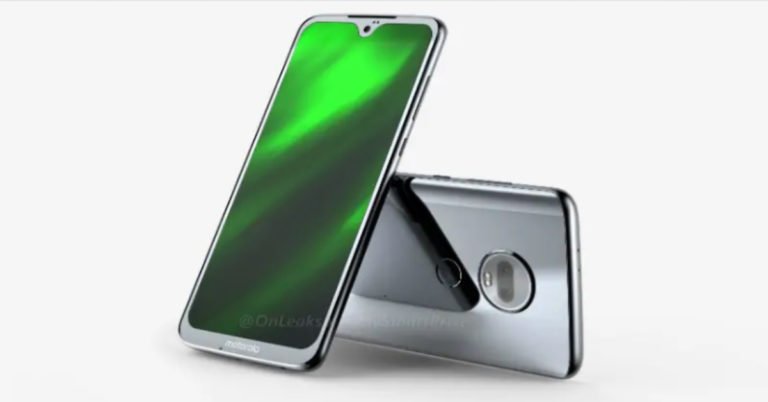
And now, it has been reported that Moto G7 Play has been certified by the Eurasian Economic Commission. According to the listing on EEC, the Moto G7 Play with model number Moto XT1952-1 will be powered by Android 9.0 Pie out-of-the-box. According to an FCC listing that earlier surfaced online with the image of the smartphone, Moto G7 Play will have a microSD slot, an audio jack, a hybrid dual SIM slot and a back-mounted fingerprint scanner with a Moto dimple. The listing also said that the smartphone will house a 2,820mAh battery.
To speak further about the specifications of Moto G7 Play, the smartphone will be powered by a Snapdragon 632 SoC processor, according to the listing. Though some renders show that the phone will feature a waterdrop notch on top of the front screen, the images from FCC listing differ on that. According to the images, the upcoming Moto G7 Play will have a rectangular screen and will not sport any cut-outs for camera or other sensors.
To recall, a previous report from 91mobiles claimed that Moto G7 will be launched on December 25. The expected price of the smartphone is Rs 19,990 and it will reportedly be powered by an Octa-core Qualcomm Snapdragon 660 processor. Reports suggest that Moto G7 will house a 3,000mAh battery and will come with 6GB RAM and 64GB storage.
The device will feature a dual rear camera setup with 16MP and 5MP sensors. For selfies and video calls, there will be a 12MP sensor. The smartphone will reportedly be available in two colour variants—black and red.
While we have already seen a standard, a Plus and a Play variant this year, what we are looking forward to is Moto G7 Power. While not much is known about the smartphone yet, it is expected to house a big battery as it is named ‘Power’.
Earlier this year, Taiwanese smartphone brand Asus launched its Zenfone Max Pro M1 smartphone in India. The budget smartphone packed a big battery and garnered appreciation for its performance in the Indian smartphone market. And now, Asus ZenFone Max Pro M1 is getting a FOTA update by the company.
The version number of this update is OPM1.WW_Phone-15.2016.1811.338-20181206 and it is being said that it will enhance the device’s performance. The FOTA update gets the November security patch to the smartphone which would improve its Wi-Fi and hotspot compatibility. The update would also enhance the smartphone’s camera and video shooting capability. It will also improve the device’s third party app compatibility, and this is particularly focussed on Instagram.
The FOTA update would optimise power consumption of Asus Zenfone Max Pro M1 and also enhance its audio quality on headphones. The FOTA update started rolling out to users today 12:30PM IST onwards. The roll out of the update is happening in a phased manner.
To recall, Asus Zenfone Max Pro M1 runs on Android 8.1 Oreo and comes in three RAM variants. The 3GB RAM variant is clubbed with an internal storage of 32GB and the 4GB/6GB RAM variants come with 64GB in-built memory. The handset has a microSD card slot which can hold cards up to 512GB in size and sports 13MP+5MP dual camera setup. There is a dual selfie camera setup on the device that comprises of 8MP and 16MP sensors.
The smartphone houses a massive 5000mAh non-removable battery and comes with standard connectivity options. The base model of Asus Zenfone Max Pro M1 is priced at Rs 10,999 and the most high-end model bears a price tag of Rs 14,999. The smartphone was the first to be launched under the brand’s strategic partnership with Flipkart.
It has also been reported that the smartphone will be getting the Android Pie update in February next year. This timeline has been confirmed by the company itself during the launch of its Asus Zenfone Max Pro M2 and Zenfone Max M2 smartphones.
South Korean smartphone giant Samsung has started rolling out a beta version of Android Pie update for its Galaxy S9 and S9+ smartphones. However, we should point out that the update is currently available only in the UK, France, Poland and Germany. The beta update is 324MB in size and gets software version G960FXX2ZRLF for Samsung Galaxy S9 and G965FXXU2ZRLF for Galaxy S9+.
It is worth noticing that the stable update for Android Pie for Samsung Galaxy S9 and Samsung Galaxy S9 + would be available in January. By rolling out such updates, the company is actually working to fix the bugs that have been detected in previous beta builds of Android Pie for the two smartphones.
The bugs this update takes care of includes improper functioning of apps that require Samsung account, problems with Message notifications, and Phone app crashing on pressing the call button. The update will reportedly reach other markets in a few days’ time too.
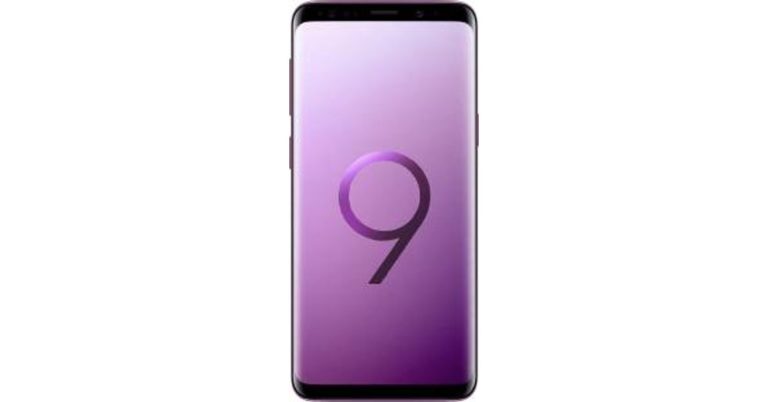
Speaking about the specifications of Samsung Galaxy S9, it is powered by the Exynos 9810/Qualcomm Snapdragon 845 processor and runs on Android Oreo with Samsung Experience UI on top. The smartphone features a 5.8-inch Quad HD+ Super AMOLED Infinity display that is protected by Corning Gorilla Glass 5.
The flagship smartphone weighs 163grams and houses a 3,000mAh battery. The device comes with a Super Speed Dual Pixel 12MP autofocus f/1.5-f/2.4 camera with optical image stabalization. It is available in Midnight Black, Coral Blue, Titanium Gray, Lilac Purple, Burgundy Red, Sunrise Gold, Ice Blue and the recently launched Polaris Blue colour options.
Coming to the specifications of Samsung Galaxy S9+, it comes with a 6.2-inch QHD+ Curved Super AMOLED display with an aspect ratio of 18.5:9. The smartphone has 6GB of RAM and a 3,500mAh battery. The device comes with a dual rear camera setup with Super Speed Dual Pixel 12MP autofocus f/1.5-f/2.4 lens and a telephoto lens with 12MP autofocus f/2.4 lens. The mobile has three internal storage variants— one with 64GB storage, another with 128GB storage and the most high-end one with 256GB storage.
Taiwanese consumer electronics maker ASUS has launched its two gaming laptops in India today. Powered by the latest generation AMD Ryzen Mobile processors, both the laptops – ASUS Gaming F570 and VivoBook 15 – come with graphics from AMD Radeon Vega and focus on gaming and entertainment. Here are the pricing details and specifications of the newly launched ASUS Gaming F570 and ASUS VivoBook 15 laptops:
In This Article
ASUS Gaming F570 and ASUS VivoBook 15 price in India
ASUS Gaming F570 laptop is available with up to 8GB of RAM and it is priced at Rs 52,990. ASUS VivoBook 15, on the other hand, comes in two variants – 4GB RAM and 8GB RAM – priced at Rs 30,990 and Rs 35,990 respectively. Both the laptops are available for purchase on Paytm Mall as well as offline stores in the country.
ASUS Gaming F570 and ASUS VivoBook 15 specifications
Coming to the specifications of the two laptops, ASUS Gaming F570 comes with 15.6-inch FHD (1920×1080) Anti-Glare display and it is powered by AMD Ryzen 5 -2500U processor clubbed with up to 8GB of DRAM DDR4 RAM and AMD Radeon Vega 8 Graphics. The laptop supports up to 16GB of memory and has 1TB SATA 5400RPM HDD storage. ASUS F570 laptop focuses on gaming and runs the Windows 10 operating system. It weighs 1.9kg and comes with two memory card slots, Bluetooth v4.2, two Type A 2.0, one Type A 3.0 and one Type C 3.1 (Gen1) USB ports.
Speaking of ASUS VivoBook 15 (X505), it has a 15.6-inch FHD Anti-Glare display with 81% screen-to-body ratio. One of its variants come with AMD Ryzen 3 – 2200U processor and AMD Radeon Vega 3 Graphics, and the other comes with AMD Ryzen 5-2500U processor and AMD Radeon Vega 8 Graphics. The 4GB RAM variant supports 12GB of memory and 8GB of RAM comes with 16GB of memory. The device comes with 1TB SATA 5400RPM HDD storage and runs Windows 10.
Speaking about the launch of the two laptops, Arnold Su, ROG and PC Head of ASUS India said, “We are excited to unveil the Gaming F570 and VivoBook 15 (X505) specially designed for our Indian consumers. Both the laptops feature the latest AMD Ryzen 5 processor and Radeon Vega graphics, ensuring effortless productivity, multitasking, and entertainment. Pioneering the thin and light segment we are the only brand with models catering to this segment with Ryzen processor. We’re positive that the rising brigade of India’s ambitious users demanding more from their laptops would appreciate the latest offering.”
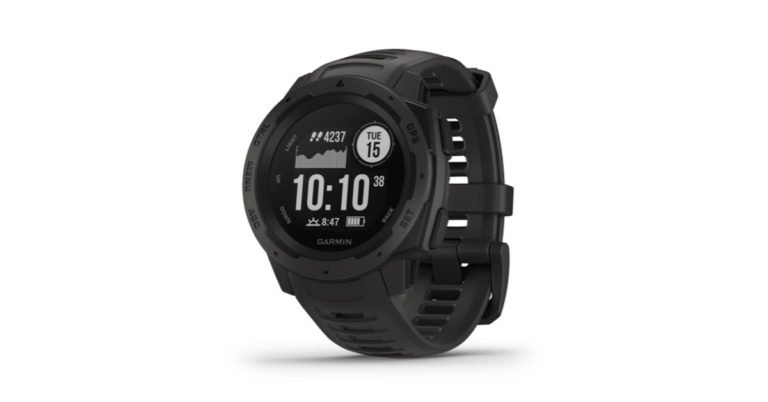
Garmin has launched its GPS-enabled smartwatch Instinct in India today. The rugged smartwatch is aimed at sports enthusiasts and those who love being a part of extreme activities, particularly outdoors.
Priced at Rs 26,990, the Garmin Instinct smartwatch comes in Flame Red, Graphite and Tundra colour variants. Interested buyers can buy the newly launched smartwatch at Garmin’s authorised stores, the company’s official website, Paytm Mall, Amazon India, and select Helios stores.
The smartwatch has a 3x-axis compass and a barometric altimeter. Multiple navigation satellites are supported on Garmin Instinct including GPS, GLONASS, and Galileo. Additionally, the smartwatch also comes with a wrist-based heart rate monitor that not only tracks your heart rate zones when you are working out but also gives you information about your stress levels.
The Instinct smartwatch is said to last up to 14 days in a single charge, provided its done in smartwatch mode. With full GPS tracking, its battery will last for 16 hours and when the power-saving UltraTrac mode is on, it can be used for 40 hours.
Garmin Instinct is said to be compatible with other products from the company including the InReach Mini. For those unaware, InReach Mini enhances the security of users by enabling them to send and receive messages and SOS calls from the watch itself.
The smartwatch from Garmin also comes with Virb action cameras and the company’s dog-tracking collars, Astro. Besides all this, there are some other fitness features in the newly launched smartwatch including a sports app and wellness data.
The smartwatch comes with 16MB of storage and users can sync the smartwatch with their smartphones using Garmin’s Connect app. Garmin Instinct is compatible with both Android and iOS. The Garmin Explore app can be used to create and edit routes, download maps, and more.
The company has also added that their new offering, Instinct, is made up of fibre-reinforced polymer, which is said to add strength and durability to it. Besides being rugged and outdoor-centric, the GPS-enabled smartwatch is said to come with the US military standard 810G. This basically means that it is thermal, shock and water resistant.
Popular wearables maker Fitbit has updated its Ionic and Versa smartwatches with the latest version of Fitbit’s operating system – Fitbit OS 3.0. Among the key highlights that the update has got is the ability of the smartwatches to support some new third-party apps. Fitbit OS 3.0 will also enable users to create logs for their water intake, sleep, and weight directly in their smartwatch. Earlier, this had to be done via the mobile app that connected the smartwatch to the user’s smartphone.
The most notable apps which will now be supported by smartwatches running on Fitbit OS 3.0 are Couch to 5K and Achu Health. Speaking about these apps, Couch to 5K is a training program that coaches beginners towards running long-distance races, while Achu Health can help users predict potential illness by notifying them about any unusual temperature increase in their bodies. Going forward, these apps will display daily goals or send notifications to users on their smartwatches.
Another two apps that are now available on Fitbit smartwatches include Genius Wrist and MySwimPro. While Genius Wrist will provide structured on-device workouts, productivity and visualization tools, MySwimPro will get video coaching and training plans for swimmers of all levels. The latter will also use real-time heart rate of the wearer from the smartwatch and help them enhance their swimming performance accordingly.
Support for some other apps will be added next year on Fitbit OS 3.0. These include TRX, Charity Miles, FitBark and Mindbody.
We should point out that if you use Charge 3, you will not be getting this OS update. So your wait for popular third-party apps will be a little longer than that of others. And as of now, there is no official word on when the OS update will be rolled out to Charge 3 users.
What we do know is that an upcoming update in 2019 will improve the female health tracking feature on the smartwatches to show more data. Fitbit has said that it will be adding symptom trends to its female health tracking feature. While there is no word on whether there will be features for menopause tracking or family planning, we really do wish that Fitbit gets those in its smartwatches, as these features are what most women would find useful.
Speaking about the software update being rolled out, Jon Oakes, Senior Vice President of Product at Fitbit said, “We are excited to announce these software and app updates as they provide Fitbit smartwatch users with more ways to take action based on their personal data to achieve their health and fitness goal.”
In 2018, India saw the greatest improvement in fixed broadband speed among the most popular countries in the world. According to a report shared by Ookla, a platform that is widely known for its speedtests, India ranks 65th in broadband and 111th in mobile.
The report further said that the country has shown an improvement of 50.4% and has an average fixed download speed of 23 Mbps. Speaking of mobile, the country showed a 15.2% increase in average overall download speeds.
If you we talk about the five largest countries in the world, China topped the list of the fastest average mobile speeds. The list of countries with fastest fixed download speeds was dominated by the United States, and China managed a second spot there too. India and Brazil had a tie on the third position of the list.
Another important reveal by the report was that the number of gigabit tests in New Delhi swelled from 119 in 2017 to 20239 results in 2018. This is a massive increase of 16908%.
Ookla’s report also said that the overall world’s internet speed increased by over 15% in the current year. The mean global speed, according to the report, is said to be 22.82 Mbps. It was also stated that mobile downloads went up by 15.20% in the last 12 months and mobile uploads grew by 11.60%.
It is worth noticing that with Reliance Jio’s JioPhone and JioPhone 2 feature phones being introduced in the market and the fall in tariff pricing of mobile data plans, the number of internet users has grown tremendously in India. As of September 2018, Jio had a user base of a massive 1,191.40 million. And we should point out that other major telecom players like Bharti Airtel and Vodafone Idea also have millions of users in the country. Since’s Jio’s entry in the telecom space, these players have been forced to slash the prices of their mobile data plan too. But this fall in prices has led to a lot more Indian users come online.
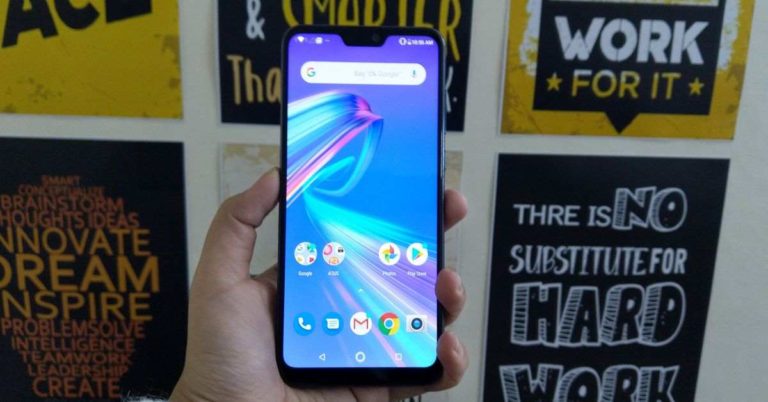
Micromax Infinity N12 features a 6.19 inch HD+ display that has an aspect ratio of 18.9:9. The company has touted the presence of a notch on the display of the smartphone that gives users more screen space for gaming, watching videos and more. Powered by an octa-core MediaTek Helio P22 processor clocked at 2GHz, Micromax Infinity N12 comes with 3GB RAM and 32GB of internal storage.
Chinese smartphone brand Lenovo has had an interesting year. It made some silent launches but managed to get some top-notch phones in the market. And it even re-entered the Indian market after almost a year. And now, the handset maker has unveiled its Lenovo Z5 Pro GT smartphone which comes with a massive 12GB of RAM and is powered by Qualcomm’s latest Snapdragon 855 processor in China. Here’s a look at the pricing details and the specifications of the device:
In This Article
Lenovo Z5 Pro GT specifications
We’ll start by talking about the specifications of Lenovo Z5 Pro GT, the smartphone sports a 6.39-inch Full HD+ AMOLED display with a resolution of 1080 × 2340 pixels and an aspect ratio of 19.5:9. The screen has a layer of Corning Gorilla Glass for protection, and following the current trend, there is an in-display fingerprint scanner onboard. As we mentioned earlier, Lenovo Z5 Pro GT is powered by Snapdragon 855 processor, which is the latest chip that Qualcomm has launched. The smartphone comes in three RAM variants – the base model with 6GB RAM, the most high-end one with 12GB RAM and another one with 8GB of RAM. Lenovo Z5 Pro GT is available in 128GB, 256GB 512GB storage options and runs Android 8.1 Oreo skinned with Lenovo’s ZUI 10.
On the camera front, the smartphone features a dual rear camera setup with a 16MP primary Sony IMX519 sensor that has an f/1.8 aperture and a dual-tone LED flash clubbed with a 24MP Sony IMX576 sensor with an f/1.8 aperture. There is a dual selfie camera on the device too. The front-facing snappers of the handset include a 16MP primary camera with an f/2.2 aperture along with an 8MP IR camera that is used for facial recognition. The smartphone houses a 3350mAh battery and its connectivity options include Dual SIM, Dual 4G VoLTE, Wi-Fi, Bluetooth 5, USB Type-C and NFC.
Lenovo Z5 Pro GT price
The base model of the Lenovo Z5 Pro GT mobile, which comes with 6GB of RAM and 128GB of internal storage, bears a price tag of 2,698 Yuan and the middle variant with 8GB RAM and same storage costs 2,998 Yuan. Lenovo Z5 Pro GT is also available with 8GB RAM and 256GB storage is priced at 3998 Yuan and the most high-end option with 12GB of RAM and 512GB of storage costs 4398 Yuan. Lenovo Z5 Pro GT is all set to go on sale on January 24 and its pre-orders will begin on January 1.
A new report from a Korean market research group LetsGoDigital has surfaced online that reveals certain features of the upcoming Galaxy F. According to the report, the foldable handset will house an enormous 6,000mAh battery. That’s actually the kind of battery capacity that we see in tablets and not smartphones. But considering that Samsung Galaxy Fold is a tablet-cum-smartphone and it has a 7-inch AMOLED screen, a 6,000mAh battery is not very surprising.
The report has further said that the battery of the device will be ‘split into two’ in order to cater to the folding display of the smartphone. Additionally, it has also been revealed that Samsung Galaxy F will house an 8GB of RAM and 128GB of internal storage and this may be the only variant of the handset.
Although it has not been confirmed yet, the smartphone is said to be powered by Exynos 9820/ Snapdragon 855 processor. But what we do know is that the foldable phone will run OneUI based on Android 9 Pie, which promises to bring enhanced multitasking capabilities to the folding phone. It will also add a minimalistic design to the user interface and increase the ease of performing various tasks.
Coming back to the report that has recently surfaced online, it claims the presence of 12MP+12MP dual rear cameras and an 8MP selfie camera. It has been tipped that the upcoming folding phone by Samsung will bear a price tag of 2 million won, which becomes approximately Rs 1,28,000 when converted. The smartphone giant has said that initially, it will only make a million units of the Galaxy Fold phone and more units will only be made if the demand arises.
With already a large and growing fan following, Realme might just give other companies a run for their money as all of its smartphones are receiving an Android Pie update. Xiaomi has also recently updated Mi A2, Mi A2 Lite to Android Pie and is yet to update the Mi A1 to this OS. For Mi A2 Lite, only a few units have been updated.
Updating phones with the latest OS is not a cake walk considering that your phone might be affected by a bug anytime due to software update. With Xiaomi still fixing the bug in Mi A1 it cannot be ascertained when it would launch the Android Pie for this device. Xiaomi being one of the dominating brands in the mobile market is facing such a problem. Considering that it gives a lot of positive weightage to the fact that all Realme phones are being updated to Android 9.0.
A tweet from Realme India Support has confirmed that every Realme smartphone will be updated to Android 9.0 by the first two quarters of 2019. Though the devices will run on Oppo-engineered ColourOS system overlay, the basic operating system would be Android Pie.
Recently in this month, Realme has enhanced the quality of many of its smartphones. These enhancements are ColourOS 5.2 for Realme 2 and Realme C1, security patch updates and camera improvements which encompass every smartphone.
Having spread its wings in India, the company is now planning to head towards Pakistan. Having a reputation for selling affordable phones, it will probably take a chance anywhere it anticipates the scope of demand for affordable devices.
Recently, Realme launched the U1 smartphone. To recall its specifications, it has a dual camera setup, which has a 13MP primary sensor and 2MP secondary sensor. The smartphone houses a 3,500mAh battery and comes with a 25MP front camera, one has the privilege of many beautification features in the cameras. Connectivity options in the Realme U1 smartphone includes WiFi 802.11 b/g/n, hotspot, Bluetooth 4.2, FM Radio, microUSB 2.0 and GPS. It comes with multiple colour options including Ambitious Black, Brave Black and Fiery Gold.
The price of Google Pixel 3 has been reduced to Rs 63,107 in Paytm Mall from its original price which was Rs 71,000 a few days ago. The discount was initially set to be Rs 66,428, however, customers can avail a cashback of Rs 3,321 as part of the offer. The discounted price of Rs 66,428 is only available for the 64GB storage variant because the 128GB variant is not available. Wondering how to avail the cashback? Simple—just use the “SAVE5” promocode at the time of checkout. The offer is also available on the Paytm Mall app as well.
The Google Pixel 3 runs on Android 9.0 Pie out-of-the-box, has 8MP sensors and supports 1080p videos at 30fps. The device is powered by a Qualcomm Snapdragon 845 SoC and the phone comes in ‘Just Black’ and ‘Clearly White colour options.
You would be happy to know that along with Google Pixel 3, the Google Pixel 2XL has also got a price cut. It is being sold at Rs 39,975 now. Here also there is a cashback scheme available, which would help you save Rs 1,999 thereby paying just Rs 37,967. In the same way like the Google Pixel 3, you need to use the “SAVE5” promocode to avail cashback on the Google Pixel 2XL.
For the unknown, in a referral offer launched on Flipkart, Google is offering a discount of Rs 7,000 to the referee and an e-gift voucher of Rs 2,000 to the referrer. The offer will run till December 20 on Flipkart.
Coming to the specs and price of the phone, the Google Pixel 3 comes in two storage variants of 64GB and 128GB, which sold for for Rs 71,000 and Rs 80,000 respectively. The smartphone runs on Android 9.0 Pie and its dimensions are 145.6×68.2×7.9mm. The handset weighs 148 grams and has a Corning Gorilla Glass 5 protection on the screen.
Google Pixel 3 is powered by Qualcomm Snapdragon 845 processor and has 4GB RAM. It has a dual 8MP + 8MP selfie cameras and a single 12MP rear camera. Connectivity options include WiFi 802.11 a/b/g/n/ac, hotspot, NFC, USB 3.1 and GPS. Messaging options include SMS, MMS, Email, Push Email, IM and of course can run Whatsapp messenger too. Other features include a fingerprint sensor, accelerometer, gyro, proximity, compass and barometer.
Let’s face it. Truecaller is one among the apps that a major chunk of people install on their smartphones in spite of the fact that it’s blamed for privacy intrusion quite often. The app, which is the best known for identifying calls from unknown numbers and blocking spam calls and messages, has released its ‘Truecaller Insight Special Report’.
According to the report, India stands second in terms of the number of spam calls received by users (January to October), whereas Brazil tops the list. In Brazil, an average Truecaller user received 37.5 spam calls per month in 2018. With that number, the country overtook India as the ‘most spammed’ country from last year.
Speaking about India, 6.1% of overall calls that Indian users received in 2018 were spam calls. The average number of spam calls received by users in India came down by 1.5% from 2017, according to the report. The average number for this that the report has stated is 22.3 calls per user/month.
the report says that 91% of the spam calls in the country were made by telecom service providers. They were followed by scam callers, who have gone up from 3% in 2017 to 7% in the current year. Telemarketers, who contributed to 13% of spam calls in 2017, came down to 2% this year.
The report further reveals that most calls from telecom companies revolved around informing users about various offers and balance reminders. And as you must have noticed, scam calls grew more than double as compared to 2017.
The report says that globally, 74.1 billion calls were made in 2018. And among these, 17.7 billion were spam calls. This basically means that almost every fourth call received by users was a spam call.
“Digging deeper into the bigger markets, we found common categories that tie all these spam calls together. The biggest pattern we could see was that operators across the world are the biggest spammers,” the report said.
We should mention that Truecaller is among the most popular apps of its kind and it has a user base of 300 million across the globe. Out of all these users, a massive chunk of 150 million are based in India. The report from Truecaller is based on 20 countries that were affected by spam calls in 2018. If you want to get to know of some little-known features of Truecaller, click here.
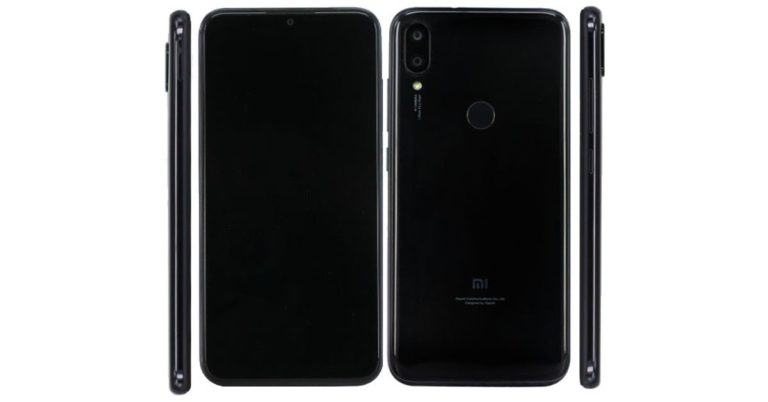
The Xiaomi Redmi 7 series was reportedly spotted in the Nashville Chatter on Chinese 3C certification website. The series included three smartphones. Based on the website, though differing from one another, the smartphones have a few things in common. All of them have 4G LTE support and 5V/2A charging, which translates into 10W fast charge support.
One of its smartphones, Redmi 7 Pro, now has been spotted in TENAA also. Due to this, several features of the phone have been revealed. According to the leak, the phone sports a waterdrop-shaped notch, a dual camera setup at the back and a rear fingerprint sensor. It will have a 5.84-inch display screen and a 2,900mAh battery. Dimensions have also been tipped and will be at 147.76 x 71.89 x 7.8mm.
It is yet to be known if the phone would be called Redmi 7 Pro or not but since the display of the model is the same as Redmi 6 Pro it is speculated to be that. As said before the Redmi 7 series is said to include three phones—Xiaomi Redmi 7A, Redmi 7, Redmi 7 Pro. The model numbers listed in 3C certification website and TENAA are M1901F7E, M1901F7T and M1901F7C. The model numbers of Redmi 6 series were prefixed with M18 so there is a high chance that the M19 models represent Xiaomi Redmi 7 series.
The Xiaomi Redmi 7 series is expected to have face unlock, expandable storage and dual VoLTE support. Once launched, it would probably compete with Realme, Asus, Nokia and Oppo. The competition is going to be tough considering that these brands are launching phones with appealing specs. This could mean that there might be a price war in store for consumers.
To recall, the Xiaomi Redmi 6 had two RAM variants which came in different price segments. It had a 32GB and 64GB RAM variant which costed Rs 7,999 and Rs 9,499 respectively. The Redmi 6A also has two RAM variants—16GB storage priced at Rs 5,999 and 32GB storage priced at Rs 6,999. Lastly, the Redmi 6 Pro came with a price tag of Rs 10,999 and Rs 12,999 for 3GB RAM variant and 4GB RAM variant respectively. Since all the price points are covered by Xiaomi, it will be interesting to see where they place the next generation of smartphones. Chances are the Chinese company will be eating into its own pie.
Popular gaming app PUBG Mobile has finally got the much-awaited update that comes with the Vikendi Snow Map. There are a number of exciting new changes that have been added to the PUBG Mobile game including a Snow theme and features that make it easier for your enemies to track you. Here’s our list of everything that you need to know. Read till the end to find out about a rewards that the company has promised for some users:
In This Article
Is a part of version 0.10.0 update
In order to access the Vikendi Snow Map, you would have to update your mobile app to version 0.10.0, which is now available for all iOS and Android users. On both the platforms, it weighs more a gigabyte, wo recommend you to use a Wi-Fi to download it.
Vikendi Snow Map
The key highlight of the update is the Vikendi Snow Map that has come to PUBG Mobile. The map spreads across 6X6Km and is completely covered in snow. Furthermore, plentry of new area have been added to the map including Port, Zabava, Cosmodrome, Vihar, Movatra, Dobro Mesto, Krichas, Trevno, Peshkova, Lumber Yard, Milnar, Sawmill, Dino Park, Goroka, Coal Mine, Hot Springs, Cantra, Volnova, Tovar, Villa, Castle, Winery, Pilnec, Mount Kreznic, Podvosto, Cement Factory and Abbey.
Loot rich areas
It has been reported that Kricha, Goroka, Cosmodrome and Castle are four areas where players can find good loot.
The snow makes the game tougher
The fact that the entire game area is covered in snow actually makes the game tougher. This is because your avatar’s footprints will stay in the snow for some time and this can be a very big giveaway of your hiding location. The snow also registers tracks of various vehicles that are available in the game.
You can use snowmobiles to travel
The new update has got Vikendi exclusive snowmobiles to the game that can be used to travel in the snow. Developers are expected to add more improvements to these snowmobiles shortly.
The new G36C Assault Rifle
Another Vikendi exclusive addition is G36C Assault Rifle. The rifle can has replaced the SCAR-L rifle that was earlier in the game for players.
Christmas theme
The snow is not the only new thing about the locations used in the game. Since the holiday season is just around the corner, the game has a Christmas theme. So a lot of aspects like costumes, vehicles and even the parachute your avatar will use to land is Christmas themed.
In case you have a smartphone with ‘notched’ display
The game can now be played in three different settings – one for 16:9 displays, one for 18:9 displays with rounded corners, and one for ‘Notched’ displays. You can head to the Settings of your game to adjust it.
Rewards
It is worth mentioning that anyone who downloads the game before December 25 will be rewarded by the company. As a part of the reward, these early birds will be getting 1,888 BP points and the Outfit Box 3.


















![[Video] Micromax Infinity N12 Unboxing, First Look And Camera Shots](https://www.gadgetbridge.com/wp-content/uploads/2018/12/maxresdefault-6-768x432.jpg "[Video] Micromax Infinity N12 Unboxing, First Look And Camera Shots")