In This Article
iPhone XR
 September saw the launch of Apple’s 2018 iPhone lineup. Besides, iPhone XS and iPhone XS Max, the Cupertino based technology giant launched the iPhone XR, which is supposed to be its affordable variant. iPhone XR features a 6.1-inch LCD screen and comes with a 12MP wide angle rear camera. The smartphone is available in three storage options — 64GB, 128GB, and 256GB. Its battery life is said to be 1.5 hours more than that of iPhone 8 Plus. Powered by A12 Bionic processor, iPhone XR runs iOS 12 software.
Samsung Galaxy Note 9
 Samsung Galaxy Note 9 features a 6.4-inch Quad HD+ Super AMOLED Infinity display and is powered by Exynos 9810 processor. The device is available in 6GB RAM/128GB storage and 8GB RAM/512GB storage options. Users can also install a microSD of up to 512GB. Samsung Galaxy Note 9 houses a 4,000mAh battery and sports a dual rear camera setup that has a 12MP wide-angle autofocus sensor and a 12MP telephoto autofocus sensor. For selfies and video calls, there is an 8MP autofocus sensor. The Android 8.1 Oreo-based smartphone comes with an upgraded S Pen and supports Dex. Samsung Galaxy Note 9’s starting price in India is Rs 67,900.
Google Pixel 3 XL
 Google’s flagship of the year sports a 5.5-inch FHD+ flexible OLED display and is powered by Qualcomm Snapdragon 845. Google Pixel 3 comes with 4GB of RAM, Adreno 630 GPU and is available in 64GB and 128GB storage options. The smartphone runs Android 9.0 Pie out of the box and is touted to come with Pixel Visual core and Titan M Security Module. For imaging duties, Google Pixel 3 features a 12.2MP dual pixel single rear camera that has support for features like autofocus with dual phase detection, OIS, EIS and spectral & flicker sensor. The smartphone comes with dual front cameras with an 8MP wide-angle sensor and an 8MP secondary sensor with 75-degree field-of-view. It is available in India at a starting price of Rs 71,000.
Huawei Mate 20 Pro
 Huawei Mate 20 Pro runs Android 9.0 Pie skinned with EMUI 9.0 and sports a 6.39-inch QHD+ curved OLED display. The smartphone comes with an in-display fingerprint sensor and is powered by the company’s flagship HiSilicon Kirin 980 processor clubbed with 6GB RAM. Huawei Mate 20 Pro offers 128GB storage and can hold microSD cards of up to 256GB. Huawei Mate 20 Pro features a triple rear camera setup that is comprised of a 40MP primary wide-angle sensor, a 20MP ultra wide angle sensor, and an 8MP 3X telephoto sensor. For selfies and video calls, the smartphone houses a 24MP RGB selfie camera that supports 3D facial unlocking. Huawei’s latest flagship houses a 4,200mAh battery that supports 40W SuperCharge technology and wireless reverse charging, which enables it to be used to charge other Qi wireless devices. In India, the smartphone is priced at Rs 69,990.
OnePlus 6T
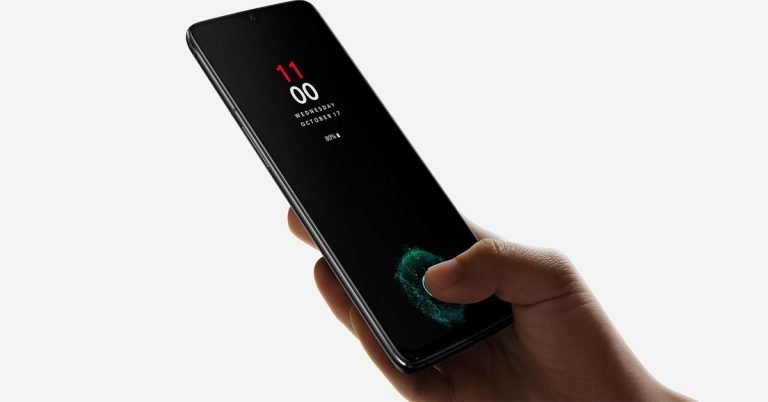
 OnePlus 6T is surely among the most popular smartphones of the year. The smartphone is available in 6GB and 8GB of RAM and comes in 128GB and 256GB storage options. OnePlus 6T’s starting price in India is Rs 37,999 and it boasts of features like 6.41-inch optic AMOLED display, Snapdragon 845 processor with Adreno 630 GPU, a 16MP selfie camera and 3,700mAh battery. The smartphone has the same set of dual rear cameras as OnePlus 6 but comes with additional modes. OnePlus 6T comes with a waterdrop-style notch on its display and the Android 9.0 Pie based smartphone has an on-screen fingerprint sensor.
Asus Zenfone 5Z
 The next one on our list is Asus’ answer to OnePlus 6 that was launched earlir this year. Asus Zenfone 5Z has a 6.2-inch full HD+ IPS display and is powered by Qualcomm Snapdragon 845 processor clubbed with either 6GB or 8GB of RAM. The smartphone is available in 64GB, 128GB and 256GB storage options. Asus Zenfone 5Z’s base model in India costs Rs 29,999 and the most high-end one bears a price tag of Rs 36,999.
Vivo NEX
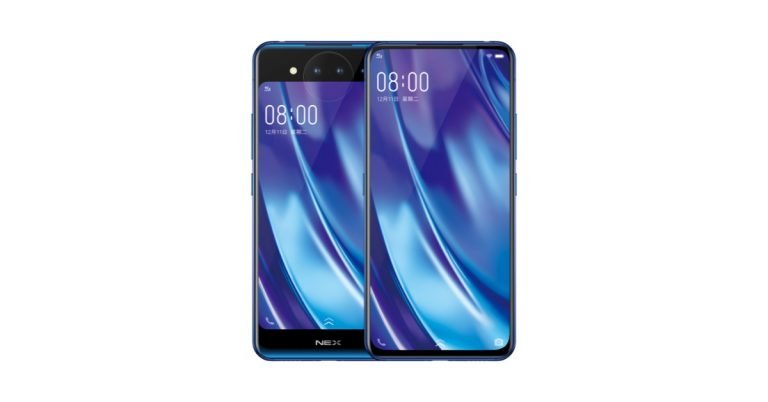
 With Vivo NEX, we saw a very futuristic looking smartphone by the Chinese smartphone brand that came with an almost full-screen experience and had a pop-up selfie camera. The smartphone is among the first few which ditched the notch and it sports a 6.59-inch FHD+ super AMOLED ‘Ultra Fullview’ display and is powered by Qualcomm Snapdragon 845 chipset clubbed with 8GB RAM and 128GB storage. Vivo NEX sports a dual rear camera setup with 12MP and 5MP sensors and has an 8MP selfie camera. The smartphone is priced at Rs 44,990 in India.
Samsung Galaxy A9 (2018)
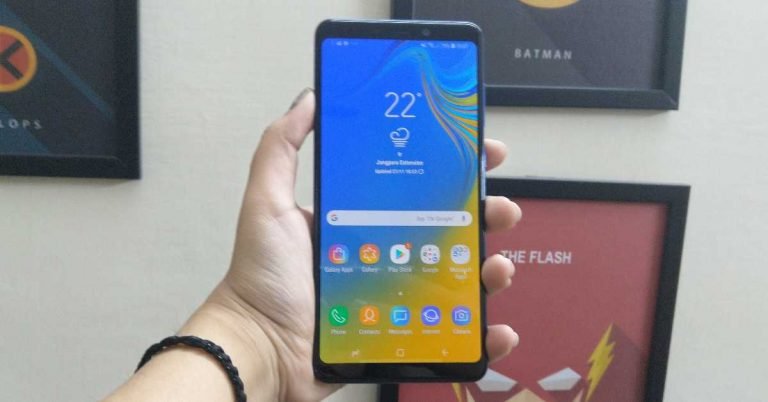
 The world’s first smartphone to come with four rear cameras, Samsung Galaxy A9 (2018) is available at a starting price of Rs 36,990. Among the key features of the smartphone are its 24MP+10MP+8MP+5MP rear cameras, a 24MP selfie camera, 6.3-inch full-HD+ Super AMOLED Infinity display and its 3,800mAh battery.
Nokia 6.1 Plus
 Priced at Rs 15, 999, Nokia 6.1 Plus is surely among the best budget smartphones we saw this year. The Android 8.1 Ore-based handset comes with a 5.8-inch full-HD+ display and is powered by Qualcomm Snapdragon 636 processor clubbed with 4GB of RAM and 64GB of internal storage. The smartphone by Nokia comes with 16MP+5MP dual rear cameras and a 16MP selfie camera. It houses a 3,060mAh battery.
Moto G6
 This one is another good budget option you can consider buying. Moto G6 comes at a starting price of Rs 13,999 and sports a 5.7-inch FHD+ IPS touchscreen. Powered by Qualcomm Snapdragon 450 CPU, the smartphone comes with either 3GB or 4GB RAM and is available in 32GB and 64GB storage options. Moto G6 features 12MP + 5MP dual rear cameras and houses a 3,000mAh battery.
Asus Zenfone Max Pro M1
 If you want a smartphone with a big battery, then Asus Zenfone Max Pro M1 is the right choice for you. The smartphone is available in 3GB RAM/ 32GB internal storage and 4GB RAM/64GB onboard storage options and comes at a starting price of Rs 10,999. Asus Zenfone Max Pro M1 sports a 5.99-inch full-HD+ IPS Full View display and is powered by Qualcomm Snapdragon 636 processor. The key highlight of the device is its 5,000mAh battery.
Honor 8X
 Honor 8X is another budget smartphone that you can consider. It is available with 4GB or 6GB RAM and comes in 64GB and 128GB inbuilt storage options and the base model costs Rs 14,999. The smartphone sports a 6.5-inch fullView display and is powered by an octa-core HiSilicon Kirin 710 processor. Honor 8X comes with dual AI camera setup on its back panel with 20MP and 2MP sensors.
Honourable mention: iPhone XS and iPhone XS Max
 Apple’s flagship smartphones feature an OLED HDR Super Retina display and are powered by the A12 Bionic processor. While the display of iPhone XS is 5.8-inch in size, iPhone XS Max sports a 6.5-inch screen. The smartphones come with a dual rear camera setup with a 12MP wide-angle lens and a 12MP telephoto lens. There is also a 7MP TrueDepth camera for selfies. The new iPhones are available in 64GB, 128GB, and 512GB storage options and run iOS 12. While the cost of iPhone XS starts at Rs 99,900 in India, iPhone XS Max is available at a starting price of Rs 109,900.
For the latest gadget and tech news, and gadget reviews, follow us on Twitter, Facebook and Instagram. For newest tech & gadget videos subscribe to our YouTube Channel.
[td_smart_list_end]
Apple’s flagship smartphones feature an OLED HDR Super Retina display and are powered by the A12 Bionic processor. While the display of iPhone XS is 5.8-inch in size, iPhone XS Max sports a 6.5-inch screen. The smartphones come with a dual rear camera setup with a 12MP wide-angle lens and a 12MP telephoto lens. There is also a 7MP TrueDepth camera for selfies. The new iPhones are available in 64GB, 128GB, and 512GB storage options and run iOS 12. While the cost of iPhone XS starts at Rs 99,900 in India, iPhone XS Max is available at a starting price of Rs 109,900.
For the latest gadget and tech news, and gadget reviews, follow us on Twitter, Facebook and Instagram. For newest tech & gadget videos subscribe to our YouTube Channel.
[td_smart_list_end] 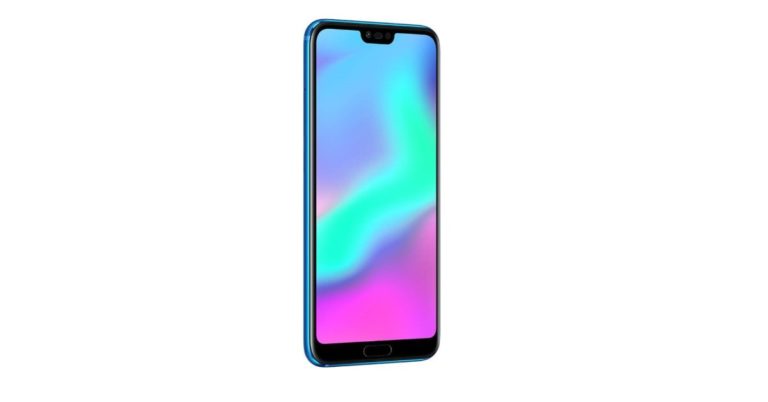
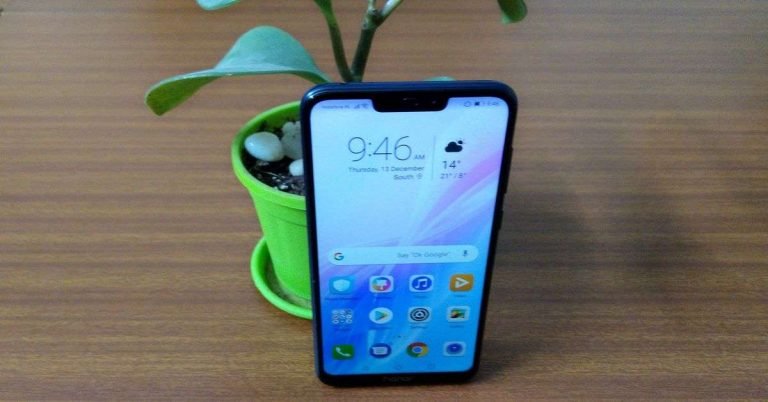
 If you don’t like the notch of the device, you can hide it using an option in the Settings menu. Flip over, and you’ll see the plastic back panel of the smartphone which looks extremely glossy. It is worth noticing that the back panel of the device is prone to getting fingerprint smudges, but the smartphone comes with a plastic cover in the box which will help you with this problem.
The fingerprint scanner of Honor 8C
If you don’t like the notch of the device, you can hide it using an option in the Settings menu. Flip over, and you’ll see the plastic back panel of the smartphone which looks extremely glossy. It is worth noticing that the back panel of the device is prone to getting fingerprint smudges, but the smartphone comes with a plastic cover in the box which will help you with this problem.
The fingerprint scanner of Honor 8C  Coming to the display of the smartphone, the Honor 8C features a 6.26-inch HD+ (720×1520 pixels) TFT IPS LCD screen that has an aspect ratio of 19:9. The display of the device was reasonably good. The images displayed were sharp and clear. The colours showcased were accurate and vibrant and they remain consistent at different viewing angles. You may have to manually adjust the brightness, as the default wasn’t bright enough.
 We got the former for review, which is priced at Rs 12,999. Both the variants of the Honor 8C smartphone can hold microSD cards of up to 256GB. Honor 8C houses a 4,000mAh battery to power the device. The connectivity options on the device include Wi-Fi, Bluetooth 4.2, GPS, a Micro-USB port and a 3.5mm headphone jack.
Speaking about the software of the device, Honor 8C runs
We got the former for review, which is priced at Rs 12,999. Both the variants of the Honor 8C smartphone can hold microSD cards of up to 256GB. Honor 8C houses a 4,000mAh battery to power the device. The connectivity options on the device include Wi-Fi, Bluetooth 4.2, GPS, a Micro-USB port and a 3.5mm headphone jack.
Speaking about the software of the device, Honor 8C runs  Apps like Facebook, Netflix and Camera 360 come pre-installed and there are a number of Honor’s own apps. What covers up for it is the one-handed mode on the device and its ability to run two accounts of the same app at the same time via a feature called App Twin.
The performance of Honor 8C, during our time with it, was mostly good. The smartphone handles day-to-day tasks with ease, considering that it falls in the budget segment. We launched and switched between multiple apps and Chrome tabs during our time with it, and we did not see hardly any lag in Honor 8C’s performance. To push it further, we used navigation via Google Maps in PIP mode and watched YouTube videos simultaneously. Honor 8C handled that with ease too. In spite of the multi-tasking, the smartphone didn’t warm up.
Gaming was another good aspect of the
Apps like Facebook, Netflix and Camera 360 come pre-installed and there are a number of Honor’s own apps. What covers up for it is the one-handed mode on the device and its ability to run two accounts of the same app at the same time via a feature called App Twin.
The performance of Honor 8C, during our time with it, was mostly good. The smartphone handles day-to-day tasks with ease, considering that it falls in the budget segment. We launched and switched between multiple apps and Chrome tabs during our time with it, and we did not see hardly any lag in Honor 8C’s performance. To push it further, we used navigation via Google Maps in PIP mode and watched YouTube videos simultaneously. Honor 8C handled that with ease too. In spite of the multi-tasking, the smartphone didn’t warm up.
Gaming was another good aspect of the  The call quality of the smartphone was good. There was no problem with the reception and we managed to make calls in areas like basements too. The face unlock feature worked perfectly in well-lit areas, and dimly lit areas it was mostly good. The fingerprint sensor of the device was extremely quick and accurate. It detected our finger even when it was moist.
The battery of Honor 8C was undoubtedly its best feature. The 4,000mAh battery of the smartphone lasts an entire day with heavy usage involving social media, YouTube videos and gaming. If your usage is moderate, it’ll last more than a day. It took us around two hours to completely charge the device.
For imaging duties, Honor 8C has a dual rear camera setup with 13MP and 2MP sensors and an 8MP fixed focus camera on its front panel. The camera app of the smartphone supports the Pro mode that enables users to adjust the exposure, shutter speed, white balance and more.
The call quality of the smartphone was good. There was no problem with the reception and we managed to make calls in areas like basements too. The face unlock feature worked perfectly in well-lit areas, and dimly lit areas it was mostly good. The fingerprint sensor of the device was extremely quick and accurate. It detected our finger even when it was moist.
The battery of Honor 8C was undoubtedly its best feature. The 4,000mAh battery of the smartphone lasts an entire day with heavy usage involving social media, YouTube videos and gaming. If your usage is moderate, it’ll last more than a day. It took us around two hours to completely charge the device.
For imaging duties, Honor 8C has a dual rear camera setup with 13MP and 2MP sensors and an 8MP fixed focus camera on its front panel. The camera app of the smartphone supports the Pro mode that enables users to adjust the exposure, shutter speed, white balance and more.
 Honor 8C is touted to detect 22 different types of objects and more than 500 types of scenes. The smartphone also has an AI mode, much like the Honor 8X. The images that we took in well-lit conditions were sharp and had a reasonable amount of details. We liked the photography on the device. But then, we did feel that the AI mode oversaturate the images taken.
While some may like it, we prefer to have more natural looking colours in pictures taken. The images in dimly lit areas could have been better too. Some of them lacked clarity and looked dull. In fact, in dimly lit conditions, AI helped us click some better images. However, we still observed some noise in the images taken.
Honor 8C is touted to detect 22 different types of objects and more than 500 types of scenes. The smartphone also has an AI mode, much like the Honor 8X. The images that we took in well-lit conditions were sharp and had a reasonable amount of details. We liked the photography on the device. But then, we did feel that the AI mode oversaturate the images taken.
While some may like it, we prefer to have more natural looking colours in pictures taken. The images in dimly lit areas could have been better too. Some of them lacked clarity and looked dull. In fact, in dimly lit conditions, AI helped us click some better images. However, we still observed some noise in the images taken.
 The selfies taken were mostly good, but in dimly lit areas, the selfie camera’s performance suffered too. The selfie camera of the device also has a beauty mode that does improve the quality of the images taken. The low-light performance of the selfie camera could have been better as well.
We ran some benchmark tests on the device, where it scored 1,04,098 in Antutu, it managed 1,277 and 4,801 in Single and Multi-core scores of Geekbench 4.
The selfies taken were mostly good, but in dimly lit areas, the selfie camera’s performance suffered too. The selfie camera of the device also has a beauty mode that does improve the quality of the images taken. The low-light performance of the selfie camera could have been better as well.
We ran some benchmark tests on the device, where it scored 1,04,098 in Antutu, it managed 1,277 and 4,801 in Single and Multi-core scores of Geekbench 4.


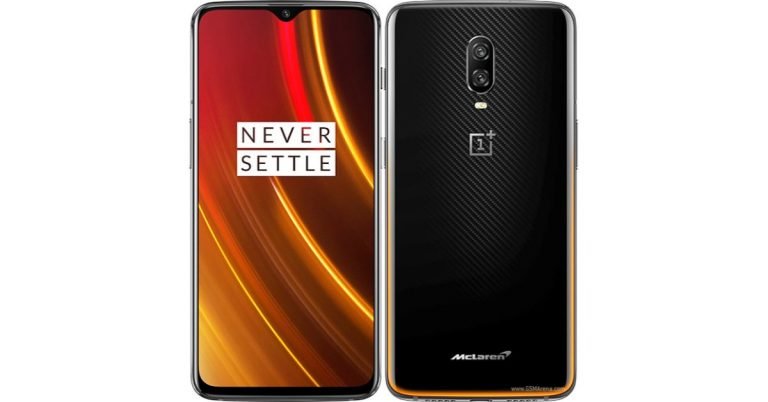




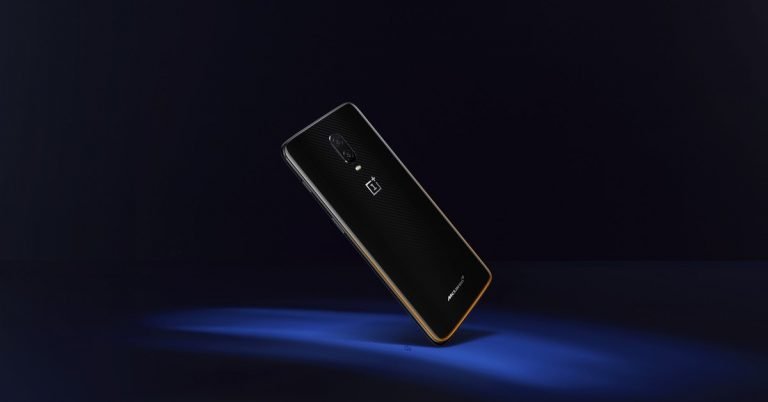
 The smartphone comes with 10GB of RAM and 256GB of onboard storage. And it is the first OnePlus smartphone to come with such massive RAM & storage configurations.
 OnePlus 6T McLaren Edition comes with Warp Charging technology. According to the company, this makes the smartphone charge from 0 to 50% in just 20 minutes. So you can really bid goodbye to your battery woes.
 OnePlus 6T McLaren Edition comes bundled with a 30W Warp charger in the retail box. What’s more, instead of the Red coloured charging cable that OnePlus smartphones usually come with, OnePlus 6T McLaren Edition has an Orange coloured cable.
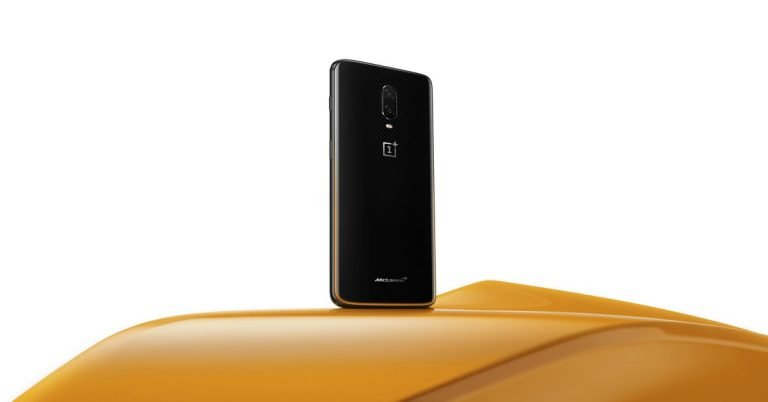
 The glossy back panel of OnePlus 6T McLaren Edition has a carbon fibre pattern beneath it that shows up whenever the smartphone is under direct sunlight. There is a McLaren logo on the back is said to break the light falling on it into different colour patterns.
 Thankfully the entire smartphone isn’t Papaya Orange in colour. Instead, OnePlus opted for a more understated look. While the body of the smartphone is Black, the side and bottom edges have the signature Papaya Orange colour.
 Besides this, the smartphone retains all the other specifications of OnePlus 6T including Optic AMOLED display, a dual rear camera setup on the back panel, a 16MP selfie camera, and Snapdragon 845 processor. It has been launched globally today and is priced at $699 in the United States and costs £649 in Western Europe.
 OnePlus 6T’s McLaren Edition is all set to launch in India tomorrow. Stay tuned with us to know about the pricing and availability of the device.
For the latest
OnePlus 6T’s McLaren Edition is all set to launch in India tomorrow. Stay tuned with us to know about the pricing and availability of the device.
For the latest ![[Video] Asus Zenfone Max Pro M2 Unboxing, First Impressions and Camera Shots](https://www.gadgetbridge.com/wp-content/uploads/2018/12/maxresdefault-5-768x432.jpg "[Video] Asus Zenfone Max Pro M2 Unboxing, First Impressions and Camera Shots")