American multinational semiconductor company AMD has unveiled its Ryzen 3000 mobile chips at the biggest technology show of the year – Consumer Electronic Show (CES) – in Las Vegas, the United States. The newly launched Ryzen 3000 mobile chips have debuted with six variants that have been targeted at mobile devices and Chromebooks.
The Ryzen 3750H chip by AMD comes with 12nm process along with 2.3/4.0GHz bass/boost frequency and 10 GPU cores. The chip has a GPU frequency of up to 1,400MH. While Ryzen 3750H is the most high-end chip that has been launched, the most low-end one – Ryzen 3300U chip – is based on 12nm process and comes with a bass/boost frequency of 2.6/2.6GHz. It has three GPU cores that come with a frequency of up to 1,200MHz.
https://www.youtube.com/watch?v=7_fX2cIeQkY
According to the company, the new chips that have been launched are capable of delivering up to 10 to 12 hours of battery life when they are used on notebooks. The Ryzen 3,000 mobile chips come with support for 4K HDR resolution and are equipped with a new ‘Always On’ technology. AMD also said that its Ryzen 3000 mobile chips perform well when they are made to do certain productivity-focused tasks such as browsing the internet and media editing.
The semiconductor company has also talked about the gaming performance of the new chips that have been launched. It said that when it comes to playing powerful games like Dota 2 and Fortnite, Ryzen 3000’s performance surpasses Intel Core i7-8565U CPU’s.
According to the company’s website, “AMD Ryzen 7 3700U can edit media up to 29% faster than the Intel Core i7-8550U6, and the AMD Ryzen 5 3500U can load websites up to 14% faster than the Intel Core i5-8250U.”
The first device to come with AMD’s Ryzen 3000 mobile chips has already been launched by HP. HP’s Chromebook 14 packs the latest chip by AMD and comes with a 14-inch display with 768p resolution, 4GB of RAM, 32GB of internal storage and 47.36 Wh battery.
Other notebooks from ASUS, Dell, HP, Huawei, Lenovo, and Samsung will be launched later this year with AMD’s Ryzen 3000 chips.
Some months back, Chinese smartphone brand announced that would roll out the Android Pie update to OnePlus 3 and OnePlus 3T smartphones, users were delighted. The two smartphones were initially launched with Android 6.0 Marshmallow and then got an update to Android Nougat and most recently, to Android Oreo. Most smartphone companies roll out two major OS updates to their devices. This is the reason that OnePlus rolling out the Android Pie update to OnePlus 3 and OnePlus 3T came as a big surprise for everyone.
And now, it seems like the update will be getting rolled out to OnePlus 3 and OnePlus 3T soon as the smartphones have been spotted on Geekbench running Android Pie. While OnePlus 3T was benchmarked on December 27, OnePlus 3 got benchmarked on January 3.
Prior to this, OnePlus 3 and OnePlus 3T got the OxygenOS 5.0.8 update based on Android 8.0 Oreo. After that, and Android 8.1 based update was supposed to roll out but the company cancelled that in favour of Android Pie update. Now that the Android Pie update seems like it will roll out soon, it is also likely to get a new security patch to the smartphones.
To recall the specifications of OnePlus 3 and OnePlus 3T smartphones, the handsets come with a 5.5 inch 1920 x 1080 display along with a fingerprint scanner on the front panel. Both the smartphones also have an identical 16MP primary camera. While OnePlus 3 is powered by the Snapdragon 820 processor, OnePlus 3T comes with Snapdragon 821 SoC. The front cameras of the two devices are also different. The OnePlus 6 houses an 8MP selfie camera and the OnePlus 3T has a 16MP front shooter. The battery capacities of OnePlus 3 and OnePlus 3T are not the same either. While OnePlus 3 houses a 3,000mAh battery, OnePlus 3T packs a bigger 3,400mAh battery.
The update, like all other updates from OnePlus, is expected to roll out in a phased manner to the smartphones‘ users. However, even before that, it will be tested in beta for a few weeks with select users. But as of now, there is no word on when that will happen.
For the latest gadget and tech news, and gadget reviews, follow us on Twitter, Facebook and Instagram. For newest tech & gadget videos subscribe to our YouTube Channel.
Apart from other voice assistants, Samsung has now also created room for Amazon Alexa and Google Assistant. Users will be able to control the new QLED sets with either of these two voice assistants. However, one needs to provide the assistant device on their own, which can be Echo, Google Home etc. Though Samsung TVs will keep on executing commands from Amazon Alexa and Google Assistant, Bixby will continue to be its primary voice helper.
Owing to Bixby for providing rudimentary support as it is attached to Samsung’s Tizen TV software. For Samsung remote control, only Bixby can be used. Amazon Alexa and Google Assistant can be used for secondary aspects like volume control, turning the TV on and off, switch inputs, and launch select apps.
However, compared to Bixby users there are tonnes of people who have invested in Amazon and Google voice assistants. And the usership is expected to increase in large scale during this time period. There are 100 million Amazon Alexa device users worldwide. Bixby digital assistant remains stagnated to Samsung’s smartphones, wearables, TVs, and appliances.
Don’t start celebrating yet since Samsung hasn’t yet promised to bring Amazon Alexa and Google Assistants to its older TVs. The two voice assistants have been confirmed to be available only for 2019 Samsung TVs, as of now. Looking at couple of days back, both Google and Amazon have been reported to have big plans for 2019 CES. Therefore, it is not surprising that their voice assistants will be available for Samsung.
In the near future, we might see Amazon Alexa and Google Assistant to come to more TV brands and other electronics as well. Speaking of Google Assistant, it will soon be modified to predict flight delays. This service will encompass all flights that support English language. The mechanism works by combing flight status data with Machine Learning(ML). One can just ask Google Assistant whether their flight is on time or not and it will give you an accurate answer within seconds. Fortunate are those who are frequent flight boarders.
For the latest gadget and tech news, and gadget reviews, follow us on Twitter, Facebook and Instagram. For newest tech & gadget videos subscribe to our YouTube Channel.
Micromax recently made a comeback with its Infinity N11 and Infinity N12 smartphones in India. The budget smartphones are the first by Micromax to come with a notch and they are touted for their AI photography and big batteries. We spent a few days with the bigger sibling – Micromax Infinity N12 – and here’s our review of the same:
In This Article
Design and Display
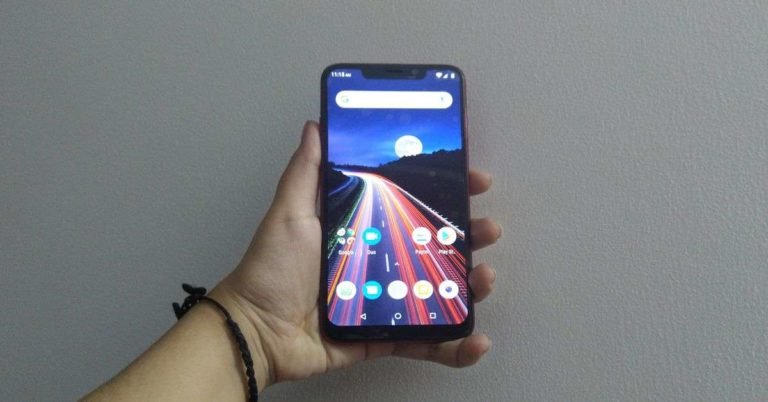
We’ll start by talking about the looks of Micromax Infinity N12. To put it in a single line, we liked the design of the smartphone. It’s refreshing when you compare it to other devices from Micromax. The newly launched smartphone is predominantly made of plastic. The front panel of the smartphone is dominated by a 6.19-inch display that comes with a notch and has trimmed down bezels, but a slightly broader chin. Micromax Infinity N12 comes with rounded corners and has curved edges at the back, which makes one-handed usage of the device very easy. In spite of the fact that it has a 4,000mAh battery, the device is very light, which made it even easier to use.
Flip over and you will see the back panel of the Micromax Infinity N12 smartphone with a glossy finish and is extremely reflective. We actually felt like we were carrying a coloured mirror with ourselves at times. The device is available in Blue Lagoon, Velvet Red and Viola colours and the one that we got for review was dressed in red. The rear panel houses the dual cameras and a LED flash, has the Micromax branding on it which can be read right only if the device is held in landscape mode. Also, the back panel has the fingerprint scanner placed in the center. During our time with the phone, we found the device to be very prone to picking fingerprints. But then, that’s the case with most smartphones with a shiny rear panel like Micromax Infinity N12’s.
The right edge of the Micromax Infinity N12 has the power button placed on it and the left one has the volume rocker buttons. The speaker grill, the microUSB port and the 3.5mm headphone jack are housed at the bottom and the SIM tray is on the top. While the design is definitely different from other Micromax devices, and we liked how it was so light and easy to use with one hand, the reflective back panel can be a little too loud for some. We personally liked it.
Speaking of the display, that was another aspect that we liked about the Micromax Infinity N12. The 6.19-inch HD+ (720×1,500 pixels) display of the smartphone comes with an aspect ratio of 18.9:9 and has good levels of brightness. While we would have been happier to see a Full HD+ resolution, images mostly appeared crisp and sharp on the HD+ screen. We even watched some videos on YouTube and for a budget smartphone, they played really well and the quality was good in most cases.
As we mentioned earlier, there is a notch on top of the display of the smartphone, but then we were surprised that a number of apps didn’t play in the full-screen mode on the device because that just sort of defeated the purpose of having a notch. But, what really impressed us was the sunlight readability of the device. We have seen a number of smartphones with great displays and still, it’s difficult to use them under the sun. But Micromax Infinity N12 isn’t one of them. We had no trouble using it outdoors. At the given price, the display is as good as it can be.
Performance and Cameras
Speaking about the rest of the specifications of Micromax Infinity N12, the device is powered by a 2GHz octa-core MediaTek Helio P22 processor clubbed with 3GB of RAM and 32GB of internal storage. It can also hold a microSD card of up to 128GB. The smartphone houses a 4,000mAh battery and runs Android 8.1 Oreo skinned with the company’s 360 UI. For imaging duties, there is a dual rear camera setup with 13MP and 5MP sensors and a 16MP selfie camera. Micromax Infinity N12 is touted to come with AI photography.
As far as the software of the device is concerned, we were happy to see that Micromax has cut down on some bloatware. The pre-installed apps on the smartphone include the likes of Micromax browser, video player, FM Radio and a few more. Compared to earlier Micromax devices, it was a lot less. Besides this, the UI was clean and it was easy to find any settings or option that we were looking for in the device.
Multi-tasking was not a problem on Micromax Infinity N12. We used multiple apps on it together several times and it did not affect the smartphone’s performance. There was also no lag in launching these apps or switching between them.
We also played some games on Micromax Infinity N12. While lighter games like Alto’s Odyssey and Temple Run 2 played very smoothly, we did observe some stutters while playing heavier ones like PUBG Mobile. After playing games for about half an hour or so, the smartphone did begin to warm up. We noticed this happening while we were using Micromax Infinity N12 mobile for navigation too.
However, if you are someone who only uses their smartphone for calling, browsing the internet, using social media app like Facebook or Instagram and making video calls, you wouldn’t face any issue.
The fingerprint sensor and the Face Unlock of Micromax Infinity N12 worked well each and every time in our experience. We could use the Face Unlock easily even in areas that were not very well-lit.
Coming to the cameras of the device, the 13MP+5MP sensors did a decent job. The images – the ones taken in well-lit as well as the ones clicked in dimly-lit areas – could have been slightly sharper. We missed the clarity that we have seen in Honor smartphones in the same range. But, they weren’t bad either, just satisfactory and had good colour reproduction. The selfie camera worked well with beautification feature on. When we enabled AI mode on the camera of the smartphone, we didn’t really see much difference.
The 4,000mAh battery of the device was clearly the highlight. Even with heavy usage that involved gaming, use of social media apps, watching YouTube videos, navigation and calls that lasted for more than an hour, the battery lasted more than a day.
The battery of Micromax Infinity N12 also doesn’t drain quickly while the smartphone is being used for gaming. We can say that you wouldn’t have to carry your powerbank with you at all times if you have Micromax Infinity N12.
While we couldn’t run the Geekbench 4 on the device, in Antutu it scored 71,749 points.
Verdict
Micromax Infinity N12 has some good aspects and some things could have been better. The smartphone has an amazing battery life, a pleasant design, and a vibrant display. The device mostly performs well, but we suggest you should go for it only if your usage is moderate. The cameras could definitely be better and heavy games do not bring the best experience either. That being said, for basic everyday tasks, Micromax Infinity N12 is a good buy at Rs 9,999.
Pros: Revamped design, Long lasting battery, Vibrant displayCons: Average cameras, Warms up after gaming
For the latest gadget and tech news, and gadget reviews, follow us on Twitter, Facebook and Instagram. For newest tech & gadget videos subscribe to our YouTube Channel.
Apple is planning to start iTunes for Samsung TVs launched in 2018 and about to launch in 2019. Now, one can play their iTunes content on Samsung televisions. One can buy or rent the content via iTunes using their TVs. In order to view content, one needs to access the iTunes app that will debut exclusively on Samsung ‘s TVs. Also, along with this, AirPlay 2 will be supported on these thin tubes, which is Apple’s wireless streaming standard.
The availability of iTunes for Samsung TVs has been established in 100 countries. This is the first time the technology giant has allowed third parties apart from Windows PC to access its video and audio library. Reportedly, Samsung smart TV ad-tracking features won’t be able to view usage within iTunes Movies and TV Shows app due to Apple’s strong foothold on privacy.
The iTunes streaming service will include Netflix, too. With a single monthly subscription, you can avail the all-you-can-consume model of streamed content. Also, Apple is reportedly brewing something new, which is to say, producing original video programming similar to Netflix’s Originals. The AirPlay 2 support will allow streaming of videos, music, photos, podcast in Samsung TVs. This would encompass over 100 countries and be joined by Google Assistant.
Apple’s senior vice president of Internet Software and Services, Eddy Cue said, “We look forward to bringing the iTunes and AirPlay 2 experience to even more customers around the world through Samsung Smart TVs, so iPhone, iPad and Mac users have yet another way to enjoy all their favourite content on the biggest screen in their home.”
For laymen, who are completely new to the world of iTunes, we are going to give you some tips about how to use it on any PC. You can try these:
After opening iTunes, sign in with your Apple ID
Next, click on ‘Account’
There will be a dropdown menu which will appear which would include ‘Authorisations’. Select that.
Next, click on ‘Authorise This Computer’
Until now, iTunes was only available for PCs and laptops so therefore, it would be convenient if you learn how to authorise it with your computer first before doing the same for your Samsung TVs.
For the latest gadget and tech news, and gadget reviews, follow us on Twitter, Facebook and Instagram. For newest tech & gadget videos subscribe to our YouTube Channel.
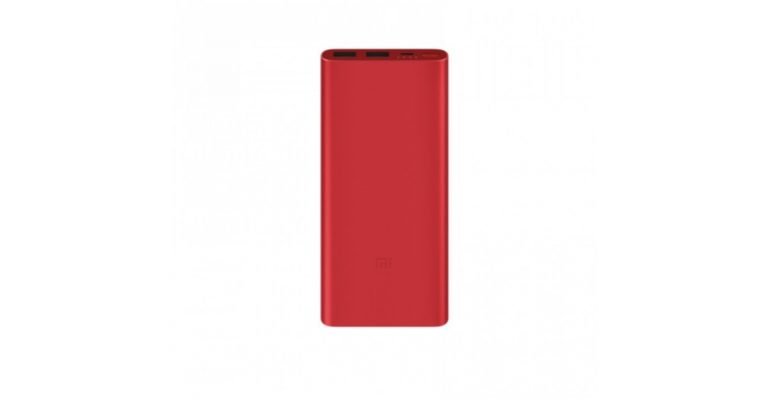
Chinese consumer electronics brand Xiaomi has launched its latest power bank in its home country. Known as Mi Power Bank 3 Pro, the newly launched power bank by Xiaomi has a massive 20,000mAh charging capacity comes with a USB Type- C port that supports 45W fast charging. Besides this, the power bank has two standard USB Type-A ports that are claimed to provide 5V of current at 3A.
The Xiaomi Mi Power Bank 3 Pro is not only compatible with smartphones and tablets, but also with Notebooks, Macbooks and laptops. Xiaomi’s new power bank has a lithium polymer (Li-Po) battery and, according to the company, the device can be charged completely within 11 hours with the use of a regular 10W charger. However, if one uses a 45W charger to charge the Mi Power Bank 3 Pro, it would only take about four and a half hours to fully charge it.
In China, Xiaomi’s Mi Power Bank 3 Pro is priced at 199 Yuan and will go on sale in the country starting January 11. Interested users will be able to buy it via Tmall. Currently, there is no word on when the power bank will be available in India or how much it will cost when it is available. However, if we convert the Chinese price, it comes approximately Rs 2,000.
Xiaomi’s newly launched power bank will be competing directly with Oppo’s SuperVOOC Power Bank that offers 50W charging with the help of proprietary technology. But then, it is worth noticing that Oppo’s power bank is nearly costs double than Mi Power Bank 3 Pro and bears a price tag of CNY 399. On converting this value, it becomes almost Rs 4,050.
The Chinese brand has been dominating the budget segment of the Indian smartphone market for quite some time and last year, it garnered a lot of appreciation for its POCO F1 smartphone. It’s maybe because of the success of the smartphone that Xiaomi managed to create a stir a few days back when several leaked renders of its POCO F2 surfaced online. From what we know so far, the smartphone will sport a waterdrop notch, have 6GB of RAM and run Android 9.0 Pie.
For the latest gadget and tech news, and gadget reviews, follow us on Twitter, Facebook and Instagram. For newest tech & gadget videos subscribe to our YouTube Channel.
The world of social media can be a great source of information. However, a lot of that information can also be fake so we must check how credible the source is. And this is true in case of news, apps and services that are sent across as forwarded messages, and even updates.
Speaking of updates, there is the latest hoax about ‘WhatsApp Gold’ that you should know about. Users have received messages on the popular messaging app telling them to download the ‘WhatsApp Gold’ update. However, if you receive this message don’t fall for it, because it is actually a malware that will infect your smartphone.
And there is a good probability that you will receive the message because it has already been circulated on a massive scale and it very convincingly makes people believe that this is a secret update with new features. A lot of people did actually download it thinking that this is true.
We should mention that WhatsApp never rolls out any secret updates. All of the updates first come to its beta version, get tested for a few days with select users and then gets rolled out to the masses. You can enrol yourself in WhatsApp beta programme to get all the new updates before anyone else does, or you can check with a beta user if an update that is being spoken about has any credibility or not. That way, you’ll be safe from such hoaxes in future.
Coming back to the ‘WhatsApp Gold’ message, the people behind this scam have included a link in the message that they have circulated and asked people to click on it to download the new upgraded version of WhatsApp. But on clicking it, users actually download the virus on their devices. The hoax message also includes the word ‘Martinelli’, which is basically an Italian surname.
It is also worth noticing that a number of WhatsApp users are aware that this message should not be downloaded and have started spreading awareness messages on the app about the same to warn other users to not fall for it.
We should say that it was a good decision on WhatsApp’s part to restrict the number of forwards to only five times. Although this message is still being circulated widely, the situation would have been very uncontrollable had this step not been taken by the Facebook-owned messaging app.
For the latest gadget and tech news, and gadget reviews, follow us on Twitter, Facebook and Instagram. For newest tech & gadget videos subscribe to our YouTube Channel.
Last month, Honor View 20 smartphone was launched in China. The key highlight of the smartphone is that it comes with a hole on the top left of its display to house the selfie camera, much like the Samsung Galaxy A8s. With this, the smartphone provides its users with a full-screen experience. The global launch of the Honor View 20 smartphone is scheduled for January 22 and will be held in Paris. And now, it has been revealed that the smartphone will be launched in India on January 29.
To recall the specifications of the Honor View 20 smartphone, it features a 6.4-inch full-HD+ TFT LCD display that has an aspect ratio of 19.5:9, a screen to body ratio of 91.82% and a pixel density of 398ppi. As we mentioned earlier, the device has a cutout on its display to house the selfie camera that is 4.5mm in size and the company has promised that it is extremely non-invasive. Powered by 7nm octa-core HiSilicon Kirin 980 processor paired with either 6GB or 8GB RAM, the Honor View 20 mobile is available in 128GB and 256GB storage options. The smartphone runs Android 9.0 Pie with MagicUI 2.0.1 baked on top and packs a 4,000mAh battery that comes with support for (4.5V/5A) fast charging.
For imaging duties, Honor View 20 has a 48MP Sony IMX586 sensor which has support for autofocus, AI HDR, LED flash and can be used to record slow-motion videos at 960fps. Apart from this, there is a 3D Time of Flight (ToF) sensor present on the smartphone. On the front panel of the smartphone, there is a 25MP front shooter that has fixed focus support. Honor View 20 has Bluetooth v5.0, Wi-Fi, GPS, and USB Type-C for connectivity.
In China, Honor View 20 mobile was launched in 6GB RAM/128GB storage model and 8GB RAM/128GB storage variant. While the former costs CNY 2,999, the latter is priced at CNY 3,499. While there is no word about the India pricing of the smartphone, we are expecting it to bear a price tag close to that of OnePlus 6T’s, considering OnePlus has completely taken over the premium segment of the Indian smartphone market.
For the latest gadget and tech news, and gadget reviews, follow us on Twitter, Facebook and Instagram. For newest tech & gadget videos subscribe to our YouTube Channel.
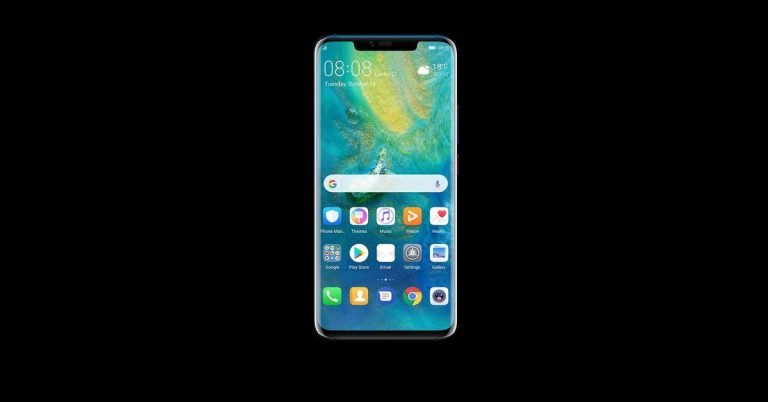
Huawei’s flagship of the year – Mate 20 Pro smartphone – received a major software update at the beginning of last month that addressed some minor issues that users were facing, enhanced the camera experience of the device and improved its Face Unlock feature. And today, the Huawei Mate 20 Pro smartphone has got another update, which – at 482MB – is massive in size.
Just a word of advice before we start talking about the changes the update has got, considering the latest update is 482MB in size, you should download it only when your smartphone is connected to the Wi-Fi and preferably when it has at least 50% battery.
Now, let’s talk about the changelog of the update. The update is said to further improve the Face Unlock of Huawei Mate 20 Pro, particularly in lowly-lit areas. That’s not all. The camera experience of the Huawei Mate 20 Pro will also be improved after the update is installed on the smartphone. The changelog also states that the Master AI mode will become more responsive and it will deliver more natural colours.
In addition to this, the update will also solve the problem of the camera app not launching and will also include the security patch for December 2018.
To recall, Huawei Mate 20 Pro mobile features a 6.39-inch QHD+ curved OLED display that has an aspect ratio of 19.5:9. Huawei’s flagship of the year can support dual SIM cards and runs Android 9.0 Pie skinned with EMUI 9.0. Huawei Mate 20 Pro comes with an in-display fingerprint scanner and is powered by the company’s flagship HiSilicon Kirin 980 processor coupled with 6GB of RAM. On the storage front, the device has a 128GB internal storage and can install a nano-memory card of up to 256GB.
Huawei Mate 20 Pro houses a 4,200mAh battery that supports 40W SuperCharge technology and 15W fast wireless charging technology. The device also supports wireless reverse charging, which means that it can be used to charge other Qi wireless smartphones.
For imaging duties, there is a triple rear camera setup with a 40MP primary wide-angle sensor, a 20MP ultra wide angle sensor, and an 8MP 3X telephoto sensor. Huawei Mate 20 Pro sports a 24MP RGB selfie camera that comes with support for 3D facial unlocking.
Image courtesy: GSMArena
For the latest gadget and tech news, and gadget reviews, follow us on Twitter, Facebook and Instagram. For newest tech & gadget videos subscribe to our YouTube Channel.
South Korean technology giant Samsung’s Galaxy M series smartphones have been in news for weeks now. The smartphones are set to launch in India this month and will be replacing the Galaxy On and Galaxy J series. Although the date of the launch has not been confirmed by the company, Samsung did add a support page for Galaxy M10 smartphone on its India website, which is an official confirmation that the smartphone will soon be launched in the country.
However, Samsung Galaxy M10 wouldn’t launch alone, as reports suggest that the company will also be launching Galaxy M20 and Galaxy M30 smartphones in the country on the same day. While there is no official word confirming this, the number of leaks about the devices that have been surfacing online does make it seem like there is credibility to these rumours.
Till now, we had only got to know about the key specifications of Samsung Galaxy M10 and Galaxy M20 smartphones since they had both been spotted on FCC’s website after getting certified. And as we mentioned earlier, the former even has its own support page on the official Samsung India website.
And now, there is finally a report on the third variant that is set to be launched in India this month – Samsung Galaxy M30. According to a report in AllAboutSamsung, will come with an Infinity U display, that was unveiled by the company at its developer conference in November last year. Samsung Galaxy M30 smartphone will reportedly sport a 6.38-inch screen which will have a resolution of 1080 x 2280 pixels. The report also claims that the device will house a massive 5,000mAh battery, although there is no word on whether it will support fast charging.
On the camera front, it is said to feature a triple rear camera setup with a 13MP and two 5MP sensors, while for selfies and video calls, the smartphone will have a 16MP front-facing snapper. The dimensions of the smartphone are reported to be 159×75.1×8.4mm.
Prior to this, a report had surfaced online about Samsung Galaxy M20 mobile, which said that the device, much like Galaxy M20, will pack a 5,000mAh battery. As of now, there is no other information about the upcoming Samsung Galaxy M30, but we shall update you as we get to know more.
For the latest gadget and tech news, and gadget reviews, follow us on Twitter, Facebook and Instagram. For newest tech & gadget videos subscribe to our YouTube Channel.
Planning to buy a smartphone that can offer a lot of storage? Here, we have made a list of top 15 smartphones that have enough storage to hold all your heavy files. Take a look here:
In This Article
OnePlus 6T McLaren Edition
The special edition smartphone from OnePlus had to top our list. It comes with a massive 10GB of RAM and has 256GB of internal storage. OnePlus collaborated with racing giant McLaren to launch its fifth-anniversary special smartphone.
Samsung Galaxy Note 9
Samsung’s flagship phablet had to present on our list. Samsung Galaxy Note 9 comes with 6GB of RAM and has 128GB of storage onboard. The device can hold microSD cards that are up to 512GB in size.
Huawei Mate 20 Pro
Huawei’s flagship of the year had to be on our list. The smartphone comes with 6GB of RAM, 128GB of onboard storage and can hold a microSD card of 256GB. That’s a lot of storage and we are sure you wouldn’t have any problems storing as many files in your smartphone as you wish.
Samsung Galaxy A9 (2018)
Samsung Galaxy A9 (2018) is also one among the smartphones with the most storage. Mostly known to be the world’s first smartphone to come with four rear cameras, Samsung Galaxy A9 (2018) has 6GB of RAM and 128GB of internal storage. Furthermore, the device can hold a microSD card of up to 512GB.
LG G7 Plus ThinQ
LG G7 Plus ThinQ is another smartphone that made it to our list. The device by LG comes with 6GB of RAM and has 128GB of onboard storage. If you think that that’s not enough, LG G7 Plus ThinQ can hold a microSD card of up to 2TB in size.
Asus Zenfone 5Z
Another device that comes with massive storage to hold all your files is Asus’ answer to OnePlus 6 smartphone – Zenfone 5Z. The smartphone has 6GB of RAM and 128GB of onboard storage. It can also hold a microSD card of up to 2TB. If that’s not a lot of storage, we don’t know what is.
Honor 8X
Honor 8X was quite an all-rounder in the budget segment. And it can with a good amount of storage to hold your heavy files too. The smartphone comes with up to 8GB of RAM, 128GB of onboard storage and can hold microSD cards of up to 400GB.
OPPO R17 Pro
OPPO R17 Pro is the first smartphone to launch in India with the company’s SuperVOOC charging technology. While that may be the highlight of the smartphone, you should know that the offering by Oppo has plenty of space to store all your files. The device comes with 8GB of RAM and 128GB of internal storage. It does not have support for microSD cards, but then, that’s a lot of storage anyway.
Google Pixel 3 XL
The next on our list is Google’s flagship smartphone of the year – Google Pixel 3 XL. The device, mainly known for its amazing camera capabilities, comes with 4GB of RAM and has 128GB of storage onboard. However, it can hold microSD cards.
Apple iPhone XR
Apple’s affordable iPhone of the year, iPhone XR, is also on our list. Although Apple never discloses its RAM and battery capacity, the smartphone has 128GB of onboard storage. However, it can’t hold any microSD cards.
Asus ROG Phone
The next smartphone on our list is the Asus’ gaming handset, ROG phone. While the key highlight of the Asus ROG Phone is its gaming capabilities, it excels in the RAM/Storage department too. The smartphone comes with 8GB of RAM and 128GB of storage.
Xiaomi POCO F1
Xiaomi POCO F1 is a device that garnered a lot of appreciation for packing powerful specifications at an affordable price. And the smartphone’s RAM and internal storage were no different. The most high-end variant of POCO F1 smartphone came with 8GB of RAM and 256GB of storage.
Huawei Nova 3
We’ll include one more device from Huawei on our list – Nova 3. The smartphone has 6GB of RAM, 128GB of internal storage and can hold a microSD card of up to 256GB.
Vivo NEX
The next on our list is Vivo’s flagship device of the year. Popular for its full-screen experience and its pop-up selfie camera, the device comes with 8GB of RAM and 128GB of onboard storage.
Nokia 8 Sirocco
If you want a smartphone that is amazing to look at and offers a lot of storage, you should go for Nokia 8 Sirocco. While the device is known for its good looks, it also excels in terms of RAM and storage. The smartphone from Nokia has 6GB of RAM and 128GB of storage.
For the latest gadget and tech news, and gadget reviews, follow us on Twitter, Facebook and Instagram. For newest tech & gadget videos subscribe to our YouTube Channel.
Chinese smartphone brand Xiaomi’s Redmi Pro 2 smartphone has started making headlines as its official renders and hardware specifications have been leaked on Chinese Certification Agency TENAA. The listing also confirms the design of the smartphone.
The renders that have surfaced online show the dual rear camera module of Xiaomi Redmi Pro 2 coupled with an LED flash. The back panel of the smartphone is also shown to house the fingerprint scanner and it has the Redmi branding at the bottom. This confirms that the company is creating a separate Redmi brand.
The renders show a waterdrop shaped notch on the top of the display and the power and the volume rocker buttons are sandwiched on the side. The gradient back panel of the device is pink and blue in colour.
Coming to the specifications that have been revealed, Xiaomi Redmi Pro 2 is said to feature a 6.3-inch display and it houses a 3,900mAh battery. The listing says that the dimensions of the smartphone are 159.21×75.21×8.1mm. However, nothing else has been disclosed by the listing yet.
It is worth noticing that Xiaomi is all set to launch a Redmi smartphone on January 10 in China, and with the launch, it is also creating a separate Redmi sub-brand much like Oppo’s Realme and Huawei’s Honor. It has been reported that once it does this, Xiaomi will be focussing on flagship smartphones under Mi category.
We should mention that the predecessor of the upcoming Xiaomi Redmi Pro 2 was Redmi Pro smartphone that was launched in July 2016. Now that the Chinese smartphone brand is launching a new series altogether, it has decided to finally launch the next device in the range.
Other reports have thrown some light on the specifications of the upcoming Xiaomi device. The smartphone is said to be powered by Qualcomm Snapdragon 675 processor and will feature a 6.4 inch LCD Full HD+ display that will have an aspect ratio of 19:9.
On the camera front, there will be a 24MP selfie camera with Sony IMX576 sensor and the smartphone will come with a dual rear camera setup with 48MP and 5MP sensors. Xiaomi Redmi Pro 2 smartphone runs Android 9.0 Pie skinned with MIUI 10. A leak that has surfaced online hints that the base model of Xiaomi Redmi Pro 2 will cost 1799 Yuan. We’ll update you on more information about the device when we get to know more about it.
Image courtesy: AndroidPure
For the latest gadget and tech news, and gadget reviews, follow us on Twitter, Facebook and Instagram. For newest tech & gadget videos subscribe to our YouTube Channel.
South Korean technology giant Samsung has been in news for its upcoming Galaxy M series smartphone. Till now, we know via reports that the company will be launching the series in India and the launch will be taking place this month, although no date has been set for it yet.
Samsung is said to have plans to launch at least three variants in January – Galaxy M10, Galaxy M20 and Galaxy M30. However, there are reports that claim that Samsung Galaxy M40 and Galaxy M50 will be launched too.
Although everything that we know about Samsung’s Galaxy M series was just rumours and speculations till now, we finally have something official that points towards the launch. The support page for Samsung Galaxy M10 has gone live on the company’s official website in India. This confirms that at least Samsung Galaxy M10 is getting launched and that its global launch will be held in India. The support page was first spotted by SamMobile.
We should point out that Samsung is launching the Galaxy M series to replace its existing Galaxy J and Galaxy On series. Prior reports have also suggested that Samsung’s Galaxy M series will feature the Infinity-V and Infinity U displays and house large batteries.
According to Samsung Galaxy M10’s support page, the smartphone’s model number is SM-M105F/DS, which basically means that it is a dual-SIM device. Earlier reports have suggested that handset will be powered by an Exynos 7870 processor clubbed with 3GB of RAM and either 16GB or 32GB of storage. Samsung Galaxy M10 will reportedly sport a 6.02-inch Infinity-V notched display and run Android 8.1 Oreo. The handset is expected to house a 3,400mAh battery.
The other two smartphones that will be launched – Samsung Galaxy M20 and Galaxy M30 – will pack bigger batteries that are said to be around 5000mAh in capacity. It has also been reported that they will come with better specifications and cameras.
Now that the support page has gone live on Samsung India’s website, the launch of the smartphone has been confirmed. We will keep you updated about whatever we get to know about it.
For the latest gadget and tech news, and gadget reviews, follow us on Twitter, Facebook and Instagram. For newest tech & gadget videos subscribe to our YouTube Channel.
Last year was not a very good one for Apple. Some iPhones got banned in China and Germany and the Cupertino based technology giant saw its first full year fall in revenue in India, which is one among its most important markets. But at least the year ended on a good note for the company as customers across the globe spent $1.22 billion on Apple’s App Store during the 2018 holiday season. In fact, they even made a single-day record by spending $322 million on the App Store on New Year’s Day.
According to Apple’s statement, the spending on App Store topped $1.22 billion between Christmas eve and New Year’s eve. Speaking about this, Apple’s Senior Vice President of Worldwide Marketing, Phil Schiller said, “The holiday week was our biggest week ever with more than $1.22 billion spent on apps and games, and New Year’s Day set a new single-day record at more than $322 million.”
He further added, “Thanks to the inspiring work of our talented developers and the support of our incredible customers around the world, the App Store finished off an outstanding 2018 and kicked off 2019 with a bang.”
It is worth noticing that it was announced by Apple earlier this week that App Store helped its services revenue to reach an all-time high during the holiday quarter. Apple also said that its services set new all-time records in a number of categories, which includes App Store, Apple Music, Cloud Services, Apple Pay, and the App Store’s search ad business.
The company gave further insight into this by saying, “Gaming and self-care were the most popular categories of app downloads and subscriptions during the holidays.” Apple CEO Tim Cook wrote a letter to investors earlier this week that said that the technology giant expects revenue of approximately $84 billion. We should mention that initially, the company’s expected revenue ranged from $89 to $93 billion.
However, if we leave the iPhone business aside, the revenue of the company grew 19% year-over-year, and this included an all-time record revenue from Apple’s Services, Wearables and Mac. Cook said in his letter, “Services generated over $10.8 billion in revenue during the quarter, growing to a new quarterly record in every geographic segment.” The technology giant next quarter’s results will be out on January 29.
Chinese smartphone maker Xiaomi’s Mi 9 smartphone has started creating headlines with reports that suggest that the device will sport a triple rear camera setup and will be powered by Qualcomm’s latest Snapdragon 855 processor. And now, Xiaomi Mi 9 smartphone’s detailed specifications have also emerged online.
According to reports, Xiaomi Mi 9 will feature a 48MP Sony IMX586 sensor and a 24MP selfie camera. The device will sport a 6.4-inch display and house a 3,500mAh battery which will have support for 32W fast charging. Furthermore, the leak also revealed that the handset will run MIUI 9 based on Android.
The specifications and the pricing of the Xiaomi Mi 9 smartphone have been leaked in a post on Weibo, and very less has been left to look forward to. According to the post, Xiaomi Mi 9 smartphone will be launched in March in China and will bear a price tag of CNY 2,999. On converting the amount, it becomes approximately Rs 30,400.
The post hints at the smartphone coming with a waterdrop-shaped notch and a thin chin at the bottom. It also suggests that the triple rear camera of the Xiaomi Mi 9 mobile will be vertically stacked and the fingerprint scanner of the device lies beneath its screen.
Although we have mentioned the specifications of Xiaomi Mi 9 earlier, let’s talk about them in detail. According to the post on Weibo, Xiaomi Mi 9 will run Android Pie skinned with MIUI 9 and feature a 6.4-inch full-HD+ AMOLED display which will have an aspect ratio of 19:9. The device will be powered by Snapdragon 855 SoC which will be coupled with an X24 LTE Modem. The smartphone will come with 6GB of RAM and 128GB of internal storage.
On the camera front, Xiaomi Mi 9 comes with a triple rear camera setup with a 48MP Sony ImX586 sensor, a 12MP sensor and a 3D ToF sensor. For selfies and video calls, there is a 24MP front-facing snapper that will have a Sony IMX576 sensor. Xiaomi Mi 9 will house a 3,500mAh battery with 32W fast charging support. However, the device will not support wireless charging.
Image courtesy: Reuters
For the latest gadget and tech news, and gadget reviews, follow us on Twitter, Facebook and Instagram. For newest tech & gadget videos subscribe to our YouTube Channel.
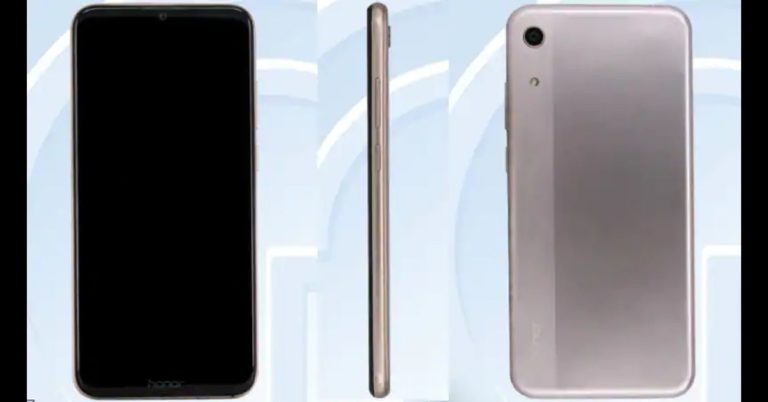
The Honor 8A was teased yesterday by Honor through Weibo. From what we know, the smartphone is supposed to launch on January 8. Last month, TENAA also released its Honor 8A render, which revealed some of the smartphone’s features.
Based on the renders and leaks surfaced through Weibo and Twitter, we know that the Honor 8A will come with a 64GB on-board storage and 8MP selfie camera. Reports also say that the smartphone is going to have a waterdrop-style display notch. The teaser image also reveals that the device will have stereo speakers on it.
As mentioned, the Honor 8A was listed in TENAA last month. The model number identified for the phone was JAT-AL00 and JAT-TL000. The listing tips that the phone will run on Android 9.0 Pie straight out of the box. To talk about the listing in detail, it revealed that the Honor 8A will have a 6.08-inch HD+ LCD panel. The screen resolution of the phone is supposed to be 720×1,560 pixels. The device is going to be powered by an octa-core 2.2GHz SoC and will have 3 gig of RAM.
Also, the listing revealed that the primary camera would have a single sensor of 13MP. Plus, the phone is going to powered by a 2,920mAh battery. Dimensions are supposed to be 156.28×73.28×73.8mm and the weight will be 150 grams. It is also going to have a 3.5 headphone jack on top and the back panel resembles that of the Honor 8X and Honor 8X Max. To recall, the Honor 8A was also listed in the Eurasian Economic Commission(EEC) with model number JAT-L29 and JAT-LX1.
As the name would suggest, the Honor 8A will be the successor of the Honor 7A which was launched in China in April last year. Considering that the Honor 7A smartphone costs Rs 7,499, Honor 8A will probably come in the same budget segment. The Honor 7A runs on Android 8.0 Oreo and is powered by an octa-core Qualcomm Snapdragon SoC. The primary camera consists of a 13MP and 2MP sensors and the secondary camera consists of an 8MP sensor. The handset is powered by a 3,000mAh non-removable battery.
Image courtesy: TENNA, Weibo
For the latest gadget and tech news, and gadget reviews, follow us on Twitter, Facebook and Instagram. For newest tech & gadget videos subscribe to our YouTube Channel.
As we begin, you should know one thing beforehand. Once you deactivate your Instagram account then your profile, pictures, videos, comments would be permanently deleted. You can either temporarily deactivate your account or permanently. We will first teach you the process of permanently deleting your account.
Before you delete your account, keep a permanent record of your posts, comments, and profile information. When you remove your account, Instagram deletes your account and everything on it. This implies that all of your photographs, likes, and comments will be permanently deleted.
To delete an Instagram account follow the steps below.
Step 1: After you have logged in with the help of your username and password, go to the ‘Delete your account’ page.
Step 2: The next step would be to mention the reason behind the deleting of your account. The reason would come in a few options and you have to select one of them in order to proceed. Note that it is mandatory for you to select an option. Unless you do, you cannot proceed further.
Step 3: After selecting your reason re-enter your password.
Step 4: Finally, the ‘Permanently delete my account’ button will be activated. Click on that and your work should be done.
The above is in the case you want to get rid of your Instagram account forever.
Also Read:How to deactivate Facebook account?
If you do not want to do that and want to come back to it at a later date, you can also deactivate your account temporarily. In case you see the need to use it in future, but discontinue it for now you can use this option. For your assistance, therefore, we have enlisted the steps for the same. Follow these steps if you want to deactivate your Instagram account temporarily:
Log in with your username and password. Click on the icon which lists down options for managing your account.
Next, select ‘Edit Profile’.
After this click on ‘Temporarily disable my account’ which is situated in the bottom right
Now you will find a list of options to answer why you want to delete your account, by selecting anyone.
A few days back, Huawei Technologies’ Twitter account tweeted New Year greetings for the company’s followers. However, the tweet went viral on the microblogging platform for the wrong reason. If you are wondering what can be wrong with a simple tweet that reads “Happy #2019”, we should tell you that it was tweeted from an iPhone.
And Twitter always mentions what platform has been used to send the tweet, so the New Year tweet from Huawei’s Twitter account had “via Twitter for iPhone” written right under it. As soon as the company realised that this happened, the tweet was deleted. However, by then, screenshots of it had already gone viral on the microblogging website.
We should tell you that Huawei took this matter very seriously. According to Reuters, an internal memo was circulated on January 3 in the company which quoted corporate senior vice-president and director of the board Chen Lifang saying, “the incident caused damage to the Huawei brand.”
According to Huawei’s memo, the mistake happened when a social media handler Sapient, who was outsourced by the company faced issues with VPN for accessing Twitter via desktop, so instead tweeted from an iPhone with a roaming SIM card to send the tweet on time at midnight.
The Chinese firewall doesn’t let any foreign services like Facebook, Google, and Twitter work in the country. SO, in order to gain access to these web platforms, people have to use a virtual private network (VPN) connection.
It is also worth noticing that Huawei overtook Apple as the second-largest smartphone vendor by volume from January to September. So, the company does consider Apple to be one among its rivals and says that its flagship Mate 20 series competes directly with Apple’s offerings.
As of now, neither Huawei nor Sapient have commented on the matter. However, in the memo, Huawei did say that the incident showed procedural incompliance and problems in management. The company also stated that it has demoted two employees who were responsible for the tweet by one ran and reduced their monthly salaries by 5,000 yuan.
The pay rank of Huawei’s digital marketing director has been frozen for 12 months, the company said in the memo.
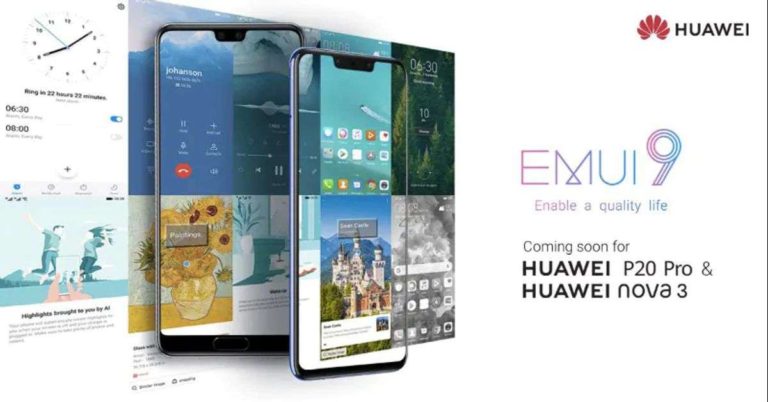
According to the Huawei teaser, the Chinese smartphone company is soon going to launch EMUI 9 based Android Pie update. The teaser does not specify as to when the update is going to rollout for the two phones, but it is a long time coming. The EMUI 9.0 based Android Pie update was announced back in October, 2018. This update has introduced a new UI, gesture-based navigation and HiVision visual search that helps you do image search very similar to Google Lens. Also, the EMUI 9.0 recognises a wide range of food items and provides a calorie estimate with the help of a camera image.
Considering that the Huawei P20 Pro and the Nova 3 are powered by a HiSilicon Kirin 970 SoC, it is anticipated that other Huawei phones having the same chipset will get this update too. This encompasses the Huawei P20, Huawei Mate 10, Huawei Mate 10 Pro, Honor Play, Honor View 10 and the Honor 10. With the new Hi Touch feature, users can search online by long pressing two fingers on an image. Plus, it can recognise landmarks from 15 countries and over 10 million famous artworks.
Huawei says that this feature recognises 120 million products from 200 e-commerce websites and 100 online stores. The EMUI 9.0 update also features one-click projection, GPU Turbo 2.0 and PC Mode. According to previous reports, users need to have a strong WiFi connection and a battery life of atleast 80 percent in order to update their phone to the new version of OS.
To talk about its specifications, the Huawei P20 Pro has an AMOLED capacitive touchscreen of 6.1-inches. The screen resolution of the phone is 1,080×2,240 pixels. There are two RAM variants—6GB and 8GB which come with storage options of 128GB and 256GB respectively. The main camera consists of a 40MP and 20MP sensor and the secondary/selfie camera consists of a 24MP sensor.
Connectivity options of the phone include WiFi 802.11 a/b/g/n/ac, dual-band, WiFi Direct, hotspot, Bluetooth 4.2, GPS, NFC, Infrared port and USB 3.1. The Huawei P20 Pro is powered by a 4,000mAh battery, which is known to keep it alive for more than 24 hours. With the new update the battery life might improve slightly. Sensors on this device are fingerprint, accelerometer, gyro, proximity, compass and colour spectrum.
For the latest gadget and tech news, and gadget reviews, follow us on Twitter, Facebook and Instagram. For newest tech & gadget videos subscribe to our YouTube Channel.
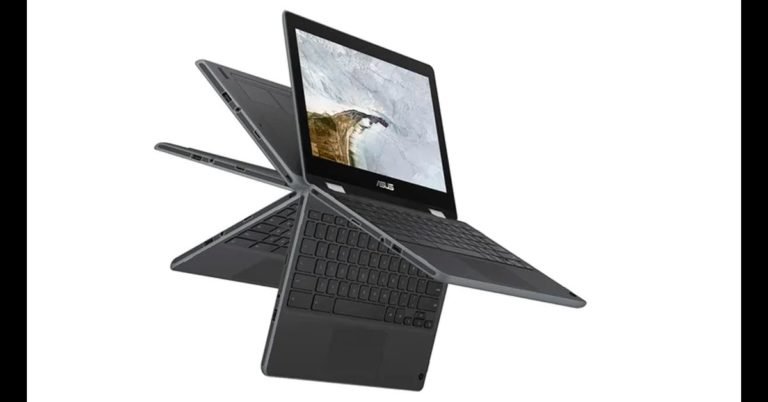
Asus has announced the launch of 4 New Durable Chromebooks ahead of CES 2019. This includes the Chromebook Tablet CT100, Chromebook C204, Chromebook Flip C214 and Chromebook C403. These devices are especially meant for educational purposes. The first one is a Chrome OS based 9.7-inch tablet, the next two are 11.6-inch Chromebooks and the last one is a 14-inch Chromebook.
The Asus Chromebook Tablet CT100 is the first Chrome OS-based tablet by the company. The device is covered with a rubberised chassis and the company claims it would help the tablet survive minor drops and bruises. The tablet features a 9.7-inch display and is powered by an OPI hexa-core CPU that is supported by a Mali-T864 GPU. The Asus Chromebook Tablet CT100 will have a 4GB RAM and a 32GB internal storage.
The next in line is the Asus Chromebook C204. It is the replacement of the Chromebook C202 and is slightly thinner than that. This one will be powered by an Intel Celeron N4000 CPU and be supported by a single RAM variant of 4GB. Connectivity options include two USB Type-A 3.1 ports and two USB Type-C ports. The Chromebook C204 would house a 50WHr battery, which the company promises will last for an entire day.
The third one that is announced by Asus is the Chromebook Flip C214, which has been launched ahead of CES 2019. It is a 2-in-1 machine with a rugged design and has a keyboard that resembles the Chromebook C204. According to Asus, the Chromebook Flip C214 is very durable and can work well for a long time. The device is supported by 8GB RAM and has two USB Type-C ports along with a USB 3.1 port as its connectivity options. Users can also use the supplied stylus that comes with this Chromebook.
Lastly, we come to the Asus Chromebook C403. It is a 14-inch which is powered by an Intel Celeron N3350 processor. There is 32GB on-board storage space on this notebook, which comes with 4GB RAM onboard. Connectivity options of this device are two USB Type-C ports and a single USB Type-A 3.1 port.
For the latest gadget and tech news, and gadget reviews, follow us on Twitter, Facebook and Instagram. For newest tech & gadget videos subscribe to our YouTube Channel.
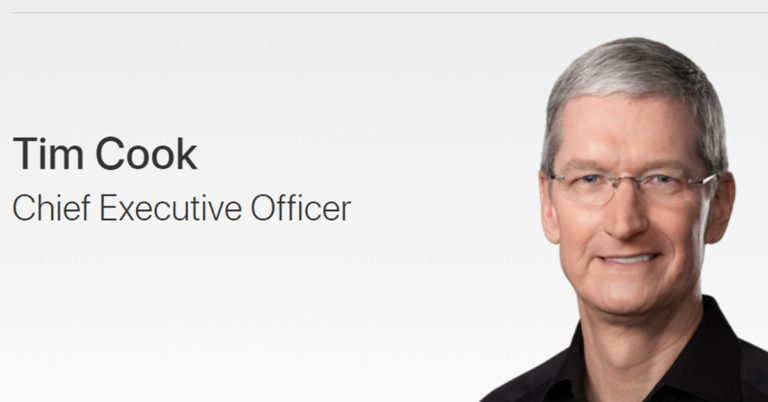
Addressing the problem of iPhone sales slowdown, Apple Chief Executive Officer Tim Cook told his employees that he doesn’t hold “external factors” responsible for the low holiday quarter.
Bloomberg News has obtained a memo in which Cook said he was disappointed that the Cupertino based technology giant had to cut its revenue outlook for the first time in about twenty years.
He said that the situation arose from a “number of factors — some macroeconomic, and some specific to Apple and the smartphone industry.” However, he also added that Apple will be setting record revenues for its services, wearables and Macs. Read his full letter here to know what he had to say:
Team,Happy New Year — I hope everyone was able to rest and enjoy time with loved ones over the holidays.This afternoon we issued a letter to Apple investors explaining that we are revising our financial guidance for the holiday quarter. I encourage you to read it. As you will see, our revenue shortfall in Q1 is from iPhone, primarily in Greater China.While we are disappointed to be falling short of our quarterly revenue goal, our fiscal first quarter was also a record setter for revenue from Services, Wearables and the Mac. iPad revenue grew double-digits over the year-ago quarter, and iPhone activations in the US and Canada set new Christmas Day records. We expect to set all-time revenue records in key markets including the US, Canada and Mexico, Western European countries including Germany and Italy, and countries across the Asia-Pacific region like Korea and Vietnam. Our worldwide installed base of active devices also hit a new all-time high, reflecting the loyalty of our customers and their appreciation for the work you do.We are tremendously proud of the innovations we’re delivering to our customers with iPhone XR, iPhone XS and iPhone XS Max. These are, without a doubt, the best iPhones we’ve ever made. We did not set a new record for iPhone sales in Q1, however, due to a number of factors — some macroeconomic, and some specific to Apple and the smartphone industry.External forces may push us around a bit, but we are not going to use them as an excuse. Nor will we just wait around until they get better. This moment gives us an opportunity to learn and to take action, to focus on our strengths and on Apple’s mission — delivering the best products on earth for our customers and providing them with an unmatched level of service. We manage Apple for the long term, and in challenging times we have always come out stronger.With that in mind, please join me for an all-hands meeting on Thursday morning at 9:30 am PT. Be sure to check AppleWeb for more details. Due to construction at Apple Park, we’ll be gathering at Town Hall on the Infinite Loop campus. Join us there in person, or via live stream through AppleWeb. I’ll have more details about the quarter, and I’m looking forward to your thoughts and questions.Hope to see you there.Tim
Consumer Electronics Show is undoubtedly the biggest technology event of the year. Annually held in Las Vegas in January, the show sees all the major technology companies showcase their latest products and talk about what they are working on. The show is known to be full of futuristic technology. And this year is going to be no different. Right before it is about to begin on January 8, here we list down everything that you can expect to see at the biggest tech show of the year:
In This Article
Samsung
Samsung will be mostly showing off its technology other than smartphones at CES 2019. We are expecting to see the Samsung Galaxy Home that it unveiled at Galaxy Note 9’s launch and also its Notebook 9 laptop. The Windows laptop by Samsung has a colour scheme similar to that of Galaxy Note 9 smartphone and comes with a pop-out S Pen. The South Korean technology giant will also be seen showcasing televisions at CES 2019. Although there is no confirmation about the company has up its sleeve, it is expected to showcase devices with 8K and QLED. Usually, Samsung also has refrigerators and stoves at CES 2019, so we are expecting to see some of them too. While there are reports that claim that Samsung’s foldable phone will also make an appearance at the Consumer Electronics Show, we’ll have to wait to see how true is that.
LG
While we aren’t sure about Samsung showcasing its foldable device at CES 2019, there are numerous reports that suggest that LG will give us the first look of its foldable phone at the tech show. But then again, we would have to wait a little more to see how credible these reports really are. However, even if we don’t get to see the foldable phone, we will get to see some televisions, display technologies and smart kitchen appliances from the consumer electronics maker. CES 2018 saw LG showcasing a prototype of its rollable TV so this year, we are keeping our fingers crossed to see its commercial version.
Google
CES 2018 saw Google make its debut at the technology event. And much like last year, the technology giant is expected to focus on Google Assistant and related products at CES 2019. It’s highly unlikely that Google will announce new hardware, but yes, we can expect to see some new services like Google Pay pop-up like they did last year.
Huawei
2018 was the year of controversies for Huawei. The biggest controversy that surrounded the company is the one that alleges its ties with the Chinese government, which led to multiple countries banning Huawei’s networking equipment. Considering all of this, we don’t expect to see any smartphones from the company at CES 2019. However, it may launch some laptops and tablets. If we aren’t wrong, Huawei is likely to maintain a low-profile the tech event this year.
Honor
While we don’t expect to see any smartphones from Huawei at CES 2019, we do expect to see the recently unveiled Honor View 20. The device from Huawei’s sub-brand was launched in China recently and its global launch is scheduled for later part of January in Paris. But we are hoping that it makes an appearance at CES 2019 too.
Sony
Sony is one company which is mostly seen launching its new smartphones at the Consumer Electronics Show. And this year should be no different. Reports have suggested that Sony Xperia XA3 Plus will be launched at the show. And it is highly unlikely that it will be unveiled alone as Sony always launches an entire smartphone range together. We can also expect the company to showcase some televisions and display technologies this year. And needless to say, we are really looking forward to some audio products from the technology firm.
Lenovo
The Chinese consumer electronics brand usually focuses on its laptop lineup at CES, and we don’t really expect this year to be any different. A listing from Lenovo recently surfaced online and it mentioned Legion Y530 and Y7000P devices that come with NVIDIA GTX 1160. So there is a possibility of these two being showcased at CES 2019. We may also get to see some smart home products, but as of now, there is no other word on what Lenovo plans on doing.
BlackBerry
While we don’t expect to see smartphones from BlackBerry at CES 2019, we do expect to see some of its automotive-based software, BlackBerry QNX. However, considering that the company never really gives up on making Android smartphones with physical keyboards, we wouldn’t be surprised if that pops-up at the event too.
Asus
When it comes to Taiwanese technology giant Asus, we expect to see some laptops and Chromebooks from the company at the event. Reports have suggested that the company will launch a Chromebook at CES 2019 that will be powered by Intel’s Gemini Lake series chip. A Chrome OS tablet is also expected to be showcased. What we are not expecting from Asus is a smartphone or a tablet, but we would like to be surprised.
HTC
Media reports suggest that HTC will only be focussing on HTC Vive this year at CES. So we can expect to see some gaming demonstrations and accessories at the tech show. Since HTC hasn’t had the best year in smartphones, chances of a mobile device being showcased are really slim.
For the latest gadget and tech news, and gadget reviews, follow us on Twitter, Facebook and Instagram. For newest tech & gadget videos subscribe to our YouTube Channel.
[td_smart_list_end]
Losing your Android smartphone doesn’t mean that you cannot retrieve it. In this video, we tell you how you can locate your lost Android smartphone, and in case you think it is stolen, we have also shared steps to erase all your data on your Androiddevice and log yourself out of your Gmail account and other Google services. Check out our video now to get to know all this.
For the latest gadget and tech news, and gadget reviews, follow us on Twitter, Facebook and Instagram. For newest tech & gadget videos subscribe to our YouTube Channel.
There have been quite a few leaks about the Nokia 9 PureView until now. But none said anything about the pricing and availability. However, the latest render publicised by Nokia Leaks has tipped that the smartphone could be available by the end of January, 2019. And about the pricing, it might cost EUR 749 to EUR 799 depending on the market it is selling in. The launch is supposed to be ahead of the Mobile World Congress that is scheduled in February.
In India, the price equivalent of European currency for the Nokia 9 PureView will be around Rs 59,000 to Rs 64,000. If rumours turn out to be true, the Nokia 9 PureView will be the first smartphone to feature a five-lens rear camera setup. The device will reportedly come with a 5.99-inch display with an aspect ratio of 18:9. Screen resolution is expected to be 2K+.
From what we know based on the renders leaked by tipster Evan Blass, the smartphone is expected to run on Android 9.0 Pie out-of-the-box with maximum upgradability to Android Q. Connectivity options will include WiFi, GPS, Bluetooth, 3G and 4G LTE. Also, the Nokia 9 PureView would have single and dual-SIM options. The handset is said to be powered by a 3,800mAh battery. Also, it would have an 8GB RAM and 256GB on-board storage.
The latest phone launched by HMD Global in India is the Nokia 106 (2018). Being a feature phone, it is inexpensive and comes at a price point of Rs 1,299. The mobile is available at the offline retail stores and online commerce shops along with Nokia’s official website. The smartphone sports a 1.8-inch QQVGA TFT display and comes with a polycarbonate build. The Nokia 106 (2018) has 4GB RAM and 4GB onboard storage. The mobile has microUSB port and 3.5mm headphone jack as connectivity options. It houses a small battery of 800mAh and delivers 21 days of standby time or 15 hours of talk time when fully charged.
Image courtesy: AndroidPure.com
For the latest gadget and tech news, and gadget reviews, follow us on Twitter, Facebook and Instagram. For newest tech & gadget videos subscribe to our YouTube Channel.
PUBG mobile is one of the most widely played games across the world in the present generation. Every day Tencent games, the creator of PUBG, gets 87 million gamers playing it world over. PUBG is the acronym for Player Unknown’s Battlegrounds, which has made a prominent identity in the E-sports industry. No sooner has Tencent Games launched the Vikendi Map update that we are tipped about the availability of a new futures. It is the PUBG Mobile 0.10.5 update that would bring Zombies mode, Tuk-tuk vehicle among other things to life in the game.
If you are new to the game, in this game, players choose their own map in which they want to battle and are airdropped solo or in a group of two/four. Next, they collect a range of equipment that includes guns, backpacks, med-kits, and grenades. The players have to stay in a safe zone, breaching of which would be precarious to their game life. Once a player crosses the safe zone, they are trapped within the blue zone where enemies can target them and wipe them off within seconds or vice versa.
Their allies also might end up getting killed. To revive them they need to use a medikit. The 0.10.0 update which introduced the Vikendi map created latency issues leading to a lot of gamers complaining about it. However, Tencent Games has promised that they are going to resolve this problem soon. To recall, the Vikendi Map’s theme was based on Christmas, the home screen of the game is based on holiday lights. It also has a snowy background with an SUV standing there that has Christmas lights on it, too.
The dimensions of the new map are 6x6km and will reportedly be available for consoles on January 21. Coming back to the PUBG Mobile 0.10.5 update, it would have the following features:
Tuksai: This is an Indian rickshaw also known as tuk-tuk
Zombie mode (there is yet to be a confirmation on this regard)
MK47 Mutant: New Assault Rifle having 7.62mm bullets
Vikendi Stable map
Snow bike: Meant for chasing down enemies and for various other purposes
Vikendi Weather: Brings night mode—moonlight in addition to Day and Snow weather
New weapons: G36C SMG and PP-19 Bizon SMG gun
Footprints: To help players track down their enemies



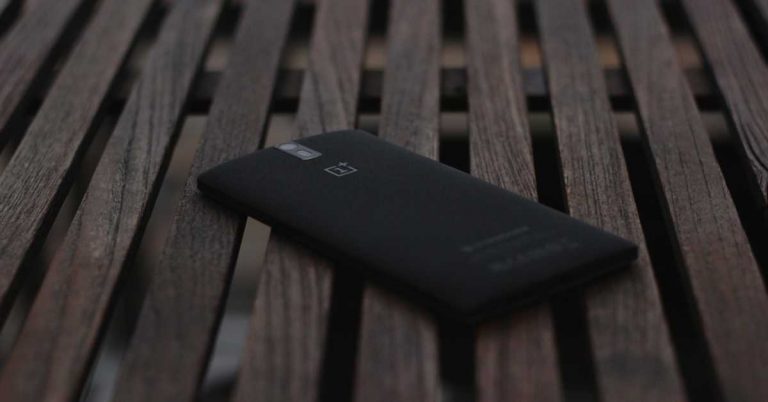

 Flip over and you will see the back panel of the Micromax Infinity N12 smartphone with a glossy finish and is extremely reflective. We actually felt like we were carrying a coloured mirror with ourselves at times. The device is available in Blue Lagoon, Velvet Red and Viola colours and the one that we got for review was dressed in red. The rear panel houses the dual cameras and a LED flash, has the Micromax branding on it which can be read right only if the device is held in landscape mode. Also, the back panel has the fingerprint scanner placed in the center. During our time with the phone, we found the device to be very prone to picking fingerprints. But then, that’s the case with most smartphones with a shiny rear panel like Micromax Infinity N12’s.
The right edge of the Micromax Infinity N12 has the power button placed on it and the left one has the volume rocker buttons. The speaker grill, the microUSB port and the 3.5mm headphone jack are housed at the bottom and the SIM tray is on the top. While the design is definitely different from other Micromax devices, and we liked how it was so light and easy to use with one hand, the reflective back panel can be a little too loud for some. We personally liked it.
Flip over and you will see the back panel of the Micromax Infinity N12 smartphone with a glossy finish and is extremely reflective. We actually felt like we were carrying a coloured mirror with ourselves at times. The device is available in Blue Lagoon, Velvet Red and Viola colours and the one that we got for review was dressed in red. The rear panel houses the dual cameras and a LED flash, has the Micromax branding on it which can be read right only if the device is held in landscape mode. Also, the back panel has the fingerprint scanner placed in the center. During our time with the phone, we found the device to be very prone to picking fingerprints. But then, that’s the case with most smartphones with a shiny rear panel like Micromax Infinity N12’s.
The right edge of the Micromax Infinity N12 has the power button placed on it and the left one has the volume rocker buttons. The speaker grill, the microUSB port and the 3.5mm headphone jack are housed at the bottom and the SIM tray is on the top. While the design is definitely different from other Micromax devices, and we liked how it was so light and easy to use with one hand, the reflective back panel can be a little too loud for some. We personally liked it.
 Speaking of the display, that was another aspect that we liked about the
  As far as the software of the device is concerned, we were happy to see that Micromax has cut down on some bloatware. The pre-installed apps on the smartphone include the likes of Micromax browser, video player, FM Radio and a few more. Compared to earlier Micromax devices, it was a lot less. Besides this, the UI was clean and it was easy to find any settings or option that we were looking for in the device.
Multi-tasking was not a problem on Micromax Infinity N12. We used multiple apps on it together several times and it did not affect the smartphone’s performance. There was also no lag in launching these apps or switching between them.
We also played some games on Micromax Infinity N12. While lighter games like Alto’s Odyssey and Temple Run 2 played very smoothly, we did observe some stutters while playing heavier ones like PUBG Mobile. After playing games for about half an hour or so, the smartphone did begin to warm up. We noticed this happening while we were using Micromax Infinity N12
As far as the software of the device is concerned, we were happy to see that Micromax has cut down on some bloatware. The pre-installed apps on the smartphone include the likes of Micromax browser, video player, FM Radio and a few more. Compared to earlier Micromax devices, it was a lot less. Besides this, the UI was clean and it was easy to find any settings or option that we were looking for in the device.
Multi-tasking was not a problem on Micromax Infinity N12. We used multiple apps on it together several times and it did not affect the smartphone’s performance. There was also no lag in launching these apps or switching between them.
We also played some games on Micromax Infinity N12. While lighter games like Alto’s Odyssey and Temple Run 2 played very smoothly, we did observe some stutters while playing heavier ones like PUBG Mobile. After playing games for about half an hour or so, the smartphone did begin to warm up. We noticed this happening while we were using Micromax Infinity N12  However, if you are someone who only uses their smartphone for calling, browsing the internet, using social media app like Facebook or Instagram and making video calls, you wouldn’t face any issue.
The fingerprint sensor and the Face Unlock of Micromax Infinity N12 worked well each and every time in our experience. We could use the Face Unlock easily even in areas that were not very well-lit.
Coming to the
However, if you are someone who only uses their smartphone for calling, browsing the internet, using social media app like Facebook or Instagram and making video calls, you wouldn’t face any issue.
The fingerprint sensor and the Face Unlock of Micromax Infinity N12 worked well each and every time in our experience. We could use the Face Unlock easily even in areas that were not very well-lit.
Coming to the  The 4,000mAh battery of the device was clearly the highlight. Even with heavy usage that involved gaming, use of social media apps, watching YouTube videos, navigation and calls that lasted for more than an hour, the battery lasted more than a day.
 The battery of Micromax Infinity N12 also doesn’t drain quickly while the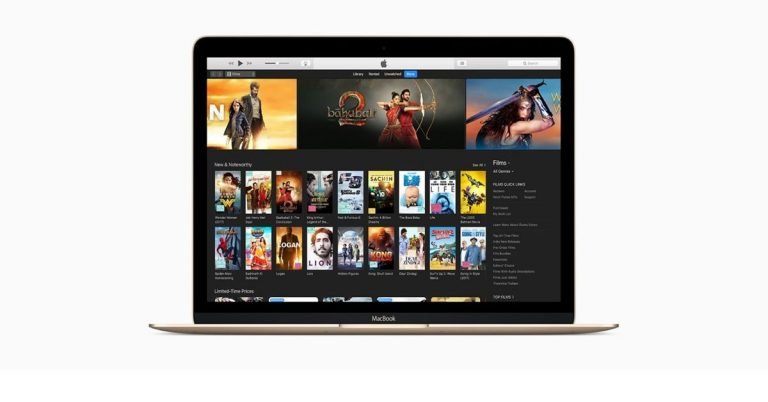


 To recall, Huawei Mate 20 Pro

 The
The  Samsung’s flagship phablet had to present on our list.

 LG G7 Plus ThinQ is another smartphone that made it to our list. The
  Another device that comes with massive storage to hold all your files is Asus’ answer to OnePlus 6 smartphone –

 The next on our list is Google’s flagship smartphone of the year –
  Apple’s affordable iPhone of the year,
  The next smartphone on our list is the
 We’ll include one more device from Huawei on our list –
  The next on our list is
  If you want a smartphone that is amazing to look at and offers a lot of storage, you should go for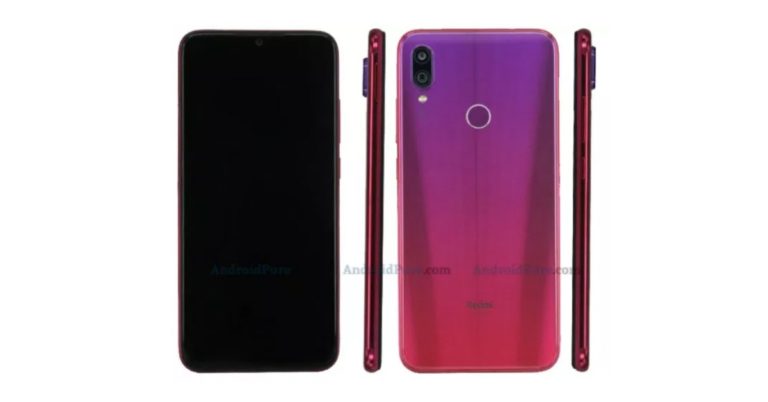

 As mentioned, the Honor 8A was listed in TENAA last month. The model number identified for the phone was JAT-AL00 and JAT-TL000. The listing tips that the phone will run on



 While we aren’t sure about Samsung showcasing its foldable device at CES 2019, there are numerous reports that suggest that
  CES 2018 saw
  2018 was the year of controversies for
  While we don’t expect to see any smartphones from Huawei at CES 2019, we do expect to see the
  Sony is one company which is mostly seen launching its new smartphones at the Consumer Electronics Show. And this year should be no different. Reports have suggested that
  The Chinese consumer electronics brand usually focuses on its laptop lineup at CES, and we don’t really expect this year to be any different. A listing from
  While we don’t expect to see smartphones from
  When it comes to Taiwanese technology giant
  Media reports suggest that HTC will only be focussing on HTC Vive this year at CES. So we can expect to see some gaming demonstrations and accessories at the tech show. Since HTC hasn’t had the best year in smartphones, chances of a mobile device being showcased are really slim.
For the latest
Media reports suggest that HTC will only be focussing on HTC Vive this year at CES. So we can expect to see some gaming demonstrations and accessories at the tech show. Since HTC hasn’t had the best year in smartphones, chances of a mobile device being showcased are really slim.
For the latest ![[Video] How to find your lost Android smartphone](https://www.gadgetbridge.com/wp-content/uploads/2019/01/maxresdefault-1-768x432.jpg "[Video] How to find your lost Android smartphone")