Cupertino-based technology giant finally took wraps off its new iPad and the newest generation of Apple Watch today. Besides this, there were a number of key announcements that the company made at its event today. Here’s a look at all of them:
In This Article
The all-new Apple iPad
Apple has also taken wraps off the 7th generation iPad at its event. Apple‘s new tablet comes with a 10.2-inch Retina Display and it comes with a Smart Connector that adds support for the company’s keyboard cases. Apple’s 7th generation iPad costs $329 and it is available starting today. The new iPad will start shipping in the US starting September 30. In India, the 7th generation iPad will be available at Rs 29,900.
Apple Watch Series 5
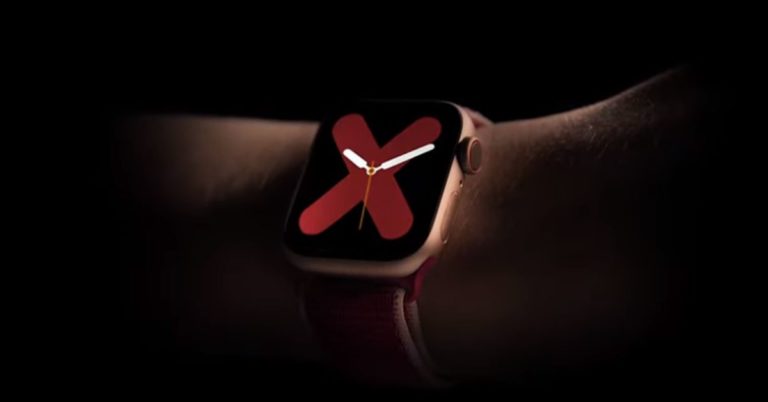
Apple has also launched the Apple Watch Series 5 today that comes with an Always-On Retina display. The display of the Apple Watch 5 comes with a technology called LTPO that enables it to refresh dynamically between 1Hz to 60Hz. According to Apple, the smartwatch still comes with all-day battery life. The device comes with a built-in compass that can be added to watch faces. The smartwatch comes with safety features too. If you pick up the cellular model of Apple Watch Series 5, you will get access to international emergency calling (depending on the country).
The watch has been launched in Nike+ and Hermes models too. Apple Watch Series 5’s cellular models will cost $499 and its GPS models will be priced at $399. The orders for Apple Watch Series 5 will begin in the US today, but the smartwatch will only start shipping on September 30.
Apple Arcade is coming to the App Store
Apple today has launched a new service called Apple Arcade on the App Store. According to the Cupertino-based technology giant, the gaming subscription service offers games that can’t be found anywhere else. It is basically a new tab in the App Store that will offer users new games every month. Gamers will also get recommendations on Apple Arcade. Apple Arcade will be available on App Store starting September 19 in more than 150 countries. Apple is launching the service with a one month free trial post which it will cost $4.99 per month for the entire family.
Apple TV Plus launch date and price
Although Apple had already announced its Apple TV Plus service earlier this year, today it made further announcements about it. Apple has announced that Apple TV Plus’ first shows including ‘The Morning Show,’ ‘Dickinson,’ ‘See,’ ‘For All Mankind’ and ‘The Elephant Queen’ will be available in over 100 countries starting November 1 this year and its family subscription (including six people) will cost $4.99 per month. Customers who buy new iPhones, iPad and Apple TV will get 1 year of free Apple TV Plus subscription. Apple showcased the first trailer of its exclusive show ‘See’ at the event.
Apple Research app
Apple has revealed that it has been conducting health research studies following the Apple Heart Study. For this, it has joined hands with the World Health Organization and University of Michigan. Apple’s Women Health Study has been conducted with NIH and Harvard and Apple Heart and Movement Study has been conducted with American Heart Association and Brigham and Women’s Hospital. Customers can enroll in these studies via the Apple Research app that will be available in the US later this year.
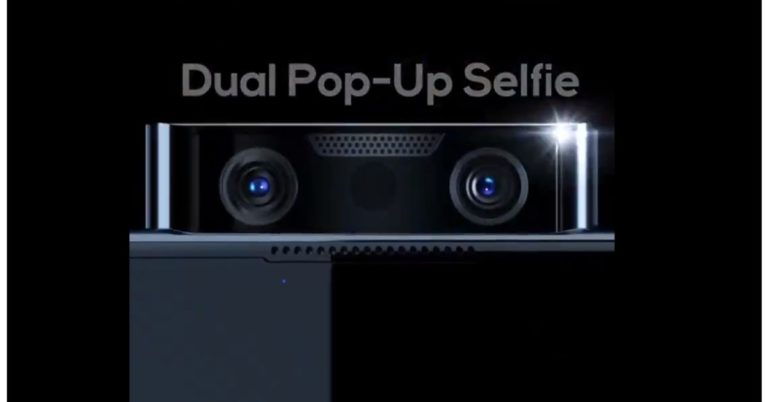
The Chinese company Vivo is gearing up to launch its next-generation smartphone Vivo V17 Pro. The company has now officially announced that it will be launching the smartphone on September 20. The upcoming Z series smartphone is claimed to be the “world’s first 32-megapixel dual pop-up selfie”. Vivo V17 Pro is the upgraded variant of the Vivo V15. Leaks and rumors with regard to the upcoming smartphone are already doing the rounds on the web to suggest that what we can expect from the handset.
Vivo took to Twitter where it posted a teaser video of the Vivo V17 Pro on its official Vivo India Twitter account. The Vivo teaser bears a hashtag #ClearAsReal. The teaser also showcased the upper back panel of the smartphone in which a dual pop-up selfie camera module is flaunted. The teaser says it is the World’s first 32-megapixel dual pop-up selfie camera which is also an upgrade over its predecessor Vivo V15 Pro that comes with a single pop up selfie camera. It further says Vivo V17 Pro is launching on 20 September.
Now before the company announced the launch date of the upcoming smartphone, Vivo declared its association with Nat Geo Traveller India where it posted a picture taken via Vivo V17 Pro revealing the imaging capability of the mobile phone. Apart from that, the company has also started sending out press invites for the launch of the new V-series smartphone. As per the press invitation, the launch event of the Vivo V17 Pro will be hosted in New Delhi at 11.15 noon IST on September 20.
To recall, Colors channel also posted a short video teaser of the Big Boss Season 13 where the smartphone is being flaunted in the hands of Salman Khan. The video says “Vivo V17 Pro presents Big Boss 13.”
Separately a German tech website WinFuture also revealed the specifications of Vivo V17 Pro. The website suggests the upcoming smartphone is expected to feature 6.44-inch full-HD+ (1080×2440 pixels) Super AMOLED display along with a 21:9 aspect ratio. There is also the presence of an in-display fingerprint sensor. It will reportedly be powered by octa-core Qualcomm Snapdragon 675 along with up to 8GB of RAM and at least 128GB of internal storage. The smartphone will run on Android 9 Pie with FuntouchOS on top.
On the imaging front, as published the phone is said to arrive with a 2-megapixel depth sensor alongside the 32-megapixel primary selfie camera that also has the support for wide-angle selfies along with a bokeh effect on the V17 Pro.
It is expected to come with a quad rear camera set up consisting of a 48-megapixel primary sensor, an 8-megapixel secondary sensor with a wide-angle lens and two 2-megapixel sensors.
The connectivity options on the phone include Wi-Fi 802.11ac, Bluetooth v5.0, GPS/ A-GPS, NFC, USB Type-C port, and a 3.5mm headphone jack. The report also suggests that Vivo V17 Pro will be housing a 4,100mAh battery.
Only a few hours left for the unveiling of the Apple’s iPhone 11 series but even before it was officially released, a new leak surfaced on the internet revealing the pricing of the most anticipated smartphone of the year. We already have a fair idea about the names and a few of the specification of the iPhone 11 but now we also know how much the three smartphones will cost.
Apple will be unveiling three smartphones at the special event namely iPhone 11, iPhone 11 Pro and iPhone 11 Pro Max. The special event is being held at Steve Jobs Theater in Apple headquarters begins at 10 am PDT (10:30 pm IST). Apart from that, the company will also launch its new series of Apple Watch as well as iOS 13.
iPhone 11, iPhone 11 Pro, iPhone 11 Pro Max price leaked
A leaked slide was posted on Weibo revealing the price of Apple iPhone 11. According to the Weibo Post, the 64GB base variant of the iPhone 11 will arrive with a price tag of $749 that translates to Rs 53,600. While the 128GB and 256GB variants of iPhone 11 is expected to cost $799 that translates to Rs 57,200 and $899 approximately Rs 64,400 respectively
The website says iPhone 11 Pro 128GB base variant will cost $999 that translates to Rs 71,600 while the 256GB storage option is suggested to be priced at $1099 roughly around Rs 78,700. The high-end 512GB variant of the iPhone 11 Pro is expected to arrive with a price tag of $1,199 which converts to Rs 85,900.
Last of all iPhone 11 Pro Max price will reportedly start at $1099 that translates to Rs 78,700 for the base 128GB variant whereas the 256GB storage model is expected to carry a price tag of $1,199 approximately Rs 85,900 and the last one that is the 512GB variant to come up with $1,299 that converts to roughly around Rs 93,000.
All the above-mentioned pricing and storage variants of the iPhone 11 series are speculated therefore we suggest you take it with a grain of salt until the company officially reveals the pricing of the smartphones tonight.
iPhone 11 sale date expected
The new series of iPhone 11 is expected to go up for pre-order from September 1 and is likely to be put up for sale starting September 20.
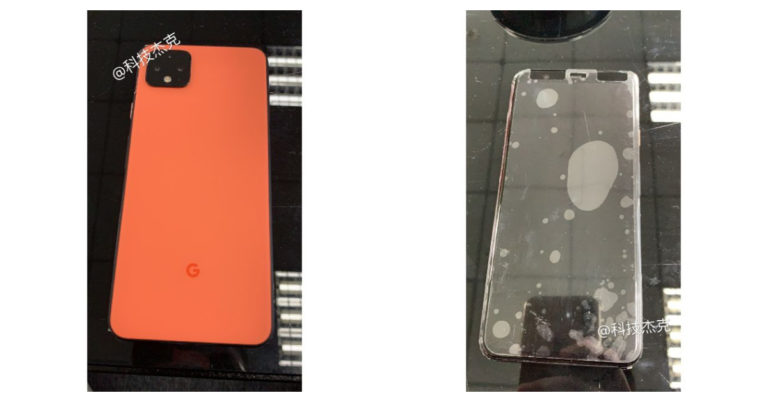
Today Apple will be launching its new series of iPhone 11 at a grand event being held in California. On the other hand, the Technology giant Google will soon officially release its new series of Google Pixel 4 smartphone that has already become the talk of the town even before its launch. For a quite few month leaks and rumours of the upcoming phone have been doing the rounds on the internet that has almost revealed the handset. We have already seen the Pixel 4’s two colour variants and now a new image of the mobile phone has landed on the web revealing that the company may bring a Coral colour variant of the smartphone.
If you love bright colours then you will be pleased to know that Google Pixel 4 might arrive in a new Coral colour variant other than black and white. To recall last year Apple also launched the same colour variant of the iPhone XR. But last year the Mountain View company launched Google Pixel 3a and 3a XL in three colour variants only. Namely Black, Clearly White, Not Pink colour options, but this year the company is in no mood to of launch its devices in the same old colour options.
The leaked image was posted by a tipster on Weibo. If we look at the leaked image, we can see the smartphone dressed up in a funky coral colour on the rear panel along with a ‘G’ logo on it. While the image of the front panel is no different from the previously shared images of Google Pixel 4.To recall the software company Google introduced the Coral colour option for one of its Google Home Mini speakers too.
Apart from that, few of the reports suggests that the smartphone will also come with a new Google Assistant feature that may provide digital assistance to the user during call hold. The Google assistant steps in and alerts the user about the call being on hold.
The Google Pixel 4 smartphone will come with 90Hz AMOLED display and will also include Soli radar chip or gesture control that senses the user’s hand movement. The company claims that this feature will work in any orientation, including when it is upside down. This feature will let the users control basic functions on their handset like snoozing alarms, skipping songs and rejecting phone calls with just a wave of your hands. However, this feature might not come to India. Google will launch the smartphone in October this year.
Last week the telecom company Reliance Jio revealed its JioFiber plans. So today we will discuss whether the new entrant Jio Fiber is worth the asking price or is it just similar to the other available service providers like BSNL, Airtel and ACT Fibernet. As a recap, JioFiber high-speed broadband service plans start at Rs 699 per month and the company will provide ultra-high-speed Internet up to 1Gbps.
Besides this, the subscribers will get access to the Jio premium app along with other services and offer too. ACT Fibernet services are available in several cities in South and North India. Currently, it operates in 18 cities and will be expanding its reach to a few more cities soon. So today we will compare two newcomers in the market JioFIber and ACT Fibernet.
JIOFIBER
Jio Fiber plans start at Rs 699 per month and it goes all the way up to Rs 8,499 per month. It provides data speed that depends upon the plan the consumer selects. The lowest is 100Mbps and goes up to 1Gbps bundled with free voice calling, unlimited data and much more.
Starting with the Bronze plans, which are priced at Rs 699 and offer up to 100Mbps speed along with 150GB of data. Post the FUP the data speed will be reduced to 1Mbps. The plans provide add on services like three-month subscriptions to free voice calls, free TV video calling, cloud gaming, home networking, and Norton device security for up to 5 devices along with JioCinema and JioSaavn.
In the same way, Silver Plan comes at Rs 849 that provides data up to 200GB plus 200GB extra data along with all the above-mentioned features and offers. Jio Fiber Gold Plan is priced at Rs 1,299 that comes with data speed of up to 250Mbps along with FUP of 500GB (250GB extra) bundled with all the offers and services similar to as of Silver plan.
Diamond Jio Fiber plan can be subscribed at Rs 2,499 where the consumer will get 1,250GB (250GB extra) data with downloading speed up to 500Mbps. The plan comes with all the above-mentioned services and offers plus the users will get VR-experience support and premium content being offers like Jio First Day First Show movies, special sports content and so on.
The Rs. 3,999 Platinum Jio Fiber plan is available with an increased internet speed of up to 1Gbps along with FUP of 2,500G Band packs with all the offers that come with the gold plan. And last but not least if the JioFiber’s Rs 8,499 Titanium plan that puts forward a whopping 5,000GB data with 1Gbps internet speed along with all the mentioned offers and services as said above. The new subscribers need to pay a one-time fee of Rs 2,500 that also includes a non-refundable security deposit of Rs 1,500 plus installation charges. The Jio Fiber service is available across the nation in 1,600 towns.
ACT Fibernet
On the other hand ACT, Fibernet comes with a starting plan of Rs 749 per month in which it offers FUP of 500GB data with an internet speed of 100Mbps. Post FUP the data speed will go down to 512Kbps. If the consumer chooses
Rs 1,249 plan and above the data speed will be reduced to 2Mbps post FUP along with 1,000GB of extra data at no extra cost. If the customer opts for the plan of Rs 4,999 the data speed will be 150Mbs and they will get 3,500GB of data. Besides this, ACT Fibernet also offers two Netflix plans with a saving of up to Rs 300. The Platinum Promo Entertainment and Diamond Entertainment plan come at Rs 999 and Rs 1,249 per month respectively and offer up to 150Mbps of data speed. The Platinum Plan offers 2000GB of total data per month whereas Diamond Plan offers 2750GB of data up to one month. The company is also offering two more plans in which the subscribers will get an extra 2 months of subscription-free along with free Wi-Fi router if they go for a 6 or 12 months subscription.
The most anticipated smartphone is geared to be launched today. Yes, we are talking about Apple’s iPhone 11 launch. Apple will be hosting an event in California today where it will take the wraps off its three smartphones. It is speculated to launch three iPhone11 smartphones during the annual launch event namely iPhone 11 Pro and iPhone 11 Pro Max along the regular iPhone 11. Alongside this, the company is also expected to launch a new Apple watch series 5 and its next generation of iOS — iOS 13.
As per the smartphone maker, iOS will be the fastest operating system compared to the older ones. The company claims that the new OS will have up to50 percent smaller downloads and it has also reduced the sizes of the updates by 60 percent. Apart from that, the company says that FaceID unlocks will be 30 percent quick.
The iOS 13 operating system will bring a portrait lighting mode that almost regulates the positioning as well as it intensifies portrait es the studio lighting. It will let the user increase or decrease the strength of the lighting mode. Along with this, a new feature named High-Key Mono has also been added where they can style their images by applying a stylistic monochromatic filter that is particularly used for fashion photography. The new iOS will make use of on-device machine learning (ML) to organise photos in the Photos app, too. This will allow the user to highlight the photos present in the library, which they think are the best.
Last year the company added the dark mode feature to its macOS but this year it will also be brought to iPhones with iOS 13. Apple will also bring more customised options to iOS for Memojis. The company promises to bring a cluster of Memoji stickers being made available in the keyboard app these will include headgear, glasses as well as broken teeth.
For security and privacy concerns, Apple will introduce Apple ID authentication that will allow the user to sign in on different apps and websites. Besides this, the Apple Maps are getting revamped with the new iOS that will include more data, broader road coverage, better pedestrian data, and more accurate addresses.
Over that, Apple iOS 13 will also bring updated Reminders and Messages apps along with new features. Apple’s Siri shortcuts will also consist of new Suggested Automations, enhanced Carplay along with the latest dashboard that will allow the user to control their iOS devices with their voice command.
Who would not be excited to use a smartphone that has a camera module, which flips towards the user when they wish to click selfies? A few years back, this may have sounded like a phone from a futuristic film. But today, Samsung has made it a reality with its Samsung Galaxy A80. We got to use the handset for some time and we tried to know whether it is as amazing as it sounds. Read the rest of our review of Samsung Galaxy A80 to know more:
In This Article
Samsung Galaxy A80 design and display
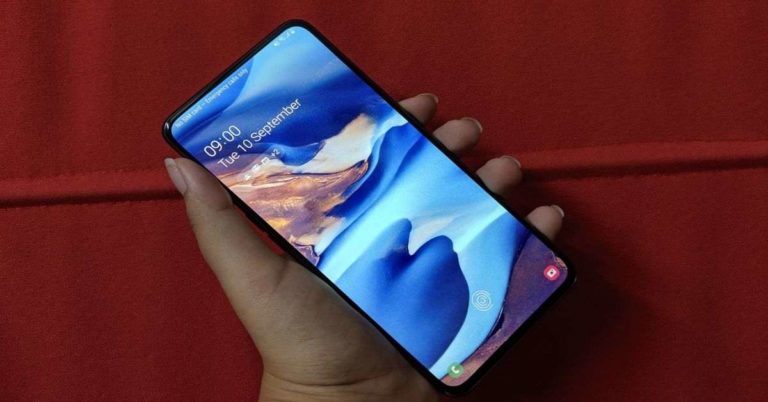
We can really count on Samsung for making premium and beautiful looking smartphones. The South Korean technology giant has made Samsung Galaxy A80 inch-perfect. The smartphone looks very premium and is absolutely stunning. If you are someone for whom a smartphone is also a style statement, the design of Galaxy A80 will surely make you happy. The device is dominated by the New Infinity display on its front panel and it comes with a glass back panel. To make things even better, Samsung has added a very unique camera module to its new smartphone that rotates to click selfies.
As we just mentioned, the front of the smartphone is mainly its display. The bezels and the chin that outline it are really thin and this means that users get a lot of real estate on the screen. A very notable factor about Samsung Galaxy A80 is its size. The smartphone is very tall and wide. Yes, the handset is on the heavier side, thanks to its glass front and back, and the large battery inside. Nevertheless, while some may feel that just makes it feel more solid, not everyone likes their handset to be bulky.
The back panel of the smartphone only has the Samsung branding and the camera module that is placed on the top. The sensors of the camera along with the LED flash are placed in a capsule shaped module that has a rose gold coloured rim outlining it. Also, the camera module is placed on motorised system. When one clicks on the selfie camera button in the camera app, the module rises up and flips the camera to face the user.
With this, the company has managed to provide a full-screen experience with the display of the device. While the right edge of the smartphone has the power button, the volume rocker keys are on the left edge. The speaker grille, Type-C port and the SIM tray are placed on the bottom while the top of the device only has the secondary microphone.
To sum it up, we liked the look and feel of the Samsung Galaxy A80, but then, we expect a premium smartphone to have features like water resistance too, which was missing in this one
Now, let’s talk about the display of the handset. Samsung Galaxy A80 is the first smartphone by the South Korean technology company to come with the New Infinity display. By this, the company means that the handset does not come with a notch on its display and provides a full screen experience to users. The smartphone has a 6.7-inch FHD+ (2,400×1,080) Super AMOLED display and during our time with it, we had a very good experience with the screen of the device. The display of Samsung Galaxy A80 is simply excellent. It provides a very immersive experience and it showcases vibrant colours. You will see deep blacks and punchy colours, and these remain consistent at different viewing angles.
The clarity of the images projected and their sharpness is also on point. We should also mention that the display of the handset had support for Widevine L1, which enables users to stream HD content from the likes of Netflix and Amazon Prime. The screen of the device also comes with acoustic sound system that emits sound via the display of the screen itself. During our time with the device, the sound output was perfectly fine. We also did not encounter too much trouble when we tried using the handset under direct sunlight.
Samsung Galaxy A80 performance and cameras
Before we speak about which aspects Samsung Galaxy A80 excelled in, we should shed light on the rest of its specifications. The handset is powered by an octa-core Snapdragon 730G SoC, coupled with 8GB of RAM. The device runs Android Pie skinned with Samsung One UI and it comes with 128GB of internal storage, and houses a 3,700mAh battery. The battery of the smartphone has support for 25W fast charging. For imaging duties, the smartphone comes with a rotating camera module that boasts of a 48MP primary sensor, an 8MP secondary ultra-wide-angle sensor and a 3D depth camera with an IR sensor.
To elaborate more on the software of the device, the Android Pie and OneUI provides us with features that have been seen earlier on other Samsung smartphones. Most apps and elements are placed on the bottom of the display for better access. The apps are bigger and icons of Samsung’s own applications are redesigned. The device also comes with Digital Wellbeing that helps users know which apps they are spending the most time on so that they can cut down on the usage. In addition to all this, there is system-wide Dark mode available on Samsung Galaxy A80. There are some pre-loaded apps on the handset like Netflix, Facebook, the entire suite of Google and Microsoft apps as well as Samsung’s own apps, we found most of them to be useful.
Moving on to the performance of the smartphone, the Snapdragon 730G did prove to be good at handling most tasks. We often multitasked on the device and faced no problem while doing so. We often browsed social media apps like Instagram and YouTube and used the handset for other activities like music and navigation at the same time. The smartphone handled it all very well.
Gaming was also a good experience on the smartphone. We played a few seasons of Asphalt 9: Legends, which are very graphic-heavy, on Samsung Galaxy A80 and then switched to some lighter ones like Temple Run 2. The device consistently performed in both the types. However, after prolonged gaming the device did heat up occasionally because of its glass body. In fact, this is something that we also encountered at times when the device was put on charging or was being used for navigation for a very long time. Samsung A80 does come with an indisplay fingerprint scanner, which we found to be a wee bit slower than other Samsung smartphones.
Coming to the cameras of the Samsung Galaxy A80, they really are unique in the way they work. You would be very appealed to buy the smartphone if you like clicking selfies. At least when you hear about it theoretically. How many smartphones allow you to click pictures using all of its rear cameras? What makes it even more appealing for selfie lovers is the 48MP Sony IMX596 primary sensor that is bound to give good self-portrait shots. The other two cameras, as we mentioned earlier, include an 8MP ultra wide-angle camera and a 3D ToF sensor. The cameras of the handset also come with Super Steady video mode, Scene Optimiser and Flaw Detection.
It is worth pointing out that the primary camera of the smartphone takes images that are 12MP in resolution by default. However, there is an option of choosing 48MP resolution too. While most shots taken by the 48MP primary camera during the day were great, we should say that on zooming in to click images, some details may be compromised (at times). But then, largely, the shots taken during the day had bright and vibrant colours, and they mostly turned out to be sharp. However, the same cannot be said for the night shots. They were decent, but not as good as other 48MP cameras that we have tried. Even the dedicated mode for night photography on the handset didn’t help too much, maybe the next update by Samsung will take care of this.
Most selfies that we took using the smartphone turned out to be good. You would see the lightest of details on your face if you use the 48MP primary camera. However, selfies at night turned out to be average.
Coming to the battery of the device, we were expecting it to lat for more than a day. With moderate usage that involved watching YouTube videos, a few calls and using some social media apps, it usually lasted us a day. But if you need more talk time, they fast charger does come handy. With its 25W fast charging, the handset usually gets completely charged within an hour and 15 minutes. Last but not the least, the call quality on the smartphone was very good. We never encountered any problems while making or receiving phone calls even from areas like basements.
Verdict
Samsung Galaxy A80 has its pros and cons. It comes with a beautiful design and a unique camera system, has a dream of a display, and offers smooth performance. However, it lacks water resistance and face unlock. Another downside is that the camera performance is not very consistent, which we are hoping is taken care of in next update. So, the answer to whether is a worthy buy or not depends on what your priorities as a user are. If you like to use your device for entertainment and watching videos and playing games, you will be happy with Samsung Galaxy A80, even if it is priced at Rs 47,990. The display is really worth every penny. However, if you want a longer battery life there are few others that will give you just that. Interestingly, if you put in just Rs 3,000 more, you can buy the Samsung Galaxy S10e, which is quite an all-rounder by the company.
The Huawei P series is popular for its imaging capabilities, the Chinese smartphone maker launched two more colour variants of Huawei P30 Pro — Mystic Blue and Misty Lavender at IFA 2019. The smartphone features a dual-tone design now. Apart from that the company’s CEO also announced that in the past six months the shipment of the Huawei P 30 series has crossed 16.5 million units.
During the IFA 2019 Richard Yu, CEO of Huawei Consumer BG said “that the Company has sold 16.5 million units of the Huawei P30 Pro across the world in the past 6 months. This figure is 53% higher than that of the HUAWEI P20 series. The New P30 Pro will deliver a new photographic experience to the user and create a richer, and more exciting consumer experience with its pleasing colour scheme and dual texture design.”
As said, during the event, the Company also launched two fresh colour variants of the Huawei P30 Pro Misty Blue and Misty Lavender. The device dons both matte as well as glossy finish on the back panel now. The company has used two textures to form a layered collision and an intense visual effect. The upper back panel where the camera is situated has a high-gloss surface whereas the handheld area is matte to keep away from fingerprints. The New P30 Pro will be available globally from September 20.
In addition to this, the company also announced that the Huawei P30 Pro will be the first one in the list to be upgraded to the EMUI10 operating system.
To recollect Huawei P30 Pro was launched in India in April this year. The smartphone comes with a 6.47-inch full-HD+ (1,080×2,340 pixels) OLED display with curved edges and a waterdrop-shaped notch. It is powered by Kirin 980 SoC along with 8GB of RAM. The device is offered in three storage variants 128GB, 256GB and 512GB. P30 Pro runs Android 9.0 skinned with EMUI 9.1 on top. The handset is backed up by a 4,200mAh battery that is supported by reverse wireless charging and also supports Qi wireless charging technology.
On the imaging front, it carries a triple rear camera set up that includes a 48-megapixel main sensor with OIS and f/1.6 aperture along with a 20MP wide-angle sensor with an f/2.2 aperture. The third one is an 8MP camera that is supported with a periscope style zoom system and a ToF sensor that comes with HDR+ mode, 5X optical zoom, 10X hybrid zoom and 50X digital zoom. For the selfies and video calling the phone has a 2-megapixel sensor on the front.
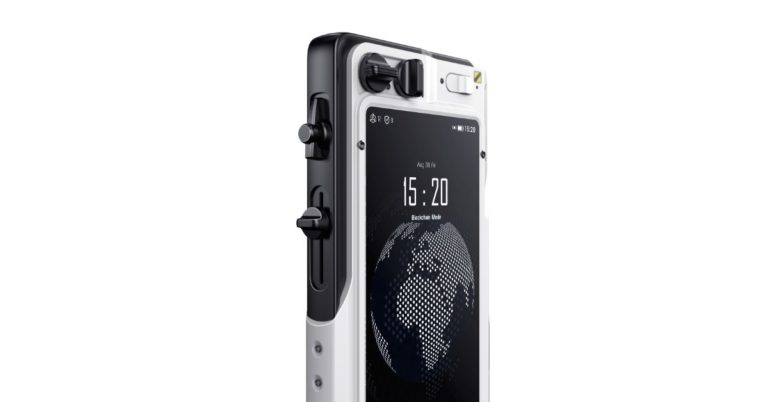
The Singapore based company Pundi X has introduced a world-first fully blockchain-powered smartphone at IFA 2019. The blockchain-powered smartphone is called “Blok on Blok (BOB)” which was earlier known as “XPhone”. This smartphone keeps the calls, text and every digital platform the user accesses fully decentralised, with a layer of privacy and security.
Pundi X is a developer of blockchain-powered devices that has unveiled fully-functional blockchain phone BOB. The smartphone lets the users without a glitch toggle between blockchain mode and Android mode. The Blockchain mode runs on the open-source f(x) operating system. It includes all the Blok on Blok (BOB) decentralised processes similar to cryptocurrency. It lets the users control their data while at the same time it also allows them to customise its design.
“While BOB’s internal and external design has gone through a long journey ever since it was introduced to the world as the XPhone, BOB offers a customizable design to represent how it prioritizes its users’ needs first.” the company stated.
The maker has provided BOB with MOD Assembly Kit. The Kit consists of detachable parts that create the structure of the XPhone’s external look. This enables the user to assemble as well as build their own BOB. As per their preference, the users can also add external accessories to it.
The device includes Function X OS, Function X Blockchain, Function X IPFS, FXTP Protocol and the Function X Docker that jointly works to decentralise apps, websites and data. All the devices run on Function X OS that function as a node of the chain has its own exclusive address as well as private key similar to URLs and IP addresses. When the user makes a VoIP call or if it sends a text, the OS gives their connection end-to-end encryption.
The device can also be used just like a smartphone that runs on Android 9. The users can easily switch between Android mode and Function X mode.
Zac Cheah, Co-founder and CEO of Pundi X said“BOB marks a big step forward in our mission of creating a Blockchain Internet, a fully decentralized network where every piece of data shared is under the owner’s control. More importantly, BOB gives a sneak peek of a world powered entirely by blockchain technology, where everyone has control over their own data and everything is executed with the expectations of immutability and transparency.”
Initially, the company will bring only 5,000 units of BOB. The device is available for purchase at USD 599 that translates to roughly around Rs 43,000 available on Kickstarter.
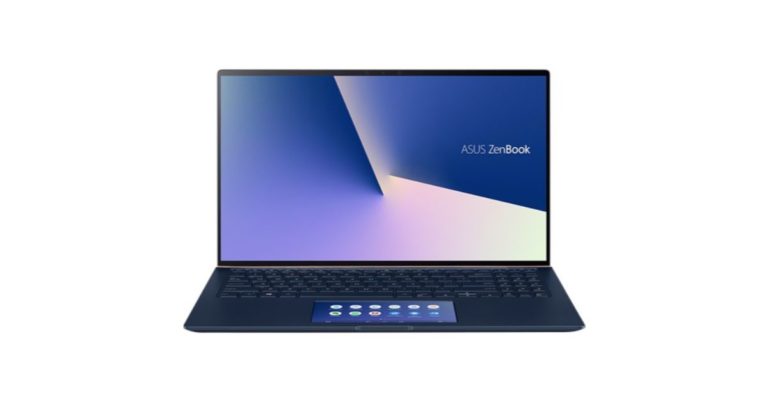
The electronic brand today added three new laptops to its Zenbook series of laptops the ZenBook 14 (UX434), ZenBook 15 (UX534), and ZenBook Flip 13 (UX362). ZenBook 14 and 15 features a Four-sided frameless NanoEdge display with ultraslim bezel, whereas the ZenBook Flip 13 comes with a frameless NanoEdge display with ultra-narrow bezels. All three laptops are powered by Intel’s 8th Gen CPUs. The ZenBook 14 and 15 features come with a secondary screen pad, while the ZenBook Flip 13 is a convertible laptop.
Pricing and Availability
ZenBook 14 (UX434), ZenBook 15 (UX534), and ZenBook Flip 13 (UX362) can be purchased via online stores Amazon, Flipkart, as well as Paytm Mall in India. The Asus ZenBook Flip 13 comes with a price tag of Rs. 76,990, the ZenBook 14 starts at Rs. 79,990 and the ZenBook 15 comes at a starting price of Rs. 1, 19,990 in the country.
ZenBook 14 (UX434), ZenBook 15 (UX534)
Asus announced both ZenBook 14 and 15 were announced at Computex this year. Both the laptops are a Four-sided frameless NanoEdge display with ultraslim bezel, up to 95% screen-to-body ratio for ultra-compact footprint. The devices come equipped with ScreenPad 2.0 that has a 5.65-inch touchscreen that comes with features like Quick Key that enables one-tap automation of complex keyboard sequences, Handwriting for natural text input, along with Number Key for rapid data entry.
ZenBook 14 is powered by 8th Generation Intel Core i7 – 8565U processor and with another option of Core i5-8265U CPU. On the other hand, ZenBook is available in a single Core i7 CPU. Both the Zenbooks offers full-HD resolutions (1920 x 1080), with 178-degree wide-view technology, along with 72 percent of the NTSC. For graphics the ZenBook 14 comes with a Nvidia GeForce MX250 with 2GB GDDR5 RAM, 8GB / 16GB 2133MHz LPDDR3 onboard also 1TB/512GB PCIe SSD. It packs a 50WHr battery. ZenBook 15 comes equipped with an Nvidia GeForce GTX 1650 Max-Q graphics card with 2GB/4GB GDDR5 VRAM. It offers 16GB of RAM along with 1TB PCIe SSD storage and a 71WHr battery as well. Both the devices come integrated with IR cameras for Windows Hello. For the connectivity, both have Bluetooth 5.0 dual-band Wi-Fi 802.11ac, several USB ports, HDMI options and Type-C port. Both the laptops come with Alexa voice support.
ZenBook Flip 13 (UX362)
While on the other hand ZenBook Flip 13 is a convertible laptop that features a 13.3-inch, full-HD display. The device is powered by 8th generation Intel CPU being offered to choose from either Core i7-8565U processor or Core i5-8265U processor. It has 8GB of RAM and a 512GB of PCIe SSD of storage. For graphics, it comes integrated with Intel UHD Graphics 620 along with two USB Type-C ports, speakers from Harman Kardon, and a 50WHr battery along with 65W power adapter
PUGB addiction has taken its toll now. In a new incident, a 25-year-old man slaughtered his retired father so that he could play the PUBG game peacefully. The fear-provoking incident took place in the Belagavi district of Karnataka where RaghuveerKumbar chopped had a brawl with his father over his growing addiction for PUBG.
The assassin chopped off his father into three pieces his head as well as his legs. The dead are identified as Shankrappa Kumbar aged 65-years. Shankrappa was a retired policeman who had a regular tiff with his son over the game. On Sunday night both had a heated argument resulting in a violent incident where the son took the life of his father so that he could play the game online. After which he was detained by the police and now being questioned.
At around 5 AM in the morning the murderer son was hopping mad when he found out that his father disconnected the internet connections as well as took his phone in so he could stop him from playing the online game PUBG on his mobile phone. Consequential to this Raghuveer locked up his family members in a room and then started beating up his father Shankrappa. Later on, in a rage, he chopped off his father into three pieces.
The detained slaughterer is now under the police’s custody and is said to be a victim of mental disorder down to too much exposure to the game on his mobile phone.
This is not the first time mobile phone game addiction has led to a heinous act, in the past, many such cases were reported and this is the latest in the country. Many youngsters have turned into killers for being stopped for playing PUBG.
Lately, a 21-year-old young man killed himself for being stopped from playing the online popular game a few weeks ago. The deceased named Akash Dixit was found floating in a pond near his house after his mother filed a missing report for not returning home after his gaming session.
In the third incident last month a law student hanged himself from his room’s ceiling after he was being scolded by his mother over his addiction playing PUBG for long hours. The young boy just got admission into a law college after he finished his schooling. The teenagers and youngsters ending their life are increasing. A sensible level of gaming is needed by parents it should be taught to youngsters rather than imposed.
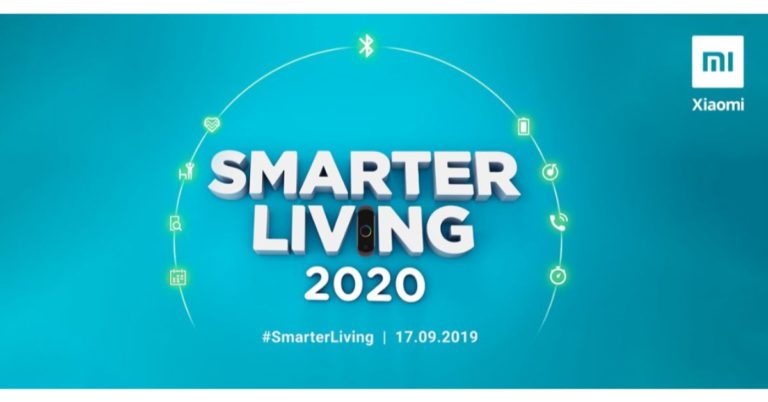
A few months ago Xiaomi launched the Mi Band 4 at an event in China. Now the Chinese brand is bringing the smart band to India soon. Xiaomi India MD Manu Jain announced the arrival of Mi Band 4 in the country. MrJain also announced that the device will be launched in the country on September 17. The key highlights include a colour AMOLED panel with a 2.5D curved glass protection it also comes with a six-axis accelerometer sensor that is capable of monitoring physical activities while on the go. It is also supported by Alibaba’s Alipay for payment.
Mi Band 4 Price
Mi Band 4 is the successor of Mi Band 3 that came with a black and white screen. Prior to its launch in India, the smart wearable was launched in China in June this year. The price of the standard edition with no NFC support is CNY 169(approximately Rs. 1,700) whereas the NFC variant is priced at CNY 229 (approximately Rs. 2,300). The company is expected to launch both the variant in the country. The company also launched the Avengers Edition that comes in three different bands. In China, it is priced at CNY 349 (approximately Rs 3,500). At present, there is no such information if the company will launch the Avengers Edition Mi Band 4 in the country or not.
Xiaomi Mi Band 4 specifications and features
Mi Band 4 comes with a 0.95-inch colour AMOLED display that has 120×240 pixels resolution and a 2.5D glass for protection, it is supported by touch inputs and has an inbuilt microphone for the voice commands. The device has a six-axis accelerometer that monitors physical activities like cycling, exercise, running, swimming, and walking. Mi Band 4 comes with a 5ATM rating for water resistance that is capable of identifying swimming strokes like freestyle, breaststroke, backstroke, butterfly, and mixed-style. The fitness band also shows notifications like SMSes, WhatsApp messages, fitness details, among others.
It also lets the user find their phone as well as turn on and off the music track with one tap. The Mi Band 4 also live weather and stock updates and the battery lasts up to 20 days on a single charge
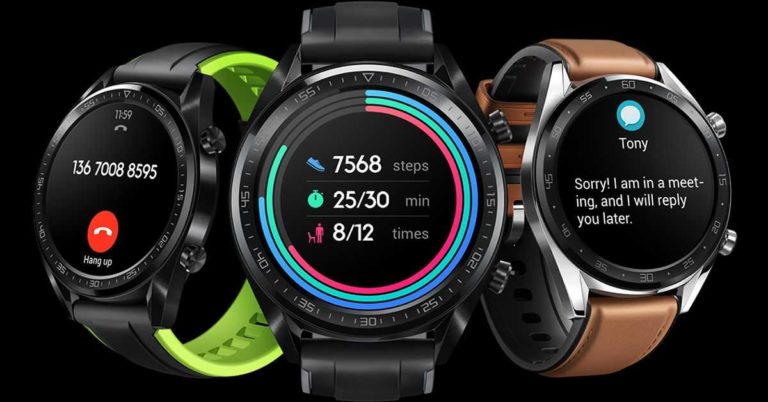
Chinese smartphone maker Huawei is all set to launch an all-new series Watch GT. The company is gearing up to launch its new series of Mate 30 smartphones in the market on September 19 in Munich. Alongside Mate 30 the company will also unveil Watch GT 2. The company already launched the Watch GT smartwatch along with its Mate 20 Pro series of smartphones at an event in October last year.
Huawei took to Twitter and announced the official launch date Huawei Watch GT 2. The company posted a teaser video of the upcoming device. The video, however, did not reveal much about the product but it only says that Watch GT 2 will be powered by Kirin A1 CPU that was announced by the company recently. The announced chip also powers the Freebuds 3.
Additionally, the reports suggest that the phone will pack a larger 445mAh battery than its predecessor that carries 420mAh, which lasts up to 14 days.
The leaks suggest that the upcoming Huawei Watch GT 2 will carry a larger screen along with the smaller bezels. As said, it will house a 445 mAh battery and will come integrated with a mic and speaker as well. The presence of mic and speaker hints that the watch will allow the user to make calls to the stored contacts. It is also expected to arrive with a built-in GPS and optical heart rate monitor. The company will be offering the device in two variants Classic and Sport. Huawei GT Watch 2 sports model will arrive with a sport rubber band, whereas the Classic model will be carrying a brown leather strap.
To recall the company launched the Huawei Watch GT in India earlier this year in two variants Sports and Classic. The Sports edition comes at a price tag of Rs 15,990 whereas the Classic model id priced at Rs 16,990. The smartwatch comes with a 1.39-inch AMOLED display and sports a dual crown.
The Watch GT has 316L stainless steel built along with ceramic bezels. This smartwatch is 5ATM water resistance that can be easily used while swimming. It has 512MB of RAM and 128MB of internal ROM and is compatible with devices that run Android 4.4 or higher and iOS 9.0 or more. The Huawei Watch features built-in GPS that can track daily activities of users by connecting to the Health Assistant app. The wearable also has the ability to track user’s sleep and steps.
All of you must be aware by now that the mobile operating software of Google’s Android Q will be known as Android 10. The software company broke its decade-old history of Android releases after desserts. Before this, all the versions of Android’s operating system were named after desserts in alphabetical order. Additionally, it also came with a new logo that shows the Android robot.
The key highlights include Dark Theme, native support for foldable phones, 5G, Live Caption, gestures navigation, stricter privacy as well as permission controls and so on. The company has also started rolling out the new update to compatible devices. The Company’s own Pixel series of smartphones are among the first to receive the OS. The list includes all the Pixel phones from the first generation to the latest ones that are Google Pixel 3a. The smartphone will receive the new update within first 90 days (3 months) of the official release of the operating system. Check out the list who have received and who are still waiting to receive the new Android 10 OS.
In This Article
Google Pixel phones
The company’s own Pixel smartphone series is the first to receive the new update the list includes Pixel and Pixel XL, Pixel 2 and Pixel 2 XL, Pixel 3 and Pixel 3 XL and the latest Pixel 3a and Pixel 3a XL. Gradually the new update is reaching the phones over-the-air. The Pixel users will receive a notification or they can manually download the new Android 10 OTA release by going to Setting and then Software Update section
OnePlus 7 series
Subsequent to Pixel phones OnePlus 7 and OnePlus 7 Pro were the next to receive the Android 10 open beta update. The fresh update brings new UI design, upgraded security patch, full-screen gestures, new Game Space feature, more privacy controls, an icon shape customisation feature, a keyword-based spam-blocking tool, etc. However, the company has not confirmed when it will be rolled out globally, but it is expected to arrive soon. After that, the OnePlus 6 series of smartphones will receive the updates, too.
Redmi K20 Pro
The Chinese smartphone company Xiaomi has also begun the rollout of a stable MIUI 10 update, based on Android 10, for the Redmi K20 Pro. Initially, the new update is being rolled out for the said smartphone users in China. But, in India, the Redmi K20 pro user has also started receiving the Android 10 beta update. However, it is not yet clear that when the wider roll-out of MIUI 10 will begin in the country. The beta update is live for the selected users who registered for the beta testers for MIUI 10.
Samsung Galaxy Note 10 series
Android 10 operating system is expected to arrive next to Samsung’s flagship Samsung Galaxy Note 10 and Galaxy Note 10+ smartphones. The company is also working on its One UI 2.0 custom skin that will run on top of Android 10. So the new update will come to both the smartphones along with the Samsung Galaxy S10 series.
Nokia smartphones
At the same time when other smartphone brands are busy rolling out Google’s Android 10 OS for its devices, HMD Global has also announced a list of devices to which the new OS will be released first. The list includes Nokia 9 PureView, Nokia 8.1, Nokia 3.1, Nokia 6.1, Nokia 1 Plus, Nokia 4.2, Nokia 3.2 among others.
We think the next on the list would be Huawei as it was one among the list of the smartphone makes who announced globally their deices will get the updates first. Right now there are more than 25 phones to receive the Android 10 update this year. The list includes Chinese smartphone brands like Honor, Xiaomi, Oppo and Vivo. Allthe mentioned smartphone makers use another skin on top of the Android OS.
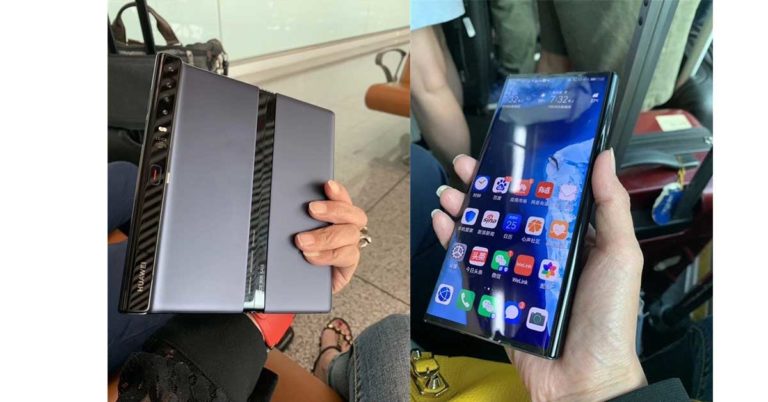
Recently Samsung’s foldable phone Galaxy Fold was finally made available in the international markets. Now is the turn of Huawei’s Mate X. The South Korean Company Samsung made Galaxy Fold available last week in its home market after crossing so many hurdles. Like Samsung, the Chinese smartphone maker Huawei is also preparing to release Huawei Mate X into the market after delaying it for several months. The Company’s CEO, Richard Yu revealed at the ongoing IFA 2019 that they will launch the Mate X anytime soon, in all probability next month.
Huawei has been delaying the launch of its foldable device Mate X to make sure it meets the quality requirements. This indicates that they have learned from Samsung’s mistake of launching the Galaxy Fold too early before it was market-ready. Huawei Mate X is being optimized to meet the company’s tough and superior requirements before the launch of the foldable handset. Now the Huawei CEO has confirmed that the handset will be launched in October this year.
As per a report, CEO Richard Yu gave the reason not being market ready for the delay of Mate X release. Yu said he’d hoped the phone would be on sale already, but because of the rollout of 5G and the need to give app developers time to adapt to their apps with the new screen size is also the reason why its arrival was being delayed.
Last month it was reported that the company is expected to bring the smartphone in the market sometime in November, but now he confirmed at IFA 2019 that it is ready to arrive in the market sometime next month.
He said”Maybe next month we can start to sell it globally,” he further added “The manufacturing of this phone is not only very expensive but has some challenges for volume and mass production.” He too confirmed the presence of Kirin 990 chip, into the upcoming foldable device. Huawei Mate X was first introduced at MWC in Barcelona earlier this year in February.
Mate X is a bit different from the already launched Samsung’s Fold that opens like a book but Mate X has a curved screen around the outer surface that fold outwards. The unfolded screen has 8-inches while the folded phone has a 6.6-inch AMOLED display. The phone is 11 mm thick when folded and does not have a headphone jack.
On September 10, that is tomorrow, premium smartphone brand Apple is going to launch a new series of iPhone 11. The event will be held at Steve Jobs Theatre in Cupertino, California. For the first time, the company will be livestreaming the unveiling of the most anticipated smartphone of the year. The smartphone manufacturer has also posted a YouTube page invitation for its iPhone launch event. The company will broadcast the live event tomorrow at 10 am PDT (10:30 PM IST).
The live streaming page says“Cupertino calling. Join us for an Apple special event live from the Steve Jobs Theater on September 10 at 10 a.m. PDT. Set a reminder and we’ll send an update before the show.”
Previously Apple had limited the live streaming of launch events to its official website and devices, but for the first time in the history of Apple, the company will broadcast the event live on YouTube other than its official website. To recall the company for the first time broadcasted the unveiling of the iPhone 10 live on social media platform Twitter. This time all over the world the fans of Apple iPhone who were waiting for the launch of the iPhone 11 can witness the event live sitting in their homes or offices on the YouTube app or its Web client.
At the Apple Park headquarters in Cupertino, California the company is expected to unveil three new iPhone models. The new series will of Apple’s iPhone 11 is expected to come with new design along with 5G support and new camera capabilities. The company will come up with three new handsets iPhone 11, iPhone 11 Pro and iPhone 11 Pro Max. The lineup will be powered by the A13 processor and will be supporting reverse wireless charging. The phones are the successor of iPhone XR, XS and XS Max. Recently iPhone analyst Ming-Chi Kuo revealed that the new series of iPhone 2019 will pack larger batteries for longer battery life. It is expected to house a 3,110mAh battery.
As we mentioned earlier upcoming models will have the support for reverse wireless charging that will also allow the AirPods to charge easily. The security features will include Face ID biometric. Out of three iPhone 2019 models, two will be featuring a triple rear camera set up. Additionally, the XS model is expected to arrive with a bigger 6.1-inch display screen than its predecessor that possesses a 5.8-inch display.
The USB Implementers Forum announced the USB4 specifications. The USB4 is built upon the existing USB 3.2 and USB 2.0 architectures. USB4 architecture is based on the Thunderbolt protocol. It doubles the maximum aggregate bandwidth of USB and enables multiple simultaneous data and display protocols. The organization first announced the development specifications of the USB4 back in Mack 2019. And now the USB Implementers Forum has officially announced its availability for download.
The key highlights of the USB4 include support for Two-lane operation using existing USB Type-C cables and Will be supporting up to 40Gbps operation over 40Gbps certified cables. It will also support the max speed of earlier cables as well as interfaces.
Additionally, it will increase the sharing of maximum aggregate bandwidth between multiple data and display protocols without any wastage of data while sending multiple signals. It is compatible with USB 3.2, USB 2.0 and Thunderbolt 3. Although the users will still be able to connect their old devices with the USB Type-A or USB Type-B connectors to the latest USB4 laptops as well as supported machines however this will be only possible via dongles. In addition to this, the old and non-reversible connectors do not have support for USB power delivery that offers increased power levels from existing USB standards up to 100W. By means of USB4, the users will be able to connect 4K monitors at 60Hz to their PC or one 5K display.
The USB4 will provide up to 40Gbps speeds that is two times faster than the current USB 3.2 and only available in high-end devices such as MacBook Pro and others. With the integration of Thunderbolt 3, the USB4 will deliver higher speeds to lower-end devices.
“I want it to be a clear distinction. USB 4 is its own architecture with its own set of speeds and try not to get trapped on these dot releases for every single speed. When and if it goes faster, we’ll simply have the faster version of the certification and the brand.” Said USB Promoter Group CEO Brad Saunders in a report.
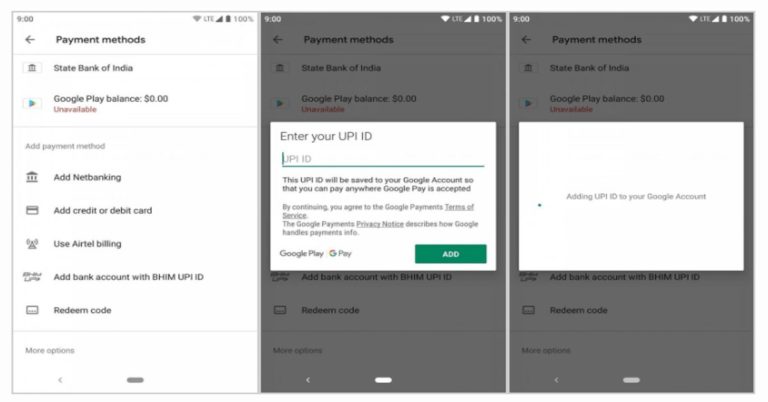
Earlier this week, the Google Play store was spotted displaying Unified Payments Interface (UPI) for its users in India. Before that, the app did not support the option for UPI payment as an alternative option, but now the software technology giant Google has officially announced the addition of UPI as an alternative payment option on the Google Play Store users in the country. Earlier it only accepted payments via credit cards, debit cards, net banking, carrier billing via Airtel and Vodafone, Google Play Gift Cards and Google Play Balance.
The new payment option was spotted on Google Play Store v16.3.37. The most recent version also did not show the payment option. But now the company says that the UPI payment option will show up in the coming weeks. From now onwards for purchasing apps, games, and in-app content the users can use the UPI app of their choice like BHIM, Google Pay, Paytm and PhonePe for making payments.
To use the UPI payment option the user must link their UPI ID (VPA) in Google Play Store Billing in order to make payments directly from their bank account using the method. At present the Google Pay users have to share their card details with Google from now on the users can use their UPI ID so as to make payments to purchase an app from the Google Play Store.
Head of Google Play Retail and Payments Activation, Saurabh Agarwal stated, “Indian app developers are already building successful businesses on the Google Play Store offering a range of great apps across categories, and we are committed to helping them grow. One way to make this happens is to make it even easier for people to pay for apps and in-app content, which is why we are pleased to add Unified Payment Interface (UPI) as a new payment method to the existing roster of credit or debit card, net banking, direct carrier billing, and gift cards options.”
Unified Payments Interface (UPI) is an initiative by the Indian Government to promote digital payments. With the use of UPI, the users in India can transfer or make small payments via UPI transfer. Google’s Google Pay app that was earlier known as Google Tez is already supported by UPI in the country. The app accepts the UPI payment method in India.
To take on its rival Tinder the social media giant Facebook introduced a new dating app called Facebook Dating. The dating app focuses on the people who are looking for meaningful and long term relationships. It helps people to find their love through likes, interests, events, groups and things in common.
Facebook announced the launch of its dating app via blog post in the US. Facebook dating also allows its users to integrate their Instagram posts directly into the dating app profile. The company aims at bringing Facebook and Instagram Stories to Facebook dating profile also by the end of the year. For security and privacy, the app comes with the ability to report and block anyone. Prohibiting people from sending photos, links, payments or videos in messages also by offering simple access to safety tips.
How It Works
In order to create a Dating Profile, the user should be above 18 years old and have downloaded the recent version of Facebook. The Facebook Dating profile is separate from the user’s main profile. The app will also display the profiles that have opted into the dating app. The company says that the user is recommended people based on their preferences, interests and other things they do on Facebook. It does not work like Tinder swiping and waiting for other person to like them. The user can directly comment or hit the like button on the profile they like the most. If you aren’t interested, you can pass on them.
It does not suggest friends from your Facebook profile unless you choose to use Secret Crush and you both add each other to your list. Otherwise, it suggests a match with friends of friends and/or people, not in your friend circle. Facebook confirms that all the dating activity will not be shared on your Facebook profile. People using Facebook Dating can share details of their upcoming date and/or live location with someone they trust via Messenger.
Availability
Besides the US, Facebook Dating is accessible in 19 other countries: Argentina, Bolivia, Brazil, Canada, Chile, Colombia, Ecuador, Guyana, Laos, Malaysia, Mexico, Paraguay, Peru, the Philippines, Singapore, Suriname, Thailand, Uruguay and Vietnam. It will be in Europe by early 2020.
Recently the specification of the OnePlust 7T broke down on the internet. The smartphone is expected to be launched in the coming months. As we are coming closer to the lunch of the new device more reports and leaks about it is pouring in. The latest is about the display of the OnePlus 7T. As per a report, the latest smartphone will arrive with a 90Hz quad HD+ AMOLED panel.
The Oneplus CEO in an interview with CNET gave the confirmation that the smartphone company is working on on a device having a 90Hz quad HD+ AMOLED display screen. This indicates that the upcoming smartphone by the company will cost cheaper than the Current OnePlus 7 Pro. He confirmed that the next product that it is working on will be much affordable. However, he did not reveal much about the specifications. He only revealed that the product will launch very soon.
“OnePlus was the first in the industry to use a QHD Plus 90Hz AMOLED screen with the ultra-premium OnePlus 7 Pro. The overwhelmingly positive feedback pushed us to bring 90Hz, which we believe will become standard on flagship phones, to our highly acclaimed premium lineup so that more people can experience the smooth scrolling display,” he told CNET.
In the interview, he also did not confirm whether the phone it is working on currently will arrive with the same as the Qualcomm Snapdragon 855 that the current one has, but he did confirmed that it being similar.
“We design OnePlus devices to achieve the best fast and smooth experience on the market. We design OnePlus devices to achieve the best fast and smooth experience on the market” he said.
As mentioned earlier last week the specifications of the OnePlus 7T leaked on the internet suggesting that the phone will be powered by Qualcomm Snapdragon 855+ SoC, and it will come with a 3,800mAh battery.
The specifications were leaked by a tipster named Ishan Agarwal that said the handset is expected to arrive in two variants 8GB of RAM along with 128GB and 256GB of internal storage. The tweet also revealed that OnePlus 7T will be offered in two colour options Frosted Silver and Haze Blue colours. Additionally, the phone is speculated to be powered by Qualcomm Snapdragon 855+ SoC. The device will feature a 6.55-inch 2K Super AMOLED 90hz Display with Smaller Notch.
In terms of camera, it is suggested to come with a triple rear camera setup including a 48-megapixel primary camera sensor, a 16-megapixel secondary camera sensor and lastly a 12-megapixel tertiary camera. For selfies, it will have a 16-megapixel camera on the front.
The Chinese smartphone Company Xiaomi has offered smartphones at an affordable price but at the same time is experiencing huge amount of criticism for showing ads on its devices. The company has taken this problem into its consideration and very soon the MIUI users will not experience vulgar ads that pop up every time they use the phones. The MIUI team is now working on to cut down on ads that have now become a trend across all its devices. To curb this problem the Chinese brand is testing an Ad Switch Tool that will allow the users to opt-out of seeing Ads every now and then.
Through a Weibo post, the company’s MIUI Experience Chief has revealed that they recently pushed the final beta of MIUI10. Additionally, he also opened up that they are working on a special switch to close all MIUI system tool ads. “If one thing makes the user very uncomfortable, we will definitely choose to maintain the user experience. So if the advertisement still causes a lot of trouble after you reduce the burden, then turn it off.”
The button will let the users enable or disable the advertisements in system tools such as desktop, calendar, weather, etc. The Weibo post also mentions that the ads switch will come to all supported models along with the next large stable version.
The latest feature is being rolled out to a limited number of MIUI Beta users in China at the initial stage before releasing the feature further. The button can be activated or deactivated by going to the Settings > Privacy Agreement, etc > System tool Advertising. At the moment the latest feature is only available to the latest version of MIUI 10.9.8.29.
“In addition, some students say that they don’t like the information flow of the browser. Similarly, there is a “simple version” in the latest internal browser version of the advanced settings. Home” switch, click, you get a minimalist browser.”
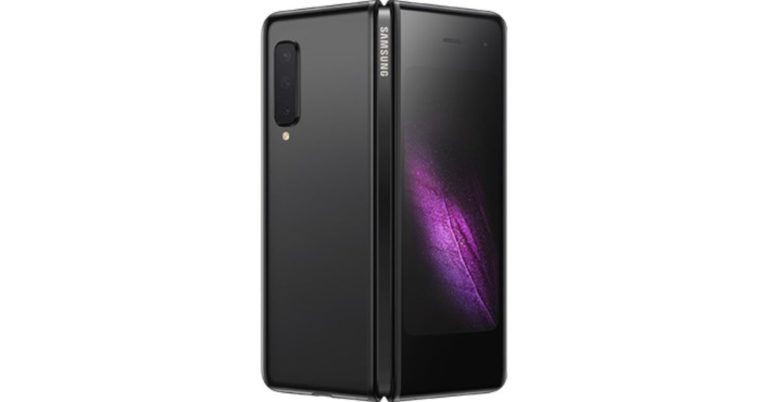
The most anticipated smartphone Samsung Galaxy Fold is now available. The electronic giant now made the smartphone available in Korea followed by select countries including France, Germany, Singapore, U.K., U.S. and so on. The smartphone will be available in Cosmos Black and Space Silver colour options. After postponing the Galaxy Fold for several months the company has finally launched the phone in the market.
“During the past several months, Samsung has been refining the Galaxy Fold to ensure it delivers the best possible experience. Not only we improved the Galaxy Fold’s design and construction, but also took the time to rethink the entire consumer journey.”
Initially, the company will roll out 1,00,000 units in the Korean market. Depending on the demand the company will then bring the entire production of the Galaxy Fold will arrive at a number of 1 million units worldwide.
As per the Samsung India website, the phone will be made available in our colour options Space Silver, Cosmos Astro Blue, and Martian Green Black colour. The Samsung Galaxy Fold will be powered by 7㎚ 64-bit Octa-Core Processor at 2.84GHz (Maximum Clock Speed) + 2.41GHz + 1.78GHz. It will run on Android 9 Pie. The smartphone will come in single 12GB RAM with 512GB internal storage. The phone features a flexible 7.3-inch Dynamic AMOLED Infinity Flex Main Display (2152×1536). The cover display comes with a 4.6-inch HD+ Super AMOLED Display (21:9).
Galaxy Fold has overall six cameras a triple camera set up on the rear panel, dual camera set up within the foldable screen and a selfie camera on the cover. On the cover it has a 10MP Selfie Camera, it has a 10MP selfie camera and an 8MP RGB depth camera front camera and rear cameras have 16MP ultra-wide camera, a 12MP wide-angle camera and a 12MP telephoto camera. The cameras are supported by various camera modes such as Food, Panorama, ProLive focus with bokeh effect, Photo, Video, Super Slow-mo, Slow motion and Hyperlapse.
The company is offering the phone in two models LTE and 5G models. It comes loaded with 4,380mAh (typical) dual battery for the LTE model and 4,235mAh (typical) dual battery for the 5G model. The sensor on the phone includes Capacitive Fingerprint sensor (side), Accelerometer, Barometer, Gyro sensor, geomagnetic sensor, Hall sensor, Proximity sensor and RGB Light sensor. It has all the necessary connectivity options.
“The Galaxy Fold transforms how you capture, share, and edit mobile content. When closed, you can shoot a quick video and then simply open the device to watch it on a larger screen—with App Continuity the video seamlessly transitions from the cover display to the main display. With Multi-Active Window, you can run multiple apps at once in real-time and effectively multitask: Edit footage, browse through the photo gallery for still shots and read emails from friends and co-workers, all at the same time.” said the company.
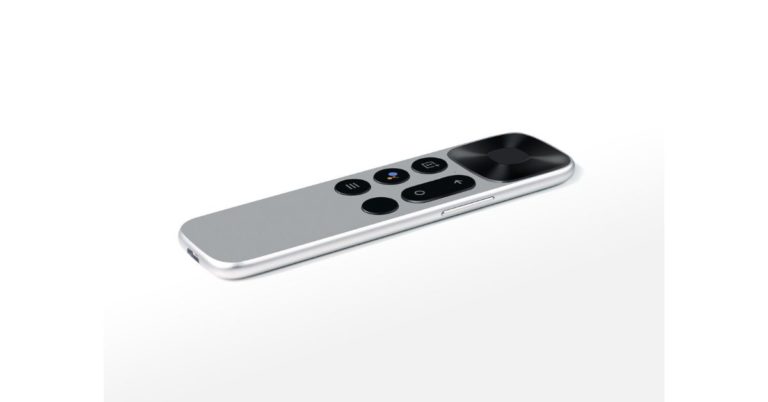
Chinese technology company OnePlus is gearing up to launch its own smart TV this month. The company has already confirmed that OnePlus TV is going to arrive in India first before any place else. Recently, OnePlus’s CEO confirmed that the upcoming smart TV will be powered by the Gamma Color Magic processor, a custom chip built by the company. It is confirmed to run on a modified version of Android TV also. Now the latest is that Pete Lau has shared the first image of its upcoming television’s remote on Twitter and secondly the company has teamed up with Eros Now for content streaming.
OnePlus CEO Pete Lau posted the picture of OnePlus’s TV on its Twitter account. The TV remote has very few buttons on it. It is sleek and has one button for enabling Google Assistant and one can see the company’s logo along with a navigation pad. The silver-coloured remote has a USB Type-C port for charging while on the side it has a volume button. The OnePlus remote is quite identical to the Apple TV remote, in our honest opinion.
Also as said, the smartphone company has now collaborated with Eros Now for the streaming service. Eros now delivers a wide range of Indian content in the country. Through this association, the users will be able to access content on the Eros Now streaming service. Moreover, the company will also partner with Dolby for offering better content to the users.
OnePlus TV’s product page on Amazon reveals the key details of the upcoming smart TV. OnePlus TV will be featuring 8 speakers of 50 watts each with punchy bass. The TV will be powered by Dolby Atmos for a cinematic sound. It will come with a 55-inch 4K QLED screen supported by Dolby Vision for improved colour, contrast and brightness.
Even before its launch rumours and leaks have surfaced online revealing that OnePlus TV models will be powered by MediaTek MT5670 chipset coupled with Mali G51 GPU. The upcoming TV will run on Android TV 9 with 3 GB of RAM. Reports suggest that the smart TV will be supported by Bluetooth 5.0 along with 4K HDR displays and will sport 43-inches, 55-inches, 65-inch, and 75-inches screen sizes.
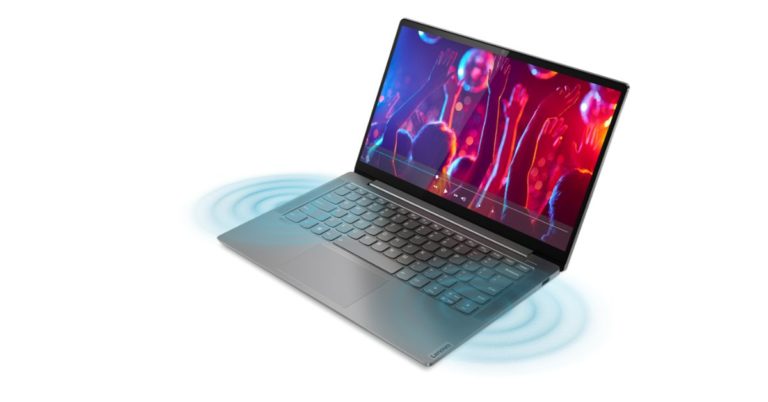
Recently Acer and Asus launched their line of laptops at the ongoing consumer tech show IFA being held in Berlin. Now another electronics giant Lenovo has introduced a series of new Yoga laptops, latest ThinkBook series as well as tablets. In total the company launched four latest Yoga models Yoga C940, Yoga S740, Yoga C740 and the Yoga C640.
All the laptops will be powered by Windows 10 along with Intel’s 10th-generation processors and come integrated with Amazon Alexa virtual assistant. The company teamed up with Intel as part of Project Athena that helped it to develop a slim device with optimised performance and good battery life.
The company has introduced new Yoga laptops in two screen sizes of 15-inch screen and 14-inch screen Yoga C940, Yoga S740, Yoga C740 are available in both 14-inch and 15-inch variants whereas the Yoga C640 is only available in a 13-inch variant. Apart from that, all the devices feature IPS screen with FHD resolution that offers up to 500 nits brightness that makes use of IPS panel that produces vibrant colours along with Super Resolution will upscale video up to FHD 1080p on Windows Media Player.
As per the company the new screen technology is being called Super Resolution. The laptops also come with a feature another like Q-Control that provides a better cooling system that fritters out the heat faster allowing improved battery life.
The two most important features that grab everyone’s attention are the support for Alexa and the Standby Mode. The company states that this service will be available in select markets and with select Lenovo laptops where users will be able to access the Alexa voice assistant service when the lid of the device is shut. They can command the voice assistant even when the lid is open, locked or asleep. Alexa will answer promptly with pop-up messages that will be displayed underneath the screen.
With the Standby mode feature, the users will be able to log into the laptop instantly without having to wait for the mailbox to refresh. The laptop stays connected to the network even when the machine’s lid is closed so that the users don t need to refresh their mailbox. A few of the Latest laptops comes with the support for Wi-Fi 6.
All the devices have Dolby Atmos sound system. The laptop’s camera is supported by a background blur filter, too. The smart features on the Yoga laptops include an IR camera, which now detects that if the user is not present it simply logs off the laptop after a few seconds. If a video is being played and it detects the user’s absence it automatically pauses the video and resumes when the user arrives.
Alongside the yoga laptops, Lenovo also announced two fresh ThinkBooks at the same event. ThinkBook 14 and ThinkBook 15 will start selling from September 6. As of now there is not much information about the availability of the products in India
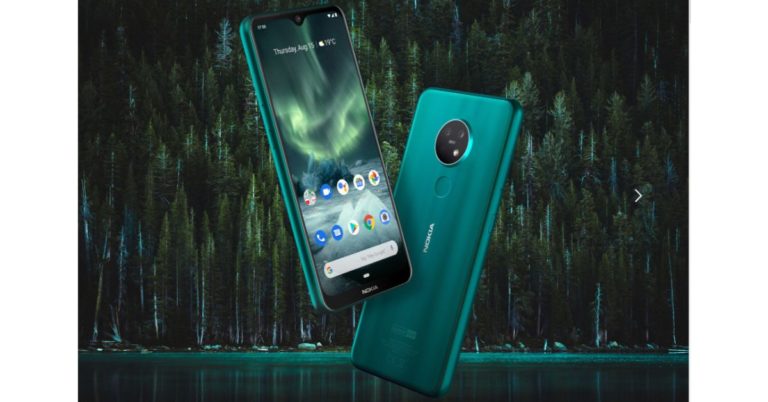
HMD Global introduced two new smartphones at the current going IFA 2019 in Berlin. The company launched Nokia 6.2 and Nokia 7.2 that comes with a triple rear camera setup along with a waterdrop-style notch on the top of the display. Both the smartphones feature a 6.3-inch full-HD+ display. Read on to know more about the specifications and price details.
Nokia 7.2 vs 6.2 price
HMD Global has launched Nokia 7.2 in two storage variants 4GB + 64GB storage and 6GB + 64GB storage variant. The base variant is priced at EUR 299 (approximately Rs 24,000) whereas the elder sibling comes at EUR 349 (approximately Rs 28,000). The smartphone will be available in three colour options – Cyan Green, Charcoal and Ice colours.
Nokia 6.2 has been introduced in two storage variants 3GB + 32GB variant and 4GB + 64GB storage variant, both the variants are priced at EUR 199 (approximately Rs 16,000) and EUR 249 (approximately Rs 20,000) respectively. Nokia 6.2 will come in two colour options Ceramic Black and Ice colour
Nokia 7.2 specifications
Nokia 7.2 features a 6.3-inch full-HD+ display with HDR10 support and a waterdrop notch at the top of the display. The handset is powered by an octa-core Snapdragon 660 SoC, coupled with up to 6GB of RAM. It runs stock Android 9 Pie and houses a 3,500mAh battery. The phone will be offered in three storage variants 4GB RAM + 64GB storage and 6GB RAM + 64GB storage. Currently, the company is offering these two storage variants but soon it will also be offering 128GB storage option.
The smartphone houses a triple rear camera setup placed in a circular module. The set up consists of a 48-megapixel primary camera with an f/1.79 aperture, a 5-megapixel depth sensor and an 8-megapixel wide-angle sensor with an f/2.2 lens. For selfies and video calling it has a 20-megapixel selfie camera up front with an f/2.0 aperture.
Nokia 6.2 specifications
Nokia 6.2 also features a 6.3-inch full-HD+ display with HDR10 support and a waterdrop notch on top. The phone is powered by Qualcomm Snapdragon 636 processor along with 4GB of RAM. The smartphone houses a 3,500mAh battery and it runs stock Android Pie. Similar to its elder sibling Nokia 6.2 will also come in three storage variants of 3GB RAM + 32GB storage and 4GB RAM + 64GB storage variants. The 128GB variant will be launched later on. The memory is expandable via microSD card up to 512GB.
In terms of cameras, this phone also comes with a triple rear camera setup located in a circular module that includes a 16-megapixel primary camera with an f/1.8 aperture, an 8-megapixel wide-angle camera with an f/2.2 aperture and a 5-megapixel depth sensor. On the front, it comes with an 8-megapixel selfie camera with an f/2.0 selfie aperture.