GSMA has announced the cancellations of the 2020 Mobile World Congress. The reason behind the cancellation of the biggest trade show is the fear of the possibility of getting infected by the novel coronavirus.
The GSM Association organiser of the Mobile World Congress has been hosting the biggest trade show in the mobile device world since 2006. Like every year the MWC 2020 was to be held in Barcelona Spain from February 24 to February 27. Now due to the outbreak of Coronavirus, the Association has decided to cancel the trade show as there have already been two cases of coronavirus in Spain.
GSMA statement on MWC 2020, “With due regard to the safe and healthy environment in Barcelona and the host country today, the GSMA has cancelled MWC Barcelona 2020 because the global concern regarding the coronavirus outbreak, travel concern and other circumstances, make it impossible for the GSMA to hold the event.” It further added, “The Host City Parties respect and understand this decision. The GSMA and the Host City Parties will continue to be working in unison and supporting each other for MWC Barcelona 2021 and future editions. Our sympathies at this time are with those affected in China, and all around the world.”
Even before the GSMA’s cancellation of MWC on February 12 many companies that were earlier taking part in the biggest trade show have recently withdrawn from Mobile World Congress (MWC) 2020 with the outbreak of deadly Coronavirus in China and other parts of the world.
Companies such as Amazon, AT&T, Cisco, Amdocs, BT, Ericsson, Facebook, Intel, Deutsche Telekom, HMD Global, MediaTek, Nvidia, McAfee, Nokia, LG, Orange, NTT Docomo, Sony, Vodafone, Sprint, Western Digital, Rakuten, Royole and Vivo have withdrawn their names from the event.
More than 30 companies pulled off from exhibiting as well as participating at the show prior to the Association’s announcement. Companies such as TCL and ZTE even cancelled their press conference but assured that they would still have their booths at the tech show.
Despite AT&T and Nokia’s announcement over their withdrawal from the MWC the GSMA persisted that the show would go on as in Barcelona as planned. While it affirmed that it will follow measures recommended by WHO and will also provide additional medical support and sanitising products across the venue.
The death toll from the coronavirus is on a rise. Earlier this week big companies such as Amazon and Vivo also pulled off from participating at MWC 2020. Amazon issued a statement, “Due to the outbreak and continued concerns about the new coronavirus, the company has decided to withdraw from exhibiting and participating in the Mobile World Congress 2020 event.”
Vivo said, “Vivo has been closely monitoring the Novel Coronavirus Pneumonia (NCP) outbreak and continuously evaluating planned activities. The health and safety of our employees and the public are our top priority. Based on the present situation, we have decided to withdraw from our debut at MWC 2020 and other related events later this month in Barcelona, Spain. We will soon introduce the APEX 2020 concept phone which we had originally planned to showcase at MWC. We will share more updates in due course. We apologize for any inconvenience caused and would like to thank our partners, media friends and consumers for their understanding.”
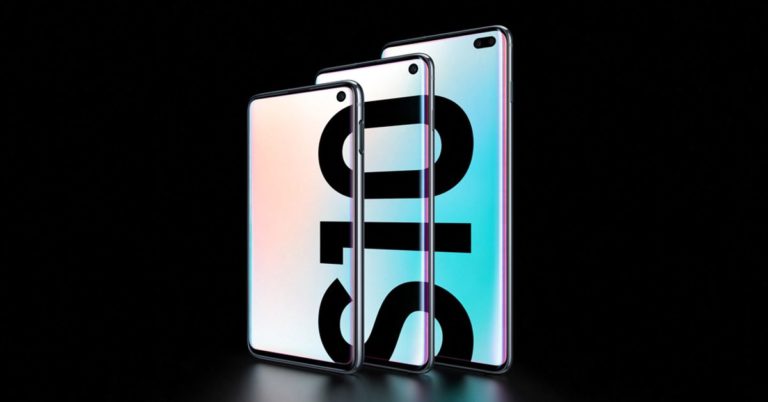
On Tuesday the South Korean smartphone manufacturer Samsung launched the Galaxy S20 series at the Galaxy Unpacked event in San Francisco, California on Tuesday. Following this, the Samsung Galaxy S10 phones have received a massive price cut in India. To recall the S10 series was launched in the country last year in 2019.
After the launch of its new flagship phones, Samsung permanently reduced the pricing of Galaxy S10, Galaxy S10+ as well as Galaxy S10e in the country. The new pricing is now being reflected on Samsung’s official website. But only the 128 storage variants have received a price cut of the Galaxy S10 which means the company has not slashed the price of all the variants.
Starting with Samsung Galaxy S10 that earlier cost Rs 71,000 has now received a price cut of Rs 16,000. The device with 128GB of storage now costs Rs 54,900. The smartphone will be available in Prism Black, Prism Blue and Prism white colours. The ICICI bank customers can receive Rs 5000 cashback using their credit cards. Also, no-cost EMI option is also available with Bajaj Finserv. It features a 6.1-inch QHD+ Curved Dynamic AMOLED Infinity-O display and is powered by an 8nm octa-core Samsung Exynos 9820 SoC processor with 8GB of RAM. It has a triple rear camera and houses a 3,400mAh battery.
Moving ahead the 128 storage variant of the Galaxy S10+ is now available at Rs 61,900 down from Rs 79,000. The device receives a price cut of Rs 17,100. The mobile phone comes in five colour variants: Prism white, Prism black, Prism blue, Ceramic black and Ceramic white. Same offers as of S10 are available on the purchase of S10+. It sports a 6.4-inch QHD+ Curved Dynamic AMOLED Infinity-O display. The phone is powered by 8nm octa-core Samsung Exynos 9820 SoC, with up to 12GB of RAM. It also has triple rear cameras and houses a 4,100mAh battery.
The Samsung site earlier flashed the price of Galaxy S10e at Rs 55,900. After the price drop, the phone can be purchased at Rs 47,900. The Company has reduced Rs 8000 on the smartphone. It comes in two colour variants: Prism Black and Prism White. Galaxy S10e features a 5.8-inch full-HD+ Flat Dynamic AMOLED Infinity-O display as is powered by the same processor as of Galax S10 and S10+.
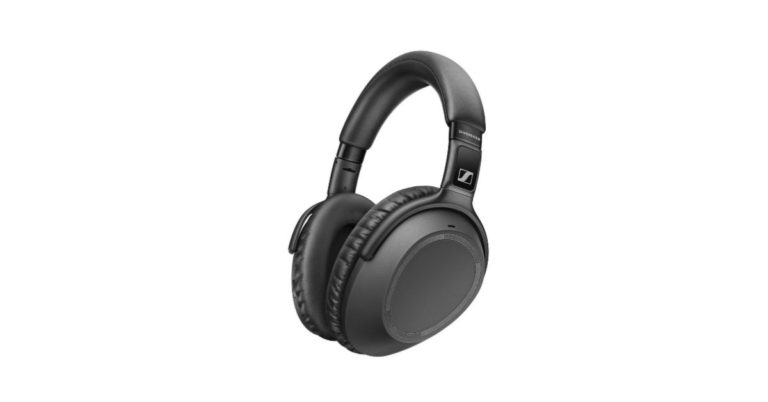
German audio brand Sennheiser today announced the launch of its new wireless headphones in India. The company introduced Sennheiser PXC 550-II Wireless headphones in the country. The audio device comes with a noise cancellation feature as well as Bluetooth 5.0 connectivity.
On the launch, Mr. Kapil Gulati, Director, Consumer Segment, Sennheiser Electronics India, said, “PXC 550-II is built to offer the best in class audio for both music and calls. This headset has been created to provide an unrivalled experience of sound quality and wireless freedom to its consumers on the go. The PXC 550-II is the right blend of superior comfort, style, elegance and sound output. This extraordinary headset is going to revolutionize the way we experience sound as well as ambient noise and will taking the audio experience to the next level.”
Starting with the design first, the PXC 550-II Wireless headphones come with a padded synthetic leather headband, and rotating ear cups for a perfect fit. The company has used the premium lightweight materials like brushed black stainless steel on the robust hinges and sliders that keeps that provides comfortable wearing without fatigue. The fold-flat design makes them compact as well as portable.
The newly launched Sennheiser wireless headphones are integrated with an adaptive noise cancellation feature supported by a new Anti-Wind ANC setting. It comes with Bluetooth 5.0 compatibility and AAC codec support for superior wireless listening. The headphones also support the new Voice Assistant button that provides one-touch access to voice assistants such as Siri, Google Assistant and Amazon Alexa. With aptXTM support the headphones deliver outstanding clarity, balance and dynamics while listening to music or watching movies whereas aptXTM Low Latency ensures audio stays in perfect sync with onscreen media.
According to the company, the Sennheiser PXC 550-II Wireless headphones’ active noise cancellation feature adapts to ambient noise levels to provide the exact level of suppression needed while travelling in a bus, metro or a train.
The device is touch-enabled the right ear cups can be used to adjust volume, play/pause or skip tracks. This also allows you to receive an incoming call. The headphones automatically turn on and get connected to your device via Bluetooth when they are unfolded. It comes with a Smart Pause feature that automatically detects and pauses the audio when the user takes them off and resumes when they are put back on.
The wireless headphones are provided with a Voice Assistant button that launches voice assistant Siri, Google Assistant and Amazon Alexa. For more personal audio experience the Sennheiser’s free Smart Control app allows you to choose from a selection of presets for different types of audio or customize the sound with the intuitive equalizer as per your liking. With the help of the app, one can also adjust the noise cancellation as well as update the device with the latest firmware.
Price and Availability:
The Sennheiser PXC 550-II Wireless headphones will be available from February 12th across the country at Rs 29,990. PXC 550-II will be available across online and offline platforms.
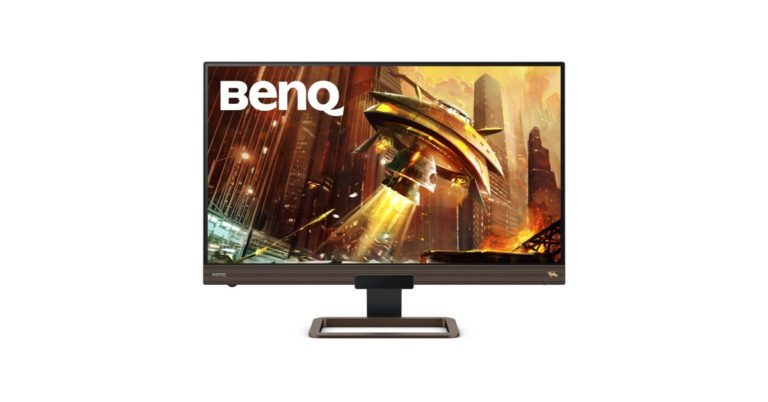
Electronics maker BenQ has announced the launch of its new Gaming monitor in India. The company expanded its product portfolio with the introduction of the BenQ EX2780Q gaming monitor. The device comes integrated with the company’s own HDRi technology with intelligent visual optimization. It comes with a 27-inch QHD display plus a 144Hz refresh rate along with FreeSync.
Rajeev Singh, Managing Director of BenQ India said, “Gamers spend long hours on the monitor for enjoyment and honing their skills. Thus, it is important to provide the best features without compromising on visual health. Our monitors come with HDRi feature and treVolo Speakers for a wonderful gaming experience with least strain on the eyes.”
The newly launched gaming monitor features a 27-inch QHD+ IPS panel with 144Hz of refresh rate. It comes equipped with the company’s own proprietary HDRi technology supported by B.I+Tech which enhances visual contents with intelligent control along with stunning clarity and vivid colours. It also improves HDR overexposure visual effects that sometimes causes strain in the eyes in the long run. The monitor is provided with a built-in sensor that detects ambient light levels as well as image content to automatically adjust screen brightness. There are three pre-set modes that include Game HDRi, Cinema HDRi, and Display HDR for better viewing experience under various scenarios.
BenQ Gaming Monitor EX2780Q is provided with a 2.1 channel speaker system for enhanced sound quality. There is a 2W speaker for HD sound and a 5W woofer for the well-drained bass. With the five customized sound modes such as Game, Cinema, Pop/Live, Dialog/Vocal, and Rock/Party the device delivers well-defined bass to the high-end sounds to intensify the audio.
Keeping in mind the user’s health the device comes with three eye acre features such as Brightness Intelligence Plus (B.I.+), Flicker-free Technology that helps in removing the screen flicker that is responsible for eye fatigue and Low Blue Light Technology filters out harmful blue light.
BenQ EX2780Q pricing and availability
BenQ EX2780Q gaming monitor will a price tag of Rs 36,990. The gaming monitor can be purchased via the e-commerce website Amazon.
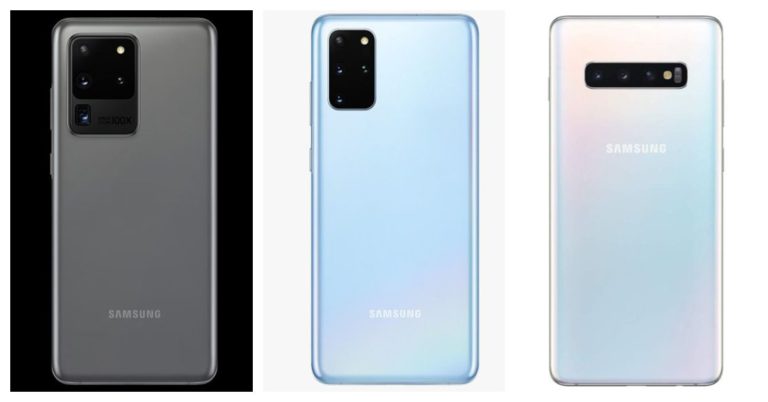
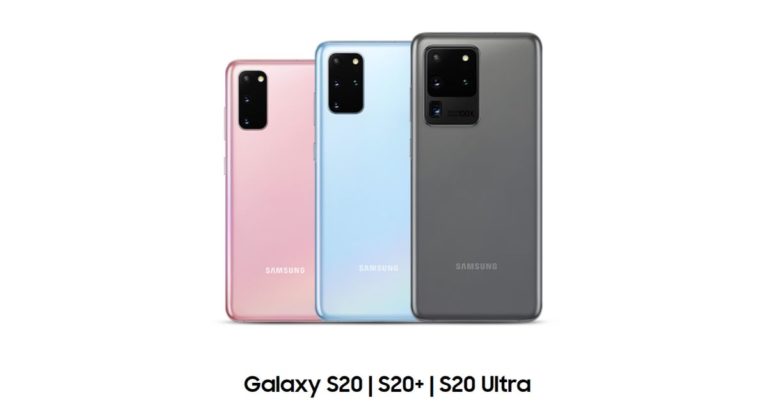
On Tuesday Samsung launched its latest flagship phones at the Galaxy Unpacked event in San Francisco, USA. The company introduced new smartphones under its refreshed S series namely Galaxy S20, Galaxy S20+ and Galaxy S20 Ultra. The two high-end devices S20+ and Ultra come with a bigger display, quad cameras along with some great specifications. Initially, the devices will be available in Korean as well as the US markets. So today we have put both the devices against 2019’s Samsung Galaxy S10+ to see how the newly launched devices compare with its predecessor.
Samsung Galaxy S10+: 8GB of RAM clubbed with 128GB or 512GB or 1TB storage options
Battery
Samsung Galaxy S20 Ultra: ,5000mAh battery
Samsung Galaxy S20+: 4,500mAh battery
Samsung Galaxy S10+: 4,100mAh battery
Operating system
Samsung Galaxy S20 Ultra: One UI 2.0 based on the top of Android 10
Samsung Galaxy S20+: One UI 2.0 based on the top of Android 10
Samsung Galaxy S10+: Android 9.0 Pie skinned with Samsung’s One UI
Price
Samsung Galaxy S20 Ultra: $1,399 that translates to Rs 99,800
Samsung Galaxy S20+: $1,199 that translates to Rs 85,500
Samsung Galaxy S10+: Rs 61,900
Our Take
By looking at the spec sheet it is clear that Galaxy S20+ and Galaxy S20 Ultra offer a bigger display than its predecessor. In terms of hardware both the newly launched devices come with the latest processor whereas S10+ comes with Qualcomm’s Snapdragon 855 chipset. The predecessor is 4G enabled whereas both S20+ and Ultra offer 5G connectivity. The camera on the S20+ Ultra sets it apart from the 2019’s S10+ and S20+. But for those who are planning to upgrade and are on a slightly lower budget the Samsung Galaxy, S20+ is a good choice.
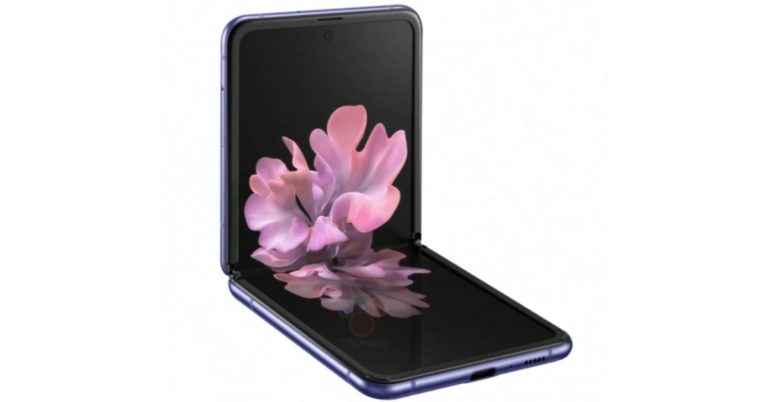
The South Korean smartphone manufacturer Samsung hosted Galaxy Unpacked in San Francisco, California on Tuesday. At the launch event, the company introduced its much-awaited smartphone Samsung Galaxy Z Flip along with the Galaxy S20 series. The square-shaped foldable smartphone has been part of several leaks and rumours prior to its official launch. Ahead of the launch the device also premiered in an advertisement during Oscars 2020. This is the company’s second smartphone with a foldable design but this one opens and closes vertically along with an Infinity Flex display. To recall last year Samsung launched Galaxy Fold that opens and closes horizontally.
Samsung Galaxy Z Flip when closed
In This Article
Samsung Galaxy Z Flip pricing and availability
The company launched Samsung Galaxy Z Flip in two colour variants Mirror Black and Mirror Purple. Soon Samsung will also introduce the phone in a Mirror Gold colour variant. The device will be available in the select markets including South Korea and the US from February 14 onwards. Samsung has launched the foldable phone with a price tag of $1,380 that translates to Rs 98,400.
Samsung Galaxy Z Flip when opened
Samsung Galaxy Z Flip Specifications
Samsung Galaxy Z Flip features a 6.7-inch full-HD Dynamic AMOLED (Infinity Flex) display with 1080×2636 pixels of resolution and a 21.9:9 aspect ratio. The outer display is a 1.1-inch Super AMOLED display with 303ppi pixel density and 300×112 pixels of resolution. The device draws its power from a 7nm octa-core processor coupled with 8GB RAM and 256GB internal storage. The internal storage can not be expanded as there is no microSD card slot.
In terms of camera capabilities, Galaxy Z Flip comes with a dual rear camera set up that consists of a 12-megapixel wide-angle camera with f/1.8 aperture and 1.4um pixel size with a 73-degree field of view and another 12-megapixel ultra-wide camera with f/2.2 aperture with 1.12um pixel size and 123-degree field of view. The set up also supports HDR10+ video recording. On the front, there is a 10-megapixel selfie camera with f/2.4 aperture with 1.22um pixel size and 80-degree FoV.
Samsung Galaxy Z Flip rear panel
Samsung Galaxy Z Flip packs a 3300mAh battery with fast charging support and wireless PowerShare. In terms of connectivity, there is 4G LTE, Wi-Fi 802.11ac, Bluetooth v5.0, USB Type-C, NFC, MST, and GPS. Sensors on the phone include an accelerometer, ambient light sensor, barometer, fingerprint sensor, gyroscope, magnetometer, and proximity sensor. The device measures 87.4×73.6×17.33mm when folded, 167.3×73.6×7.2mm when it is opened and weighs 183 grams. The smartphone opens and shuts vertically rather than like a book. The company has used an Ultra-Thin Glass display instead of plastic the one that has been used on the Samsung Galaxy Fold. According to the company, the glass display is going to last for 200,000 folds. However, the device does not support 5G connectivity, unlike the S20 series that also made its debut at the same event.
After making so much hype Samsung finally took the wraps off its new S series devices Samsung Galaxy S20, S20 Plus and S20 Ultra. The three smartphones were launched at the Galaxy Unpacked 2020 event in San Francisco, California on Tuesday. The series is the successor to the Galaxy S10 family. The company has been upgrading its Galaxy S series every year, so this year too the company launched S20 and S20 Plus. Usually, the company launches two devices under this series but Galaxy S20 Ultra is a new addition in the family that comes with a 108-megapixel rear camera and a 40-megapixel selfie camera. Each phone will support 5G in the US and other select markets. Read on to know more details about the refreshed series.
In This Article
Samsung Galaxy S series pricing and availability
The company launched three smartphones under its S20 series namely Samsung Galaxy S20, S20 Plus and S20 Ultra. The Galaxy S20 will be priced at $999 that translates to Rs 71,126 whereas Galaxy S20 Plus comes at $1,199 that translates to Rs 99,800. Lastly S20 Ultra will be carrying a price tag of $1,399 that translates to Rs 99,800. The preorders will commence from February 21 onwards. The company has not revealed the Indian pricing and availability but soon the devices will arrive in the Indian market.
Samsung Galaxy S20 specifications
The device runs on One UI 2.0 based on the top of Android 10. It features a 6.2-inch QHD+ Dynamic AMOLED screen (Infinity-O display) with 1,440×3,200 pixels of resolution. It offers a high refresh rate of 120Hz. Under the hood, there is a 7nm octa-core Exynos 990 processor or will get Qualcomm Snapdragon 865 in select markets. It will be offered with 12GB RAM and 128GB inbuilt storage that can be expanded up to 1TB using a microSD card. For biometrics, the company has provided Ultrasonic in-display fingerprint sensor and face unlock feature. It is IP68 certified for dust and water resistance.
For photos, there is a triple rear camera set up consisting of a 12-megapixel wide-angle sensor with f/1.8 aperture, a 64-megapixel telephoto sensor with f/2 aperture and a 12-megapixel ultra-wide sensor with f/2.2 aperture. The camera set up also supports 3x Hybrid Optic Zoom and 30x Super-Resolution Zoom. For selfies, there is a 10-megapixel autofocus sensor with f/2.2 aperture.
Galaxy S20 packs a 4000mAh battery supported by 25W fast charger, wireless charging and PowerShare support.
Samsung Galaxy S20+ specifications
The Smartphone is similar to S20 in some aspects. Starting with the differences first, Galaxy S20+ as a 6.7-inch QHD+ Dynamic AMOLED screen(Infinity-O display) with 1,440×3,200 pixels of resolution. It comes with a larger battery with a capacity of 4,500mAh with wireless charging and PowerShare support. The device is powered by the same processor coupled with 12GB of RAM and with two storage options of 128GB and 512GB. Both the storage options can be expanded up to 1TB via a microSD card.
Here in Galaxy S20+, you get an additional camera sensor which means the device features a quad-camera set up. The setup consists of an additional rear depth camera that makes use of the ToF feature for better subject recognition. Else all the other camera sensors including the selfie camera are the same as the Galaxy S20.
Samsung Galaxy S20 Ultra specifications
Samsung Galaxy S20 Ultra is the biggest among the other two siblings. You get a 6.9-inch QHD+ Dynamic AMOLED screen (Infinity-O display) with a pixel count of 511ppi. Here also the same goes for the processor you get either Exynos 990 or Snapdragon 865 processor with two RAM options of 12GB and 16GB paired with 128GB or 512GB. Both the storage options can be expanded up to 1TB via a microSD card.
The camera set up of Galaxy S20 Ultra consists of a 108-megapixel camera sensor with an f/1.8 aperture along with a 48-megapixel telephoto sensor with f/3.5 aperture. Further assisted by a 12-megapixel ultra-wide sensor with f/2.2 aperture and a ToF VGA camera. The camera system supports 10x Hybrid Optic Zoom and 100x Super-Resolution Zoom. On the front, there is a 40-megapixel selfie camera with f/2.2 aperture.
The device houses a 5000mAh battery that is supported by 45W fast charging it also supports wireless charging and PowerShare feature.
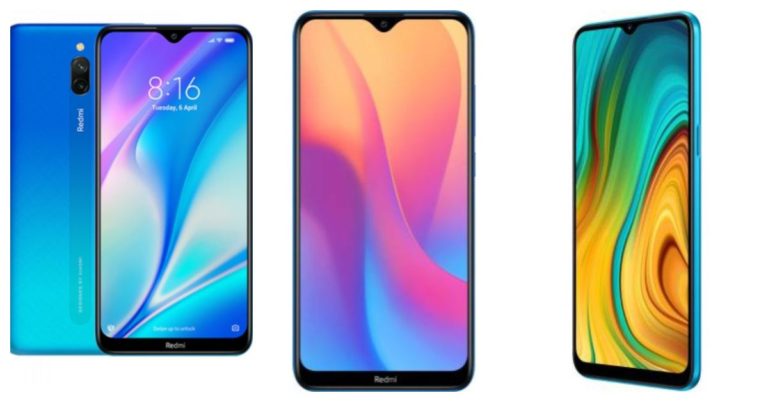
The Chinese smartphone manufacturer Xiaomi today launched Redmi 8A Dual in India at affordable pricing. The Smartphone is the successor of Redmi 8A that was launched in the country in 2019. Redmi 8A Dual is powered by a Qualcomm Snapdragon 439 processor as well as a 5000mAh battery. The device will take on Realme C3 which was launched last week only in the same price segment. Let’s compare Redmi 8A Dual with Redmi 8A and Realme C3 to know which is the best buy.
In This Article
Display
Redmi 8A Dual:6.22-inch HD+ display with a 720 x 1520 resolution and a 19.5:9 aspect ratio
Redmi 8A:6.22-inch HD+ display with 19:9 aspect ratio along with Corning Gorilla Glass 5 protection
Realme C3: 6.5-inch mini drop full-screen display and a waterdrop notch
Redmi 8A: Android 9 Pie along with MIUI 10 skinned on top
Realme C3: Realme UI that is based on Android 10 and ColorOS 7
Price
Redmi 8A Dual: Rs 6,499
Redmi 8A:Rs 6,499
Realme C3: Rs 6,999
Our Take
If we consider the pricing then there is hardly any difference in the pricing of all the three devices. But if you need a phone with better cameras then the newly launched Redmi 8A Dual is a better option as it offers a 13-megapixel primary sensor and a 2-megapixel secondary sensor. But Realme C3 comes with a larger display than the other two Redmi phones.
The South Korean smartphone manufacturer Samsung today is going to host Galaxy unpacked event 2020 in San Francisco, California. During the launch, the company is going to launch two new devices namely Samsung Galaxy S20 series as well as Galaxy Z Flip. Alongside both the smartphone the company is expected to introduce Galaxy Buds+.
The company is rumoured to launch three phones under the Galaxy S20 series namely Galaxy S20, Galaxy S20+ and Galaxy S20 Ultra.
In This Article
How to watch the live stream of Samsung Galaxy Unpacked event 2020
The Galaxy Unpacked Event is going to be held today in San Francisco, California. The launch event will begin at 11 AM PST which is February 12 at 12.30 midnight IST. If you have not received the invitation and do not want to miss the live-action then you can watch it live at the dedicated microsite.
Samsung Galaxy S20 series and Galaxy Z Flip expected pricing
Recently we came across a report that revealed the pricing of both Samsung Galaxy S20 Series and Galaxy Z Flip. as we already mentioned that the company is rumoured to launch three devices under the S20 Series. The Galaxy S20 is expected to come with a price tag of $999 that translates to Rs 72,000 whereas the Galaxy S20+ is expected to carry a price tag of $1,199 that translates to Rs 85,400. Lastly, Galaxy S20 Ultra is expected to launch at $1,399 that translates to Rs 99,600.
The much-awaited square-shaped foldable phone Galaxy Z Flip is going to debut at the Galaxy Unpacked event 2020. It is rumoured to come with a price tag of 1,500 euros that translates to Rs 1,17,000 as per Indian currency.
On the other hand, the company will also bring Samsung Galaxy Buds+ at the event. As per a leaked listing, the audio device is going to carry a price tag of $149 that translates to Rs 10,610.
Image courtesy: Evan Blass
Samsung Galaxy S20 series expected specifications
The reports suggest that Galaxy S20 will be featuring a Full HD+ display offering a 120Hz refresh rate. It is expected to be powered by a Qualcomm Snapdragon 865 processor. The smartphone will have multiple cameras, a 12MP primary sensor, a 64MP telephoto lens, and a 12MP ultra-wide camera. Whereas the high-end model is going to consist of a 108-megapixel ISOCELL Bright HMX primary sensor. The Galaxy S20 is said to come with a 4,000mAh battery, whereas S20+ will pack a 4,500mAh battery and the Ultra model will be housing a 5,000mAh battery.
Samsung Galaxy Z Flip specifications
Samsung is going to launch another foldable phone that opens and shuts vertically. The device is said to be powered by the latest Qualcomm Snapdragon 855+ processor coupled with 8GB of RAM and 256GB of internal memory which is not expandable. It will come with a 3,300mAh battery with a 15W charger and will also support up to 9 watts of wireless charging. The fingerprint scanner will be on the edge of the case on one side.
Image Courtesy: WinFuture
The reports suggest that there will be two main cameras one on the back with a resolution of 12 megapixels. The primary camera sensor has an F/1.8 aperture and a 123-degree field of view whereas the ultra-wide-angle camera offers F/2.2 aperture. The flexible screen will have a selfie camera of 10 megapixels with F/2.0 aperture.
After Intel, Sony, LG Electronics, Ericsson, Nvidia, NTT DoCoMo, and Amazon now Vivo has to withdraw from Mobile World Congress (MWC) 2020, due to the coronavirus outbreak. With the outbreak of deadly Coronavirus in China and other parts of the world, many other electronic giants have pulled out their names from the upcoming event. The event is going to be hosted in Barcelona, Spain starting February 24 to February 27.
The Chinese smartphone manufacturer in its statement said, “Vivo has been closely monitoring the Novel Coronavirus Pneumonia (NCP) outbreak and continuously evaluating planned activities. The health and safety of our employees and the public are our top priority. Based on the present situation, we have decided to withdraw from our debut at MWC 2020 and other related events later this month in Barcelona, Spain. We will soon introduce the APEX 2020 concept phone which we had originally planned to showcase at MWC. We will share more updates in due course. We apologize for any inconvenience caused and would like to thank our partners, media friends and consumers for their understanding.”
The company had planned to showcase its Apex 2020 concept phone at Mobile World Congress (MWC) 2020 trade show. But now the company has decided to withdraw from exhibiting and participating from the event on health and safety grounds.
The death toll from coronavirus is on the rise and it has infected more than 42,000 people globally including India. On Sunday popular e-commerce company Amazon also issued a statement that says, “Due to the outbreak and continued concerns about the new coronavirus, the company has decided to withdraw from exhibiting and participating in the Mobile World Congress 2020 event.”
Other companies such as Intel, Ericsson, Sony and Nvidia have also decided to skip the event that will take place in Barcelona from February 24.
Today Xiaomi India has launched its new smartphone under the budget segment in India. The company rolled out Redmi 8A Dual in the country. The key highlights of the device include a 5000mAh battery with a Qualcomm Snapdragon 439 processor along with a dual camera set up. Alongside the smartphone, the company also launched Redmi power banks. These two devices were already launched by Xiaomi in China last year in 2019.
In This Article
Redmi 8A Dual and Redmi Power Banks pricing and availability
Xiaomi Redmi 8A Dual has been introduced in the country in two variants 2GB RAM with 32Gb of storage and 3GB of RAM with 32GB of storage. The former has been priced at Rs 6499 while the former’s price has been set at Rs 6999. It will be available in three colour options: Sea Blue, Sky White and Midnight Grey. The device will go on its first sale via e-commerce platforms Amazon, Mi.com as well as Mi Home stores from February 18 at 12 noon onwards.
The company also launched Redmi power banks in two capacities of 10,000mAh and 20,000mAh. The 10,000mAh model will be available at Rs 799 whereas the 20,000mAh model’s price has been set at Rs 1499. This will also go on sale from February 18.
Redmi 8A and Redmi power banks specifications
Starting with Redmi 8A Dual, which is also an upgraded variant of Redmi 8A which was launched in the country last year. The newly launched device features a 6.22-inch HD+ display with water drop notch and 1520×720 pixels of resolution that is protected by a Corning Gorilla Glass 5. The smartphone draws its power from the Qualcomm Snapdragon 439 processor coupled with up to 3GB of RAM and 32GB of internal storage. The storage can be expanded up to 512GB via a microSD card.
In terms of cameras, Redmi 8A Dual comes with a dual camera set on its rear panel. The set up consists of a 13-megapixel primary sensor and a 2-megapixel secondary sensor. While on the front there is an 8-megapixel selfie camera.
Redmi 8A Dual has a P2i coating that makes it splash resistant. It packs a 5000mAh battery that is supported by an 18W fast charging technology. However, the company provides a 10W charger out of the box.
The Chinese company also launched Redmi Power Bank in the country in two capacities 10,000mAh and 20,000mAh. Redmi Power Bank 10,000mAh model comes with a 10W charging support whereas the 20000mAh model offers 18W two way fast charging support. Both models are capable of charging two devices at the same time. To charge the devices one can use either MicroUSB or USB Type-C port.
The Chinese smartphone company Xiaomi sub-brand Redmi is all set to launch its new smartphone in India today. The company is going to launch Redmi 9A which is also a successor to Redmi 8A which was launched last year in the month of September. The device will be introduced under the budget segment targeting the youth. It’s been a week now since the company has been teasing the phone across all its social media channels. Read on to know more about its expected pricing as well as its specifications.
Redmi 9A expected pricing and how to watch the live stream
Xiaomi India is going to launch its new smartphone Redmi 9A in India today. The launch event is going to begin at 12 noon onwards and will be live-streamed via Mi.com as well as its social media channels and Amazon India. The e-commerce website is the official sales partner of Redmi 9A. Both Mi.com and Amazon India website have been teasing the phone on their own platforms to reveal its key features.
As we are already aware that Redmi 9A is the successor of Redmi 8A so it is going to come with upgraded features as well as specifications. The company has not revealed the pricing of the upcoming device but we can expect the pricing will be similar to its predecessor. Redmi 8A was launched with a price tag of Rs 6,499 for the 2GB of RAM with 32GB of storage and the GB of RAM with 32GB of internal storage option was priced at Rs Rs 6,999.
The company has been teasing the phone via a dedicated microsite on Mi.com and Amazon. Redmi 9A has been teased with a tag line such as ‘Desh ka dumdaar smartphone’. As per the microsite, the device is going to come with a 5,000mAh battery along with good camera capabilities. The smartphone will be featuring a dual rear camera setup. In addition to this, the handset is expected to be powered by MediaTek Helio G70 processor.
Besides this, the company is going to launch other products other than the smartphone. Today Redmi will launch Redmi power bank with 10,000mAh capacity and 20,000mAh. To recall Xiaomi launched both the power banks in China last year. In its home market both the devices have been priced at CNY 59 that translates to Rs 602 and at CNY 99 that translates to Rs 1,000 respectively.
Alongside Redmi 9A and Redmi power banks, the Chinese company will launch RedmiBook 13 today. The company announced the arrival of the device via a recent teaser video. RedmiBook was also launched in China last year prior to its India launch. There the notebook was priced at CNY 4,199 that translates to Rs 42,900. It features a 13.3-inch full-HD anti-glare display. The upcoming notebook is powered by a 10th generation Intel Core processor.
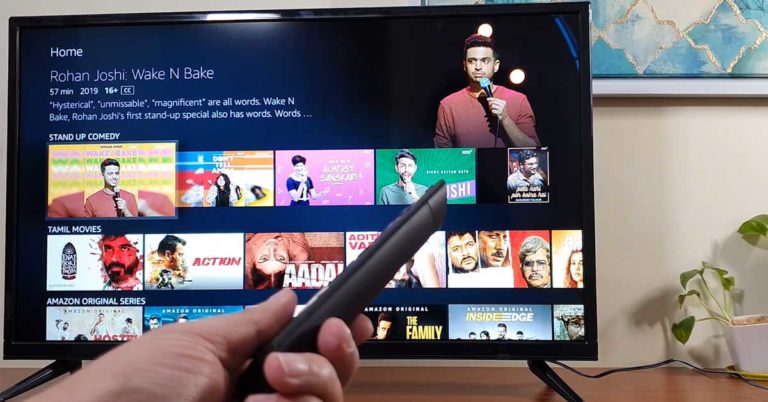
Onida was a household brand in the late ’80s and most of the ’90s. However, with the emergence of television from makers such as Samsung and LG, the homegrown brand has always been on the back foot ever since. Now the game has changed as Onida has partnered with Amazon and brought Onida Fire TV Edition 32-inch TV to the India market. This is the first of its type from the Indian company, which is trying to make a comeback in the already thick TV market. We got our hands on the Onida Fire TV Edition 32-inch and this is our review of the new smart TV.
In This Article
Onida Fire TV Edition 32-inch TV Design and Display
Upfront the Onida Fire TV Edition 32-inch TV looks like any other flatscreen in the market. Black plastic bezels hold the 32-inch LED flat tube. The front also has the Onida branding at the bottom. The box contains the table feet as well as the wall mount. Setting it up is easy and with the supplied screws as well as an easy to understand user guide, you can set it up in no time. The TV set weighs 4.5 Kg, which is not heavy at all to work with.
Onida Fire TV Edition 32-inch TV has twin down-firing speakers, which have 16W RMS output. The rear is also made up of plastic that has a lot happening on it. The right bottom has the single-use joystick button that can be used to change channels and also volume. The rear has two ports placements. One is on the side that holds 3 HDMI, 1 USB and a 3.5mm headphone port. The bottom has a down-facing port panel that has Ethernet, Antenna, composite and a power port. Both are accessible easily since the TV is light to manoeuvre.
The Onida Fire TV Edition 32-inch TV comes with a minimalistic remote that has all the essential buttons as well as quick buttons for Amazon Prime, Netflix etc. It also has a MIC on it since the TV is a smart one. One can just talk to Alexa and find their latest OTT programs with a push of a button. 2 triple ‘A’ cells power the remote and those also come in the box.
Performance
Let’s get this out of the way, the Onida Fire TV Edition 32-inch TV is not FHD TV it is just HD, which means it can only display graphics up to 720P resolution. Which kind of is a deal-breaker for many, however, we would want to stress on the point that the colours and sharpness along with the swift FireTV OS make up for it. Talking about which, the Fire TV OS setup takes about 10 minutes to complete and once done you are set to watch all your favourite shows.
The boot time is slightly high, however since it just has 1GB RAM inside, 20-25 seconds for the TV to start is not bad. The TV opens directly in the FireTV OS system and you get all the apps such as Amazon Prime, Netflix, Zee5, Alt Balaji, Hotstar etc right from the get go. YouTube is also there and one can download more apps if the need be. There is 4GB storage inside, so that can hold some extra apps. For video and picture playback, you would need to connect them using the USB drive. All popular formats such as JPEG, MP4, MP3 are supported from the USB drive.
We played a lot of YouTube videos as well as Netflix programs on the TV and we found the experience to be very decent. Since this TV is made for small to mid-size rooms, the sound drivers do good. In rooms bigger than 20×15 feet you might want to buy additional speakers. Another great aspect of the TV is Alexa integration and it works almost flawlessly. It recognised our accent 10 out of 10 times and 9 out 10 times displayed the correct results. All the Alexa skills come into the Onida Fire TV Edition 32-inch TV as well and one can make use of them just like any other Alexa device.
Verdict
At Rs 13,999 Onida has got itself a contender in the segment. We would have loved it if the Onida Fire TV Edition 32-inch TV was Full HD and not just HD. However, good crisp colours and deep blacks do make up for it. The TV is being built near Mumbai and Onida assures good after-sales for the product. The Fire TV OS makes you feel at home and one can easily navigate through. If you are looking for a smart TV in a budget and do not mind the common looks, the Onida Fire TV Edition 32-inch TV is a very good option.
The Chinese smartphone manufacturer Xiaomi is planning to hold a global launch event for Xiaomi Mi 10 series this month. The company is going to launch the phone at the Mobile World Congress (MWC) 2020 on February 23. But ahead of this, the company will also set up an online launch conference for the device on February 13. Besides this, the company is also teasing the device to reveal its key features. Xiaomi has released an official poster of the Mi 10 series that reveals its design.
On February 13 Xiaomi is going to unveil the Mi 10 series in its home market China via an online launch conference. Lately, the company’s head Lei Jun has shared the official poster of the upcoming high-end smartphone series. In the poster, Xiaomi Mi 10 has been revealed sporting a curved display with ultra-thin bezels along with an earpiece. There is a hole punch on the top left corner of the display consisting of a selfie camera. The device comes integrated with an in-display fingerprint sensor.
Now moving on to the rear panel, it comes with a glass built along with curved edges. On the rear, you will see a vertically aligned camera set up consisting of four lenses on the upper left corner. As we notice three cameras have been grouped together as the fourth camera has been placed below them separately. The main sensor is a 108-megapixel Samsung ISOCELL Bright HMX lens. However, Xiaomi Mi 10 Pro that will have an additional camera has not been revealed in the poster image.
Besides this, an image has been shared via a Twitter account that revealed the pricing of Mi 10. According to the GadgetsFlix Twitter account, the smartphone will be offered in three RAM as well as storage variants that are 8 GB RAM with 128 GB storage, 8GB RAM with 256GB storage and 12GB RAM with 256GB storage. These three are going to carry a price tag of 4,200 Yuan that translates to Rs 43,000, 4,500 Yuan that translates to Rs 46,000 and 4,900 Yuan translates to Rs 50,000 respectively.
Alleged Pricing & Storage Variants of Xiaomi Mi 10 Leaked
The reports suggest that the device is expected to come with a 6.57-inch AMOLED screen with a 90Hz refresh rate along with an in-display fingerprint sensor. The device is going to be powered by a Qualcomm Snapdragon 865 processor with 8GB LPDDR5 RAM memory and 128GB internal memory. There will be three cameras of 108MP with 108MP, 20MP wide-angle lens with 117 degrees of field view and lastly a 5MP with 50X zoom and OIS. The smartphone is said to be housing a 4800 mAh battery with 30W fast charging support.
However, all the above-mentioned specifications and pricing are not official it would be safe to take it with a pinch of salt.
Today more than 2.5 billion devices run on Android. People organise their personal and professional life via a variety of apps. Hacking a phone has become a major problem these days. A vulnerability bug named BlueFrag has been found by cyber-security firm ERNW that allows attackers to run malware into the devices running Android 8 Oreo or Android 9 Pie operating system.
Cyber-security firm ERNW has discovered a critical security vulnerability in the System component that could enable a remote attacker using a specially crafted transmission to execute arbitrary code within the context of a privileged process.
According to the firm devices that run on Android 8.0 to 9.0 can be attacked by an attacker within proximity that can silently execute arbitrary code with the privileges of the Bluetooth daemon as long as Bluetooth is enabled. In order to get access only the Bluetooth MAC address of the target is required. This vulnerability will eventually lead to the theft of personal data and could potentially be used to spread malware.
ARNW in its report said, “On Android 10, this vulnerability is not exploitable for technical reasons and only results in a crash of the Bluetooth daemon.” It further explained that “Android versions even older than 8.0 might also be affected but we have not evaluated the impact.”
The users of the smartphones with the above OS are advised to install the available security patch for the month of February 2020. You are also advised to enable Bluetooth only when it is necessary. It is recommended to use supported wire instead of connecting your headphones to Bluetooth. Another way to protect your phone is to keep your phone in non-discoverable mode while the Bluetooth is turned on.
To check for available Android updates, go to Setting and then tap on About Phone option. Now check for updates and install if any latest update is available.
It’s been over a month since the rumours and leaks related to the upcoming Samsung Galaxy Z Flip are doing rounds on the internet. Recently we came across leaked render as well as specifications of the foldable device. Now the latest is that the clamshell designed foldable phone made its first debut at the Academy Awards (Oscars 2020) on Sunday. Ahead of the official release, the company itself aired an advertisement for the device during the Oscars ceremony.
To recall Samsung is going to host Galaxy Unpacked event on February 11 in San Francisco where it will be introducing Samsung Galaxy Z Flip alongside the Galaxy S20 series, which is the successor of the Galaxy S10 series. The company rolled out the ad of Galaxy Z Flip in the US giving us the first official look of the smartphone. The company showed the entire design as well as a few details of the device during its Oscars ad. The device set in motion and shuts off vertically similar to Motorola Razr (2019) that also carries a clamshell design.
As per the ad, the Galaxy Z Flip has an ability to plop down a 90-degree angle for video calling. Besides this, there is a secondary display that will reflect the caller’s ID during an incoming call and it also allows you to answer the call without having to open the phone.
To recall we recently came across leaked renders of the upcoming foldable device that also confirmed its pricing as well as availability details. As per the report, the phone will be up for sale in Europe from February 12 a day after the official launch. It is expected to carry a price tag of 1,500 euros that translates to Rs 1,17,203 as per Indian currency. In this price segment, the handset is going to compete with the newly launched Motorola Razr (2019) as well as Apple devices.
Moreover, it is going to come with a 6.7-inch full-HD+ Super AMOLED display with Qualcomm Snapdragon 855+ SoC paired with 8GB of RAM and 256GB of storage. It will have a two-part battery with a capacity of 3,300mAh with a 15W charger and supported by up to 9 watts of wireless charging option.
There will be a fingerprint scanner on the edge of the case on one side. The flexible screen is going to equip the front camera of 10 megapixels for selfies. The device is going to feature two main cameras one on the rear of 12 megapixels. Furthermore, the main sensor has an F / 1.8 aperture and a 123-degree field of view whereas the ultra-wide-angle camera has an F / 2.2 aperture.
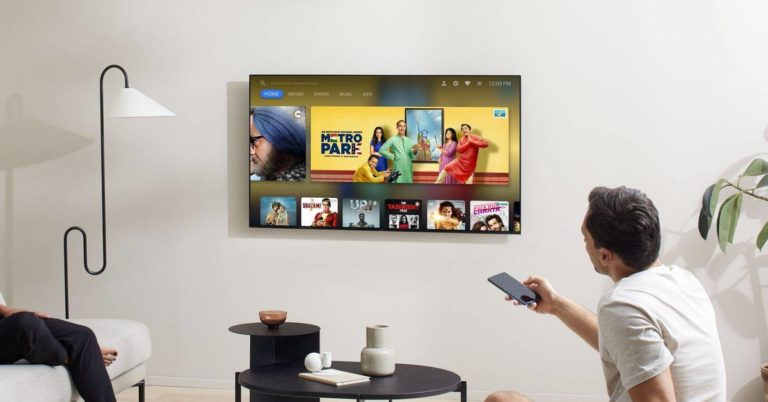
The Chinese premium smartphone manufacturer OnePlus launched its first-ever Smart Television in India last year in September alongside OnePlus 7T. The company forayed into the television industry with the launch of the OnePlus TV Q1 Pro and the OnePlus TV Q1. The device comes with a number of high-end features. Now the company has started rolling out a new update for the OnePlus TV. The update brings popular content players Spotify, JioSaavn, Voot, Shemaroo, alt Balaji and MX Player. The latest OTA update also gets a host of new features and fixes. With the addition of new content partners, users will get a 3-month subscription to JioSaavn, too.
Vikas Agarwal, General Manager, OnePlus India said, “We at OnePlus strive to take the home environment to the next level of intelligent connectivity. The new update brings a lot of viewing and listening content to the OnePlus TV. Our approach has always been a community-first approach and we are happy to bring premium content partners on to the OnePlus TV.”
The new OnePlus TV update brings new features to OxygenPlay. New Content Integration with MX Player, Voot, ShemarooMe, Alt Balaji, Spotify, JioSaavn along with others is on the cards.
Over that, after the new update, the OnePlus TV users will be able to connect their Bluetooth headphones to the device. Now the users can play music or watch videos or movies using their Bluetooth headphones with the flatscreen.
The latest OTA update also brings the ability to connect their smartphone as a hotspot to the OnePlus TV. Yes, this smart Television lets you connect up to five devices simultaneously by means of the OnePlus Connect app.
The OnePlus TV software update delivers streamlines PQ mode options, added colour gamut conversion and turns off MEMC in Dolby mode. After the update, the TV will now support both embedded and external subtitles while playing local videos. Now the users can make use of the Prime Video button on the remote to power on/ off the TV.
The OnePlus TV also supports Netflix, Hungama, Eros, and Zee5 along with Amazon Prime Video, Hotstar, SonyLiv and YouTube. To experience the new OnePlus TV you can visit the OnePlus Experience Stores in Bengaluru, Mumbai, Delhi, Chennai, and Pune. Television is available for purchase via Amazon.in and across 100+ offline outlets of Reliance Digital across the top 12 cities in India.
Last month there was a bundle of leaks and rumours related to the upcoming Motorola handset. The Lenovo owned company has released two Moto G phones in the smartphone market, Moto G Power and Moto G Stylus. A few weeks ago a Canadian website has already revealed that soon the company is going to launch a new smartphone with a Stylus Pen. Like last year the company has introduced another G series devices in the month of February ahead of Mobile World Congress 2020 (MWC 2020). Both the devices come with a hole punch display along with a triple rear camera.
In This Article
Moto G Power Specifications
Moto G Power comes with a 6.4-inch full-HD+ Max Vision display with 1080 x 2300 pixels of resolution as well as hole-punch design. Additionally, the display offers 399ppi pixel density with 19.17:9 aspect ratio and 88 percent screen-to-body ratio. In terms of software, the device runs on Android 10 out of the box. Under the hood, there is a Qualcomm Snapdragon 665 processor with 4GB of RAM and 64GB of internal storage. The internal memory is expandable and can be expanded up to 512GB by means of a microSD card.
For the camera and videos, Moto G Power features a triple camera setup on the back that includes a 16-megapixel primary sensor with an f/1.7 aperture. The camera system further consists of an 8-megapixel wide-angle camera lens that offers a 118-degrees field of view, lastly, there is a 2-megapixel macro lens with an f/2.2 aperture. For selfies and video chatting the device sports a 16-megapixel front-facing camera.
For connectivity, the device includes Wi-Fi, 4G LTE, Bluetooth version 5.0, GPS, GLONASS among others. The sensors on the phone include a rear fingerprint sensor, accelerometer, gyroscope, proximity, ambient light and sensor hub. It comes with a 5,000mAh battery along with 10W rapid charging support.
Moto G Stylus Specifications
Moto G Stylus features a 6.4-inch full-HD+ Max Vision display with 1080 x 2300 pixels of resolution with 19.17:9 aspect ratio and 9 percent screen-to-body ratio. Talking about the software the smartphone works on Android 10. It is powered by a Qualcomm Snapdragon 665 processor paired with 4GB of RAM and 128GB of internal storage that can be expanded up to 512GB via microSD card.
In terms of camera capabilities, the handset includes a triple rear camera system that consists of a 48-megapixel primary sensor with an f/1.7 aperture. Further assisted by a 16-megapixel action camera with an f/2.2 aperture and a 2-megapixel macro camera sensor. On the front, there is a 16-megapixel selfie camera housed in a hole-punch display.
Additionally, Moto G Stylus packs a 4000mAh battery with 10W fast charging support. In terms of connectivity, the mobile phone includes G LTE, Wi-Fi, Bluetooth 5.0, GPS, AGPS, LTEPP, SUPL, Glonass, and Galileo. Sensors include a rear fingerprint sensor, accelerometer, gyroscope, proximity, ambient light and sensor hub.
Moto G Power and Moto G Stylus pricing
Both the Motorola phones will be available in the US and Canadian markets via Best Buy, B&H Photo, Walmart and Amazon. The Moto G power has been priced at $249.99 that translates to Rs 18,000. Whereas Moto G Stylus will be available at $299.99 that translates to Rs 21,500.
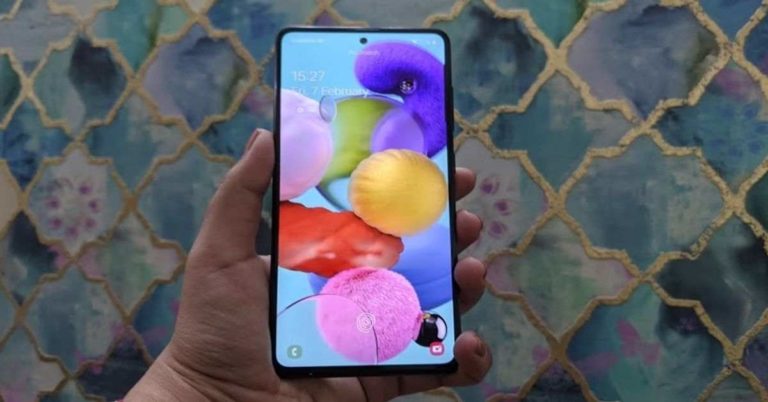
South Korean technology giant, Samsung, recently launched its Galaxy A51 smartphone in India at Rs 23,999. The smartphone has been launched after the Galaxy A50s and it comes with an additional camera and more RAM. We spent a few days with Samsung Galaxy A51 to know whether it is worth the additional cost. Take a look at our review to find out:
In This Article
Samsung Galaxy A51 design and display
Samsung Galaxy A51‘s design reminded us a lot of the looks of Galaxy A50s. The smartphone is very thin and it has a polycarbonate glossy body. We should mention that this is prone to catching fingerprints, so we advise you to keep a microfiber cloth for cleaning the handset from time to time. The smartphone is available in Prism Crush Black, Prism Crush White and Prism Crush Blue colour options and the one that we got for review was dressed in Black. The back panel of the device has a quad rear camera setup and Samsung branding. As the name ‘Prism’ suggests, the back of the smartphone reflects rainbow-like colours at certain angles.
Flip over, and you will see the display of the handset. Samsung Galaxy A51 comes with an Infinity-O display, which basically means that it has a hole-punch selfie camera right in the middle of the upper part of the screen. The bezels that outline the screen are extremely thin, although the chin is slightly broader than the rest of the three. However, the difference is so negligible that you may not even notice it. The right edge of the smartphone has the power and volume rocker keys on it while the left one has the SIM tray. The bottom edge houses the Type-C port, the 3.5mm headphone jack, the speaker grille and the microphone, while the top only has the secondary microphone.
To conclude, we would say that we really liked the design of Samsung Galaxy A51. The prism like effect, the light-weight body and the glossy finish, all add to the appealing looks of the device. The fact that the handset is prone to catching fingerprints may bother some people, but then, that’s pretty easy to manage if one is just careful about cleaning the smartphone every now and then.
Coming to the display of the smartphone, Samsung Galaxy A51 has a 6.5-inch Super AMOLED full-HD+ screen. The display of the device is one among its positives and it produces vibrant and accurate colours that stay consistent at different viewing angles. The images were crisp and the experience of watching high resolution videos was also a good one. The sunlight readability of the handset was also decent and we did not encounter any problem with it. As we said before, the display of the smartphone can easily be called as one of its best aspects.
Samsung Galaxy A51 performance and cameras
Now, let’s move on to the rest of the specifications of Samsung Galaxy A51. The smartphone is powered by Exynos 9611 processor clubbed with up to 8GB of RAM and 128GB of internal storage. For more storage, users can install a microSD card. In terms of optics, Samsung Galaxy A51 comes with a quad camera setup on its back panel that has a 48MP primary sensor, a 12MP ultra-wide-angle sensor, a 5MP macro camera and a 5MP depth sensor. For selfies and video calls, there is a 32MP front-facing snapper. The handset houses a 4,000mAh battery and it comes with an in-display fingerprint scanner and face unlock. Samsung Galaxy A51 runs Android 10 with One UI 2.0 skinned on top.
There are some changes in the user interface that Samsung seems to have added recently. For instance, the notifications that ask for user’s permission to access information are positioned differently. The company has also added the option of tracking battery usage of last one week. There’s also a dedicated menu for changing wallpapers and users also get the option of changing app icons for lockscreen. You will find some pre-installed apps on the smartphone. However, you can uninstall most of them in case you don’t find them useful.
Samsung Galaxy A51 could perform most day-to-day tasks with perfect ease. We opened multiple tabs of Chrome on the smartphone and switched between various apps, and we did not notice any lag while we did so. We also multi-tasked on the device by using it for navigation and watching videos at the same time, and we encountered no problem in doing so.
Gaming on the device was also a good experience. We played games ranging from Alto’s Odyssey to more graphic-hungry ones like Asphalt 9: Legends and they all ran very smoothly on the handset. However, not all was well with the smartphone. The fingerprint sensor could definitely get a boost. We tried saving the data of three of our fingers and it mostly could not recognise on the first touch. Even when it did, it was slow. On the other hand, the face unlock worked well in well-lit conditions, but the same cannot be said about when tested in dimly lit places. There were times when we manually had to put in our password.
Coming to the battery life of the device, the 4,000mAh cell did a decent job. With usage that involved gaming, watching videos on YouTube and clicking pictures, the battery of Samsung Galaxy A51 lasted an entire day. It is worth mentioning that the device has support for fast charging and the battery can go from 0 to around 70% in one hour. The call quality of the smartphone was good at all times irrespective of the area we were in.
Now finally, let’s talk about the cameras. As we mentioned earlier, Samsung Galaxy A51 has a quad-camera setup on its back panel that houses a 48MP primary sensor, a 12MP wide-angle sensor, a 5MP macro sensor and a 5MP depth sensor. By default, the primary camera clicks pictures that are 12MP in resolution; however, you can change that to 48MP in settings if required.
The primary camera of the smartphone clicked very nice shots in well-lit as well as dimly-lit areas. The colours were accurate, there was apt brightness, and the images had a good amount of details too. There were a few images that we took at night in which there was some noise, and the dedicated Night Mode did not help too much with that.
Image taken with primary cameraImage taken with ultra wide camera
While the ultra-wide sensor captures a lot more area than the primary sensor, the quality of the images taken did drop with it. This was particularly true in images that we took in lowly-lit areas. The depth sensor did a decent job, but then, there were some images in which the blur level looked too much. These shots ended up looking unnatural. The macro shots were good too and had good amount of details. However, there were times when we felt that the colours weren’t accurate with this particular lens.
The selfies that we took from the 32MP front facing snapper of the smartphone mostly turned out to be great, even when we clicked them in dimly lit areas. They were sharp, clear and the colours were just right and very natural. We were quite happy with them.
Verdict
Samsung Galaxy A51 is available for Rs 23,999 in India. It has a number of pros including a beautiful design, a vibrant display, a decent battery life and an overall smooth performance. The primary and the selfie camera work well too. However, the other lenses do not match up to the performance, so it can be said that the cameras work a little inconsistently. Also, the biometrics could definitely be better. While you would get a number of good features in the phone, especially if you place value on how a handset looks. However, you may want to look at some other options before you shell out that much money. Samsung Galaxy A50s is actually available under Rs 20,000 and offers three cameras instead of four and has lesser RAM. That is not a bad option to consider too if you want to keep your spend under Rs 20K.
OnePlus has now been the most loved brand when it comes to premium smartphones other than Apple. Its smartphones are best preferred for its design, features and especially for its pricing. Last year we saw the company arrive with 6 smartphones and the latest in the lineup is the OnePlus 7T. The Chinese company launched the phone a few months back in 2019 that comes with all the premium looks and features.
Here we would like to mention that it has now been over three months since OnePlus released the OnePlus 7T and it has been our go-to phone. Well, it has disappointed us on a couple of occasions when I found the features I needed are missing but I am happy to say that most of the time I have been more than satisfied with the device and it has my solid thumbs up. So what’s so great about it and what are the issues you will bump into let’s jump right into it.
In This Article
Design
So first we would talk about the size of the OnePlus 7T. It comes with slim bezels that are not too wide that make it comfortable to operate. The device is thin as well as lighter and there is no hassle to carry in the pocket. The best part is that the company provides a solid back cover along with the phone that protects it when it accidentally falls from a height and is also durable. Moreover, you get three ways mute switch on the right-side panel of the smartphone, which is again a very innovative feature. You can swipe it up for silent mode, keep in the middle to vibrate and down for ring mode. On the left, there is a volume button.
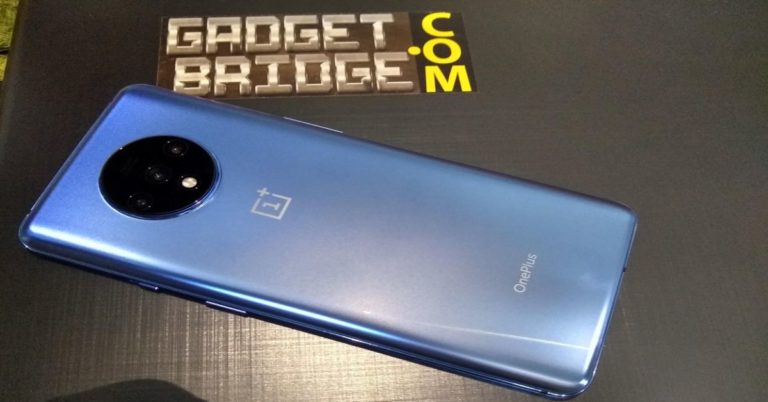
On the back of the phone, the first thing to notice is the huge camera bump. There is nothing new about the camera setup, which looks similar to Motorola G series smartphones. The setup consists of three camera sensors placed horizontally and below you get a flashlight. Also, there is a possibility that the camera bump might get scratches if we put it either on a table or any flat surface. Below the camera setup, you get the OnePlus logo. If we talk about the colour variant for the review we received Glacier Blue and the back panel is also made of glass.
This time the company has gone for Corning Gorilla Glass 5 rather than Glass 6 but during our test nothing major happened to it, so yes it is pretty durable. This may be because of the case that comes with it. Yes, the OnePlus smartphone misses the IP rating so you better keep it safe from water splash or carry the phone in a plastic pouch while travelling when it’s raining. The company has up the game by adding an awesome pair of stereo speakers that are really good. Overall the design is pretty standard there is nothing extraordinary, but one thing we are glad about is that 7T has inherited the 90HZ panel and the HDR 10+ screen. The screen measures 6.55- inches diagonally with a 20:9 aspect ratio and 1,800×2,400 resolution. While every other smartphone company is providing a pop-up selfie camera. This time OnePlus skipped the motorized camera mechanism and provided the device with a waterdrop notch on the top of the screen.
Performance and camera
In the past couple of years, OnePlus devices have become to be known for their performance that is super fast. Basically, until now it is the fastest phone in the market. In order to deliver this, Oneplus 7T is powered by a Qualcomm Snapdragon 855+ processor clocked at 2.96 GHz and it comes with UFS 3.0 storage with 8GB of RAM and 128GB/256GB storage options. Sadly the phone does not support MicroSD cards. So far the overall experience of using 7T was good.
Moving on the night mode, in the settings it comes with a colour temperature slider and a light slider with which you can choose from cool to warm colour temperature. This feature is really a bliss for the people who love reading or watching videos at night. The in-display fingerprint scanner works great and is blazing fast compared to other smartphones in the market. Over that, the face unlock feature is fast as well. With the brightness that peaks at 525 nits, the display is very bright. This is the reason we have been able to enjoy watching videos, checking our Instagram feed, browsing the internet while basking in the sun this winter.
Now moving on to the software part OxygenOS has been one of the smoothest skin among the other smartphones. The handset comes with Android 10 out of the box. Yes, the operating system is skinned with OnePlus’s OxygenOS. Paired with Snapdragon 855+ with OxygenOS and 90Hz screen the smartphone becomes one of the best gaming phones now especially at this price. We played our favourite games like at the highest of settings and we are glad that the company has improved haptic feedback, which makes the games even more fun. It delivers an absolutely no-nonsense experience. You get an almost stock Android feel. But you will find some pre-installed apps such as Amazon Shopping, Amazon Kindle, Prime Video and Netflix, which can also be uninstalled.
About the battery life, it has been good. You get a 3,800mAh battery and it comes with Warp Charge 30T that is claimed to provide 23% faster charging than the Warp charge. On days when we did not game a lot or watched videos the battery lasted for a pretty good amount of time. At the end of the day, we were left with about 25 per cent of charge. So even if you are out of the juice in the middle of the day you can take it from zero to 60% in half an hour, which is amazing.
Now moving on to the camera capabilities, if we have to summarise the phone in three words those would be camera, camera and camera. Instead of a vertical rear camera set up the company has adopted a new circular rear camera module similar to Moto G series. The setup consists of three camera sensors. Firstly there is a 48-megapixel Sony IMX586 sensor with f/1.6 aperture offering and Hybrid Image Stabilisation. Then there is a 16-megapixel wide-angle camera lens with a 117-degree field of view and lastly a 12-megapixel telephoto lens. At this price range, we realised that the OnePlus offers the best camera phone in the market.
Macro Mode
The most loved feature for us is the macro mode. As the spring season has arrived in the country we love clicking the macro images of beautiful flowers all around. The mode allowed us to get closer to the flowers and we were fascinated with the results it delivered. Below we have attached a few results also.
Nightscape mode
Now coming to the nightscape mode the camera delivered sharp and detailed pictures. Even during low light situations, even the colour reproduction was accurate. During the daytime, the camera managed to click picturesque images. The images were bright and jazzy and we loved the details it represented. Even the zoomed results were surprisingly good. Now coming to the portrait mode, which is again the important part of our camera review process. The depth effect was absolutely natural and delivered profound results.
Personally speaking, we loved taking selfies, the device comes with a 16-megapixel front sensor. The selfies came out pretty good in daylight, but we were not impressed with the low light selfies. The low light selfies were not as detailed as we expected, but we managed to click sharp and brighter selfies when the ambient light was good.
Verdict
Now we are well aware of why the OnePlus smartphone has become the consumer’s first choice in the mid-segment. Firstly, they get a better option as the price is much cheaper than its rivals and secondly it offers high-end features and capabilities at this pricing. And thirdly versatile cameras.
The company offers OnePlus 7T in two variants 8GB of RAM and 128GB of internal storage and its higher-end model has the same RAM clubbed with 256GB of internal storage. The former is priced at Rs 37,999 and the latter is available at a cost of Rs 39,999. To conclude, if you are planning to buy a flagship phone from other brands like Samsung, Apple or Google then you have a worthy competitor in the form of OnePlus 7T, at a lesser price.
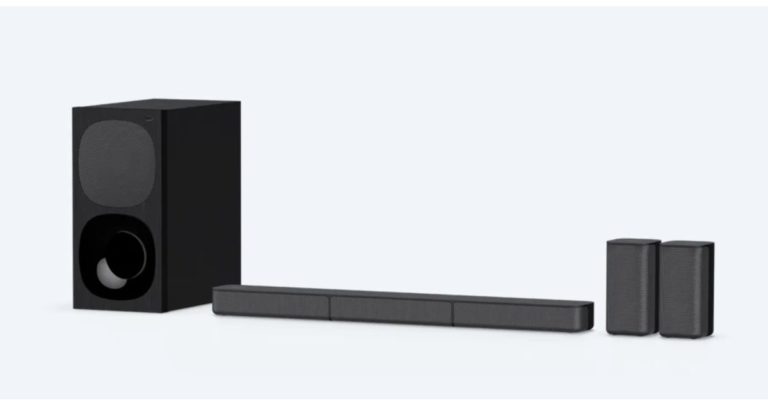
Today Sony India announced the launch of its new soundbar HT-S20R powered by Dolby Audio. The device comes with Bluetooth connectivity along with USB plug and play. It comes with a powerful bass with 400W output.
Sony India launched soundbar HT-S20R in India at Rs 14,990 and will be available in the country from February 7 onwards via Sony Center along with leading electronics stores as well as online retailers.
The company claims that HT-S20R delivers an audio experience like none other by giving movies the soundtrack they deserve with 5.1 channels of real surround sound. Users can expect dynamic, immersive and cinematic surround sound with its rear speakers and an external subwoofer that works with a 3 channels soundbar.
The soundbar delivers 400W power output and it comes with a 160mm driver unit subwoofer for the impressive sound experience. The device is supported by Bluetooth USB plug-and-play, HDMI port, among others.
The audio device comes in a three-piece ensemble that includes a soundbar that weighs 2kg and measures 760 x 52 x 86, a subwoofer that measures 192 x 387 x 342 and weighs 6.9kg lastly assisted by two rear speakers, each of them weighs a half a kg and measures. The soundbar comes with a metal finish and can be connected to a compatible Television with a single cable. Whereas the non-HDMI compatible televisions can be connected via optical input or analog input that delivers high-quality audio.
The Sony HT-S20R soundbar is supplied with Mini Audio Cable, Instruction Manual, Setup Guide, Remote Control 1U along with 2 batteries.
How to set up Sony HT-S20R soundbar
Firstly plug in the audio system into the position of the external subwoofer.
The photo-sharing app Instagram has rolled out a new tool for its app in which it will let its users know who among their following list they least interact with and whose feed is shown the most on their news feeds. This will allow them to manage the accounts they follow on Instagram. Earlier this week Instagram announced a new feature where users are now able to send GIFs from Giphy as stickers in their Stories. Now the users can use this feature to reply to their friends’ stories using GIFs from Giphy.
“Instagram is about bringing you closer to the people and things you care about. We know that over time, relationships and interests can evolve, grow and change. Today, we’re launching a new way for you to easily see the accounts you follow – organized by category. You also have the ability to edit your following list from there.” said the company.
Facebook-owned Instagram continues to roll out new features for its users to make the app more interesting. In order to make the app clutter-free for the users the company has released a new tool called “Least Interacted With” and “Most Seen in Feed.” This feature will let you clean your feed and be more personalised. Moreover, you can do away with those accounts that might be spamming your feed with their irritating multiple posts.
How the new tools work:
Firstly visit your Instagram Profile and then click on “Following”
There you will find different categories such as “Least Interacted With”, and “Most Seen in Feed”
Also below you can sort the account you are following in different ways. There you will see “sorted by Default” option, besides this, you will find two arrows by tapping on that it shows three categories “Sort by Default”, “Date followed: Latest” and “Date followed: Earliest.”
This feature has been rolled out globally and is now available for all the users in India, too. If you do not find it you can try updating the Instagram app on your smartphone.
Rumours around Motorola’s flagship Motorola Edge+ have been doing rounds on the internet for quite some time now. And now the live images of the device have appeared on the web giving us a fair idea of how the smartphone will look in terms of design as well as display.
Alleged images of Motorola Edge+ have surfaced on the web that has revealed the device design as well as display. XDA-Developers has shared a few images of the upcoming smartphone. According to them, the device is reportedly codenamed ‘burton’ or ‘racer turbo’. They will be featuring the Qualcomm Snapdragon 865 SoC and are expected to be offered in 8GB and 12GB RAM variants. The device is said to pack a 5,170mAh battery and will run on Android 10 out of the box.
This time Motorola’s flagship phone will be featuring a curved display, which is also known as a waterfall display. Last year we saw these extremely waterfall displays on the Vivo Nex 3 5G and Huawei Mate 30 Pro.
Image Courtesy: XDA Developers
But, if we look at the leaked images of Motorola Edge+ the curved edges are slightly less dramatic than we saw on Vivo and Huawei devices. Both the companies missed the volume rocker whereas the Motorola device appears to be a volume rocker on the right side. Moreover, the upcoming upper mid-range smartphone has a single hole-punch in the top left corner consisting of a selfie camera. Motorola devices such as One Vision as well as Moto Action already feature a hole punch which is quite large in size. But this time the Hole punch on the Motorola Edge+ is much smaller. These phones are supposed to support the 90Hz refresh rate with Full HD+ resolution.
During a tech summit, Motorola announced that it is going to bring a phone with the Qualcomm Snapdragon 765/765G as well as Qualcomm Snapdragon 865. The upper mid-range device has been code-named “racer 5G” or “racer” and the other one is code-named “burton” or “racer turbo.” Both the devices are said to be featuring the same display of a 6.67-inch curved panel with a 90Hz refresh rate and 2,340×1,080 pixels of resolution.
Racer 5G is expected to be powered by a Qualcomm Snapdragon 765 or 765G processor paired with 6GB of RAM and 128GB of internal storage. The device will feature a 48-megapixel rear camera, a 4660mAh battery with NFC support if we go by rumour mills.
Whereas “burton” or “racer turbo” is supposed to be powered by Qualcomm Snapdragon 865 SoC with 8GB or 12GB of RAM. It will pack a 5,170mAh battery and will also run Android 10 out of the box.
In order to commemorate its 15th birthday, Google Maps has updated its logo and is rolling out new features based on feedback from its user. Now the users will be able to see updated Google Maps apps for Android as well as iOS with easy-to-access tabs. These include Explore, Commute, Saved, Contribute and Updates.
Yes, the new Google Maps update brings five new tabs that can be found at the bottom of the app’s screen. These tabs will provide easier access to everything that is needed.
Explore: The Explore tab will allow you to find information, ratings, reviews and more for about 200 million places around the world. This will also include local restaurants, nearby attractions as well as city landmarks.
Commute: The commute tab is helpful when you are travelling. It will ensure that you are on the most efficient route. You can also set your daily commute in order to get real-time traffic alerts, travel times and suggestions for alternative routes.
Saved: Here you will find a list of saved locations that can also be customised and shared with others.
Contribute: This tab will allow you to submit business reviews, missing places and photos on Google Maps.
Updates: This tab will be providing feeds of trending, must-see spots from local experts and publishers. These can also be shared with others and you can directly chat with businesses directly through this tab.
The fresh update will also bring new transit features in the Google Maps app that will let you stay informed while travelling by public transportation. Also, when travelling in public transport the users can now find the current temperature of the bus or the metro they are taking for a comfortable ride. People with special needs can find support wheelchair accessible entrance and seating with staffed assistance as well as accessible stop-button or hi-visible LED. In some regions a designated women’s section that will show information related to the availability of train carriages on their route that will increase your chances of getting a seat. Keeping in mind the user’s safety there is a Security onboard tab that will let you find out an installed security camera, whether security guard is present or any available helpline.
“These useful bits of information come from past riders who’ve shared their experiences and will appear alongside public transit routes when available. To help future riders, you can answer a short survey within Google Maps about your experience on recent trips. We’ll start rolling this out globally in March, with availability varying by region and municipal transportation agency.” Google said in its blog post.
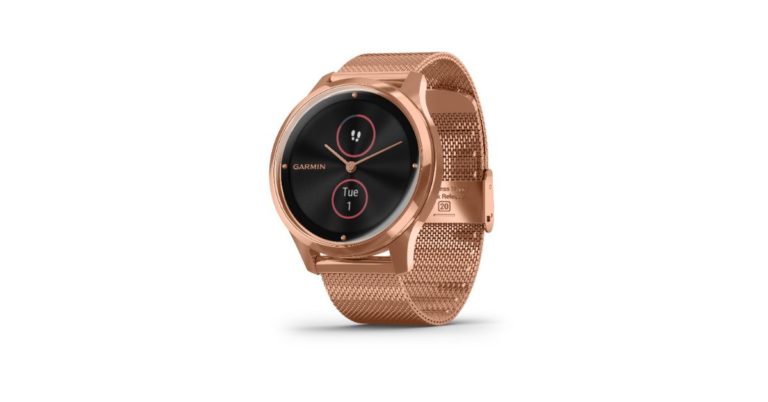
Garmin announced the launch of its latest collection of hybrid smartwatch series known as Vivomove in India. The luxury smartwatch comes with a hidden smart screen with health and fitness tracking data along with smart notifications features and many more features. The company has set the price of Garmin Vivomove smartwatch series at Rs 24,490.
Speaking at the launch of new collection Mr. Ali Rizvi, Director of Garmin India said, “The vívomove series highlights absolute beauty keeping in mind the daily use and need of the customers. We are excited to bring our latest collection for the consumers looking for a traditional elegance look with modern features.”
The hybrid smartwatches come with features like advanced sleep with Pulse Ox1, respiration tracking and abnormal heart rate alerts. Moreover, the device can track the menstrual cycle, stress tracking with relax reminders, hydration tracking along with breathwork activities. The Body Battery energy monitoring allows the users to check their energy levels that is helpful in scheduling workouts, rest times as well as sleep.
Vivomove smartwatches are available in three variants: Vivomove Luxe, style and 3/3S. Starting from the Vivomove Luxe which is available in a single case size of 42mm. This comes with a stainless steel bezel as well as casing. The buyers get a choice of an Italian lather or Milanese metal strap. It features a hidden dual AMOLED colour touchscreen displays along with moving hands and a domed shaped crystal lens with watch face details. The watch with a leather band available in seven colour options of silver, navy, rose gold, white, light sand, gold and black. The device can be purchased at Rs 44,990. Whereas the Milanese metal strap is available in two colour options silver and gold and is priced at Rs 49,490.
Vivomove style smartwatch comes in single case size of 42mm along with aluminium bezel and casing along with Nylon band. The smartwatch is available in eight colour variants of rose gold, white, silver, moss, light gold, blush pink, graphite, and black pepper at Rs 34,490.
Vivomove 3 and 3S are available in two case sizes of 44mm and 39mm with stainless steel bezel and colourful silicone bands. The device comes with a hidden touchscreen display. It delivers up to five days of battery life in smartwatch mode and for an additional week in watch mode. 3S comes with a choice of eight colour options of silver, granite blue, light gold, dust rose, rose gold, light sand, rose gold and navy. Whereas Vivomove 3 is available in four colour options of silver, powder gray, slate and black both Vivomove 3 and 3S can be purchased at Rs 24,490.