Xiaomi to launch Mi CC9 and Mi CC9e tomorrow in China

0

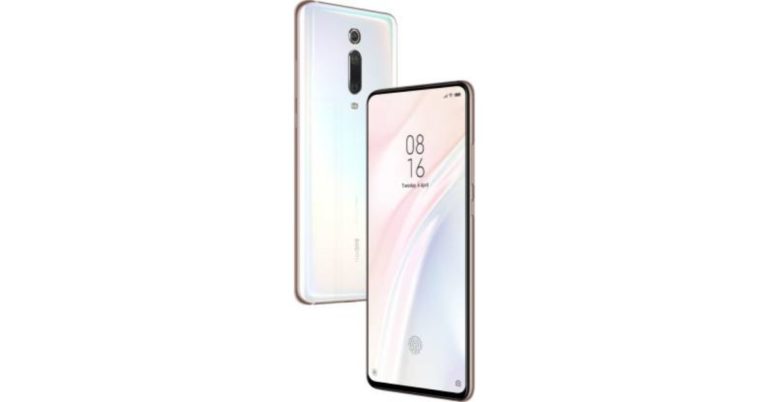
Chinese smartphone manufacturer Xiaomi will be unveiling Mi CC9 and Mi CC9e smartphones in its home country. They will both be selfie-focused smartphones based on Meitu’s hardware technology which was developed last year.

Xiaomi’s co-founder, Lei Jun spoke about the smartphones on the company’s official Weibo account saying, “Lei has a problem Find the most laughable people in the world and experience the millet _ _ self-timer In addition to the Mona Lisa, it is him: smirk boy @GavinThomas Use Xiaomi _ _ self-timer to shoot a world-famous smile Millet mobile phone brand new series, see you at 10 o’clock tomorrow morning! Forward guess the new product name, pump a new product.”

The co-founder also revealed that the series of smartphones will be launched at 10 AM in China.

It has been reported that Mi CC9 will be powered by Qualcomm’s Snapdragon 730 processor and Mi CC9e will house the Snapdragon 730 SoC. Both the smartphones are expected to come with a 32MP front camera and a 48MP rear camera.

In fact, Xiaomi’s Mi CC9 will feature a motorized flip camera that will include a 48MP main sensor that will also include an ultra-wide-angle camera and telephoto camera.

In the Mi CC9e, a motorized flip camera has not been included. Instead of that, the handset will be sporting waterdrop-style notch with a 32MP selfie camera, and triple rear camera setup with a 48MP main shooter, an ultra-wide-angle camera, and a telephoto camera. The device will come with an in-display fingerprint sensor. The smartphones will house a 4,000mAh battery that will support 2W fast charging.

Very recently, Xiaomi Mi CC9 and Mi CC9e specifications were leaked on the internet and the same report also carried its colour options and its pricing.

The Mi CC9e is expected to be launched in a single variant with 6GB RAM and 64GB storage and this variant will be priced at CNY 1,599 (roughly Rs.16,000). The Mi CC9 will be launched in three storage variants –  6GB + 128GB that will be priced at CNY 2,499 (roughly Rs. 25,100), 8GB + 128GB that will cost CNY 2,799 (roughly Rs. 28,100), and 8GB + 256GB that will be available for CNY 3,099 (roughly Rs. 31,100).

Xiaomi’s Mi CC9 and Mi CC9e smartphones are reported to be launched in Pearl finish with Pink accent.

For the latest gadget and tech news, and gadget reviews, follow us on TwitterFacebook and Instagram. For newest tech & gadget videos subscribe to our YouTube Channel. You can also stay up to date using the Gadget Bridge Android App.

PhonePe claims to cross 5 million offline merchants in India

0

Flipkart-owned payment platform PhonePe has announced on Thursday that it has crossed over 5 million offline merchants in India. To celebrate this landmark, the PhonePe is offering its customers a cashback of Rs 1,000. The company has stated that when the customer makes its payment using its QR code at an offline store, they will receive a cashback of Rs 1,000. In addition to this, the Bengaluru based company is also providing daily incentives to its merchants in line with the auspicious daily ritual of ‘Bohni’. The first transaction of the day done through the PhonePe QR code will make every retailer earn up to Rs 1,400 every month.

On this Yuvraj Shekhawat, Head of Offline Business Growth at PhonePe stated “The offline segment has seen phenomenal growth in the last year. We started this year with 1 million merchants and that number has already grown to 5 million in a span of just six months. We are excited to reach this milestone and are humbled by the trust shown in us by consumers as well as merchant partners. We will continue to expand our reach across the length and breadth of the country, building innovative solutions that make the process of digital payments simple, convenient and hassle-free.”

The Bengaluru headquartered company claims that the PhonePe app drives the highest number of merchant UPI transactions in India. More than 50 lakh merchant outlets nationally accept PhonePe.  The app can also be used to send and receive money, recharge mobile numbers, DTH, data cards, make utility payments and buy gold. At present PhonePe is catering its service to over 150 cities in India. The company has also claimed that it allows its customers and merchants to make cashless, safe and convenient transactions directly from their bank accounts.

It has also enabled local kiranas to accept digital payment from its customers via UPI without zero processing fee. The PhonePe app also introduced a ‘Store’ tab that can be used to search for the company’s partnered merchants. The company also revealed that it is working on a new feature in its app that will let its partnered merchants showcase their offers to its users. Through its app, the users can place orders on Ola, Myntra, IRCTC, Goibibo, redBus, Oyo, and Treebo.

It works over the Unified Payments Interface (UPI) platform developed by the National Payments Corporation of India (NPCI) and is powered by YES Bank.

For the latest gadget and tech news, and gadget reviews, follow us on TwitterFacebook and Instagram. For newest tech & gadget videos subscribe to our YouTube Channel. You can also stay up to date using the Gadget Bridge Android App.



How to run PUBG Mobile on your PC or laptop?

PUBG or PlayerUnknown’s Battlegrounds is currently one of the most played mobile games. Even though it has been banned in some regions, PUBG constantly updates its platform to stay in the market. PUBG Mobile is the mobile version of the popular battleroyale game and it can be played on any smartphone running Android or iOS operating system. Millions of players log in everyday to play the game and try to get their hands on the chicken dinner. But there are times when you wish for a bigger screen and better controls while playing the game.

Although there is a PC version of the game named PUBG PC and it is as popular as the Mobile version of the game, it comes at a price. PUBG PC costs anywhere around Rs 3,500 to Rs 4,000 in India. Players who don’t wish to pay for it stick to PUBG Mobile, which is available for free with in-app purchases. If you want to play PUBG on PC then you can do so by taking the help of an emulator.

Emulators are the software that allow the PC to behave like another system or console. That way, you can play the game meant for that console on your PC without needing the console itself. There are multiple emulators out there which you can use to play PUBG Mobile on PC, however, Tencent also its own emulator and we suggest you to use that. It is called Tencent Gaming Buddy. Tencent’s emulator can be used to play PUBG Mobile on PC using the computer’s keyboard and mouse to control the character.

Here’s how you can play PUBG Mobile on your PC using Tencent’s free emulator:

  1. First you need to go to – https://tgb.qq.com/en/games/pubg.html and download the Tencent Gaming Buddy which is the official emulator of the company.
  2. Once it is done, install the emulator to your PC or laptop. The installation process is pretty straight forward; and you just need to follow the steps that you are asked to.
  3. Once the installation process is complete, open the emulator. After this, you will see PUBG Mobile listed there. Click on the PUBG Mobile icon.
  4. After that, the Tencent Gaming Buddy will start downloading the required files necessary to run the game on your PC/ laptop.
  5. After it is done, you need to click on PUBG Mobile and it will prompt you to login.
  6. Log in with your PUBG Mobile credentials or your Facebook, Twitter or Tencent ID.
  7. After that, you can run and play PUBG Mobile on your PC/ laptop.

For the latest gadget and tech news, and gadget reviews, follow us on TwitterFacebook and Instagram. For newest tech & gadget videos subscribe to our YouTube Channel. You can also stay up to date using the Gadget Bridge Android App.

Asus 6z passes the bend test, durability test and the motorised camera test

0

Asus launched its 6z globally last month and it launched the same smartphone in India with a name Asus 6Z yesterday. The smartphone comes with a flip camera setup which works a lot like the one on Samsung Galaxy A80. Now, a YouTuber named JerryRigEverything, who is known for taking apart smartphones to know what they are made of has taken apart the Asus 6z as well. In the video, he focused mostly on the motorised flip camera of the handset that comprises of two sensors. He conducted multiple tests to check the sturdiness, build quality and working of the Asus 6z and the result was that the smartphone’s camera is sturdy and strong and it isn’t as fragile as it seems.

Asus has touted that it has used ‘liquid metal’ to strengthen the build quality of the camera. Similar to the OnePlus 7 Pro, the Asus 6z also has fall detection. With this technology, it retracts the camera. Other than the camera test, the YouTuber also did the bend test that the device survived without suffering any scratches or damages on its front or back panel.

The YouTuber also manually stopped the camera from flipping completely, and tried to flip it manually. He even tried to take the camera out of its hinge but failed in doing so. We can see that the device survived all the tests and it was in working condition by the end of it. But there were some sparks that flew out when he tried to scratch it with his metal blade even though the camera itself is made from metal.

JerryRigEverything also did scratch test on the Asus 6z and it managed to scratch on the Moh Level 6 with deeper grooves at Moh Level 7. Other than the glass front and back, the sides and the buttons of the smartphone are all made up of metal and scratch easily. The camera module is also made of metal so it too scratched easily. The fingerprint scanner continued to work even after being scratched. Even the camera module cavity scratches easily as it too is made up of metal.

When put under a flame, the display pixels of the smartphone started showing reactions after 8 seconds. However, as soon as it was removed from under the flames it started recovering soon. At the end, no visible damage was seen on Asus 6z’s display. The overall conclusion JerryRigEverything came to was that the smartphone was made well and its camera also didn’t suffer failure after all the tests. The Asus 6Z passed the YouTuber’s test with flying colours.

For the latest gadget and tech news, and gadget reviews, follow us on TwitterFacebook and Instagram. For newest tech & gadget videos subscribe to our YouTube Channel. You can also stay up to date using the Gadget Bridge Android App.
Vivo’s new 120W Super FlashCharge charger can charge a 4,000mAh battery to 100% in just 13 minutes

0

Smartphones nowadays are coming with bigger and better batteries. So it was only a matter of time that a companies made a charger that could charge these batteries quickly. We have already seen a fast charger with a number of smartphones that can charge these batteries much faster. For instance, OnePlus has introduced a 30W charger and Huawei’s flagship devices come with a 40W fast charger. Chinese technology brand Oppo has introduced a massive 50W SuperVOOC Flash Charge charger for the Find X that was able to charge the smartphone much quicker than before. But now, Vivo has announced a new 120W Super FlashCharge charger, and it has surpassed all other companies by doing so.

According to Vivo, its new 120W Super FlashCharge charger is able to charge 50% of a 4,000mAh battery in just 5 minutes, that is extremely fast compare it to the next fastest charger available. Vivo’s Super FlashCharge charger is able to charge the 4,000mAh battery to 100% in just 13 minutes.

A normal charger takes around 3 hours to fully charge a 4,000mAh battery. On the other hand, a fast charger would more than 1 hour to charge the large 4,000mAh battery. This makes Vivo’s claims seem a little farfetched. However, if the Chinese technology company is right, then this could change the smartphone world for the better.

Vivo is also planning to make a demonstration of its 120W Super FlashCharge charger at the MWC Shanghai 2019 that is scheduled to start from the next week. The company is also planning to unveil its first 5G smartphone at the MWC Shanghai event. It would be interesting to what exactly the Vivo’s 120W Super FlashCharge charger is like and which 5G smartphone will it unveil.

The 120W Super FlashCharge charger seems like a great product for smartphones and it would shorten the charging time that smartphones take for good. However, we cannot rule out the possibility of it being a prototype. It may take some time before Vivo starts shipping this charger though. So, we would have to wait for it till we get to try it out. It should also be noted that the Ultra-fast chargers usually generate a lot of heat and this can be a bit troubling for the modern smartphone’s thermal constraints.

But if it gets launched anytime soon, it would no doubt compete against Xiaomi’s 100W charging standard that the company had teased recently.

For the latest gadget and tech news, and gadget reviews, follow us on TwitterFacebook and Instagram. For newest tech & gadget videos subscribe to our YouTube Channel. You can also stay up to date using the Gadget Bridge Android App.
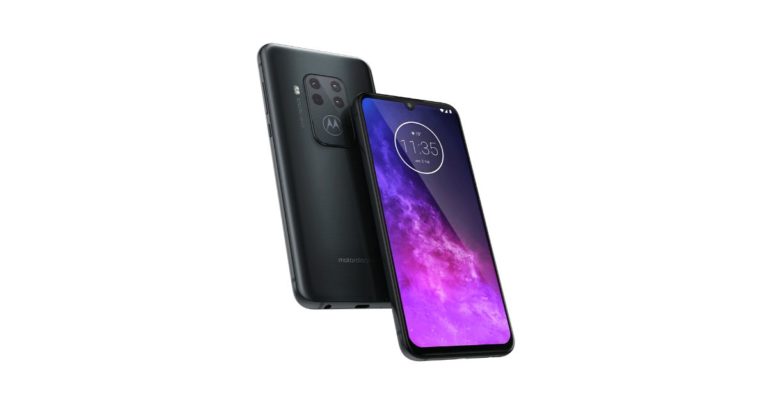
Google Pixel 3a review: The phone you want if you love photography

This year, Google did something it had never done before and launched the Pixel 3a and 3a XL (watered down versions of the previous editions). The smartphone comes with the same camera as Pixel 3 on its back panel and since it is a Made by Google handset, it obviously has a number of software tweaks. Google Pixel 3a is priced at Rs 39,000 in India. At this price, is it really worth the buy? Read the rest of our review to find out:

Google Pixel 3a Design and Display

Google Pixel 3a is the first Pixel smartphone by the technology giant in the mid-range smartphone segment. Google has made sure that the smartphone does look like it is from the Pixel family by keeping the design in line with other handsets within the range, particularly the Pixel 3. So much so, if you see the rear panels of the Pixel 3a and Pixel 3, it would be hard to tell them apart. But then, there are certain differences too. For instance, the Pixel 3a comes with a polycarbonate body instead of the glass one that we saw on the flagship device.

We should mention that some may feel that this does not justify the cost of the smartphone, as there are several devices like OnePlus 7 that are priced more affordable and come with glass and metal bodies. For us, it wasn’t too big a problem as there are a number of other aspects of the handset that make up for this.

Google Pixel 3a sports a 5.6-inch Full HD+ OLED display that has an aspect ratio of 18.5:9. The smartphone comes with broad bezels on top and bottom, sticking to the design that existed before notches became popular. While a few may like the traditional design of the handset, there will be those who would prefer to go in for a full-screen or an almost full-screen (edge to edge) experience instead.

One thing that we really liked about the mobile is its one-handed usage. We have used a smartphone after really long that was so easy to operate with one hand. We could reach all the keys and even the top of the display with no problem at all (with just one hand).

The Pixel 3a smartphone also comes with stereo speakers. While the earpiece of the device sits on the top bezel along with the selfie camera, another speaker is placed right next to the UBS Type C port at the bottom.

Google Pixel 3a India

Another thing that a number of people would like is the fact that a 3.5mm headphone jack is included in the handset.

Flip over, and you will see a single camera sensor placed on the handset’s back panel along with an LED flash. There is also a fingerprint scanner and ‘Made by Google’ branding on it. The rear panel of the smartphone, like all other Pixel devices, comes with a dual tone design.

The right edge of the Pixel 3a smartphone has the power and volume rocker keys while the left has the SIM tray. The power button is Orange in colour and it really stands out from the rest of the body. But we liked it.

In a nutshell, we would say that even though there are smartphones in the same range that come with more premium design aspects, Google Pixel 3a still comes with a good look and feel.

Coming to the display of the Google Pixel 3a, it has an OLED screen that comes with a full HD+ resolution and an aspect ratio of 18:9. You will be able to choose from Adaptive colour mode, Natural colour mode and Boosted mode, based on what exactly you like. The screen of the Google Pixel 3a has support for Always On Display feature as well and shows all incoming notifications.

Google Pixel 3a design

The display shows rich colours and deep blacks that remain consistent at any viewing angles. The sunlight readability of the device is also good. In our experience, we really enjoyed watching videos and playing games on the smartphone because the display experience was a really good one. While the experience isn’t a full-screen one, you also don’t have to deal with a portion of the content being blocked because of the notch.

Personally, we considered the display to be another very good aspect of the smartphone. You would not be disappointed if you can look beyond the fact that it comes with thick bezels on top and bottom.

Google Pixel 3a performance and cameras

First, let’s talk about the specifications of the smartphone. Powered by Qualcomm’s Snapdragon 670 SoC, Pixel 3a comes with 4GB of RAM and 64GB of internal storage. On the photography front, Google Pixel 3a sports a 12.2MP Dual-Pixel rear camera that has a Sony IMX363 sensor and has support for OIS and EIS. The primary camera comes with an f/1.8 aperture, 76-degree field of view and 1.4-micron pixels. The Pixel 3a comes with Night Sight feature that enhances low-light photography, HDR+, Portrait Mode, Super Res Zoom and Top Shot.

For selfies and video calls, there is an 8MP camera that has an 84-degree field of view, 1.12-micron pixels, and an f/2.0 aperture. The back panel of the smartphone houses a Pixel Imprint fingerprint sensor. The device houses a 3,000mah battery and for connectivity, it has 4G VoLTE, Wi-FI 802.11ac, Bluetooth v5.0, GPS, and thankfully, a 3.5mm headphone jack.

Google Pixel 3a design 2

Coming to the software of the smartphone, it runs the latest version of Android 9.0 Pie. Google has promised to roll out Android and security updates for the next three years to the Pixel 3a. Made by Google smartphones are known for their software, and Pixel 3a does not disappoint. You can summon the Google Assistant just by squeezing the side edges of the handset. The smartphone comes with the Digital Wellbeing feature that can be useful in tracking the time that you spend on the device. Other than this, it also has Pixel 3-like gesture navigation available on it. There are actually scores of software features that make the device stand apart. We personally really liked them and would certainly call them to be one of the key highlights of the Google Pixel 3a.

Now, let’s talk about the performance of the Google Pixel 3a. We have to say that during our time with the smartphone, we encountered no trouble whatsoever. The performance of the Google Pixel 3a is very smooth and the handset can handle multi-tasking very well. We used the smartphone all day long and threw a number of tasks like navigation and gaming at it together. However, we did not find it stutter even once. This is impressive considering the fact that the device does not come with a high-end processor and is powered by Qualcomm’s Snapdragon 670 SoC. If you compare it to other smartphones with similar SoCs, you realise it performs way better than them. But then, smartphones in the same range with higher processors offer smoother and faster performance. Having said that, you wouldn’t notice the difference until you deliberately compare Google Pixel 3a with a smartphone like OnePlus 7.

Google Pixel 3a body

If you enjoy playing games on smartphones, you will definitely like the Google Pixel 3a. We played some very graphic-hungry games like Asphalt 9: Legends and PUBG Mobile, and they ran without any hiccups on the handset. While the smartphone does not heat up even if you play games for an hour at a stretch, you may notice that the battery does drop significantly.

Speaking of the battery, Pixel 3a smartphone houses a 3,000mAh cell. This may sound less on paper, but we should tell you that even when we used the smartphone for navigation, watching multiple videos and browsing social media for the entire day, we had at least half of it remaining till night. We sound this to be very impressive, since we weren’t expecting this much juice. The only time that the battery dropped quickly was when we used the handset for gaming.

Now, let’s talk about another the key highlight of the Google Pixel 3a, its cameras. The smartphone has the exact same rear camera as the Pixel 3 flagship handset, and we have to say, it lives up to the reputation. On the front, there is only one camera, instead of the dual camera setup of the Pixel 3. The device sports an 8MP selfie camera that has an 84-degree field of view, 1.12-micron pixels, and an f/2.0 aperture.

camera sample

We should also mention that the camera software of the Pixel 3a and Pixel 3 are also identical. A number of features are also the same as Pixel 3 including the Night Sight, Super Res Zoom, Playground, Photobooth and Top Shot.

camera sample 3

Coming to the images that we clicked, they really met our expectations. And we should mention that our expectations were really high considering the Pixel 3a has the same camera as Pixel 3. The shots taken in daylight were simply brilliant. The camera focussed almost instantly and the images that we took turned out to be so rich and full of details. Even the shots that we took after zooming in were excellent. One thing that we really liked was the fact that the subject and the background were distinguished very well in the image. The camera is intelligent enough to know what to focus on. HDR+ is on by default on the camera app of the handset. We should mention that the device does such a good job of managing the exposure, you would not even have to look for the settings unless you wish to take a shot with very specific requirements.

camera sample 2

Coming to the images taken at night, they are very good too, thanks to the Night Sight mode on the  Google Pixel 3a. However, we should point out that if you take pictures without Night Sight enabled, they may turn out to be slightly unclear. So, always keep it on to get the best quality images.

camera sample 4
Taken with Night Sight
camera sample 5
Taken without Night Sight

Moving to selfies, the 8MP sensor makes sure that the images have a good amount of details. You can also add the Bokeh mode to the selfies using the Portrait mode on Google Pixel 3a.

Last but not least, the call quality of the device was good too. We had no trouble making and receiving calls even from places like elevators and basements.

Verdict

Google Pixel 3a costs Rs 39,999 in India. At this price, it competes with the likes of OnePlus 7 and Asus Zenfone 6Z. If your priority is the camera, no other smartphone in the same range would make you happier. The software enhancements are another very big plus for the Google Pixel 3a and we also really liked its compact form factor.

The OLED screen will please those who value quality displays. However, there are certain key features that the device miss out on too. For instance, it does not provide a full-screen experience and lacks an in-display fingerprint scanner – both of which have become rather common with handsets in the said range. For us, it wasn’t a big deal to live without them. If you can ignore these, you are in for a great experience with the Google Pixel 3a and we would totally recommend it. But then, if you value speed and fancy features more, we would tell you to pick up some other device like OnePlus 7.

Pros

  • Excellent cameras
  • OLED display
  • Great software enhancements

Cons

  • No fingerprint scanner
  • No Notch/full-screen experience

For the latest gadget and tech news, and gadget reviews, follow us on TwitterFacebook and Instagram. For newest tech & gadget videos subscribe to our YouTube Channel. You can also stay up to date using the Gadget Bridge Android App.

Asus Zenfone 4 begins receiving the Android 9.0 Pie update

0

After Asus ZenFone 4 Max and ZenFone Selfie received the Android 9 beta updates, the company has started rolling the update out to its ZenFone 4. Till now, there is no word from the Taiwanese technology brand has about the update for Asus Zenfone 4. The device got its first update of Android Oreo in 2018.

The company released the smartphone in 2017 with Android Nougat. Since then, this is the second major update that it has got. While the company has not announced a detailed changelog for the smartphone, we expect to see the usual changes that Android 9.0 Pie gets.

To recall, Asus Zenfone 4 supports dual-SIM (Nano) cards and it comes with an aluminium unibody design clubbed with metallic edges. The device sports a 5.50-inch touchscreen display that has a resolution of 1080×1920 pixels.

On the camera front, the device sports 12MP Sony IMX362 ‘dual pixel’ image sensor that features 1.4-micron pixels and comes with PDAF OIS, EIS, and an RGB sensor. On the front, it sports an 8MP sensor secondary camera that has a 120-degree wide-angle lens.

The ZenFone 4 has a fingerprint sensor on the home button and it also comes with a dual speaker. Asus Zenfone 4 comes in two variants – one with 4GB RAM and the other with 6GB RAM. The 4GB variant is powered by Snapdragon 660 SoC and the 6GB RAM one is powered by Snapdragon 630 SoC processor. Both the variants have 64GB of inbuilt storage and can hold a microSD card of up to 2TB. Asus ZenFone 4 houses a 3,300mAh non-removable battery and includes 4G VoLTE, Bluetooth 5.0, Wi-Fi, NFC, USB Type-C, FM radio, and 3.5mm audio jack, GPS, Bluetooth v5.00, NFC, Headphones, FM radio, 3G and 4G for connectivity.

The Asus ZenFone 4 is available in Moonlight White, Mint Green, and Midnight Black colours options and can be bought at Rs 6,499.

Yesterday, Asus launched its 6Z smartphone in India that includes a 48MP primary sensor, a rotating camera module and houses a 5,000mAh battery.

Asus 6Z features a 6.4-inch full-HD+ IPS display that has a screen-to-body ratio of 92%. The device is powered by Qualcomm’s Snapdragon 855 SoC, and it comes with Adreno 640 GPU clubbed with up to 8GB of RAM and 256GB of internal storage.

The starting price of the smartphone is Rs 31,999 and it competes directly with the likes of OnePlus 7 and Samsung Galaxy A70.

For the latest gadget and tech news, and gadget reviews, follow us on TwitterFacebook and Instagram. For newest tech & gadget videos subscribe to our YouTube Channel. You can also stay up to date using the Gadget Bridge Android App.
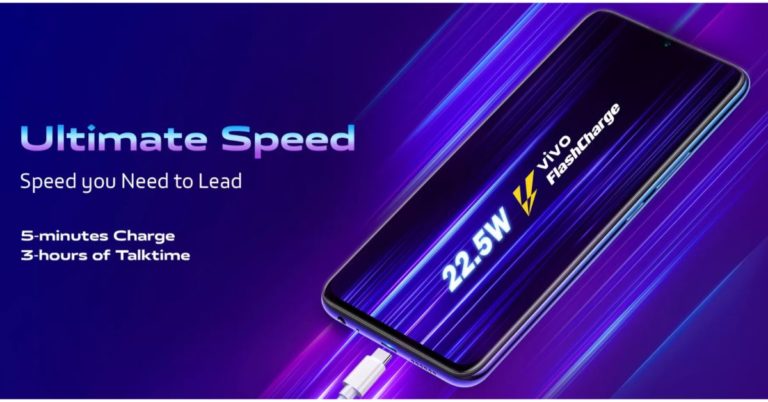
India has the highest data usage per smartphone in the world: Ericsson

India is one of the largest countries in terms of population. This also shows why it leads in terms of data usage. With the introduction of affordable data plans by a number of telecom operators, the monthly data consumption by the Indian youth has grown to 9.8GB as of the end of 2018. According to the recent report of Ericsson, this is the highest in the world. The report also mentioned that the monthly data usage per smartphone would grow at 11% to reach 18 GB by the year 2024.

The reports mentioned that the smartphone data traffic from India in a month was expected to increase at a compound annual growth rate (CAGR) of 23% to 16 EB (exabytes) by 2024 from 4.6 EB in 2018. One of the major factors that fuel of this data traffic growth is the mobile video traffic. This shows that the Indian youth are spending a lot of time on streaming and sharing online videos via different platforms.

According to Nitin Bansal, the Head of Ericsson India and Head of Network Solutions, South East Asia, Oceania and India said, “The LTE will remain the most dominant access technology in the region up to 2024 even as 5G subscriptions are expected to grow during this period.”

The LTE (4G) network has evolved in India and it will keep on evolving and by the end of 2024, it is expected to represent about 82% of mobile subscriptions. In comparison, in 2018, the number was 38%, so there will be more than 50% increase in the time duration of 6 years. The LTE subscription in India is expected to grow at 17% CAGR from 450 million in 2018 to 1.16 billion in 2024.

Looking at the number of total mobile subscriptions in the world, there was around 7.9 billion of them in the first quarter of 2019. In the second quarter, another 44 million were added. But the number of mobile subscriptions in India declined by 14 million due to the minimum regular recharge amount introduction by large telecom operators.

The report further added that the number of smartphone subscriptions is estimated to reach around 7.2 billion in 2024. We should mention that at the end of 2018, there were 5.1 billion smartphone subscribers on a global level. In India, the smartphone subscriptions are estimated to reach 1.1 billion by 2024. The mobile subscriptions in 2018 in India was only 610 million and this is expected to grow to 1.25 billion by 2024.

Bansal said, “Based on the latest Consumer Lab study by Ericsson, we have found that Indian smartphone users are willing to pay more than 66 percent premium for 5G services. In fact, more than half of smartphone users in India expect their own provider to switch to 5G or will wait a maximum of six months before moving to another provider that does.”

Looking at the June 2019 edition of the Ericsson Mobility Report, 5G subscription should reach to around 1.9 billion subscriptions, while in November 2018, the forecast was 1.5 billion.

For the latest gadget and tech news, and gadget reviews, follow us on TwitterFacebook and Instagram. For newest tech & gadget videos subscribe to our YouTube Channel. You can also stay up to date using the Gadget Bridge Android App.
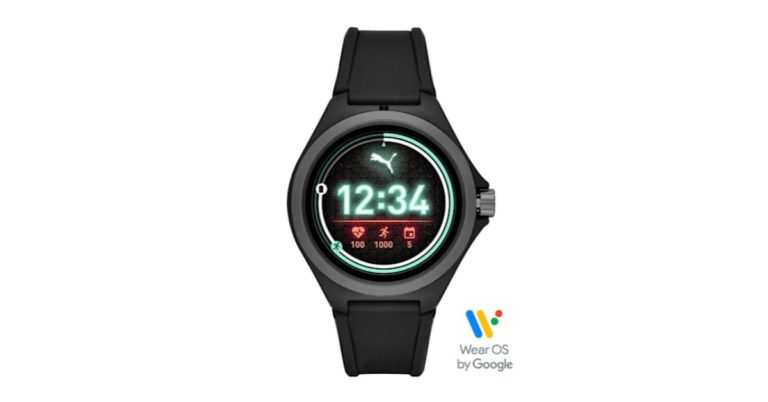
Best engineering colleges in India for the year 2019

Every year, Quacquarelli Symonds (QS) World University Rankings shows which colleges and universities in the world are the most sought after. In this year’s list, fourteen Indian engineering colleges are present and this shows how prestigious they are. If you aspire to work with the likes of Google, Apple and Microsoft, then you should be aiming to study in one of these engineering colleges. Check out the list here:

IIT Bombay

IIT B

IIT Bombay is the top Indian engineering college on the list. In the current year, it is placed on the 152nd rank. We should mention that this is 10 places up as compared to the Quacquarelli Symonds (QS) World University Rankings of last year.

IIT Delhi

IIT Delhi
Image courtesy: Glassdoor

The next engineering college on the list is Indian Institute of Technology, Delhi. It ranks 182nd on the list, which is actually ten places down from the last year’s list. In 2019’s list, IIT Delhi stood at 172nd position.

Indian Institute of Science (IISc) Bangalore

IISC

Not far behind is the Indian Institute of Science, Bangalore. In the current year, the engineering college stands at the 184th position on the QS World University Rankings. However, much like IIT Delhi, it has also slipped a few ranks. In 2019’s list, the college stood at the 170th position.

IIT Madras

IIT Madras

Moving on, Indian Institute of Technology, Madras has bagged the 271st position on the QS World University Rankings 2020. Last year, the engineering college stood at the 264th position.

IIT Kharagpur

iit-kharagpur-
Image courtesy: Glassdoor

IIT Kharagpur is the next college on the list and it holds the 281st rank on the QS World University Rankings list for 2020. The college has come up a few places, as last year, it stood on 295th position.

IIT Kanpur

IIT Kanpur

If you compare the current list to last year’s list, you will see that IIT Kanpur and IIT Kharagpur have actually switched places. IIT Kanpur was the fifth Indian engineering college on the list last year when it stood on the 283rd position. This year, it has bagged the 291st place.

IIT Roorkee

IIT Roorkee

Moving on, IIT Roorkee is the next Indian engineering college on the list. It stands at 383rd position this year, which is slightly lower than the rank it had last year – 381.

University of Delhi

Delhi-Technological-University
Image courtesy: college pravesh

The University of Delhi is also very renowned for its Engineering school. The college has moved up a lot of places in the QS World University Rankings list. This year, it stands at 474th position, whereas last year, it stood at 487th.

IIT Guwahati

IIT Guwahati

Another IIT on the list, the Guwahati branch of the college stands on 491th position in the QS World University Rankings list. We should mention that last year, the college stood at 472nd position.

Others

Engineering

OP Jindal Global University is a new entrant to the list QS World University Rankings list and it joins Banaras Hindu University, University of Calcutta, University of Mumbai and Savitribai Phule Pune University in the 801-1000 bracket.

For the latest gadget and tech news, and gadget reviews, follow us on TwitterFacebook and Instagram. For newest tech & gadget videos subscribe to our YouTube Channel. You can also stay up to date using the Gadget Bridge Android App.
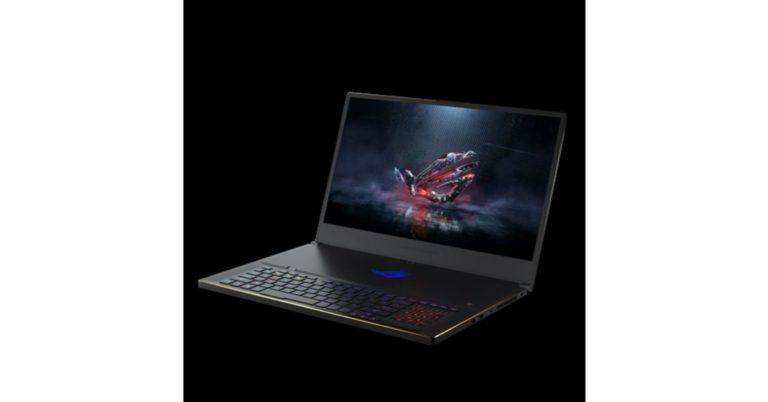
[td_smart_list_end]

YouTube is testing to hide the comments section in India: Report

0

YouTube has reportedly been testing to hide the comments section on its Android app. Earlier the comments section was accessible by scrolling down the page, but now it has been hidden behind the comment button that has been placed just below the video.

Till now, we could see the comments on YouTube below the videos. While on desktop, they were right below the videos, on the Android mobile app, one had to scroll down past the recommended videos to see them. Now, according to a report by XDA Developers, the company is adding a dedicated comments button to access them. It will be placed along with Dislike and Share buttons below the video. On pressing it, the comments that users have made on the video will open up. There will also be a separate button to close the window.

Image Courtesy-XDA Developers

We should mention that the purpose of the comments section is where users can write opinions, give feedback, share some additional information and have intelligent discussion or debates. Comments usually prove to be an important technique by the creators to connect with the followers. But then, they are also at times used for online bullying and hate speech by people.

Sometimes, even if the videos uploaded by content creators are positive and not even remotely controversial, the comments below them can be hateful. Users also start bullying each other on the platform if they disagree on something. This may be the reason why YouTube decided to hide them. In the past, the company has faced a lot of criticism for this.

Everyday people on the internet face trolling and cyberbullying across various platforms. This can lead to mental stress and some extreme cases have also seen people dealing with depression or suicidal thoughts. This serious problem is not limited to YouTube, other social networking sites like Facebook, WhatsApp, Instagram are also dealing with it. According to News18, till now WhatsApp bullying and fake news have led to 36 deaths in India so far and in some cases, even incited violence and abusive behavior.

In the past various social media platforms have been pressurized by governments and interest groups from across the globe to combat online bullying.

The Indian Government and the interest groups have also told social media platforms to make changes to curb this problem. Considering this, now YouTube has decided to hide the comment section that was earlier placed just below the video section. Sometimes, even the content on the platform shown to controversial and extremist in nature which ultimately incites violence.

This big move by YouTube hiding the comment section on the platform is primarily happening in India, as according to the report, other regions have not reported it yet. Till now, the button has only been seen on YouTube’s Android app and there is no word on if and when it will come to iOS and desktop.

For the latest gadget and tech news, and gadget reviews, follow us on TwitterFacebook and Instagram. For newest tech & gadget videos subscribe to our YouTube Channel. You can also stay up to date using the Gadget Bridge Android App.

 

[Video] Motorola One Vision Unboxing, First Impressions and Camera Shots

Check out the Motorola One Vision unboxing to know detailed tech specs, features and design aspect about the smartphone.

Motorola One Vision smartphone is now available in India in just one variation that comes with 4GB of RAM and 128GB of internal storage. The smartphone is priced at Rs 19,999. At this price, it competes with the Samsung Galaxy M40, Samsung Galaxy A50 and Realme 3 Pro.

The smartphone is exclusively available via Flipkart in Bronze Gradient and the Sapphire Gradient finishes.

Motorola One Vision technical specifications:

OS Android 9.0 (Pie); Android One
Chipset Exynos 9609
CPU Octa-core 2.2 GHz
GPU Mali-G72 MP3
Display Size 6.3-inches (82.5% screen-to-body ratio)
Display Resolution 1,080 x 2,520 pixels, 21:9 ratio (432 ppi density)

For the latest gadget and tech news, and gadget reviews, follow us on TwitterFacebook and Instagram. For newest tech & gadget videos subscribe to our YouTube Channel. You can also stay up to date using the Gadget Bridge Android App.
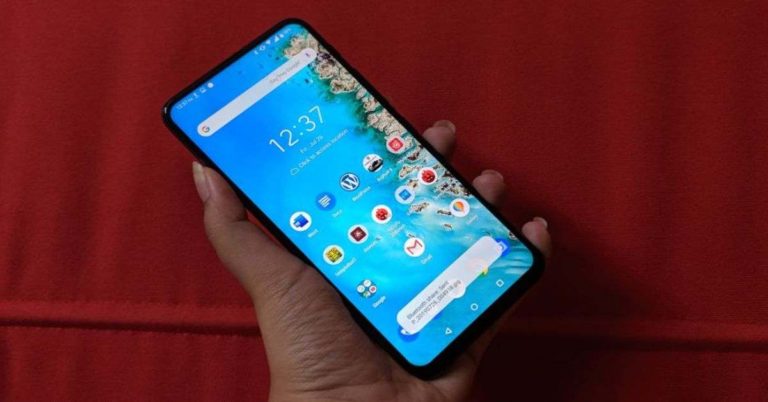
Dark mode for Poco F1 “isn’t too far away”: Alvin Tse

0

Xiaomi launched the Poco F1 last year in August in India and it was the first smartphone under its sub-brand Poco. When launched, the smartphone ran Android 8.1 Oreo that was later updated to Android 9 Pie skinned with MIUI 10. Now, the Poco F1 is getting the much-awaited dark mode with the new MIUI 11.

The news was revealed by the PocoPhone Global Head Alvin Tse. Currently, the dark mode is available only in certain Xiaomi smartphones like the Redmi Note 7 that come with the stable version of MIUI. However, the company is already testing dark mode for all the Xiaomi smartphones in its MIUI 10 beta version. So, there is a chance that the dark mode will be coming to all the major devices of the company once the MIUI 10 stable version is released.

But Alvin Tse didn’t announce the time frame when the company will be releasing its MIUI 11. He only said that it “isn’t too far away”. It should also be noted that Google is bringing its newest Android Q update in 2019 that will come with a system-wide dark mode. Earlier this month, we learned that the Poco F1 will be getting the Android Q update. So, even though MIUI 11 didn’t bring the dark mode to the Poco F1, Android Q would have. But still, it remains to be seen if the Poco F1 will be getting the dark mode with the MIUI 11 first or the Android Q.

Alvin Tse replying to a user’s question about the new dark mode on Twitter said that “MIUI 11 will have dark mode”. He also explained why it was taking so long for the Poco F1 to receive the dark mode when the other Xiaomi smartphones had already gotten the new dark mode in beta and stable versions as well.

He said, “RN7 Pro [Redmi Note 7 Pro] is testing out dark mode first as they have a much bigger user base. Once dark mode stabilizes, it’ll be ported to MIUI 11 which isn’t too far away.” But other than that, he did not share the date of the new MIUI 11 roll out so for the time being, the users of Poco F1 will have to wait for the new update.

We should mention that although Poco F1 packed the Snapdragon 845 SoC and was priced in the mid-range segment in India, it is not known to have done too well. Xiaomi has created a niche for itself in the budget segment and its devices do the best when they are priced in that range.

For the latest gadget and tech news, and gadget reviews, follow us on TwitterFacebook and Instagram. For newest tech & gadget videos subscribe to our YouTube Channel. You can also stay up to date using the Gadget Bridge Android App.
Compare: Motorola One Vision and Samsung Galaxy M40

0

Motorola today launched its new smartphone – the Motorola One Vision – in India that is priced at Rs 19,999. The smartphone comes with a 48MP primary sensor and it has a hole-punch display cutout to house the selfie camera. Interesting, the price of the Motorola One Vision is almost the same as the cost of Samsung’s new Galaxy M40 that was launched earlier this month. Here, we compare Motorola One Vision and Samsung Galaxy M40 so that you can decide which one is a better buy:

Display

Motorola One Vision: 6.3-inch Full HD+ (1080 x 2520 pixels) with an aspect ratio of 21:9

Samsung Galaxy M40: 6.3-inch Full HD+ (2340 x 1080 pixels) Infinity-O display with Gorilla Glass 3

Even though both the smartphones come with a similar screen size, the resolution offered by the two is different. We would suggest you to go for Samsung as its display comes with a better resolution.

Processor

Motorola One Vision: Samsung Exynos 9609 SoC

Samsung Galaxy M40:  Qualcomm’s Snapdragon 675 SoC

The processor that has been used in Samsung Galaxy M40 is from Qualcomm, that is known to be a leader in terms of making SoCs. Here also, we would suggest you to go for Galaxy M40.

Rear camera(s)

Motorola One Vision: Dual rear camera setup with a 48MP primary sensor with OIS + a 5MP secondary lens.

Samsung Galaxy M40: Triple-rear camera setup with a 32MP main sensor + an 8MP ultra-wide-lens + a 5MP depth sensor.

In terms of camera, the Motorola One Vision offers a dual lens setup with 48MP sensor as its main camera whereas Samsung Galaxy M40 has a 32MP main sensor. However, Galaxy M40 holds one extra camera than the Motorola’s smartphone. Here, we would suggest you to pick the Motorola One Vision as a 48MP primary camera is better than three lenses.

Selfie camera

Motorola One Vision: 25MP front camera

Samsung Galaxy M40:  16MP front camera

In terms of the selfie camera, the Motorola One Vision wins with its larger 25MP camera size than the 16MP offered in the Galaxy M40.

RAM and storage

Motorola One Vision: 4GB RAM/ 128GB storage

Samsung Galaxy M40:  6GB RAM/ 128GB storage

Here as well, the Galaxy M40 is the clear winner as it offers a larger RAM capacity. But both the smartphones offer similar internal storage.

Support for microSD card

Motorola One Vision: Yes, up to 512GB

Samsung Galaxy M40:  Yes, up to 512GB

Here, both the smartphones tie as they both offer the same microSD card storage capacity of 512GB.

Battery

Motorola One Vision: 3,500mAh battery

Samsung Galaxy M40:  3,500mAh battery

In terms of battery, both the newly launched smartphones tie as they offer the same capacity battery.

Operating system

Motorola One Vision: Android 9 Pie

Samsung Galaxy M40: Android 9 Pie skinned with One UI

We would pick the Motorola One Vision when it comes to the operating system as it is a part of Google’s Android One programme. This means a bloatware free experience and timely Android and security updates.

Starting Price

Motorola One Vision: Rs 19,999 for the 4GB RAM/ 128GB storage variant

Samsung Galaxy M40:  Rs 19,990 for the 6GB RAM/ 128GB storage variant

The pricing of both the smartphones is almost the same. However, which among the two is better solely depends on what you prefer. If you want a better display, powerful processor and more RAM, pick the Samsung offering. However, if you like the stock Android experience and fancy better cameras, Motorola should be your pick.

For the latest gadget and tech news, and gadget reviews, follow us on TwitterFacebook and Instagram. For newest tech & gadget videos subscribe to our YouTube Channel. You can also stay up to date using the Gadget Bridge Android App.
Motorola One Vision with 48MP primary sensor, Android Pie launched in India: Price and specifications

Lenovo-owned smartphone brand Motorola has today launched its One Vision handset in India. The device is the first ever by the company to come with a hole-punch display cutout that houses the selfie camera of the smartphone. With this, Motorola One Vision comes with a 21:9 CinemaVision display and offers a full-screen experience to the user.

Prior to being launched in India, the Motorola One Vision handset has been unveiled in Brazil last month and ever since then, it has gone on sale in other countries too. While we already knew about the specifications of the smartphone, today, Motorola has also announced the price and availability of the One Vision device in India. Here’s a look at all the details of the device that you should know about:

Motorola One Vision price in India

Motorola One Vision smartphone is available in only one variant in India that comes with up to 4GB of RAM and 128GB of internal storage. The smartphone is priced at Rs 19,999. At this price, it competes directly with the likes of the recently launched Samsung Galaxy M40.  Samsung Galaxy A50 and Realme 3 Pro will also give a fair competition to the handset

The smartphone is exclusively available via Flipkart in Bronze Gradient and the Sapphire Gradient finishes.

Motorola One Vision specifications

Motorola One Vision runs Android 9.0 Pie and sports a 6.3-inch FHD+ (1080 x 2520 pixels) that has an aspect ratio of 21:9. We should mention that the smartphone is a part of Google’s Android One programme, so it will be receiving timely Android and security updates.

This also means that it offers a bloatware-free experience. Powered by 2.2GHz octa-core Samsung Exynos 9609 SoC, Motorola One Vision comes with 4GB of RAM and 128GB of internal storage. For more storage, users can install a microSD card of up to 512GB. However, for that, they would have to remove their secondary SIM card, if they have one.

For imaging duties, the handset houses a dual rear camera setup that comes with a 48MP primary sensor with optical image stabilization and a 5MP secondary lens. The smartphone also sports a 25MP front-facing snapper that can be used to click selfies and make video calls.

The handset is backed by a 3,500mAh battery that has support for TurboPower fast charging and for connectivity, it comes with 4G VoLTE, Wi-Fi, Bluetooth v5.0, USB Type-C, NFC, GPS, and a 3.5mm audio jack.

For the latest gadget and tech news, and gadget reviews, follow us on TwitterFacebook and Instagram. For newest tech & gadget videos subscribe to our YouTube Channel. You can also stay up to date using the Gadget Bridge Android App.
Amazon Kindle Oasis with adjustable colour temperature launched in India: Price and features

0

Amazon has upgraded its Kindle Oasis with a new model that comes with a number of features the old version didn’t have. Amazon Kindle Oasis is the upgraded version of the 2017 model of the tablet. Out of all the features, the most notable feature the upgraded Kindle Oasis has is the ability to adjust the colour of the front light. This enables the users to customise the colour temperature and adjust the colour tone from cool to warm. The colour temperature can be chosen as per the reading comfort and the requirements of the user. Users have the ability to choose a cooler tone for day time reading and a warmer tone for night time reading. In addition to this, the new Kindle Oasis comes with an ergonomic design that, according to the company, makes the one-hand usage better for the user.

The new Amazon Kindle Oasis also comes with dedicated page turn buttons along with the newest e-ink display technology is said to offer faster page turns.

Amazon Kindle Oasis price and launch offers

The upgraded Amazon Kindle Oasis is available for pre-order on Amazon India at a price of Rs 21,999 for the 8GB variant. The 32GB variant of the device costs Rs 24,999. It comes in two colour options – Champagne Gold and Graphite.

Amazon will start shipping the new model of Kindle Oasis starting August 19. The customers who purchase the Kindle Oasis will get three months of Kindle Unlimited at Rs 2. All the customers who pre-book will be getting a 100% discount on the purchase of any one e-book worth Rs 500.

Amazon Kindle Oasis specifications and features

Amazon Kindle Oasis comes with a 7-inch display with 300ppi pixel density. Unlike the previous version, the new Kindle Oasis comes with a colour adjustable front light. As the name suggests, this can be used to adjust the lighting of the device according to the comfort of the user. It comes with 25 LED lights that can be used by the user to customize the colour tone of the Kindle Oasis, and using these one can easily change from warm to cool colour temperature. There is also an option to schedule the screen warmth so that the colour tone would automatically be updated as it reaches the scheduled time set by the user.

Other than the features mentioned above, the Kindle Oasis’s front light is also adaptive. So, it can automatically adjust the brightness of the screen according to the lighting conditions. As mentioned previously, the new Kindle Oasis comes with next-generation e-ink technology that is touted to offer a faster page-turning experience to the user.

The new Amazon Kindle Oasis also has the IPX8-rated build that gives it protection against water damage for up to two metres for up to 60 minutes. According to Amazon, the Kindle Oasis is able to withstand accidental splashes and drops without getting damaged. Even though the build of the Kindle Oasis is thin with an ergonomic design it comes with a battery which can last for weeks on a single charge.

For the latest gadget and tech news, and gadget reviews, follow us on TwitterFacebook and Instagram. For newest tech & gadget videos subscribe to our YouTube Channel. You can also stay up to date using the Gadget Bridge Android App.

Huawei Mate X’s successor to sport a dual-foldable screen

0

Huawei had announced its first foldable smartphone – the Mate X –  at the MWC 2019. Recently, the company also delayed releasing its handset to the masses after taking a lesson out of what happened with Samsung Galaxy Fold.  Surprisingly, a report has surfaced online that suggests that Huawei is working on a successor to the Mate X and the upcoming device might be a dual foldable smartphone. A new patent of the Huawei Mate X successor suggests that it will come with a double hinge design that will allow it to be folded twice. The company may also bring multiple configurations of this handset including a widescreen tablet style smartphone with double display handheld design and a device with stand-like design.

According to a report by LetsGoDigital, the front side of the screen of the Huawei Mate X2 would come with cameras, sensors and a home button. But when it is completely folded, the Huawei Mate X2 will become like any other regular smartphone. Unlike Samsung’s Galaxy Fold, the Huawei Mate X2 come with an outward foldable screen.

The flexible display of the Huawei Mate X2 will be held by magnets and when unfolded, the device will become of the size of a large tablet with an all-screen design. Since it will can be folded twice, one fold of the smartphone can be used as a desk-stand mode. When only one side of the screen is folded, the interface of the smartphone will adjust accordingly. Currently, Huawei hasn’t said anything about the smartphone as it is too soon, considering that Mate X’s launch has been delayed.

Earlier, we saw that Samsung recalled its batch of Galaxy Fold handsets and delayed their release for a later date this year. Following the suit, Huawei too has delayed its foldable smartphone. But there are reports that the handset will be launched in the market in September 2019.

Major smartphone companies are coming up with their own versions and patents of foldable smartphones. But then, it is still doubtful if the foldable smartphone will be as mainstream as regular handset, but it would surely bring a new innovation and technology to the world.

Coming to the specification of the Huawei Mate X, it sports a 6.6-inch AMOLED display on the front and a 6.38-inch screen on the back. It is powered by HiSilicon Kirin 980 SoC paired with Mali-G76MP10 GPU. The Huawei Mate X packs 8GB of RAM paired with 512GB of internal storage. The foldable smartphone runs Android 9 Pie skinned with EMUI 9.1.1 and packs a large 4,500mAh battery with Super Charge support.

On the imaging front, the Huawei Mate X features a triple-rear camera setup comprising of a 40MP main camera paired with a 16MP sensor paired with an 8MP camera. The Huawei Mate X also comes with 5G connectivity and it has a Balong 5000 5G chipset that is capable of supporting 2G, 3G, and 4G.

For the latest gadget and tech news, and gadget reviews, follow us on TwitterFacebook and Instagram. For newest tech & gadget videos subscribe to our YouTube Channel. You can also stay up to date using the Gadget Bridge Android App.

Huawei P30 Pro starts receiving the latest EMUI update: Here’s what is new

0

Chinese smartphone manufacturer Huawei unveiled its flagship P30 Pro in April this year. The smartphone made headlines for its camera capabilities and its 50X digital zoom. Even after launching it, the company is ensuring that it keeps on issuing updates to make the device better. In fact, now the EMUI 9.1.0.178 update has started rolling out to the Huawei P30 Pro. The update gets a number of improvements to the device including DC dimming and camera enhancements. It has also fixed the abnormal display of videos and added a new feature to add another face for facial recognition.

The new update was first reported by XDA developers and they have shared the entire changelog for Huawei P30 Pro. With the new DC dimming feature, the smartphone’s screen will cause less strain to the user’s eyes at night.

The new update also brings support for the device’s ultra-low latency Bluetooth. This feature improves the quality of sound and reduces the time the device takes to sync audio to your connected headphones and speakers. Earlier the smartphone’s front camera was facing a problem of abnormal display of recorded video. With the update, this problem has also been fixed.

As mentioned earlier, the latest update improves the photo quality of the camera and makes colours appear more natural and authentic. The firmware also fixes the problem of fingerprint authentication. The device now gets an ability to recognize more than one face to unlock the device. The new update also allows messages and notifications to display on a locked screen with live wallpaper. Huawei P30 Pro is also getting the May 2019 Security patch that will enhance the security.

If you have not been notified about the update, you can go to Settings> System>software update on your Huawei P30 Pro to install the update manually.

To recall, Huawei P30 Pro was launched in April in India and it comes with powerful specifications and features. The smartphone sports a triple camera setup on the back that consists of a 48-megapixel primary sensor with OIS and f/1.6 aperture, a 20MP wide-angle sensor with an f/2.2 aperture and OIS, an 8MP camera that is equipped with a periscope style zoom system and a ToF sensor that supports for HDR+ mode, 5X optical zoom, 10X hybrid zoom and 50X digital zoom. On the front, features a 32-megapixel sensor for selfies and video calls.

The said device is powered by Huawei’s Kirin 980 SoC and comes with 8GB of RAM. It is available in three storage variants – 128GB, 256GB, and 512GB. Huawei P30 Pro runs Android 9.0 skinned with the company’s own EMUI 9.1 and features a 6.47-inch full-HD+ (1080×2340 pixels) OLED display with curved edges and a waterdrop-shaped notch.  The smartphone houses a massive 4200mAh battery that supports reverse wireless charging and supports Qi wireless charging.

For the latest gadget and tech news, and gadget reviews, follow us on TwitterFacebook and Instagram. For newest tech & gadget videos subscribe to our YouTube Channel. You can also stay up to date using the Gadget Bridge Android App.

 

Apple to move manufacturing out of China, India being considered as the next hub: Report

0

Cupertino-based technology giant Apple is reportedly planning to move around 15-30% of its hardware manufacturing out of China. According to a recent report that has surfaced online, the company has a growing team that is specifically looking at moving production. Apple has also asked its key manufacturing partners like Foxconn, Pegatron, and Wistron to evaluate the options that are available.

The report, which first surfaced on Nikkei, says that the reason behind the change is the ongoing trade war between the United States and China. We should mention that the tensions would get more intense by the end of this month when a 25% tariffs will be introduced on smartphones, laptops and tablets. But then, regardless of which way the dispute goes, Apple is reportedly certain about shifting the production.

Speaking on the matter, an Apple supplier told Nikkei, “A lower birthrate, higher labor costs and the risk of overly centralizing its production in one country. These adverse factors are not going anywhere… with or without the final round of the $300 billion tariff.”

It is worth noticing that US President Donald Trump has repeatedly mentioned that Apple was open to the idea of getting its production from China to the United States. However, it is also being speculated that the company will be shifting its production to countries in South East Asia. India and Vietnam have a very good chance of becoming the next manufacturing hub for the company.

The Cupertino-based technology giant has already been producing lower-cost iPhones in India and it has already been considering to get the production of higher models too because the tariffs on imported smartphones in the country are very high. In fact, Apple’s sales faced a major fall in the because the prices of iPhone XS, iPhone XS Max and iPhone XR are too high because of the import duty that was levied on them.

Recently, even Foxconn said that it has the capacity of moving the production of US iPhones out of China if it is required to do so. Another thing that is worth mentioning is that apart from Vietnam and India, other countries being considered for iPhone manufacturing are Mexico, Indonesia, and Malaysia.

According to an Apple supplier who spoke to Nikkei, shifting the entire ecosystem of production out of China will be a “painful and difficult process.” China has a huge workforce of skilled workers and its infrastructure is not prone to problems like power cuts. The process to move production will be a slow one and it will at least take 18 months, if not more to do it.

For the latest gadget and tech news, and gadget reviews, follow us on TwitterFacebook and Instagram. For newest tech & gadget videos subscribe to our YouTube Channel. You can also stay up to date using the Gadget Bridge Android App.

Netflix works the best on these 22 TVs: Here’s a look at the list

0

Netflix is one among the most popular video streaming platform today and its vast library of content manages to attract new users by the day. Another key reason why it is so popular is that it can be watched across multiple devices including TVs, PCs, tablets, laptops, and even on smartphones. However, most people enjoy watching their favourite content on big-screens and preferably at their own homes. This may be the reason why so many people stay glued to their TVs in their living room watching shows on Netflix. Now, catering to this audience, the company has today released a list of ‘Netflix Recommended TVs’. As the name suggests, this is basically a list of televisions that the company recommends for the best possible viewing experience.

According to Netflix, a TV has to fulfill seven of its criteria to be in its recommended list. The criteria include:

  1. The TV should be able to power on instantly.
  2. It should be able to remember where the subscriber had last left off.
  3. The TV should launch the app quickly
  4. There should also be a Netflix button on the TV’s remote control
  5. The TV should have a UI from which the user can easily access Netflix icon.
  6. The TV should also have the latest version of the app and a high-resolution Netflix interface.
  7. The TV should have the ‘Always Fresh’ feature that updates the Netflix app in the background of that new content can be seen on the app’s home page.

Now, let’s finally talk about the list of televisions that have received the Netflix Recommended TV badge. The list includes three main TV brands – Sony, Samsung and Panasonic. Take a look:

  • Sony Bravia A9G
  • Sony Bravia X9500G
  • Sony Bravia X9507G
  • Sony Bravia X8550G
  • Sony Bravia X8500G
  • Sony Bravia X8507G
  • Sony Bravia X8577G
  • Panasonic GX900
  • Panasonic GX800
  • Panasonic GX750
  • Panasonic GX740
  • Panasonic GX700
  • Samsung Q900R
  • Samsung Q90R
  • Samsung Q80R
  • Samsung Q75R
  • Samsung Q70R
  • Samsung Q60R
  • The Frame (2019)
  • Samsung RU8000

It should be noted that the list of TVs released by Netflix is a global list. The list includes certain TVs which are available in India but some of them have not been launched in the country yet.

The streaming service states that, if the TV has the “Netflix Recommended TV” logo on it then it means that the device has passed certain testing to make sure that it offers great performance to the users and is easy to access the app along with other services.

For the latest gadget and tech news, and gadget reviews, follow us on TwitterFacebook and Instagram. For newest tech & gadget videos subscribe to our YouTube Channel. You can also stay up to date using the Gadget Bridge Android App.
Motorola One Vision set to launch in India today: Live-stream details, expected price and specifications

Motorola One Vision smartphone is all set to launch in India today. The handset will be unveiled at an event in New Delhi that is scheduled to begin at 12 pm IST. The device is the first ever by the company to come with a hole-punch display cutout to house the selfie camera. Since the smartphone‘s front camera is embedded in its display itself, it offers a full-screen experience to users with its 21:9 CinemaVision display.

We should mention that Motorola One Vision was launched in Brazil last month and ever since then, it has gone on sale in various parts of the world. We already know about the specifications of the smartphone, but the new announcements at today’s event will be about the price in India and availability. Read on to get all the launch details of Motorola One Vision:

Motorola One Vision launch and live stream details

The company will be live-streaming the launch event of Motorola One Vision on Flipkart as well as on YouTube. The event will begin at 12 pm IST and we have also embedded the live-stream video of the launch here, so you can also come on this page to watch it.

Motorola One Vision price (expected)

Motorola One Vision has already gone on sale in Brazil, Thailand and Saudi Arabia. While in Brazil, the handset is priced at BRL 1,999, (approximately Rs 35,800), the global variant costs EUR 299 (approximately Rs 23,500). In India, the pricing of the device is expected to be close to its global cost.

Motorola One Vision has been launched in Brown and Sapphire Blue and in India, it will be available exclusively via Flipkart.

Motorola One Vision specifications

Motorola One Vision smartphone runs Android 9.0 Pie and it features a 6.3-inch full-HD+ display that has an aspect ratio of 21:9. It is worth mentioning that the handset is a part of Google’s Android One programme, which means that it will receive timely updates and offer a bloatware-free experience. Powered by 2.2GHz octa-core Samsung Exynos 9609 SoC, the device comes with 4GB of RAM and 128GB of internal storage. It can also hold a microSD card of up to 512GB.

On the imaging front, the handset houses a dual rear camera setup that comprises of a 48MP primary sensor and a 5MP secondary lens. For selfies and video calls, there is a 25MP front-facing snapper. The device packs a 3,500mAh battery that has support for TurboPower fast charging and its connectivity options include 4G VoLTE, Wi-Fi, Bluetooth v5.0, USB Type-C, NFC, GPS, and a 3.5mm audio jack.

For the latest gadget and tech news, and gadget reviews, follow us on TwitterFacebook and Instagram. For newest tech & gadget videos subscribe to our YouTube Channel. You can also stay up to date using the Gadget Bridge Android App.
Samsung Galaxy M40 to go on sale in India today: Key details

Samsung Galaxy M40 is all set to go on its second sale in India today. The smartphone is the latest in Samsung’s Galaxy M series and was launched earlier this month. The first sale of the handset was also held this week. The key highlights of the device include its triple rear camera setup, a hole-punch display cutout that houses the front-facing snapper and its Full HD+ display.

Samsung Galaxy M40 is priced in a very competitive segment and it competes with the likes of Redmi Note 7 Pro and Realme 3 Pro. Even the company’s own Samsung Galaxy A50 gives it a competition. Here’s a look at the sale details, pricing and specifications of the smartphone:

Samsung Galaxy M40 price in India and sale details

Samsung Galaxy M40 is available only in one variant in India that comes with 6GB of RAM and 128GB of internal storage and is priced at Rs 19,990. The handset will go on sale via Amazon India and Samsung Online Store at 12 pm (noon) IST. It will be available in Midnight Blue and Seawater Blue gradient colour variants.

As a part of launch offers, customers can get double data benefits with Rs 198 and Rs 299 prepaid plans of Reliance Jio, a cashback worth Rs 3,750 on a recharge of Rs 255 for Vodafone and Idea subscribers. Airtel is offering 100% additional data for 10 months on a recharge of Rs 249.

Samsung Galaxy M40 specifications

Coming to the specifications, Samsung Galaxy M40 comes with a 6.3-inch Full HD+ Infinity-O display and it is powered by an octa-core Qualcomm’s Snapdragon 675 SoC clubbed with Adreno 612 GPU. The device offers 6GB of RAM and comes with 128GB of internal storage. For more storage, users can install a microSD card of up to 512GB.

Samsung Galaxy 40 runs Android 9.0 Pie with the company’s own OneUI baked on top and packs a 3,500mAh battery that supports 15W fast charging. On the imaging front, Samsung’s new offering has a triple rear camera setup that comprises of a 32MP primary sensor, an 8MP ultra-wide sensor and a 5MP depth sensor. For selfies and video calls, there is a 16MP lens that is placed inside the punch-hole setup.

We should also mention that the handset comes with ‘Screen Sound technology’. With this, the smartphone does not require an earpiece to create sound and it instead relies on the vibrations of the display.

For the latest gadget and tech news, and gadget reviews, follow us on TwitterFacebook and Instagram. For newest tech & gadget videos subscribe to our YouTube Channel. You can also stay up to date using the Gadget Bridge Android App.
Asus ROG Phone 2 to launch on July 23: Report

0

After making an impact on the mobile gaming world with its ROG Phone, Asus is bringing the successor to the popular smartphone. Dubbed Asus ROG Phone 2, the smartphone is being launched in partnership with Tencent. According to a new development, the Taiwanese company many have plans to launch its ROG Phone 2 on July 23 at an event in Beijing, China. The company may also unveil two variants of the Asus ROG Phone 2.

Prior to this, it has been reported that the company has partnered with Tencent for bringing exclusive content and games for its upcoming ROG Phone 2. Another report suggested that the smartphone will be getting a 120Hz display that is higher refresh rate than the 90HZ of the ROG Phone.

According to a report by Taiwan’s Digitimes, the release date of the Asus ROG Phone 2 will be July 23. The report further claims that after making its debut, the Asus ROG Phone 2 will also be showcased to 400,000 e-sports players in China Digital Entertainment Expo and Conference that is also known as Chinajoy 2019. The ChinaJoy 2019 event is scheduled to take place between August 2 and August 5 in Shanghai. Considering the dates, it seems like the handset will be released somewhere around July itself.

As mentioned above, the Asus ROG Phone 2 will come in two variants, and it will reportedly have a starting price of CNY 4,399 (approximately Rs 44,400). However, till now, the major specifications of the device are currently unknown.

But then, Asus had revealed through a post on Weibo about the 120Hz display of the ROG Phone 2. It also claimed that the display is ideal for Under the One game. Even earlier, the Taiwanese company had hinted at the July launch of its next iteration of the Asus ROG Phone when it partnered with Tencent Games earlier this month.

Talking about the Asus ROG Phone, it was launched globally in June 2018, but it was launched in India in November 2018. The gaming smartphone packed powerful and gaming-centric specifications as it was powered by an overclocked version of the Snapdragon 845 SoC.

So, there is a possibility that the Asus ROG Phone 2 will be powered by an over-clocked version of the Snapdragon 855 SoC. When launched, it will compete with Black Shark 2, Razer Phone 2 and Nubia Red Magic 3.

For the latest gadget and tech news, and gadget reviews, follow us on TwitterFacebook and Instagram. For newest tech & gadget videos subscribe to our YouTube Channel. You can also stay up to date using the Gadget Bridge Android App.

OnePlus will be adding these features to future OxygenOS updates

Chinese smartphone maker OnePlus launched its latest flagship handsets and saw a lot of success with them. The OnePlus 7 Pro and OnePlus 7 have garnered a lot of appreciation for providing powerful specifications and premium features. However, if we speak of the more premium offering – OnePlus 7 Pro – has also got criticism because its camera results were not as good in spite of the fact that it packed very good hardware.

However, the company received feedback from its users and provided updates to the camera better. Reports suggest that the quality of the photographs taken have improved after the handset received the update. Now, the company has started sharing feedback that it has received from its users regarding various features. It has also shared various improvements that it plans to get to OxygenOS. Take a look:

Q: Will OnePlus 7 Pro support horizon light customization?

A: We understand users’ pain point of not having a notification light on their devices. We are looking into this, as well other alternatives to implement AOD in a battery-friendly way.

Q: Is it possible to implement folders in the app drawer?

A: We know that this is a way to find apps fast and efficiently. We are looking into this.

Q: Will the OnePlus 7 Pro support video recording using the ultra-wide camera?

A: This feature request has already been approved and is currently under development. We know how anxious you are for this feature and we hear you.

Q: Will Oxygen OS support adaptive icons using the OnePlus launcher?

A: We are working on it.

Q: Will OnePlus add a step counter in a future update?

A: We will merge this feature into the routine of OnePlus Shelf development to bring this functionality to you without adding any bloatware to the system.

Q: Will it be possible to see more apps when accessing the recent apps menu?

A: This feature request is approved and under development.

Q: Why does the background application pause while using quick reply in the landscape?

A: We are working on a new way to improve users’ experience

Q: Will you add a charging sound effect?

A: This feature request is approved and under development.

Q: Will it be possible to customize the duration of zen mode?

A: Yes, we are working on it.

Q: Will it be possible to block messages by specific keyword?

A: Currently the function is under closed beta testing. We will release it soon if there are no major issues.

Q: Will it support blocking calls in phone settings?

A: This function is already being tested in the open beta program. Please be patient.

Q: Will digital wellbeing be supported on OnePlus devices?

A: Currently this function is in OnePlus 5/5T/6/6T’s open beta program.

https://www.youtube.com/watch?v=m4Ft31kyttU​

We should mention that OxygenOS has the OnePlus Launcher as the primary way to launch apps. A number of users have now become accustomed to the launcher’s functionalities. While features like adaptive icon support are already being developed, there are others like app drawer folders that are speculated to be added too.

Other features that are being developed for OxygenOS include call blocking, Digital Wellbeing, blocking SMS with keywords, displaying more apps in Recents and change in duration of Zen Mode. The company will also be getting the support for video recording on the ultra-wide camera sensor. OnePlus is also looking for options to get the Horizon Light feature and alternatives like Always-On Display.

For the latest gadget and tech news, and gadget reviews, follow us on TwitterFacebook and Instagram. For newest tech & gadget videos subscribe to our YouTube Channel. You can also stay up to date using the Gadget Bridge Android App.
Compare: Asus 6Z and OnePlus 7

Taiwanese technology company Asus has today launched its 6Z smartphone in India. The key highlight of the Asus 6Z smartphone is its rotating camera module that enables the user to click photos using the primary cameras of the handset. Since the device has a 48MP primary camera, this makes it all the more better because who wouldn’t like to click selfies using a sensor with that kind of resolution. Other than this, the handset is powered by the most powerful processor in the world – Qualcomm Snapdragon 855 SoC – and that means that the performance of the smartphone is extremely smooth. With such powerful specifications and a starting price that is less than Rs 35,000, the device gives a direct competition to OnePlus 7. It also inevitable competes with Samsung Galaxy A80, that also comes with a rotatable camera setup, however, that has not been launched in India so we don’t know about its pricing yet. Here, we compare the recently launched Asus 6Z and OnePlus 7 smartphones. Read our comparison between the two to decide which among the two is a better buy for you.

Display

Asus 6Z: 6.4-inch full-HD+ IPS display with an aspect ratio of 19.5:9.

OnePlus 7: 6.41-inch Optic AMOLED screen protected with Gorilla Glass 6

Processor

Asus 6Z: Qualcomm Snapdragon 855 SoC

OnePlus 7: Qualcomm Snapdragon 855 SoC

Rear camera

Asus 6Z: 48MP primary sensor with an f/1.79 aperture + 13MP ultra-wide-angle sensor (Rotating camera module).

OnePlus 7: Dual rear camera setup with a 48MP primary sensor that has an f/1.6 aperture and a 5MP lens with an f/2.4 aperture.

Selfie camera

Asus 6Z: 48MP primary sensor with an f/1.79 aperture + 13MP ultra-wide-angle sensor.

OnePlus 7: 16MP selfie camera with an f/2.0 aperture.

RAM and storage

Asus 6Z: 6GB RAM/64GB storage, 6GB RAM/128GB storage and the 8GB RAM/256GB storage.

OnePlus 7: 6GB/8GB RAM and 128GB/ 256GB storage

Support for microSD card

Asus 6Z: Up to 2TB.

OnePlus 7: No

Battery

Asus 6Z: 5,000mAh battery with Quick Charge 4.0 support.

OnePlus 7: 3,700mAh battery

Operating system

Asus 6Z: Android 9.0 Pie with Asus’ own Zen UI 6.

OnePlus 7: Android 9 Pie skinned with OxygenOS

Starting Price

Asus 6Z: Rs 31,999

OnePlus 7: Rs 32,999

Conclusion: While the two smartphones are almost the same in terms of specifications and pricing, Asus 6Z handset actually surpasses OnePlus 7 in a few aspects. These include its selfie cameras and the battery life of the handset.

However, on the other hand, OnePlus has a clear UI than Asus and its screen is Optic AMOLED, which will prove to be better than the latter’s Full HD+ display. The price of the two smartphones is also almost the same. We have told you which one is better in which aspects, so it’s really about what you prefer to have in a device when it comes to these two.

For the latest gadget and tech news, and gadget reviews, follow us on TwitterFacebook and Instagram. For newest tech & gadget videos subscribe to our YouTube Channel. You can also stay up to date using the Gadget Bridge Android App.

Redmi K20 Pro, Redmi K20 India launch four weeks away, company teases

0

Last month, Xiaomi launched its Redmi K20 and Redmi K20 in China. Since then, the company has been teasing the devices’ launch in India and has even called the Redmi K20 Pro as the “world’s fastest phone”. Yesterday, we had reported that we learned from some industry insiders that the company will launch the two smartphones in India on July 18. Today, Xiaomi India Managing Director Manu Kumar Jain has revealed via a tweet that Redmi K20 and Redmi Pro will launch in four weeks.

He wrote, “One step at a time, one punch at a time, and one round at a time. Let’s do it, guys. Let’s show them how it’s done. 4 weeks to go.”

Although Jain did not confirm the release date with this tweet, we should mention that earlier this month he said that the handsets will be launched in the next six weeks and the timeline ends in mid-July. We should also point out that four weeks from today will end on July 18, which is actually the launch date that we reported about.

Redmi K20 Pro and Redmi K20 features and specifications:

Redmi K20 Pro is powered by an octa-core Snapdragon 855 SoC, whereas the Redmi K20 houses Snapdragon 730 SoC. The phones come with up to 8GB RAM. Xiaomi has been comparing the Redmi K20 Pro with OnePlus 7 Pro because it has a similar pop-up selfie camera module and an in-display fingerprint sensor. The processor of the two devices is also the same.

Redmi K20 Pro sports a 6.39-inch full-HD+ (1080×2340 pixels) AMOLED display that comes with an in-display. The display features a fingerprint sensor. The device sports a triple rear camera setup that has a 48-megapixel primary sensor with an f/1.75 lens, a 13-megapixel secondary sensor with a wide-angle lens, and an 8-megapixel tertiary sensor with an f/2.4 lens.

In addition to this, on the pop-up camera module, there is a 20-megapixel sensor for selfies and video chat. Apart from this, the handset houses a massive 4,000mAh battery that supports 27W fast charging.


On the other hand, Redmi K20 features a 6.39-inch full-HD+ (1080×2340 pixels) AMOLED display and is powered by octa-core Qualcomm Snapdragon 730 SoC instead of the Snapdragon 855 SoC that is present in its elder sibling. The device also sports a 48-megapixel camera that is backed by a Sony IMX582 sensor.

The pricing of the two smartphones in India is expected to be similar to their China pricing.

For the latest gadget and tech news, and gadget reviews, follow us on TwitterFacebook and Instagram. For newest tech & gadget videos subscribe to our YouTube Channel. You can also stay up to date using the Gadget Bridge Android App.